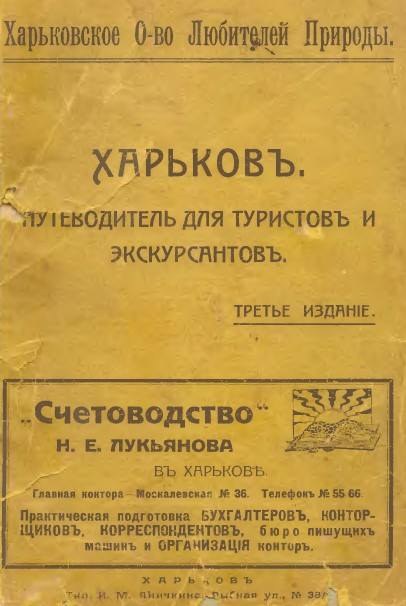
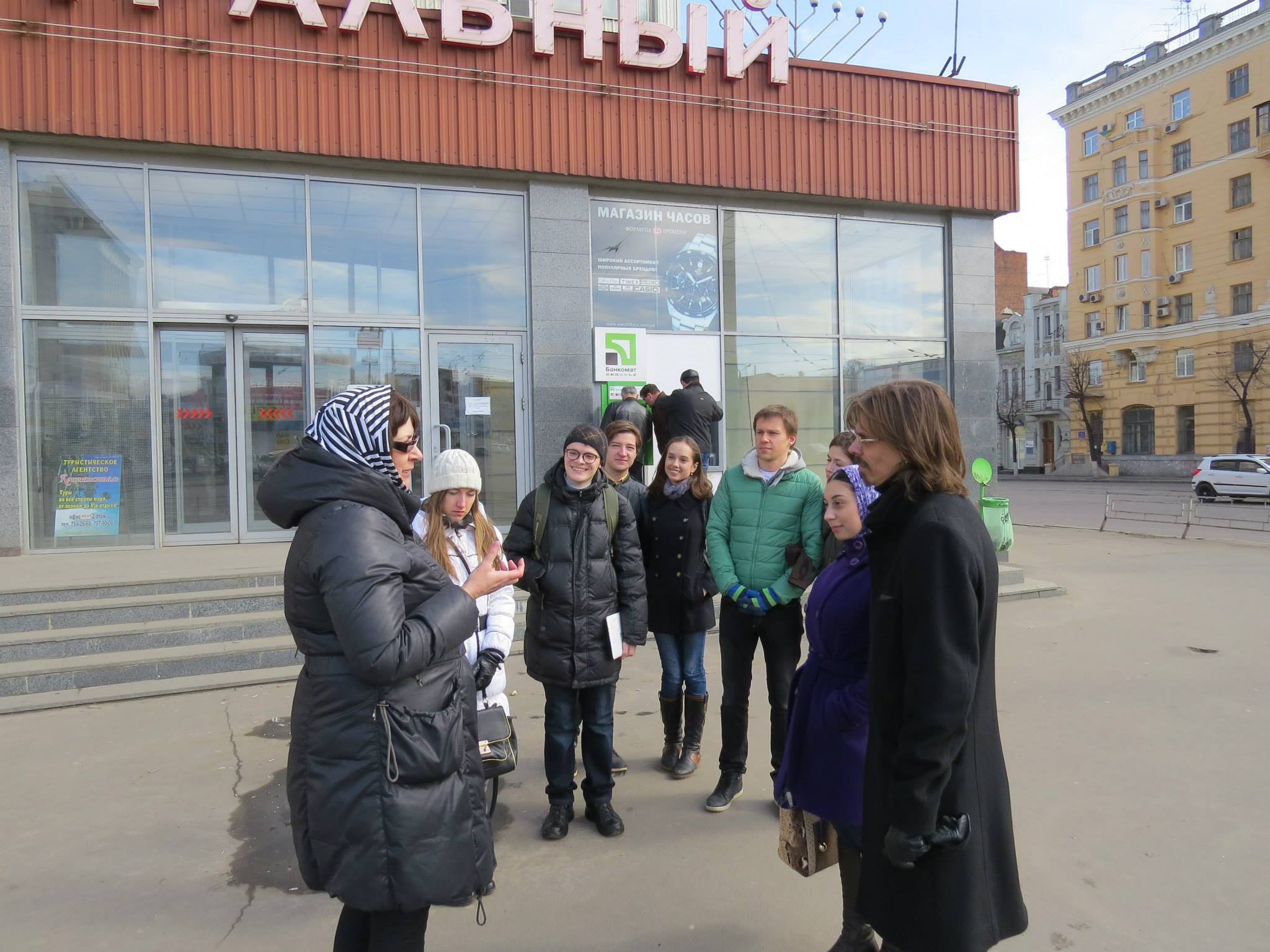
On March 15, 2015, we took a walking tour based on one of the routes from a 1915 tourist guide to Kharkiv. It was published by the Kharkiv Society of Nature Lovers. It was both amusing and sad to read lines like “look to the right and you will see such-and-such”—and then look into the void, since, for example, there hasn’t been anything there for about 60 years. However, this guidebook is extremely interesting in that it helps us understand what might have interested tourists in the city over 100 years ago. However, to make things less sad, we significantly extended the route on our own.
Quotes from the guidebook:
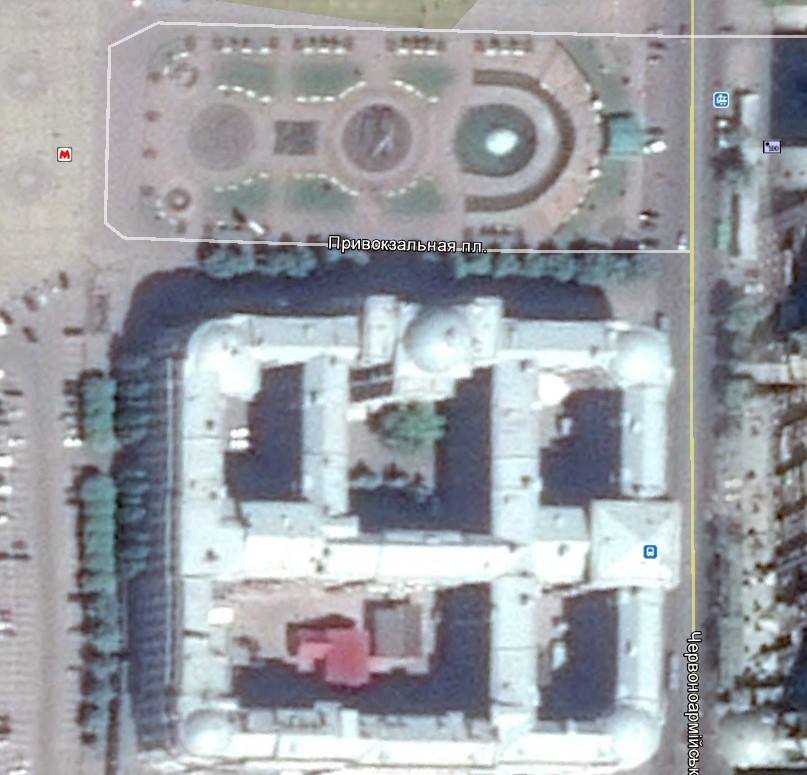
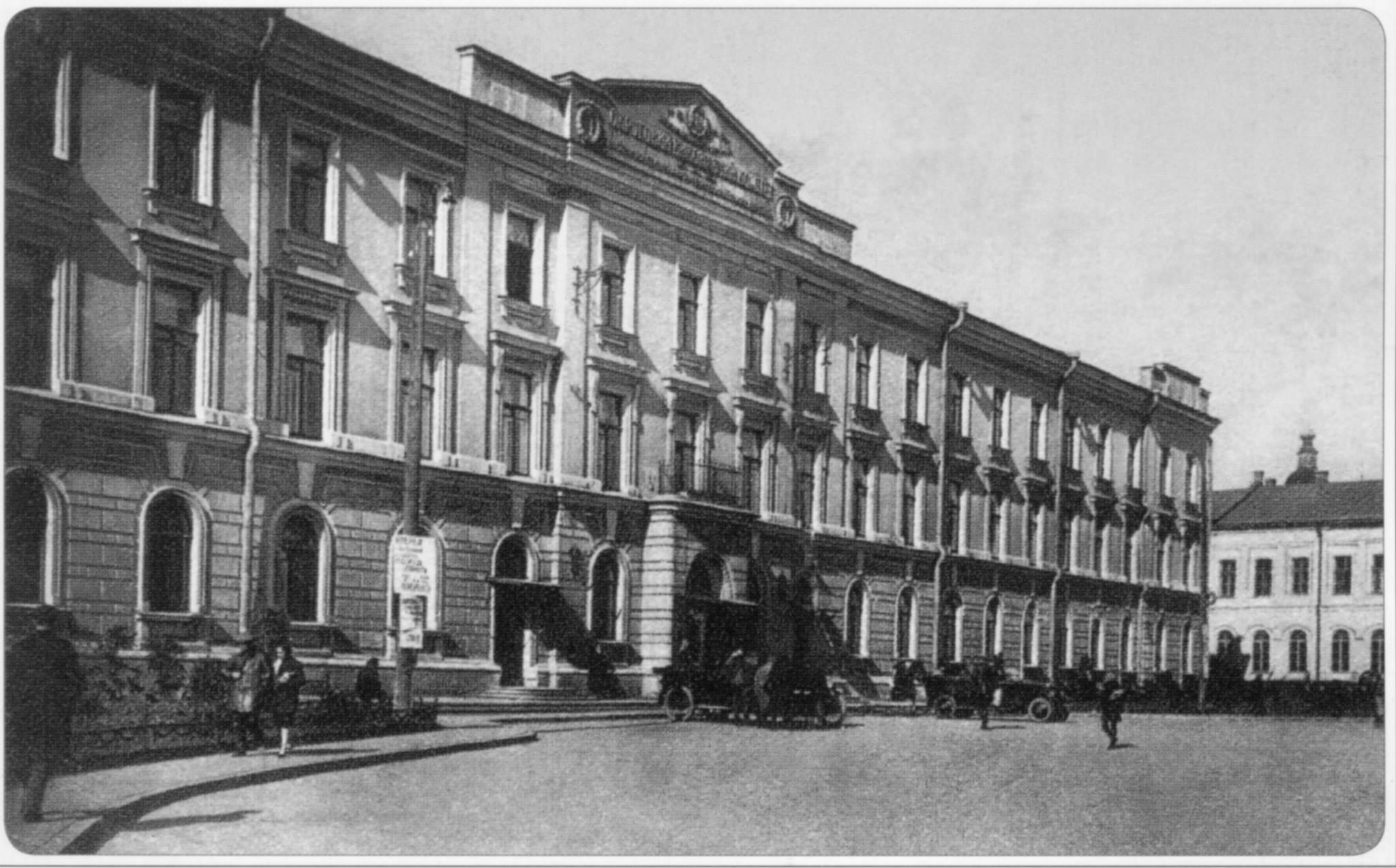
The tram line curves around a small square near the station; it has now been converted into a storage area for building materials for the Southern Railways building (under construction) located to the right of the line. The largest building in the city covers an area of more than ten acres and is valued at approximately 2 million rubles. The central heating system is unique: the building itself has neither furnaces nor boilers; the steam for heating is generated by boilers at the power plant, located on the other side of the square, beyond the park, and is delivered to the building via underground pipes. It was built according to a design by Academician of Architecture O. I. Dmitriev and architect I. Rakitin.
Directions from the train station to downtown. The tram stop is located across from the station exit. The tram ride from the station to Pavlivskyi Square (downtown) takes about 15–20 minutes; the fare is 5 kopecks; for the same 5 kopecks, you can purchase a ticket that allows you to transfer to any of the tram lines.
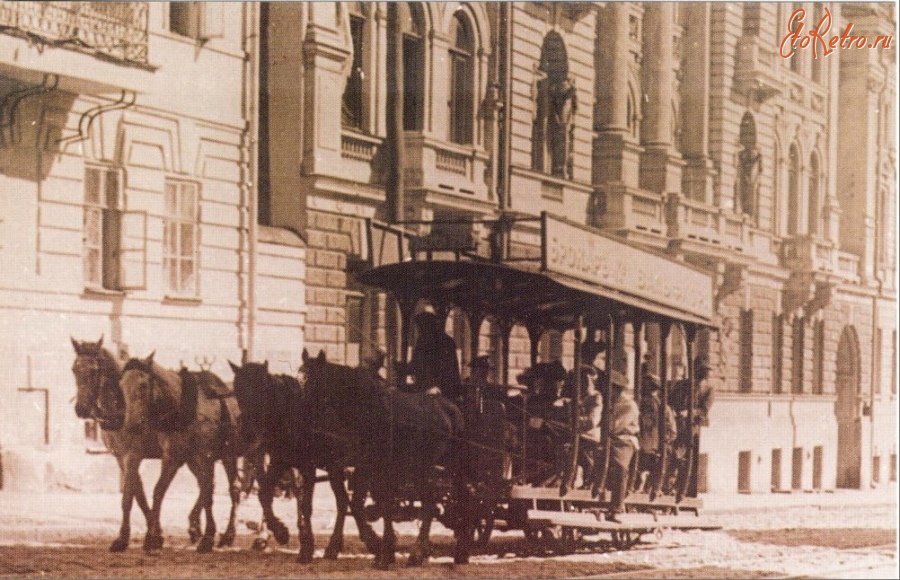
The horse-drawn tram carried 14 million passengers a year, while the electric tram carried 18 million.
Hotel (furnished rooms)
Poltavskyi Shliakh, 52. The maternity hospital is located in the same building.
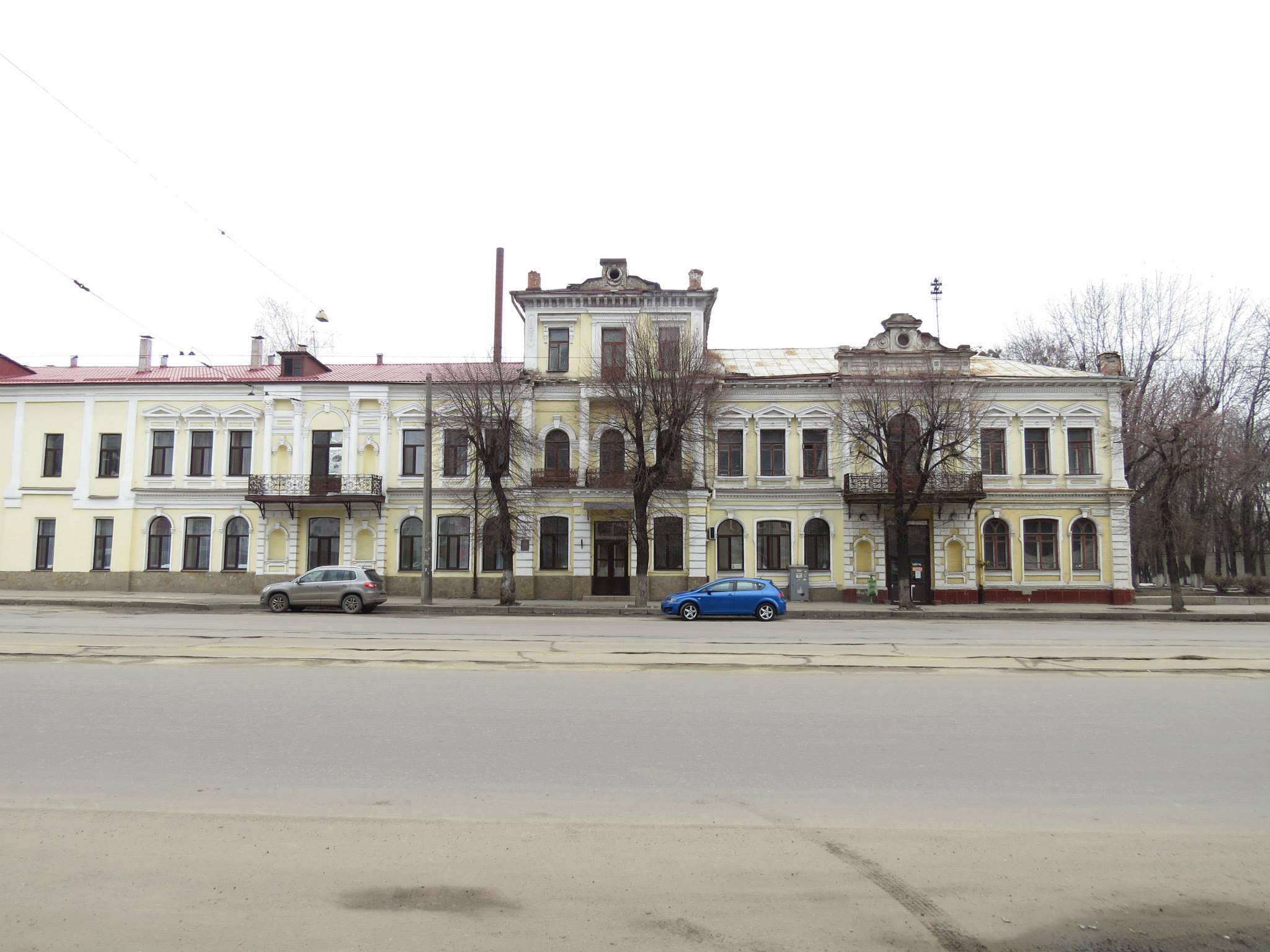
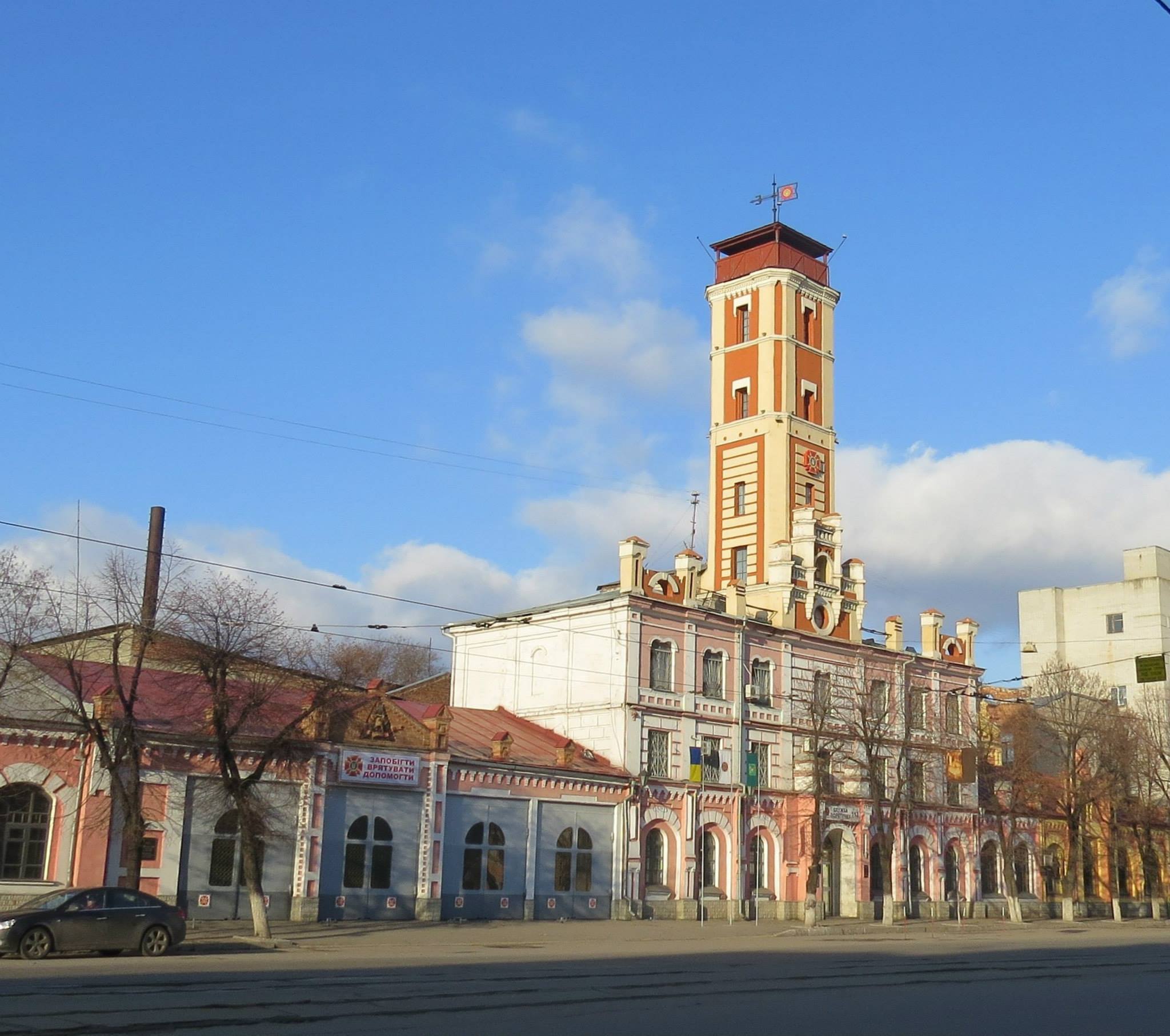
Fire station. Built in 1857, it is the oldest fire station in the city and Ukraine. It underwent a major renovation in 2008.
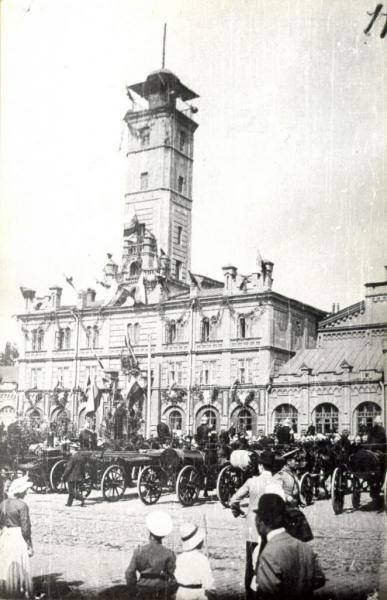
The historical photo shows fire carts with water barrels and hand pumps:
…Opposite the watchtower is a customs warehouse through which all goods arriving from abroad pass.
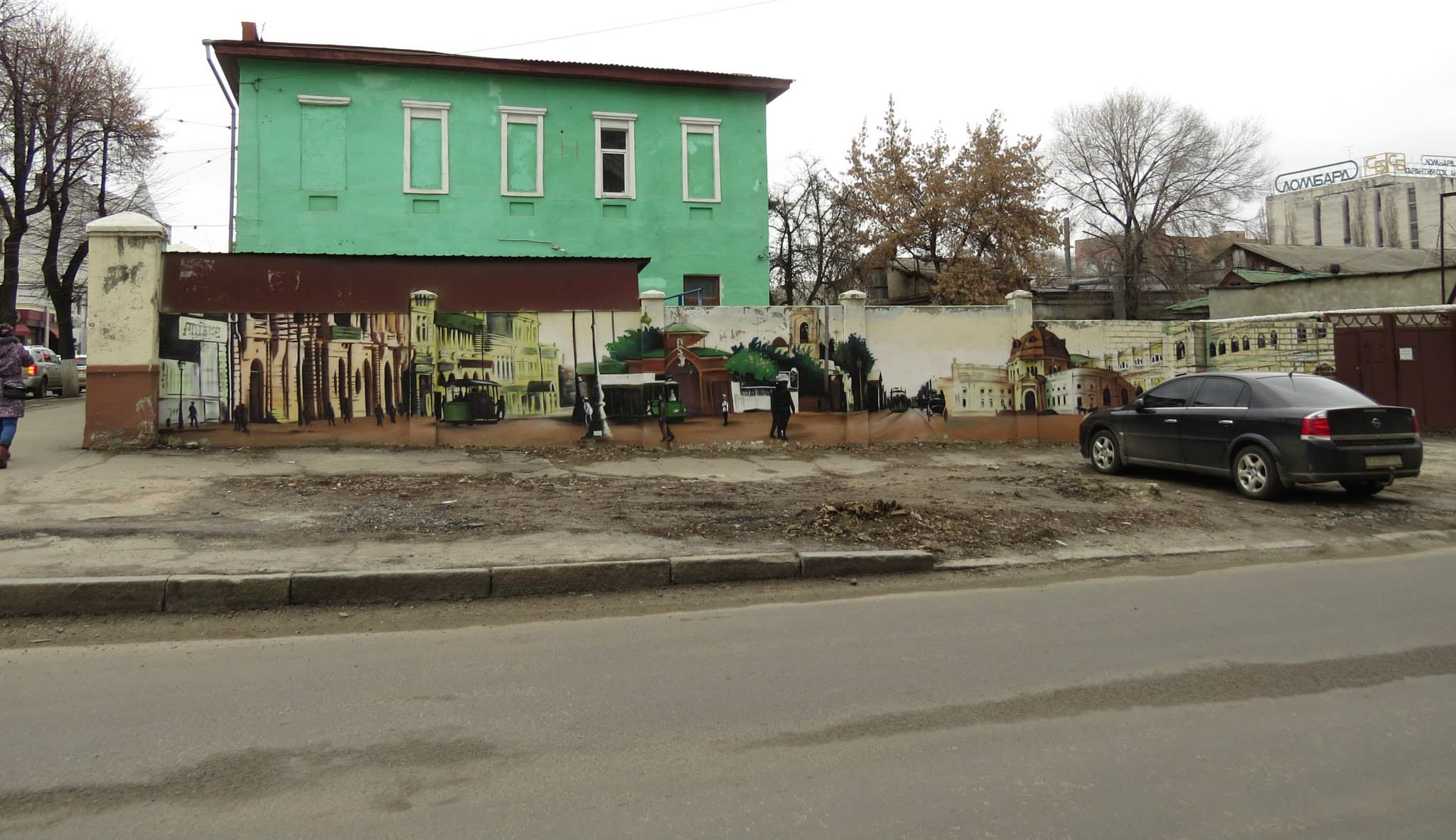
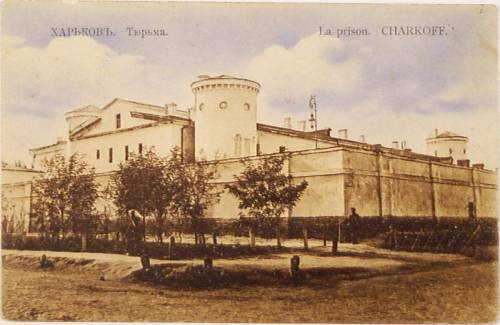
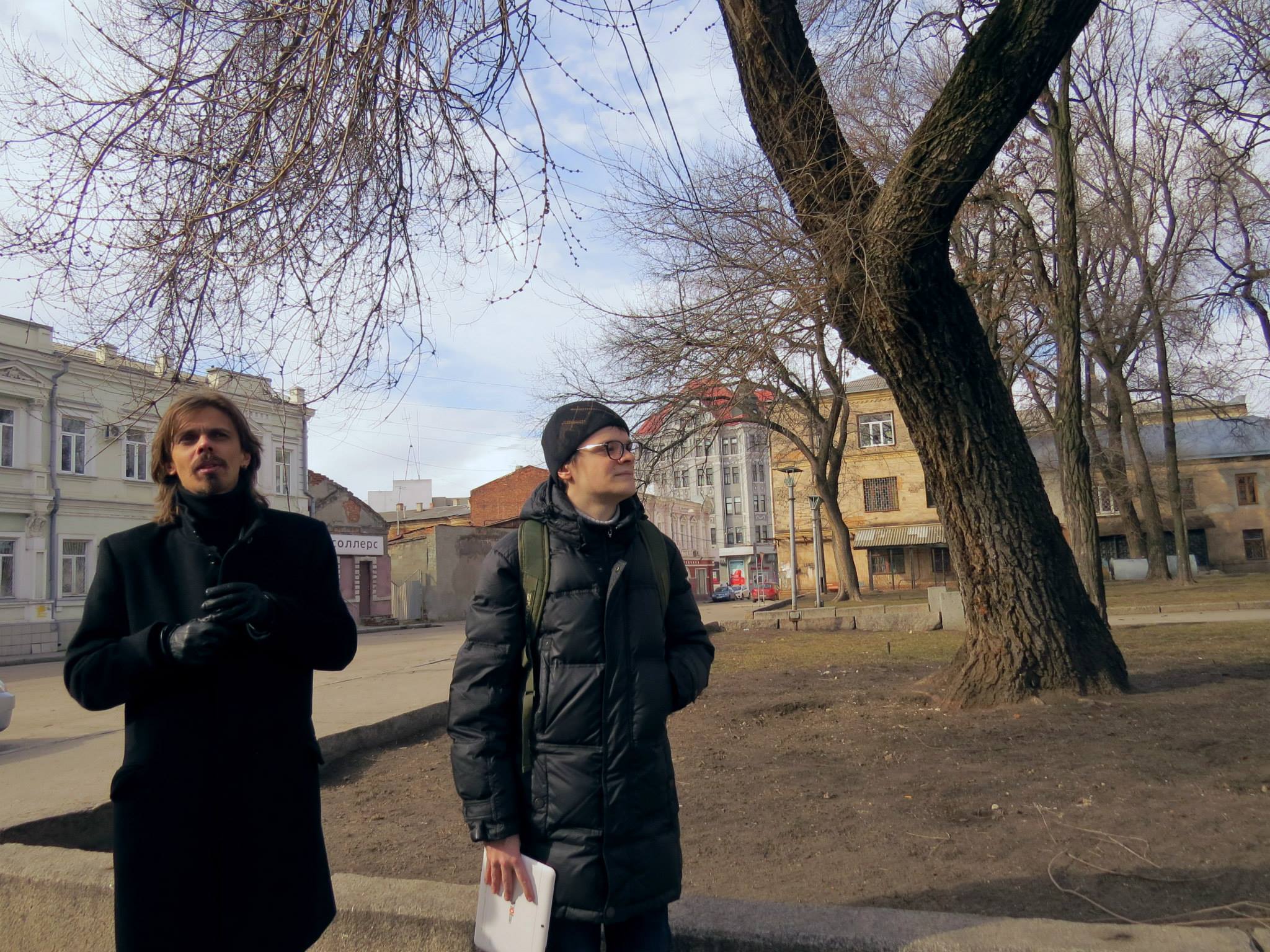
Formerly Prison Square. Today it is a small park at the intersection of Zbroiarska Street and Blagovischenska Street.
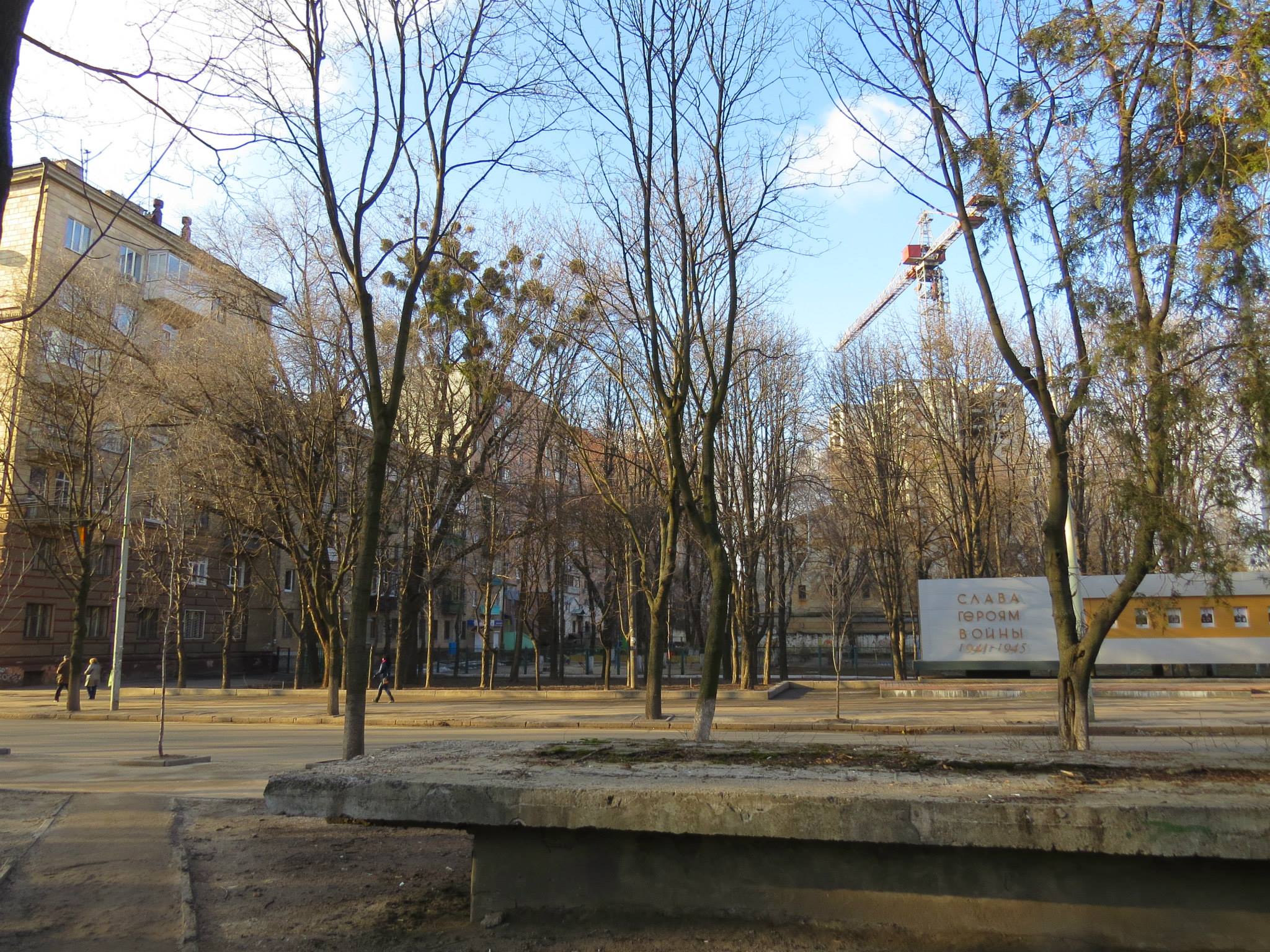
The prison fortress was built in the 1820s by the St. Petersburg architect Charlemagne-Bode on the site of a demolished 18th-century prison. From 1893 to 1903, it served as a transit prison through which convicts were sent to Sakhalin Island. After the 1917 revolutions, it became a closed prison of the OGPU-NKVD. During the German occupation, the site housed the Stalag 364 concentration camp, where approximately 30,000 people perished. Today, on the former Prison Square, some of the service buildings that were part of the prison complex remain.
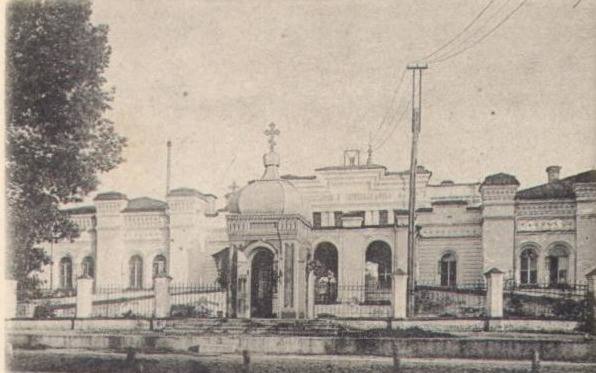
The former Alexandrovskaya City Hospital at Blagovischenska Street, 25.
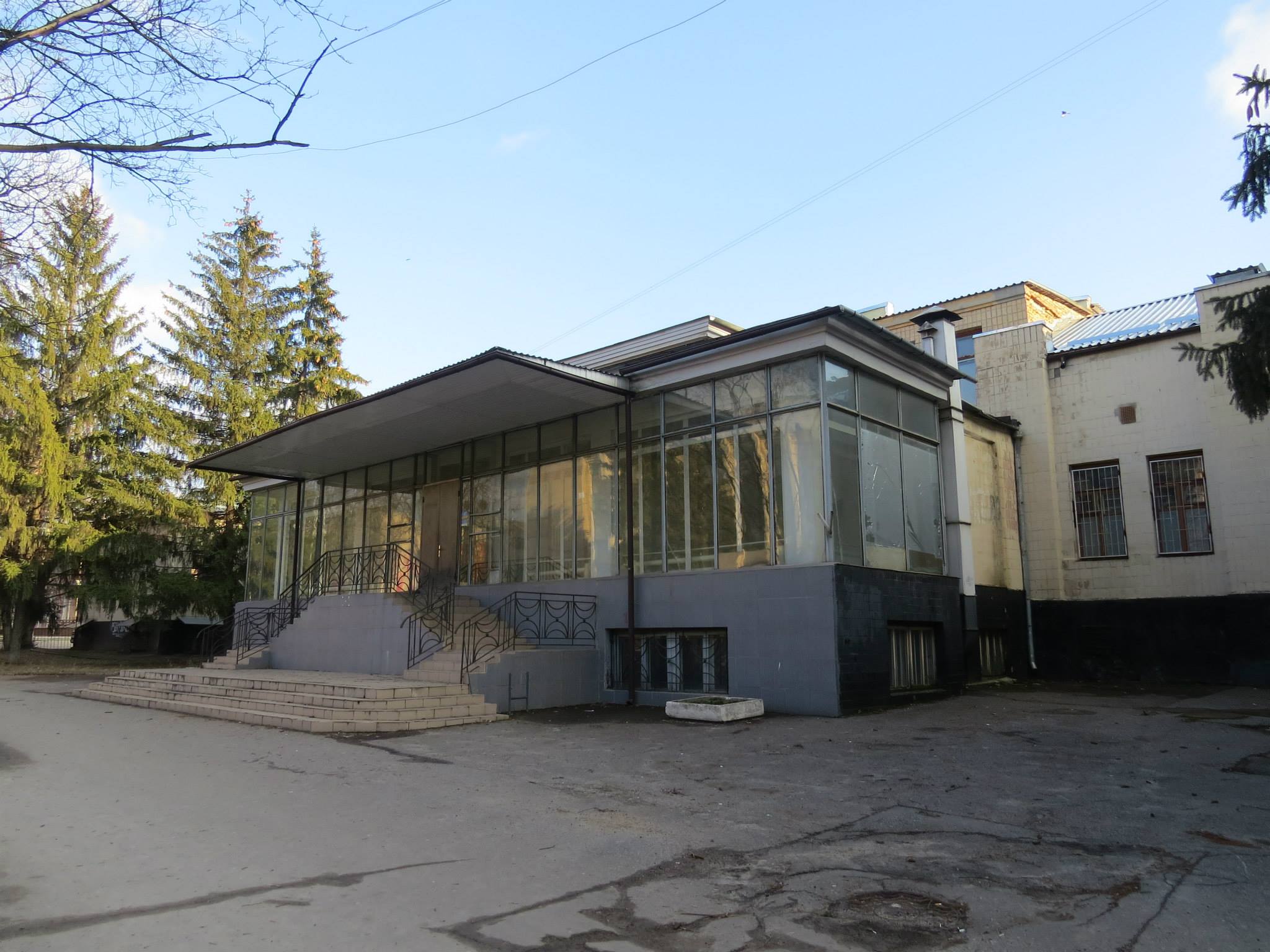
Since the hospital’s founding in 1869, a mandatory annual insurance fee of fifty kopecks had been collected from all factory and plant workers, manual laborers, domestic servants, cab drivers, and merchants to cover its operating costs. When they visited the hospital, they were not charged. People who did not belong to the working class could receive treatment by paying for it.
Behind the Musical Comedy Theater at Blagovischenska Street, 21 is Tivoli Garden.
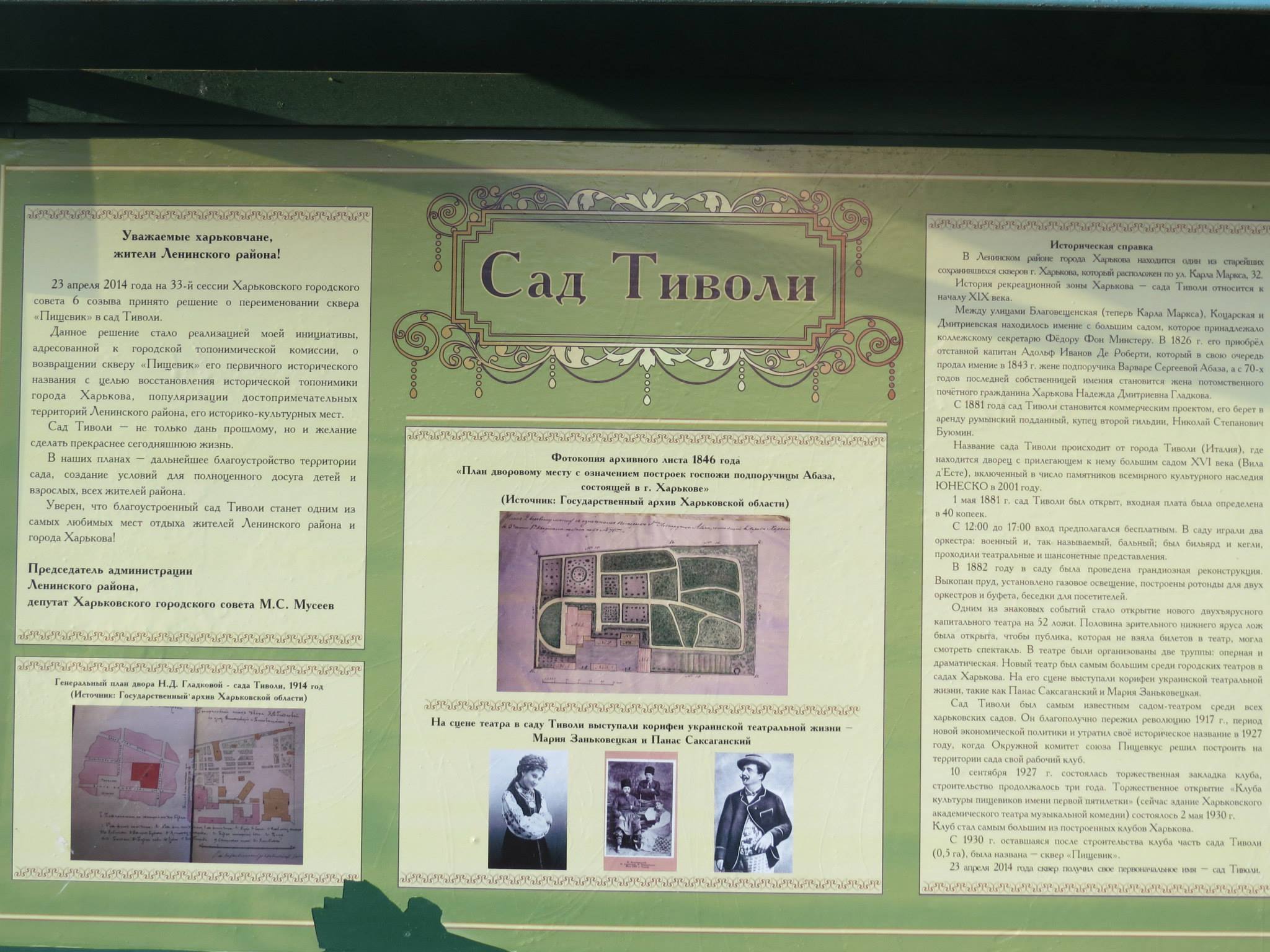
In 1881, Nikolai Buyumin leased a one-hectare garden, dug a pond, and developed the site with the aim of creating what we would today call an entertainment complex. Later, the Tivoli Garden was purchased by Zhatkin. It featured billiards, bowling, two orchestras (a military band and a ballroom orchestra), dancing, and a summer theater (with two troupes, an opera company and a drama troupe).
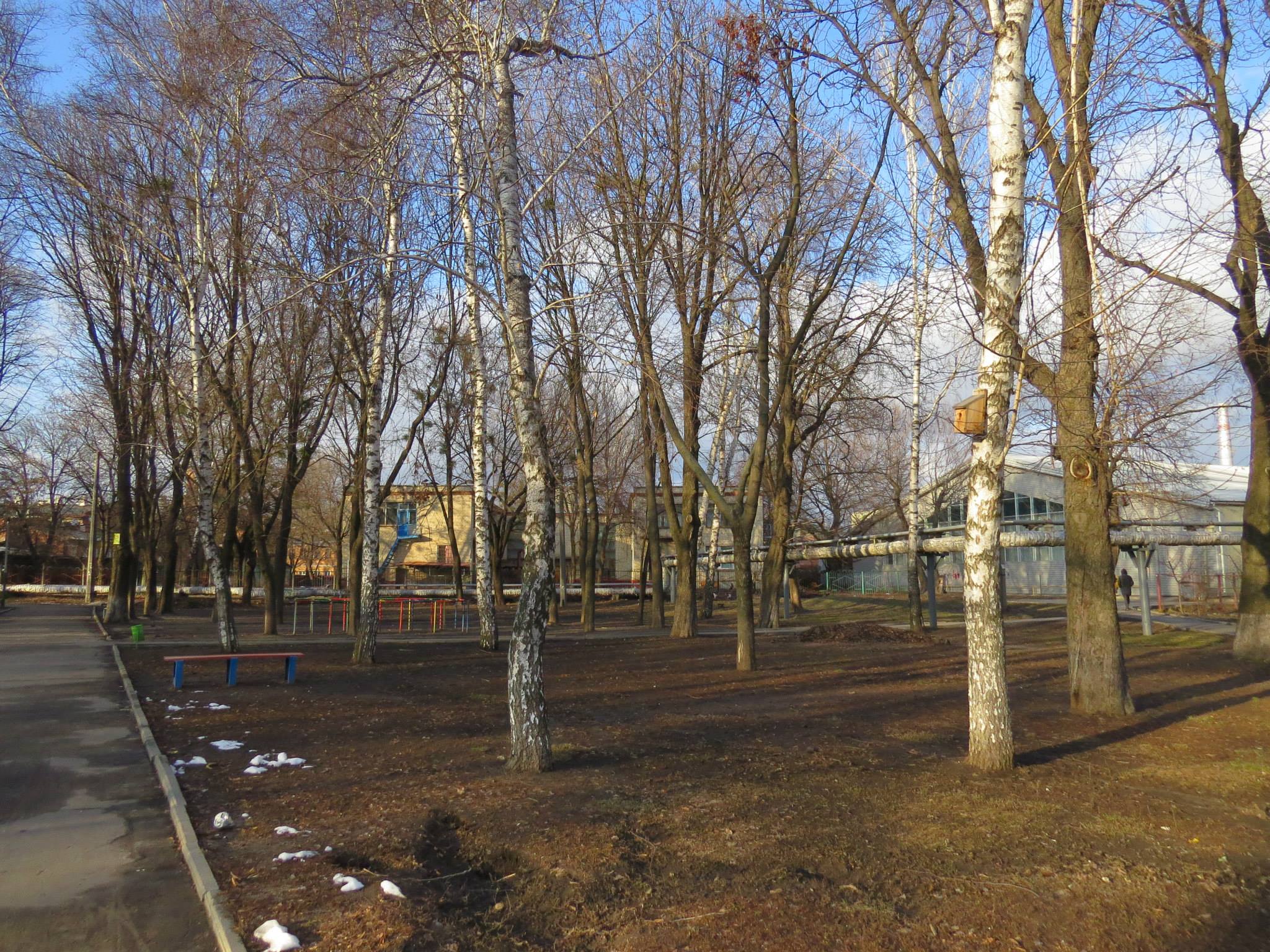
It was mainly frequented by the middle class and merchants. There was also a variety theater here.
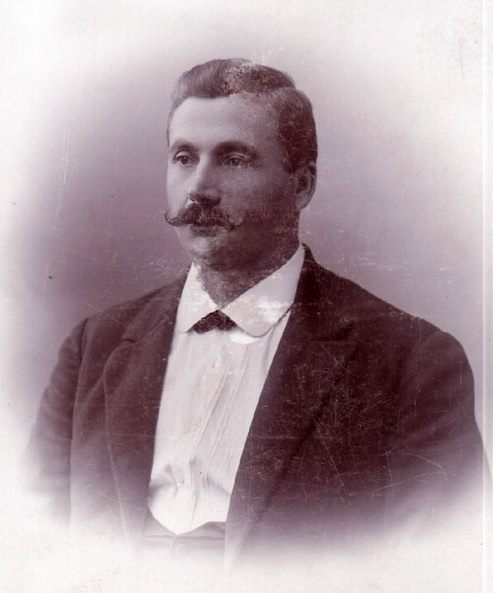
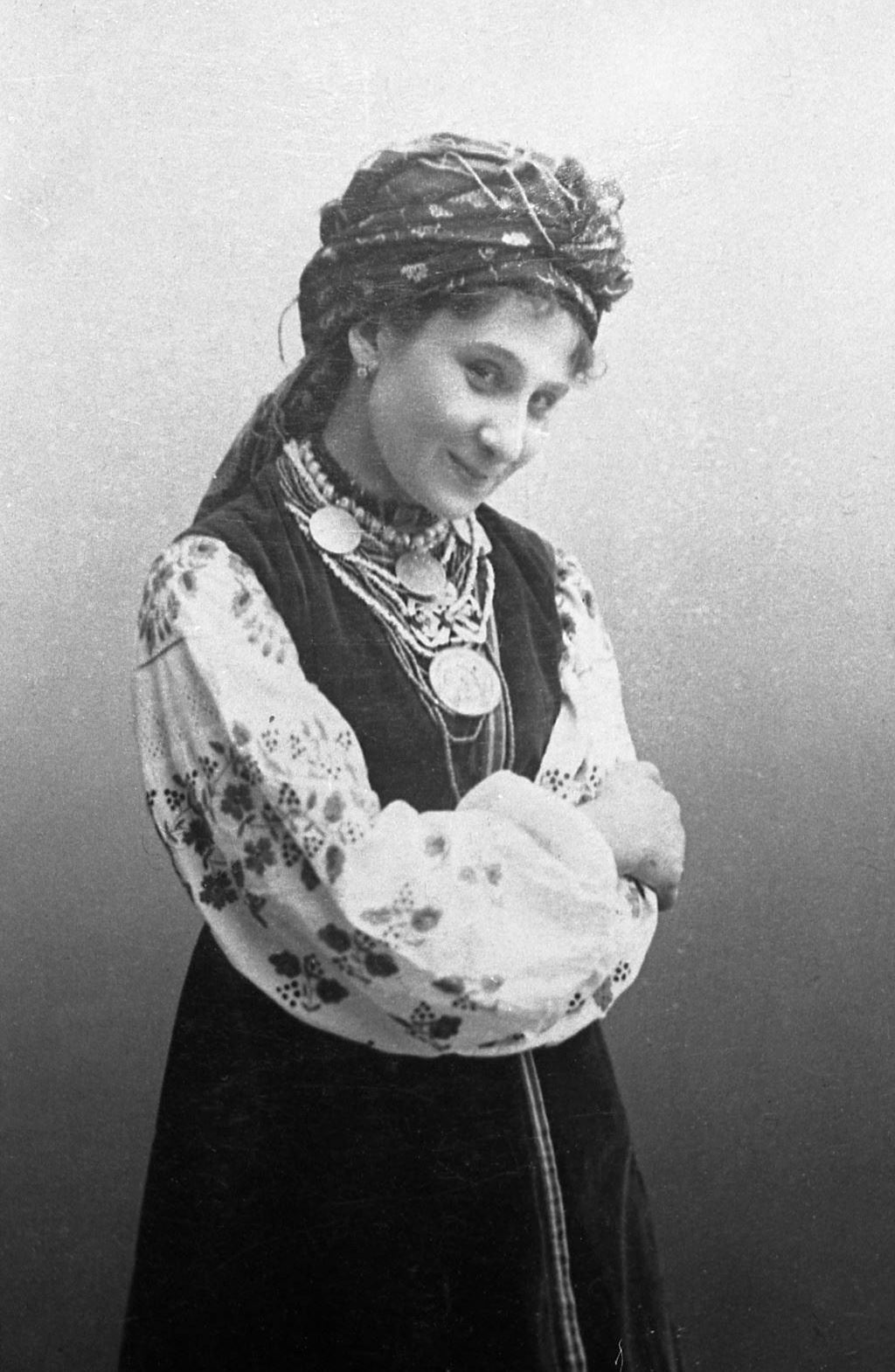
The Tivoli Theater also hosted performances by renowned actors, such as Panas Saksahansky and Maria Zankovetska. Dog shows and skydiving events were held there, and the garden was also the site of an assassination attempt on Kharkiv Governor Obolensky.
In 1929–1930, the “Kharchosmak” Club-Theater (designed by architect A. V. Linetsky) was built near the garden.
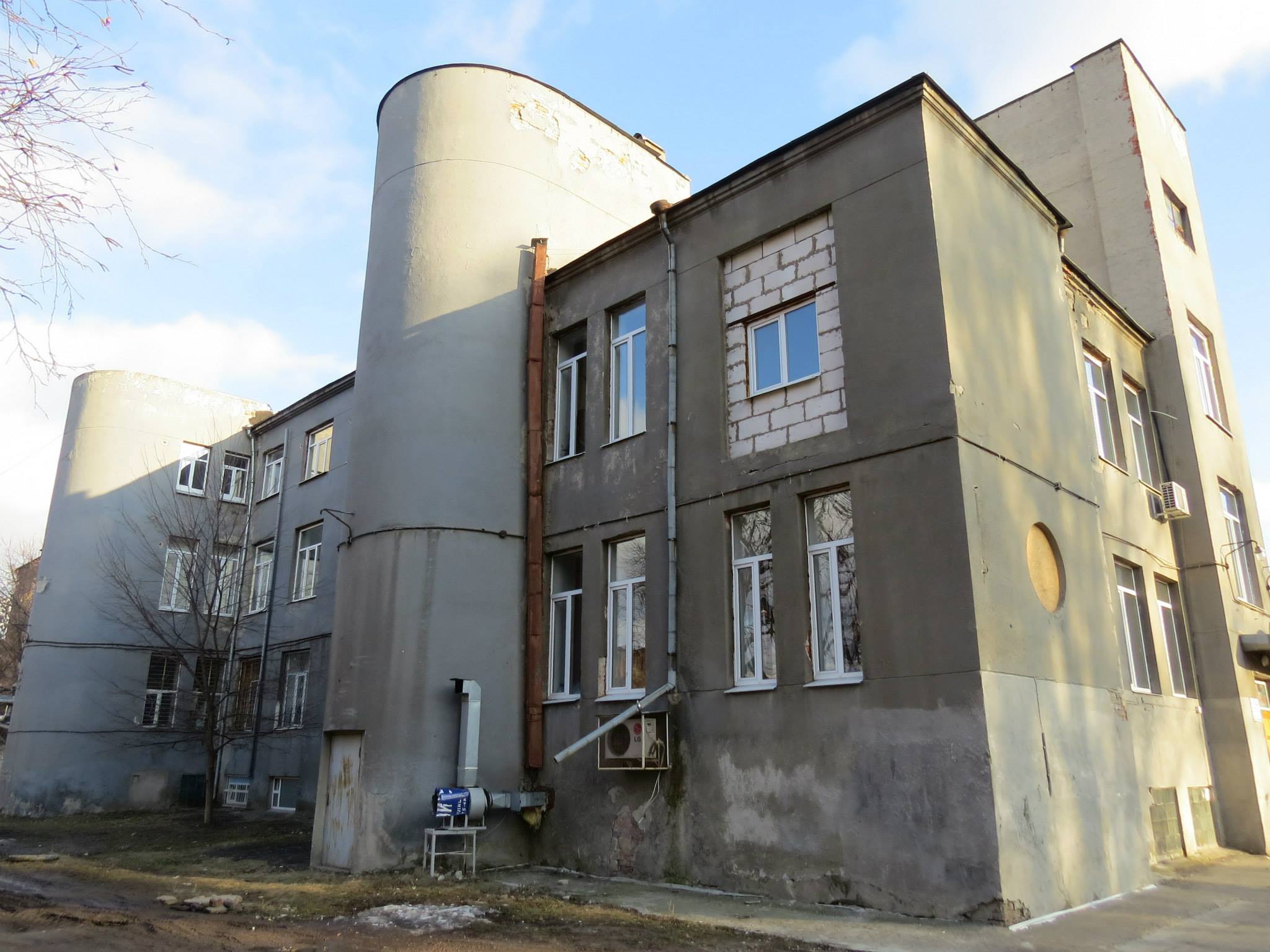
Unfortunately, its Constructivist façade facing Blagovischenska Street was altered beyond recognition in later years, so fans of Constructivist style are better off viewing it from the courtyard. Today, it houses the Kharkiv Academic Theater of Musical Comedy.
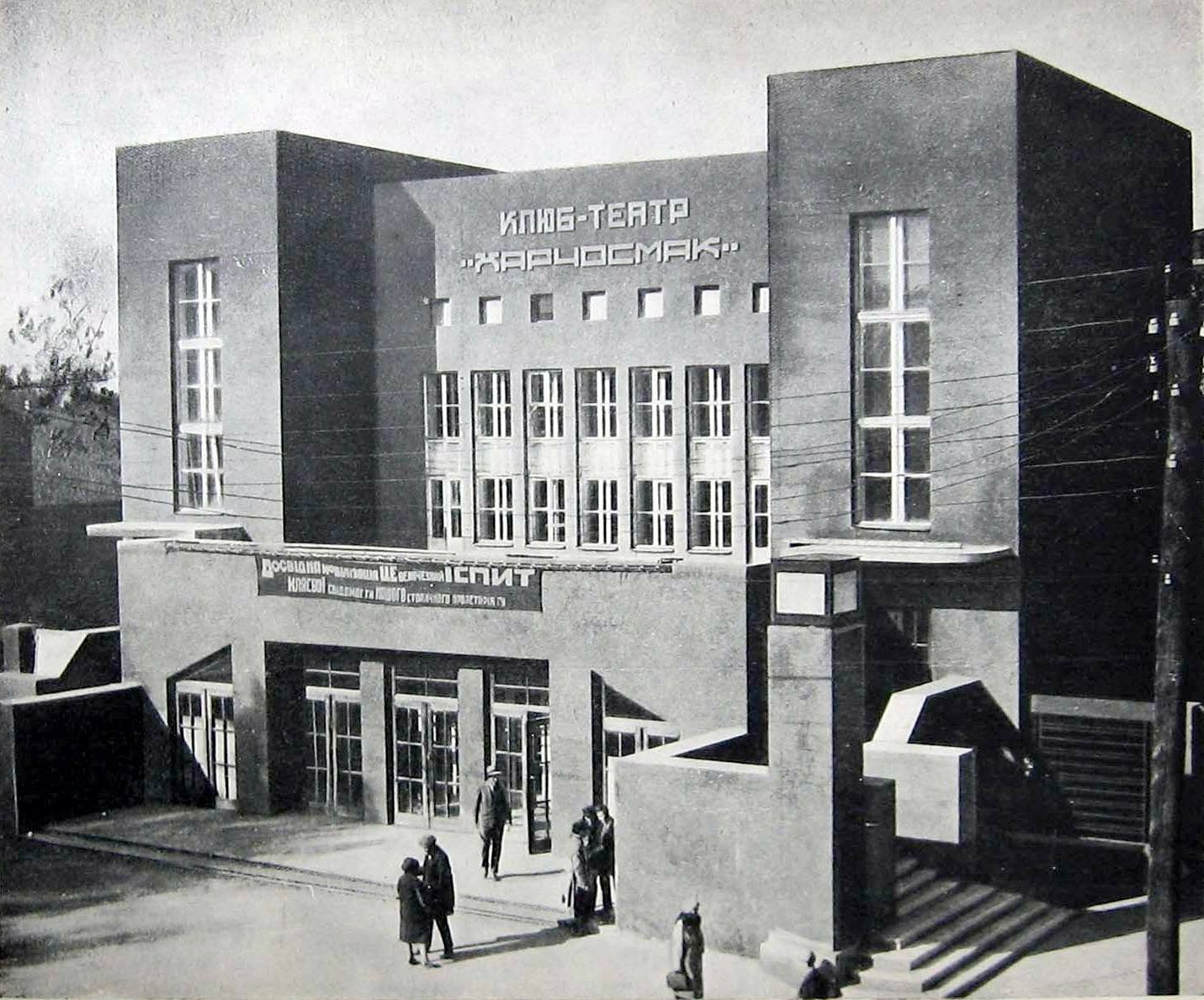
Biscuit-Chocolate Confectionery Factory (Katsars’ka Street, 22)
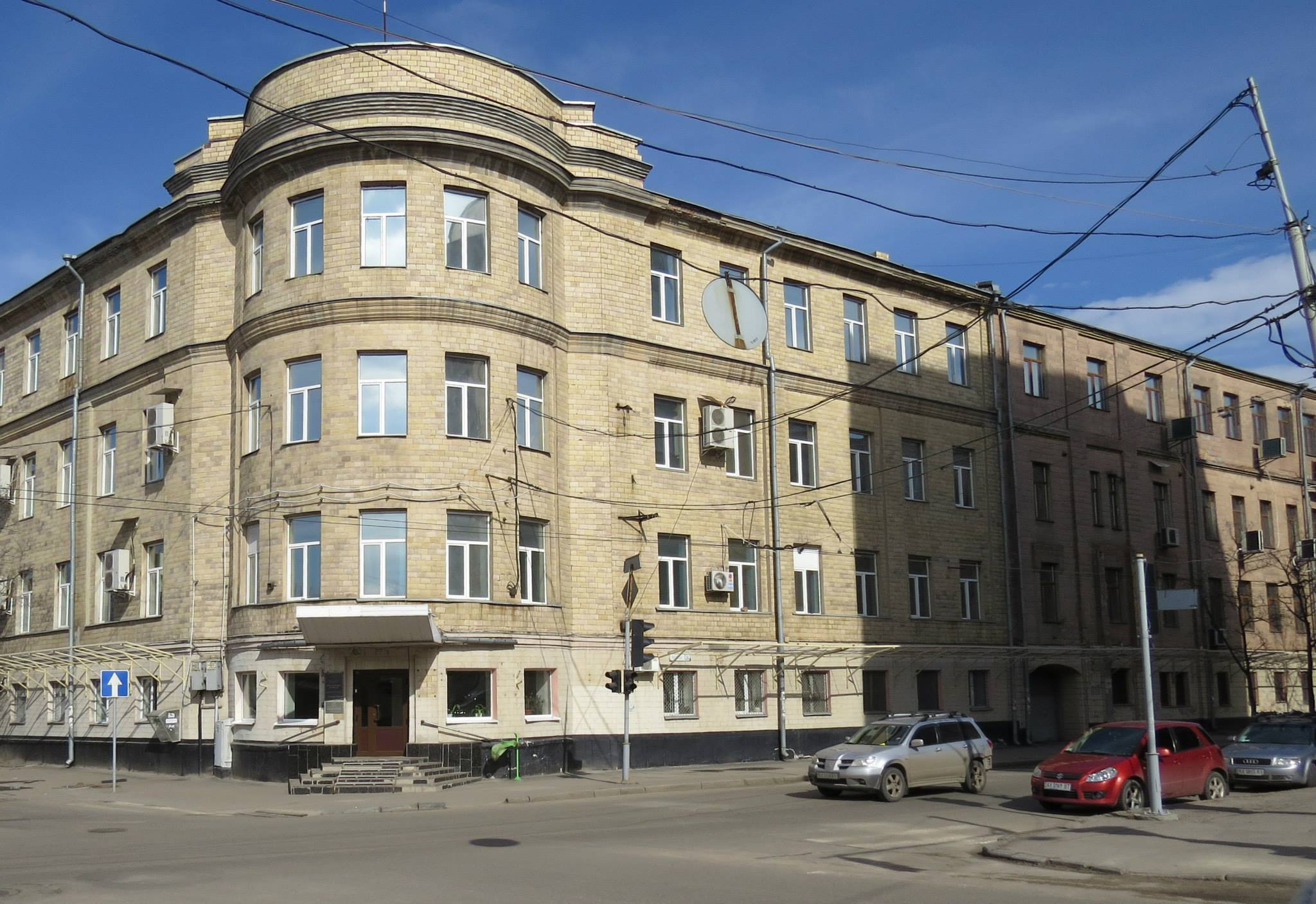
This building was the site of Georges Bormann’s Kharkiv Confectionery Factory (1896)
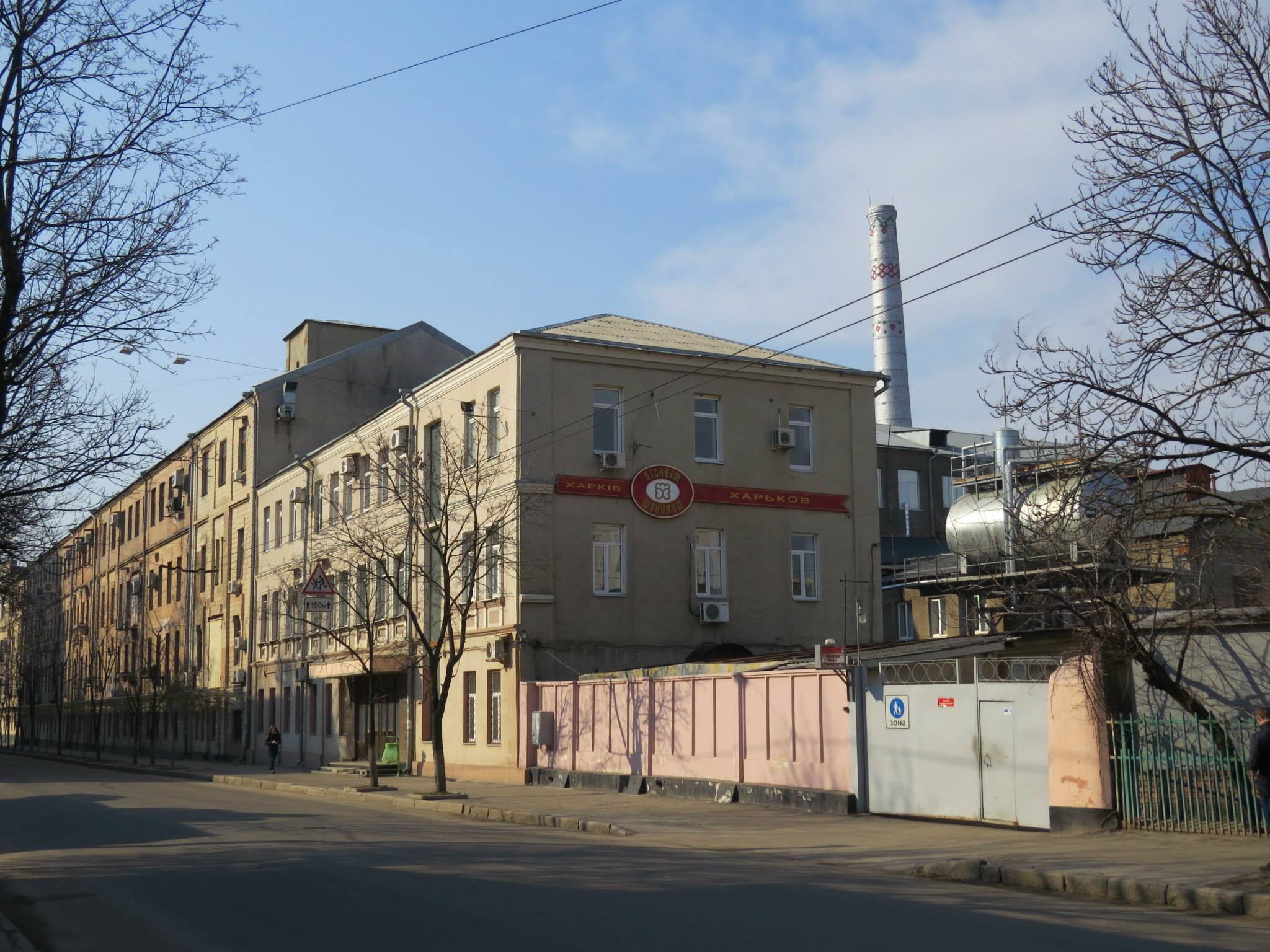
The building at Katsars’ka Street, 20, was built in the ~1870s by architect F. Danilov.
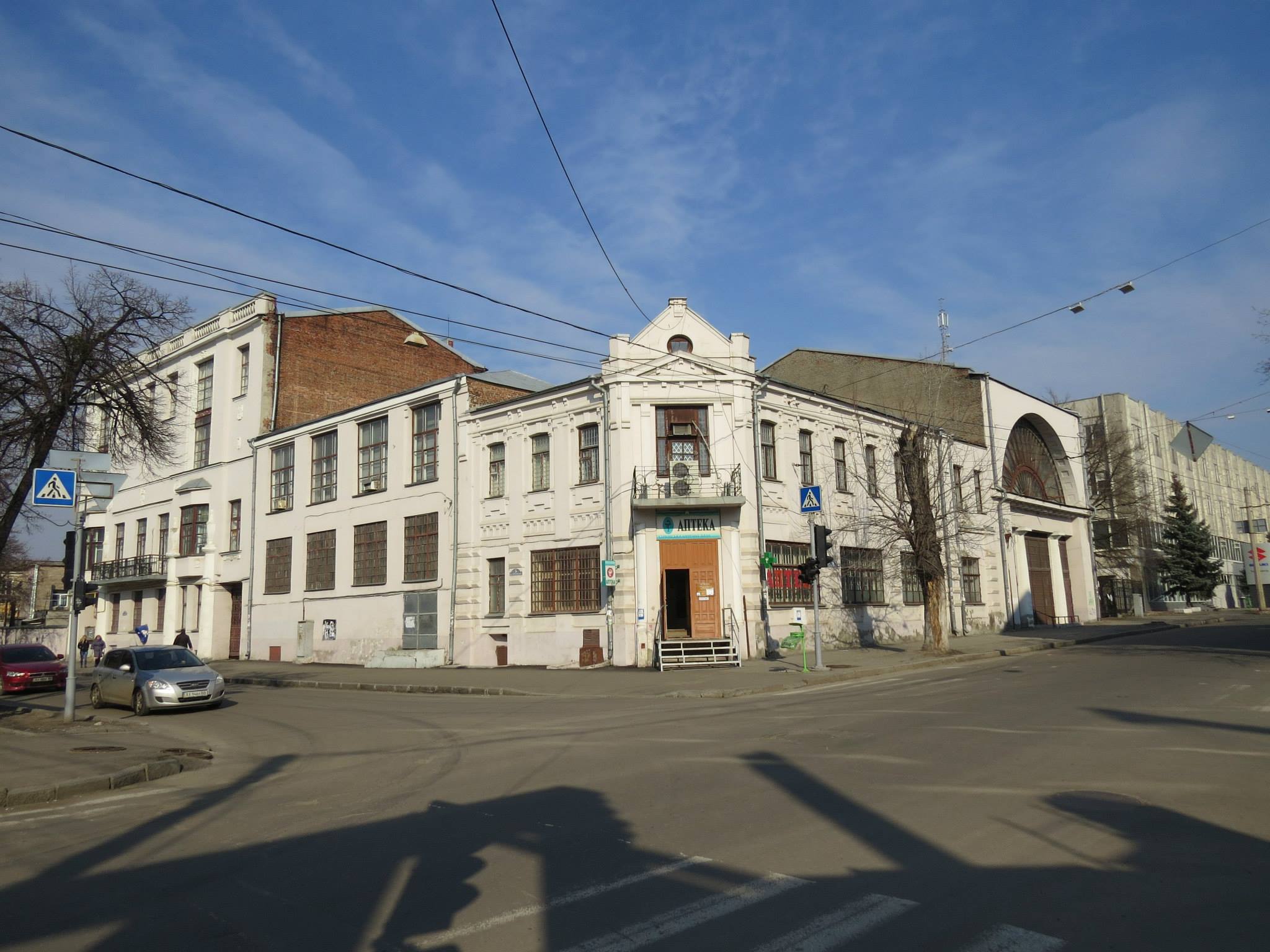
Renovated in 1912 according to a design by architect A. Rzhepishevsky as a complex of pharmacy warehouses in the Art Nouveau style.
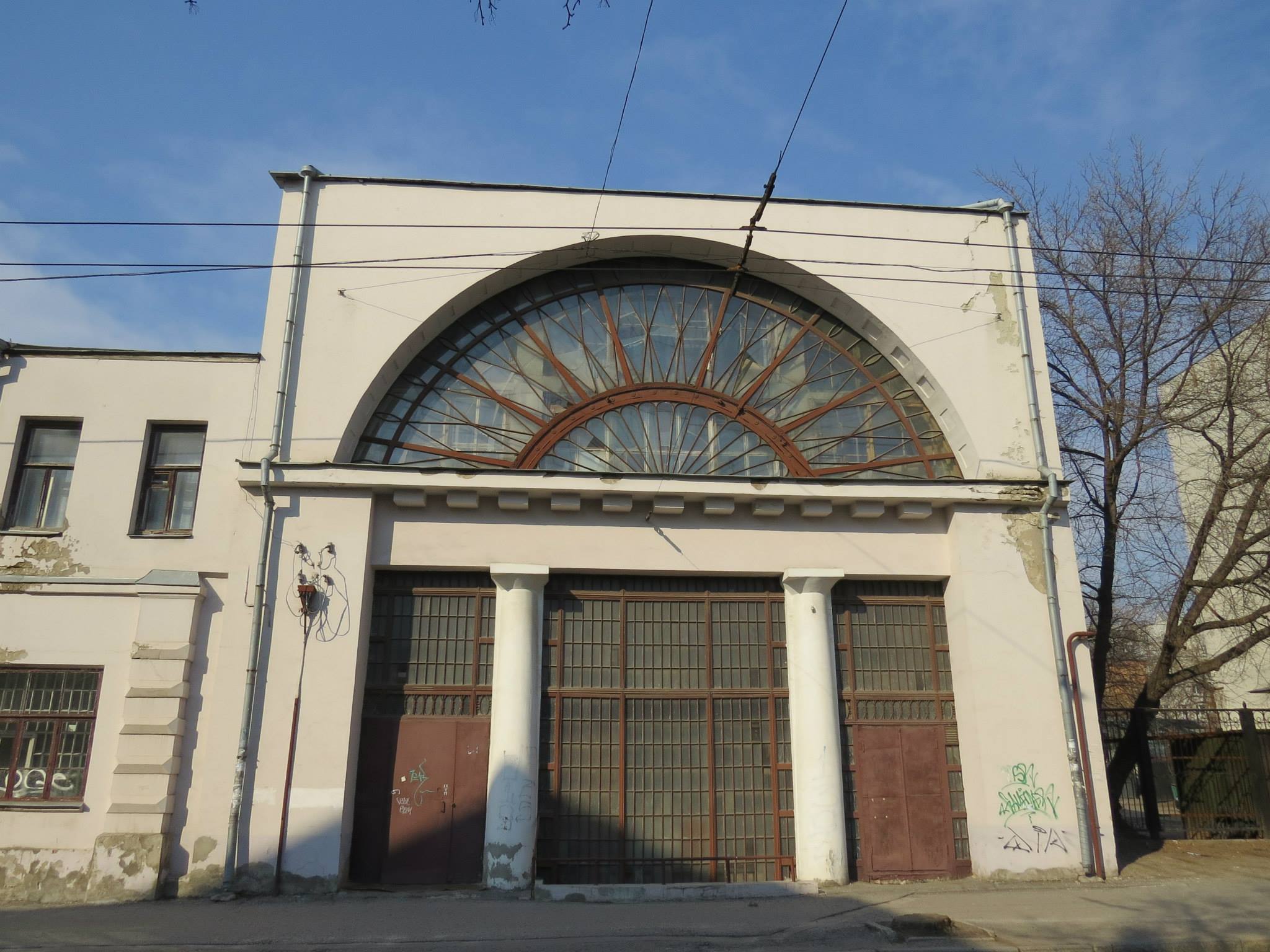
The Former E.N. Golubnichenko Girls’ Gymnasium (Yaroslavska Street, 10).
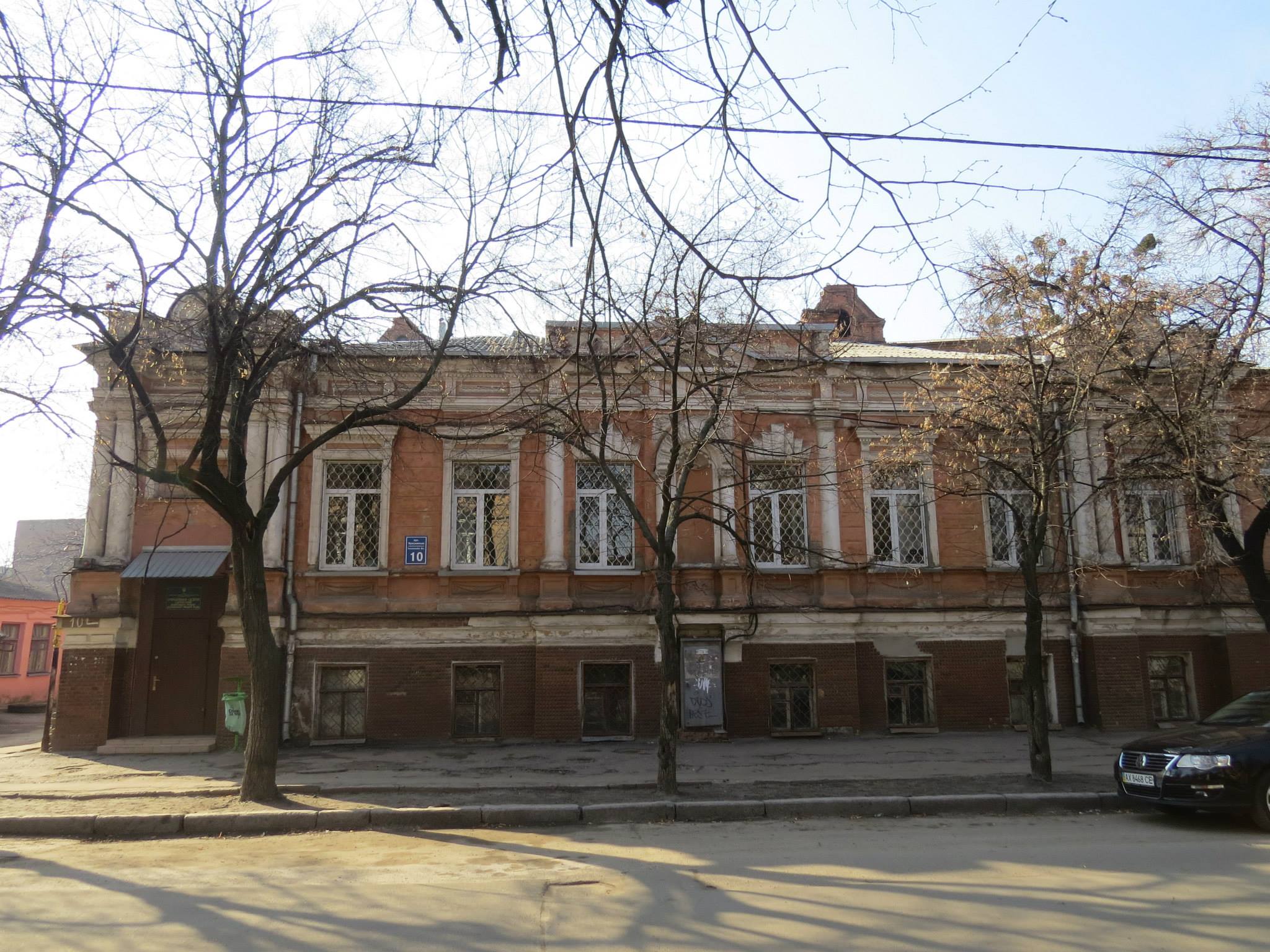
The former Mussuri Theater, Blagovischenska Street, 28.
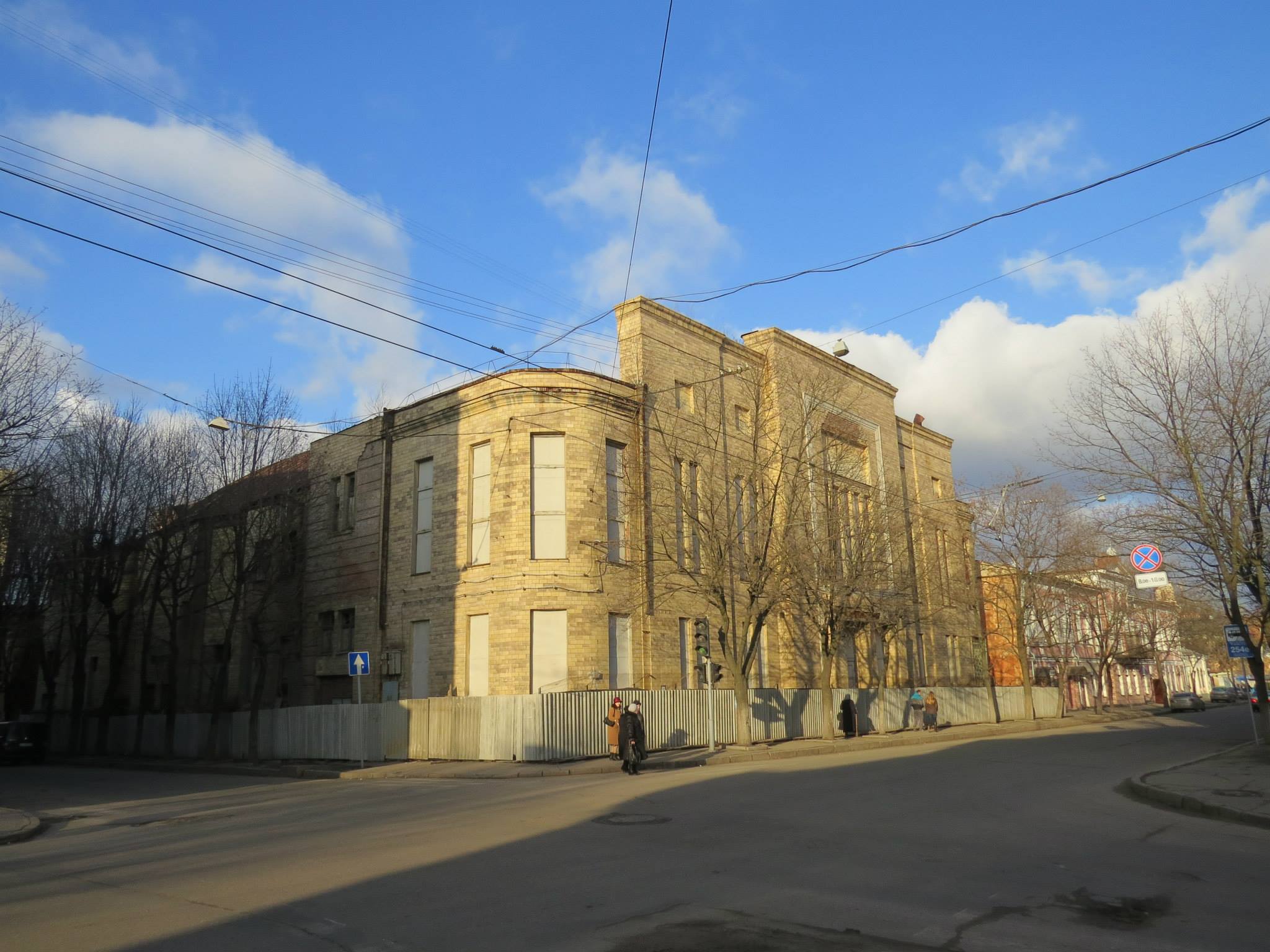
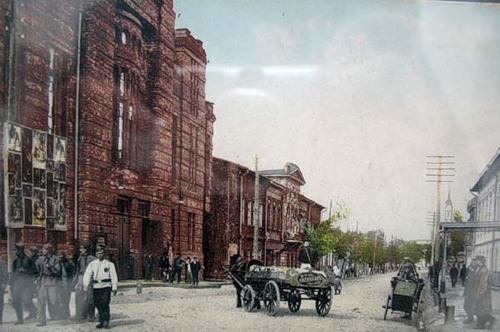
…on the corner of Dmytrivs’ka and Blagovischenska Streets, the Filonovs’ house—painted dark gray, almost black—is an old mansion of fine Empire-style architecture, built in the early 19th century.
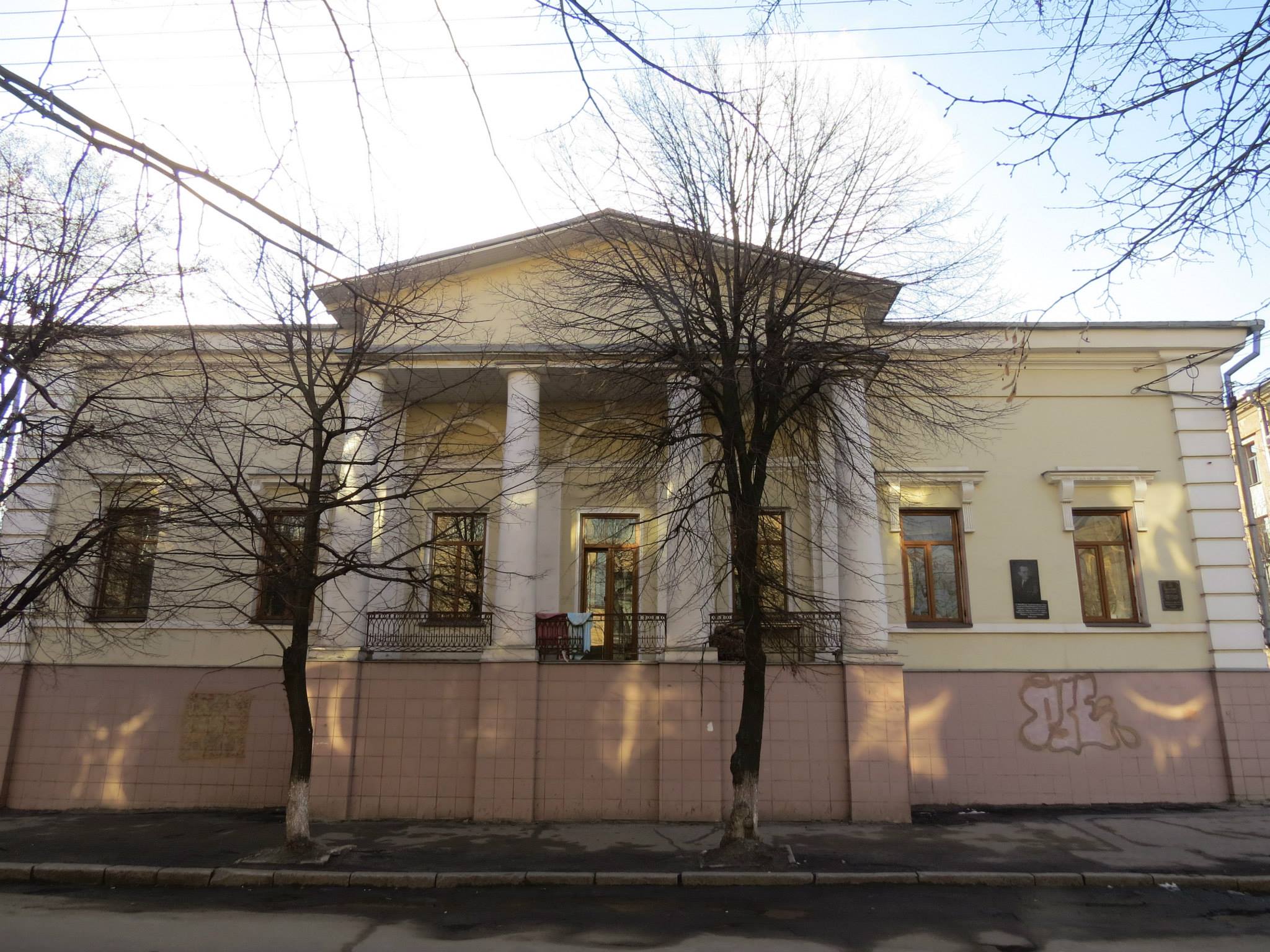
According to modern researchers, it was built even earlier—in the 1790s.
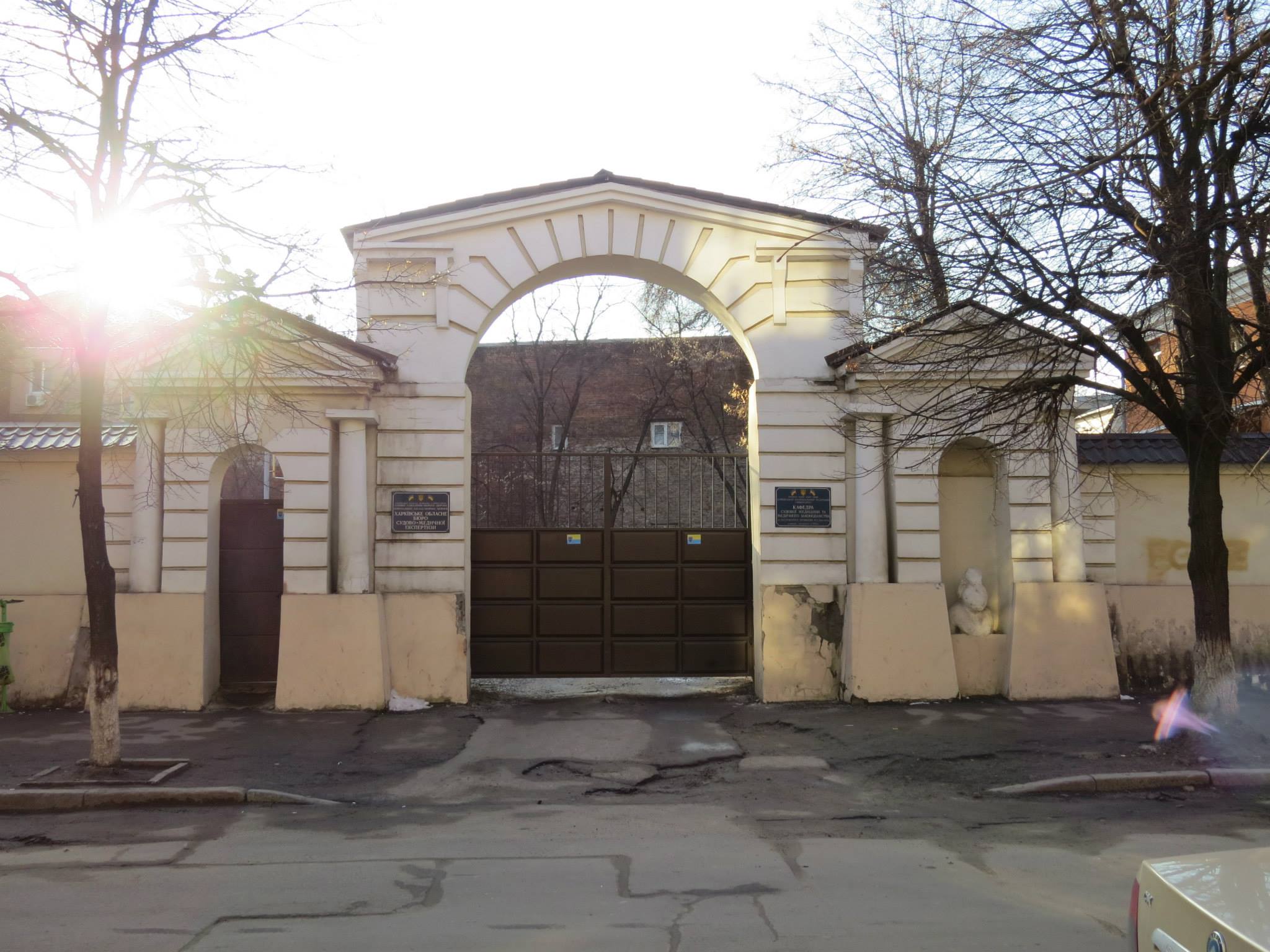
In a niche by the gate stands a “stone woman,” an ancient sculpture; such figures were scattered across the burial mounds of the southern Russian steppes. The house contains a small but very interesting collection of paintings and porcelain; among other things: paintings by T. Shevchenko, Bryullov, V. Vasnetsov, Aivazovsky, and Sverchkov.
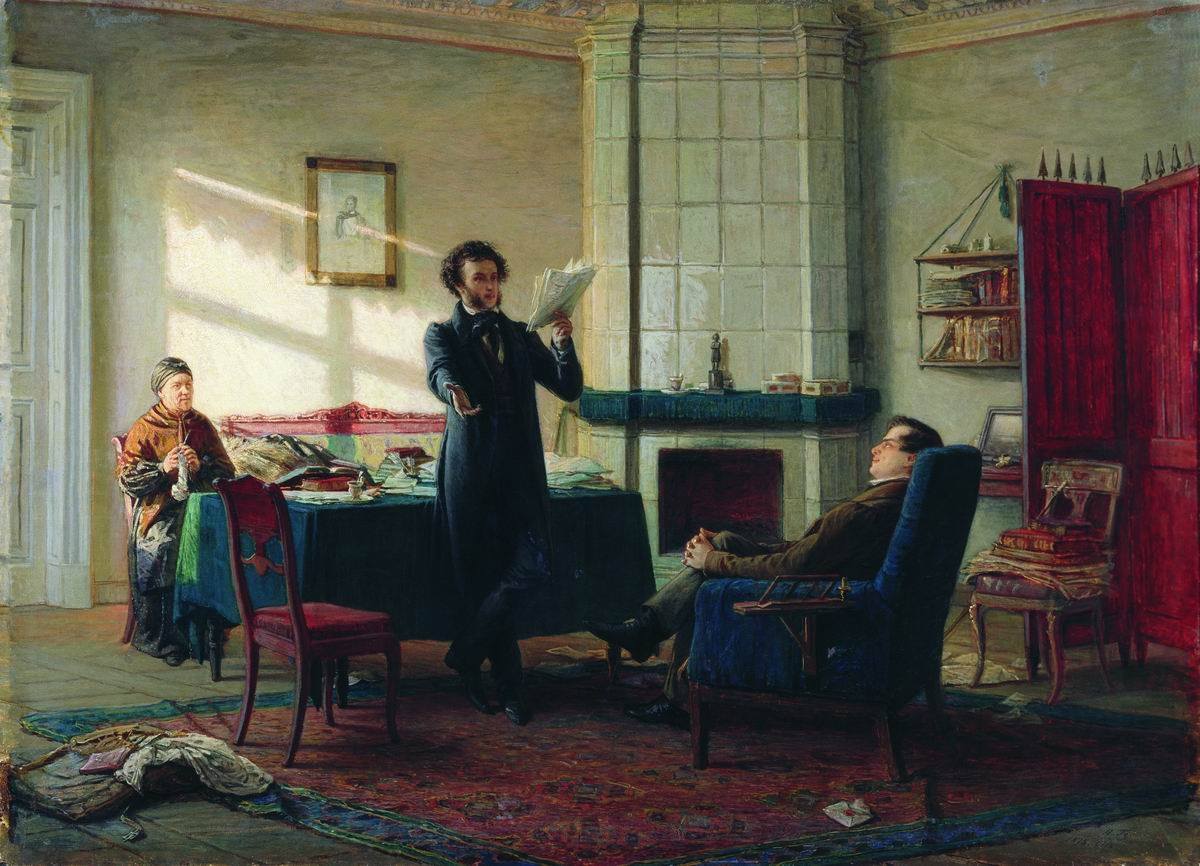
Ge’s painting *Pushkin in the Village of Mikhailovskoye*, known only from copies and long believed lost, depicts Pushkin—the “Exile”—being visited by his Lyceum classmate Pushchin; Pushkin is reading a newly arrived literary work, *Woe from Wit*; Arina Rodionovna is seated in the background. Attending the gathering required special permission from the owner each time…
Next, turn left at the corner of Ekaterinoslavskaya and Yaroslavskaya Streets—the Kharkiv Branch of the Imperial Russian Musical Society.
The former manor house of Governor-General S. A. Kokoshkin, to whose urban planning efforts the street largely owes its stately appearance. In 1883, a music school opened here, transformed from the music classes established in October 1871 by I. Slatin with the assistance of A. G. Rubinstein. The building of the school housed the board of the Kharkiv Music Society. During his stay in Kharkiv on March 15, 1893, P. I. Tchaikovsky visited the school. For a long time, the school kept the grand piano on which A. Rubinstein had played.
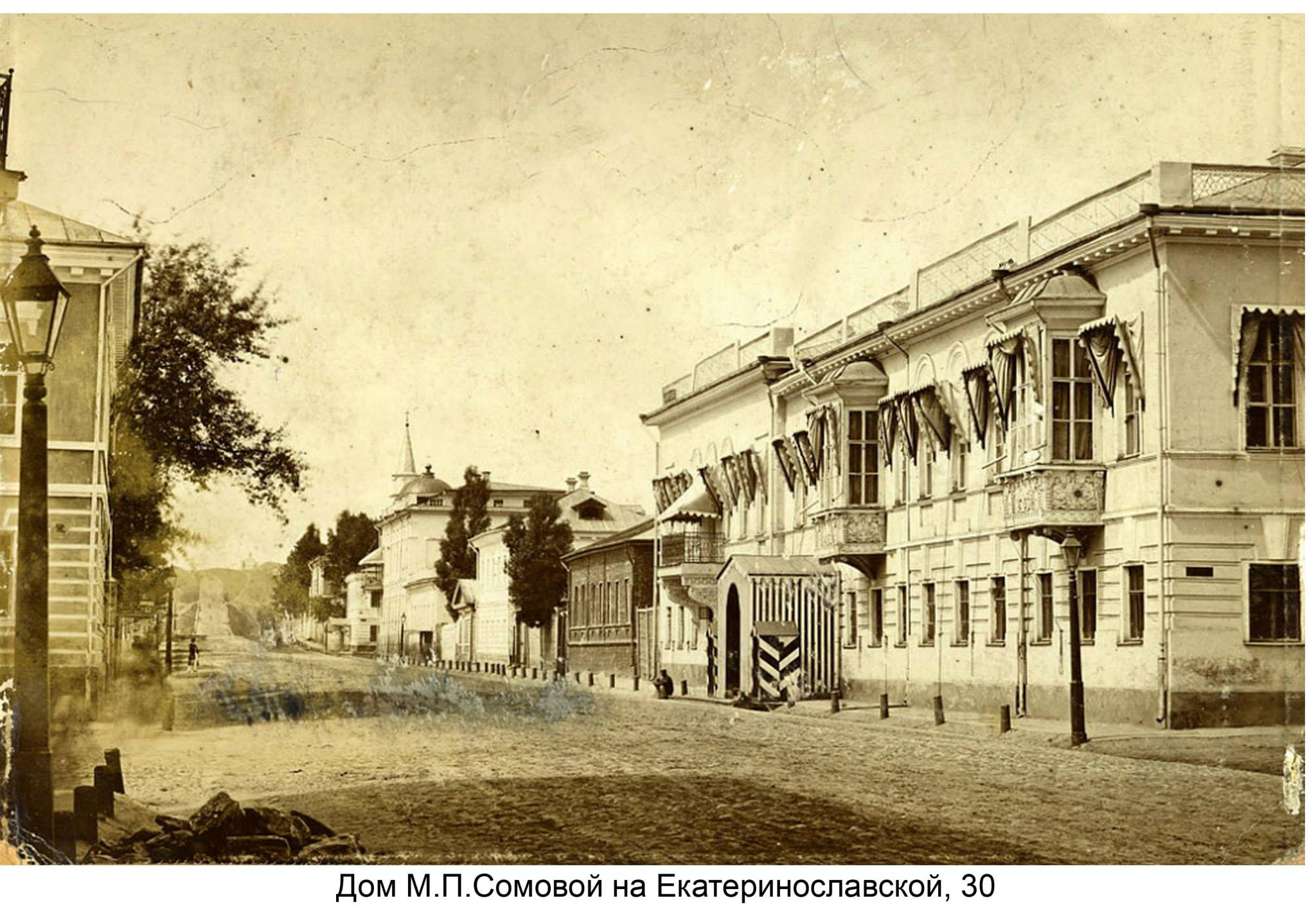
The house has survived, but it has been significantly simplified and has lost all its beauty. Here is an archival photo.
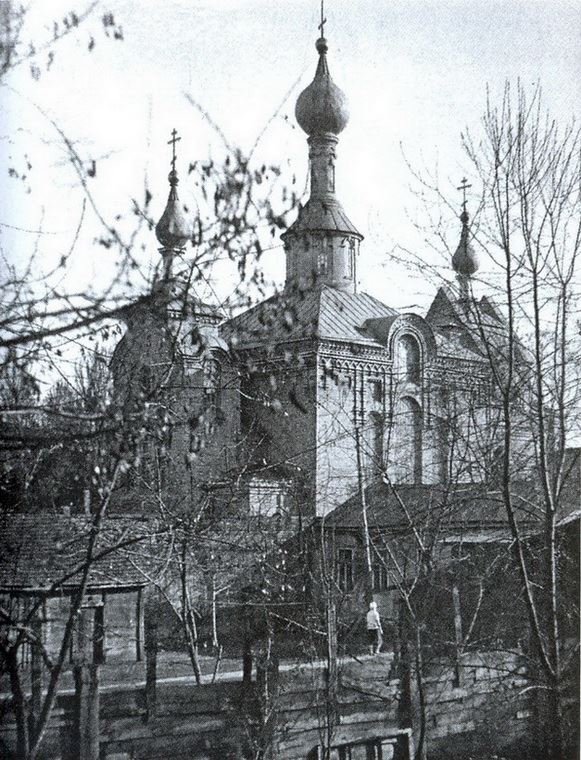
The Baptist Church—formerly the Old Believers’ Church of the Dormition of the Most Holy Mother of God.
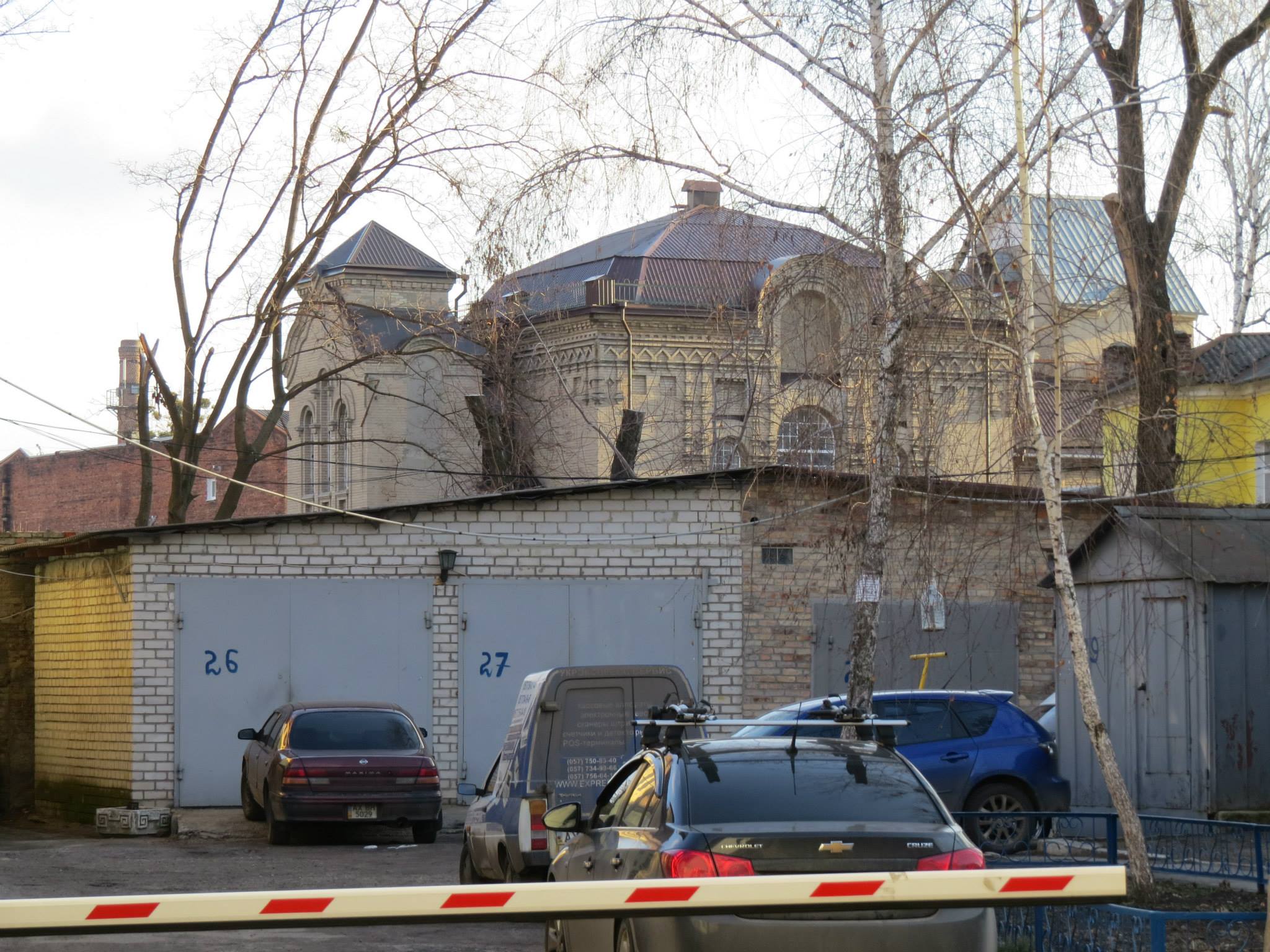
It was built in 1914 based on a design by architect Boris Kornienko, although its domes have not survived.
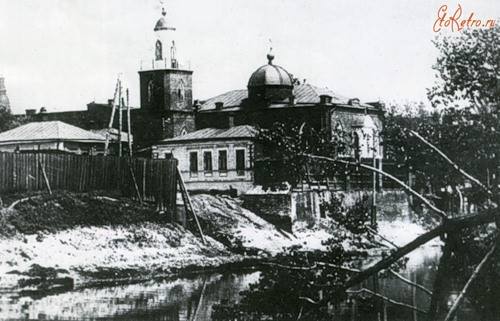
The only historical photograph of the mosque (1906), which stood near the current Kharkiv Central Mosque. It was destroyed in 1936
Of course, we went into the Romanenko (Shapara) apartment house at Kontorska Street, 26.

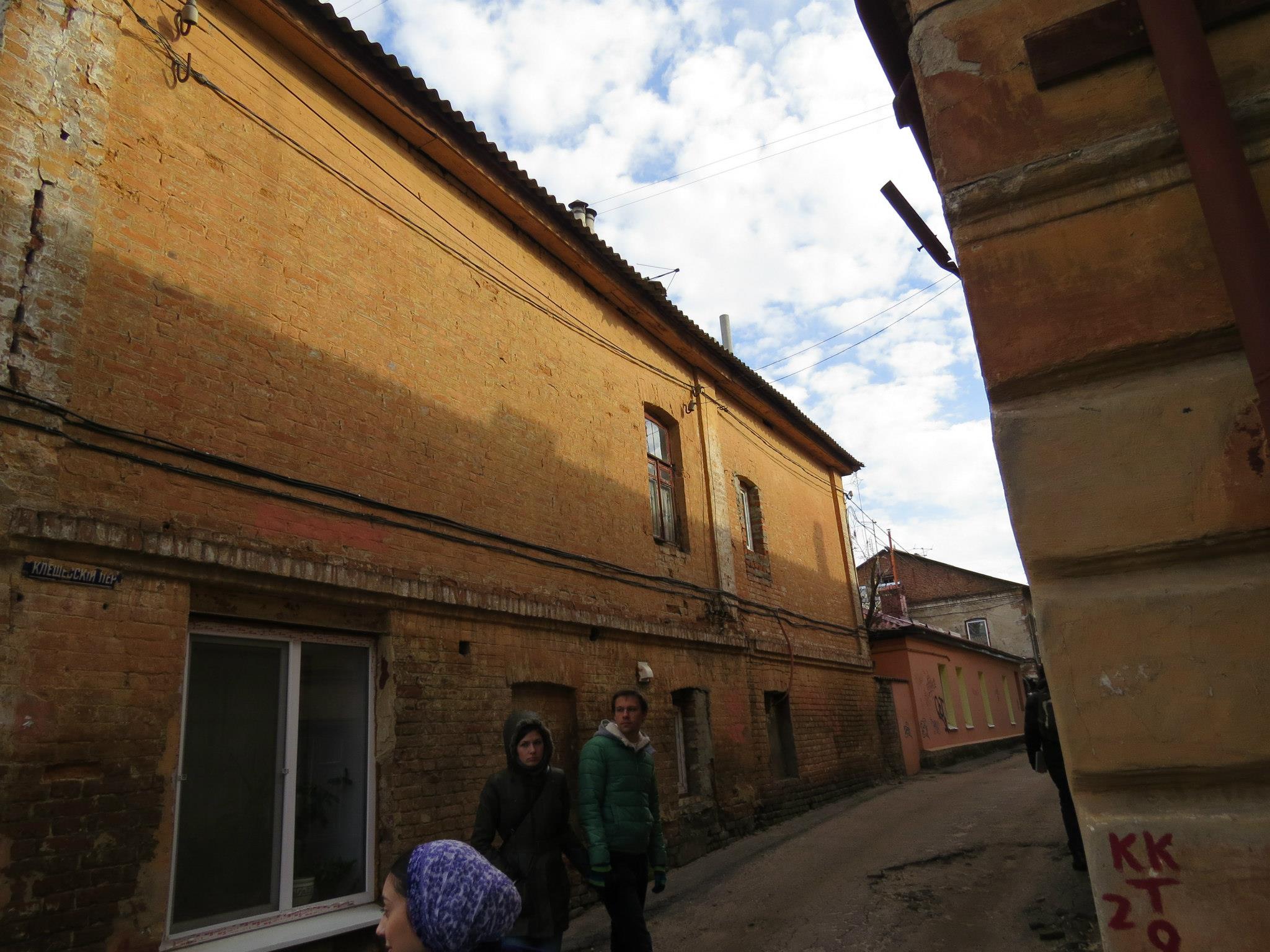
Nikolai Mikhnovsky, one of the leaders of the Ukrainian national movement in the late 19th and early 20th centuries, lived on Klishchyvs’kyi Lane.
The Church of the Nativity of Christ was originally built as a wooden structure in 1735 and rebuilt in stone in 1783 according to a design by P. Yaroslavsky; it has since been rebuilt several times.
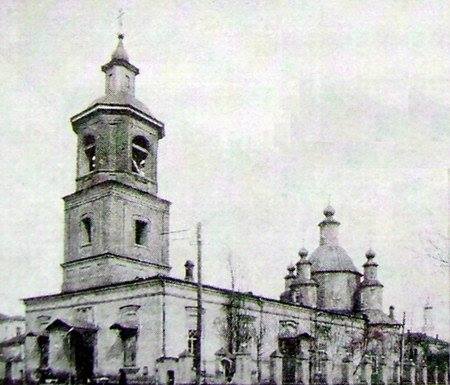
It was demolished in the late 1920s. Today, there is a park in its place.
Yekaterinoslavskaya Street ends at the iron bridge over the Lopan River. A fairly wide view opens up here: straight ahead, a wide staircase leads up to University Hill, where the university buildings stand; to the left of the university buildings is the dark administrative building, and behind it rises the cathedral bell tower; further to the left, the domes of the Pokrovsky Monastery are visible; below, to the left of the bridge, stands the Chapel of St. Alexander Nevsky. At the chapel, the tram line turns right onto Sergievskaya Square; the city’s shopping arcades stretch along this square. Sergievskaya Square merges with Pavlovskaya Square.
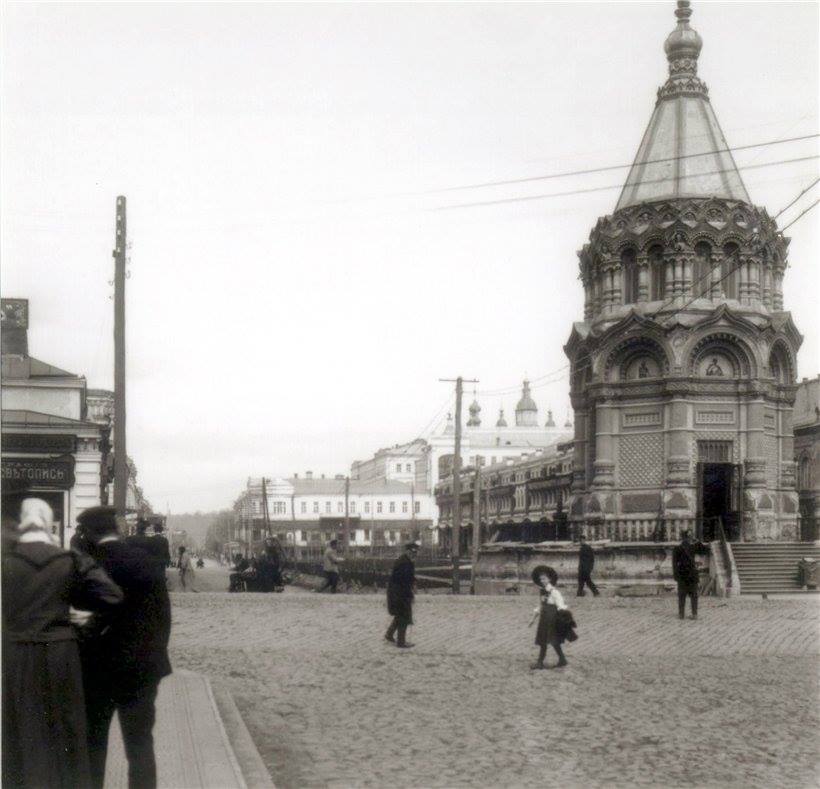
The House of Public Offices; today, the site is home to the “Eternal Flame” Square. The building was rebuilt in the Constructivist style in the early 1930s and was destroyed during World War II. The Alexander Nevsky Chapel has also not survived.
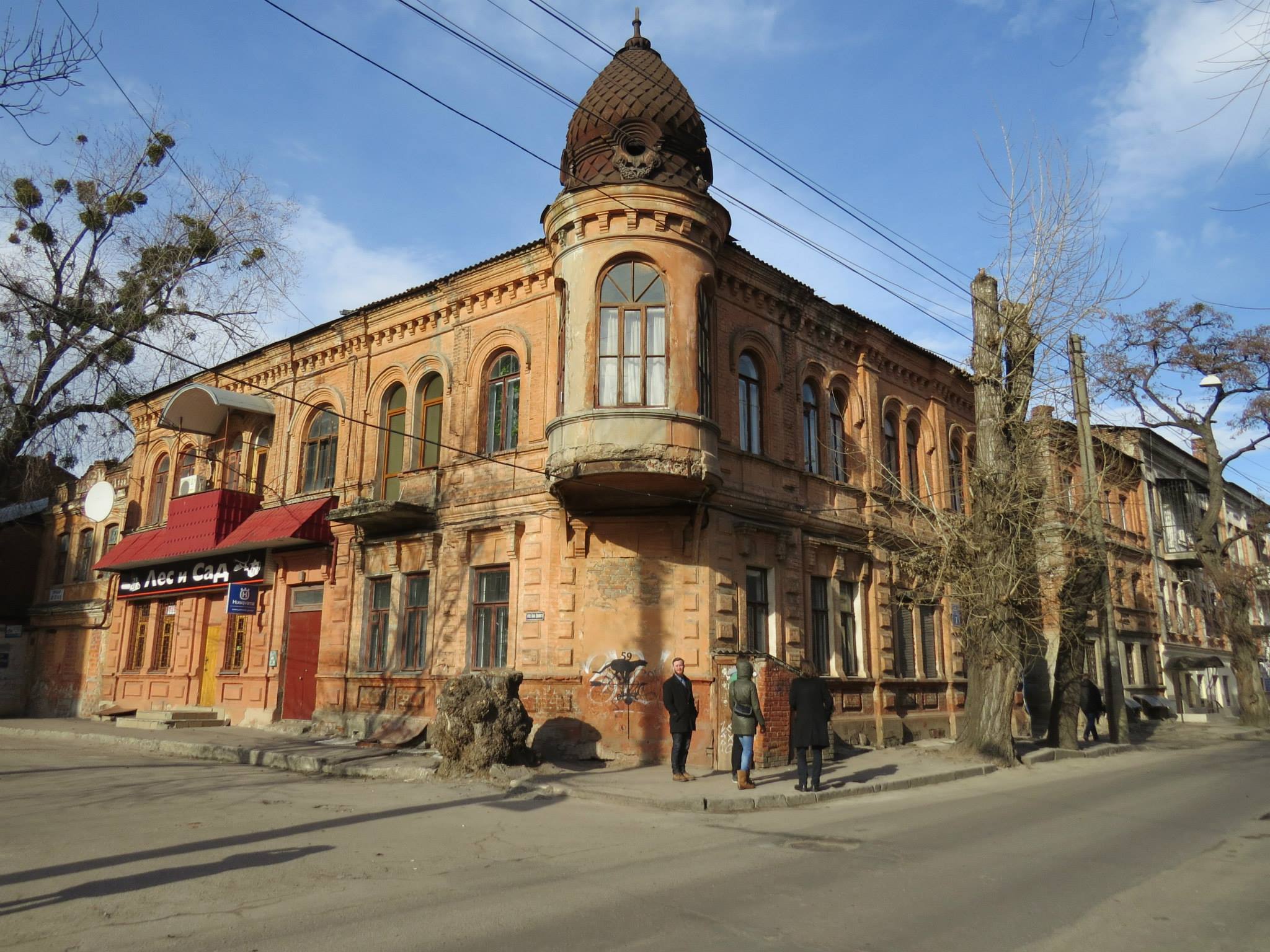
Let’s wrap up the guide and head to the Podil neighborhood of Kharkiv. One of its most beautiful buildings is located at Kuznechna Street, 13.
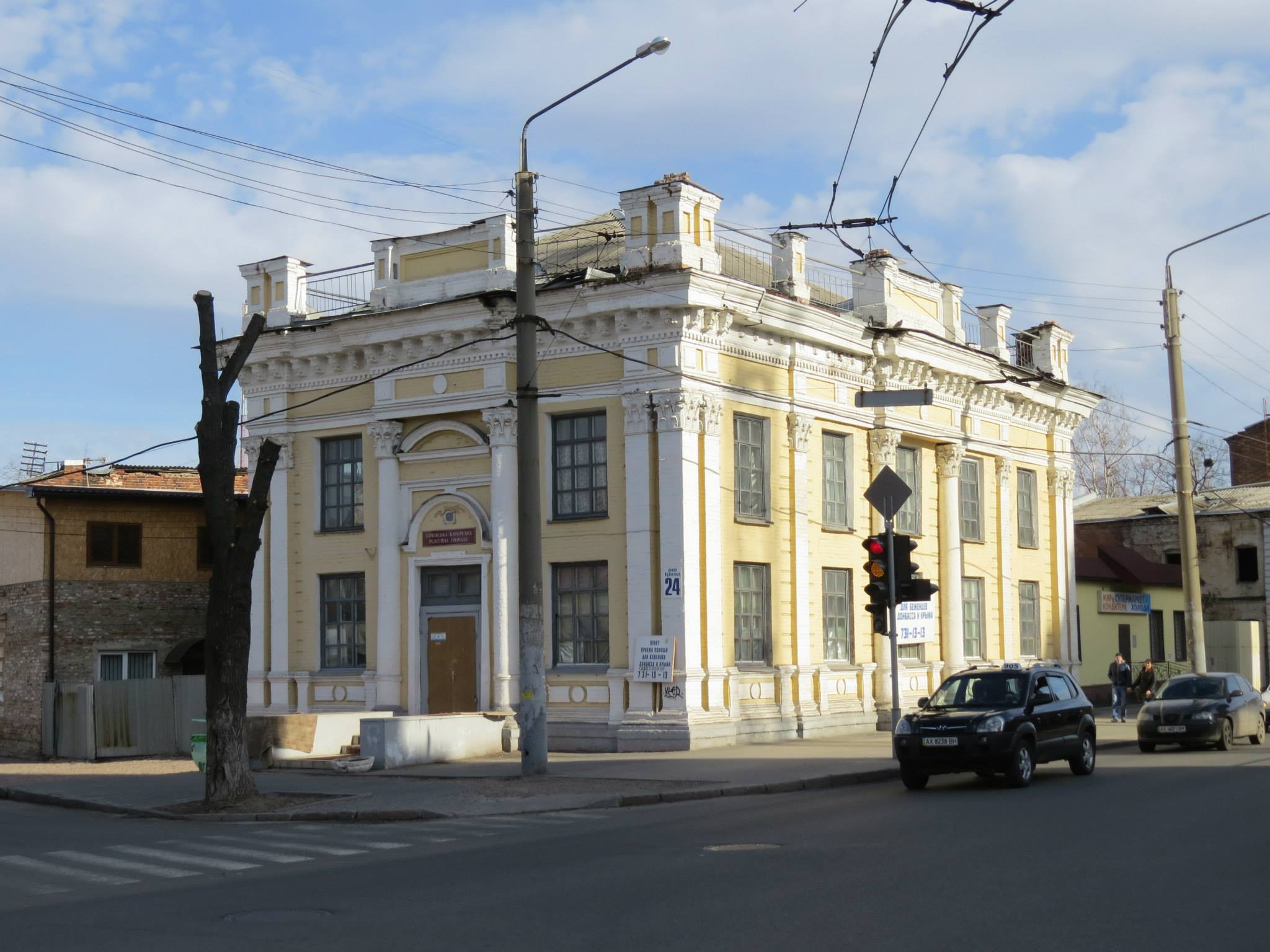
The Karaite Synagogue. The building was constructed in 1893 according to a design by architect B. S. Pokrovsky at the corner of Podilskyj Lane and Kuznechna Street.
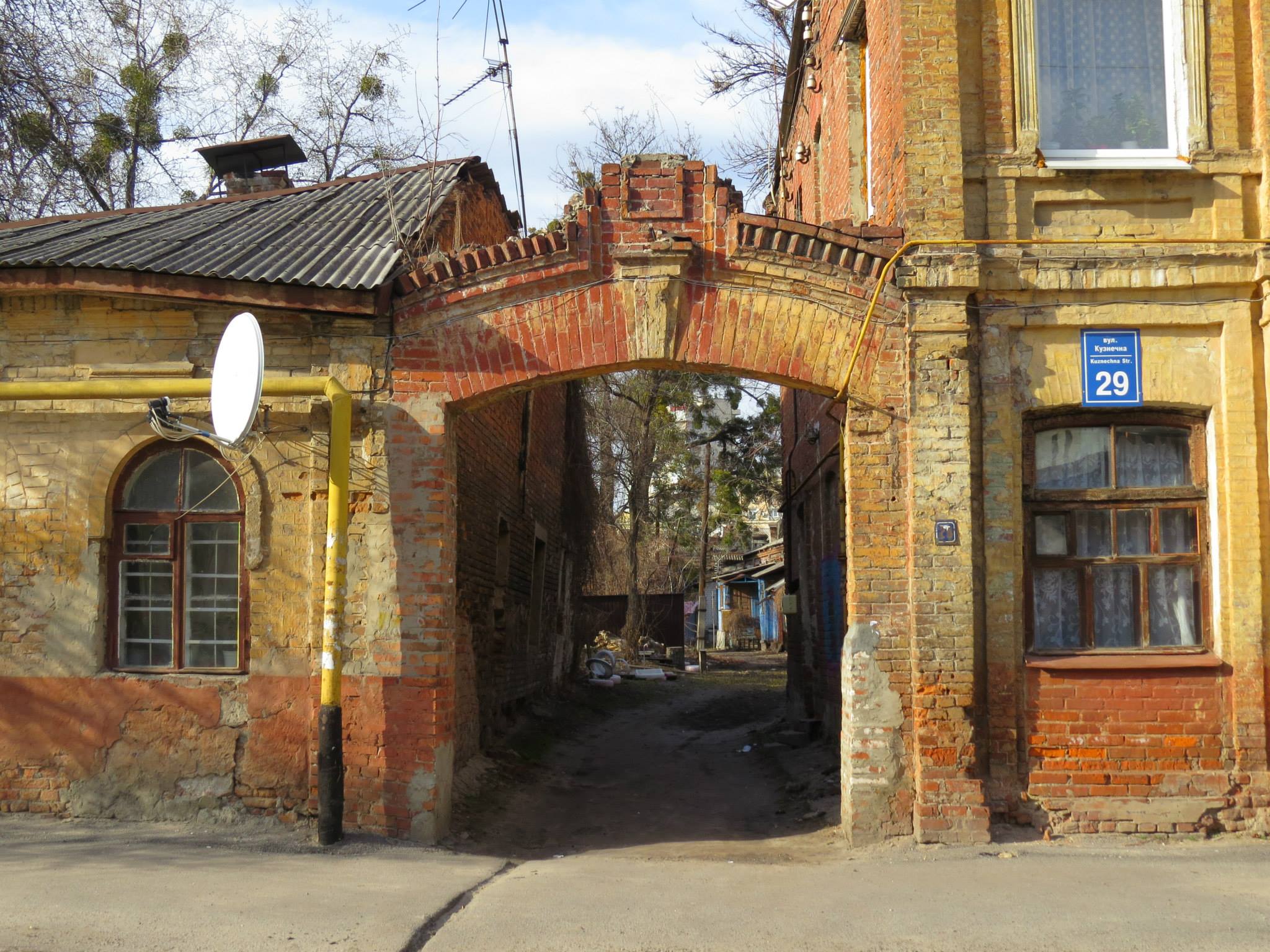
At the end of Kuznechnaya Street once stood Kharkiv’s first power plant, built in the late 19th century. It did not survive the years of WWII German occupation.
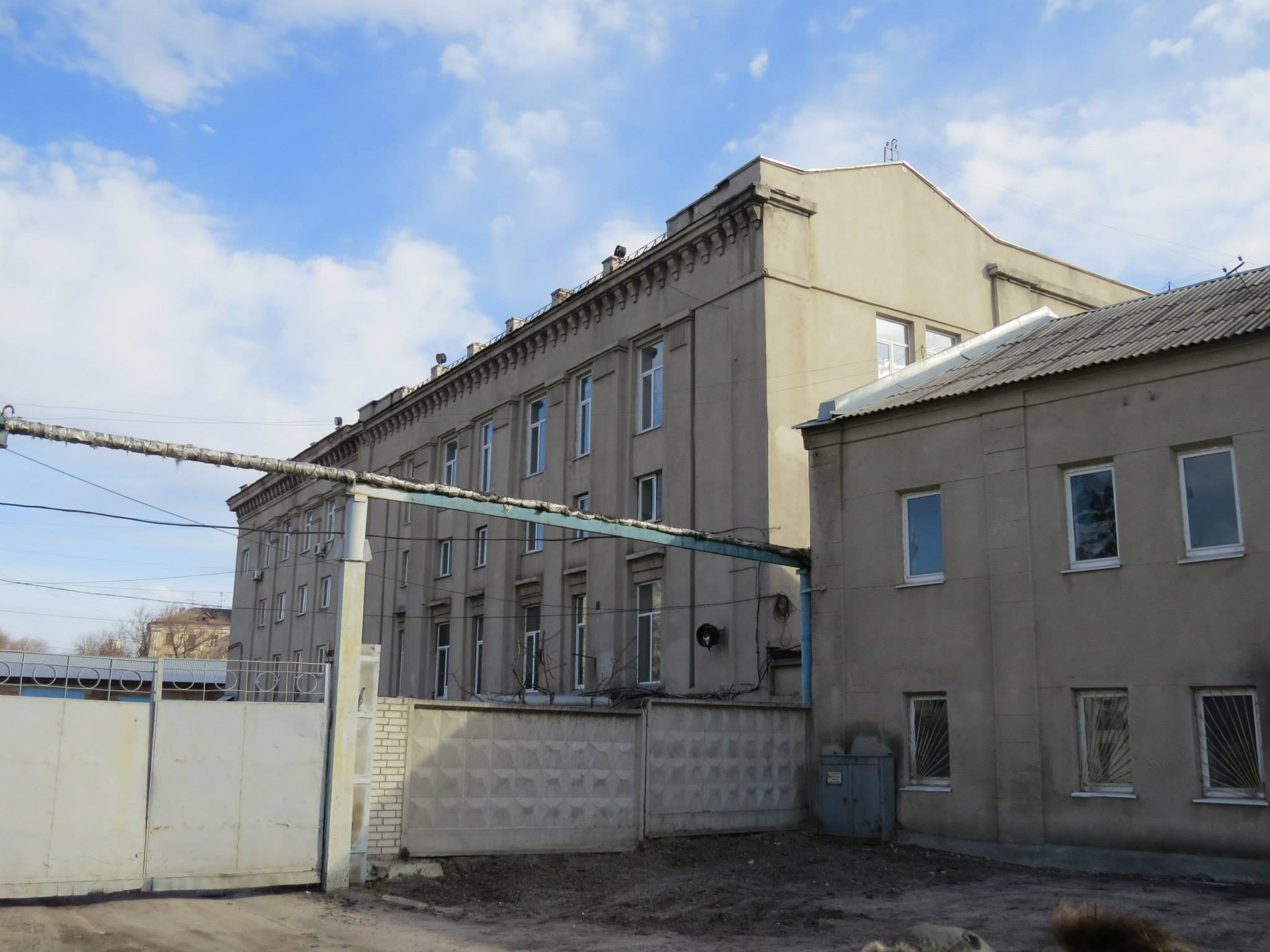
Before World War I, a new power plant was built next to it; it too was severely damaged during World War II but was later renovated—that is the building shown in the photo.
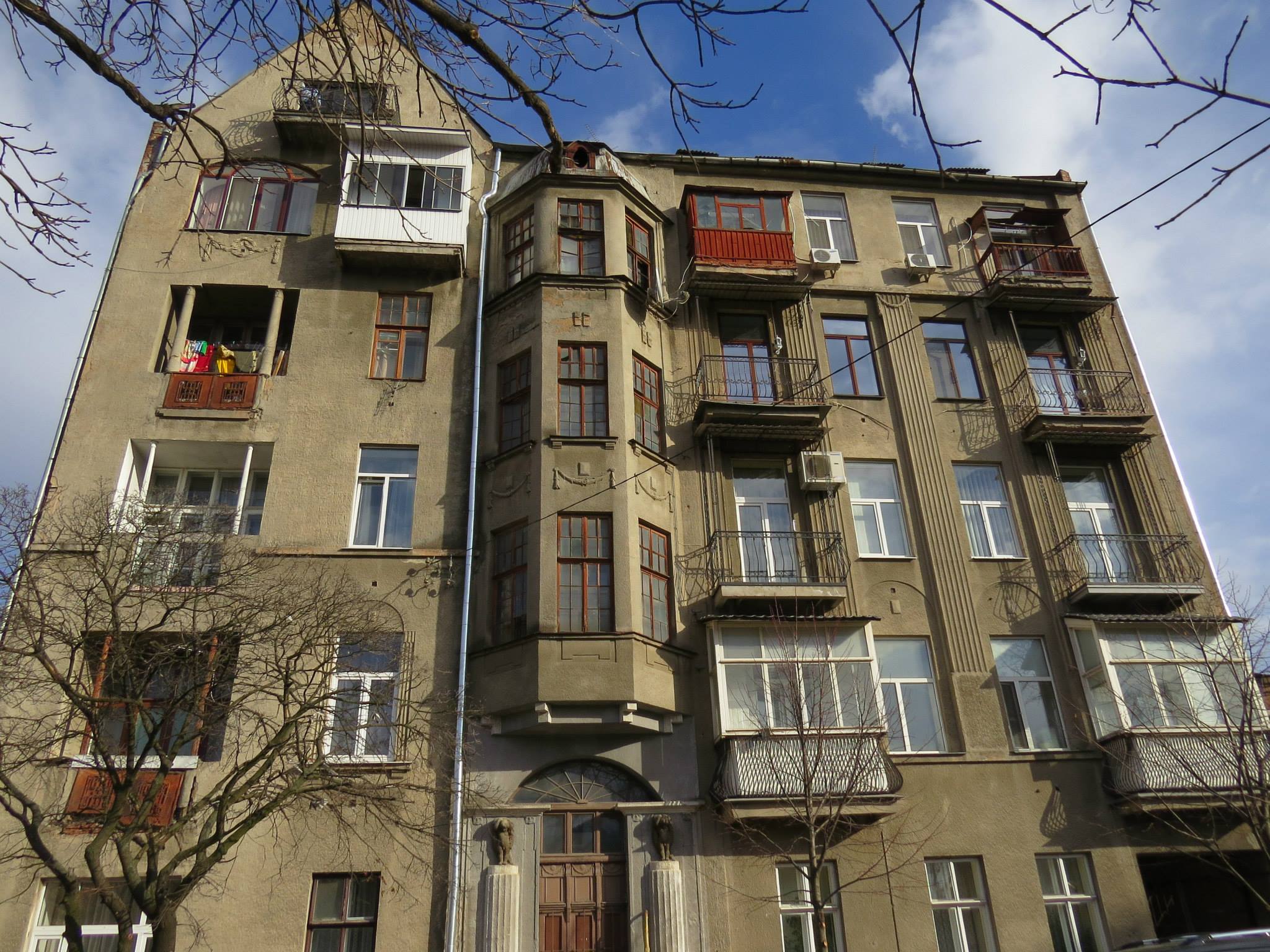
One of the buildings designed by architect Rzhepishevsky, Chyhyryna Street, 8.
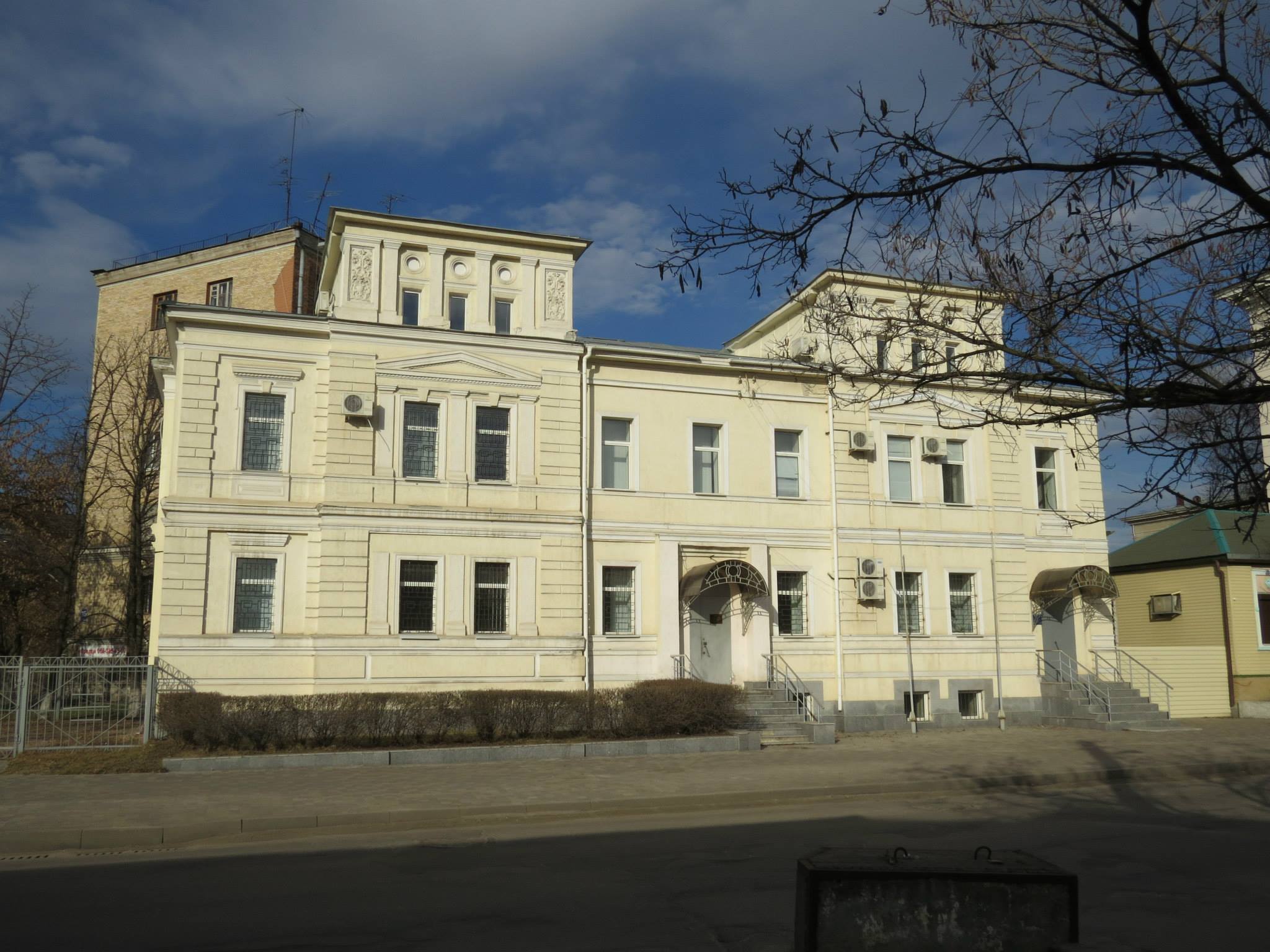
Rechinsky’s private girls’ school, opened in 1907 at Voznesensky Lane, 1. Today, this is Feijerbakha Lane.
The building at Oboronnyi Val Square, 9B is notable for its old Soviet sign urging people to maintain sanitary conditions.
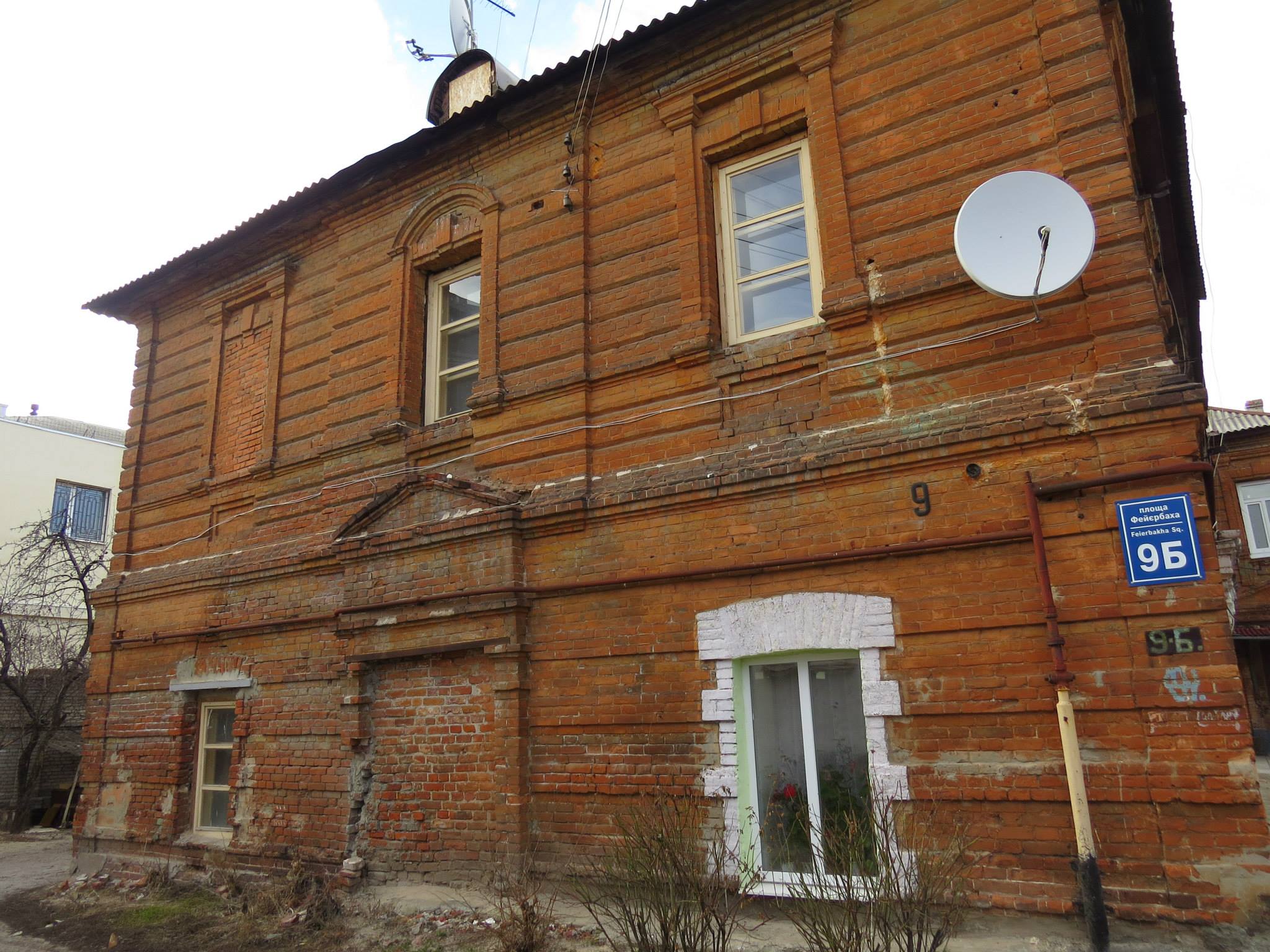
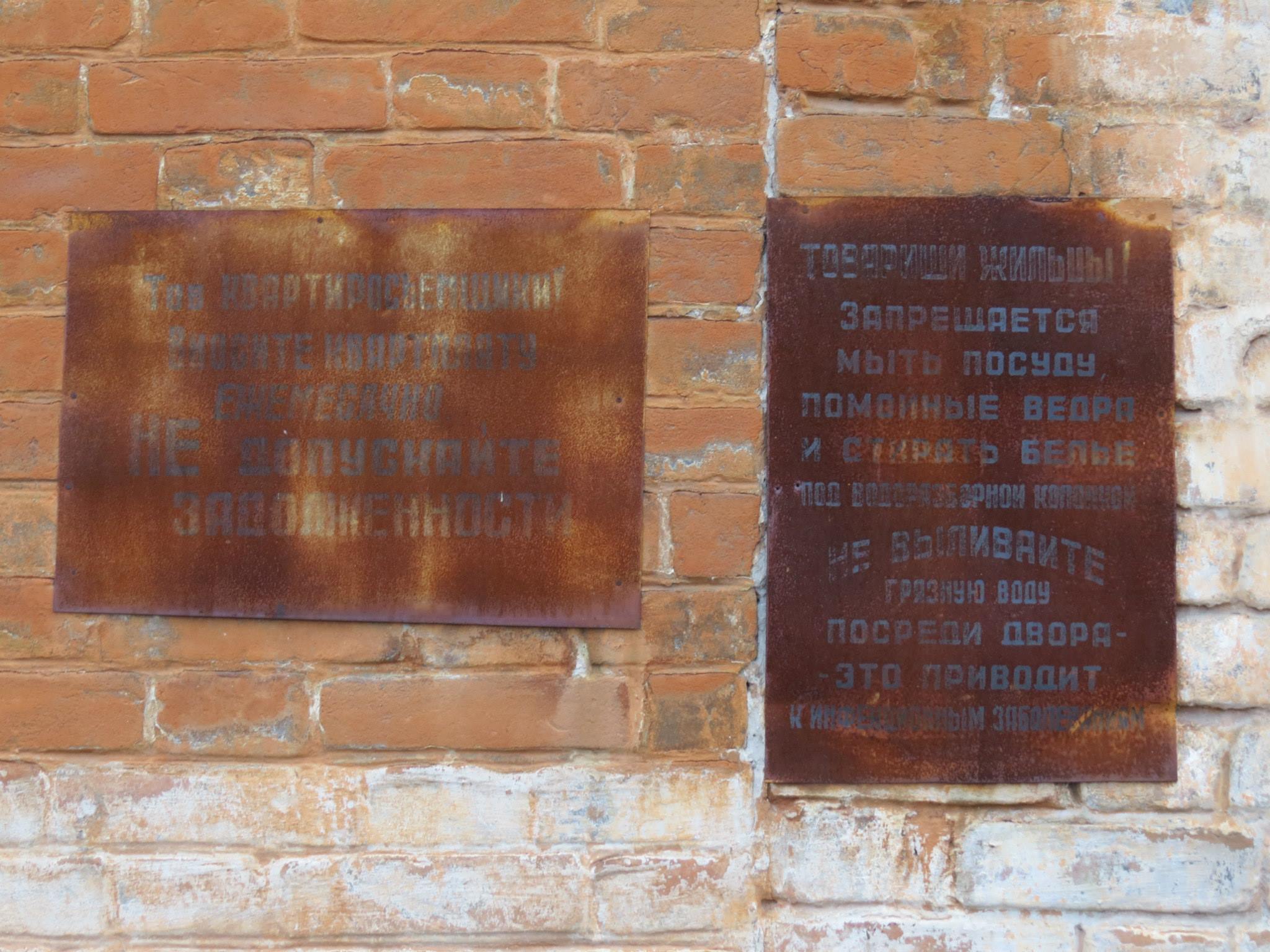
And from Frankivska Street, it actually looks like a micro castle.
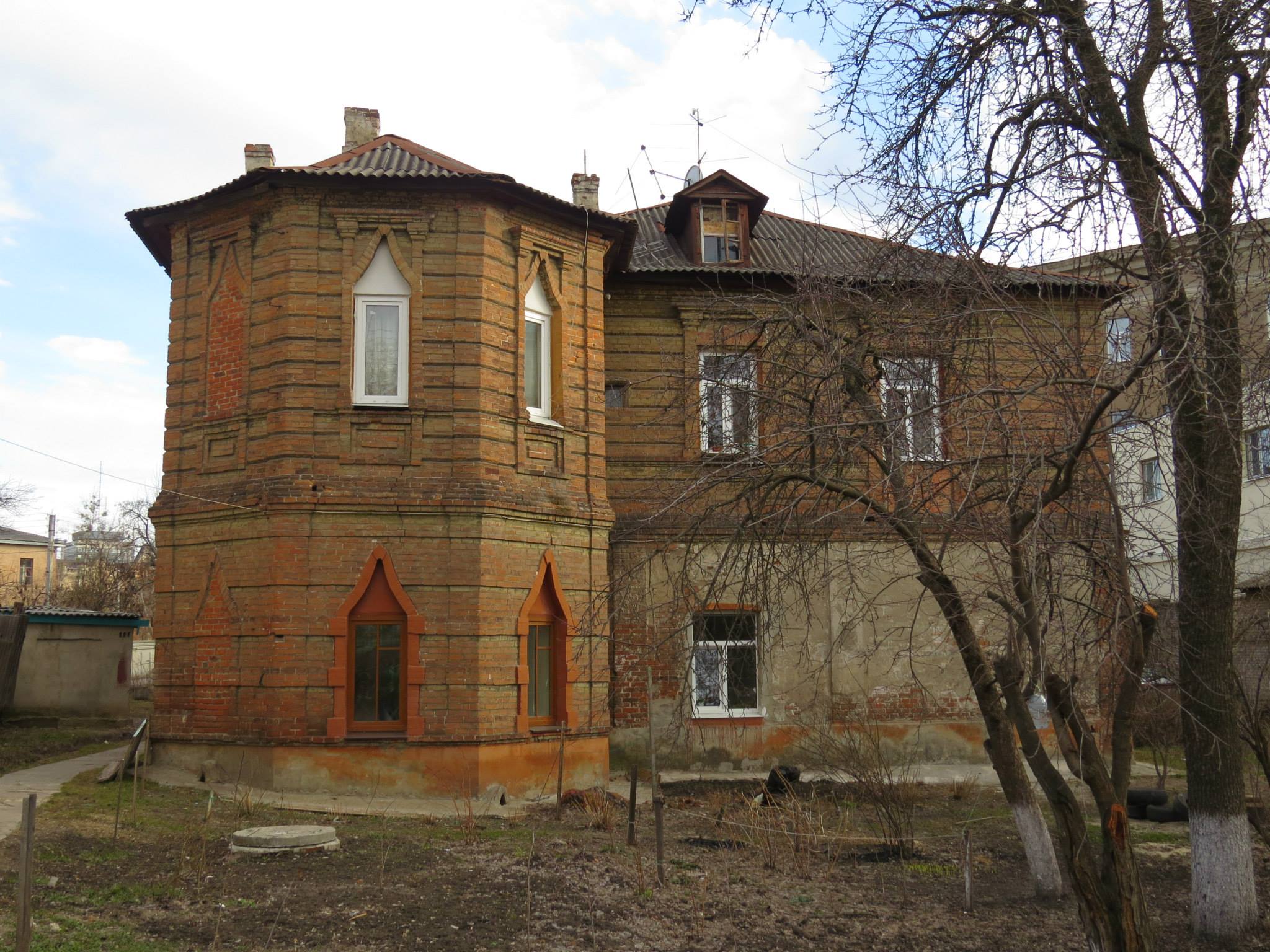
The former Church of the Ascension, rebuilt in the 1920s and 1930s. It is with this church that the legend of the lampoon against Paul I is associated.
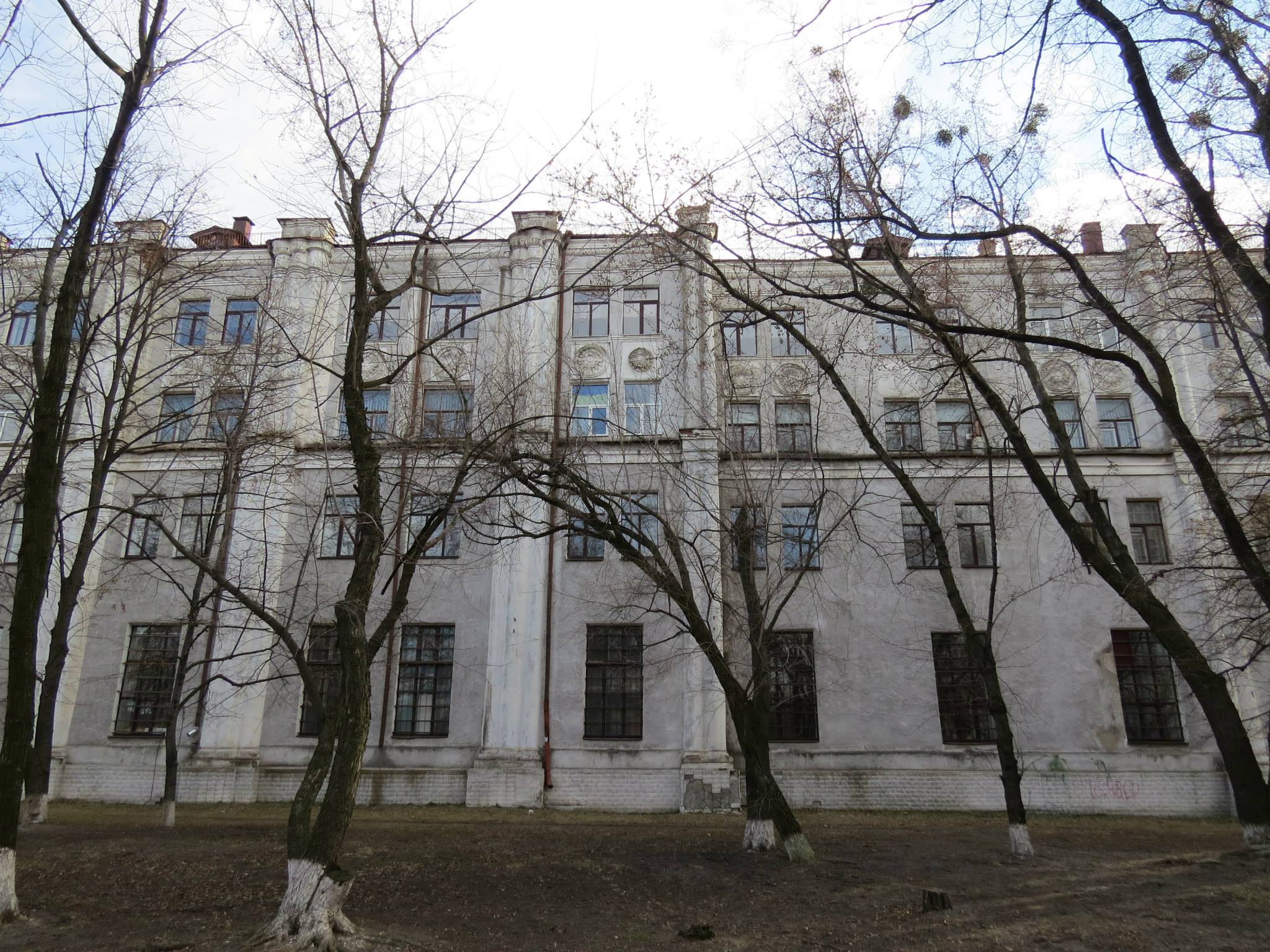
Red Cross Hospital, designed by architect O. Rzhepishevsky, 1914. Voznesenska Street, 13.
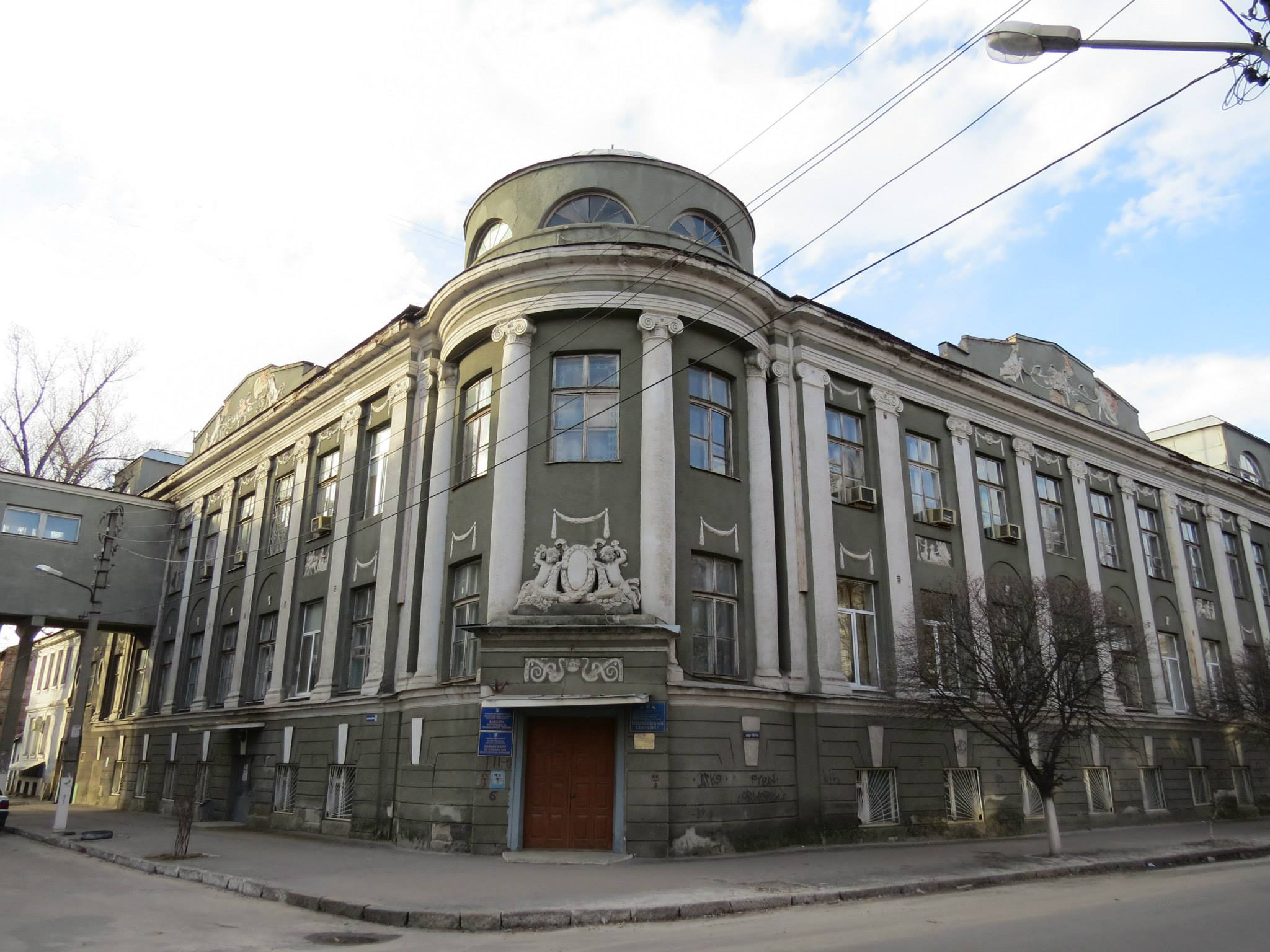
The greenhouse at the Real School, now part of the National University of Biotechnology. Built in 1877 to a design by K. Tolkunov.
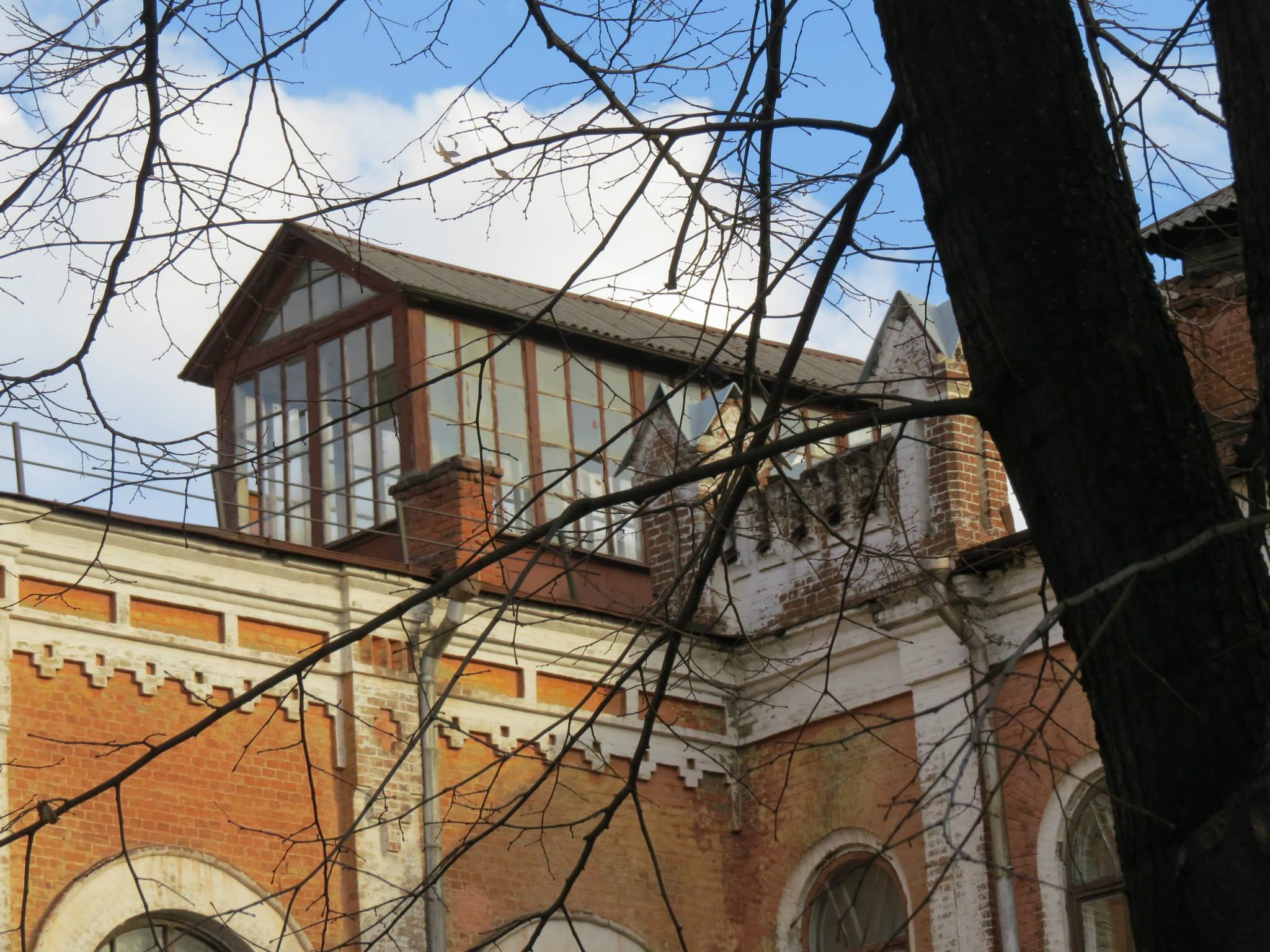
The former League for the Fight Against Tuberculosis. at Oboronnyi Val Square, 12.
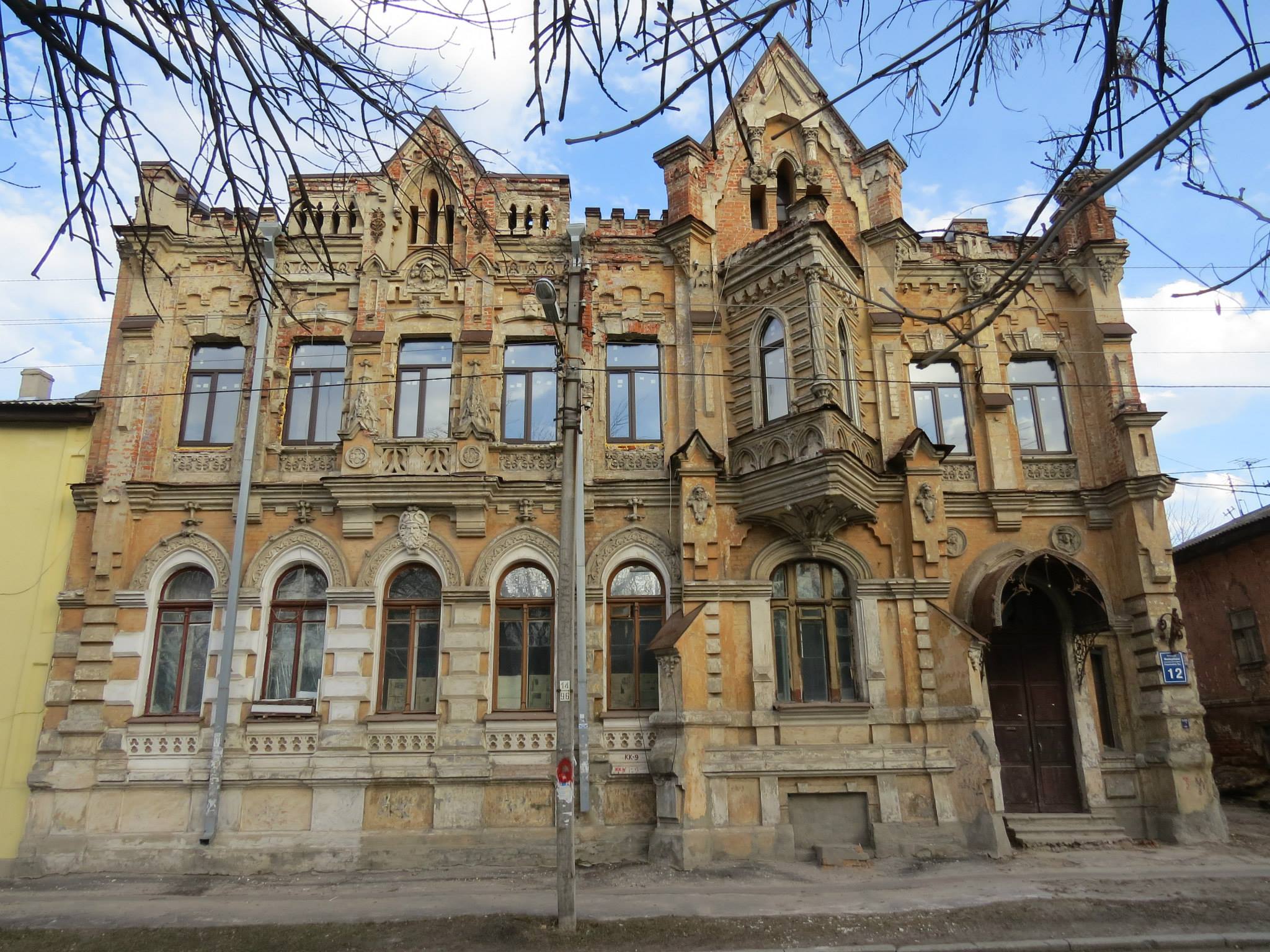
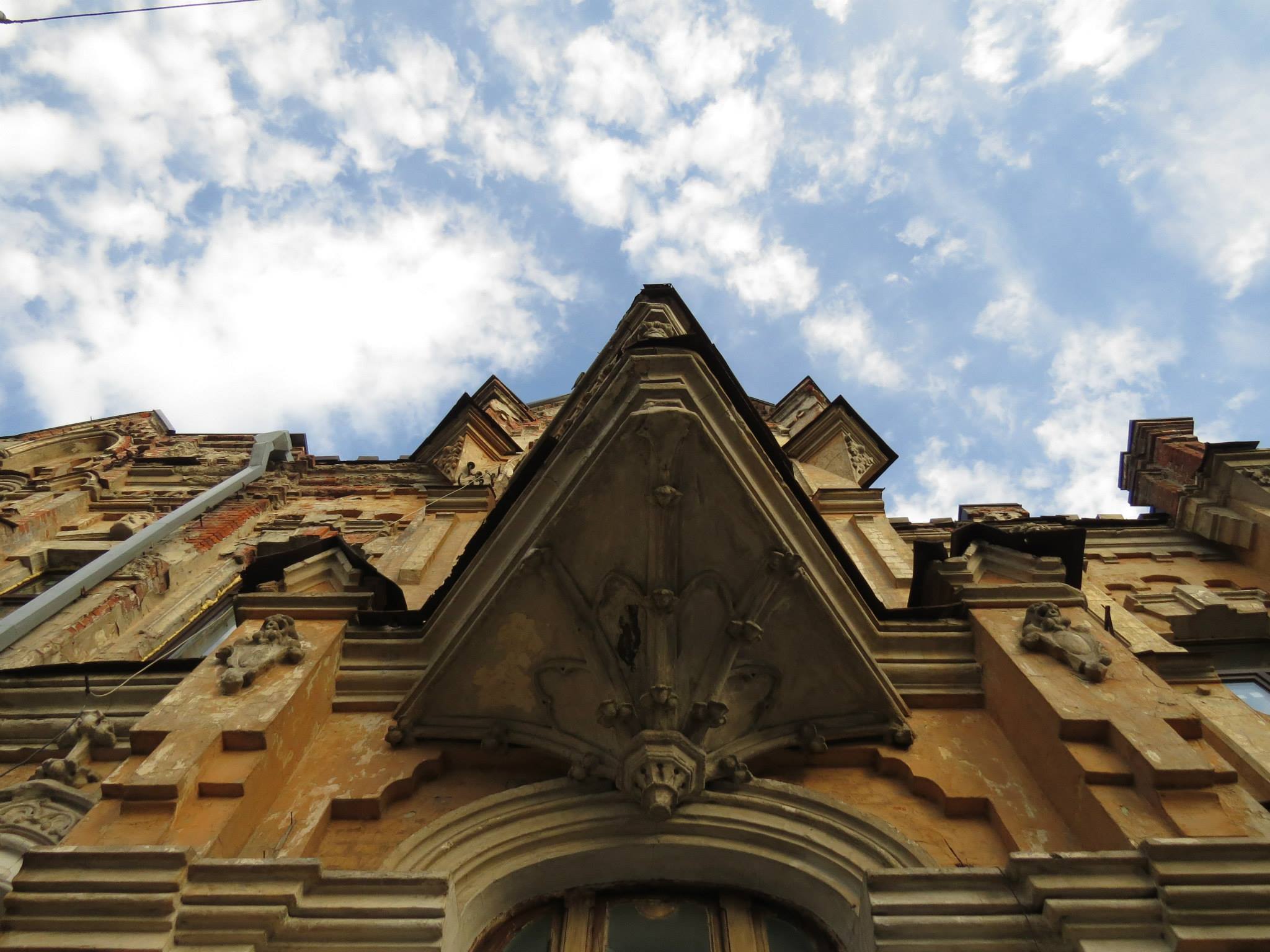
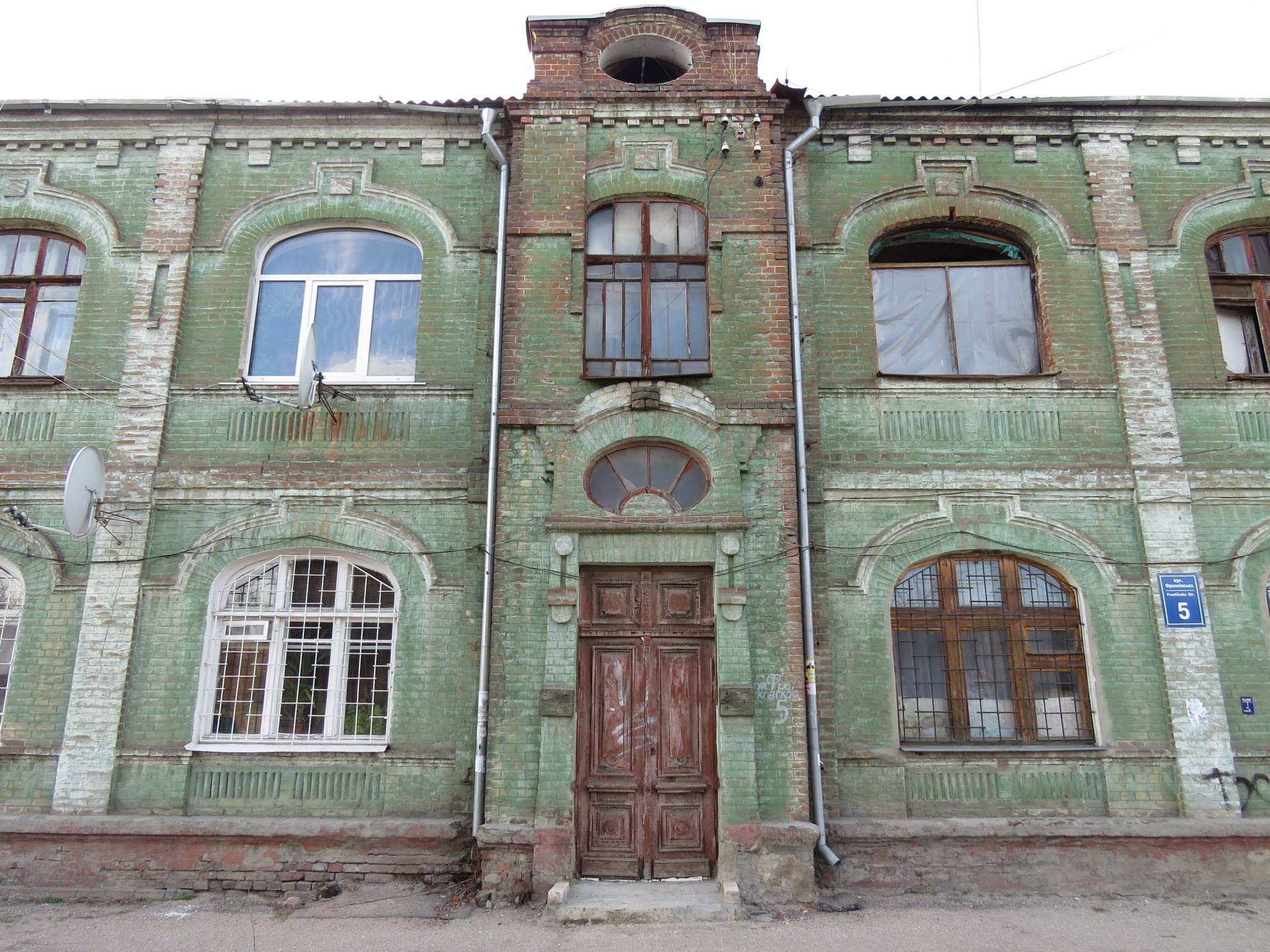
“The Mint House,” Frankivska Street, 5
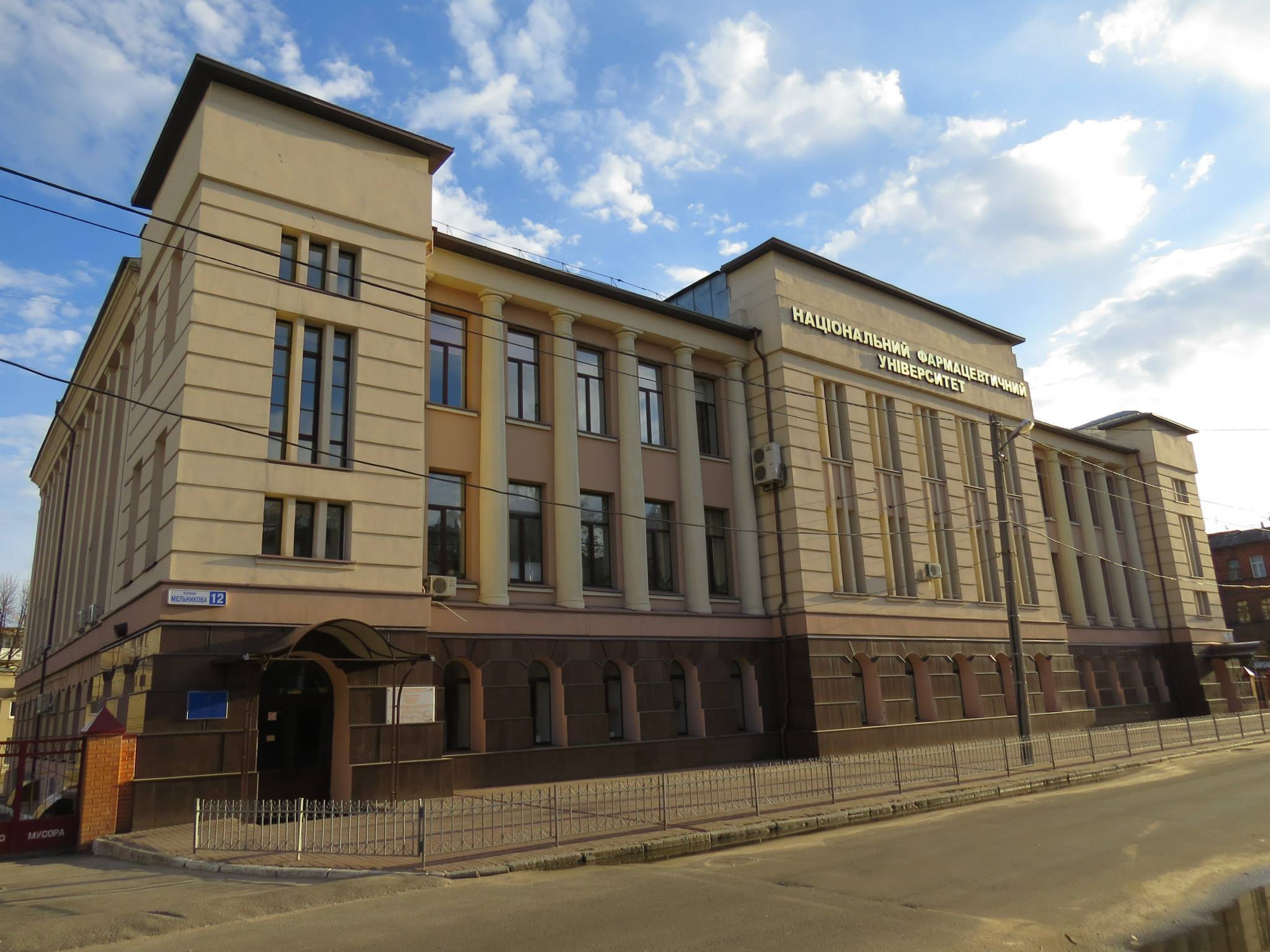
The former building of the Jewish Charitable Society (a hospital with an almshouse). Designed by architect O. Ginzburg. This Art Nouveau building was constructed in 1912 on commission from the tobacco manufacturer Buras. It is now a campus building of the National University of Pharmacy, located at Kulykivska Street, 12.
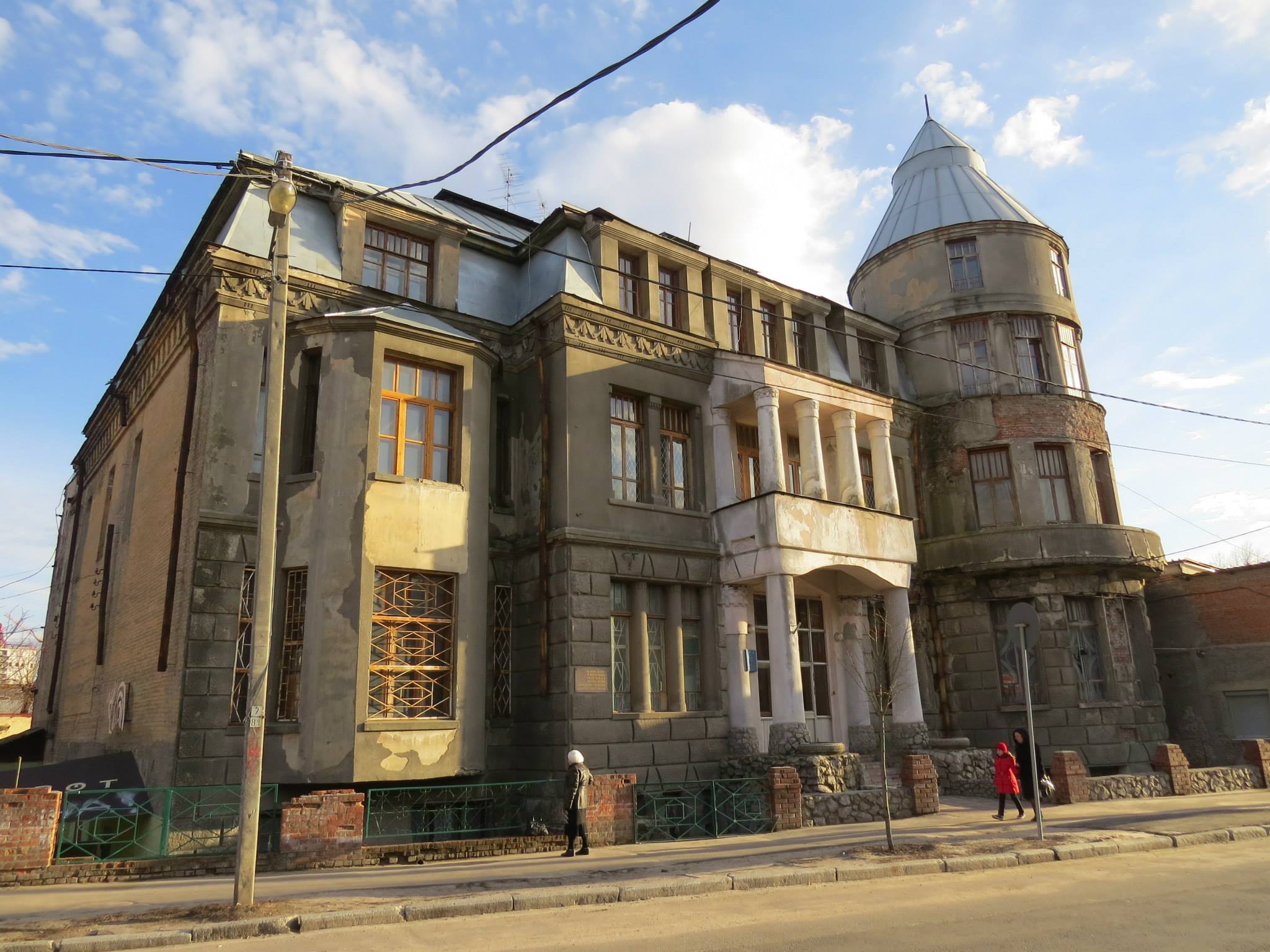
The mysterious mansion at Kulykivska Street, 6, about which there is no precise information regarding either the owner or the architect (presumably O. Ginzburg).
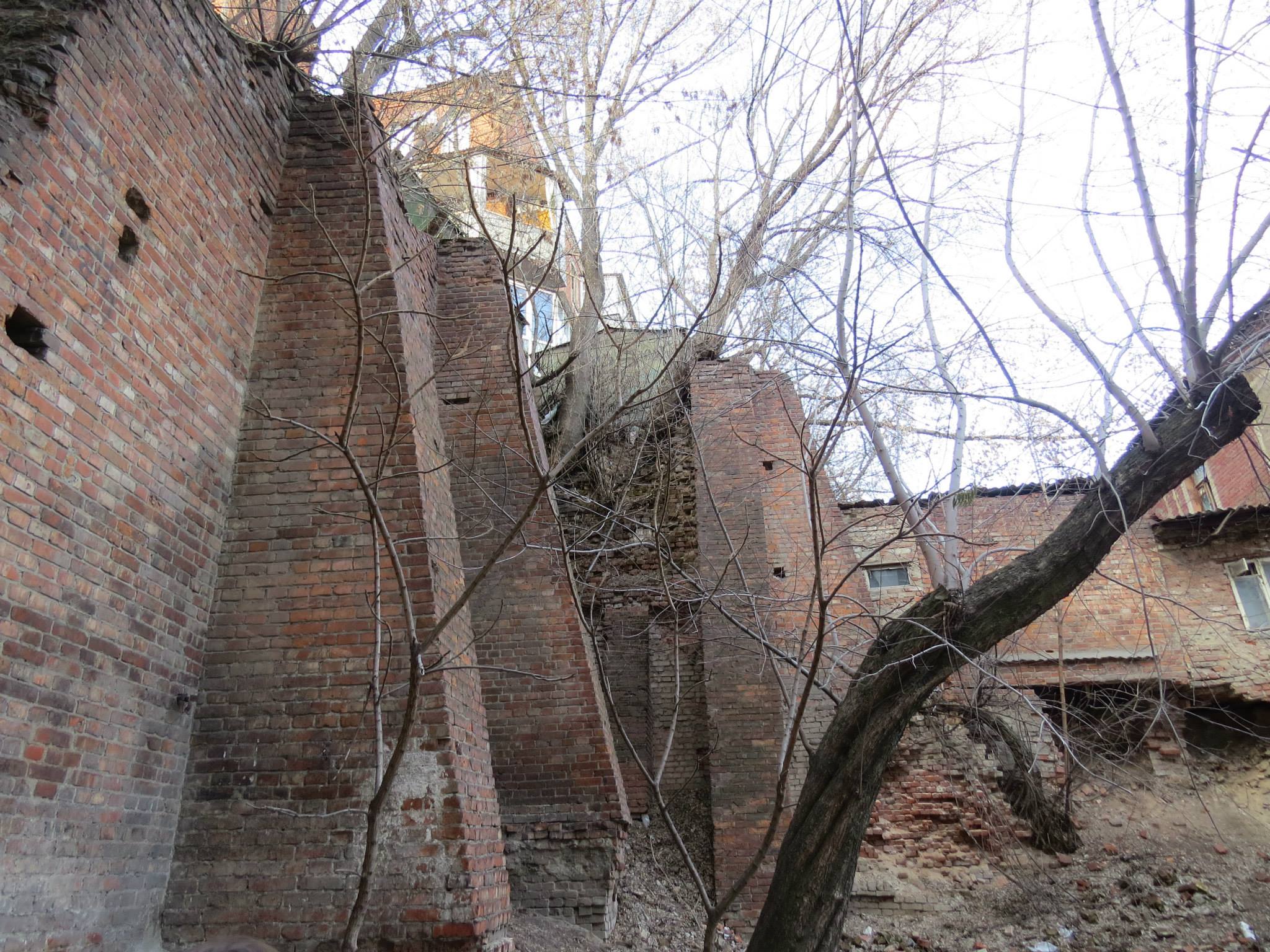
Retaining walls (Skrypnykivskyi Descent).
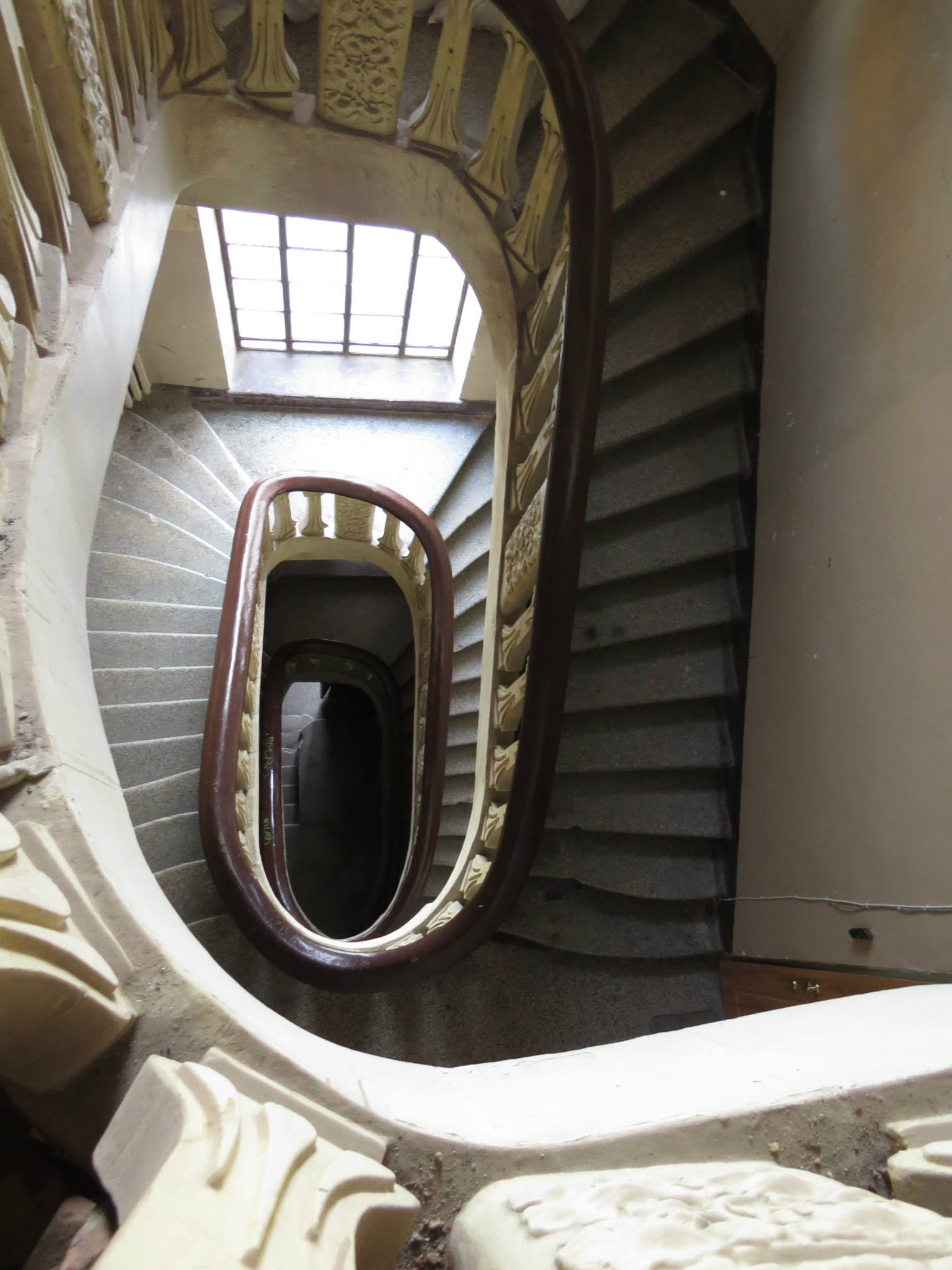
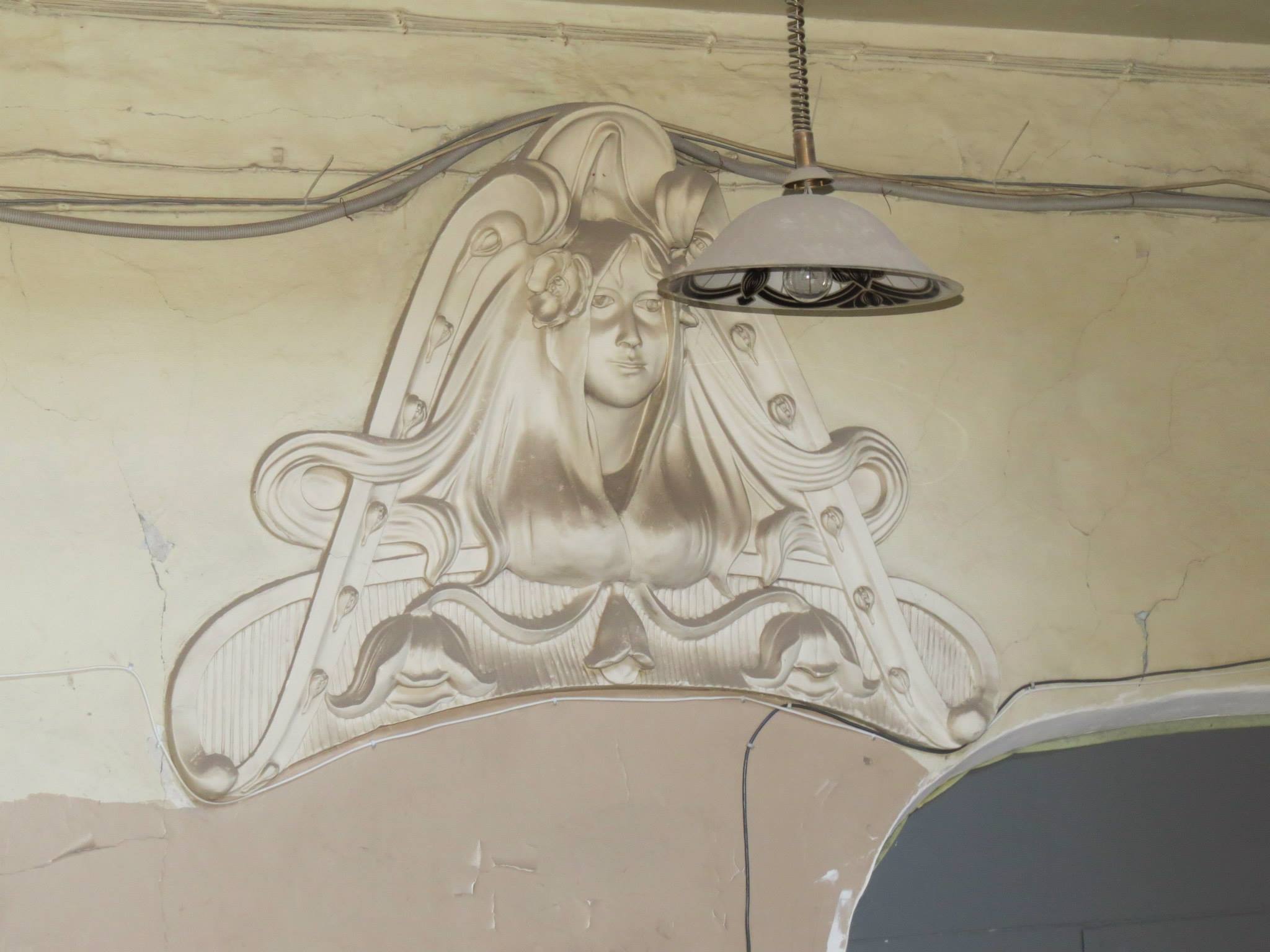
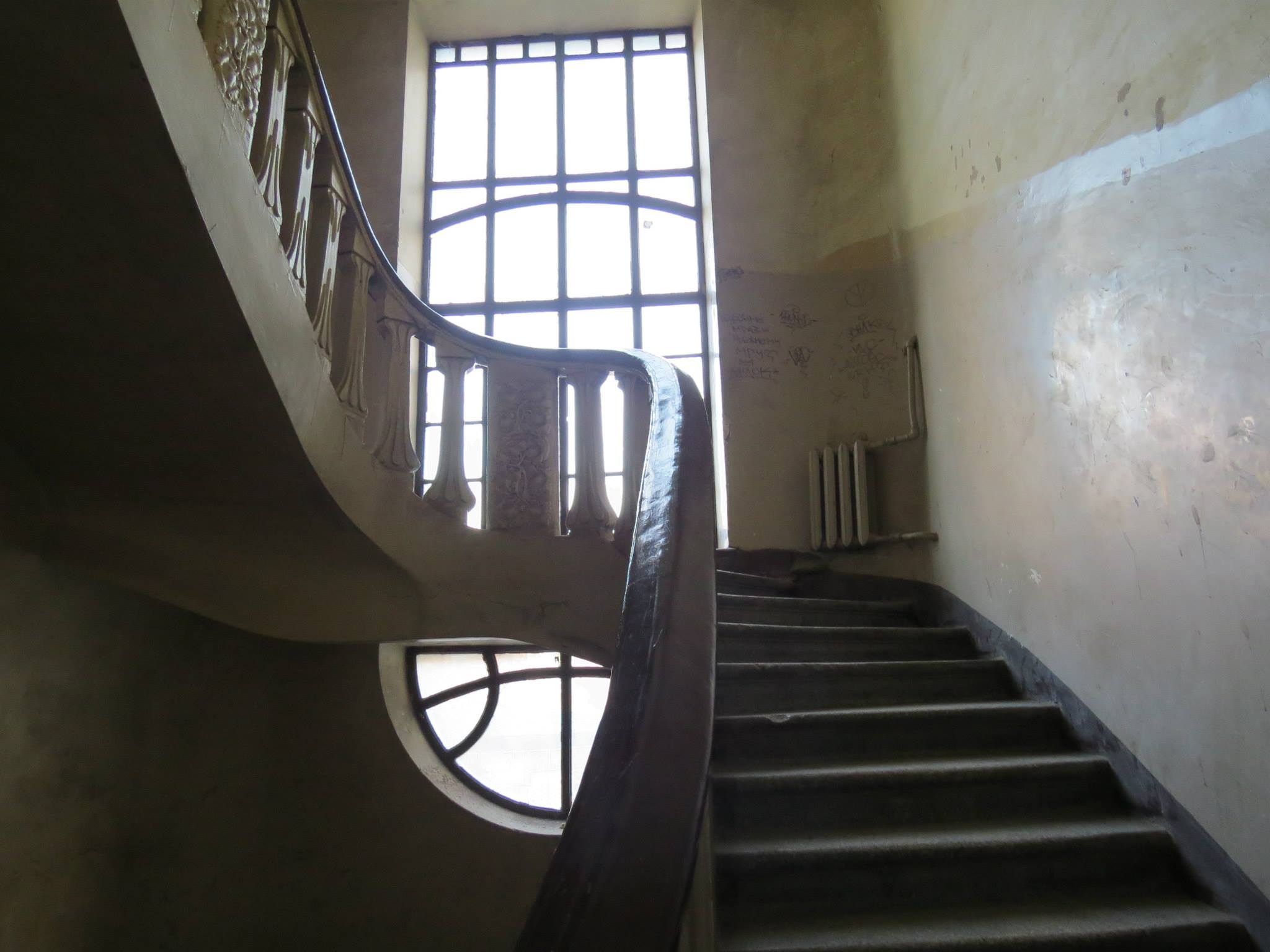
The staircase of the apartment building designed by architect Ginzburg in 1907 at Hryhoriia Skovorody Street, 19.
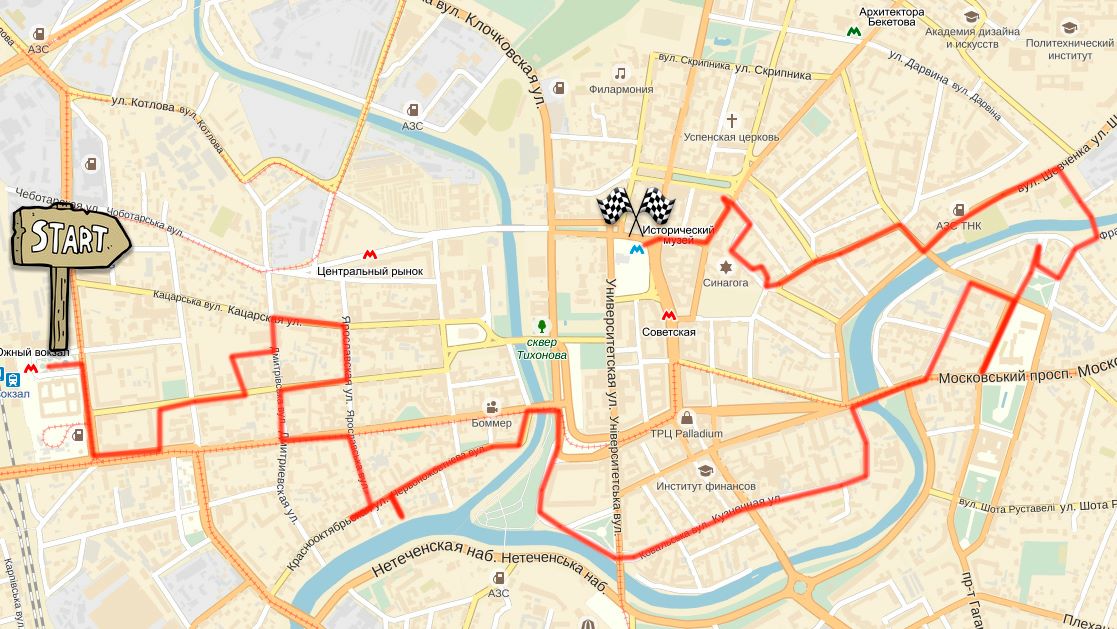
Full itinerary:

- Danylevs’koho Street, 19 - 13.10.2026
- Debunking the myth about one of the most famous Kharkiv photos - 12.10.2026
- The Architectural Evolution of the Kharkiv Theater - 26.09.2026