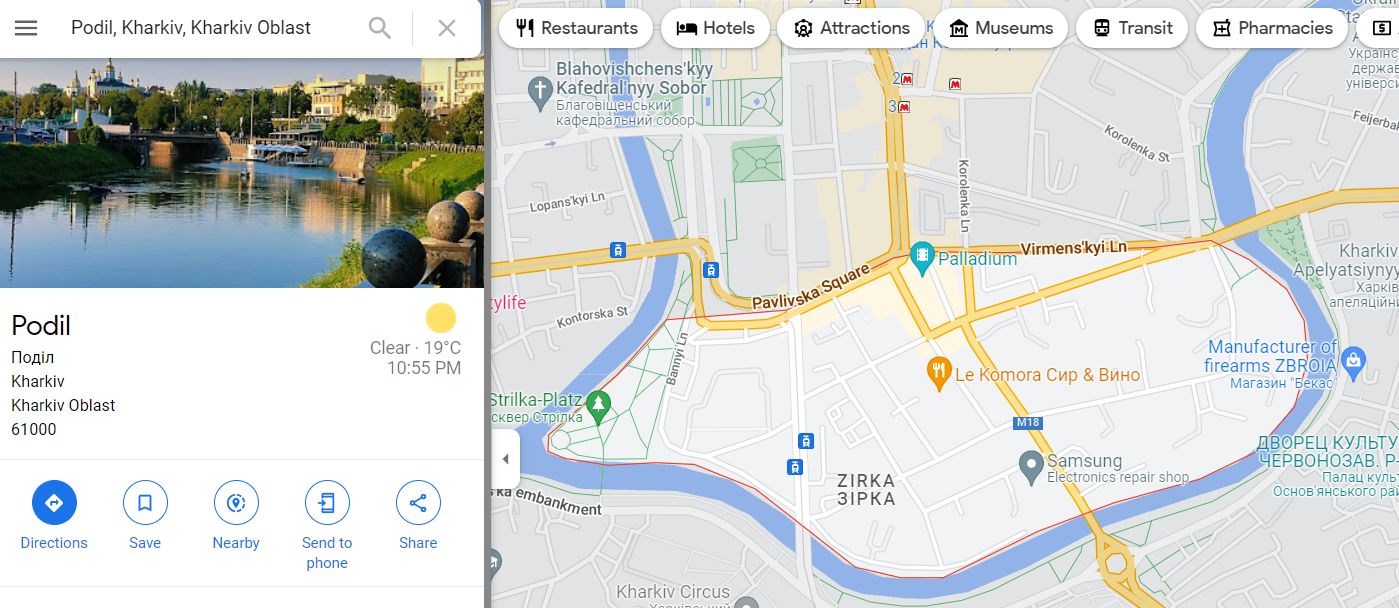
Many are surprised to learn that there is a Podil neighborhood in Kharkiv, the boundaries of which are displayed when searching for it in Google Maps. But Podil is not only a neighborhood of Kyiv, but also a general name for toponyms in the central parts of many old cities that denoted the lowland washed by the river. Podils are also found in Poltava and Zhytomyr. Kharkiv Podil is washed by the Kharkiv River.
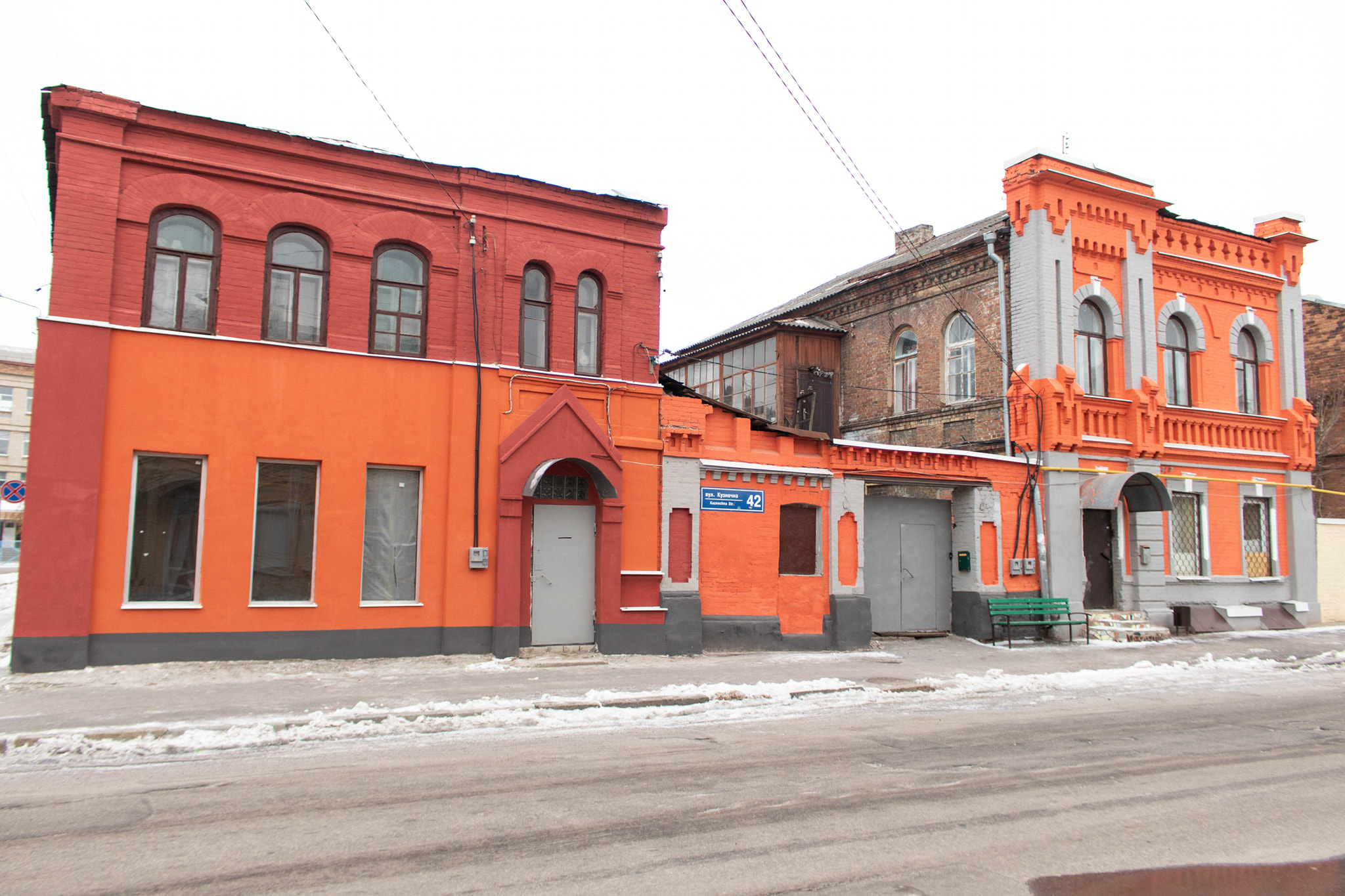
Unfortunately, in Kharkiv, it is not uncommon for the facades of buildings to lose their detail during renovations, and the buildings themselves acquire bright, flashy, acidic colors. However, some believe that even such renovations are better than completely ignoring forgotten buildings that are collapsing due to old age.
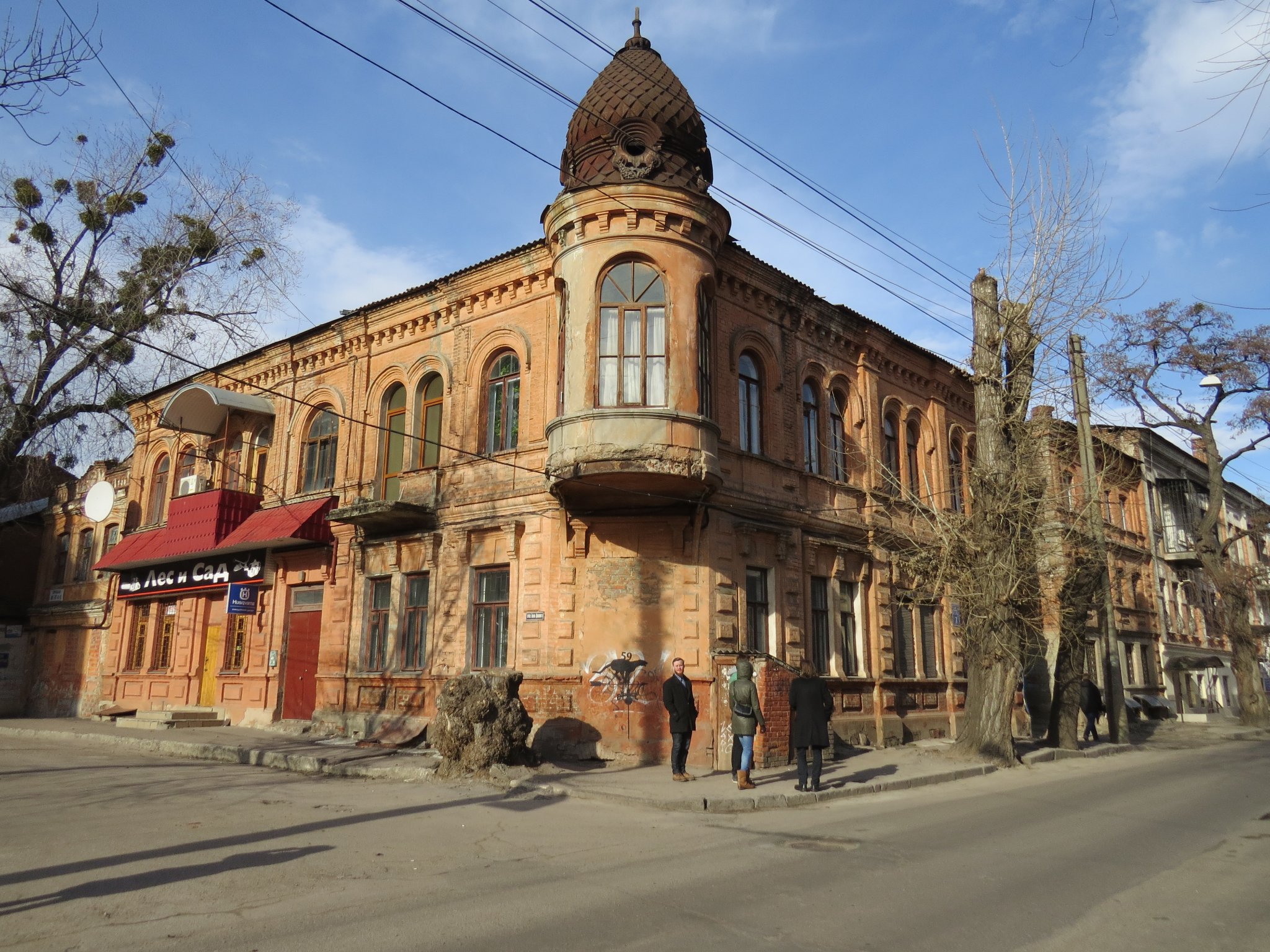
The house of burgher Stepan Tseselsky, built in 1904, is a real gem of Podil.
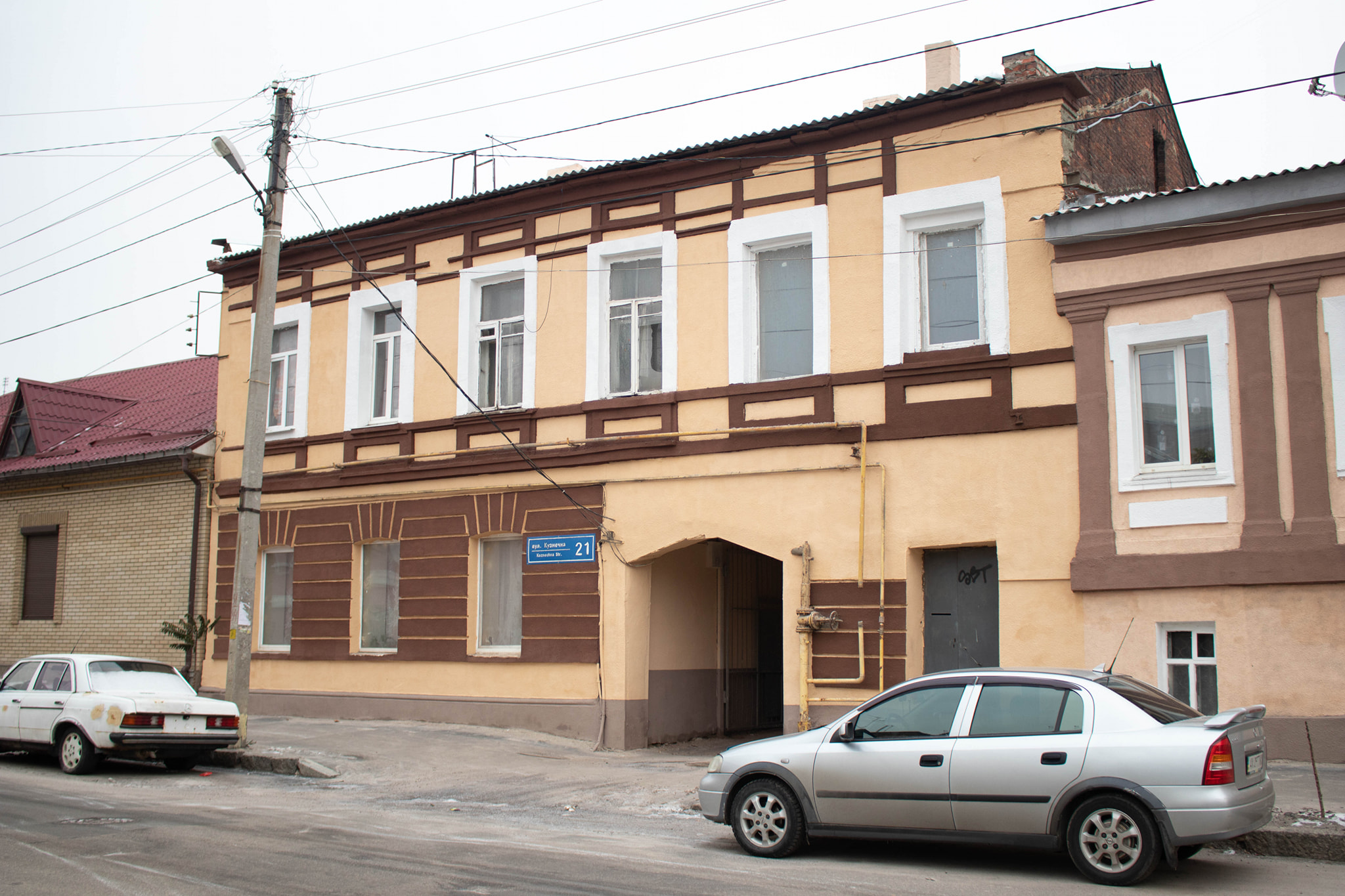
Other buildings in the eclectic style, built mostly in the late 19th century, are also interesting.
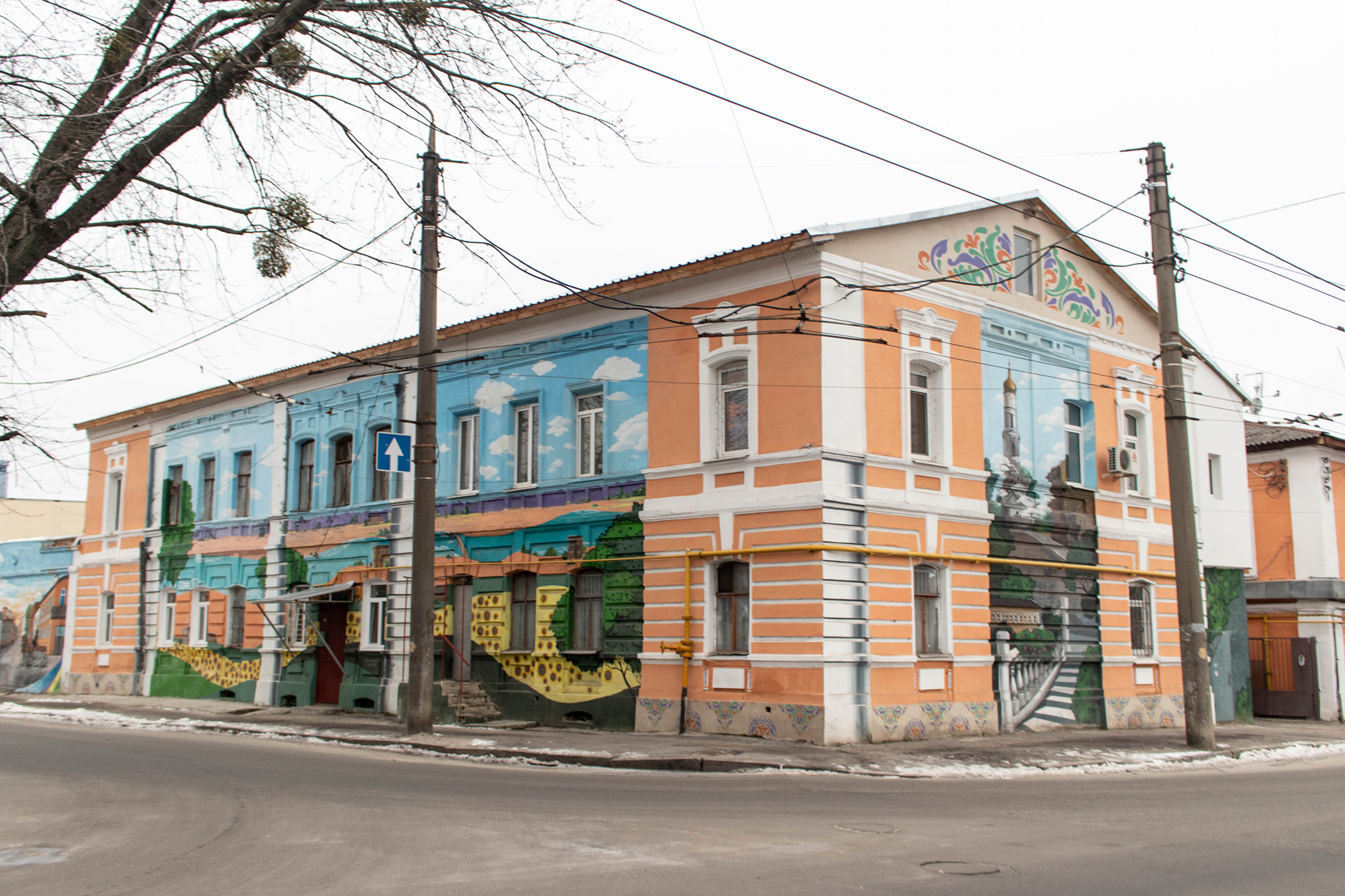
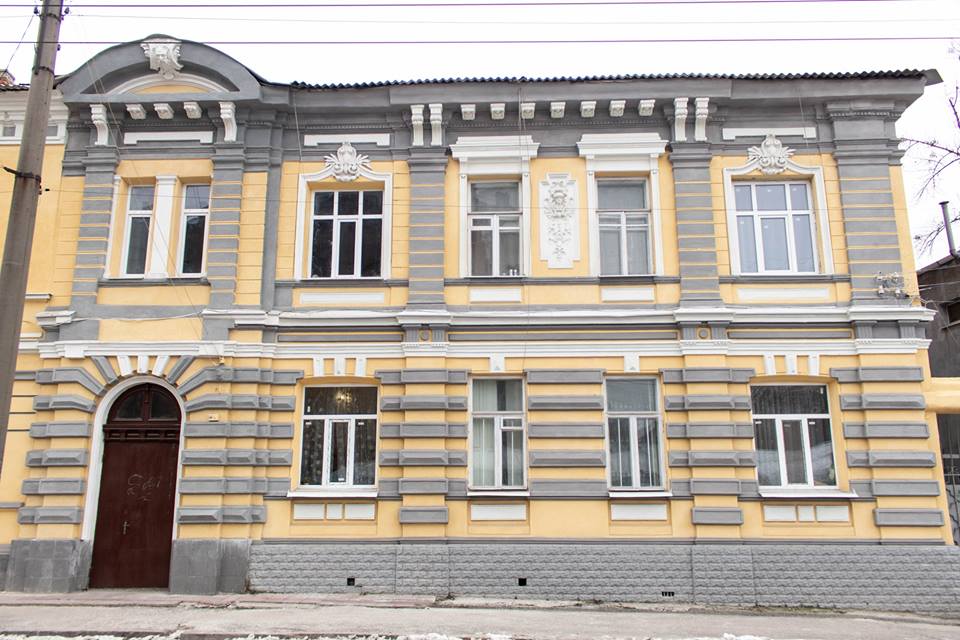
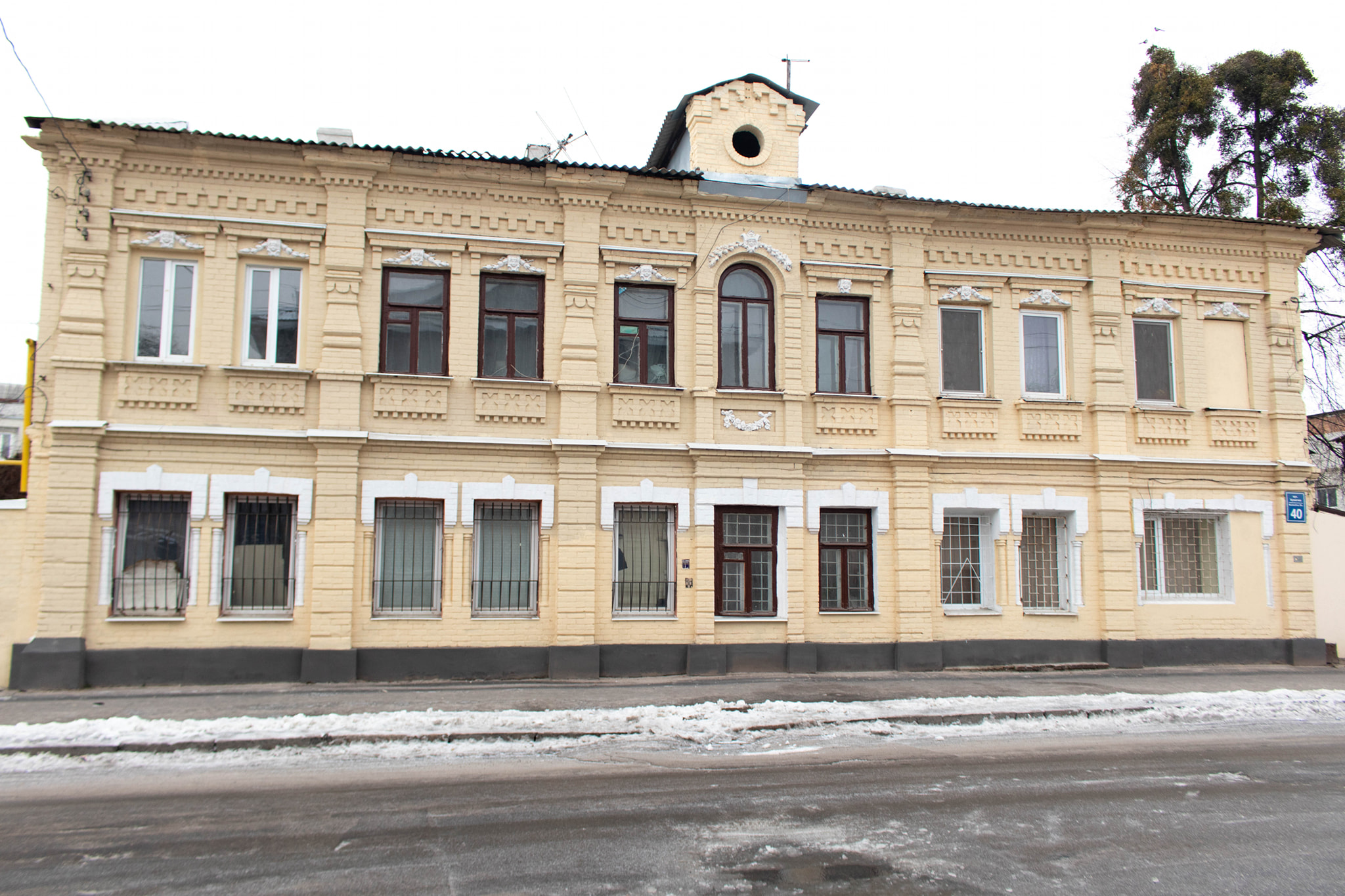
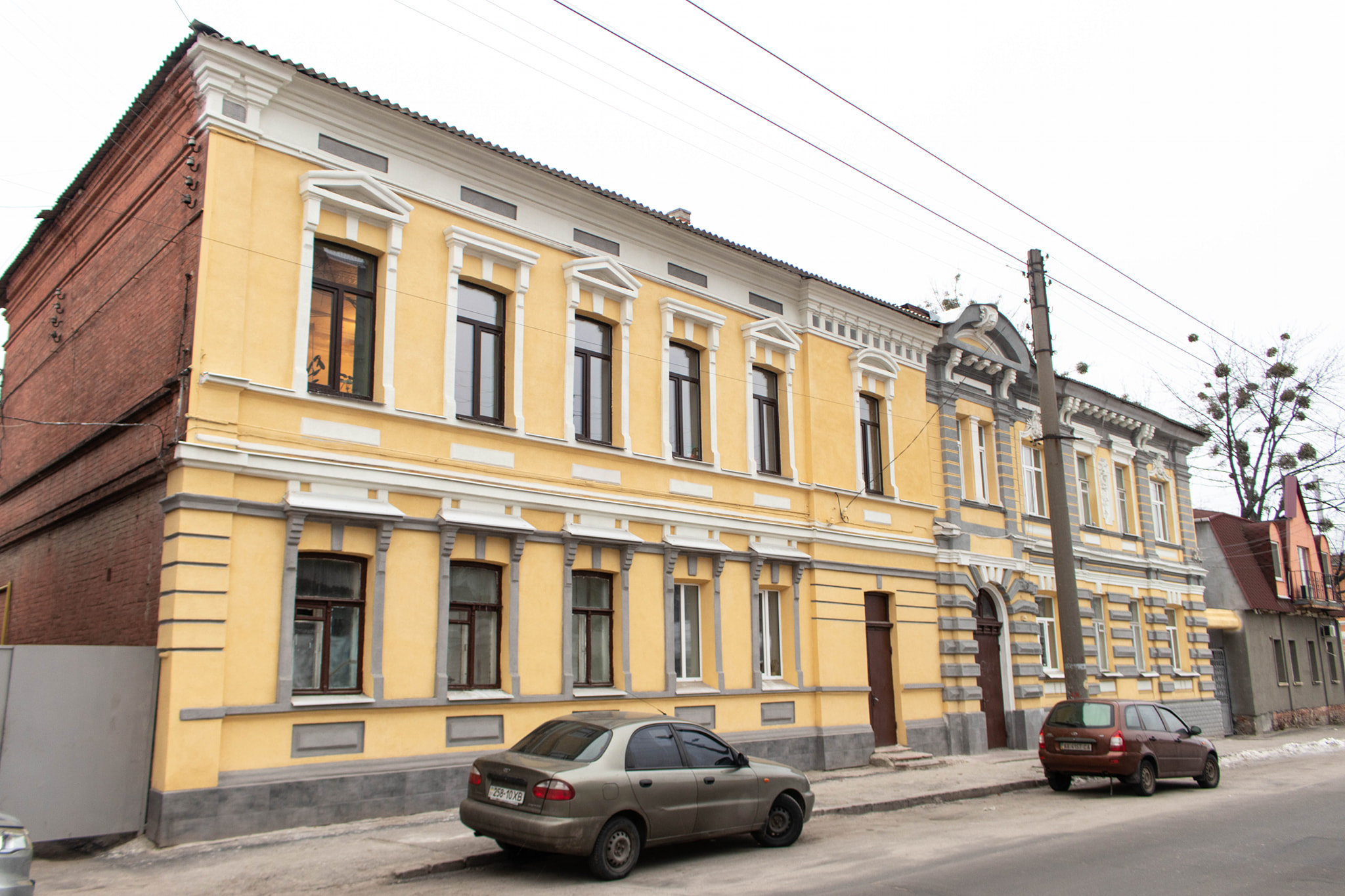
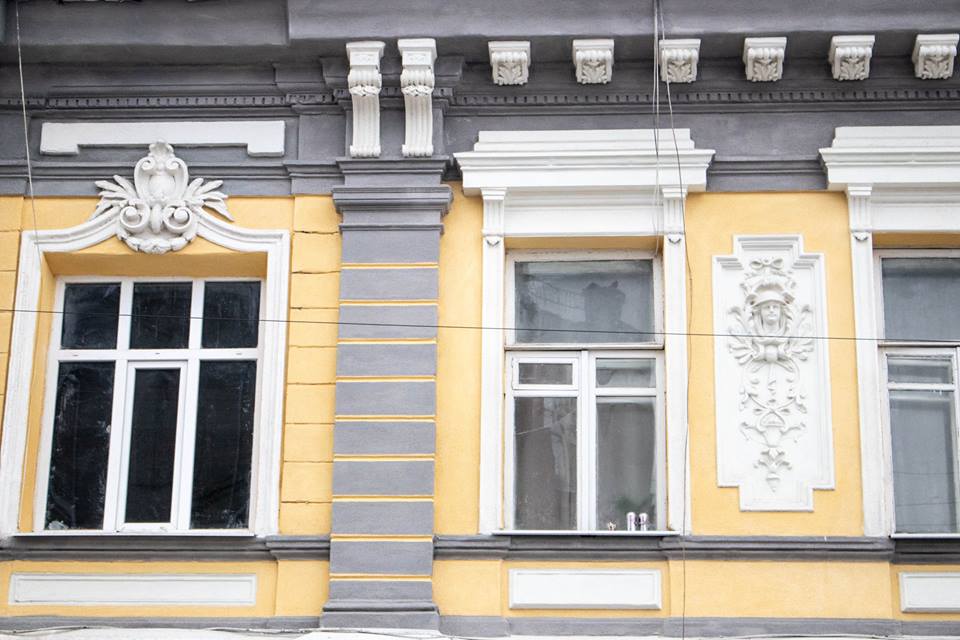
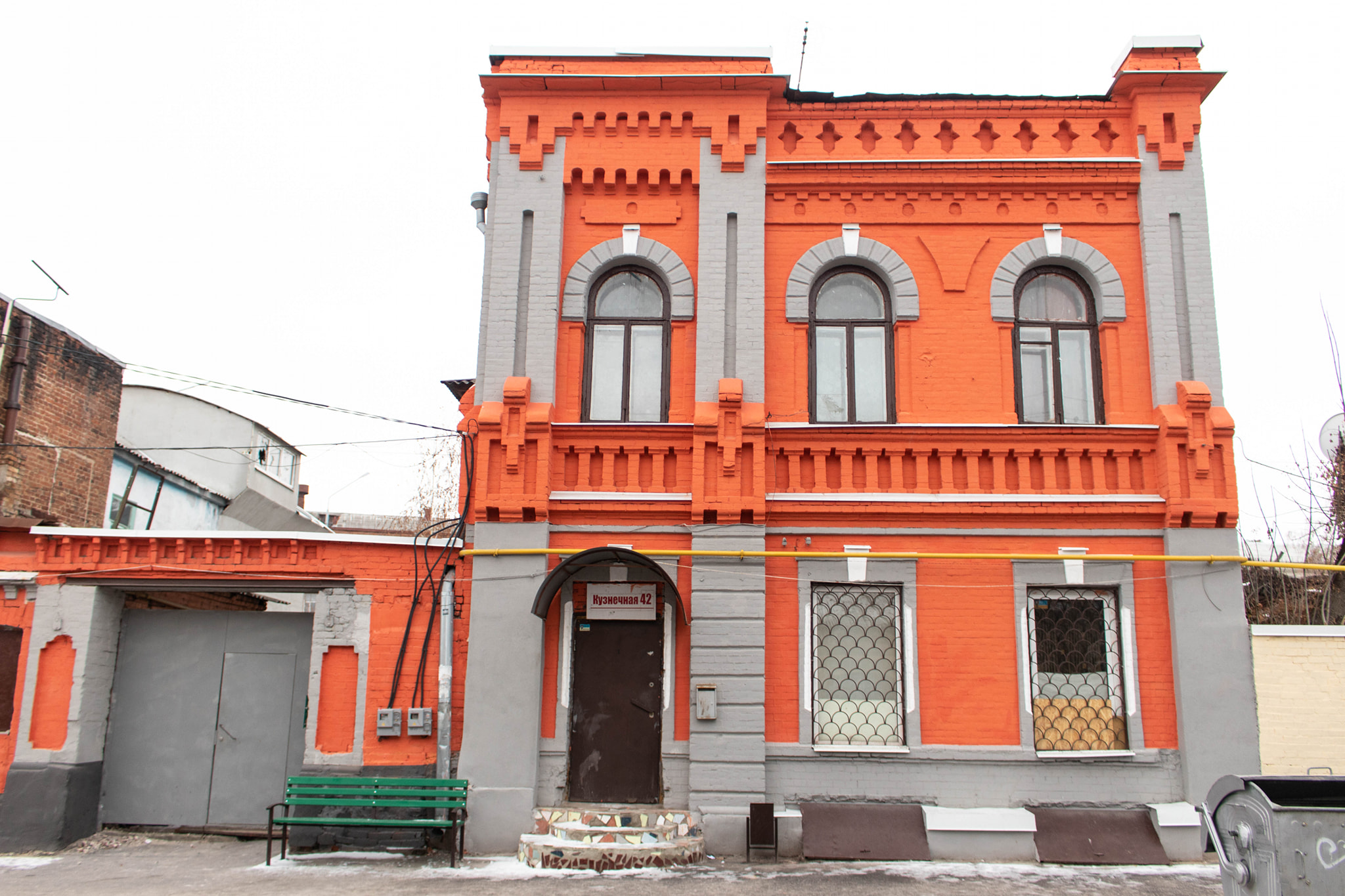
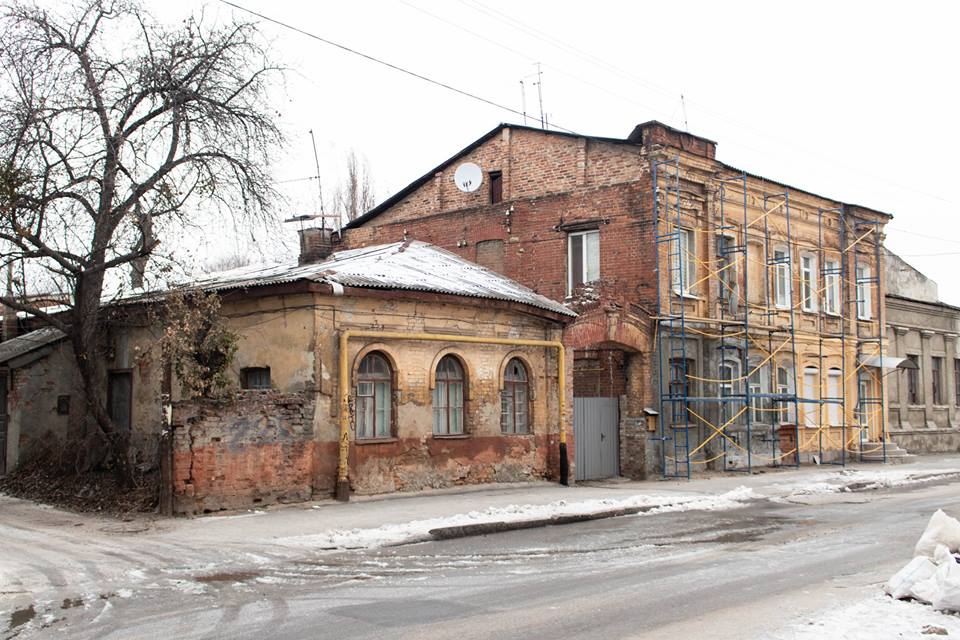
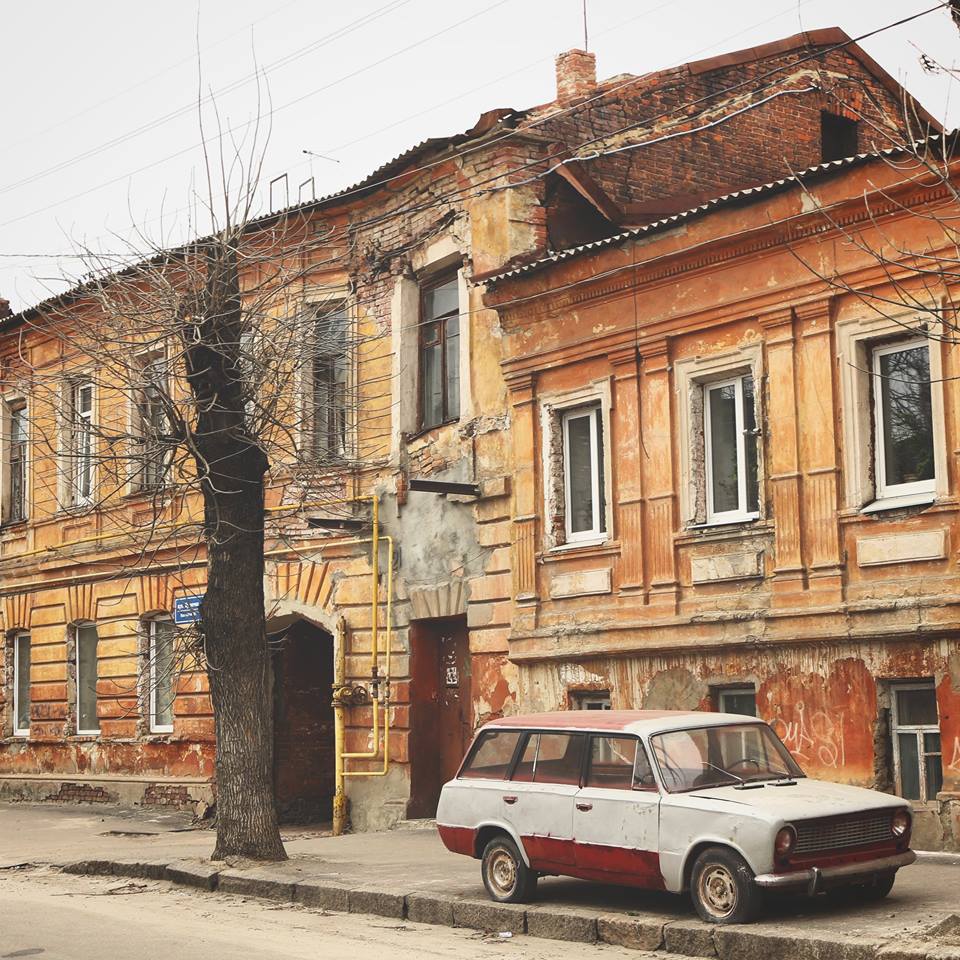
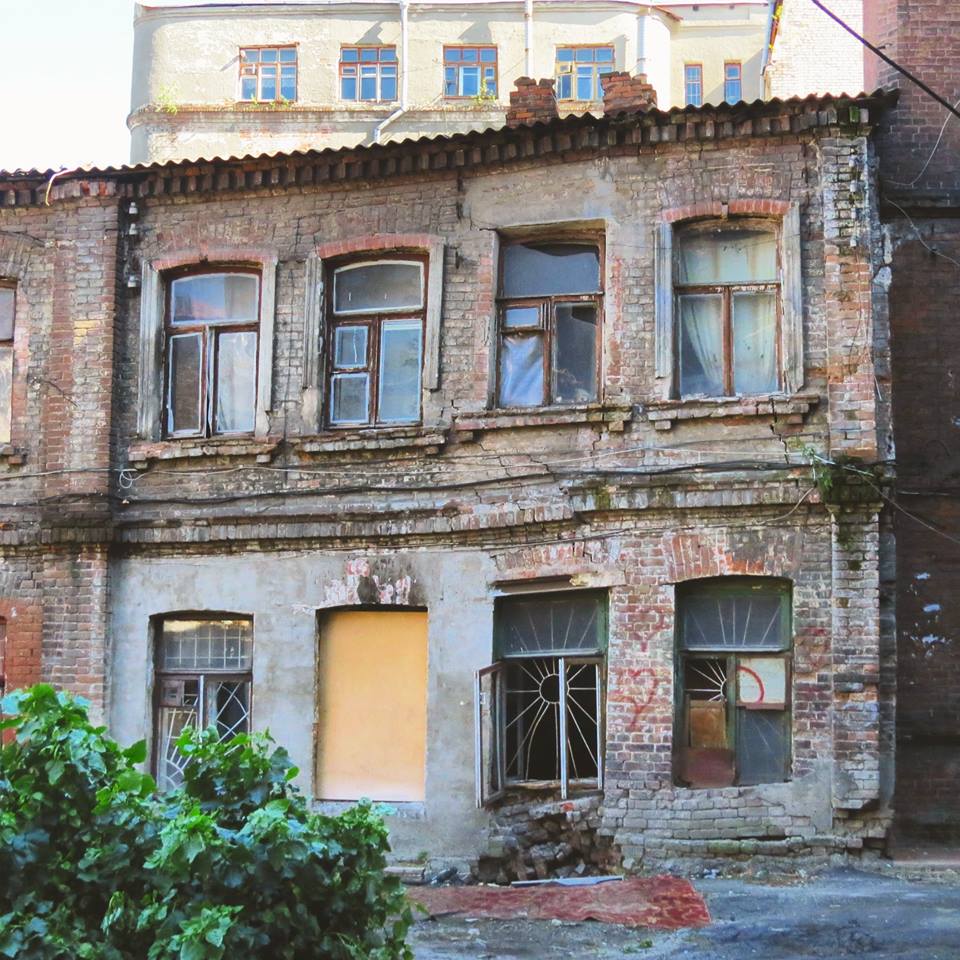
We have written separately about the part of Podil that was lost in early 2016, as well as the old buildings on Kooperatyvna Street. One of the main decorations of Podil is the Karaite kenasa.
In July 2022, 3 rocket and artillery strikes were launched on Kharkiv Podil, destroying several buildings on Kuznechna and Kooperatyvna streets.
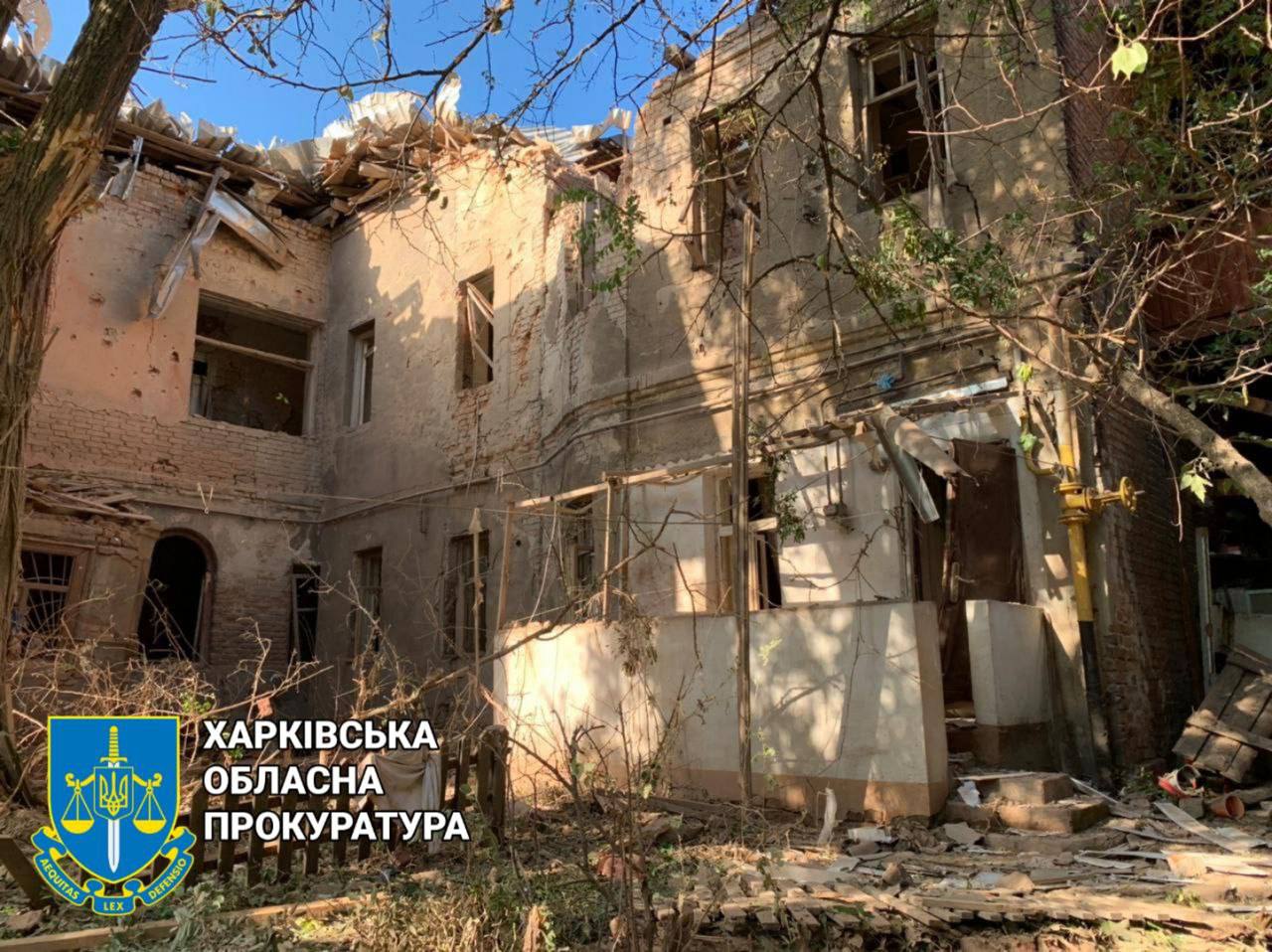
In 2026, a decision was made to dismantle the building at Kuznechna Street, 27. The degree of its destruction, as noted in the city council, was 81%.
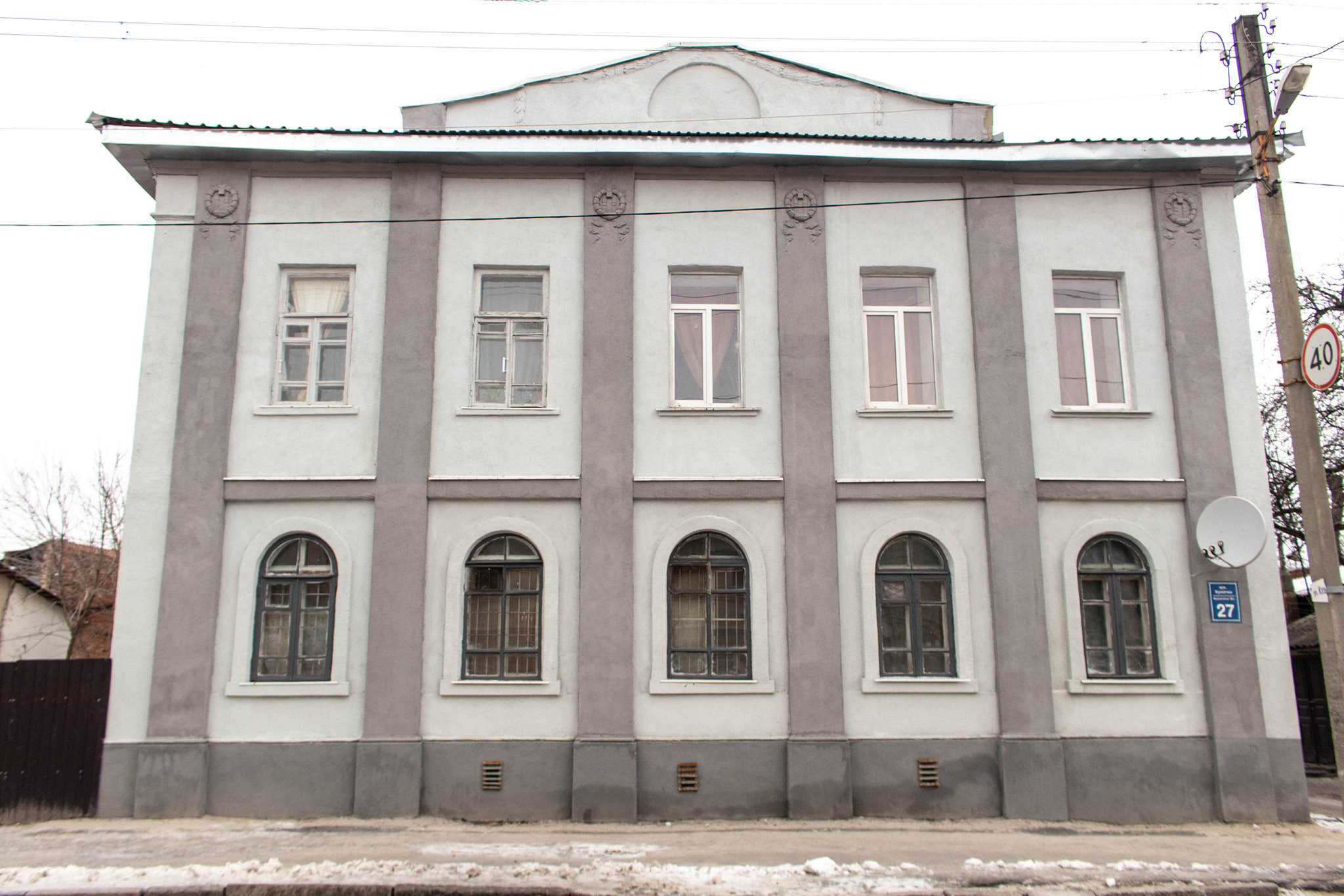
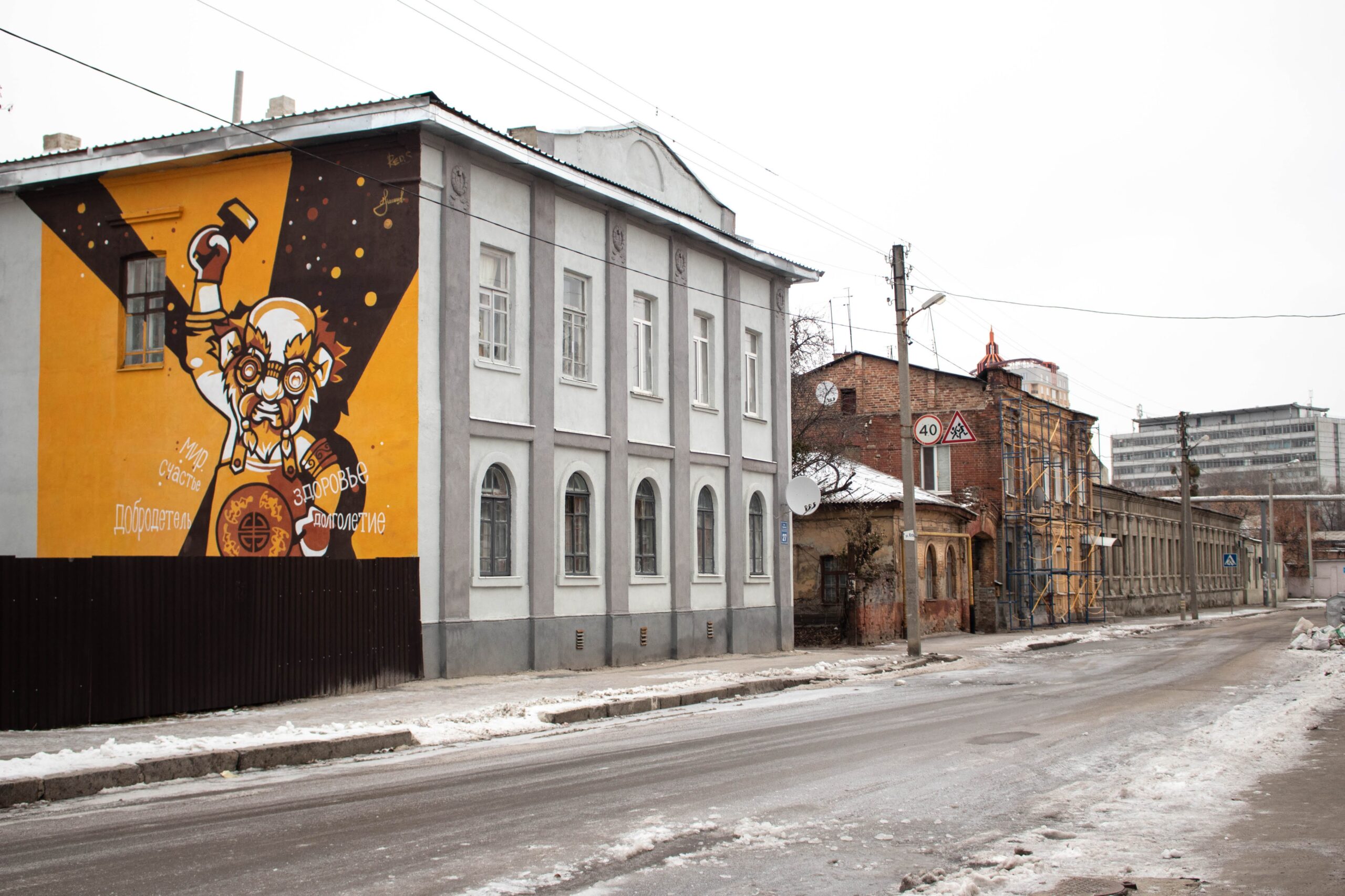
In 2018, a mural with a blacksmith appeared on the building, wishing for peace, happiness, virtue, health and longevity. Its authors are Mykhailo Novikov and Serhiy Redega. The blacksmith was a reminder that blacksmiths really lived and worked on Kuznechna Street (kuznets or koval means blacksmith), which is indicated in the list of homeowners, like Mykhailo Romanovych Kovalev who lived in this house at the beginning of the 20th century.

- Danylevs’koho Street, 19 - 13.10.2026
- Debunking the myth about one of the most famous Kharkiv photos - 12.10.2026
- The Architectural Evolution of the Kharkiv Theater - 26.09.2026