On Saturday, November 7, 2015, the second part of the free walking tour “Destroyed Churches” organized by the “Alluring Kharkiv” Foundation took place. While the first part took us around the neighborhoods close to the city center, this time we walked through the heart of the city.
We visited sites where churches once stood that were destroyed during the Soviet era—some lost entirely, others converted into service buildings, and still others restored but in a different form. We covered 6 Orthodox churches (including 2 house churches), 3 synagogues, a Lutheran church, and a Roman Catholic church. The walk took us through the central, hilltop part of the city and Podil. The route was about 5 km long. We looked at historical photographs of the churches and at what remained of them—or, in some cases, nothing at all…
1. The First Kaplunovs’ka (Nativity of the Virgin Mary) Church, built in 1810, was located on what is now Mystetstv Street. The Kaplunovs’ke Cemetery, which was closed in 1822, was also located there.
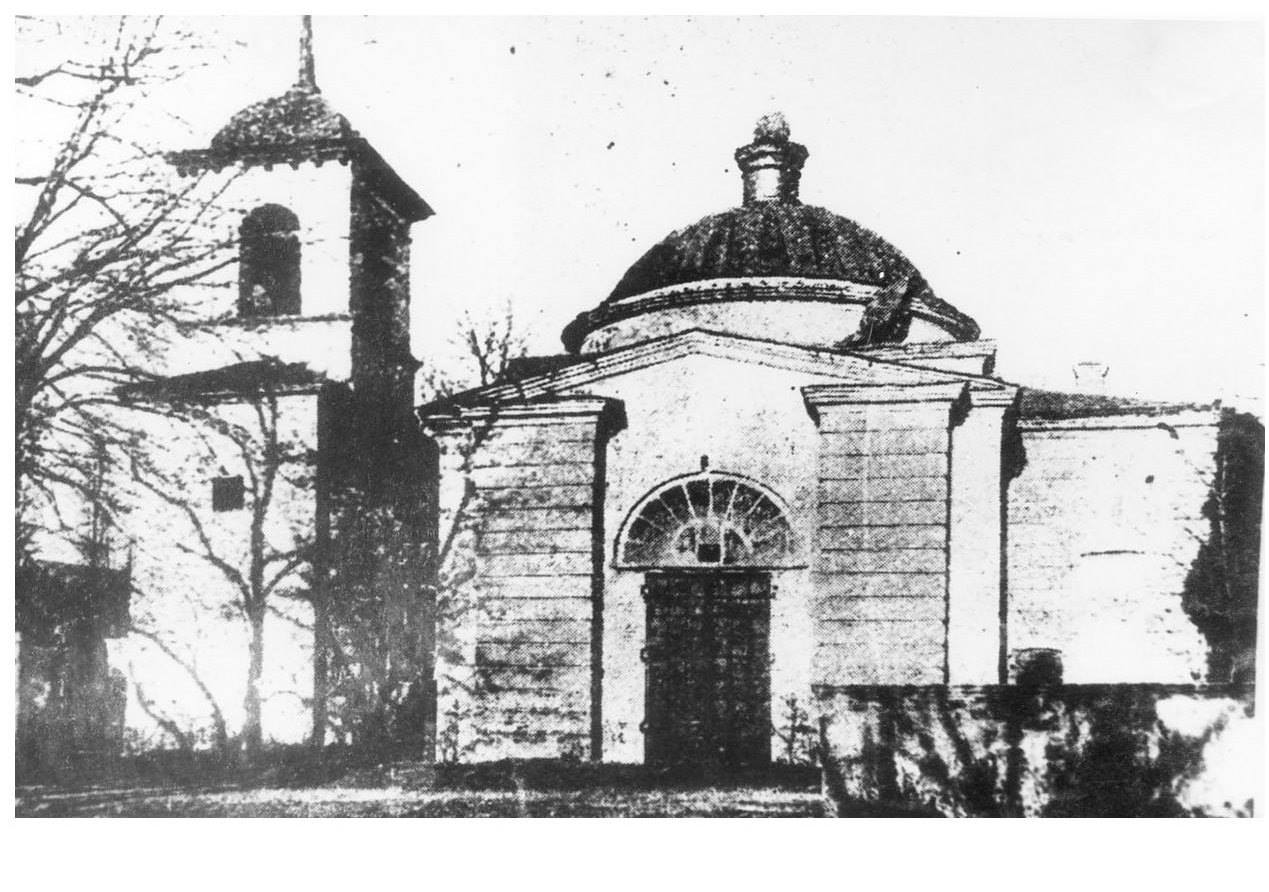
2. The Second Kaplunovs’ka Church was built according to a design by architect Beketov. Construction dragged on from 1902 to 1915.
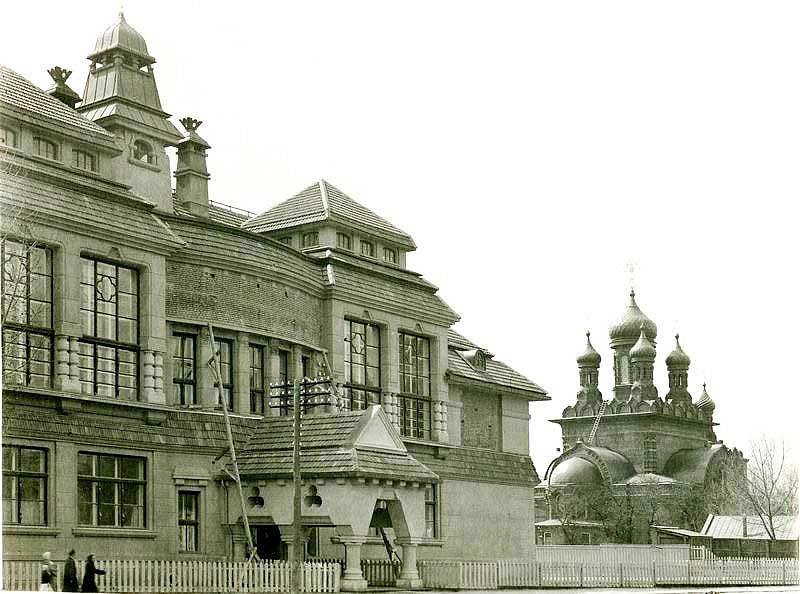
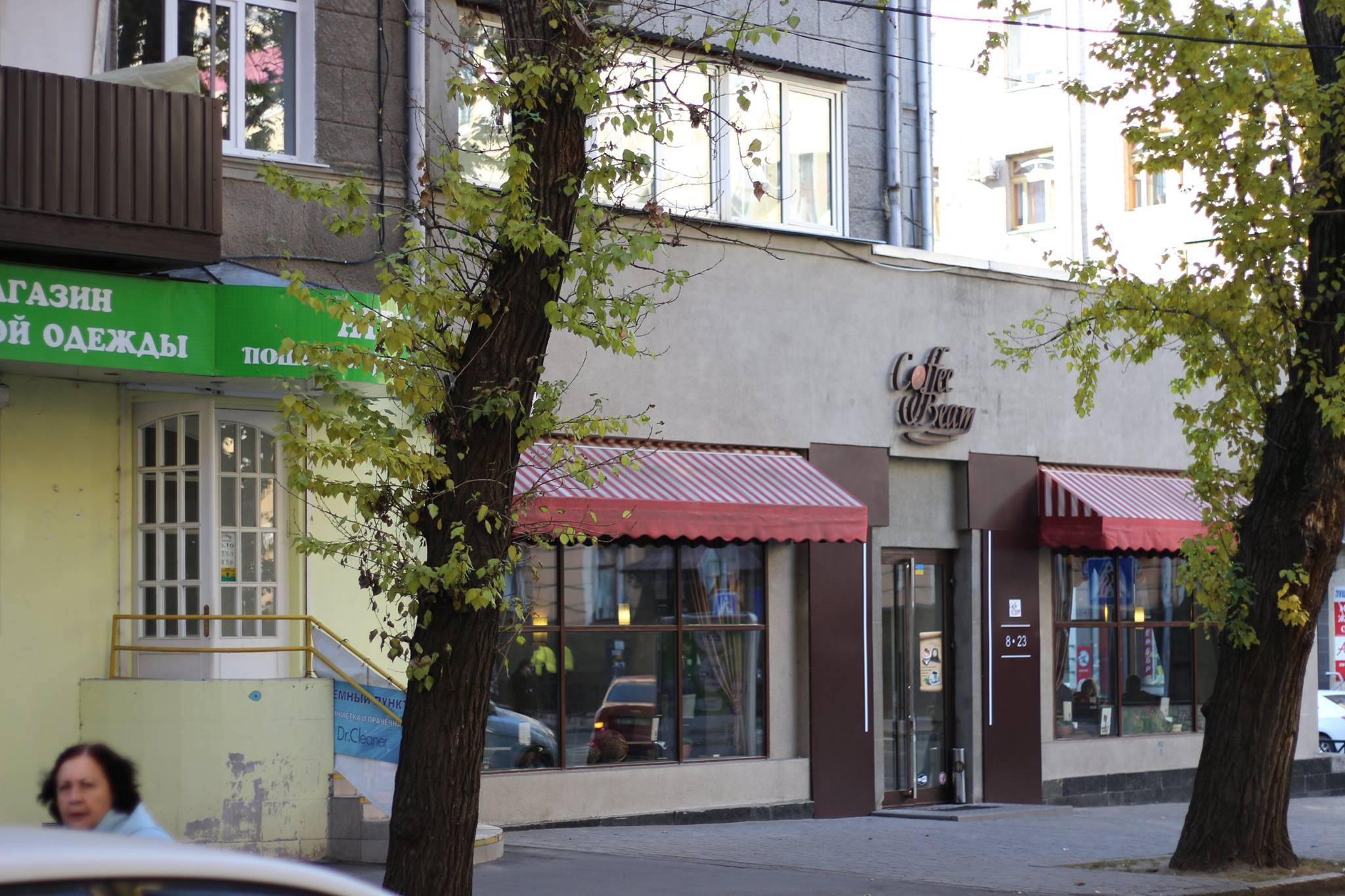
Both churches were destroyed approximately in the late 1920s or early 1930s. The photo shows the modern Mystetstv Street (formerly Kaplunovskaya Street).
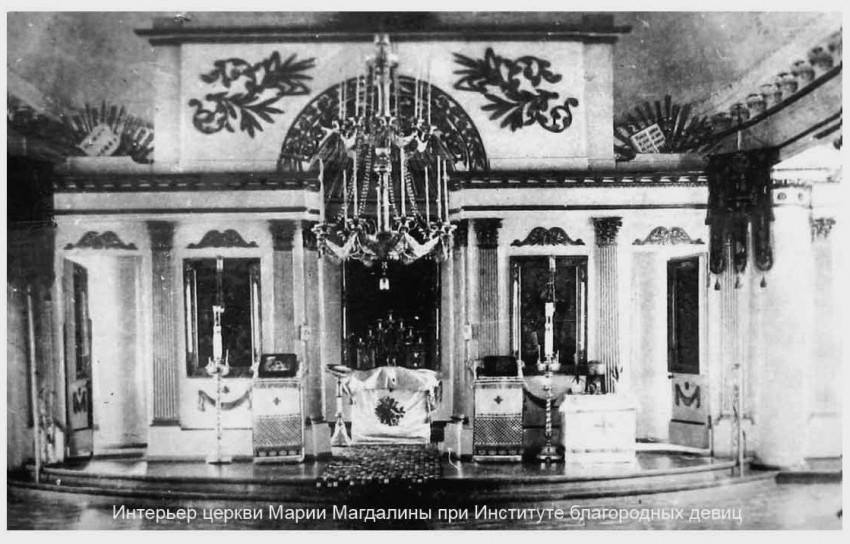
3. The Institute for Young Ladies was located in what is now Shevchenko Park, to the left of the monument.

The institute had a chapel dedicated to Mary Magdalene on its grounds. The institute’s building was destroyed during World War II.
4. The first Church of the Myrrh-Bearing Women (Myronosystka church) was built in 1783 based on a design by P. Yaroslavsky. It was a cemetery church. The cemetery was closed in 1803.
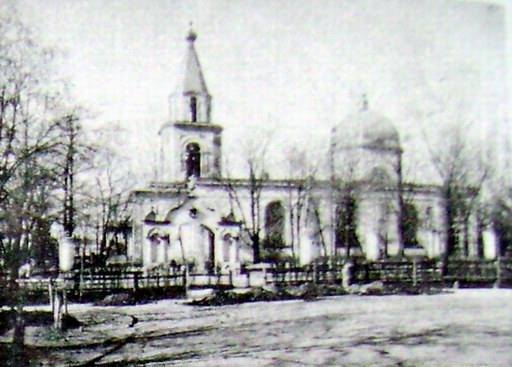
During the 19th century, the church was rebuilt, expanded, and even reduced in size on several occasions.
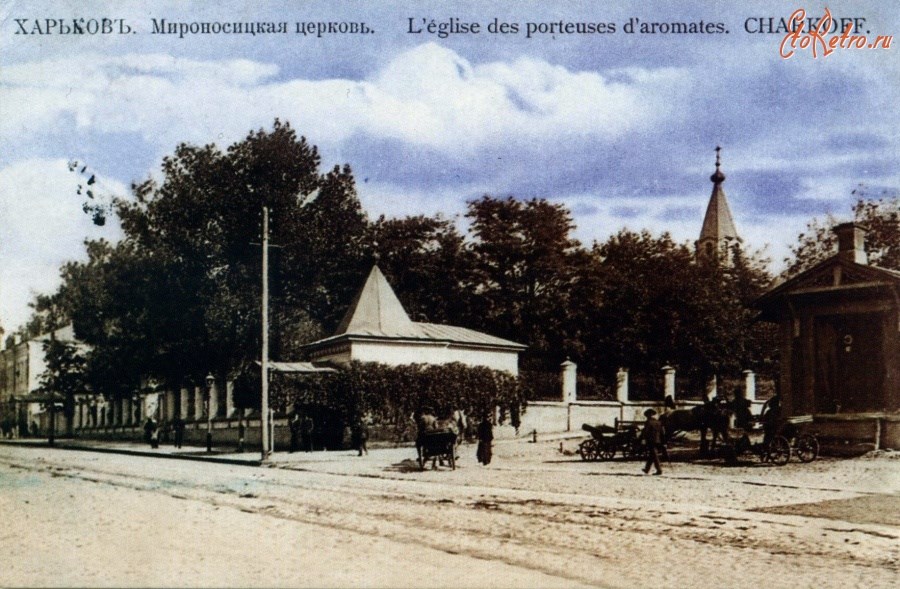
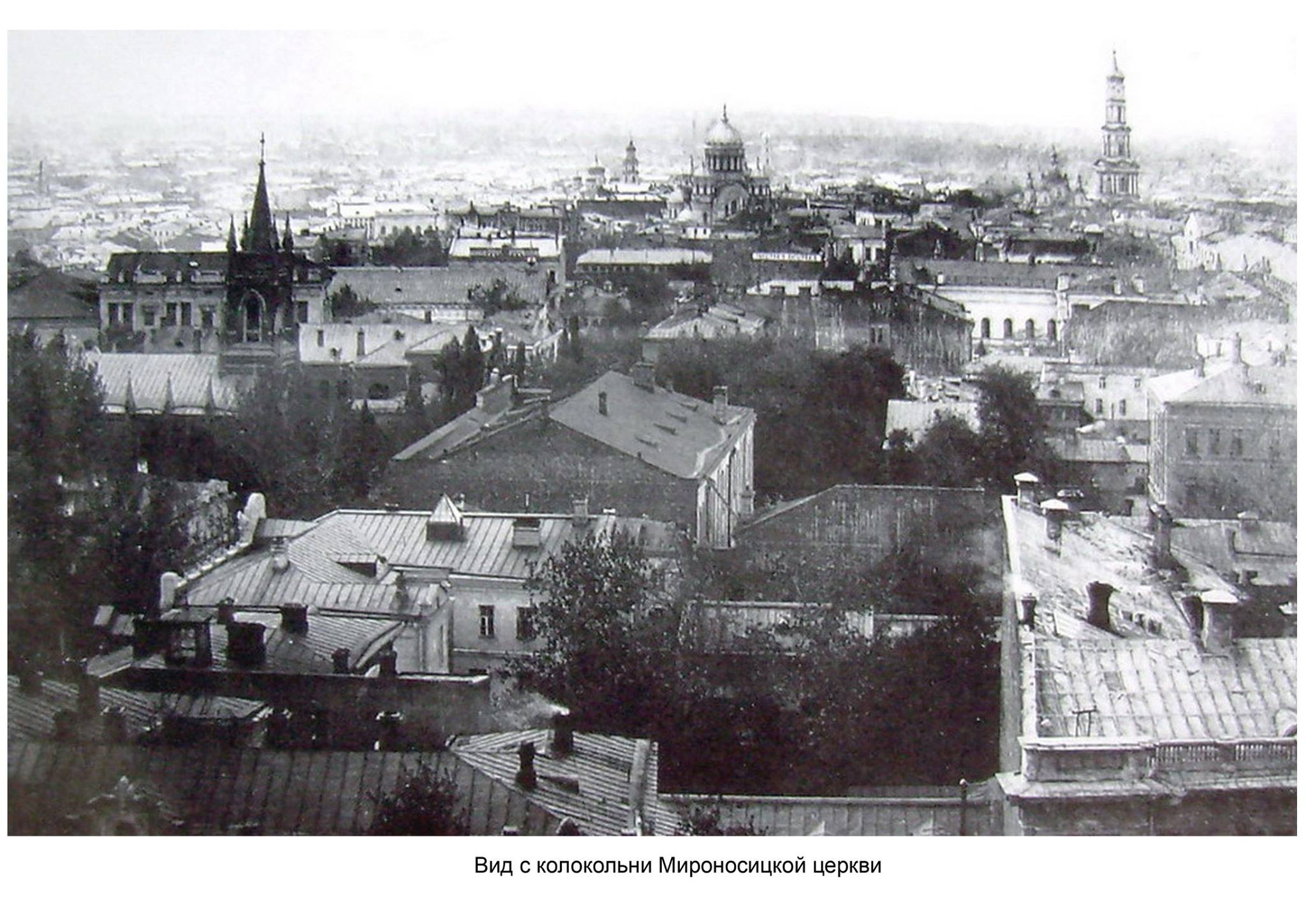
In 1911, a new bell tower was built based on a design by architect V. Pokrovsky.
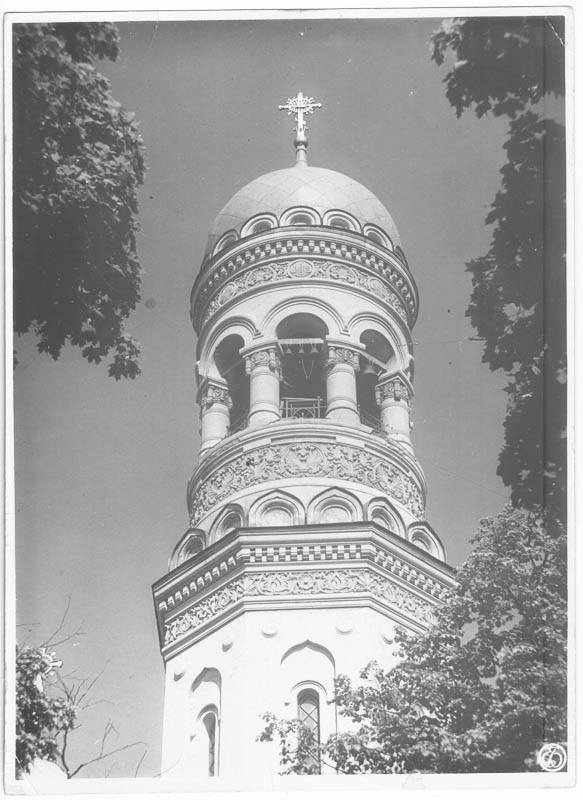
The Myronosystka church was demolished in 1930 to make way for the construction of a grand theater (which was not built until 60 years later, on the other side of the street and based on an entirely different design). Today, Victory Square stands on the site of the church; a new Church of the Holy Myrrh-Bearing Women, designed in a modern version of Cossack Baroque style by architect S. Chechelnitsky, was built in 2008-2015 a short-distance beyond it.
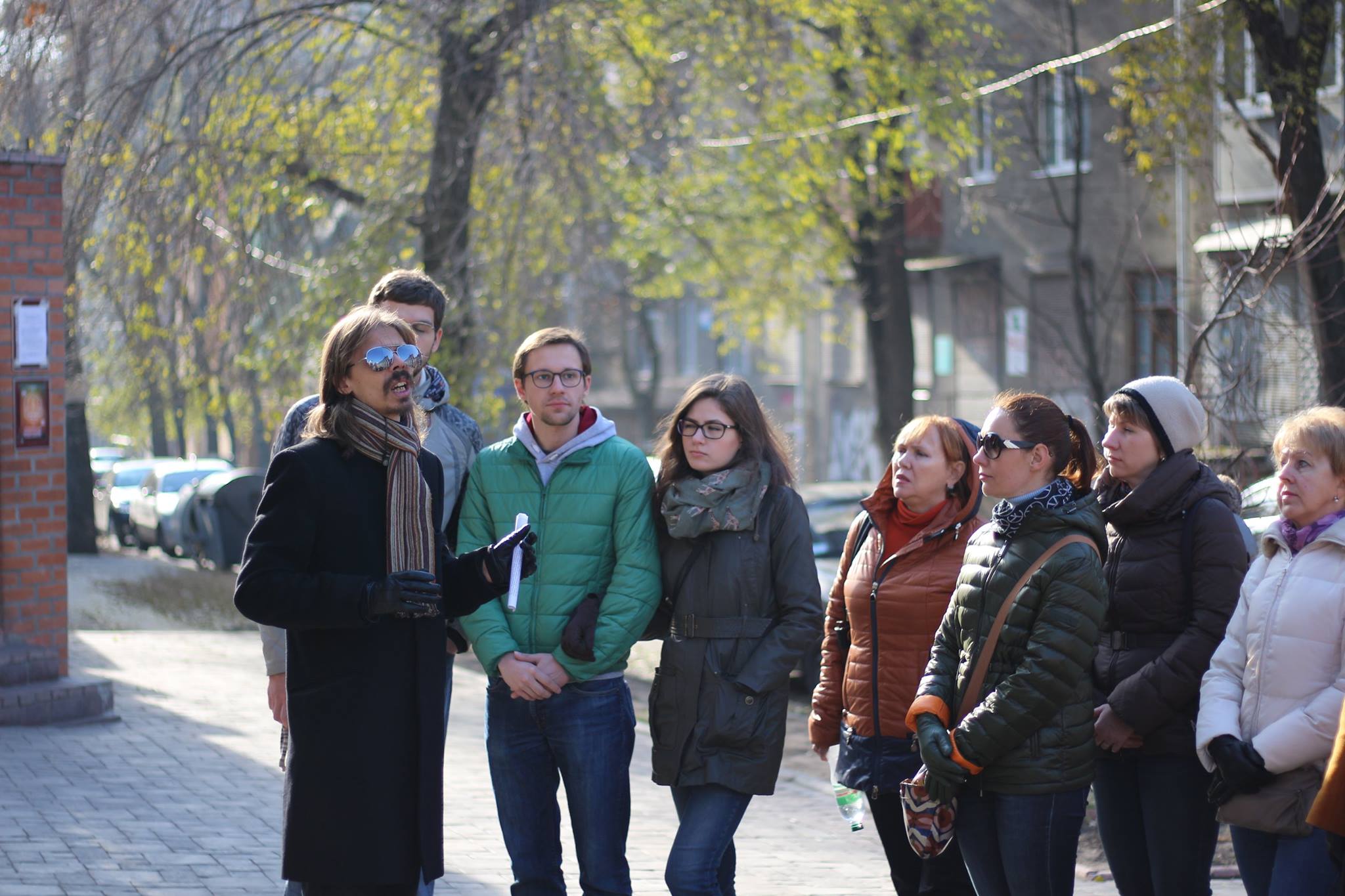
5. The first building of the Roman Catholic church dedicated to the Rosary of the Blessed Virgin Mary was built in 1831 according to a design by architect Vereshchinsky. The building was destroyed during World War II.
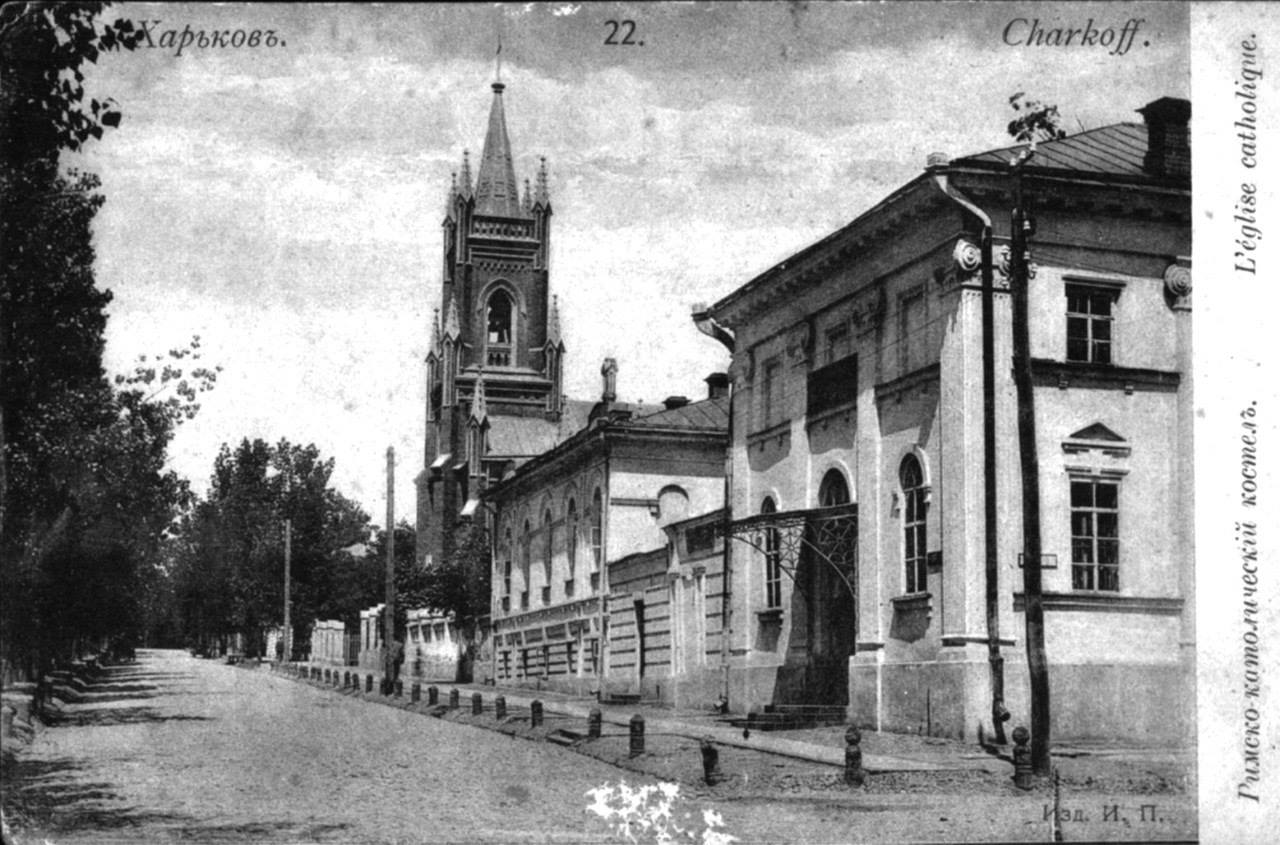
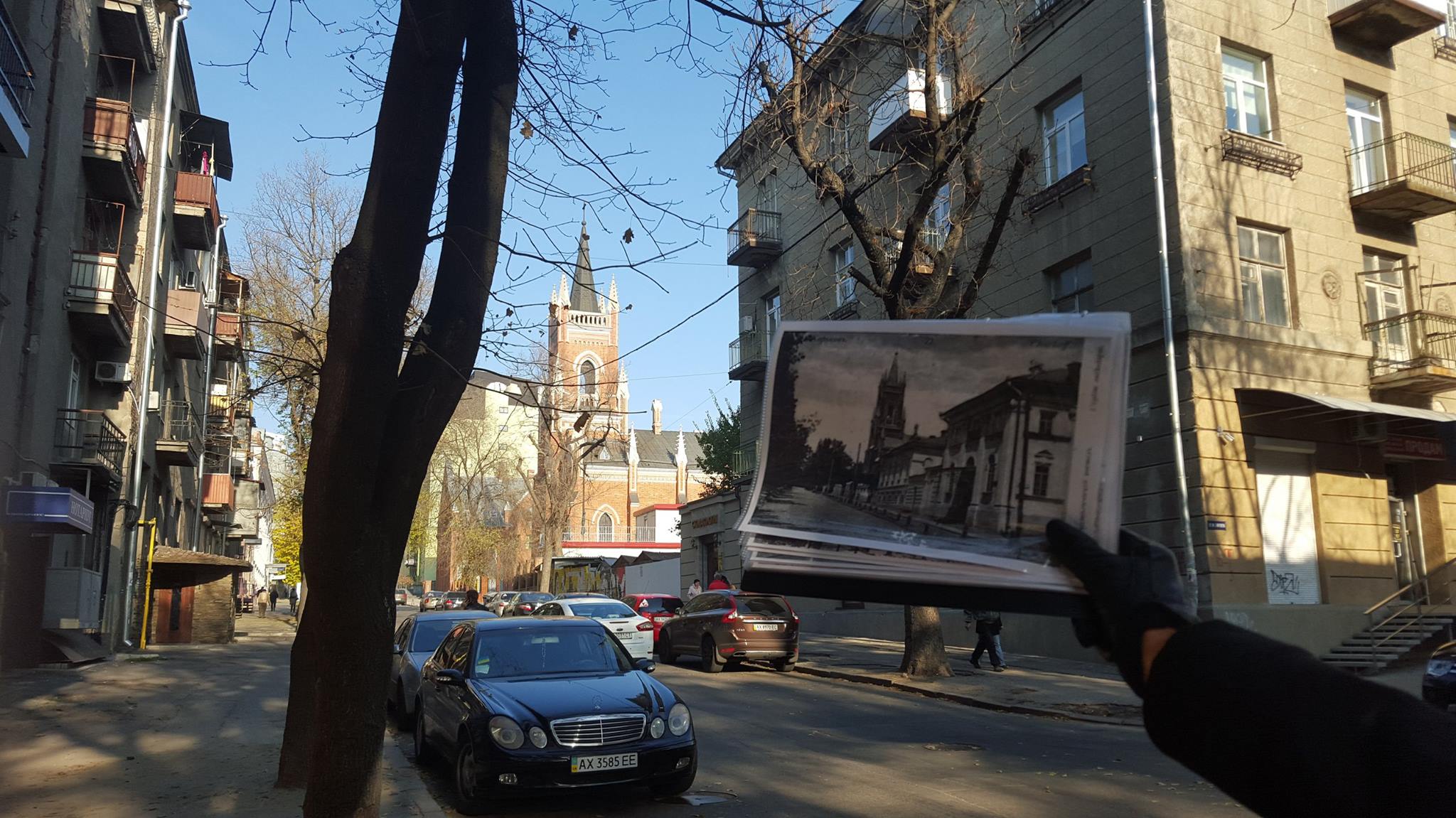
Construction of the Cathedral of the Assumption of the Blessed Virgin Mary, which we can see in the city today, was completed in 1892. The architect who designed the church in the Gothic Revival style was Bolesław Michalowski.
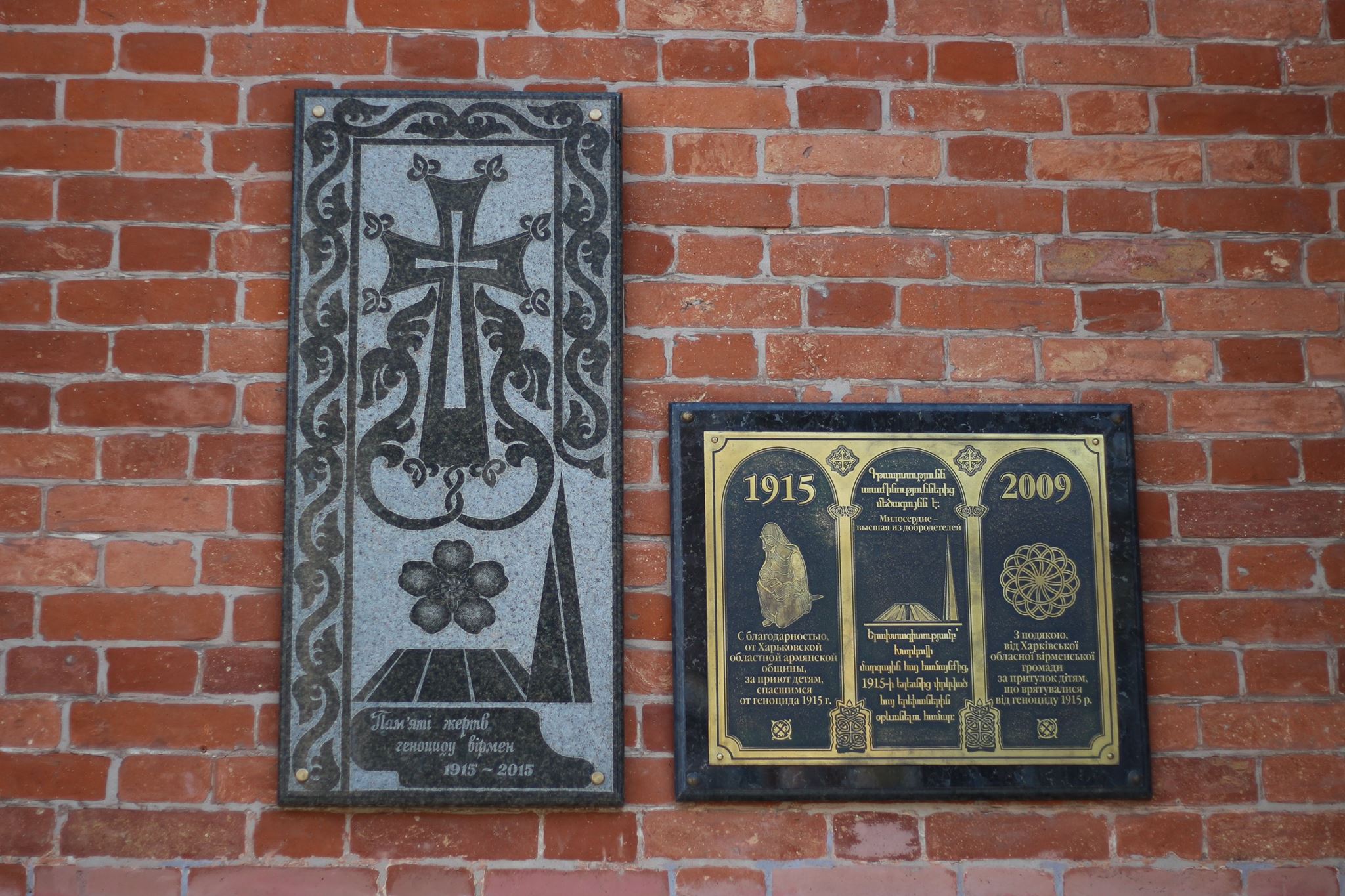
We stopped at the church to reflect on how the Catholic community in Kharkiv took in Armenian Catholics who had fled Turkey during World War I.
During the Soviet era, the church was divided into two floors and converted into a film distribution center.
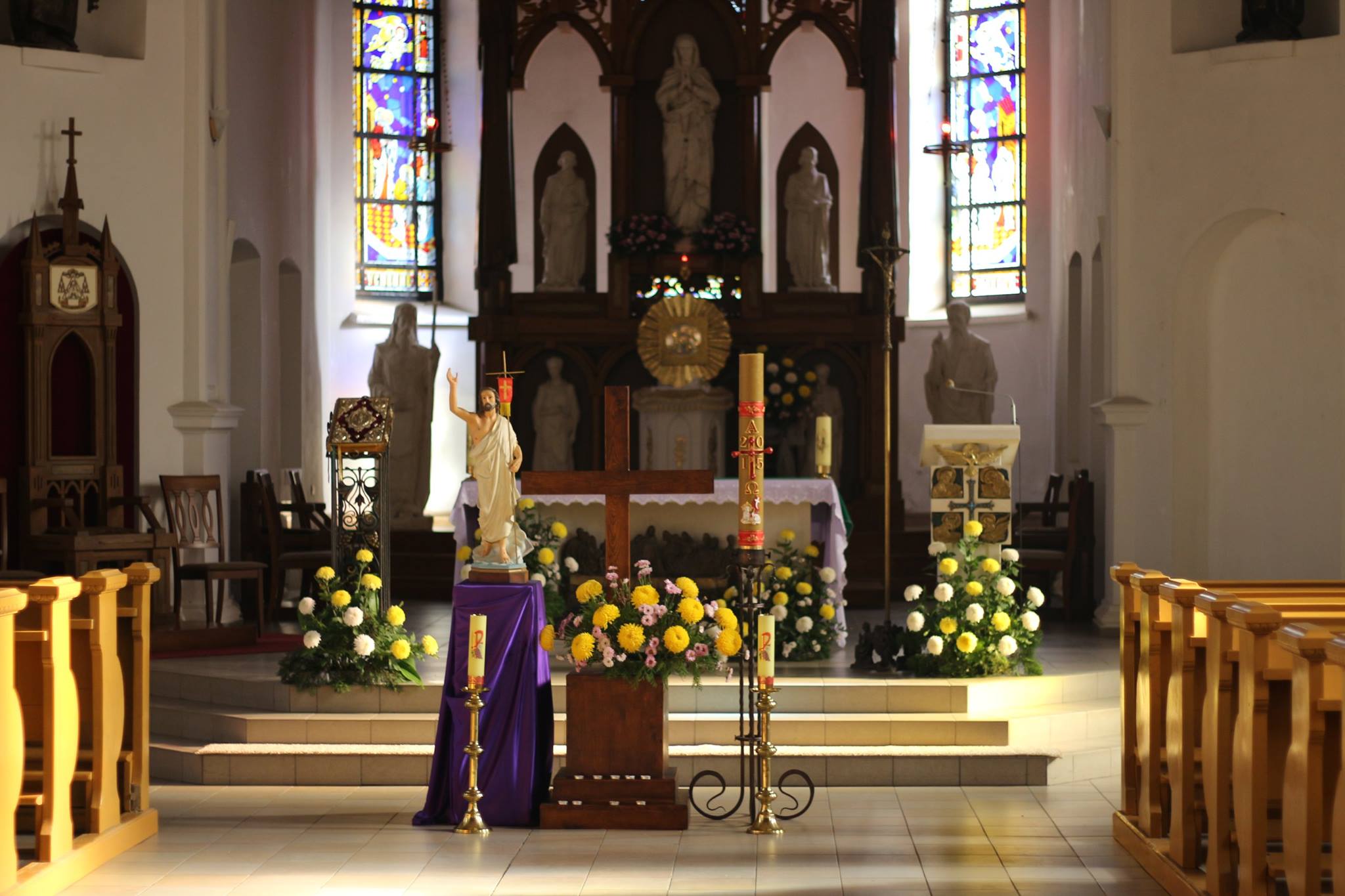
The church was restored in the 1990s and 2000s.
6. The first Lutheran church was built in 1830 on Hoholya Street.
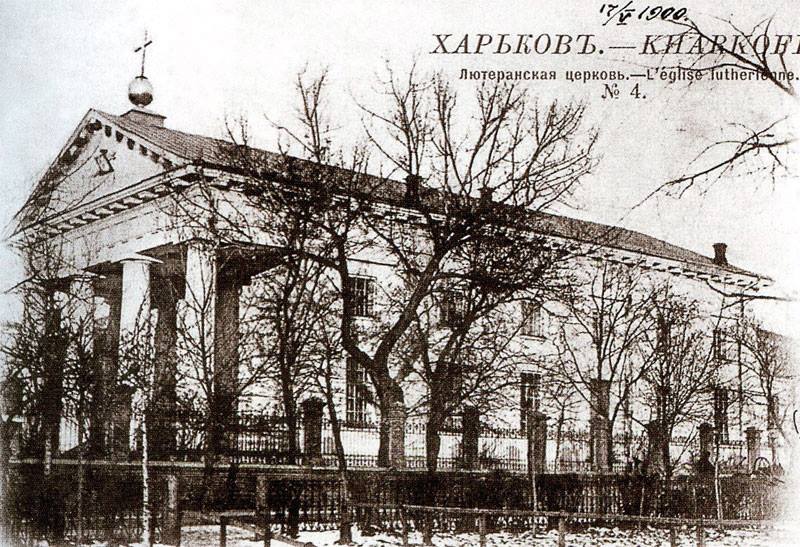
7. It was dismantled to make way for the construction of the new Lutheran Church of the Ascension, which was completed in 1912. The building was designed by architect A. Gerhard.
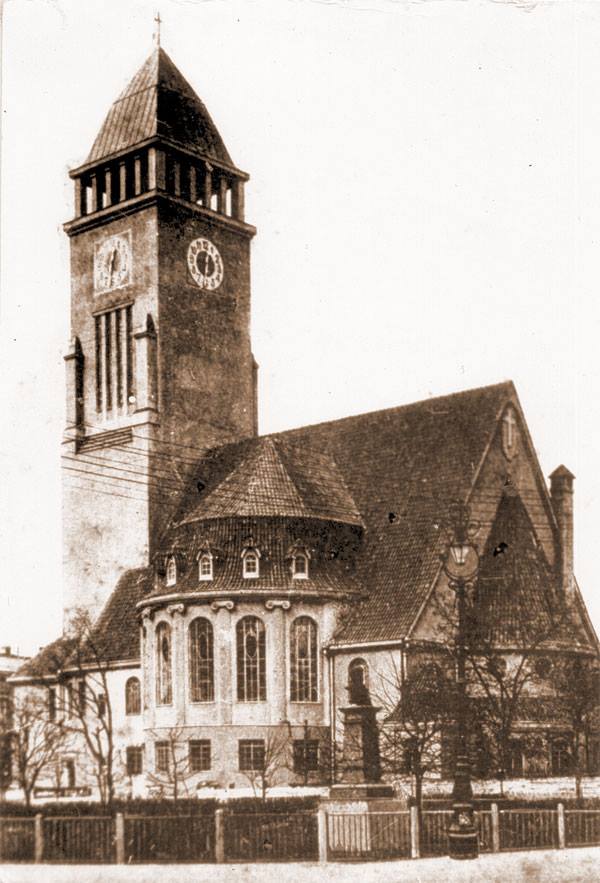
The huge church with the clock was a true gem of the city. It stood there until the late 1950s.
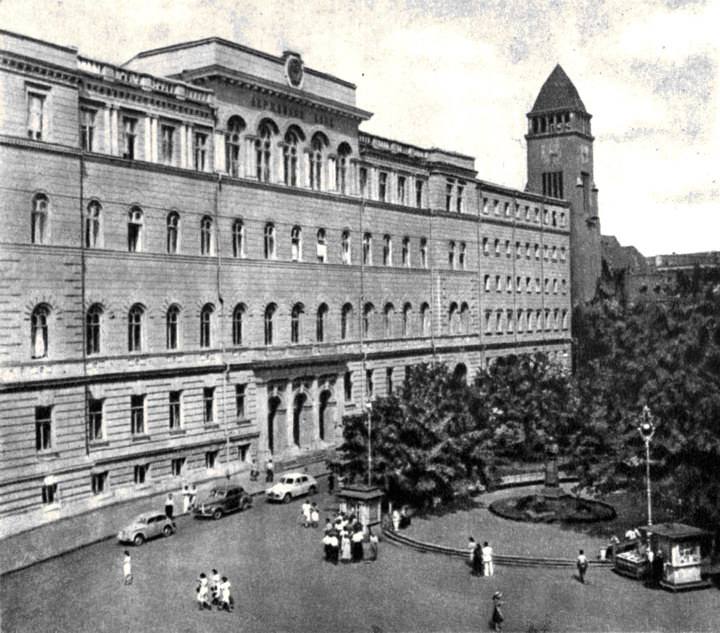
8. The Alexander Nevsky House Church was located at the printing plant of the newspaper *Yuzhny Krai* at Sumska Street, 13.
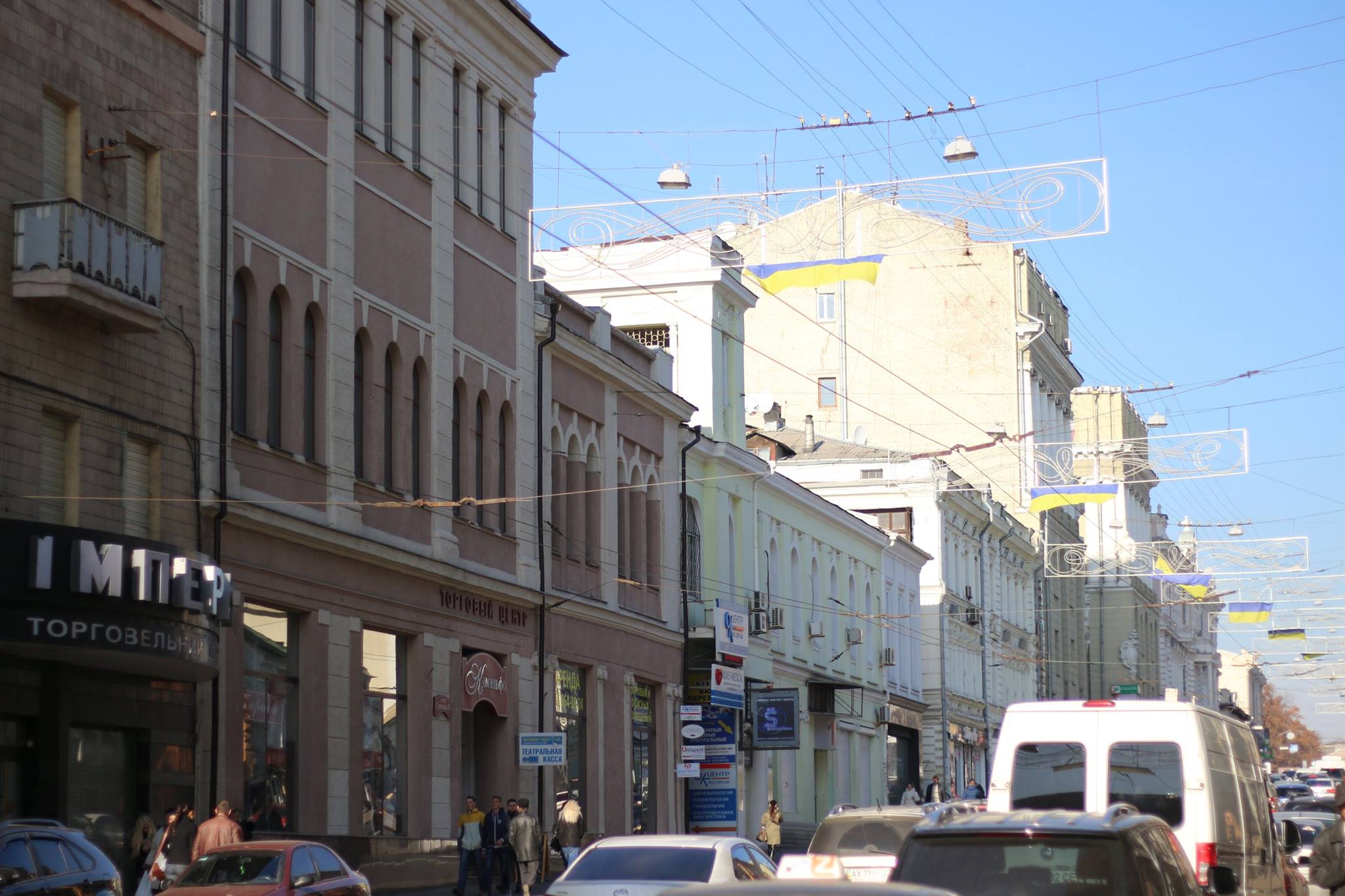
The house church with a bell tower was built in 1906 according to a design by the Latvian architect J. S. Tsaune.
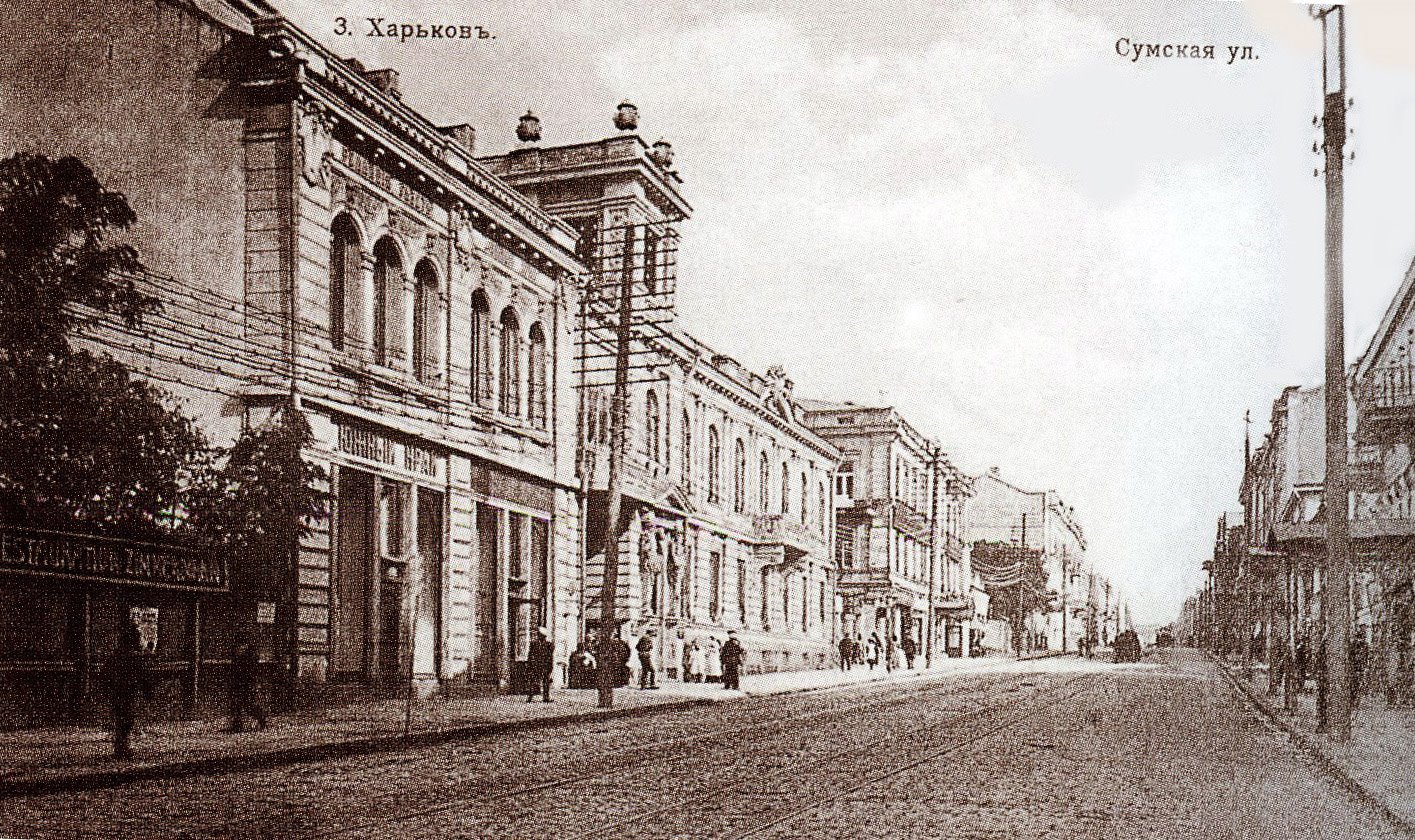
The glass mosaic iconostasis was crafted in the Zverners workshop (Munich) and is now located in the Church of The Beheading of St. John the Baptist.
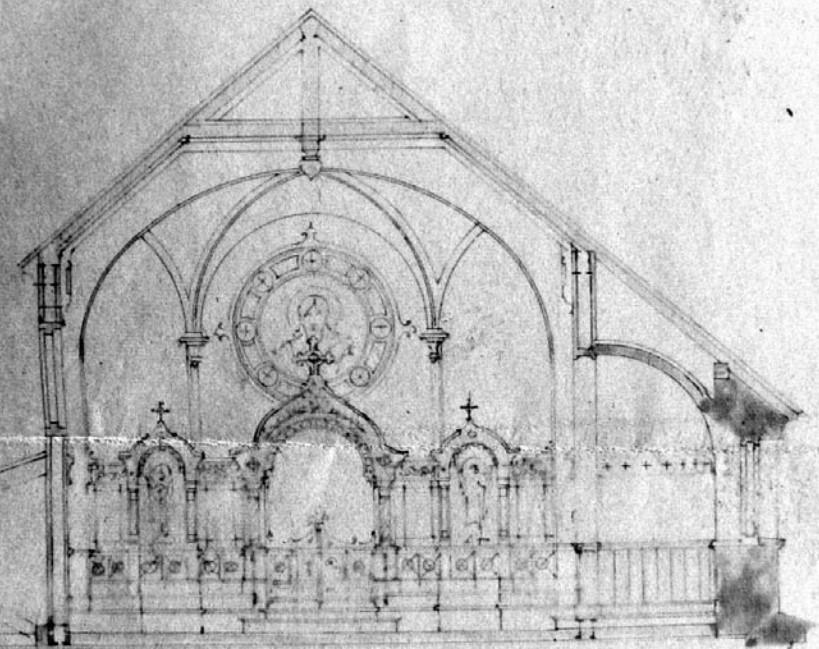
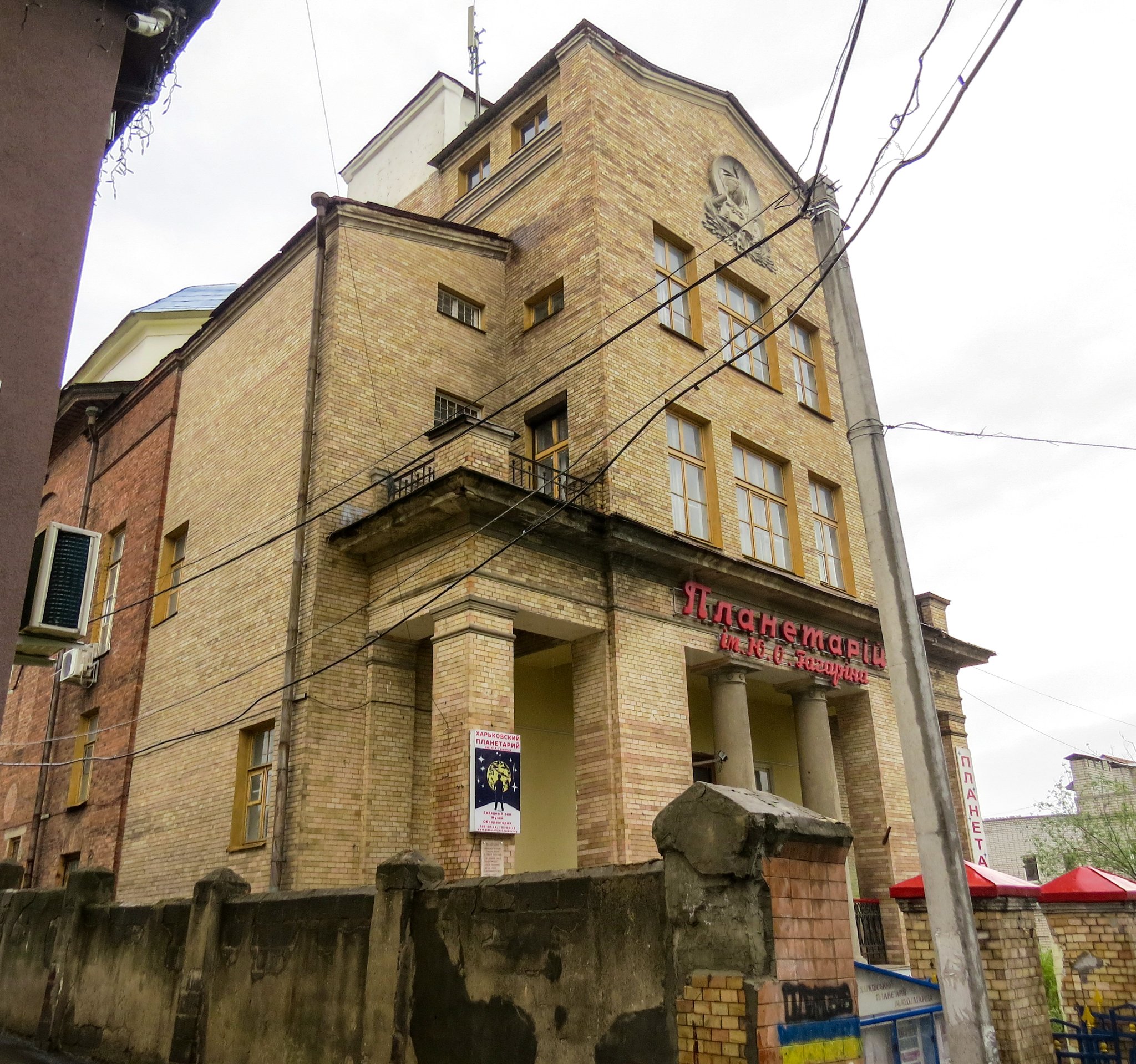
9. The photo below shows a bricked-up window in the prayer hall of the former Mordvinovska Synagogue (built in 1915 to a design by J. Caune).
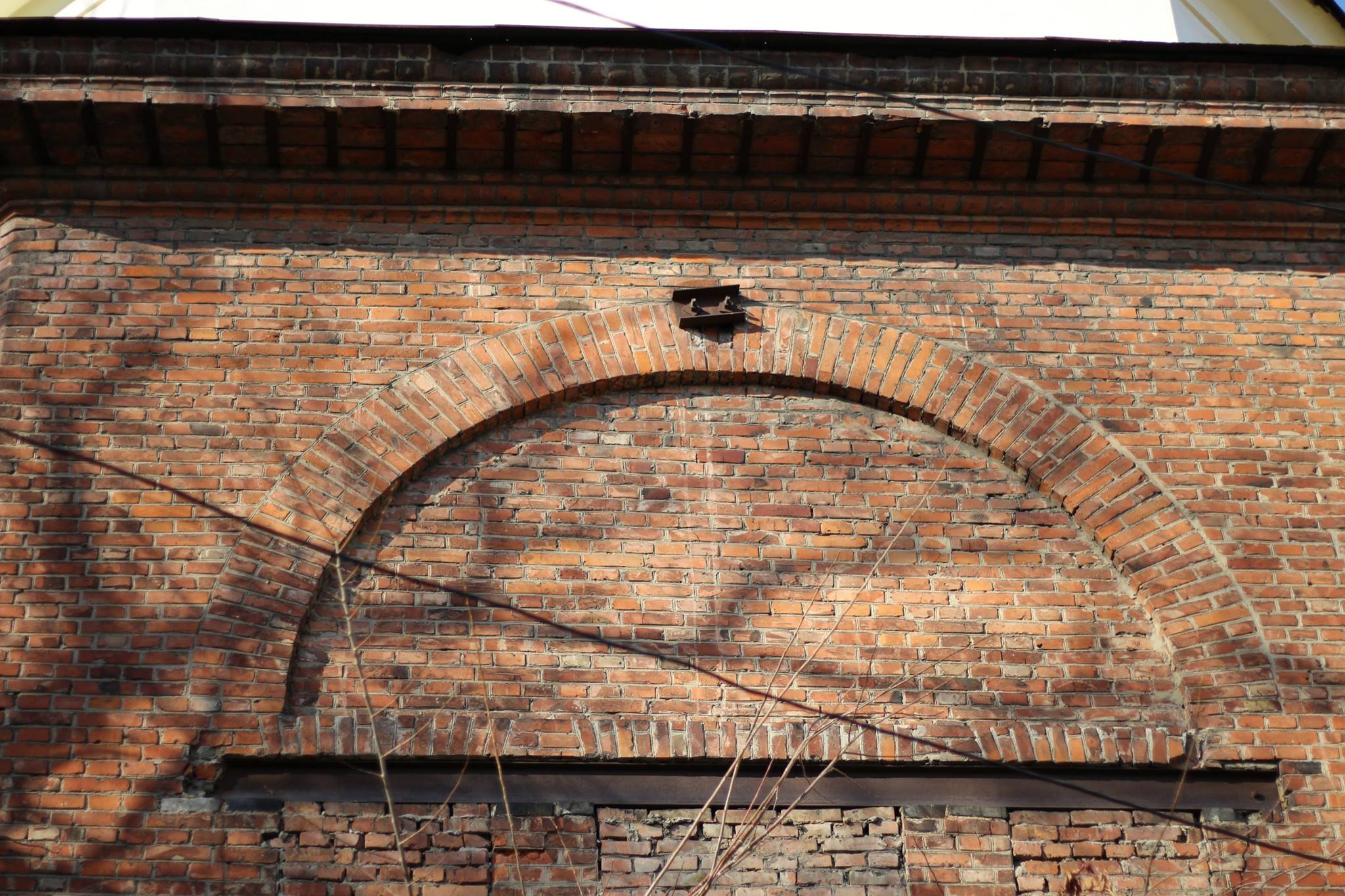
The Kharkiv Planetarium is currently located in the building of the former synagogue (Kravtsova Lane, 15).
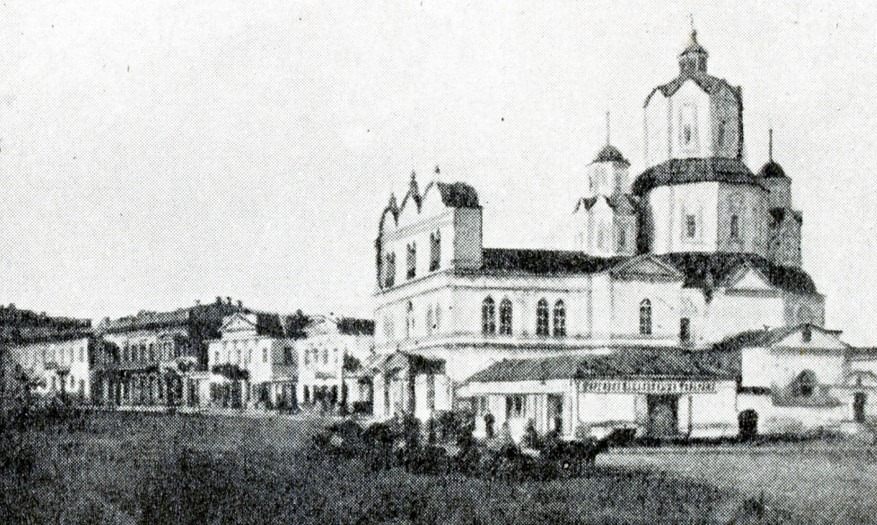
10. St. Nicholas Church has existed since the founding of Kharkiv and was originally wooden, like all of Kharkiv’s earliest churches. The first stone St. Nicholas Church was built in 1770 in the style of the already existing Church of the Intercession. In the 1830s, the church was rebuilt, and its original appearance was lost. Unfortunately, no images of the church before the reconstruction have survived.
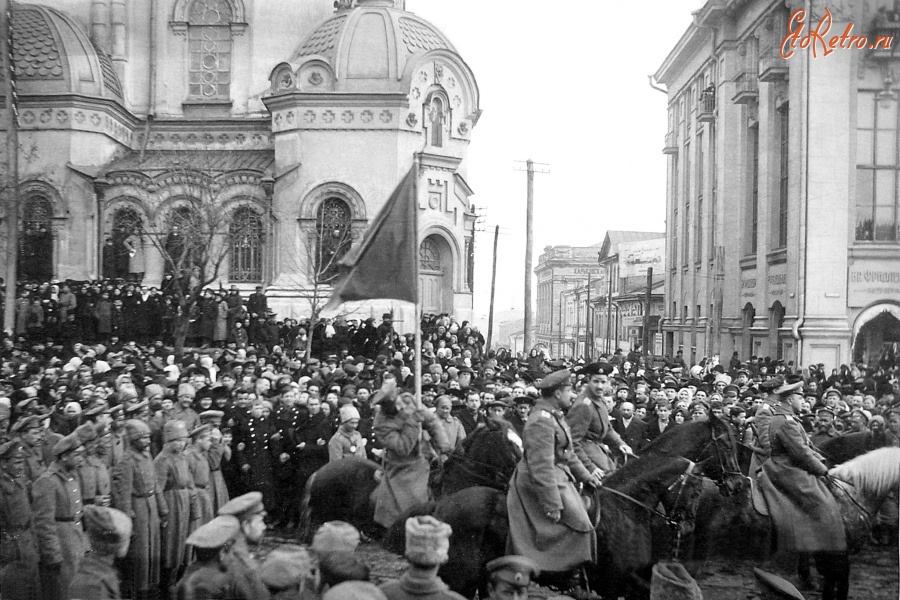
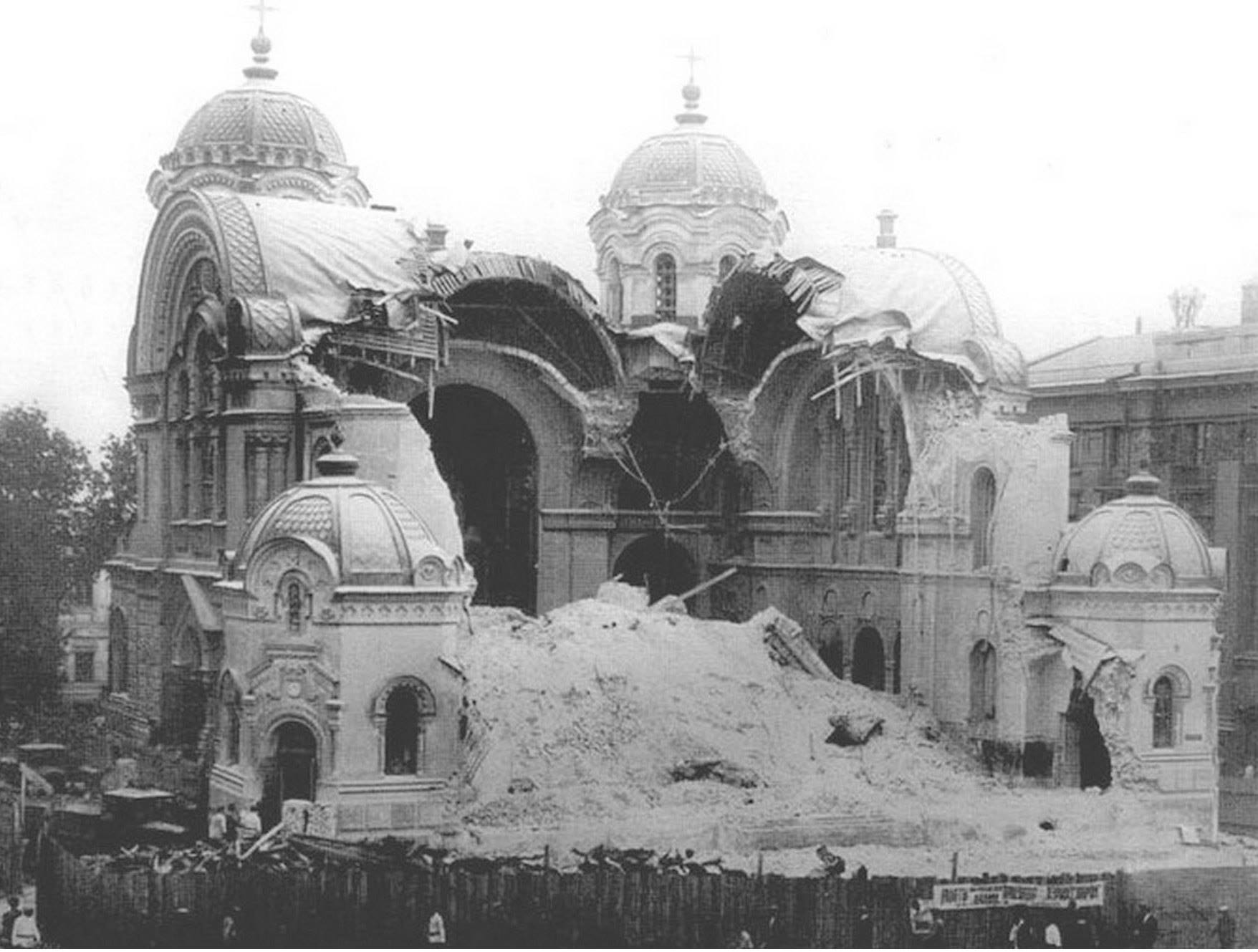
11. In 1886, the church was demolished, and construction began on a new church in the Neo-Byzantine style on Nikolayevskaya Square, designed by V. Nemkin; it was completed in 1896.
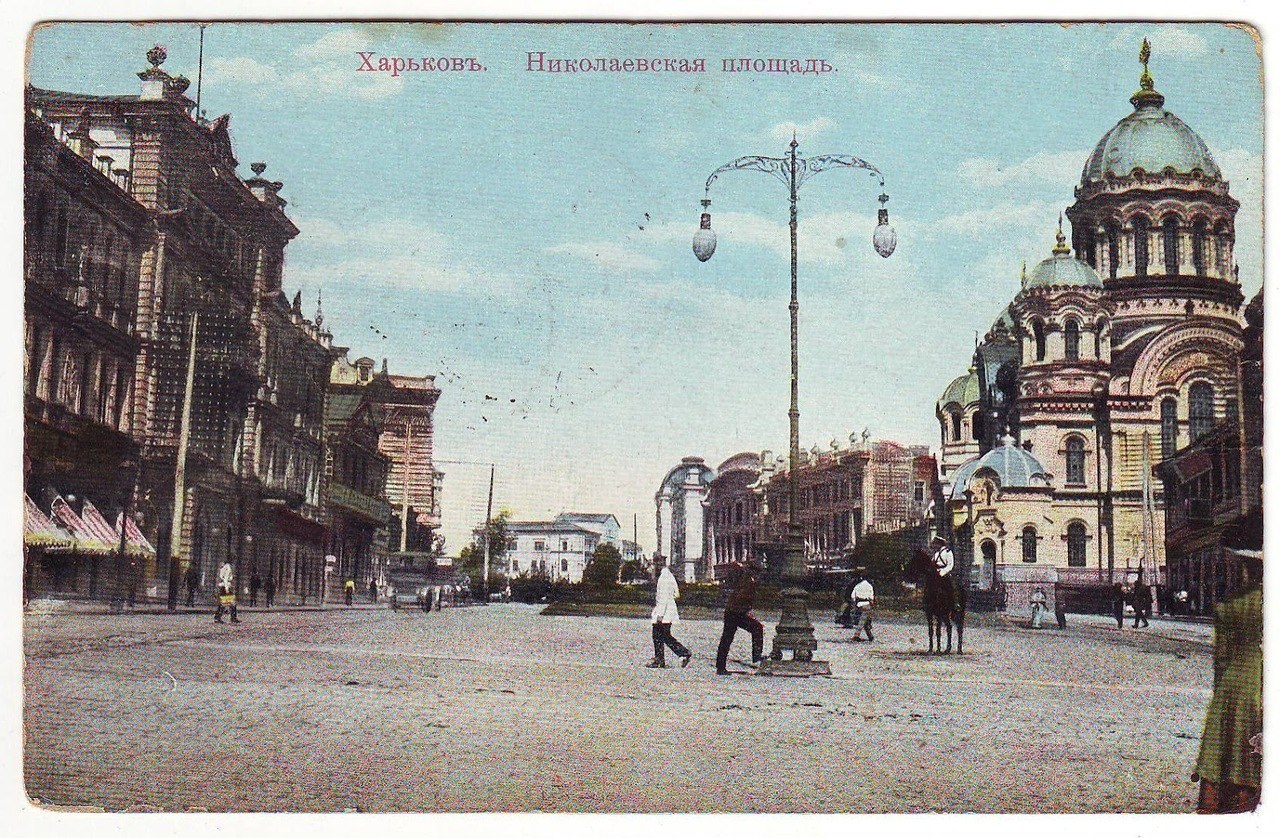
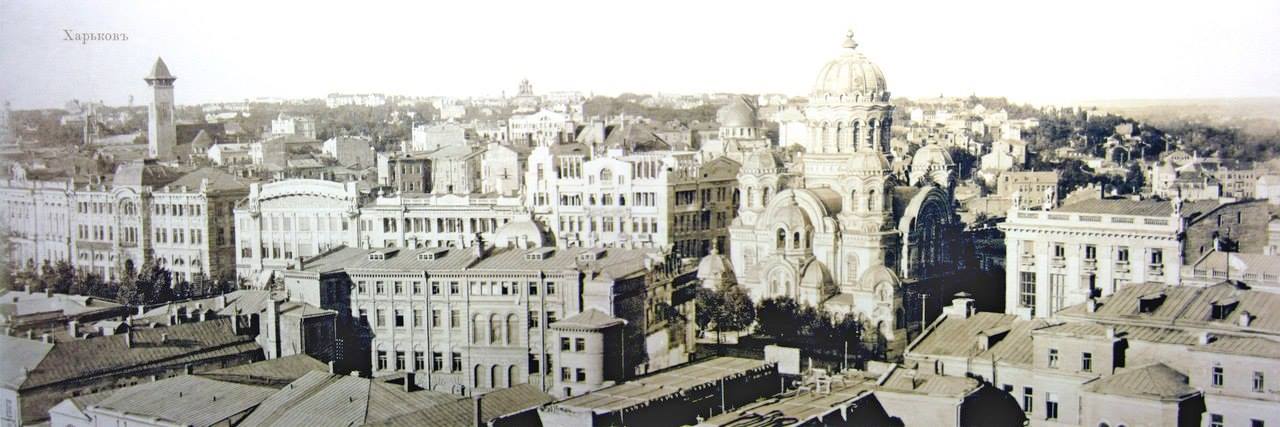
Photos from the time of the February 1917 Revolution:
The church was blown up in 1930.
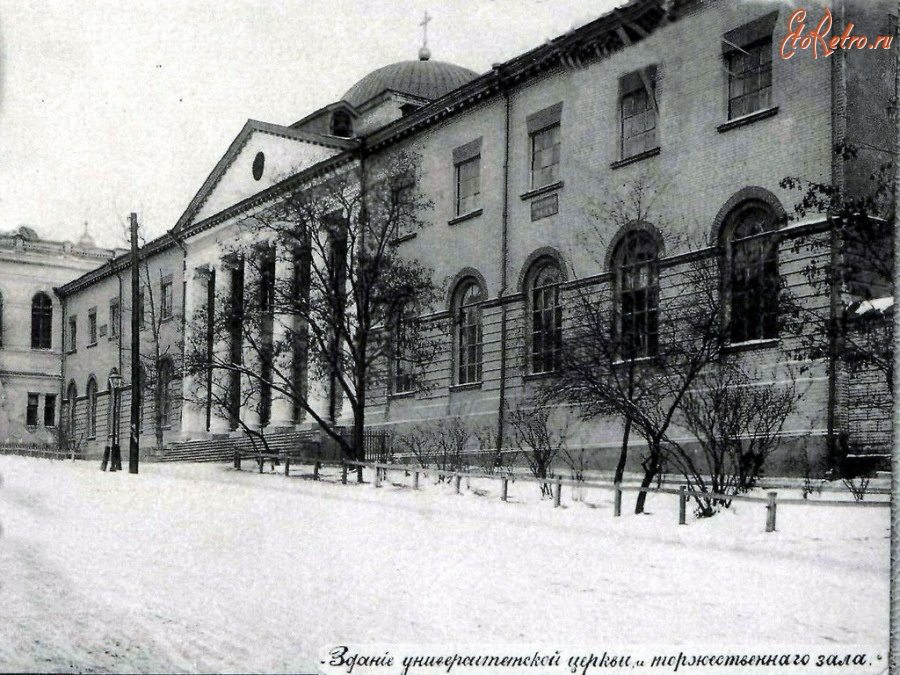
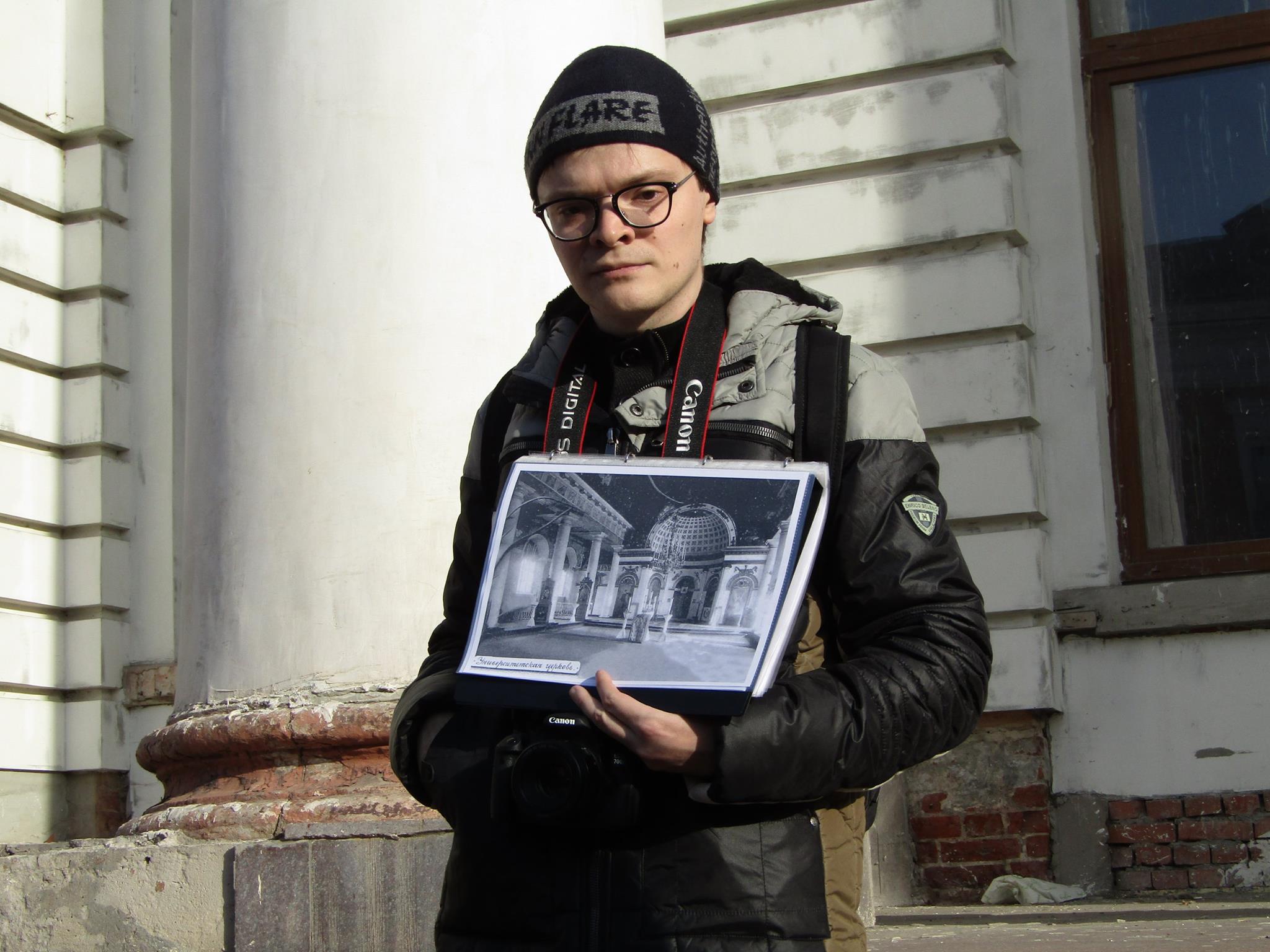
12. The St. Anthony University Church on Universytets’ka Street, 25 was built in 1831 based on a design by architect Vasilyev. It occupied part of the university building, which also housed the Ceremonial Hall.
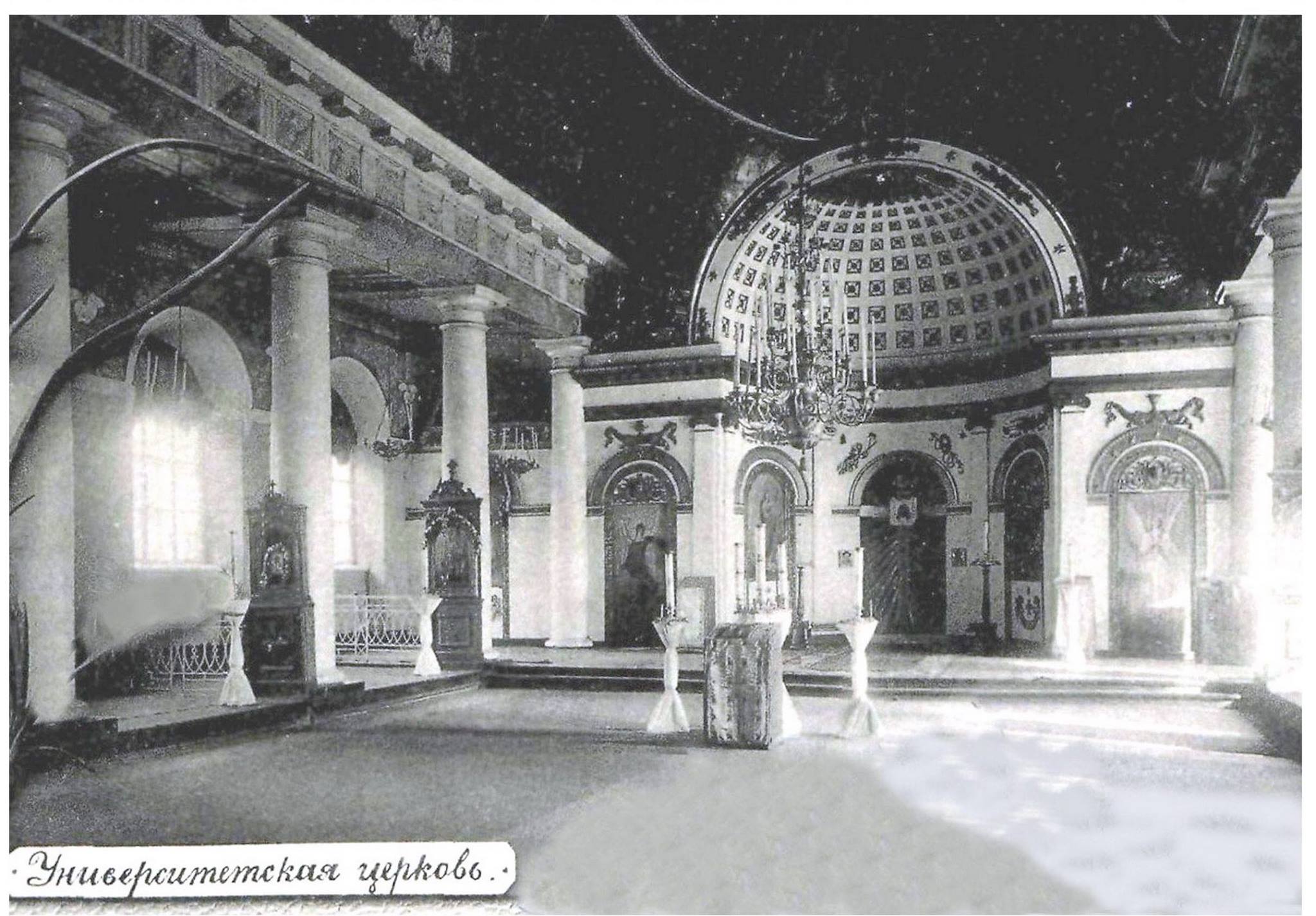
According to research by Anton Bondarev, the church was unique in that, for a time, Orthodox, Catholic, and Lutheran clergy took turns serving there.
Starting in 1922, the building housed the Institute of Physical Education and the Red Teachers’ Club. Starting in the 1960s, the “Pioneer” movie theater operated here; it was later renamed the “Yunost” movie theater, which served as the home of the Ukrainian Cultural Center from the 1990s through the late 2000s.
Since then, the building has stood largely abandoned. Beginning in 2002, worship services resumed in the lobby of the library, which is adjacent to the church. Over time, these services began to be held occasionally in the main building of the former church itself.
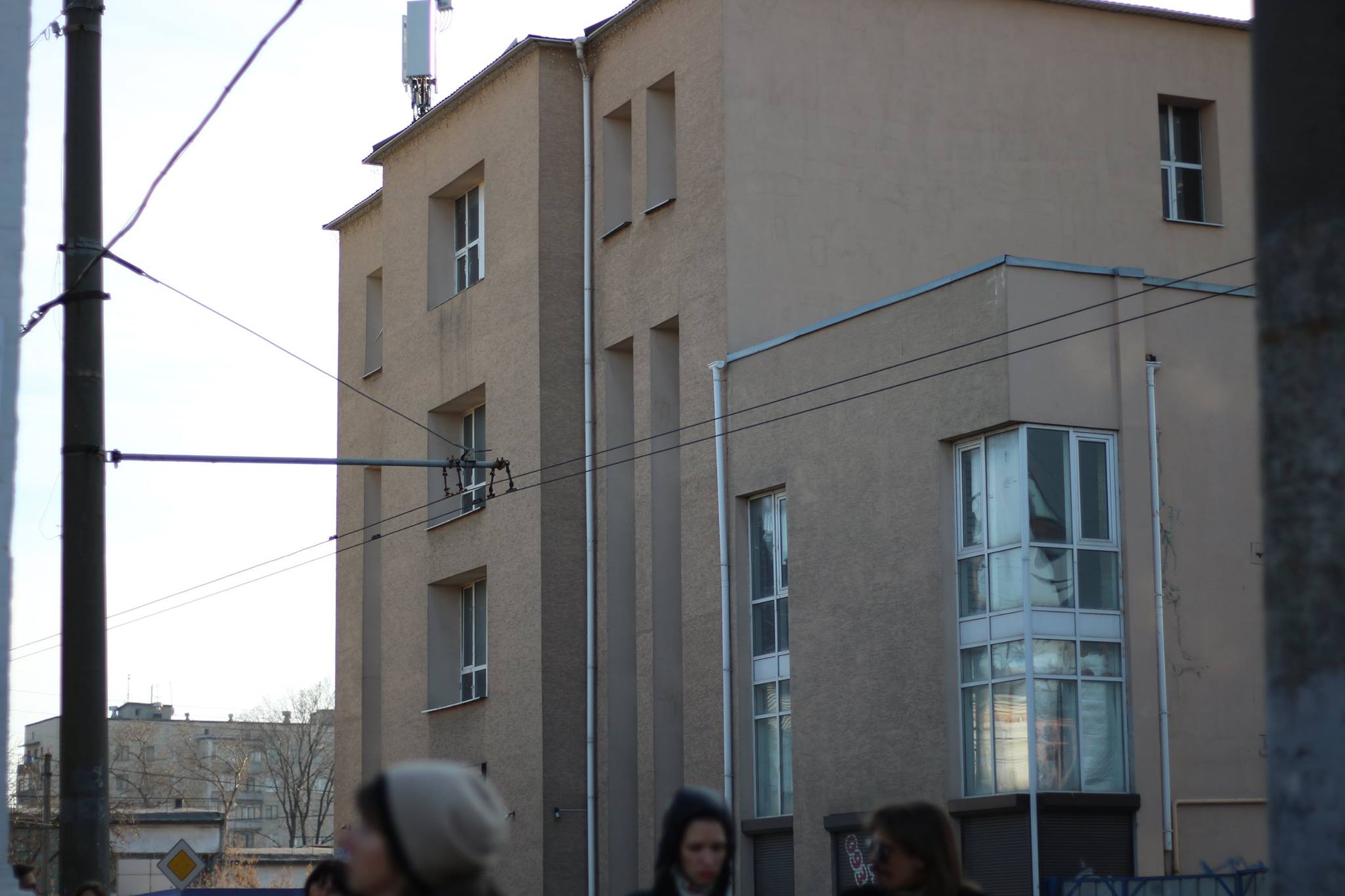
13. The building of the Podolsk Synagogue (Podilskyj Lane, 12), built in 1910–1911 according to a design by M. Meletinsky, has survived but has been rebuilt beyond recognition.
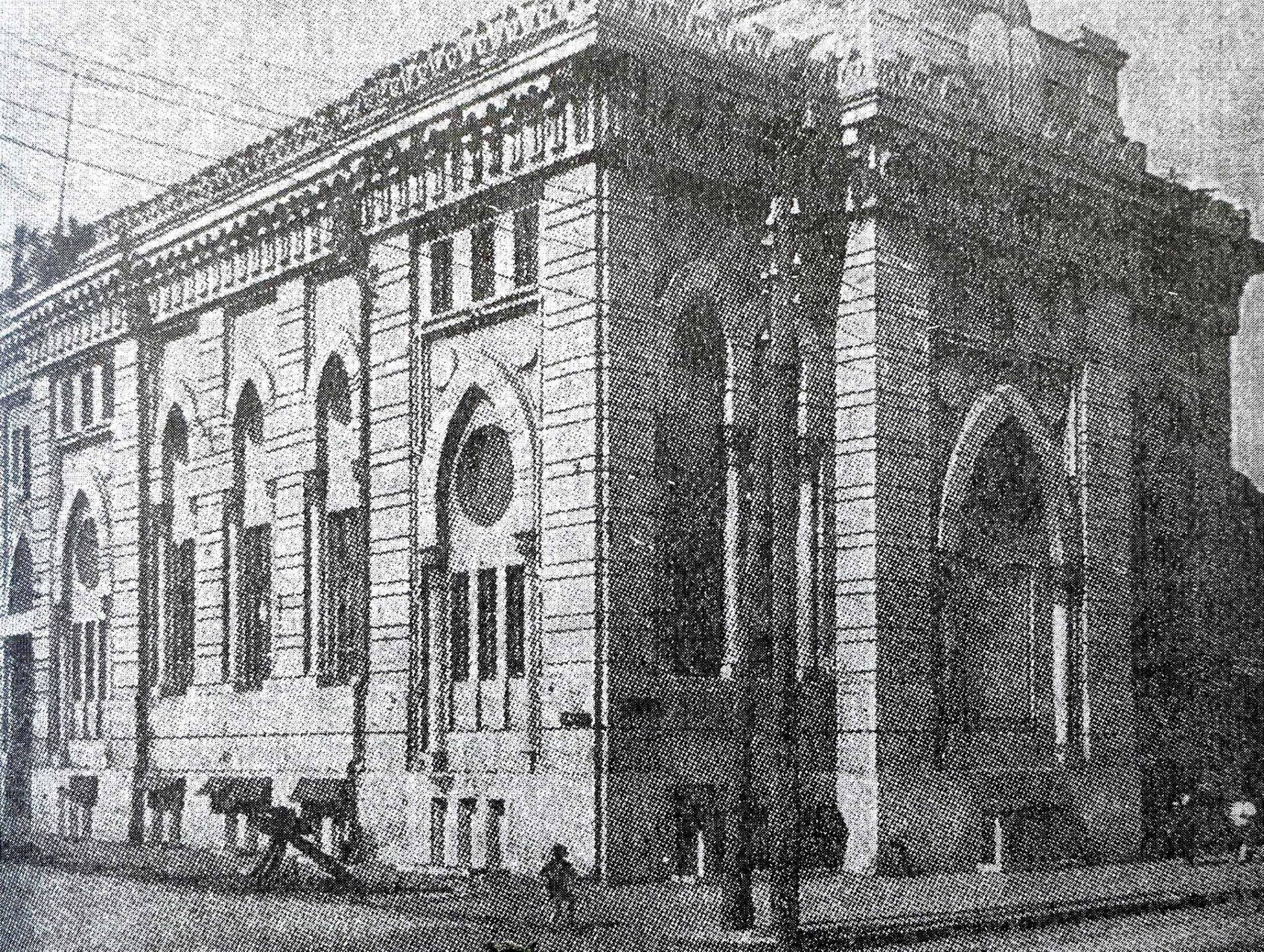
In the late 1920s, the building housed a craftsmen’s club; today, it contains commercial spaces.
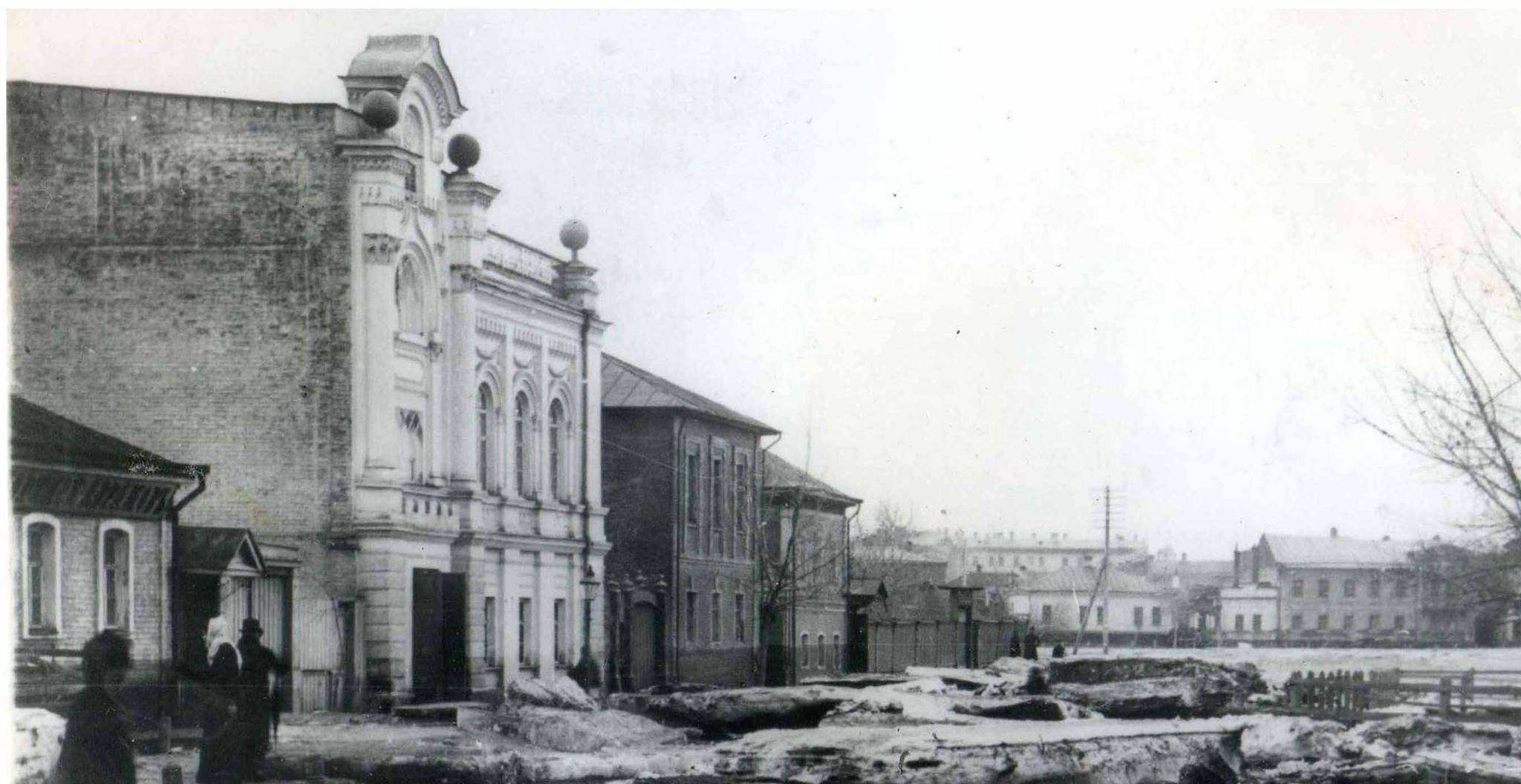
14. The city’s oldest synagogue, the Meshchanskaya Synagogue, was located on Hromadyans’ka Street.
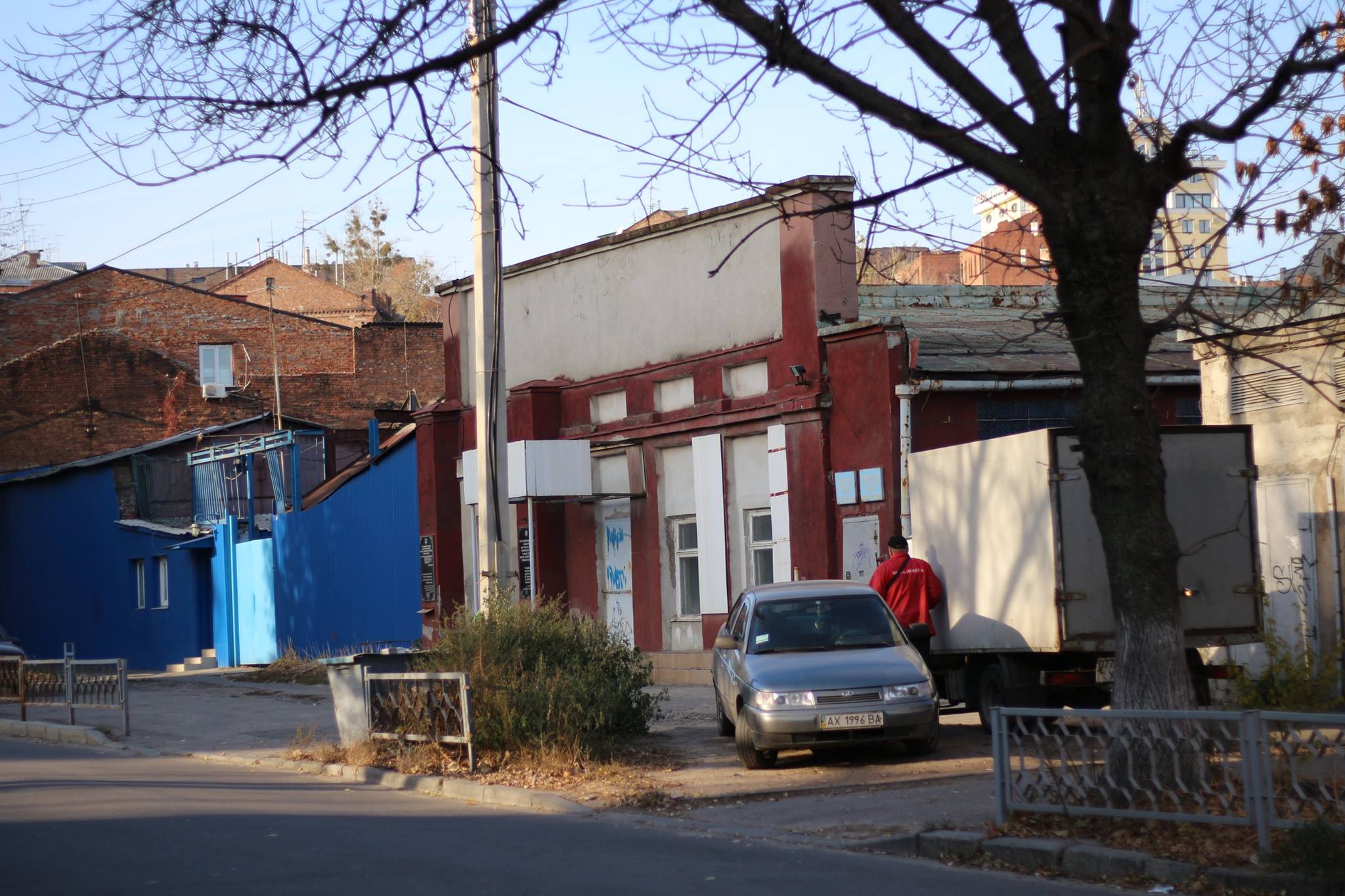
Historians have not yet been able to determine its exact location.
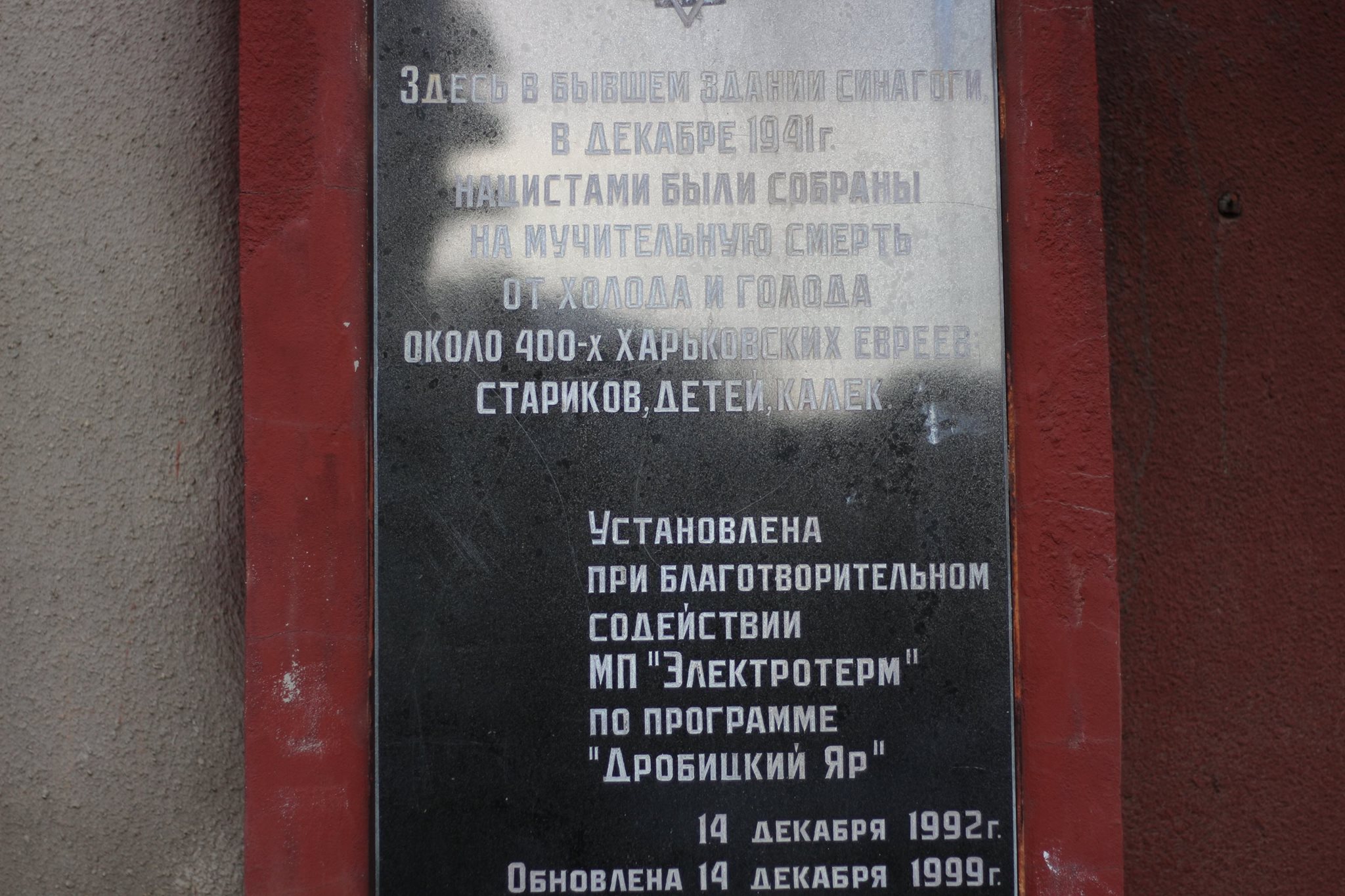
In December 1941, the Nazis tortured to death approximately 400 Jews from Kharkiv on the site of the former synagogue. A memorial plaque was installed at the presumed location of the synagogue in 1992.
Hromadyans’ka (Meshchanskaya) Street, photo from approximately the early 20th century.
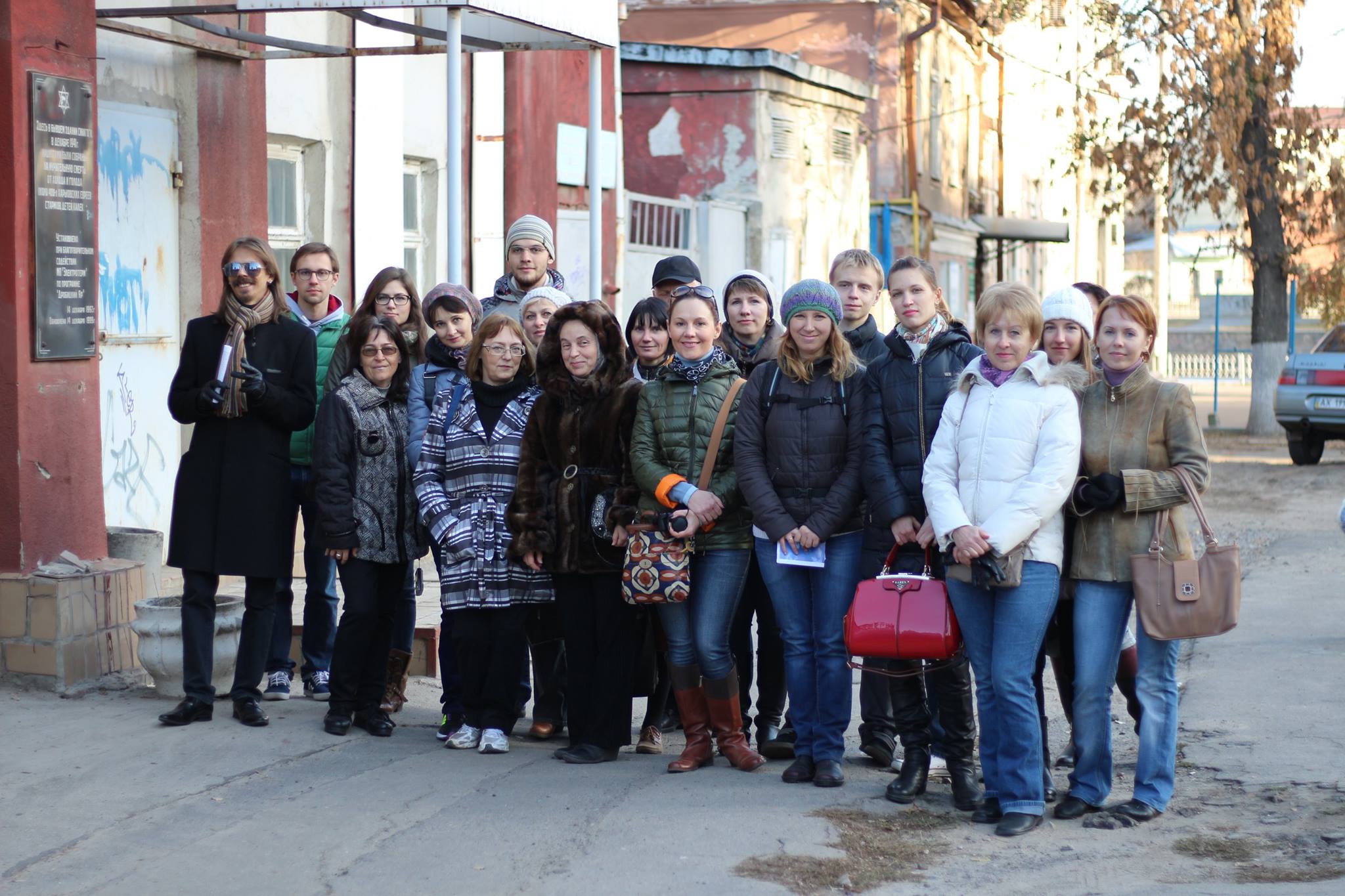
The tour was led by Ivan Ponomarenko and Anton Bondarev.
Of course, our two walking tours did not cover nearly all of the churches that were lost or destroyed in Kharkiv during the Soviet era. There were also other church buildings in cemeteries, on the sites of which parks and stadiums were built, as well as house churches, chapels, and churches attached to schools and universities. It remains for future researchers to piece together the puzzle of the lost churches of various denominations.

- "Noah's Ark" - 21.10.2026
- Blackie’s House on Maksymilianivska St - 19.10.2026
- Danylevs’koho Street, 19 - 13.10.2026