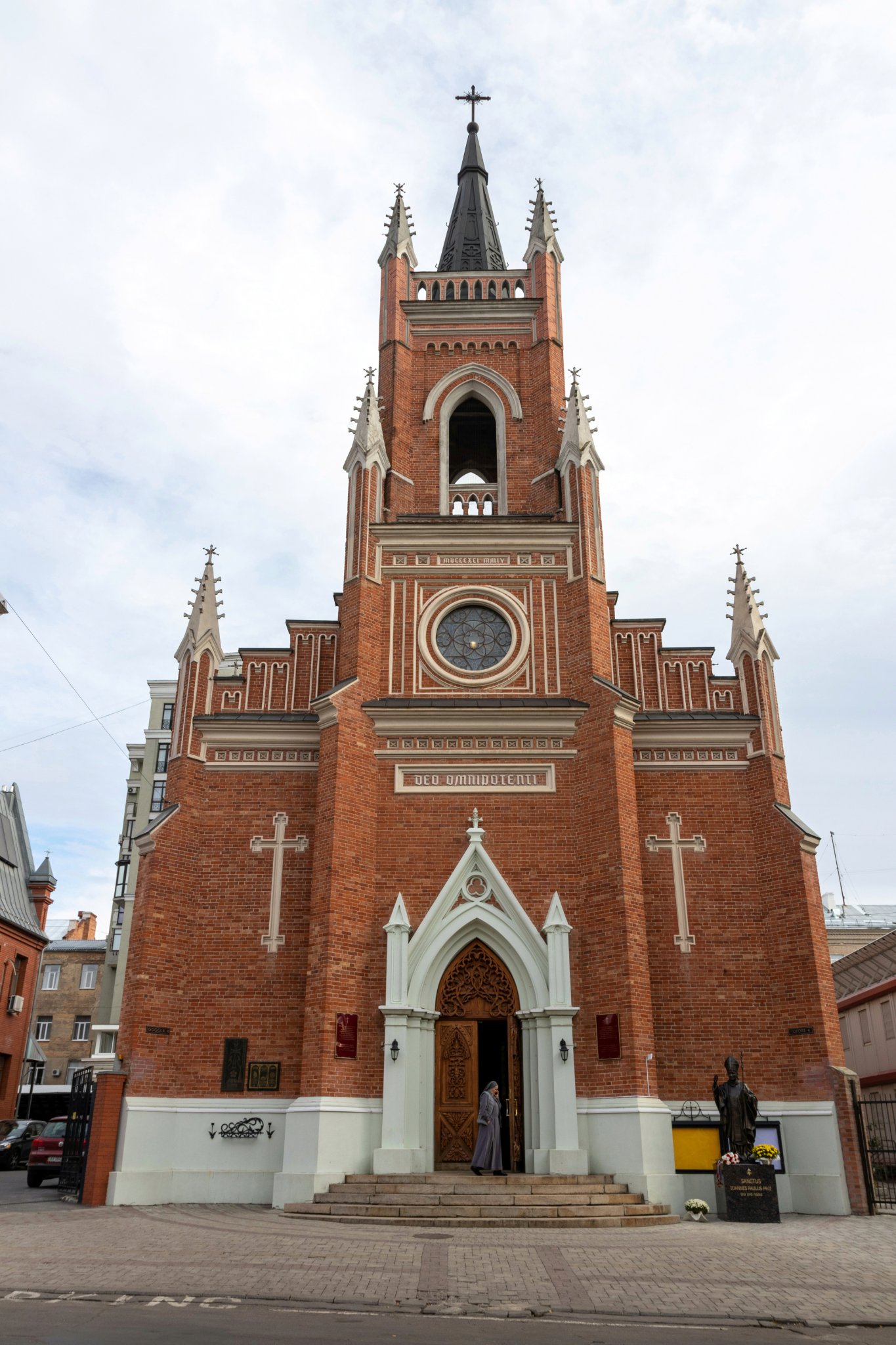
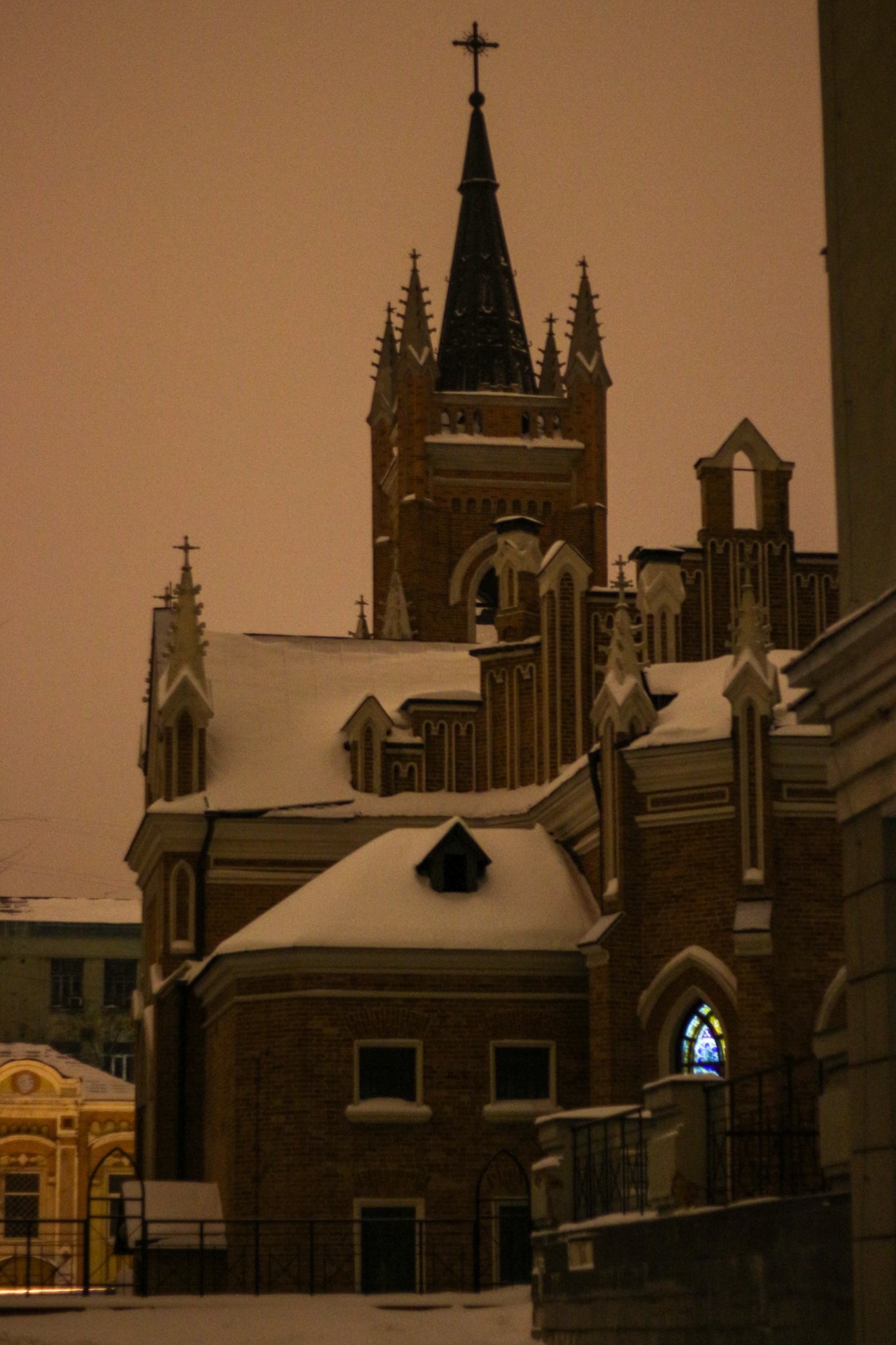
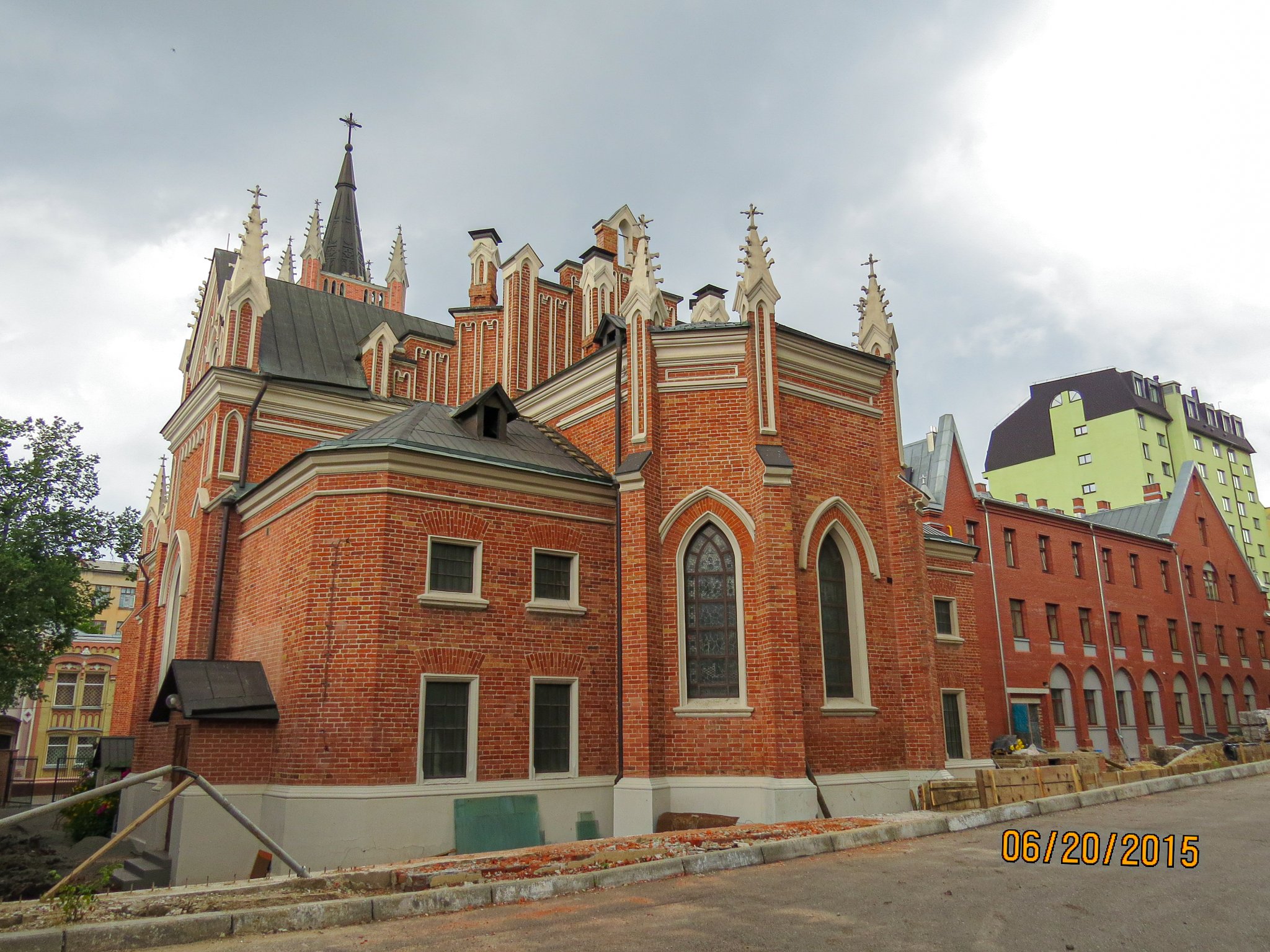
The Cathedral of the Assumption of the Blessed Virgin Mary in Kharkiv (Roman Catholic Church) was built according to a design by city engineer Boleslaw Mikhalowski between 1887 and 1892.
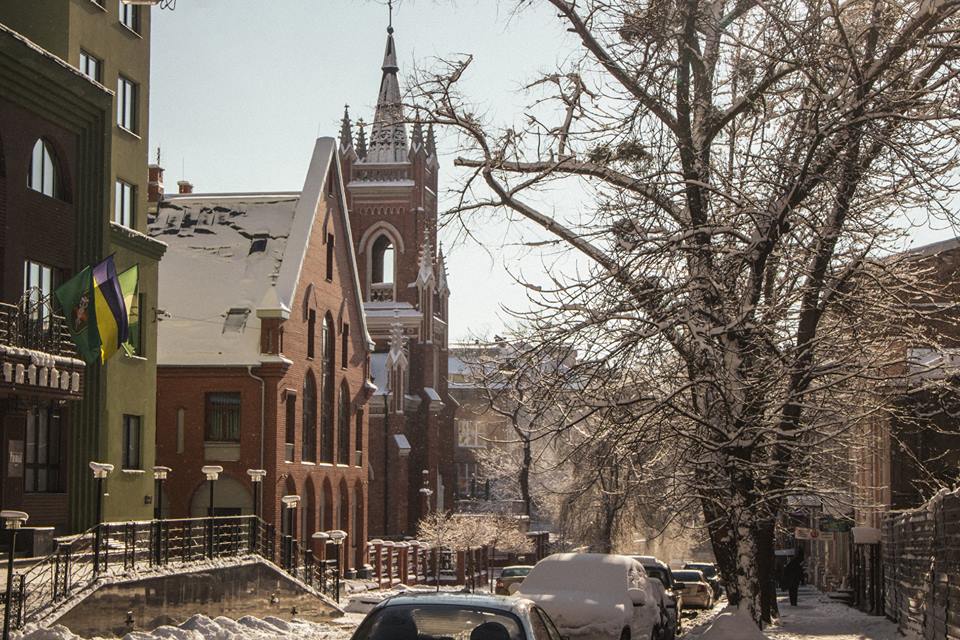
This is an architectural landmark of Neo-Gothic architecture. The church is located at Gogol Street, 4.
In the early 19th century, a significant portion of the Catholic community consisted of members of the Polish diaspora, many of whom were university professors. Before their first church was built, they had to hold Mass at the Orthodox St. Anthony’s Church on Universitetskaya Street, sharing the space with Orthodox and Lutheran services (the only such known case in Ukraine).
In the photo below, you can also see the church’s original building (on the right in the foreground) on the same street. It was built in 1831 and destroyed during World War II.
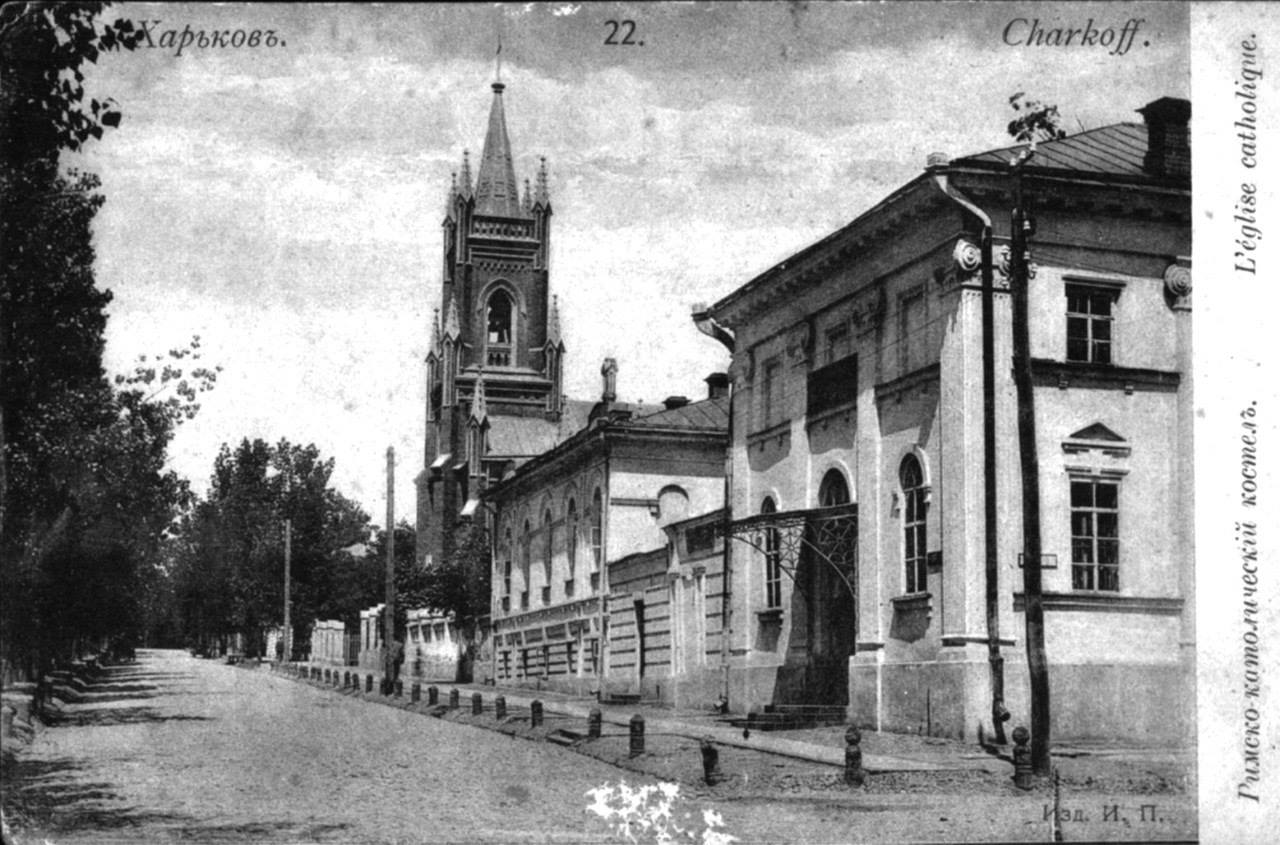
The first church building had a “secular” appearance and, by the end of the 19th century, could no longer accommodate the Catholic community, which had grown along with the city. The new building became a true gem of Kharkiv.
The Catholic community operated a nursing home, a parish school, and an orphanage. In 1910, the community had 1,346 parishioners.
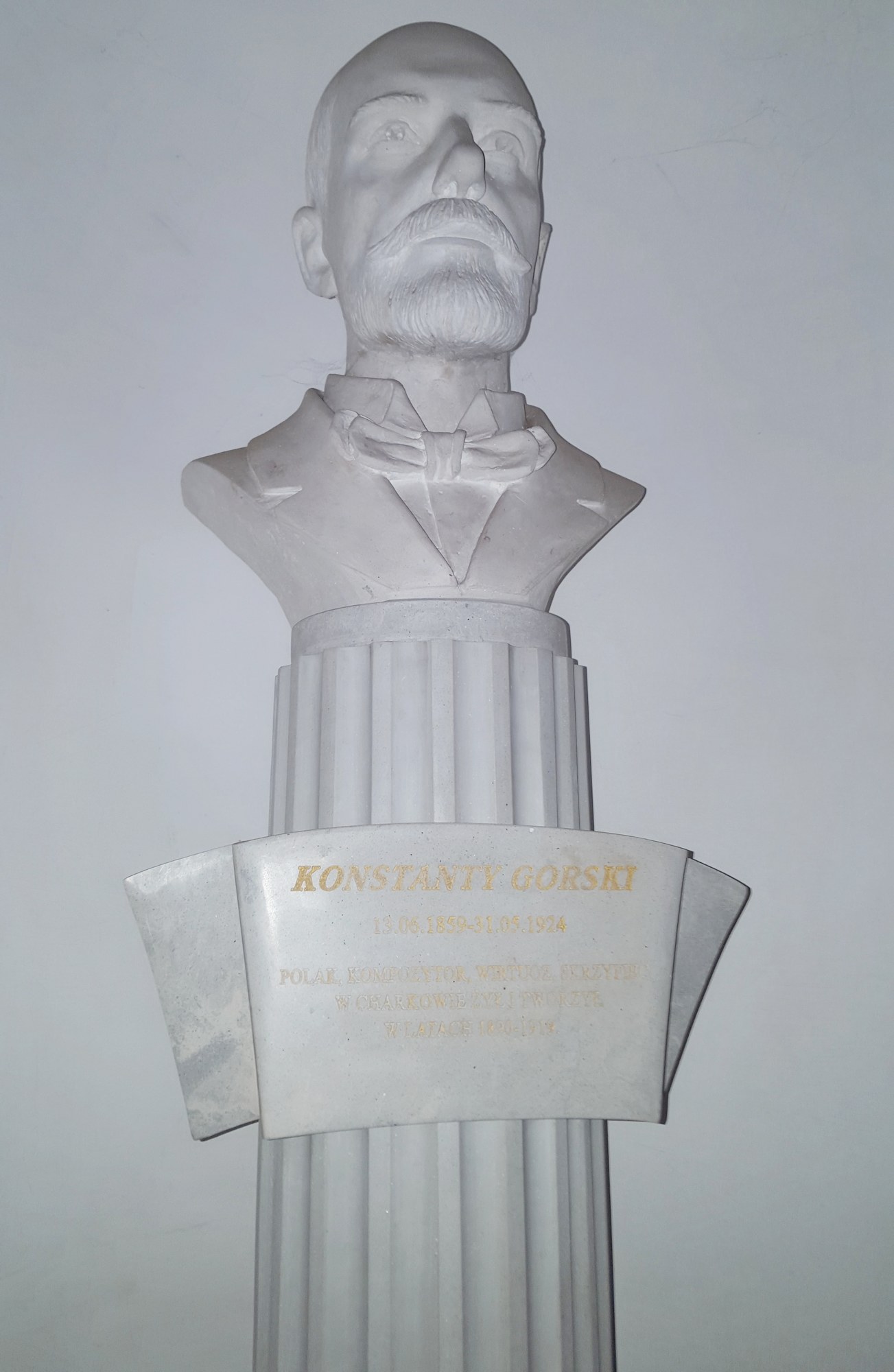
During World War I, the “Polish House” was particularly active within the community; it was involved not only in cultural activities but also in volunteer and charitable work, providing assistance to members of the Polish diaspora in need. One of its founders was the composer Konstantin Gorsky, in whose honor a monument was erected at the entrance to the church in 2009.
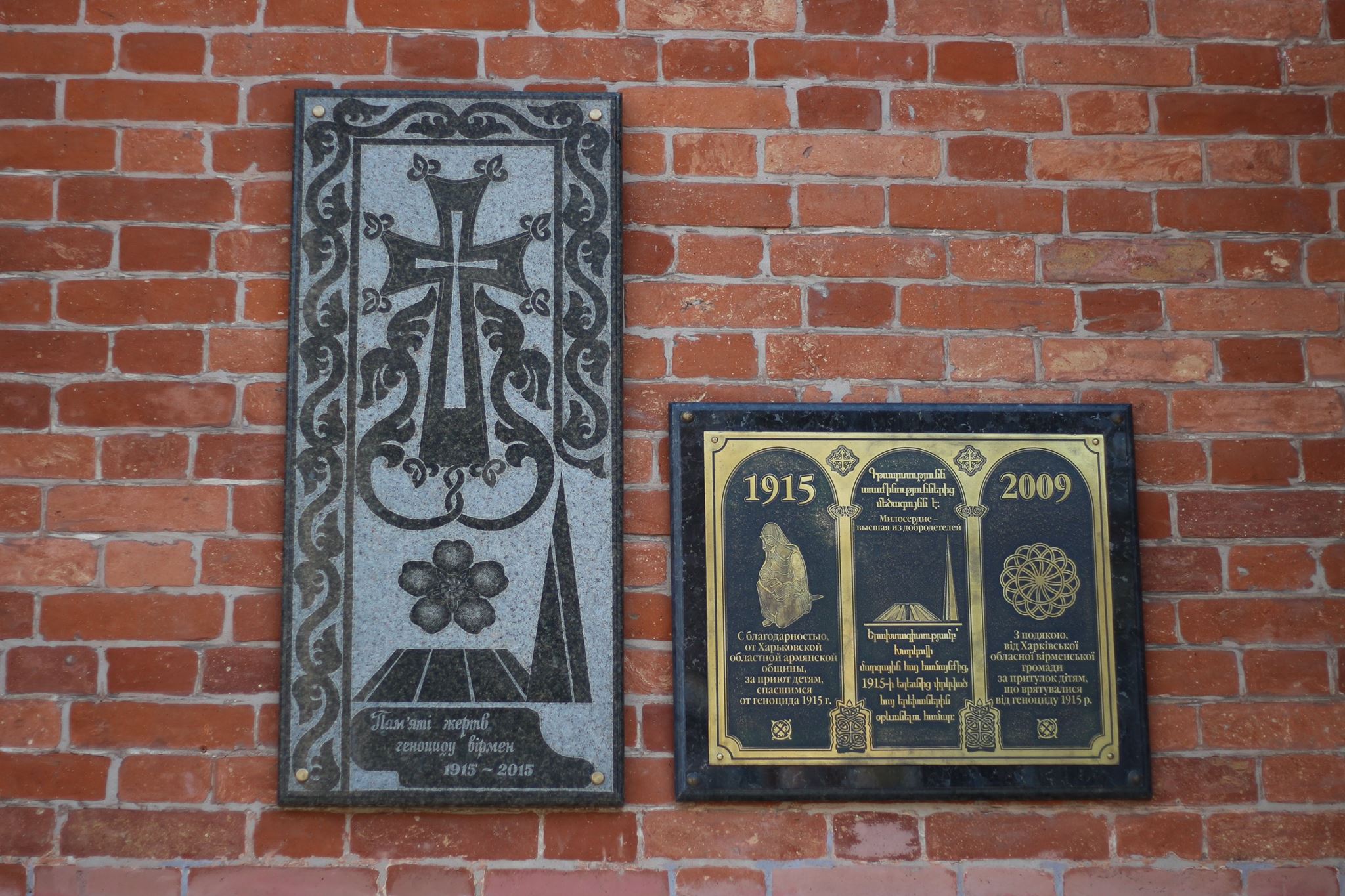
On the wall of the church, you can find a commemorative plaque honoring events from the WWI. At that time, the Kharkiv Catholic community provided refuge to Armenian Catholics fleeing the Ottoman Empire. An Armenian chapel was built to the left of the church.
The campaign against religion launched by the Soviet authorities intensified particularly in the 1930s.
In 1938, the Armenian Catholic priest Karapet Yeganyan was executed. In 1940, the church was closed and handed over to the Shevchenko Theater.
During the German occupation, religious services resumed. According to researcher Anton Bondarev, the church was saved from destruction by Croatian soldiers who had arrived in the city with the Germans.
In 1945, the church was closed again. It was converted into a film distribution center—the main building was divided into two floors, each containing numerous rooms.
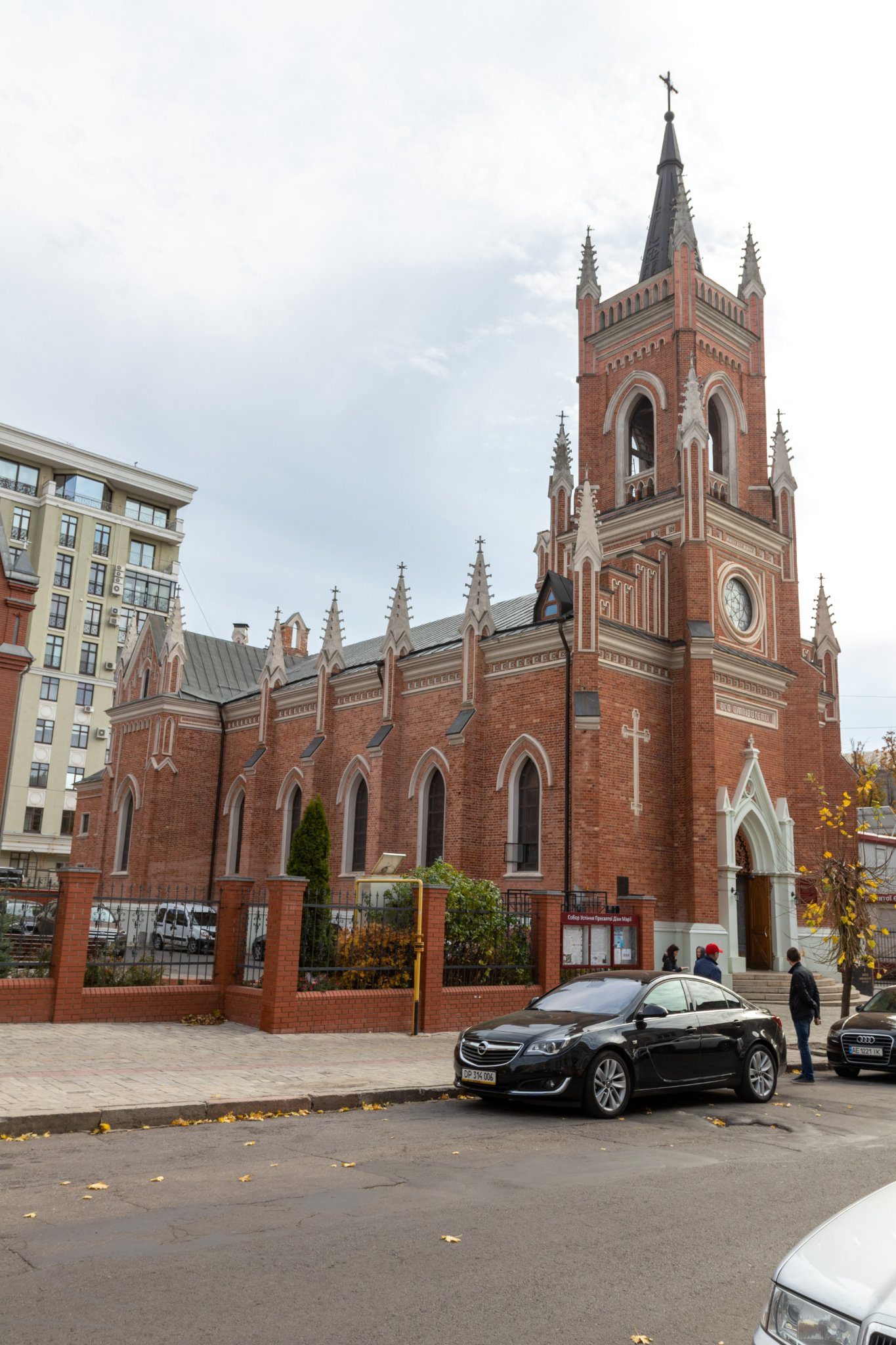
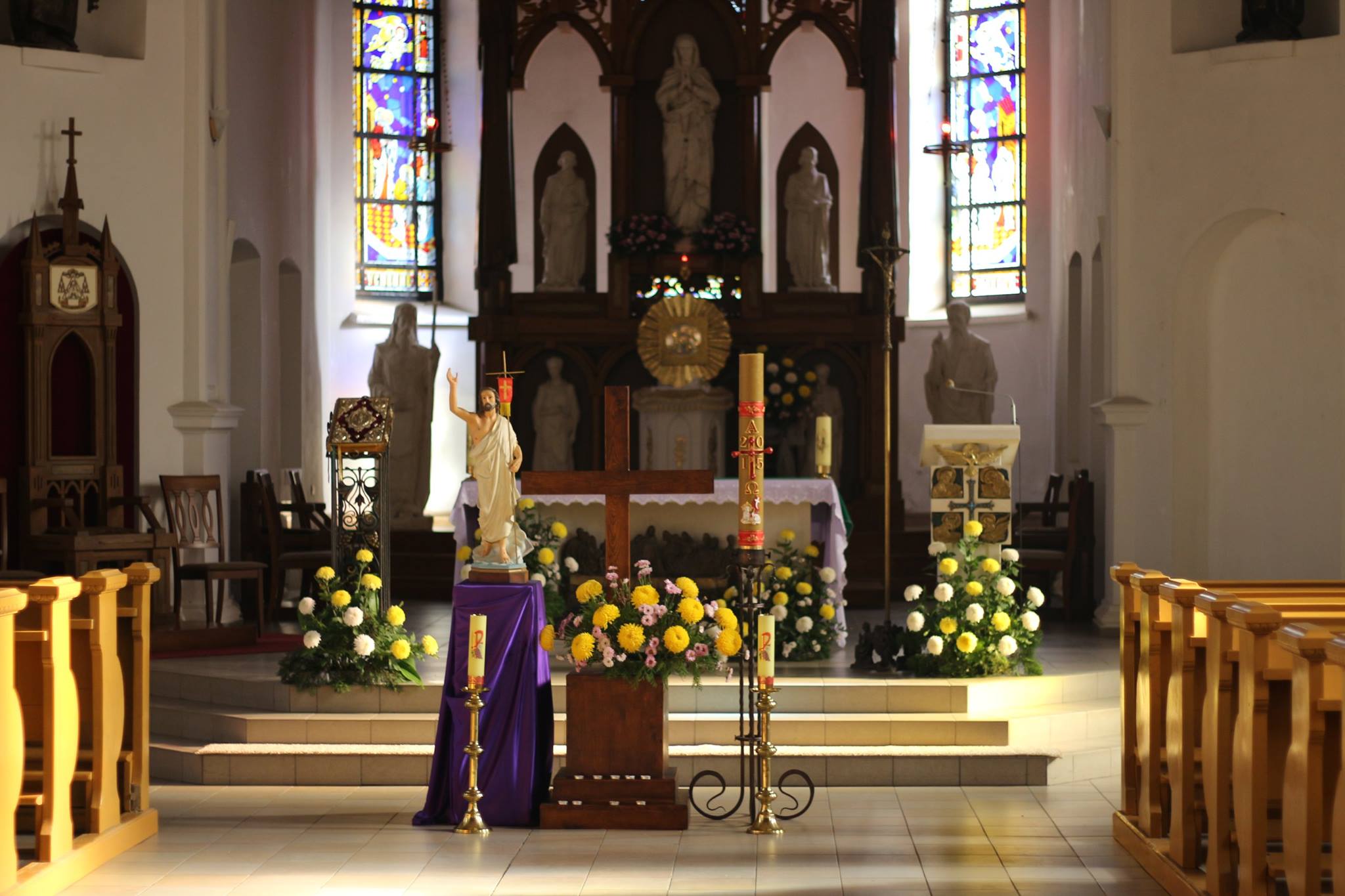
In 1991, the Church of the Assumption of the Blessed Virgin Mary was returned to the Roman Catholic community. The restoration of the church, its facades, and interiors took 10 years and was carried out by the Kharkiv branch of the “Ukrproektrestavratsiya” Research Institute. The research and design were carried out under the direction of V. Novgorodov by architects V. Echin and V. Kormilets, while the restoration work was performed by master craftsman Stepanian. The mosaics were created by artist Denis Kachanov.
On May 4, 2002, John Paul II issued the bull *Ad plenius prospiciendum*, by which he established the Diocese of Kharkiv-Zaporizhzhia, separating it from the Dioceses of Kamianets and Kyiv-Zhytomyr.
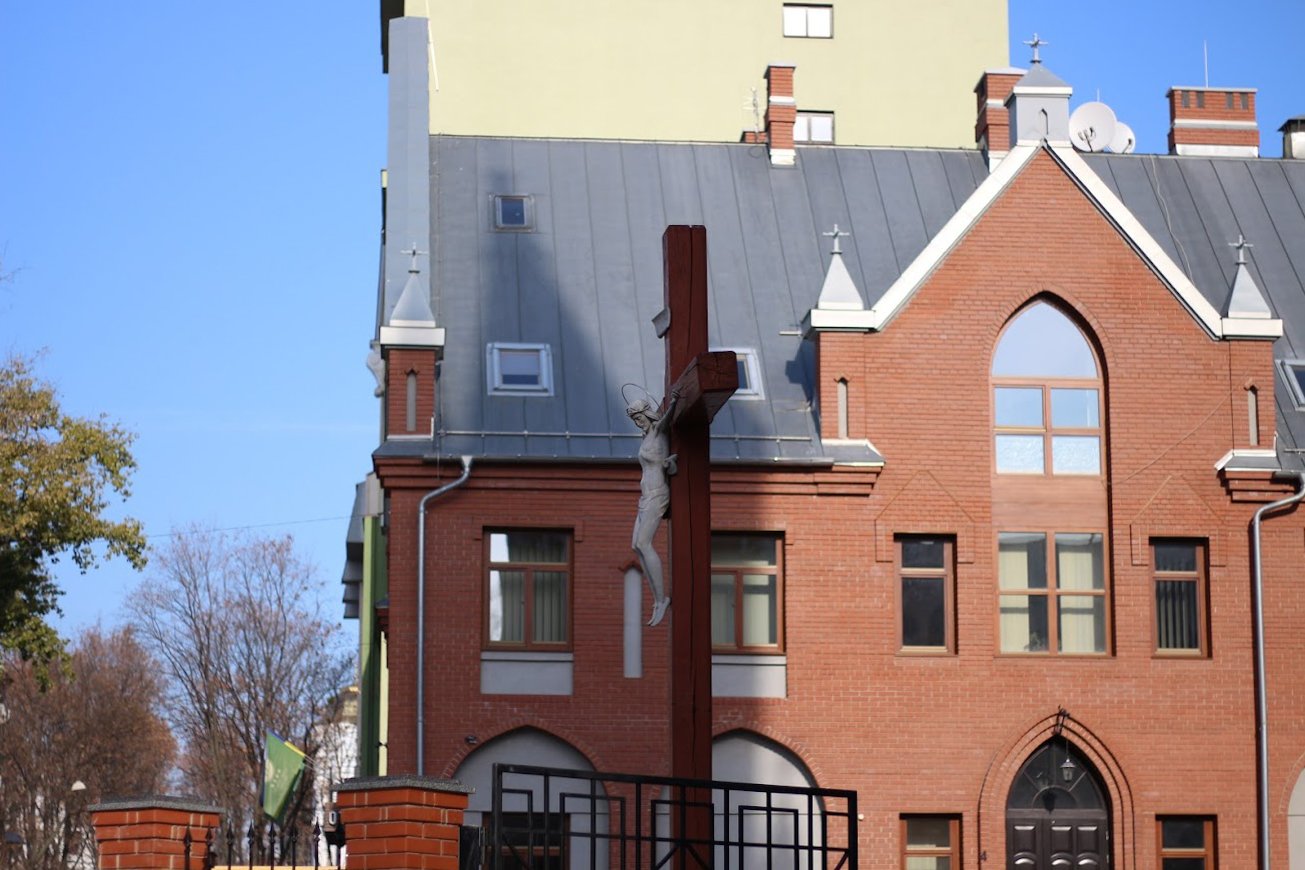
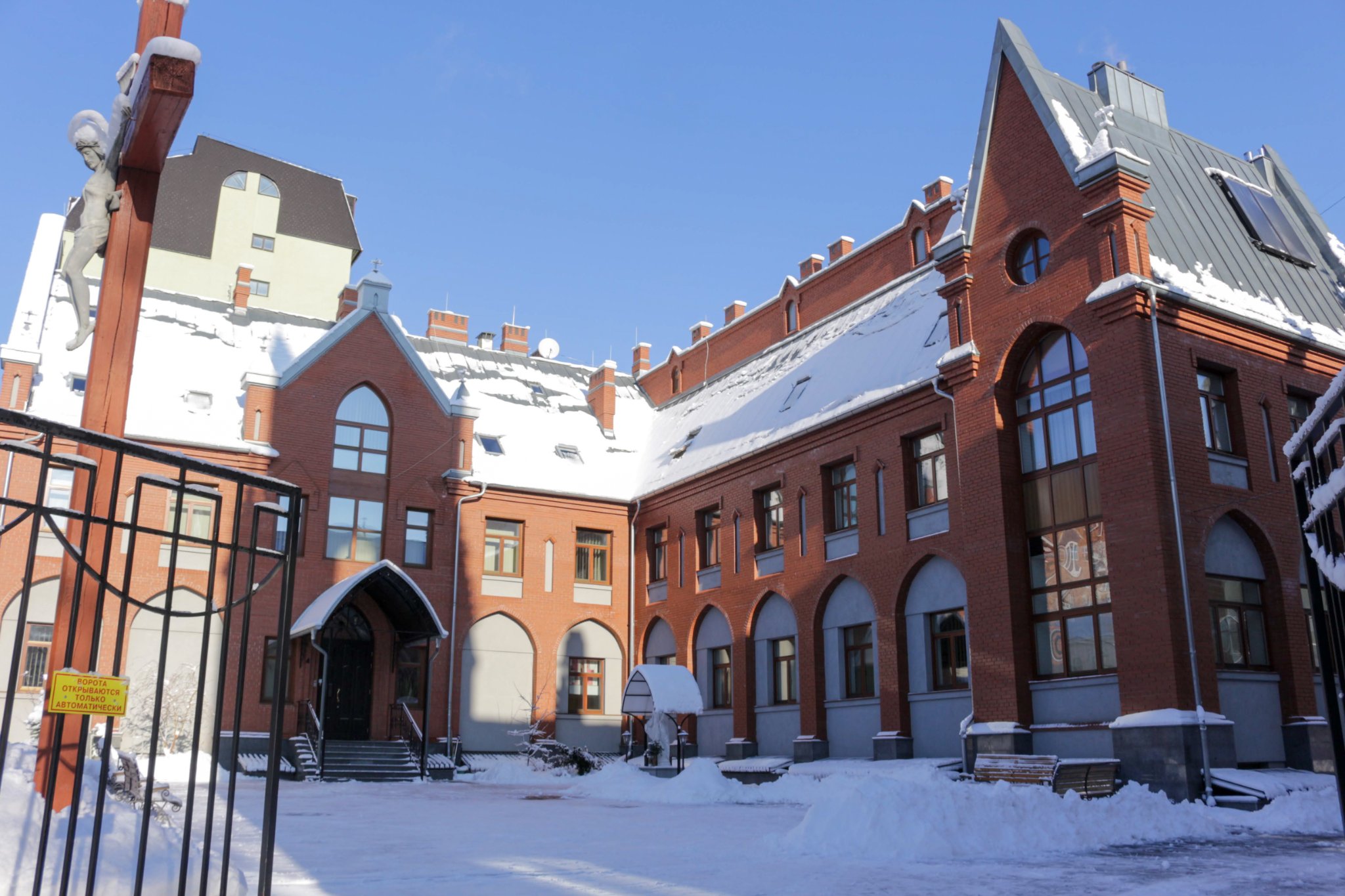
Between 2010 and 2015, a bishop’s residence was built next to the church (designed by architects V. Novgorodov and D. Vitchenko).
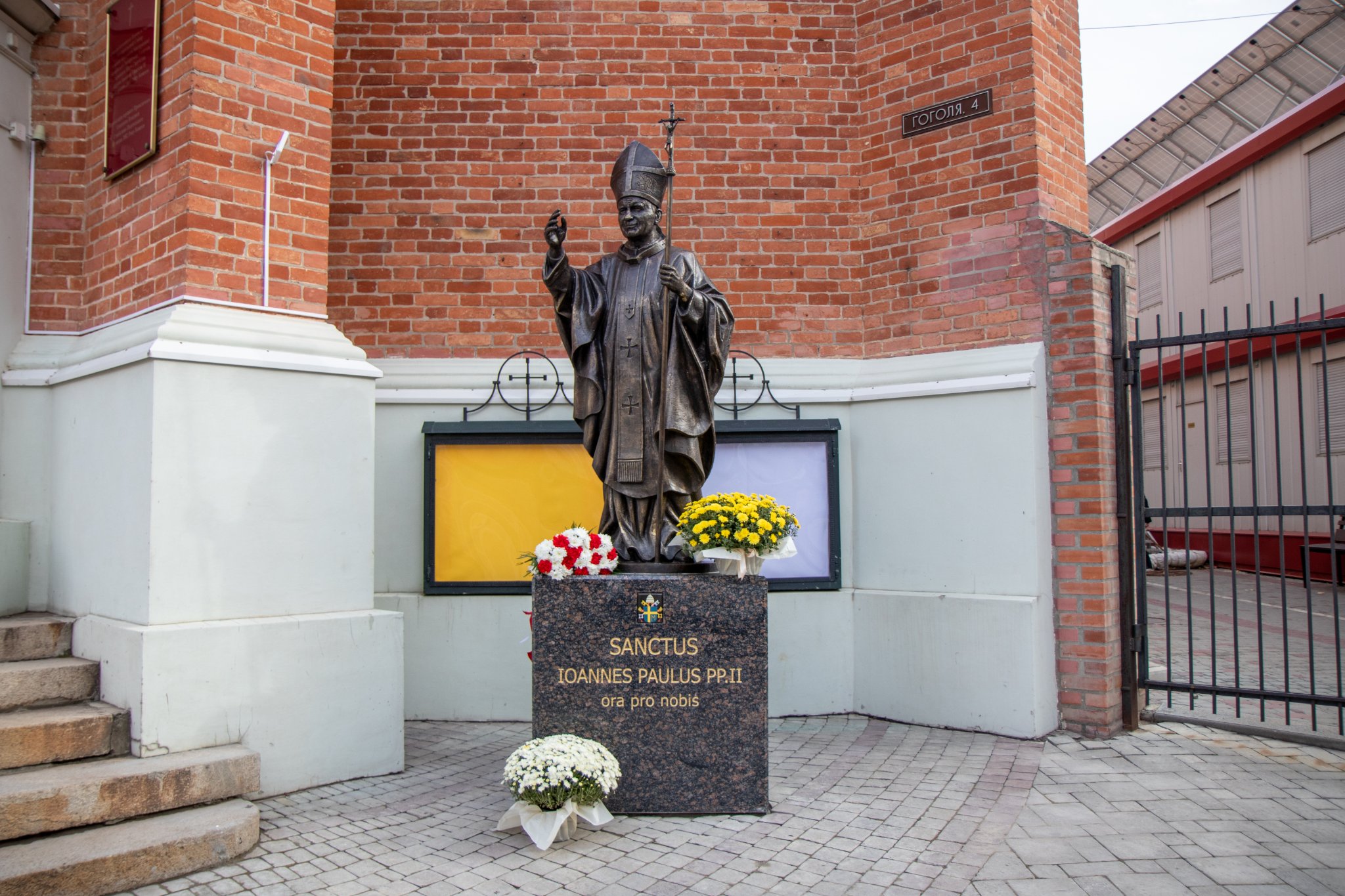
On October 23, 2021, a monument to Pope John Paul II (sculpted by Vladimir Raichenko) was unveiled.
On March 1, 2022, a rocket fired from a Russian multiple-launch rocket system struck the diocesan curia building, damaging the roof and windows.

- Danylevs’koho Street, 19 - 13.10.2026
- Debunking the myth about one of the most famous Kharkiv photos - 12.10.2026
- The Architectural Evolution of the Kharkiv Theater - 26.09.2026