Back in 1901, a luxurious official publication was issued in St. Petersburg; it remains a great rarity even today.
To mark its 100th anniversary, the Ministry of Internal Affairs decided to publish a book about its work.
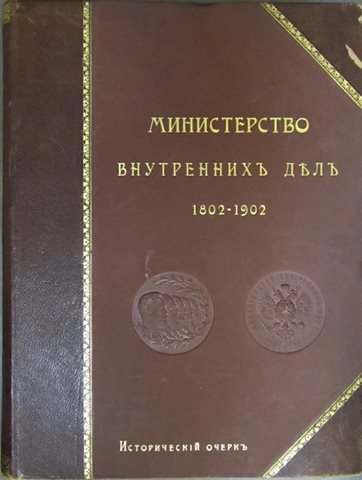
This overview of the activities of the Ministry of Internal Affairs throughout its history was compiled at the initiative of the Minister of Internal Affairs himself, Dmitry Sergeyevich Sinyagin. The material used to create the book consists primarily of original case files stored in the archives of the Ministry of Internal Affairs, the Police Department, and other institutions, as well as printed works and materials from periodicals related to the Ministry’s activities. The portraits were based on originals located in the Council Chamber of the Minister of Internal Affairs and on engravings from the collection of P. Ya. Dashkov. The heliogravures for this edition were produced by G. Bückenstein’s studio in Berlin, and the zinc-plate engravings by the renowned studio of S. M. Prokudin-Gorsky in St. Petersburg. This was not merely a report to superiors about their brilliant victories, but a resource for historians that could and should be used.
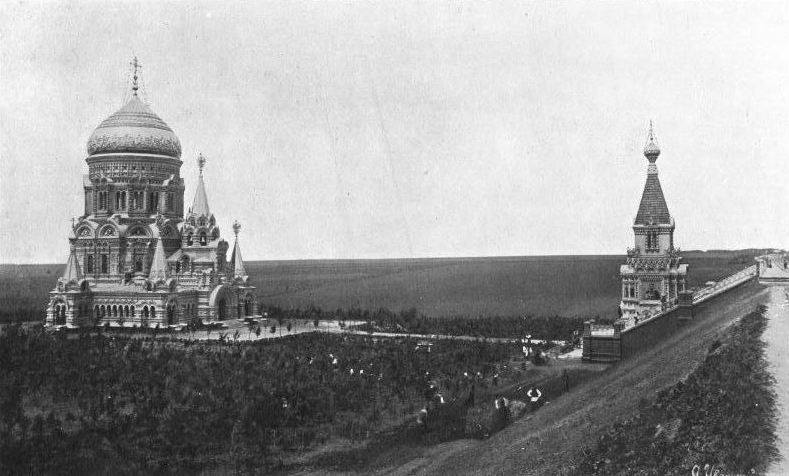
“Church Buildings” section. The Cathedral of Christ the Savior and the Chapel of the Savior Not Made by Hands near the Borki station.
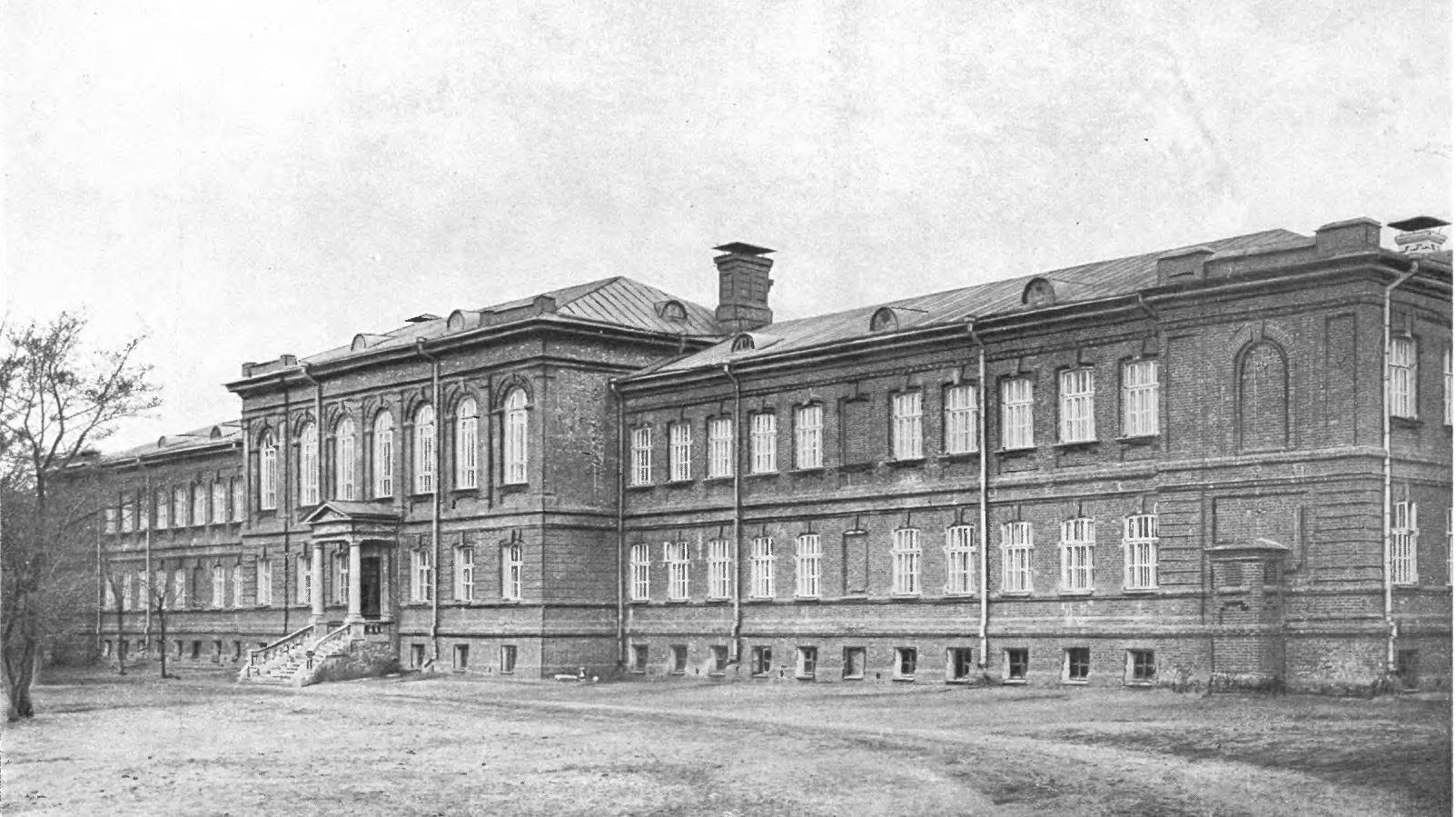
Section: “Health Care Facilities: Government, Municipal, and County.” City of Kharkiv. Mykolaiv City Hospital. (216 beds)

Section: “Medical Institutions: Governmental, Municipal, and County.” City of Kharkiv. The building of the new psychiatric hospital attached to the Kharkiv Provincial Zemstvo Hospital. Built in 1898–1900. (120 beds and 44 private rooms for inpatients)
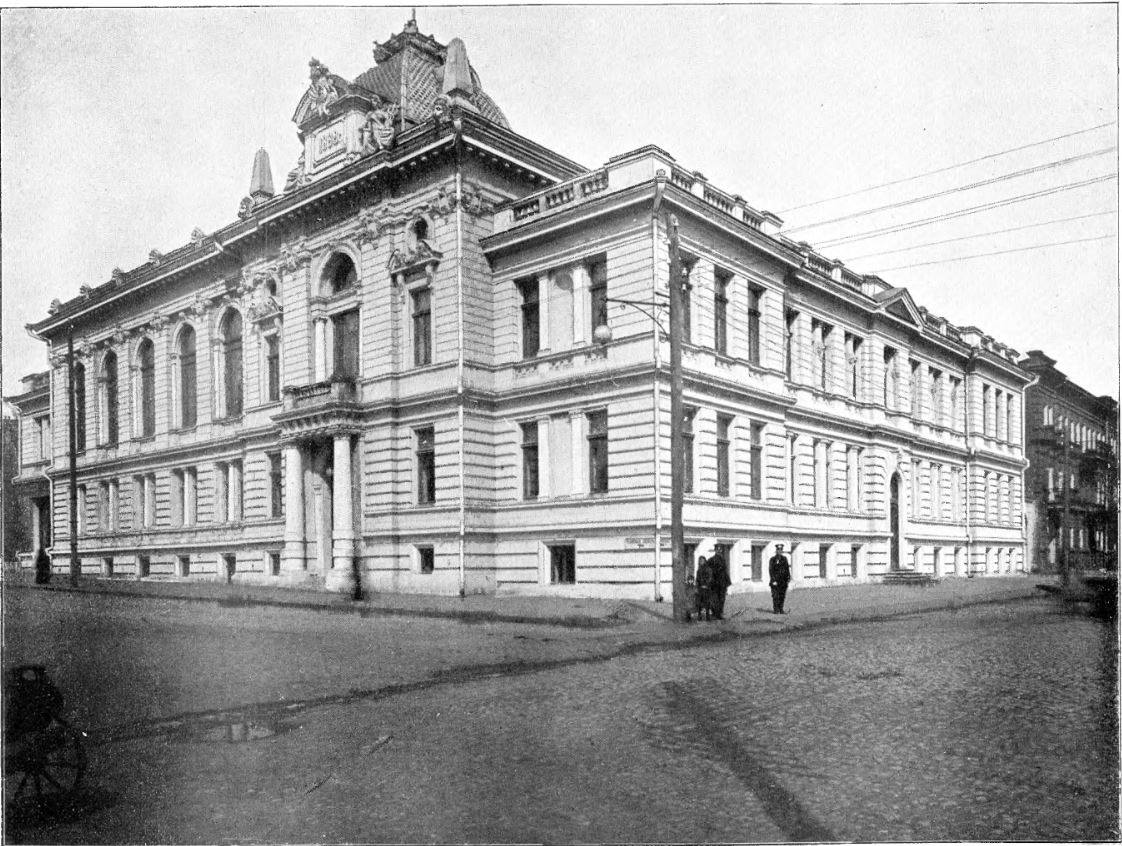
“County Public Buildings” section. The city of Kharkiv. The County Council Building. Constructed in 1897–1899.
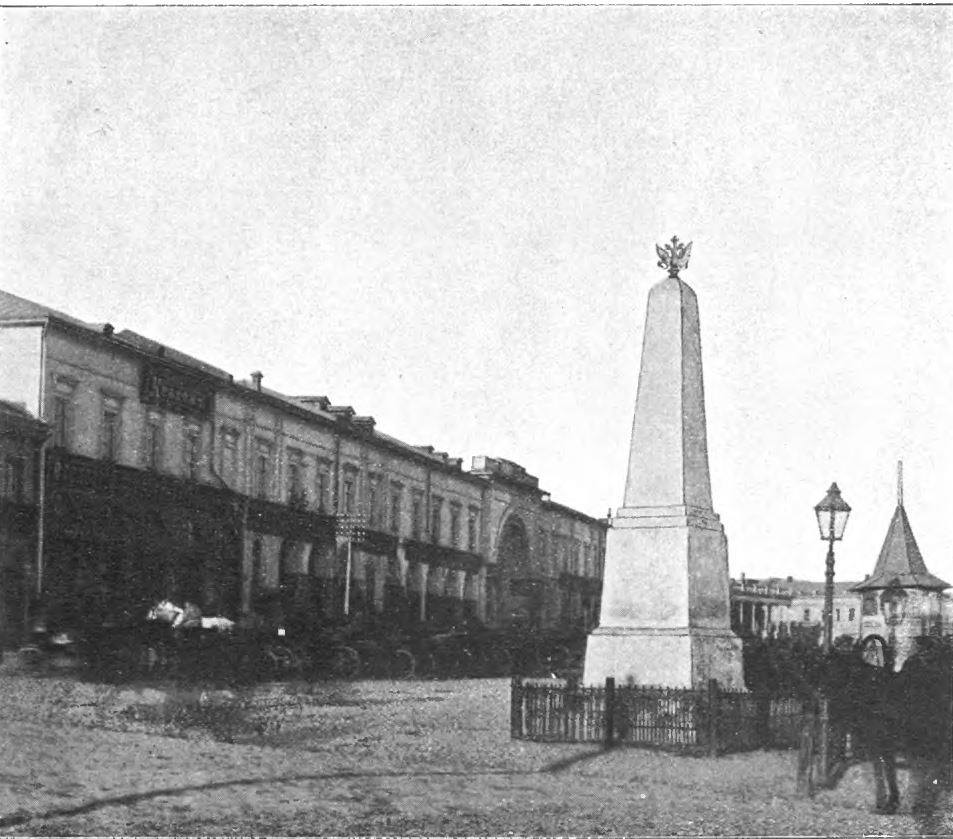
Section: “Monuments, Relics, and Charters.” An obelisk erected on the site of the settlement from which the city of Kharkiv originated (this milestone was located on Pavlovskaya Square)
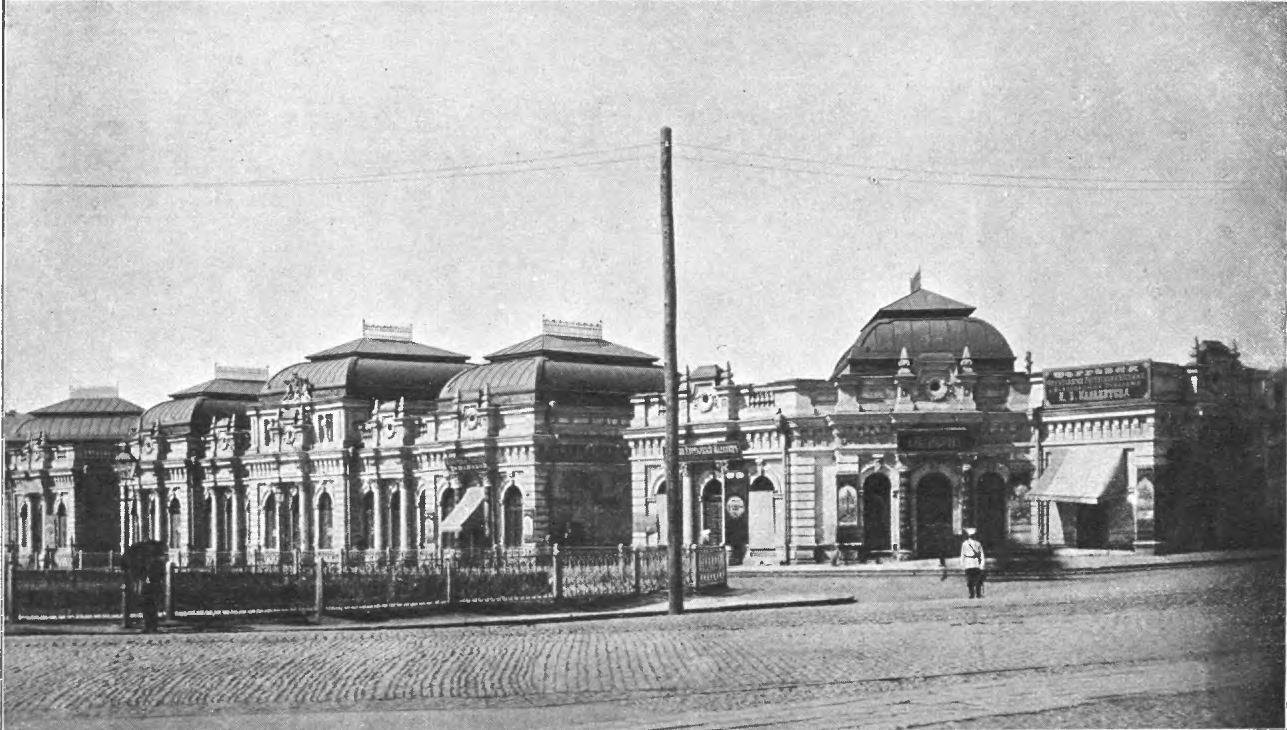
“Public Buildings” section. City of Kharkiv. City Market. Fruit Market. Built in 1900.
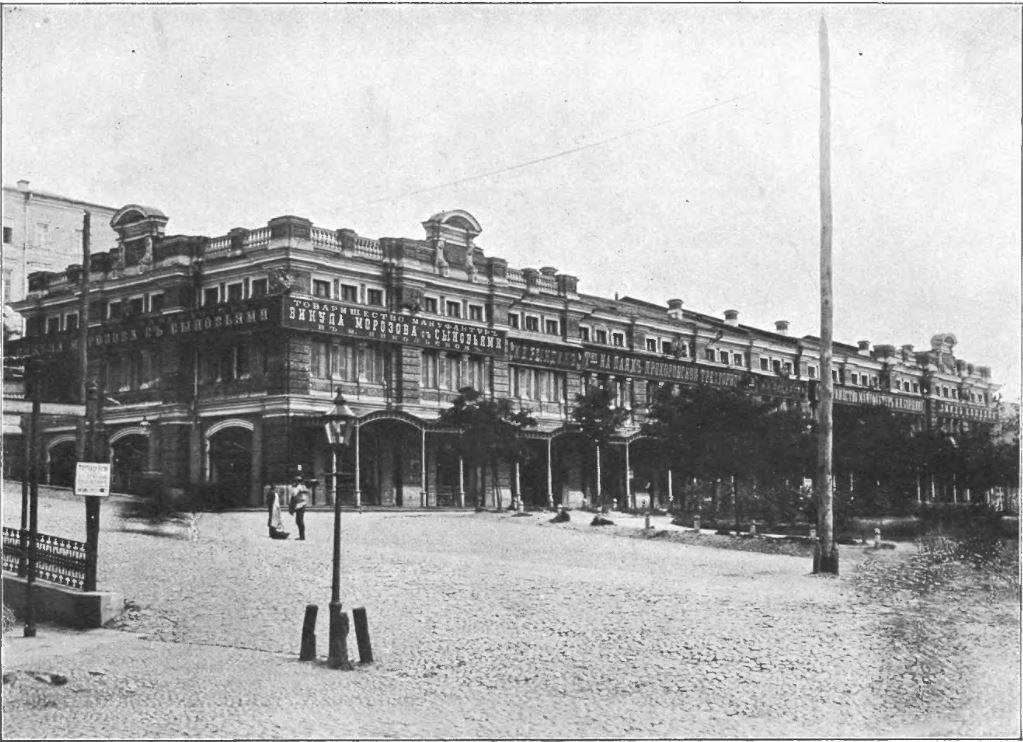
“Public Buildings” section. City of Kharkiv. City Market. Nikolayevsky Row. Built in 1898–1899.
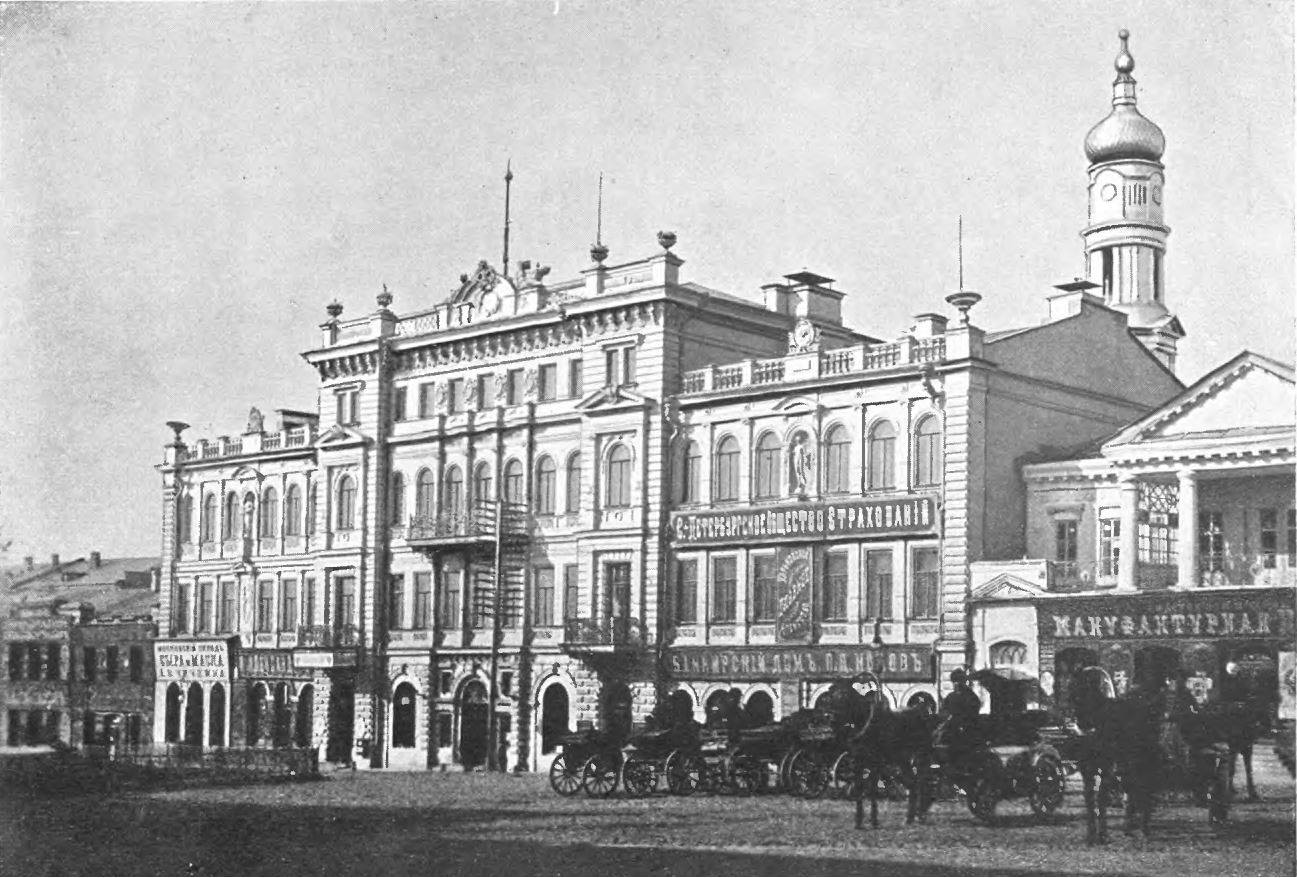
“Public Buildings” section. The City of Kharkiv. City Hall. Built in 1885.
It goes without saying that the ministry spared no expense in producing this book, which is why it features not only magnificent illustrations but also a stunning design.
Full-leather bindings with gold embossing on the top covers and spines, moiré lining, gold-embossed endpapers, triple-toned edges, and endpapers featuring a floral pattern—this is what this edition consisted of.
The main volume comprised 225 pages, 47 portraits, and 52 illustrations.
The first illustrated supplement, spanning 160 pages, contained photographs of autographs, certificates, views of structures, and other items.
The second supplement was devoted to the postal and telegraph services in the 19th century.
Currently, on the antiquarian market, the price of this edition ranges from $10,000 to $15,000 due to its exclusivity, as mentioned above.
However, for anyone interested in the history of our hometown, this book will be of interest for entirely different reasons.
After all, the pages of Appendix No. 1 contain photographs of Kharkiv accompanied by some very interesting descriptions. Of course, not all of them are unique. However, some of them remain little known even today to the many enthusiasts of Kharkiv’s history, who zealously search for their beloved city in books with “Kharkiv” written in gold letters on the cover, on websites, and, of course, on Wikipedia.

- About the military pilot school and the airfield in Kharkiv… - 04.11.2020
- Nikanor Savich—A Political Career by Mistake - 13.07.2020
- And once again, about the Cavalry Guards… - 21.01.2020