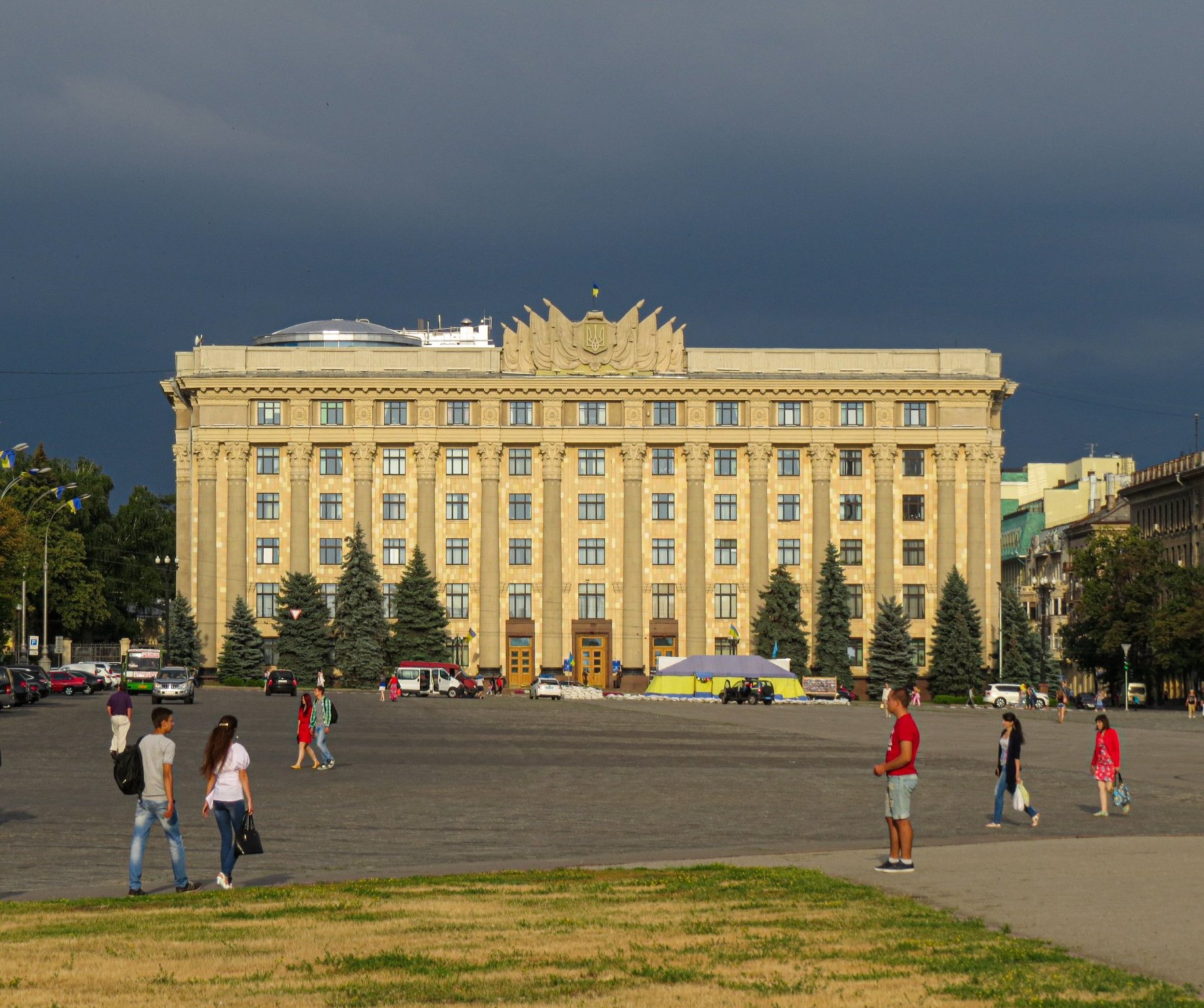
The current building of the Kharkiv Regional State Administration (better known as the Regional Council) is already the third version of the building that has housed the authorities from the late 19th century to the present day at Sumska Street, 64. Although, if you look closely, it is actually the fifth ‘iteration’ of the building. Let’s have a look at them all in turn.
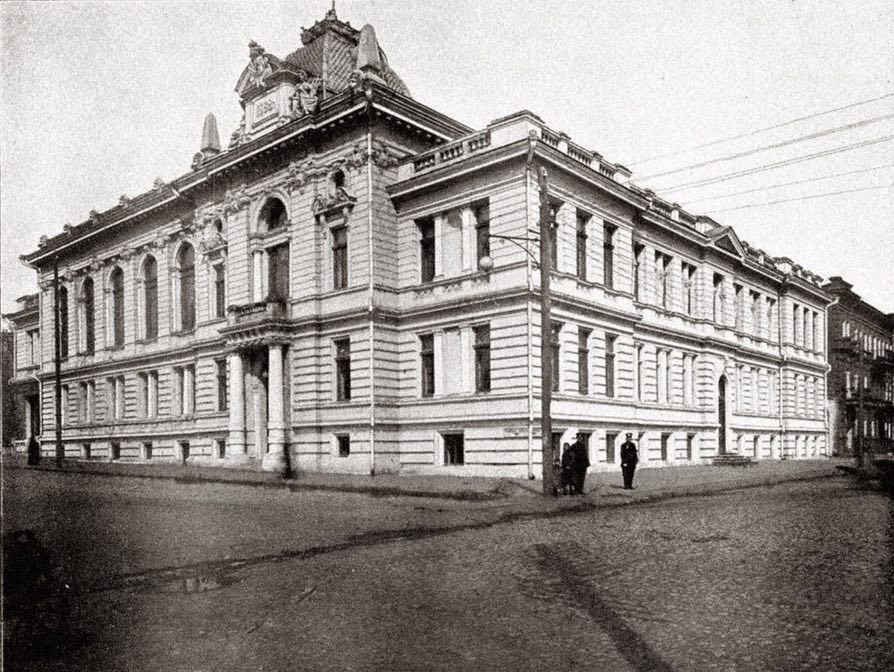
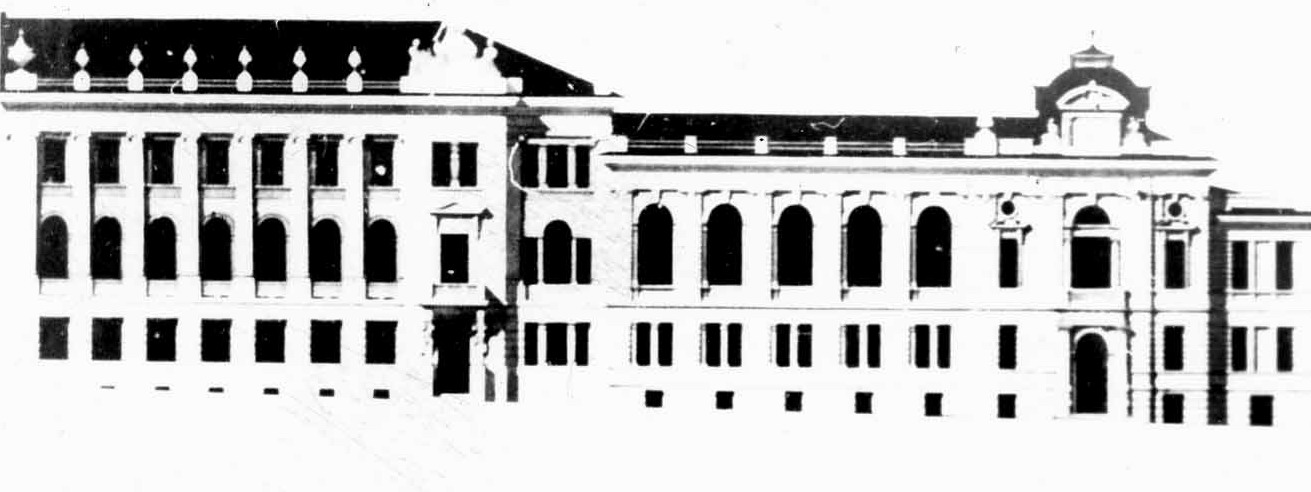
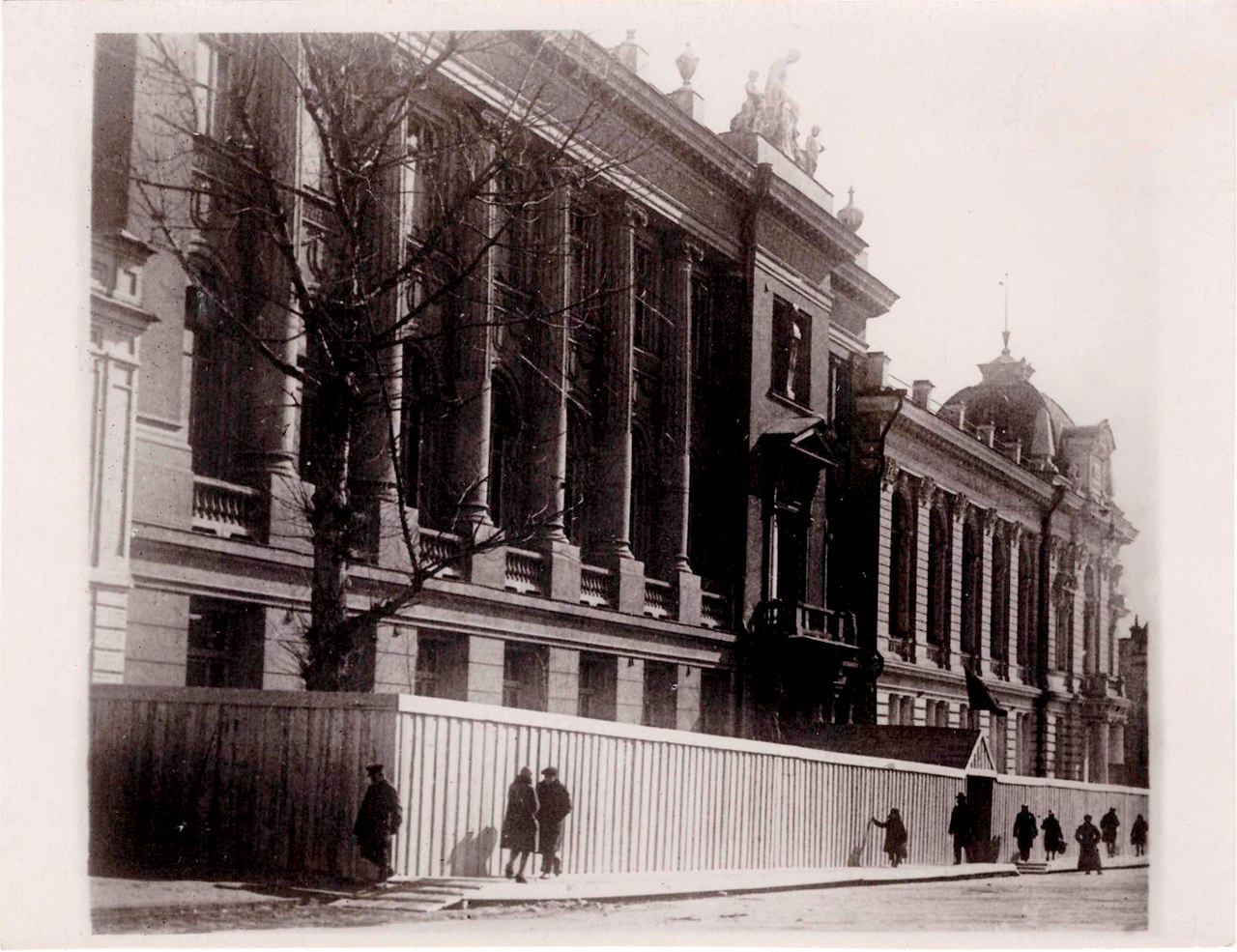
1. The very first Neo-Renaissance building was constructed between 1897 and 1899 to a design by the architect A.B. Minkus.
The building housed the Provincial Zemstvo, which was the forerunner of the modern regional council.
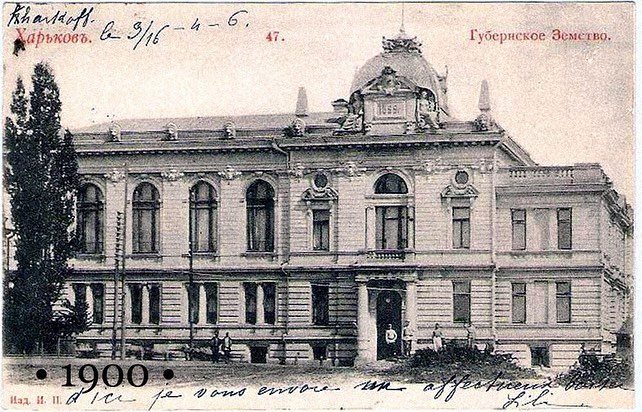
This elected body of local self-government performed administrative and economic functions—the zemstvo was responsible for education, healthcare, road construction, and other matters.
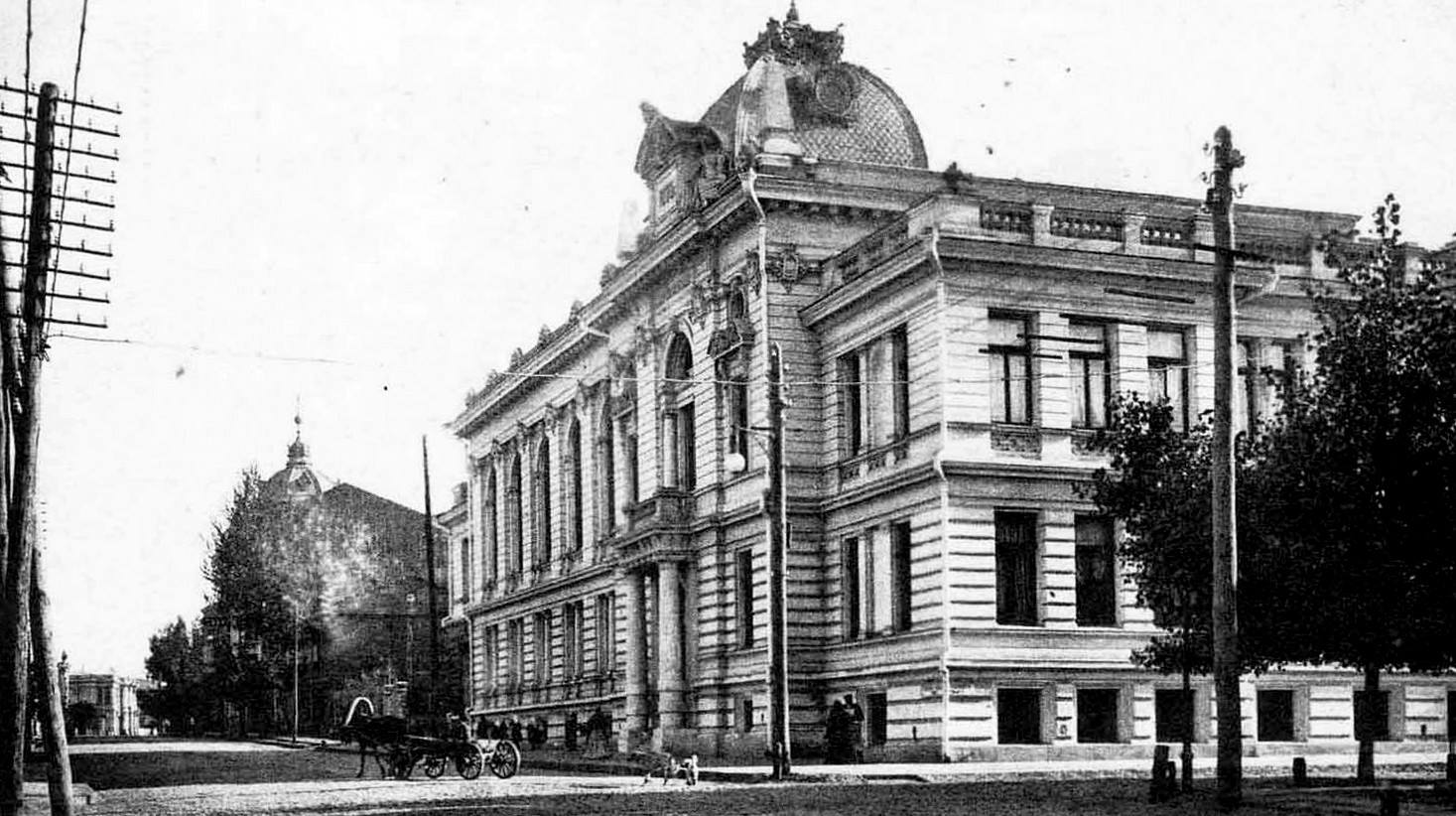
2. In 1914, a three-storey wing designed by architect V. Velichko was added to the north side of the building (on Sumska Street) (pictured on the left).
3. In 1925, the Central Committee of the Communist Party of Ukraine moved into the building, but it soon became too small for them. By 1931, the reconstruction of the building in the Constructivist style, designed by architect Yakov Steinberg, had been completed, during which an additional storey was added. Its volume increased from 28,000 to 66,000 cubic metres.
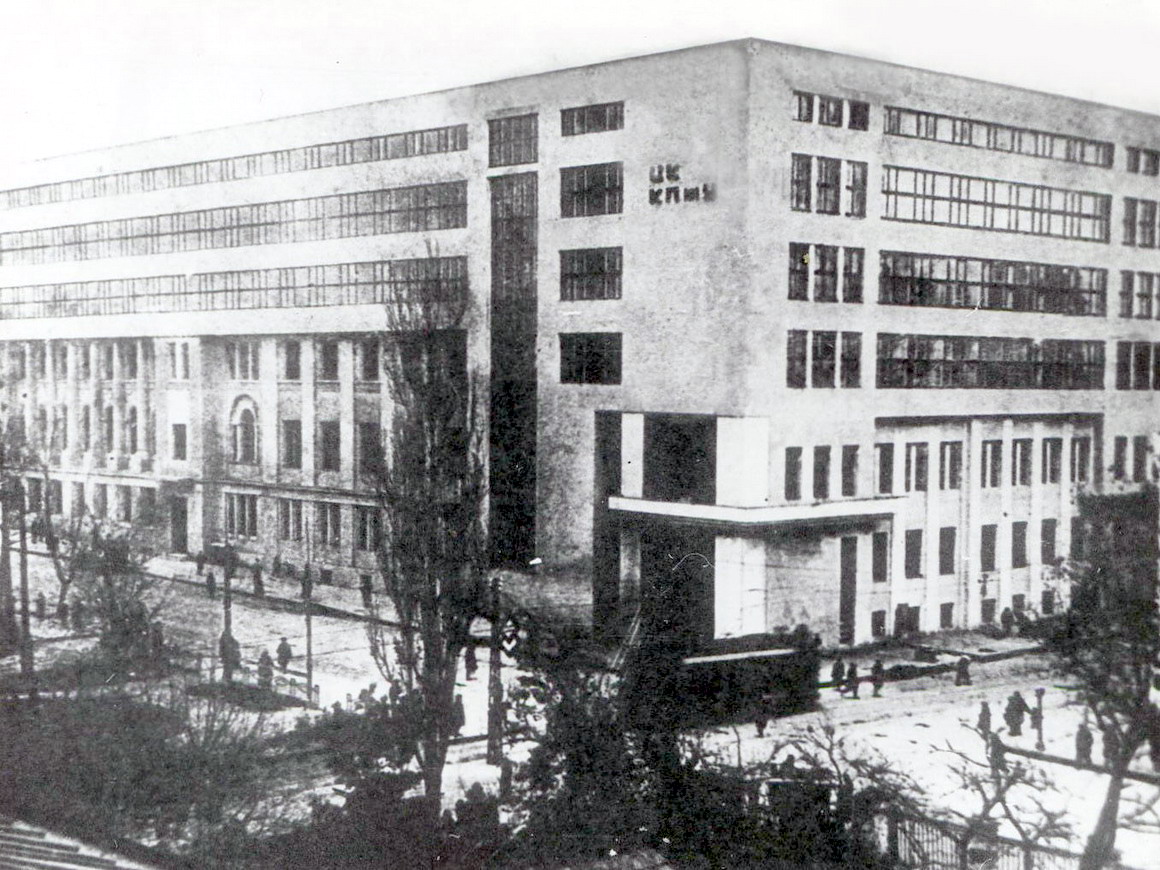
Interestingly, the architect had initially decided to preserve part of the decoration on the ground floors of the Provincial Zemstvo building; he insisted that ensembles in different styles along the streets should be not only vertical but also horizontal, i.e. within the same buildings.
4. Due to the rush to complete construction in the winter of 1932, the plaster fell from the façade, and it was decided to do away with the stylistic mishmash, making the building entirely Constructivist.
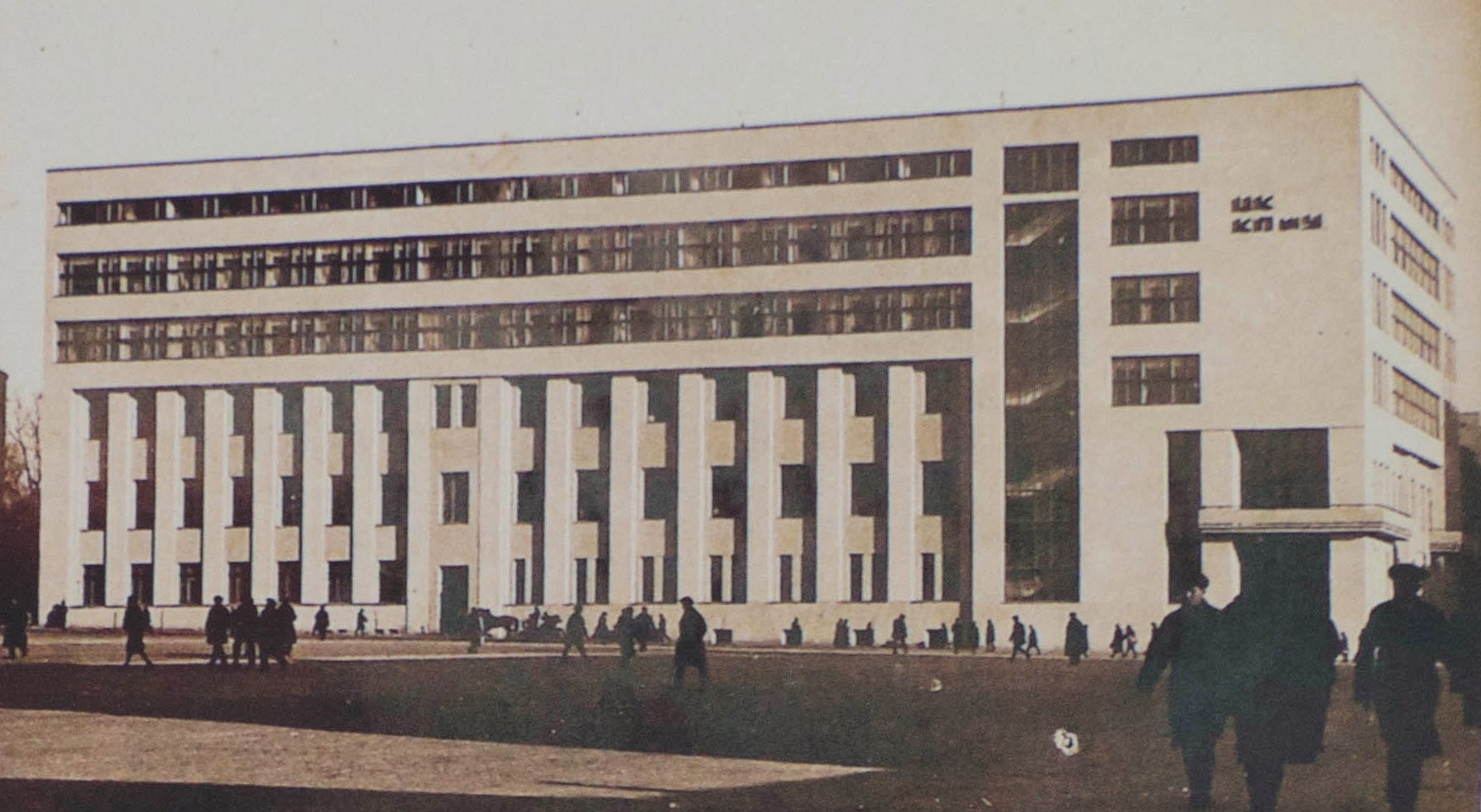
After the capital of the Ukrainian SSR was moved from Kharkiv to Kyiv, the building housed the Kharkiv Regional Committee of the Communist Party of Ukraine (Obkom KPU).
The building was destroyed during the WWII (Third Battle of Kharkiv in February–March 1943).
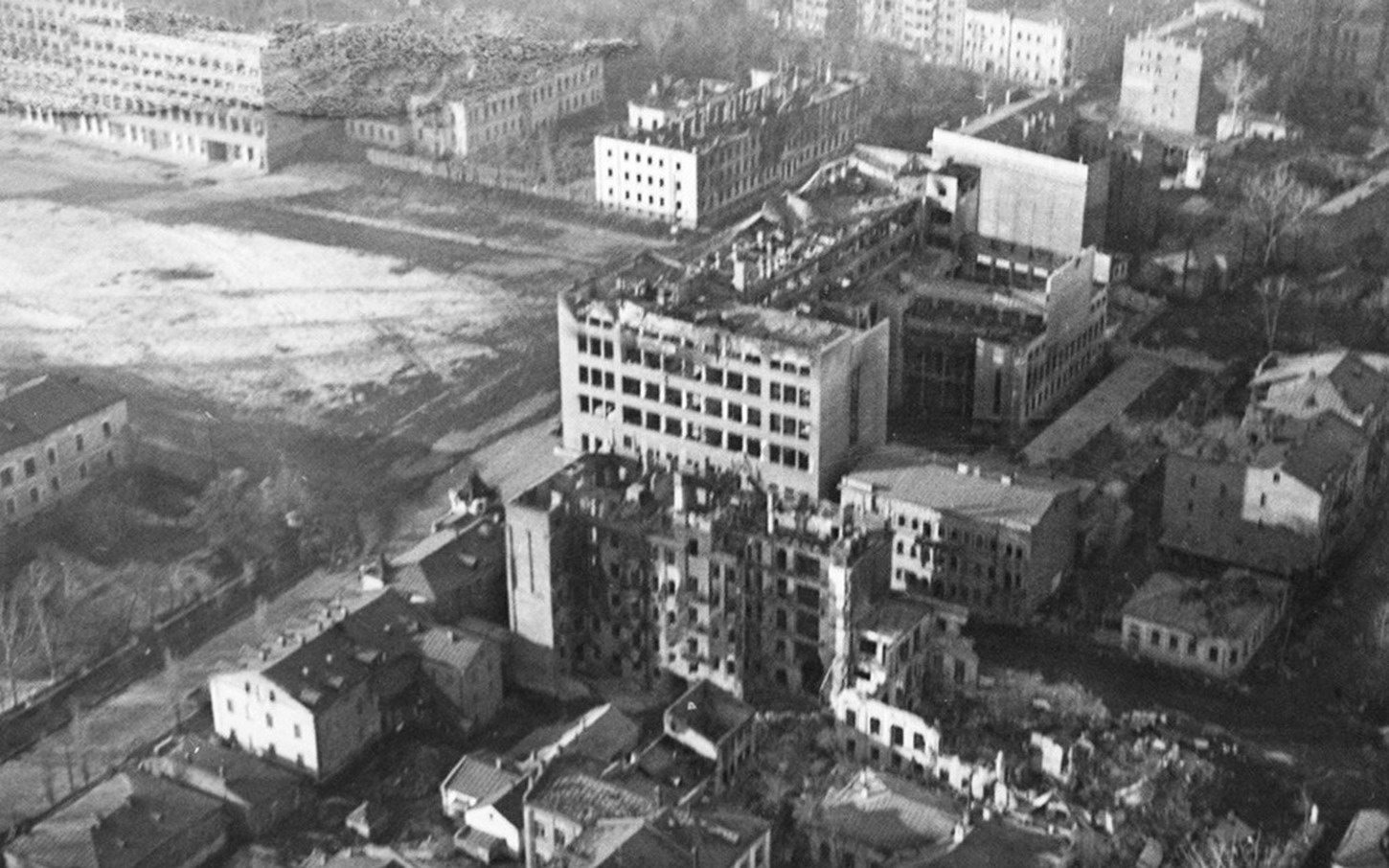
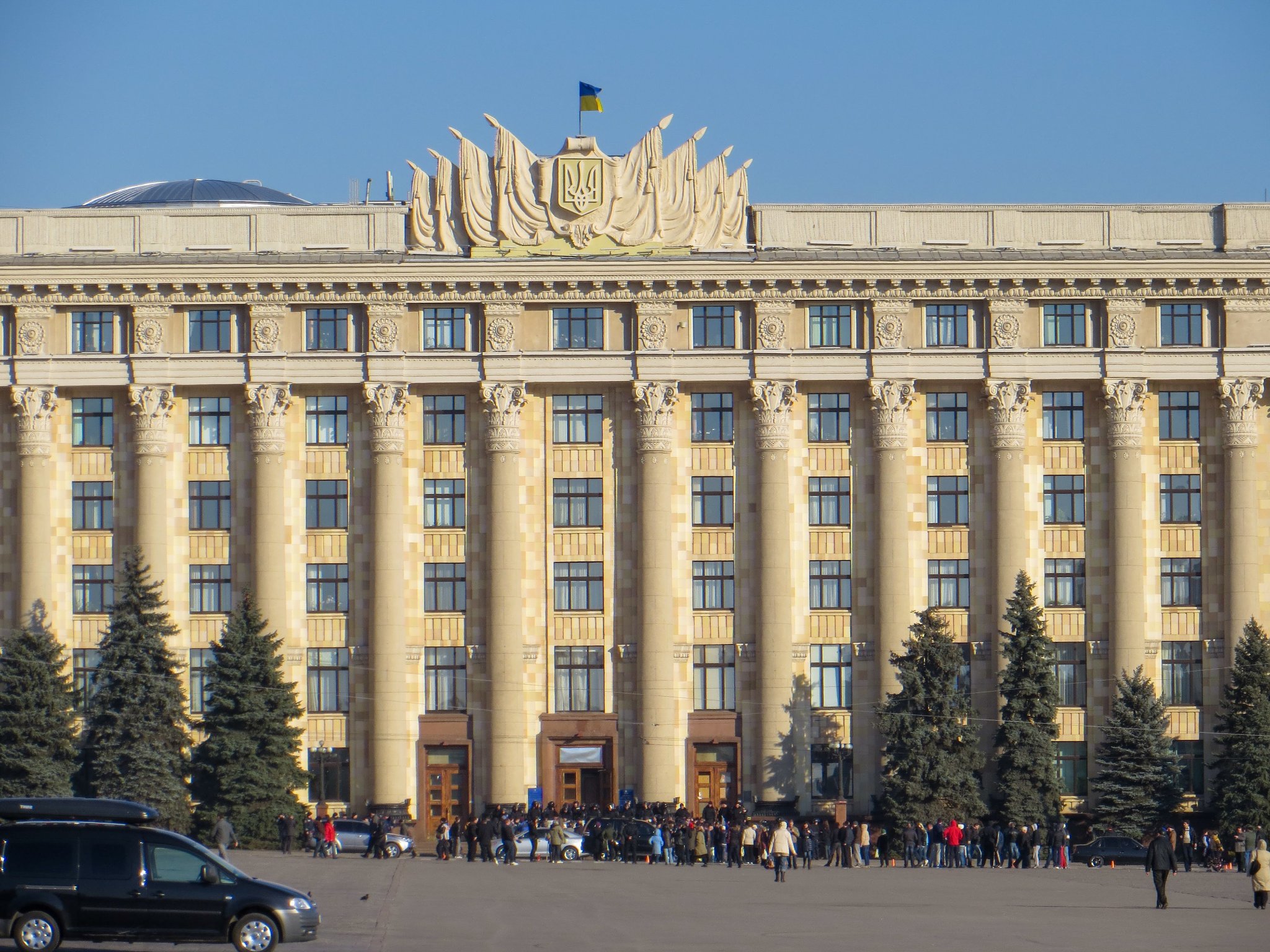
5. Between 1951 and 1954, a new building was constructed on the site of the old one, designed by architects Veniamin Kostenko and Vladimir Orekhov.
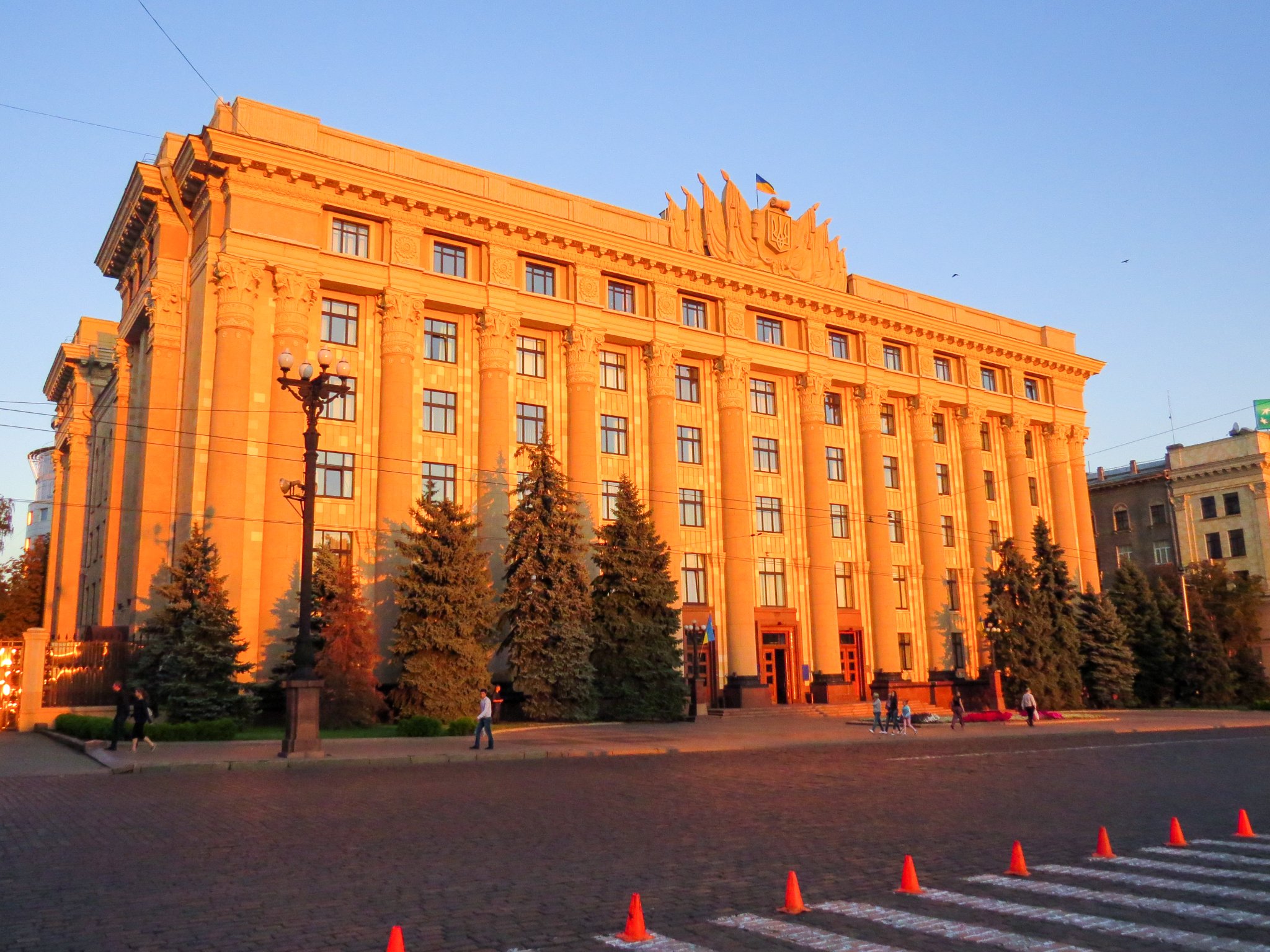
It is believed that surviving elements of the foundations and walls of the previous building (which dates back to 1899) were used in the construction.

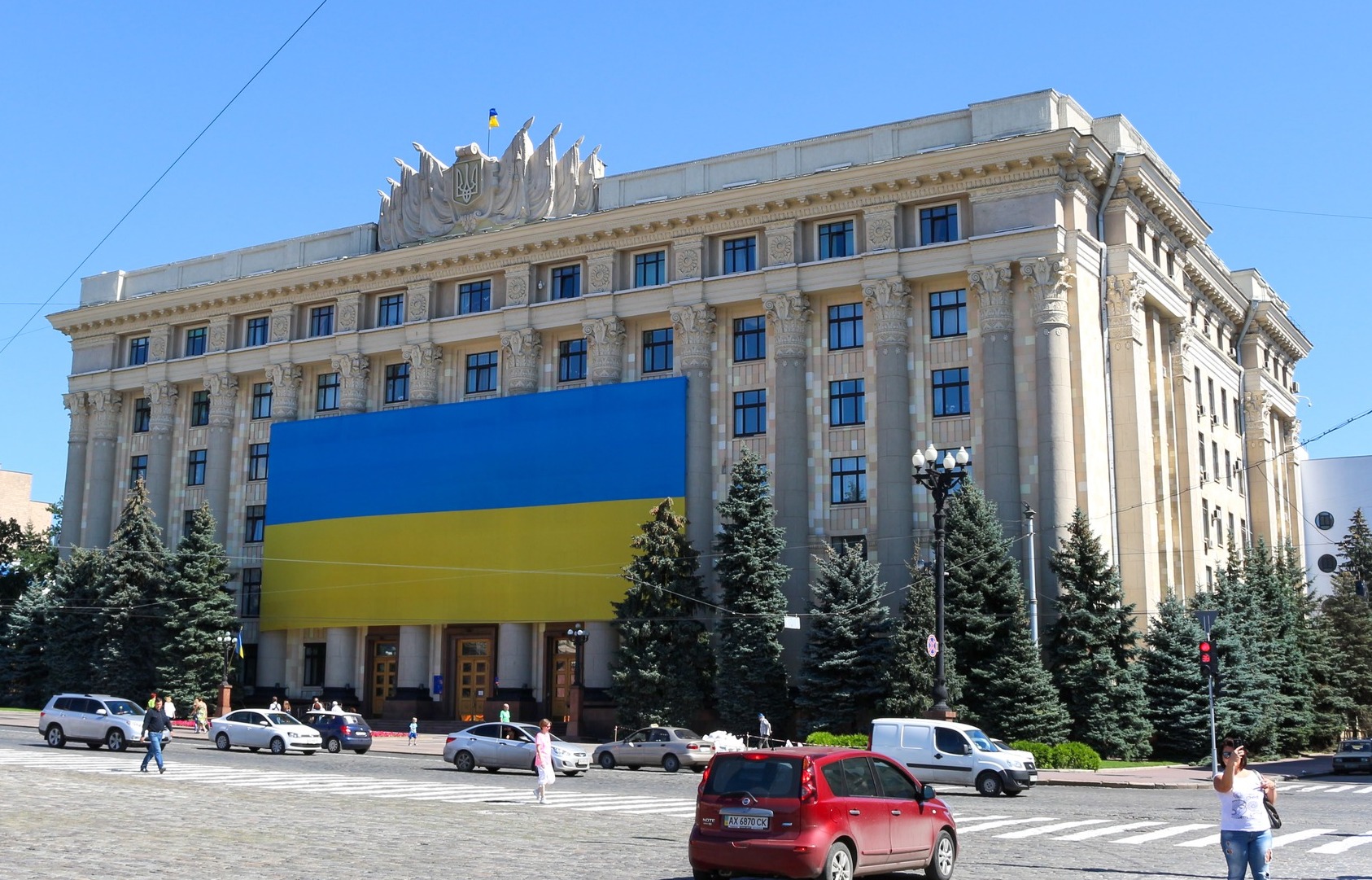
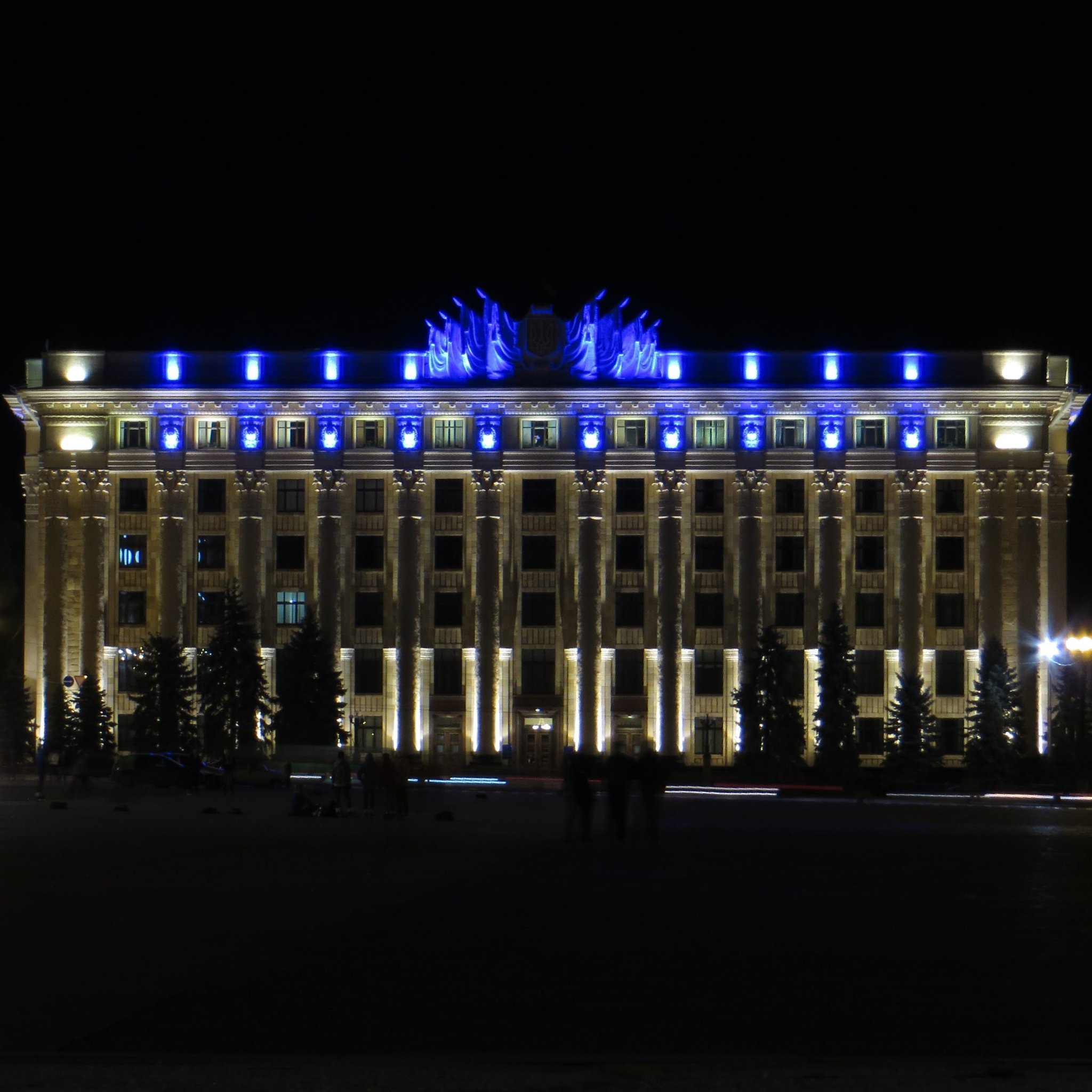
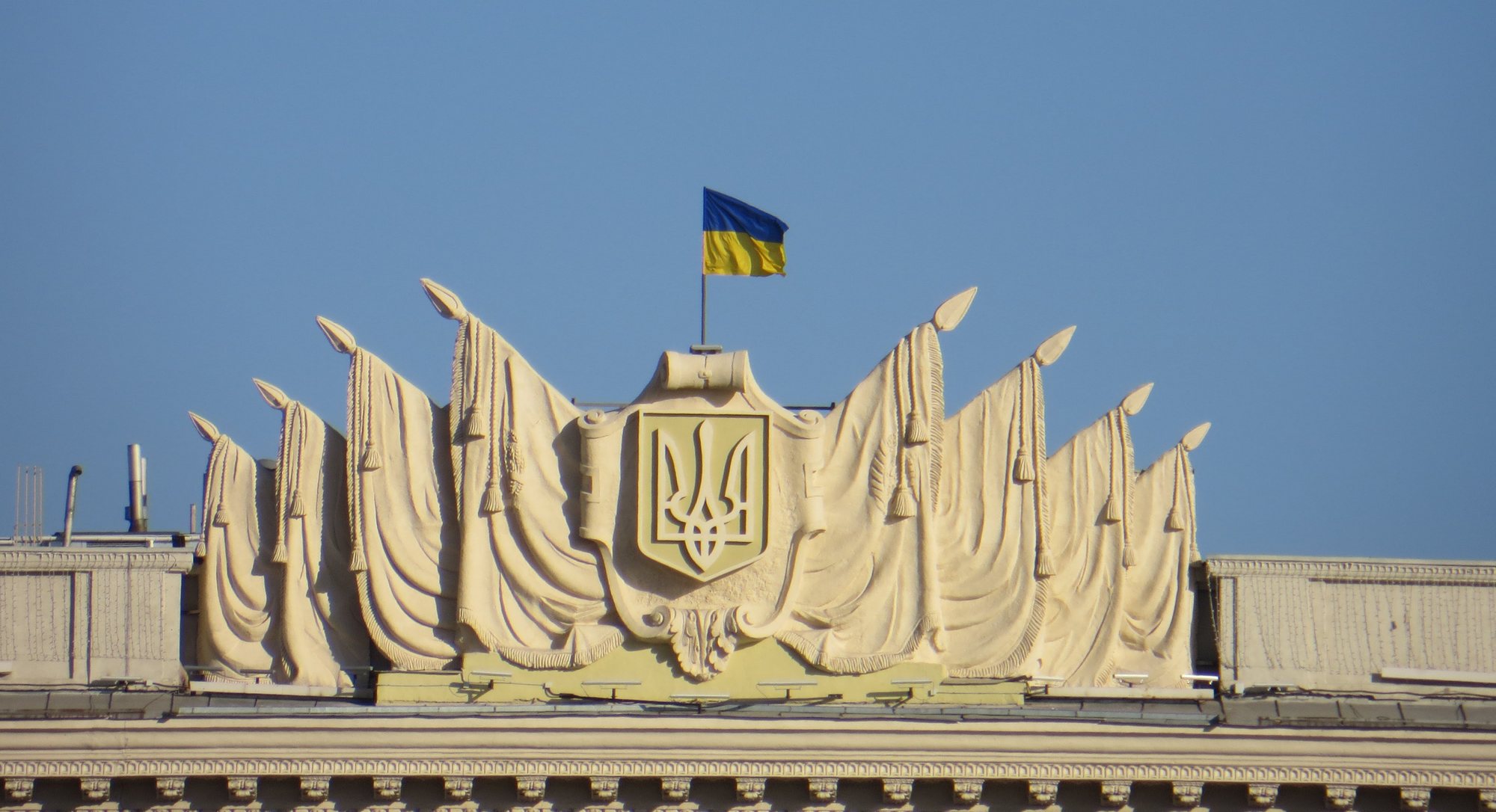
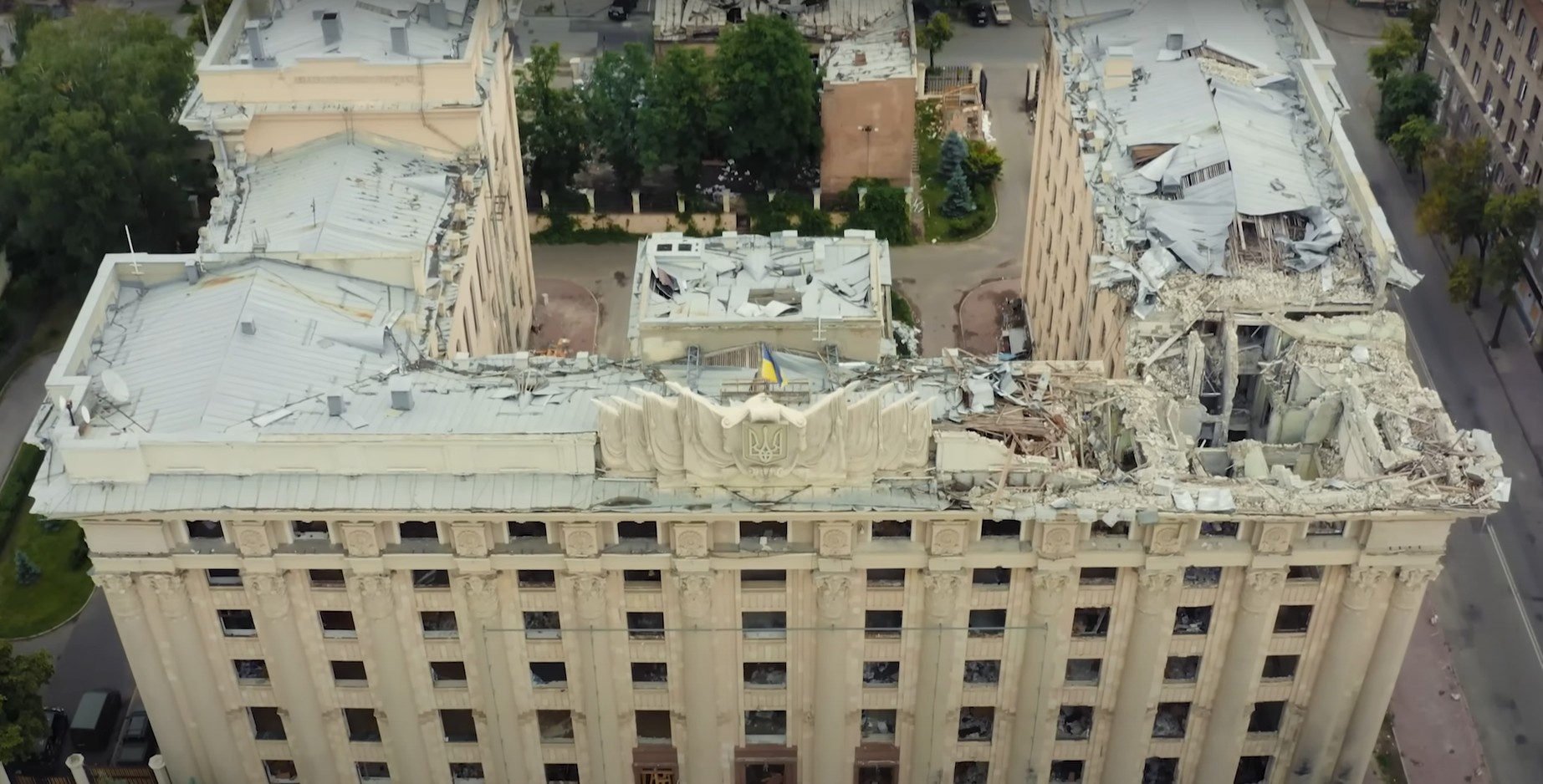
The building, in the Stalinist (socialist classicism) style, is an architectural landmark.
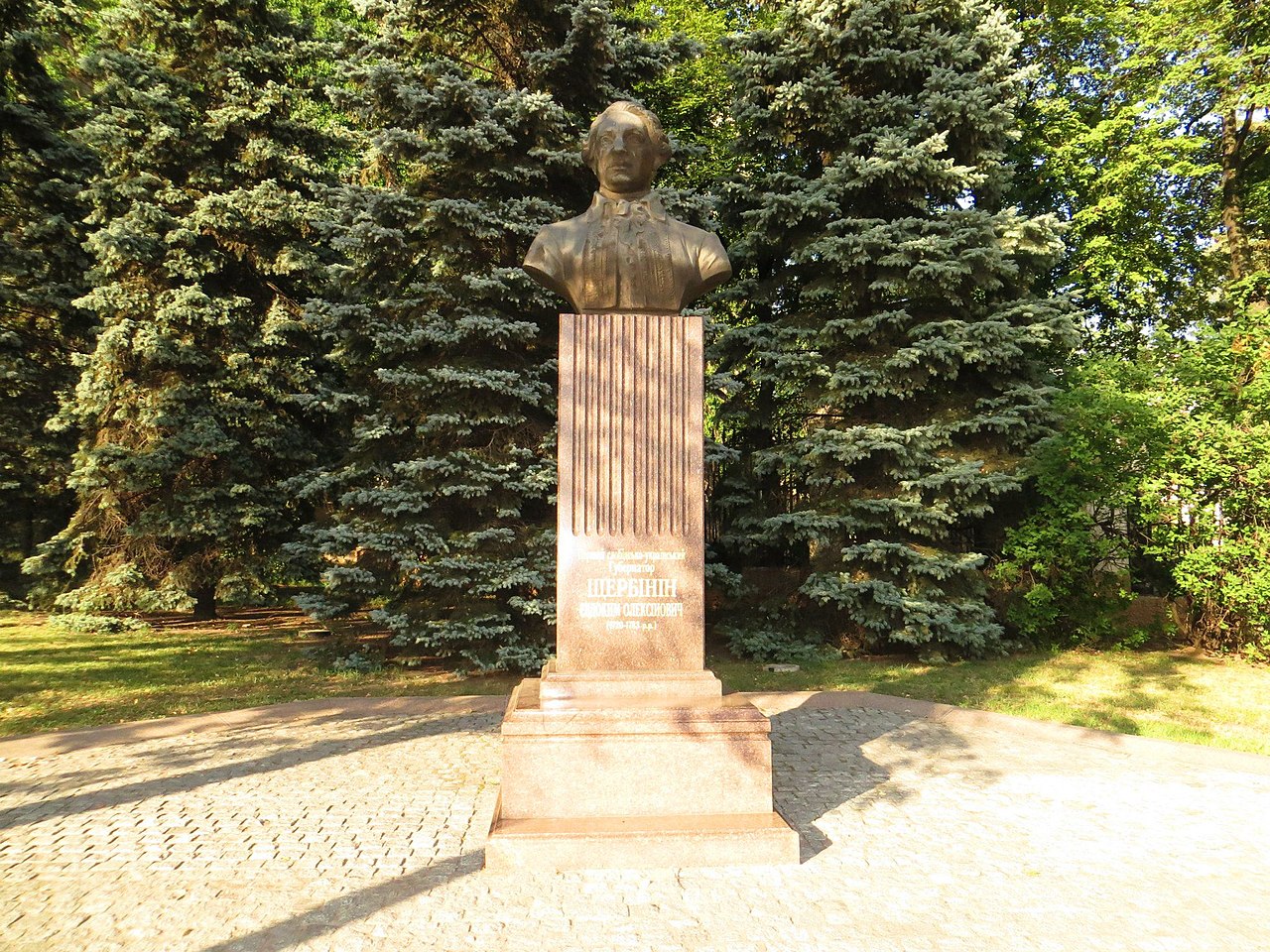
In 2004, a monument to the first governor, Yevdokim Shcherbinin, was erected on the left side of the building. He served as governor of the Sloboda-Ukrainian Governorate (1765–1775) and the Kharkiv Viceroyalty (1780–1783). Sculptors: Oleksandr Ridnyi, Anna Ivanova; architect: Yurii Shkodovskyi. The monument was dismantled on 30 August 2022.
On 1 March 2022, the right wing of the building was destroyed by a Russian missile strike, in which 24 people were killed.
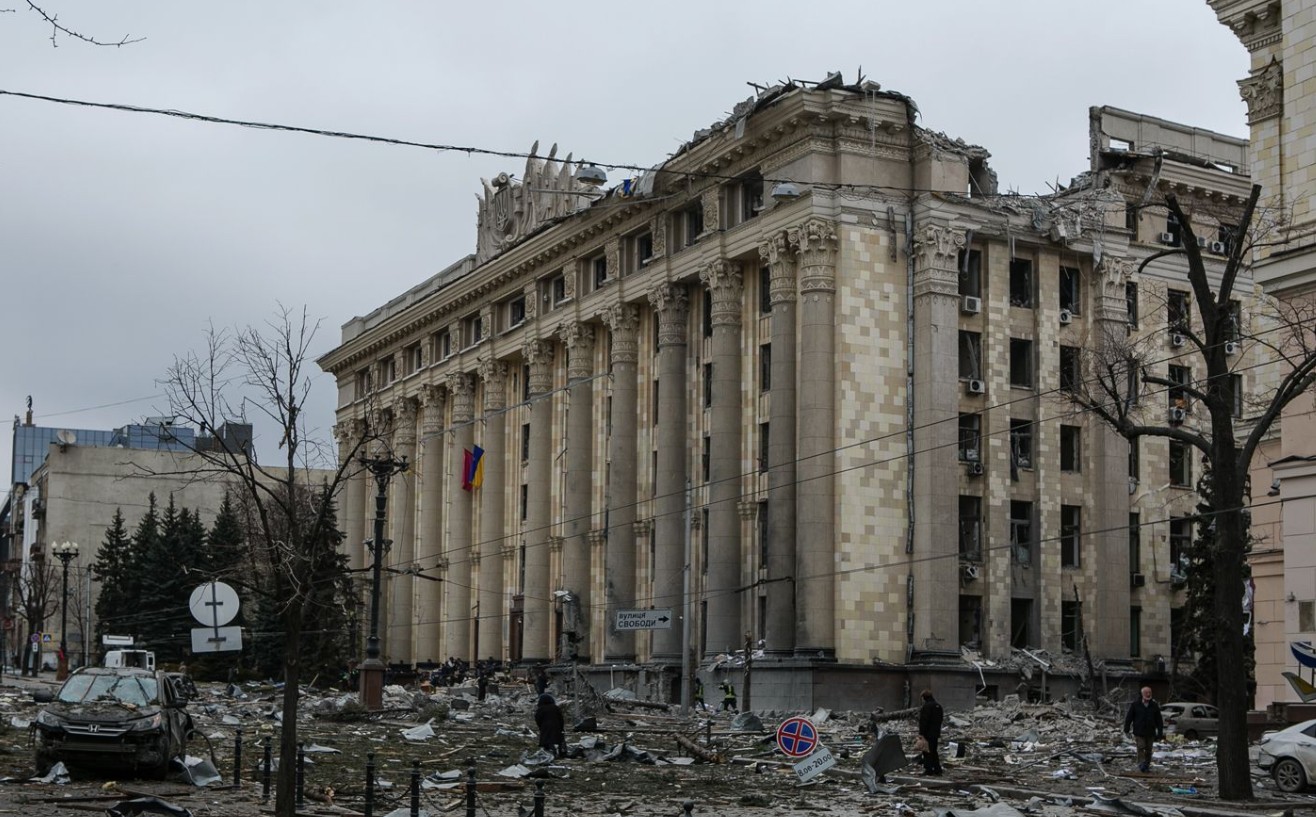
Repeated missile strikes on the destroyed regional administration building, as well as on houses in the surrounding area, were carried out several times (the last one on 28 August 2022).

- Danylevs’koho Street, 19 - 13.10.2026
- Debunking the myth about one of the most famous Kharkiv photos - 12.10.2026
- The Architectural Evolution of the Kharkiv Theater - 26.09.2026