The Oleksandrivska Hospital (Blagovischenska Street, 25) had been operating in Kharkiv since 1869, but due to its limited capacity, it was unable to accommodate everyone who sought care. In the 1890s, the city council decided to build a new hospital on the opposite, eastern outskirts of the city.
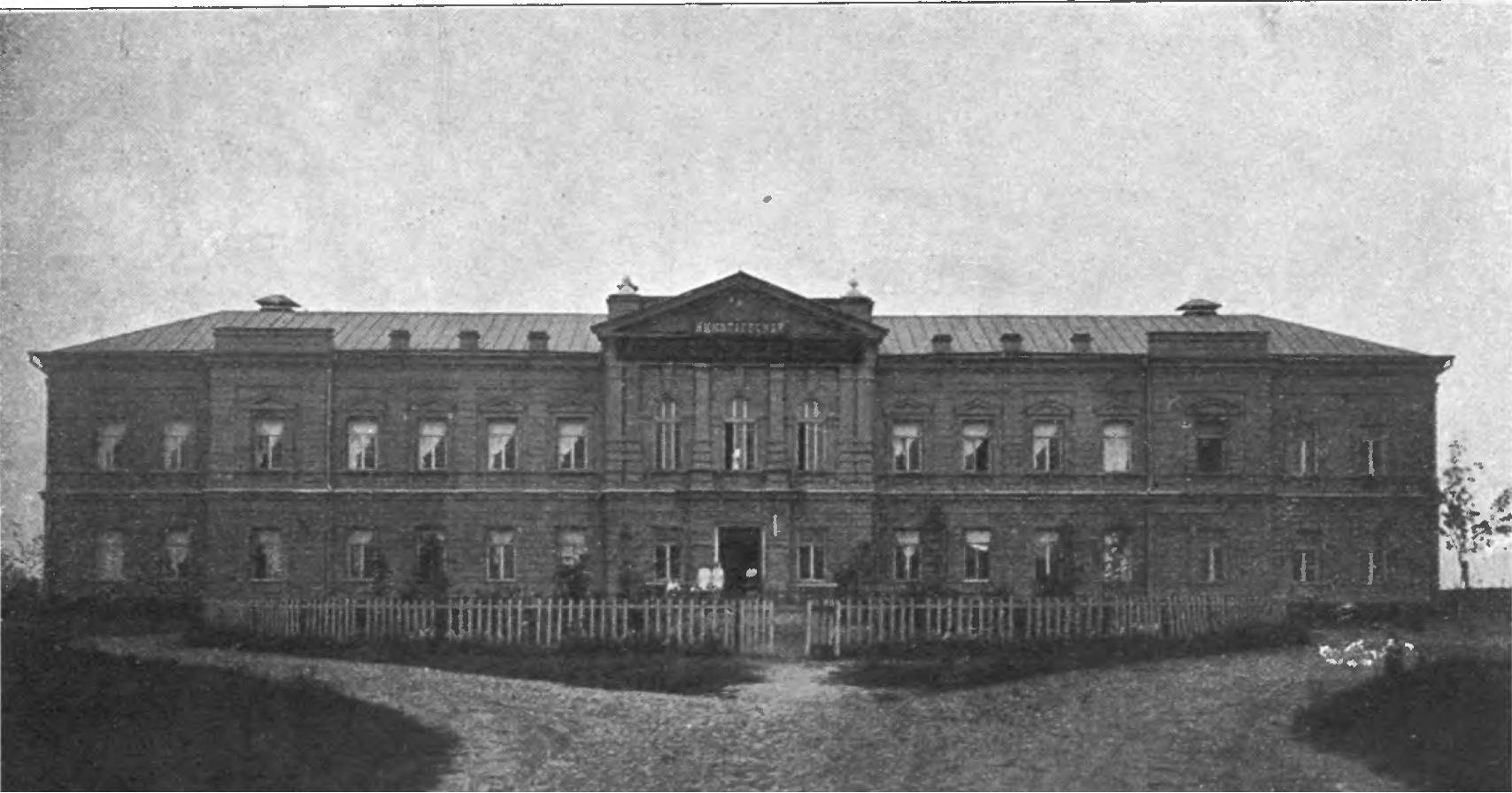
Here is what the 1915 Kharkiv Guidebook says about the Nikolaevska Hospital:
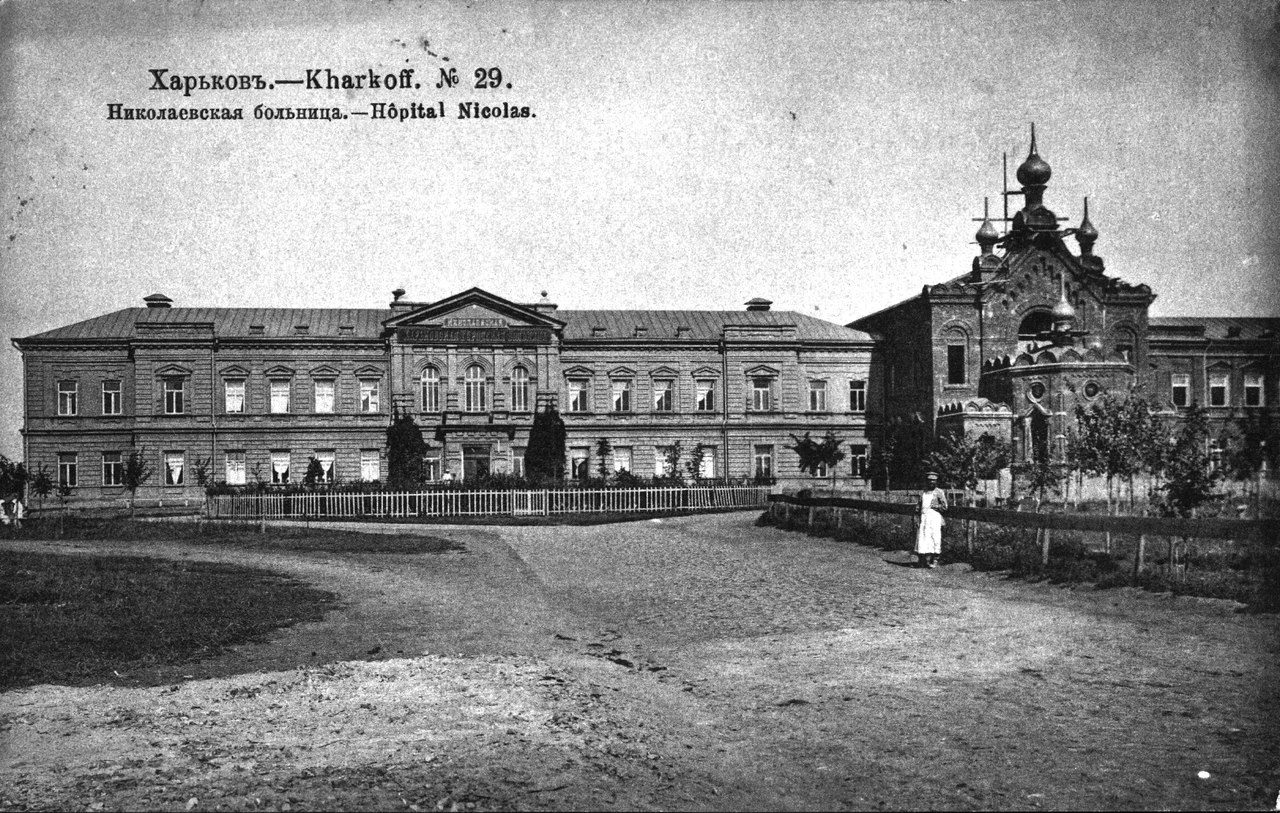
In 1901, the city opened the Nikolaevska Hospital, a 300-bed facility with a 42-bed private ward named after Hellferich Sade and infectious disease wards. This was the only hospital (apart from Frankovsky’s Children’s Hospital) for patients with infectious diseases. In 1913, 6,283 people received inpatient treatment, and 5,583 received outpatient care, with a total of 19,467 visits. The Nikolaevska Hospital has a maternity ward, which serves about 200 women in labor each year.

Incidentally, in 1902, a radiology department was established at the Nikolaevska Hospital by the talented physician Sergei Grigoriev. Grigoriev was one of the pioneers of radiology in Ukraine; the Institute of Medical Radiology, located at Hryhoriia Skovorody Street, 82 (designed by architect V. Estrovich), is now named after him.

The story of the lost St. Nicholas Church is fascinating; its outline is still quite recognizable from the main facade (today, this is the entrance to the hospice at Hospital No. 17, Heroes of Kharkiv Avenue, 195).
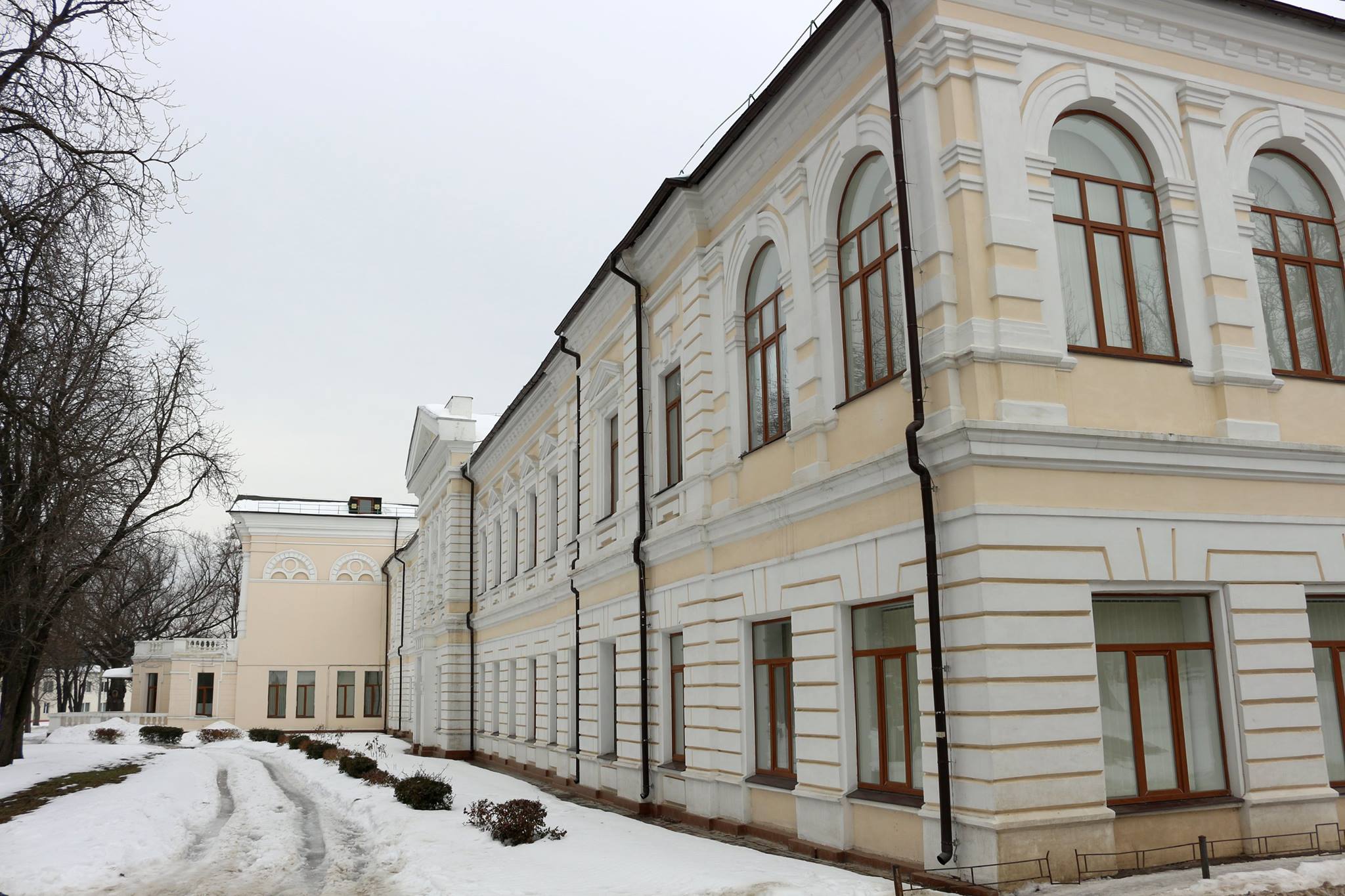
A chapel housing the icon of the Annunciation had been in operation at the hospital since its founding. Given the beneficial effect of religious services on the sick, the hospital’s board of trustees appealed to the Kharkiv clergy with a request to establish a full-fledged church at the hospital (the city treasury had no funds of its own for the construction). Donations for the construction of the Church of St. Nicholas the Wonderworker were collected throughout the diocese, so its construction spanned the years 1902 to 1907. Vladimir Nemkin, an architect of the Kharkiv Diocese, oversaw the construction. The church was built adjacent to the eastern side of the hospital and connected to its buildings by passageways. Even during construction, another symmetrical hospital wing was built to the right of the church—and it became, as it were, the central architectural element of the hospital. During the Soviet era, the hospital continued to operate, but the church was closed and rebuilt.


- The Architectural Evolution of the Kharkiv Theater - 26.09.2026
- 1st Kharkiv Gymnasium - 17.09.2026
- The Oldest Movie Theater in Ukraine - 24.08.2026