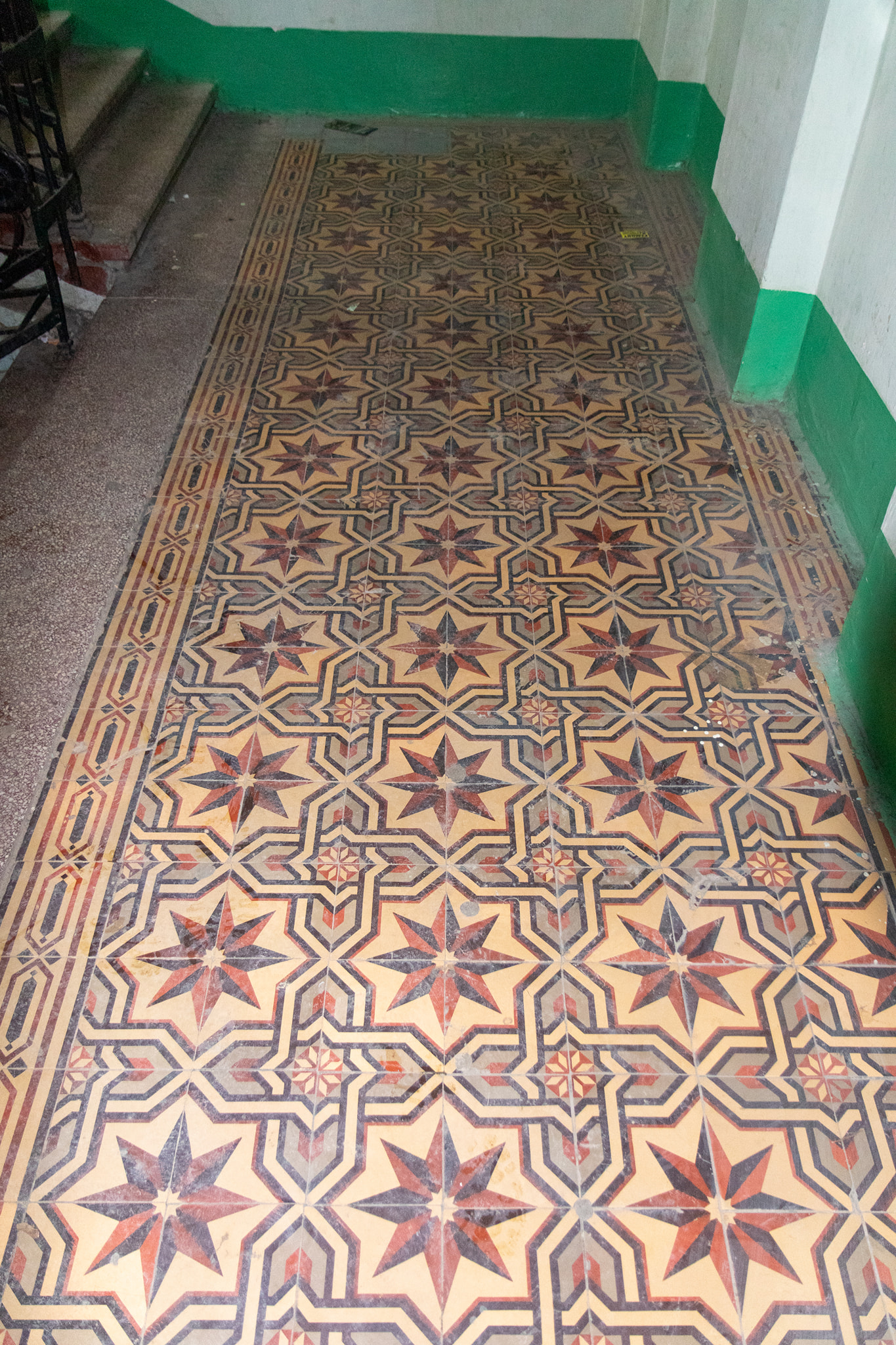
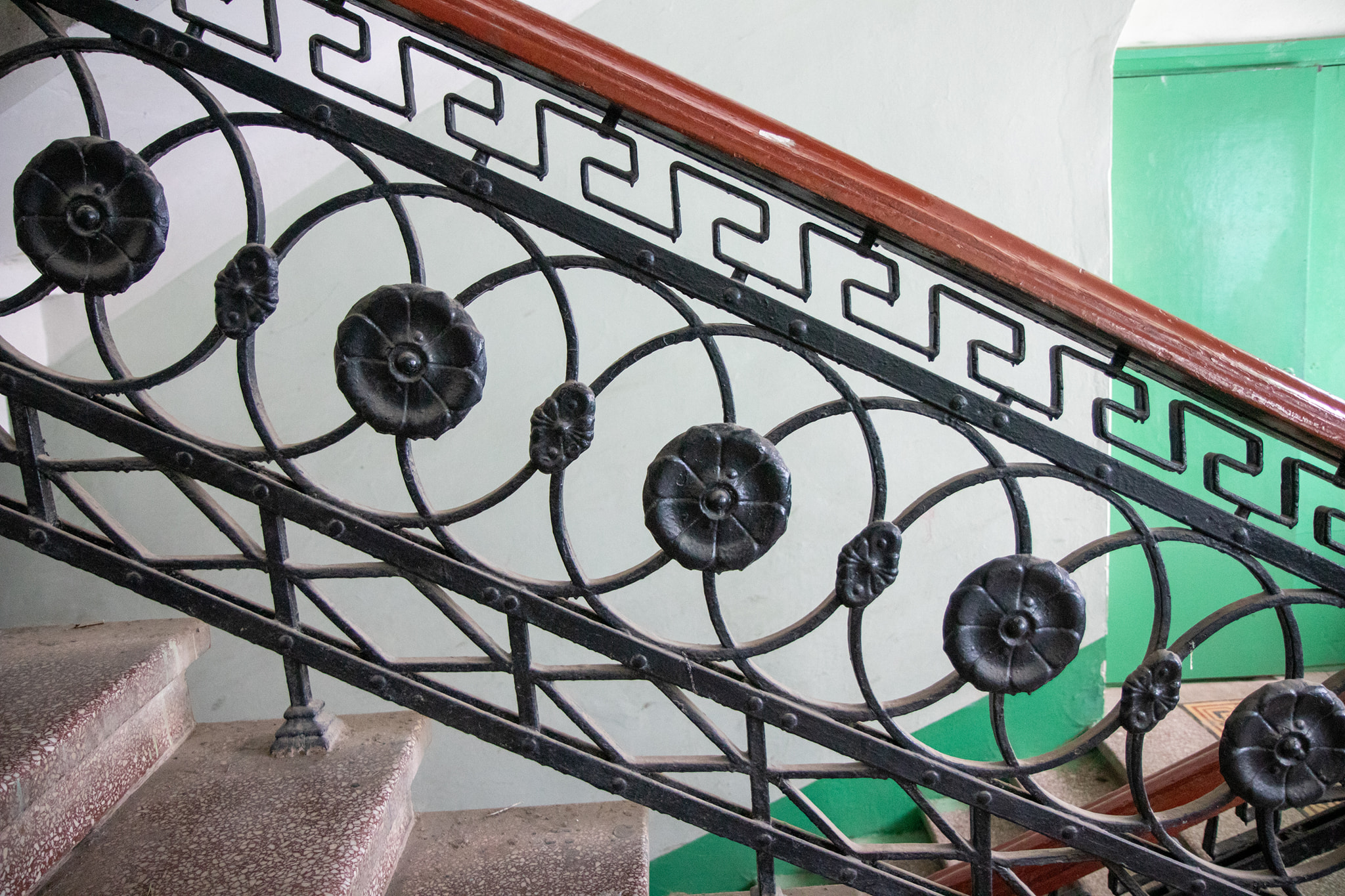
The staircases of the former communal apartment building at Students’ka Street, 4 feature beautiful tiles from the Bergenheim factory.
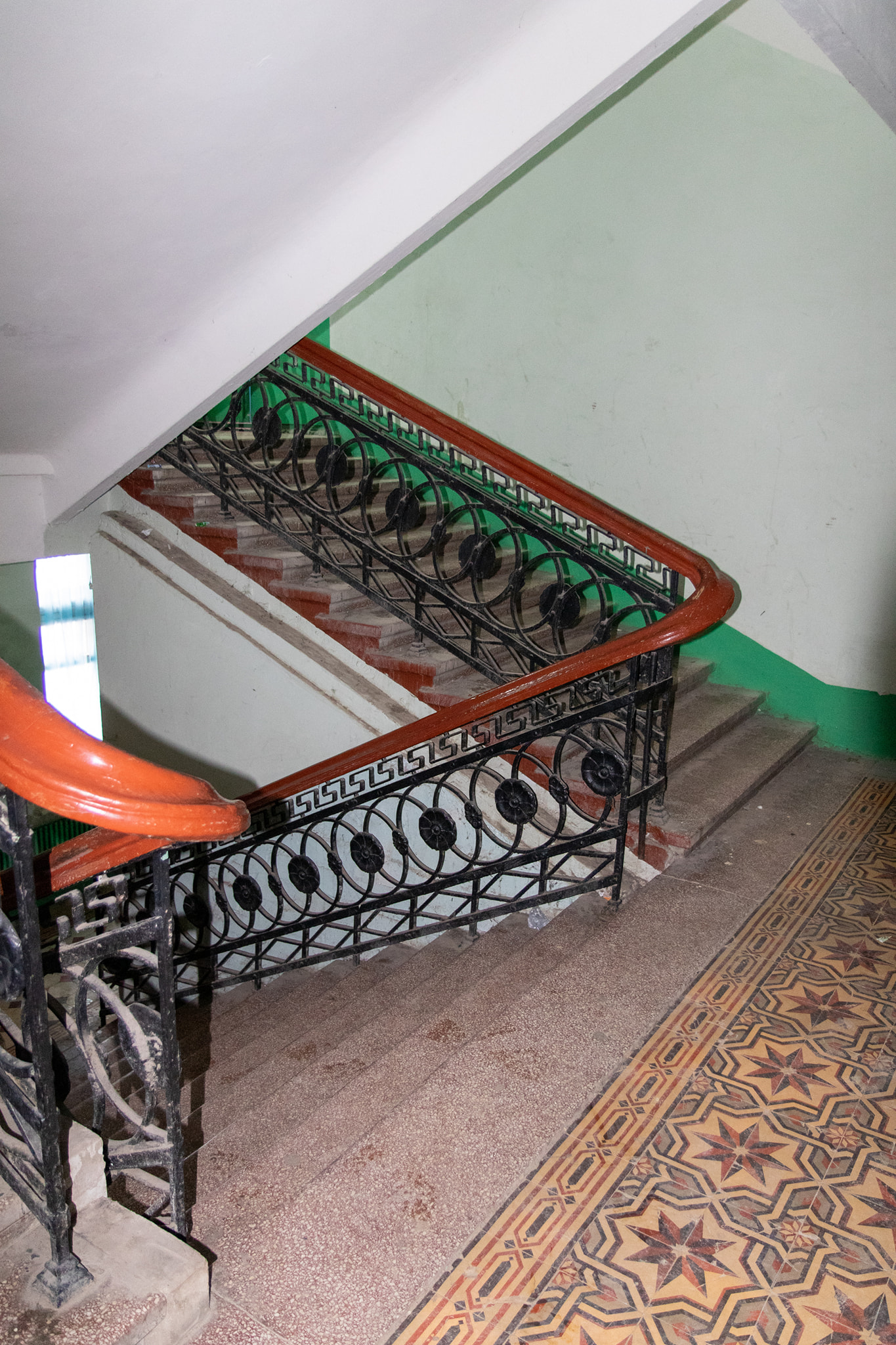
Apparently, it was produced for some time in the 1920s with the same design as before 1917 revolution.
The house was built in 1925, based on a design by architect Viktor Trotsenko. Many people know him as the designer of neighborhoods consisting of two-story cottages for workers; some of these have survived in the area around Heroes of Kharkiv Avenue and Sportivny Lane.
Trotsenko incorporated elements of traditional Ukrainian architecture—which he had researched and studied—into those houses.
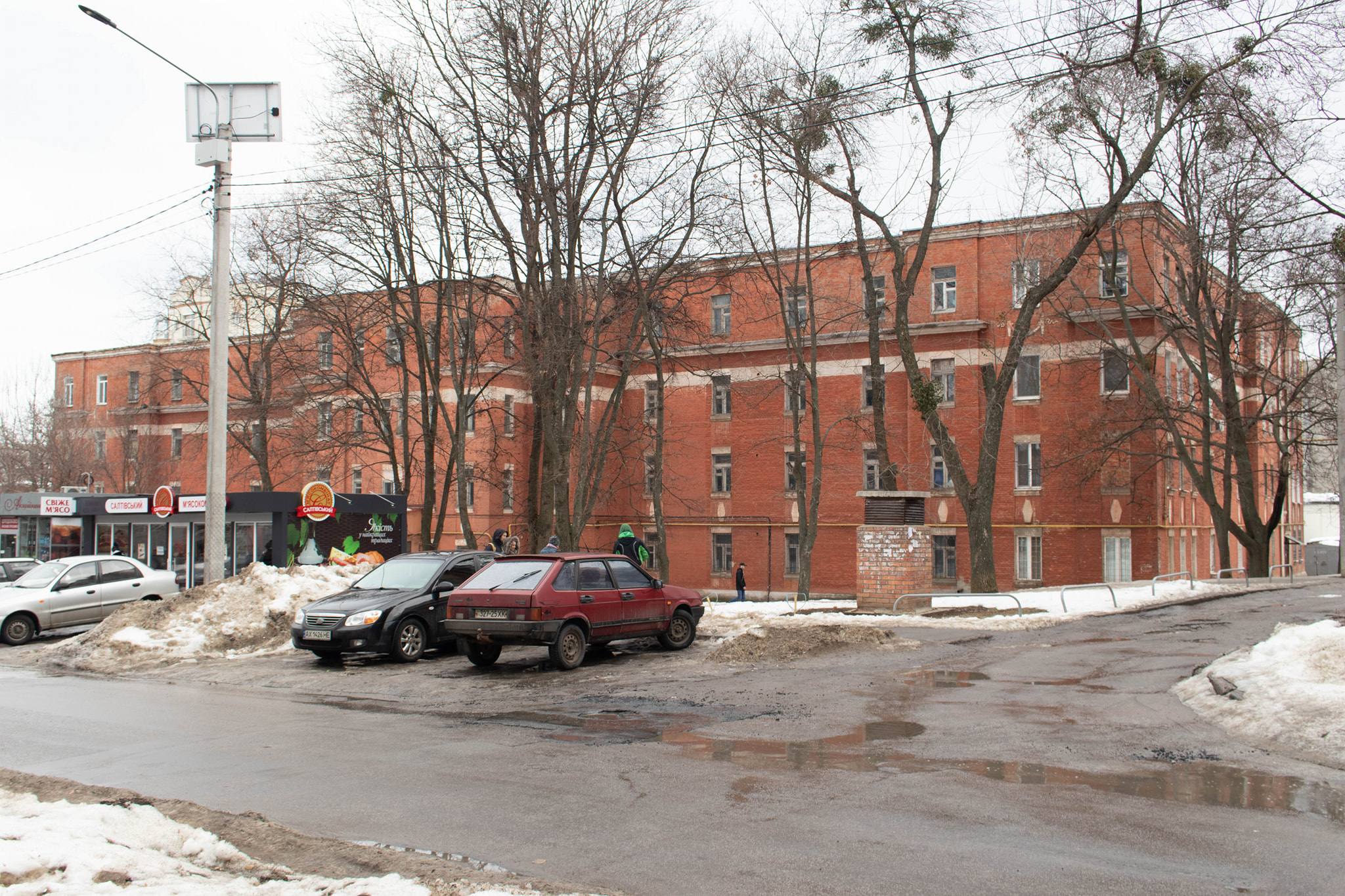
The communal house, built from the ground up, was the polar opposite of the “proto-townhouses” on Heroes of Kharkiv Avenue. It represented a new approach to housing design and daily life, with the primary goal of “collectivizing” residents’ thinking and freeing them from the burdens of daily life.
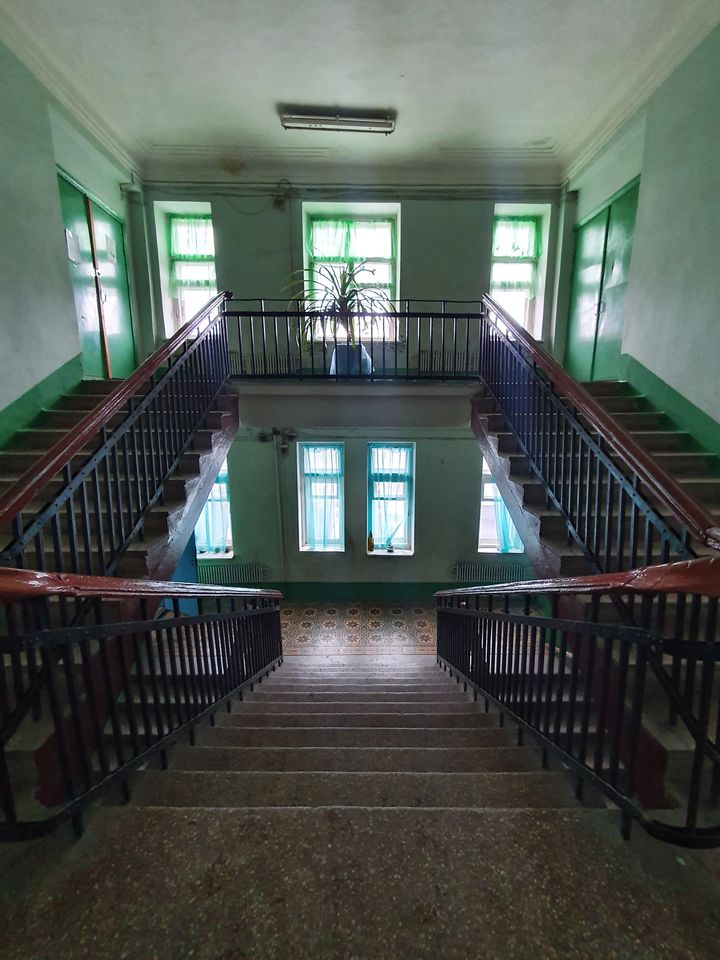
A self-contained dormitory with a communal kitchen, dining hall, library, laundry room, children’s rooms, and showers… It’s like a factory-turned-home.
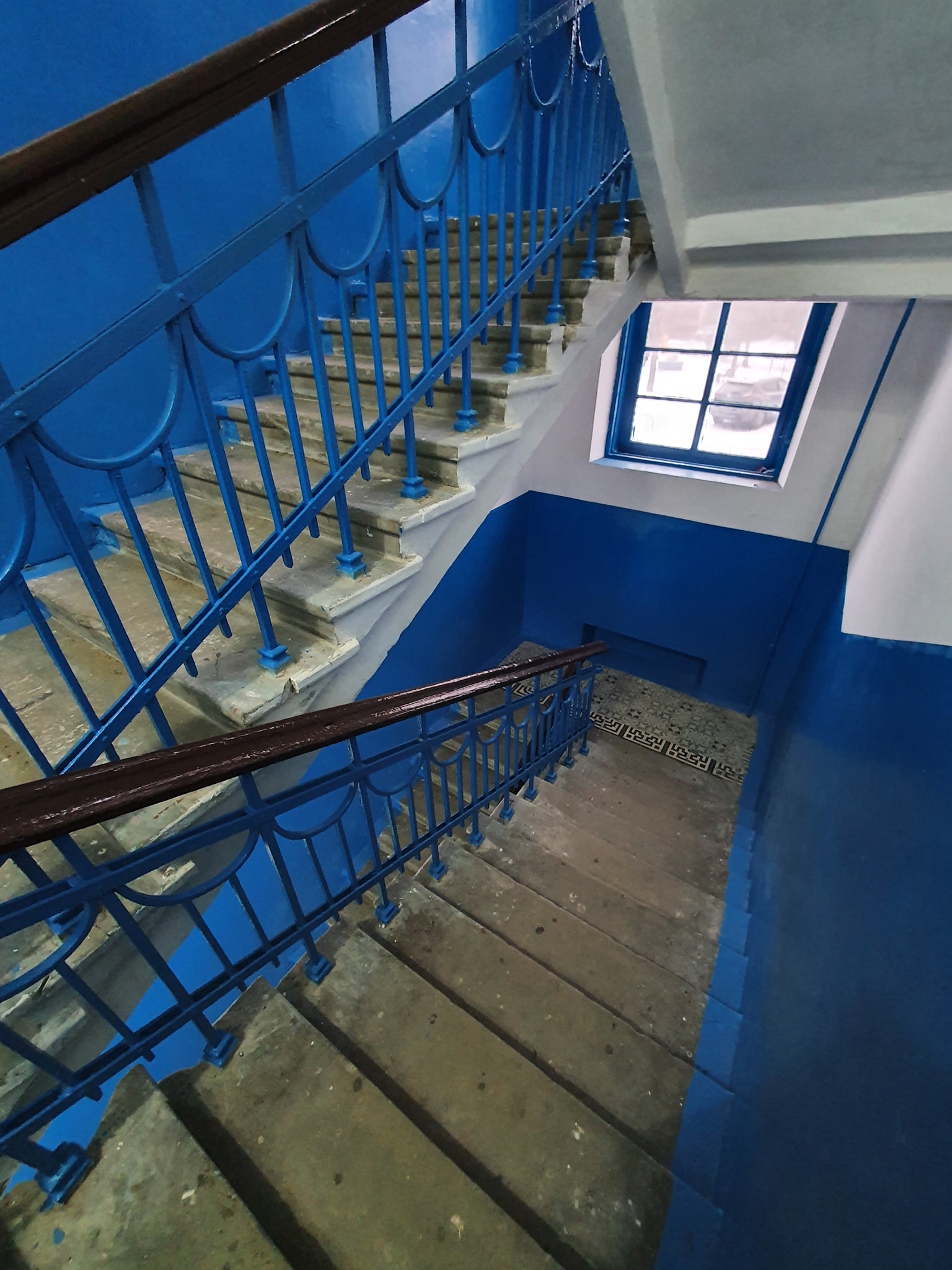
According to research by Mikhail Kornilov, the communal living system did not last very long; people began to set up their own kitchens and amenities, and the communal spaces inside quickly turned into private ones.
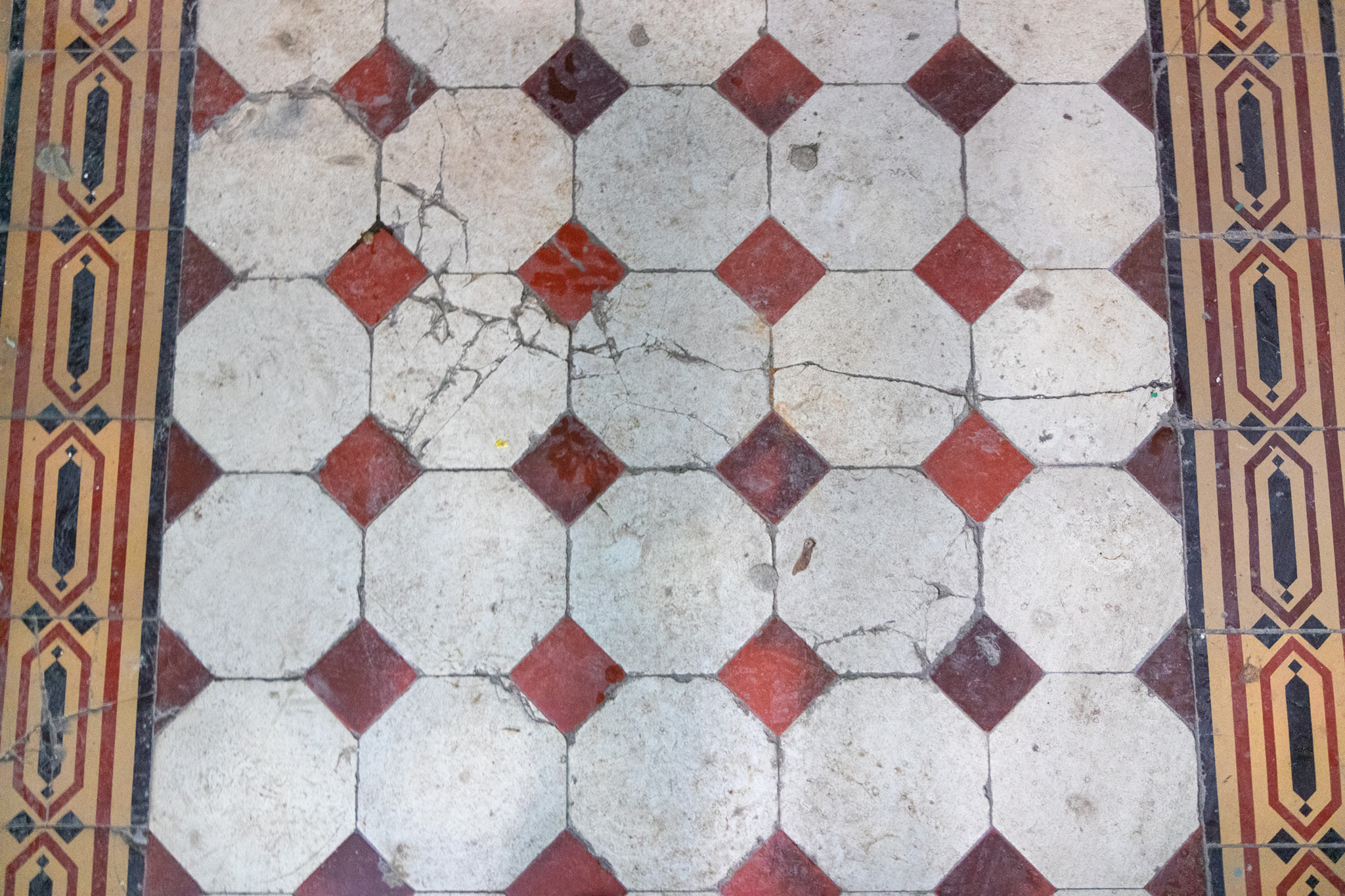
The communal house became a standard dormitory, where workers from the aircraft factory would later live. Today, it’s simply a residential building, but the layout of the hallways still reflects the building’s original purpose.

- 1st Kharkiv Gymnasium - 17.09.2026
- The Oldest Movie Theater in Ukraine - 24.08.2026
- The Alkhovsky Estate - 14.08.2026