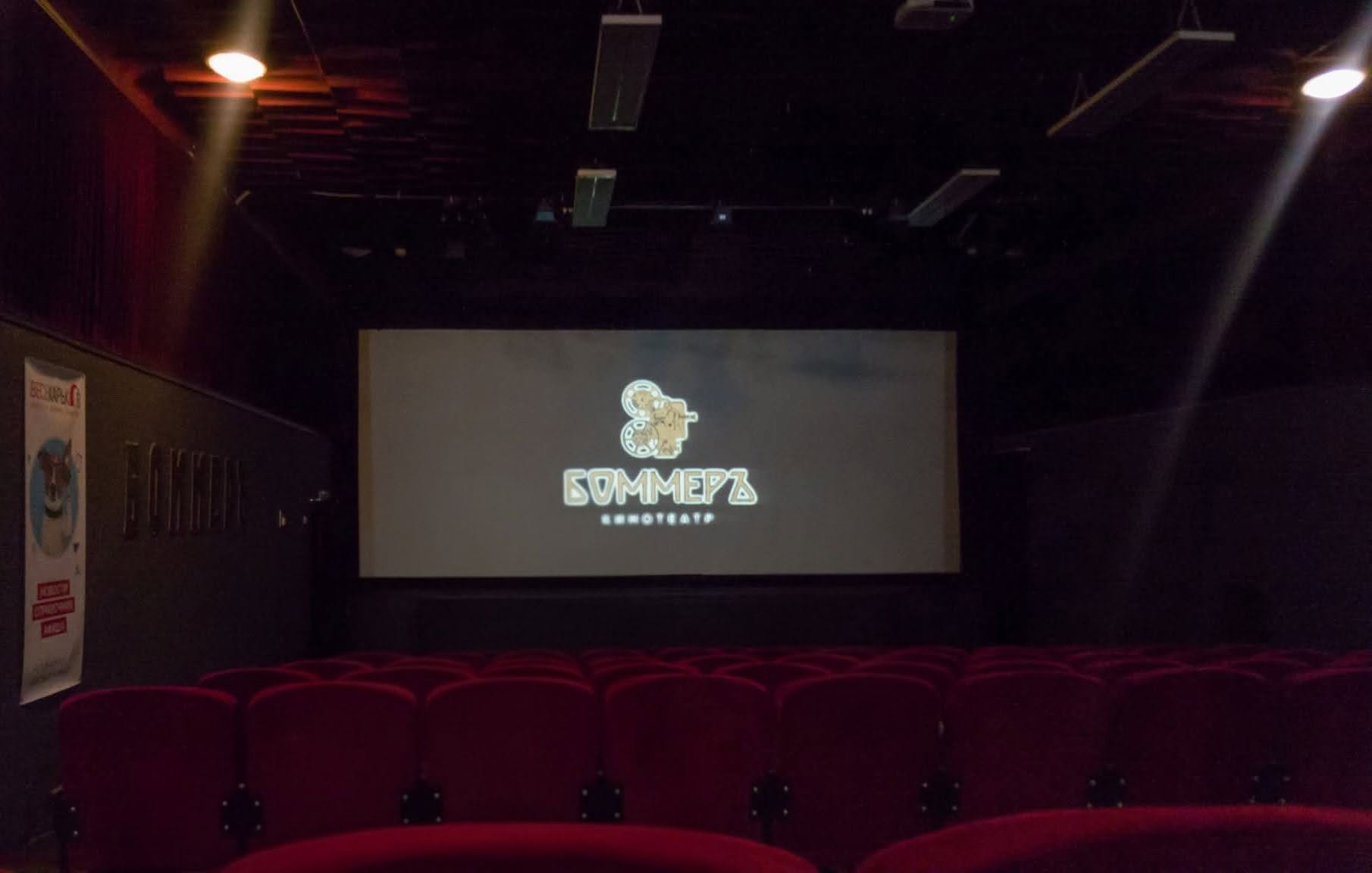
The “Bommer” Movie Theater in Kharkiv is the oldest surviving movie theater in Ukraine. It was officially opened on March 3, 1908.
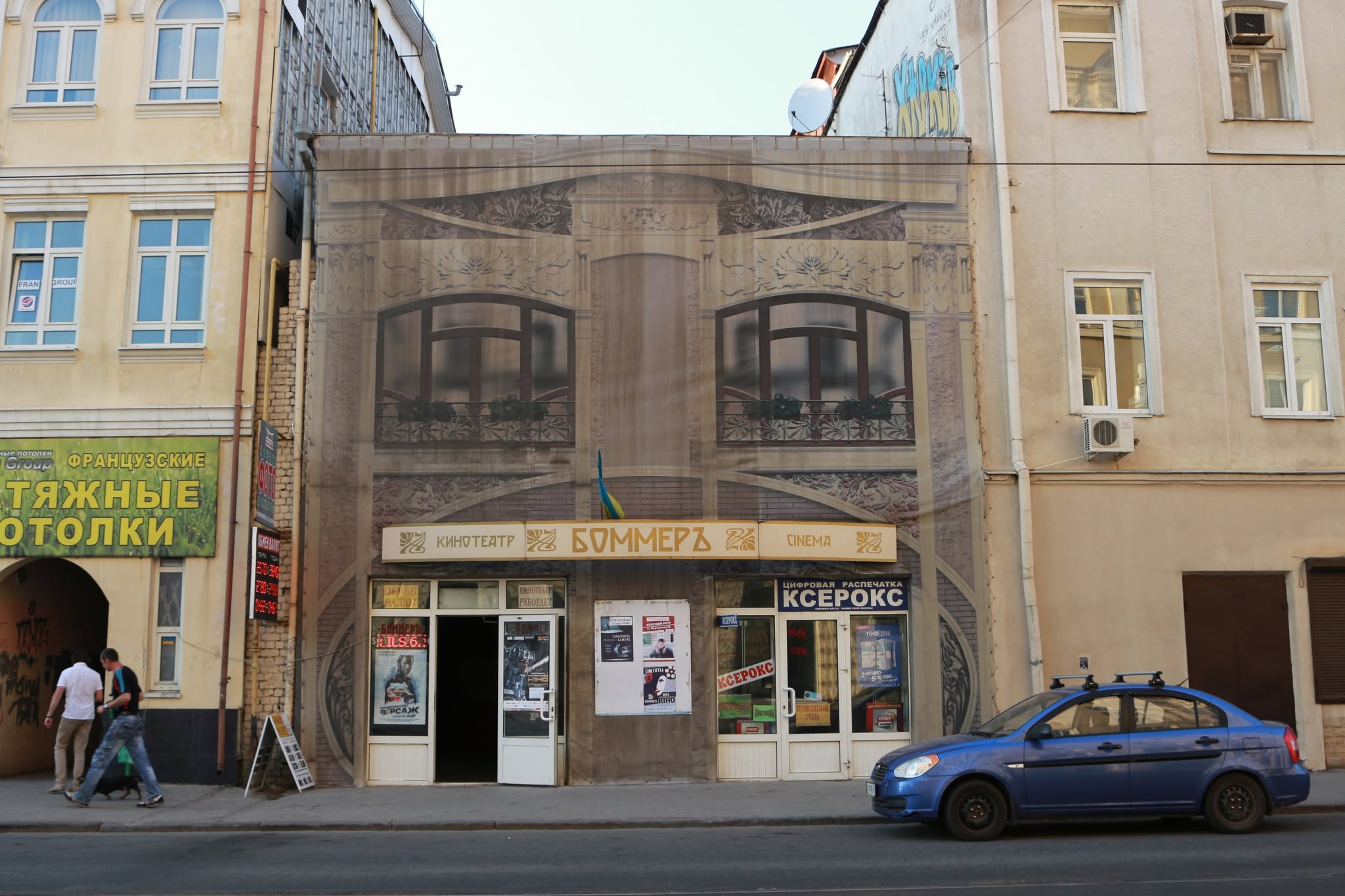
In terms of seniority in Eastern Europe, the only cinema that can rival it is the “Pionier 1907” in Szczecin, Poland, which was officially opened as a movie theater only on September 26, 1909, but had been operating as a cinema attached to a restaurant since 1907. However, “Pionier 1907” is located in a 19th-century apartment building, whereas a special movie theater building was constructed for “Bommer.” It is still located in Kharkiv at Poltavskyi Shliakh Street, 6 (originally called Ekaterinoslavskaya Street).
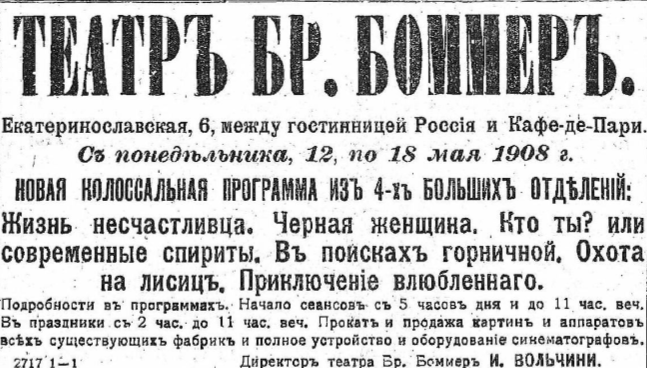
The Bommer brothers established the movie theater; unfortunately, their first names remain unknown, but the surname “Bommer” is more likely German or Swiss. Perhaps the brothers were of German descent but held French citizenship and sought to emphasize that the movie theater was French, since it was the French who were the pioneers of cinema and set the trends in the industry.
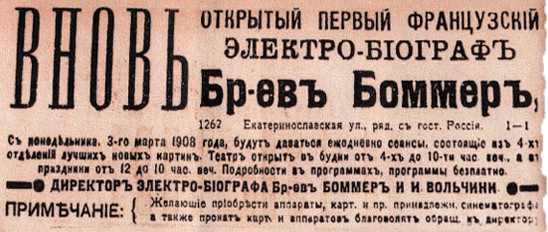
By 1908, there were already nine movie theaters operating in Kharkiv, and competition in the film distribution business was fierce. Nevertheless, this new form of entertainment for the public had become so popular that there was still room in the market for new entrepreneurs. The Bommer brothers’ headquarters was located in Rostov-on-Don, and their chain of movie theaters (which were called “electro-biographs”) was quite extensive—stretching from Warsaw and Łódź to Yalta, Baku, Astrakhan, and Samarkand.
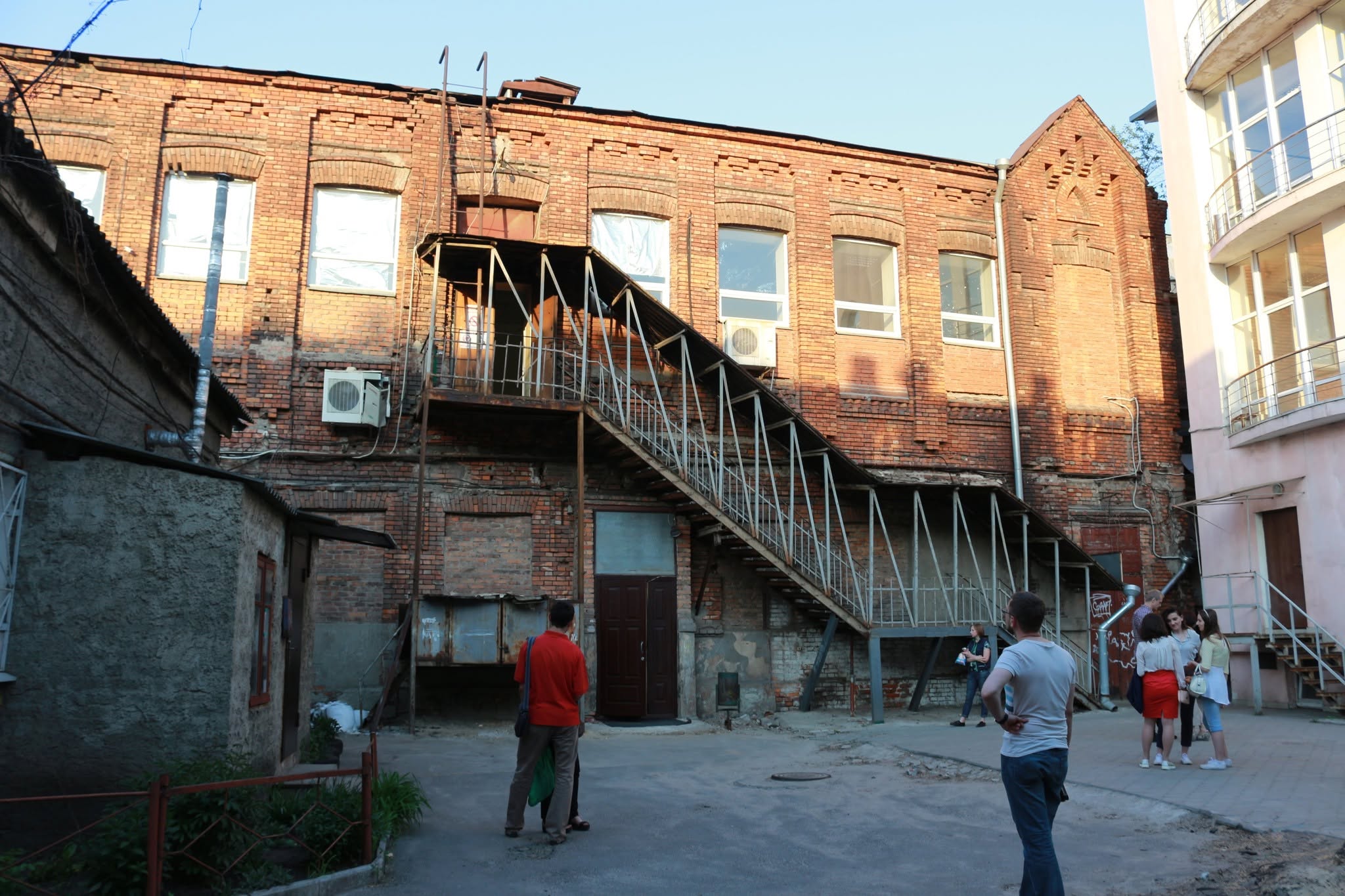
The “Bommer” movie theater in Kharkiv was built according to a design by architect Boris Kornienko, between the “Rossiya” Hotel and the Café de Paris. Its spatial composition may seem unusual to modern moviegoers, but it was typical of movie theaters in the 1900s.
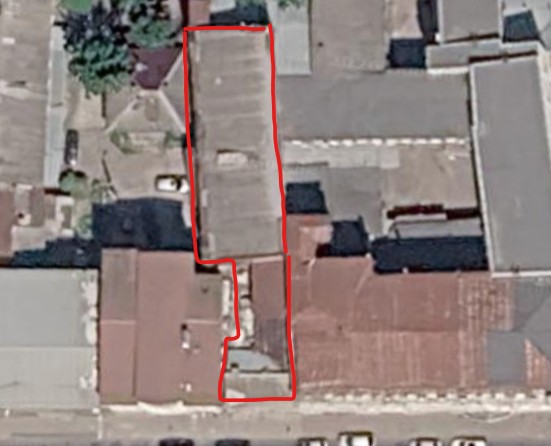
The ground floor housed the box office, connected by a passageway to a narrow 380-seat auditorium with a projection room at the end of the building and a screen facing the street—thus shielding the auditorium from the noisy traffic. Above the auditorium, on the second floor, there was a large lobby with a snack bar, where audience members could wait for the show, grab a bite during intermission, or discuss what they had seen.
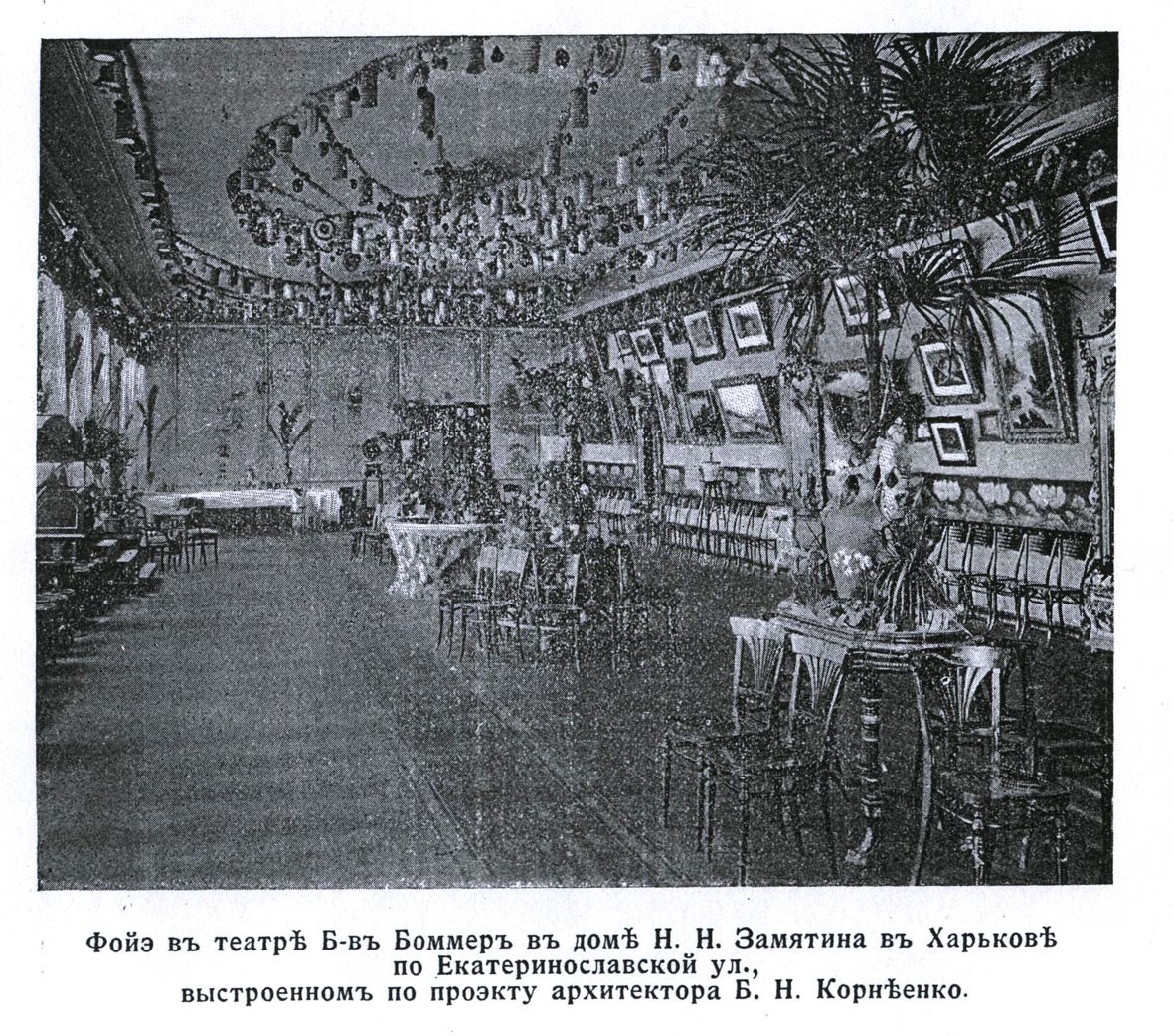
The new movie theater building, like the lot on which it stood, belonged to the nobleman Nikolai Zamyatin. Incidentally, the Bommer brothers hired I. Volchini to manage the movie theater; he already had experience in the film distribution business with the “Michel” movie theater at Moskovskaya Street, 4 (now Heroes of Kharkiv Avenue). The manager of the “Bommer” soon opened another movie theater a little further up the street, at Yekaterinoslavskaya Street, 24 and named it after himself—Volchini.
The site of the Bommer Movie Theater had previously housed a photography studio where renowned 19th-century Kharkiv photographers worked. Among them, Vasily Doseikin and Alfred Fedetsky are particularly noteworthy. On September 30, 1896, Fedetsky shot Ukraine’s first documentary film in Kharkiv, capturing the procession of the miraculous icon of the Ozeryanska Mother of God along Ekaterinoslavskaya Street. On December 2, 1896, Fedetsky held the first public film screening in Ukraine and the Russian Empire at the Kharkiv Opera House. Unfortunately, the photo studio burned down in 1907, but the “Bommer” building, which replaced it, has long been a prime candidate for a museum of Kharkiv cinema and photography—plans for its development have been repeatedly announced by the theater’s management.
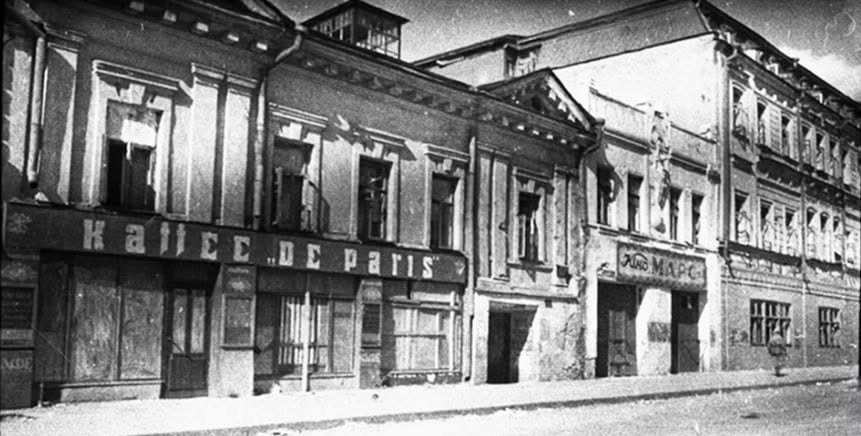
Unfortunately, no photos of the original main facade, which faced Poltavskyi Shliakh Street, have survived. It is known that it was rebuilt in the 1920s and was most likely simplified; it can be seen in photos of Kharkiv from the period of German occupation in 1941–1943—at that time, the movie theater was called “Mars.” This facade was also damaged during the fighting in 1943 and restored in a different style. The four windows on the second floor were combined into two, and after numerous renovations, the “Bommer” began to resemble typical Kharkiv commercial buildings of the 2000s from the street side, which is why it did not receive the status of an architectural landmark. However, it certainly deserves protected status as a historical landmark.
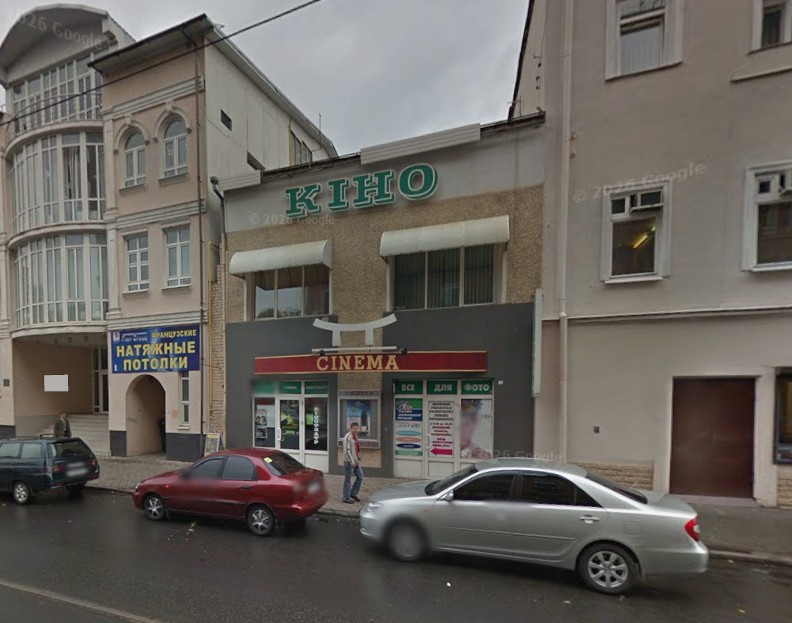
Currently, “Bommer” is covering the fabric featuring an Art Nouveau-style design, which was presented in the first half of the 2010s as one of the options for renovating the movie theater’s facade.
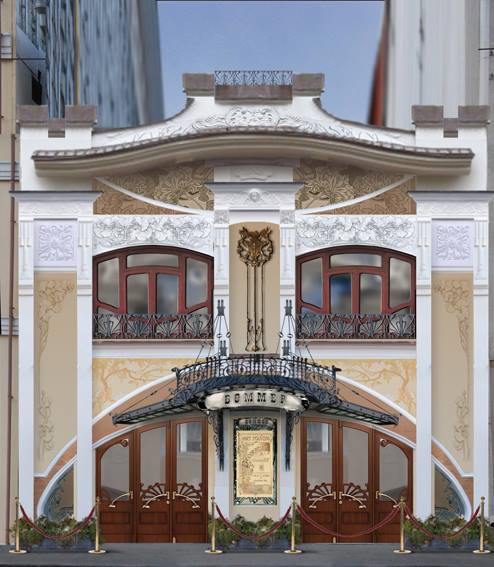
However, the original facade most likely featured elements of brick eclecticism, as can be seen from the surviving patterns on the side walls—they strongly resemble another building by Kornienko, the pawnshop at Universytets’ka Street, 5 (now the Historical Museum).
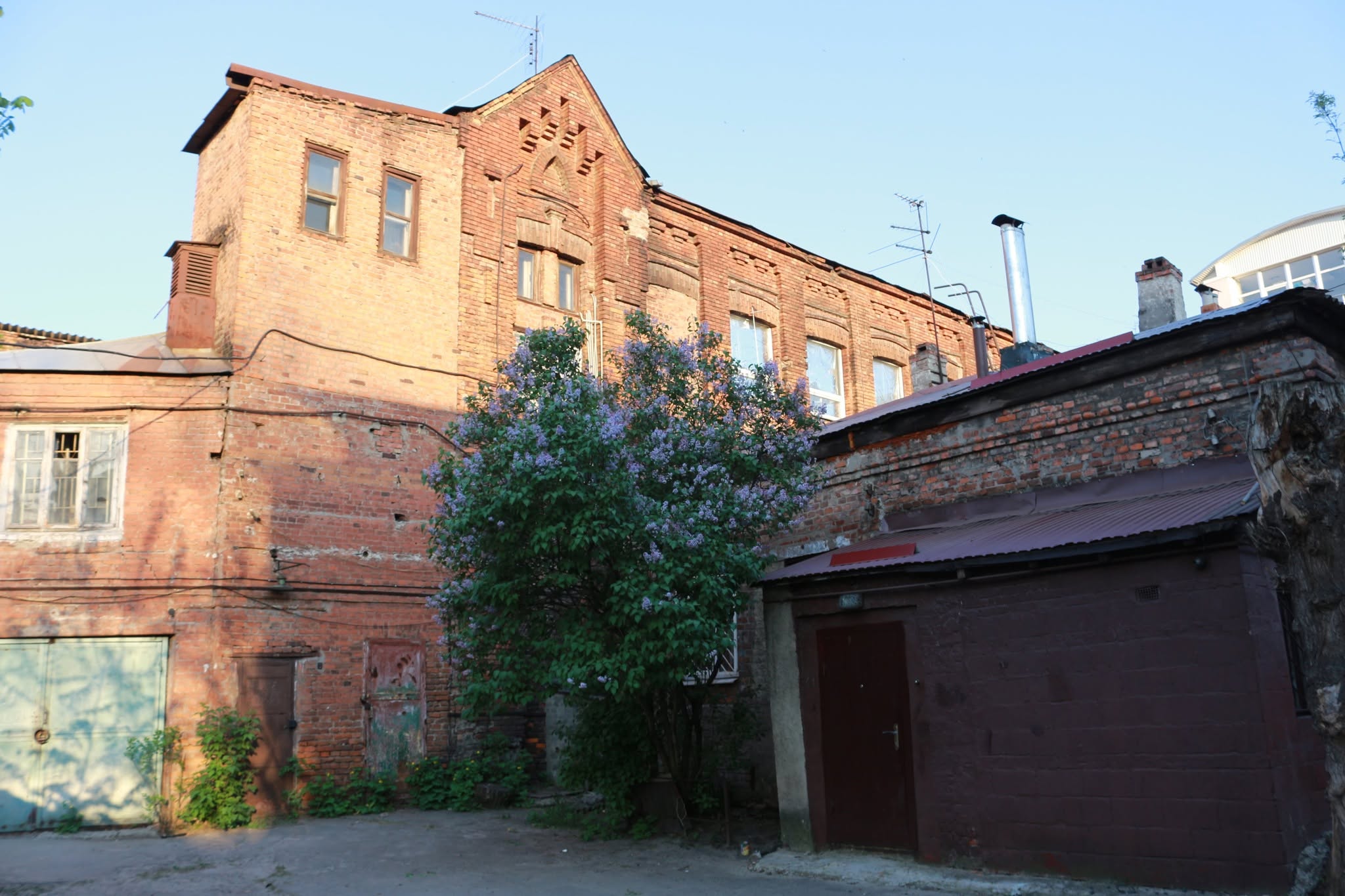
“Bommer” was truly popular. It is known that 15,000 tickets were sold over 20 days in the spring of 1912, meaning that the theater attracted about 750 viewers per day. With a 13% market share, the “Bommer” was among the leaders in Kharkiv’s movie theater industry, second only to the Volchini Theater with its 27% share.
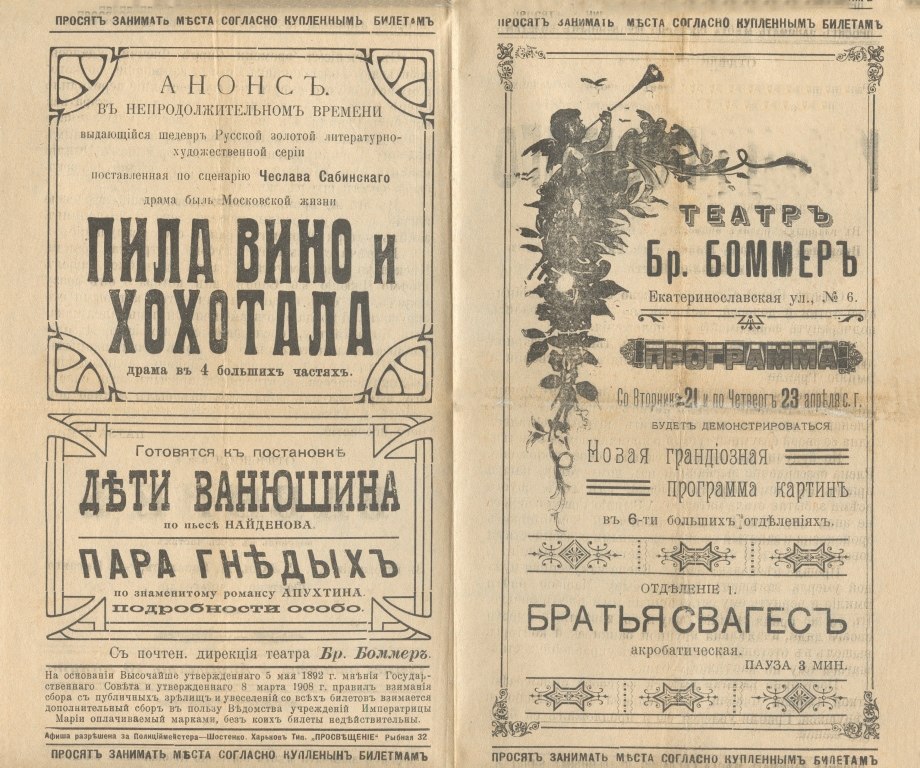
The movie theater was open every day until 11 p.m. Of course, silent films were accompanied by music—and not just by a pianist, but by a musical trio. During screenings of long films, there were intermissions, and programs summarizing the plot were sold during them—just like at the theater.
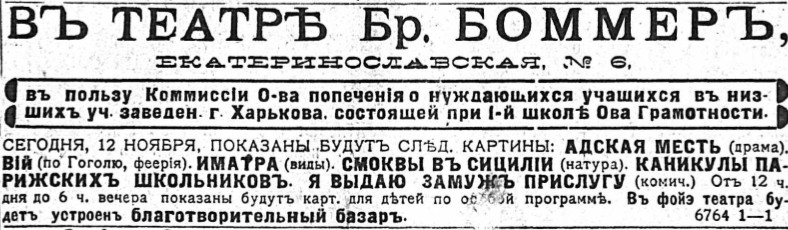
Also, as early as 1910, “Bommer” had its own garden, located at the corner of Dmytrivs’ka and Blagovischenska Streets (not to be confused with Tivoli)—where dances, festivals, children’s games, and movie screenings were held. “Bommer” regularly hosted charity screenings to raise funds for various public causes.
However, “Bommer” didn’t just screen movies—it also filmed them! As early as 1908, the film “The Miracle Gramophone, Purchased at the Gramophone Store at Yekaterinoslavskaya Street, 6” was released. A gramophone shop was located inside the movie theater building; one could say that this was a disguised commercial—the first of its kind in Ukraine. In addition, “Bommer” also rented out films and movie equipment.
The staff of the “Bommer” movie theater filmed Kharkiv documentary newsreels, short theatrical sketches, and feature-length films. For example, in 1910, the 135-minute film *Kuma Khfesk*—a screen adaptation of the Ukrainian vaudeville *Godfather-miller* by Dmytro Dmytrenko—produced by “Bommer,” enjoyed widespread popularity. It was one of the first films made in the Ukrainian language. The roles were performed by a troupe led by Dmytro Baida-Sukhovii. Unfortunately, virtually all of “Bommer’s” films have been lost.
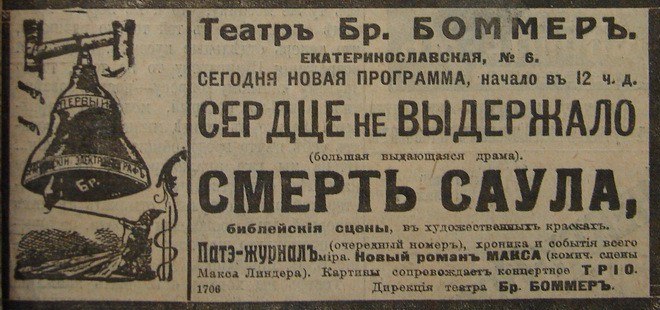
During the turbulent years of the Civil War, the “Intime” cabaret operated in the movie theater; in the decades that followed, the theater went by many names—“Movie Theater No. 5,” “Marx Theater,” “ “Dzerzhinsky,” “Mars,” and “Kino No. 4.” In 1951, a second screening room with 280 seats was opened on the second floor, replacing the lobby with a snack bar.
From 1993 onward, the movie theater was called “Zustrich”; the name “Bommer” was reinstated in 2003. In the 21st century, the building housed a single 132-seat auditorium on the first floor.
Since the 2000s, “Bommer” has specialized in screening non-commercial, festival, and arthouse films, as well as documentaries and short film festivals. “Bommer” has become a cult destination for film buffs and lovers of the city’s cultural life. In recent decades, the movie theater—which was owned by a local community in the Kharkiv region—has suffered from chronic funding problems. In 2009, there were even plans to close it, but thanks to pressure from the public and activists, “Bommer” was saved. The theater renovated its premises to the best of its ability and also hosted theatrical productions and cultural events.

The last film screenings took place in 2021, but the 2022 “Bommer” season never took place due to the outbreak of the full-scale Russian-Ukrainian war and the systematic shelling of Kharkiv. In 2023, “Bommer” was transferred to the Regional Organizational and Methodological Theater and Concert Center.

- "Noah's Ark" - 21.10.2026
- Blackie’s House on Maksymilianivska St - 19.10.2026
- Danylevs’koho Street, 19 - 13.10.2026