Cottages for workers and white-collar employees (1923–1924, architect Viktor Trotsenko) – one of the earliest examples of standardized mass housing in Kharkiv.
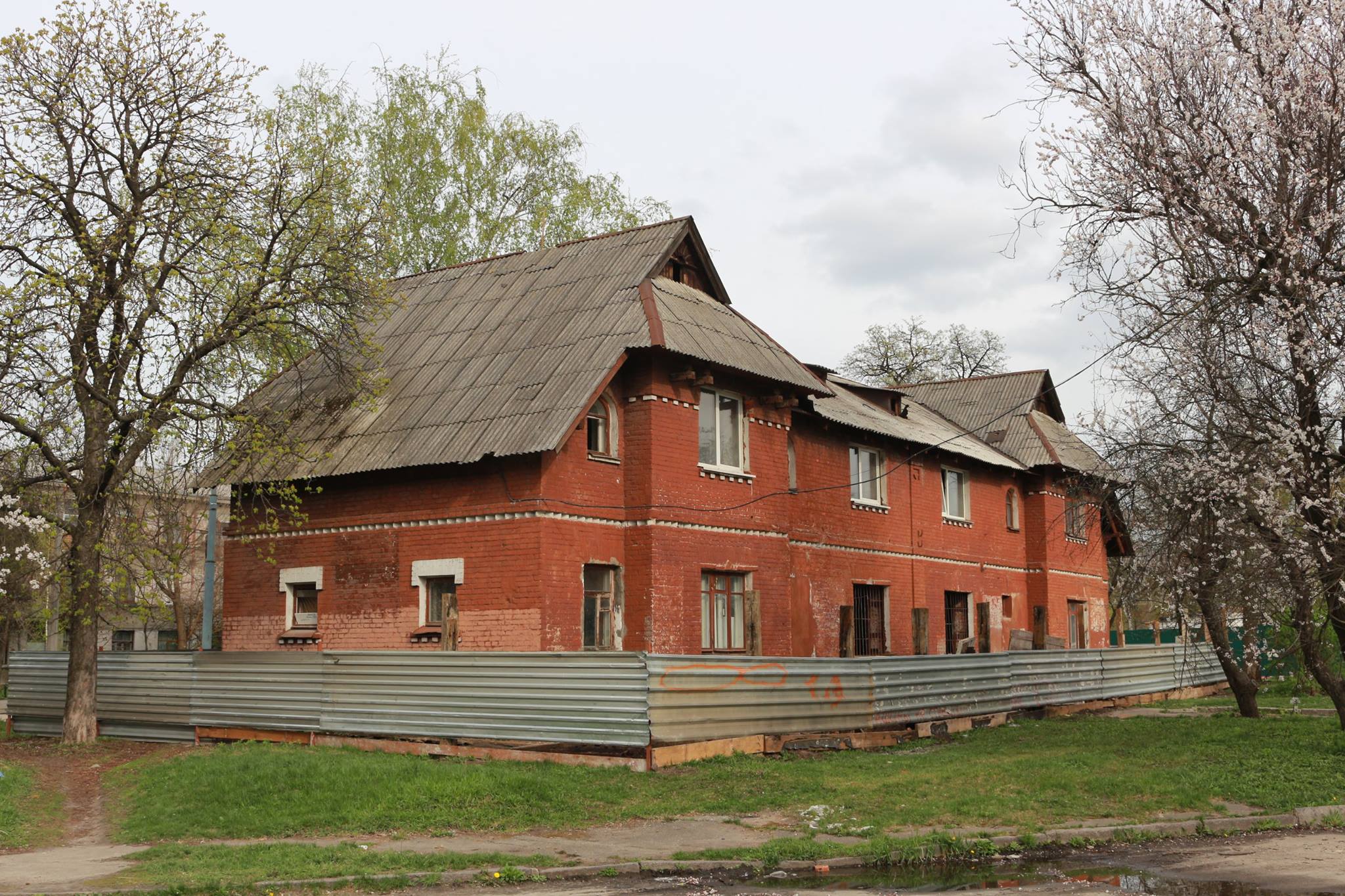
In the early 20th century, the Western world was swept by urban visions of suburbs and carefully planned Garden cities, where tens of thousands of people were expected to live in typical low-rise cottages with their own gardens. Kharkiv also embraced these ideas, building several settlements in the 1920s with typical, yet modern and comfortable for the time, one- and two-story workers’ houses, each with two to four apartments. Each cottage had a garden, allowing for the cultivation of vegetables and poultry.
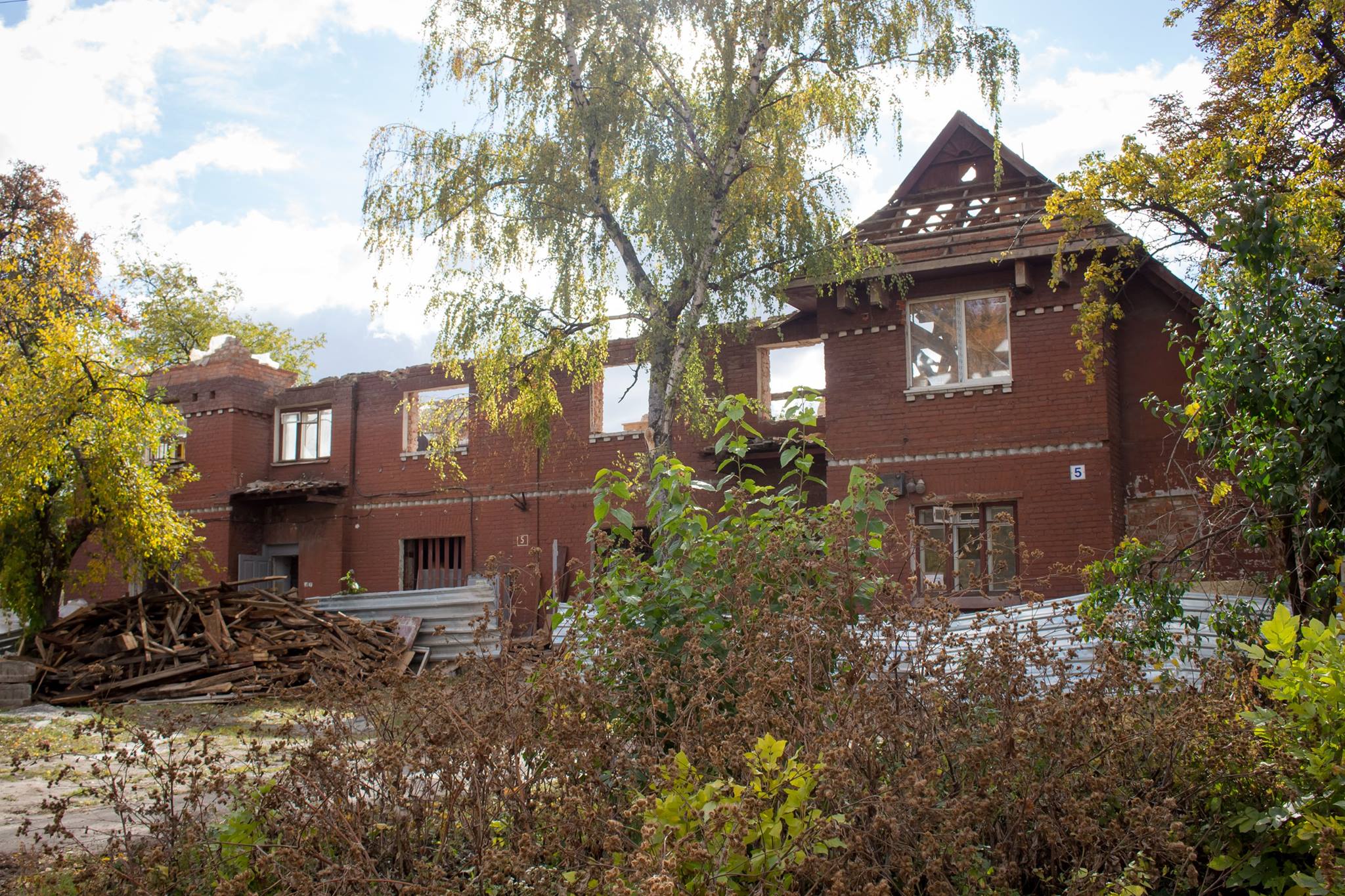
This development was radically different from the chaotic urban planning that had prevailed previously, where large multi-story buildings created closed neighborhoods. Unfortunately, over the years, the vast majority of typical townhouses in Kharkiv were demolished to make way for large apartment buildings. This organized “suburbia,” which hindered collectivization and the transition to communal services, failed to develop properly in the Soviet Ukraine and became a thing of the past.
Alas, over time, these buildings are becoming fewer and fewer, and they are disappearing before our very eyes, despite their status as architectural landmarks. Two such buildings (at Sportyvnyi Lane, 7 and 9) in the late 2010s were dismantled brick by brick, and the remains were used to add another story to the similar building at Metalista Street, 5.

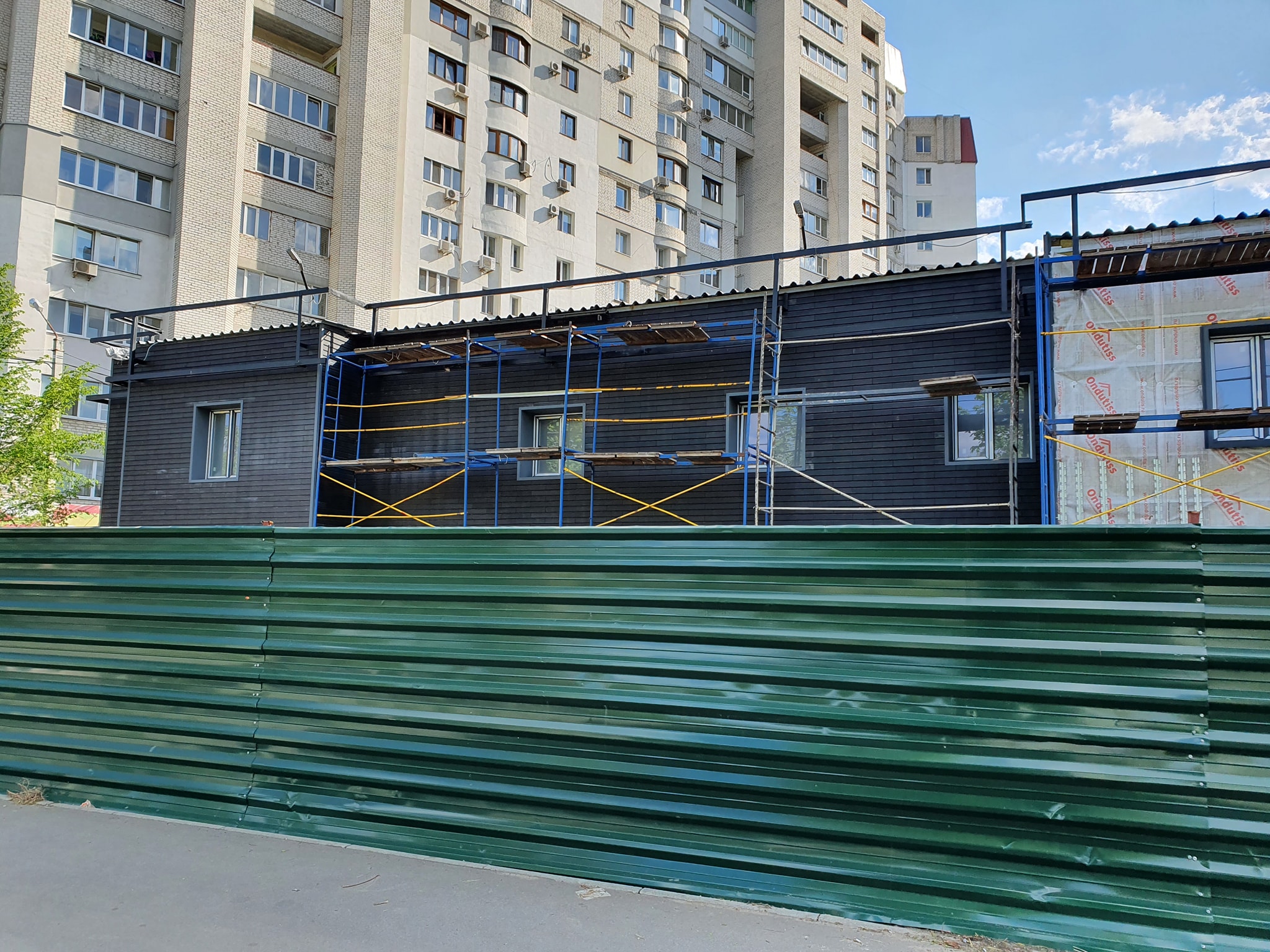
This cottage at Heroes of Kharkiv Avenue, 130 has been converted into a supermarket in 2020.
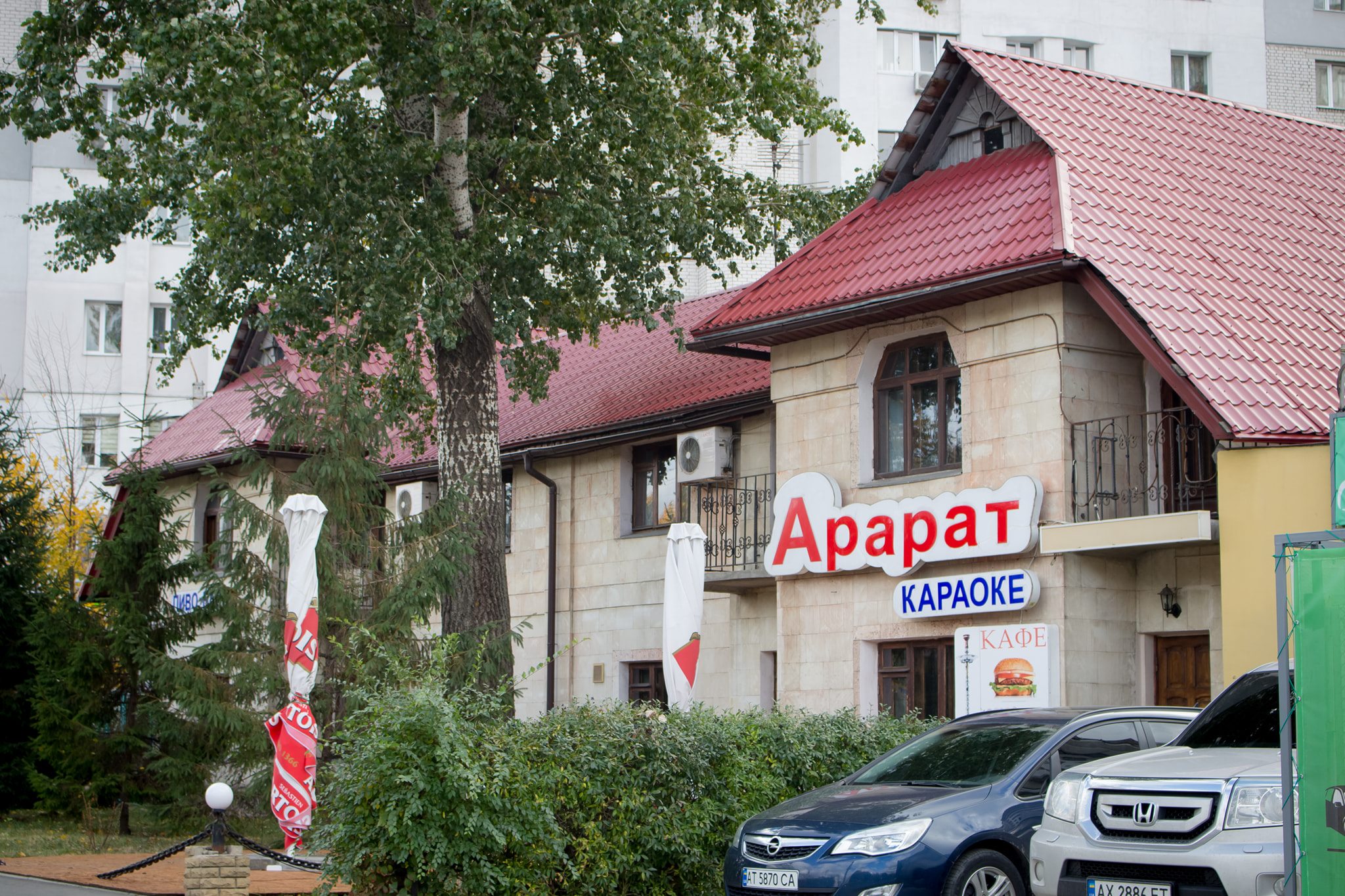
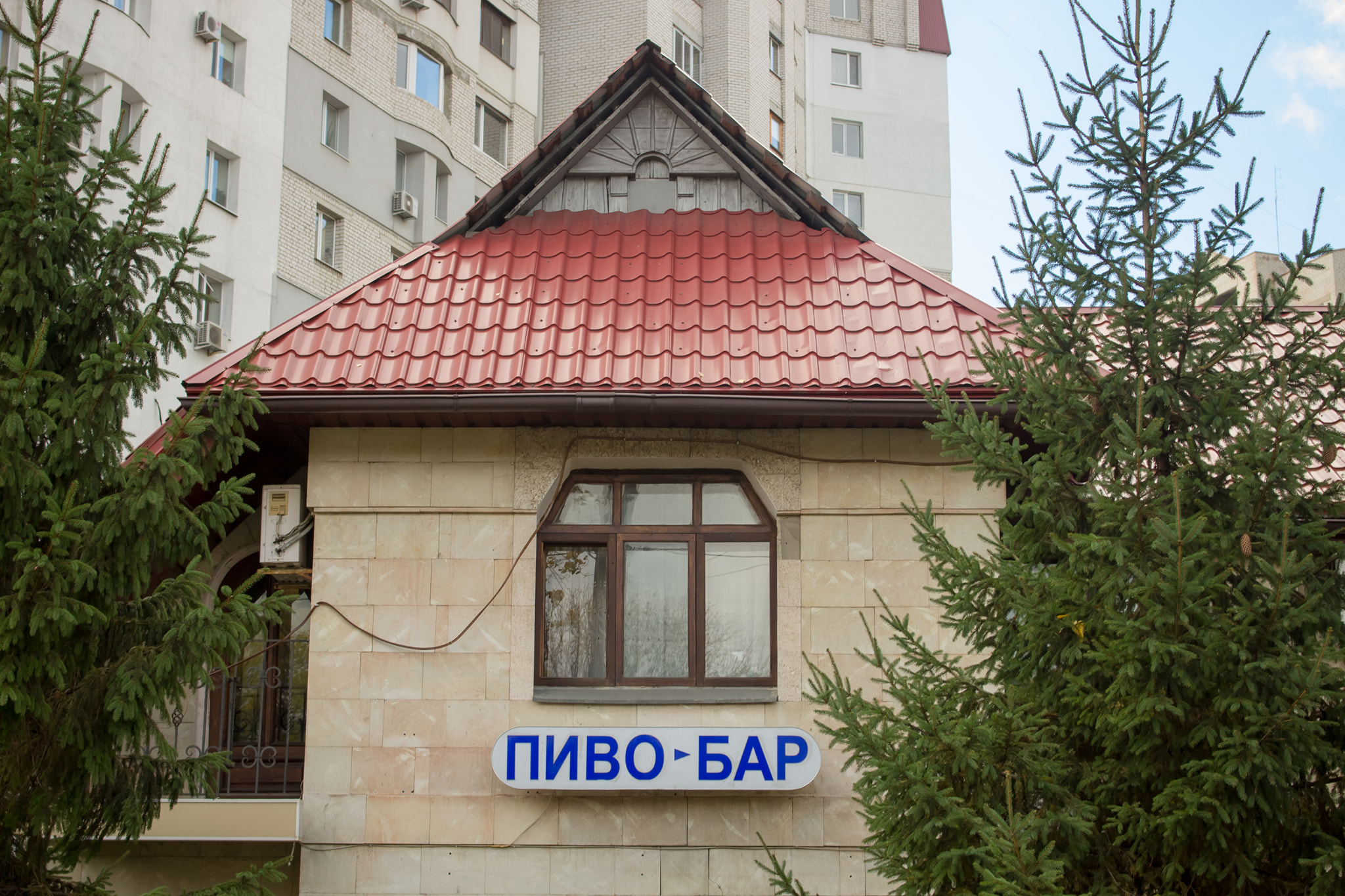
Several cottages on Sportyvnyi Lane are still very much “alive”
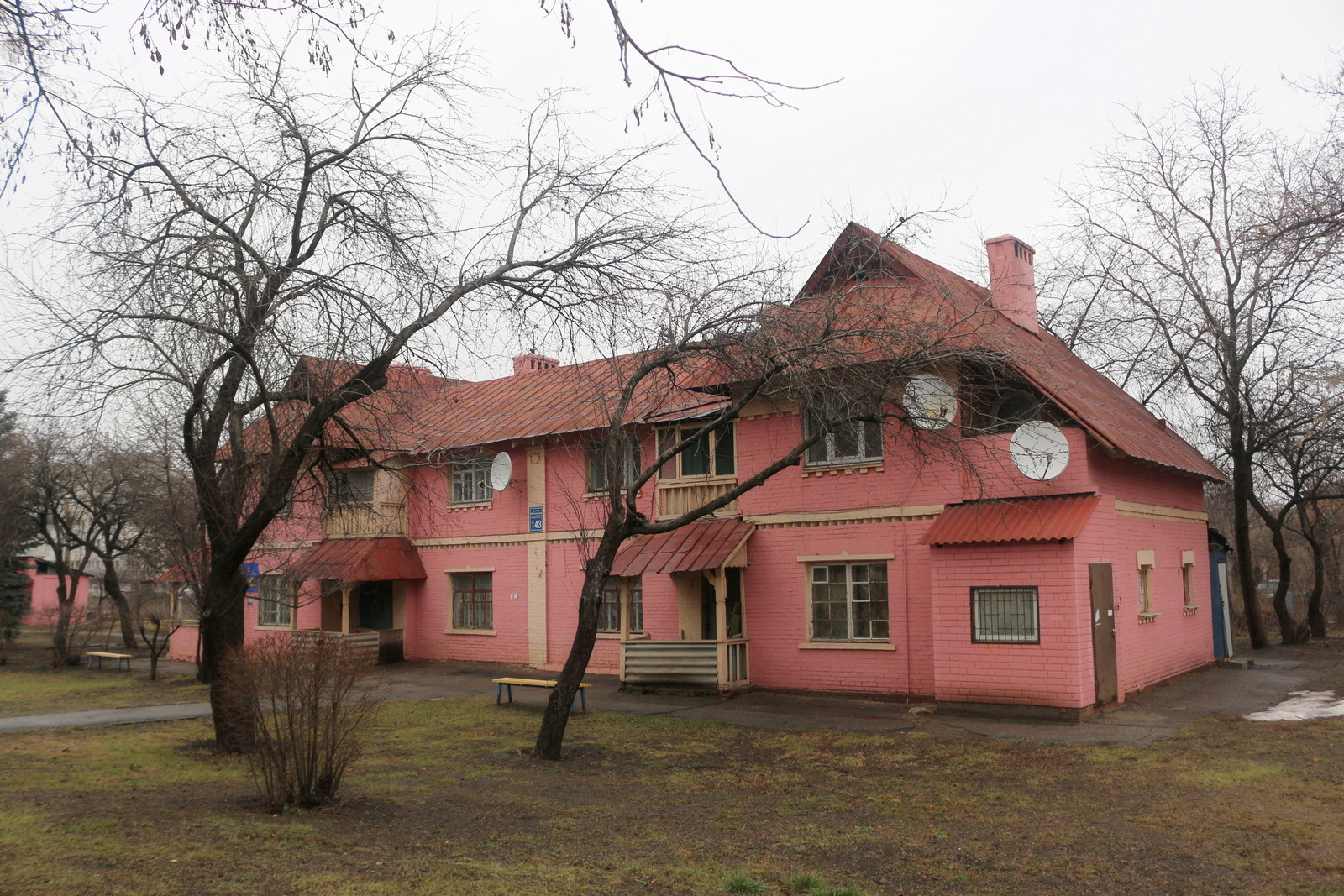
Viktor Trotsenko studied and measured examples of traditional folk architecture in the early 1920s, together with staff from the Museum of Ukrainian Art under the direction of Stefan Taranushenko.
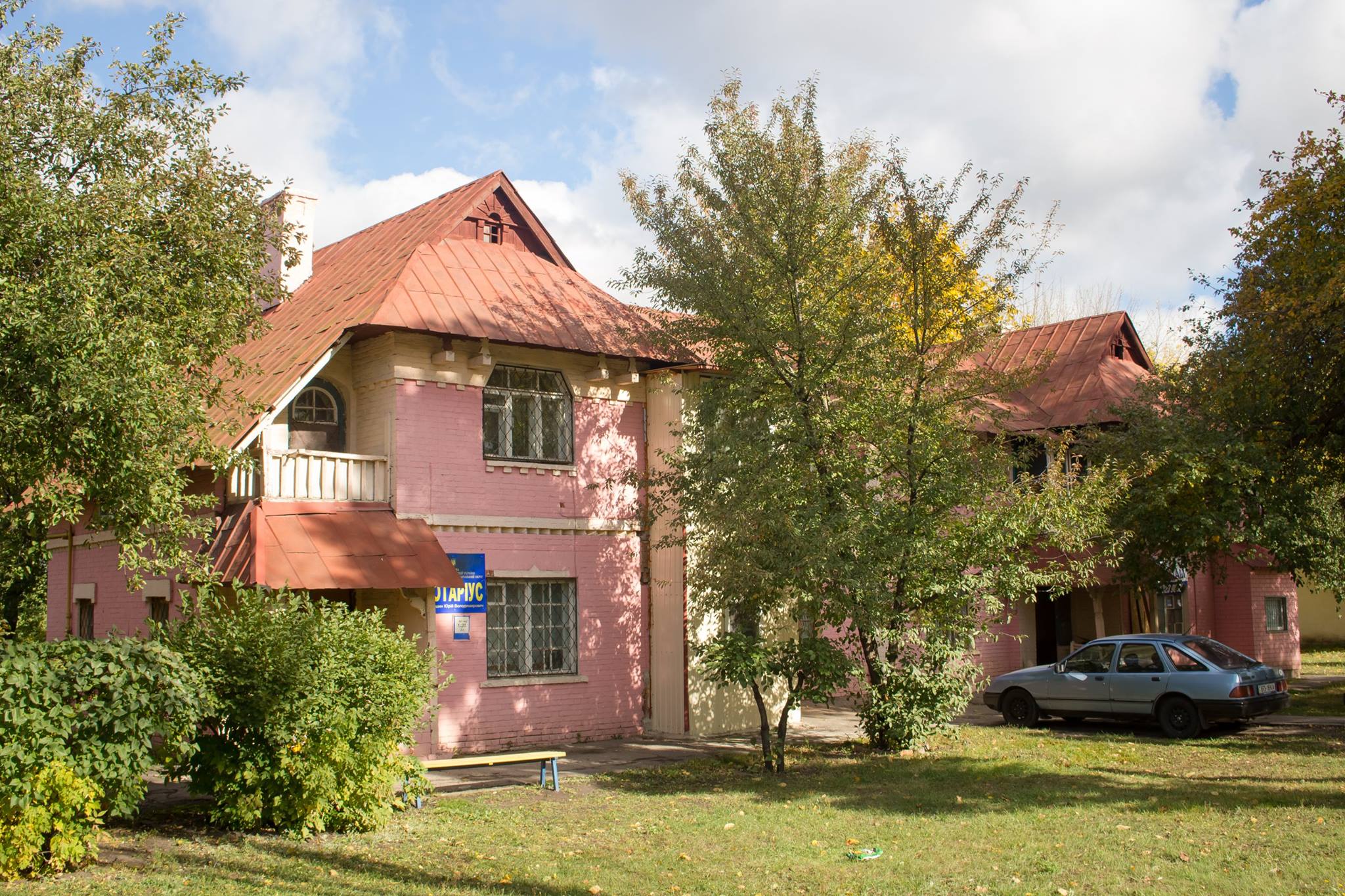
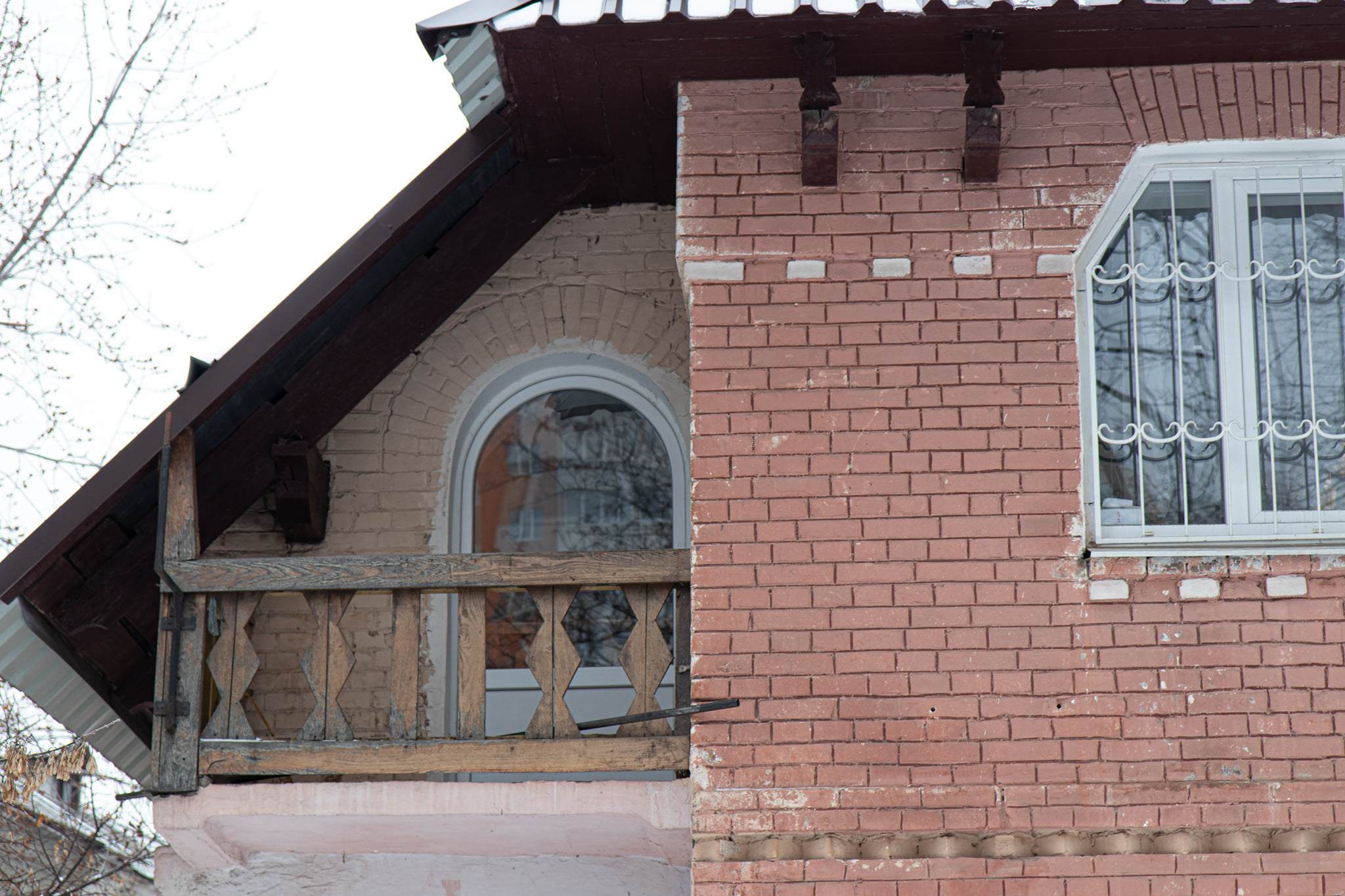
That is why the building features trapezoidal windows and an roof shape characteristic of Ukrainian Art Nouveau.
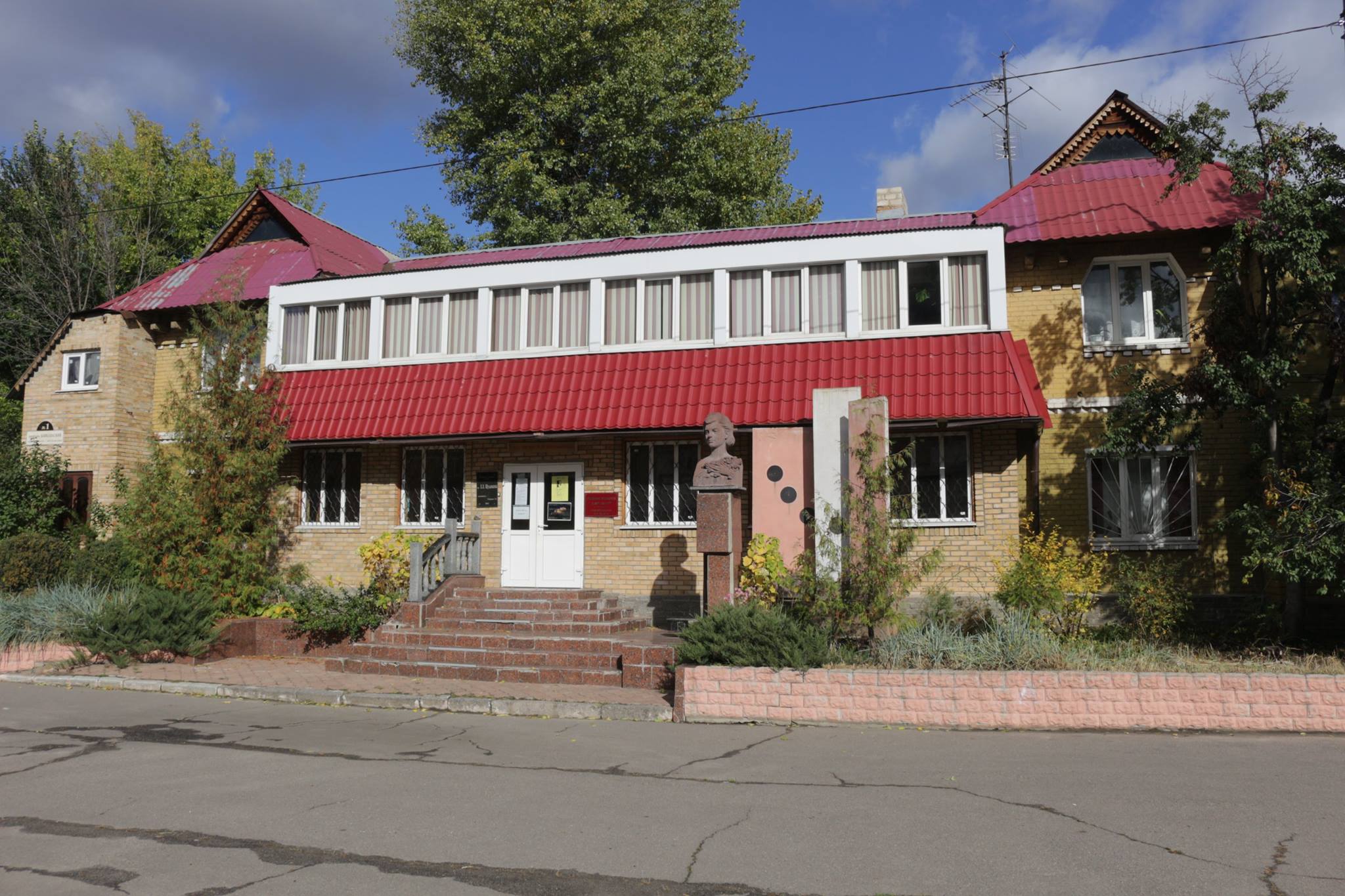
However, as architect Denis Vitchenko writes, this is no longer Ukrainian Art Nouveau, but rather revolutionary-industrial romanticism; it’s just that both styles drew inspiration from the same folk roots.
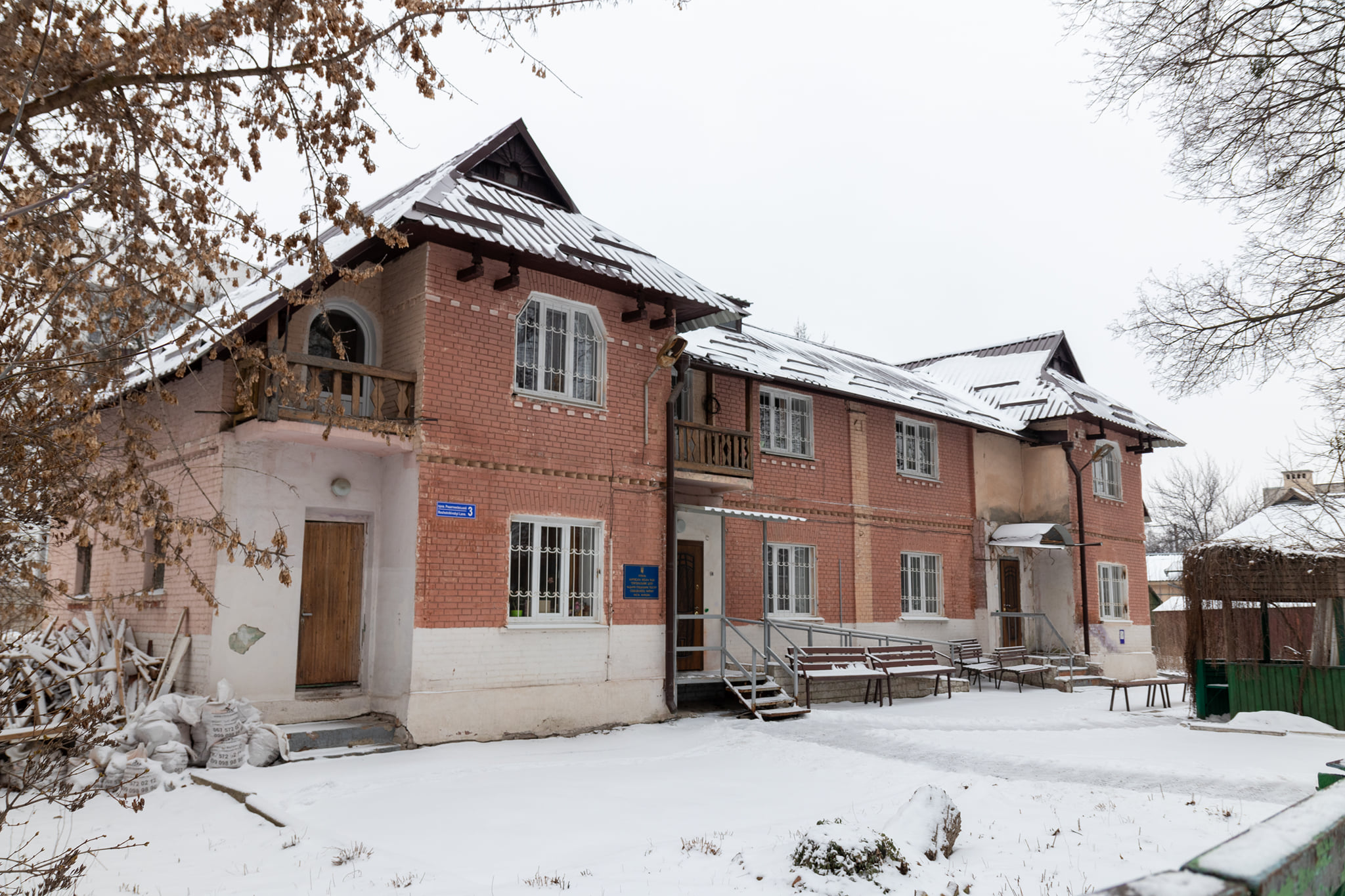
A total of 35 such cottages were built.
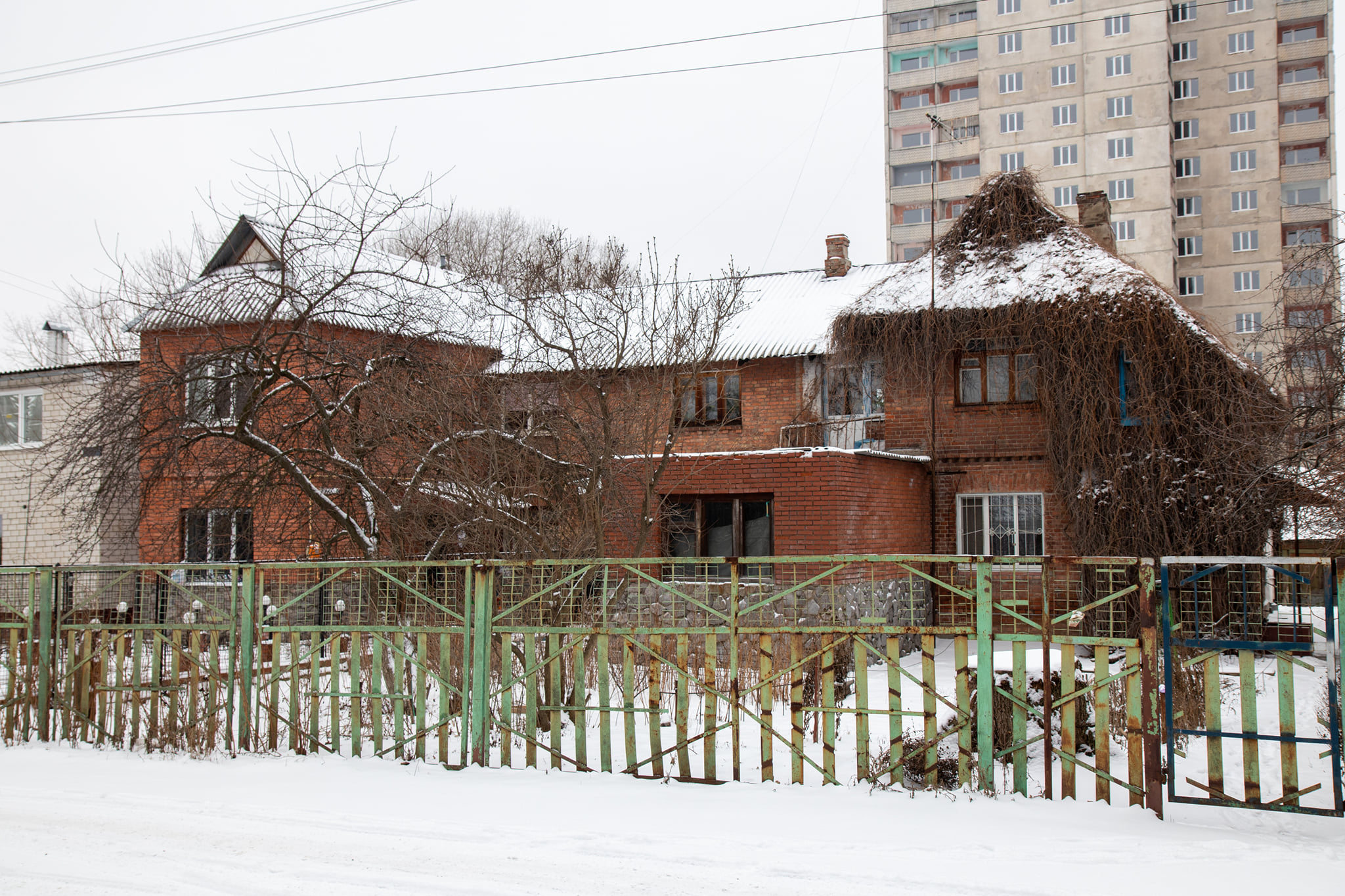
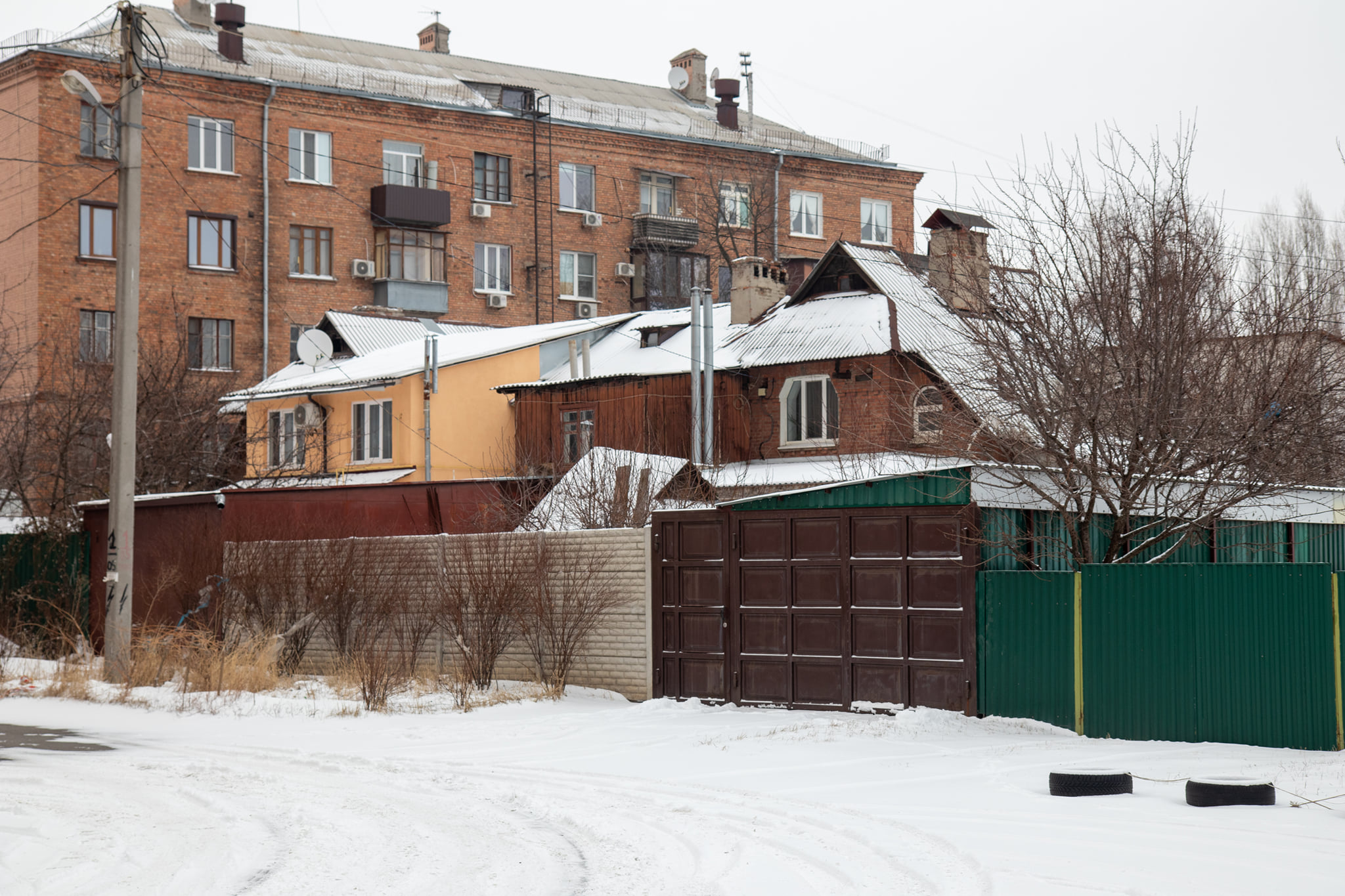
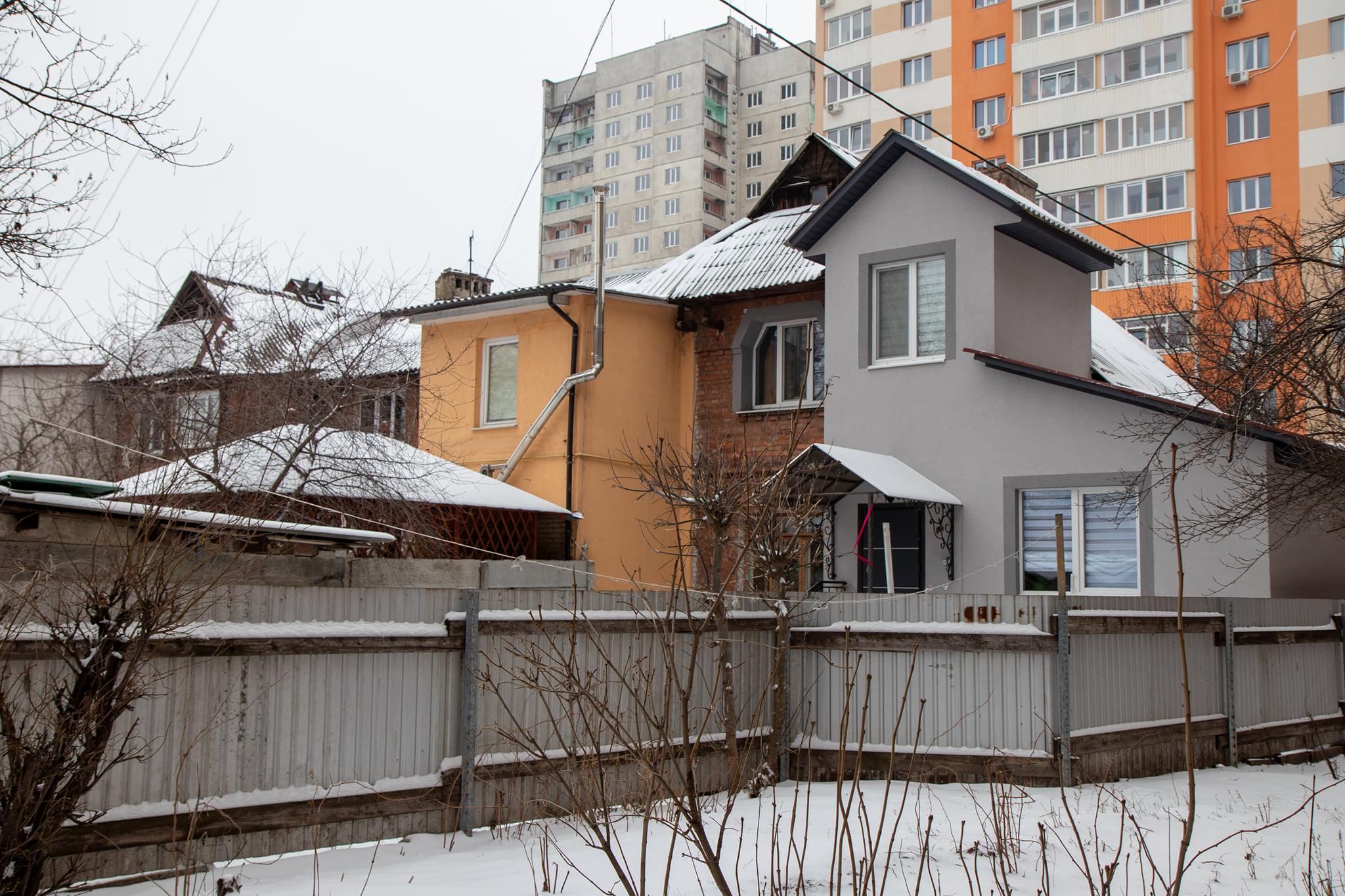
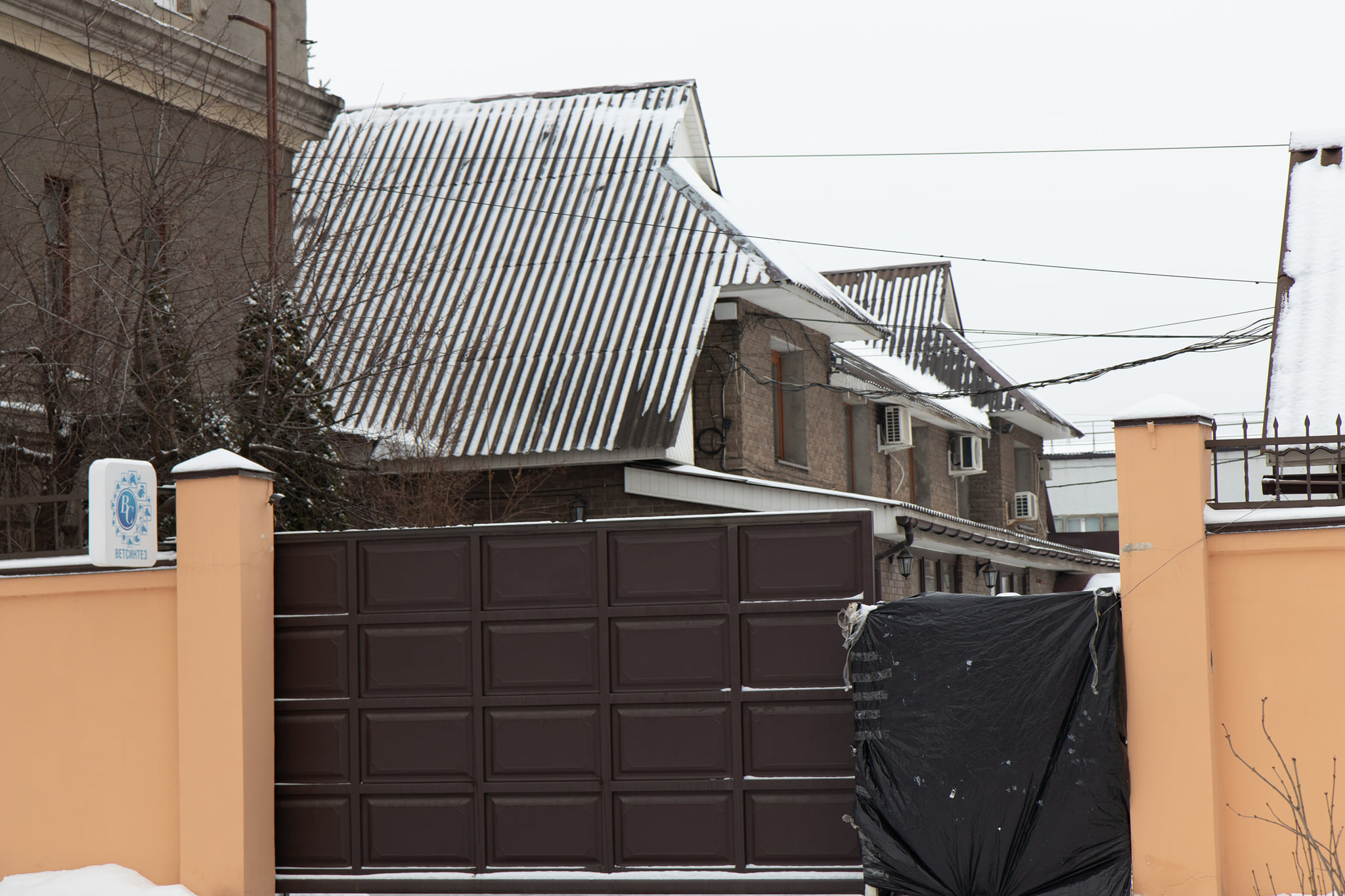
In addition to the well-known buildings on Heroes of Kharkiv Avenue, five more have survived on Reshetnykovs’kyi Lane and Tarasa Bobanycha Street, south of the Palace of Culture “Metalist”.
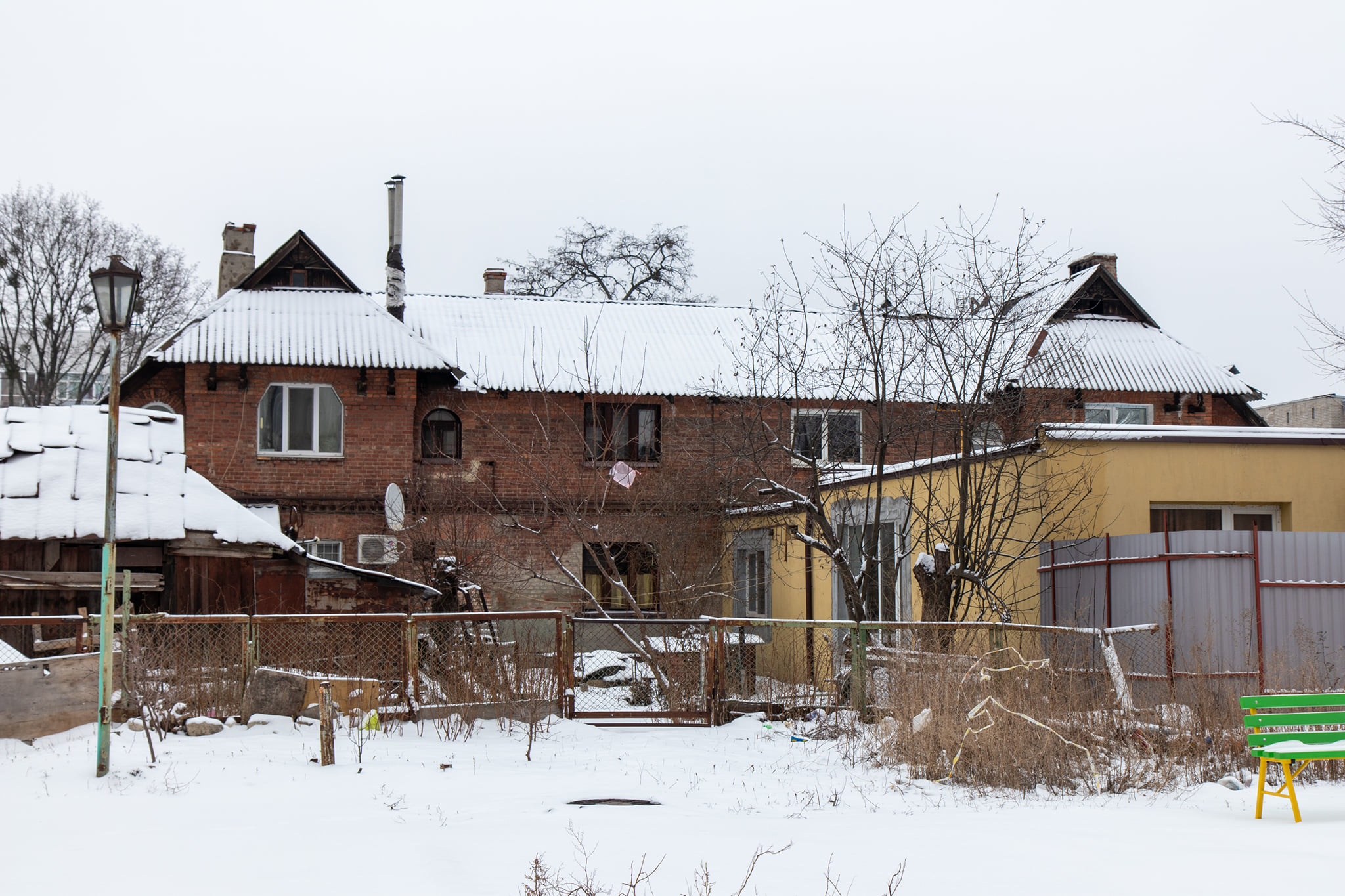
Many of them have been “overgrown” with numerous additions, but they are still inhabited and not abandoned.
You can learn more about the history of the development of the first workers’ settlements and architect Trotsenko’s cottages from Mikhail Kornilov’s study:

- Danylevs’koho Street, 19 - 13.10.2026
- Debunking the myth about one of the most famous Kharkiv photos - 12.10.2026
- The Architectural Evolution of the Kharkiv Theater - 26.09.2026