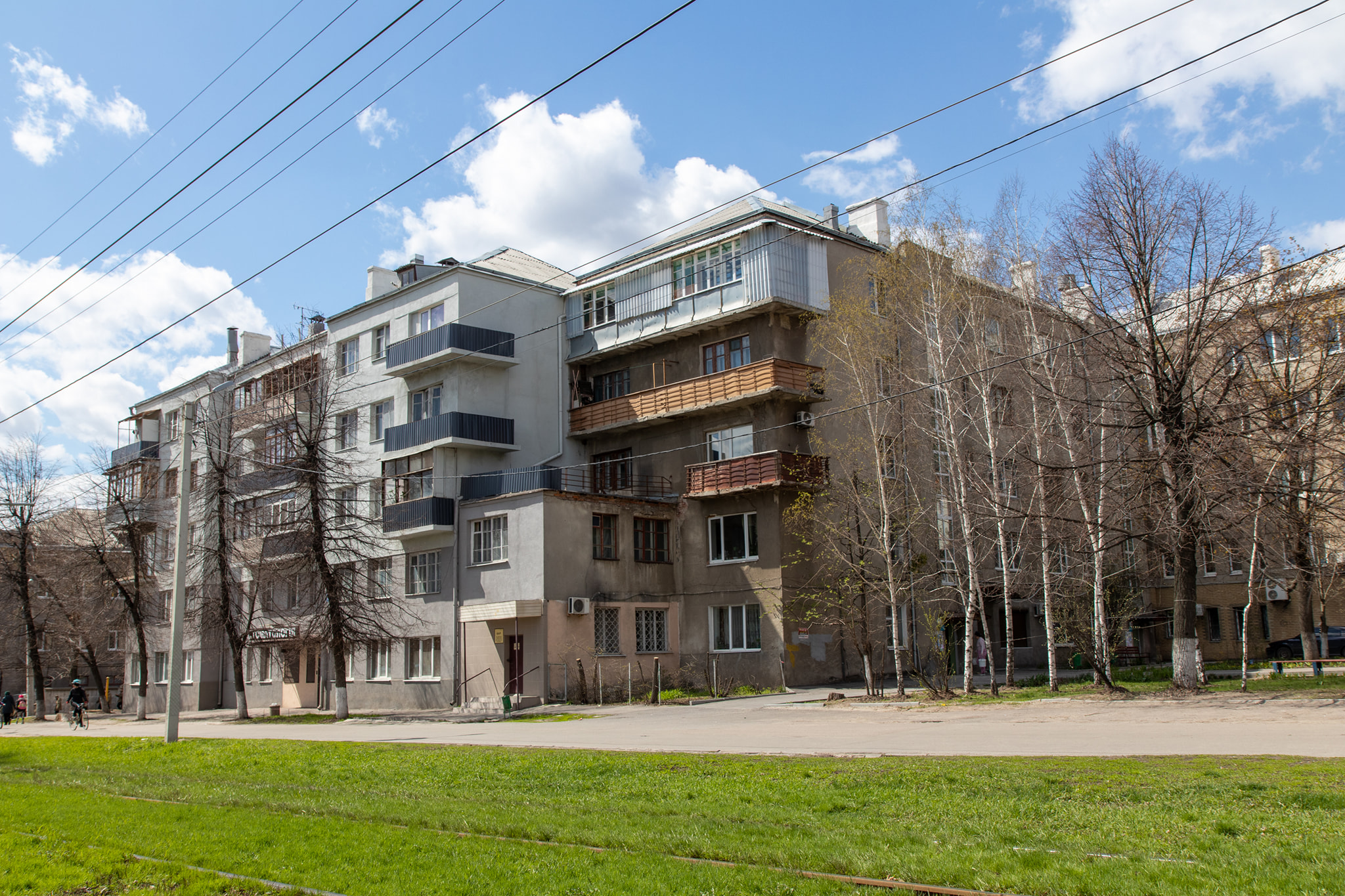
The “Sotnya” (“Hundred”) block on Kholodna Gora neighborhood is a mix of buildings from the 1920s and 1930s, featuring a variety of architectural styles.
Here you can see examples of Constructivist style, such as at Poltavskyi Shliakh, 190:
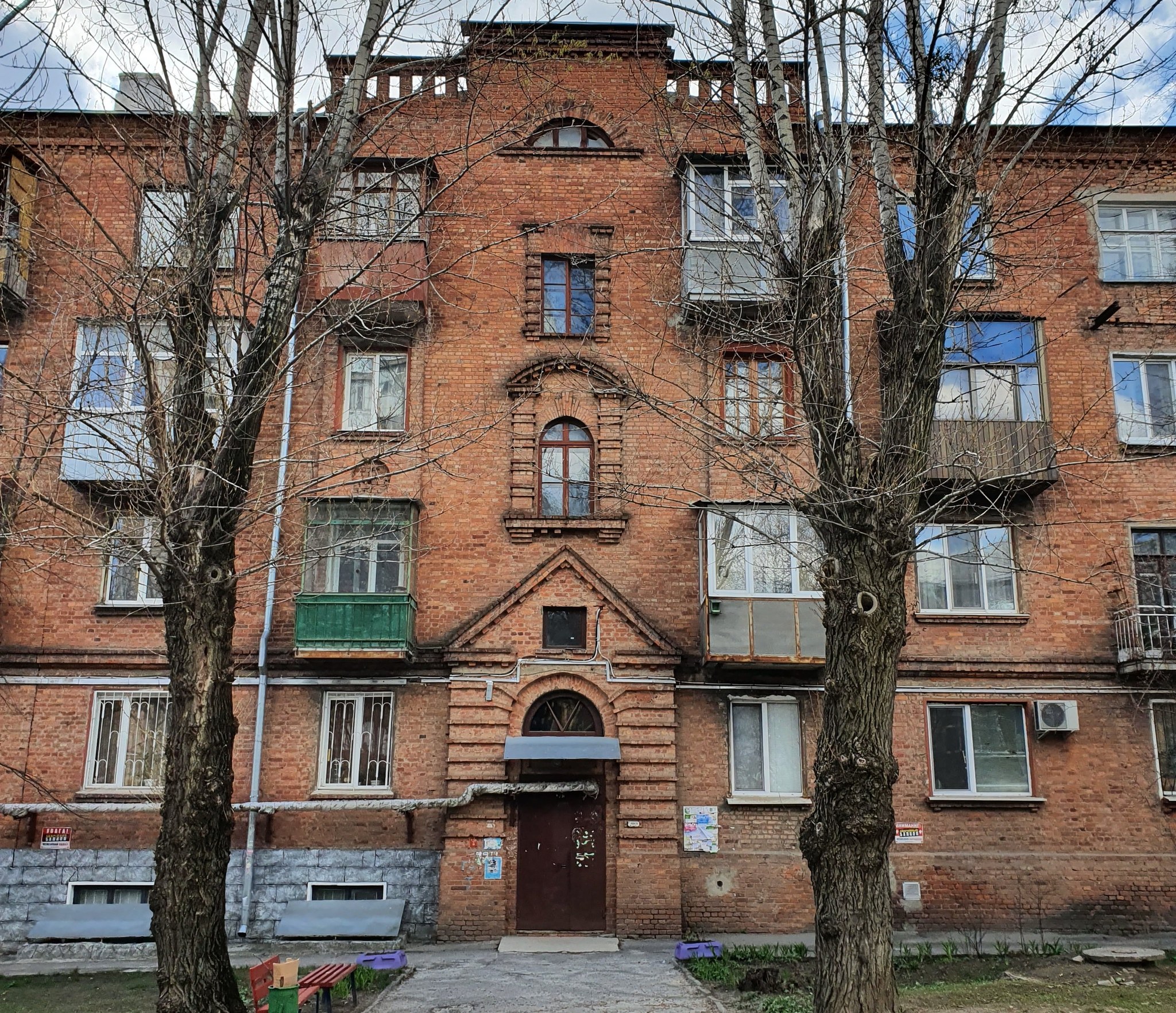
And houses featuring more neoclassical details of the early Socialist Classicism style:
The “Sotnya” block may not be as photogenic as the The Machine Builders’ Settlement, but from the perspective of the history of large-scale residential development, it is quite interesting.
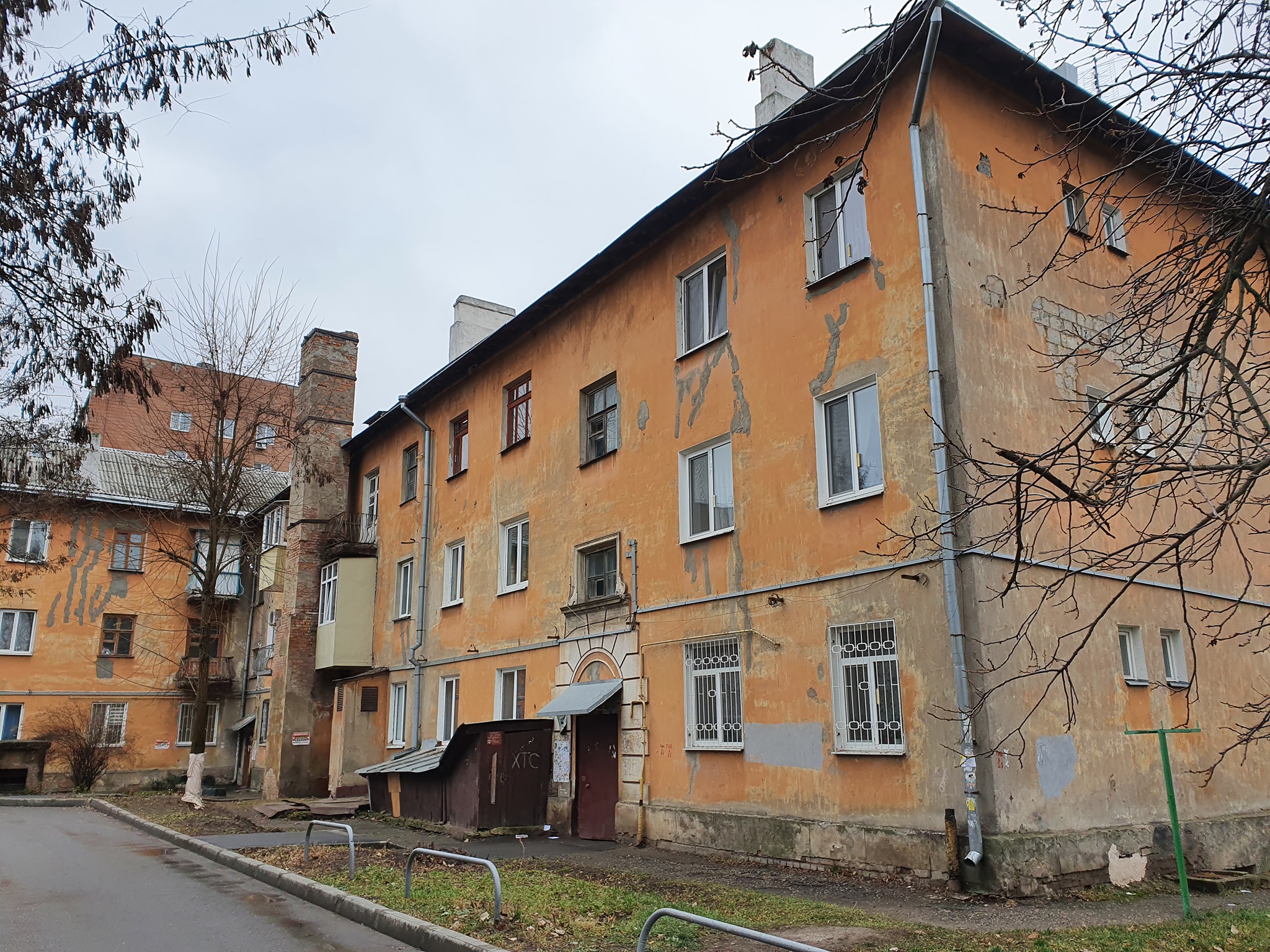
Most of the houses in the neighborhood are numbered 190/2, 190/6, and so on, which is why locals often refer to the entire neighborhood simply as “190.”
The neighborhood was associated with the School for Red Officers, which was located at Seminarska Street, 46 from 1920 to 1938 in a former seminary building.
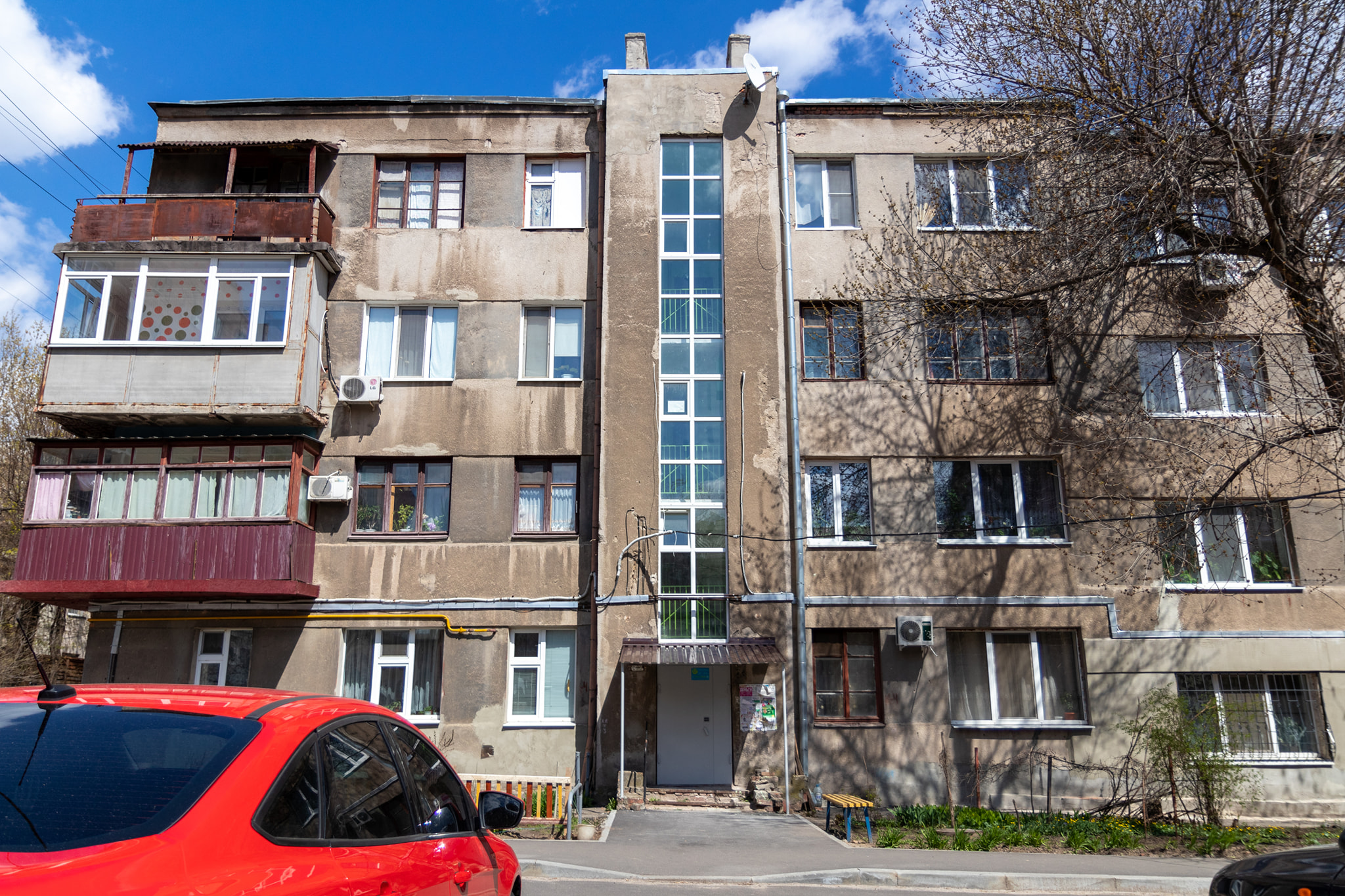
It appears that the “Hundred” was home to school graduates and their families.
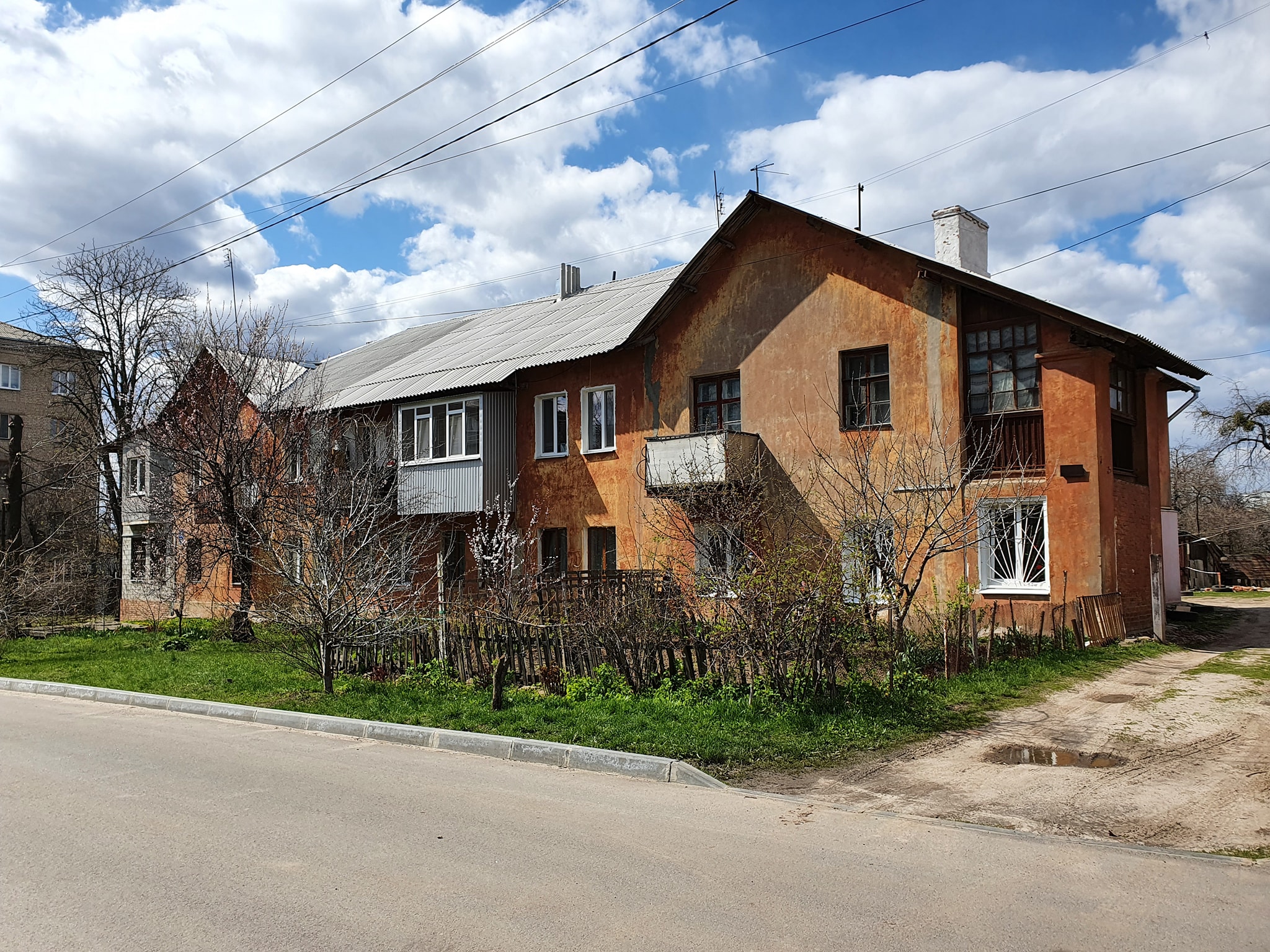
It is possible that future officers were housed here during their training, but there is no information on this.
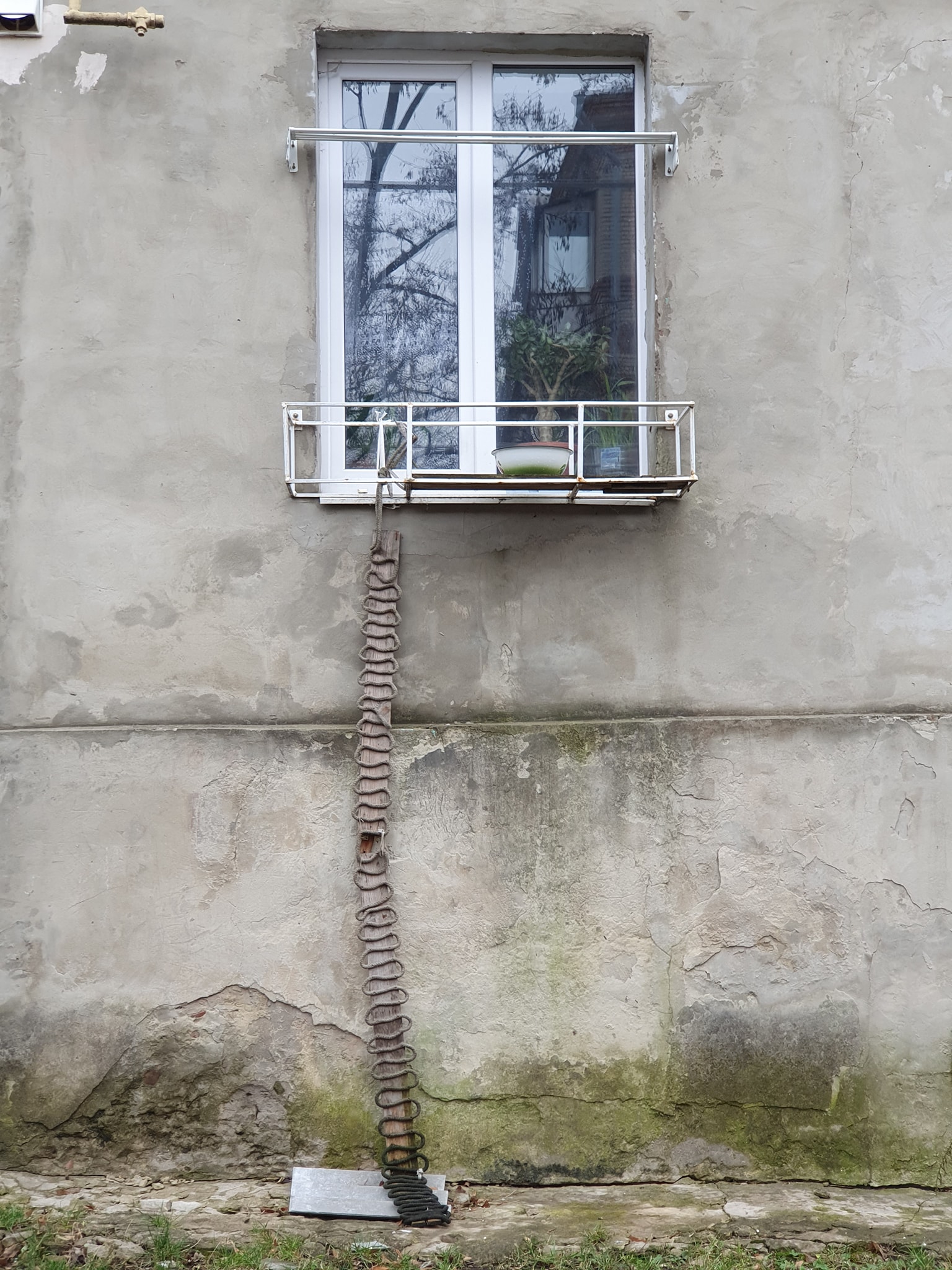
Residents also say that some of the buildings once housed dormitories for a military plant and, during World War II, served as warehouses.
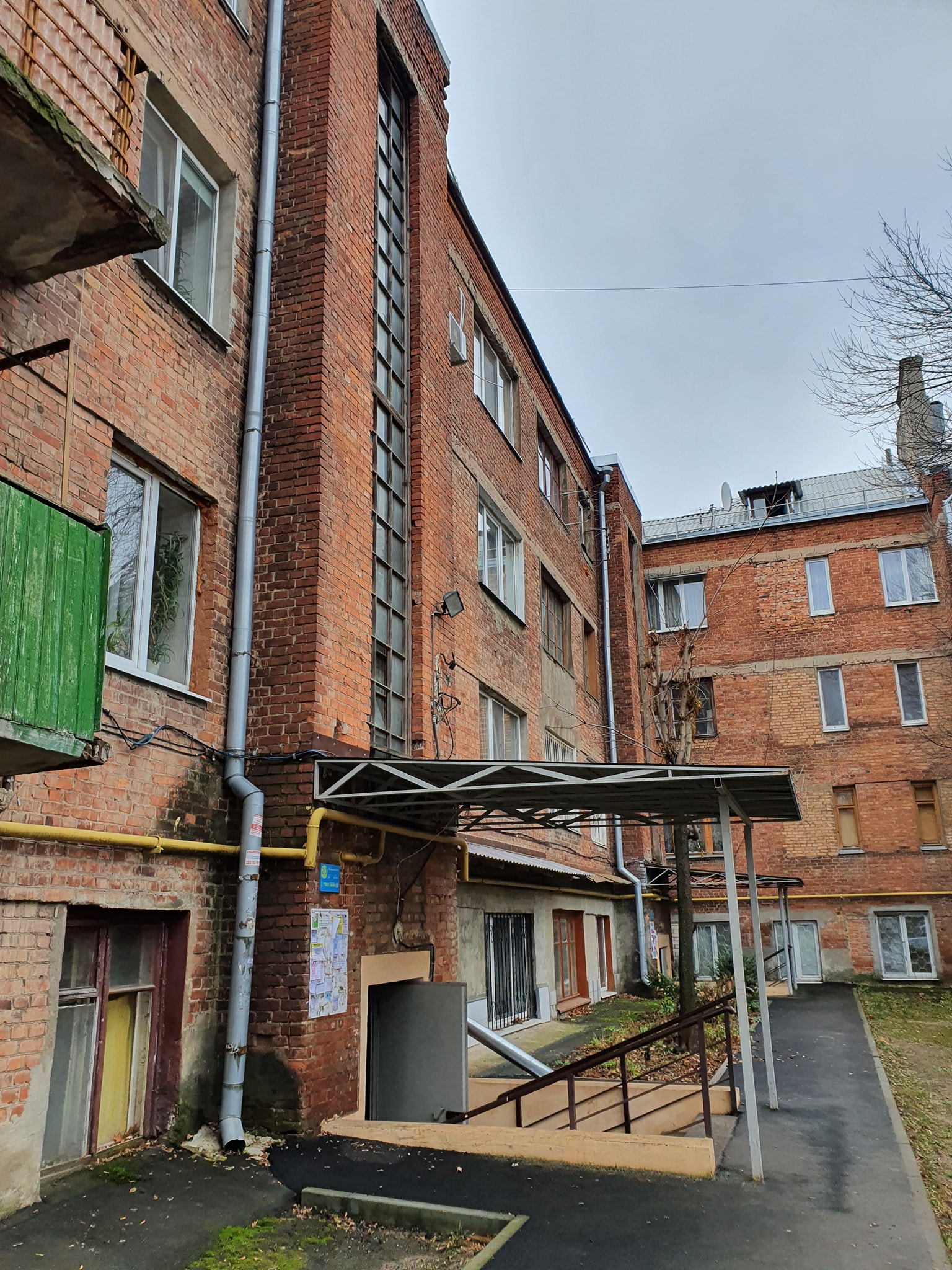
What surprises me most is that the entrance to the building is below ground level. The practical purpose of this design is unclear.
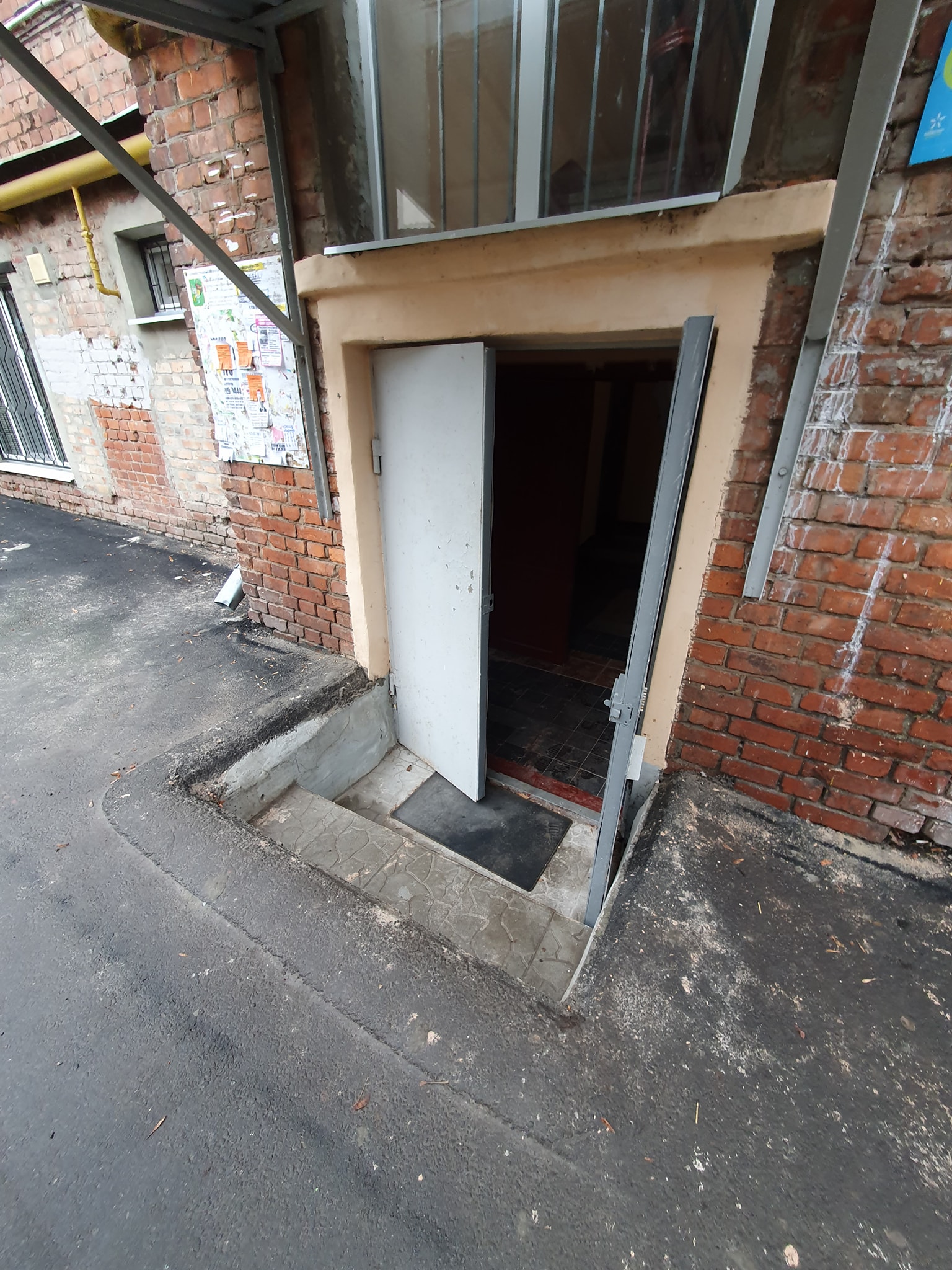
One might assume this is due to the complex geometry of the site (the owners decided against building a mezzanine), but the houses on both sides have similarly low windows. An identical design can be seen in the experimental building for staff of the KhTZ Hospital Complex at Louis Pasteur Street, 6, where the ground level is also the same on all sides of the building. Most likely, the decision was driven by a desire to save on building materials, which is why the first floors could be submerged into the foundation. Just like in the aforementioned building at KhTZ district, brick chimneys for the boiler rooms located in the basement were attached outside of the houses; they look like huge ovens.
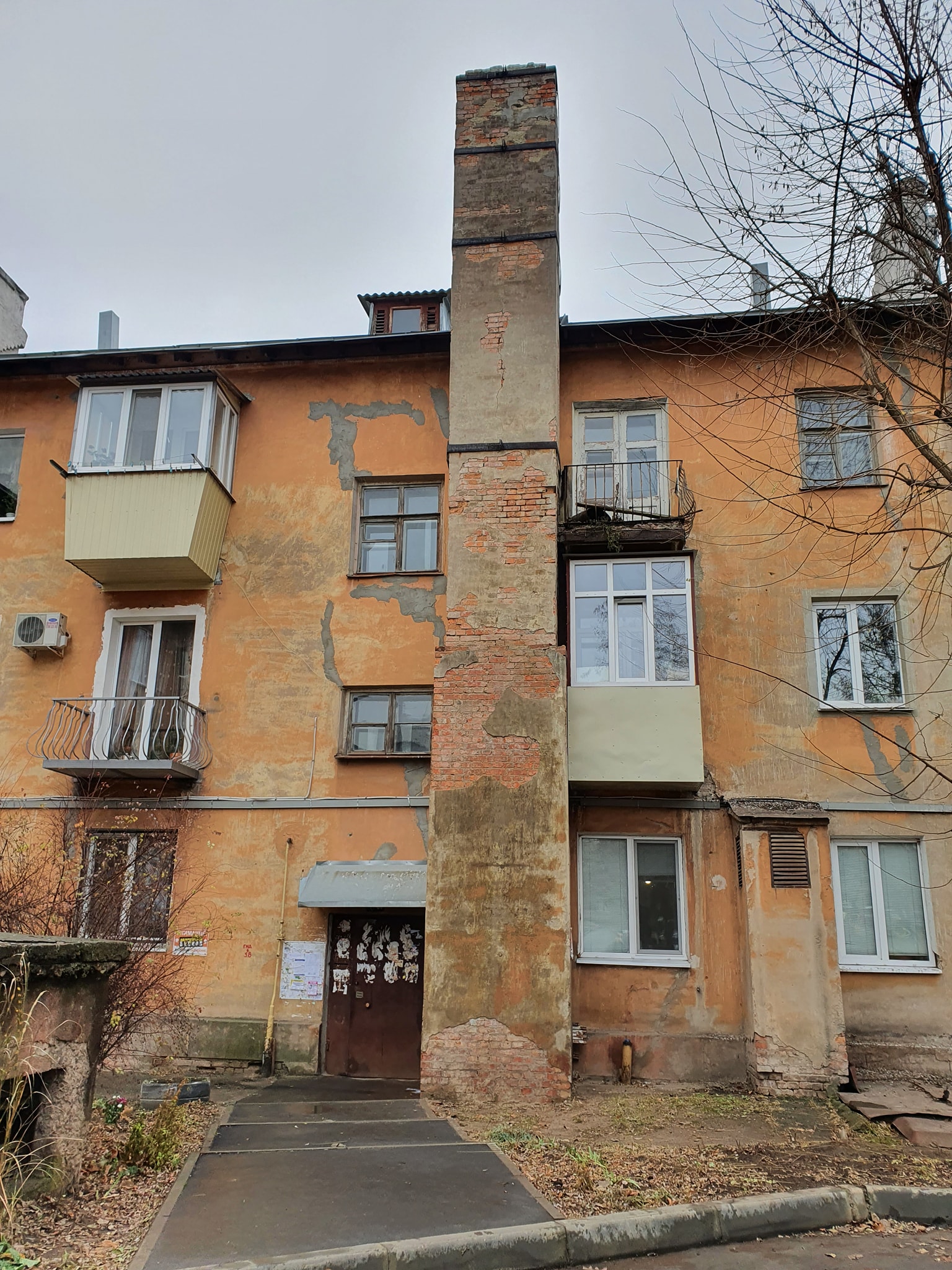
Steam was supplied from the boilers to the radiators in the buildings. Bomb shelters were built in the courtyards.
The entryways are tiny.
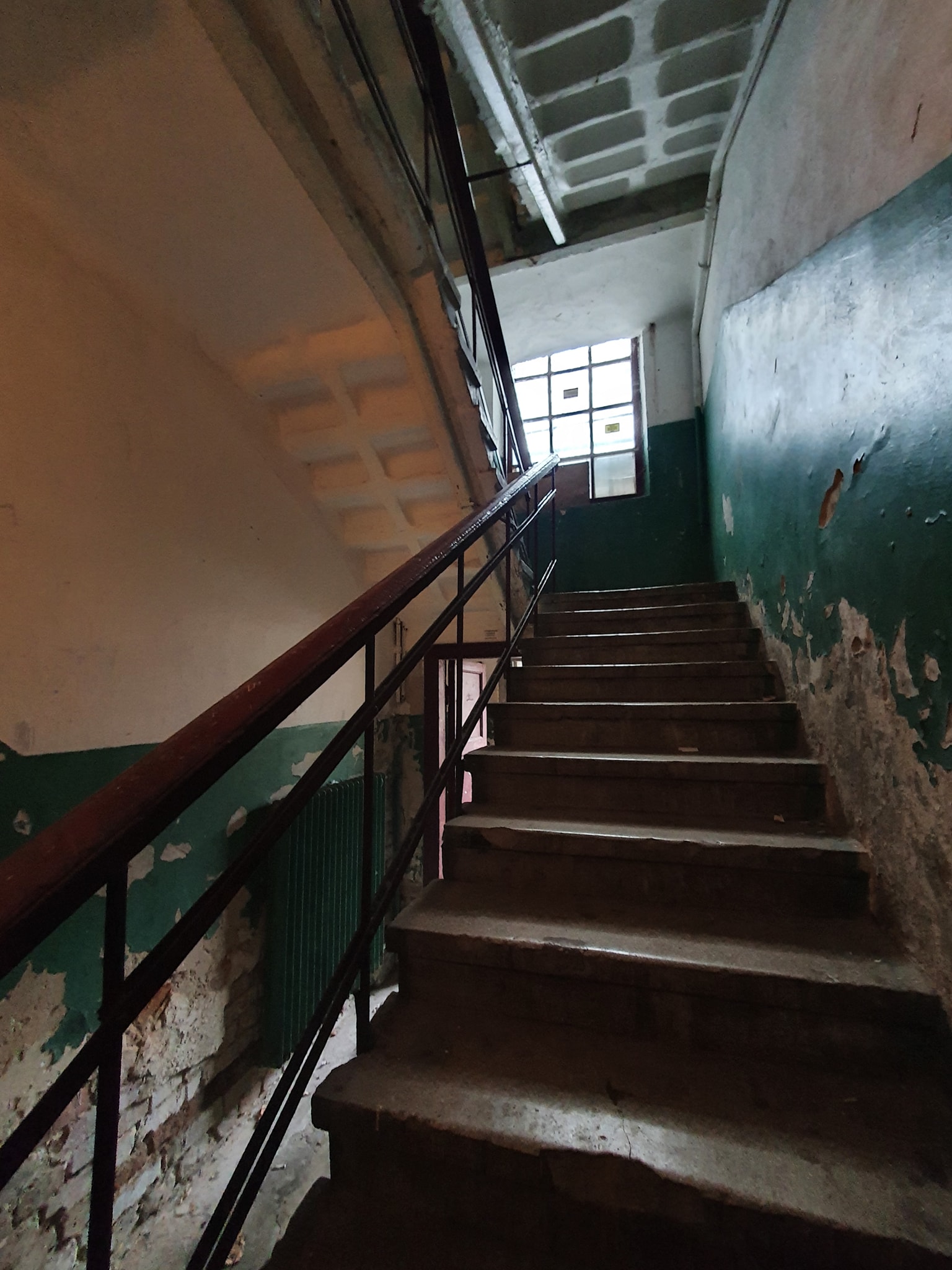
Compared to them, the stairwells in Khrushchev-era apartment buildings seem large.
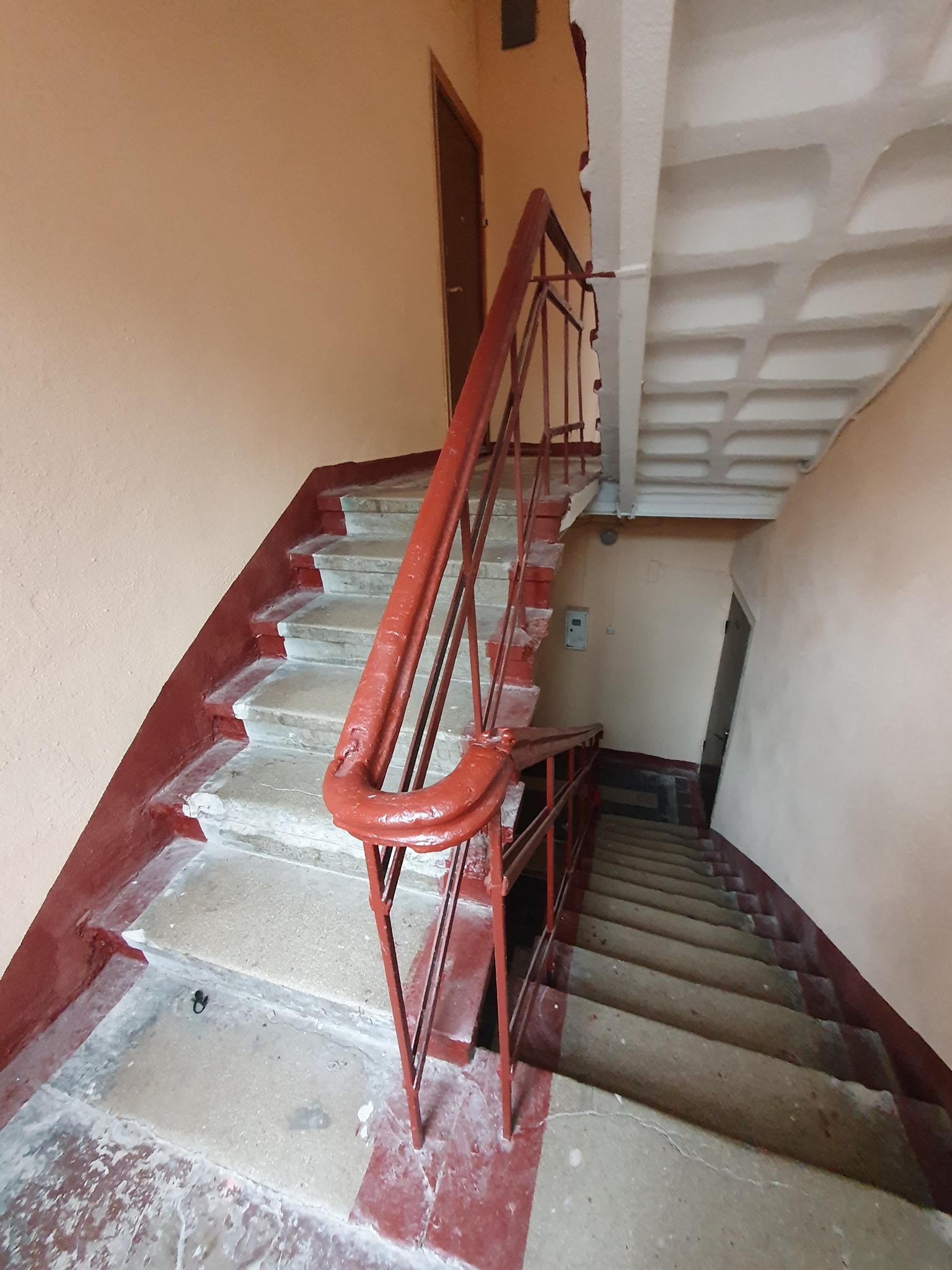
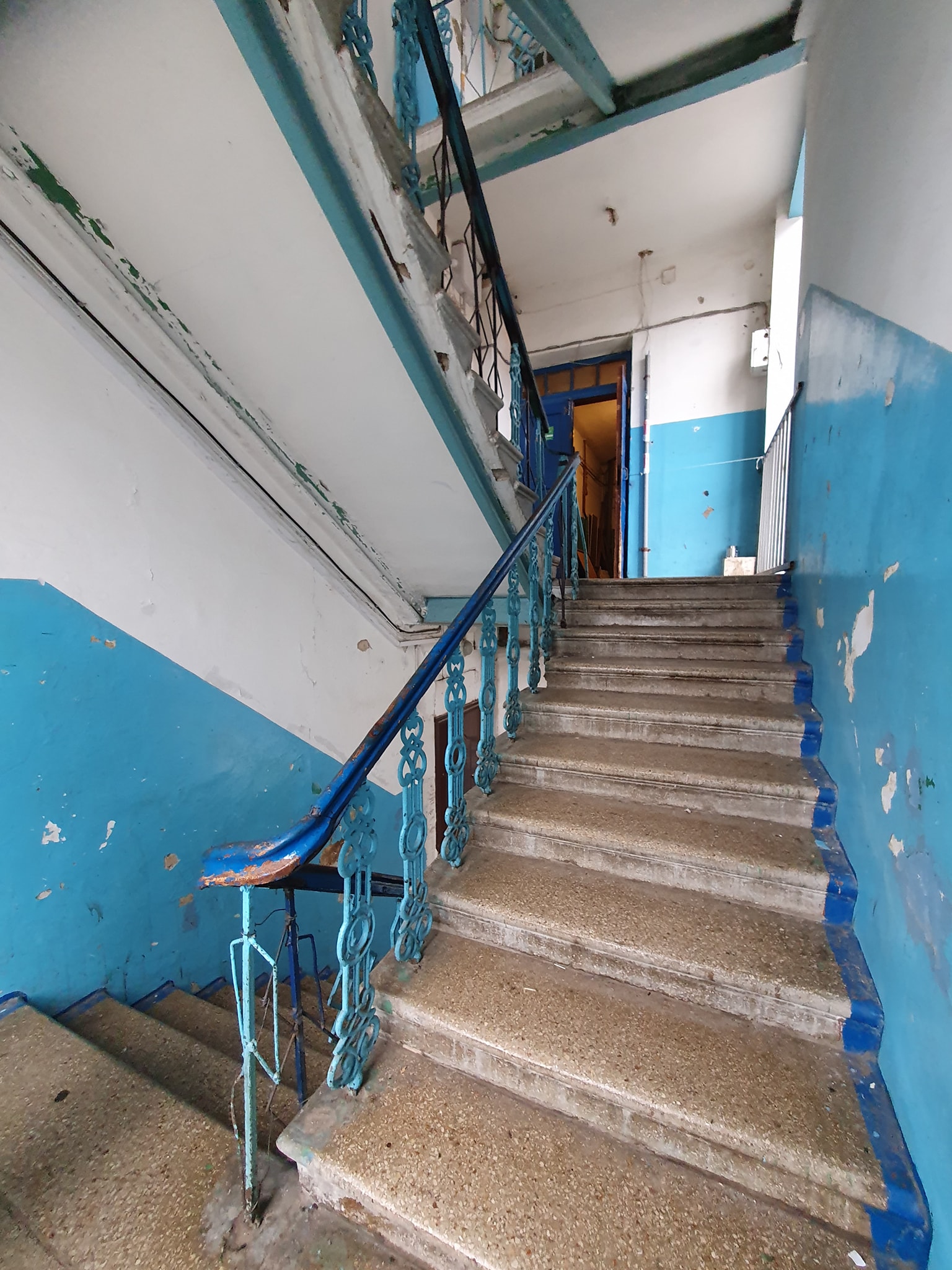
There are various types of stair railings. Some of them have design same as for socialist classicism buildings of the late 1930s.
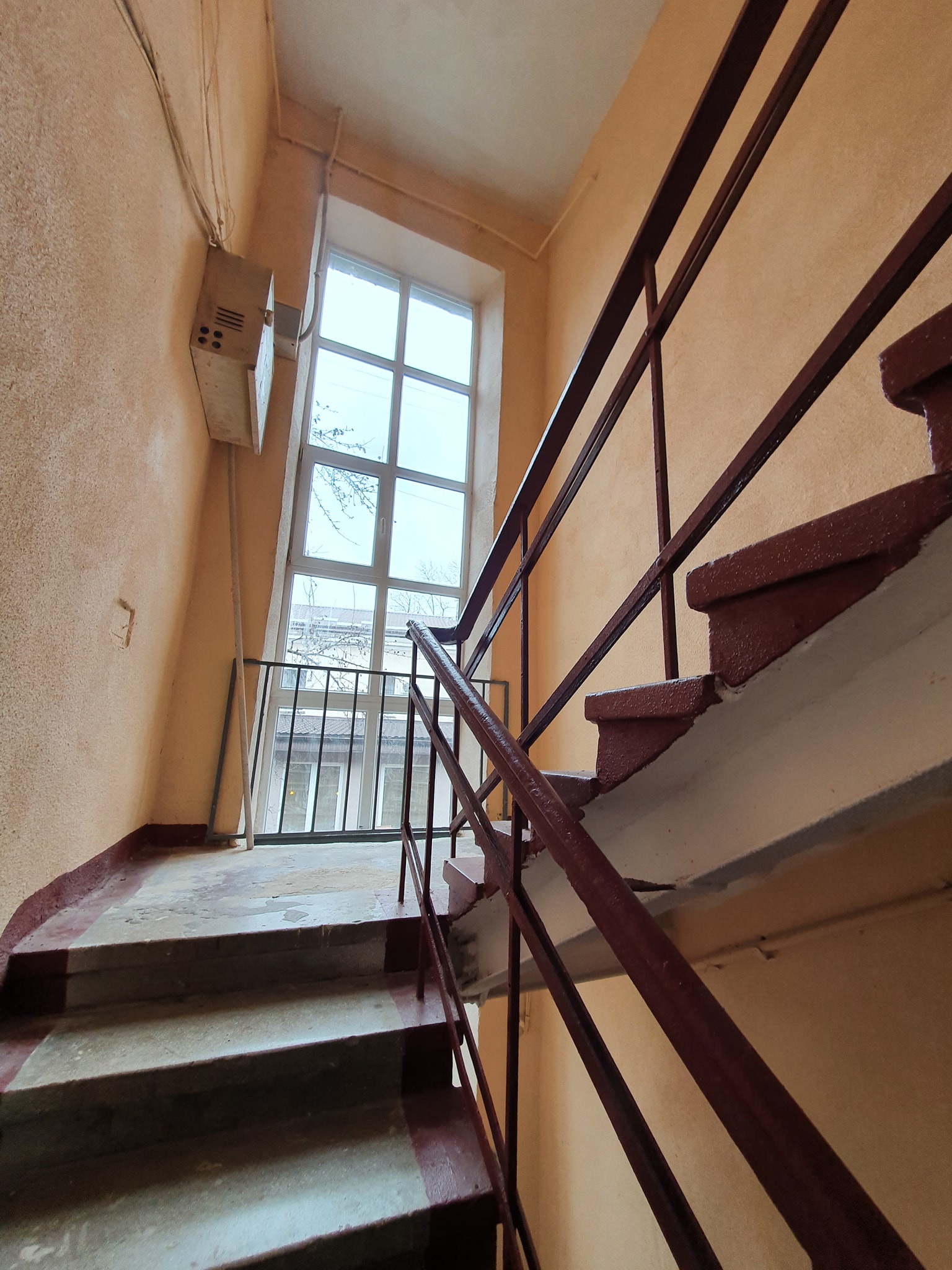
Some of them have minimalist constructivist design.
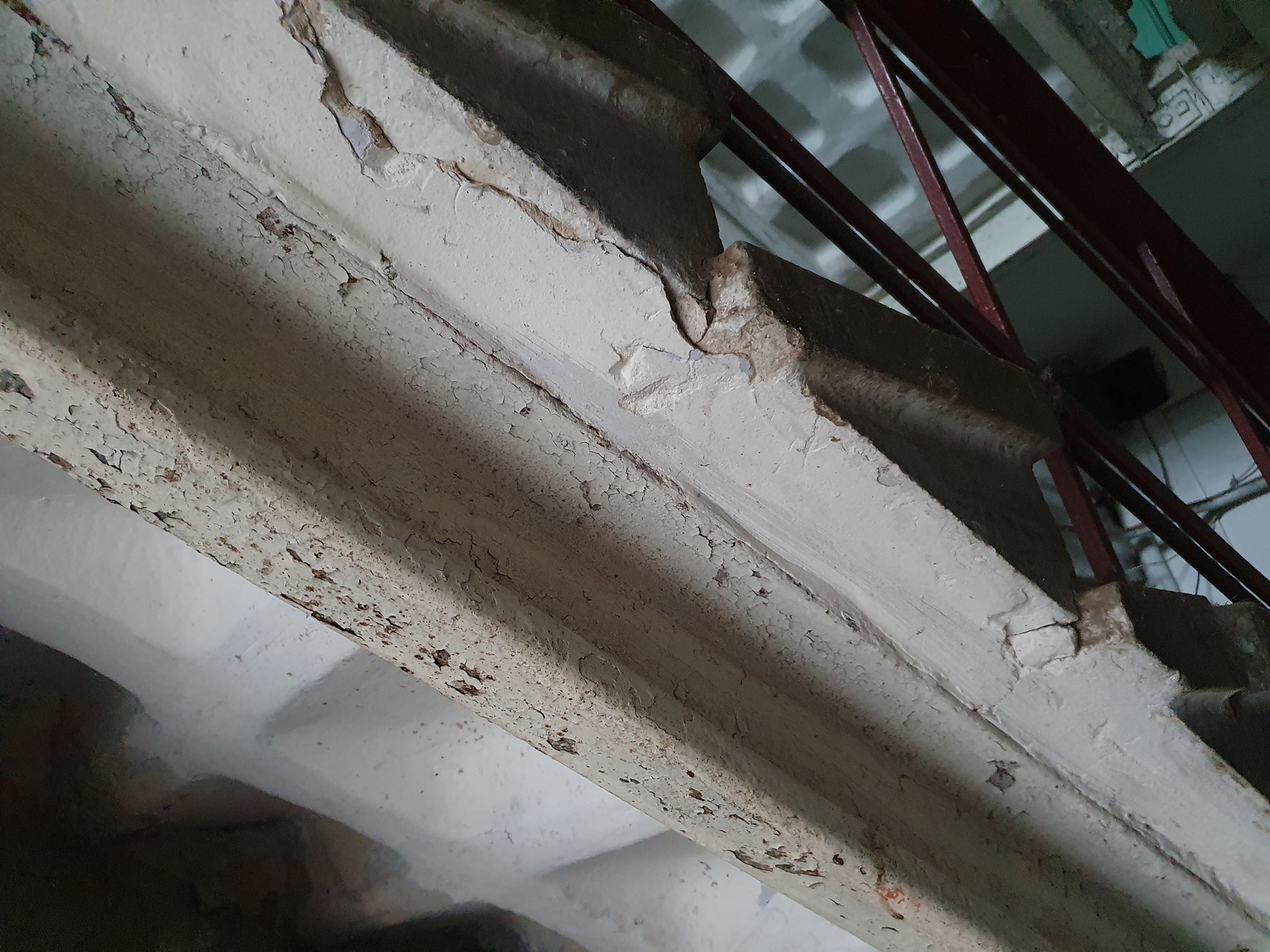
Some staircases are supported by I-beams.
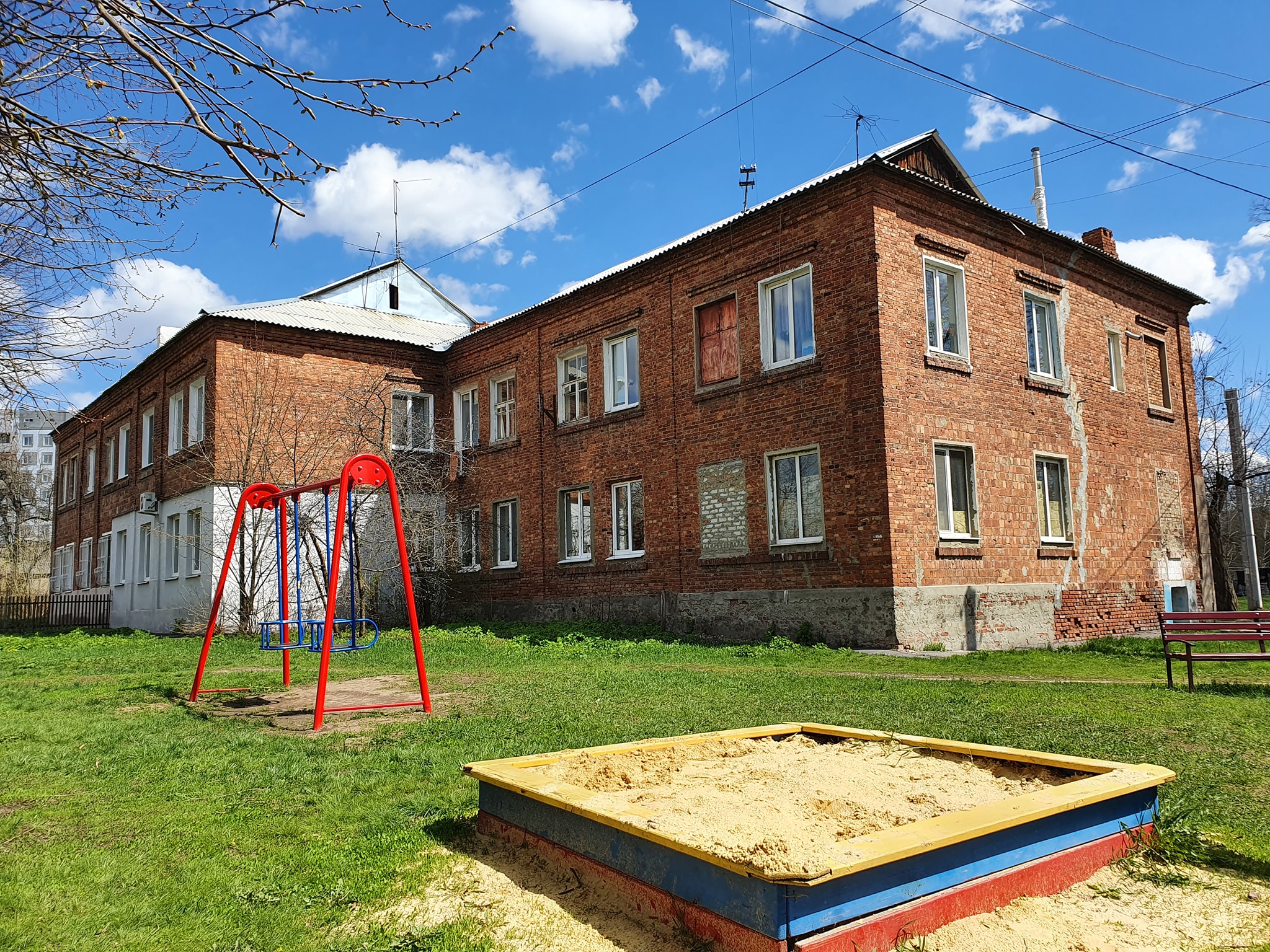
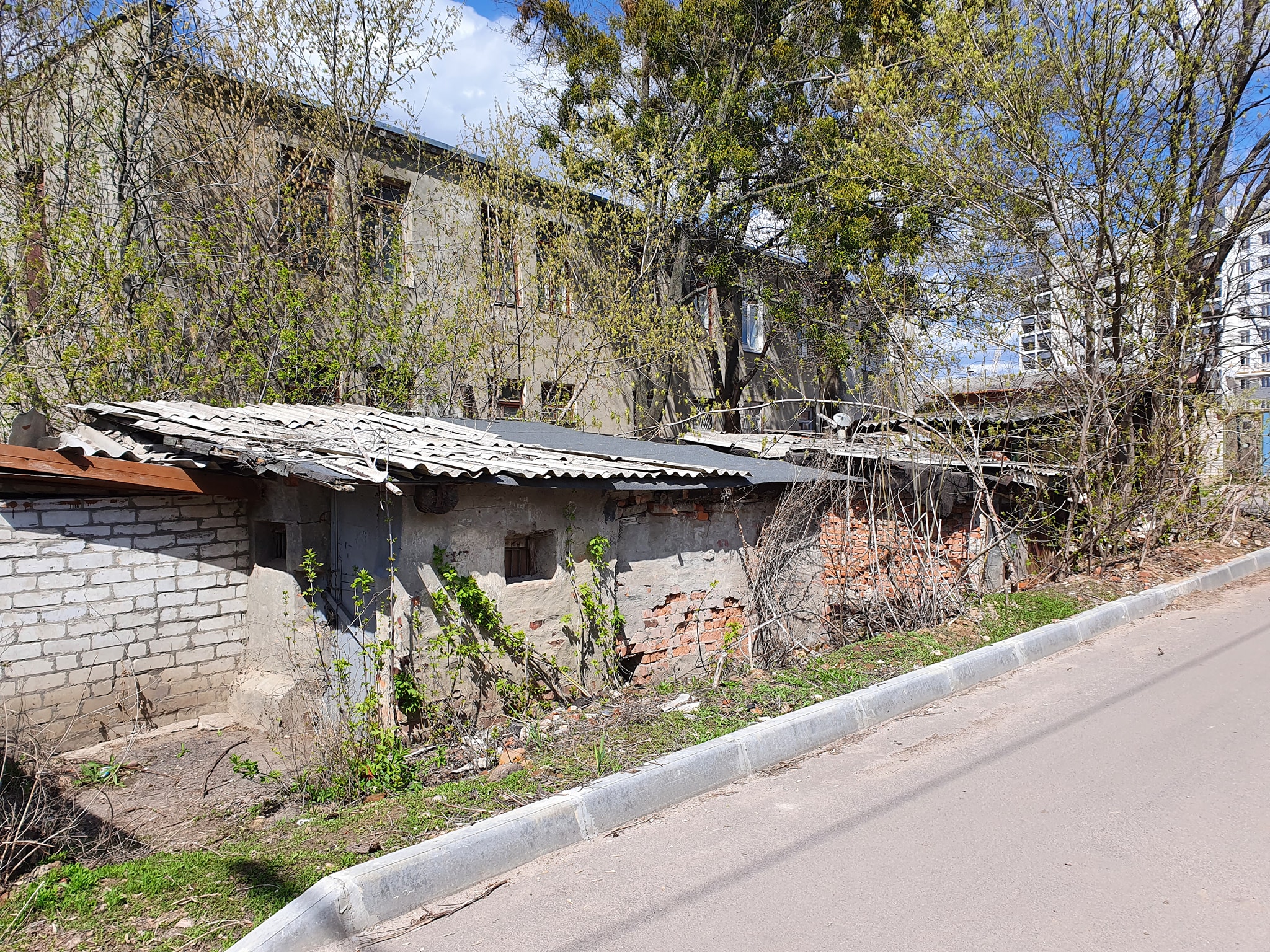
You can also find the remains of outbuildings—barns—in the courtyards, which were part of the complex of houses.

- "Noah's Ark" - 21.10.2026
- Blackie’s House on Maksymilianivska St - 19.10.2026
- Danylevs’koho Street, 19 - 13.10.2026