In the first part of the article about Theodore Dreiser’s trip to Kharkiv, we described the writer’s impressions of Ukrainian opera and theater. On the second day, Dreiser visited the Electromechanical Plant and an exhibition of Ukrainian art at the still-unfinished Derzhprom, where he nearly bought a painting by a well-known Kharkiv artist.
December 17, 1927
In the morning our guide came and we set out in a very good car for the Electromechanical Plant on the edge of the city. There had been a change in the temperature and it was thawing and foggy. On the way, I got some idea of the city. There were several broad streets with fine houses and new structures going up. We passed a district of new workers’ houses made of red brick, one and two stories, which were very attractive looking.
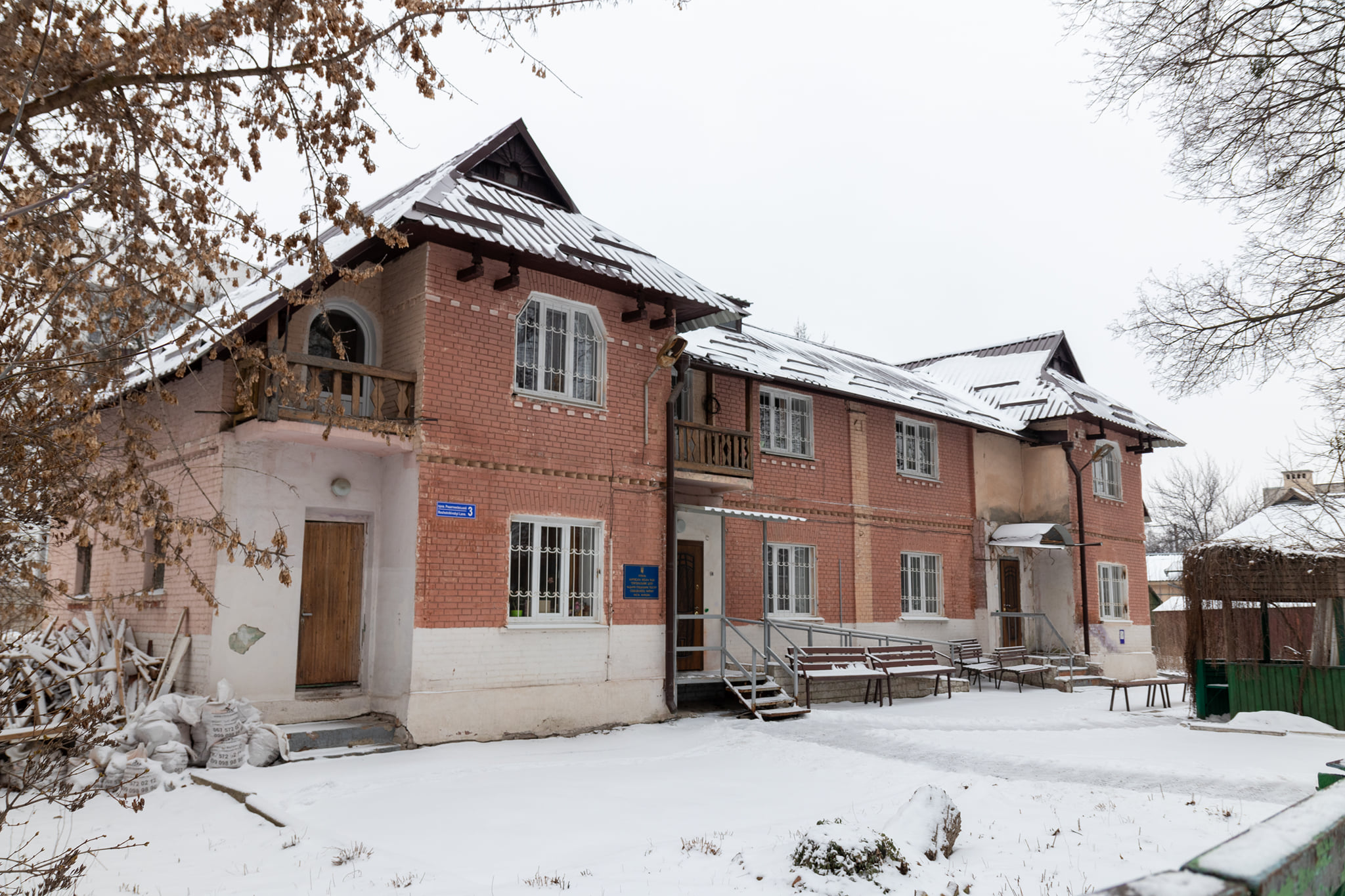
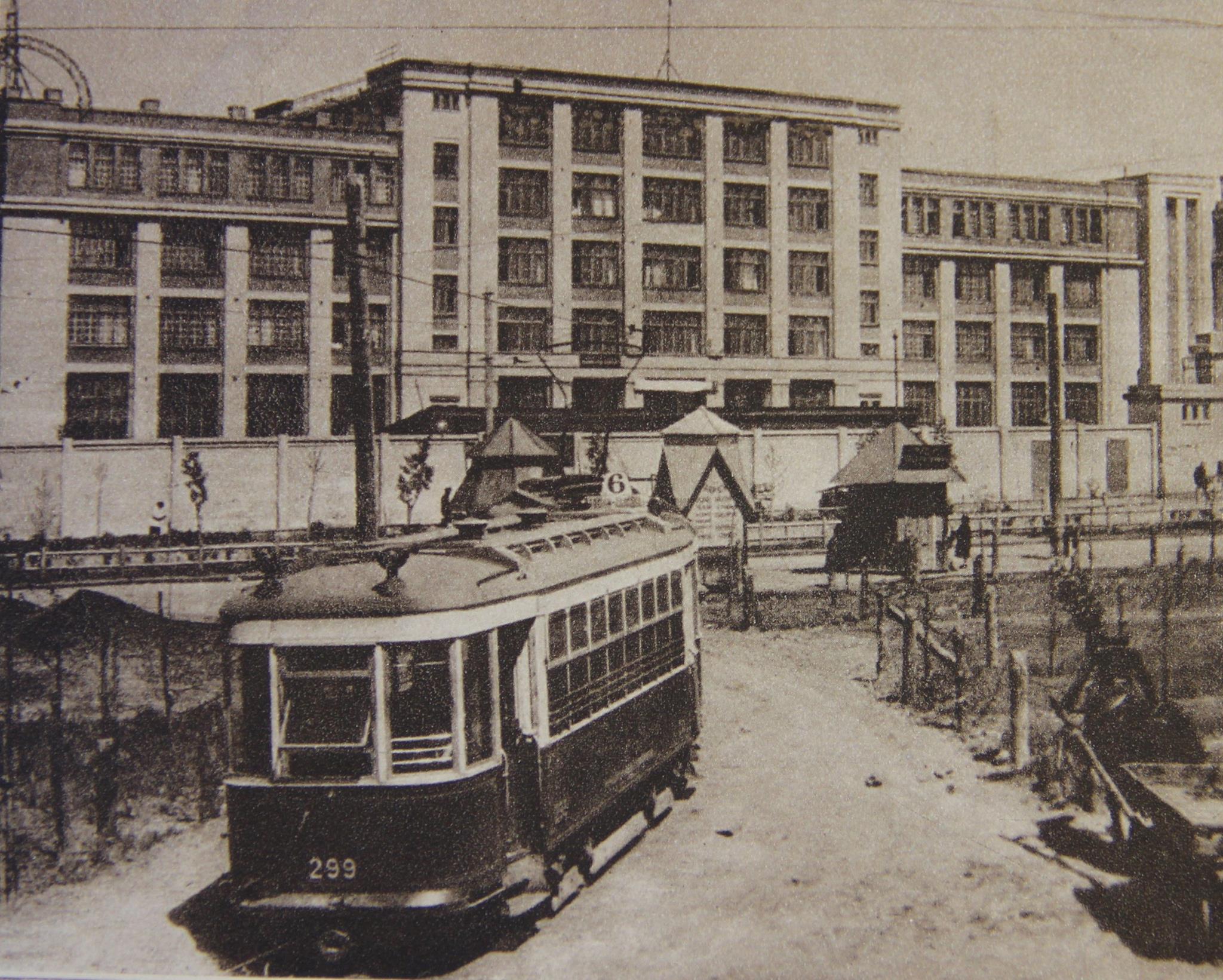
Kharkov like every other center has a housing problem, the city having grown in population from 200,000 to 450,000 in the last ten years. The plant which we visited is the biggest I have yet seen; it was before the revolution a German plant in Riga and was transferred here afterward and newly constructed. It has 4,000 workers and 1,000 employees and engineers, and 400 of the workers are women. Due to the fact that orders have come in faster than expected and they ran out of materials, at present only one shift is working, but none of the staff has been laid off. In state industries it is possible when it is slack in one concern to move
workers to another, temporarily. The plant is now working at only one fourth of its capacity. It has a production of 15 million roubles a year with a plan for the future of 40 millions. The technical director, a Lithuanian engineer, took us about; he answered some of my questions, for instance, about the high cost of production in Russia. He said it was not more than 1000/0 higher, and was due not only to the high compensation and social benefits given the workers but also to a lower tempo of work which conserves rather than wears out prematurely the workers. He counts that production when considered per person, costs 30% less than in America.
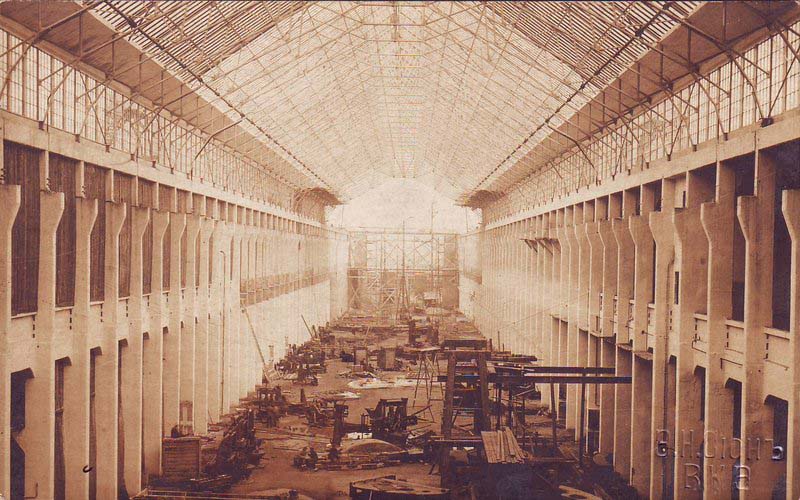
As we went along through the great building, noting the crane above, the new German instrument making machines, insulation materials, etc. a crowd of workers gathered about us and wanted to know about America. When they heard that wages and living conditions are so good there, they loyally explained that here the worker is better protected, gets free medical care, the children of women workers are kept in factory nurseries, etc. One worker stepped up and said to my secretary, we should not believe that the conditions of the workers are good, that they live very poorly, that they have not freedom at all, they can’t open their mouths to criticise and so on. The other workers were much annoyed, but the sec. answered that it looked as though he wasn’t afraid to open his mouth to critcise. As we passed on, two workers ran after us and explained that this worker was a little bit cracked, ‘You see,’ they said, ‘every family has its defective’.
There are 27 such plants in Russia, all a part of the Russian Government Electro Trust, ‘GET’. The wages of workers range from 100 to 150 for skilled workers, women at machines on piece work get about 55 roubles and the more highly skilled women get 70 to 80 roubles. Many of the workers, for instance, those in the foundry, get a month’s vacation, and the factory is closed 2 weeks of the year for the general vacation period.
I asked the Esthonian his personal opinion about the Soviet system, would it have to be modified in the course of time? He answered that he was sure it would not, it was a going concern, the workers supported it and he saw no reason why it would need to be
changed. He said he was not a party member and stayed on simply because he was satisfied with his material conditions and working conditions. He said that he pays 40 roubles for his two room aparment, but a worker would pay perhaps 5 roubles for the same thing because his wages were that much lower.From the plant itself we went to the day nursery for the children of the women workers, just adjoining. Here conditions for the infants and older children seemed quite as ideal as in the model nursery in Moscow. Nursing mothers come over during working hours to nurse their babies, working 6 instead of 8 hours. The idea is wonderful but I don’t want to look at any more nurseries.
Our guide came and took us to an exhibit of Ukrainian art which was shown in the new building of the Trusts, where the offices of the big government industrial trusts will be located. We sped
through the streets in sleighs, then along a wide boulevard and at the end in an almost open space we came upon a great new gray stone building of eight or ten stories, which looked as though it had been taken out of New York and set down here in the snow plains.
It made a most tremendous psychological impression: it seemed to symbolise the industrialisation of Russia.
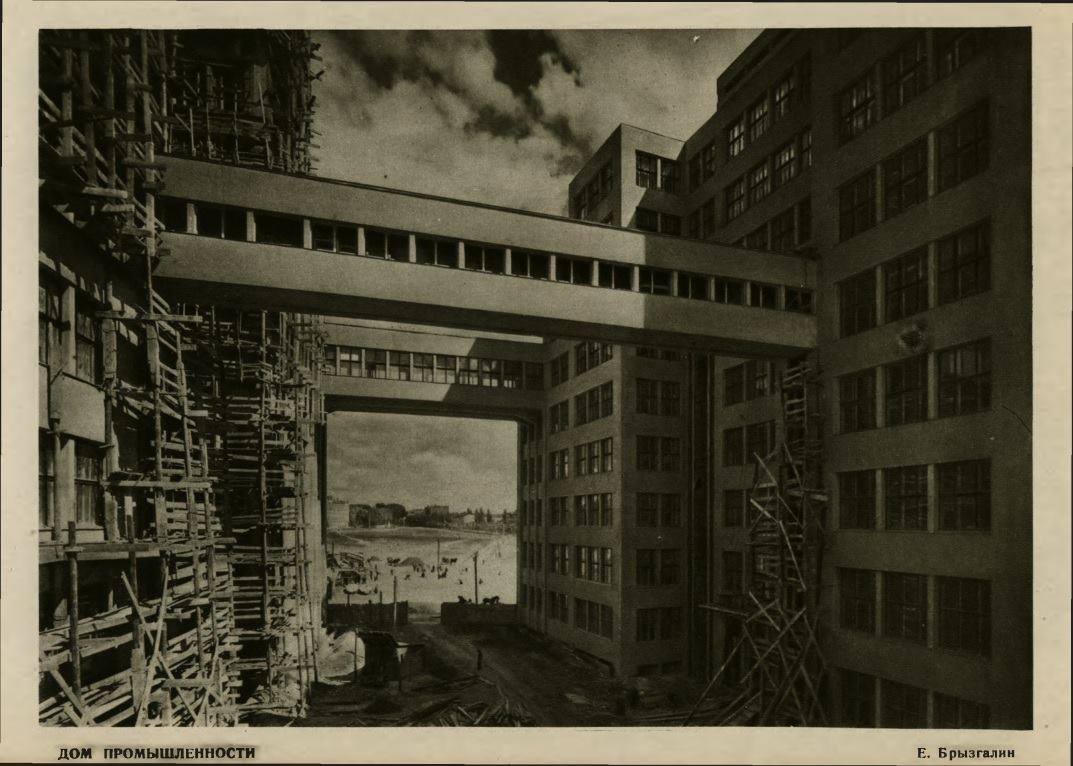
Inside there was no heating as yet, and the white plaster walls glistened with frost…. The exhibit itself was also unexpectedly thrilling. Here were some really fine paintings and sculpture, an art alive and young and strong. I liked very much a small painting of a woodland scene, done in rich bold colors of greens with a splash of red, the painter A. Simonov, the title ‘Reading the letter’, as the small red figure is sitting in an open place in the woods reading. I was given the price of 350 roubles for it and will receive definite information about it and about some bowls and vases which I wanted to buy by mail.

In 1943–1944, he would serve as rector of the Kharkiv Art Institute
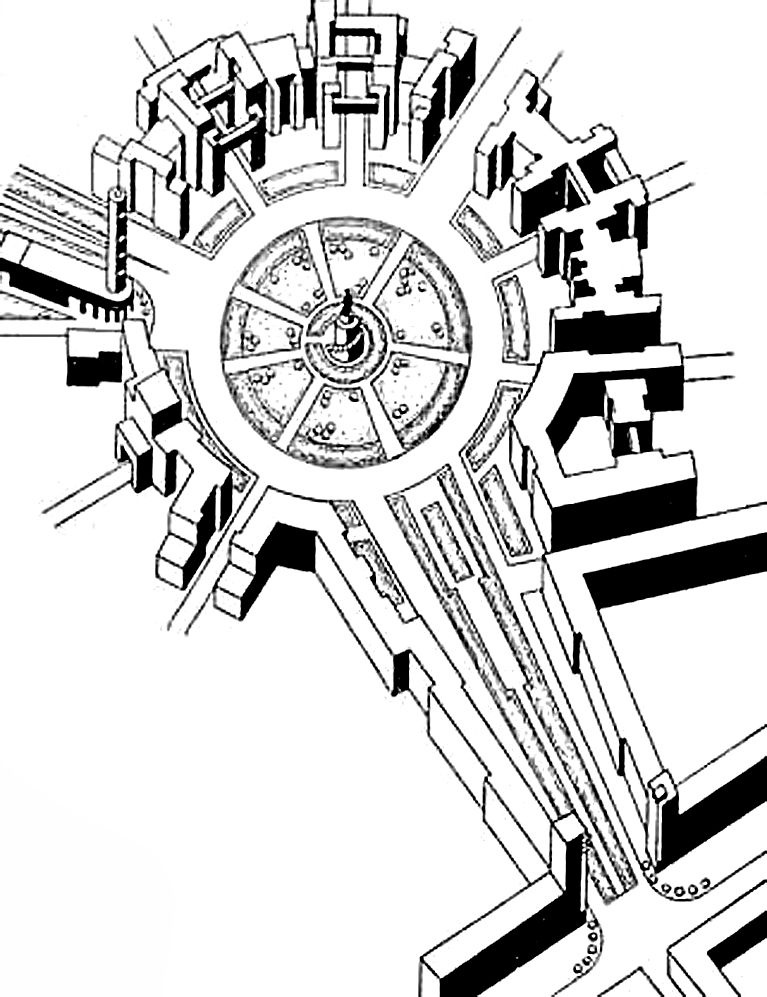
There were several rooms devoted to architectural plans and drawings of buildings now under construction in Kharkov and also projects for the future. Here is a city dreaming wonderful dreams; this new building is only the first of a number to be built about a court, one of which will be the headquarters of the government departments. The drawing of the whole project is certainly a beautiful picture. In ten years, it is easy to believe that there will be a Ukrainian Chicago here in Kharkov.

- The Architectural Evolution of the Kharkiv Theater - 26.09.2026
- 1st Kharkiv Gymnasium - 17.09.2026
- The Oldest Movie Theater in Ukraine - 24.08.2026