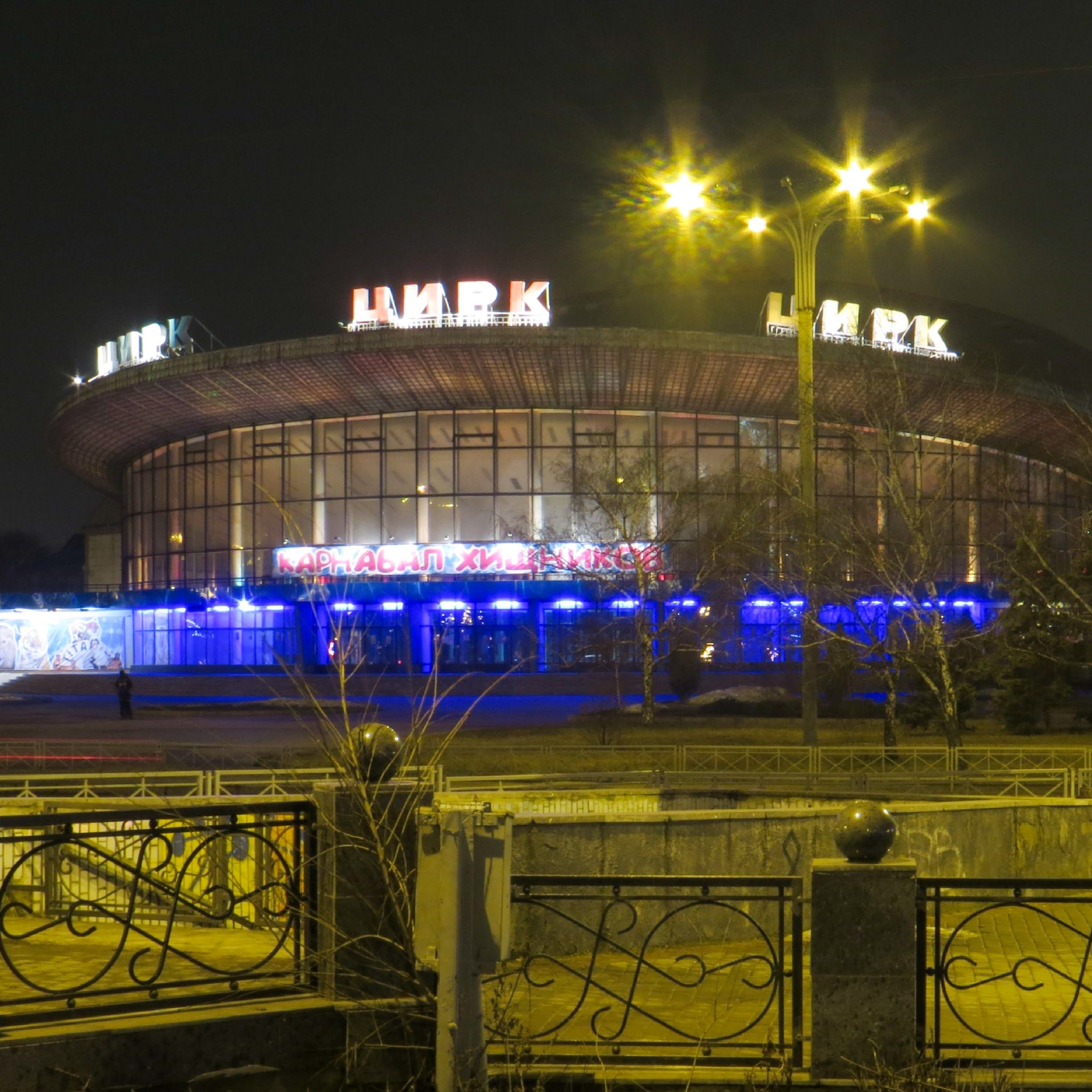
The modern building of the Kharkiv State Circus, located at Maydan Iryny Buhrymovoyi, 1, was built in 1970-1974.
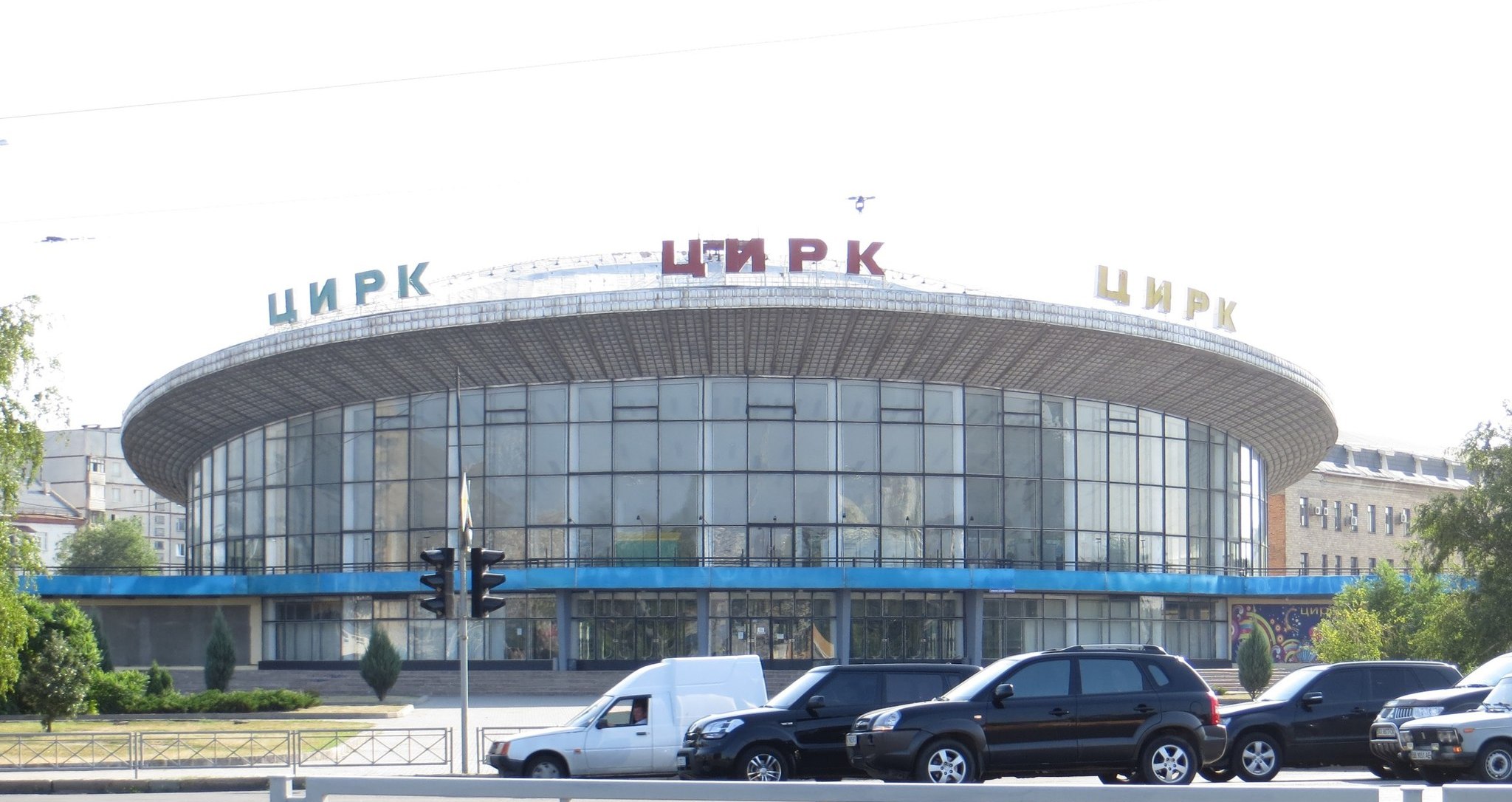
And although it is not included in the lists of architectural landmarks of Kharkiv, it is an interesting example of Soviet modernist architecture.
This is a typical project developed in 1966 by the Moscow Institute “Diprotheatre” (architects Solomiya Gelfer, and Georgy Napreyenko, designer V. Kornilov). In Ukraine, similar circuses appeared in Luhansk, Donetsk, and Kryvyi Rih. A total of 10 such circuses were built in the USSR.
The architect V. Kasyan and the designer N. Piligram (Kharkivproekt Institute) carried out the local adaptation and finalization of the project for Kharkiv, actively consulted by the director of the Kharkiv circus, Fedor Yashin. This is a complex structure assembled on a vertical, monolithic reinforced concrete frame and ring beams. The saddle-shaped roof, suspended on a cable-stayed grid, was already used in Kharkiv during the construction of the “Ukraine” Concert Hall. The diameter of the cylinder, which includes the hall and foyer, is 60 meters, and the height is 4 floors. A characteristic feature of the project is the displacement of the arena to Ring doors (the main exit for artists), thanks to which 80% of the audience can see them.
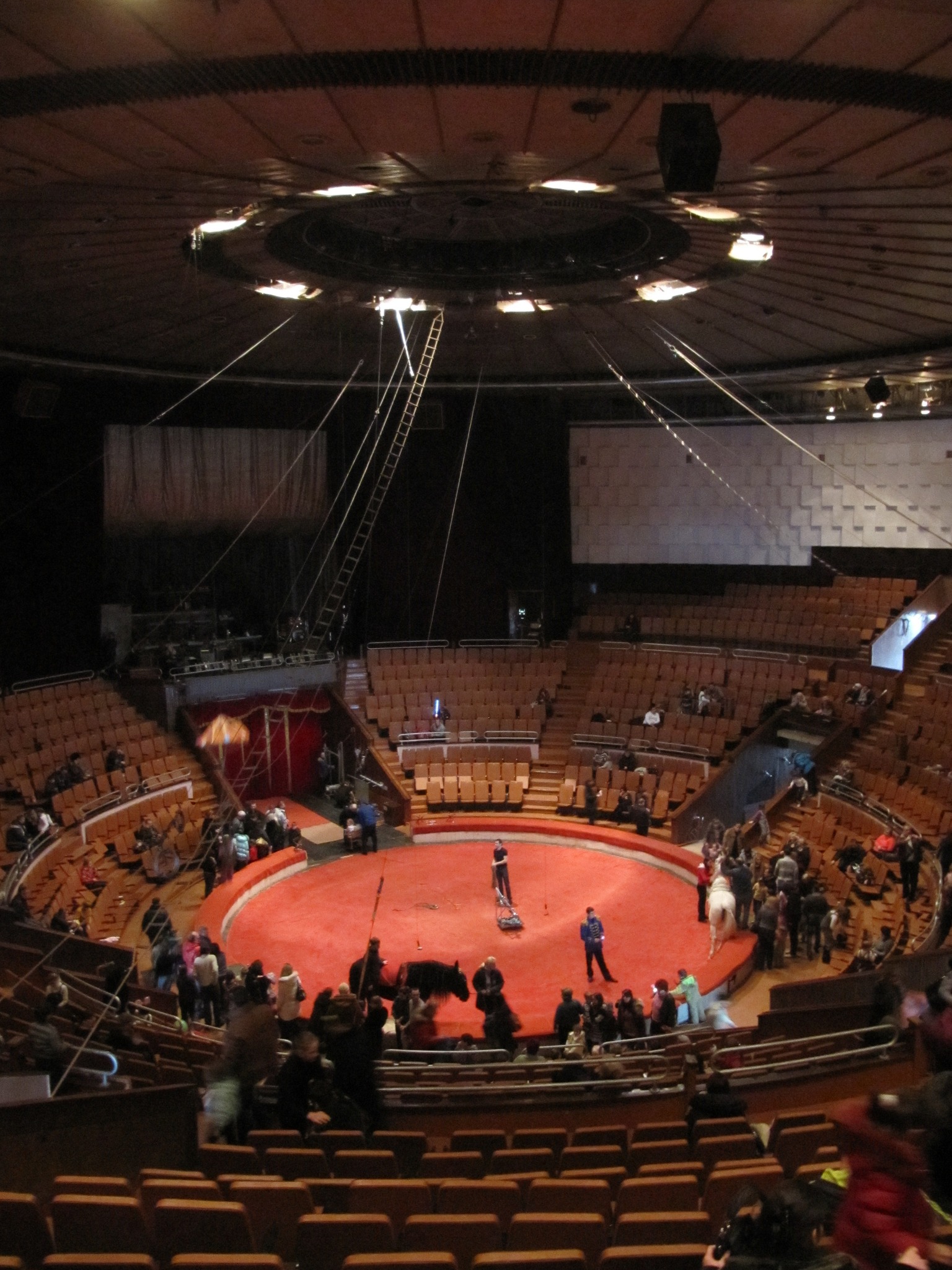
The building is multifunctional; its maximum capacity is 2,000 spectators for variety concerts, 1,765 for circus performances, and 1,500 for a wide-screen cinema. The circus can also host ballet on ice.
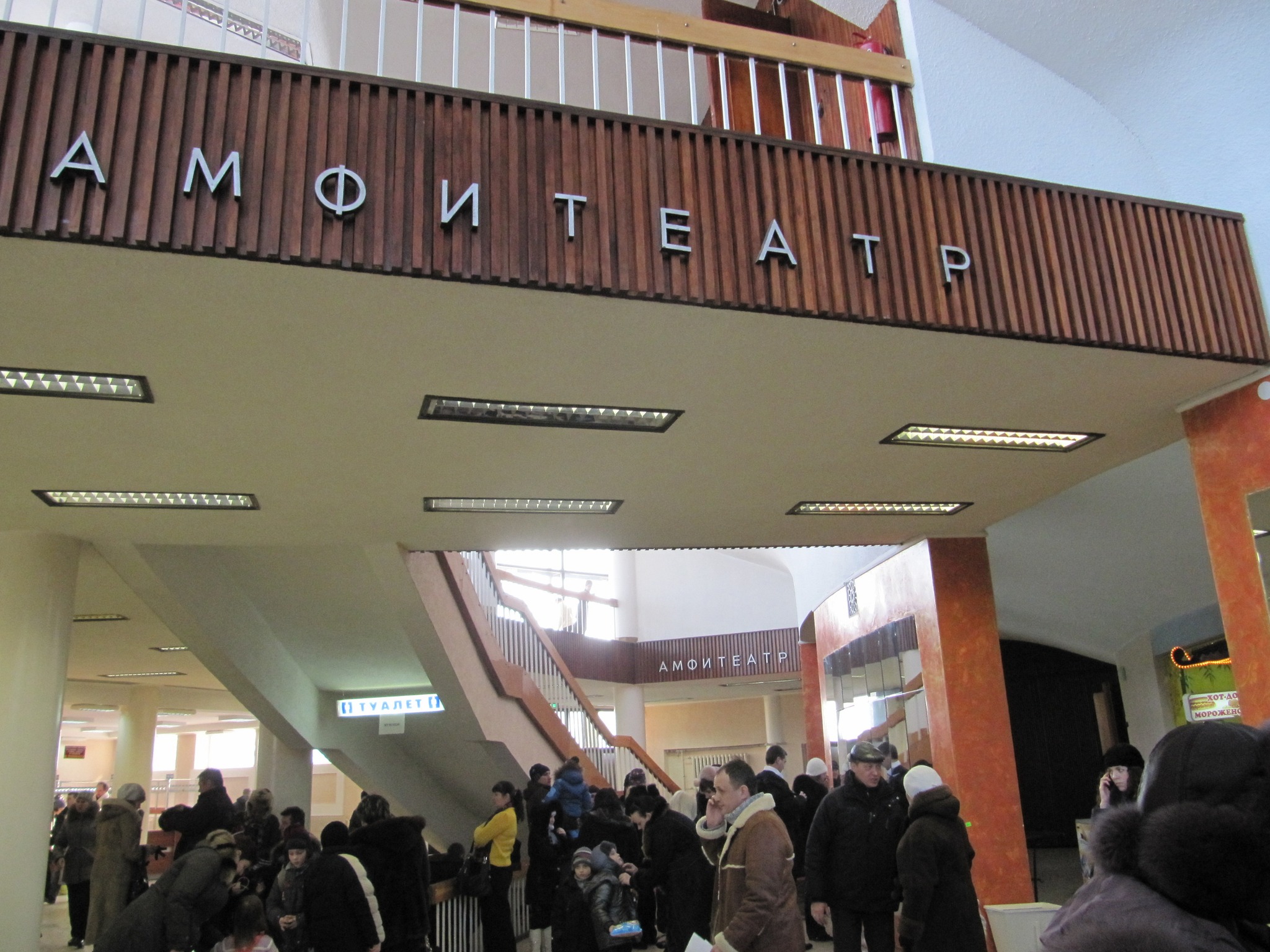
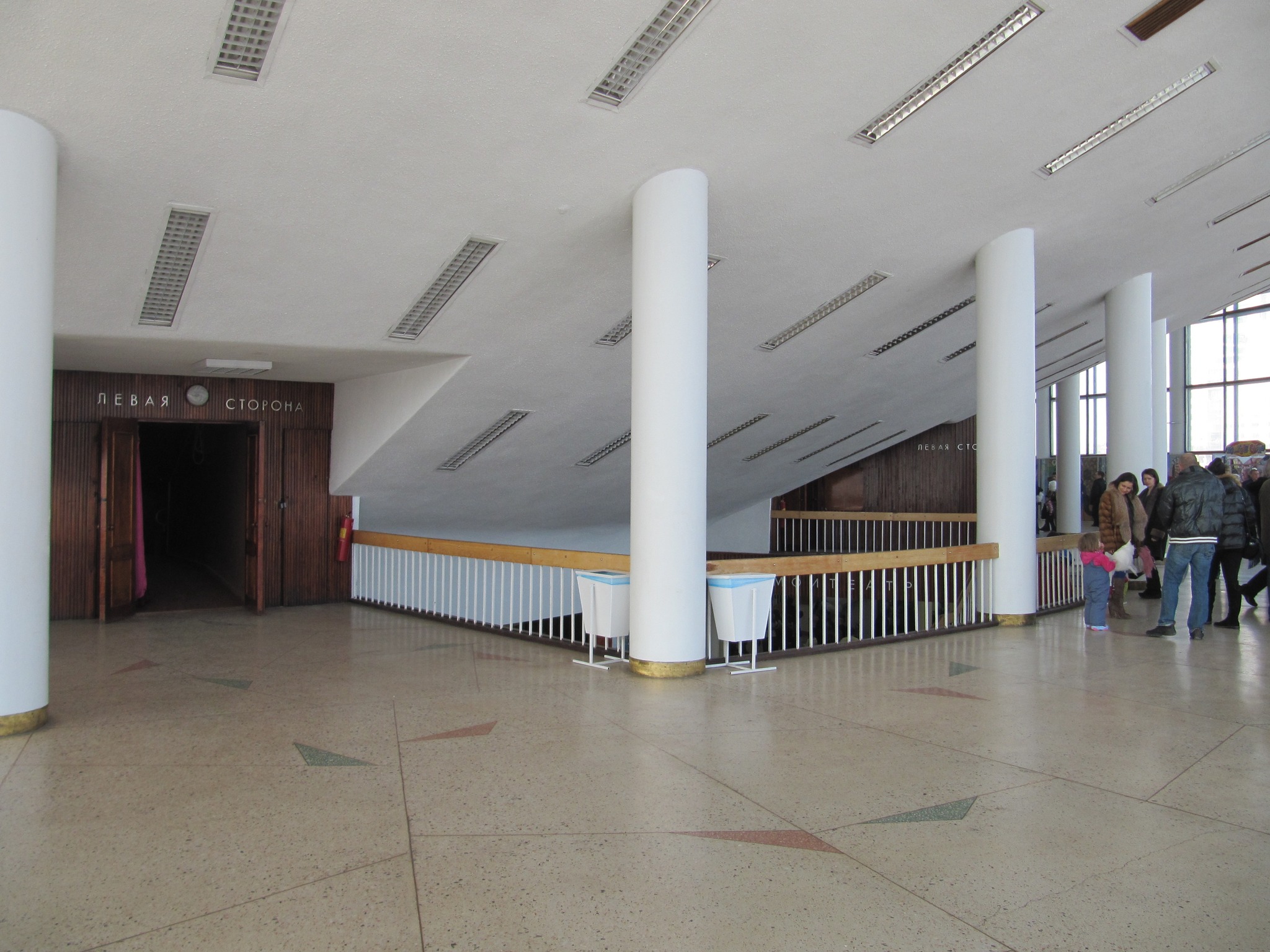
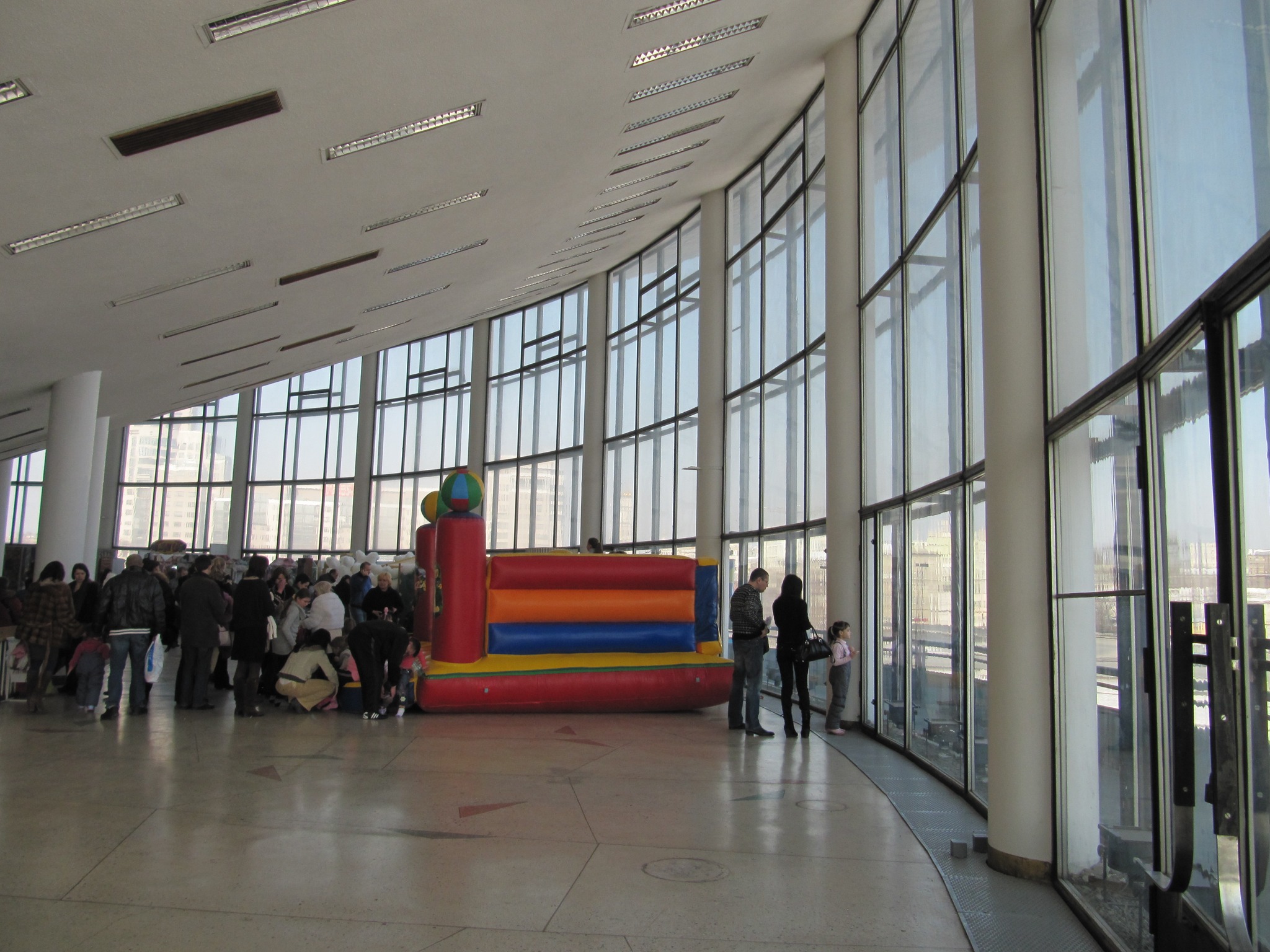
On the first floor, around the auditorium, there is a lobby with a cloakroom, and on the second floor, there is a foyer with a panoramic view of the city.
However, a circus is not just a ring and a lobby. Behind its scenes, there are many rooms hidden for both people and animals – from dressing rooms and costume rooms for artists to stalls with showers for horses.
The new circus was intended to functionally replace the historic Grikke Circus building, but the latter continued to be used as a training base for artists.

- The Architectural Evolution of the Kharkiv Theater - 26.09.2026
- 1st Kharkiv Gymnasium - 17.09.2026
- The Oldest Movie Theater in Ukraine - 24.08.2026