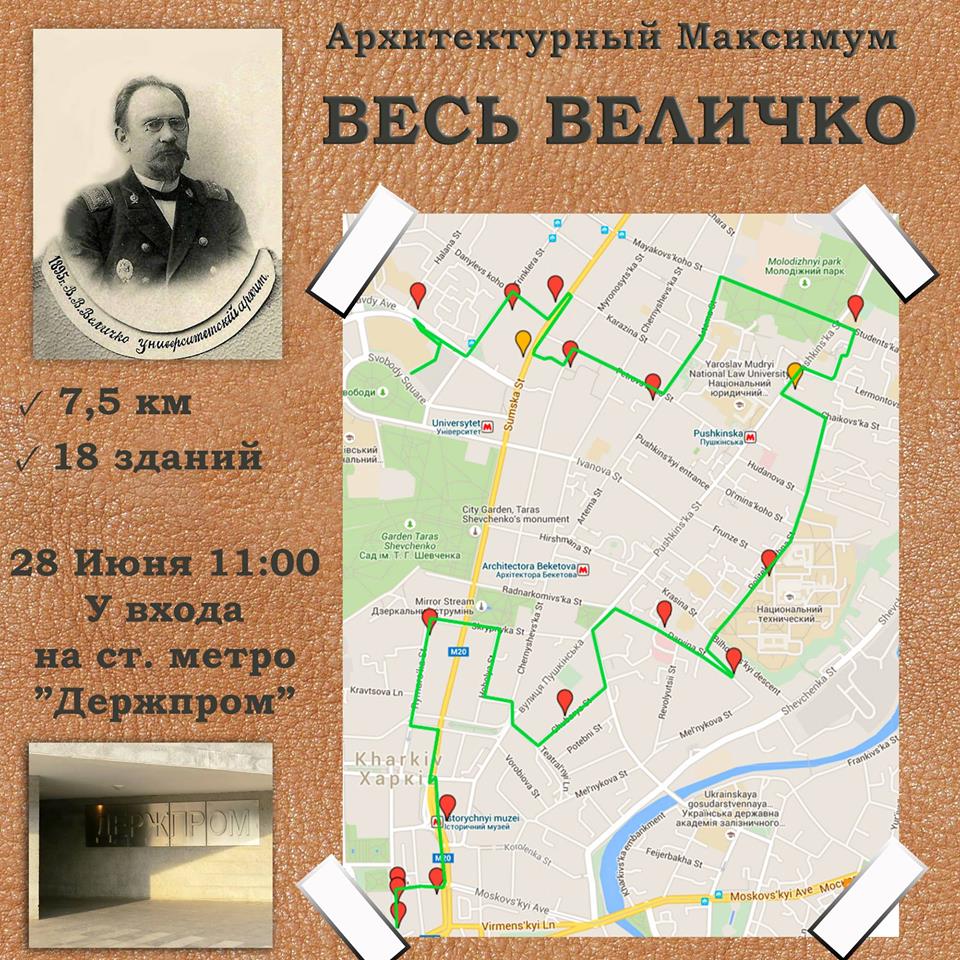
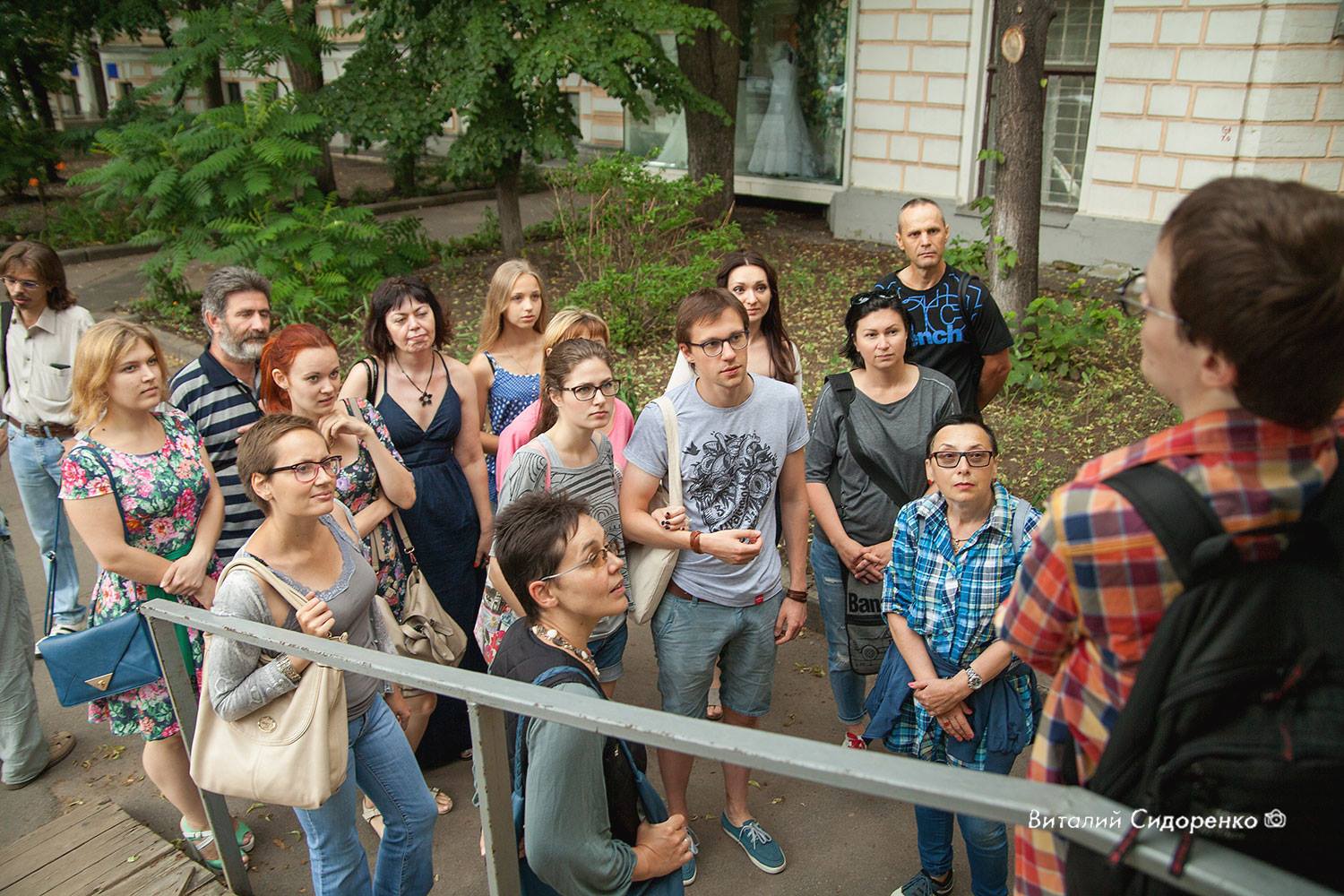
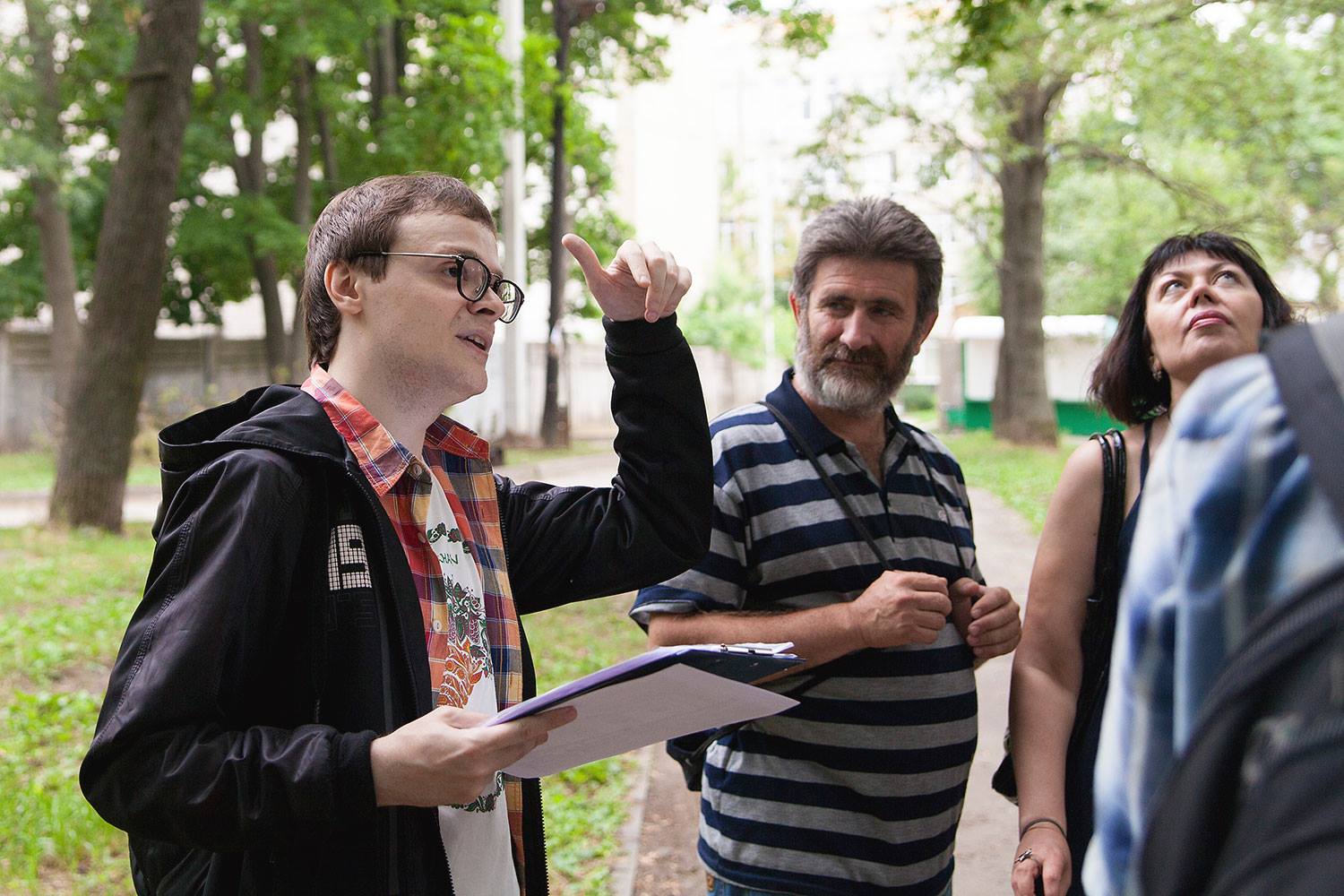
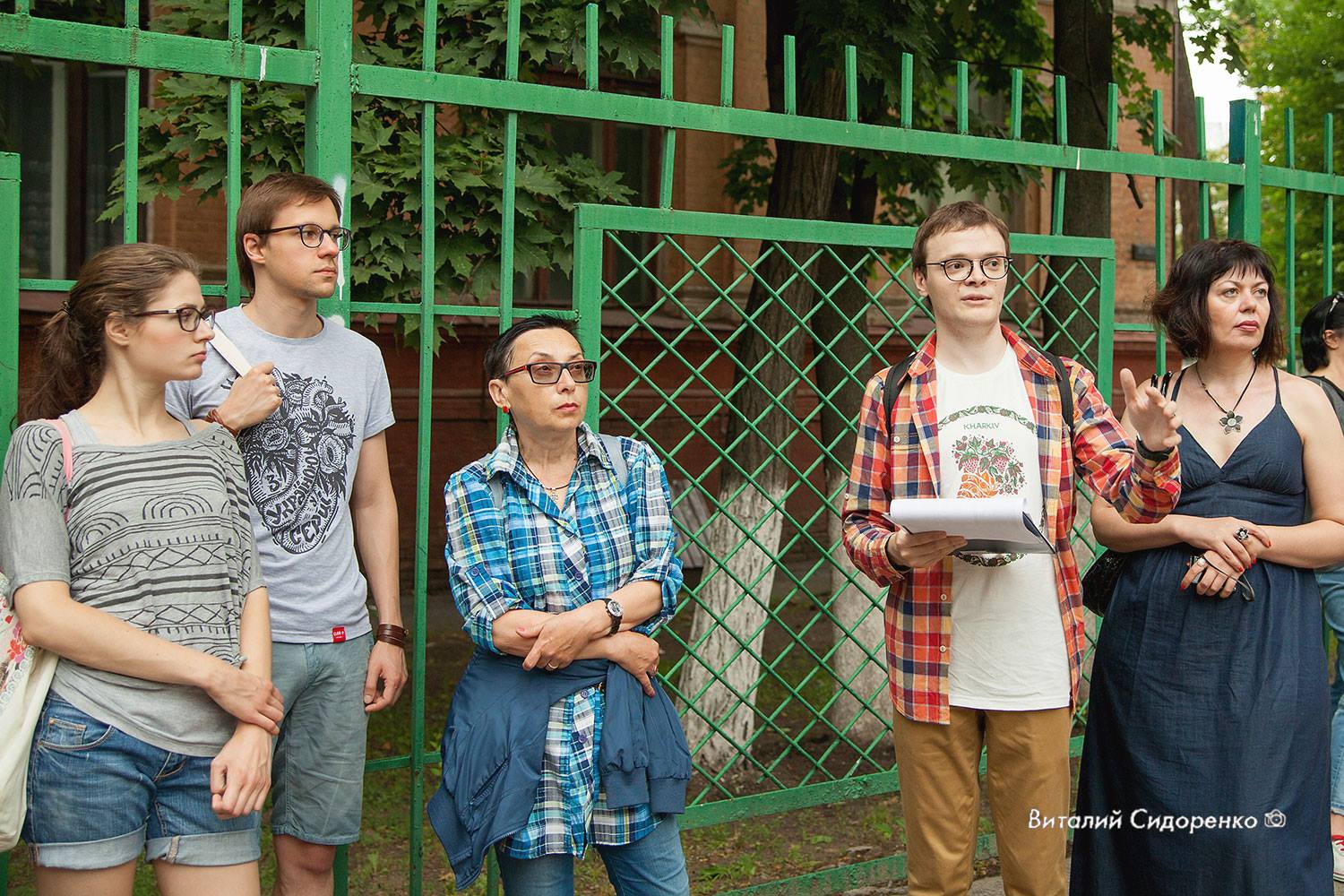
On June 28, 2015, another walking tour from the “Architectural Maximum” series took place. Our goal was to show all (or almost all!) of the surviving buildings of architect Viktor Velychko and those that were lost. The duration of the walk was about 4 hours, 7.5 km and covered 18 buildings.
The architect Victor Valerianovich Velichko was born in 1864 in Warsaw. After graduating from a real school in Warsaw, he entered the Faculty of Architecture of the St. Petersburg Academy of Arts, where he studied simultaneously with Oleksiy Beketov from 1883 to 1888. At the academy, he received a gold medal for the project of the seaside station.
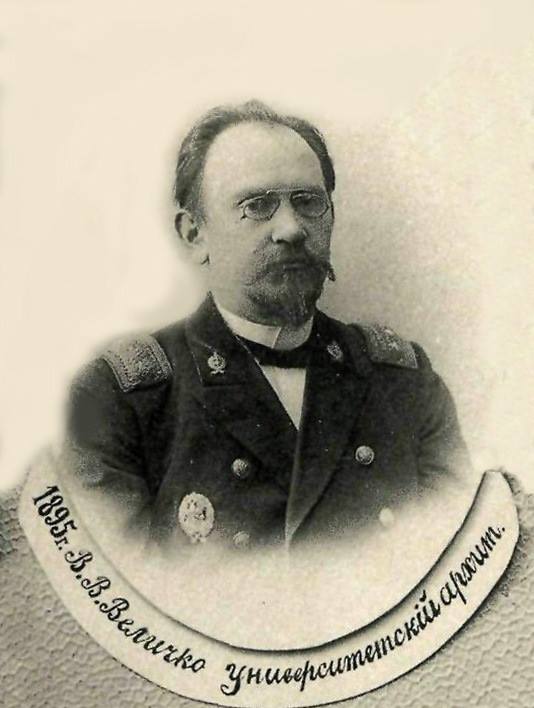
According to some assumptions, it was thanks to his friend Beketov, whose parents were very influential Kharkiv residents, that Velichko received the state position of architect of the Kharkiv Educational District Administration and architect of Kharkiv State University. This determined his activity – many of Velichko’s buildings were related to educational or service buildings of both Kharkiv University and other educational institutions, which we saw on the excursion. Of course, Velichko built not only educational institutions, but also dealt with private orders – these were luxurious mansions and other residential buildings.
Viktor Velychko worked mostly in the neo-Renaissance and neoclassical styles. In 1909-1916 he headed the architectural and construction department of the Kharkiv branch of the Russian Technical Society. He died in 1922 during a typhus epidemic in the city.
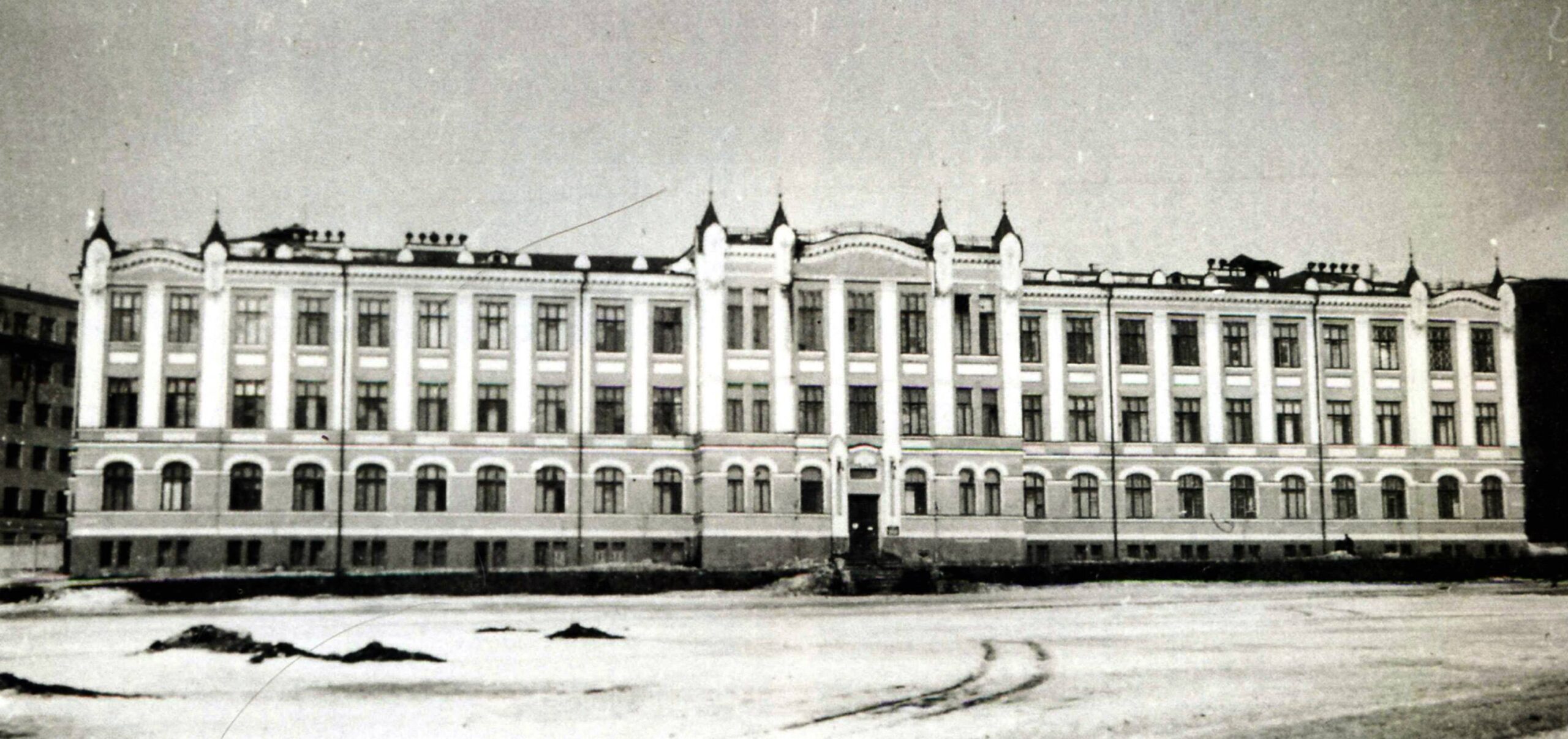
In 1911-1914, the chemical building of the Medical Faculty of Kharkiv University was built according to the design of V. Velychko. In a photo from 1941, it can be seen at the site of the current entrance to the Derzhprom metro station.
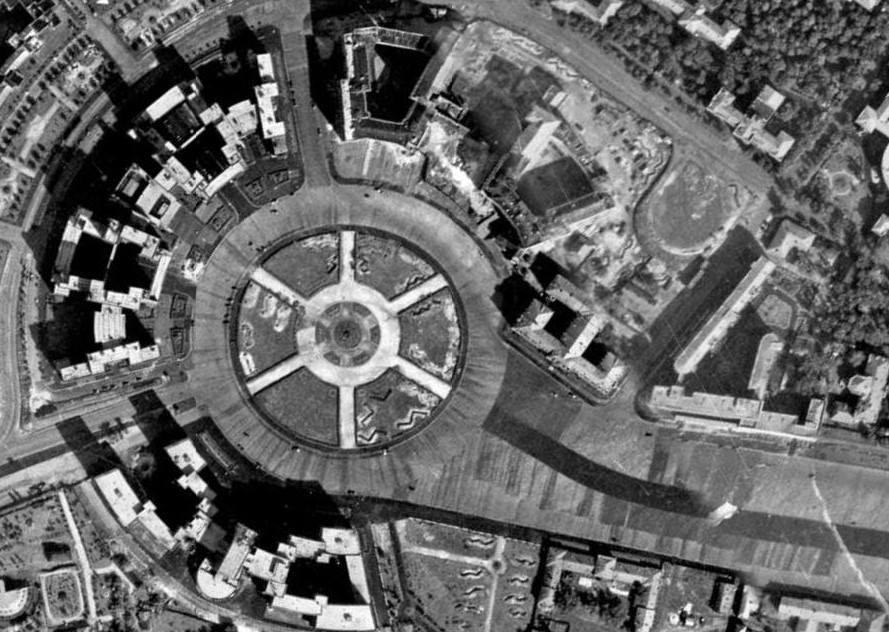
This building was destroyed during World War II.
The building of therapeutic clinics at Nezalezhnosti Ave. 11 (late 19th century). Authorship is presumed. The building was part of the Klingorodok building complex, the University participated in the construction of buildings that were the base of the medical faculty’s practice.
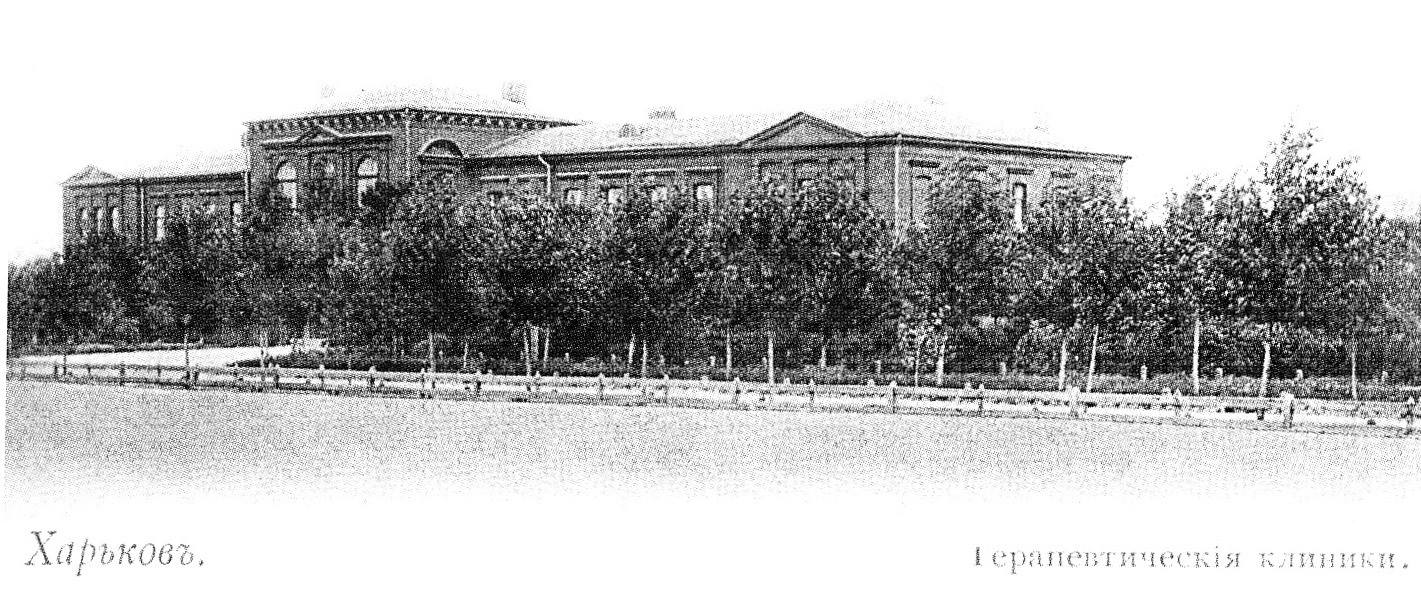
In the 2000s, the building was expanded and is now used by the Court of Appeal.
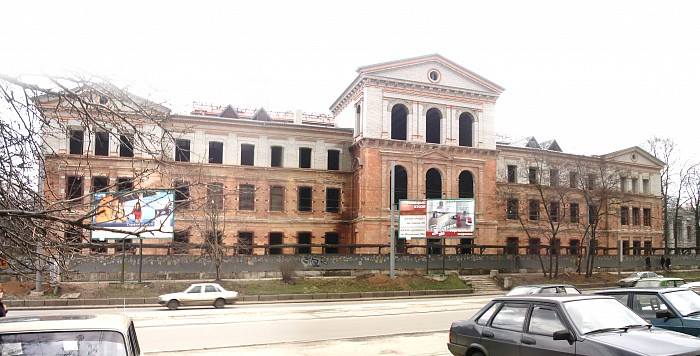

Natural History Museum at Trinklera Street, 8. It was originally built as a dormitory for students in 1901.
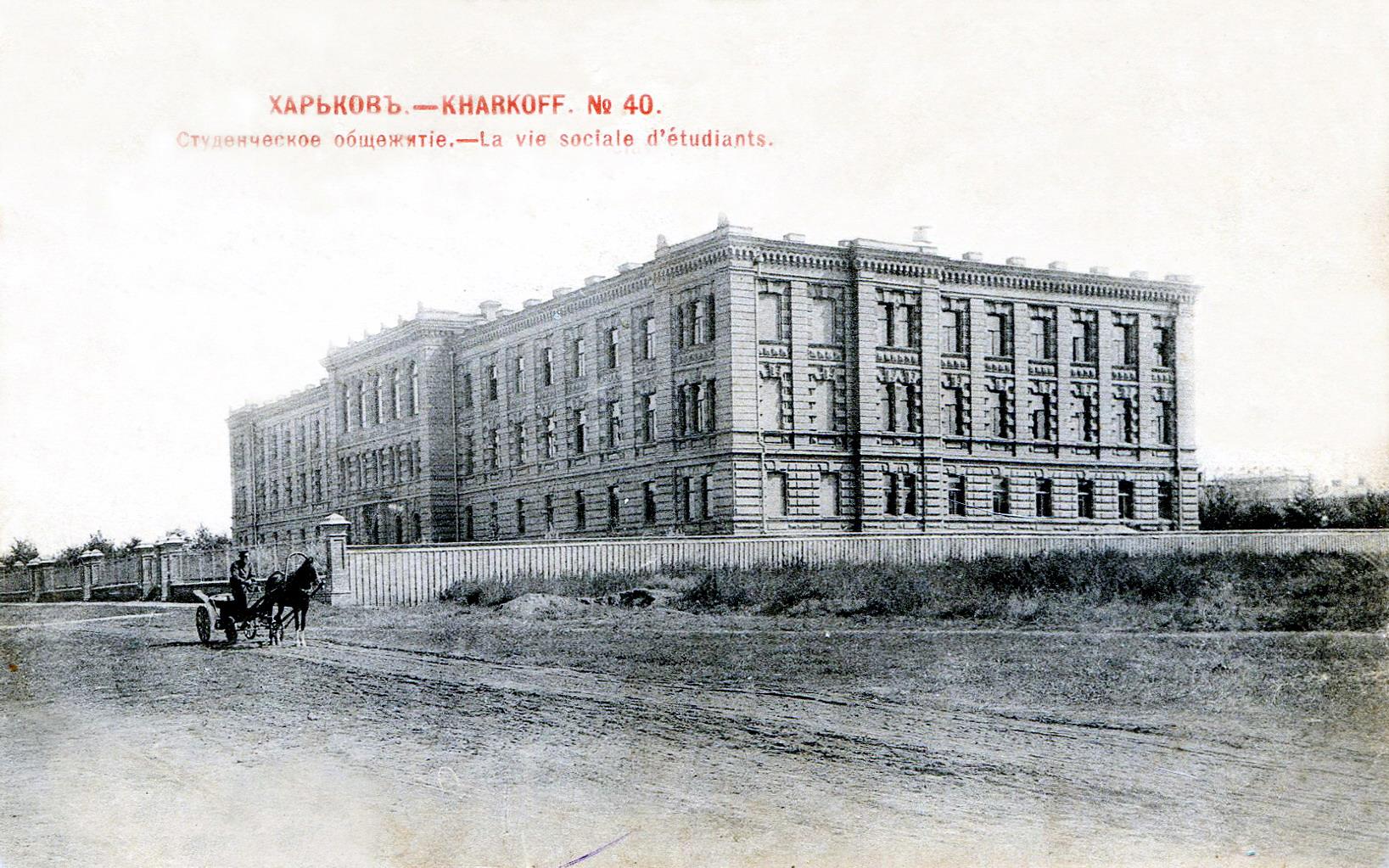
Since 1907, the building was transferred to the Zoological Museum of the University.
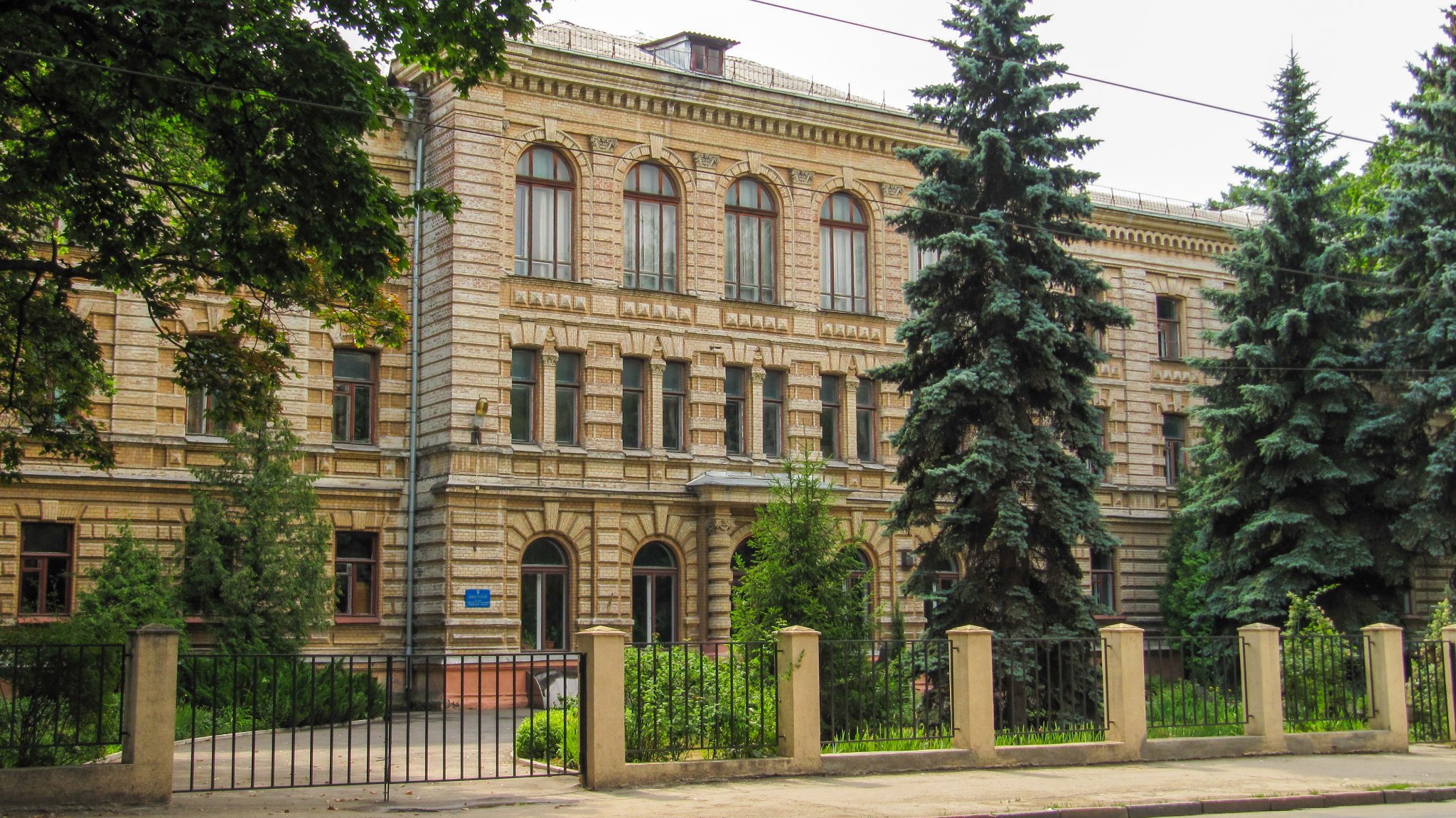
During the German occupation, the wives of university professors lived in the building, and they managed to obtain a security certificate from the occupation commandant’s office and thus prevent the robbery of the richest collection, which dated back to 1807.
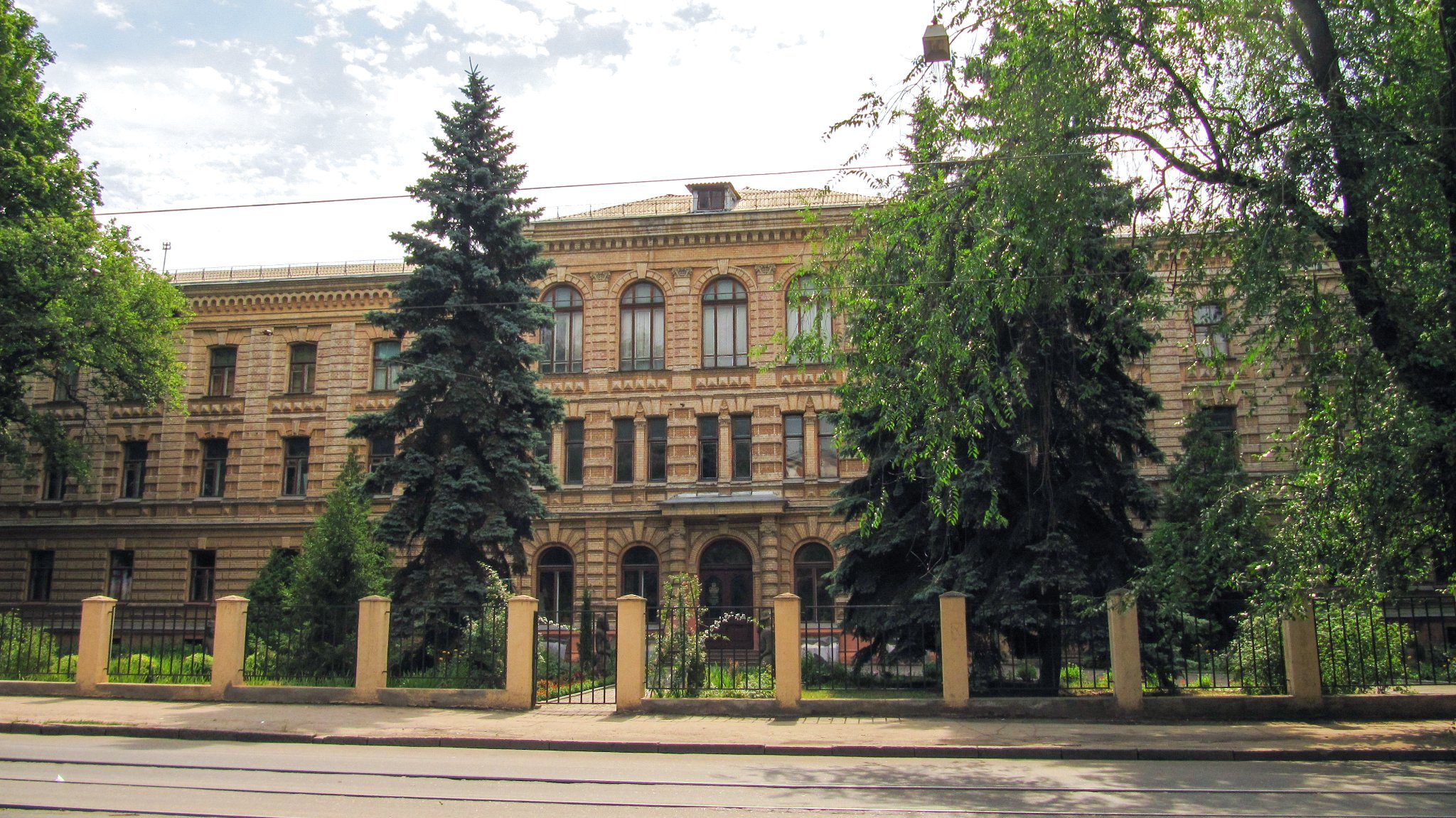
Extension of the northern building to the Provincial Zemstvo building. 1914.
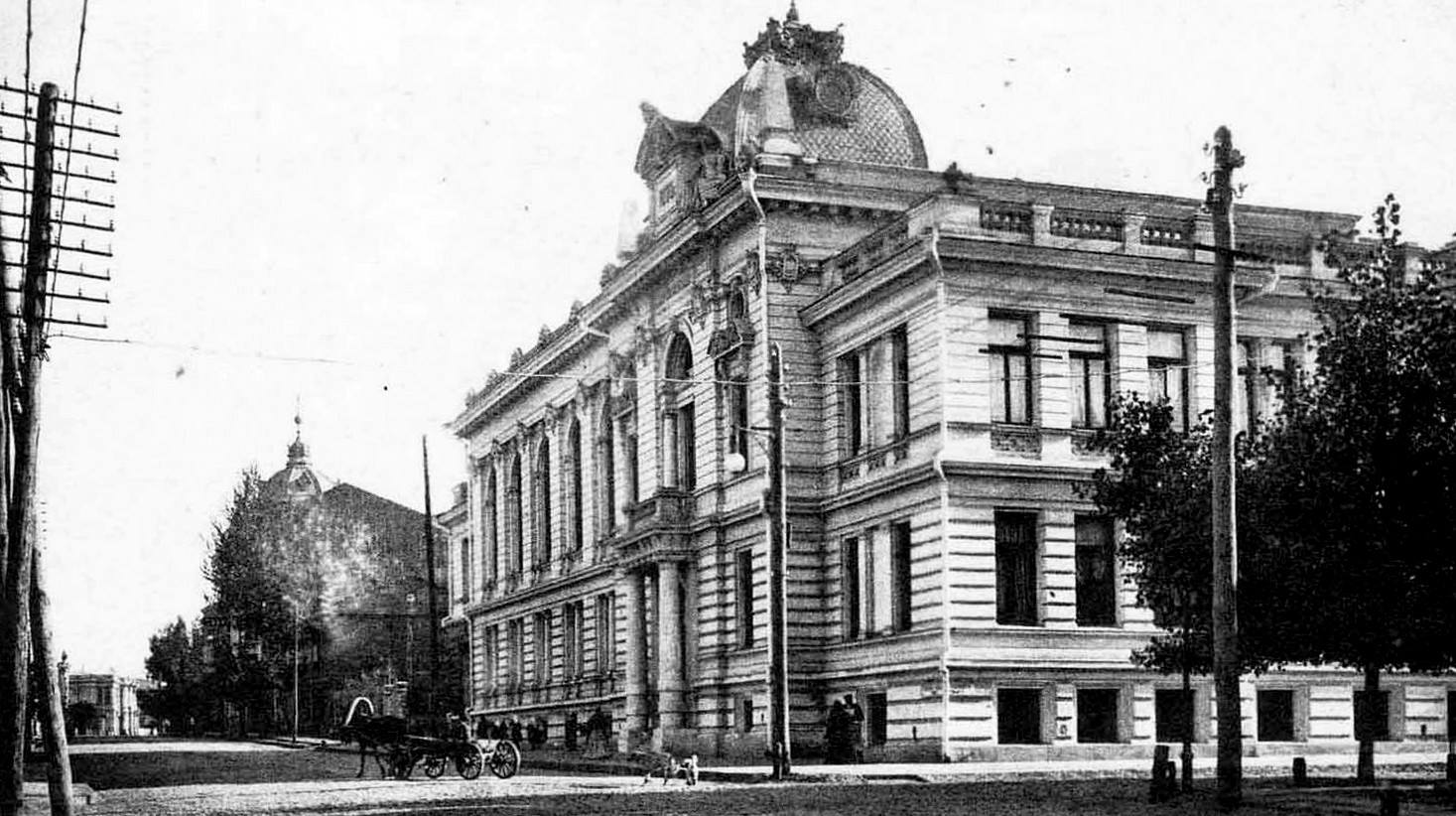
The building of the former Provincial Zemstvo was reconstructed in the constructivist style in the 1930s, but the silhouettes of the old building could still be found there. The building was finally destroyed during World War II.
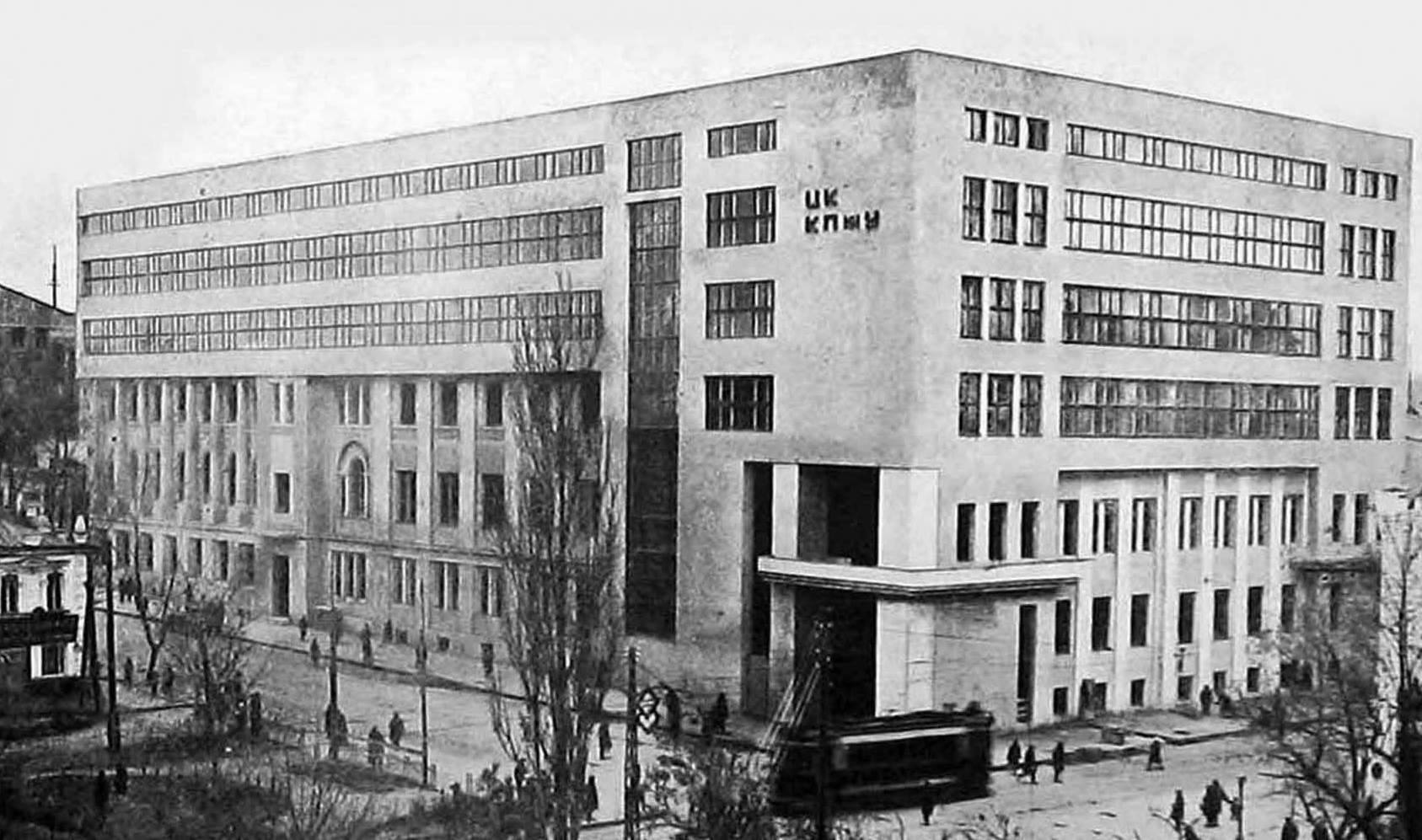
School for the blind, which was expanded in 1909-1913 from the side of Danylevskoho St. according to the project of V. Velichko. Sumska Street, 55
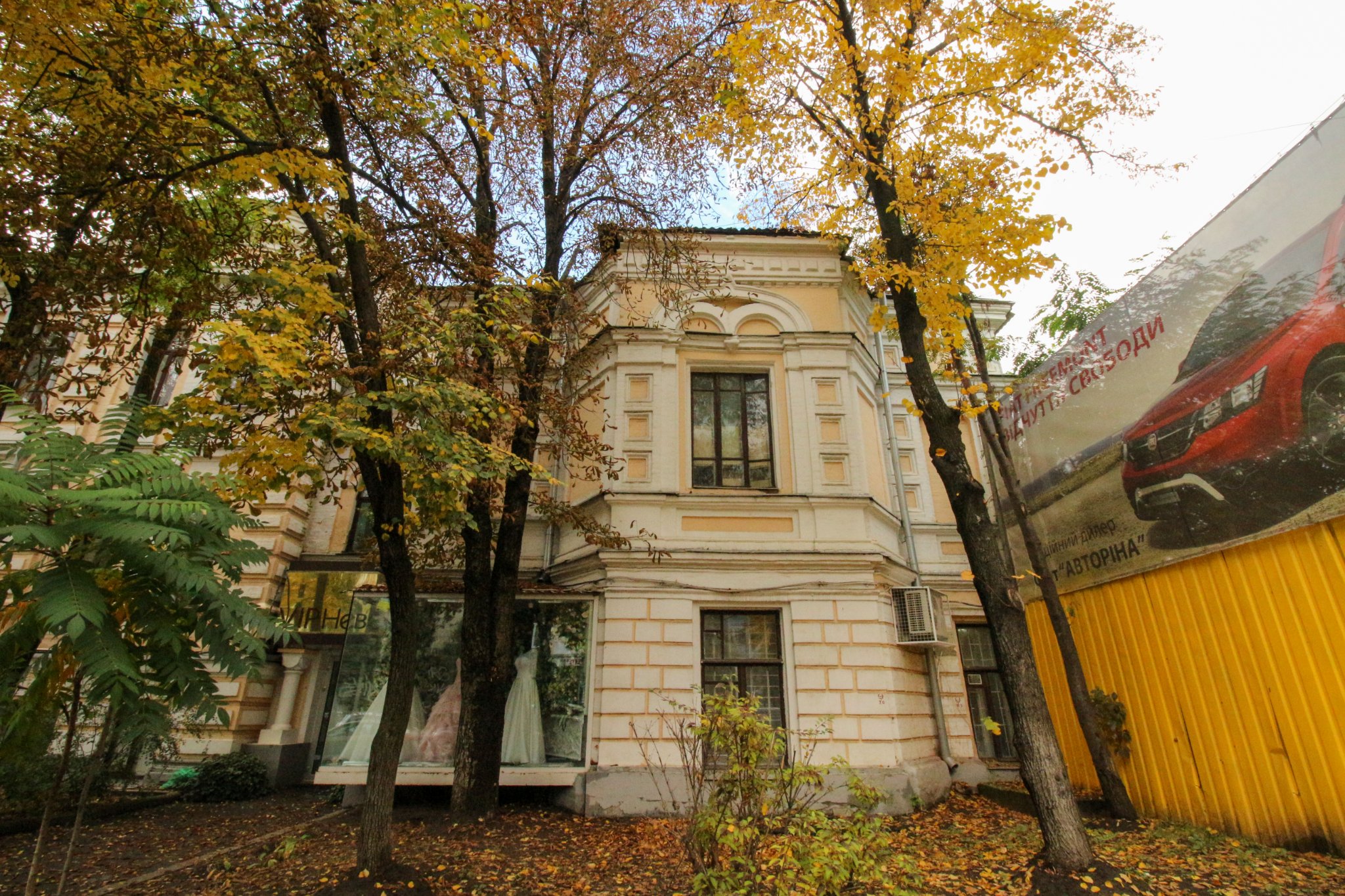
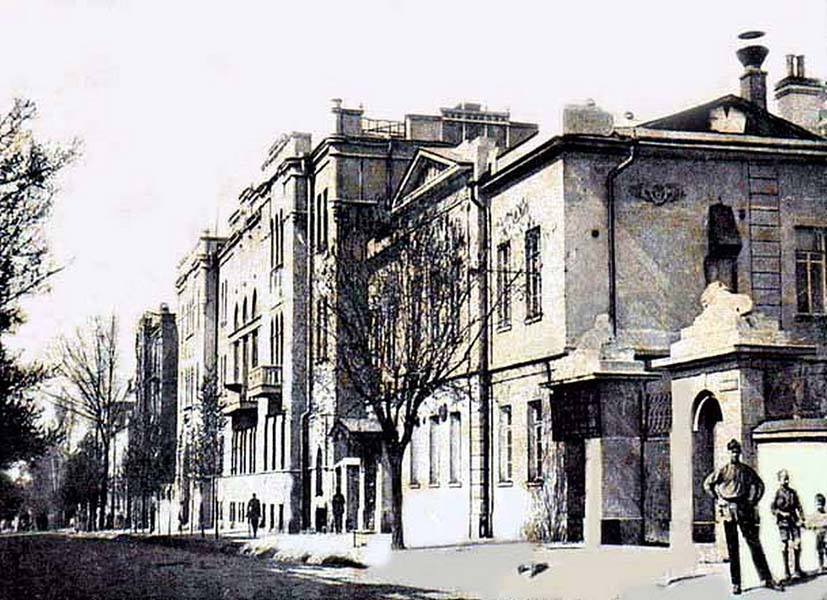
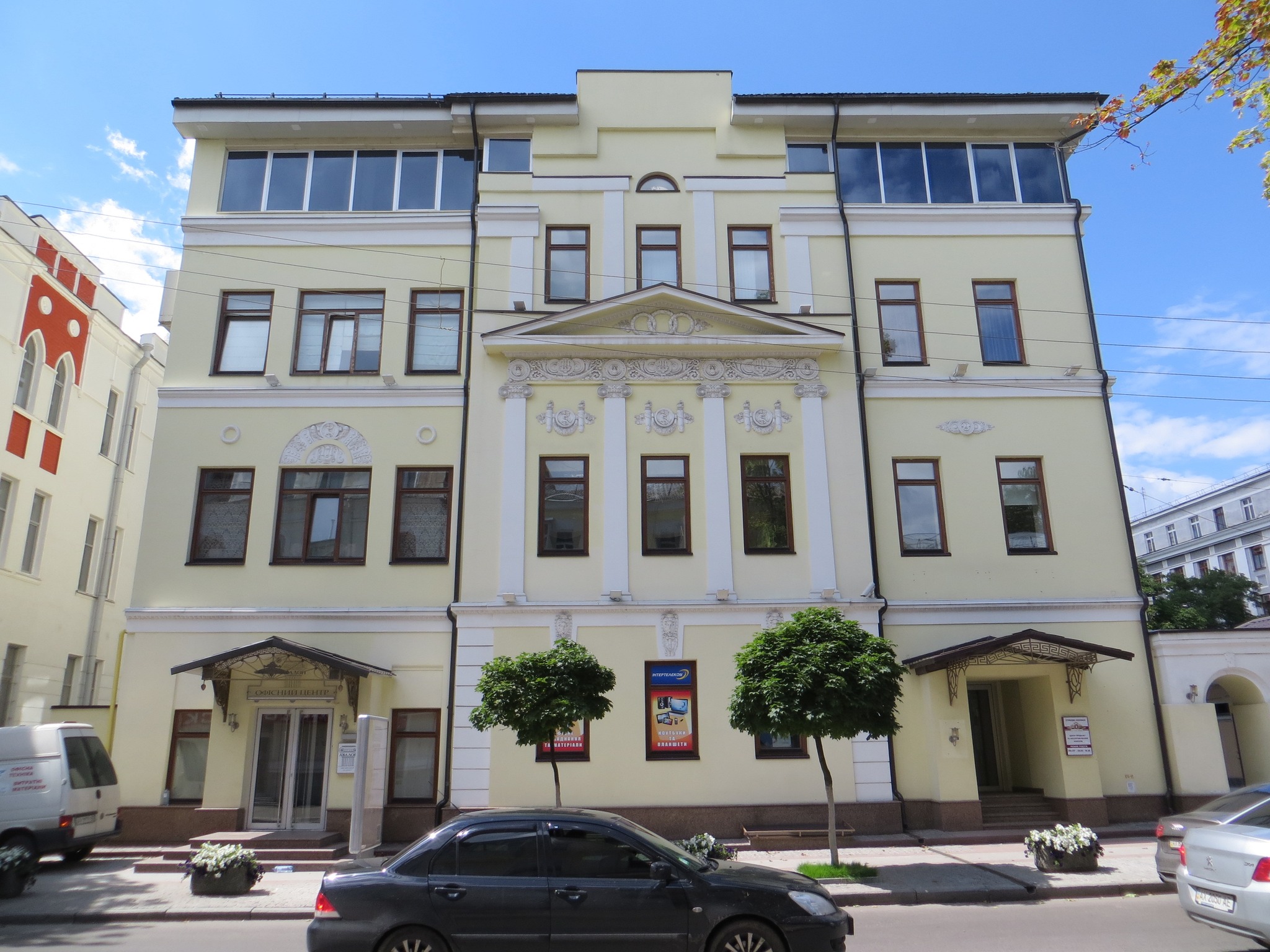
The mansion of Volodymyr Korenev at Alchevskyh Street, 31 (1911–1912, reconstruction of the old building in collaboration with F. Kondratiev). Later, the building housed a Book Chamber.
In the 2000s, the house was again heavily renovated, and 2 floors were added.
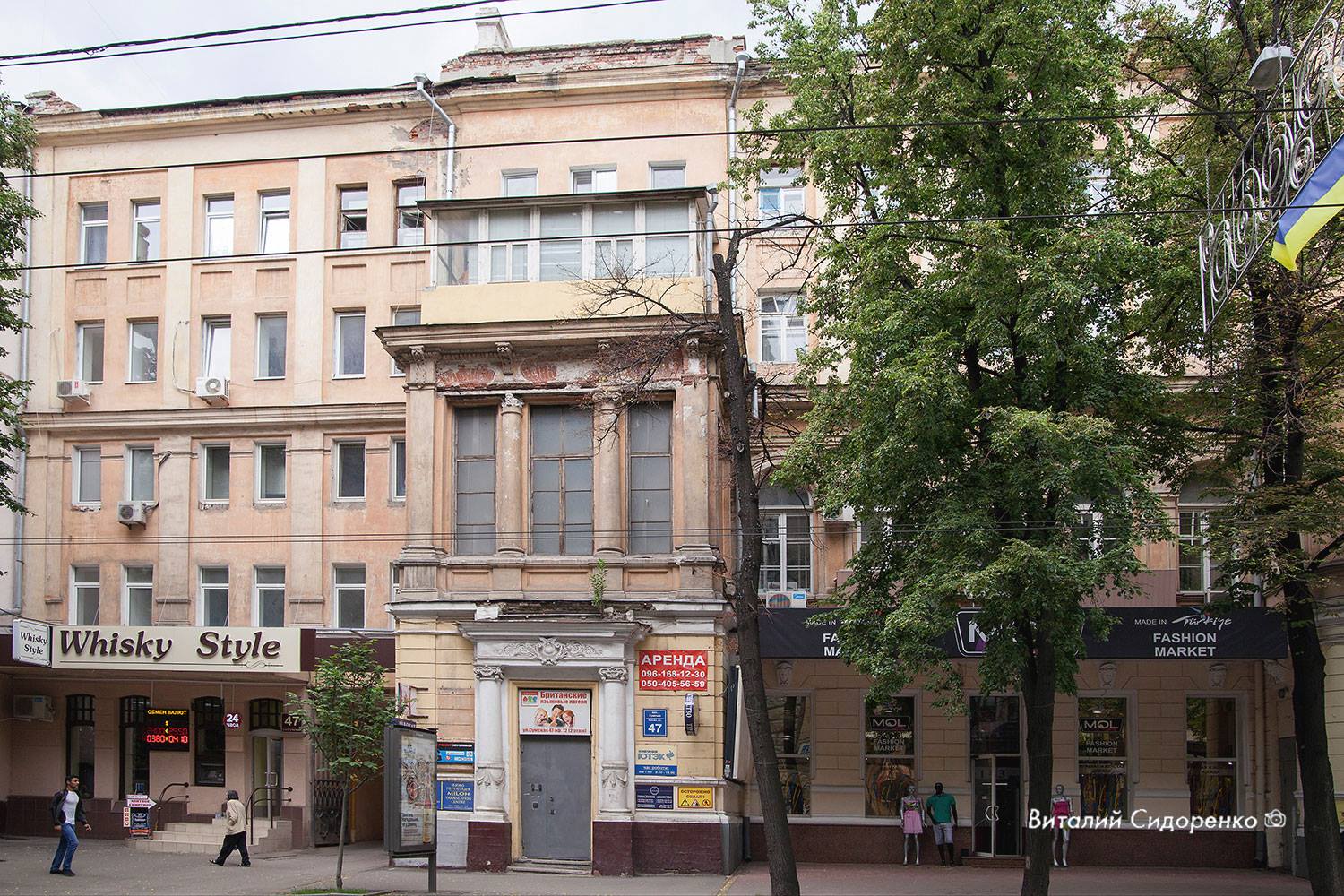
Sumska Street, 47. The original two-story house of Professor Neznamov was added to in the 1920s and 1930s. The authorship of the initial design is likely by V. Velichko.
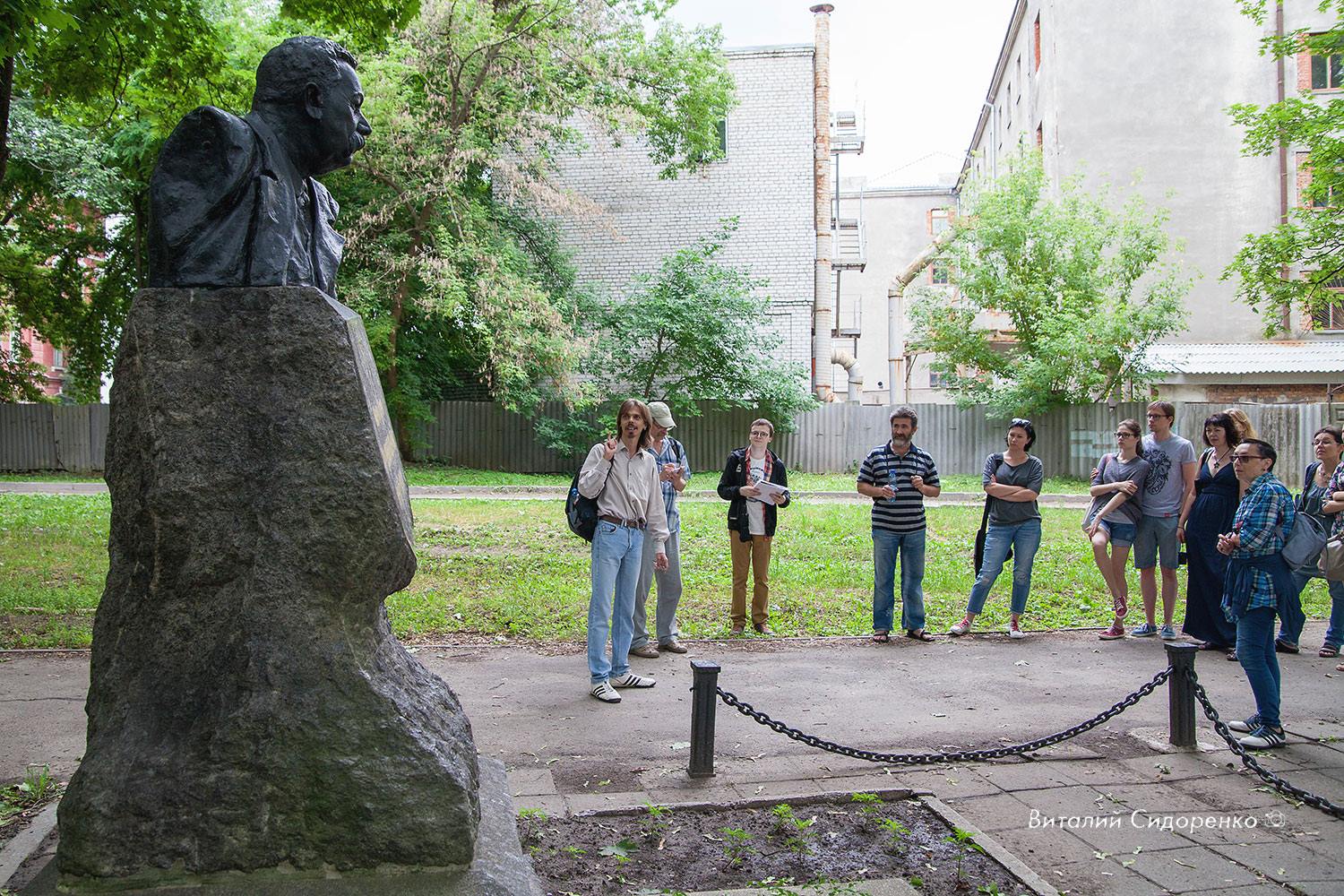
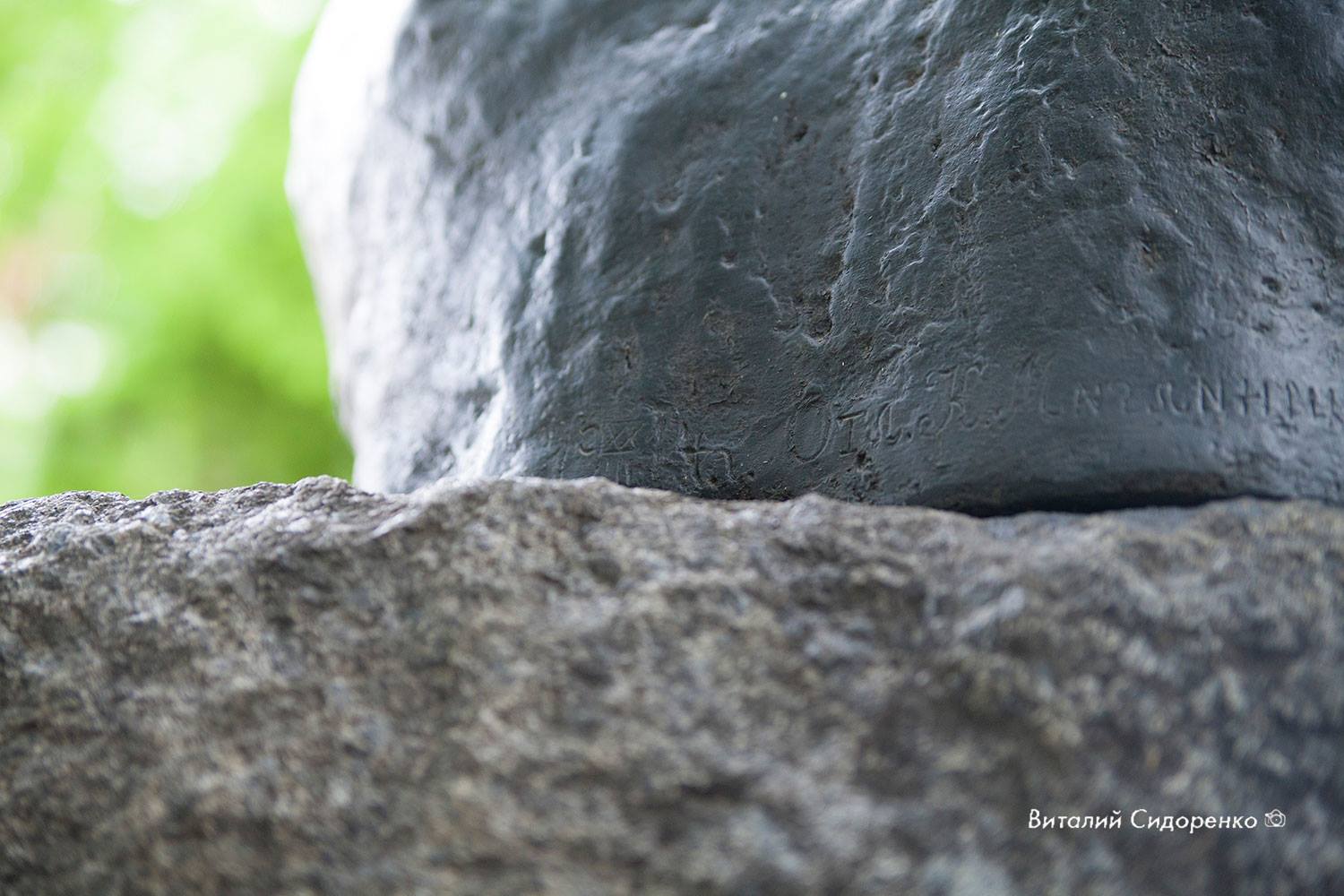
Walking through the Youth Park, we couldn’t help but remember the monument on the grave of Marko Kropyvnytskyi, erected in 1914.
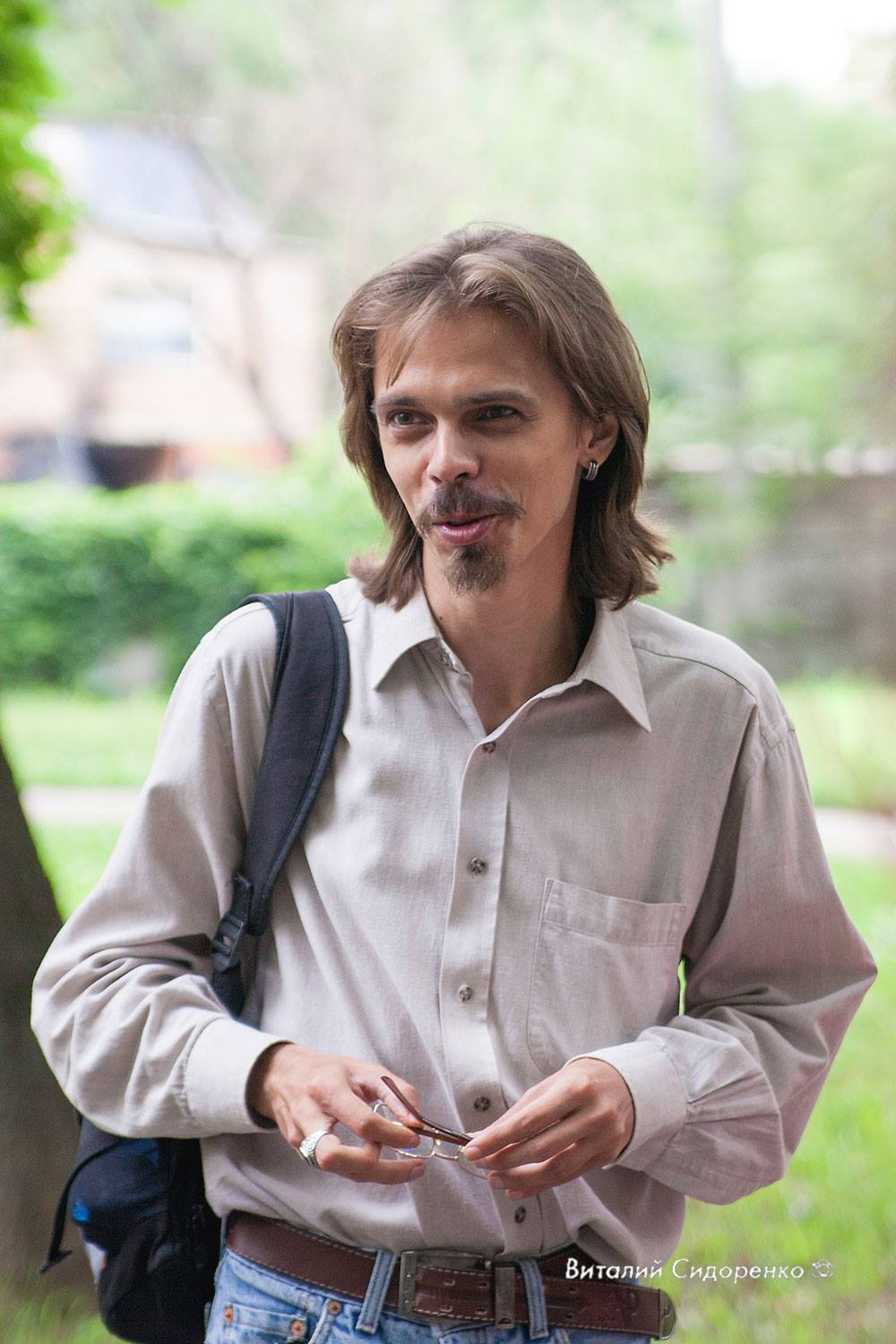
Also worth noting is the estate of brick magnate Semyon Tolkachov. We didn’t take a photo, but there is a separate article about this house on the site:
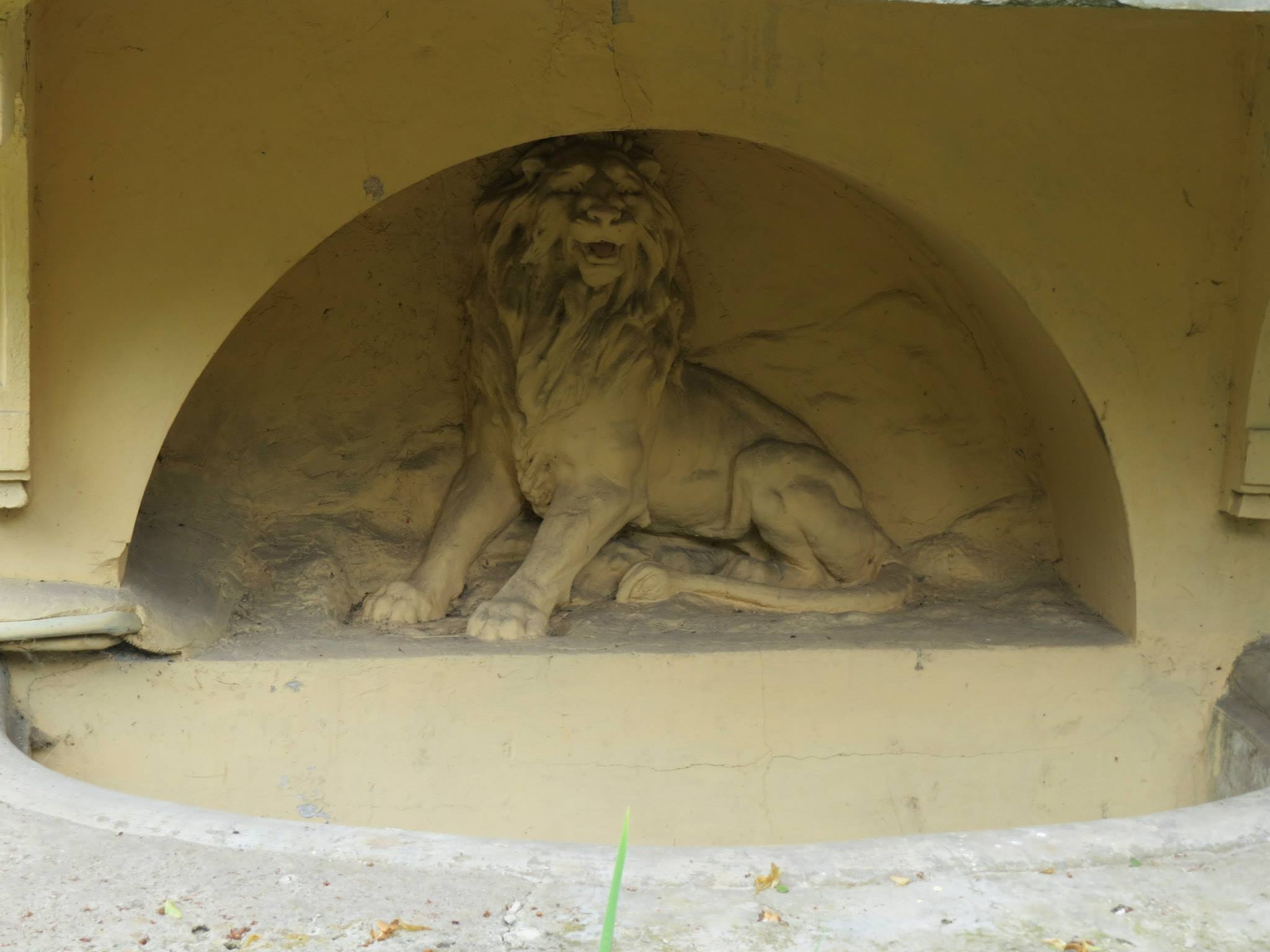
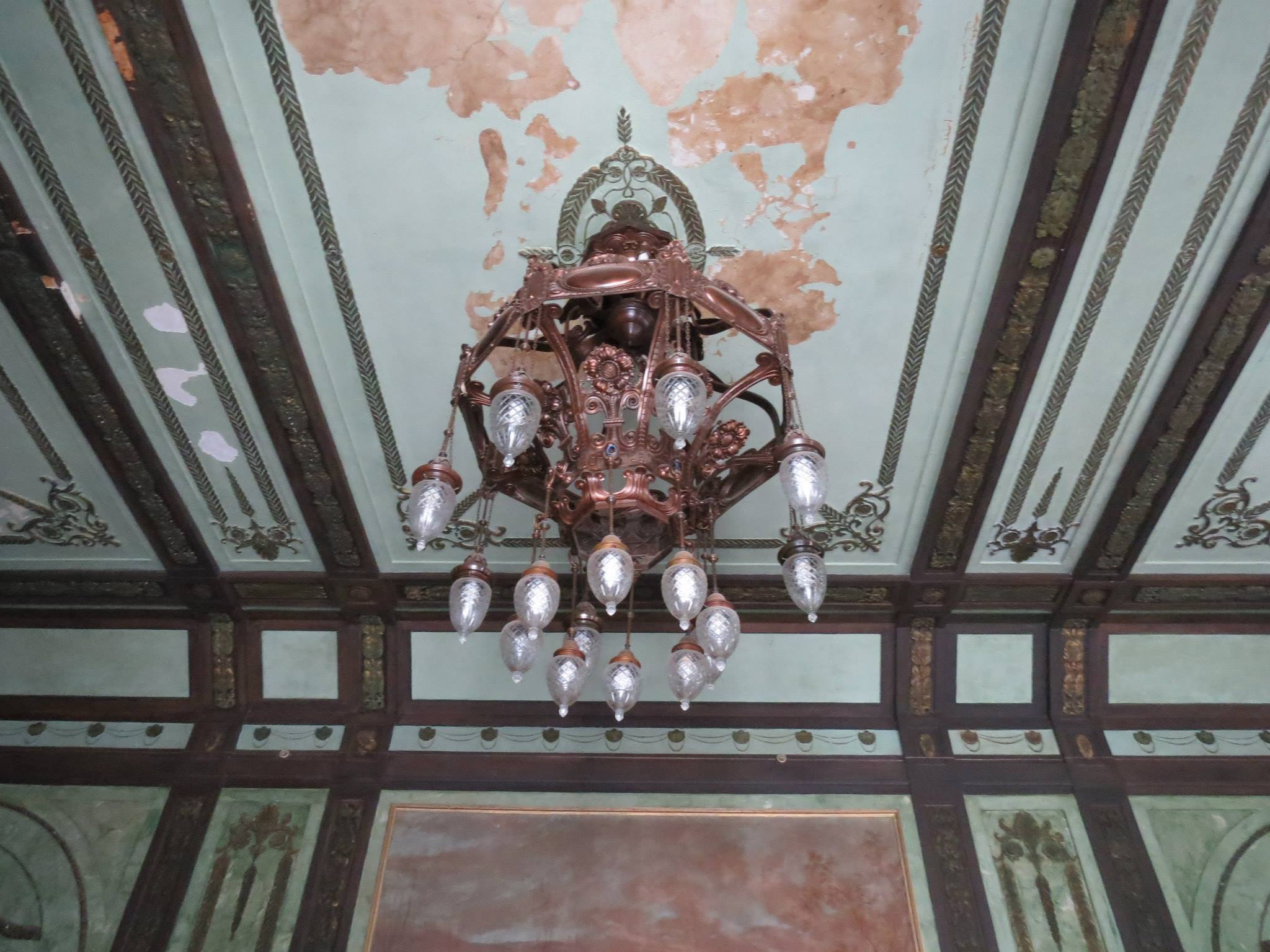
The Architect’s House. This mansion was given to his wife by Peter Ryzhov in 1912 for her birthday.

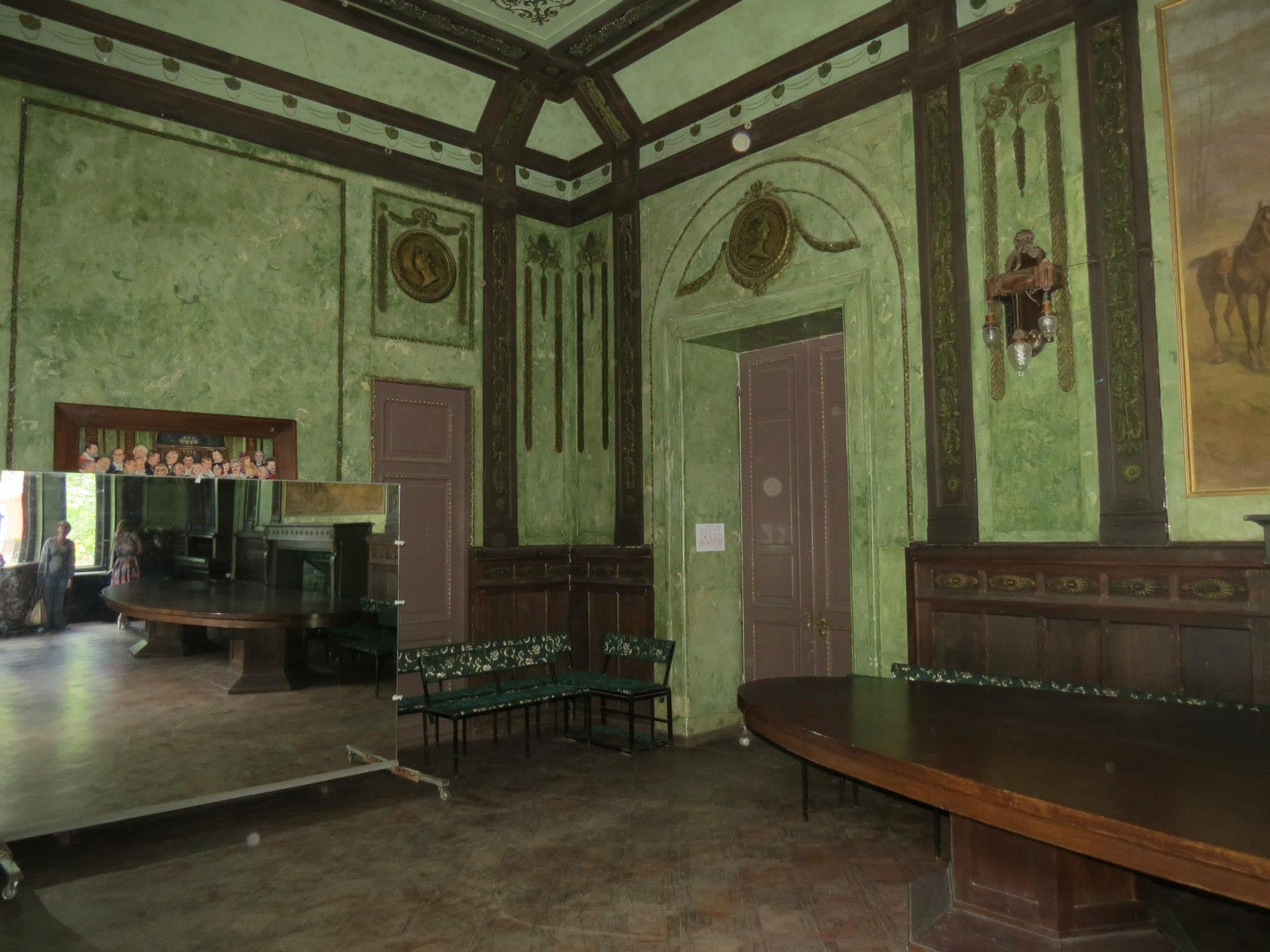
We were allowed to go in and admire the interiors.
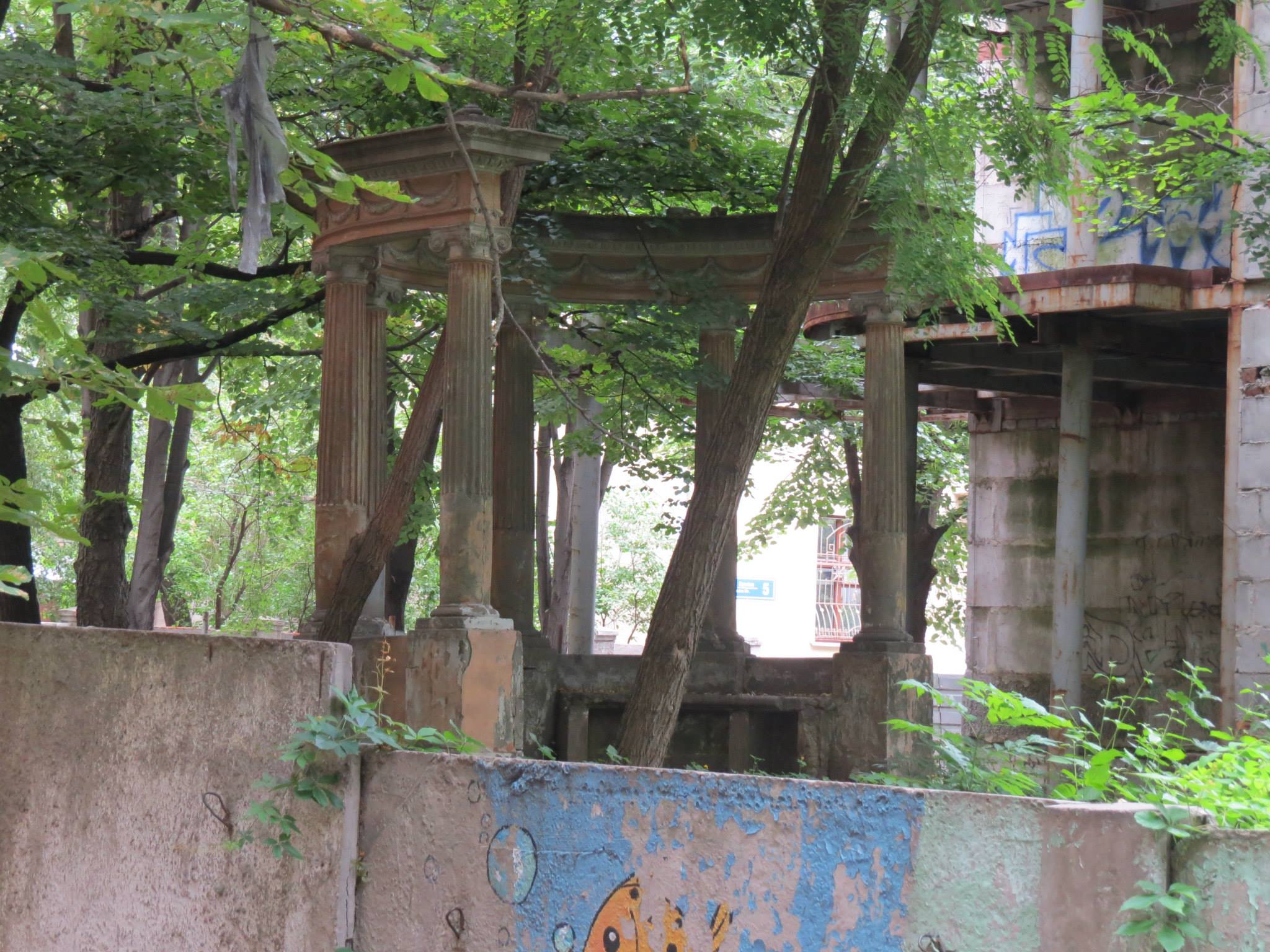
Rotunda in the courtyard of the manor:
The mansion of otolaryngologist Stepan Surukchi, who restored Chaliapin’s voice. The authorship is likely, the construction dates back to the late 19th century.
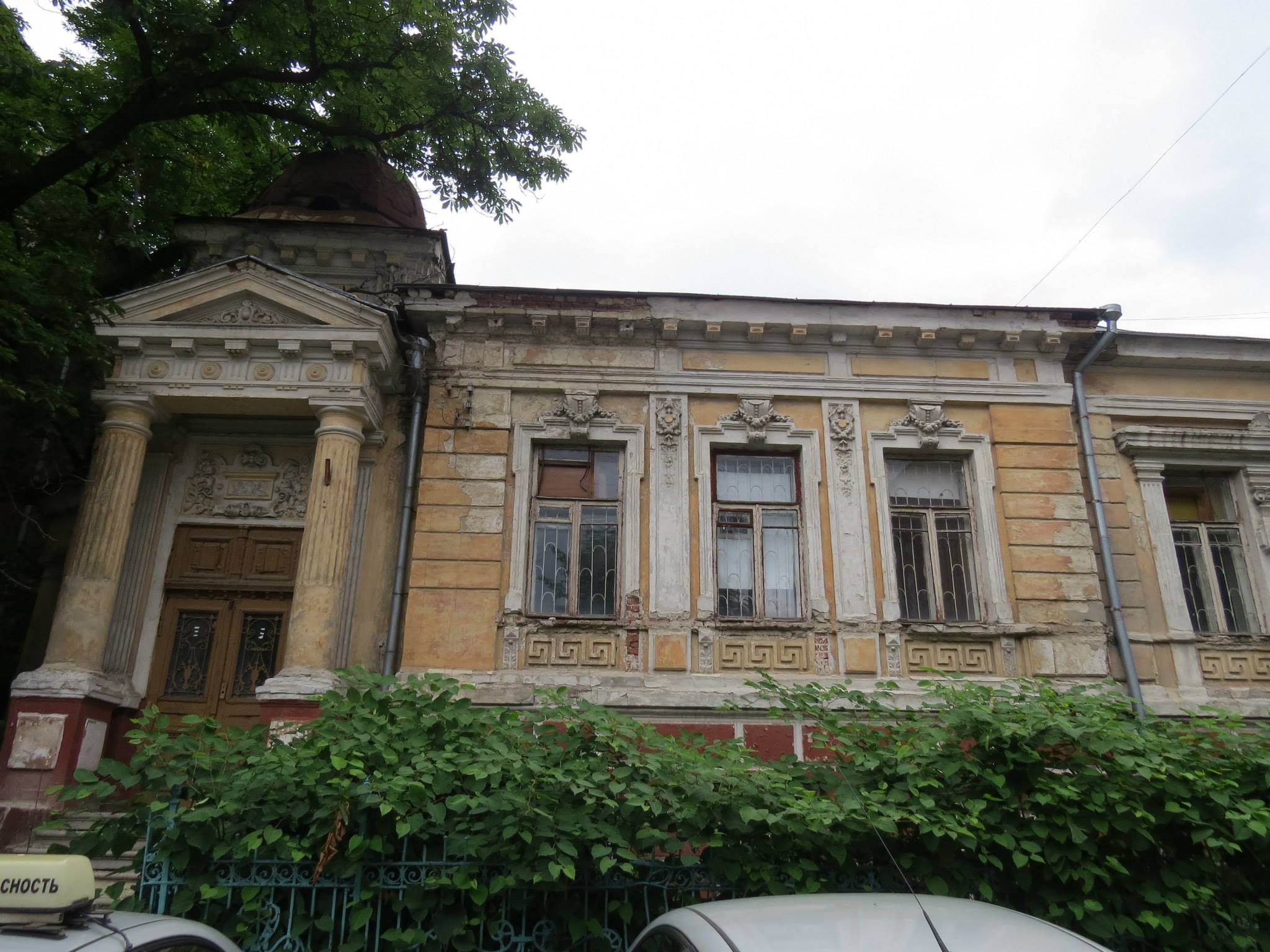
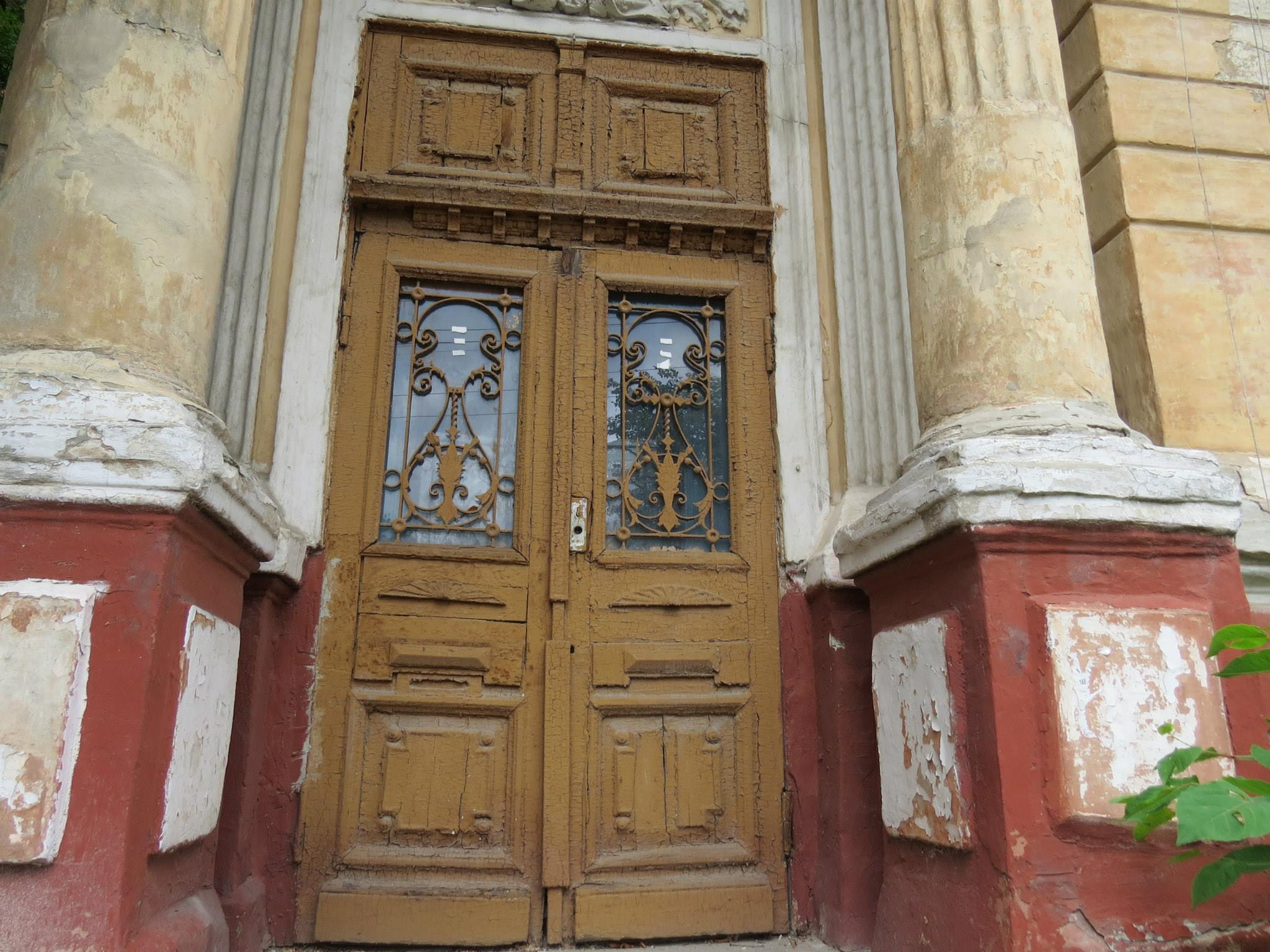
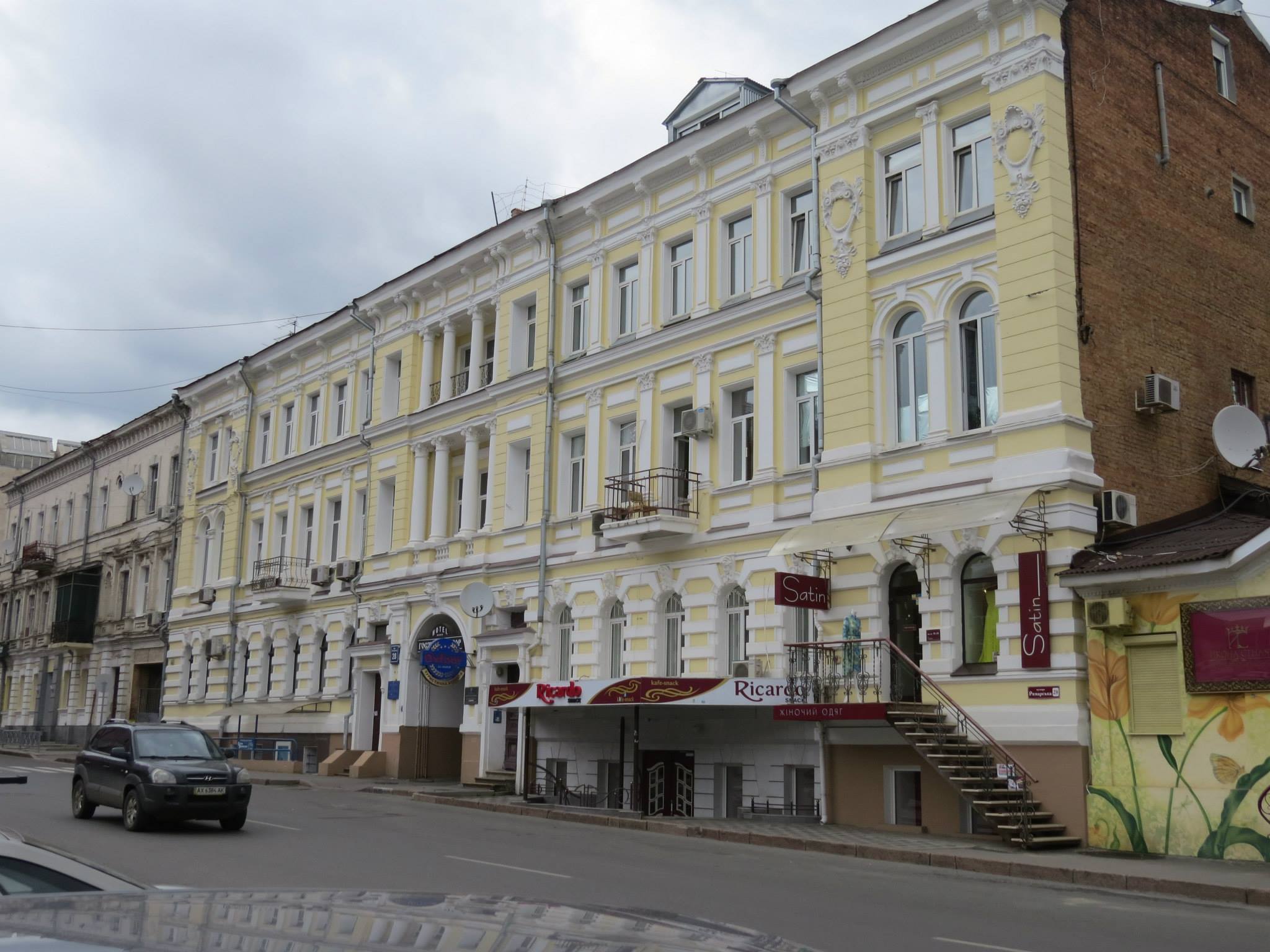
Rymars’ka Street, 28. Profitable building and eye hospital of Professor Bronstein (1902).
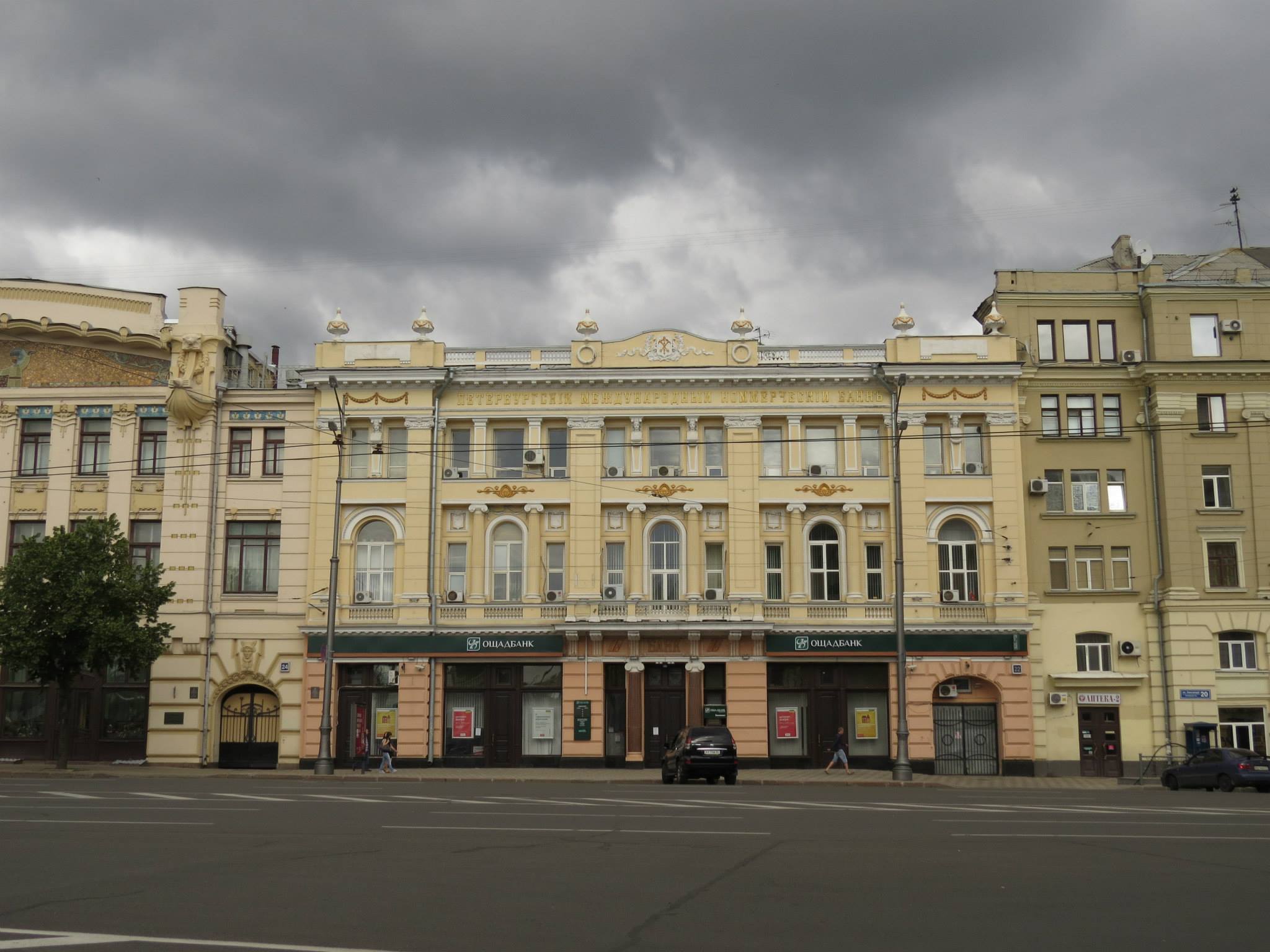
Constitution Square, 22. The building of the former branch of the St. Petersburg International Bank (1913). Built by order of Ryzhov, mentioned above, who was the vice-director of the bank.
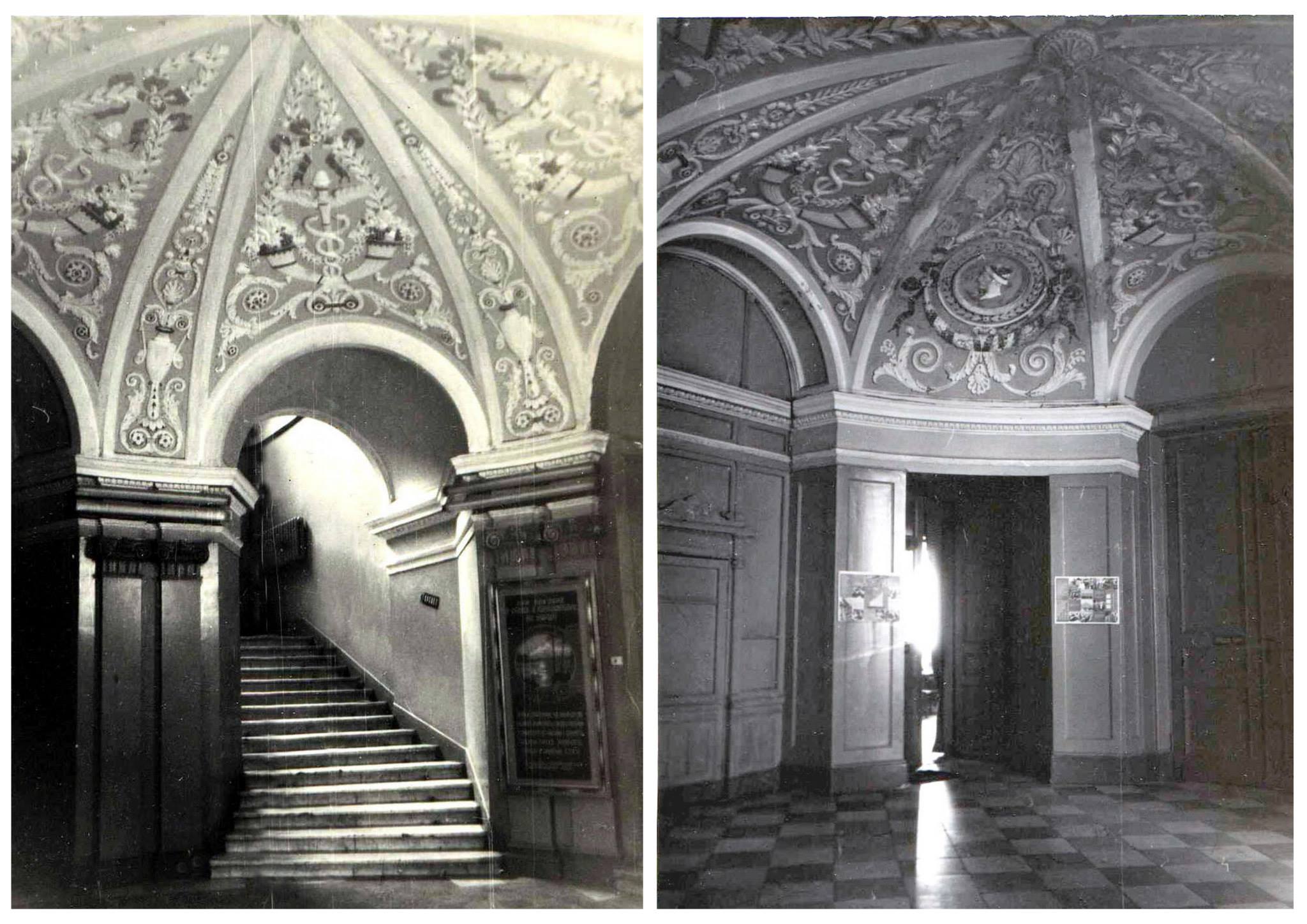
Old photos of the interior of the St. Petersburg International Bank branch building:
Universytets’ka Street, 23. University Library. 1903.
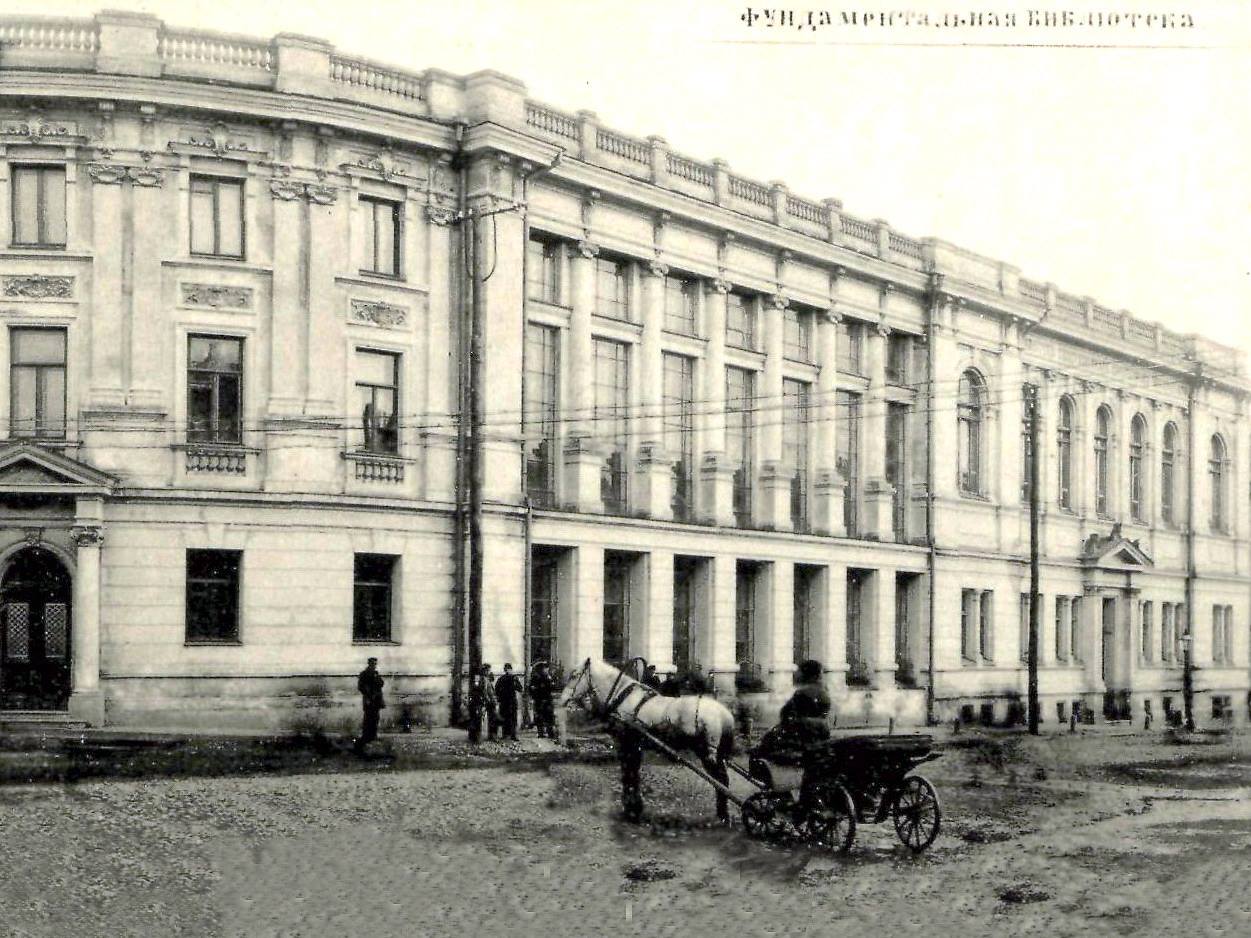
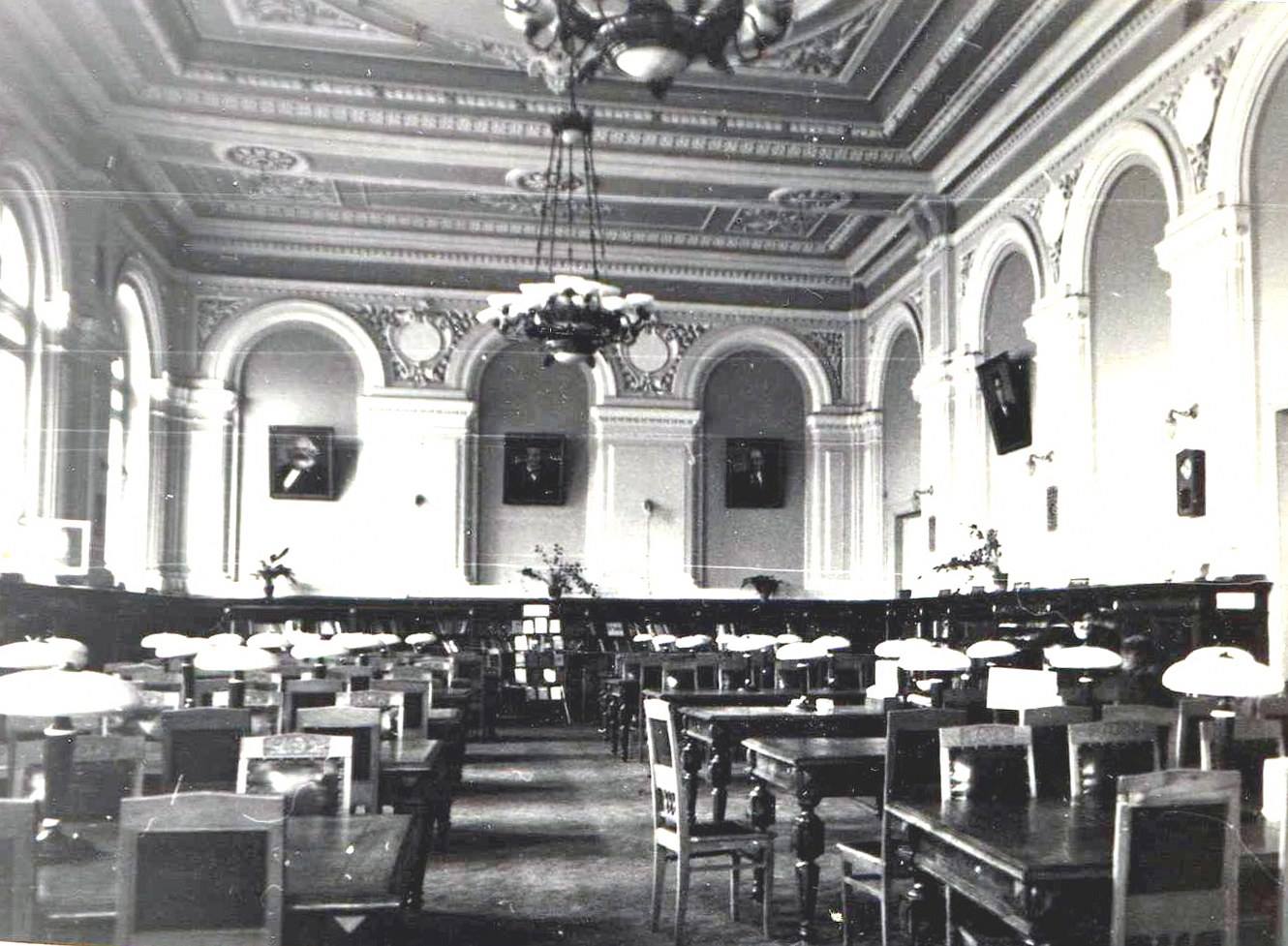
Photo of the university library from Soviet times:
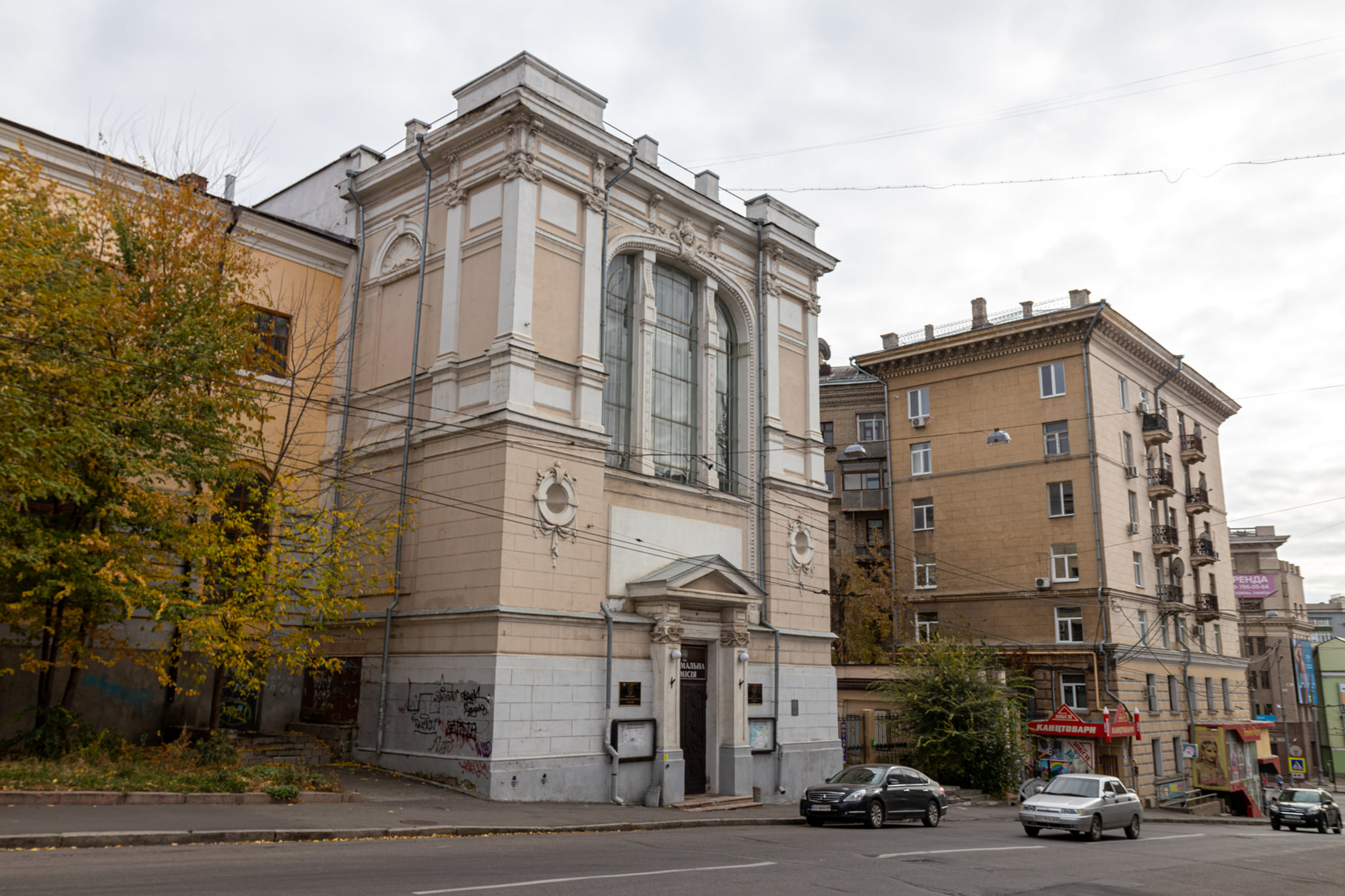
Universytets’ka Street, 27. Former building of the Faculty of Law of Kharkiv University. Currently, the third building of the Ukrainian Engineering and Pedagogical Academy is located here.
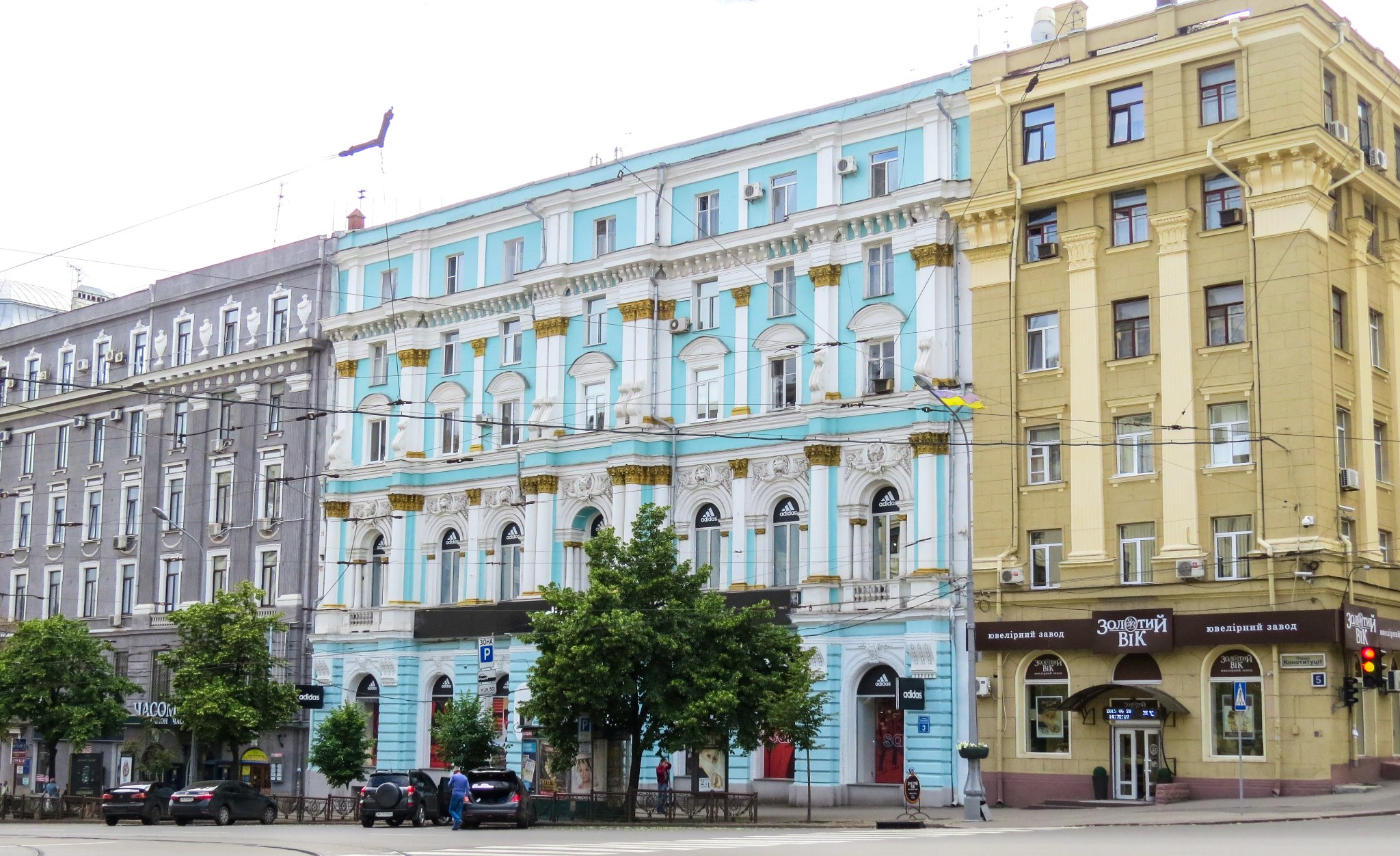
Constitution Square, 3. The building of the “Lux” store was built in 1893-1894.
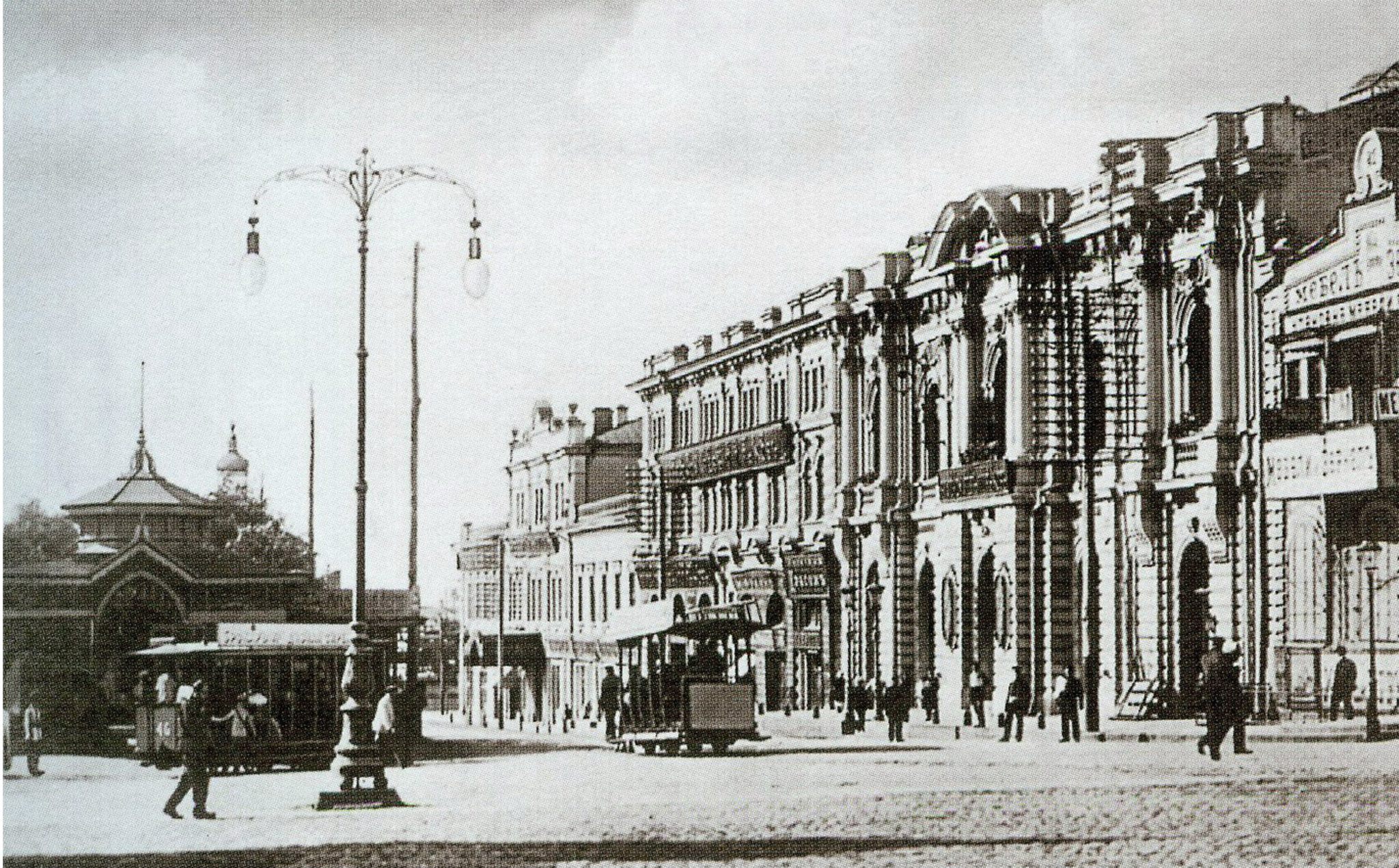
Two floors were added in 1954.
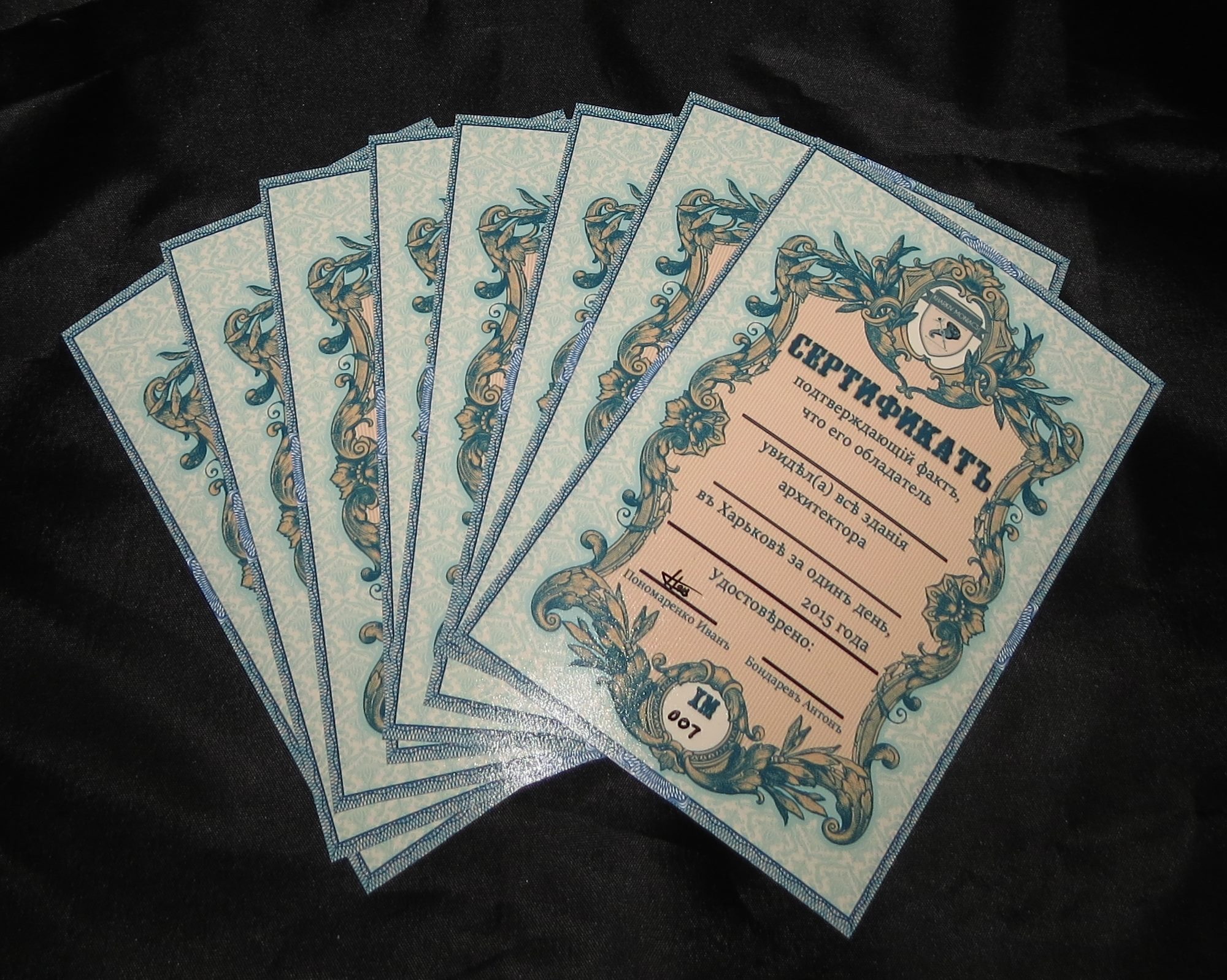
Everyone who completed the entire route received a personalized certificate.
P.S. Among other buildings by architect Velichko that were not included in the tour, it is worth noting the house of merchant Gavrylov at Dmytrivs’ka Street, 19/2 (1908) and Kuksin’s house at 25 Chernyshevska Street, 25 (1911-1912, presumably by Velichko).

- The Architectural Evolution of the Kharkiv Theater - 26.09.2026
- 1st Kharkiv Gymnasium - 17.09.2026
- The Oldest Movie Theater in Ukraine - 24.08.2026