I’ll continue telling you about our trip through the former Vovchansky Uyezd. After visiting the Epiphany Church in the village of Molodova, the estate of the ancient noble Kolokoltsov family in the village of Verkhnya Pysarivka, and the church in Petropavlivka, we headed to Vasylivka, hoping to enjoy the beauty of the ancestral estate of the Bekaryukov noble family.
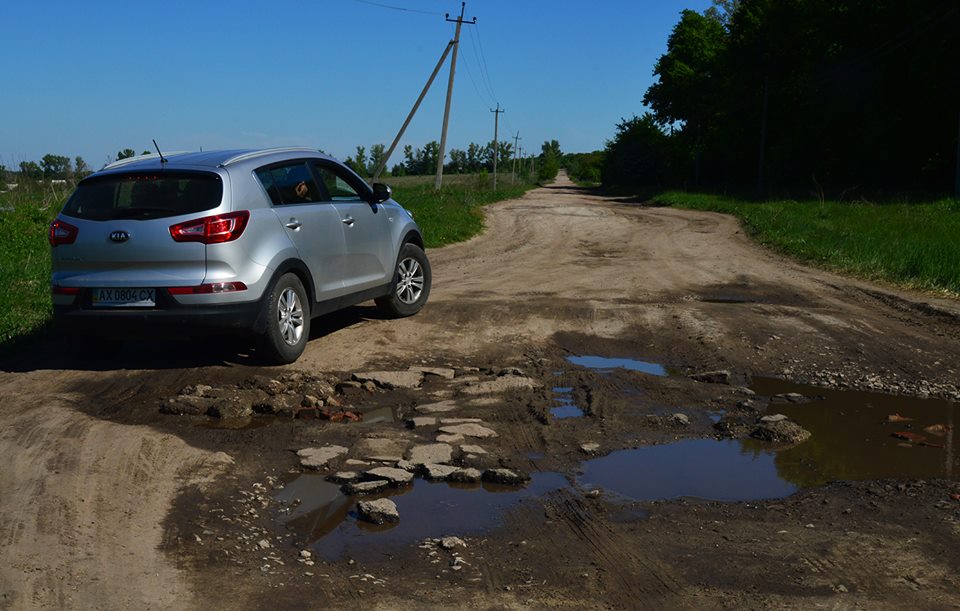
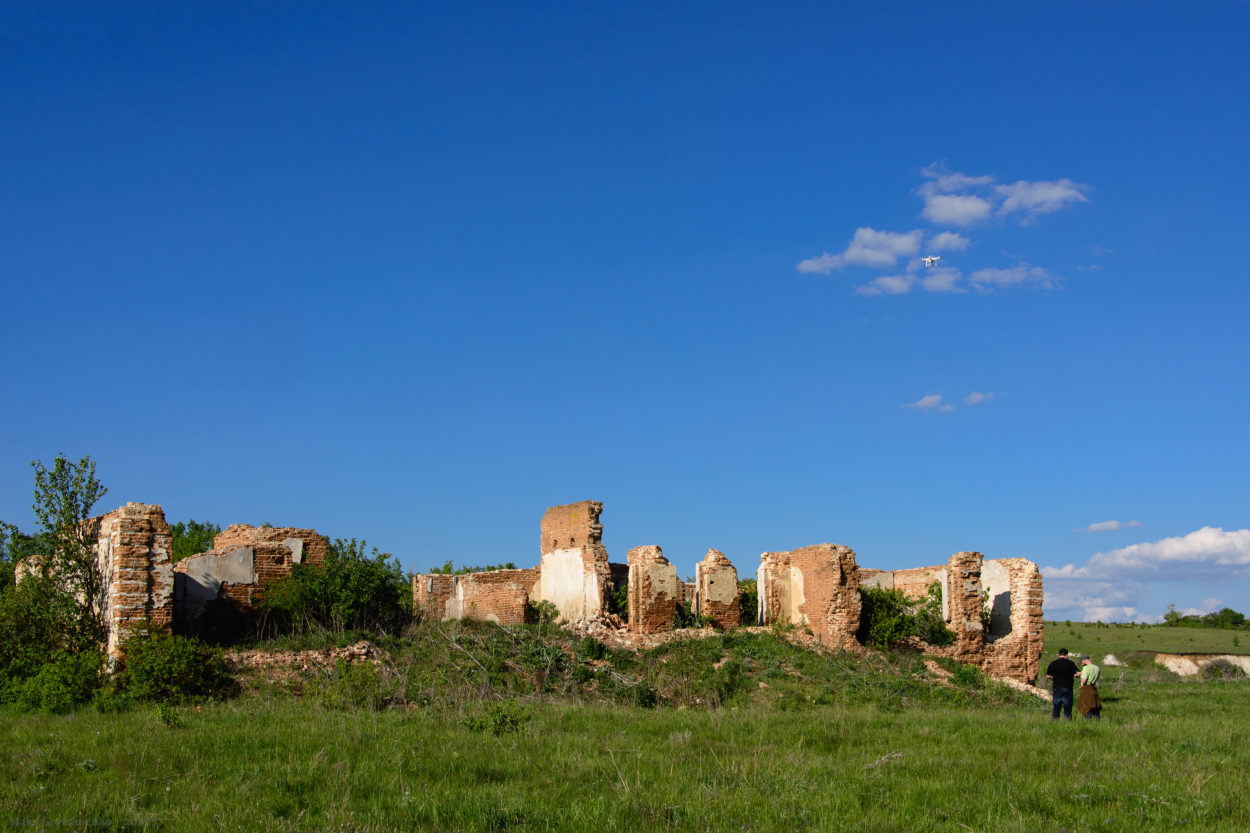
The completely impassable roads of Sloboda Ukraine once again took us by a very unpleasant surprise. However, upon arrival, we realized that the condition of the road we had traveled on was much better than that of the estate itself.
The Bekaryukov family traced its origins to its founder, Alexei Uryupin, son of Bekaryukov, who, along with his brothers, was granted estates in the Kostroma District in 1543. Their family was recorded by the heraldry office in Part VI of the noble genealogical registers of the Kharkiv and Voronezh Governorates of the Russian Empire.
In the document listing the individuals entered into the nobility register of the Sloboda-Ukrainian (now Kharkiv) Governorate in 1786, we find Second Lieutenant Ivan Ivanovich Bekaryukov.
This family’s coat of arms is quite interesting.
The shield is divided into four quarters. In the first quarter, on a silver field, there is a red heart with flames, pierced by a gold sword. In the second quarter, on a blue field, a gold ray emanates from the upper-left corner. In the third and fourth quarters, on red and black fields, respectively, there is a pyramid-shaped stack of silver bombs, with the top bomb emitting a flame. The shield is surmounted by a noble helmet and a noble crown with ostrich feathers. The mantling on the shield is silver and red, lined with black and gold.

During the War of 1812, a major general from the Bekaryukov family was elected commander of the provincial militia and served on the Kharkiv Provincial Committee for the Organization of the Daily Life of Landowners’ Peasants.
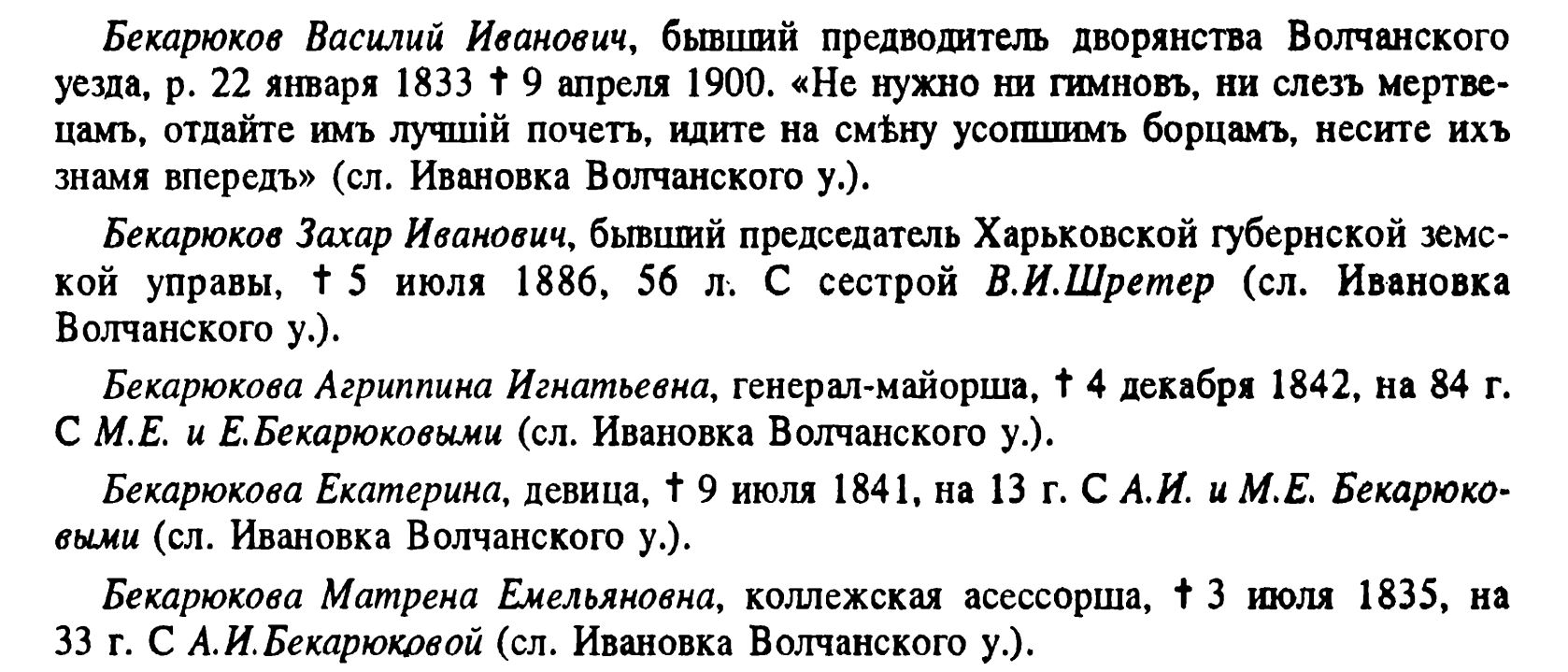
In the 19th century, members of this family periodically held the position of leaders of the nobility in Vovchansky Uyezd. By 1860, in the same district, the Bekaryukovs owned the villages of Vasylivka and Udobnoye, as well as the settlements of Ivanovka and Zakharievka.
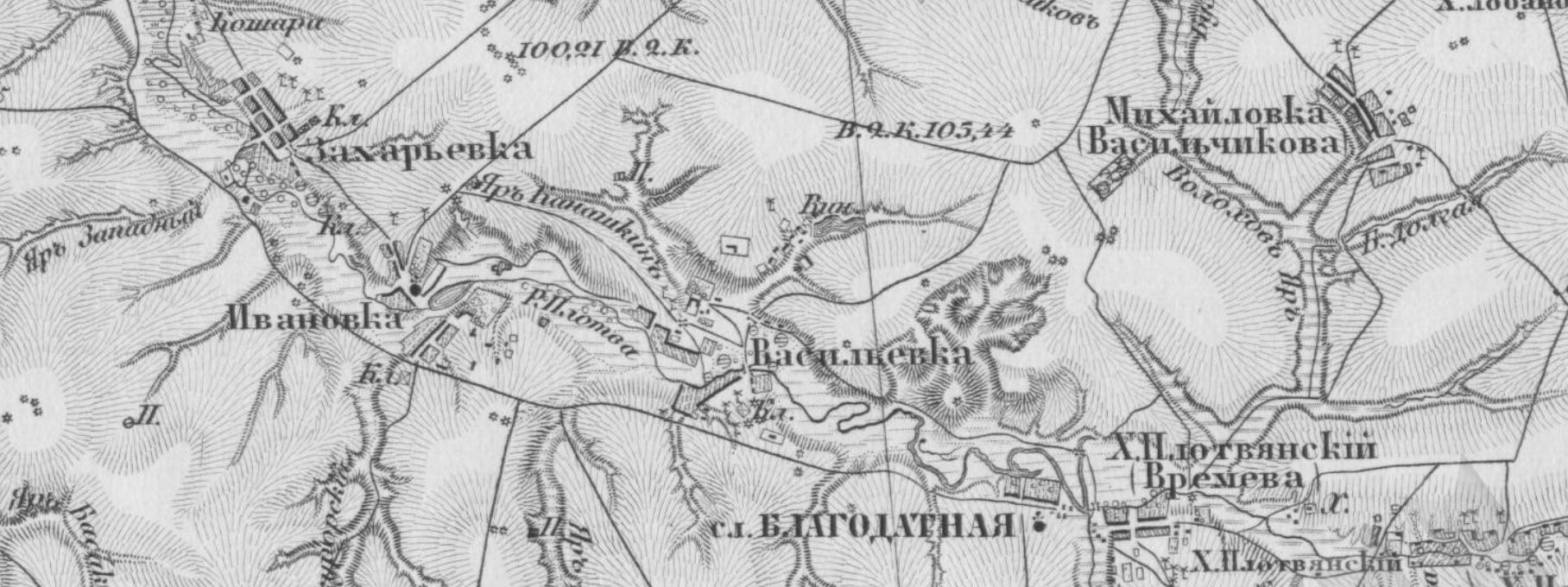
In the village of Ivanovka, the Transfiguration Church was built in 1872 with funds from parishioners; it has not survived to the present day. The Bekaryukovs’ graves were also located there, in the church cemetery.
Here is what Grigory Lukomsky, who visited the estate in 1912, wrote about it:
The house and outbuildings are situated atop a hill overlooking the village, so that as you approach the estate, not only is the garden invisible, but it is even difficult to imagine where it might be located.

Behind the house is a slope, on which lies a wonderful old garden with avenues of linden trees. After passing through the village—which is rather dreary—you can already see the entire estate from a distance: in the center stands a low house, but one with a portico and imposing architecture, and in front of it, stretching out on both sides, are the service wings, also adorned with pillars and even columns.
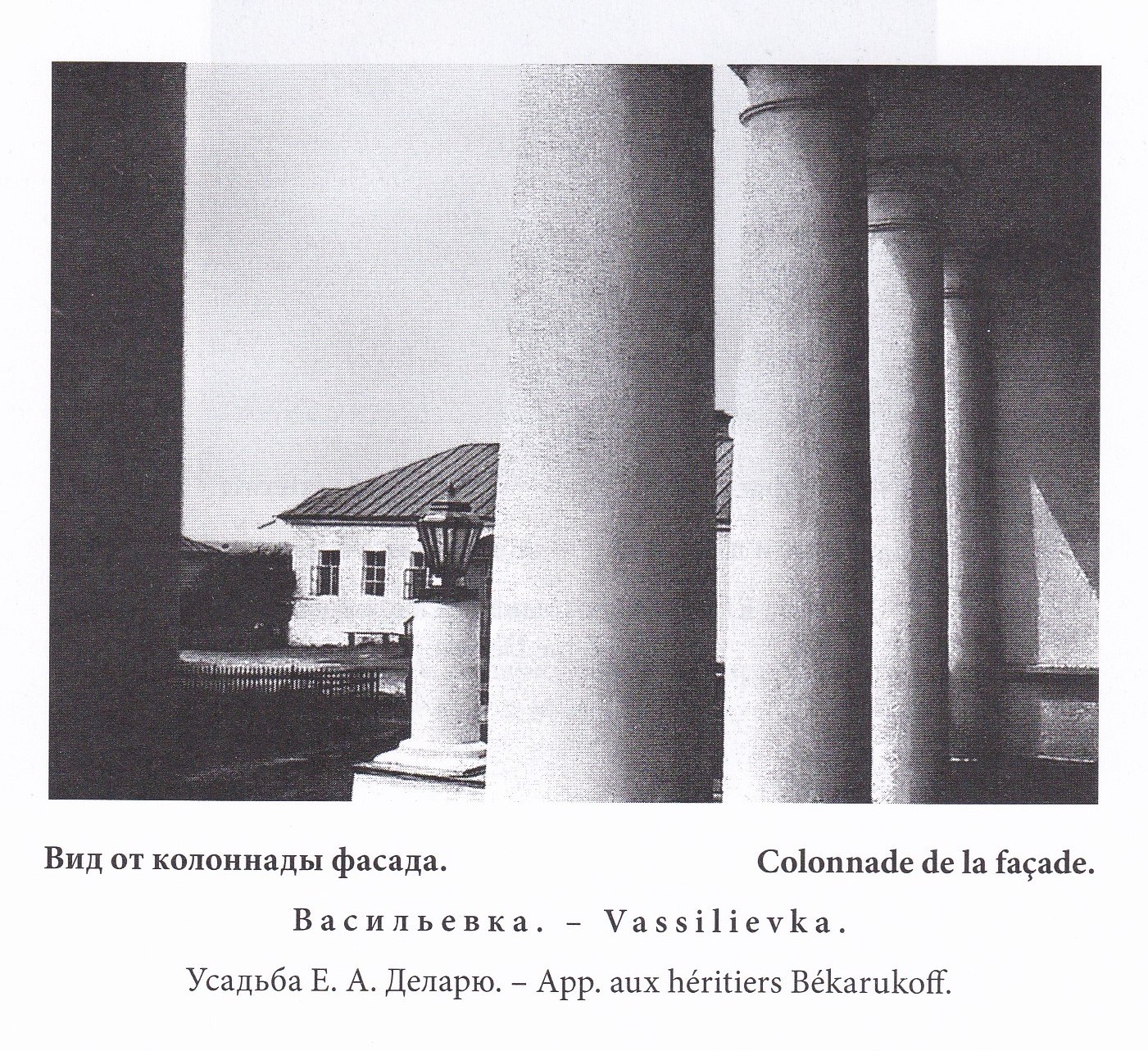
All around is barren terrain—red, bare hillsides eroded by the rain. Pitiful, gnawed-down willows by the stream. Upon entering the vast, farm-like courtyard, you immediately sense the true life of a country estate. In this sense, Vasylivka is more typical than Grafskoye or Khoten. Bezdrik is an estate of the same character: on the side of the entrance, it’s all farm work, while on the opposite side of the house lies the park and the delights of life. In Vasilyevka, the characteristics of these two aspects of estate life are brilliantly expressed. All the practical affairs are concentrated in front of the main entrance.

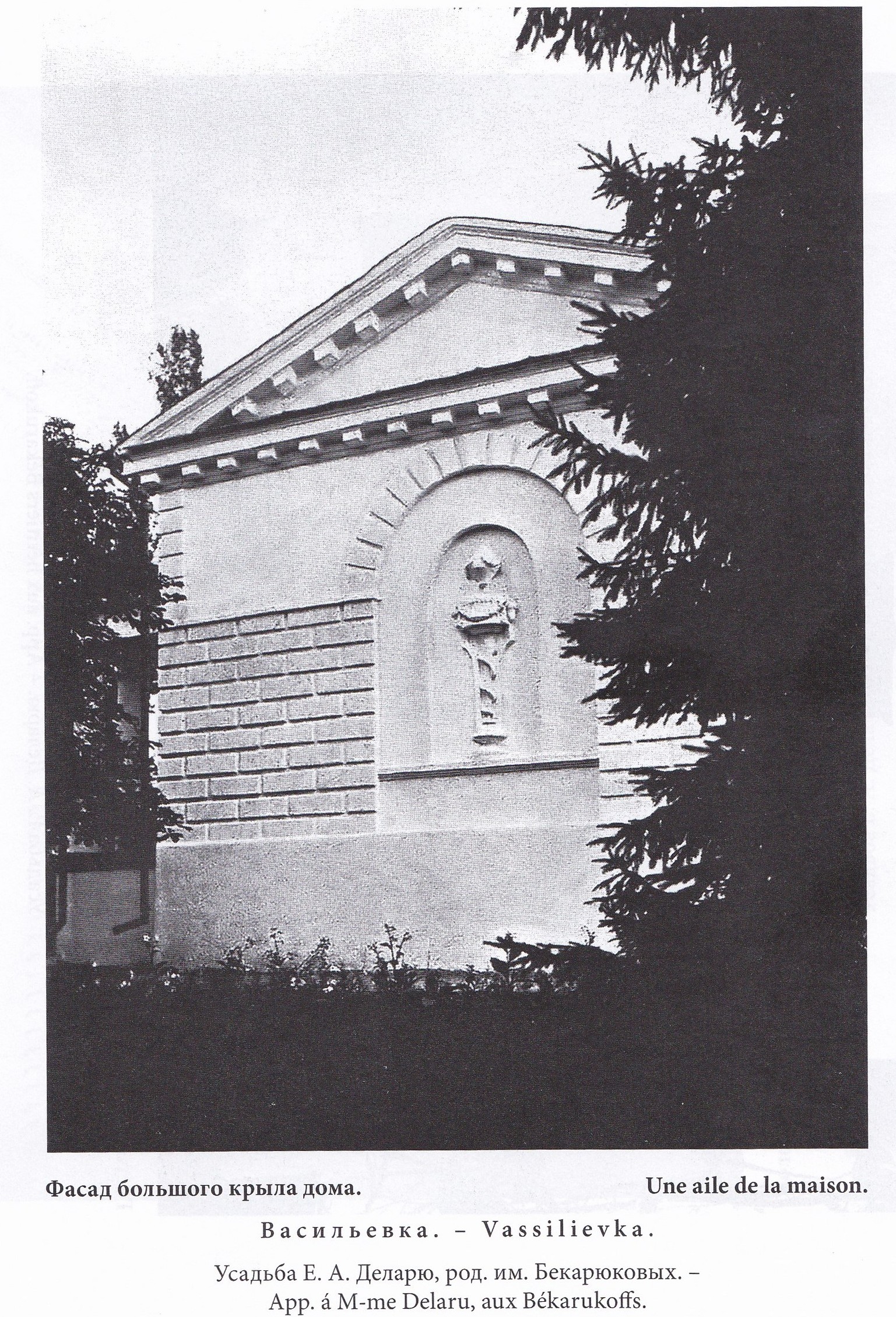
Here, the facade is adorned with a loggia, which is very convenient for the landowner to receive peasants; in front of the portico are very charming and quaint lanterns mounted on pedestals that jut out far forward. From the staircase, all the service areas are visible: the estate, so to speak, is in full view of the landowner’s watchful eye. The view from the loggia is a beautiful and typical scene. Between the column bases, the white pillars and gables of the granaries, barns, and the steward’s cottage stand out. On the side of the house are beautiful, slender porticos with four Doric columns—these are the side entrances to the house. The facade, which opens onto a surprisingly shady garden, is strikingly magnificent.
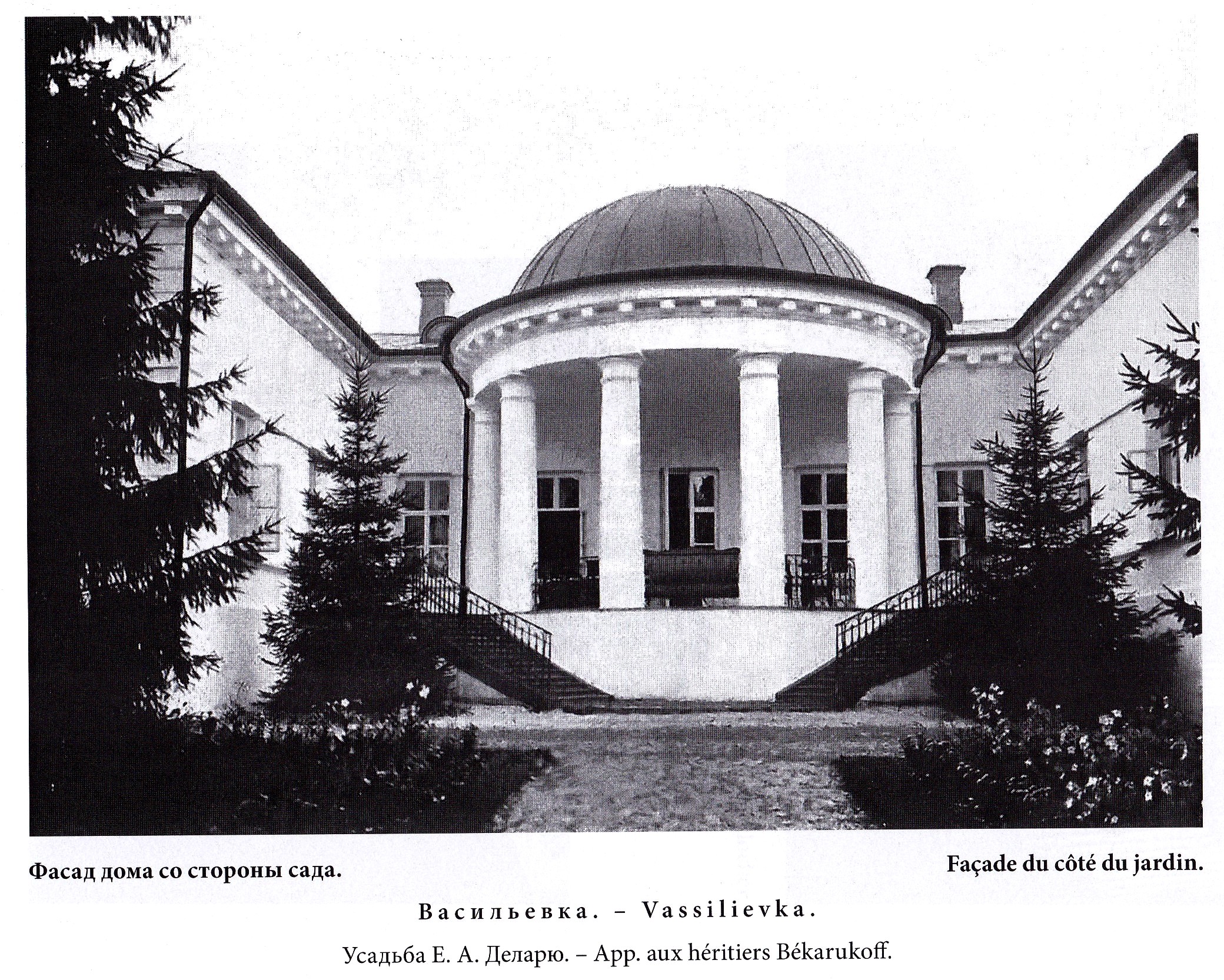
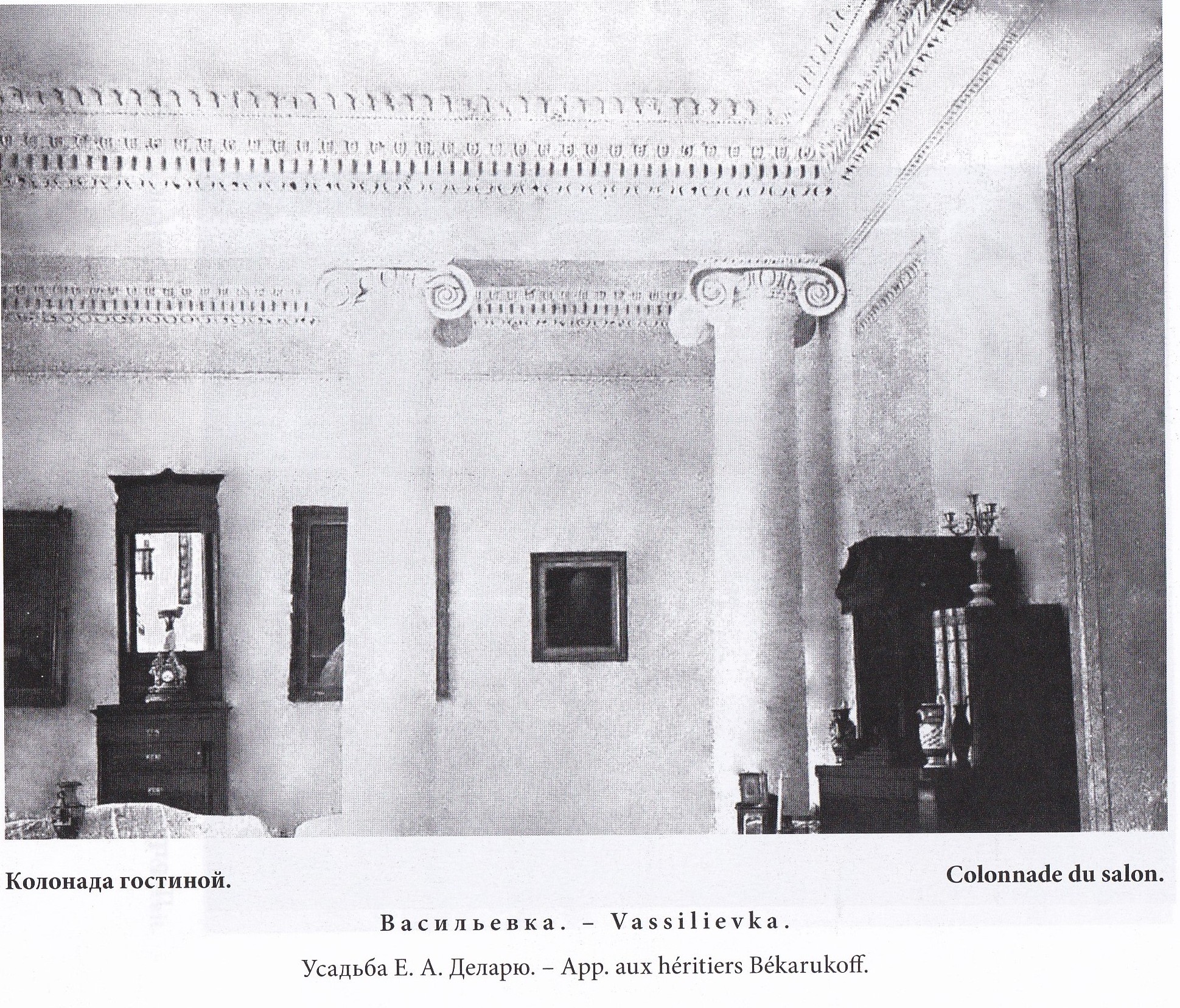
Approaching the house from the entrance, it’s hard to imagine that the opposite side would be so beautifully designed. Although the house is quite small in every dimension, its proportions are well-balanced, and the rotunda, tactfully placed, does not at all seem “cramped” between the wings. The stoves in the house are particularly fine—tall, typical of the 1820s, that is, the period when the house was built.

The life and fate of the estate’s last owner from this family—Dmitry Dmitrievich Bekaryukov—are also extremely interesting.
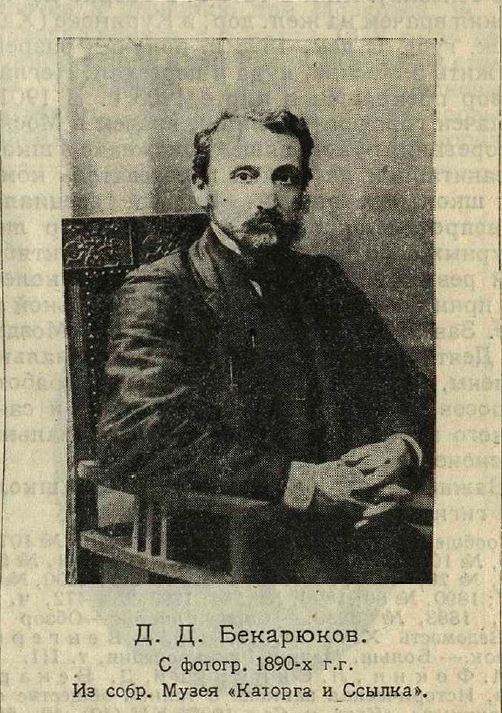
He was born on January 1, 1861, at his family’s estate in Vasylivka. He graduated from the 3rd Kharkiv Gymnasium. Beginning in 1880, he was a student in the medical school at Kharkiv University. For his participation in the student riots that took place in February and March 1882, and for submitting a collective protest against the actions of the superintendent of the Kharkiv Educational District, he was expelled from the university on March 19, 1882. However, he retained the right to enroll in other institutions of higher education. Due to his unreliability, he was under covert police surveillance.
After enrolling at Kazan University, Dmitry Dmitrievich managed to distinguish himself there as well during student unrest, taking an active part in the activities of revolutionary organizations. For this, he was held in custody from October 25 to November 6, 1884. In May 1886, Bekaryukov finally graduated from Kazan University with a medical degree. Afterward, he moved to Kharkiv, where he became a supernumerary resident at the provincial zemstvo hospital. However, even in our beloved city, Dmitry Dmitrievich did not settle down. In 1887–1888, he actively engaged in revolutionary propaganda among the workers. He joined Itski Rodshtein’s Narodnik-oriented workers’ circle, where he played a leading role. Given that, for a nobleman of the Kharkiv Governorate, his views leaned very strongly toward Marxism, it was Bekaryukov who first introduced some members of the Kharkiv circle to Marx’s *Capital*. In the summer of 1888, Dmitry Dmitrievich moved from Kharkiv to his father’s estate in Vasylivka.
In 1889, he was again summoned for questioning in connection with the case of the Kharkiv circle known as the “Russian Revolutionary Workers’ Group.” He was held in custody from August 31 to September 16, 1889, and was subsequently placed under special police surveillance. In 1890, he was exiled to the Stepnoye Governor-Generalship (the territory of modern-day Russia and Kazakhstan) and lived in Akmolinsk. In August 1893, he returned once again to the Kharkiv Governorate. In 1894, he was temporarily hired as a district physician in the village of Mikhailivka (Pavlograd Uyezd, Yekaterinoslav Governorate). In 1897, his application for a residence permit in Moscow to further his training in his specialty (pediatric diseases) was denied. He lived in Tver in 1897. In December 1898, he finally received permission to live in Moscow, where he moved. There, Bekaryukov eventually assumed a leadership role in school health affairs and even served as chairman of the commission of school physicians. He was regarded as a leading expert on school hygiene. His work, *The Fundamentals of School Hygiene*, was reprinted twice (in 1906 and 1914) and was considered a definitive guide in this field.
He supported the October Revolution without hesitation. In the 1920s, he participated in the development of health guidelines for schoolchildren’s academic workload and wrote the first handbook on protecting the health of Pioneers. He served as a member of the Main School Health Council and the Scientific Council on Physical Education of the People’s Commissariat of Health of the RSFSR (from 1919 to 1921). He was the editor of the *Guide to the Health Protection of Schoolchildren* (1926). In 1926, the former Kharkiv landowner was awarded the title of Hero of Labor.
He oversaw the organization of children’s feeding stations; and participated in the development of projects for children’s health camps and school improvements in Moscow. From 1931 until his death in 1934, he worked at the F. F. Erisman Institute of Hygiene.
Dmitry Dmitrievich Bekaryukov’s biological sisters, who were born at the Vasylivka estate, also left their mark on history.
Natalya Dmitrievna, née Bekaryukova (1859–1937), was a doctor who worked for many years in the zemstvo hospitals of the Kharkiv Governorate. She was also a writer and published under the pseudonym T. Barvenkova. She was married to Alexei Viktorovich Gizetti (full surname: Gizetti di Capofieri) (1850–1914). Her son, Alexander Alekseevich Gizetti, became a well-known literary critic and scholar, the author of a number of books and articles on A. Akhmatova, I. Bunin, H. Ibsen, and others.
Maria Dmitrievna Bekaryukova married F. F. Oldenburg, a well-known educator from Tver and the brother of Academician S. F. Oldenburg.
But the better-known of the sisters was Elena Dmitrievna Bekaryukova (1868–1942).
On August 16, 1891, at the Transfiguration Church in the settlement of Ivanivka—which we are already familiar with—she was married to Alexander Sergeyevich Lappo-Danilevsky, who later became a renowned historian.
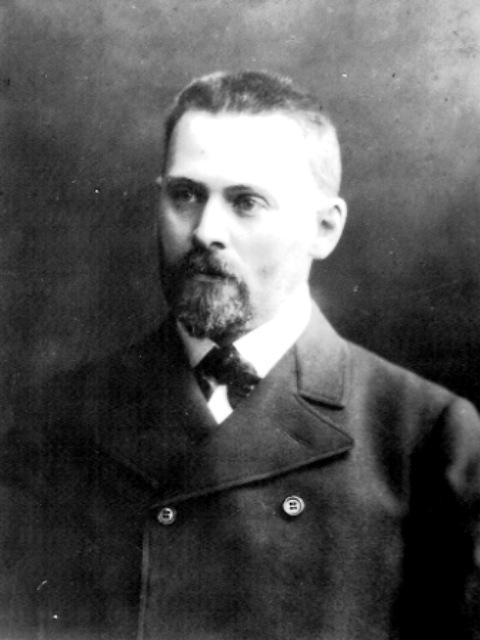
It is possible that after the church wedding, the couple celebrated at the Bekaryukov family estate, which was located nearby. The children born of this marriage are still remembered today. After all, Ivan Alexandrovich Lappo-Danilevsky (1896–1931), a Soviet mathematician, a corresponding member of the USSR Academy of Sciences, and the artist Alexander Alexandrovich Lappo-Danilevsky (1898–1920)—were Elena Dmitrievna’s sons.
In the early 20th century, the Bekaryukov family estate was sold to E. A. Delary, who became its last owner. Years passed… As recently as the 1970s, the estate was bustling with activity, housing a club and a “Lenin Corner.” However, it is said that a treasure was later discovered on the estate. Treasure-hunting locals quietly began tearing the mansion down brick by brick. In the early years of Ukraine’s independence, local chronic alcoholics began gathering at the ancestral estate of the once-glorious family. Looking at the shapeless ruins of the estate, I now realize that no miracle can save it.
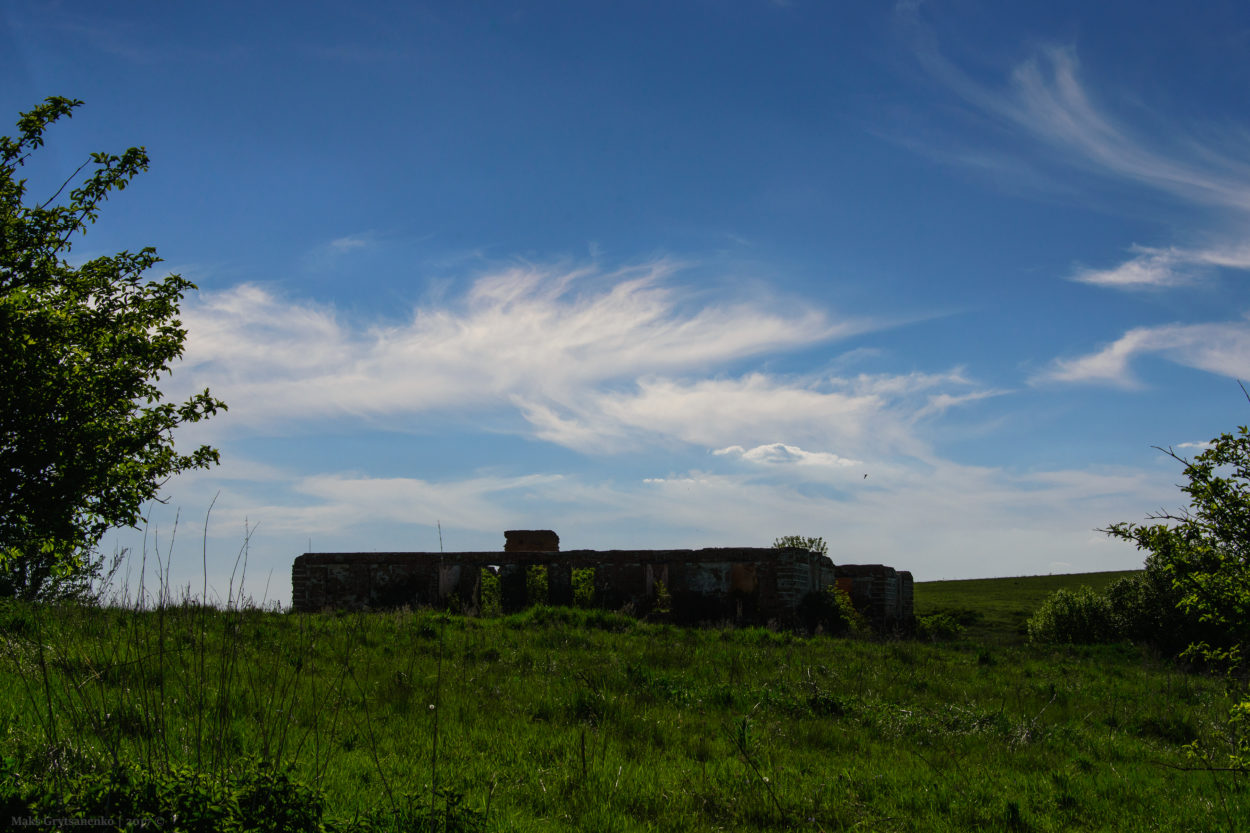
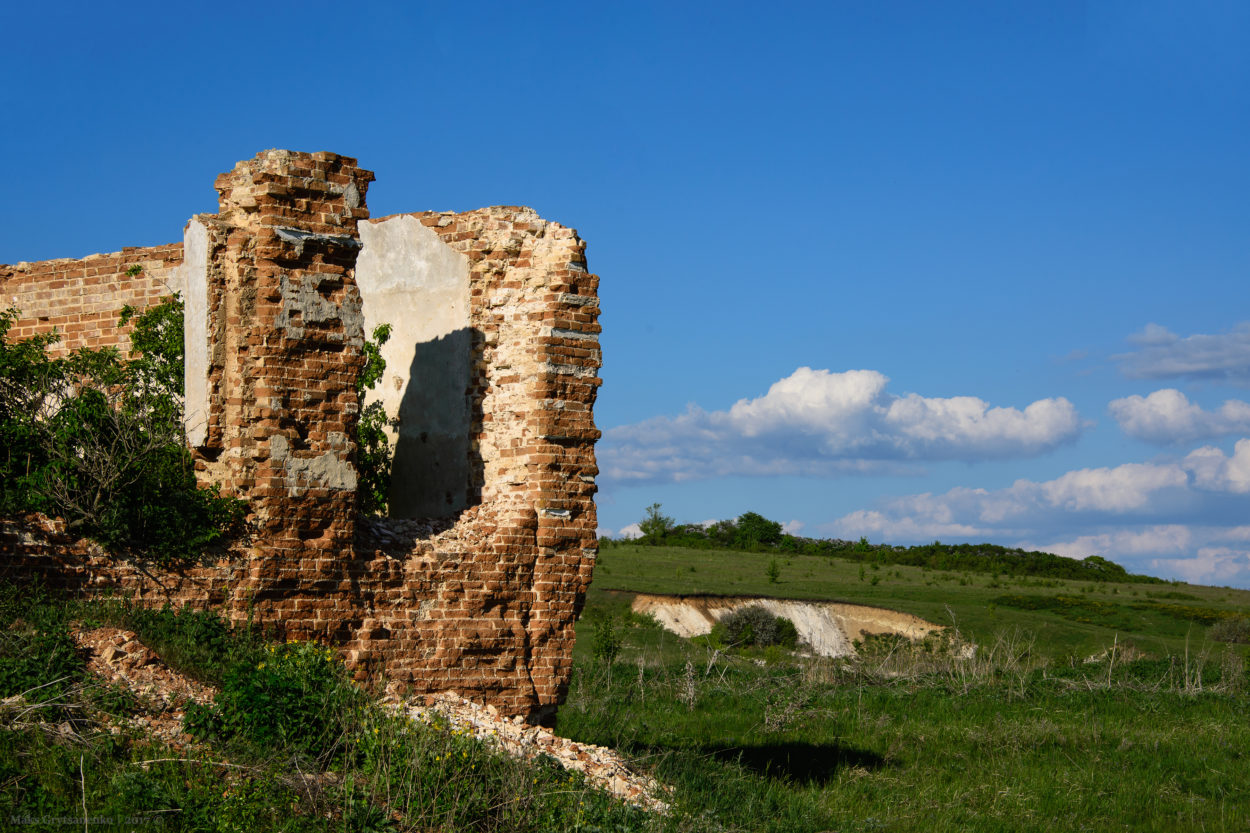
In a few more years, the last trace of the Bekaryukovs, a noble family from the Kharkiv Governorate, will be ruthlessly erased from the face of the Slobozhanshchina region.
On a satellite map, the estate in Vasylivka currently looks like this:
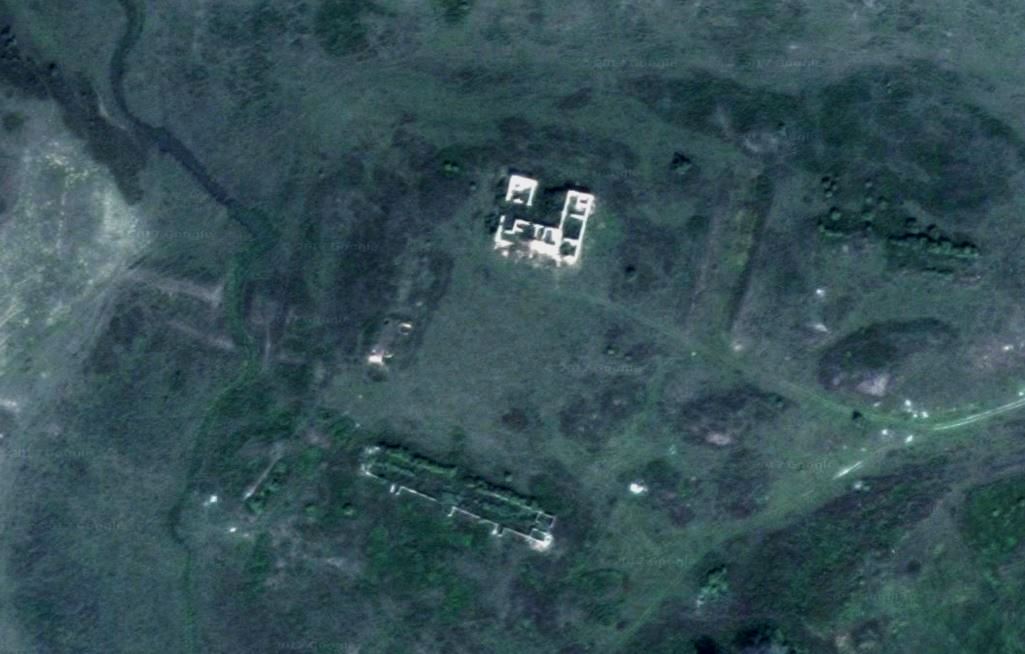
Even after all this time, the contours of this beautiful estate are still breathtaking. But that’s not all—now we can also take in this wonderful place from a bird’s-eye view.
From there, our journey continued to Velykyi Burluk.

- About the military pilot school and the airfield in Kharkiv… - 04.11.2020
- Nikanor Savich—A Political Career by Mistake - 13.07.2020
- And once again, about the Cavalry Guards… - 21.01.2020