It’s summer outside. The long daylight hours and the warm weather outside are just the thing to inspire another journey through the lands of Sloboda Ukraine. So today, we’re continuing to explore the topic of road travel, which we touched on earlier in the article “Traveling Through Sloboda Ukraine—A Land of Contrasts.” But this time, we suggest heading to the northwestern regions of Sloboda Ukraine. The places there are no less beautiful and picturesque; we’ve been there several times on Nakipelo-UAR expeditions. Why not share such beauty? As a reminder, all our itineraries are one-day trips and are designed primarily for road trippers (that is, those intrepid travelers who don’t need large, air-conditioned buses, but rather their own group, a car, and complete freedom). Well then—let’s go!
That year, our close-knit team visited quite a few beautiful places. But there was one place that really touched everyone’s hearts. That’s why Route No. 1 is “Kharkiv–Mohrytsya” for all of us.
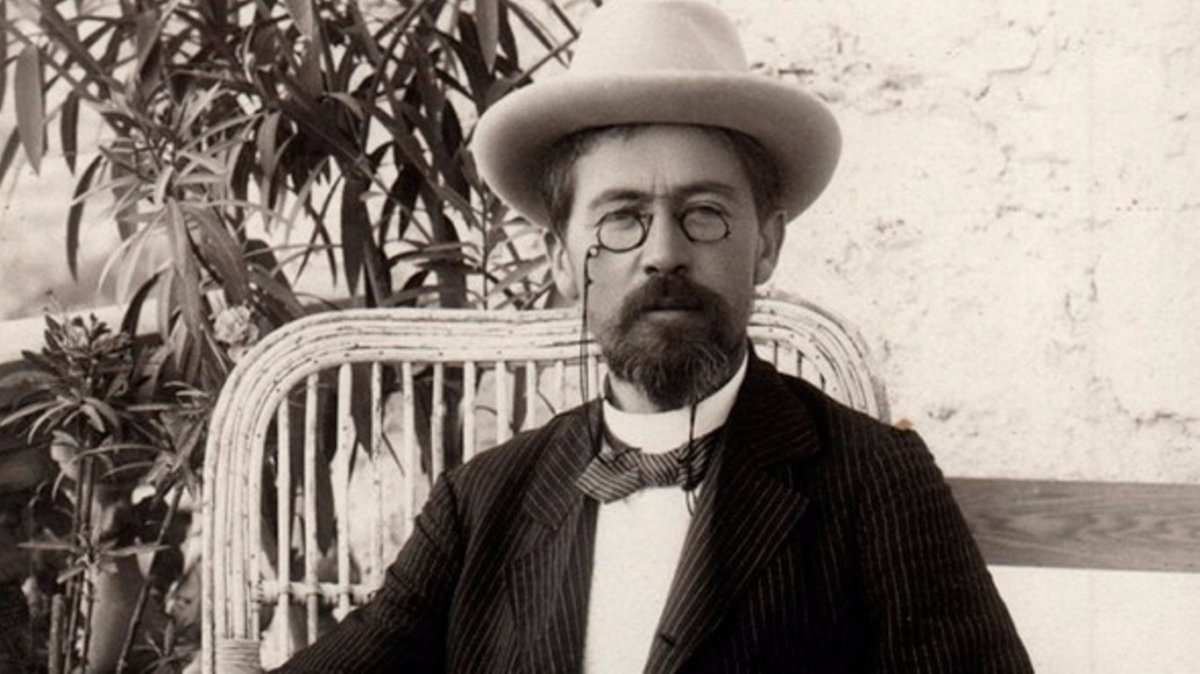
I would recommend leaving Kharkiv no later than 7:00–7:30 a.m., since the one-way distance is about 240 km. So, we’ll drive through Okhtyrka and Trostyanets’, and then arrive in Sumy. If you’d like, you can visit the beautiful house-museum of Anton Pavlovich Chekhov there. It’s located at 79 Chekhov Street. Hours: daily, except Friday, from 10:00 a.m. to 5:00 p.m., and on Thursday from 10:00 a.m. to 4:00 p.m. The museum is located in the aristocratic estate of the Lintvarev family. During the summers of 1888–1889, Anton Pavlovich lived in one of the estate’s outbuildings, which at that time was located in the village of Luki. Today, it lies within the city limits of Sumy, but in the past, the owners would rent out summer cottages to vacationers in this picturesque location, known for its beautiful nature and clean air. Much has been written about the estate itself, its location, and its influence on the writer’s work. If you’re interested, you can find all this information on your own, and the museum staff also offer local history tours to anyone interested.
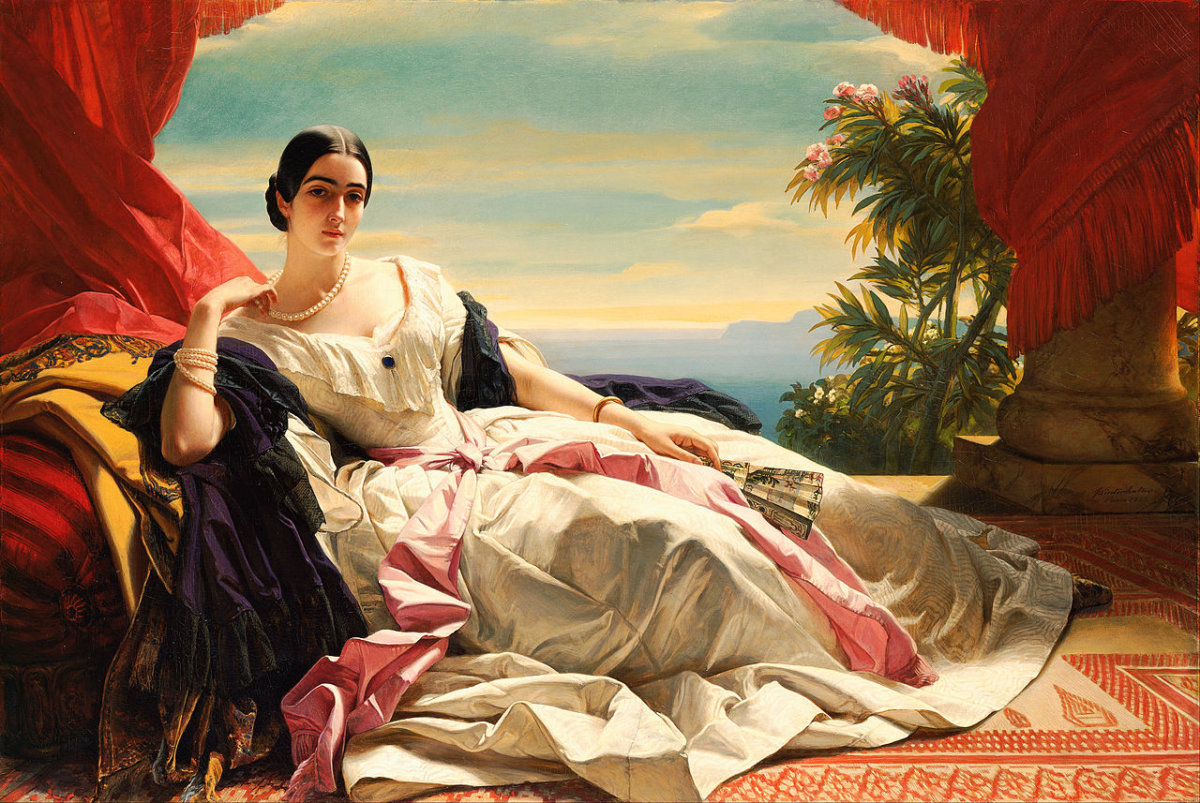
Next, we’re heading to Hrunivka. You can get there not only via Sumy. For example, before reaching Sumy, you can turn toward Verkhnyaya Syrovatka and drive through Glybnoe, Osoevka, Gnilitsa, and Sennoye. But the road there, to put it mildly, isn’t great. So it’s still better to go via Sumy, Velyka Chernetchynka, and Olshanka. Originally, this picturesque village was located on the lands of the Sumy Sloboda Regiment; later, from 1781 to 1796, it was part of the Myropillya District of the Kharkiv Governorate. After the death of Catherine II, in accordance with Paul I’s personal decree “On the New Division of the State into Provinces,” issued to the Senate on December 12, the Kharkiv Viceroyalty was abolished. In its place, the “Sloboda-Ukrainian Province” was reestablished within the boundaries of 1765. After that, Grunovka became part of the Sudzha District of the Kursk Province, and only during the Soviet era did it return to the Sumy Region. Hrunivka is known primarily thanks to the Baryatinsky princes, who trace their lineage back to the princes of Chernihiv. This family is not only ancient but also quite wealthy. Nor was it deprived of imperial favors. For example, in 1799, Emperor Paul I bestowed upon Prince Ivan Sergeyevich Baryatinsky the hereditary rank of Commander of the Order of Malta. The commander’s most beautiful granddaughters were honored to be portrayed in the paintings of the renowned Scottish portrait artist Christina Robertson and one of the most fashionable German portraitists of the mid-19th century, Franz Xaver Winterhalter, considered it an honor to capture them on canvas.
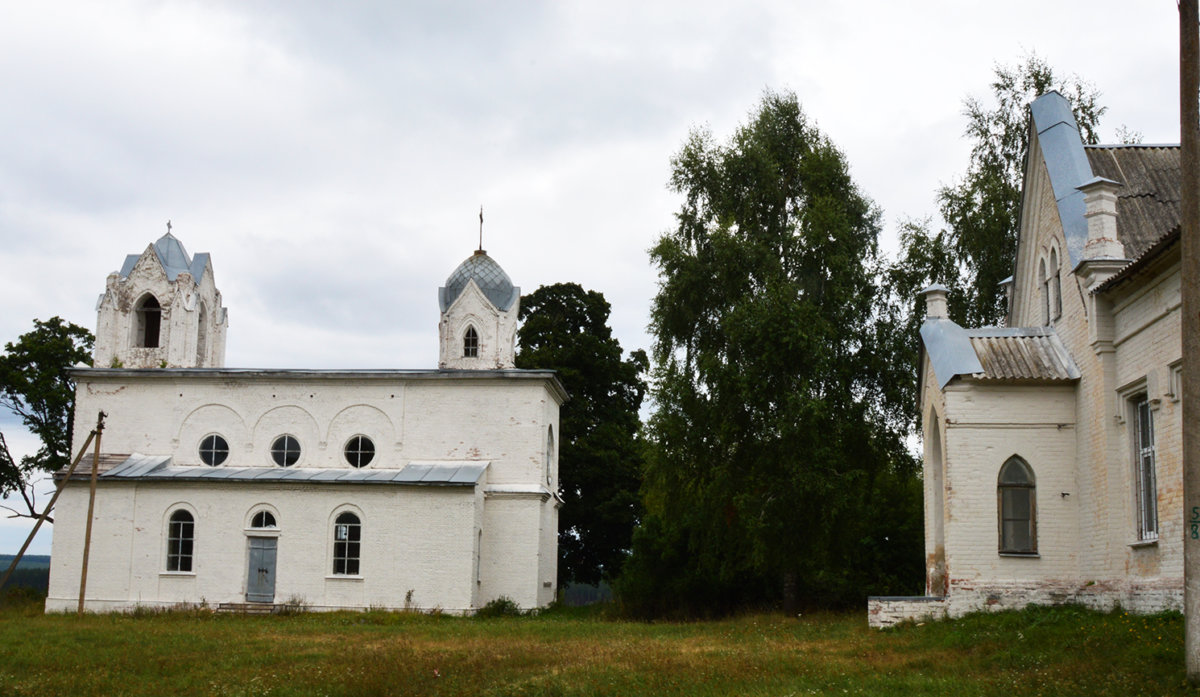
The Baryatinsky family estate was located in Maryino, near the village of Ivanivske. And the youngest of Prince Ivan Ivanovich’s children, Viktor, owned the village of Nikolaevka and the settlement of Hrunivka in the Sudzha District. It was he who, in the mid-19th century, built a massive 42-room estate in Hrunivka, sometimes referred to as the “Mirror Palace.” This remarkable man, who, incidentally, was the first to conduct archaeological excavations at Chersonesos Taurica, financed the construction of a highly unusual church dedicated to Saint Michael the Archangel around 1861 at his own expense; the church harmoniously combines Catholic and Orthodox architectural styles. A parish school was built nearby in the same style. Incidentally, services were held in the church for believers of both denominations. It is believed that Prince Baryatinsky was motivated by nothing other than love. After all, his wife, Maria Apollinarievna (née Buteneva), was a Catholic. Today, not a trace remains of the Baryatinsky princes’ estate, but the church still stands. Looking at it, you truly realize that love is eternal.
Well, if Grunovka happens to win your heart so much that you want to stay there a little longer, that’s no problem either. There’s an eco-tourism estate nearby where you can stay for a longer period of time.
The town of Myropillya is located 12 km from Hrunivka. On your way there, we highly recommend stopping in the village of Zapsillya to see the historic St. Nicholas Church. It’s definitely worth a visit, and the road passes right by it.
And here before us stands the former centurion town of the Sumy Regiment—Myropillya. The lower part of the coat of arms, approved in 1781, depicts a field sown with rye and two olive branches crossed in a silver field. From the “Description of the Kharkiv Governorate at the End of the 18th Century,” we learn the following about it:
In Myropillya, there are 7 wooden churches, an earthen rampart with a moat, a government building housing all administrative offices, wine and salt stores, and 837 residential houses, 6 shops, 6 almshouses, and 20 smithies. The town is populated by military settlers from the former Sloboda regiments, among whom there are a small number of townspeople. There is no difference among them in their profession of the Orthodox faith. The total population consists of 3,223 men and 3,008 women, for a total of 6,231 souls. The town’s main livelihood is agriculture and the trade in grain among themselves and with distillers in the district, as well as various traditional rural crafts. There are three fairs in Myropillya, namely: during the fifth week of Great Lent, on the Monday after Trinity Sunday, and on September 1; they last no more than five or six days, during which cloth, silk and paper fabrics, and various village goods; while the locals bring grain, horses, cattle, sheep, and other rural handicrafts.
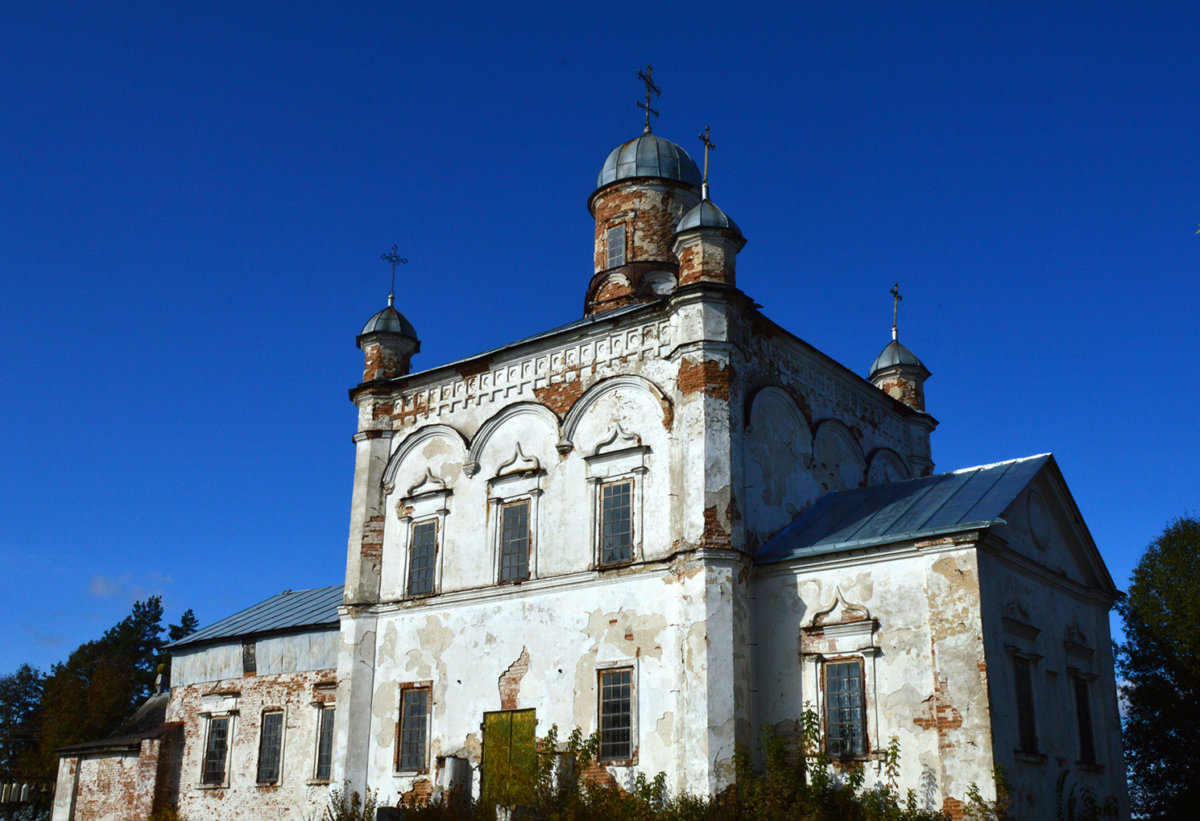
The forges of Myropillya (even after the city became part of the Kursk Governorate) had been renowned for centuries for their exceptional craftsmanship. Over time, stone churches were erected to replace the wooden ones. The best-preserved of these to this day is the massive St. Nicholas Church, built in 1885, whose five-tiered, 56-meter-tall bell tower is considered the tallest in the Sumy region and is visible from afar.
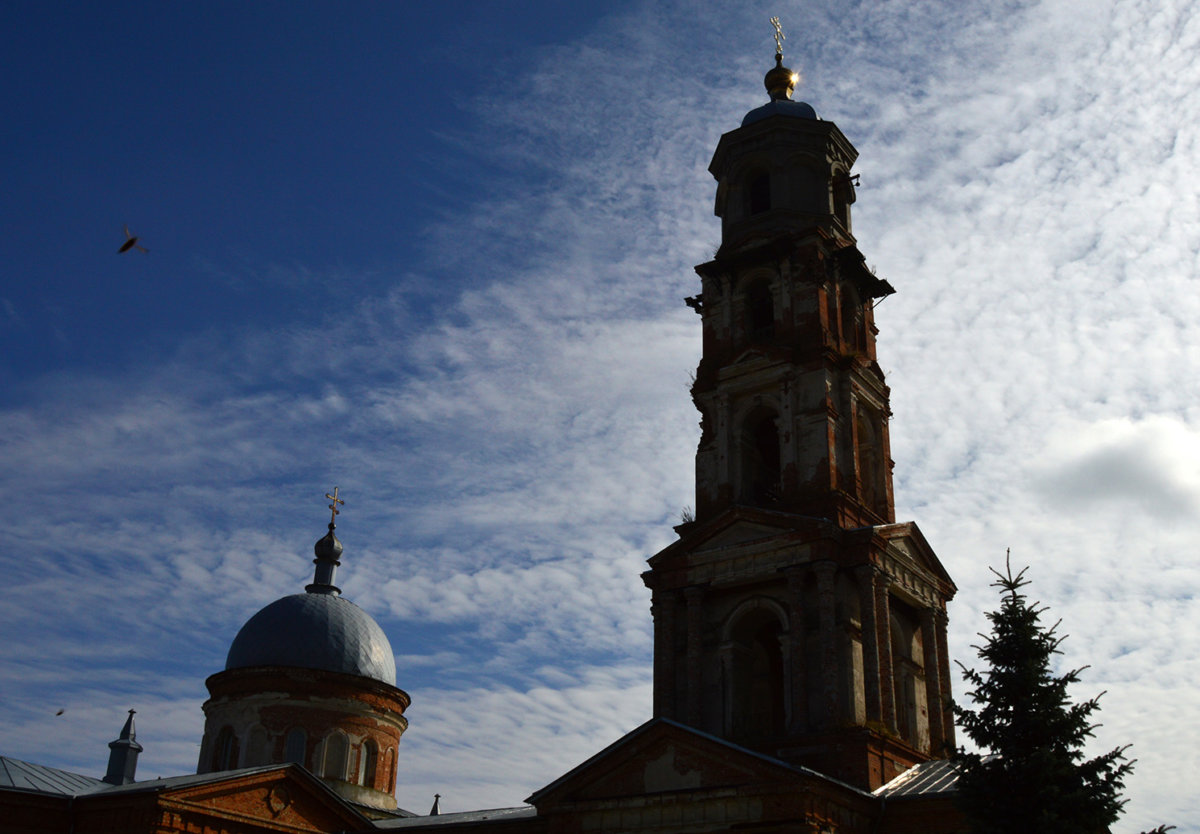
According to official figures, the city’s population exceeds two and a half thousand people. But throughout the entire territory of Sloboda Ukraine, this is perhaps the only city where, despite such a small population, such a vast number of extraordinarily beautiful mansions from the 19th and early 20th centuries have been preserved. That’s why, when you arrive in Myropillya, you just want to get out of the car and wander through the old streets.
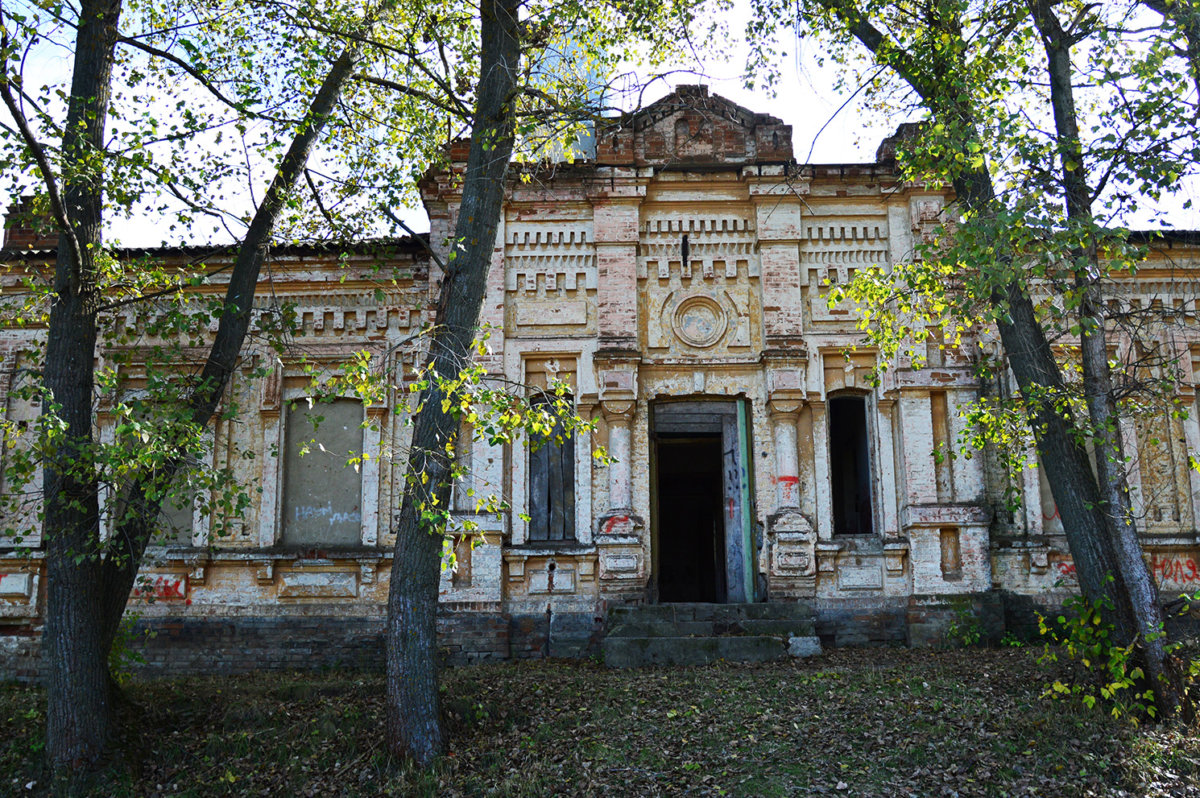
Well, now we turn back toward Grunovka and finally head to Mohrytsya. It would have made more sense to visit it before Myropillya. But I can assure everyone: once you get to Mohrytsya, you won’t want to go anywhere else at all.
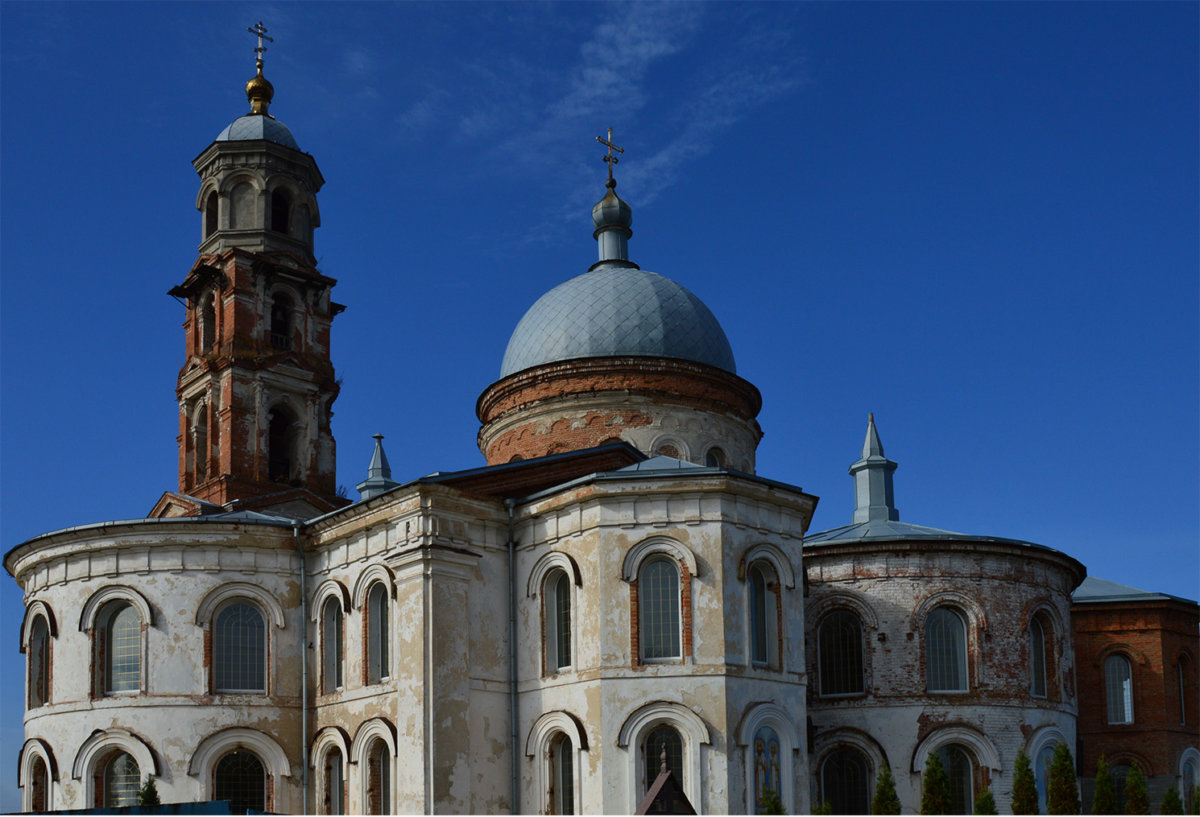
Right at the entrance to the village, you’ll notice a large sand quarry, then we highly recommend visiting the historic Church of St. Nicholas, built in 1852, for which the owner of Mohrytsya, Prince Andrei Mikhailovich Golitsyn, donated bricks, lime, wood, and iron.
And then we approach the highlight of our itinerary—the Mohrytsya Chalk Mountains. Speaking of them, Inna Romenskaya once wrote very aptly in one of her articles:
“If you mix the Scottish hills, the forest-steppe of southern Ukraine, the winding river of Podolia, the chalk mountains of Donbas, the Irish lakes, and an elven forest—you’ll get Mohrytsya.”
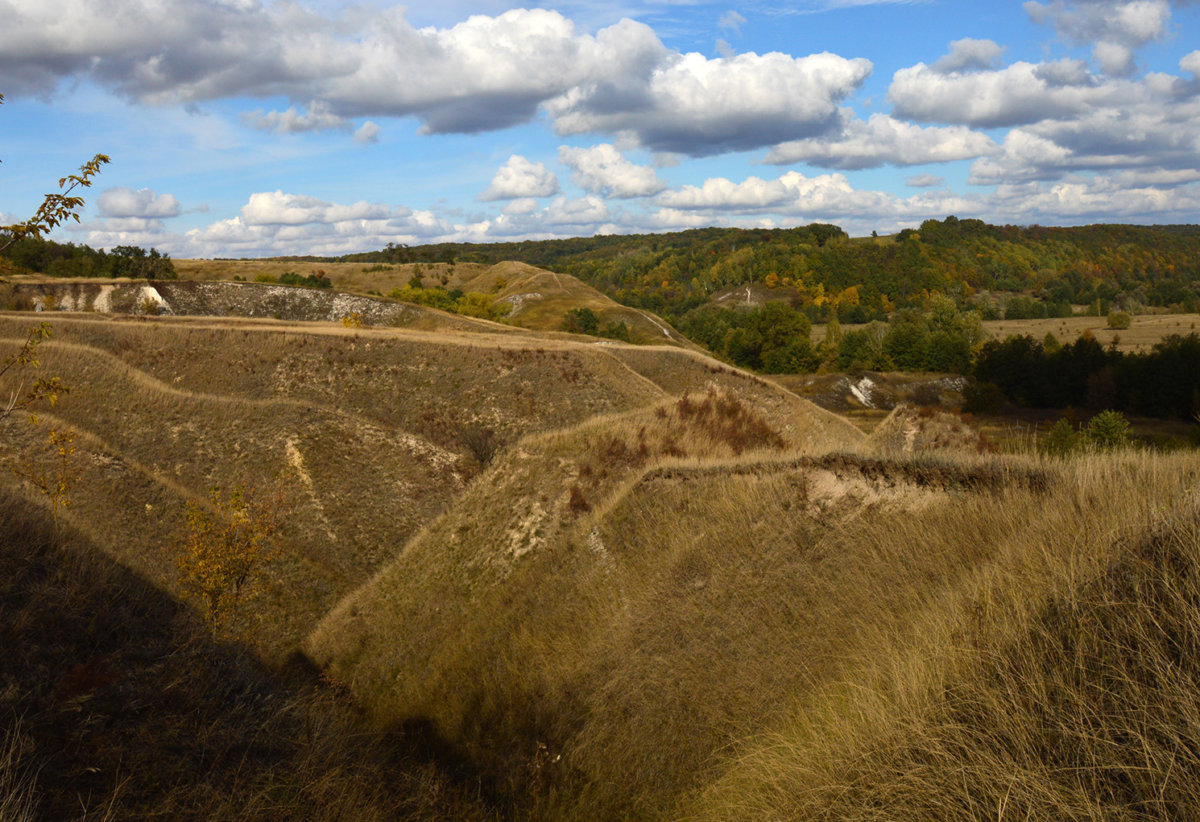
These places are steeped in legends and folklore. Rumor has it that witches gather among the ravines and burial mounds on Ivan Kupala Day. In the 19th century, Filaret Gumilevsky mentioned two ancient settlements in that area—Devichye and Bolshoye—noting the presence of burial mounds and a certain “mysterious door with an iron grate.” He also notes that peasants found old skulls and weapons while plowing the land.
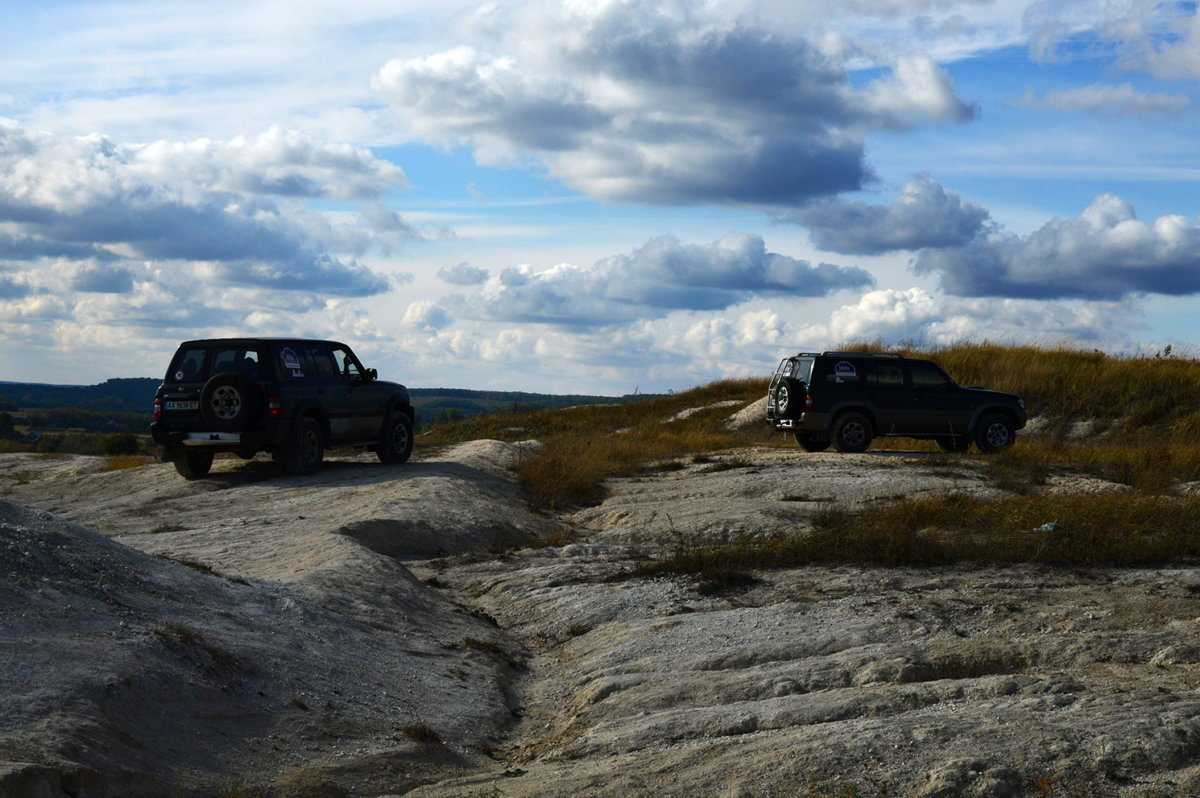
However, by the mid-19th century, the remains of the Scythian settlement had been destroyed by the operation of a chalk quarry. The settlement of the Slavic Severians tribe, on the other hand, has survived to this day.
So, if you’d like, you can descend into the deep moat in front of the former fortifications. As you admire the beauty of Mohrytsya, it comes as no surprise that an international land art symposium has been held here more than twenty times during the summer. And photographers (including those from Western Europe) come there to stay overnight, so they can capture the unique Mohrytsya sunrises in their photos—sunrises that are simply impossible to describe in words. So, if you’re not afraid to leave a piece of your heart forever 250 kilometers from Kharkiv, be sure to visit Mohrytsya. But I’ll warn you again: you’ll have absolutely no desire to leave—not even a little bit. So keep an eye on the time, or you’ll have to drive back along those same roads in complete darkness.
Important! Since Mohrytsya is located near the border, be prepared for unexpected roaming charges and for your carrier to send you a text message with the addresses of Ukrainian consulates. It’s best to turn off your mobile data. And be sure to bring your passport!
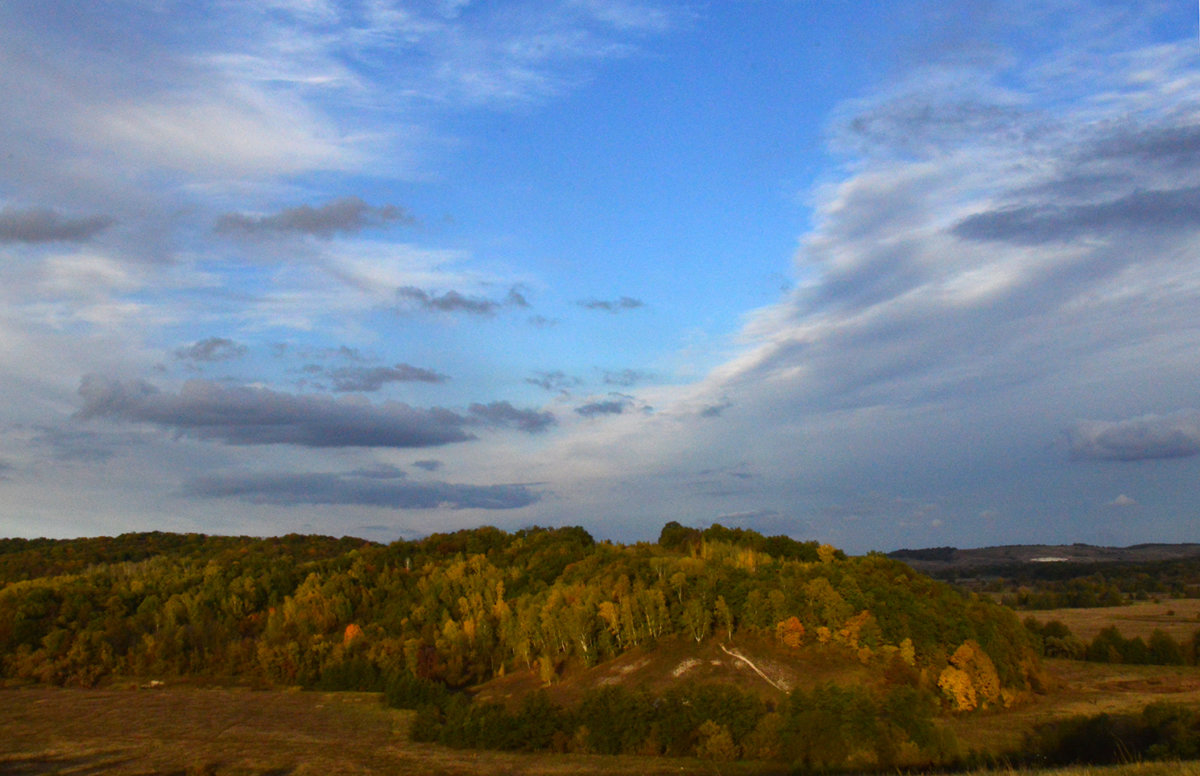
Well, now let’s move on to the second route. The first part, just like the previous one, runs through Okhtyrka, Trostyanets’, and Sumy. From there, head straight to Pysarivka. Turn left there and drive about 20 minutes to Khoten. The road there is quite remarkable: you’ll travel almost the entire way on historic cobblestones. No matter what kind of car you’re driving, the road will leave an indelible impression on your memory—and not just on the car itself. Originally, the Khotin estate belonged to the Kondratyev family, colonels of the Sumy Sloboda Regiment (who owned quite a lot in the Sumy region at the time). After marrying Anna Andreevna Kondratyeva, Mikhail Ivanovich Komburley, the governor of Kursk, moved to Khotin. Thanks to him, a magnificent stone palace with 87 rooms was built there in the early 19th century. The project was designed by Giacomo Antonio Domenico Quarenghi, an architect who was extremely popular at the time and who had also designed imperial palaces.
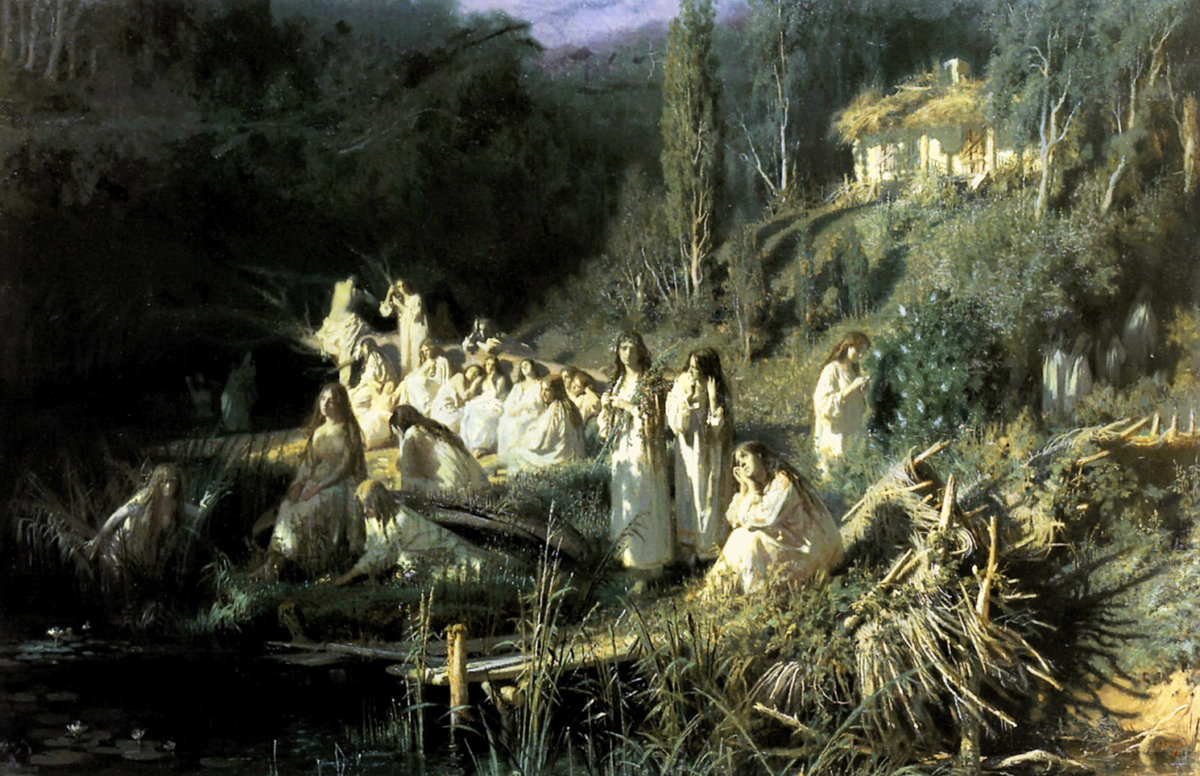
In the summer of 1871, the renowned artist Ivan Nikolaevich Kramskoy spent two weeks at the estate; in his letters, he wrote the following about it:
I arrived at night. As I drove up to the house through the garden, I was verifying everything you’d told me: it’s true, the night really does feel like something out of a fairy tale… I waited for ghosts all night—but they didn’t come. 10 a.m.
Kramsky’s stay in Khotin resulted in the creation of one of his most mystical paintings, “A Scene from Gogol’s ‘May Night.’” This painting is one of Khotin’s most iconic works.
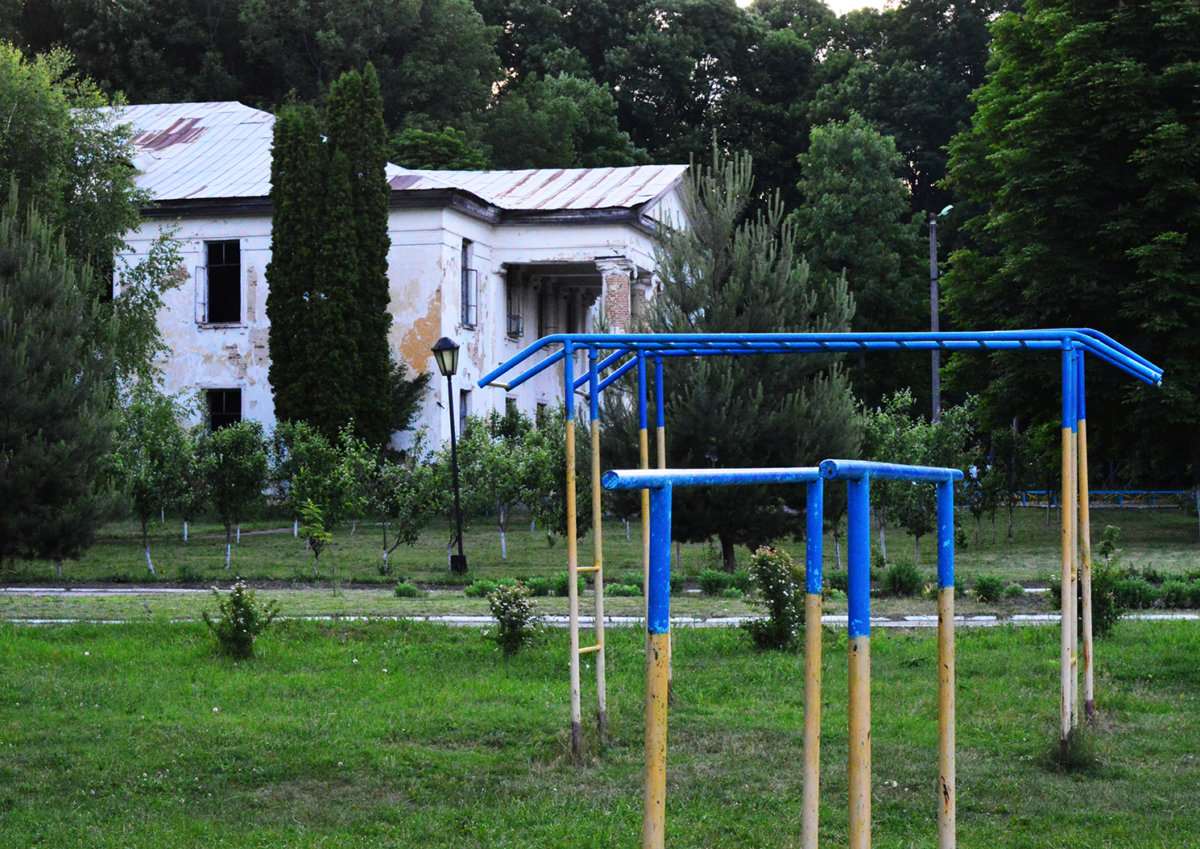
In 1918, the palace—which had fallen into disrepair by that time—burned to the ground. All that remains of Quarenghi’s creation today are two enormous wings, originally intended for guests and servants. A school stadium now stands on the site of the palace.
Then, along the cobblestone road we’ve come to love, we race once again through Pysarivka toward Kiyanitsa. It was owned by the Antonovs, then by the distinguished Savich family of senior officers, and from the mid-19th century onward, by sugar magnate Ivan Gerasimovich Kharitonenko. His ascent to the heights of the financial Olympus, in fact, began precisely thanks to Kyyanytsya. In 1866, he built his first sugar factory here; not far from it, the tycoon’s modest mansion still stands to this day, overlooked by many tourists.
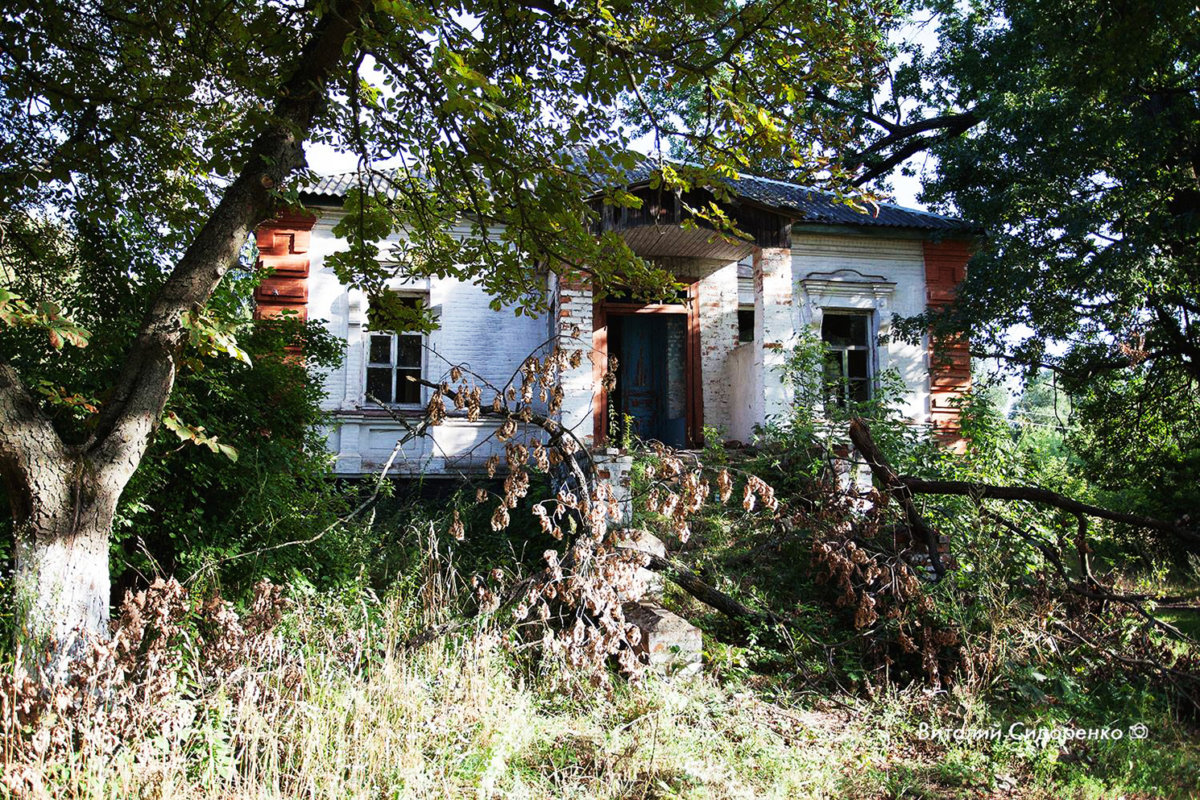
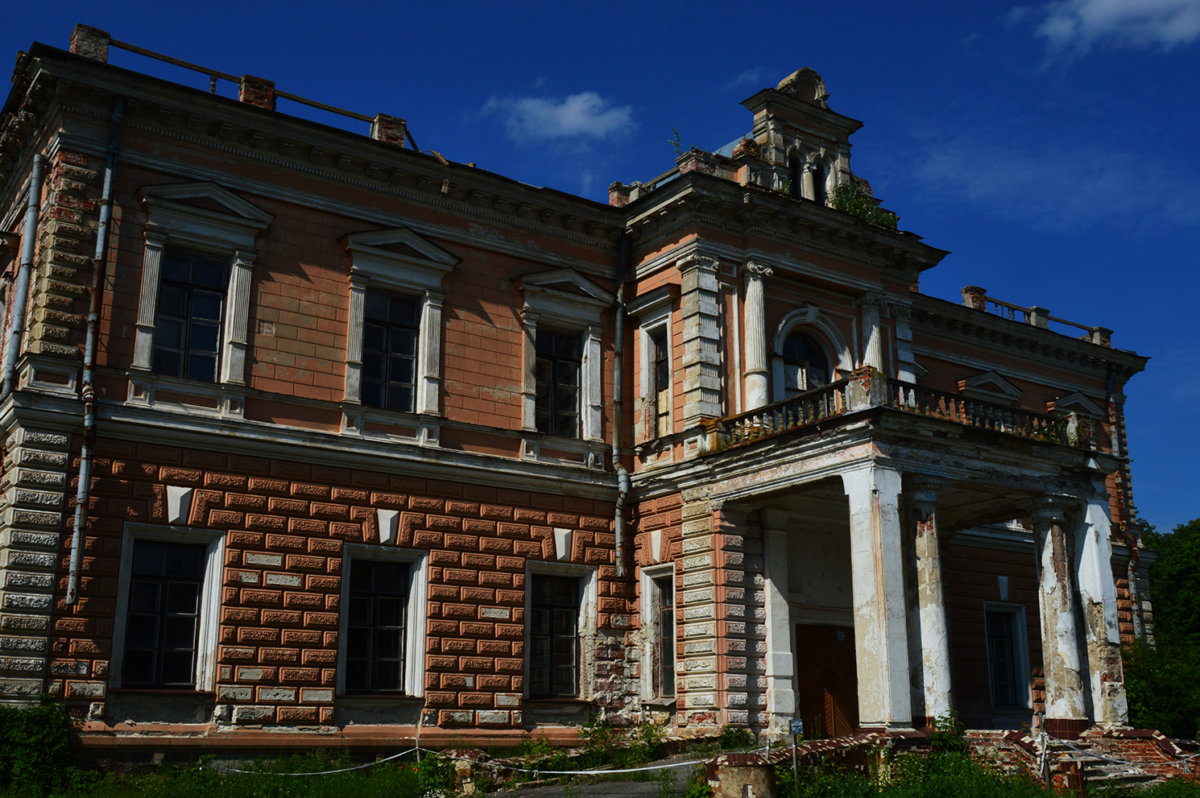
Shortly before his death, Kharitonenko began construction of a large estate in Kyyanytsya, complete with a vast park (over 55 hectares). In his will of 1891, he left his entire estate to his close relatives, which is why the estate in Kyyanytsya is known to many as the “Leshchinsky Palace.” Being extremely wealthy, the Leshchinskys could, incidentally, afford not only to live in such a huge house but also to indulge in a hobby that was quite expensive at the time: automobiles. The family owned at least four of them, and there were even special rooms set aside for their maintenance.
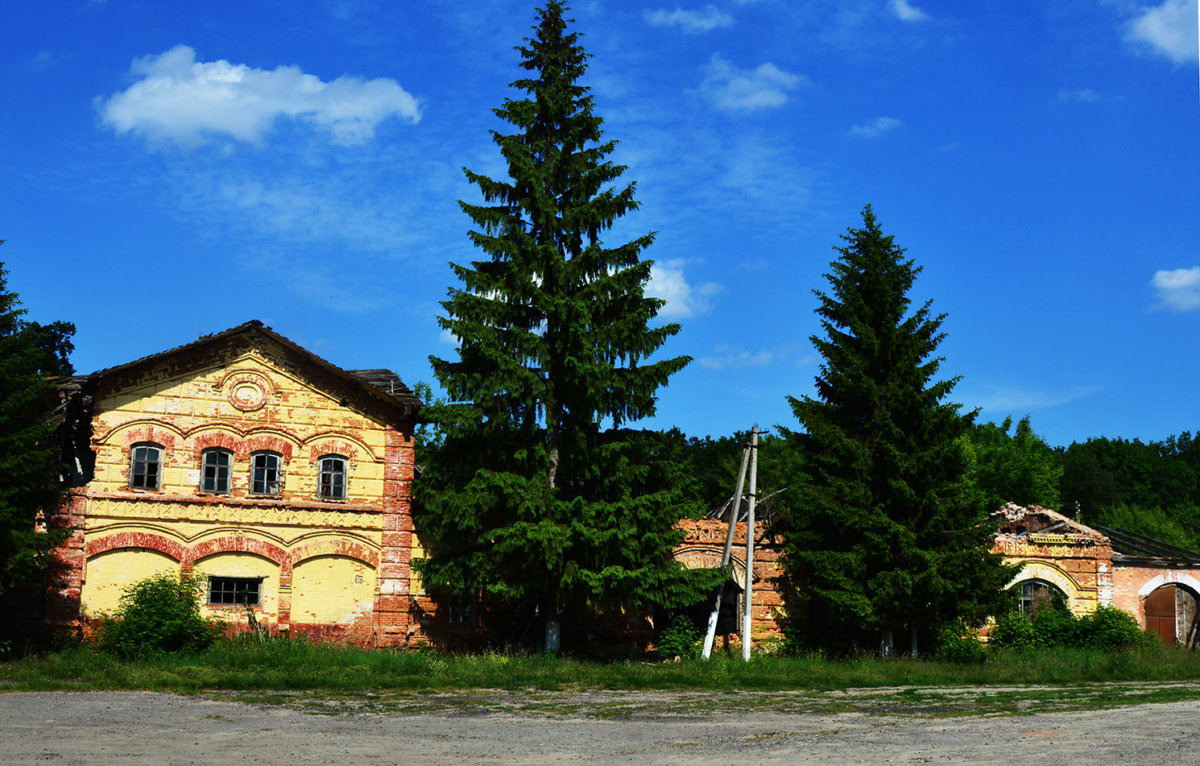
To this day, the manor house itself, several outbuildings, and farm structures have survived, as well as a beautiful park with a stone bridge spanning a ravine. There’s also a large pond near the estate with a gazebo where you can have a picnic if you’d like. And if you prefer a bit more comfort, there’s a cozy restaurant-hotel nearby where you can enjoy a meal or stay the night. All of this makes Kiyanitsa a very promising and attractive destination for tourism.
If you weren’t quite satisfied with your visit to Khotin and Kyyanytsya, there’s another equally beautiful place just 20 minutes from the “Leshchinsky Palace”—Yunakivka. Originally, this ancient Cossack settlement belonged to Semen Andreevich Yunok, a centurion of the Sumy Regiment; later, the Golitsyn princes owned it for more than 100 years.
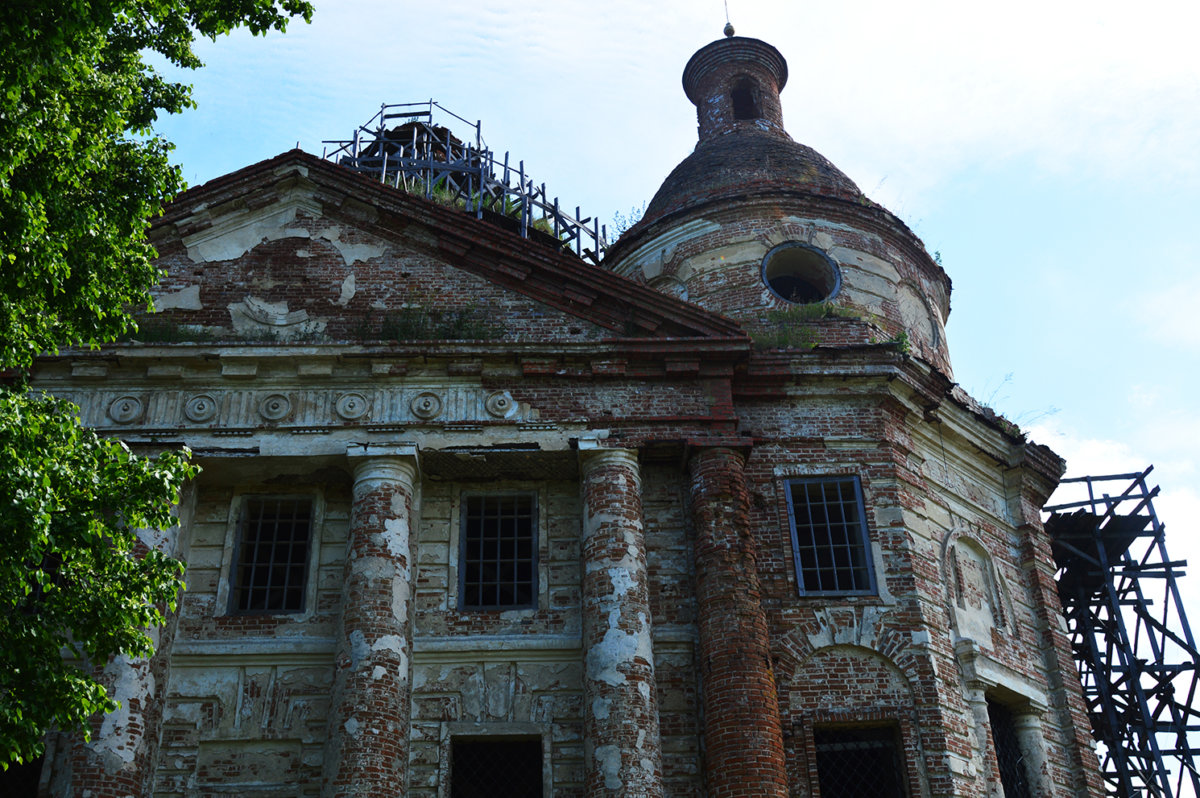
Before the revolution, Yunakivka was home to an almshouse, a weaving mill, and a post office; it hosted a Sunday market and four fairs a year, as well as a sugar factory, a saltpeter factory, and a brick factory, more than a dozen shops, and three churches. Of these, only the magnificent Church of the Nativity of the Virgin Mary, built between 1793 and 1806, has survived to this day.
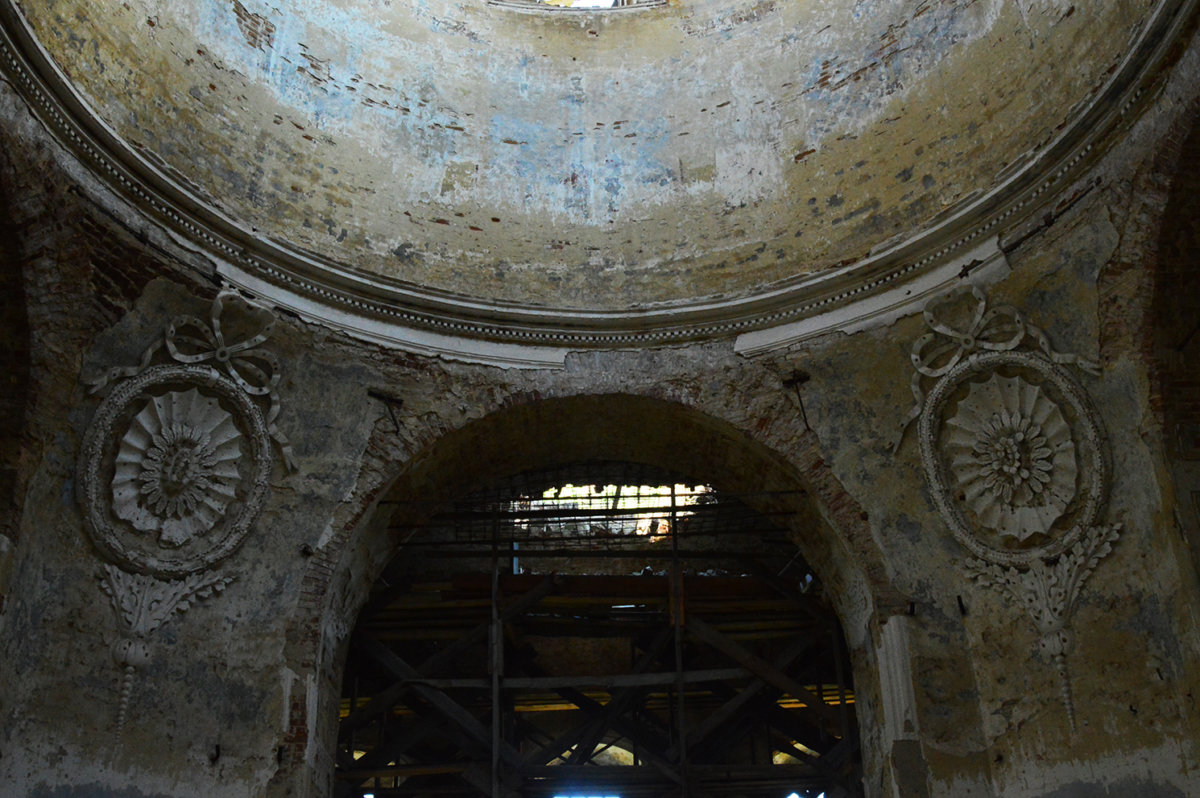
To this day, the name of the architect who designed the church—one of the finest examples of Classicist architecture in Ukraine—remains unknown. Although some tend to attribute it to Giacomo Quarenghi, whom we already know from the estate in Khotin. Be that as it may, the church is so impressive in its beauty and sheer size that it is simply breathtaking. In addition to the church, the people who visited or lived in Yunakivka are no less interesting. For example, it is believed that Taras Shevchenko once visited Yunakovka with his friend Mikhail Semenovich Shchepkin. Moreover, in the documents of Nikanor Vasilyevich Savich—a well-known early 20th-century political figure and deputy to the Third and Fourth State Dumas from the Kharkiv Governorate—Yunakivka is listed as his home address.

But personally, I would return to Yunakivka again and again just for its extraordinary church, which deserves people’s attention and should be restored sooner or later.
In closing, I’d like to say that our region is in no way inferior to the other beautiful regions of Ukraine. If you have the chance, don’t put off your visit—don’t put off your trip “until tomorrow.” With each passing year, the beauty left behind by our ancestors is dwindling more and more. Travel through Sloboda Ukraine. After all, it really is beautiful.

- About the military pilot school and the airfield in Kharkiv… - 04.11.2020
- Nikanor Savich—A Political Career by Mistake - 13.07.2020
- And once again, about the Cavalry Guards… - 21.01.2020