With the arrival of warmer weather, many Kharkiv residents head out of town for the weekend. And the reason for these trips isn’t always a summer cottage, outdoor barbecues, or a visit to “Grandpa’s village.” Many people have developed a keen interest in the history of Sloboda Ukraine: all kinds of tours of churches, estates, and nature reserves in our region are very popular. Road trips are also gaining momentum. A large bus (especially one with air conditioning) is great. However, many prefer to gather information and plan their own routes so that, once their group is assembled, they can pack some sandwiches, split the cost of gas, and hit the road. So, as it turns out, for practically the entire past year, our “Nakipelo Expeditions” team has been promoting not only the beauty of our native region but also road trips.
So, if you love admiring the historic architecture of Sloboda Ukraine so much that you’re willing to go off on your own “into the wild” for it, let us recommend some lesser-known spots — places in the Kharkiv region that are well worth a visit and can easily be fit into a one-day itinerary.
But before you set out on your trip, you need to understand:
1) The condition of our roads is far from ideal. It’s all too easy to wreck your vehicle on them. It’s best to make sure your car is in good working order and ready for anything.
2) In some places, there is absolutely no cell service, so it’s a good idea to have a paper map or one downloaded to your phone in advance.
3) It’s better to travel not just with good company, but in at least two cars. After all, getting stuck in a field with no cell service and where “strangers don’t go” isn’t exactly a pleasant prospect.
4) Google Maps can blatantly lie. In some situations, these lies can be quite painful (as was the case for us, for example).
5) Given the “magic” points #1 and #4, a route described as taking “an hour and a half” might take a little longer. For example, instead of the stated 47 minutes from Malyzhino to Bogodukhov a year ago, it took us a little over two hours.
6) Many buildings are in a state of disrepair. Floors, ceilings, and walls are collapsing. Therefore, you will need sturdy shoes with stable soles.
Well, let’s get going!
Route No. 1: “Kharkiv–Lyutivka”
We’ll leave Kharkiv and head through Olshany. Along the way, you can stop at a popular museum in Skovorodynivka to recharge and take in the sights.
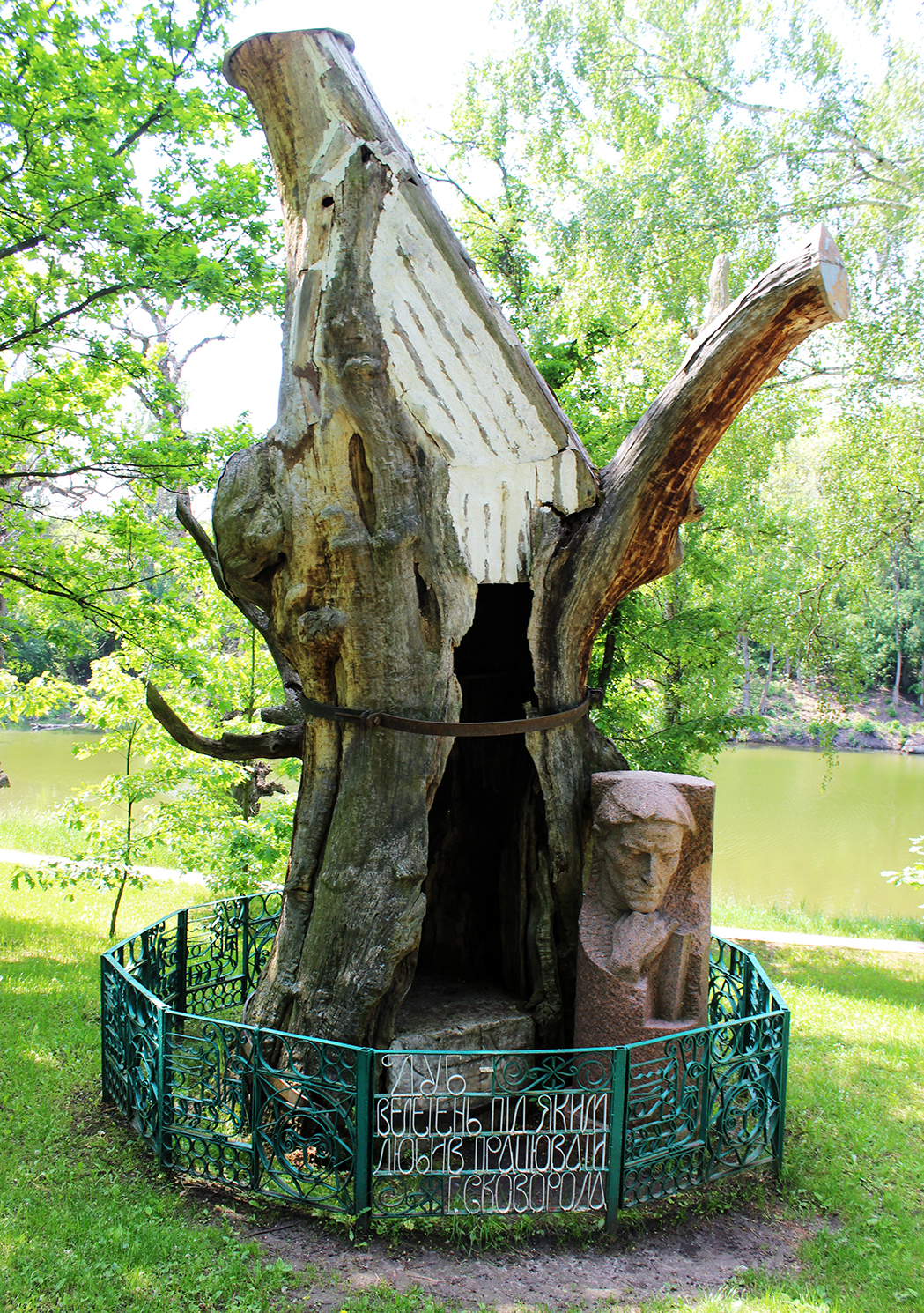
And here it is, the magical road to Lyutivka. Or rather, the lack of one. After a while (it all depends on your courage and the make of your car), we arrive at the main destination of our journey. In short, in 1713, this settlement belonged to Fyodor Kovalevsky. It was then taken over by the landowner Nastasya Bortenova, whose plundering and oppression caused “the residents of Zolochiv to suffer considerable hardship” throughout the mid-18th century. By the end of the 18th century, Lyutovka was already owned by the prominent Horvat family. It is generally believed that it was Ivan Samoilovich Horvat who established the first estate in this area. In the early 19th century, the Lyutivka estate belonged to the Zheltukhin family, and from the mid-19th century onward, it was owned by the Counts of Kleinmichel.
This family was quite influential and by no means poor. For example, from 1842 to 1855, Pyotr Andreevich Kleinmichel served as chief administrator (minister) of transportation and public buildings. Under the Kleinmichels, Lyutovka literally flourished. The village saw the establishment of a Freiburg cattle farm, a stud farm where elite horses for equestrian sports were bred, and a workshop for repairing agricultural machinery and implements used on the family’s own estate.
By way of comparison, according to the *Reference Book for the Kharkiv Diocese for 1904*, the population of Lyutivka at that time consisted of 1,157 men and 1,052 women. According to the 2001 census, the population was 631 people. I think there are fewer residents now. But even today, if you take a walk through this once-large village, aside from the manor house, you can still find traces of the intense economic activity of its former owners.
And here is the estate itself, built in the late 19th century.
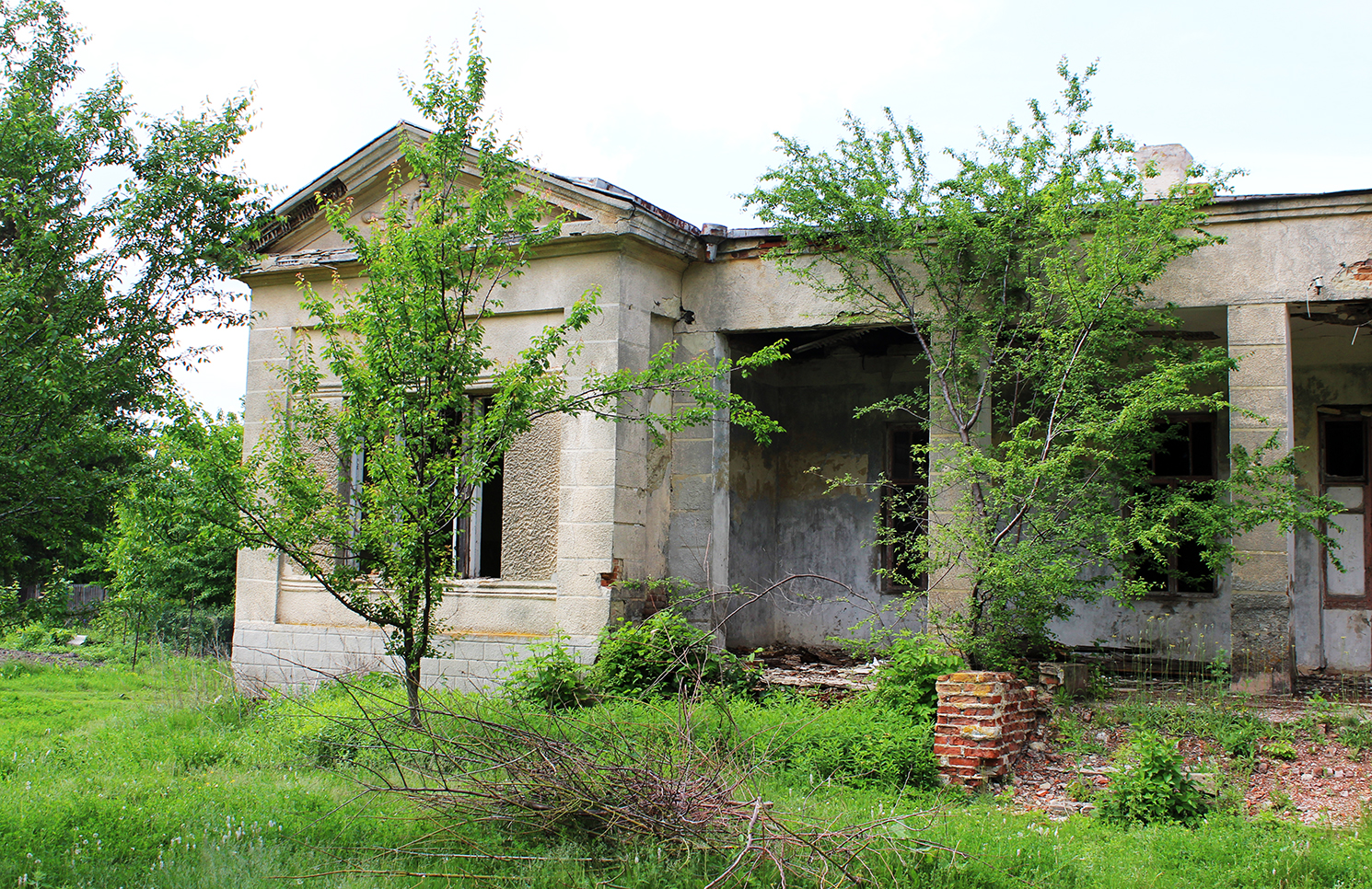
By the way, it isn’t listed in the Kharkiv Oblast Register of Architectural Landmarks. Well, that’s just how it turned out. The estate was removed from the registry in the 1950s and 1960s, because at that time the authorities deemed the building to have no cultural value whatsoever. I’ve written about the Kleinmichels before. An article detailing the condition of the estate during the Soviet era will be published shortly. What’s important to understand here is something else.
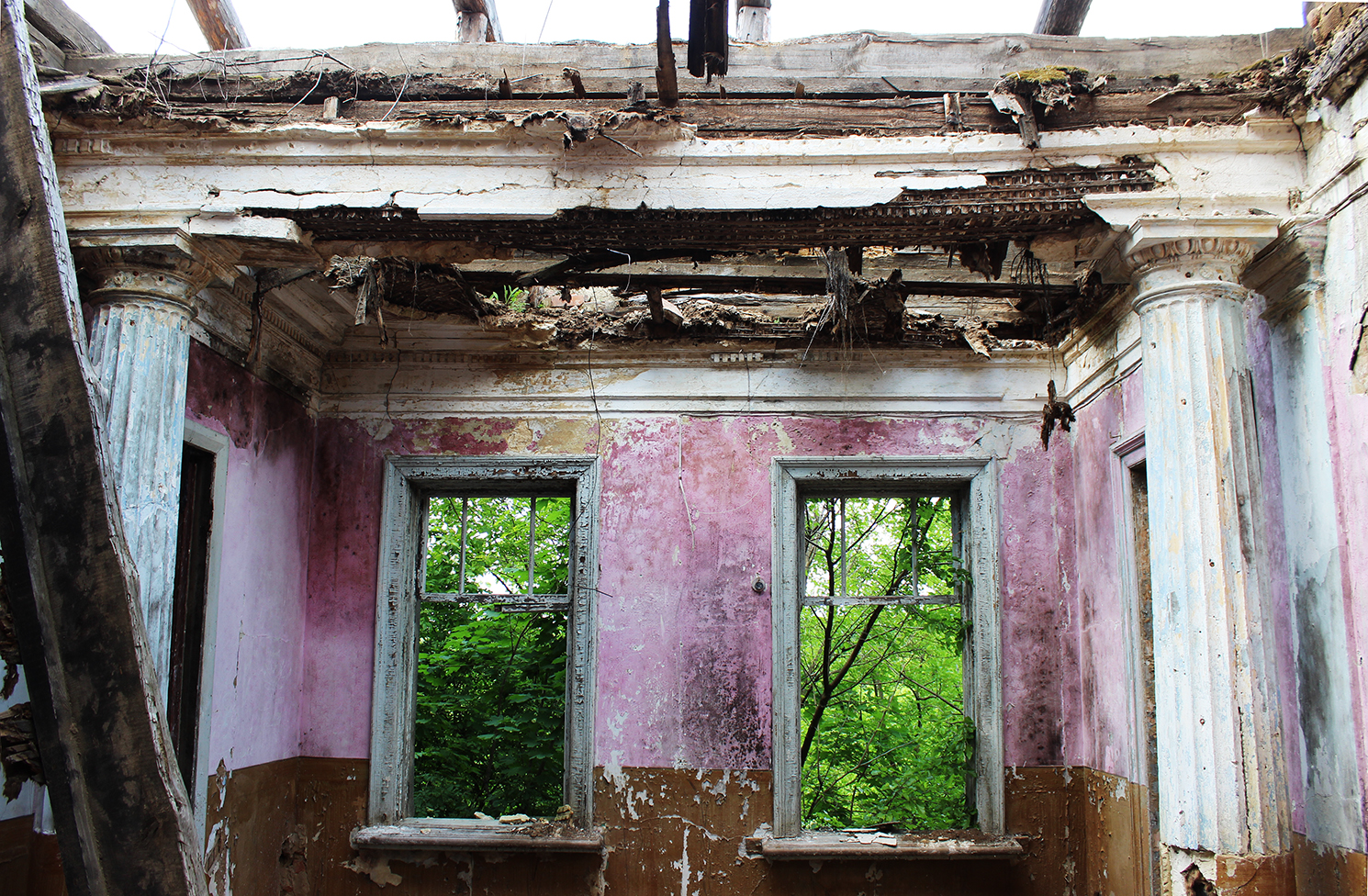
Today, the building is in a state of disrepair. I would add, “a rapidly deteriorating state of disrepair.” Although the halls still retain their former beauty and grandeur, the overall condition of the building offers little hope.
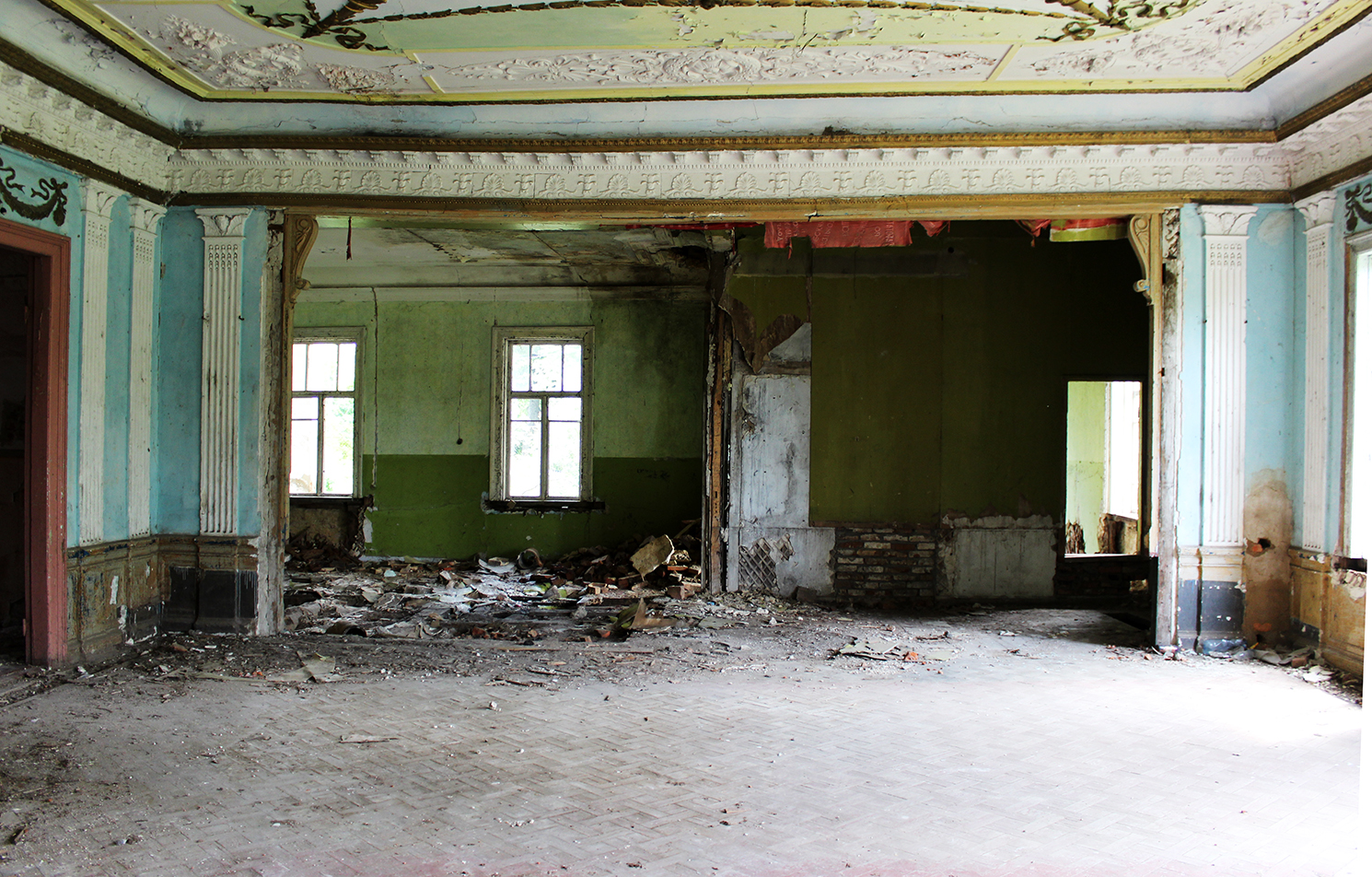
The ceilings and floors collapsed even more severely. Most of the outbuildings have been destroyed.
Of the two marble lions that once adorned the entrance to the estate, one has been stolen, and the other has been painted with “trendy” gold paint and placed in a playground that now blocks the beautiful path leading to the estate.
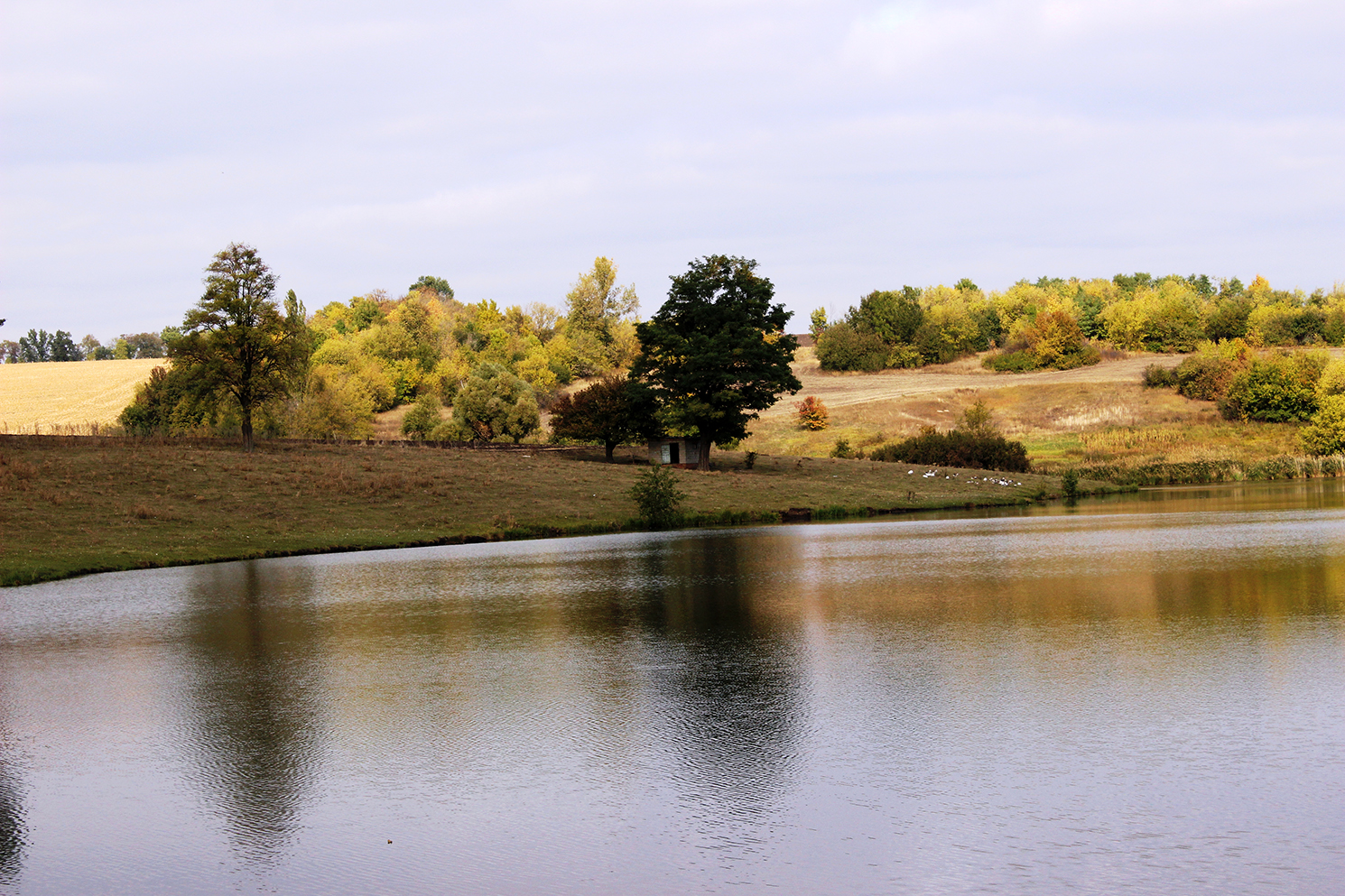
However, here you can still enjoy what remains of the old count’s park, and a little further on—relax in the shade of the trees on the shore of one of the three lakes. So, to the question, “Is it worth visiting the only surviving count’s estate in the Kharkiv region?” I think the answer is clear.
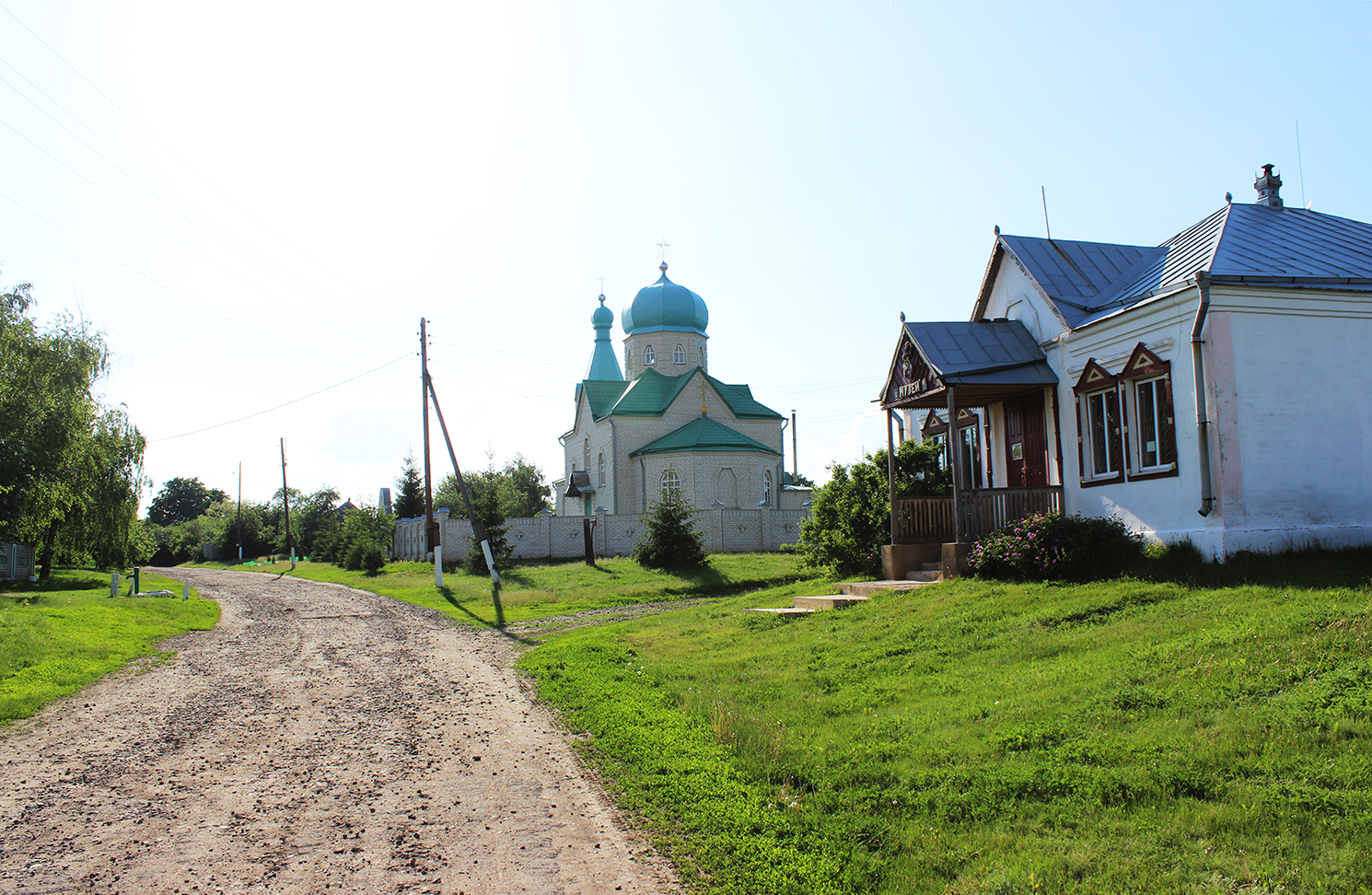
The Pysarivsky Ethnographic Museum
On your way back from Lyutivka, I highly recommend stopping by the Pysarivsky Open-Air Ethnographic Museum “Ukrainian Sloboda.” It’s one of the best museums in Sloboda Ukraine for one simple reason—it was created with heart and soul. On the doors of the former tavern (where the museum exhibition is located) a sign has been hanging for many years with the phone number of the tour guide and museum curator, Leonid Semenovich Kobets, who is always happy to share his knowledge. Moreover, he categorically refuses to accept payment for the tours. Nearby are two peasant huts from the early 20th century and a unique wooden mill from Lemeščino.

According to the register of architectural landmarks in the Kharkiv region, the church located next door is a 19th-century architectural landmark. However, this is not accurate: the wooden Church of the Intercession burned down in 1995, and a new stone church was built in its place.
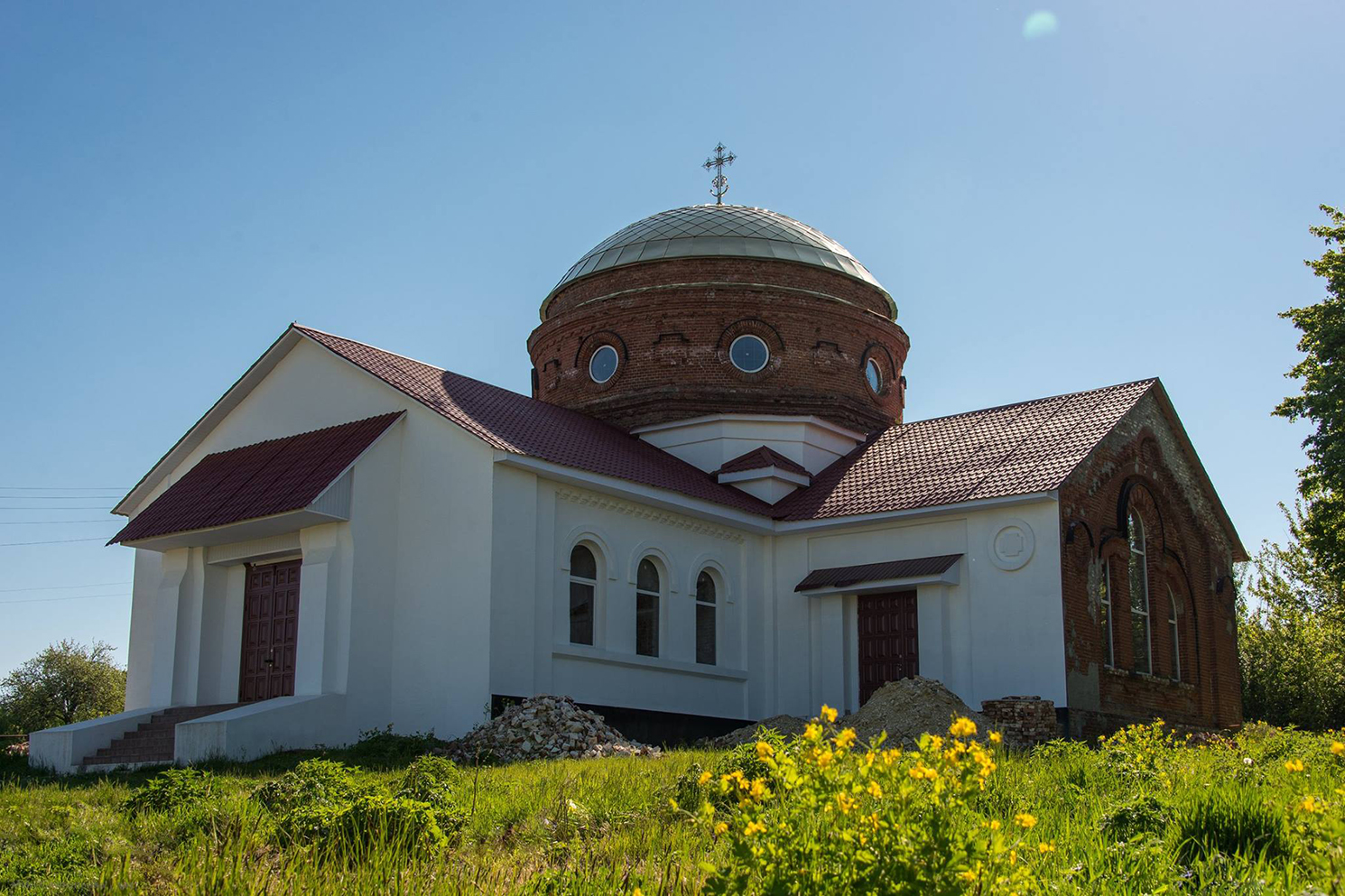
Below Pysarivka lies the village of Malyzhino. According to official records, it is home to architectural monuments of national significance—the Pavlovs’ estate and a church. But don’t get your hopes up. This historic church of national significance now looks like this:

And since the manor house has long been home to a psychoneurological residential care facility, it’s not possible to enter the grounds of the historic estate. In short, whether or not to visit these places, which sites to see, and in what order—that’s up to you.
Day Trips
If this itinerary doesn’t suit you, here’s a second option for a day trip through the Kharkiv region! This time, we’ll be visiting the former Vovchansky Uyezd, located east of Kharkiv.
It’s best to take the road toward Staryi Saltiv. Before reaching it, turn toward the village of Molodova, where the historic church is located. However, thanks to the “restoration”—which would be better described as a modern renovation—it’s extremely difficult to tell that the church was built in 1909. Now it looks like a typical new construction.
After crossing the dam, you can turn left and follow the road through the pine forest to reach Verkhnya Pysarivka. Although the village is not listed in the register of architectural monuments, the remains of V. A. Kolokoltsov’s historic estate can still be found there. During the Soviet era and in modern times, the historic estate has been rebuilt more than once, causing it to completely lose its former splendor. The building is now in a state of disrepair. However, enthusiasts of ruins may well find it appealing.

But on this route, I would recommend visiting the village of Petropavlovka first and foremost. After all, in 1876, a stone church of the same name was built there with funds from local residents and Countess Evdokia Hendrikova. The architect was Fyodor Danilov, the diocesan architect of Kharkiv.
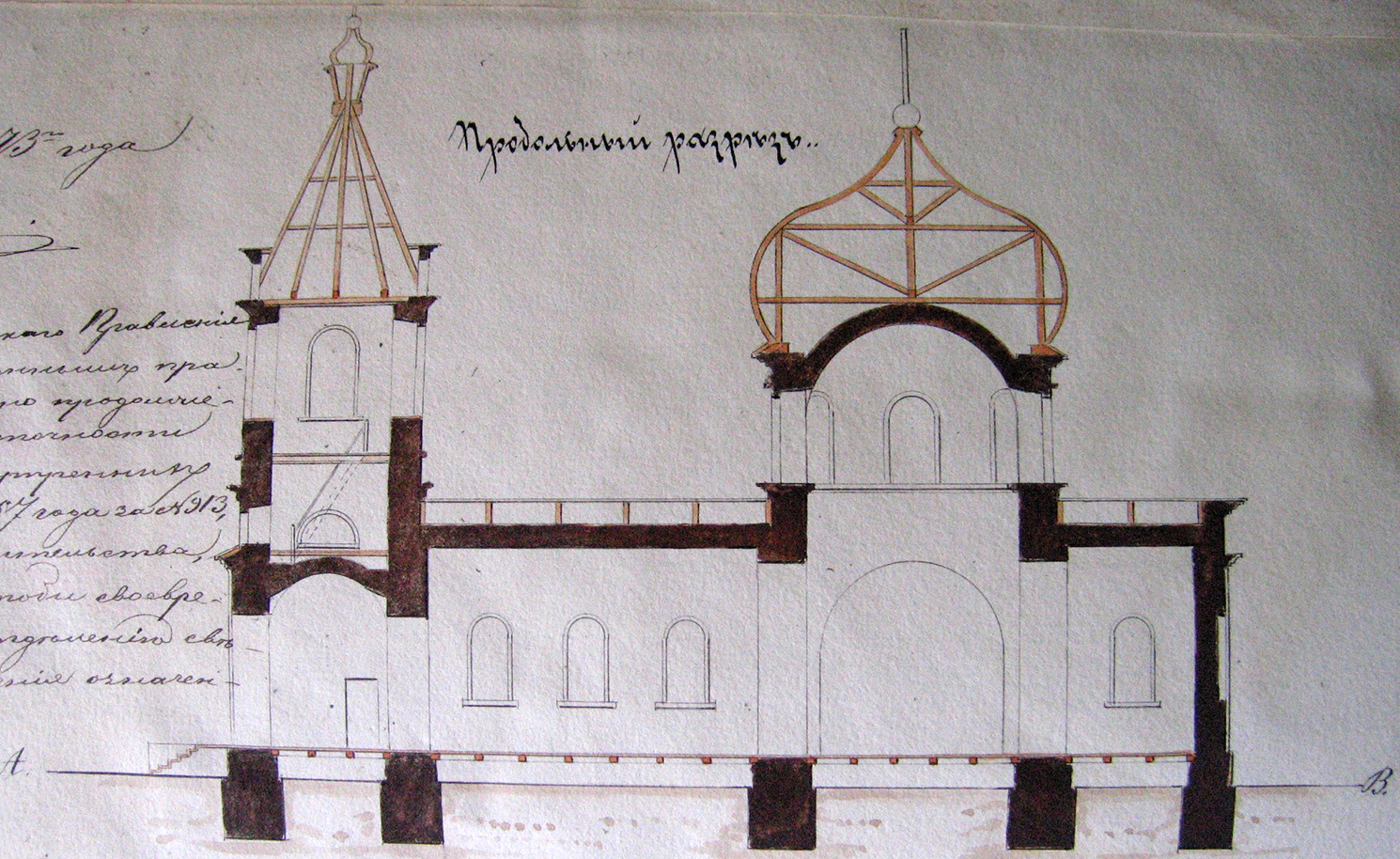
Although the church is listed as an architectural monument, its condition is far from good. Not a trace remains of the bell tower or the dome. The once-beautiful frescoes have been destroyed, and red stars were painted over what miraculously survived back in the Soviet era. And the metal doors that have withstood the test of time bear bullet marks from the war. However, despite all this, the church is an exceptionally pleasant place to be. And the surrounding area is beautiful as well. If you venture into the old garden next to the church, deep within it you can discover the remains of a military hospital set up in Petropavlivka during World War I.
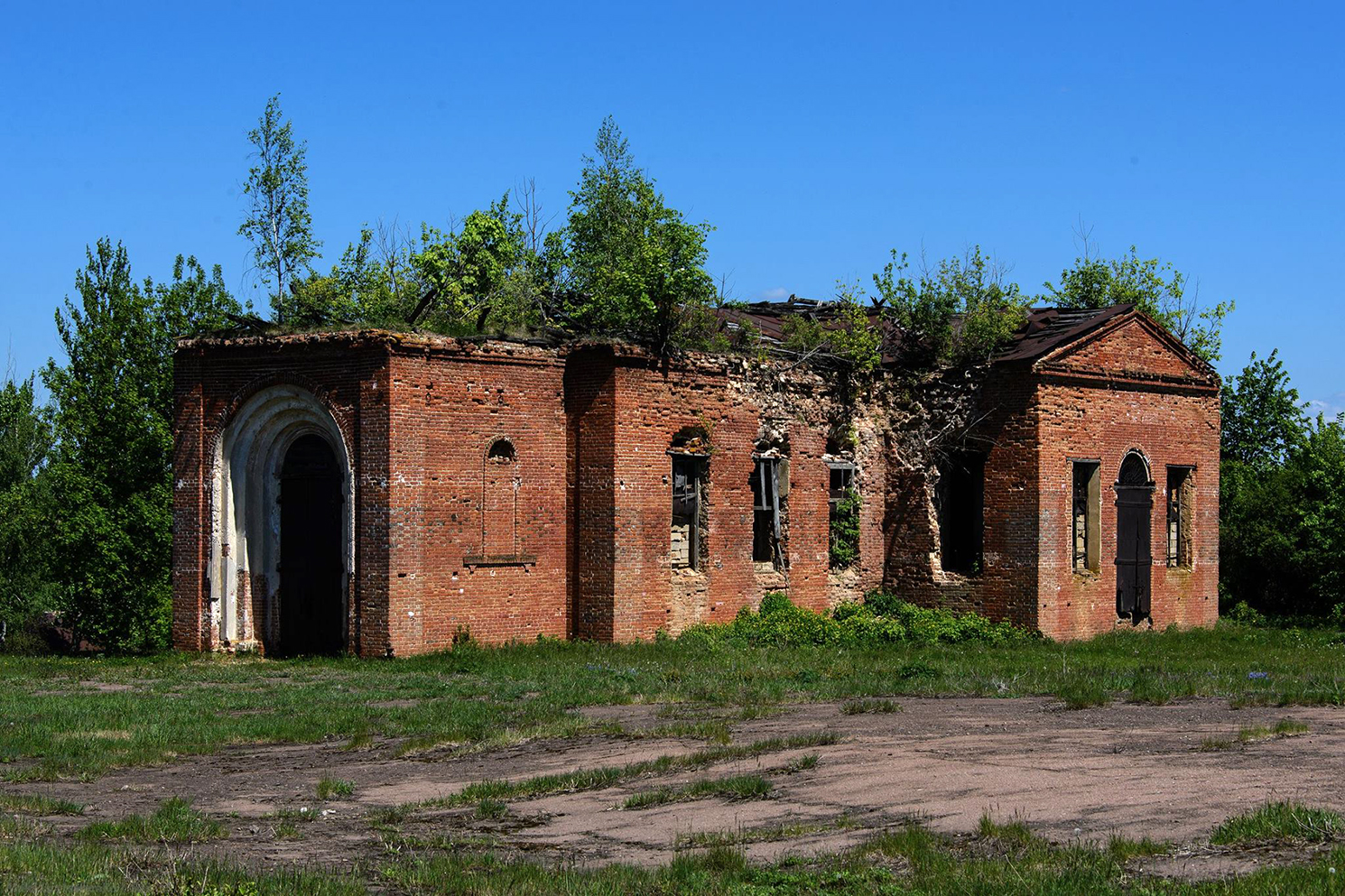
Not a trace remains today of the vast estate of the Counts Hendrikhov in Hrafske. Only the church in Petropavlivka serves as the sole reminder to their descendants that this family once lived on the lands of Sloboda Ukraine. From here, via Bilyi Kolodiaz and then Ivanivka, one can—and should—make one’s way to Vasylivka.
When Grigory Lukomsky visited the Bekaryukov family estate in the early 20th century, this is how he saw it:

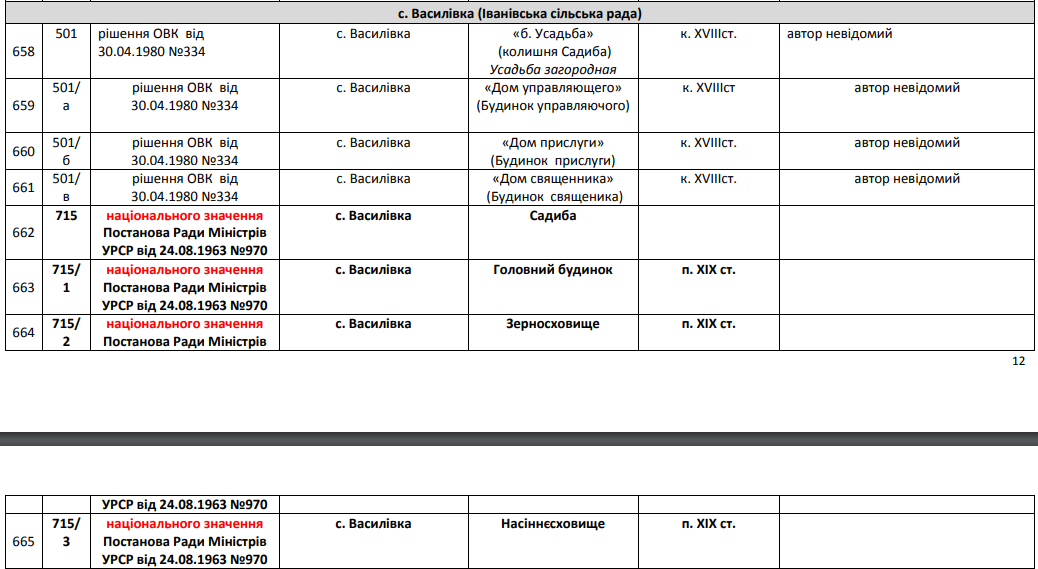
The officials compiling the registry of architectural landmarks described the site as follows:
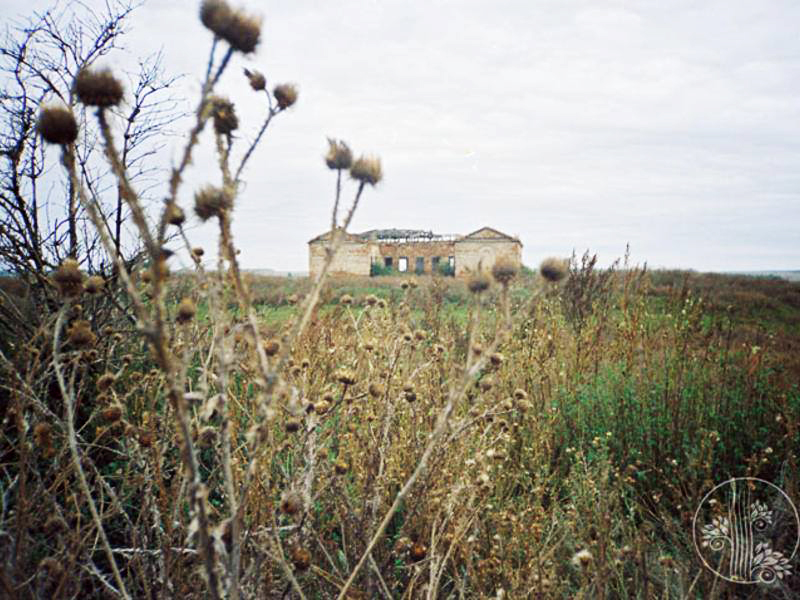
In the early 2000s, Andrei Paramonov visited Vasylivka and found it to be like this:
And when we visited in 2017, we took these photos:
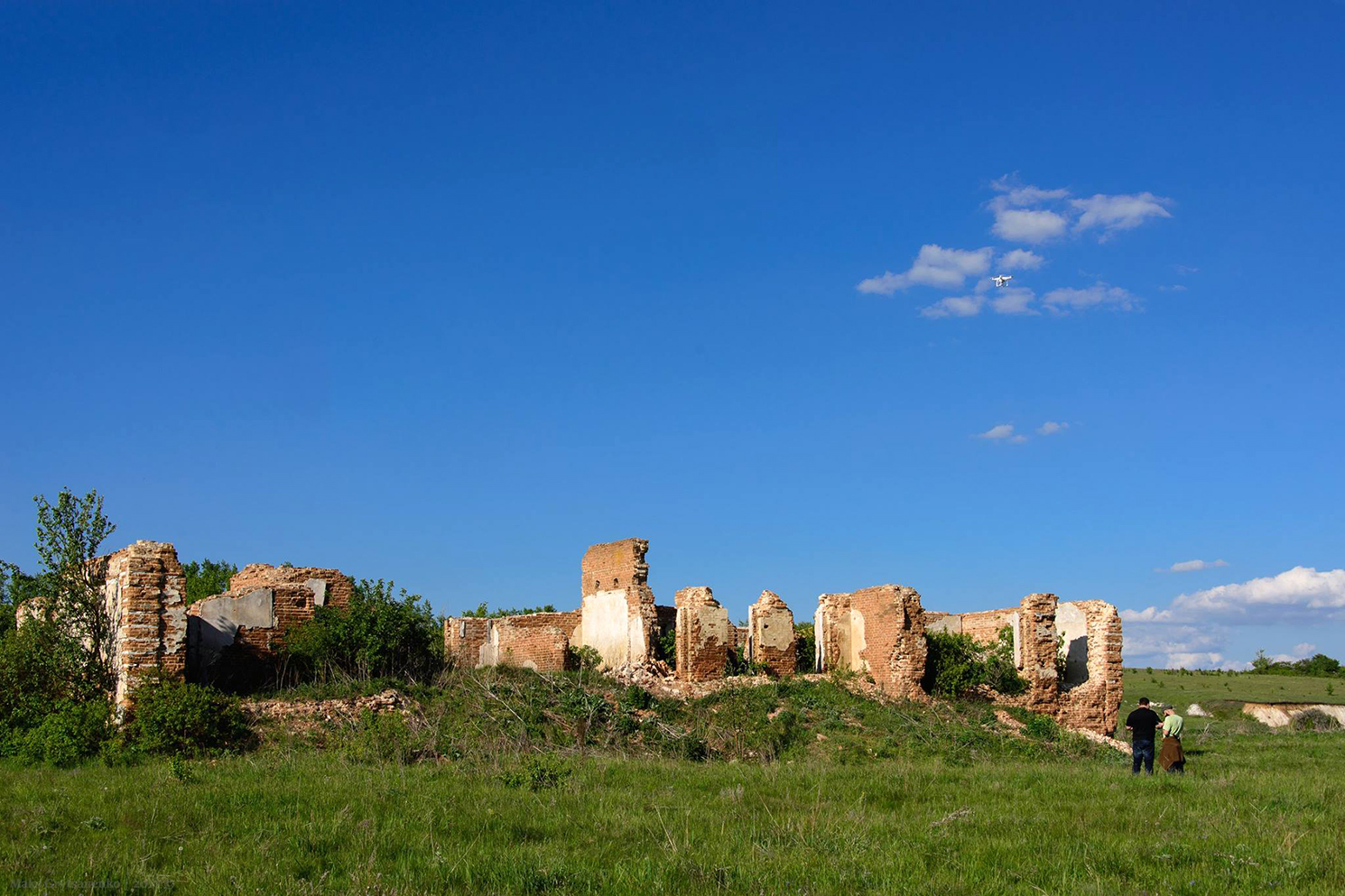
From the road, it’s extremely difficult to tell that what stands on the hill is actually a historic 19th-century building—one of national significance, no less—rather than the ruins of some collective farm named after Ilyich. But, alas, that is exactly the case. Nothing remains of the old park either. It’s impossible to get into the main building—not because it has completely collapsed, but simply because bushes and trees have grown thickly within its ruined walls.
And if you happen to decide to explore the estate’s cellar, located to the left (when facing the estate), be extremely careful, as the vaults there are collapsing. But the ruins aren’t the only reason to visit Vasylivka. Although the estate itself isn’t part of the “Velikoburluk Steppe” Regional Landscape Park, the surrounding area is simply breathtakingly beautiful. It’s a true paradise for anyone who loves taking artistic photographs of our picturesque nature. Perhaps that’s exactly why it’s worth seeking out the ruins of the estate in Vasylivka?

In any case, it’s worth visiting all these places, if only to see such beauty and contrasts for yourself.

- About the military pilot school and the airfield in Kharkiv… - 04.11.2020
- Nikanor Savich—A Political Career by Mistake - 13.07.2020
- And once again, about the Cavalry Guards… - 21.01.2020