In a recent article, we learned about the distinguished Kharkiv aristocrats who served in an elite regiment of the Russian Empire.
Today, we’ll share a few more stories about our fellow countrymen who served in the Cavalry Guard.
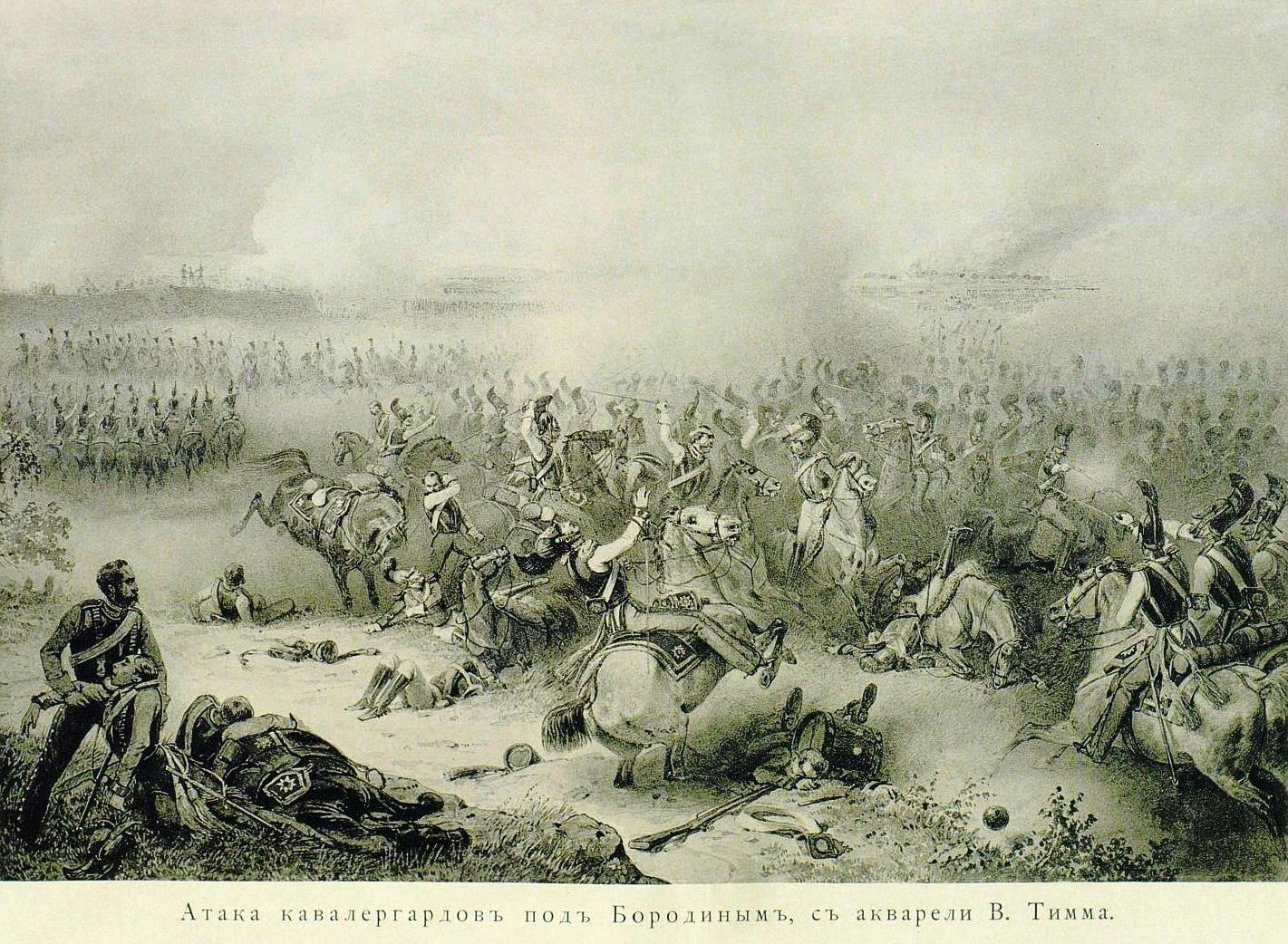
Service in a regiment was by no means always a guarantee of a bright future—as the saying goes, man proposes, but God disposes… Thus, on August 13, 1852, Esper Alexandrovich Khlopov became a cornet in the Cavalry Guard Regiment. This noble family had come to our lands as early as the second half of the 17th century as artillerymen and boyars’ sons. Over time, the Khlopovs acquired estates in the Zmiiv and Izyum districts, as well as in Kharkiv. Esper’s parents, Collegiate Assessor Alexander Evgrafovich Khlopov and his wife Anna Andreevna (née Kologrivova), owned 1,088 serfs in the Kharkiv Governorate. Alas, the Khlopov heir contracted consumption and died in August 1853.
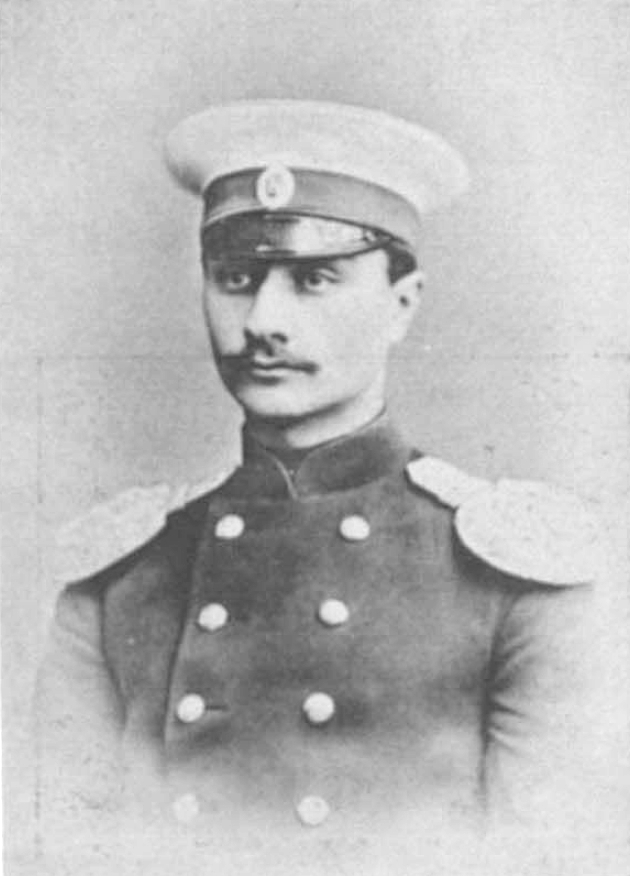
The fate of another cavalry guard and nobleman from the Kharkiv Governorate also took a tragic turn. Nothing foreshadowed misfortune in the life of Mikhail Dmitrievich Shevich, who was born in 1846. His lineage was ancient, and his family was by no means poor. Mikhail received his early education at the 2nd St. Petersburg Gymnasium, then served as a cadet in the Grenadier Sapper Battalion. Shevich’s military career advanced rapidly: On July 9, 1864, he was promoted to ensign in the Little Russian Dragoon Regiment; in 1865, he became an aide-de-camp to the commander of the Vilna District forces; and in 1866, he was promoted to second lieutenant. Starting in 1869, Shevich was seconded to the Cavalry Guard Regiment and promoted to staff captain. On January 17, 1870, Mikhail Shevich became a lieutenant; a year later, he entered the General Staff Academy, where he graduated with a second-class degree. However, in April 1874, he was expelled, and shortly thereafter was discharged from the Cavalry Guard Regiment and placed on leave. On the morning of January 8 in Cairo, Mikhail Dmitrievich Shevich slit his throat as a result of a mental breakdown and died a few days later from his wounds. Some time later, his brothers established a fund of 1,200 rubles in his memory within the Cavalry Guard Regiment, with the purpose of using it to support a boarder at the regiment’s school for cadets.
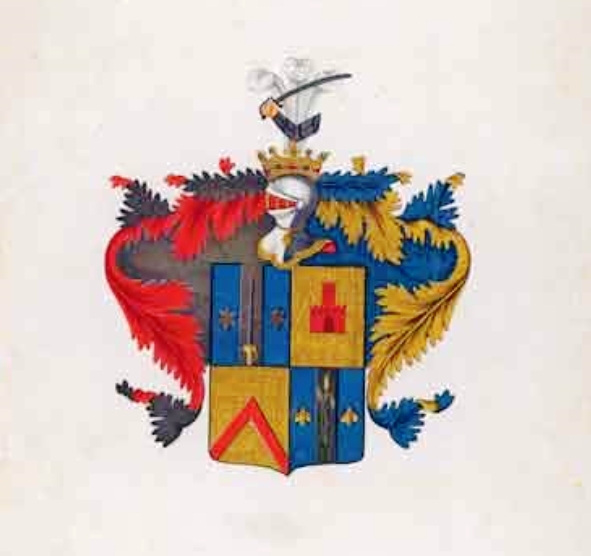
Members of prominent families also served in the Cavalry Guard Regiment. But before I talk about them, I’ll start a little further back. As early as December 5, 1827, Major Ivan Fedorovich Traskin’s four sons—Semyon, Alexei, Yegor, and Yakov—were granted a diploma conferring hereditary nobility, as well as a magnificent coat of arms.
From February 25, 1849, to April 10, 1855, Ivan Fedorovich’s grandson, Alexander Semenovich Traskin, served as governor of Kharkiv in our beloved city. People who knew him personally and served with him left quite contradictory accounts of Traskin. Some, in their memoirs, expressed extreme dislike for him:
He was haughty, proud, lazy, and impatient. In addition to his natural pride, Aide-de-Camp Alexander Semenovich Traskin boasted of his kinship—albeit a distant one—with one of the world’s rulers. His laziness stemmed from his excessive obesity, which was particularly burdensome for him during the summer, when his impatience with reports bordered on disgust. He generally loved to live well, and especially to eat (but not with his subordinates), for which his own means were insufficient; despite this, he managed to live beyond his means.
Others, on the other hand, were full of admiration:
His height, which was above average, was overshadowed by his extreme heaviness. He possessed good intellectual abilities and a secular, though not particularly solid, education; he spoke Russian and French well, was well-versed in bureaucratic procedures, and worked quickly and diligently. He was kind by nature, but had been thoroughly corrupted by the environment in which he had spent his youth
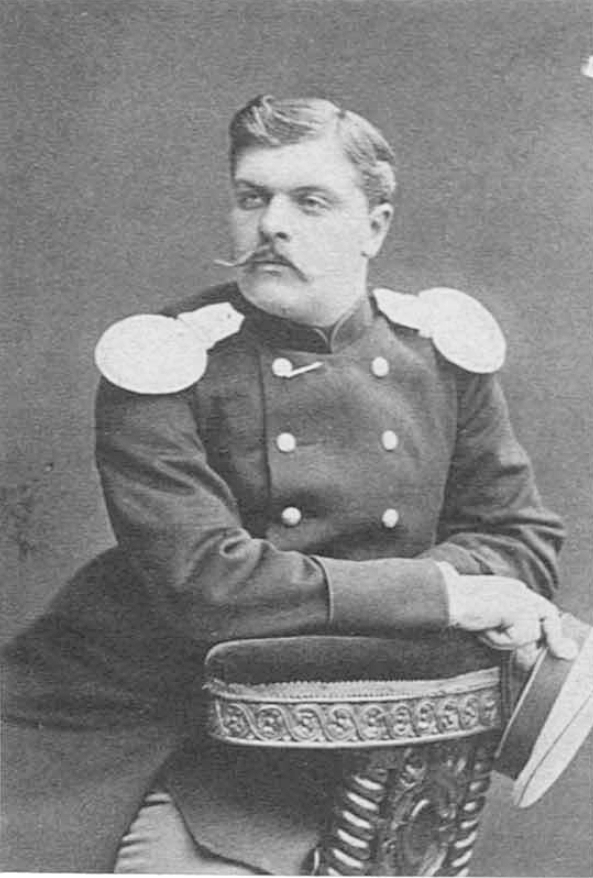
So it is extremely difficult to say what kind of person the then governor of Kharkiv was. In 1850, Alexander Semenovich had a son, whom they named Mikhail. Like many members of aristocratic families of that time, after studying at the Page Corps, the young man became a cornet in the Cavalry Guard Regiment in 1869. Six years later, the son of the former governor of Kharkiv had risen to the rank of staff captain, and on April 21, 1876, Mikhail Traskin was appointed aide-de-camp to the commander of the Kharkiv Military District. In the years that followed, the career of this native of our city continued to rise. Who knows what contributed to this—perhaps his noble lineage, or perhaps his service in the Cavalry Guard Regiment.
Some members of the renowned Mechnikov family also served there. For example, the Nobel Prize laureate in Physiology or Medicine’s own uncle—Dmitry Ivanovich Mechnikov—was a cavalry guard. However, his path to the regiment was quite a long one. Dmitry was born on October 2, 1822. He received his upbringing and primary education at a private school. At the age of 17, the young Mechnikov enlisted as a cadet in the Yekaterinoslav Cuirassier Regiment. It was not until 1860, after many years of service in the Astrakhan Regiment and the Guard Corps, that Dmitry Mechnikov became a staff captain in the Cavalry Guard Regiment, where he spent several years procuring horses. After retiring in September 1863, Dmitry Ivanovich returned to the Kharkiv Governorate and devoted all his free time to his family. In the book *The Life of Ilya Ilyich Mechnikov*, Olga Nikolaevna Mechnikova writes the following about her husband’s uncle:
Agriculture in Panasovka was very limited, as the estate consisted mainly of pastures for horses and sheep. Dmitry Ivanovich was primarily in charge of “business matters.” He was selflessly devoted to his brother’s family. Being several years younger than him, he addressed him as “Ilya Ivanovich” and used the formal “you,” while his brother addressed him informally as “you.” Dmitry Ivanovich was a tall, sullen man; for the most part, he remained stubbornly silent, smoked his pipe, and embroidered at his embroidery hoop. The lively Emilia Lvovna would often say to him, “Come on, Mitenka, why are you always so quiet? You never say a word.” To which Dmitry Ivanovich invariably replied, “Not everyone has to chatter away all the time, like you, Emilia Lvovna.” A very close relationship developed between them: Dmitry Ivanovich was ready to go through fire and water for Emilia Lvovna. She sensed this and had boundless trust in him. Indeed, in all of life’s difficult moments, she found a steadfast support in him
Local historians note that the old soldier and bachelor doted on his brother’s children and played a significant role in their upbringing and education.
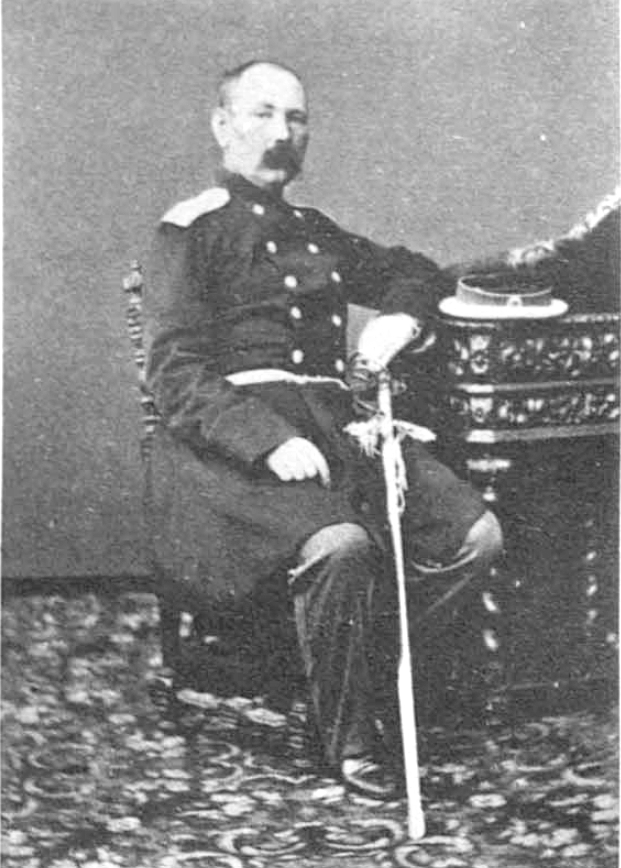
For better or worse, the lives of some of the Kharkiv Cavalry Guards turned out to be so eventful and action-packed that it’s simply impossible to cover them all in a single article. So a sequel is definitely in order…

- About the military pilot school and the airfield in Kharkiv… - 04.11.2020
- Nikanor Savich—A Political Career by Mistake - 13.07.2020
- And once again, about the Cavalry Guards… - 21.01.2020