The day was drawing to a close. The sun, sinking toward the horizon, gently reminded us that it was time to leave Mezhirichi. We got into our cars, leaving the amazing church behind us, and set off for the final stop on our journey—Mykhailivka.

But then another little mishap occurred. We knew the general direction, but not how to get there. After wandering around the village for quite a while, we stopped at a small store, where we asked a local resident for directions, showing him a printed map from Google. He showed us the way, but the elderly man modestly asked us to leave the printout with him. As it turned out, he’d never seen anything like it before. That’s progress for you—what seems like an everyday trifle to us city dwellers is of great value to others.
We drive through the village of Tokari and, once again, are struck by how many settlements in our native Slobozhanshchina have the same names: Tokari, Vasylivka, Pysarivka, Ivanivka, Mykhailivka, Valki… Further on, the road winds through a beautiful pine forest. The ruins of a Soviet missile base from the Cold War era located there—judging by the photos on Google—are quite interesting and could be a great spot for fans of extreme tourism, as well as for airsoft and paintball players.
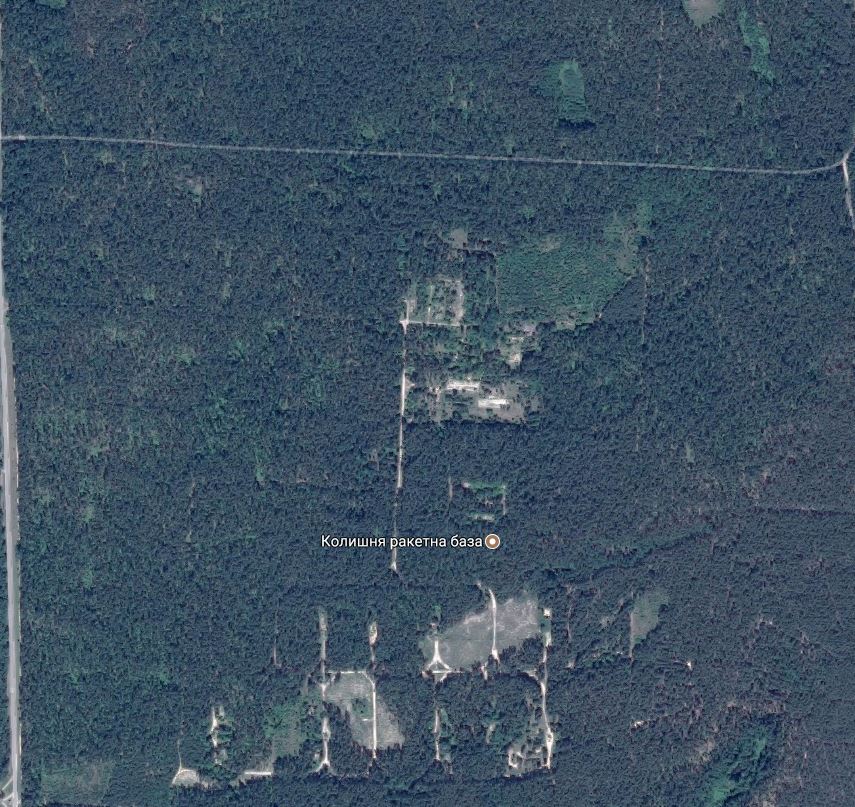
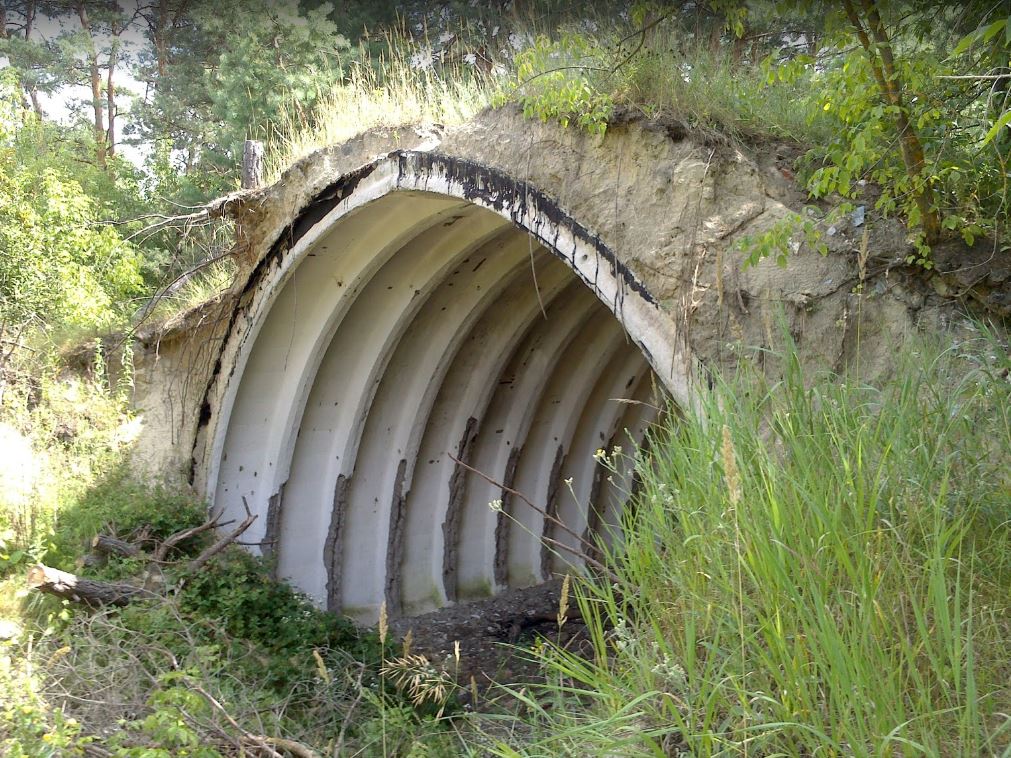
However, we’re not interested in those ruins. After leaving the forest, we finally make a stop. It’s 8:00 p.m., and the question “Should we go to Mykhailivka?” is quite relevant. Despite our fatigue and the approaching evening, we decide to go anyway.
Filaret (D. G. Gumilevsky), who visited this region in the mid-19th century, wrote in his work *Historical and Statistical Description of the Kharkiv Diocese*:
The Mykhailivka area is enchanting. Looking down from the mountain ridge above Mykhailivka, you see an amphitheater of mountains and, at their base, a valley covered with the velvety greenery of meadows: near the ridges, the Psel winds like a ribbon; in the spring, it irrigates the valley with its waters, enriching it with lush vegetation.
And Grigory Lukomsky, who visited the area in the early 20th century, took some wonderful photographs.
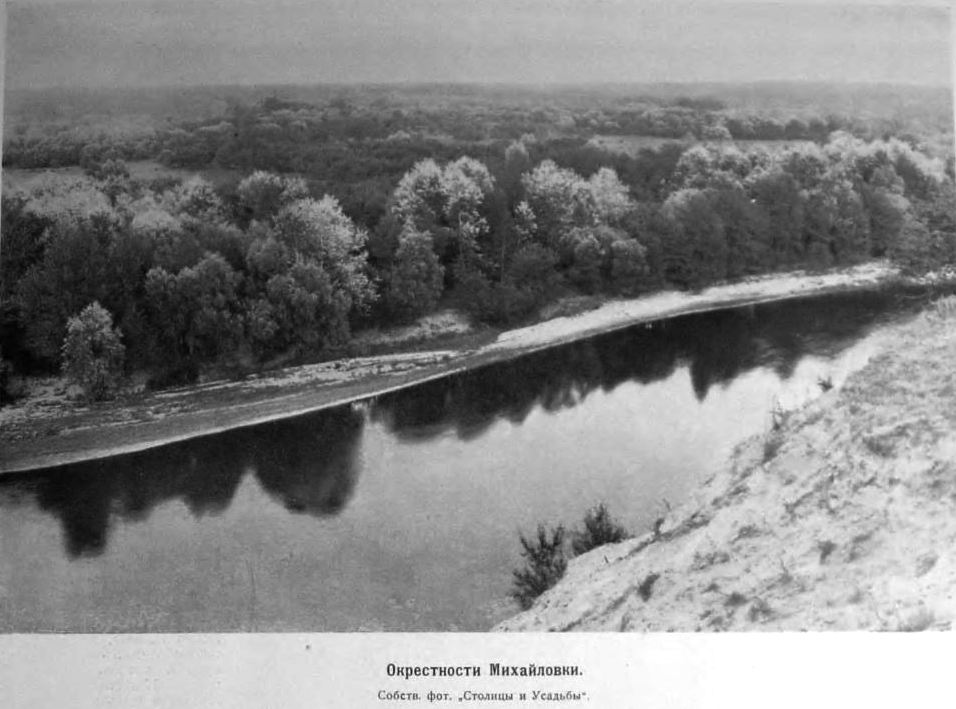
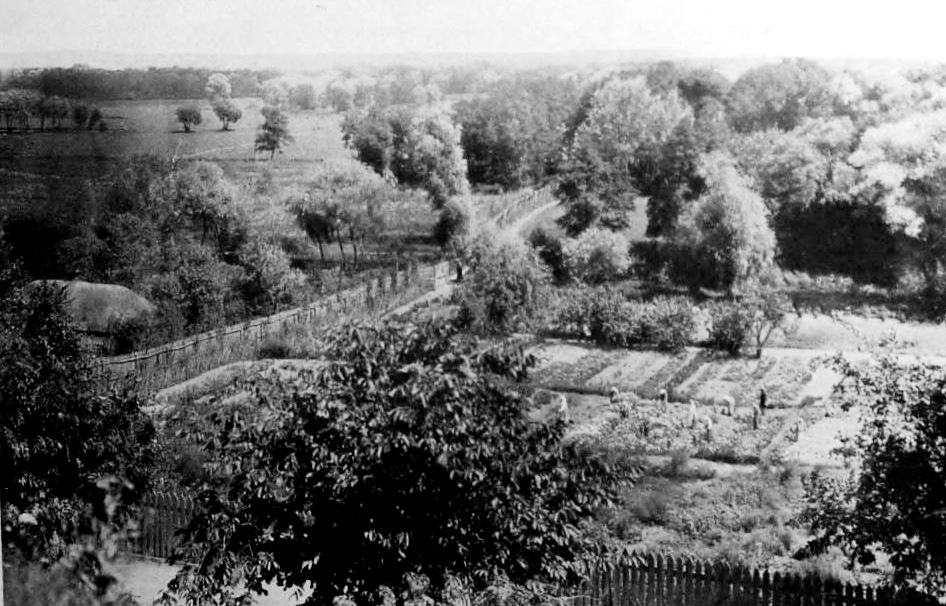
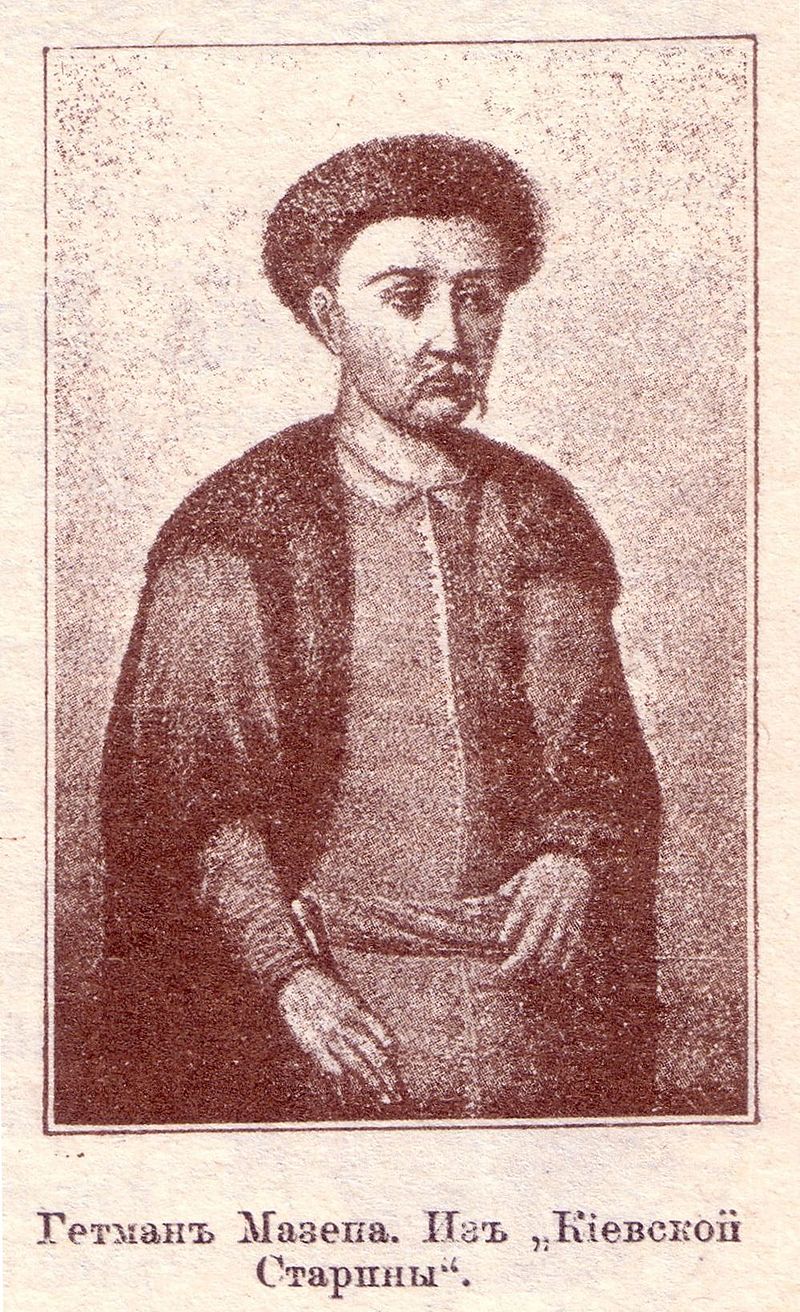
Mikhailovka was named after its first owner, the nephew of Hetman Ivan Samoilovich—Mikhail Vasilyev, a colonel from Gadyach. It was to him that the village was granted by a tsarist charter in 1675. Hetman Samoilovich himself played an important role in the fate of Ivan Mazepa. He entrusted Mazepa with the upbringing of his children, granted him the rank of army comrade, and, a few years later, promoted him to the rank of general esaule. The extent of Mazepa’s involvement in the plot against Hetman Samoilovich continues to raise questions among researchers. However, the fact remains. In July 1687, the general officers and several colonels submitted a denunciation against Hetman Samoilovich to Prince Golitsyn, accusing him of intending to turn Little Russia into a separate domain. Golitsyn forwarded the denunciation to Moscow, from where he soon received an order to arrest Samoilovich, to remove him from the hetmanate—in accordance with the wishes of the senior officers—and to exile him to one of the Great Russian cities. Along with Samoilovich, not only his supporters but also his closest relatives were subjected to repression. Meanwhile, Mikhailovka gained a new owner—Ivan Pavlovich Obidovsky, the nephew of the new hetman, Ivan Mazepa. However, in 1701, the man to whom Mazepa—who had no children—had planned to pass on his hetman’s mace died.
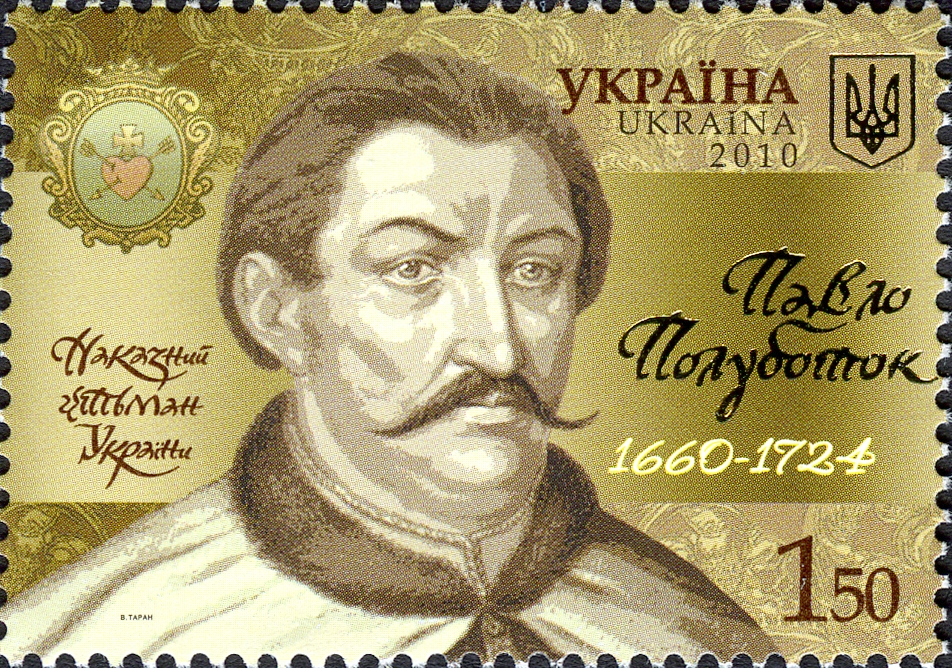
After Mazepa defected to the side of Charles XII, Tsar Peter I granted the prosperous estate of Mykhailivka to Chernihiv Colonel Pavel Polubotok, who became acting hetman in 1722.
It was the Polubotoks who were responsible for Mikhailovka’s first period of prosperity. They built both large (two-story) and smaller mansions there. The estate was one of the hetman’s favorite residences. His second wife, Anna Romanovna (née Lazarevich), also lived there most of the time. Legend has it that, upon receiving news of her husband’s arrest in 1723, she hid untold treasures in the cellars of Mykhailivka. At the beginning of the 20th century, Grigory Lukomsky still saw the cellar, built of huge hewn stones. But the legendary “Polubotka gold” is still being sought to this day.
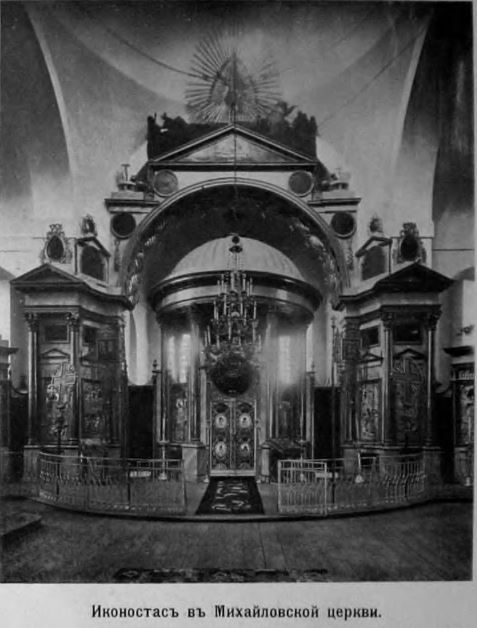
After her husband’s death, all the property was returned to the widow and her children. Through the female line of the Polubotkovs, Mikhailovka passed to the Ivanenko family. During this period (the early 19th century), a stone church with three altars dedicated to the Nativity of the Virgin Mary was built in Mykhailivka on the site of the old wooden church; it was considered one of the finest in the diocese at the time. Unfortunately, it has not survived to the present day. Today, a simple wooden cross stands on that spot in memory of the destroyed church.
In 1833, Ulyana Dmitrievna Belukha-Kokhanovskaya married Alexei Vasilyevich Kapnist. After the death of her uncle, Alexander Andreevich Ivanenko (the wealthiest and most influential landowner in the Lebedinsky District at the time) in 1852, Mykhailivka passed to the Kapnist family, in whose possession it remained until the Bolsheviks came to power.
This family had a long and illustrious history. They were Greek and hailed from the island of Zante in the Ionian Sea. The valiant Stomatello Kapnissos fought bravely against the Turks in 1679. He was granted the hereditary title of count by the Venetian Republic. His coat of arms depicted the island of Zante with a burning volcano, swords as a symbol of outstanding bravery, and the inscription: “Unshaken by fire.”
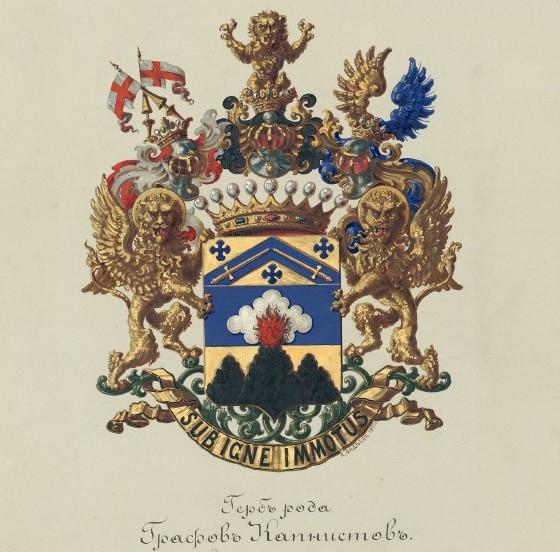
The Kapnist family’s right to this coat of arms and the title of count in the Russian Empire was restored by “Imperial Decree” and a decision of the Senate only on March 17, 1877. The coat of arms of the Counts Kapnist was approved by Emperor Alexander II on March 9, 1879, in Tsarskoye Selo. Stomatello’s grandson, Pyotr Khristoforovich, became a subject of the Russian Empire in the early 18th century. Peter Kapnist’s son, Vasily Petrovich Kapnist, served as a centurion in the Slobodsky Regiment.
Over time, the Kapnistov family grew considerably. Numerous members of this family owned vast tracts of land in what is now Ukraine and brought fame to the family through their glorious deeds, which would take a great deal of time and space to list.
And to this day, Mikhailovka is still called “the Kapnist Counts’ estate,” even though it was actually founded by Ivanenko. Maybe that’s for the best. After all, there aren’t that many genuine family estates of counts left in Sloboda Ukraine.
After inheriting the estate, the Kapnists, naturally, made some improvements and completed the construction. Of all the owners of Mykhailivka, Count Vasily Alekseyevich Kapnist is the best known. From 1867 to 1888, he served as the head of the nobility for the Lebedinsky Uyezd. And from 1888 to 1902, Vasily Andreevich served as the head of the nobility for the entire Kharkiv Governorate. He wrote books and was named an honorary citizen of Lebedyn. He collected works of art: paintings (including works by Rubens), furniture, and porcelain. This entire vast collection, along with a large family archive of historical documents, was kept at the Mikhailovskaya estate.

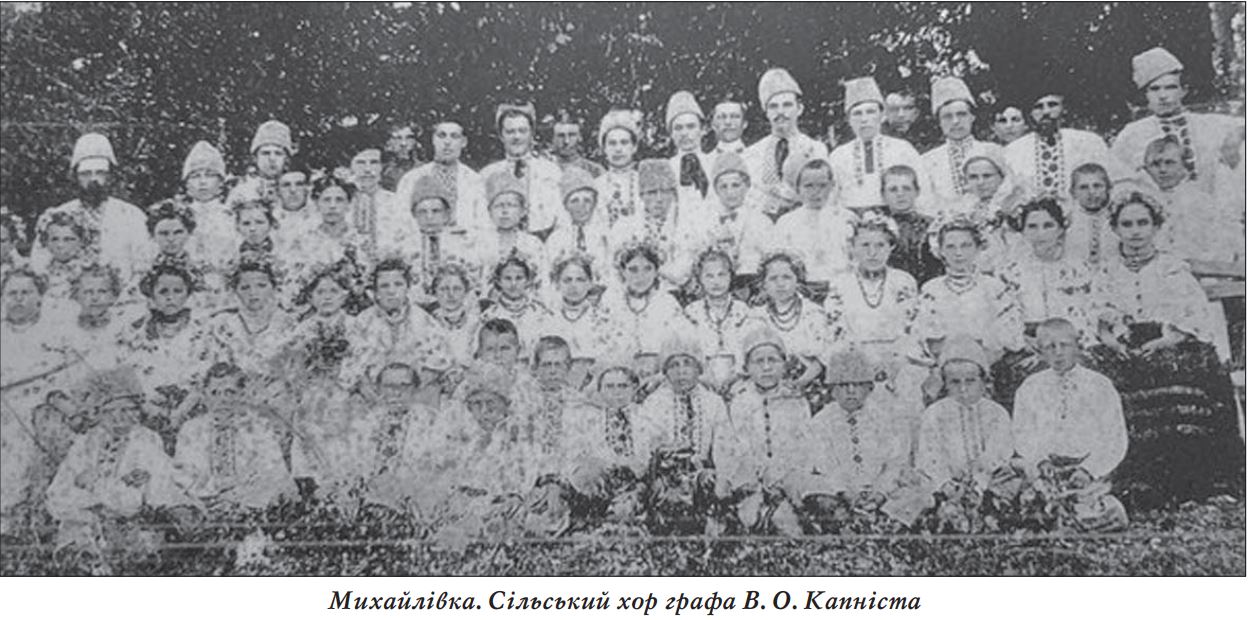
Count Vasily Alekseevich Kapnist was also an avid music lover. In his work “Sergei Rachmaninoff’s Summer in Lebedino. On the 125th Anniversary of the Birth of the Great Composer and Pianist,” the distinguished Sumy-based researcher Igor Skvortsov writes the following about the outstanding composer’s visit to Mykhailivka:
It was right here, in Mykhailivka, that Rachmaninoff was able to gain the deepest appreciation for the wonderful examples of Ukrainian folk culture.
In the same source, the author cites a very interesting fact. It turns out that Count Kapnist was not only the founder of the choir, but also sang in it himself in front of guests.
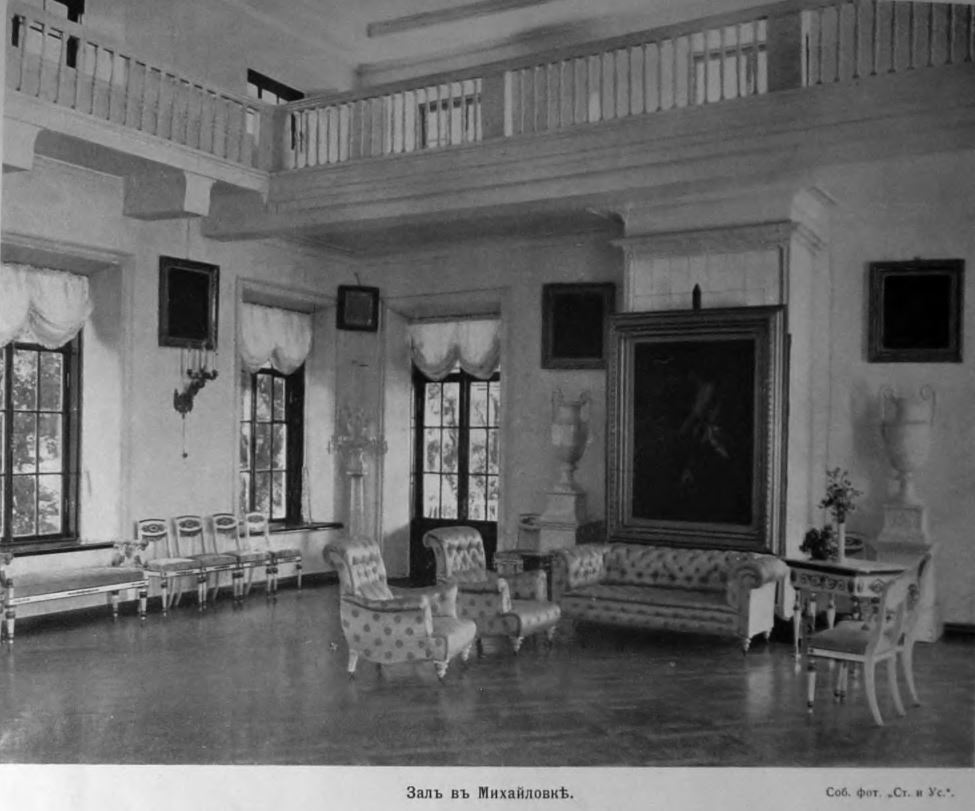
Grigory Lukomsky, whom we already know, planned to eventually write a sequel to his book *Estates of the Kharkiv Governorate*, since it covered only six of the eleven counties. To that end, he visited Mykhailivka in 1913. As is well known, due to the outbreak of war, the second volume was never published. However, the unique photographs he took at that time of the estate itself were published in issue No. 56 of the magazine *Stolitsa i Usadba* (*Capital and Estate*).
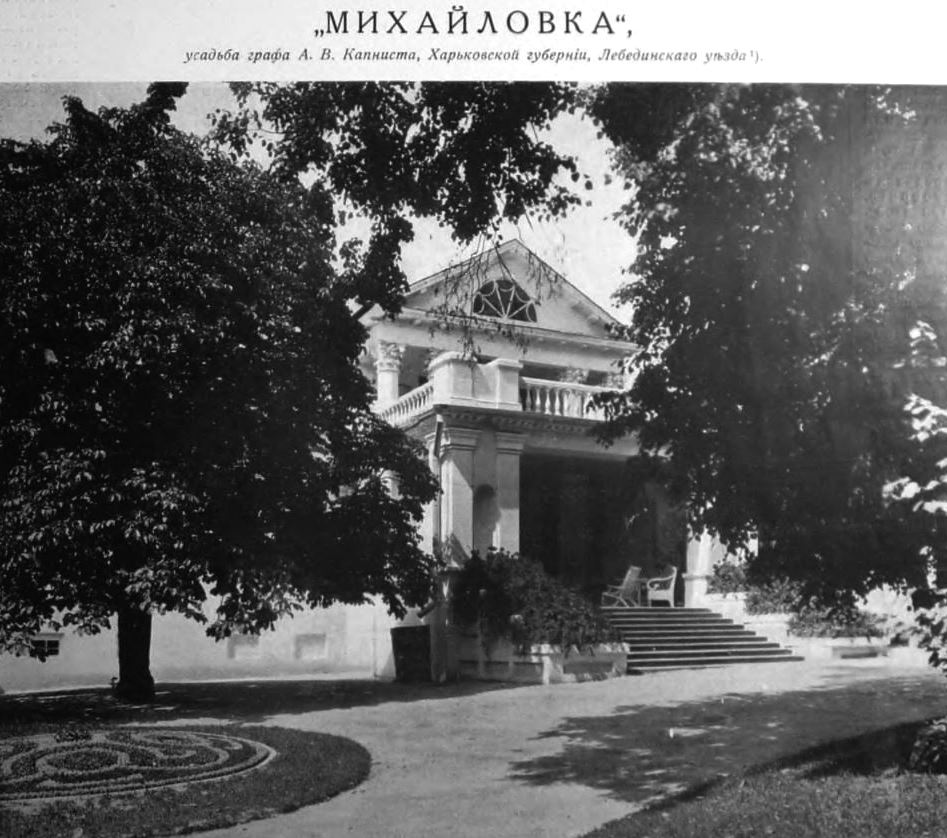
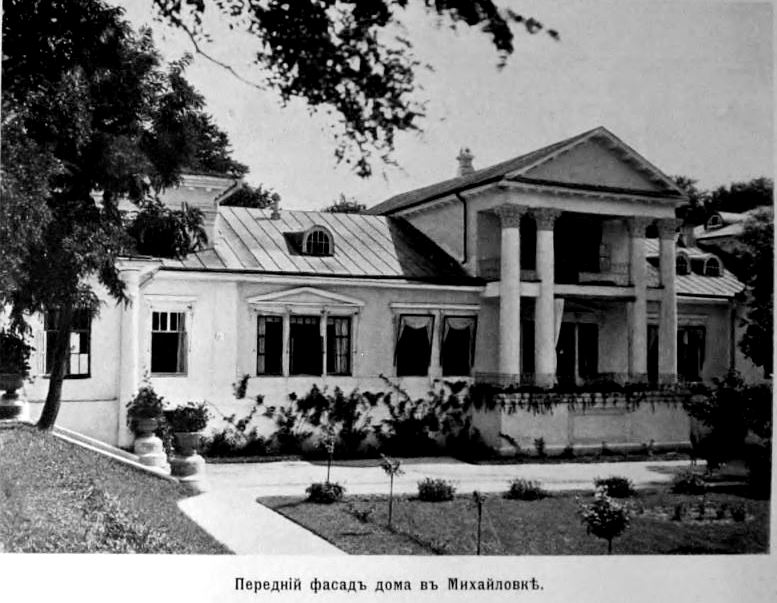
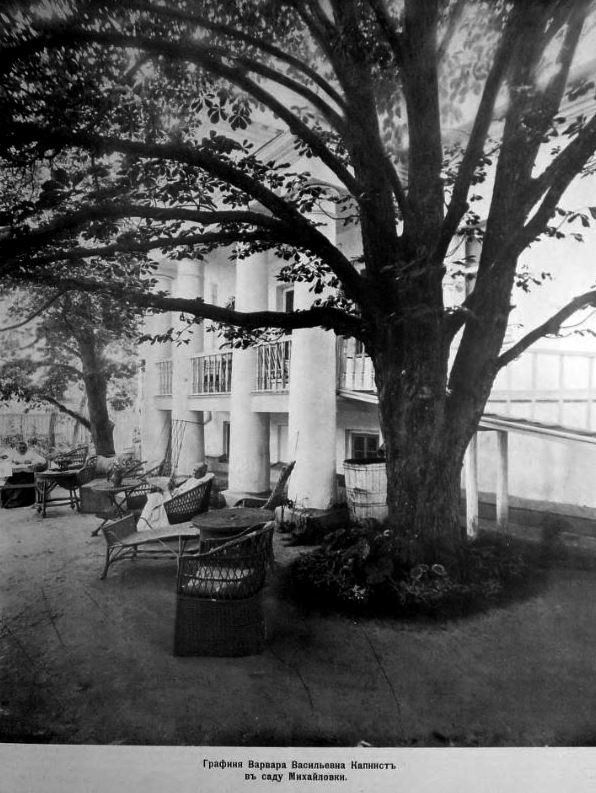
When we arrived there on July 22, 2017, with Igor Leptuga, Alina Shulga, Dmitry Krivulei, Inna Romenskaya, Alexei Sorokin, and Olga Dzyuba, we found only a shadow of its former splendor.
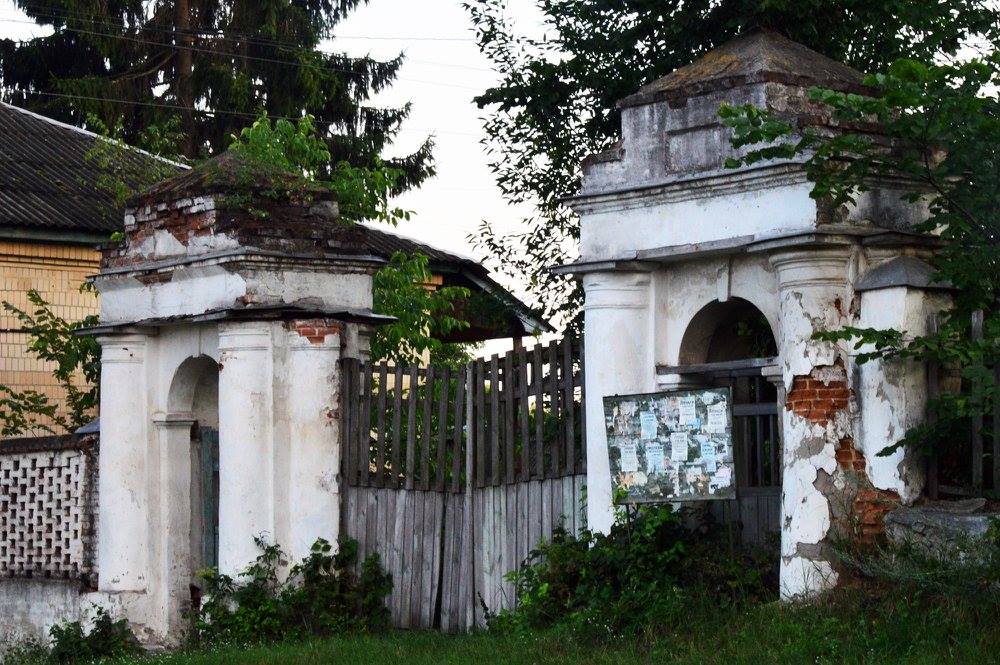
Beyond the massive entrance to the estate, we found only a wing that had miraculously survived. Alas, it was in terrible condition, although, by all accounts, it had been inhabited until recently.
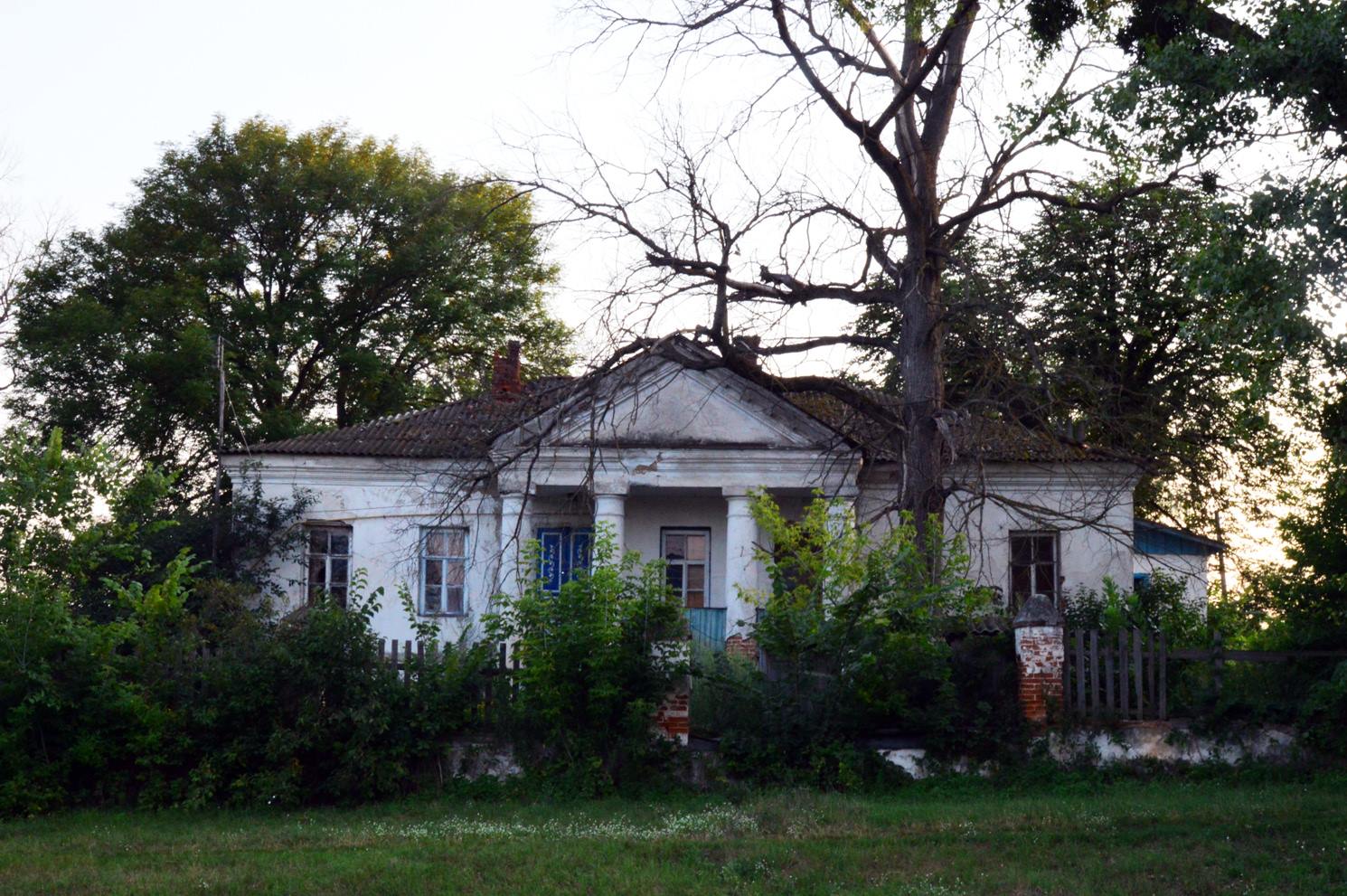
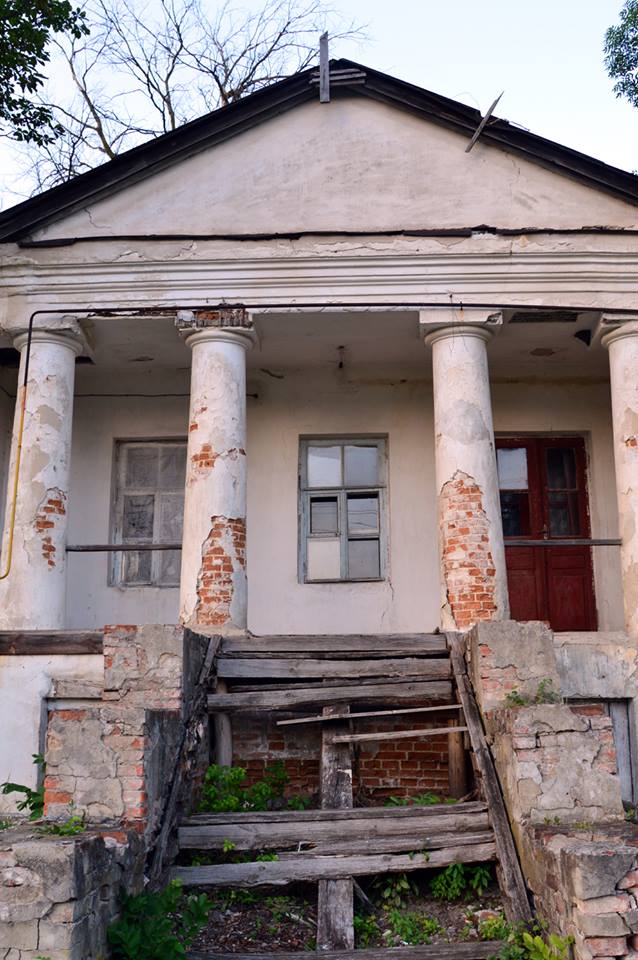
Today, not a trace remains of that magnificent palace with its white columns and splendid interior halls—except for the memory of it.
In Mykhailivka itself, in addition to the remains of the estate, you can still see other buildings from that era. Their numbers, too, are dwindling year by year…
Are there many places in our native region, like Mykhailivka, that are connected to the lives and work of people who have made a significant mark on Ukrainian history? Is it worth visiting? At the end of our trip, as we got into our cars and headed back to Kharkiv, we could say only one thing: “Mykhailivka is definitely worth a visit—while it’s still there.”

- About the military pilot school and the airfield in Kharkiv… - 04.11.2020
- Nikanor Savich—A Political Career by Mistake - 13.07.2020
- And once again, about the Cavalry Guards… - 21.01.2020