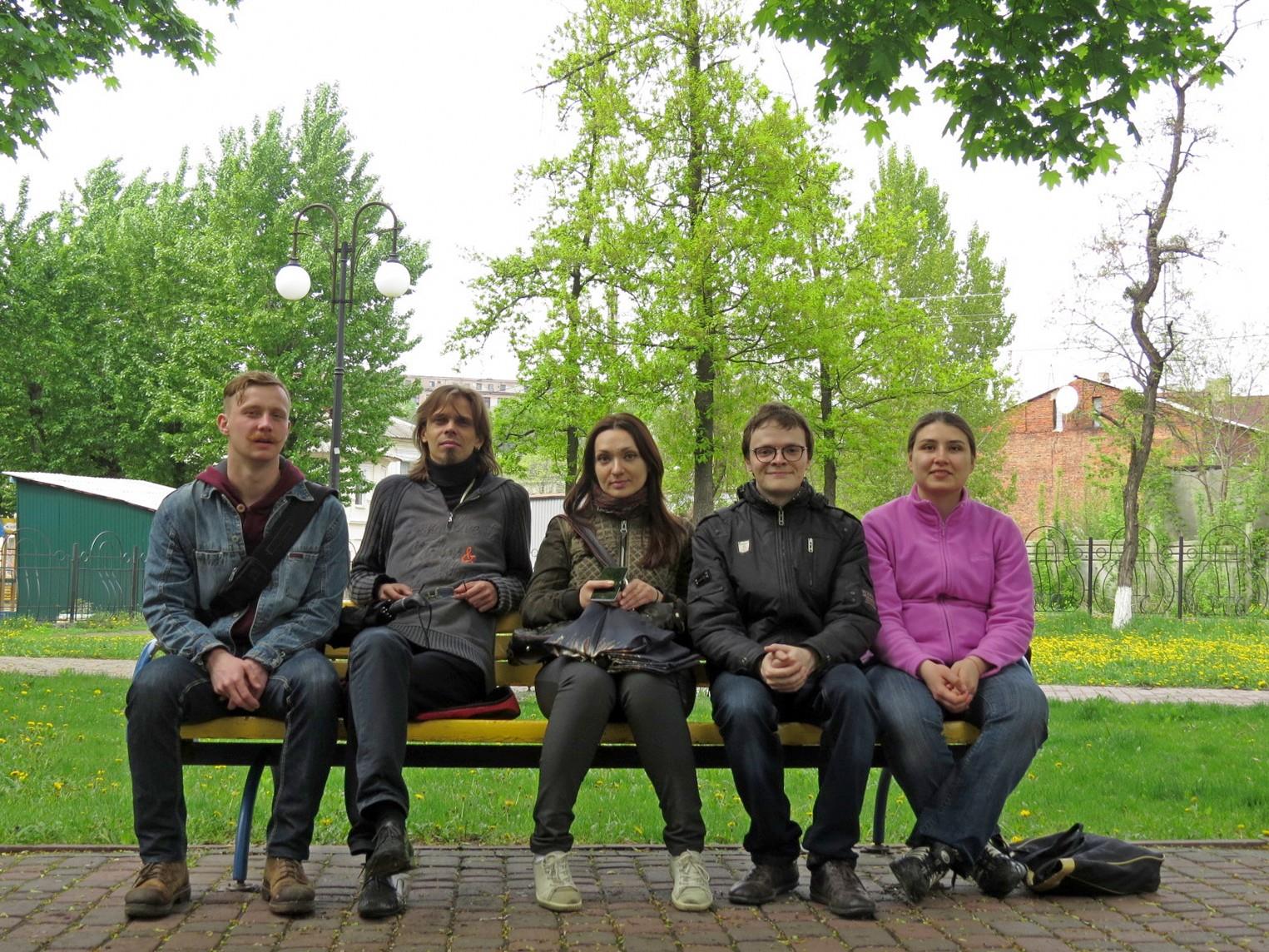
On May 3, 2015, we held another walking tour from the “Architectural Maximum” series. We saw 32 preserved or lost buildings by the great architect Jūlijs Caune in one day, 17 of which became architectural landmarks. The total mileage was about 20 km, it was one of our longest excursions.
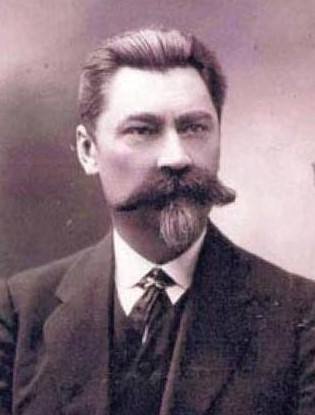
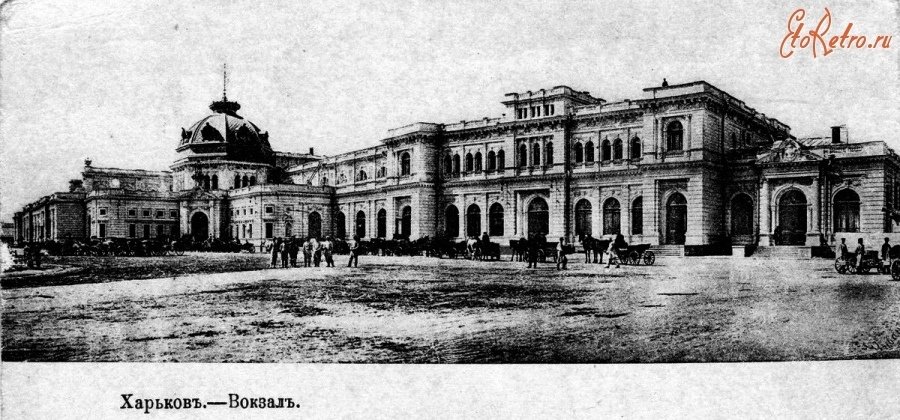
Jūlijs Caune was born in Ezel, Governorate of Livonia, in 1862, and graduated from the St. Petersburg Academy of Arts in 1891. He then moved to Kharkiv and in 1896 supervised the reconstruction of the Kharkiv railway station (destroyed later, during WWII). From 1901 to 1923, Jūlijs Caune taught at the Technological Institute, where he taught the discipline of architectural design. This talented architect of Latvian origin designed both large public structures and impressive residential buildings, as well as small private mansions. Its styles vary from eclectic and Gothic Revival to Art Nouveau and evolve together with architectural fashion.
- The reconstruction of the Kharkiv Railway Station, 1896-1901, together with S. Zagoskin.
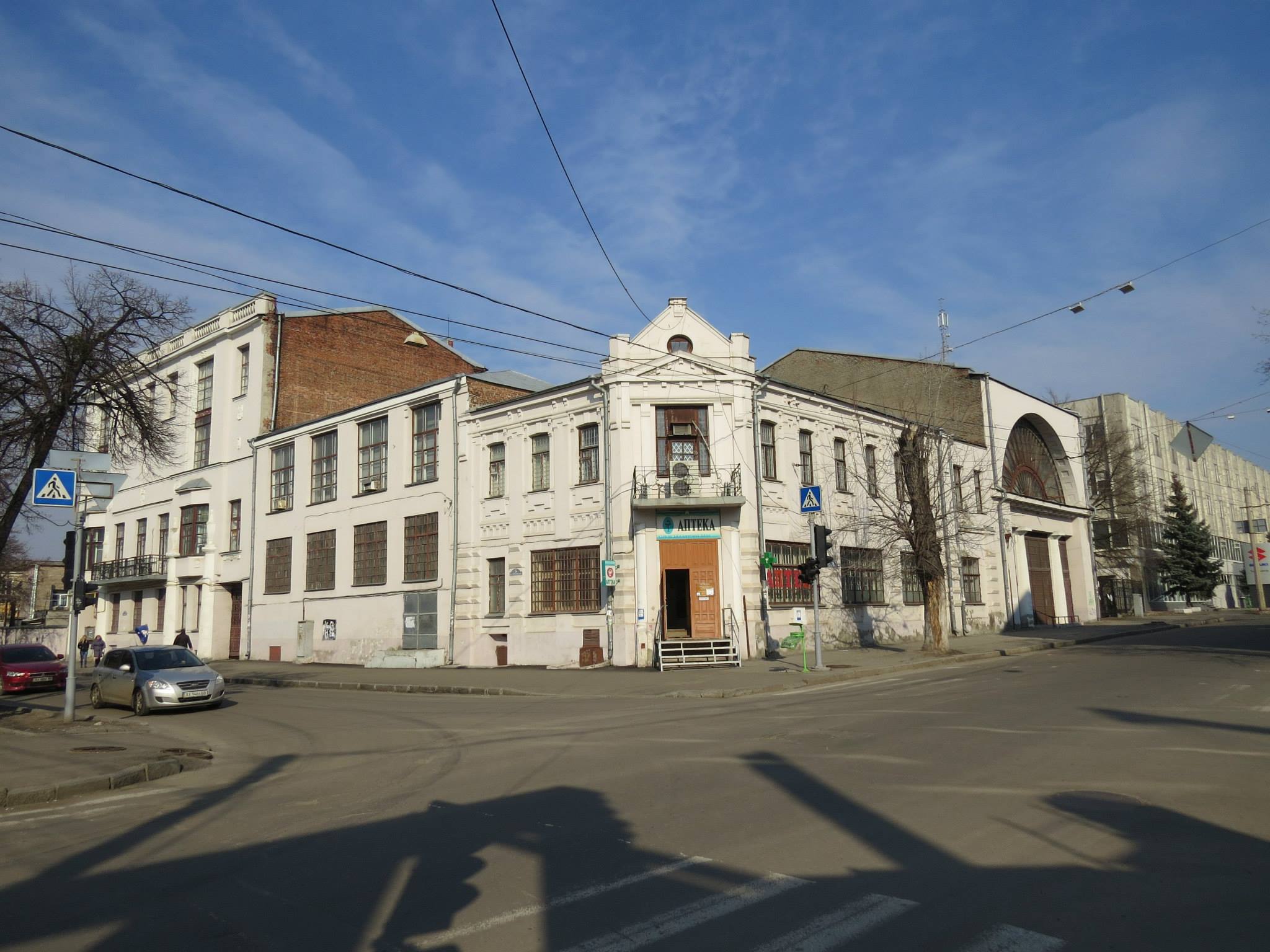
2. Reconstruction of pharmacy warehouses at Katsars’ka Street, 20 (1912), co-authored with O. Rzhepishevsky. Originally, it was the house of architect Danilov Fedor Ivanovich (1810–1885). The building was rebuilt several times.
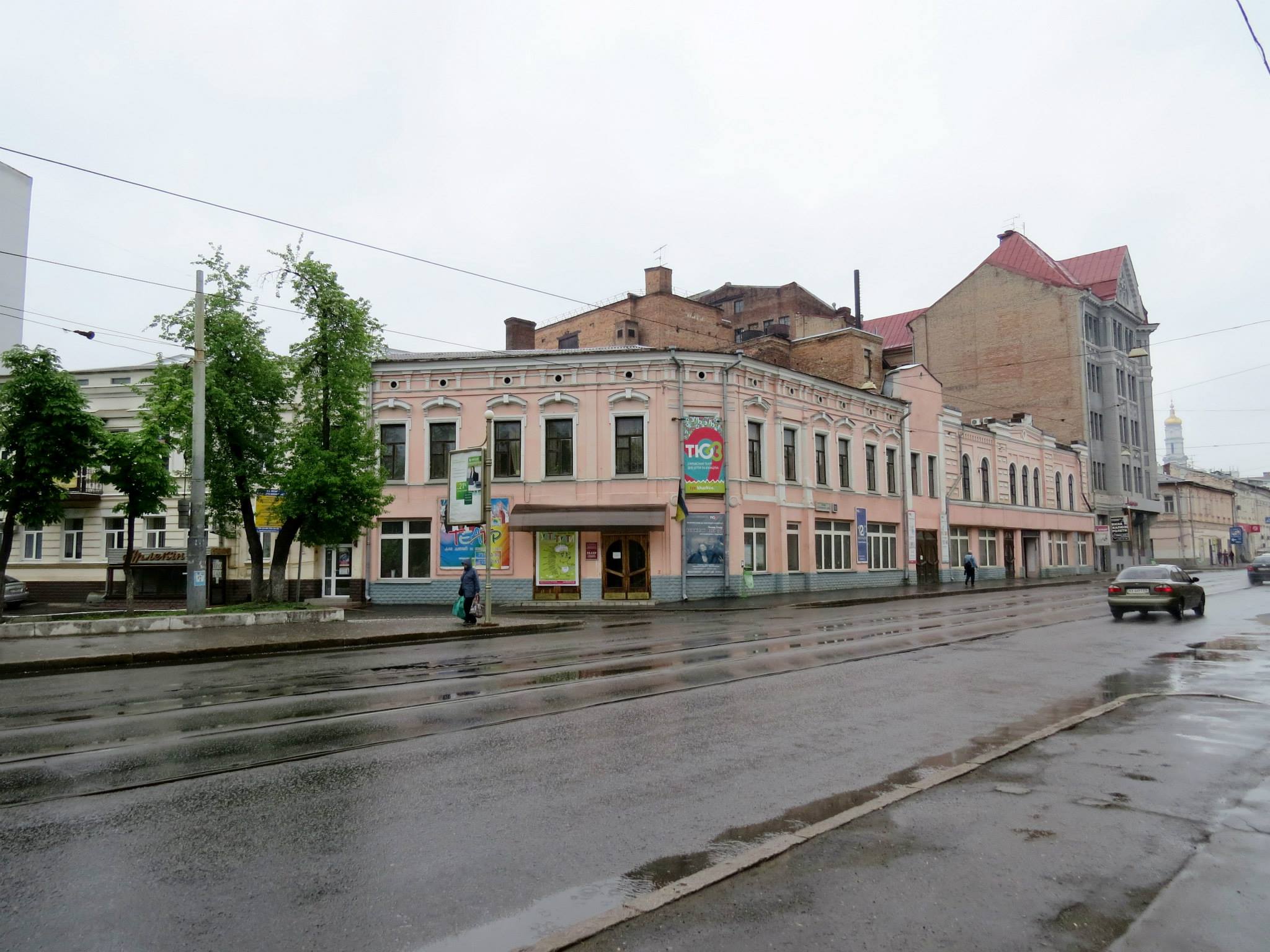
3. Catherine’s Theater of Miniatures and Operettas in the courtyard of the estate at Poltavskyi Shliakh Street, 16, 1915. Now it is the Kharkiv Theater of Young Spectators.
4. Hotel “Versailles” on the Kontorska Street, 1, 1907 (reconstruction of old building from 1830s).
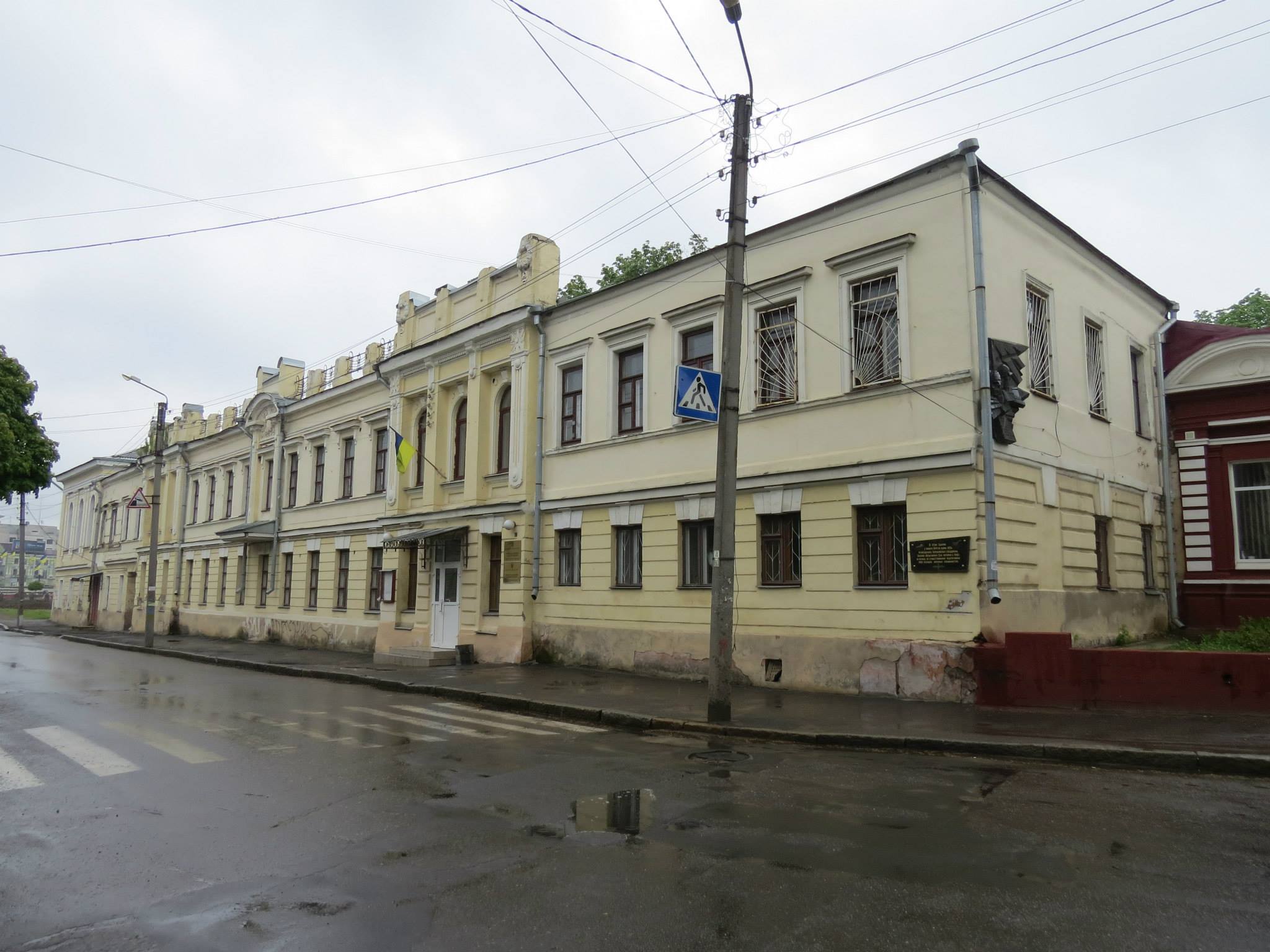
5. Reconstruction of the Building of the Kharkiv Mutual Credit Society on Pavlivskyi Square (1913, Kostyuryns’kyi Ln, 2).
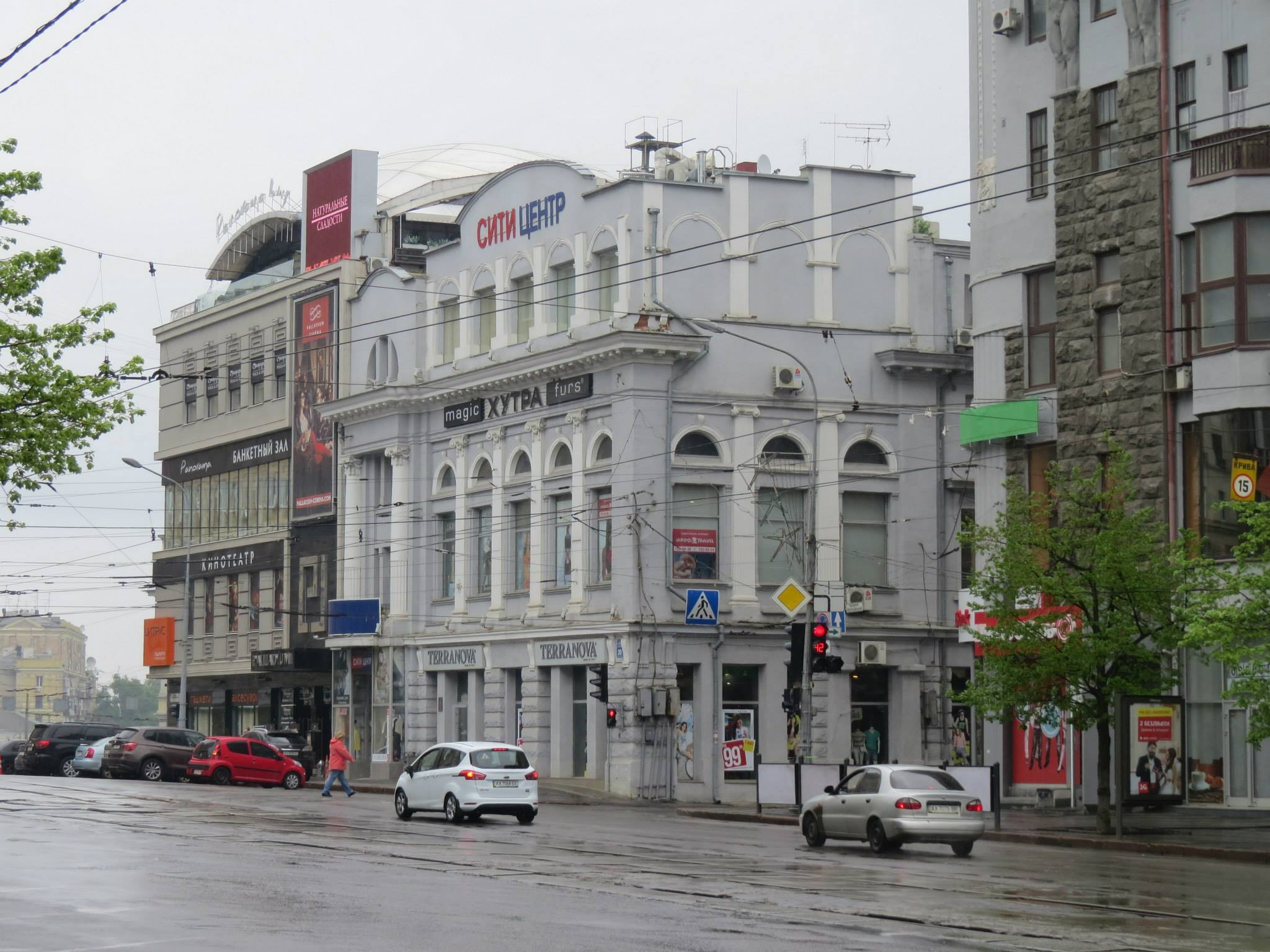
6. Residential building (16B Korolenko Street, early 20th century). Authorship by Caune – presumably.

7. Secondary Jewish Girls’ School (Mykolaivska St., 16A, early 20th century). Authorship by Caune – presumably.
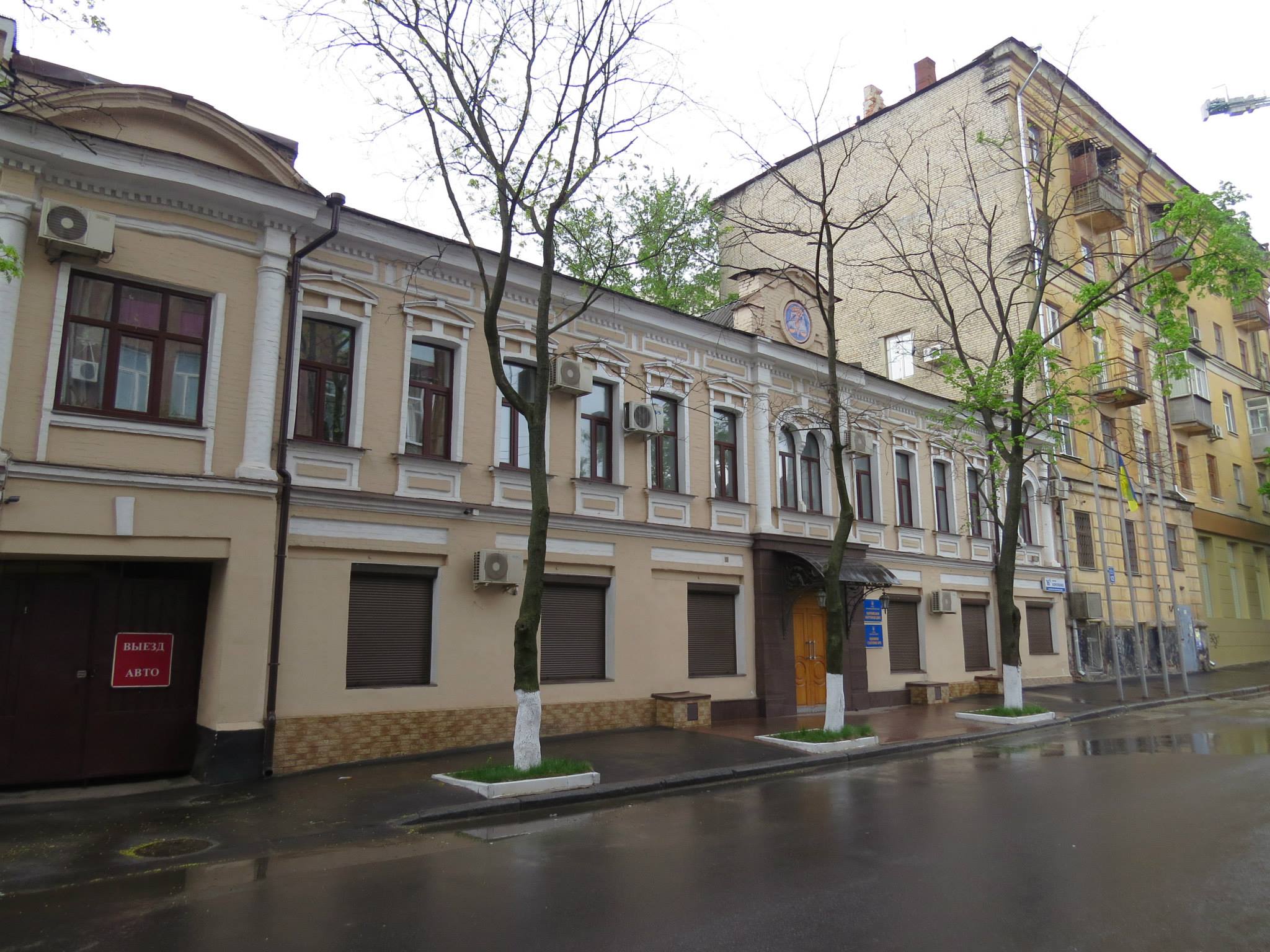
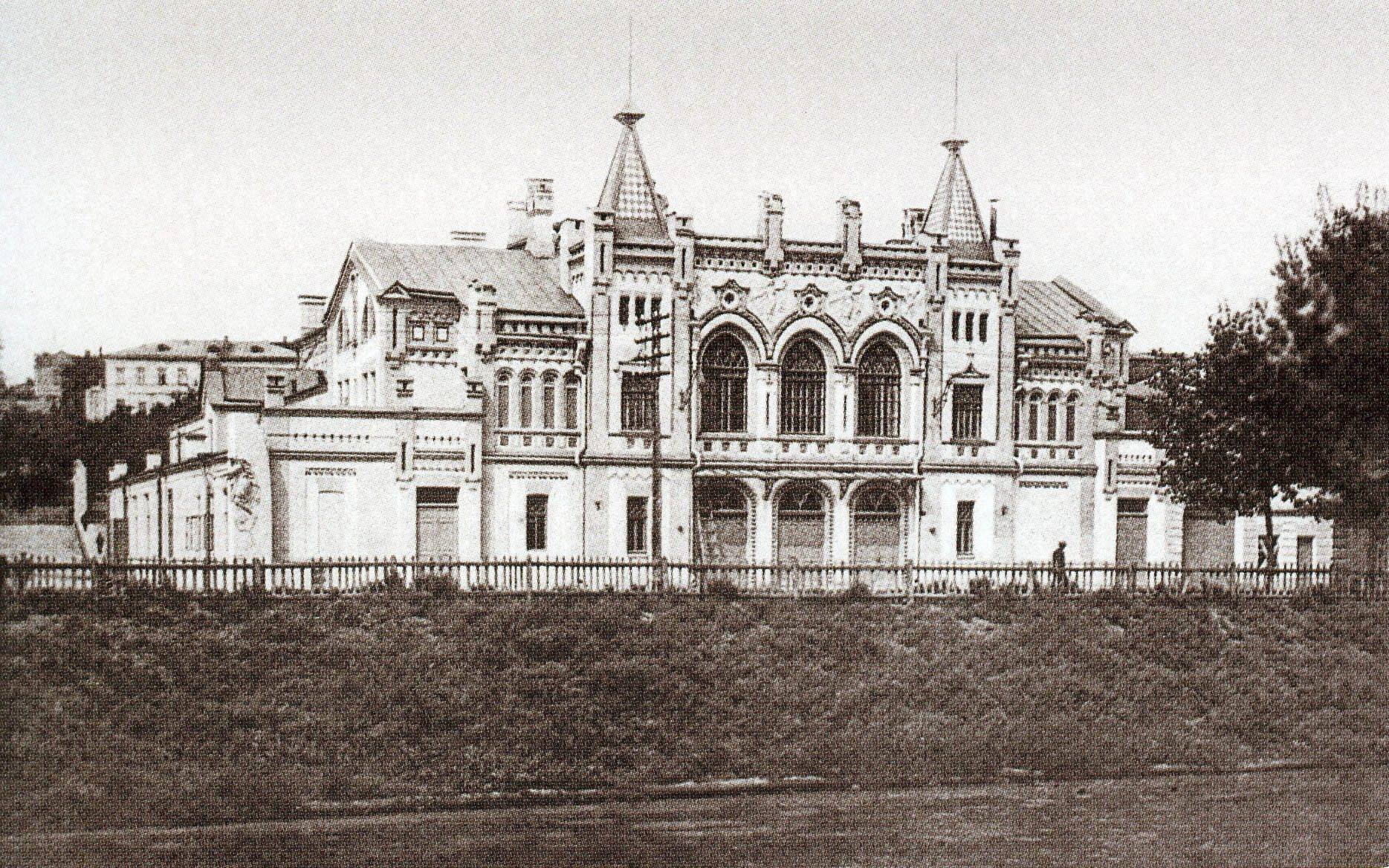
8. On the site of the brick house of the 1950s, there stood the Zhatkin’s villa-theater, which Caune reconstructed in 1912. It was destroyed by German bomb in 1941.
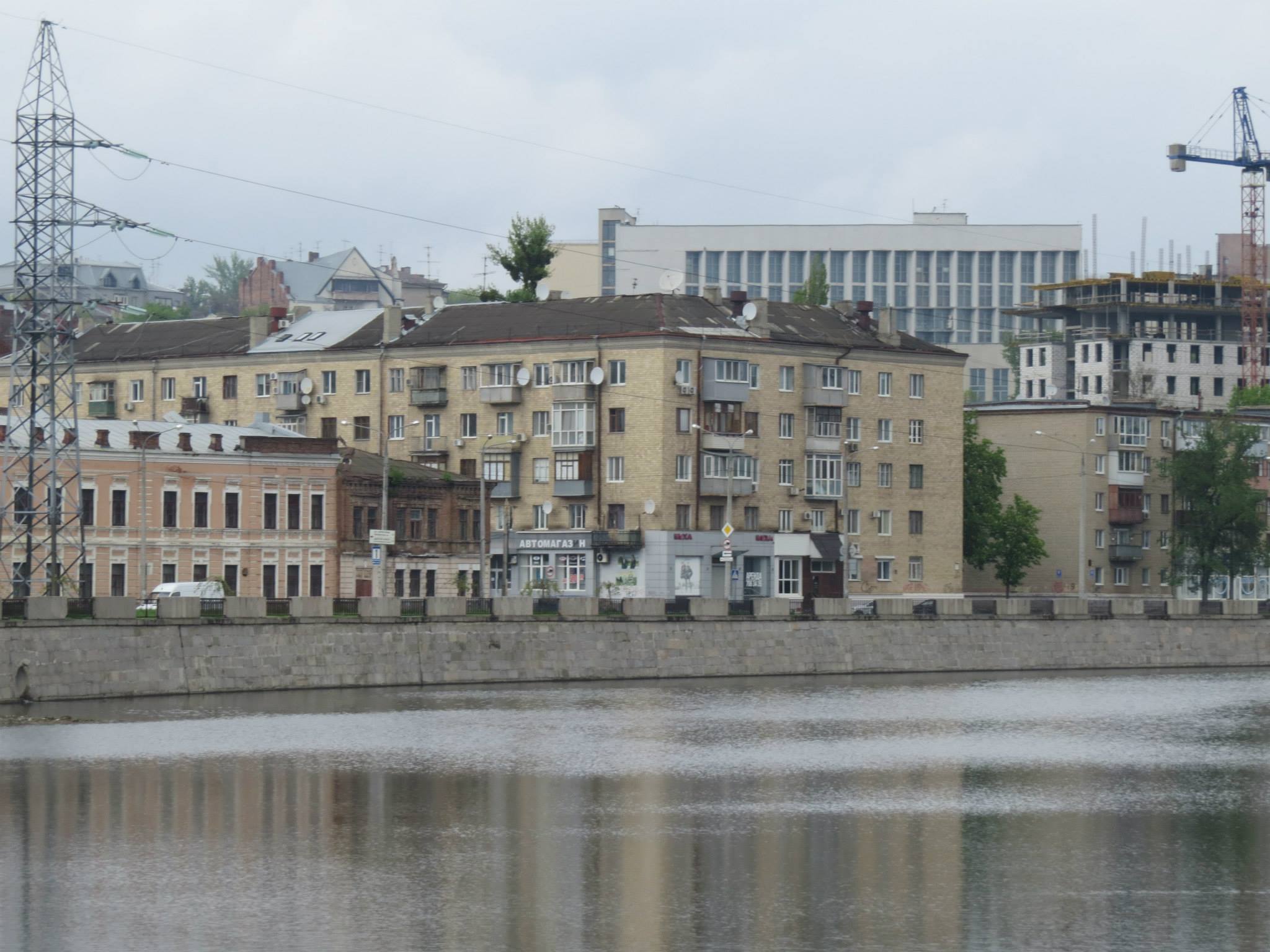
Zhatkin’s villa-theater
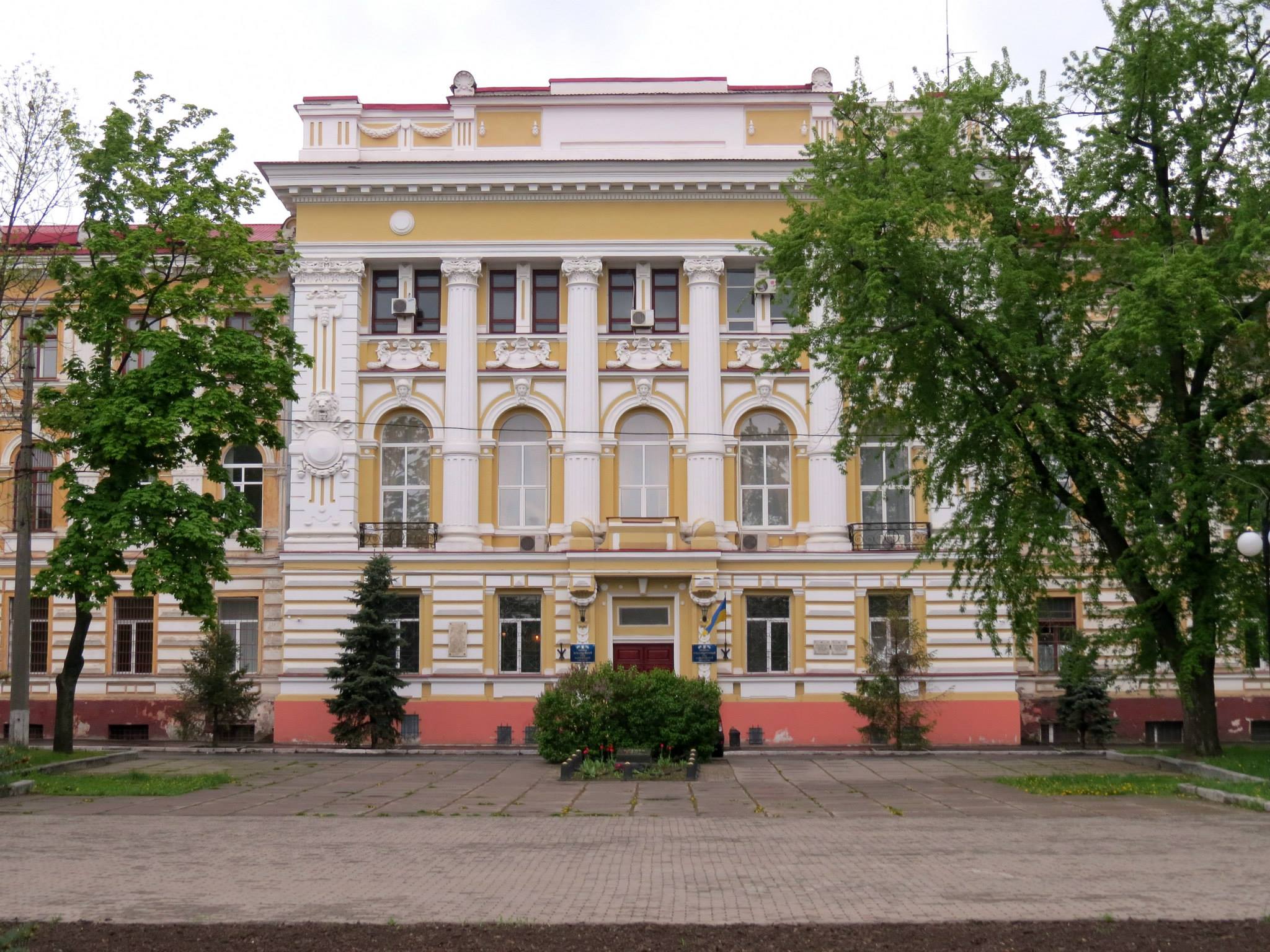
9. The Court of Appeal, Heroiv Nebesnoi Sotni Square, 36 (1899–1902). One of the largest buildings in the city at that time, built according to the design of O. Beketov in collaboration with Caune and Khrustalev.
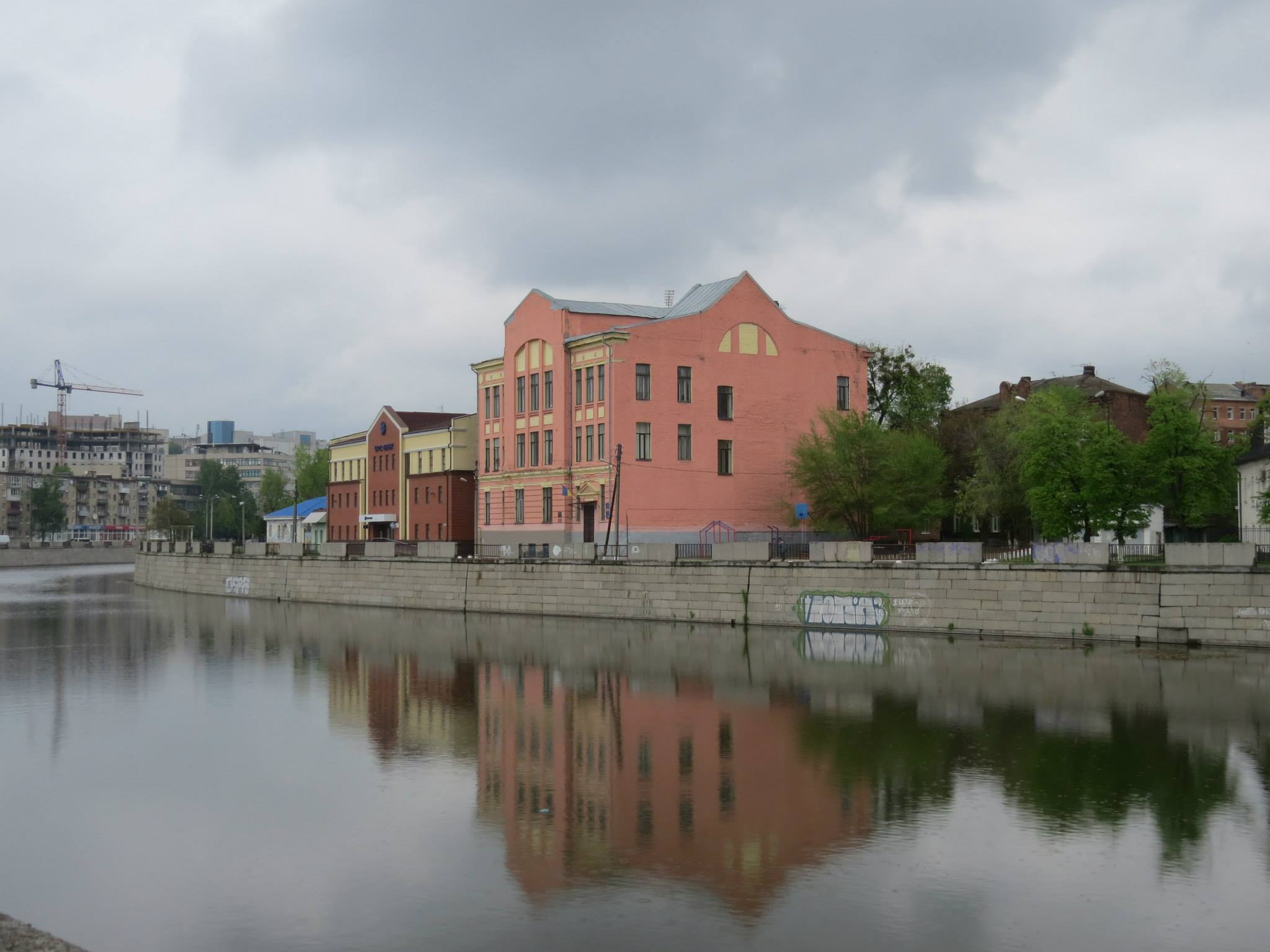
10. 1st Private Gymnasium on Kharkiv Embankment, 4 (1911).
11. Residential building at Kulykivskyj Descent, 18 (1908).
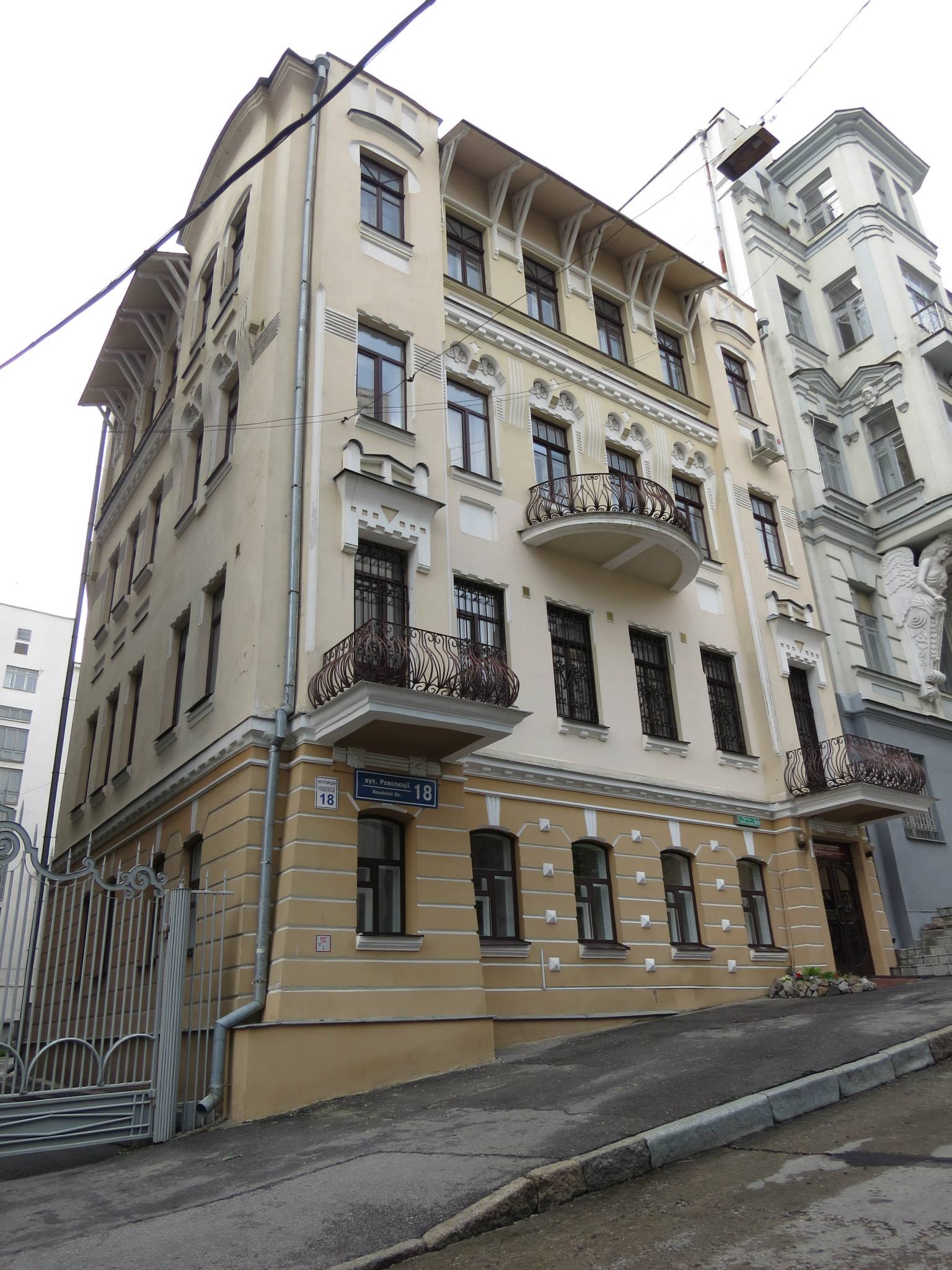
12. Apartment building at Divocha Street, 3 (1903)
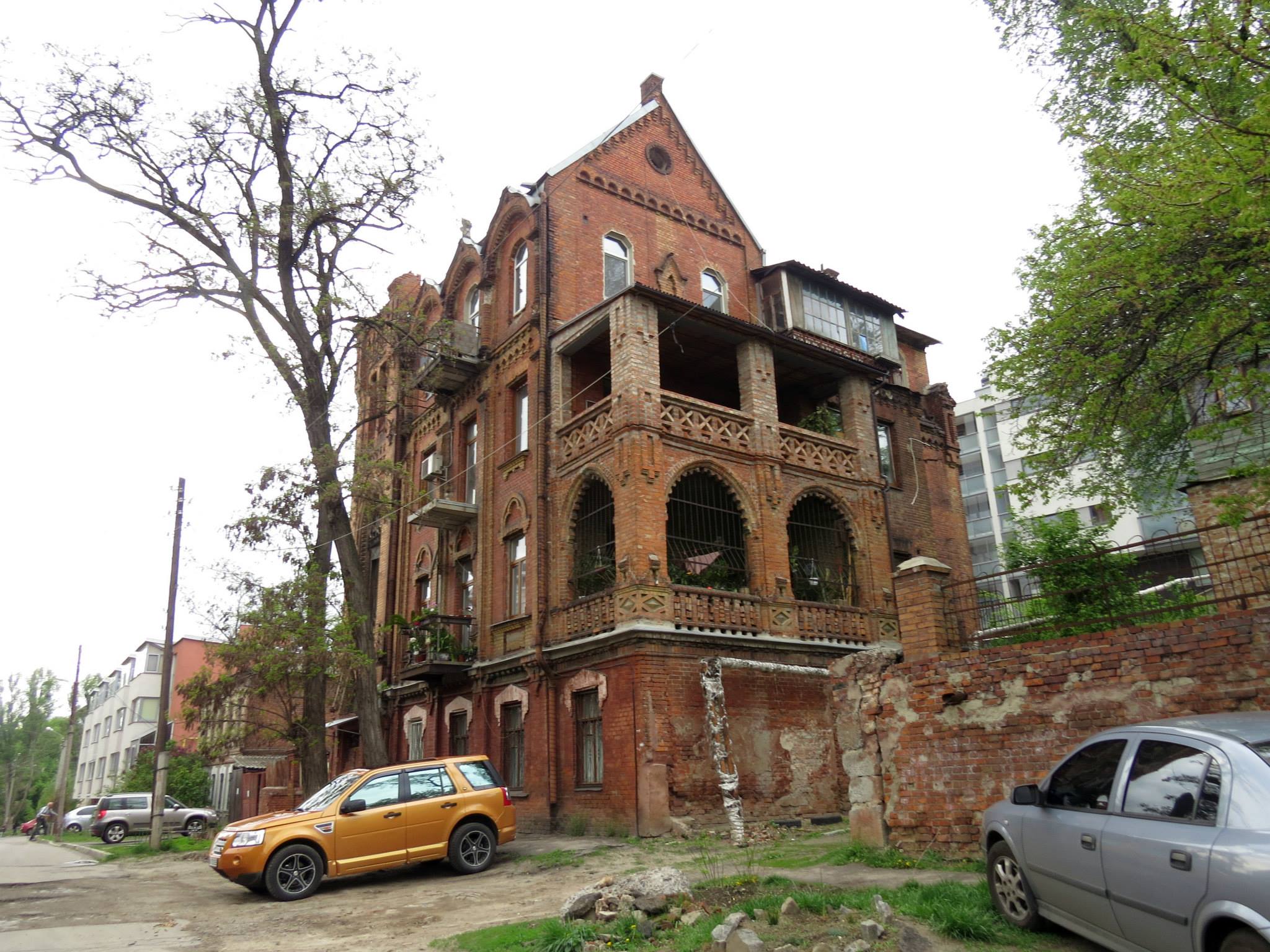
13. The apartment building on Divocha Street, 5A is Potebnia’s second house.
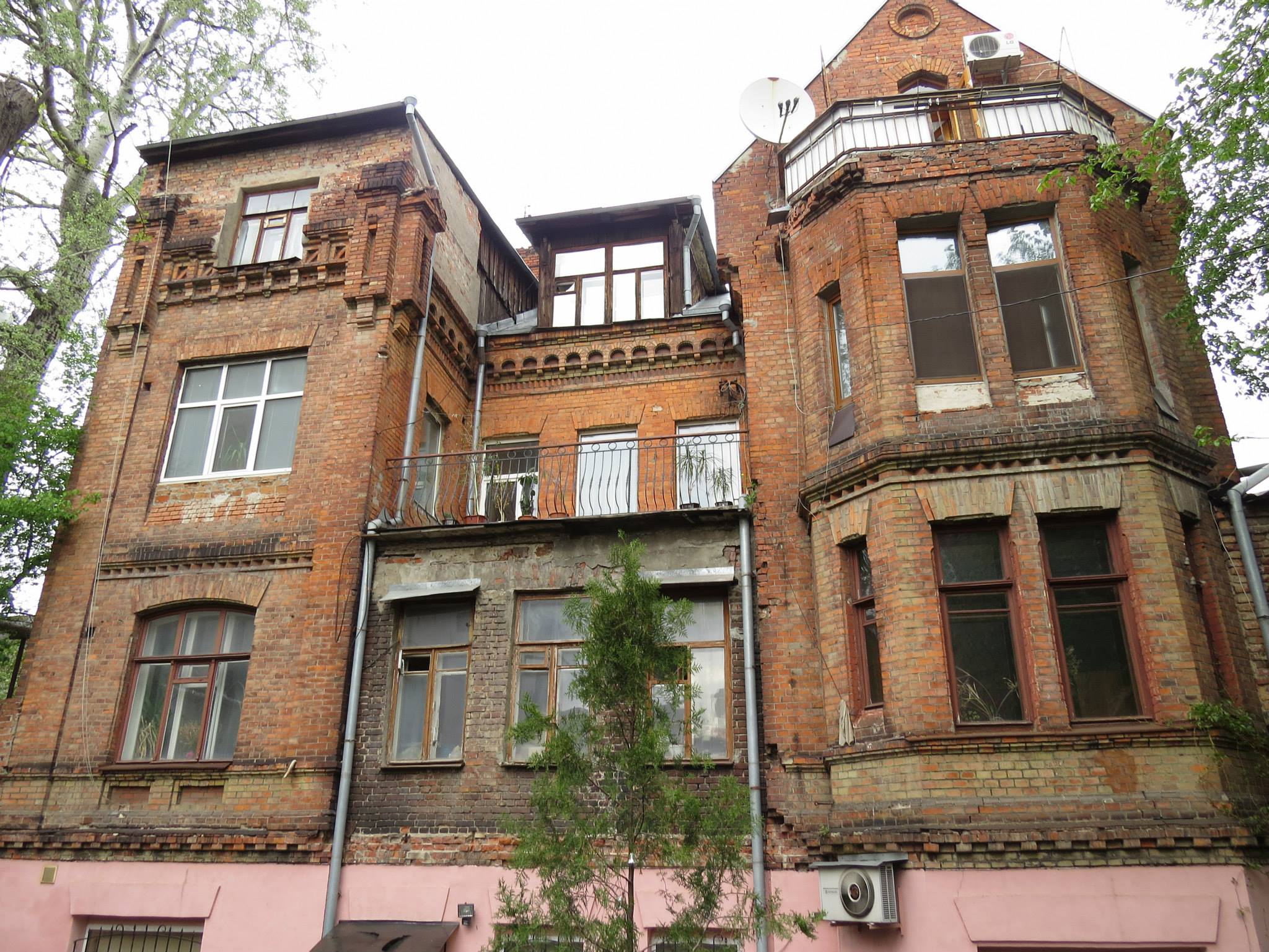
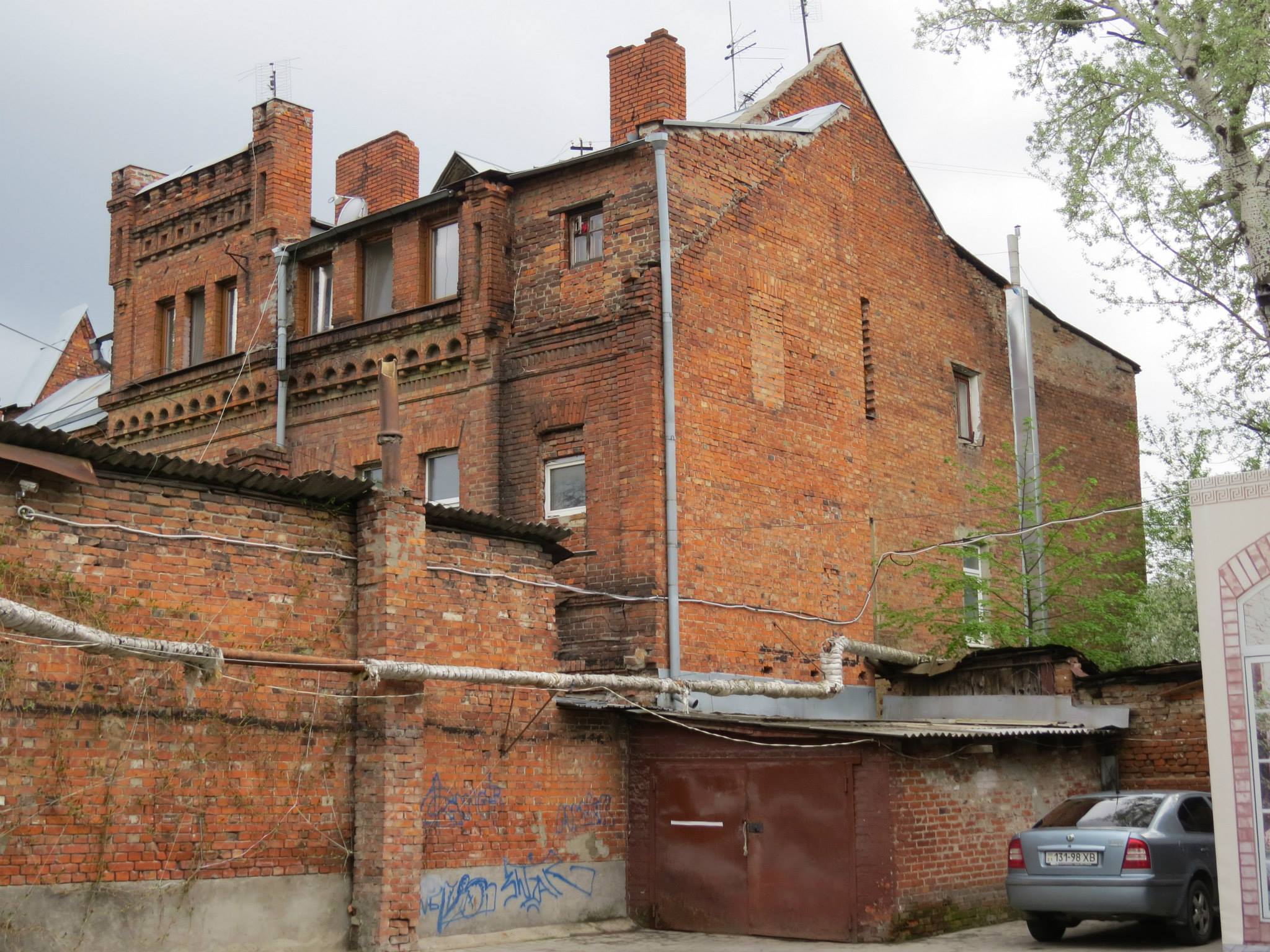
In 1903-1907, Andriy Potebnya, a professor of philology at Kharkiv University, commissioned architect Jūlijs Caune to build two apartment buildings, stylized as medieval castles.

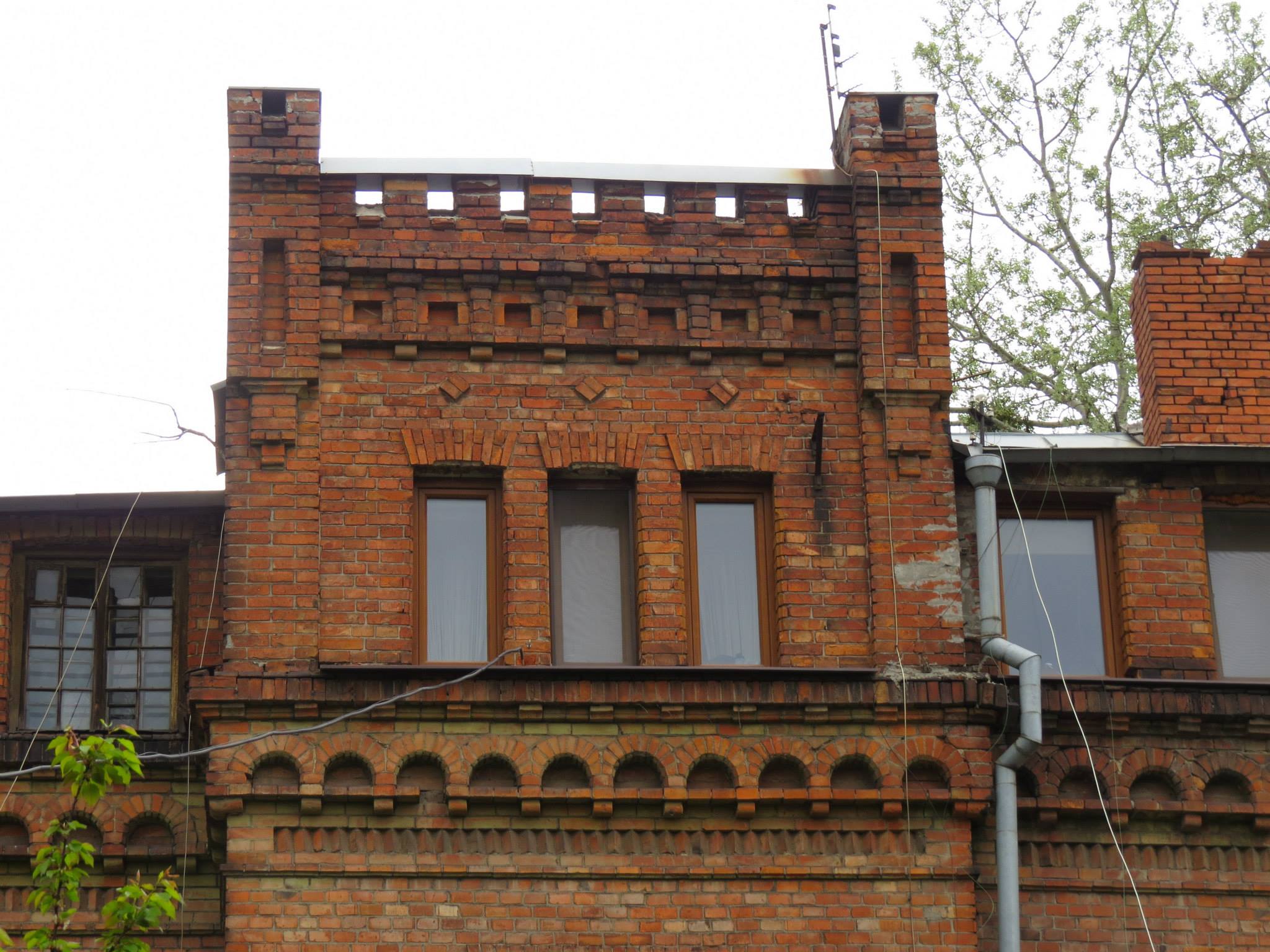
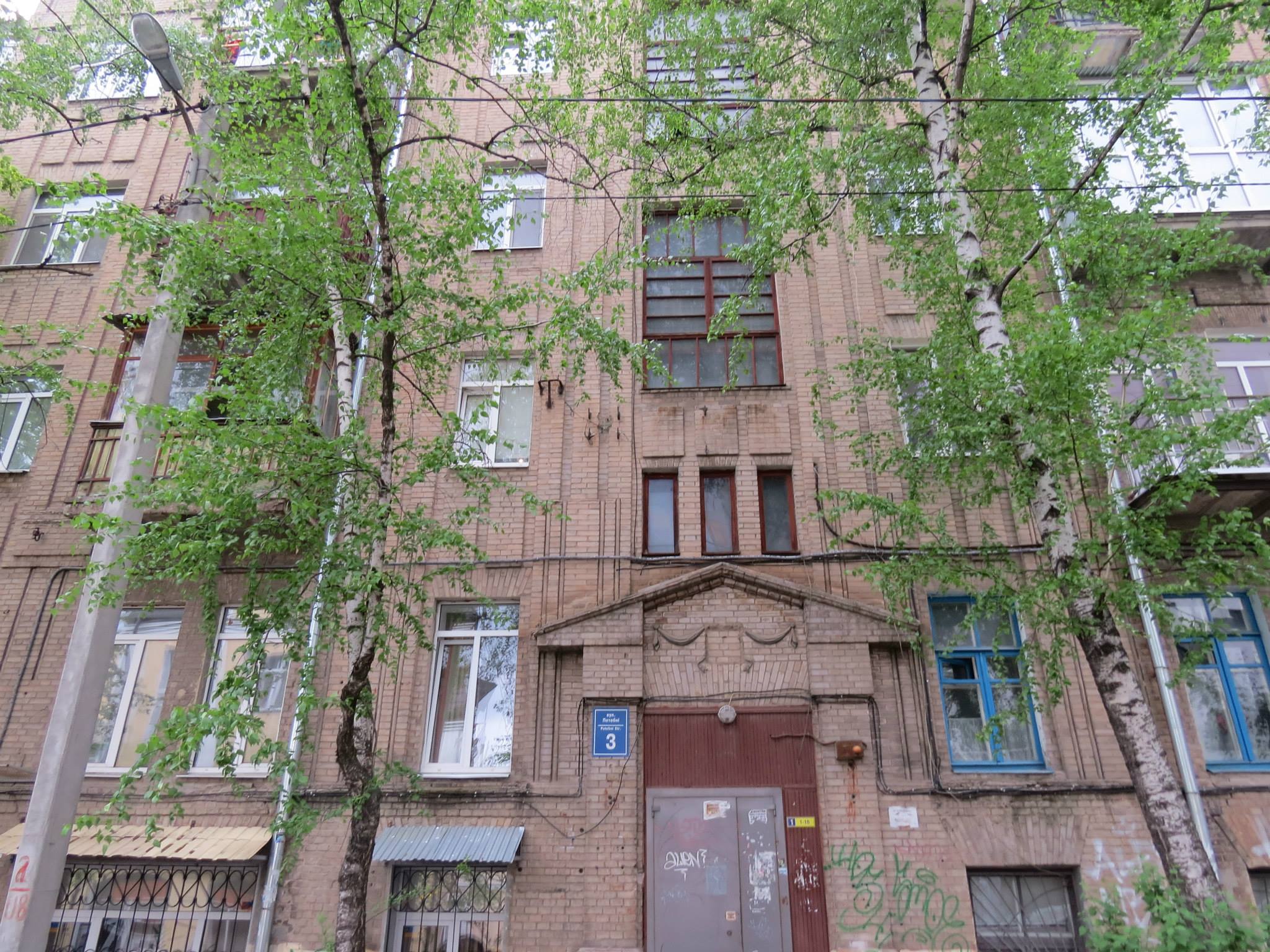
14. Residential building at Potebnya Street, 3 (co-authored with M. Shtandel, 1907). One of the first houses made of silicate brick in Kharkiv.
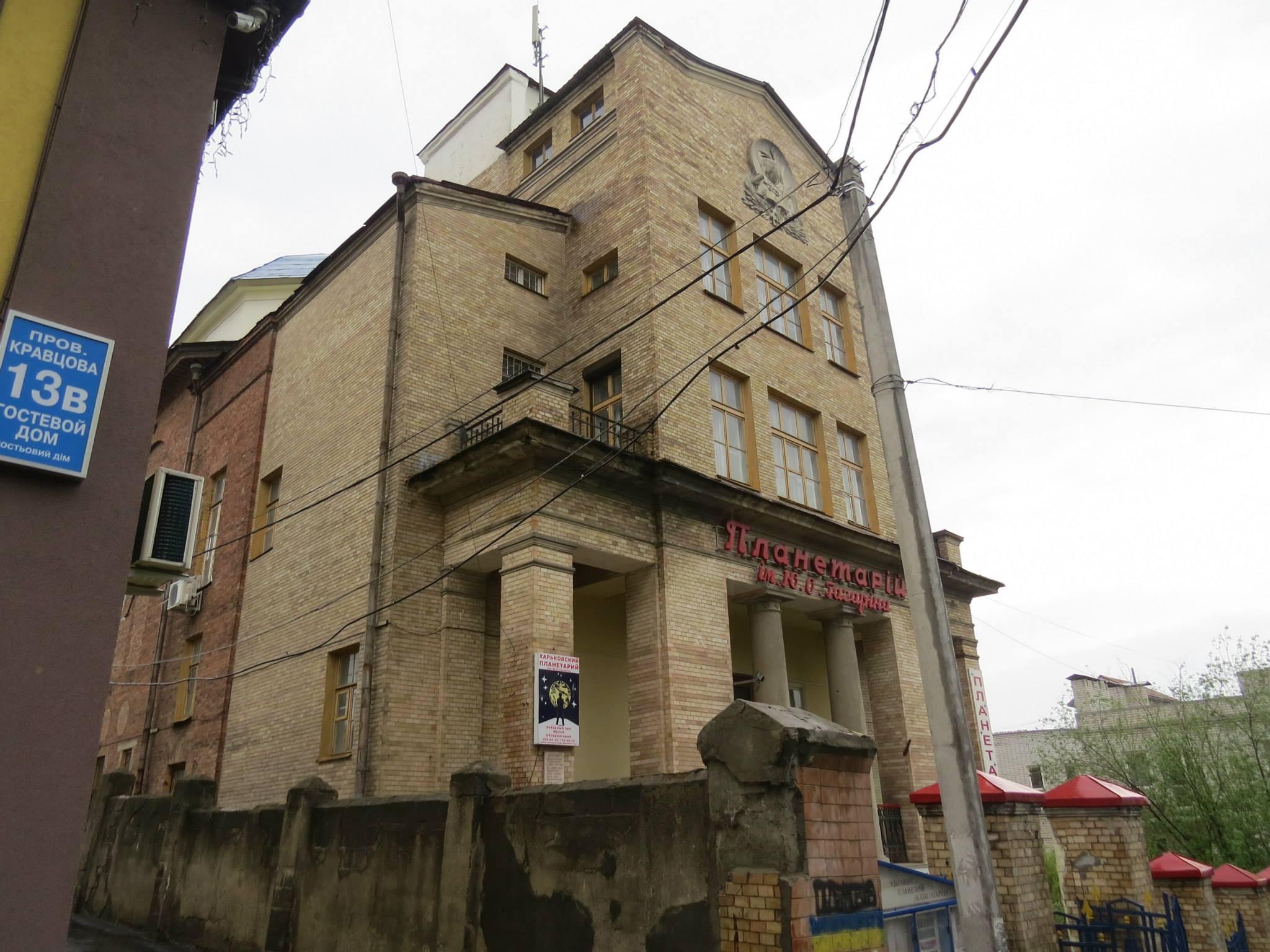
15. Mordvinivska Synagogue, now the Planetarium at Kravtsova Ln, 15 (1915).
16. Merchant Aladyin’s commercial building with a shop at Sumska Street, 44 (1912).
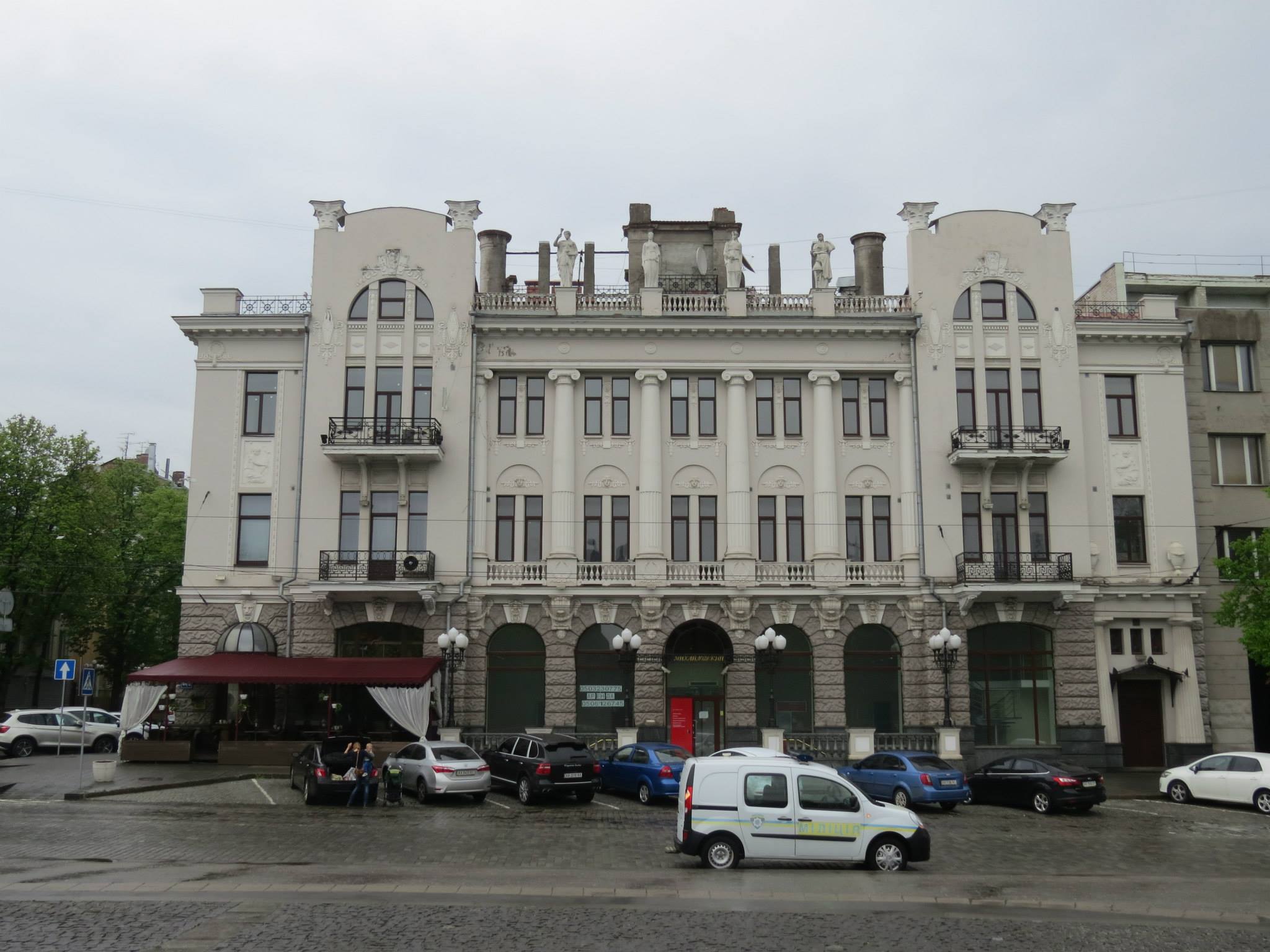
On March 18, 2015, a memorial plaque to Jūlijs Caune was unveiled in Kharkiv at Sumska Street, 44.
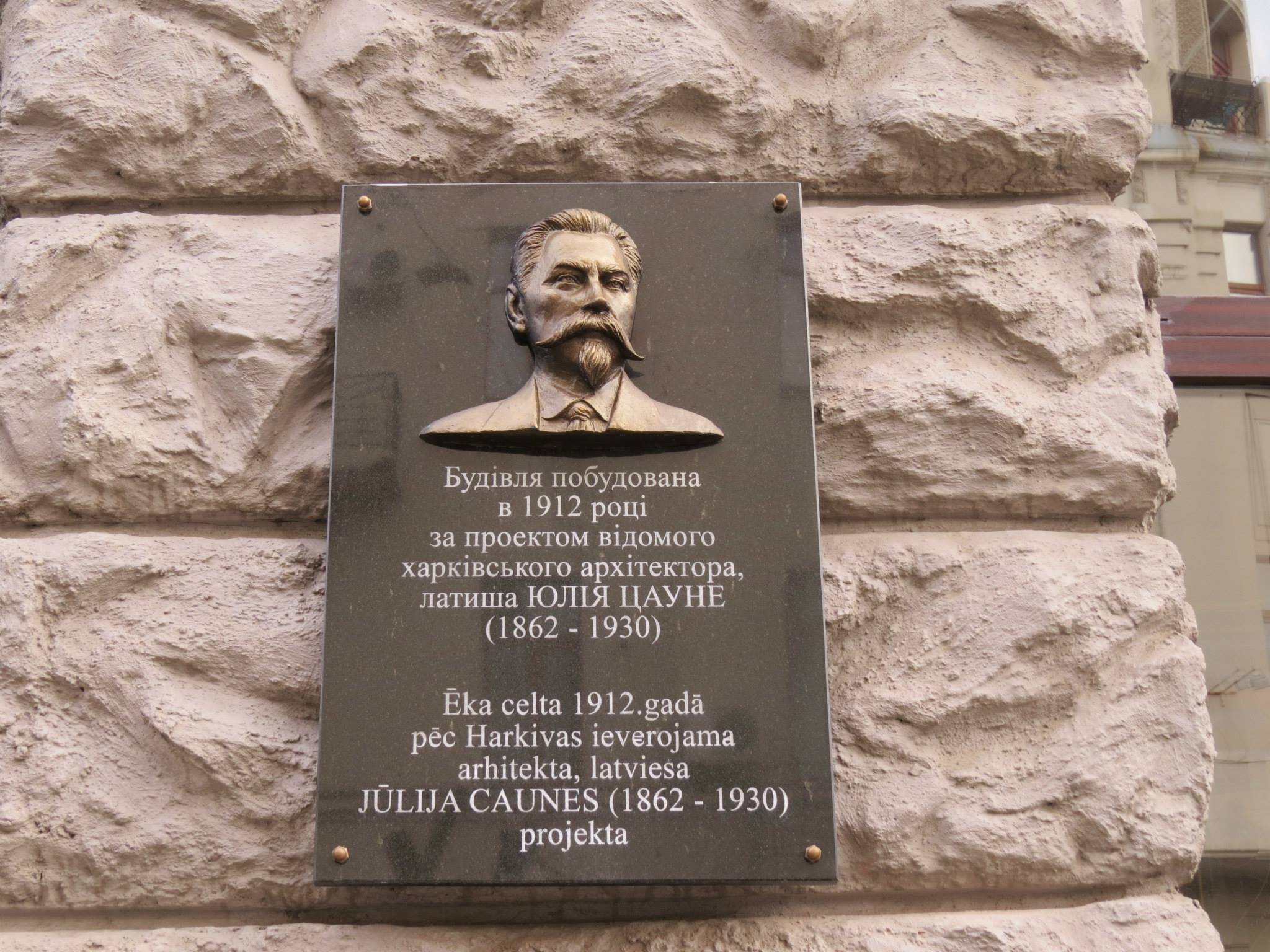
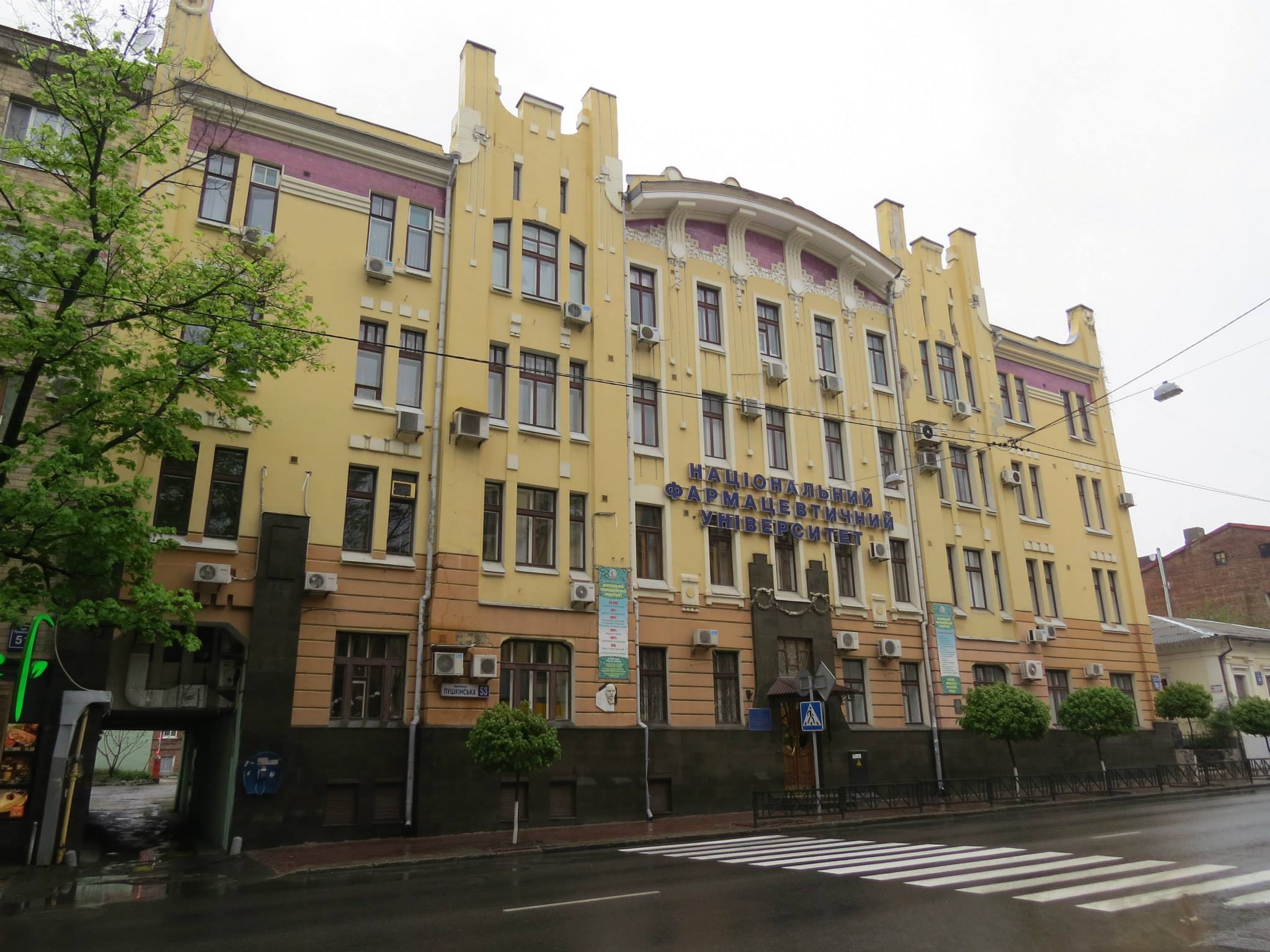
18. Apartment building at Hryhoriia Skovorody Street, 53 (1911)
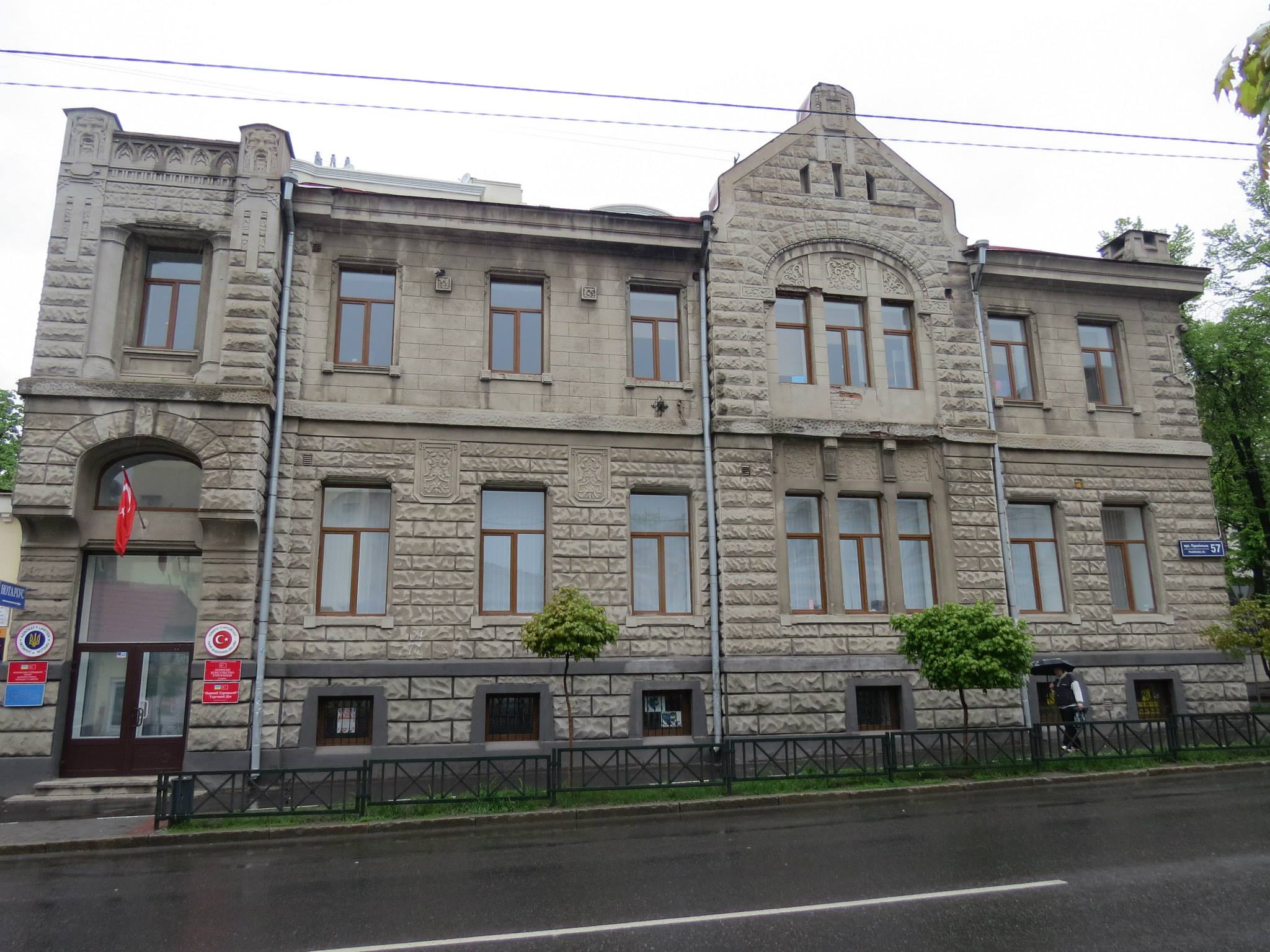
18. Mansion at Hryhoriia Skovorody Street, 57 (early 20th century).
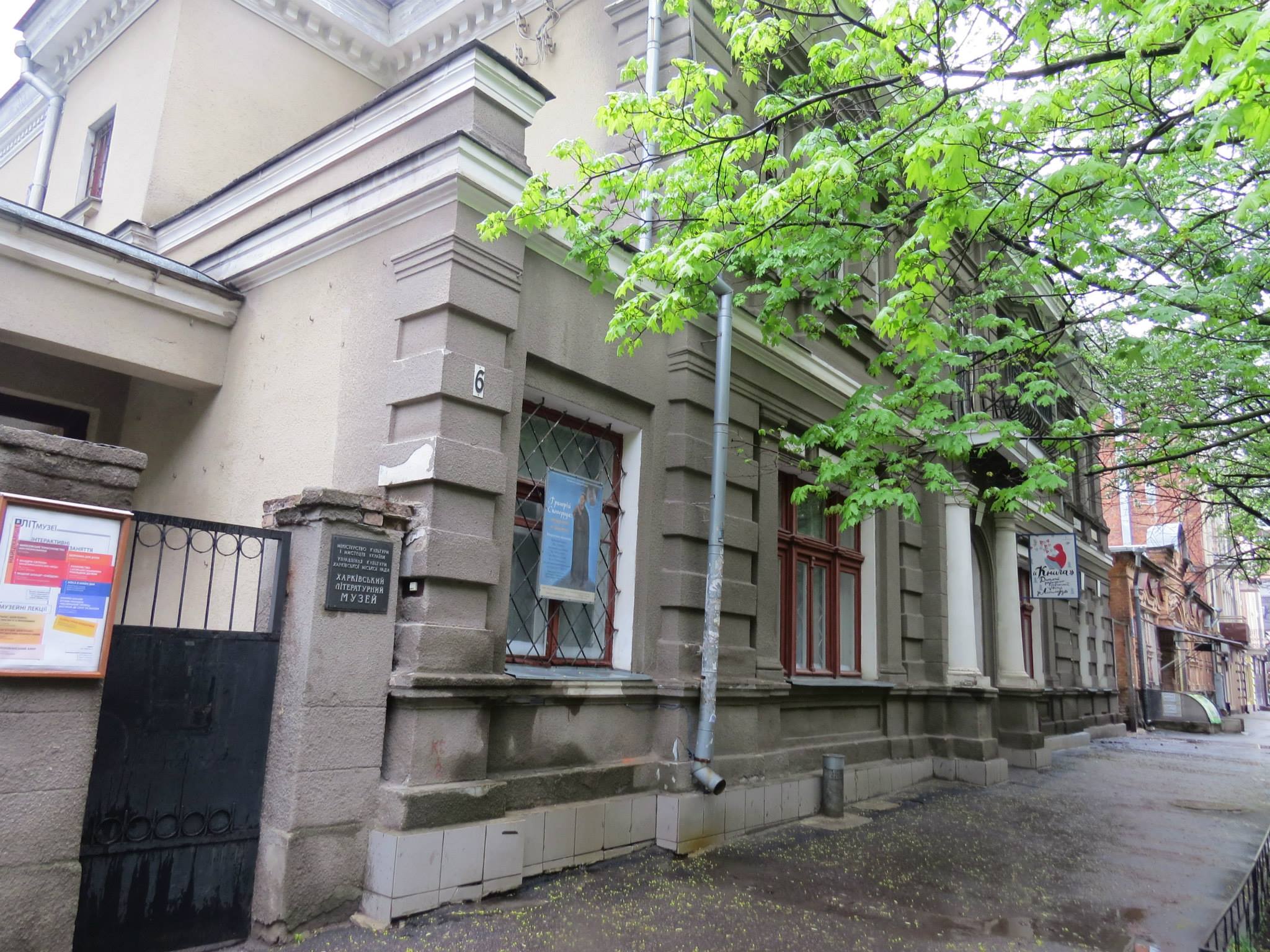
19. Residential building (Bahaliia Street, 6, 1911). Now it houses the Literary Museum.
20. Reconstruction of a residential building (Bahaliia Street, 16; early 20th century).
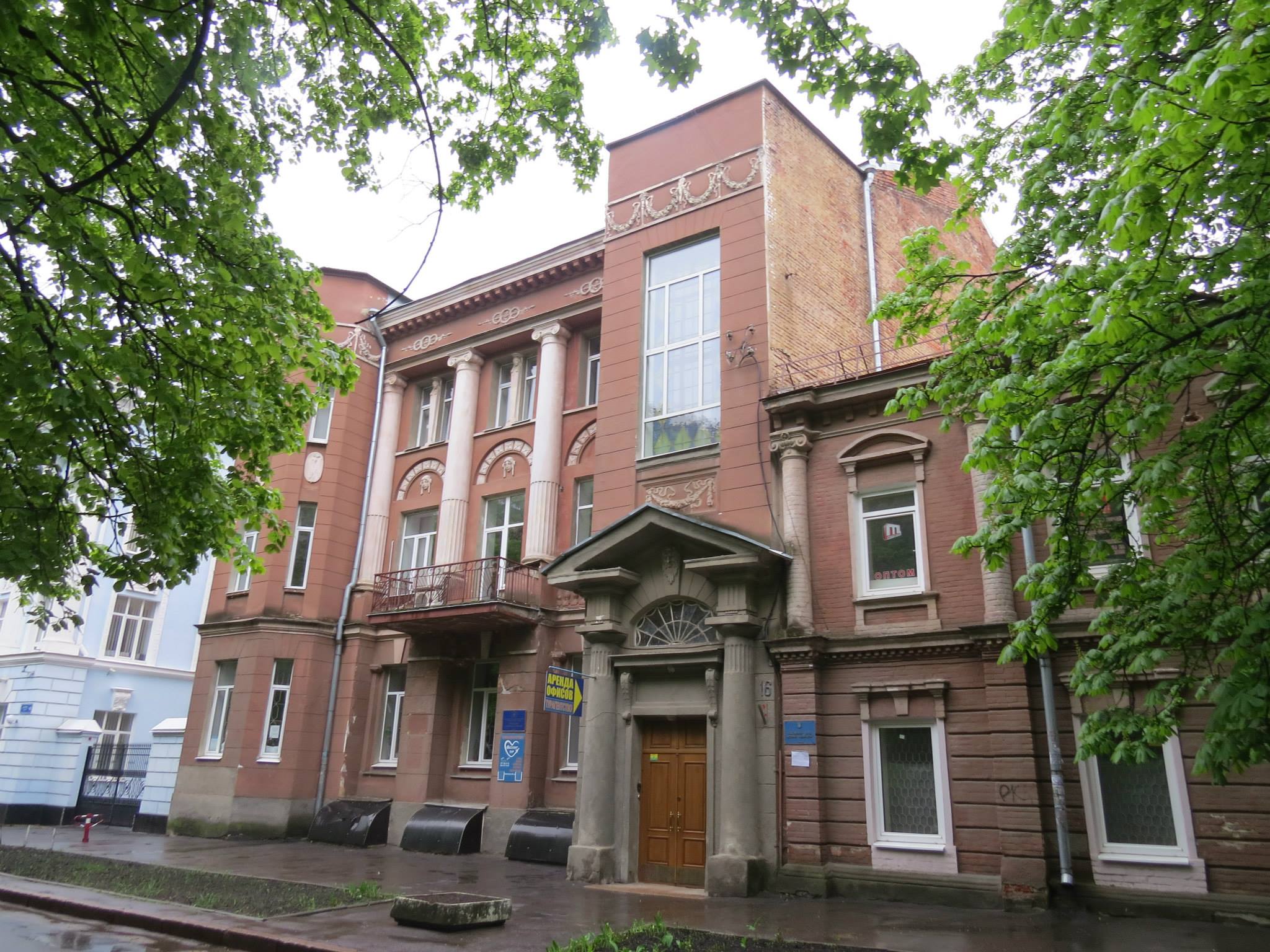
21. Maksymilianivska Street, 9 (1897). New floors were added in the 1920s-1930s.
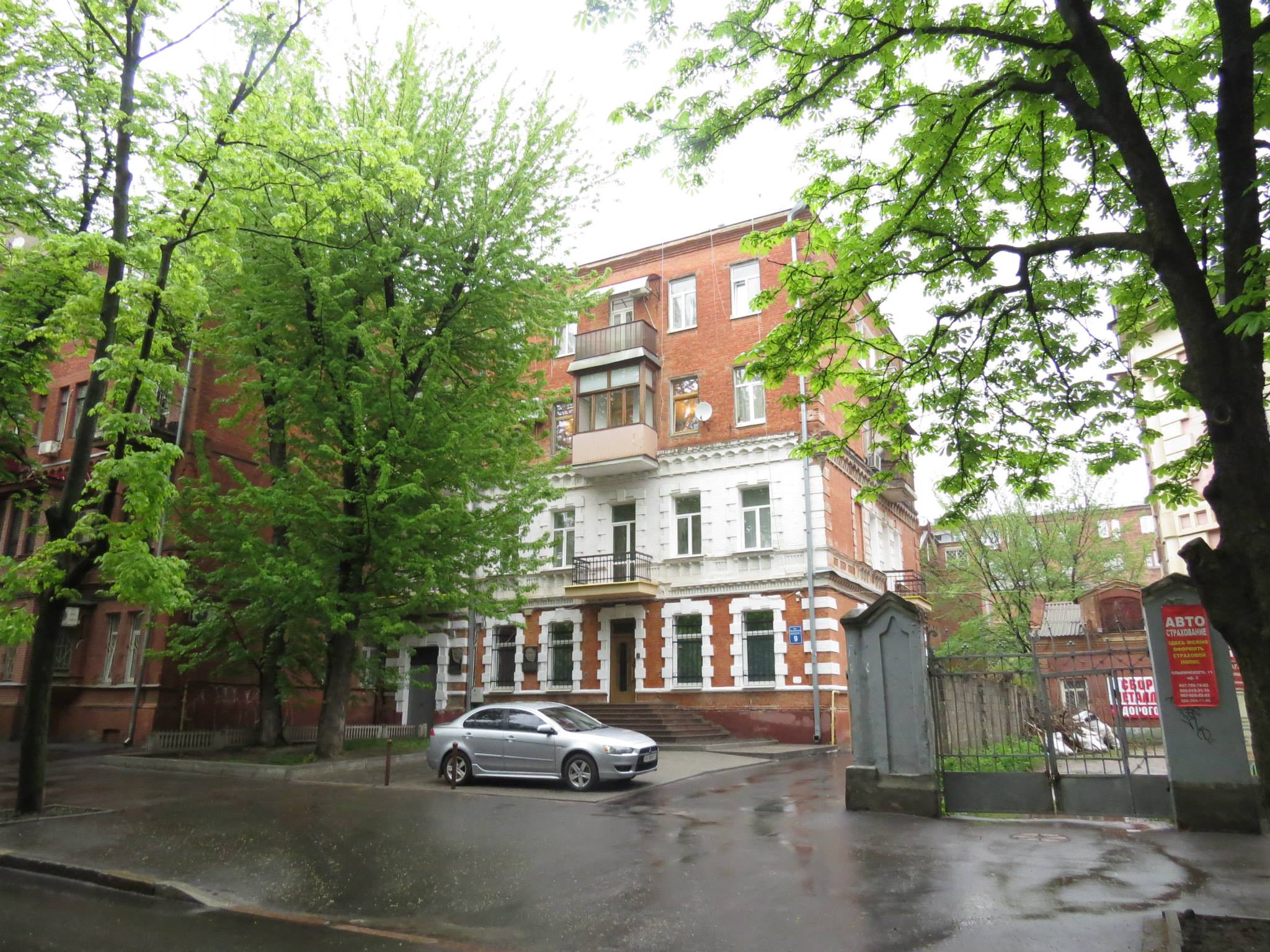
22. Maksymilianivska Street, 9A
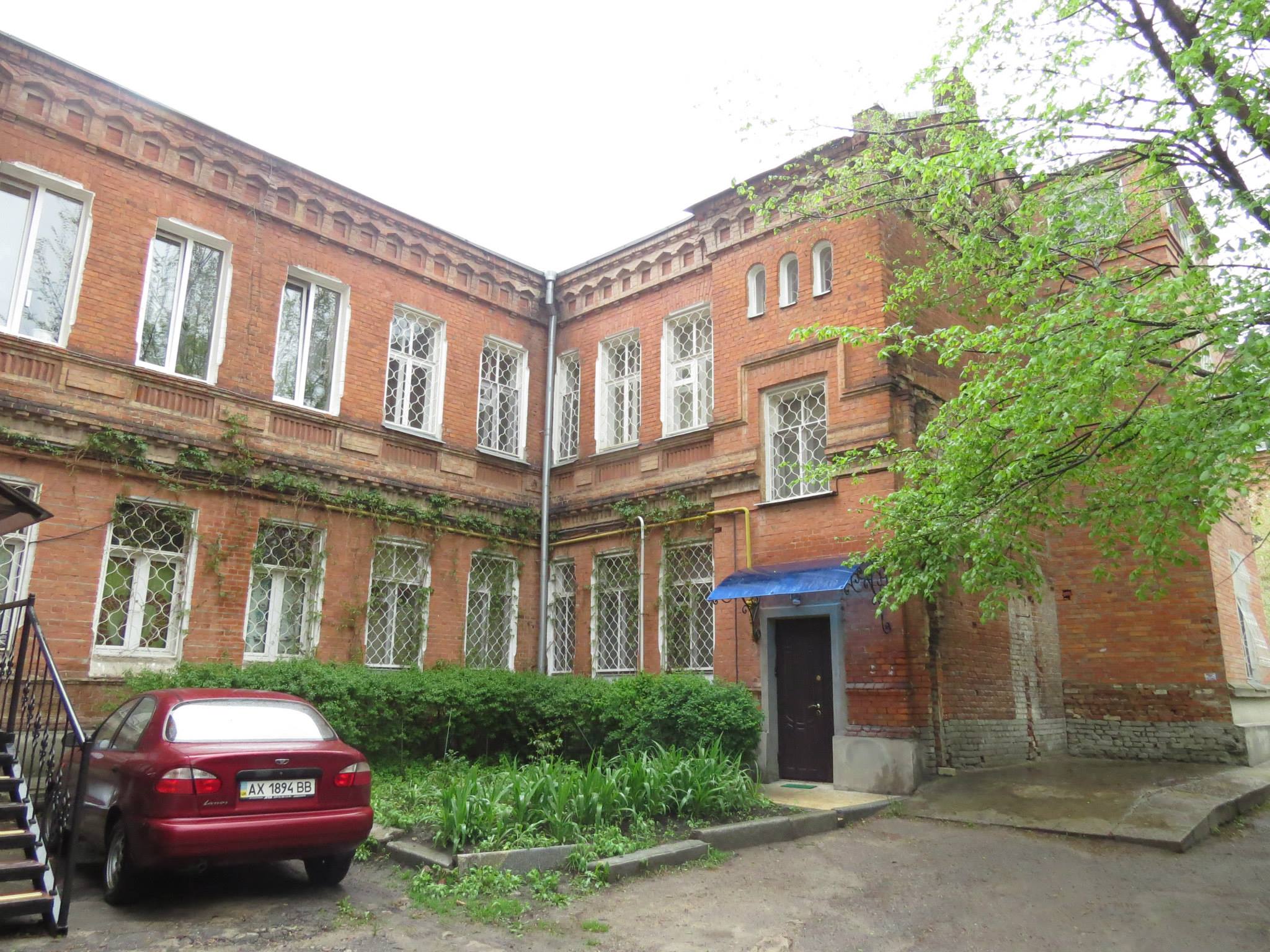
23. Maksymilianivska Street, 7 (1898), Pensky’s house.
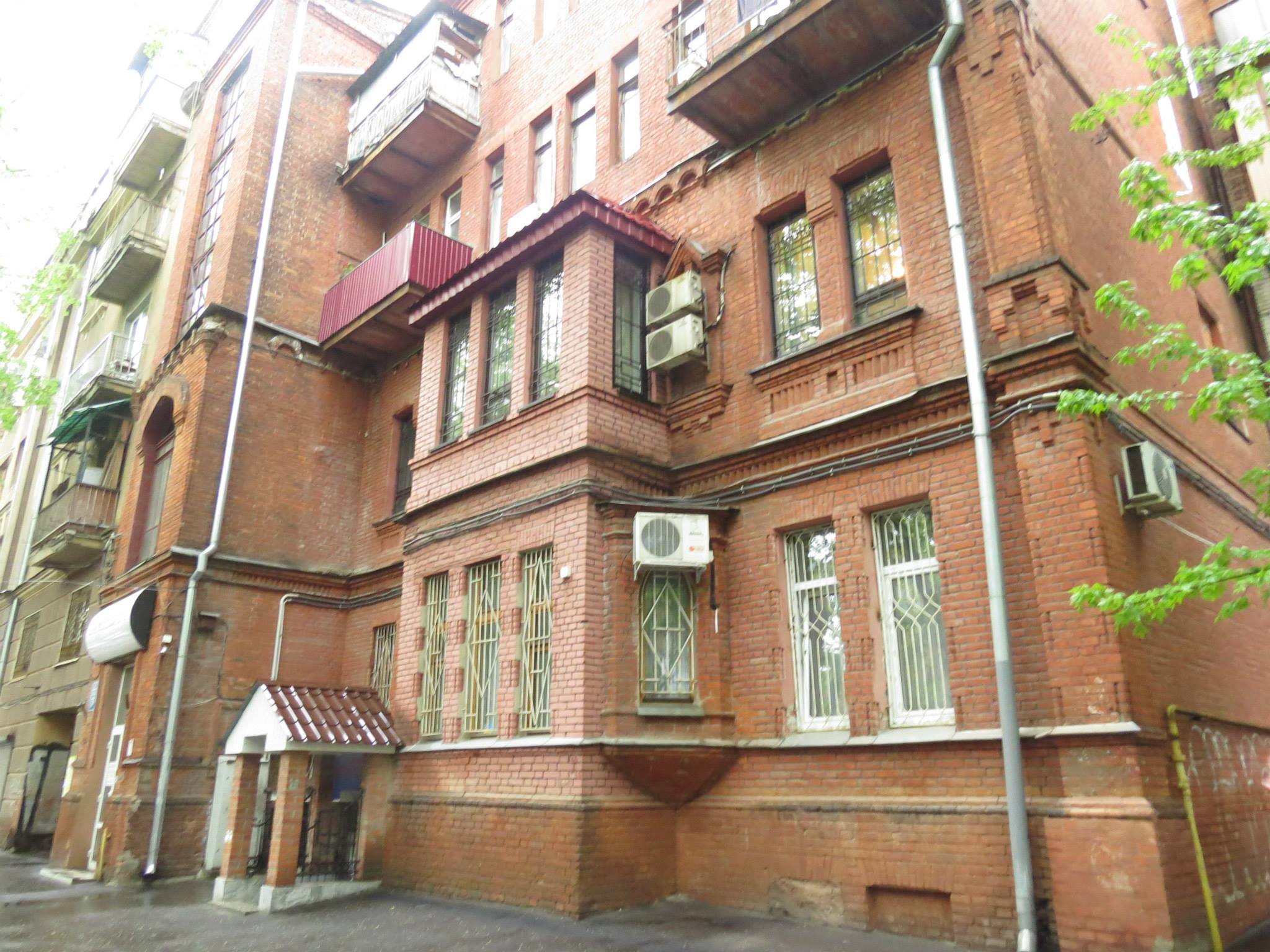
24. Maksymilianivska Street, 7A.
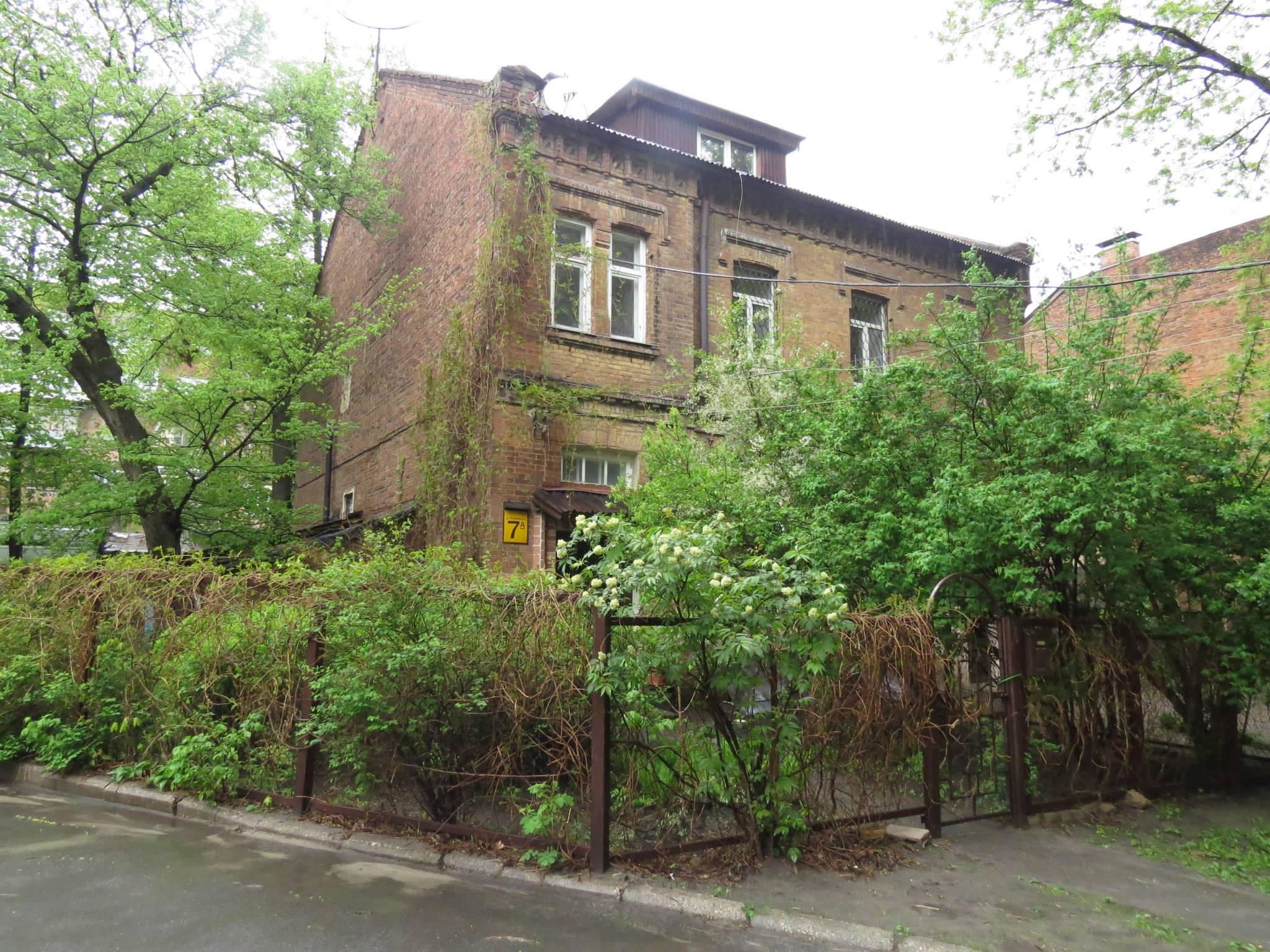
25. Chernyshevska Street, 60 (1909-1913). Merchant Ivan Kirillovich Kabanov ordered a 3-story building for a private men’s gymnasium.
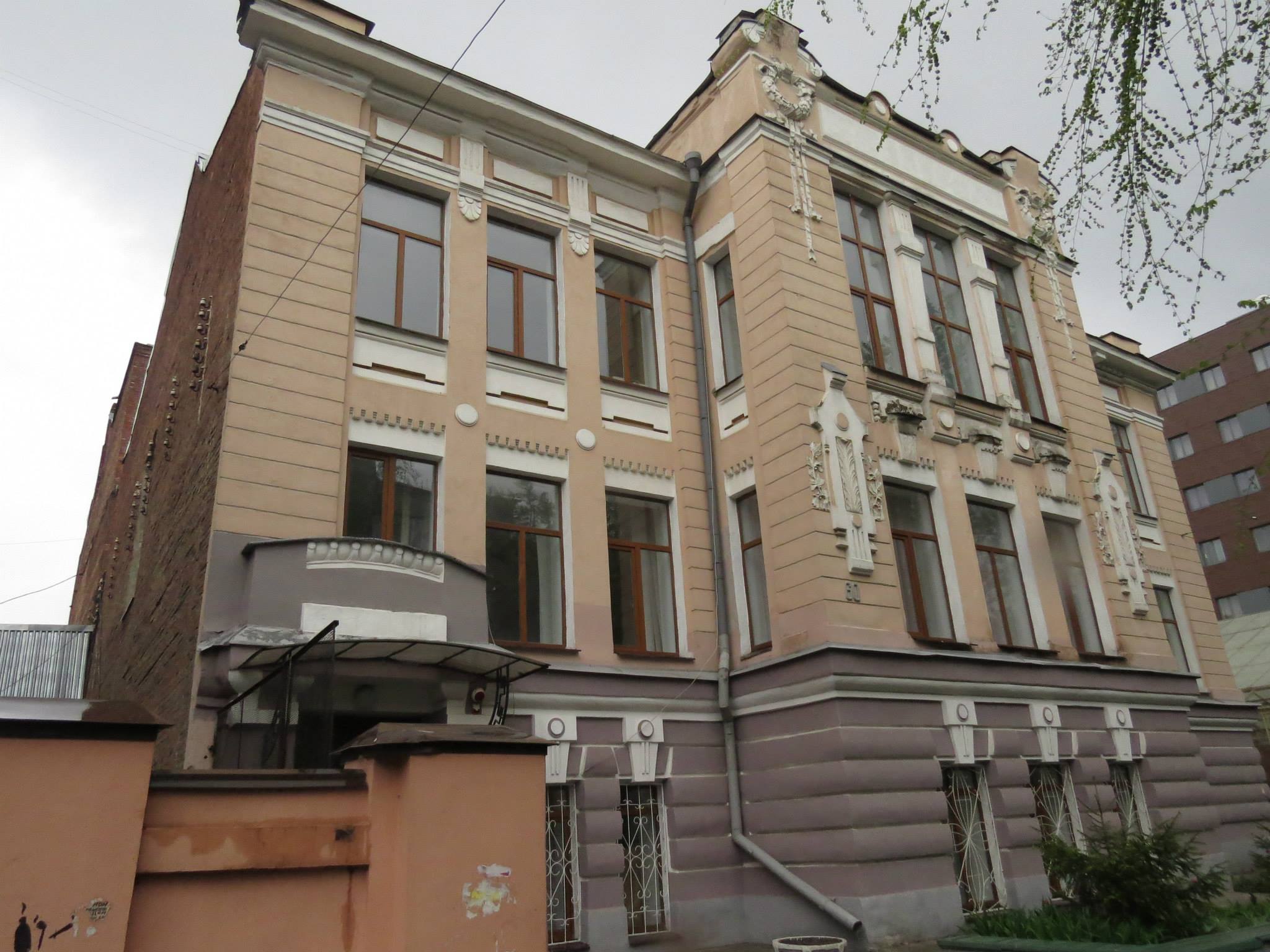
26. Memorial Museum-Apartment of the Grizodubov Family at Myronosytska Street, 54b (authorship by Caune – presumably).
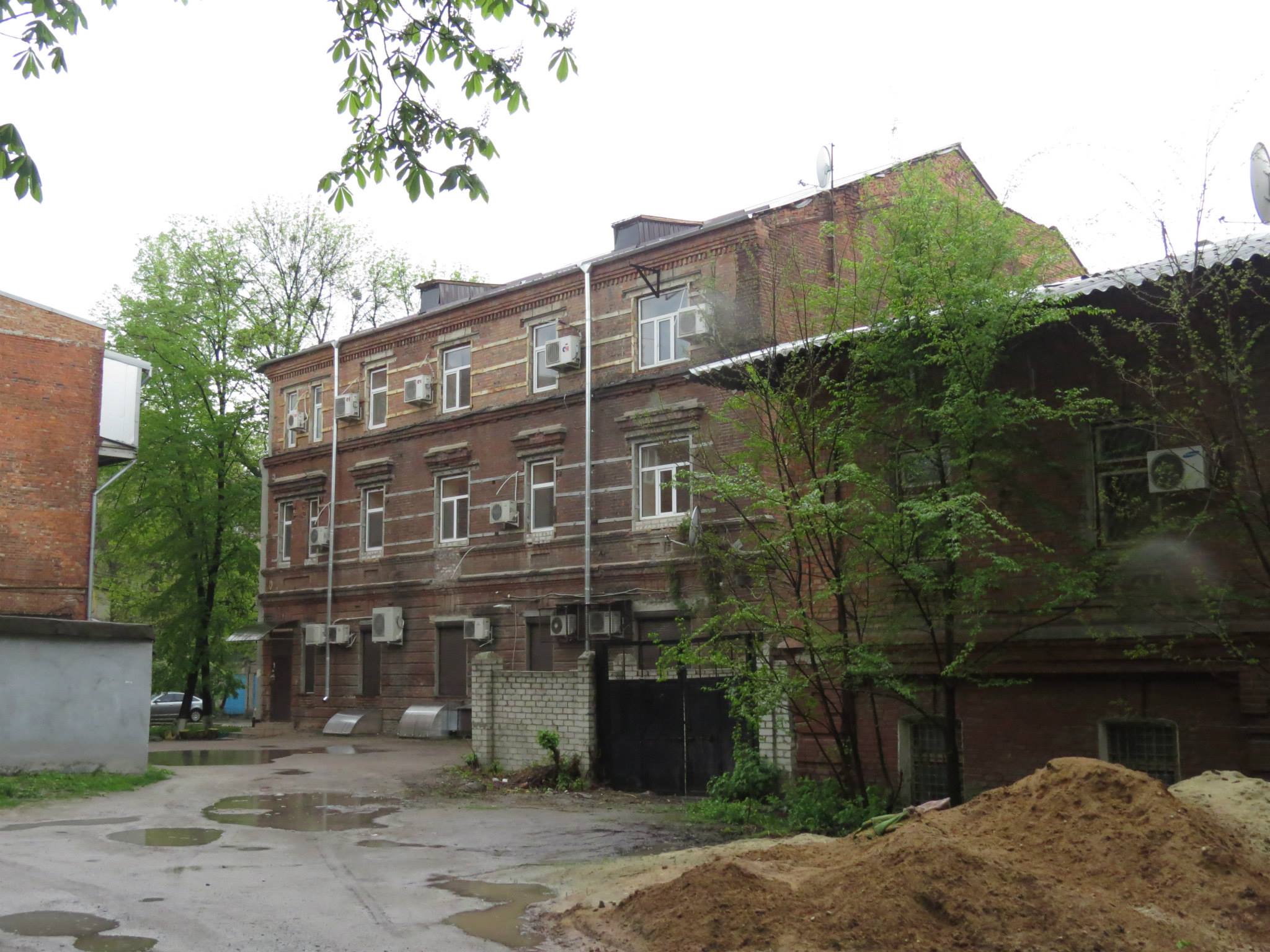
27. The apartment building at Myronosytska Street, 57 (2 floors were added in the 1930s). Authorship by Caune – presumably.
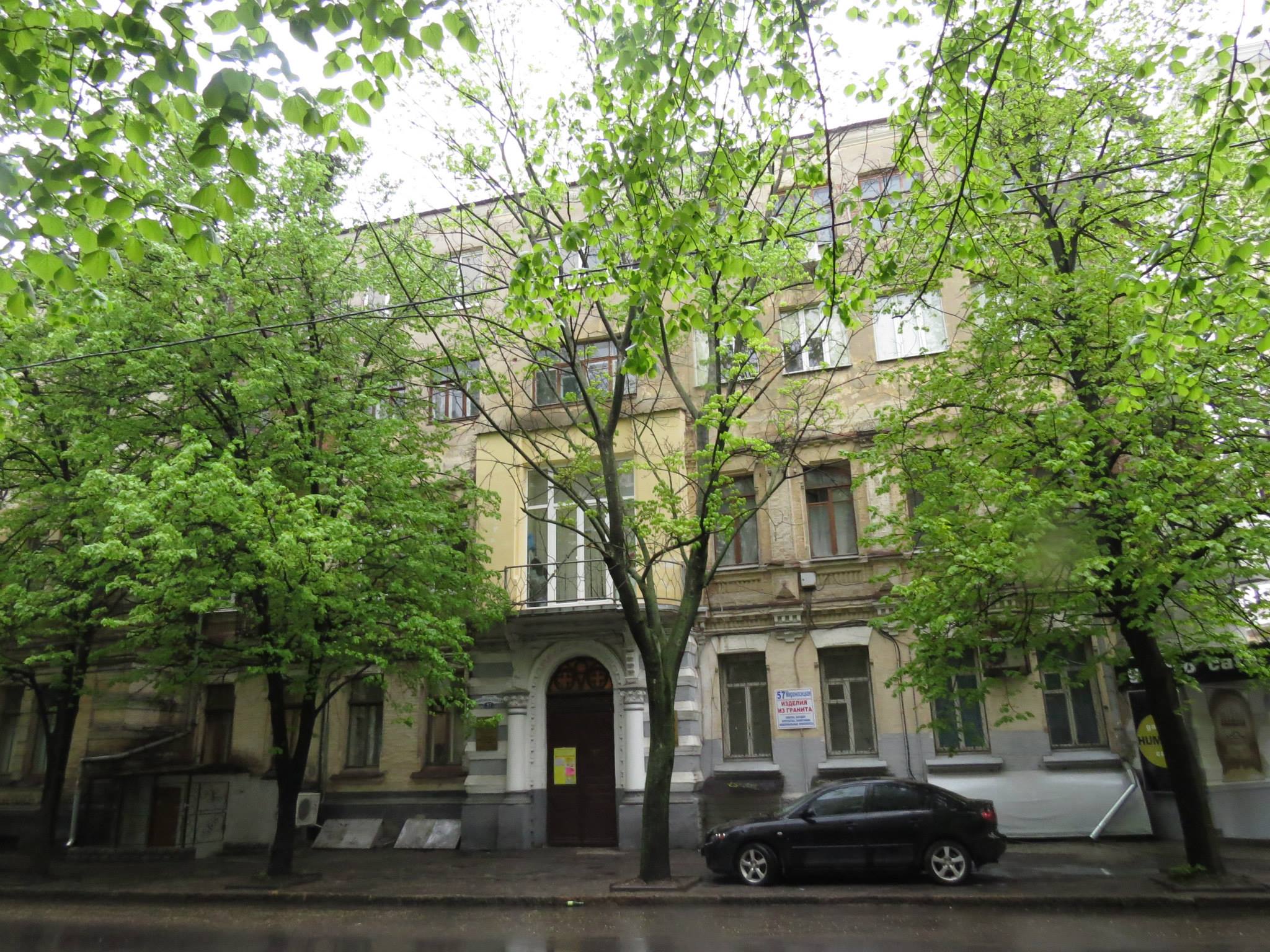
28. Residential building at Sumska Street, 84 (1909).

29. Voznesenskaya Gymnasium in Proviantskyi Lane (now Mar’yanenka Lane, 4, 1904). It was a girls’ gymnasium at the Lutheran Church of the Holy Ascension, which was located nearby.
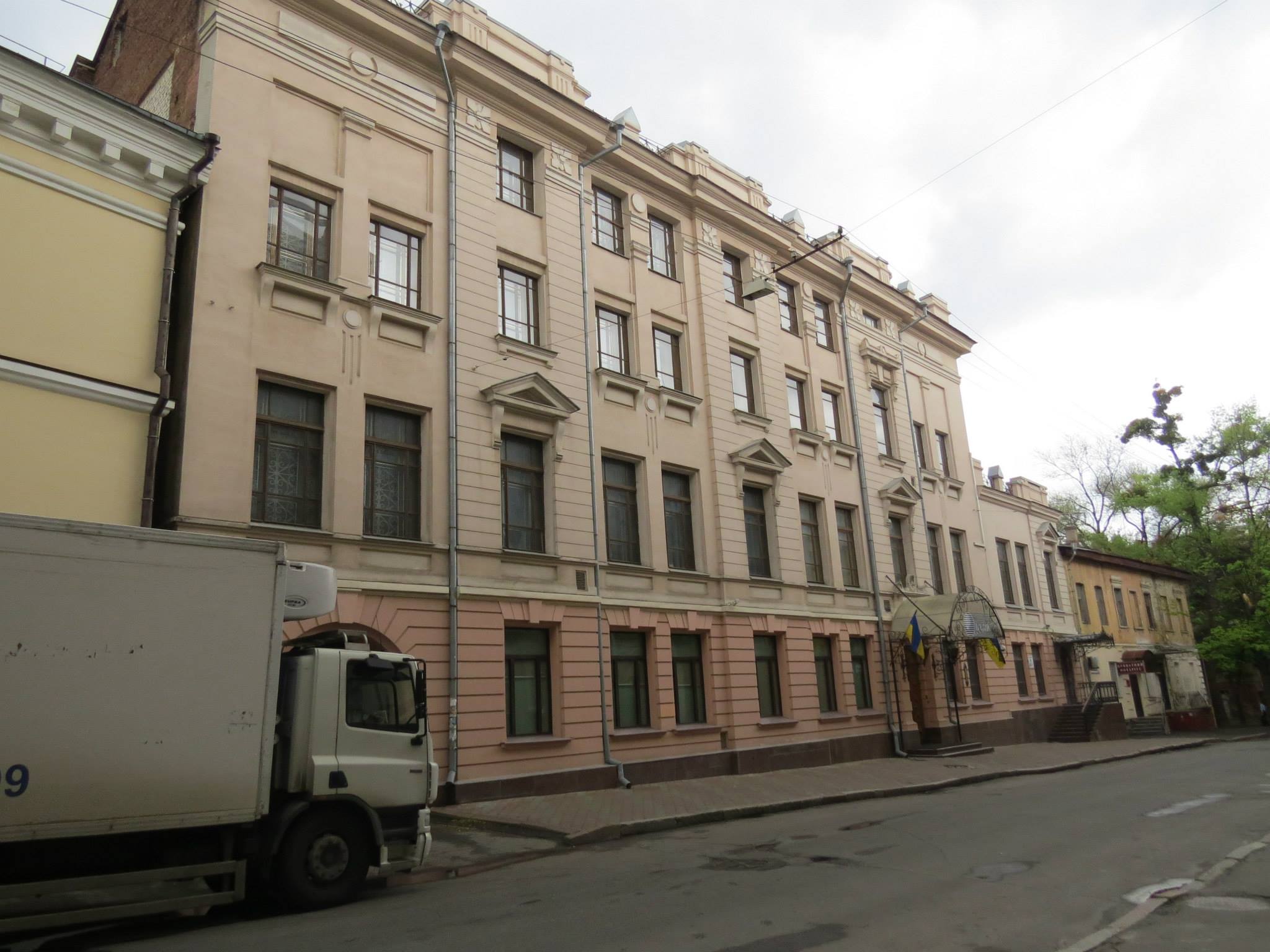
30. The first private cooperative residential building in Kharkiv (Chernyshevska Street, 4; 1910). In 1958, a facade with columns was added (architect V. Pushkarev).
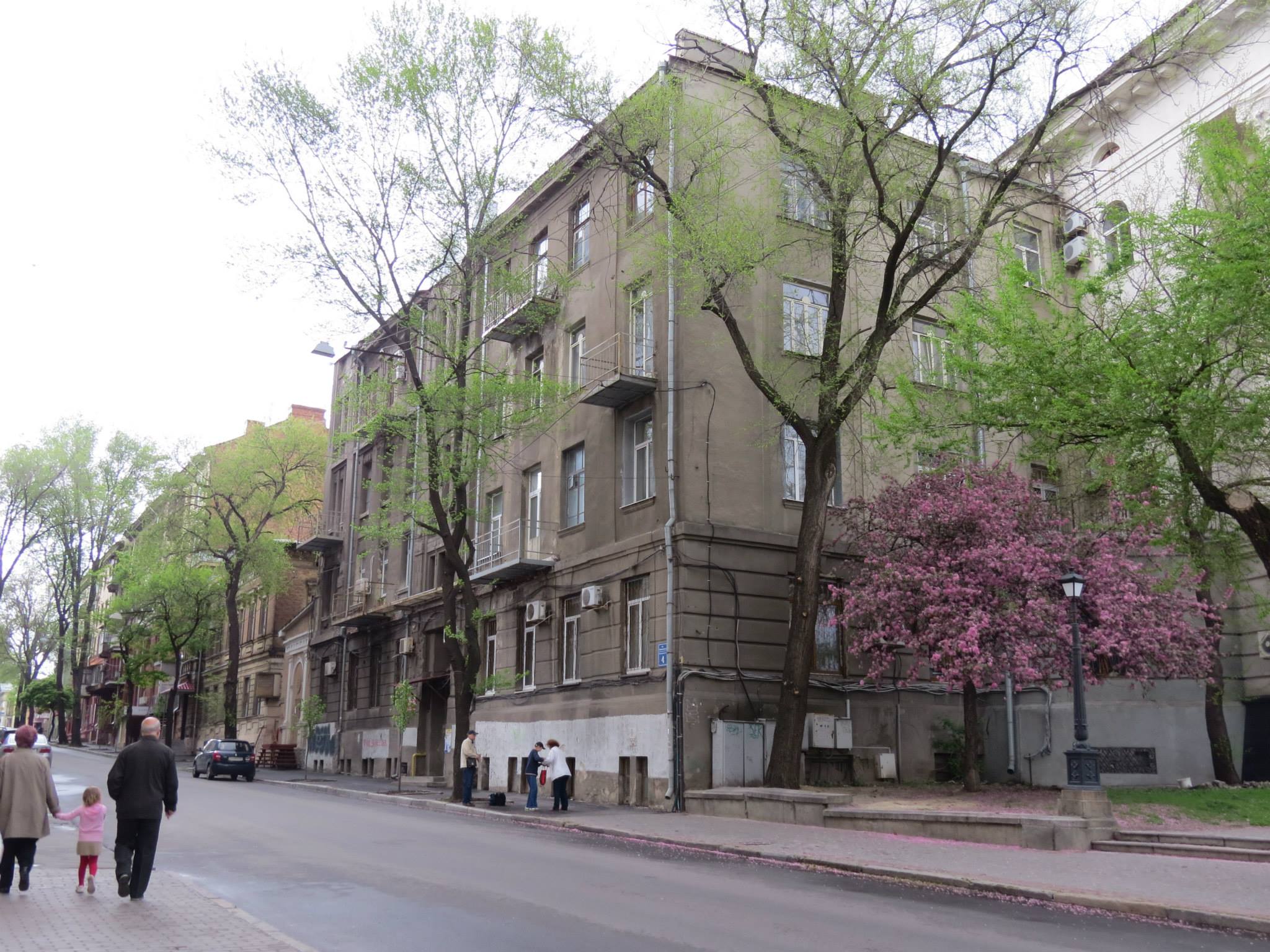
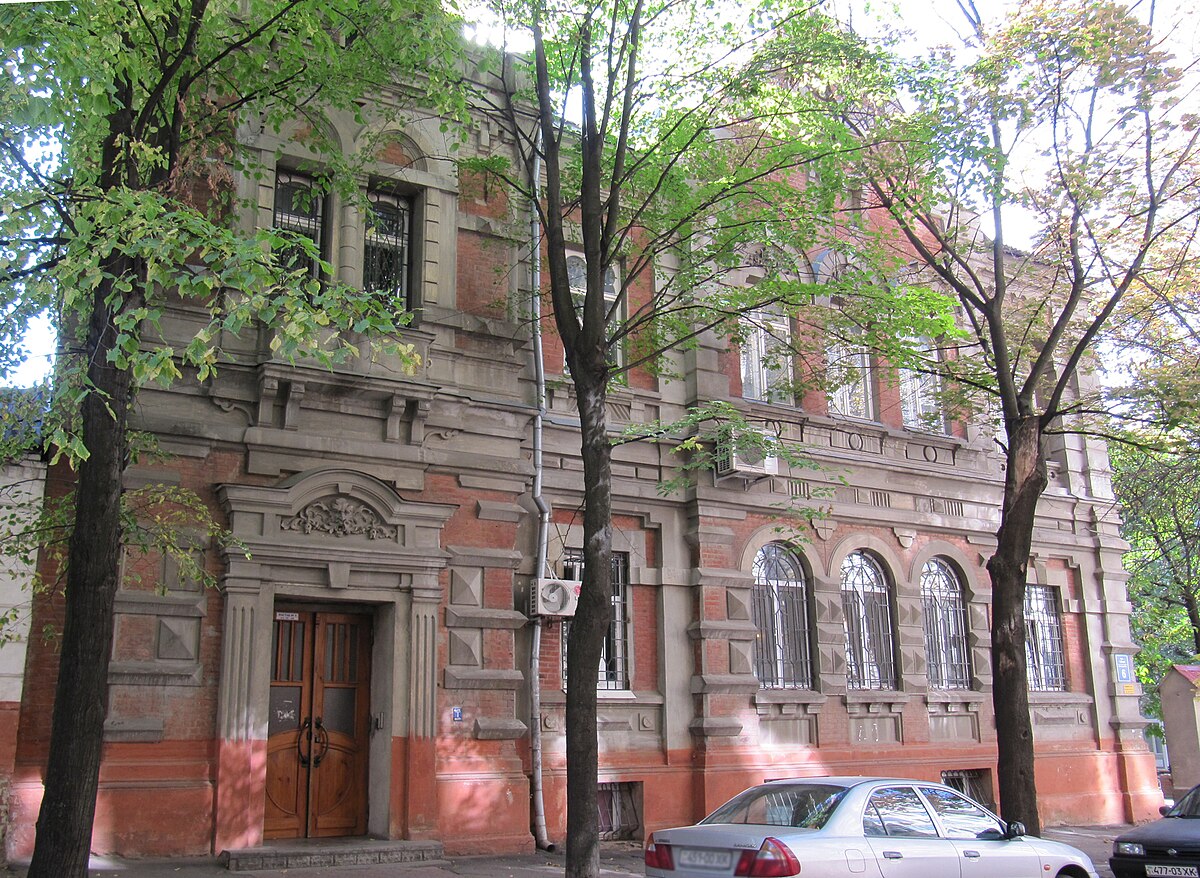
31. Residential building at Sadova Street, 6 (early 20th century). Authorship by Tsaune – presumably
.JPG)
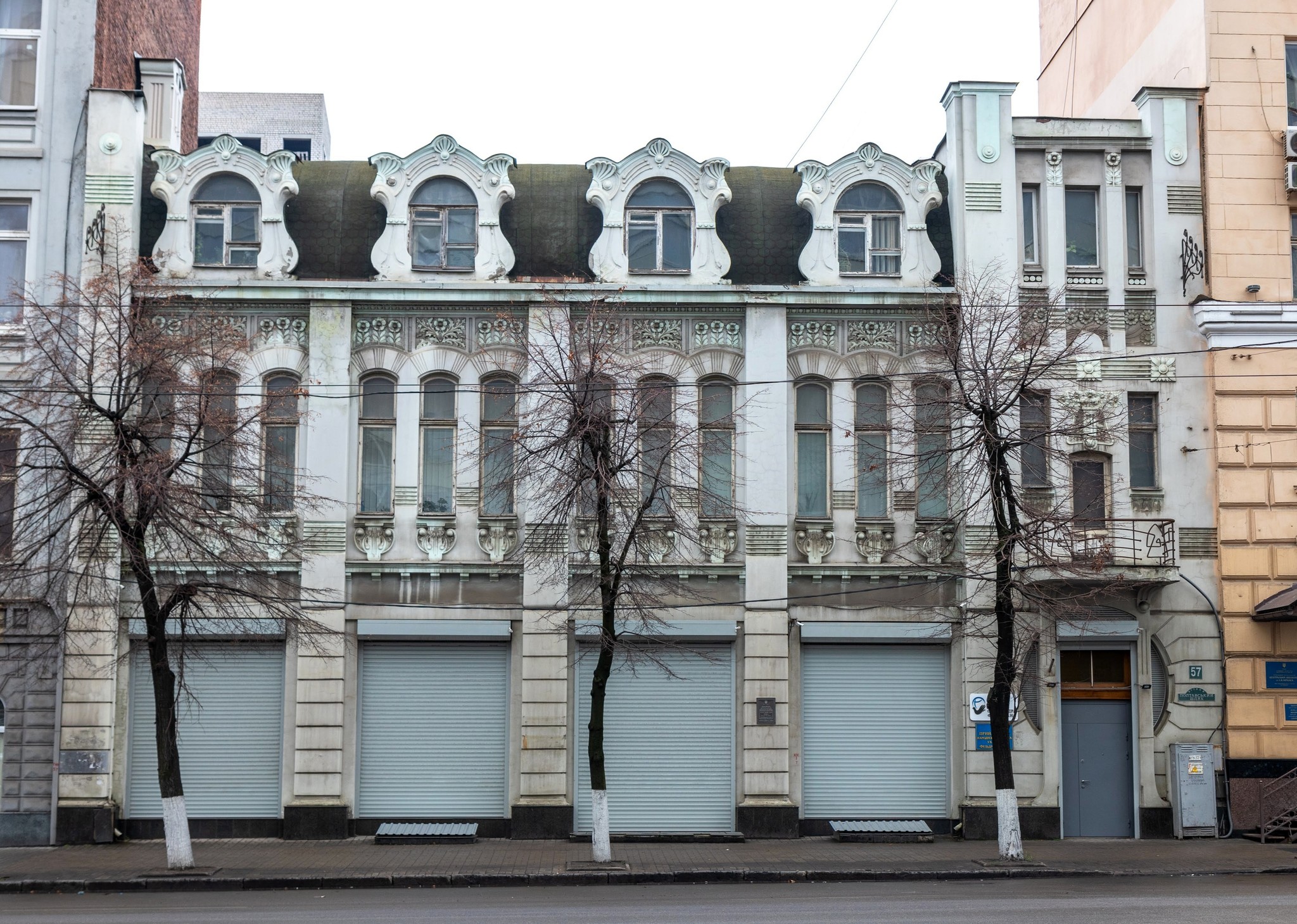
32. Trading house on Poltavskyi Shliakh Street, 57. The Art Nouveau trading house, built in 1906, housed Alsop’s agricultural machinery warehouse. The house now belongs to O. Feldman. The decor uses images of parrots, which is why the house was called the “House with parrots”

- "Noah's Ark" - 21.10.2026
- Blackie’s House on Maksymilianivska St - 19.10.2026
- Danylevs’koho Street, 19 - 13.10.2026