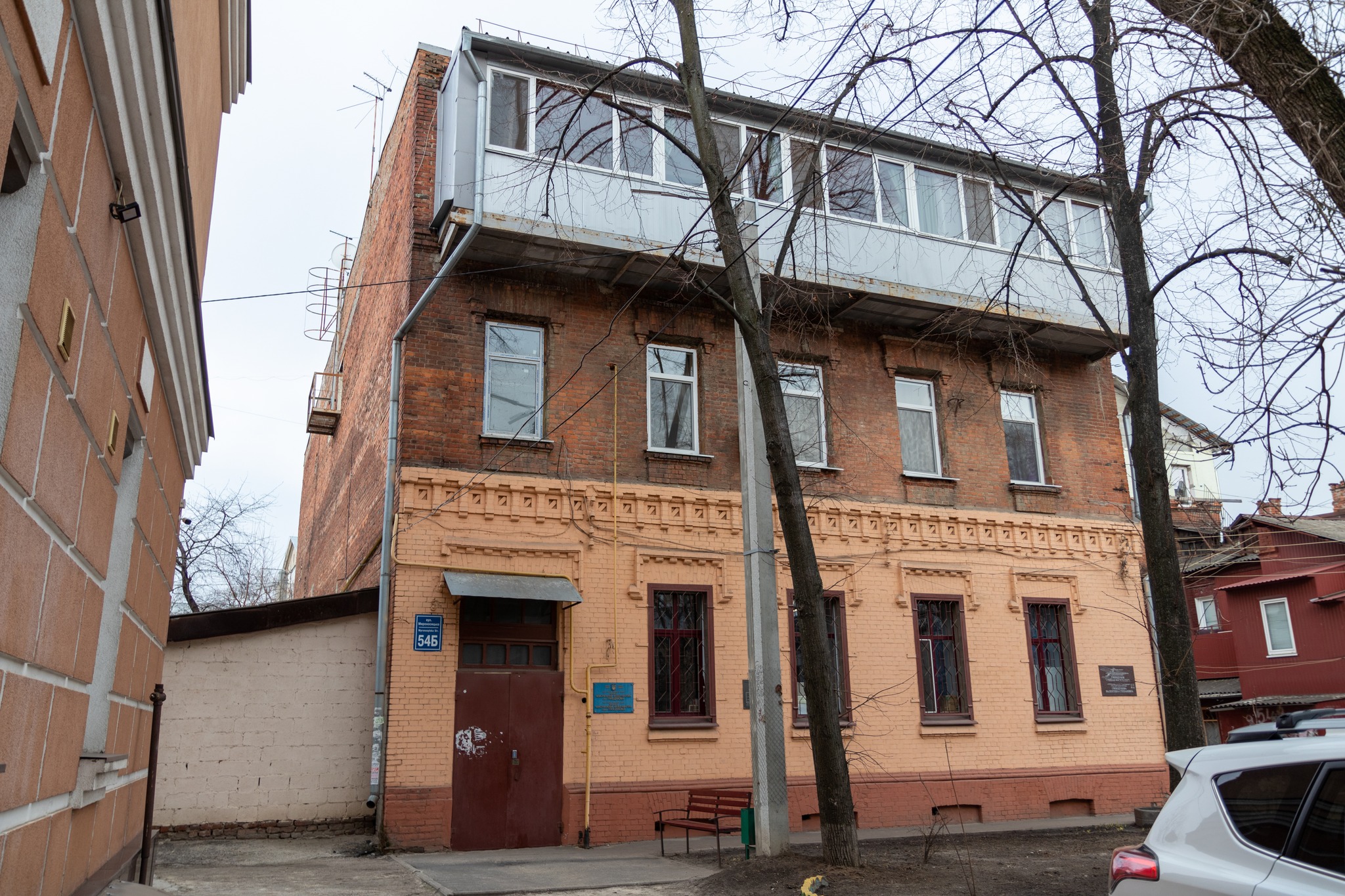
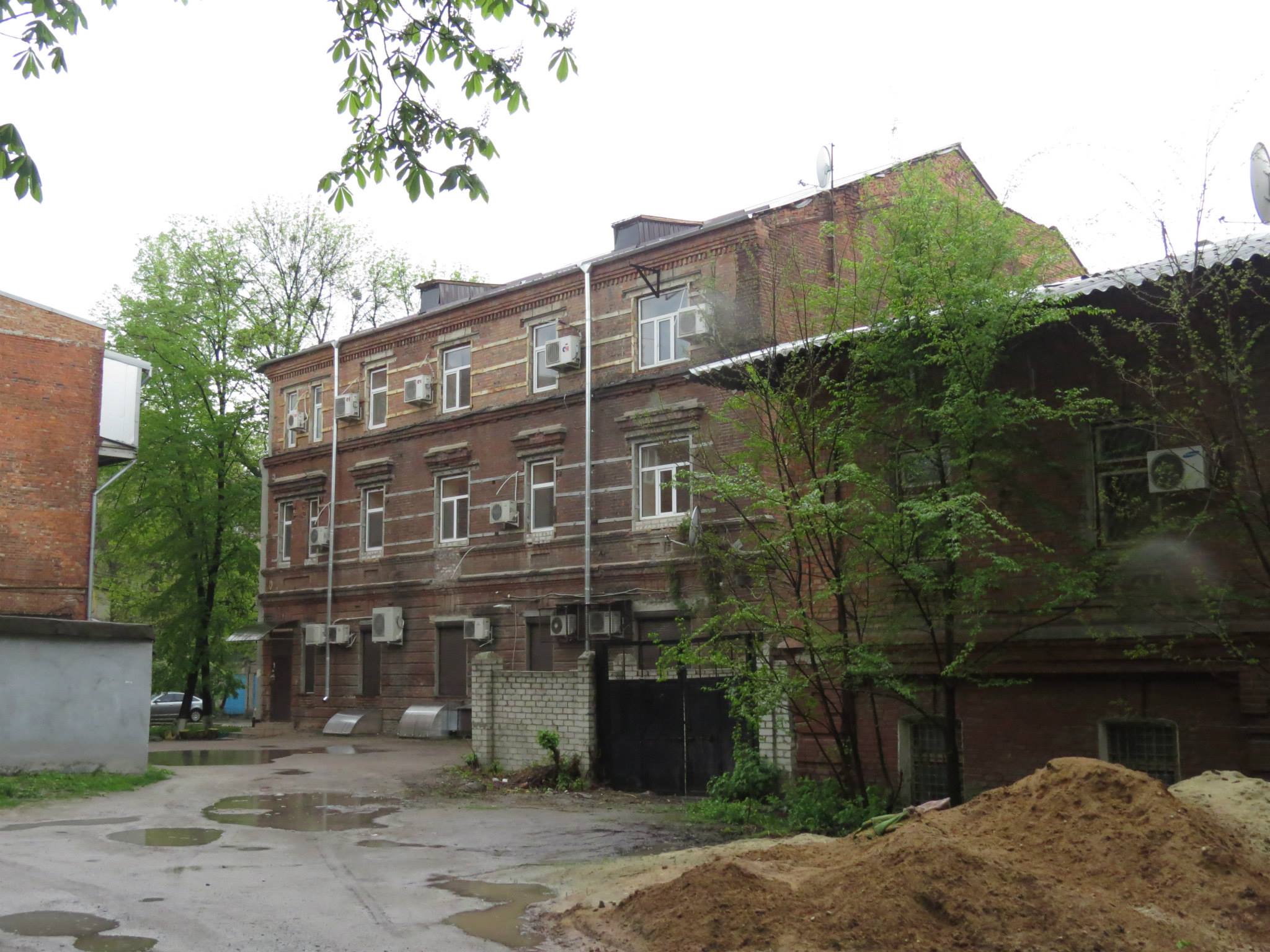
The neighborhood bounded by Myronosytska, Karazina, and Yaroslava Mudrogo streets can safely be called an aviation district. At the end of the 19th century, this area of Kharkiv was sparsely built-up and located near the horse racetrack, which provided a convenient site for aircraft testing. This neighborhood was home not only to the hangars where Konstantin Danilevsky built his first airships in 1897–1899, but also, later on, to the workshop of Stepan Grizodubov, a renowned pioneer of Kharkiv aviation. And while only memories and photos remain of Danilevsky’s experiments, the courtyards at Myronosytska Street, 54B preserve the material legacy of another Kharkiv aviator, Stepan Grizodubov. It is a small three-story building with a museum-apartment of his family.
Like all pioneering aviators, this inventor was self-taught—at the beginning of the 20th century, aviation was just emerging, so the design of airplanes was not yet taught in universities. Stepan Vasilyevich Grizodubov came from a noble family; he was born in 1884 in Parkhomovka, Kharkiv Governorate, and graduated from the Kharkiv Railway School in 1903. For some time, he worked as an electrical mechanic in locomotive repair shops and later as an electrical engineer at the power plant of the Noble Assemblies.
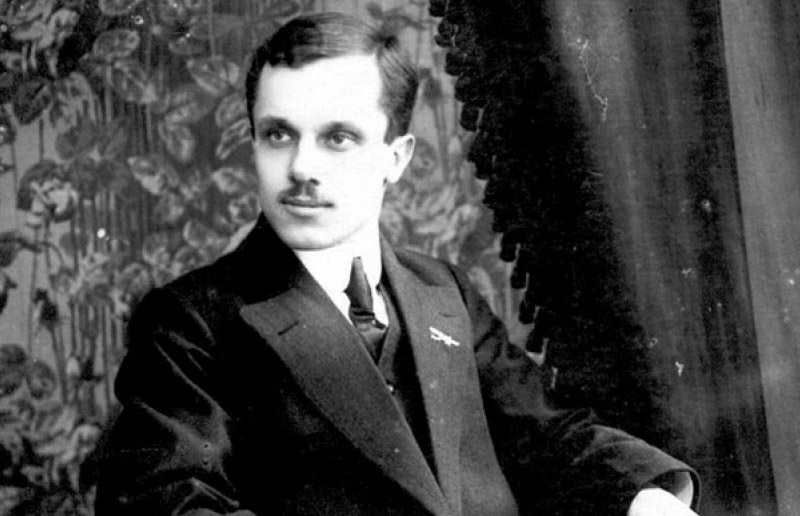
Alongside his main job, Grizodubov repaired cars, motorcycles, and bicycles in an electromechanical workshop he set up in the courtyard at Mordvinovsky Lane, 13 (Kravtsov Lane now), and later moved it to Myronosytska Street, 91.
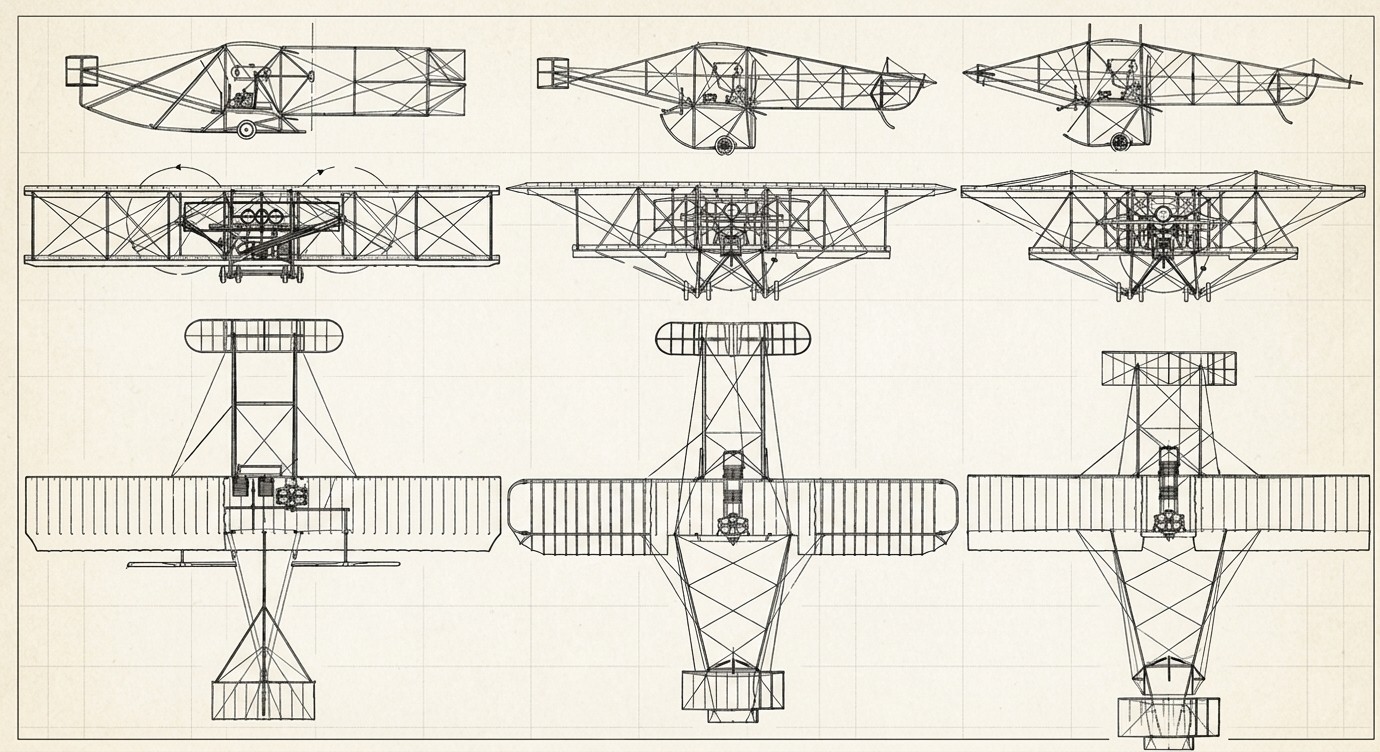
Grizodubov No.1 (Wright copy)
It is known that the inventor became fascinated with aviation in 1908 after watching a film featuring the Wright brothers’ flights. He purchased several film reels from a projectionist and began building a replica of the Wright Flyer in his workshop without blueprints—by eye. It is worth noting that by the late 1900s, the Wright brothers’ airplanes were already very outdated; the brothers did not mass-produce them but instead earned money from their patents.
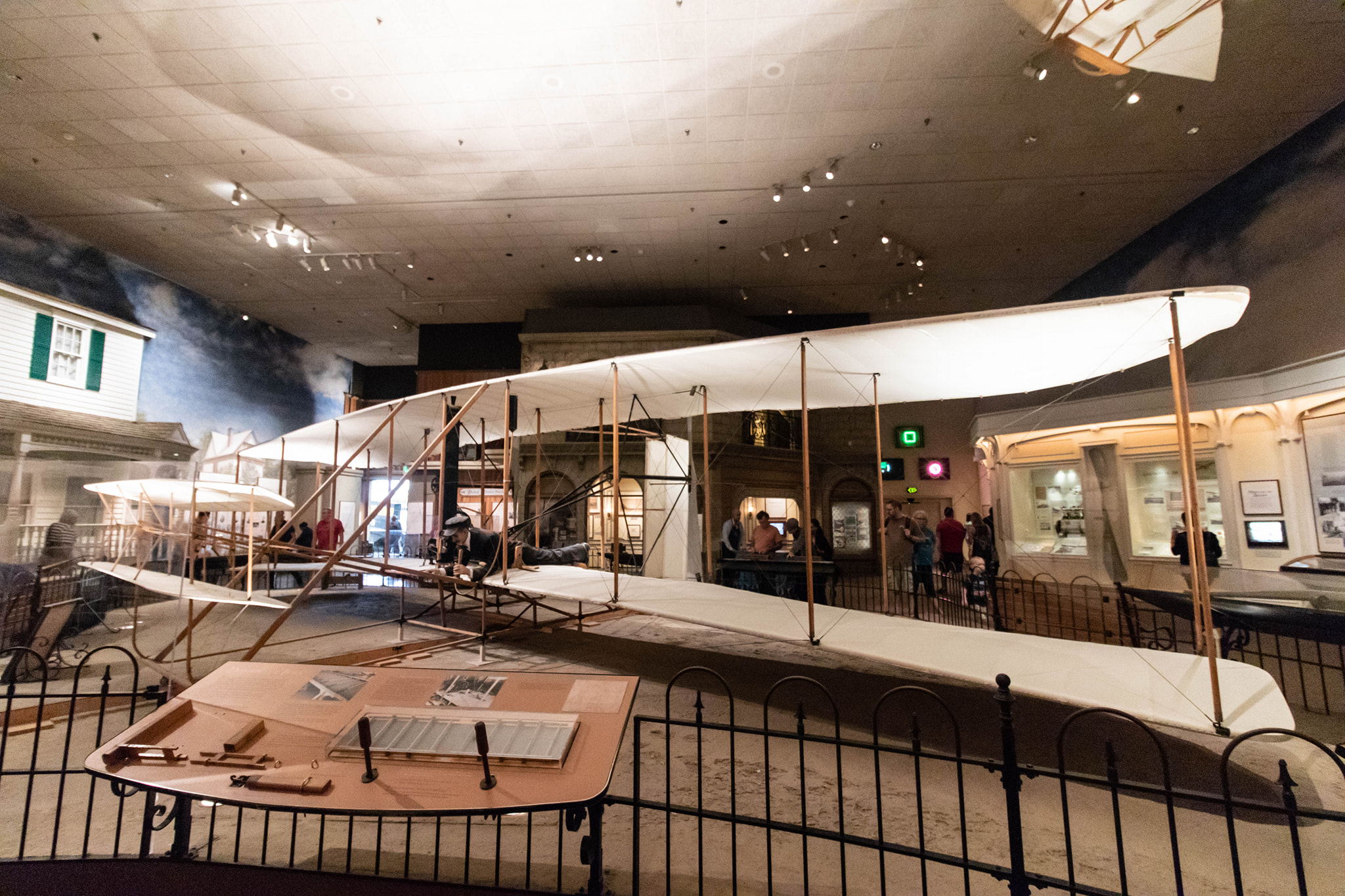
But Grizodubov was determined to fly in a replica of their aircraft, which was later named the Grizodubov-Wright No. 1 (Grizodubov-1 or G-1). Although the two-seater aircraft was not entirely identical to the Wright brothers’ model—the Kharkiv aviator added a horizontal stabilizer in the tail to its “canard” configuration, wheels, and an ADG-1 (Grizodubov Aviation Engine), which Stepan Vasilyevich designed himself. It was the first aircraft engine made in the Russian Empire. Unfortunately, although the engine was significantly more powerful than the Wright brothers’ model, it was heavier—as was the aircraft itself. Moreover, the chain drive to the two propellers kept breaking. The bright yellow aircraft failed to take off in 1910.
Technical specifications of the Grizodubov No. 1 aircraft
- Length – 19.65 m
- Wingspan – 12.6 m
- Wing area – 50.4 sq. m
- Total weight – 610 kg
- Engine: ADG-1, 4-cylinder, V-type, 40 hp, 127 kg
- Propeller diameter – 2.8 m
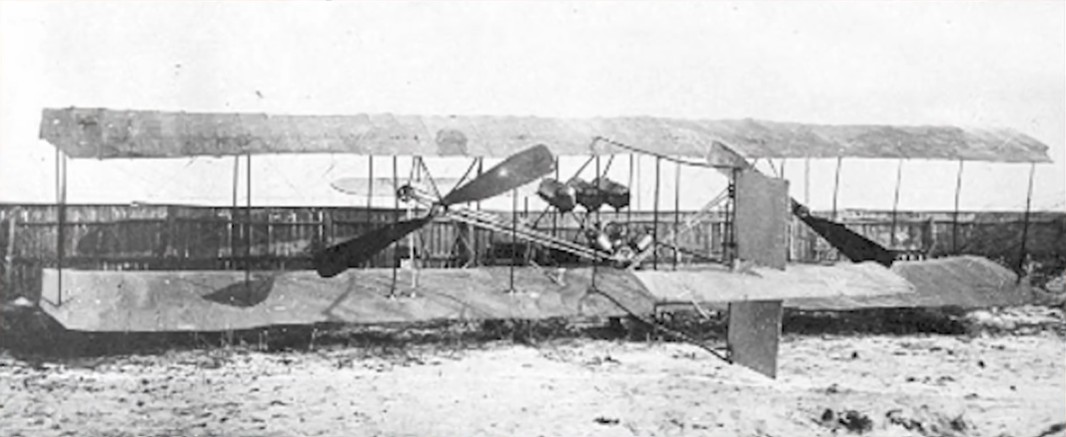
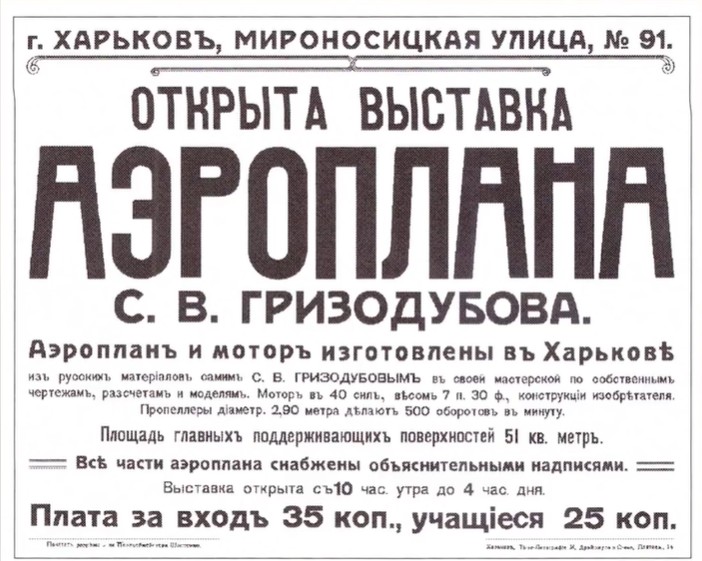
Moreover, the aviator lacked the funds to purchase an imported aircraft landing gear, which would have been significantly lighter than his DIY version. In November 1910, he organized an exhibition where he displayed the nearly finished aircraft to raise money for the landing gear.
Grizodubov No.2
But these were half-measures. The aviator was well aware of all the shortcomings of his first model and in 1911 began working on reducing the aircraft’s weight. Grizodubov redesigned it for a single propeller using the “Chalier” system with direct drive from the engine—it rotated twice as fast (1,000 revolutions per minute).
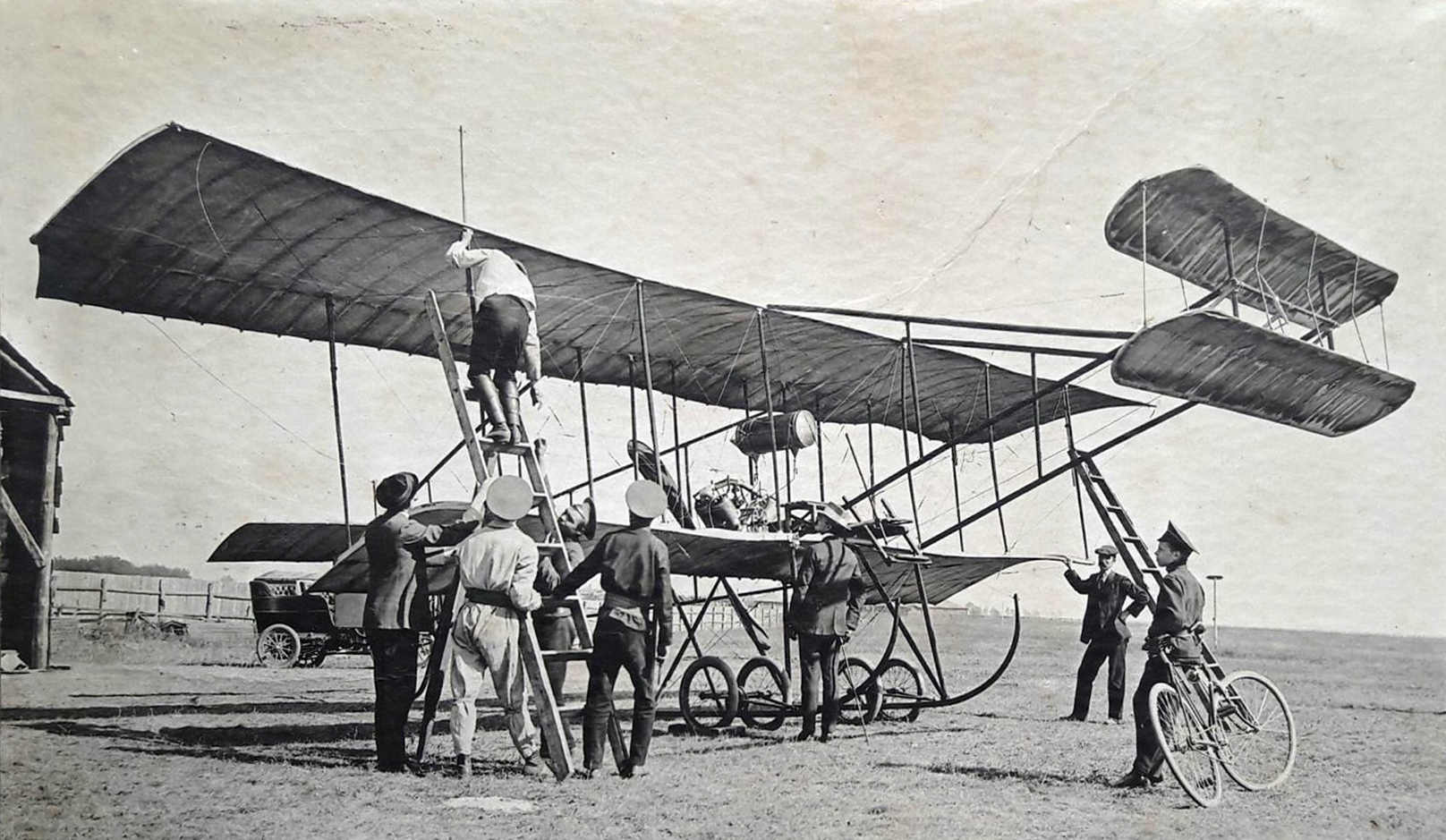
The aircraft also received lightweight landing gear; heavy woods (oak and ash) were replaced with birch and pine; the lower wingspan was reduced by 2.5 meters; the elevator and struts were improved; and the engine was lightened to 117 kg. Unfortunately, the Grizodubov No.2 aircraft still turned out to be too heavy and failed to fly during tests in the summer of 1911. Stepan Grizodubov began redesigning it again—for the third time.
Grizodubov No.3
In this aircraft, the wing cellule was modified, the elevator was redesigned to a monoplane configuration, and a new propeller was installed.
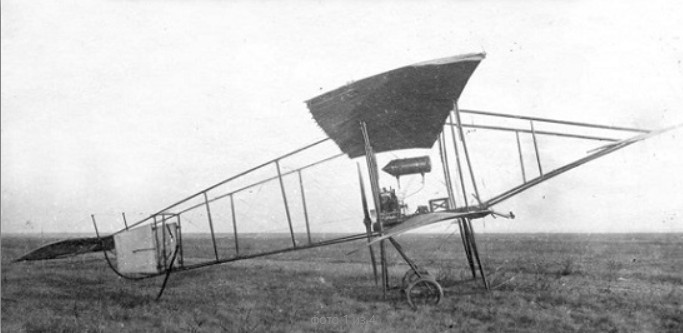
It is unknown whether the third iteration of this aircraft managed to fly. Despite newspaper reports of flights, most researchers believe that no flights took place. Testing began too late (in the fall of 1911); the aircraft became stuck in wet soil and was subsequently destroyed in a shed at the racetrack, which collapsed under heavy snow that winter.
In general, the self-taught Kharkiv engineer often appeared in the press; for example, in the news reports of September 20, 1911, he is mentioned as a witness to a “hoax” involving an aviation accident. At that time, a mysterious gentleman in an aviator’s suit approached a sentry on Nikolayevska Square (now Constitution Square), introduced himself as Purre, and asked where he could purchase medical supplies to assist aviators who had crashed in an airplane 6 km from the Nova Bavaria district. Among the three passengers was allegedly Igor Sikorsky. The entire aviation department of the Technical Society, the head of the ambulance station, aviator Grizodubov with his tools, carpenters, and mechanics set out for the crash site. As the journalists of “Yuzhny Krai” wrote, everyone in Nova Bavaria already knew about the plane crash, but… no plane, nor any victims, were found. Igor Sikorsky reported in a telegram that he had not left Kyiv at all during those days.
Grizodubov No.4
As early as the spring of 1911, Stepan Grizodubov visited the Sevastopol Aviation School, where he saw modern production aircraft. He made several flights as a passenger, but due to an accident, he suffered leg injuries that plagued the aviator for the rest of his life. Evidently, Grizodubov realized the futility of his aircraft’s archaic design and began assembling a replica of the Bleriot XI monoplane, in which, in 1909, Louis Blériot first crossed the English Channel. In general, this French aviator is called the “father” of the classic aircraft design (a monoplane with a front-mounted engine and a pusher propeller).
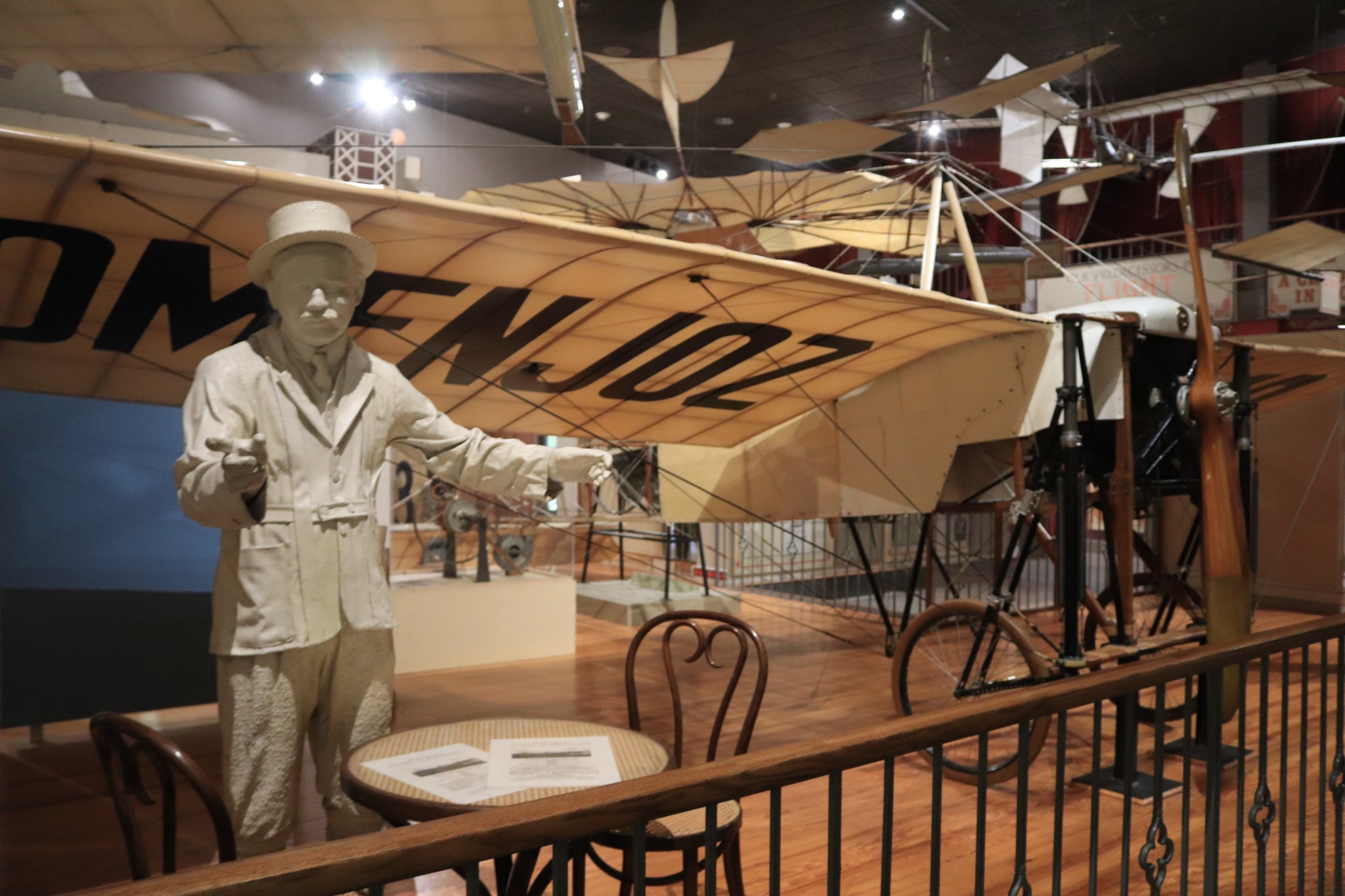
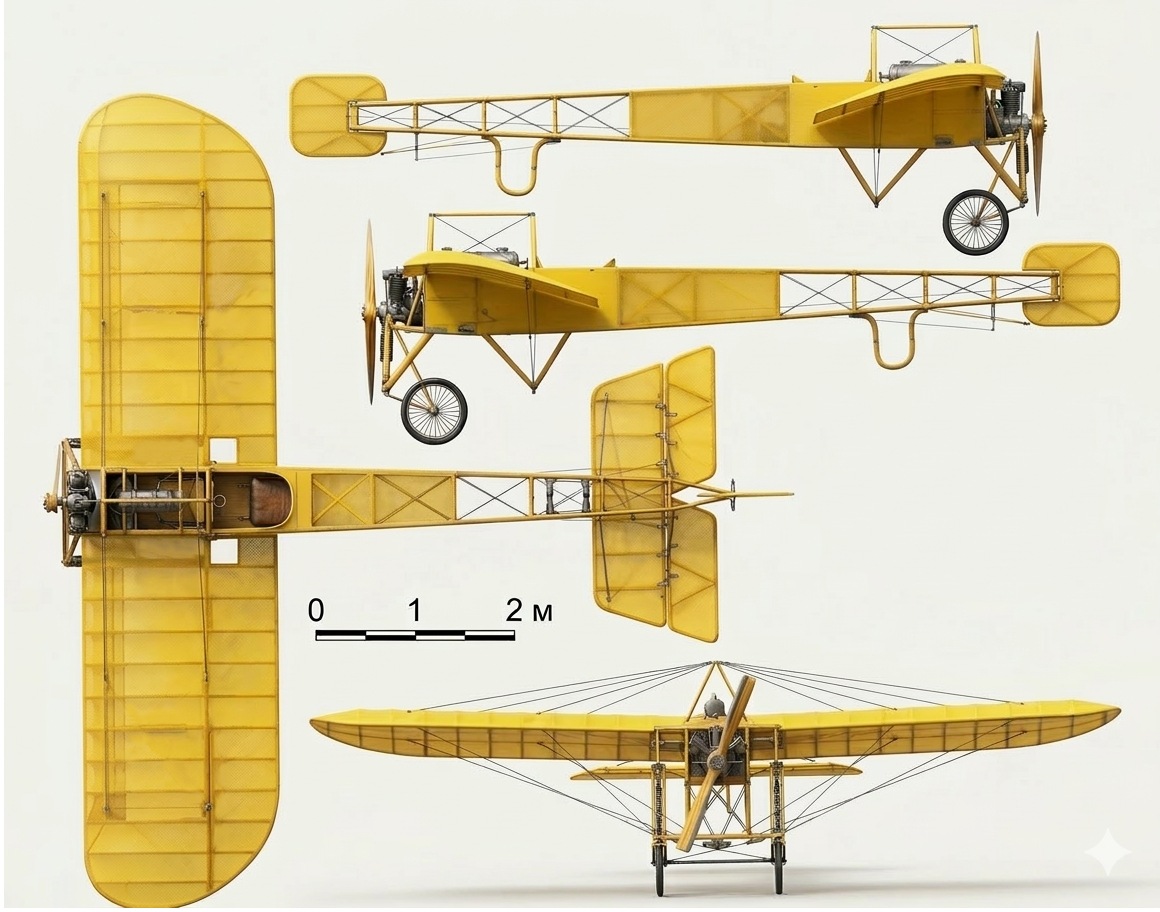
The “Bleriot-like” Grizodubov No.4 aircraft turned out to be almost half (!) as light as the old “Wright” designs; the airplane was assembled from pine and plywood and partially covered with fabric.
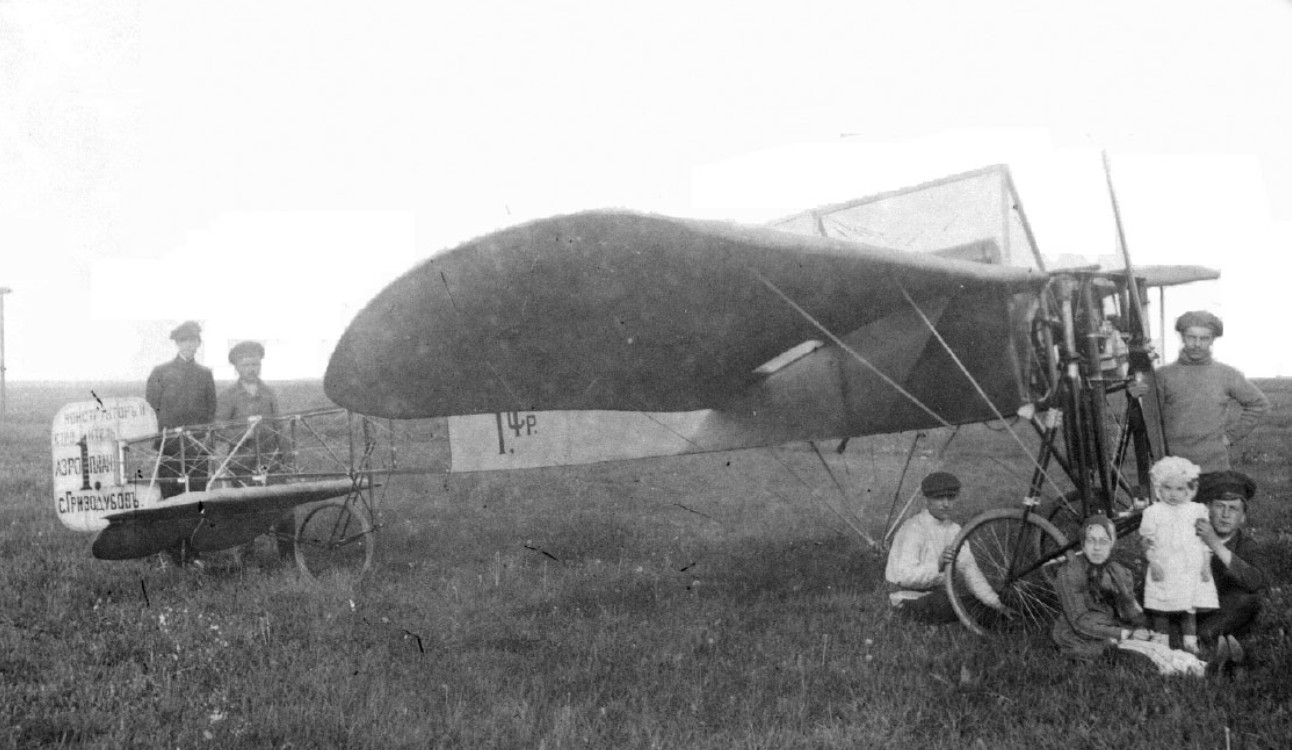
The Grizodubov No.4 was equipped with a landing gear featuring three factory-made wheels and an Italian Anzani engine. Grizodubov also cut openings in the wing to improve downward visibility, added spring suspension to the main landing gear struts, and modified the tail structure.
And it worked. According to a report in the newspaper “Yuzhny Krai,” Stepan Grizodubov took the aircraft into the air on June 2, 1912, reaching a height of 2 meters in the presence of members of the aeronautical department of the Technical Society.
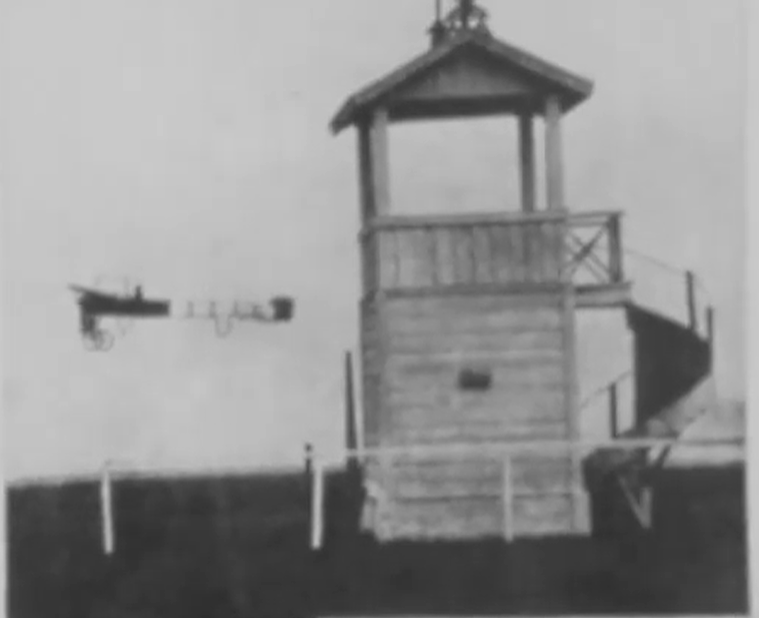
Although researchers believe the aircraft likely did not climb very high, the flights were controlled and successful (unlike the aircraft of another Kharkiv aviator, Arthur Lelie, which was destroyed on October 15, 1911, during its maiden flight).
Technical specifications of the Grizodubov No.4 aircraft
- Length: 7.75 m
- Wingspan: 8.4 m
- Wing area: 15 sq. m
- Total weight: 340 kg
- Engine: Anzani, 3-cylinder, air-cooled, 24 hp
- Maximum speed (estimated): 80 km/h
Around 1913–14, Grizodubov moved his workshop to Myronosytska Street, 54.
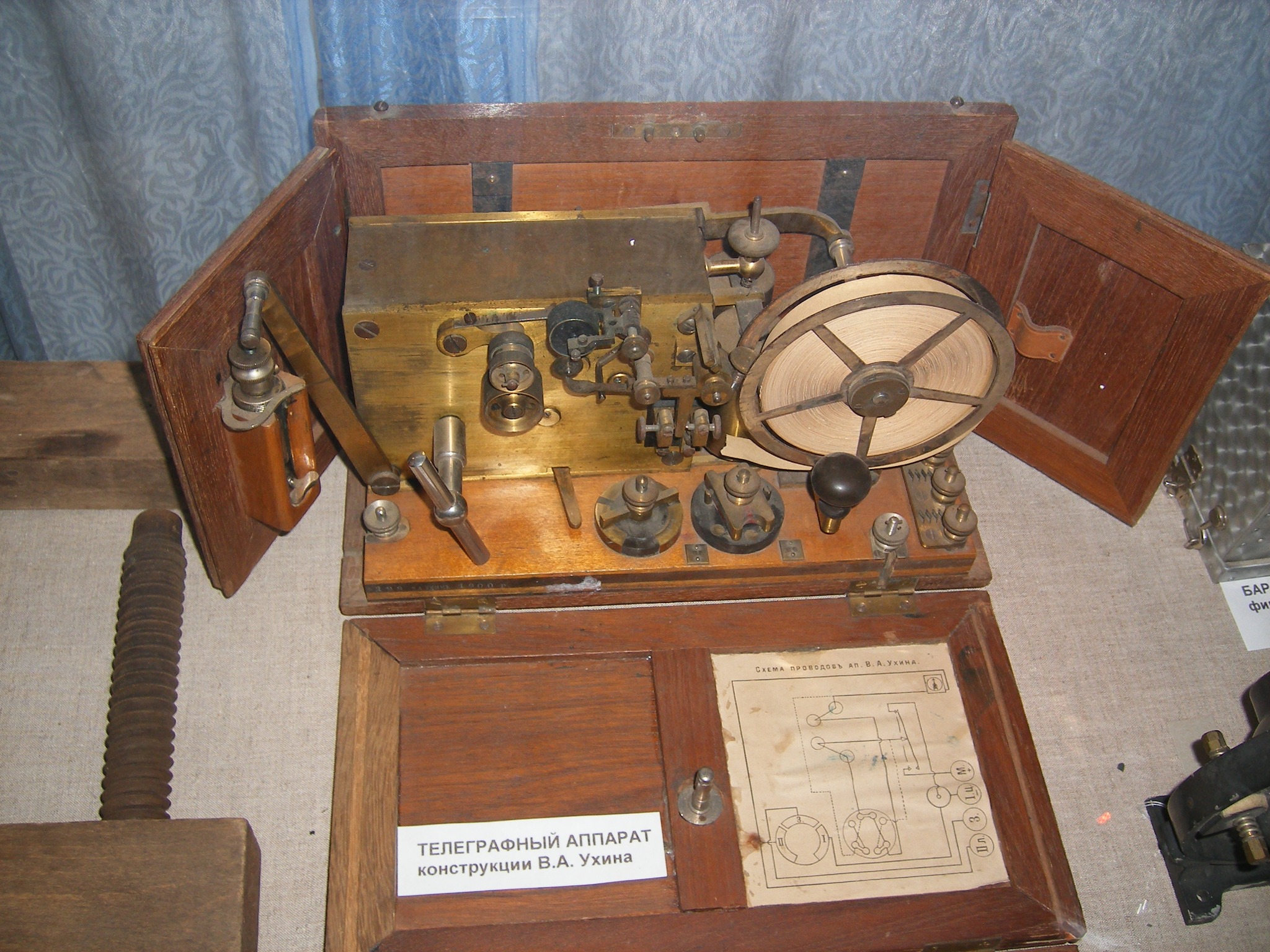
The final flight on the Grizodubov No.4 was performed by Stepan Grizodubov on July 13, 1914. World War I had begun, along with a wave of spy mania—flights by civilian aviators were banned. In 1915, Grizodubov was drafted into the army—he served as an aircraft mechanic and completed pilot training… But he never saw combat; he was discharged for health reasons in 1916.
In 1915, merchant Vasily Selivanov built several apartment buildings on the site where the aviator’s workshop had stood (authorship by architect J. Caune – presumably); the Grizodubovs moved into one of them in 1916.
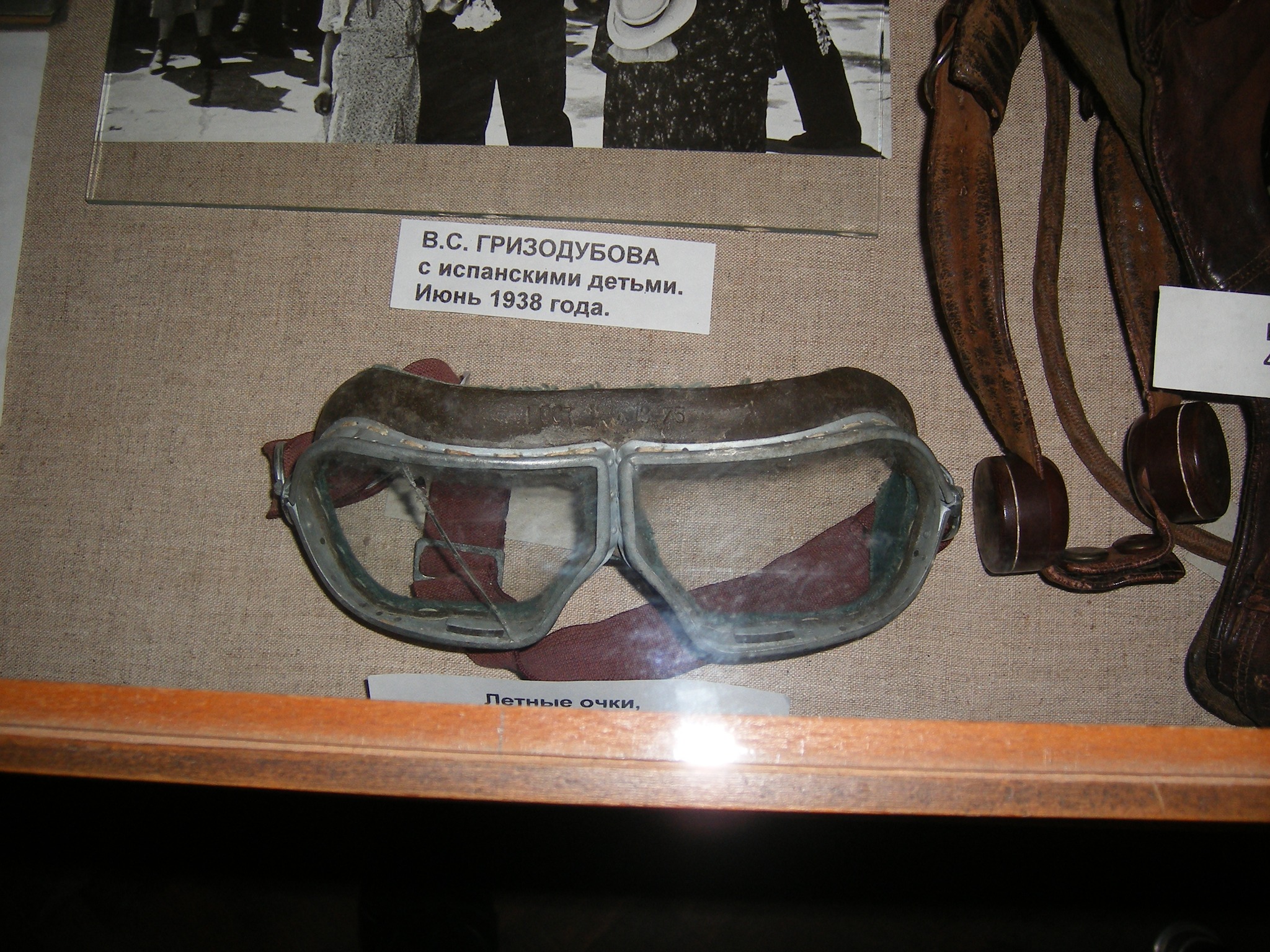
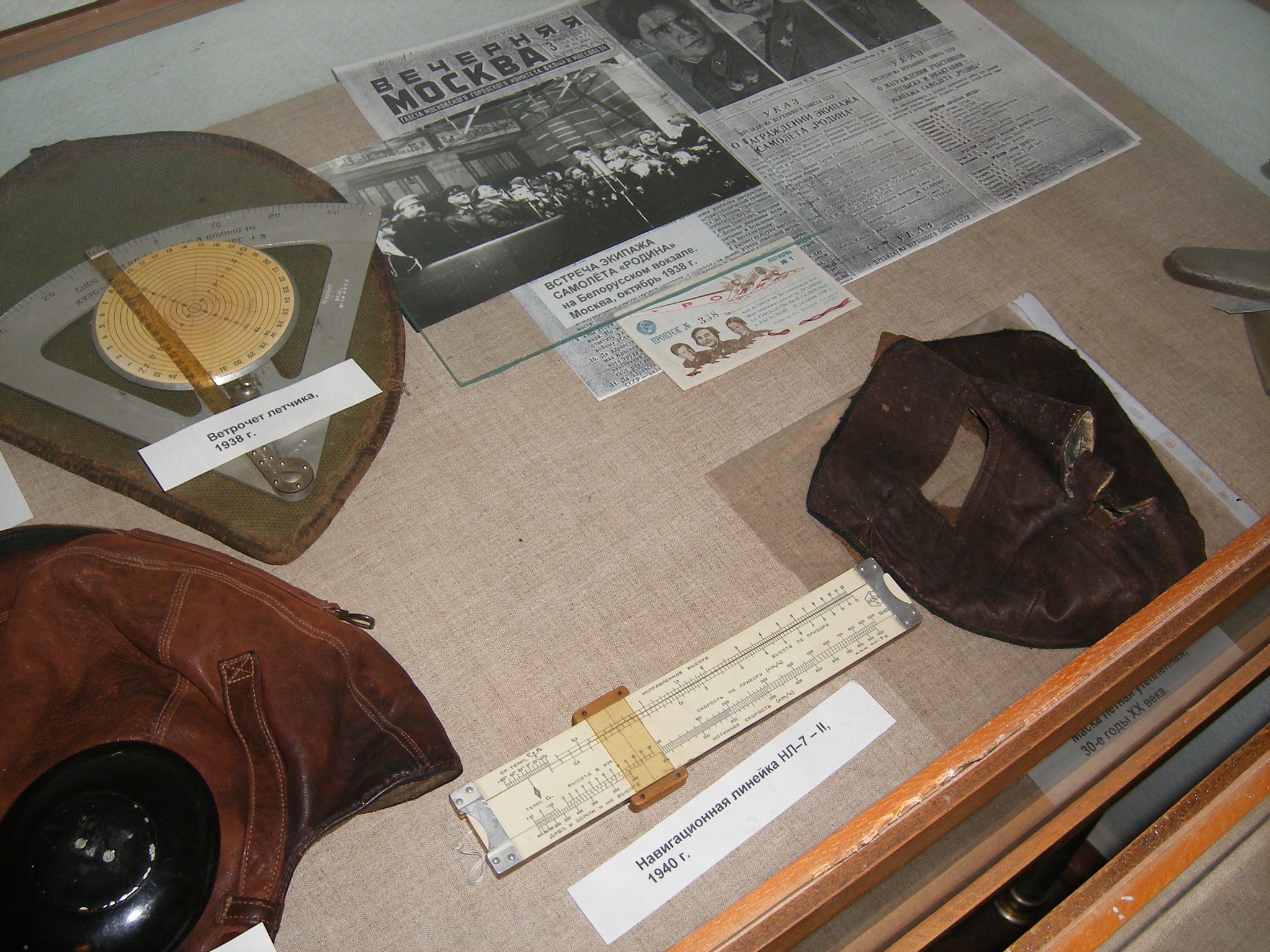
The most famous member of the Grizodubov family would be his daughter, record-breaking pilot Valentina, whom Stepan Vasilyevich often took with him on board his planes when she was still very young…
However, it is worth remembering both the first airplane built in Kharkiv that was able to take off and its persistent designer, who made his dream a reality.
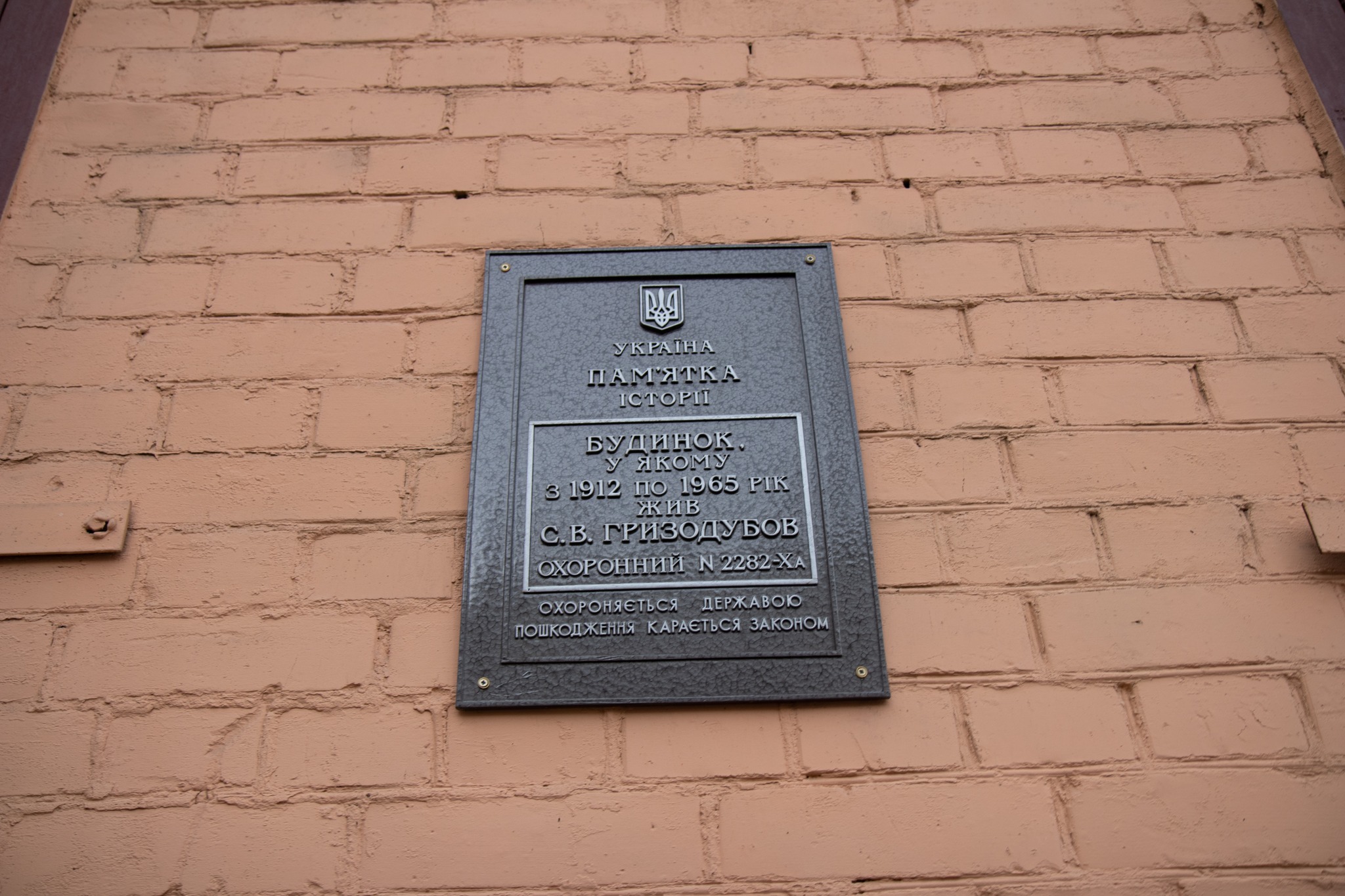
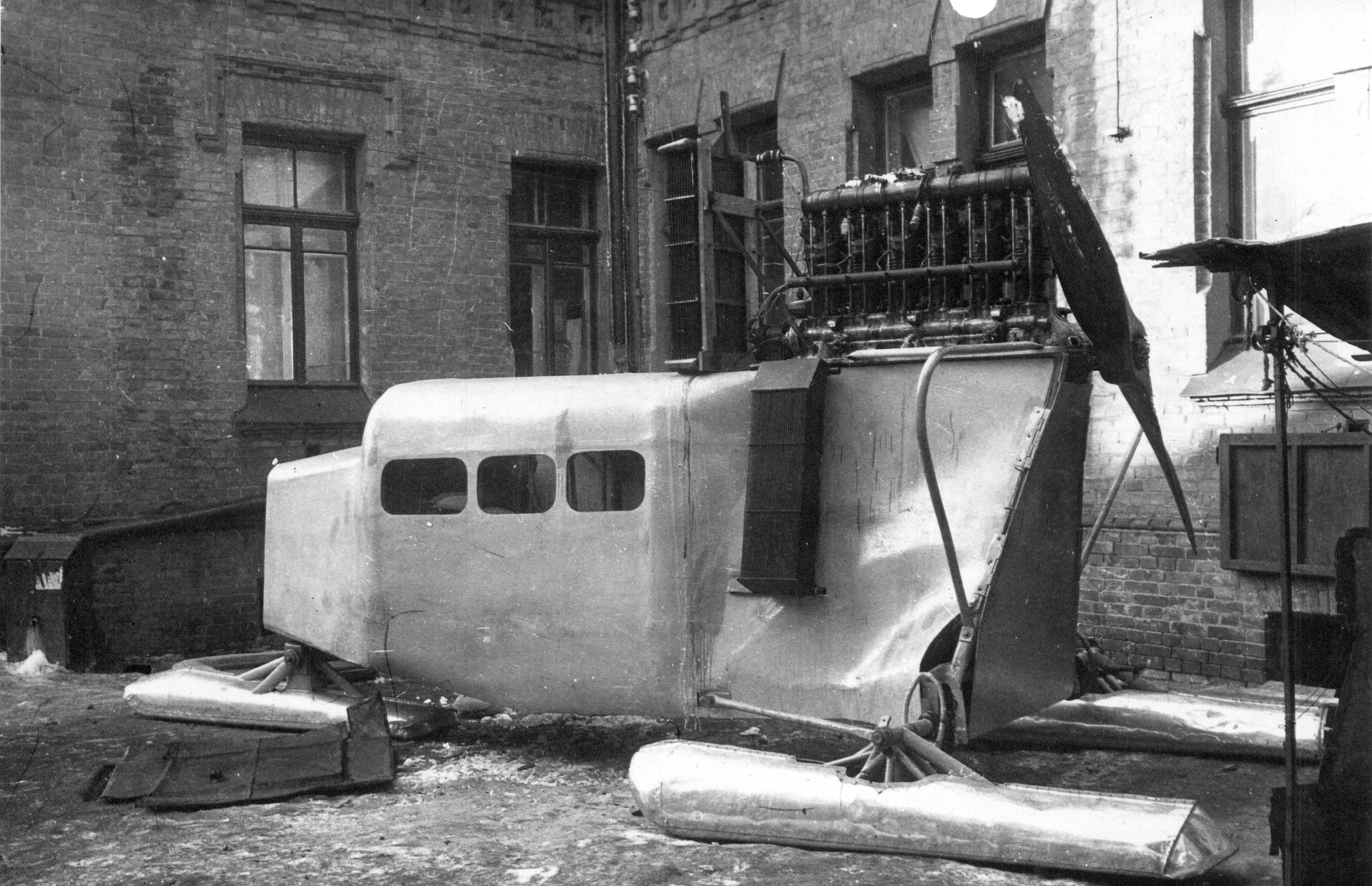
By the way, in the 1930s, Stepan Grizodubov built an Aerosledge in the courtyard at Myronosytska Street, 54… He lived in the apartment No.2 in this building until his death in 1965, and in 1970, a museum was opened there.

- Danylevs’koho Street, 19 - 13.10.2026
- Debunking the myth about one of the most famous Kharkiv photos - 12.10.2026
- The Architectural Evolution of the Kharkiv Theater - 26.09.2026