Shatylivka is a historic neighborhood of Kharkiv known for its prestige, largely due to its prime location near Central Park and Sargin Yar. But the district wasn’t always like this—in the 19th century, it was a suburban outskirt, and among its largest landowners, Vasily Doseikin is particularly noteworthy. In the 1850s, he opened one of Kharkiv’s first photography studios—thanks to Doseikin’s photographs, we can see the city and its residents as they were in the mid-19th century.
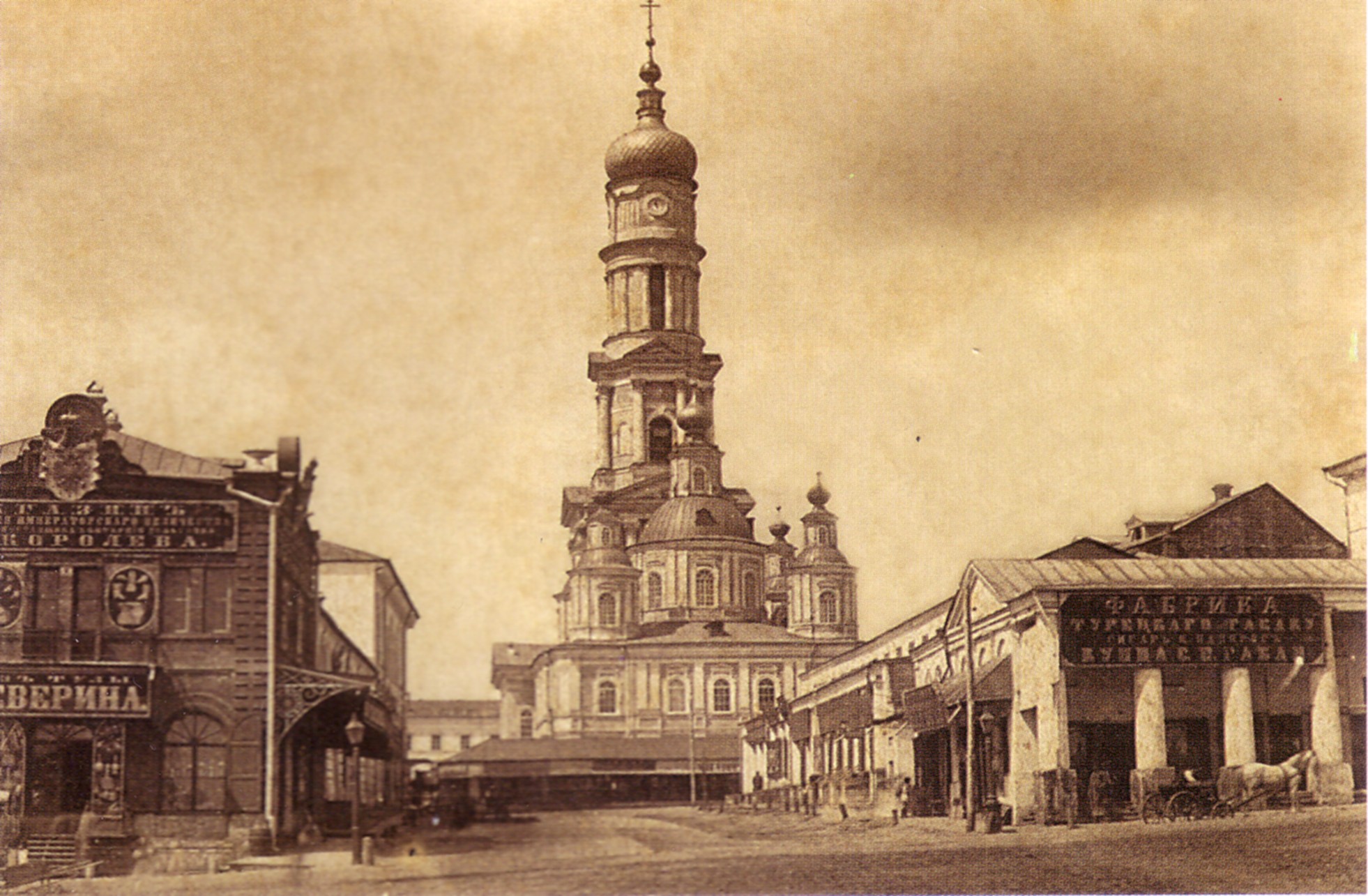
Doseikin invested the proceeds from his successful photography business in the purchase of land near the village of Sargin Yar to build a brick factory. He then built a large estate there and became a merchant of the Second Guild. In the early 1900s, most of the estate was inherited by his daughter Maria Shatilova (her husband was the distinguished physician Professor Petro Shatilov).
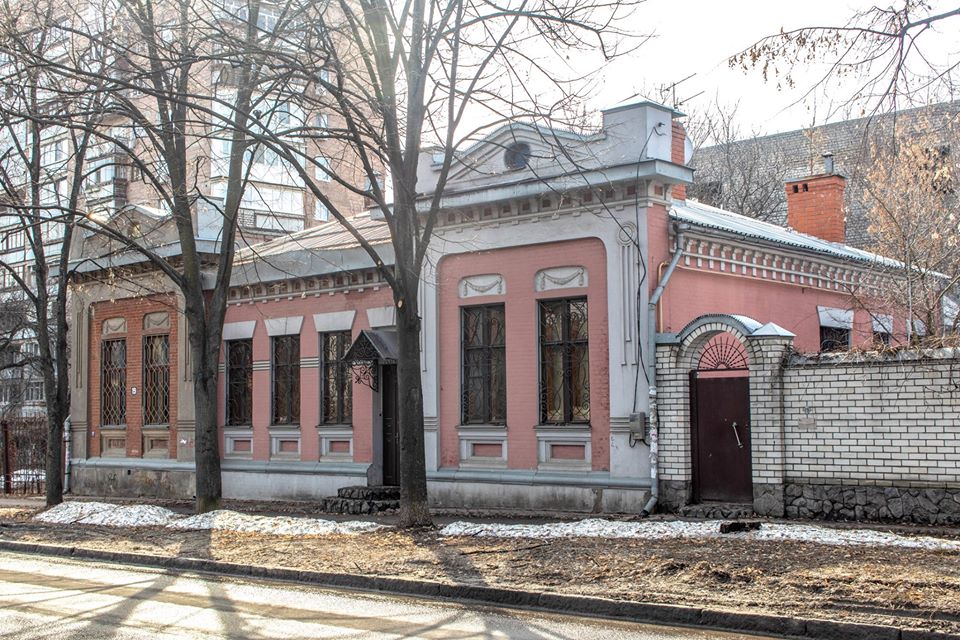
Throughout nearly his entire medical career, Professor Shatilov sought methods to combat infectious diseases, including cholera and typhus; he was the first in the country to successfully administer a typhoid vaccine. Tragically, he himself died of typhus in 1921 after contracting the disease from patients in a remand prison whom he had been examining.
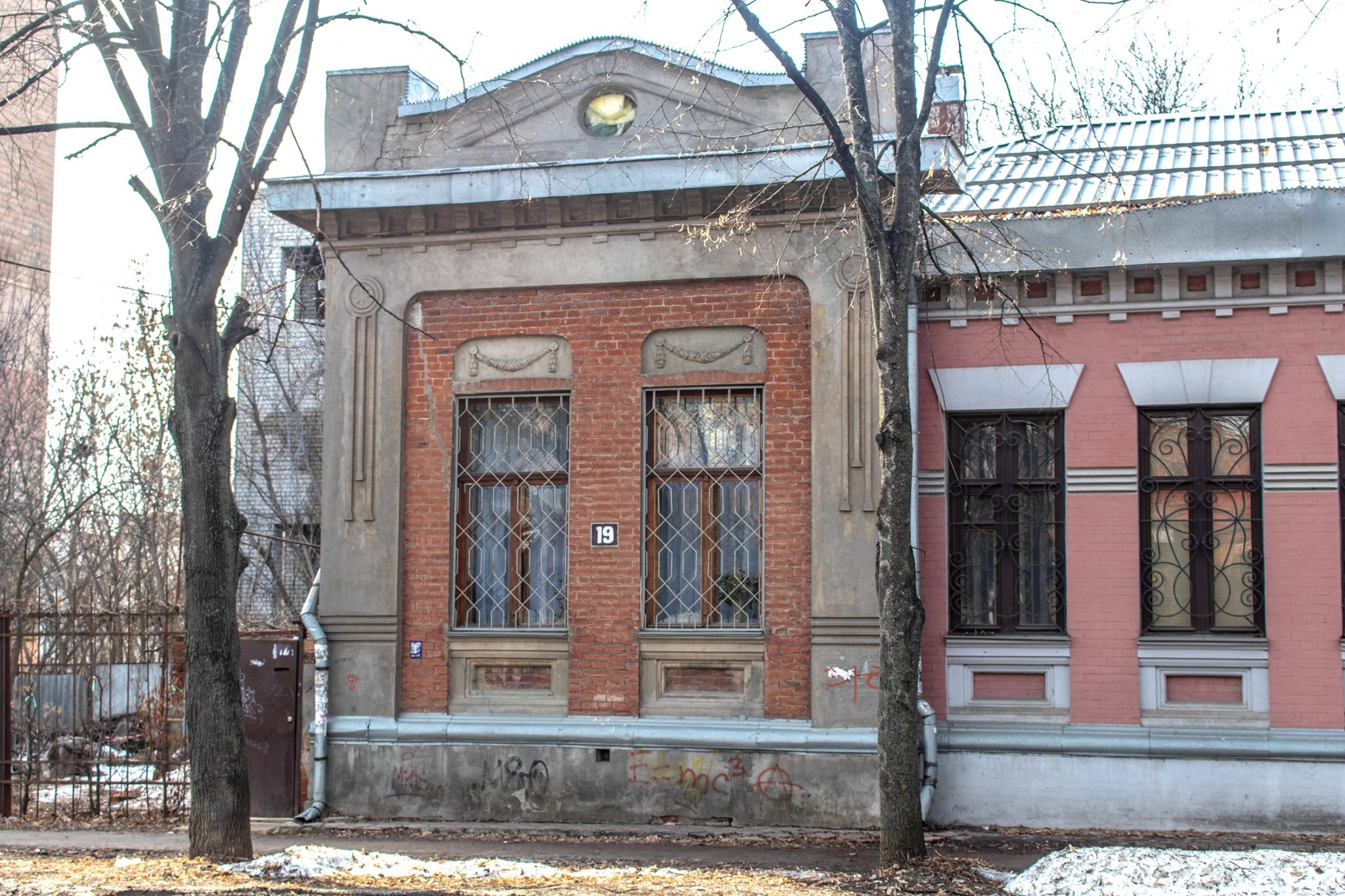
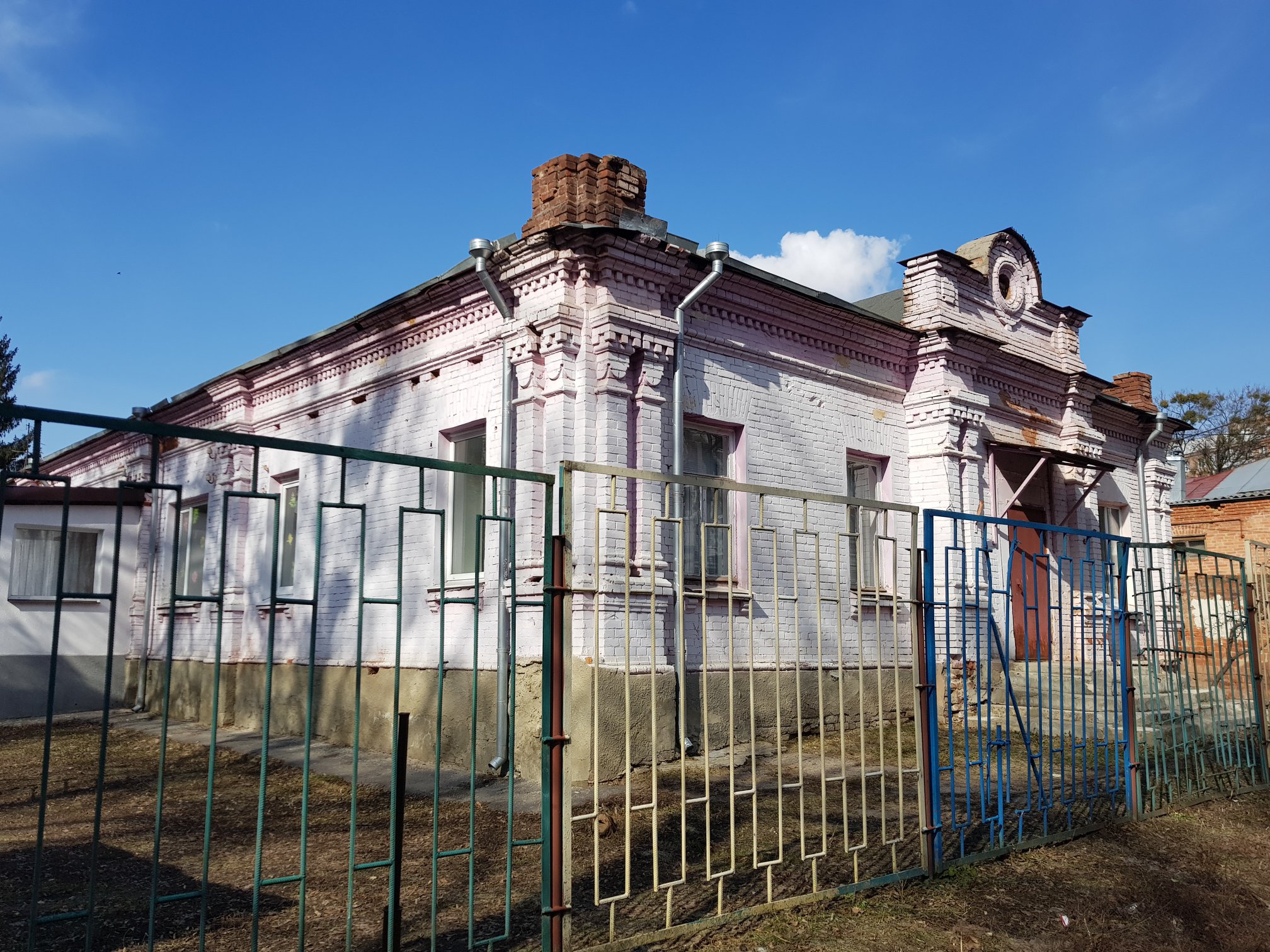
Maria began selling plots of land for the construction of summer cottages—which is how the area came to be known as Shatilova Dacha, and a grid of streets began to take shape there. Some of the early 20th-century houses have survived to this day; particularly noteworthy is the Art Nouveau mansion at Shatylivska Street, 19. This is a fine example of the restrained “single-story” Art Nouveau style of the 1900s.
But Maria Shatilova wasn’t the only local landowner selling land for summer cottages—there were also plots owned by Polyana and Kovriga.
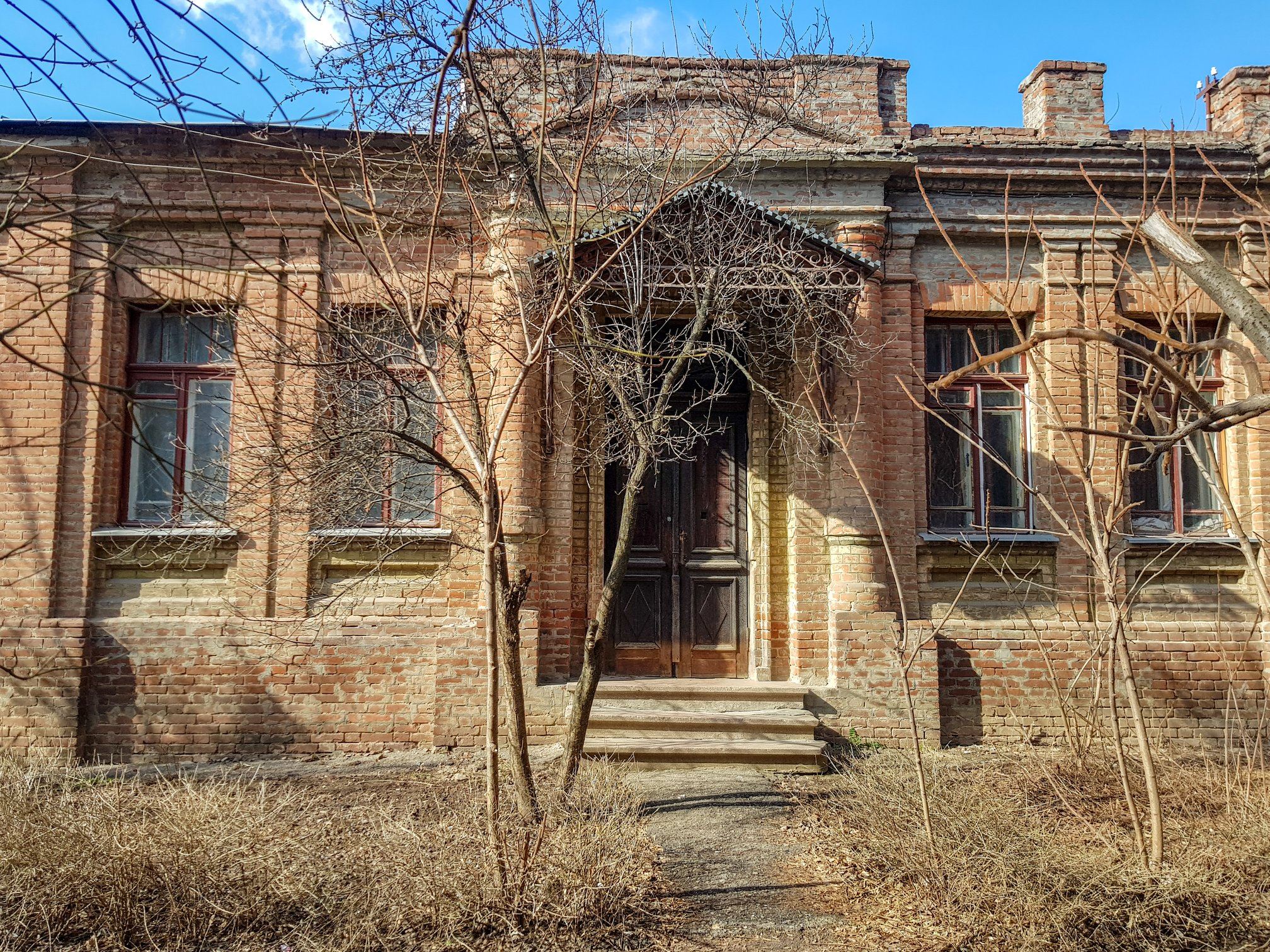
The proximity to Central Park, which was already gaining popularity among Kharkiv residents, was highlighted in advertisements at the time—along the park’s perimeter, cottage owners could set up commercial spaces.
Other notable buildings include several houses from the 1930s built in the early “socialist classicism” style.
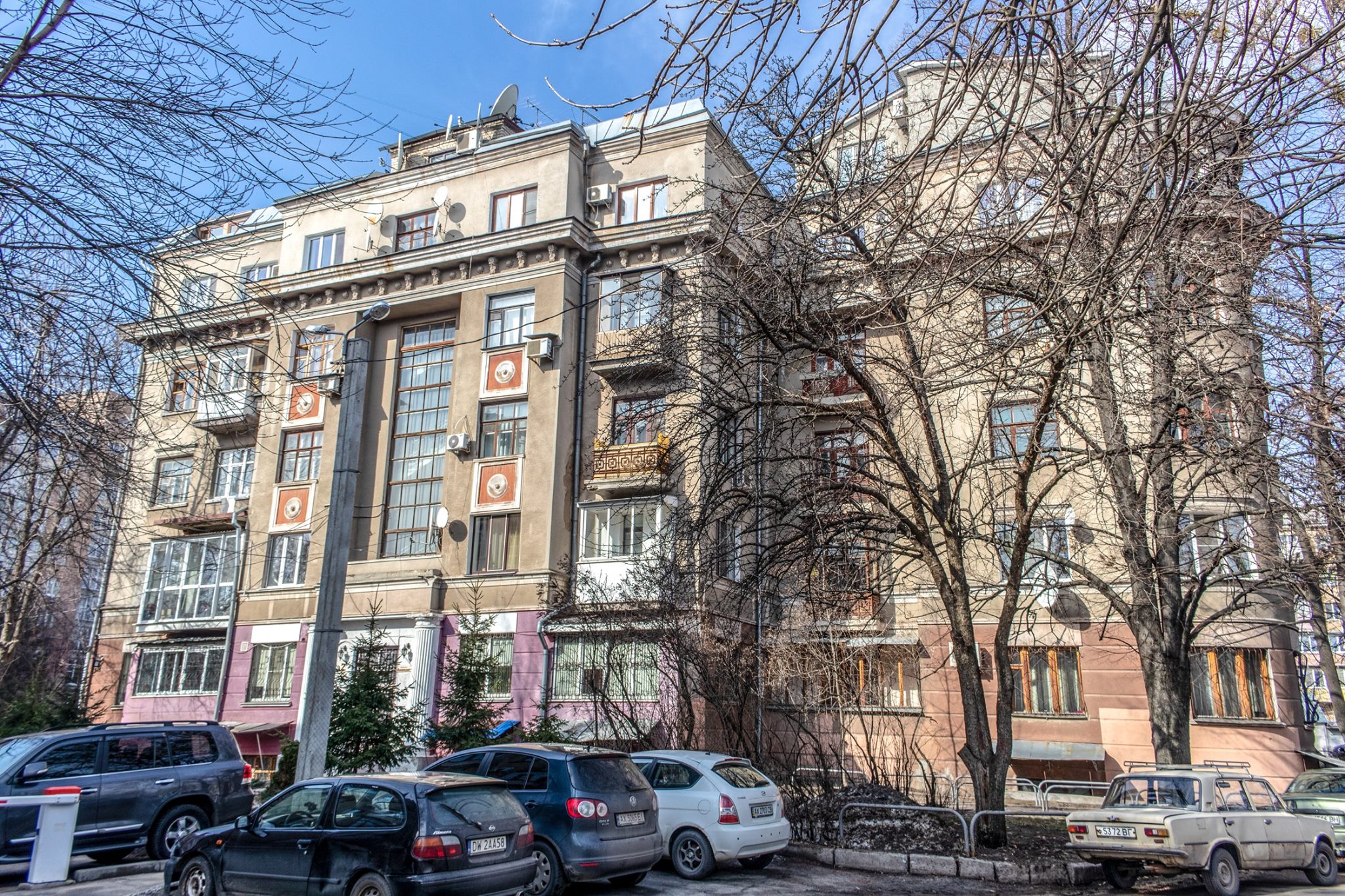
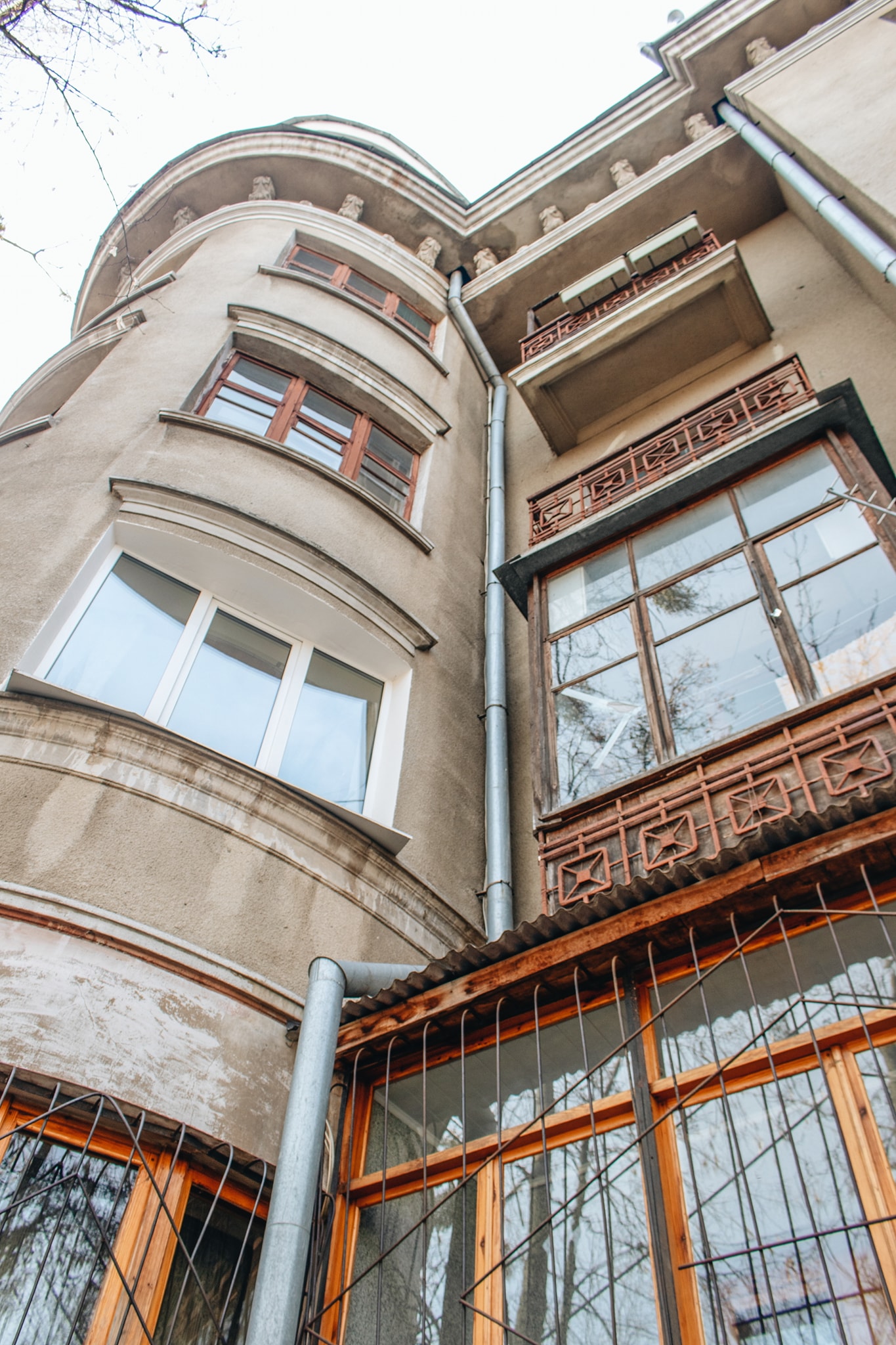
The most interesting building is the one at Fanins’kyi Lane, 4, designed by Noy Podgorny in 1936 for the employees of Plant No. 75 (the engine-building branch of the Kharkiv Machine-Building Plant).
In the early 1920s, a new chapter in Kharkiv’s history—the aviation chapter—began on the other side of Central City Park. In 1923, the first Ukrainian airline, Ukrpovitroshlyakh, was established. An airport with a hangar and aircraft maintenance facilities was built on the site of the former horse racing track.
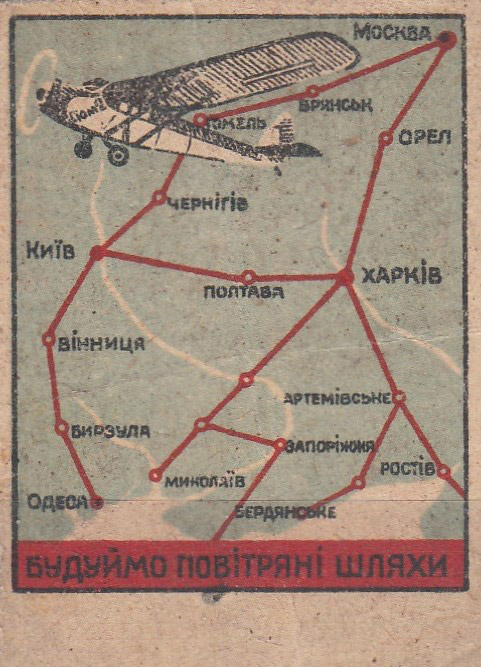
Based on these developments, the Kharkiv Aircraft Plant began operations, assembling passenger aircraft designed by Konstantin Kalinin. Some streets in Shatilovka already appear on the 1924 map with the names Aviatsionnaya and Chervonogo Lituna (Aviation St. and Red Pilot St.). Most likely, this is where the workers of the aircraft plant lived; standard two-story houses were built for them in the mid-1920s. Stylistically, these cottages were simple, featuring eclectic elements of Art Nouveau with a strong leaning toward Constructivist style.
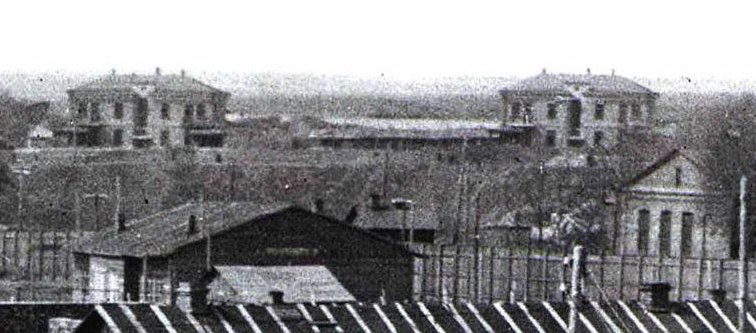
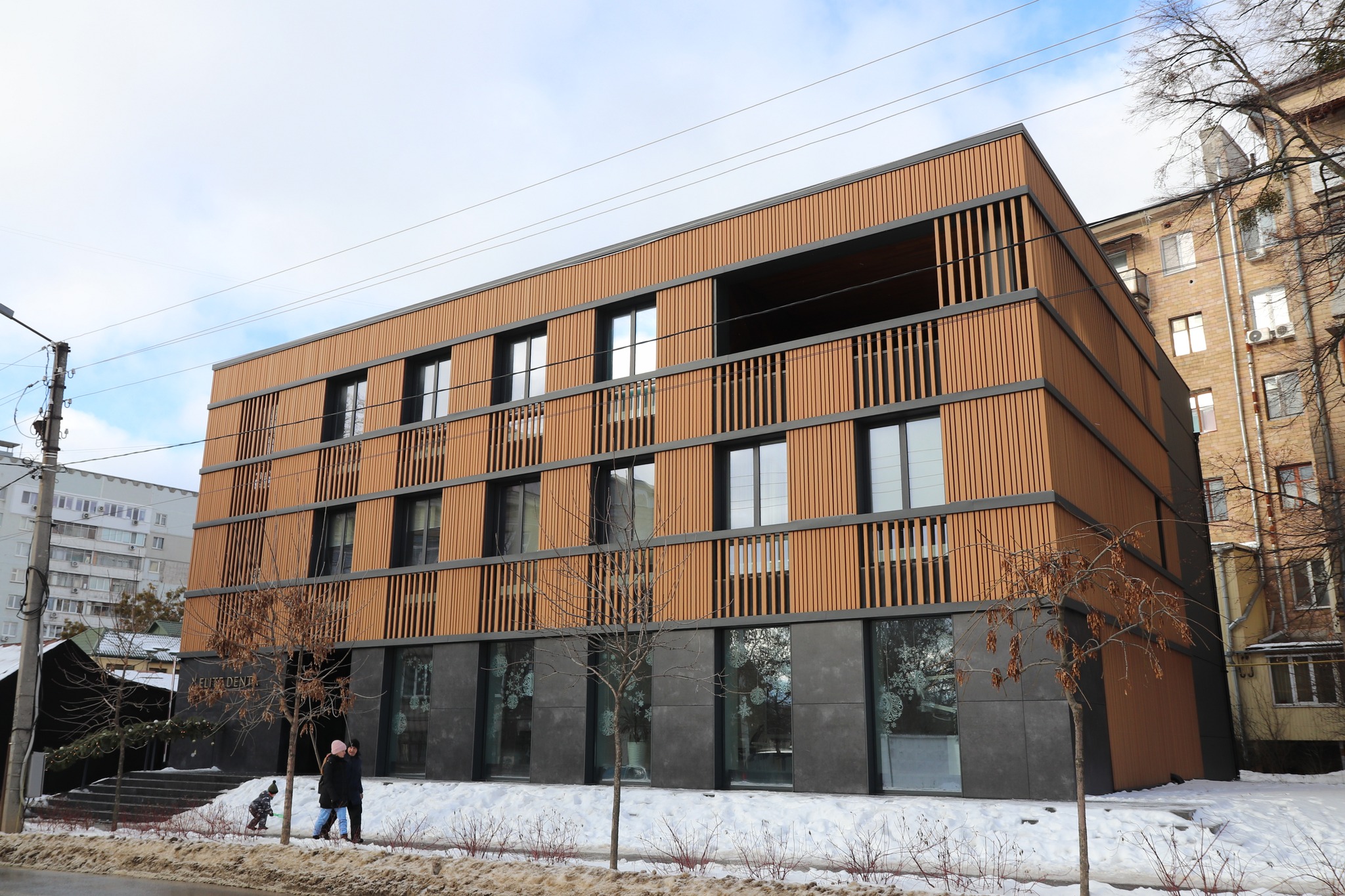
It is precisely this 1920s cottage that lies hidden behind the modern facade of the business center located at Fanins’kyi Lane, 3B. One more floor was added to the building in the 2000s. In 2021, Alter.Build completed the renovation of the building according to a different, modern design for an office center, created by architects E. Bosenko and A. Strulev of the Kharkiv-based firm O.S.A.
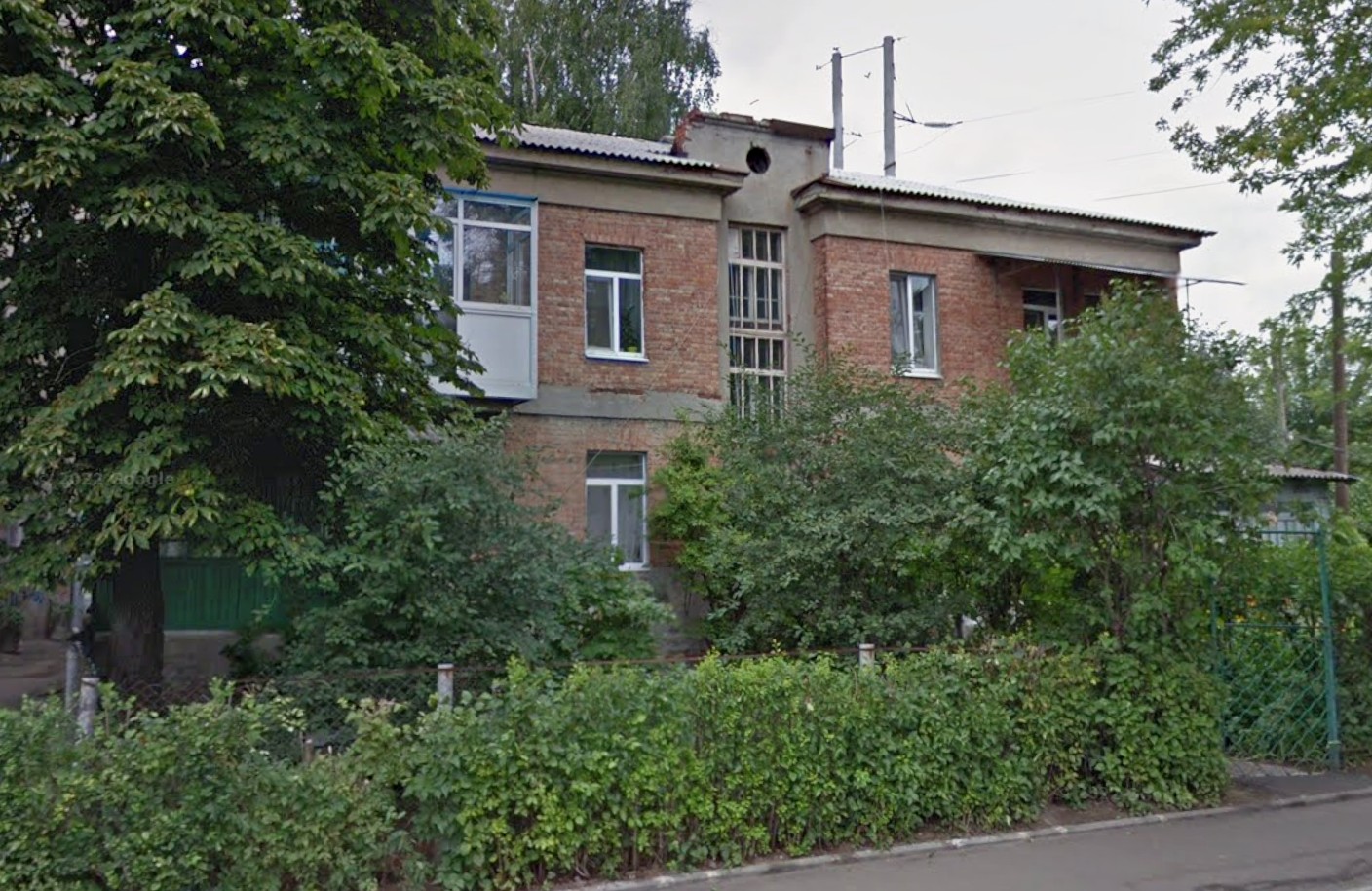
By looking at its twin building at Fanins’ky Lane, 3A, one can get an idea of what this house originally looked like.
Similar standard two-story houses, built in the 1920s based on designs by Arkady Langman, have survived in the Lysaya Gora district (the “Red October” settlement); some of them featured Neoclassical decoration, and similar houses can also be found in the Sortirovka neighborhood. It is worth mentioning separately the cottages for workers designed by architect Viktor Trotsenko, which feature elements of Ukrainian Art Nouveau and are designated as architectural monuments.