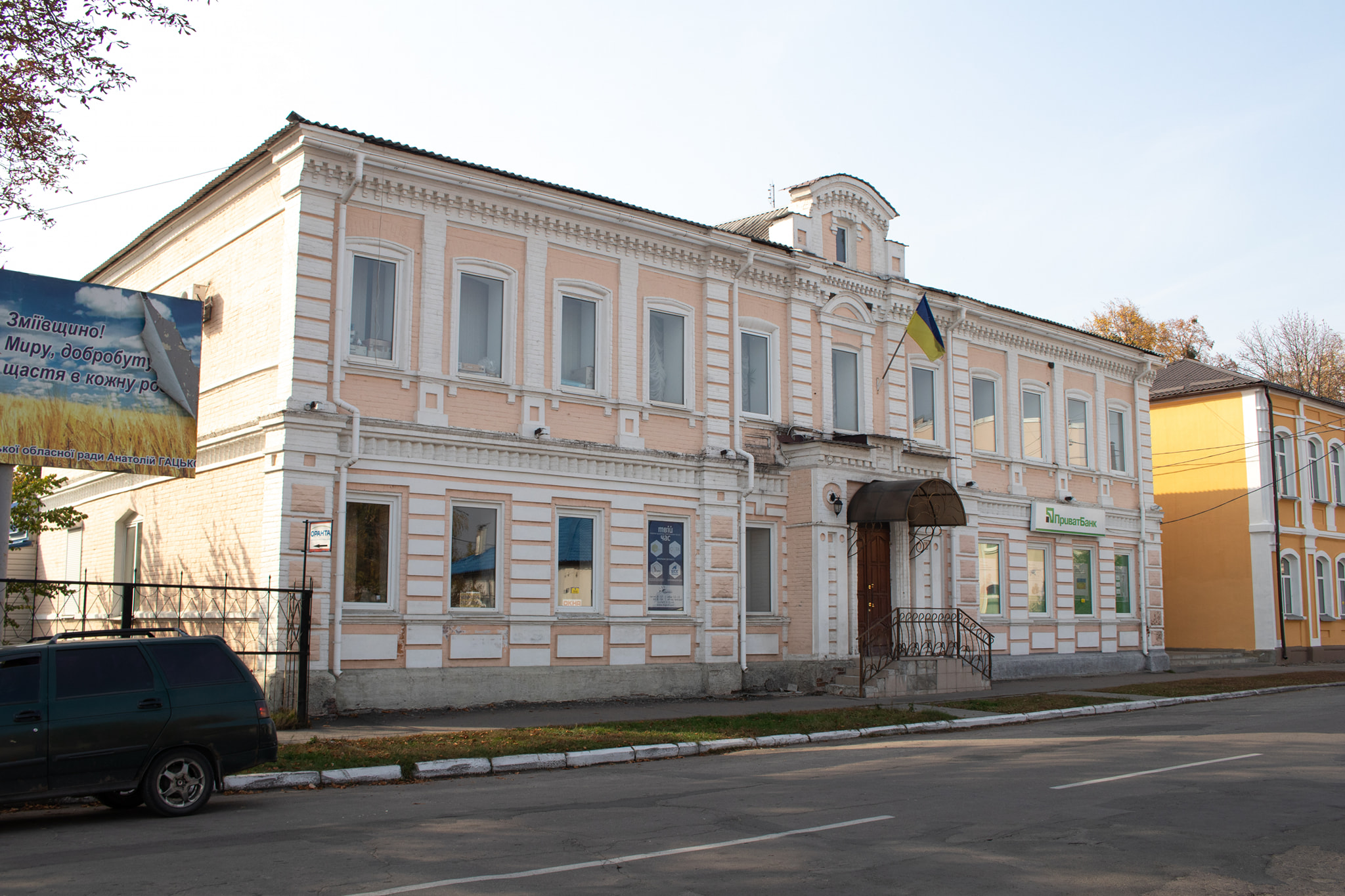
In Zmiiv, founded in 1640, there are more old pre-WWI buildings than one might expect from such a small town. However, everything falls into place when you compare the area and population of Zmiiv County, which existed from 1802 to 1923, with those of the Zmiiv District (1923–2020) that replaced it. According to the 1897 census, the county’s population was three times larger than that district, and its area was four times larger; in the 20th century, the Zmiiv District shrank significantly. In 2020, the district was dissolved entirely and incorporated into the Chuhuiv District.
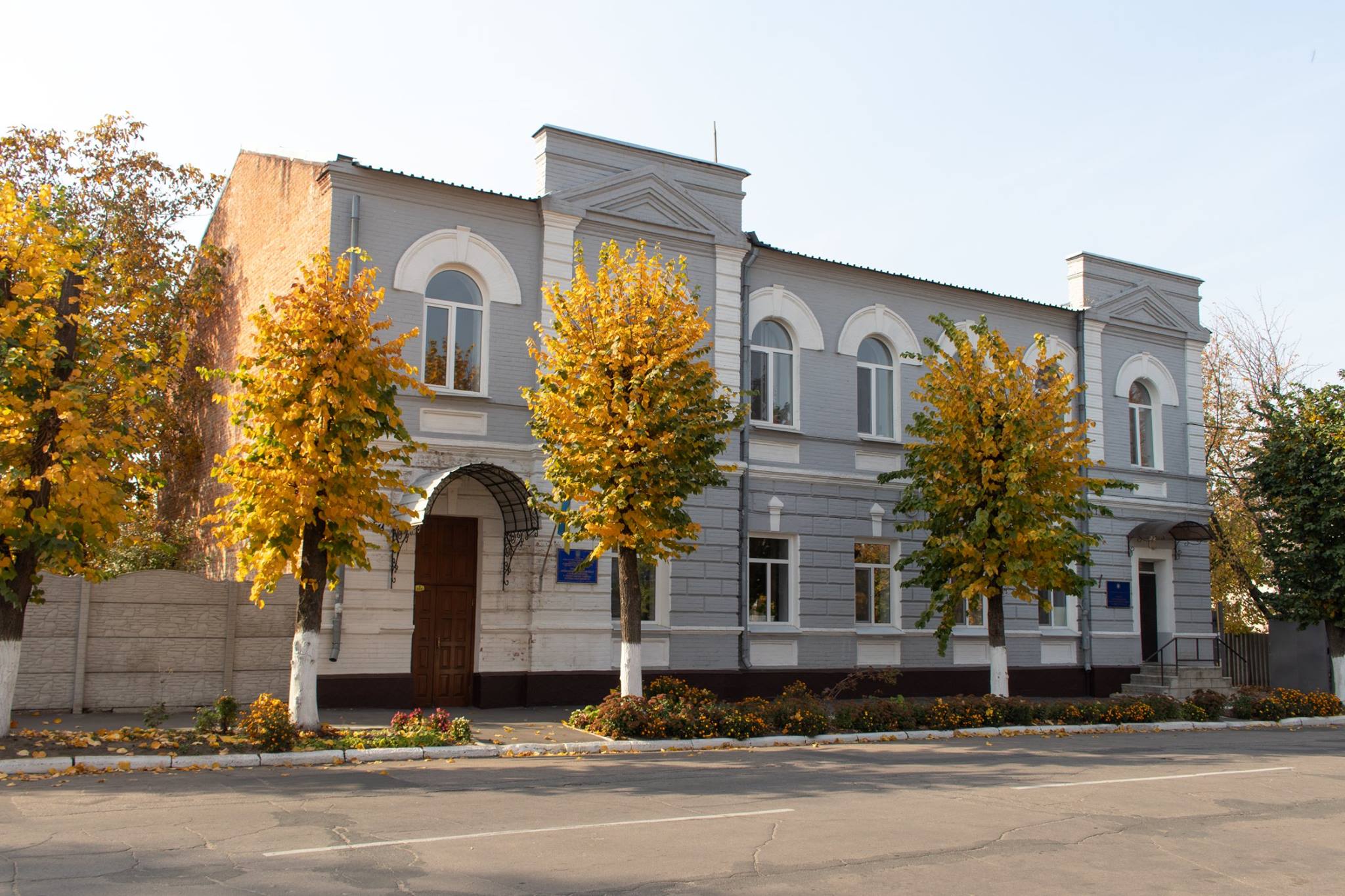
The city and its surroundings will appeal not only to history buffs—they offer wonderful views of the Donets River (Zmiivski Kruchi), and there are also several interesting radio telescopes.
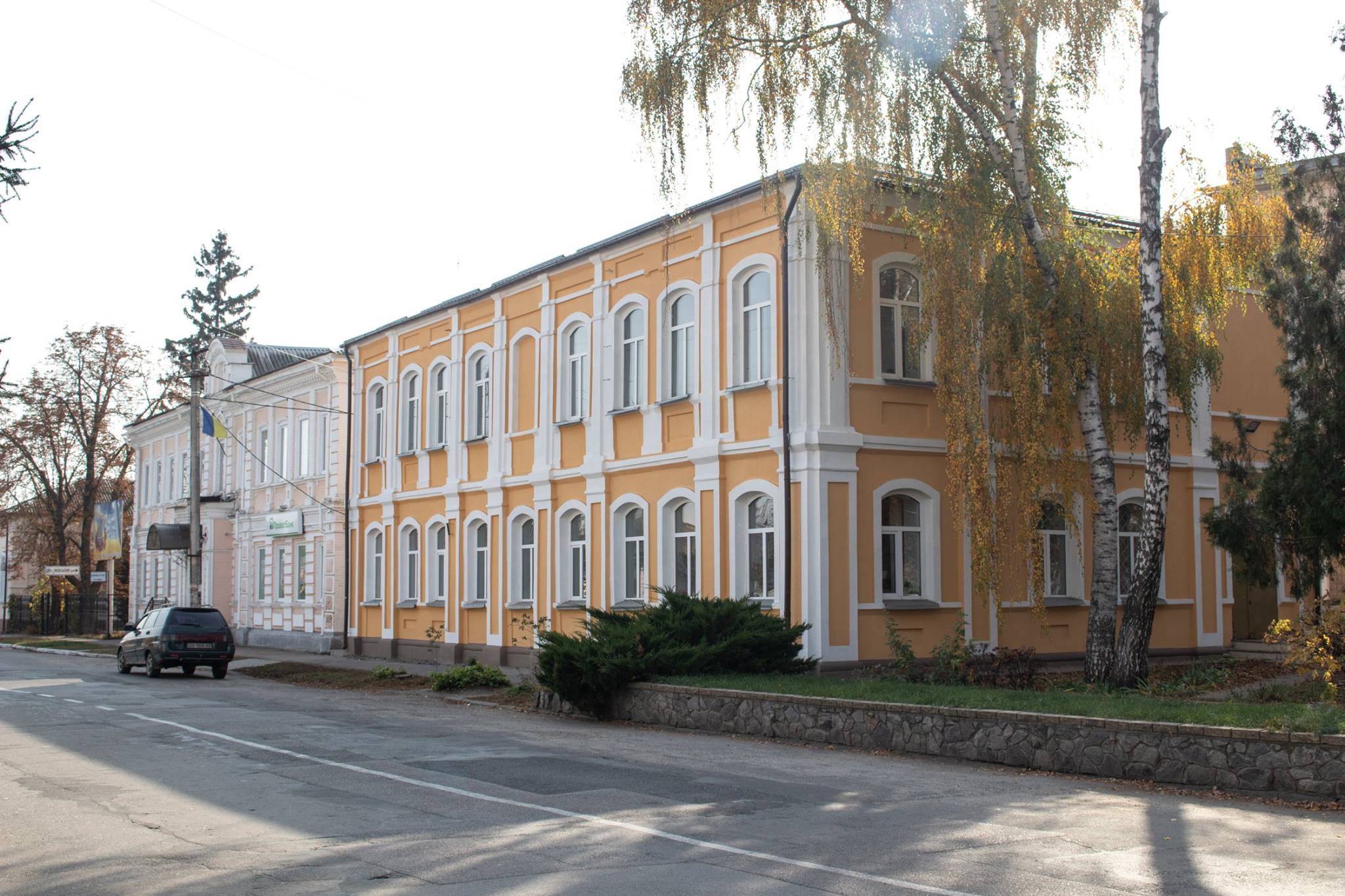
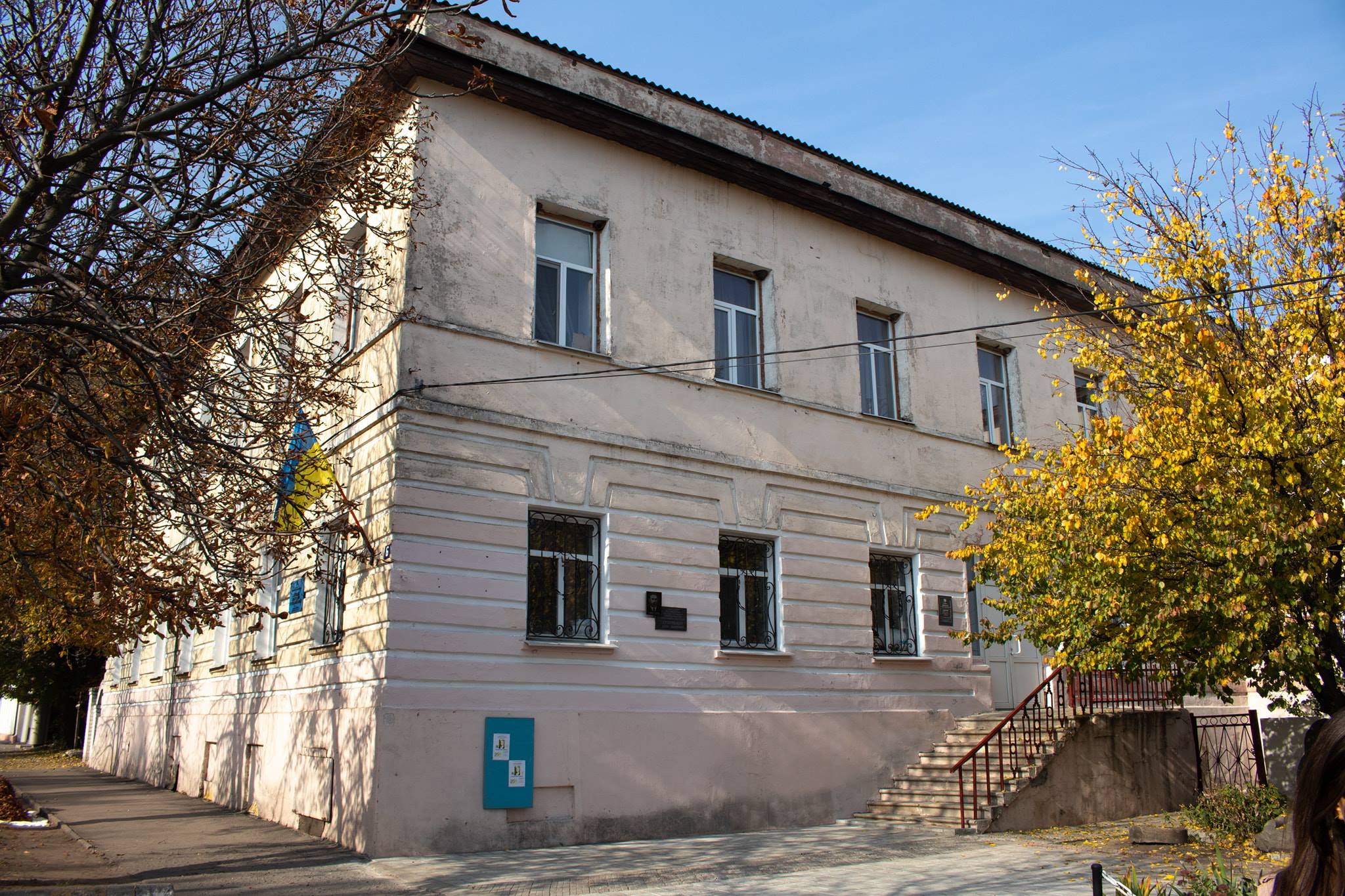
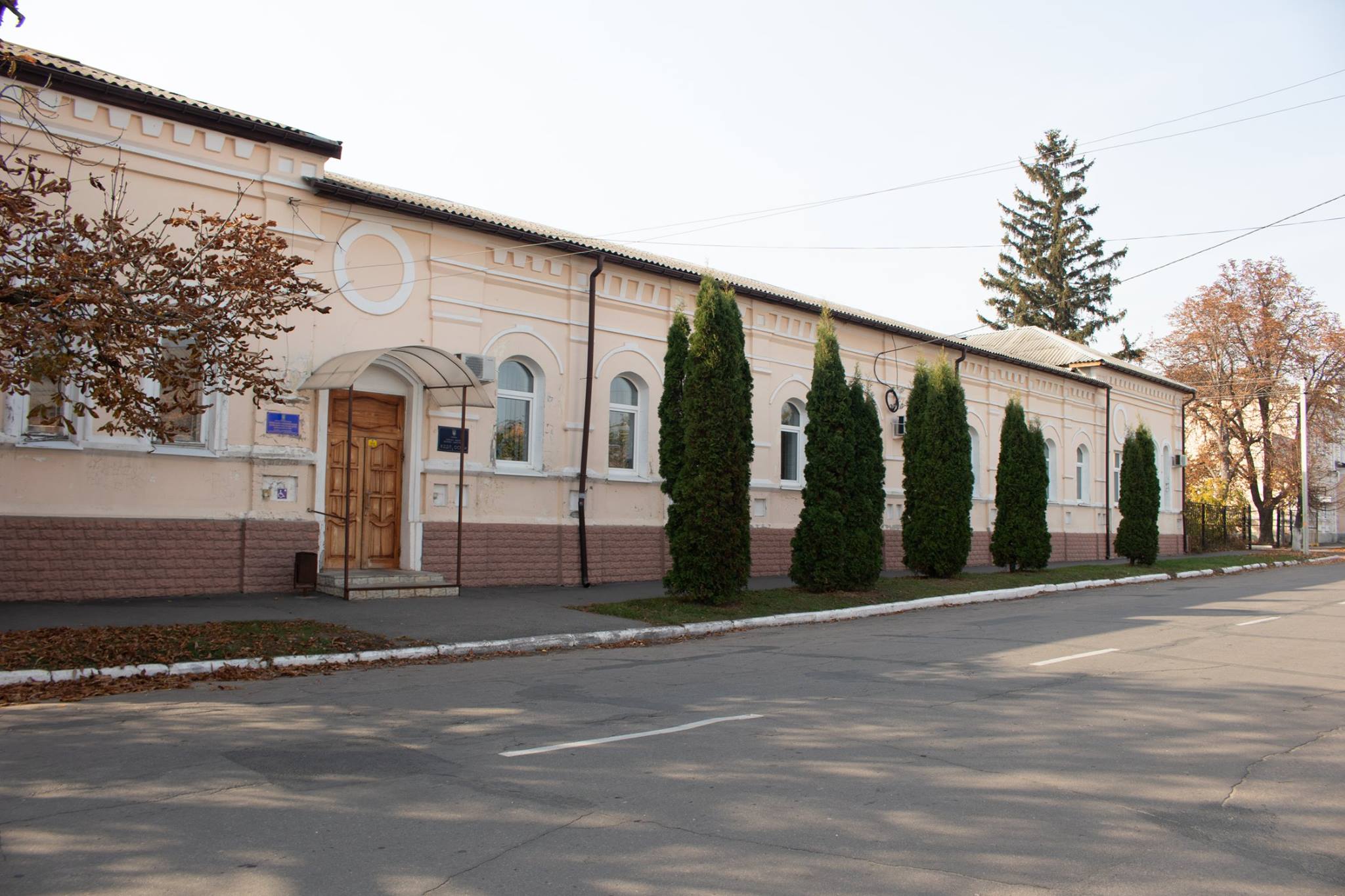
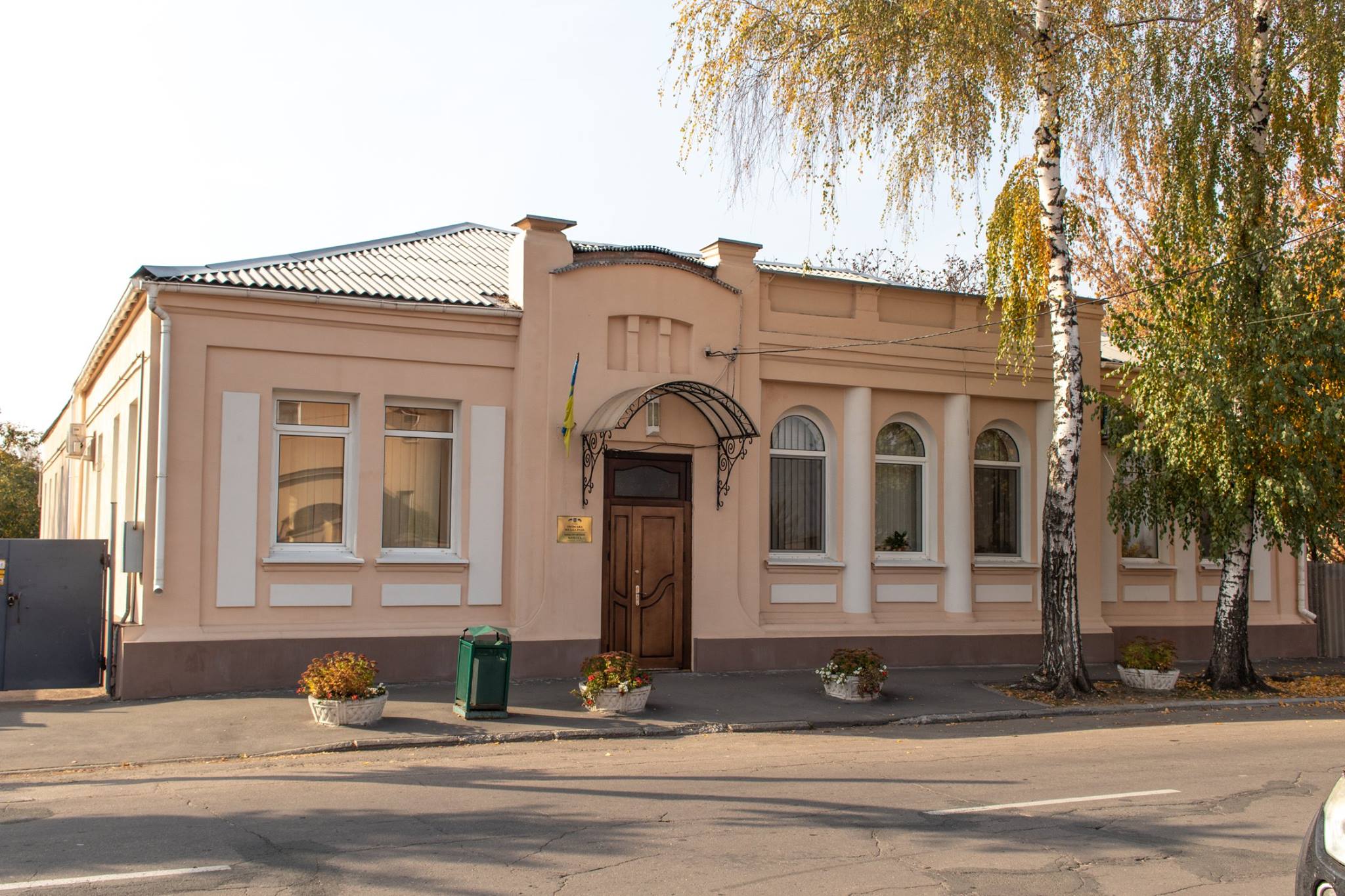
The Zmiiv Local History Museum is located at Soborna Street, 6 in the building of the former two-class district school.
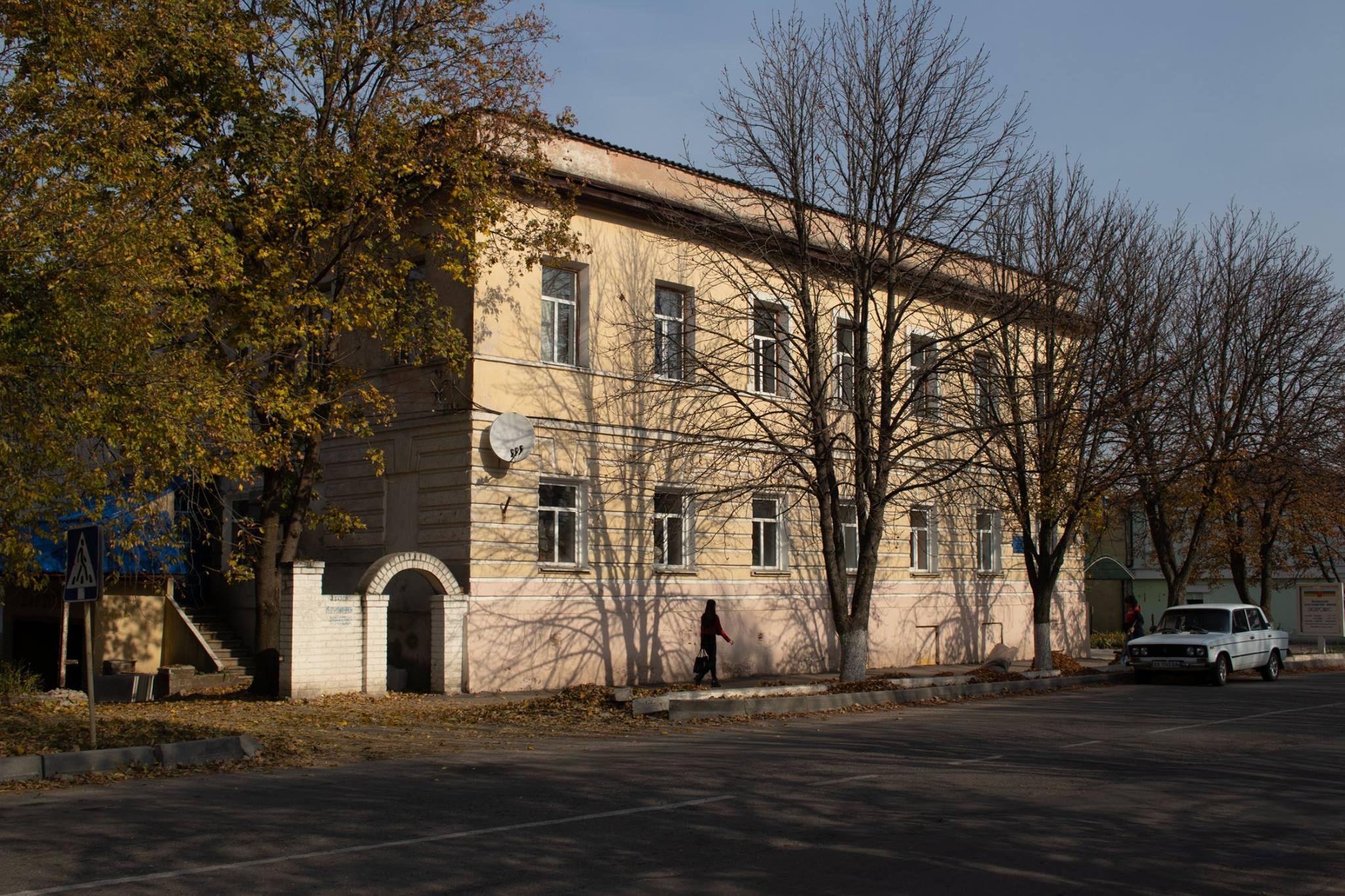
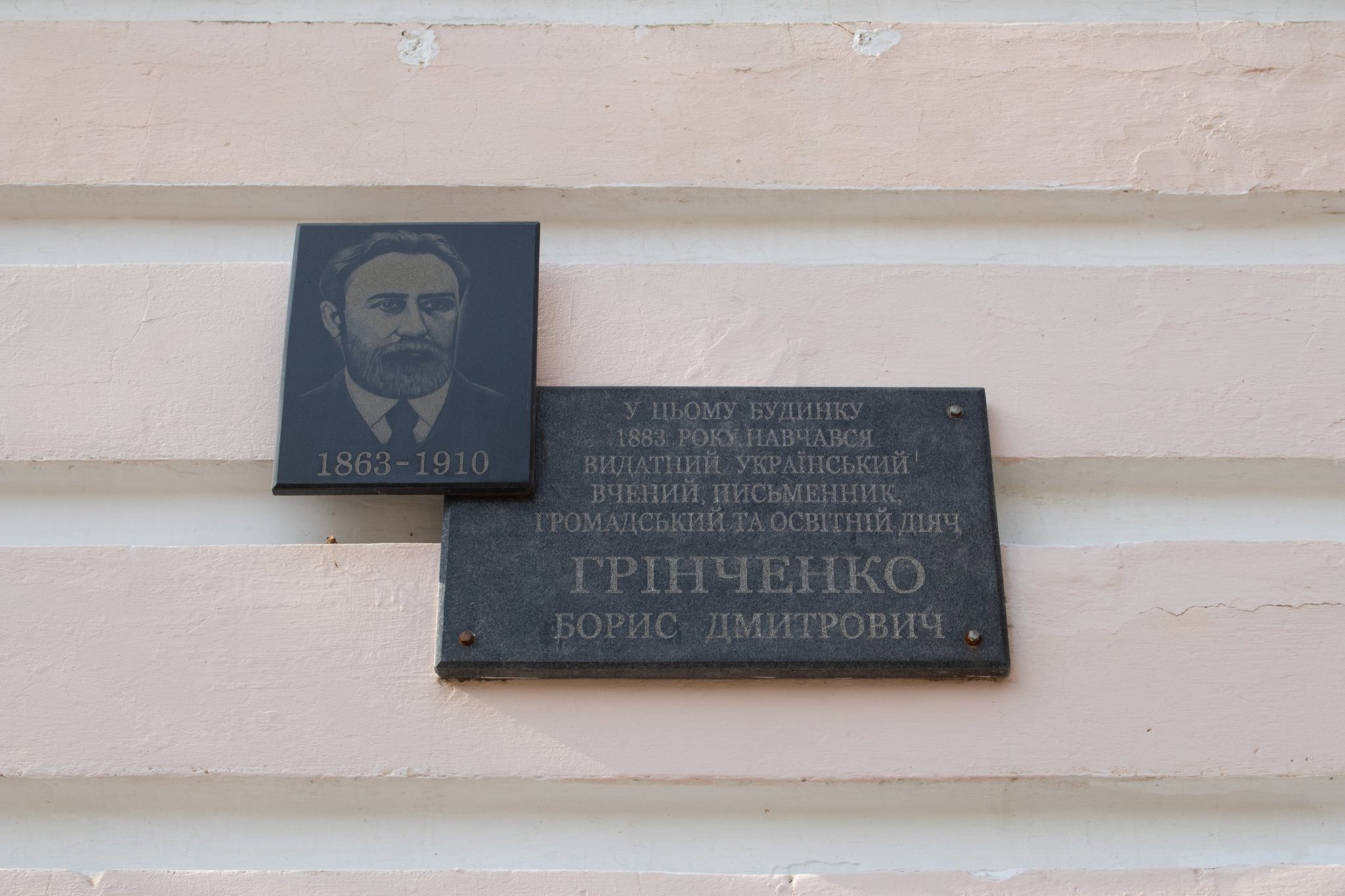
The Ukrainian writer Boris Hrinchenko (1863–1910) attended school in this building in 1883.
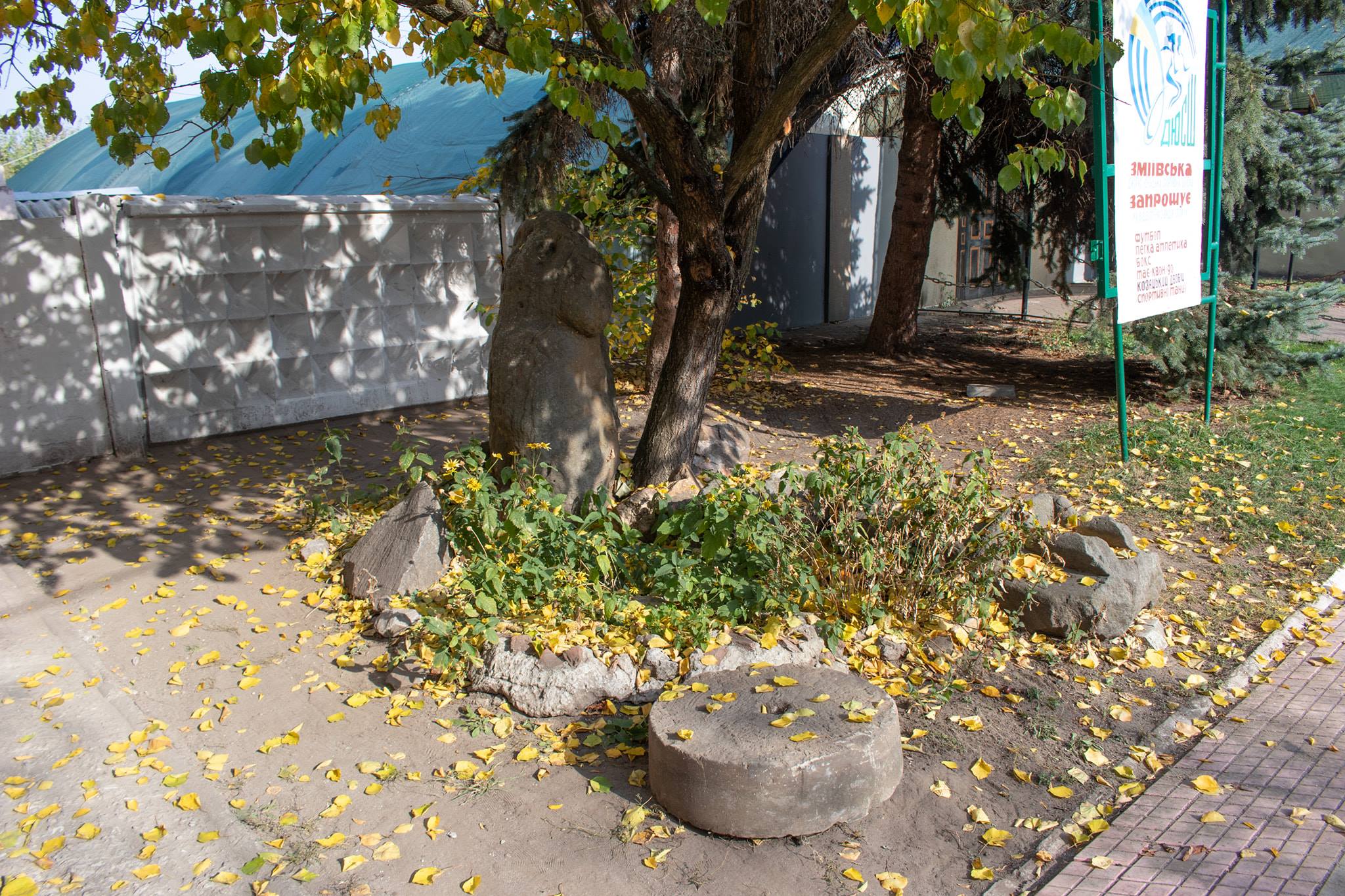
A Cuman Kurgan stelae (11–13 centuries) and ancient millstones.
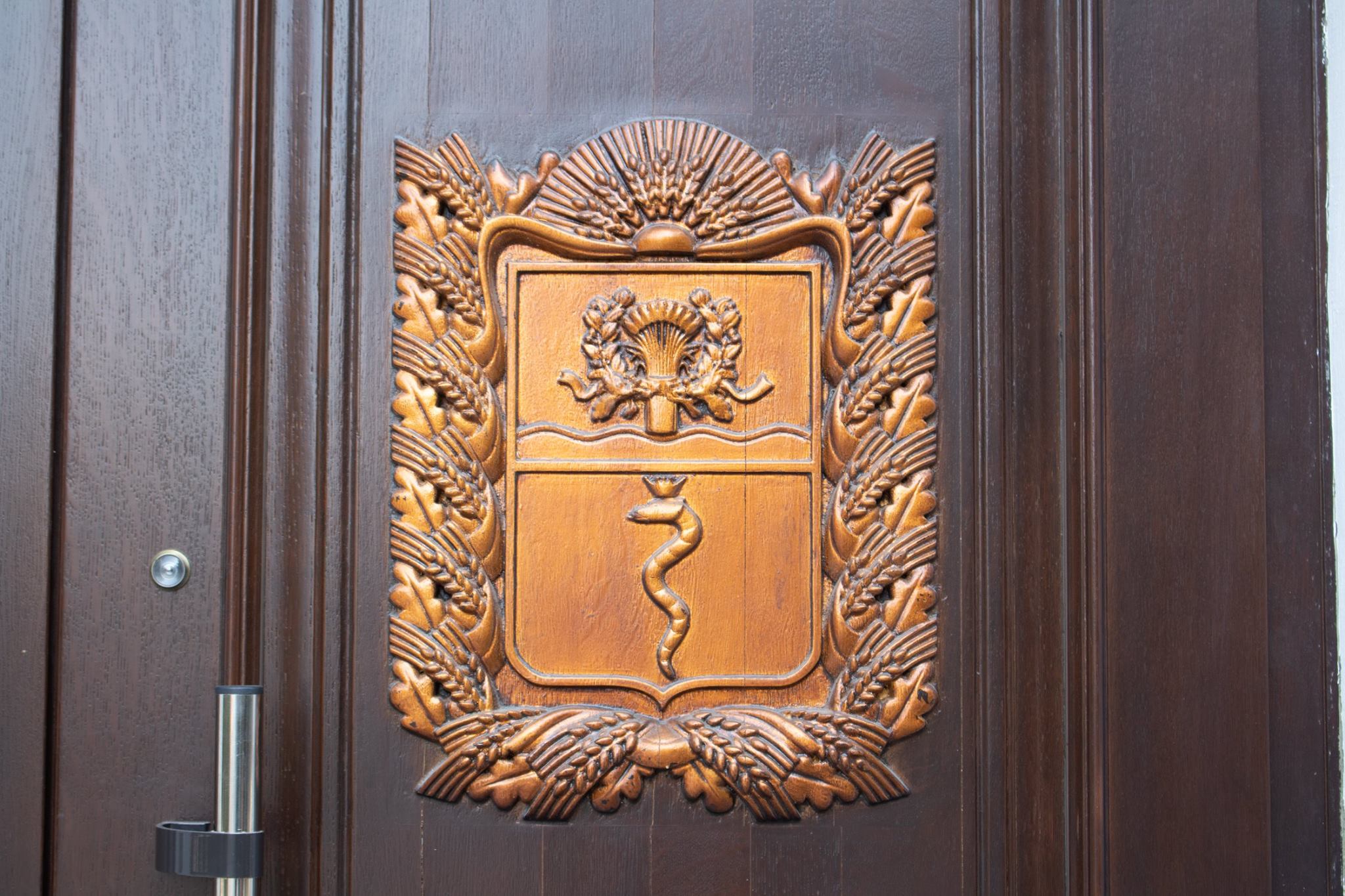
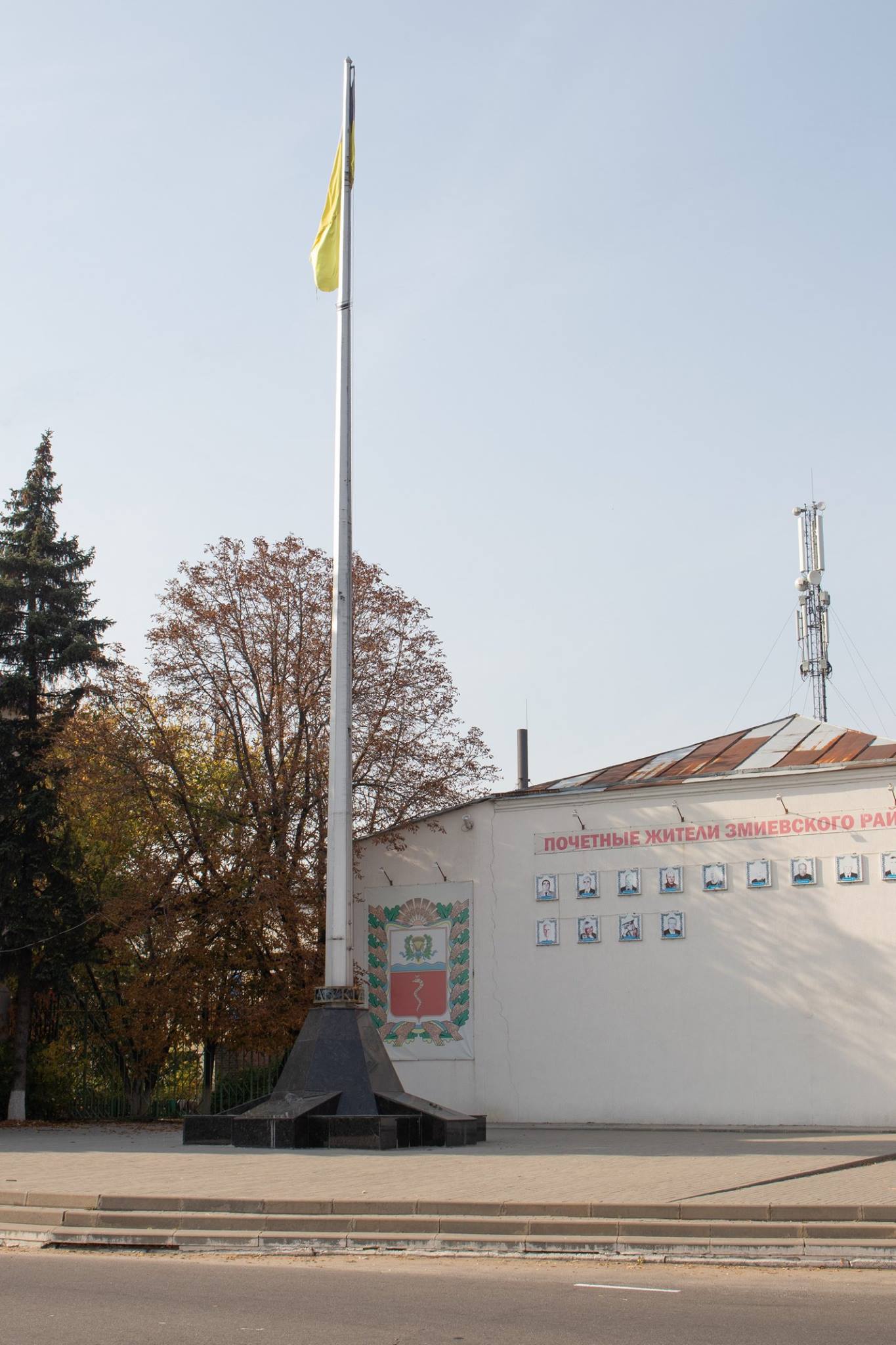
Coat of Arms of Zmiiv:
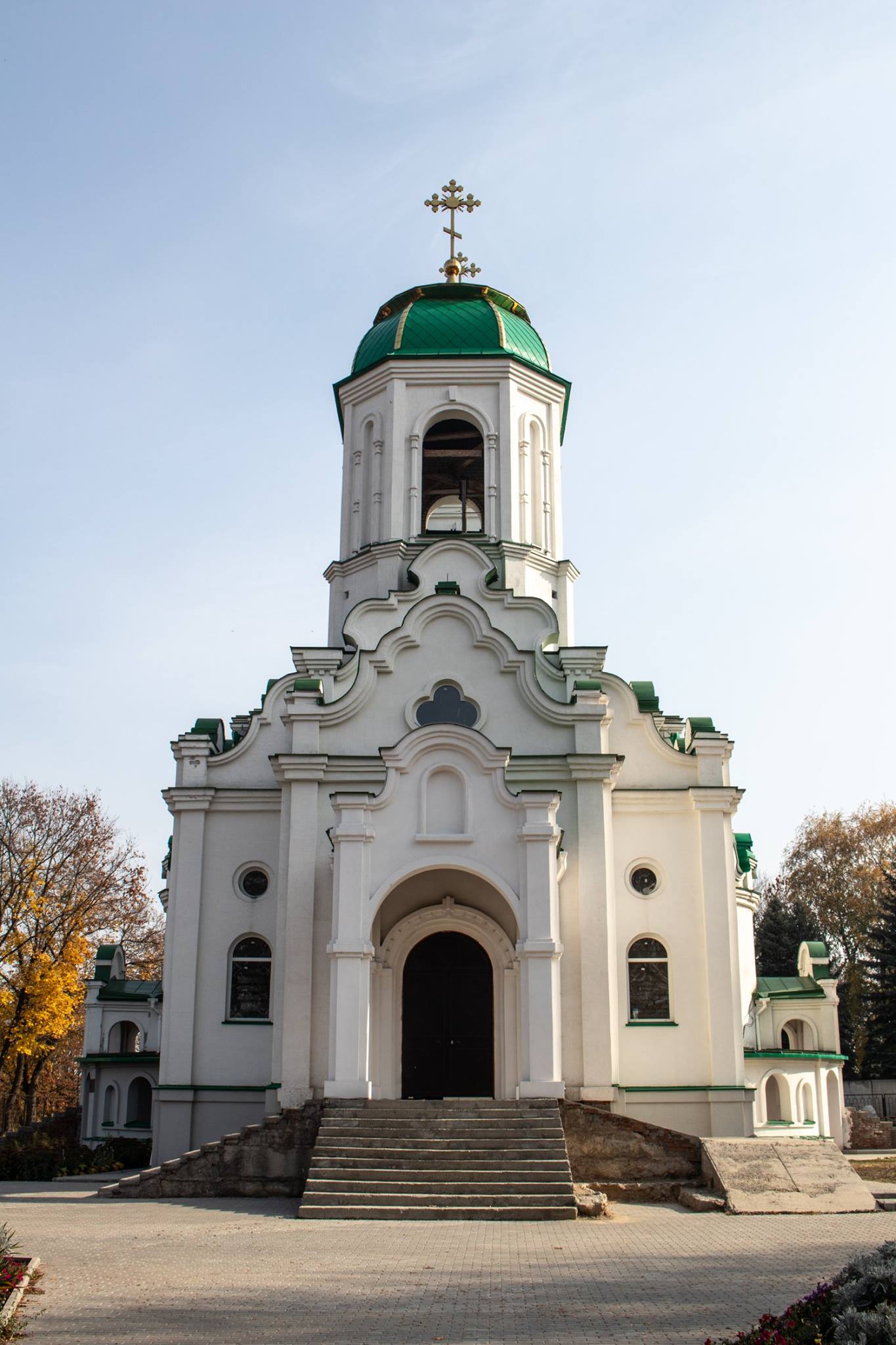
The Trinity Church was built between 2005 and 2010. None of the city’s pre-Soviet churches have survived.
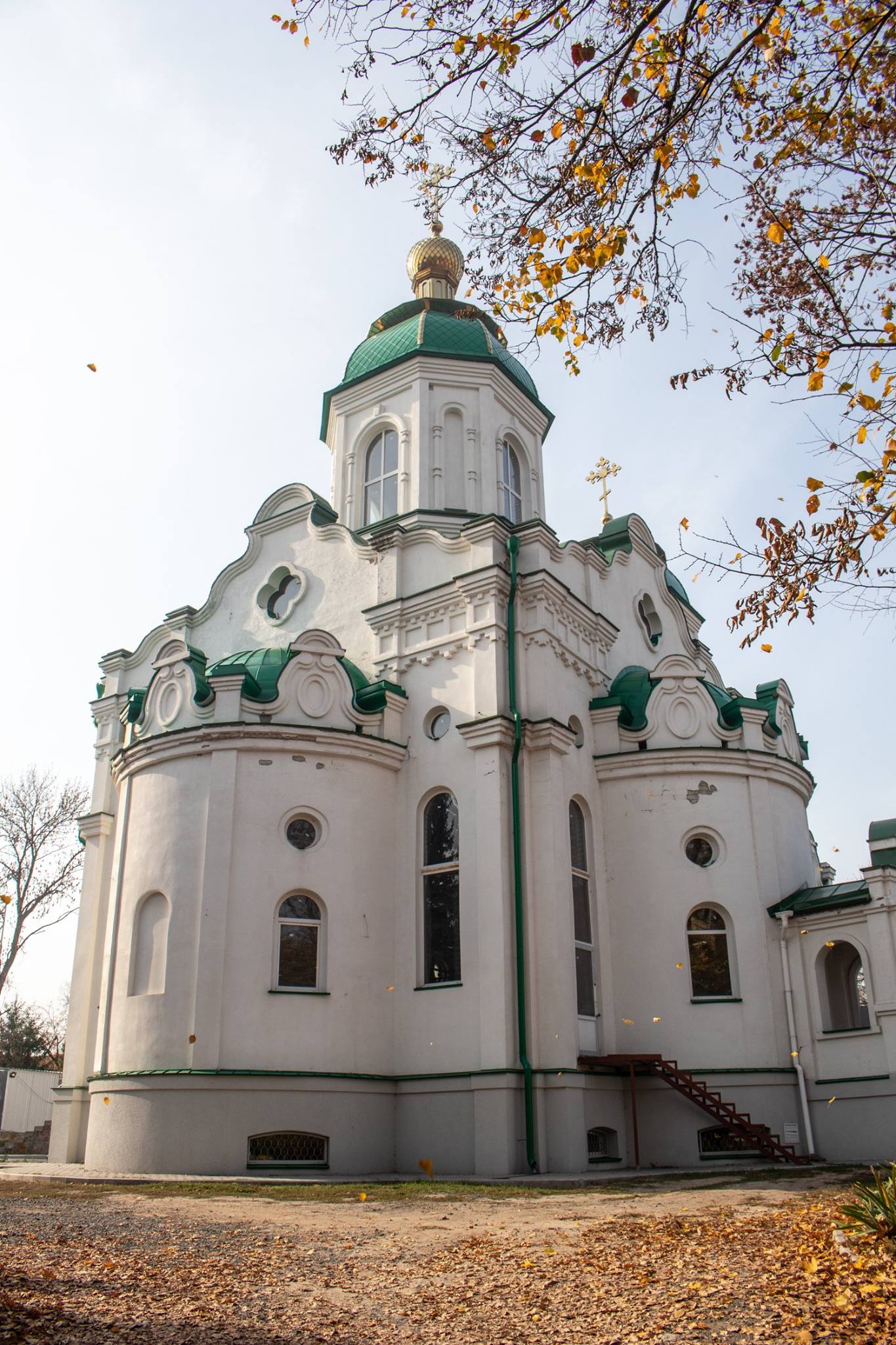
The monument to T. Shevchenko was erected in 1956.

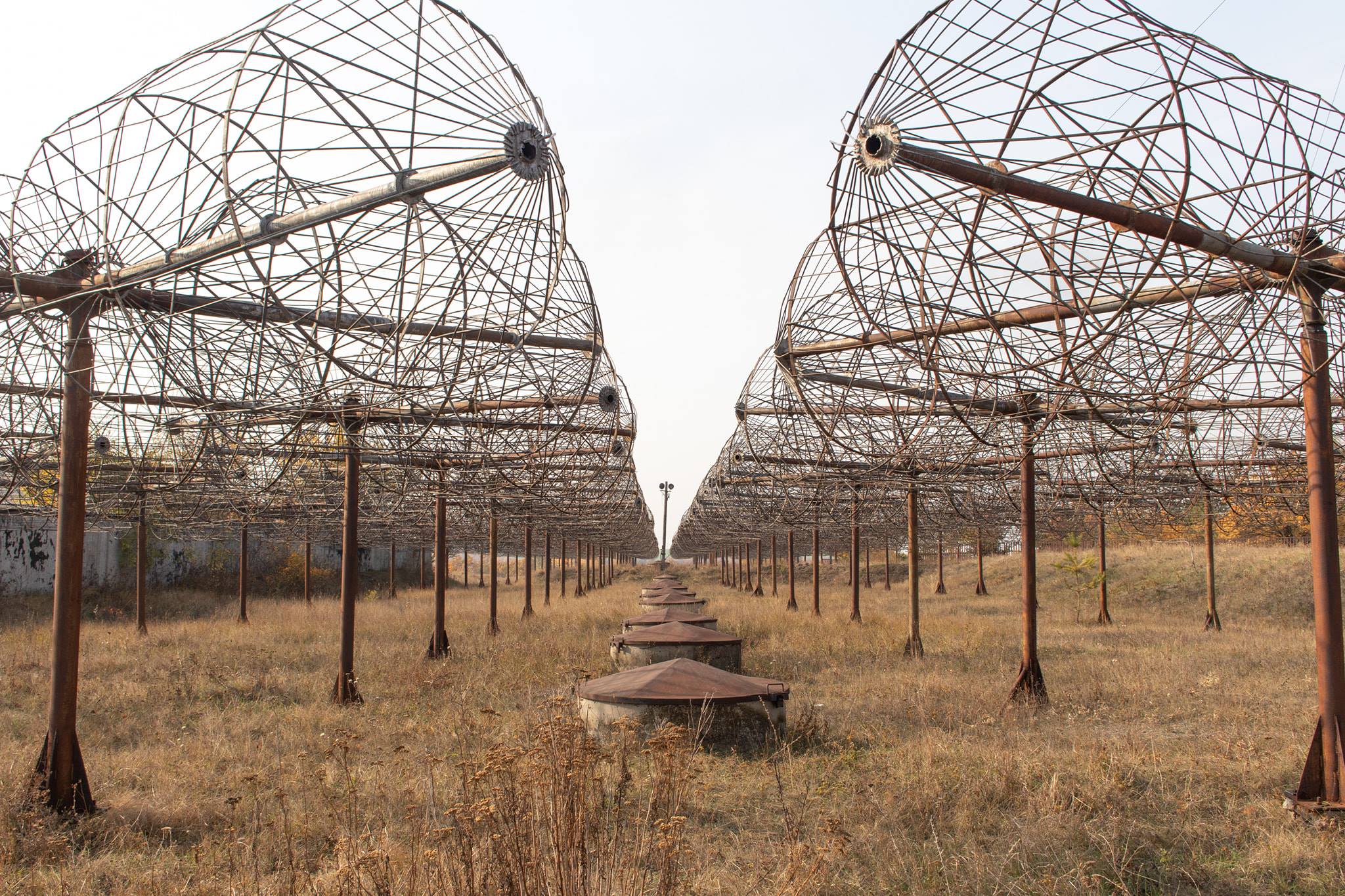
Some of Zmiiv’s most famous attractions are its radio telescopes from 1960-70s.
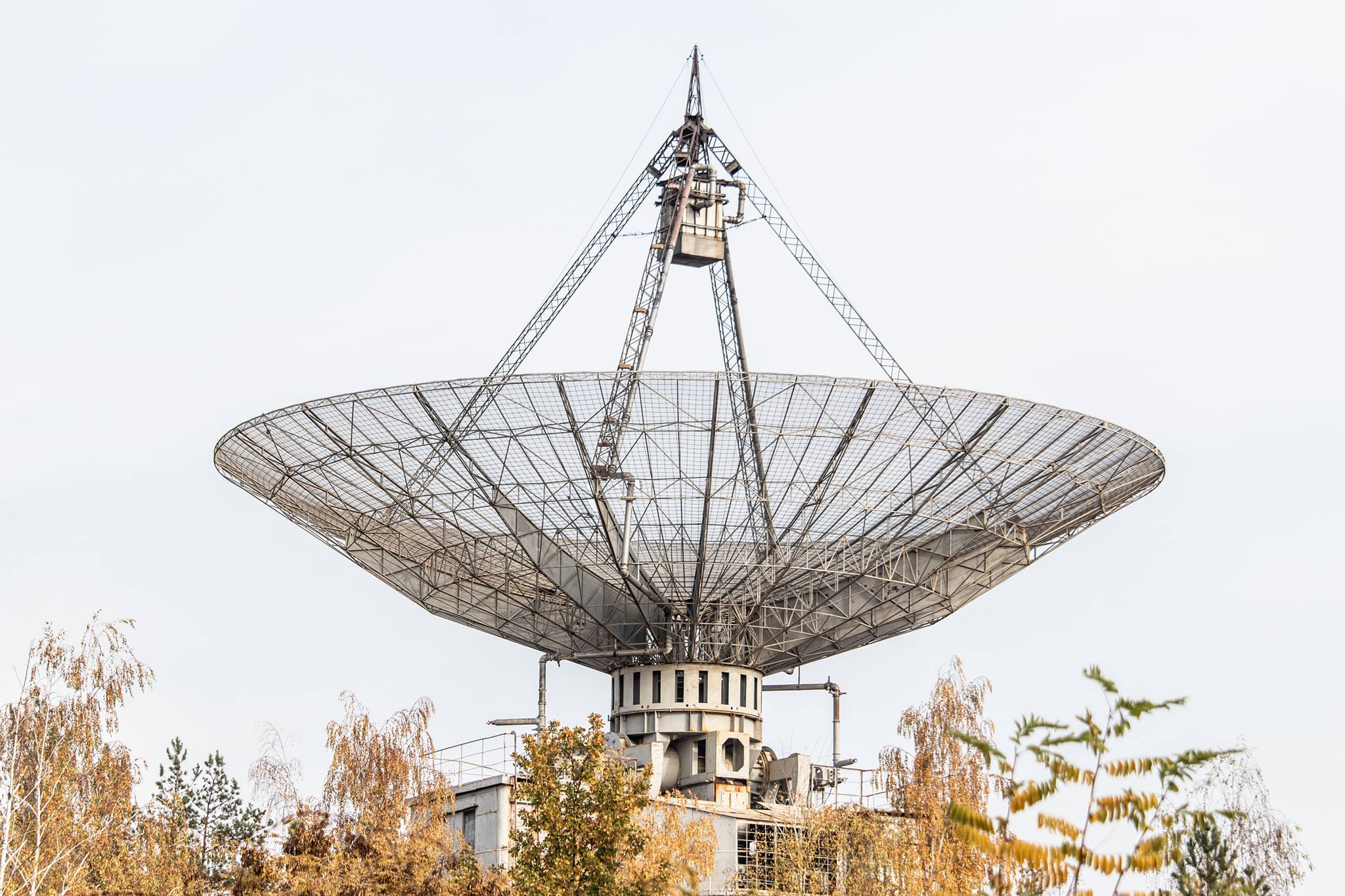
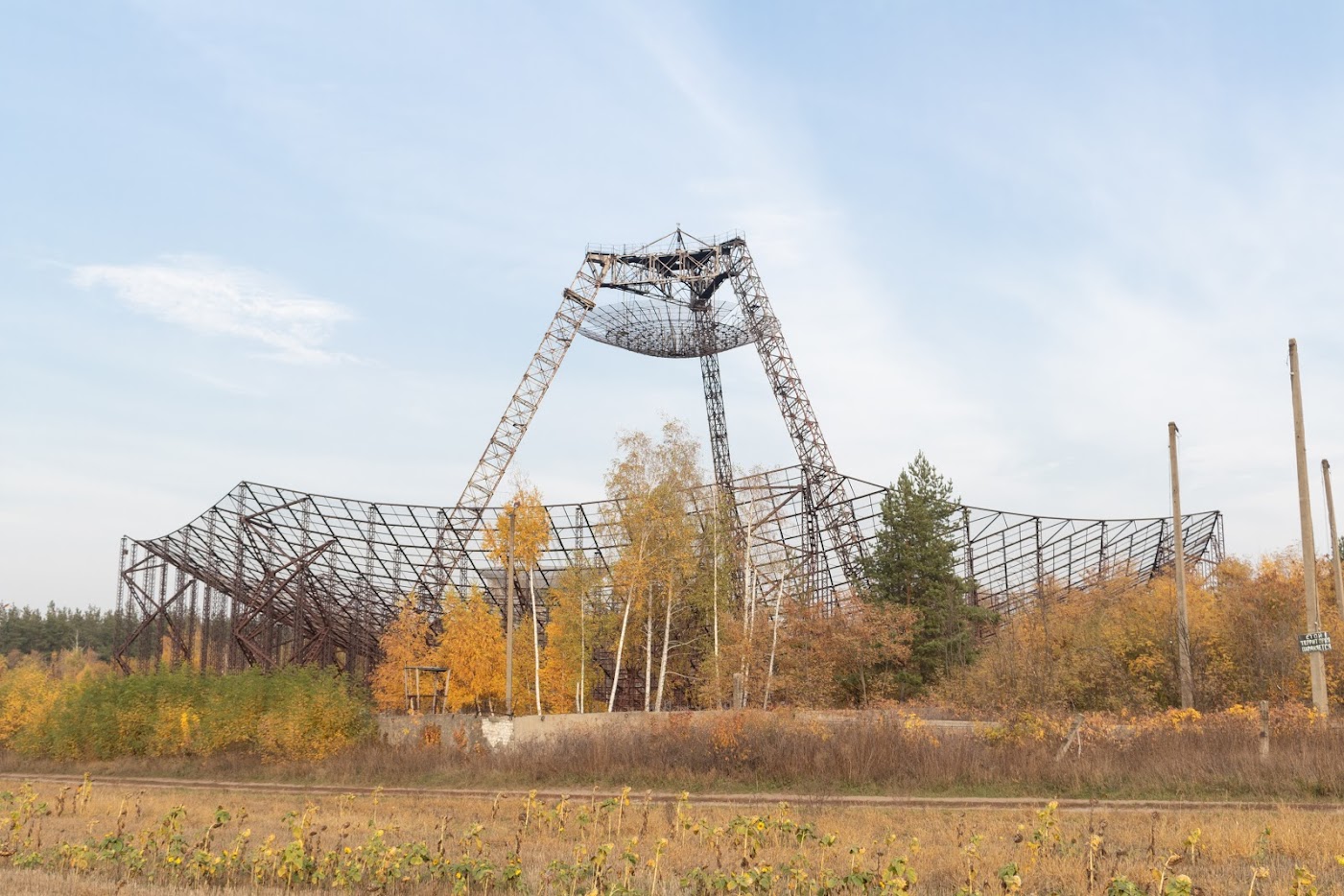
Highlights of the Institute of the Ionosphere of the National Academy of Sciences and the Ministry of Education and Science of Ukraine, located in the southwestern part of Zmiiv – A 25-meter rotating PPA-25 antenna and a stationary 100-meter NDA-100 antenna.
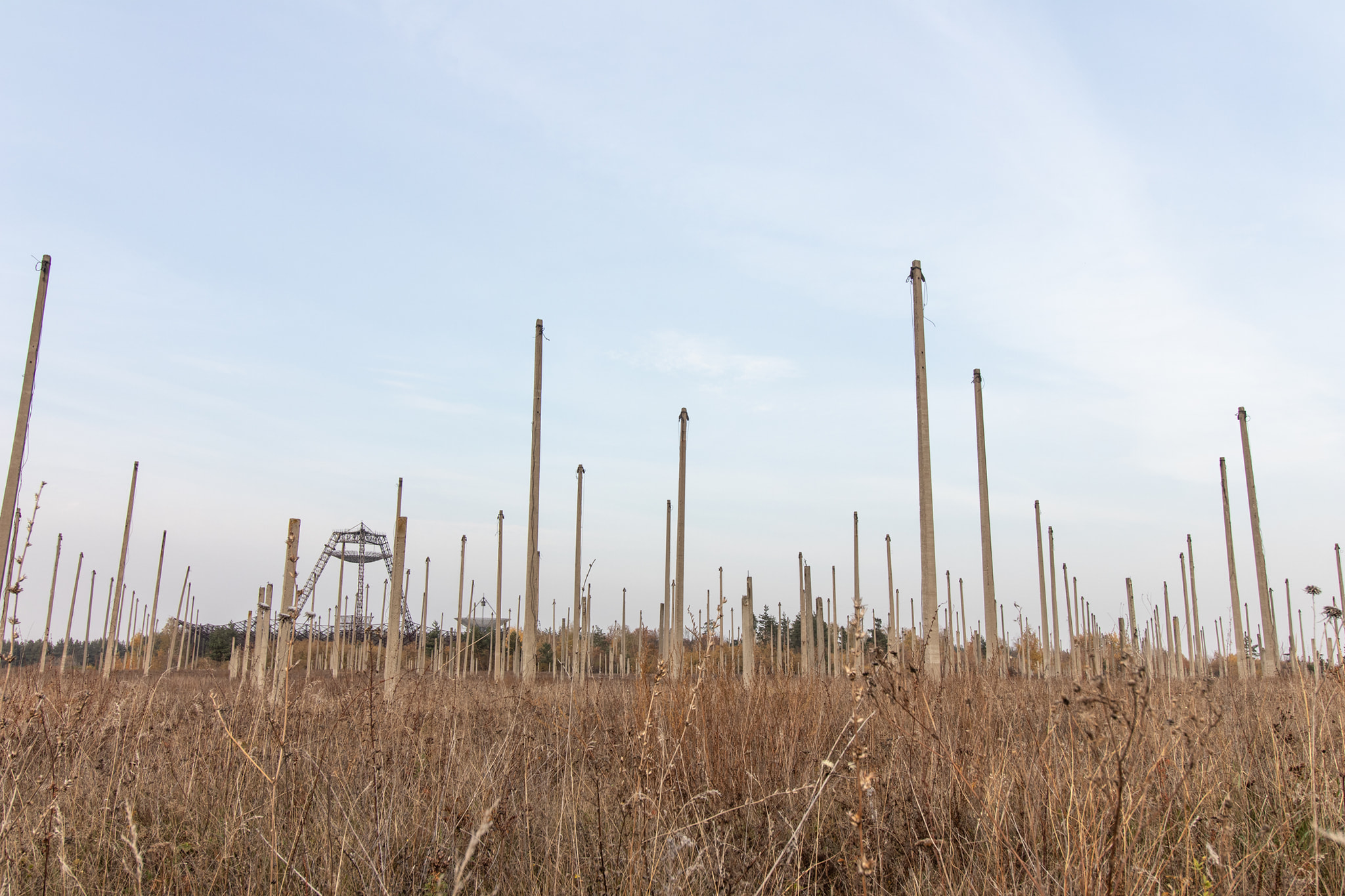
There, you can also find the remains of the “concrete scaffolding” that supported the array of emitters (this structure is no longer in use).
The URAN system (Ukrainian Radio Interferometers of the National Academy of Sciences) deserves special mention; it consists of five radio astronomy observatories located in various parts of the country (Volyn, Odesa, Poltava, and Kharkiv regions). At the heart of the system is the giant UTR-2 radio telescope near the village of Volokhiv Yar. Scientists are conducting experiments to study the ionosphere and deep space, including as part of international programs that are essential to global science.
In the southern part of the city, near the Zmiiv Cliffs, you can find the URAN-1 radio telescope, which was built to enhance the capabilities of the UTR-2; it consists of an array measuring 200 × 25 m with fixed antennas.
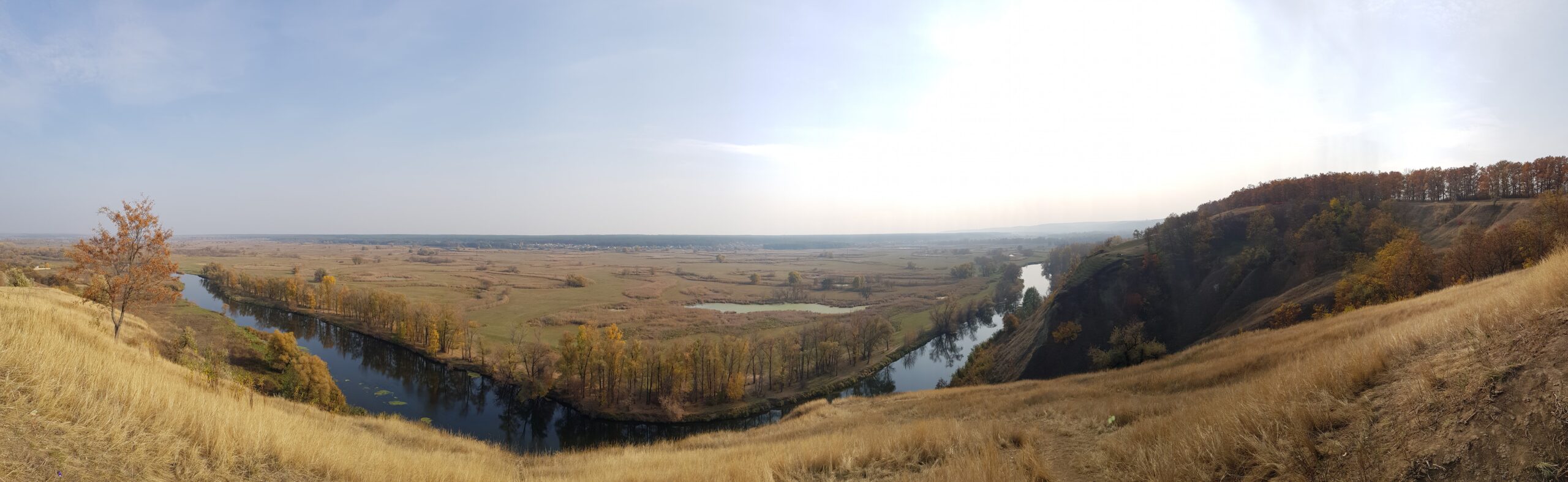
The Zmiiv Cliffs are one of the favorite recreational spots for residents of Zmiiv and Kharkiv, offering excellent panoramic views of the Seversky Donets River.

- The Architectural Evolution of the Kharkiv Theater - 26.09.2026
- 1st Kharkiv Gymnasium - 17.09.2026
- The Oldest Movie Theater in Ukraine - 24.08.2026