This picturesque town, founded in 1638 on the site of a forgotten settlement from the era of Kievan Rus’, has preserved numerous architectural landmarks from the first half of the 19th century. At that time, Chuhuiv became the center of eight districts of military settlements and underwent rapid development.

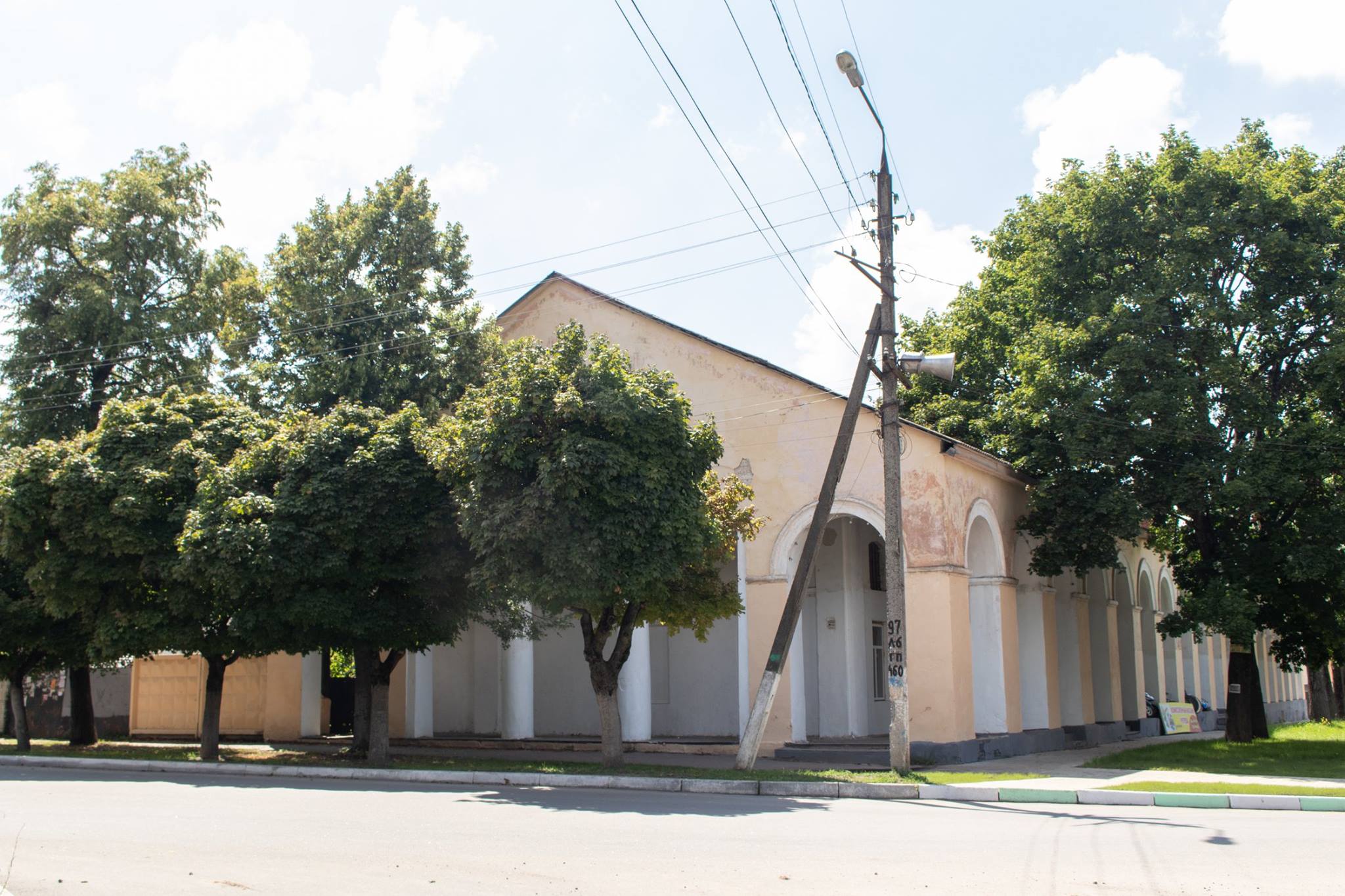
The shopping arcades were built in 1835 according to a design by architect Vasily Stasov.
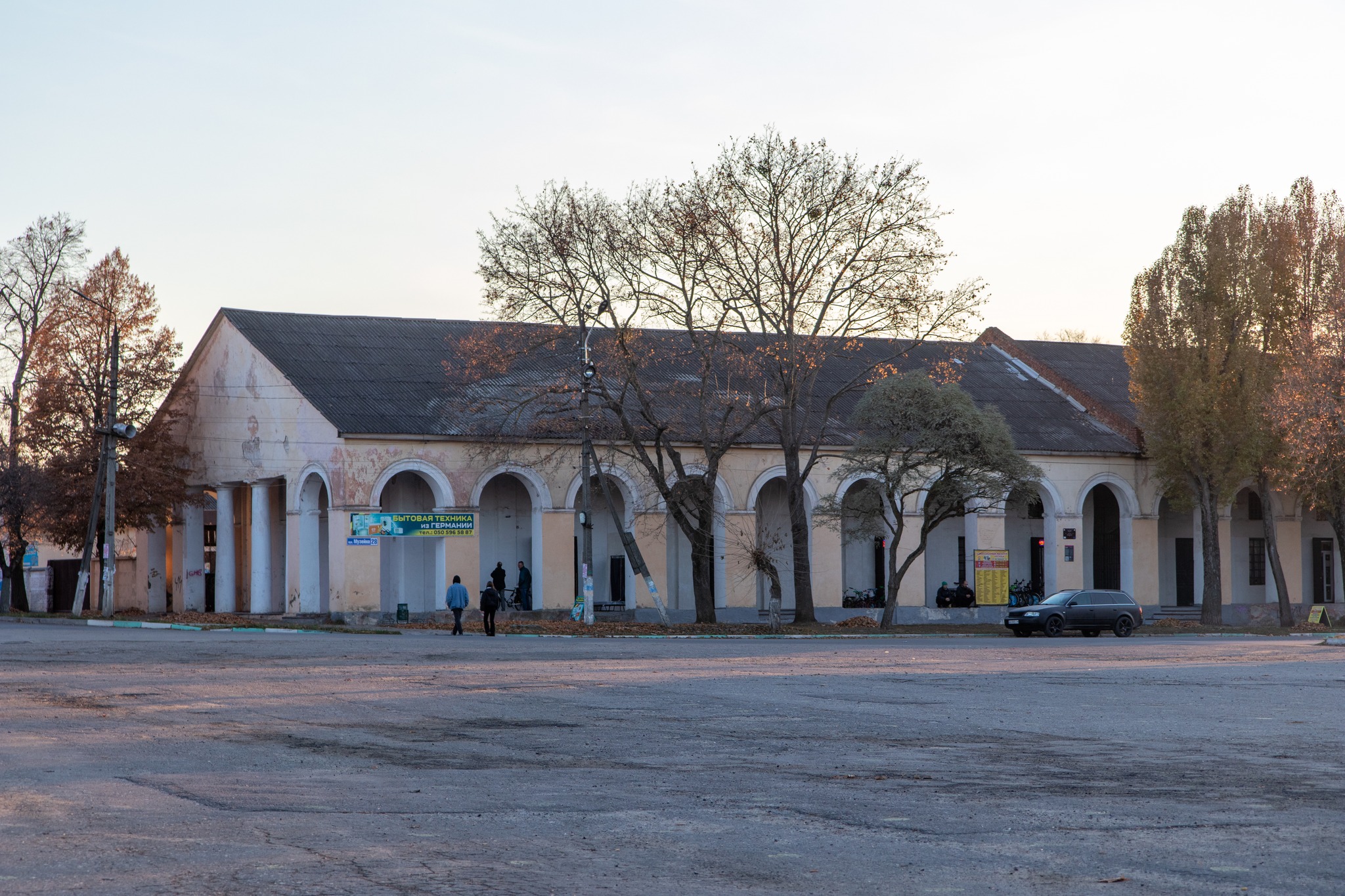
The buildings are located on the city’s central square, which was called Palace Square in the 19th century and Cathedral Square in the early 20th century. The current address is Muzeyna Street, 25; the site now houses warehouses as well as a few shops.
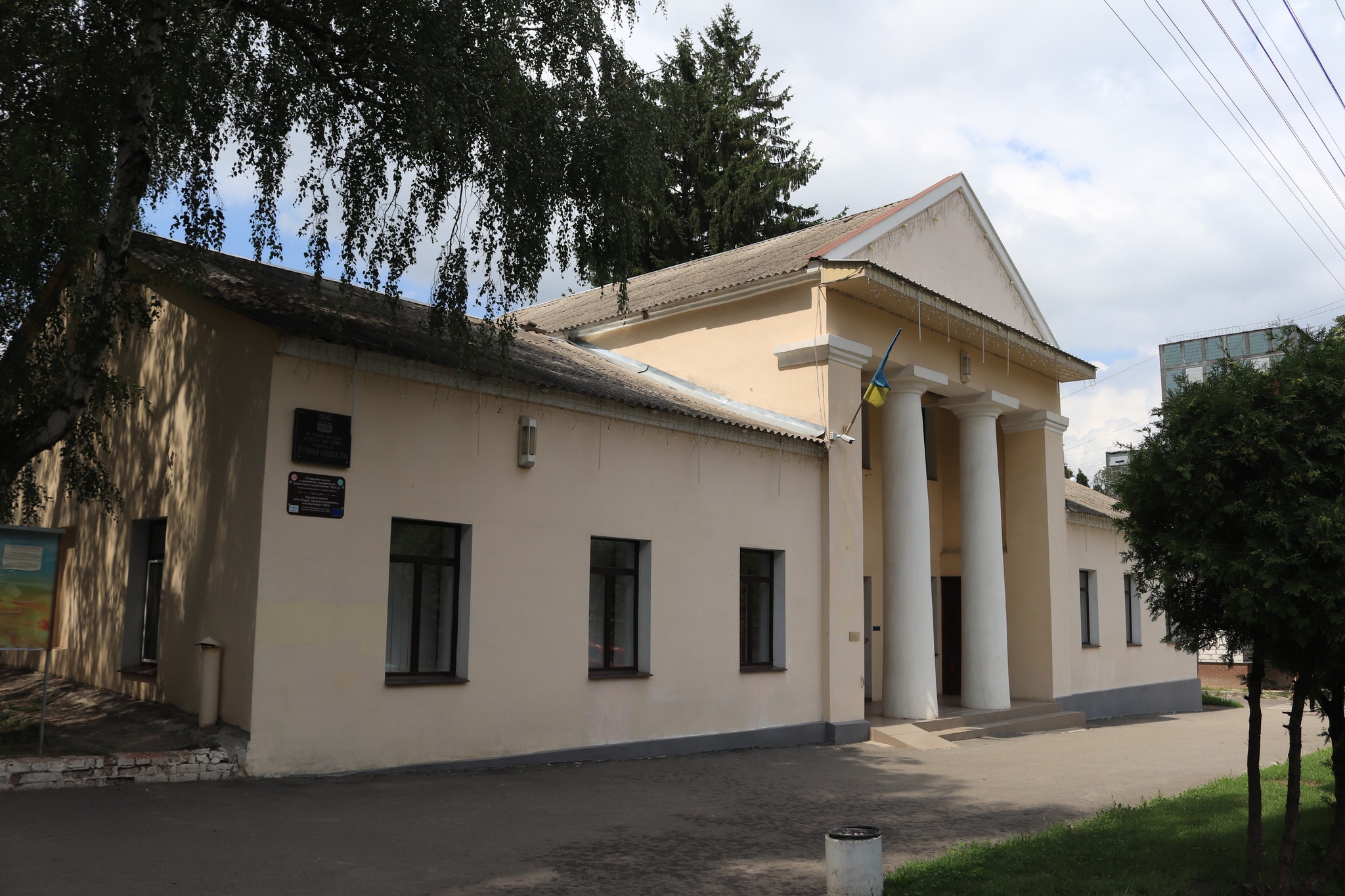
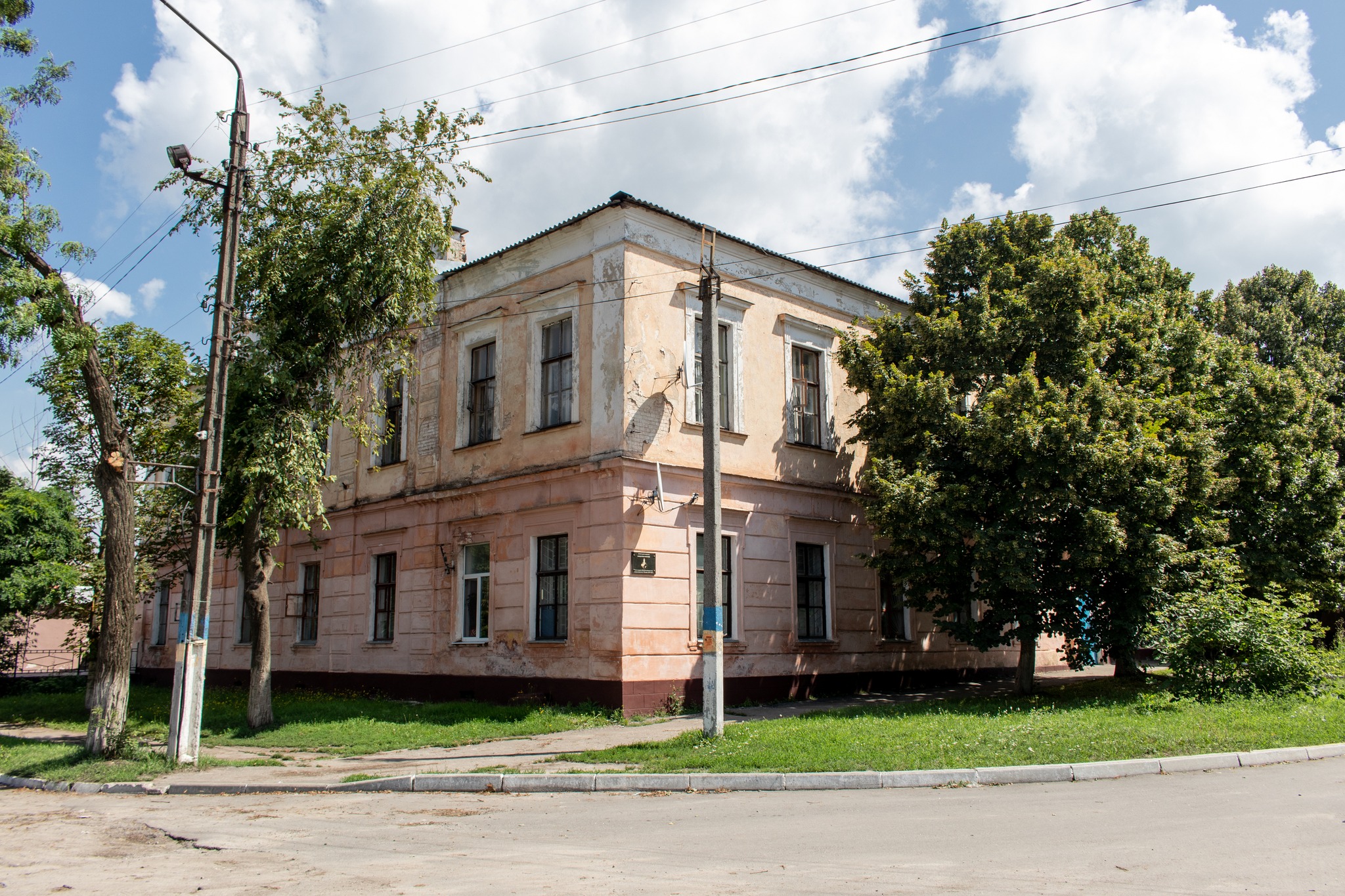
At Kharkivs’ka Street, 112 stands a neoclassical-style building constructed in 1826.
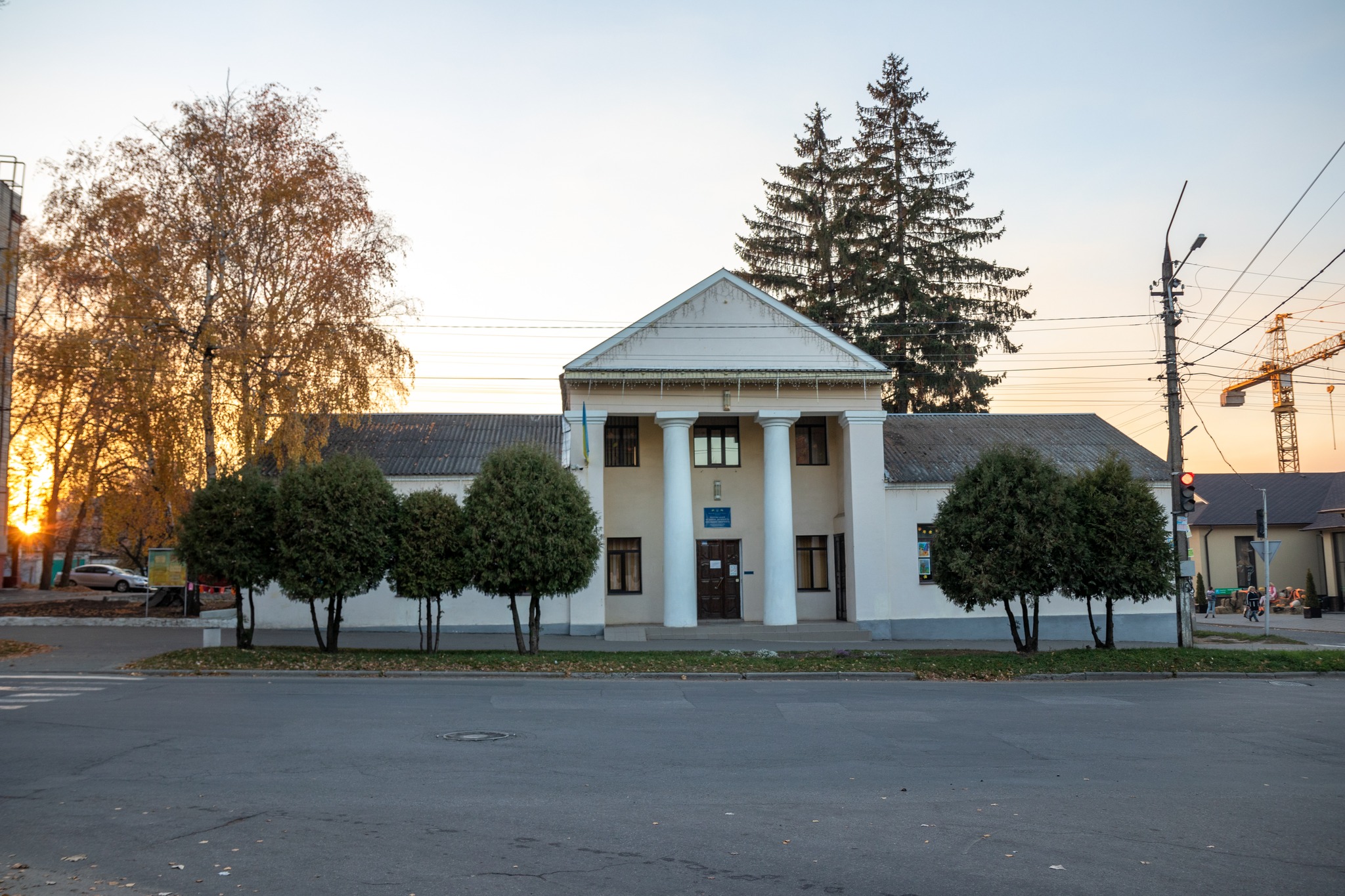
Today it is the Center for Children’s and Youth Creativity, but it originally housed a squadron school, a chapel, a squadron committee, and a workshop.
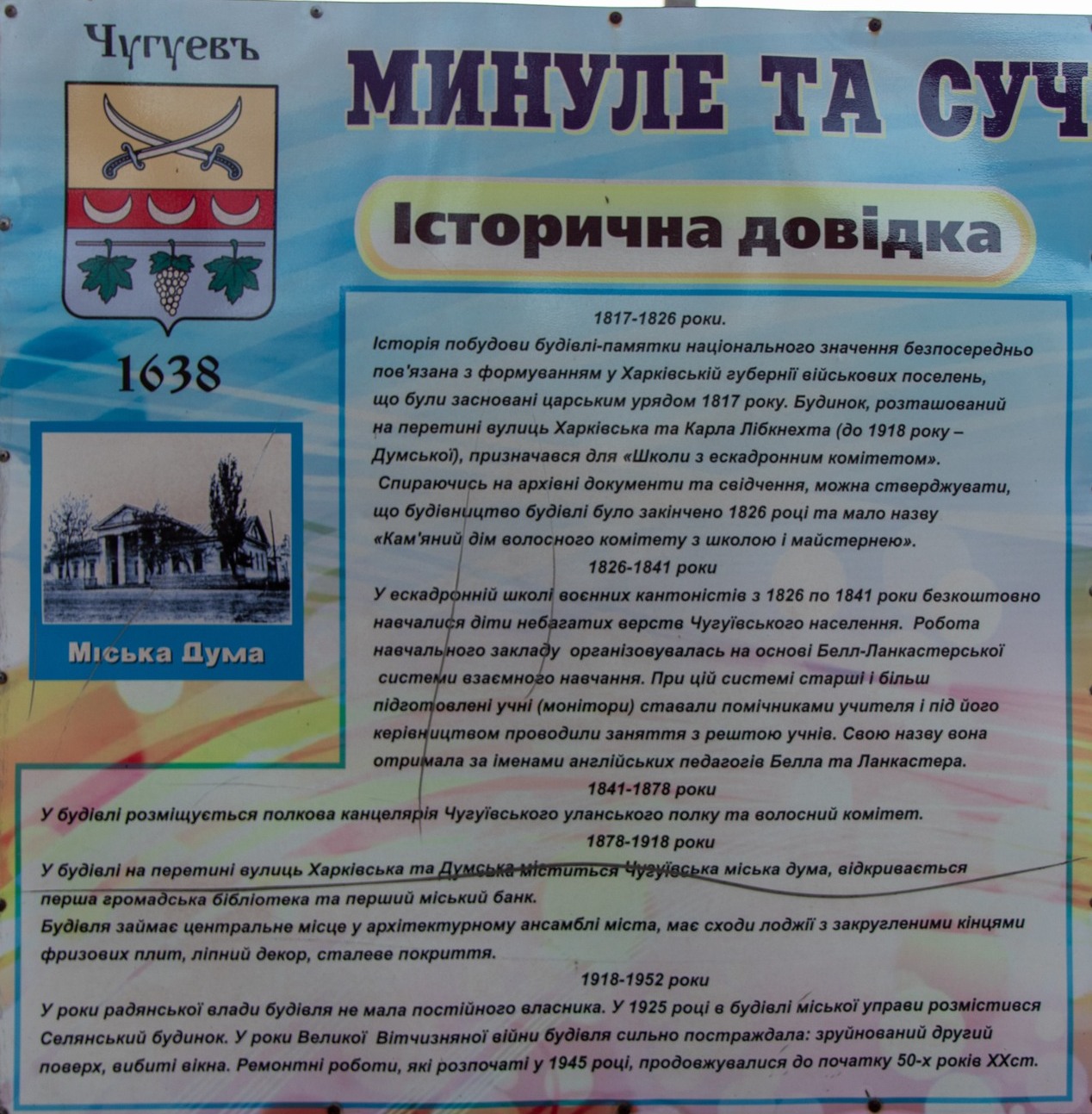
From 1873 to 1918, the building served as the seat of the Chuhuiv City Council.
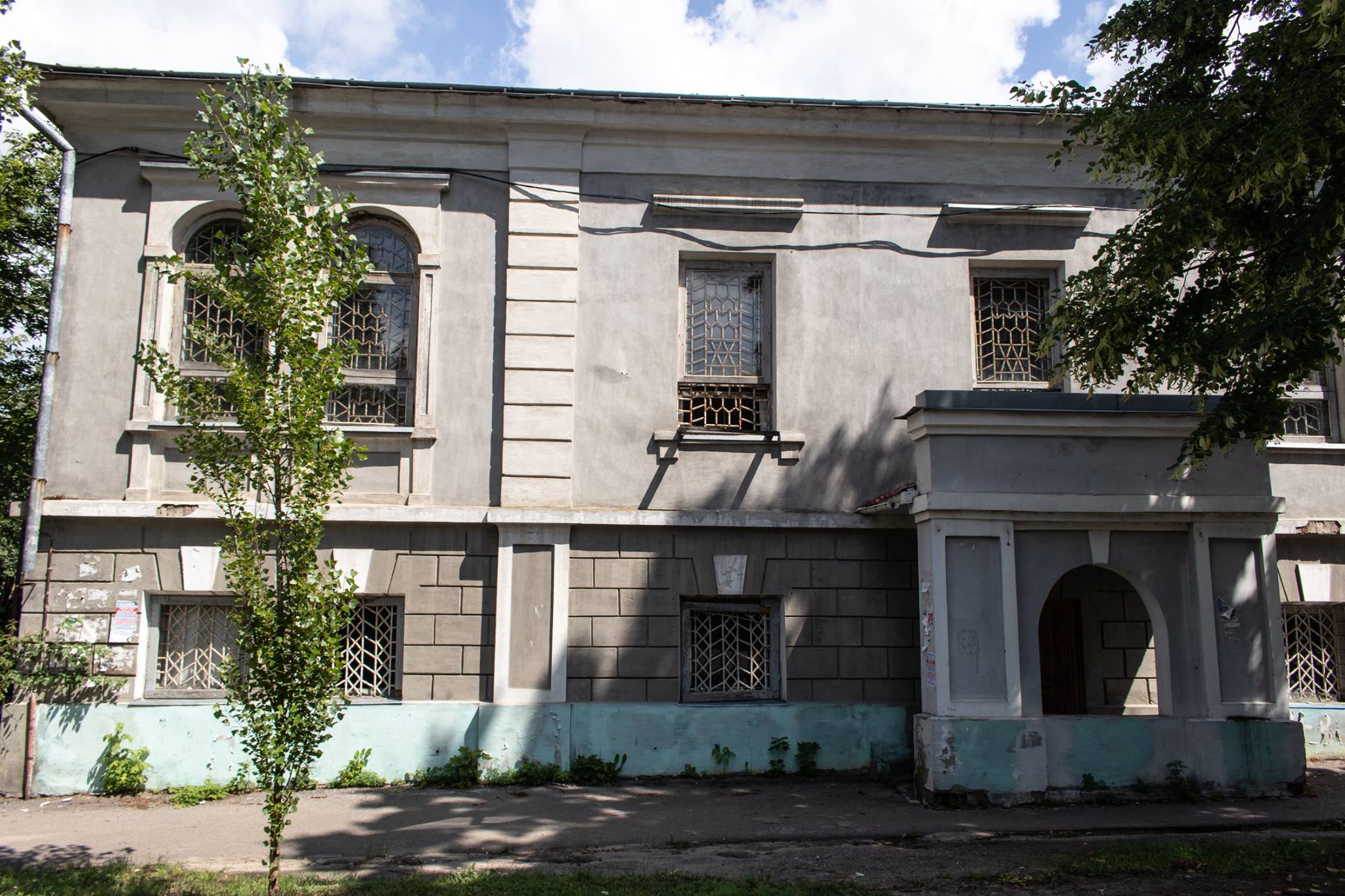
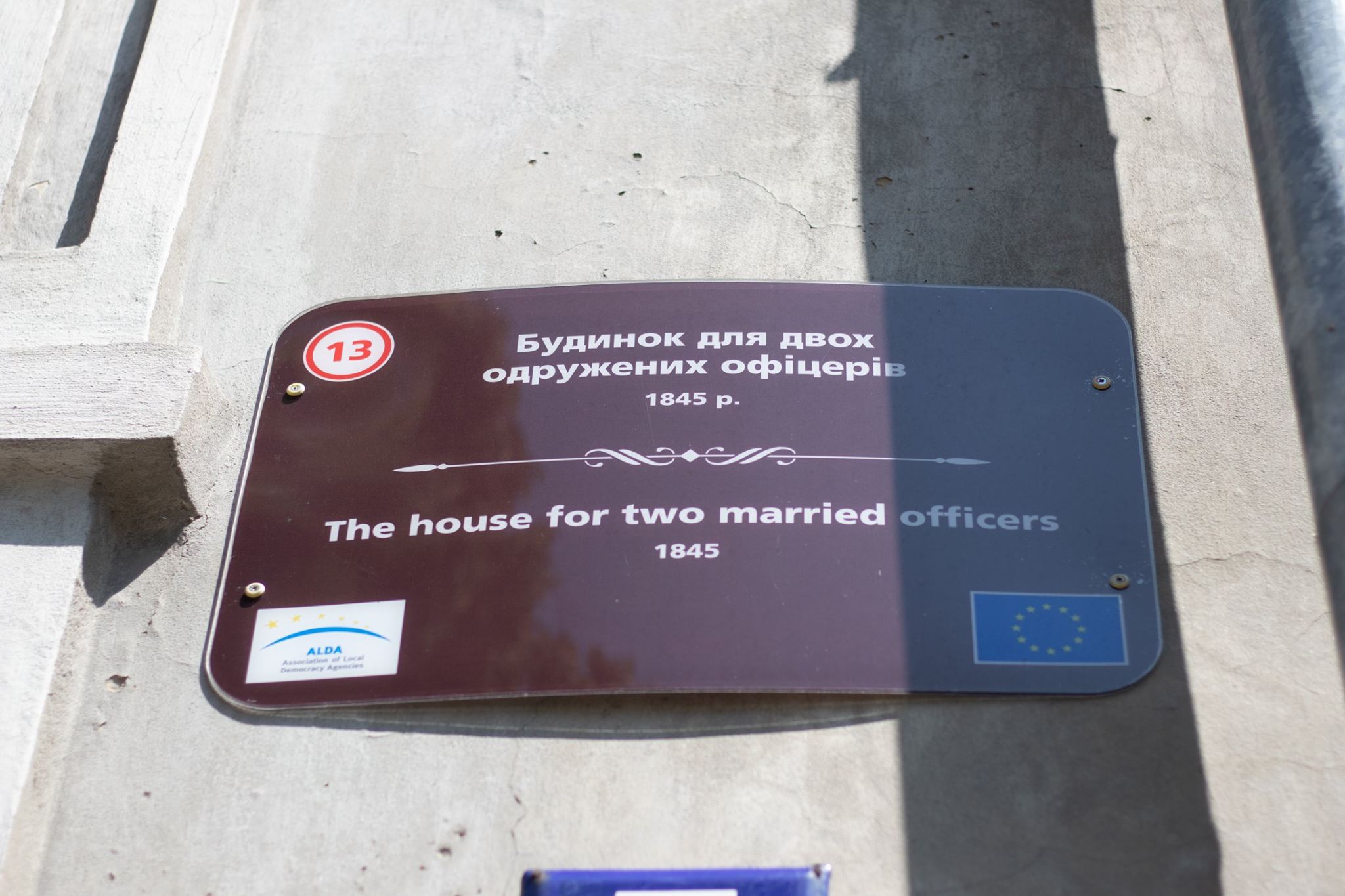
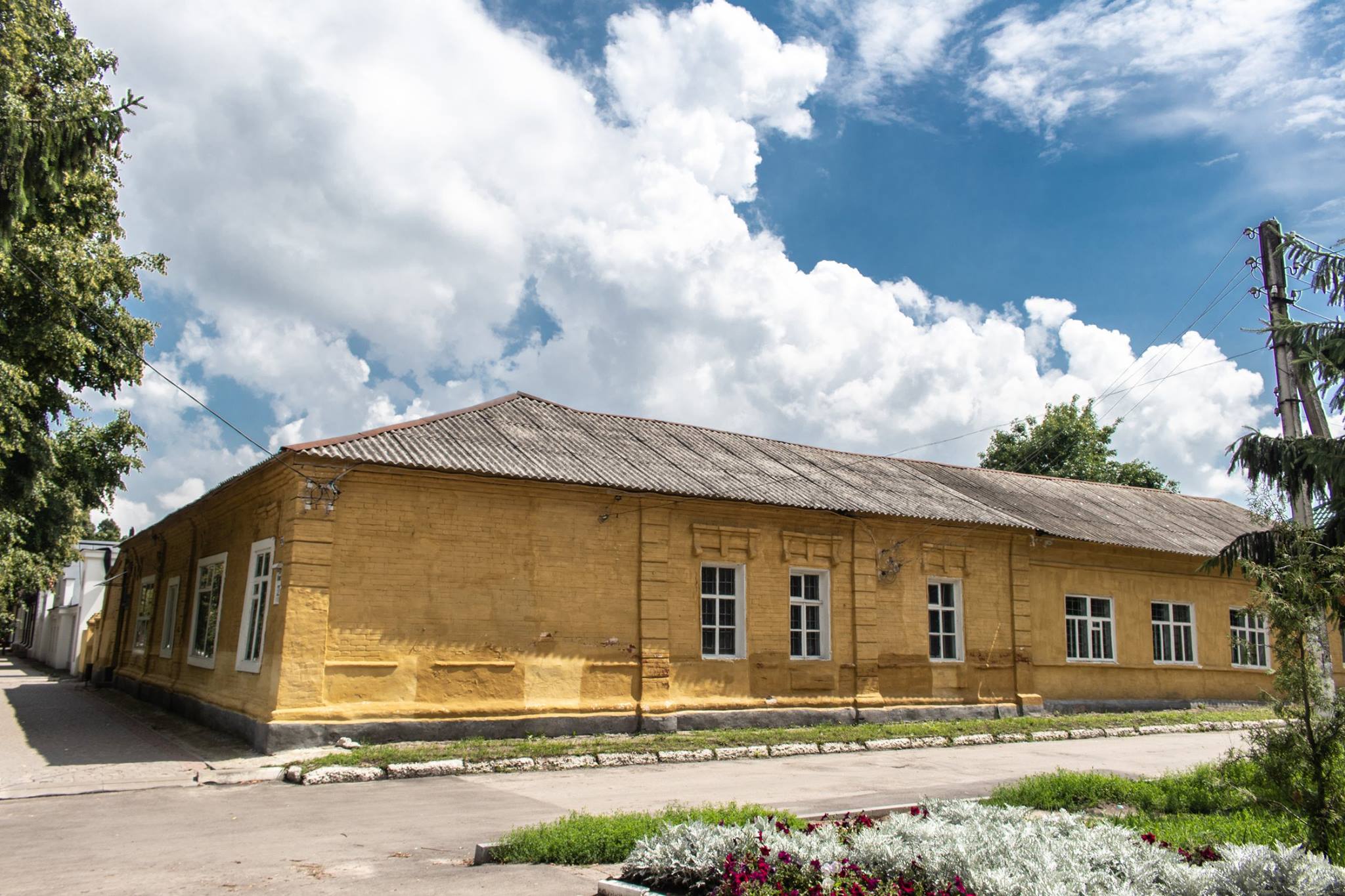
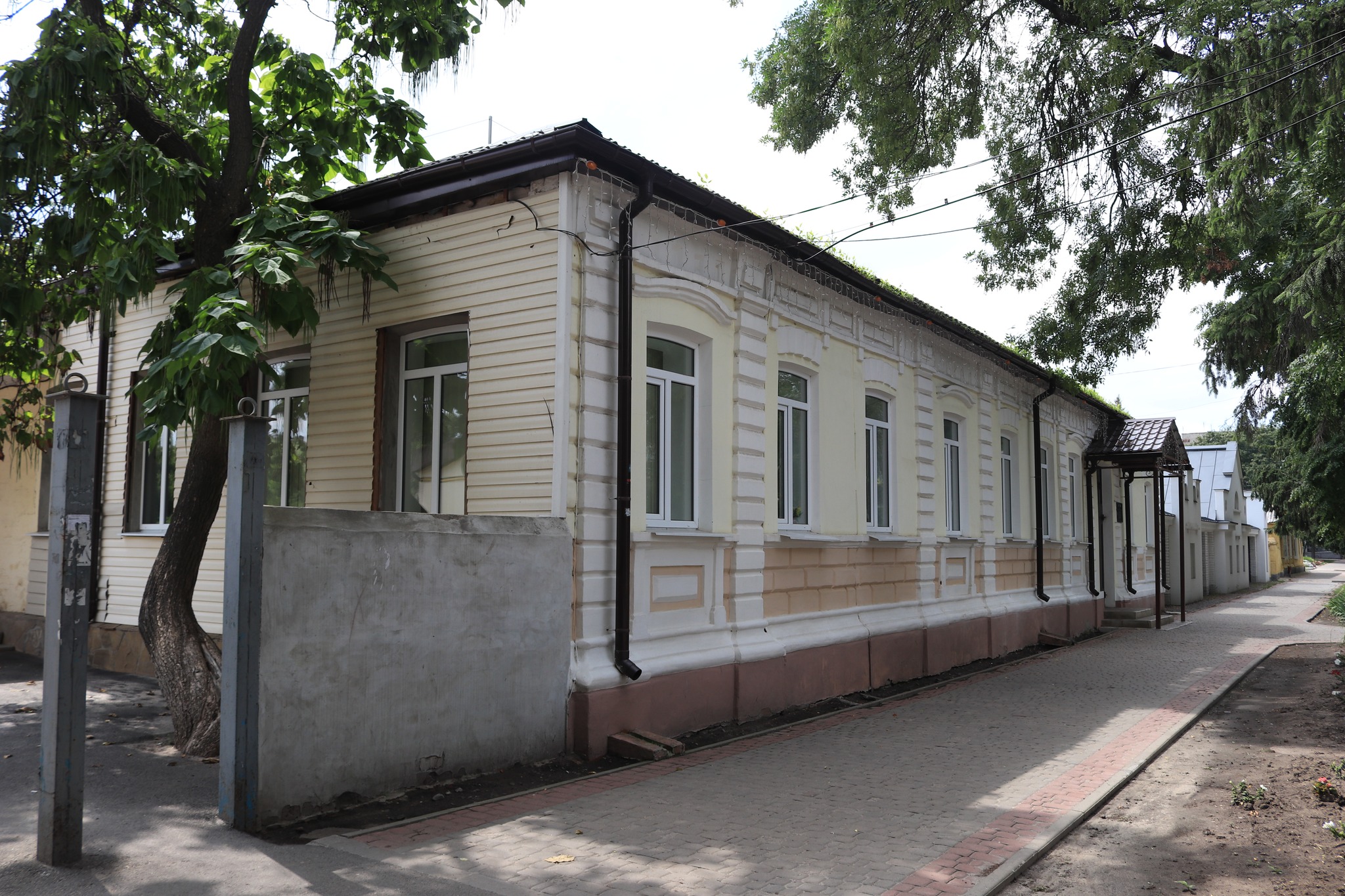
A house for two married officers’ families, built in 1845:
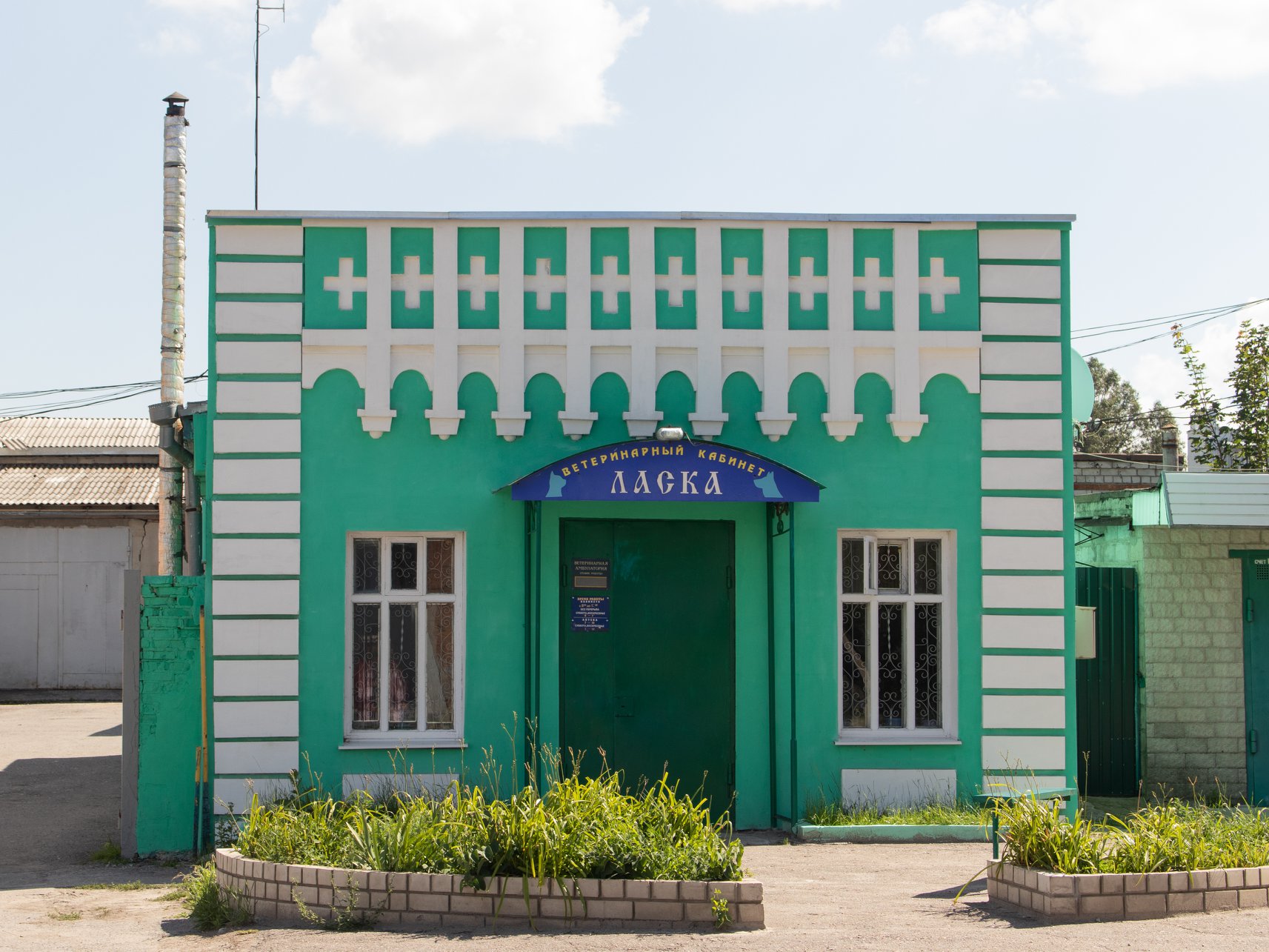
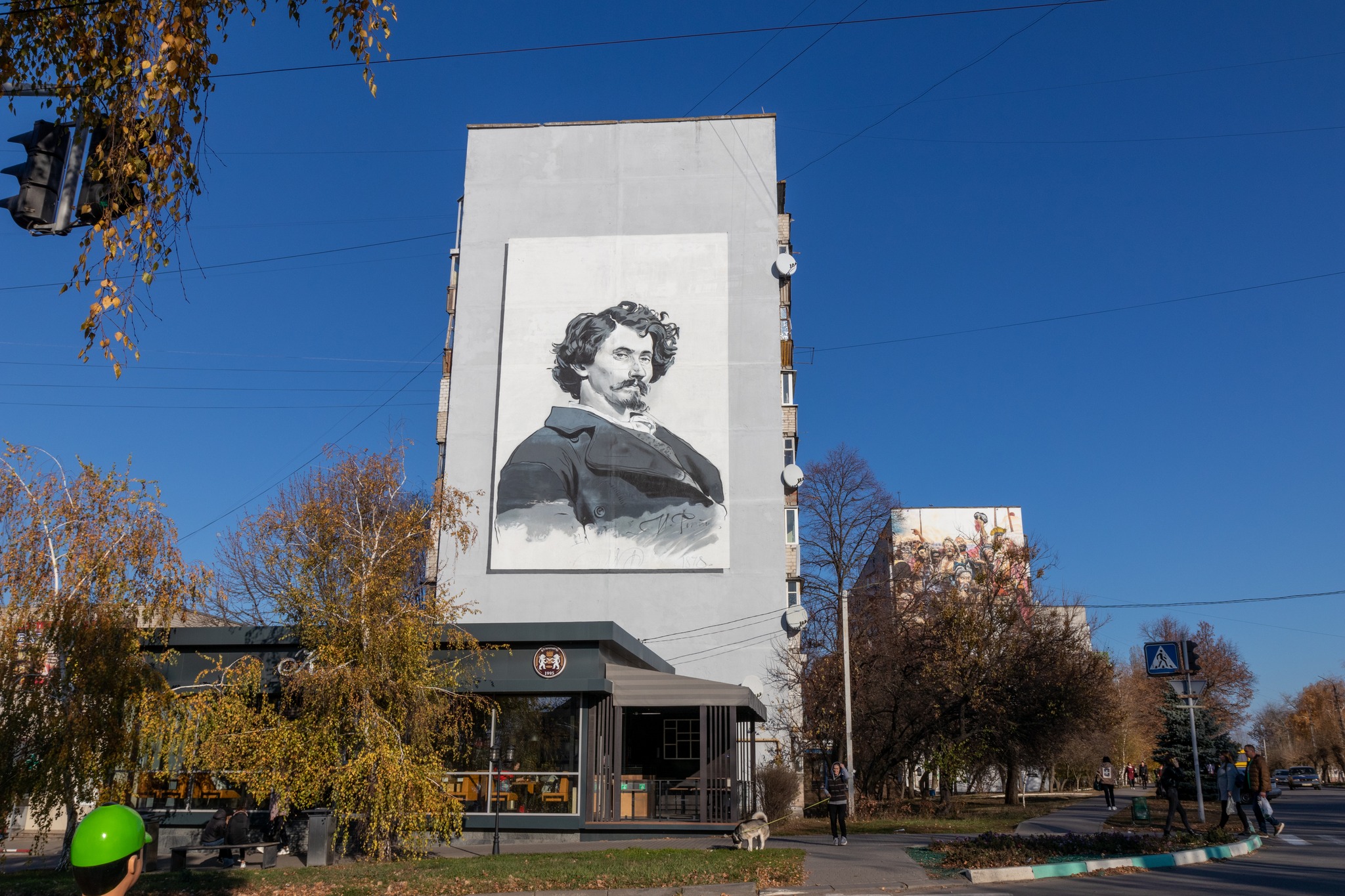
Among the city’s newest attractions related to its history, two murals by the Kailas-V on Muzeina Street are particularly worth noting.
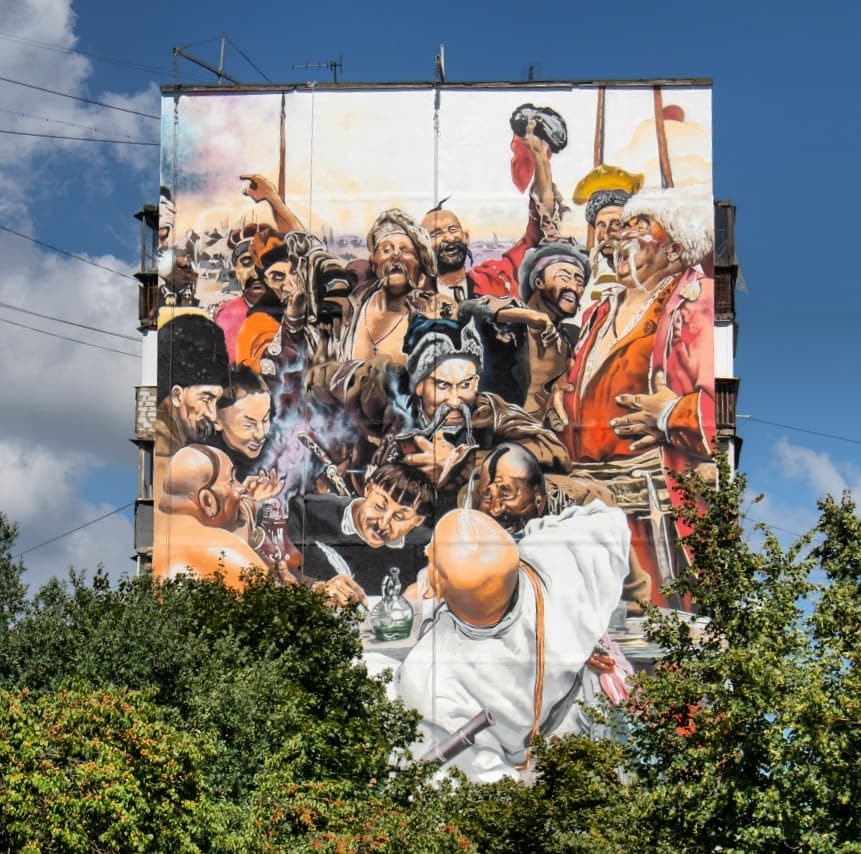
These are reproductions of Illya Repin’s painting *Reply of the Zaporozhian Cossacks* and his self-portrait, which are displayed on the walls of the 9-story buildings across from the artist’s house-museum.
Repin’s house-museum has recently been renovated, so if it’s been a while since you were last here, it’s worth stopping by again.
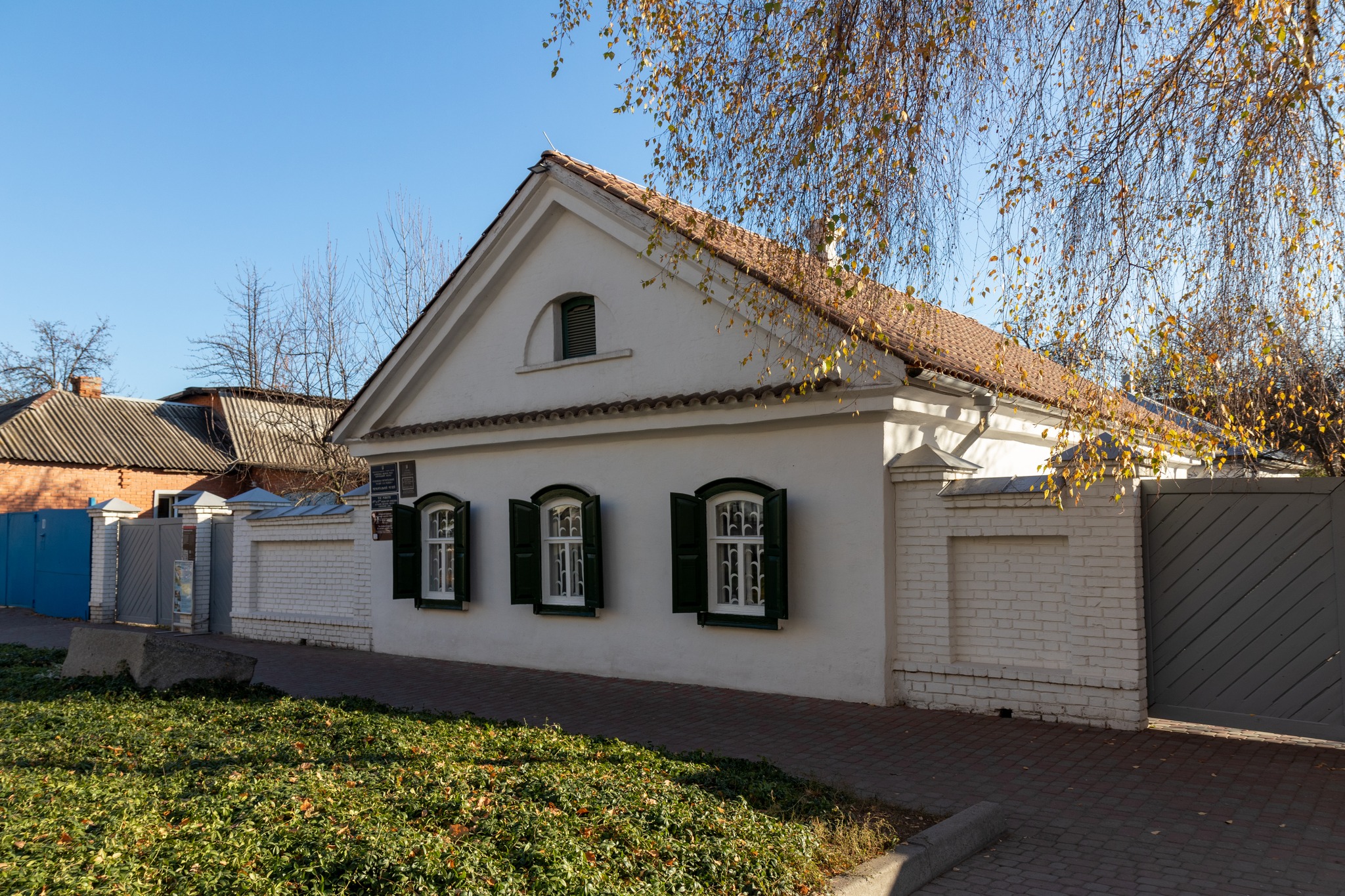
Repin lived and worked at this estate, where his parents lived, from 1876 to 1877. He visited his parents there on numerous occasions during the 1870s and 1890s.
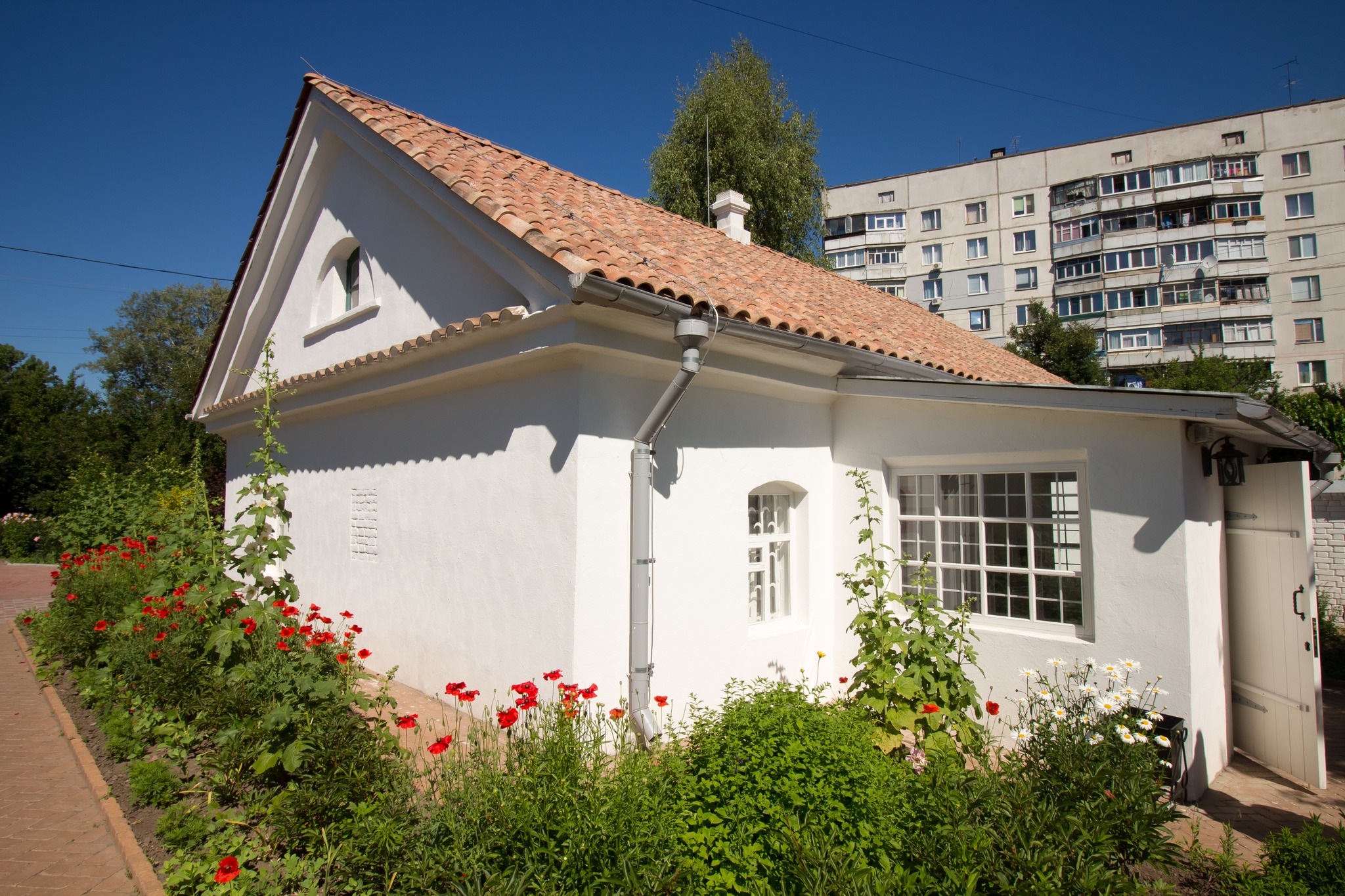
The Historical and Memorial Museum, located at Muzeina Street, 8, opened in 1969.
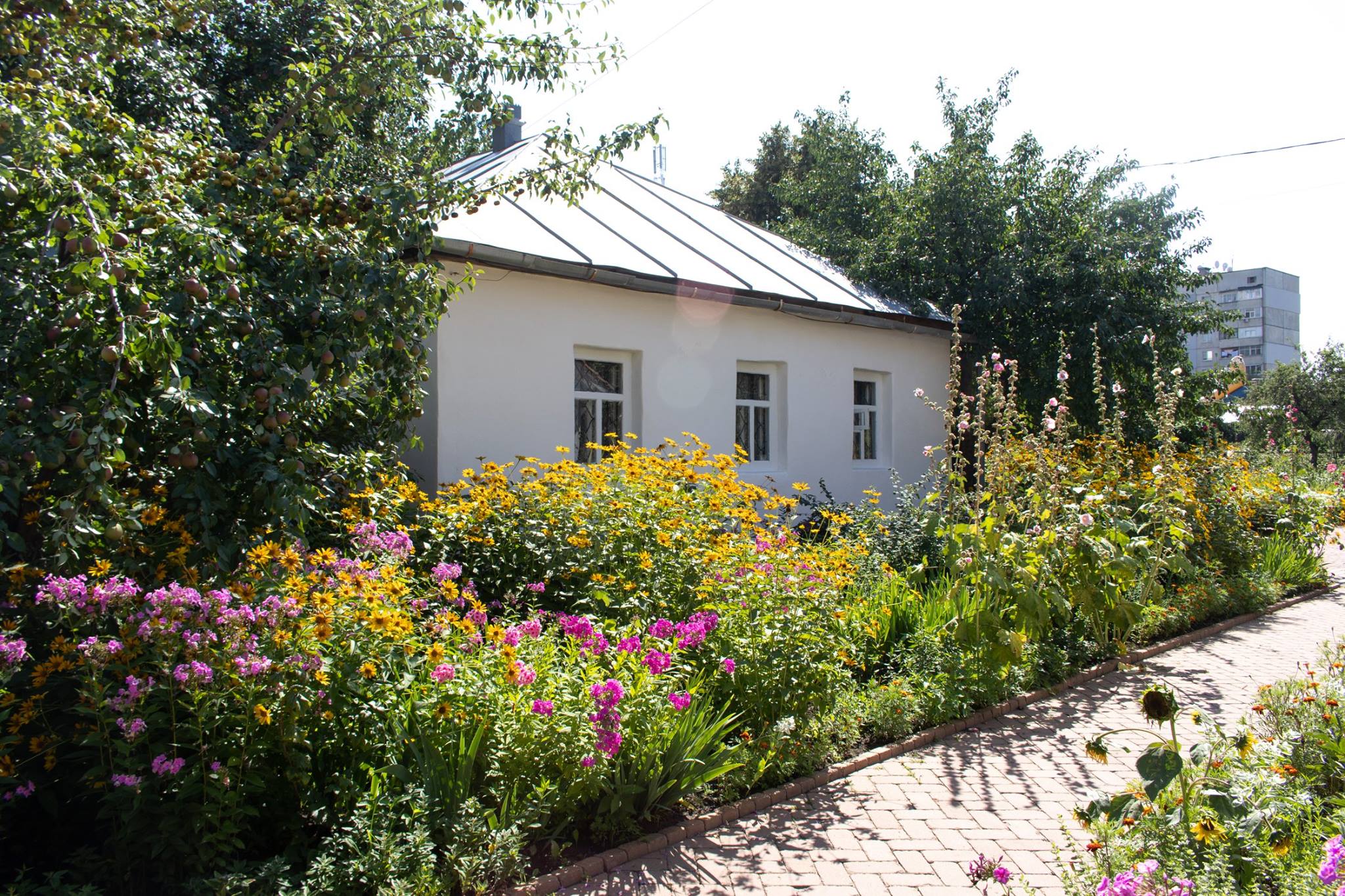
In 1989, the artist’s studio, which had been destroyed during World War II, was reconstructed.
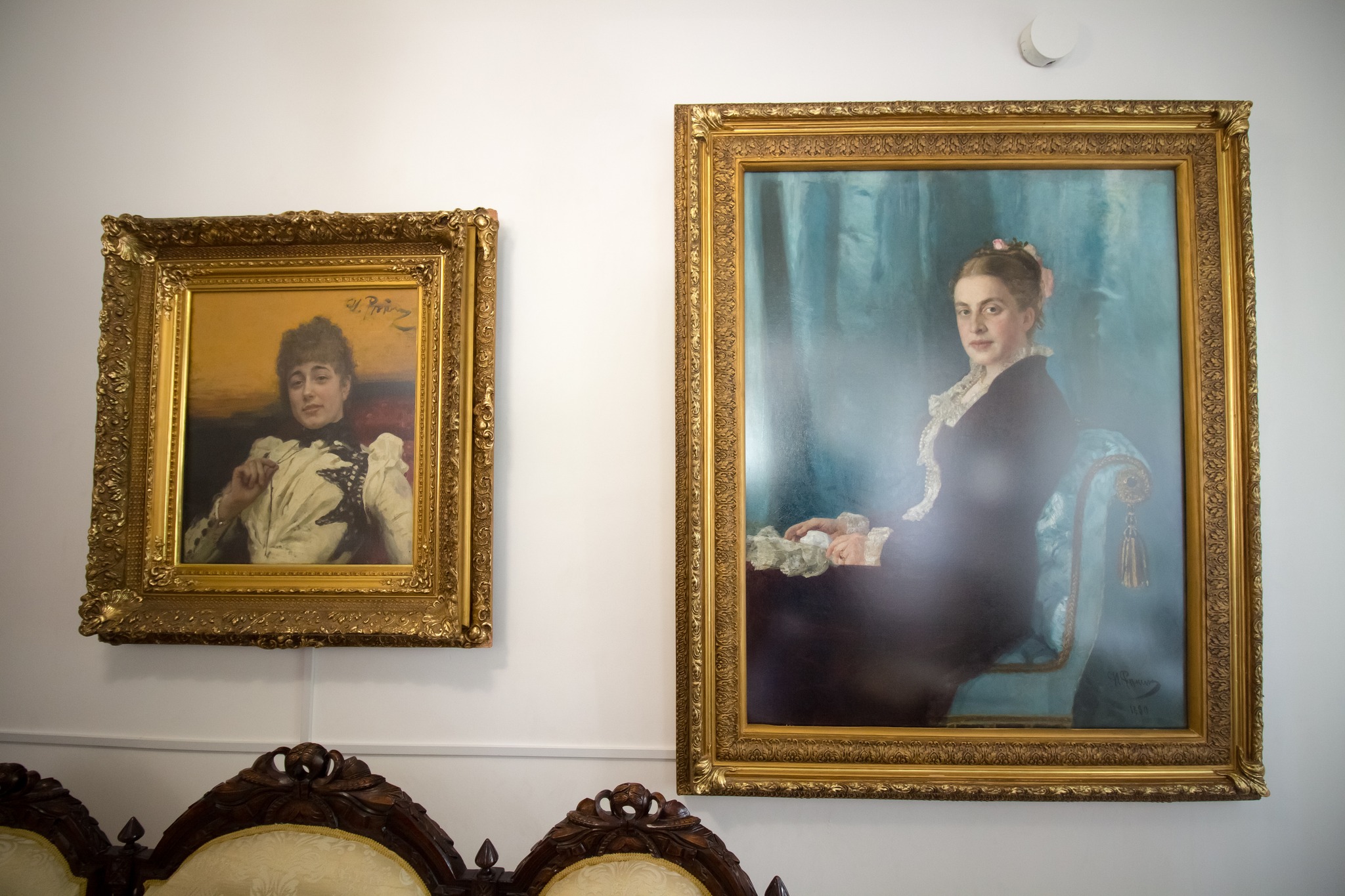
The museum features paintings by both Ilya Repin and his contemporaries.
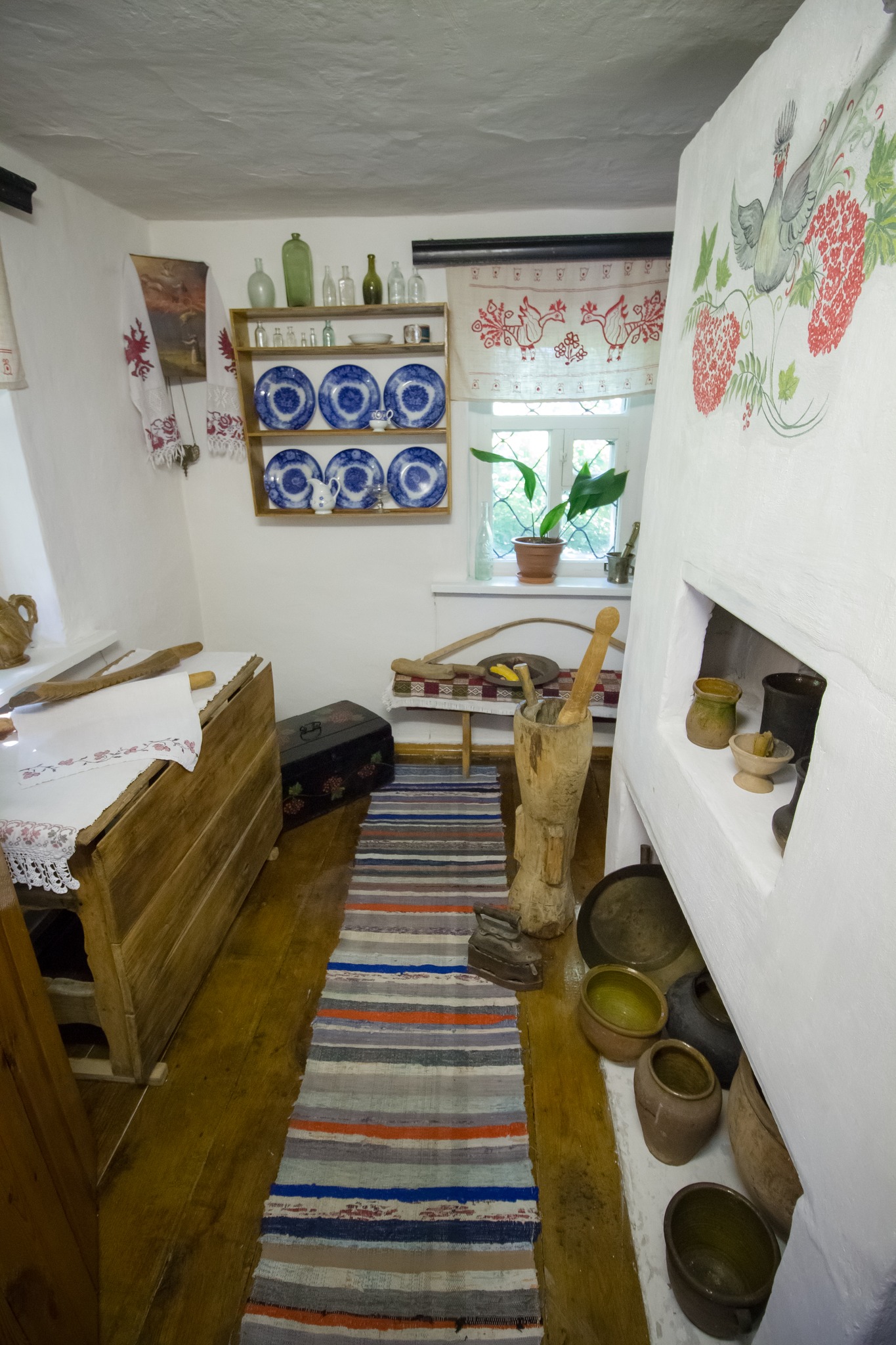
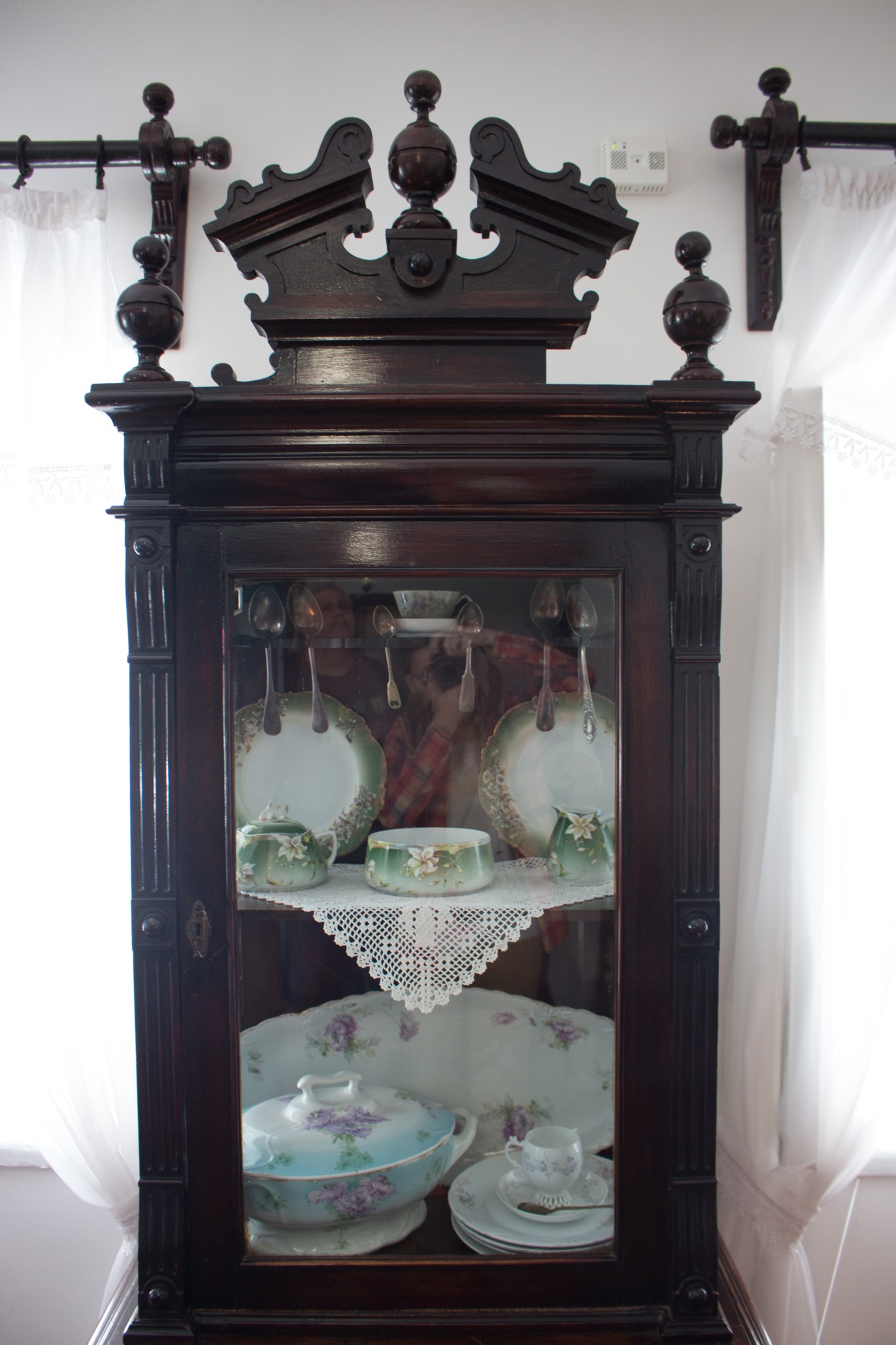
Also worth noting are the furniture and the recreated 19th-century interiors.
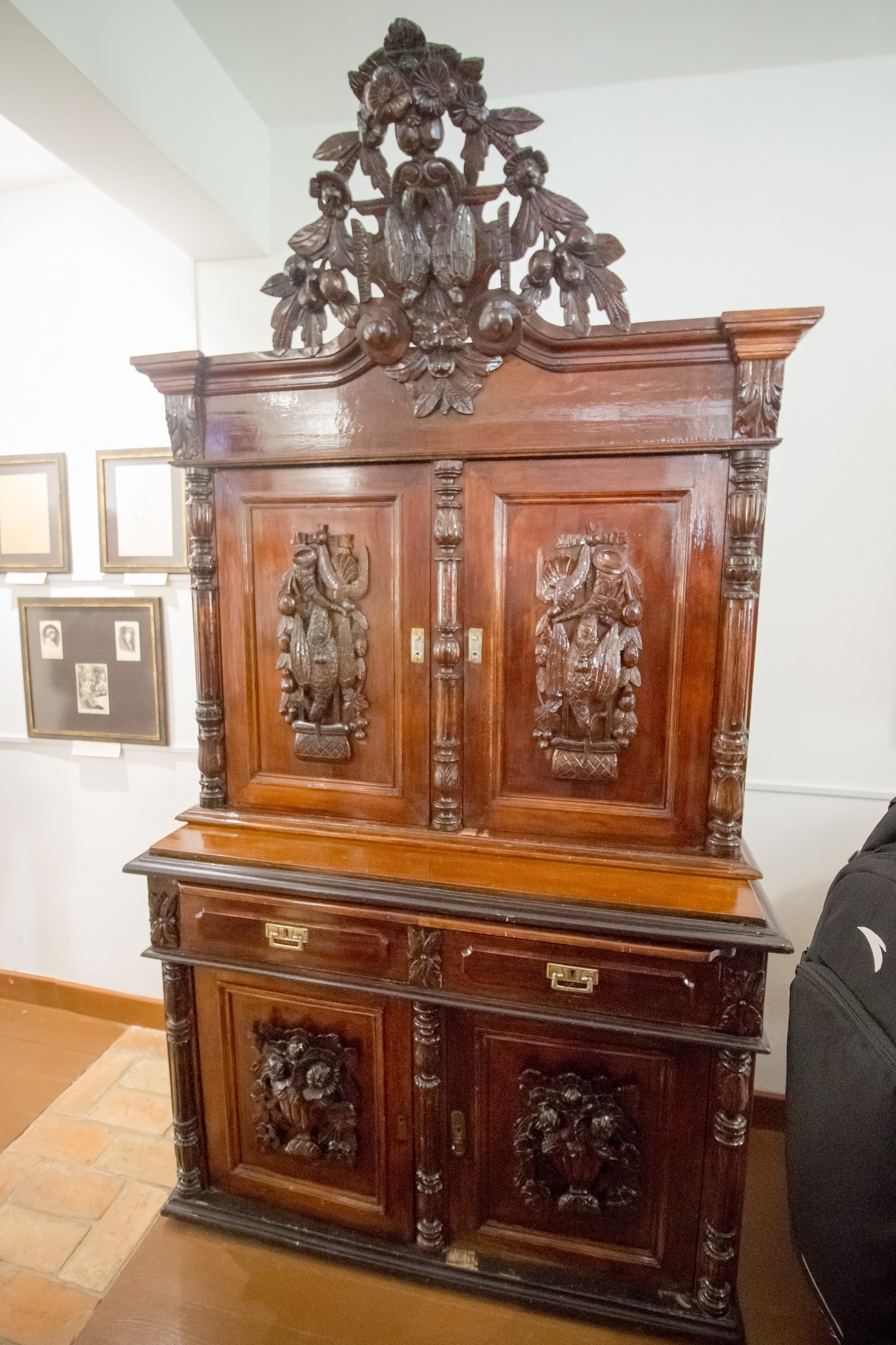
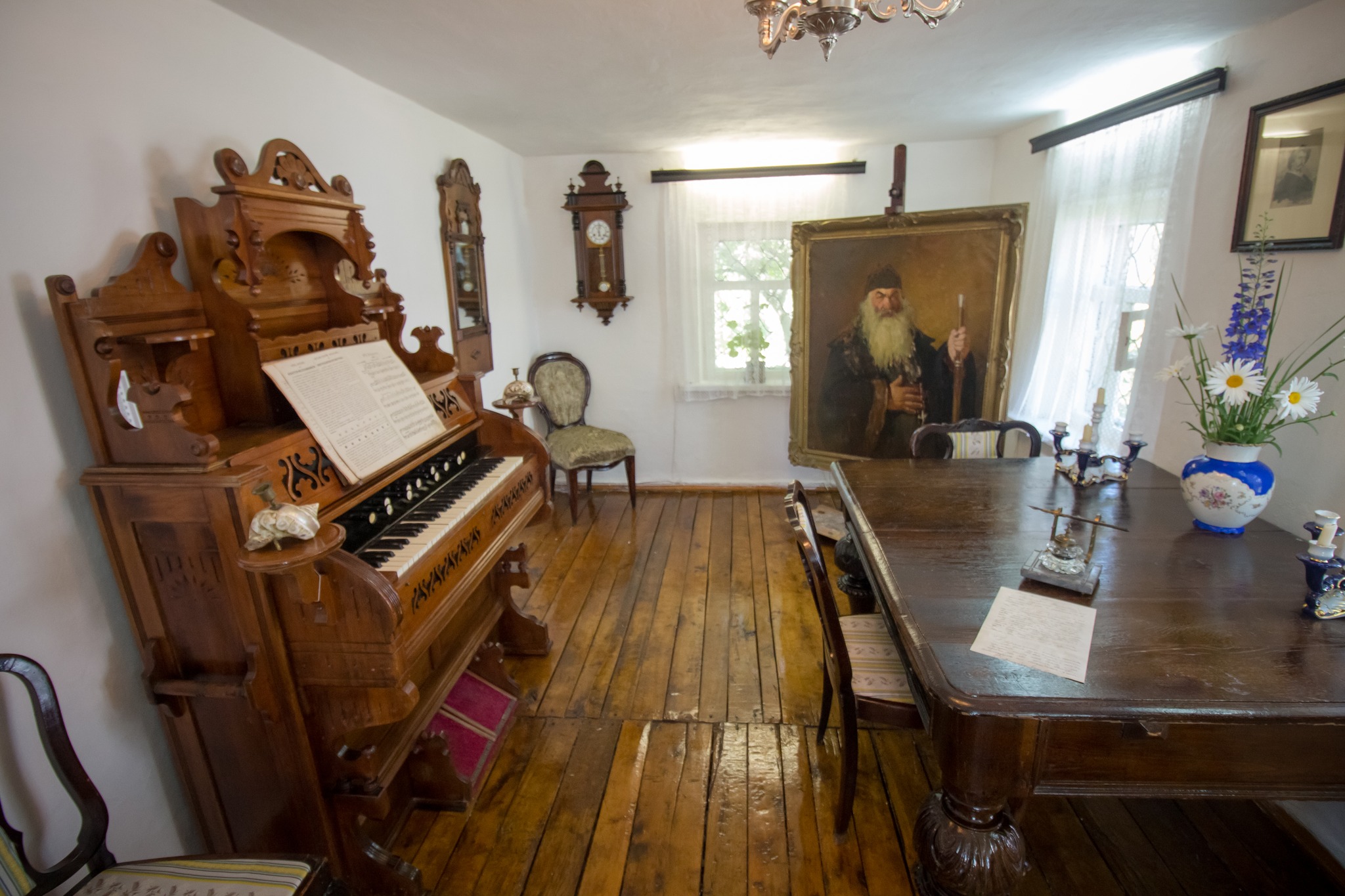
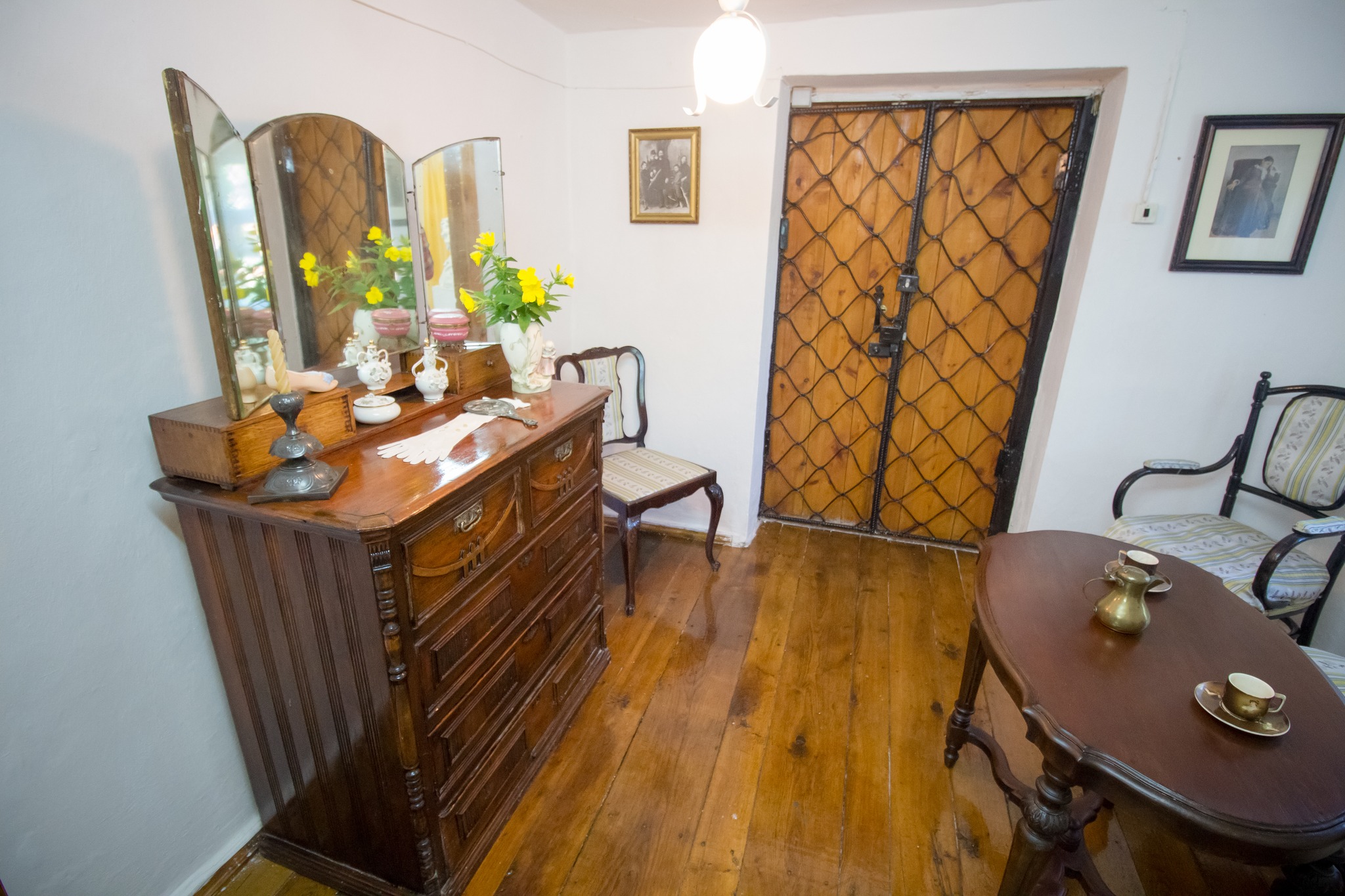
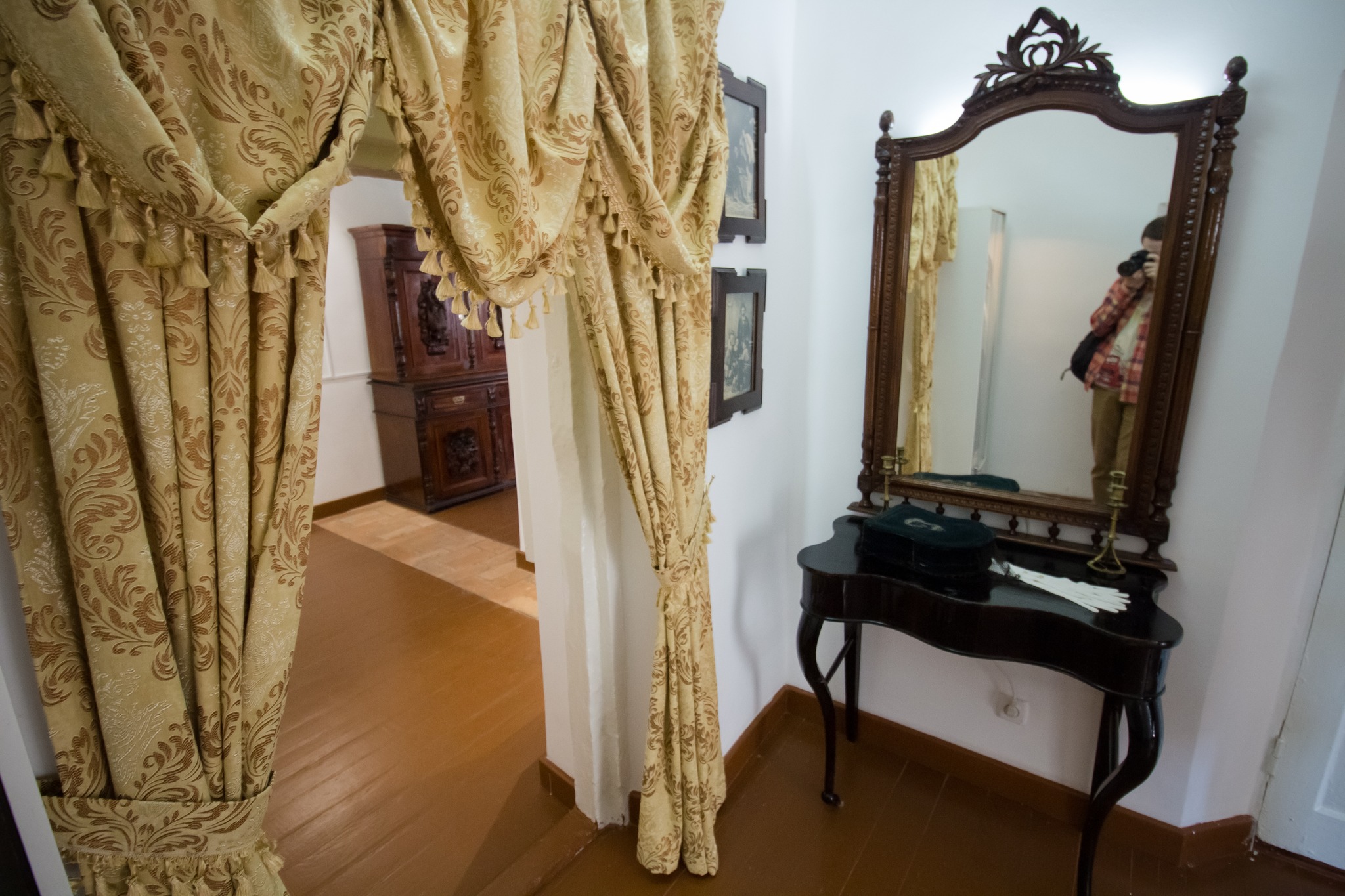
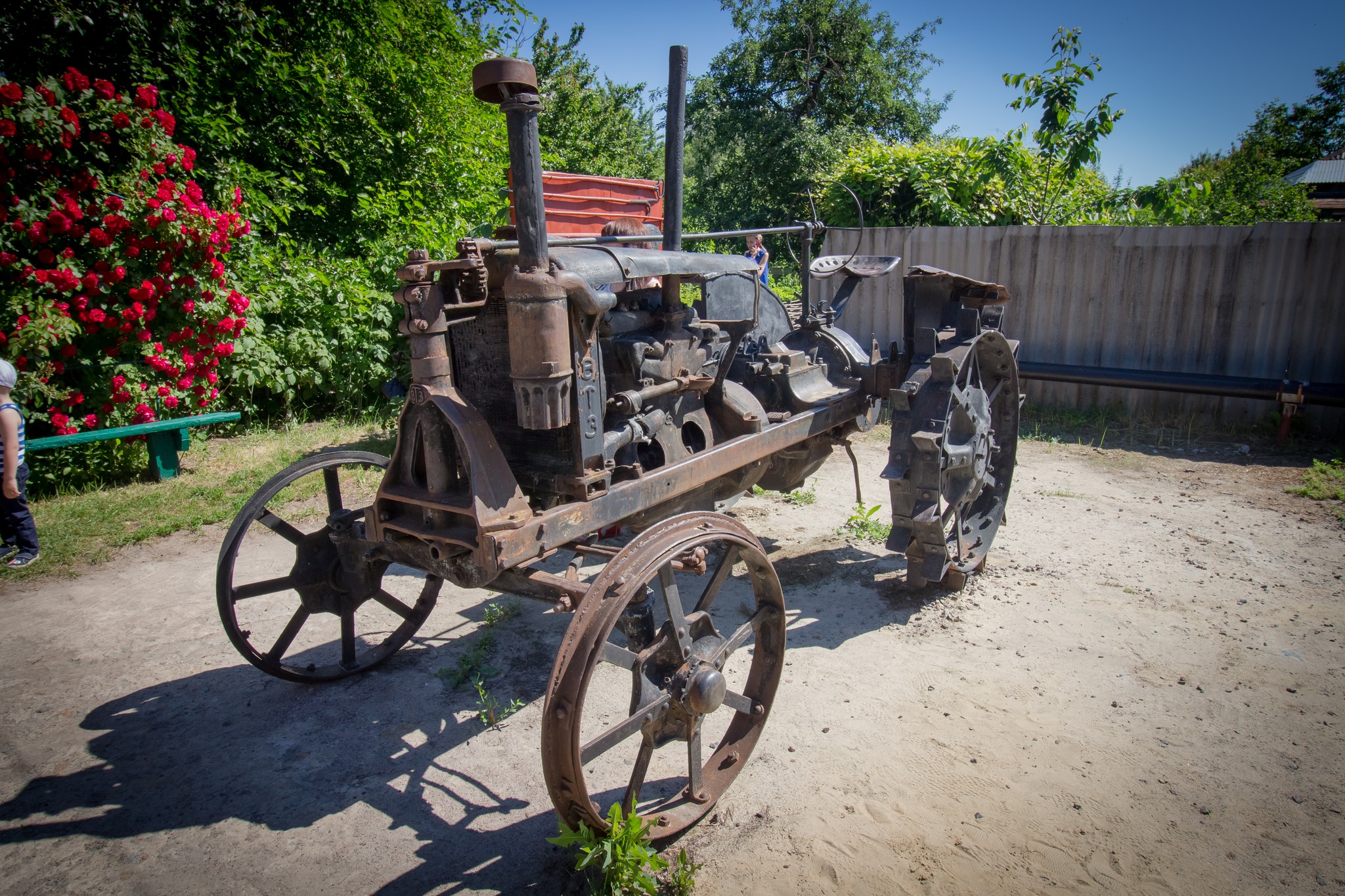
There is an old Universal tractor (1934–1955) in the estate’s courtyard.
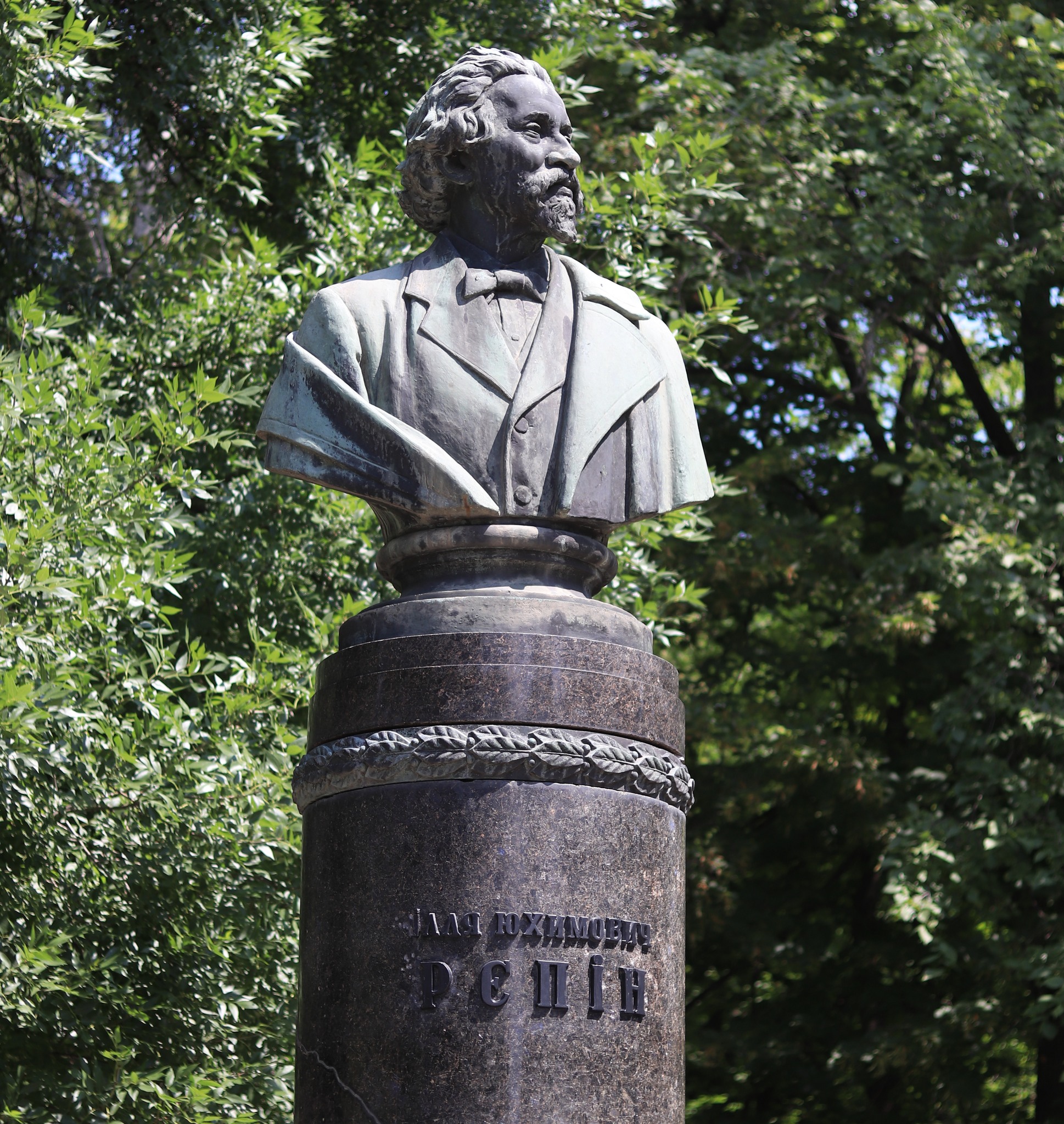
The monument to I. Repin was erected in front of the Palace of Culture in 1956. The sculpture was created by Matvey Manizer, best known as the sculptor of the monument to T. Shevchenko in Kharkiv.
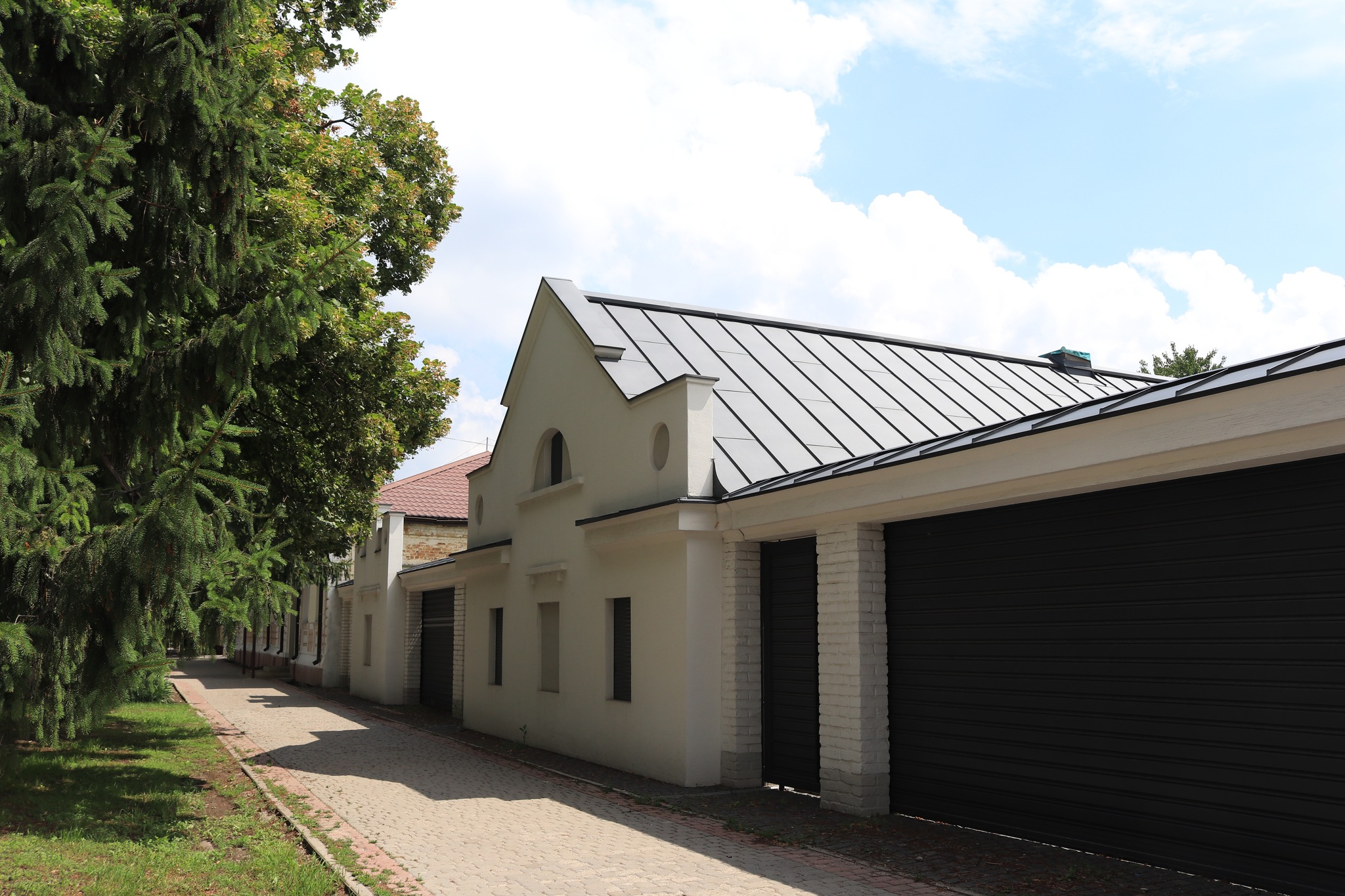
It is also worth mentioning the “I.E. Repin Prize Winners” Art Gallery, which was located in the Church of the Intercession building until 2009.
The church was built in 1834 and expanded in 1872 and 1896. During the Soviet era, its dome and bell tower were demolished. After the building was returned to the Orthodox community, the church and bell tower were gradually restored, and the art gallery moved to the former Military Settlements Headquarters—the most impressive building on Chuhuiv’s central square.
Unfortunately, according to gallery staff, most of the headquarters building—constructed in 1831 based on a design by V. Stasov—remains empty and has long needed repair and restoration. The gallery staff are doing their best to restore it on their own and hold exhibitions there.
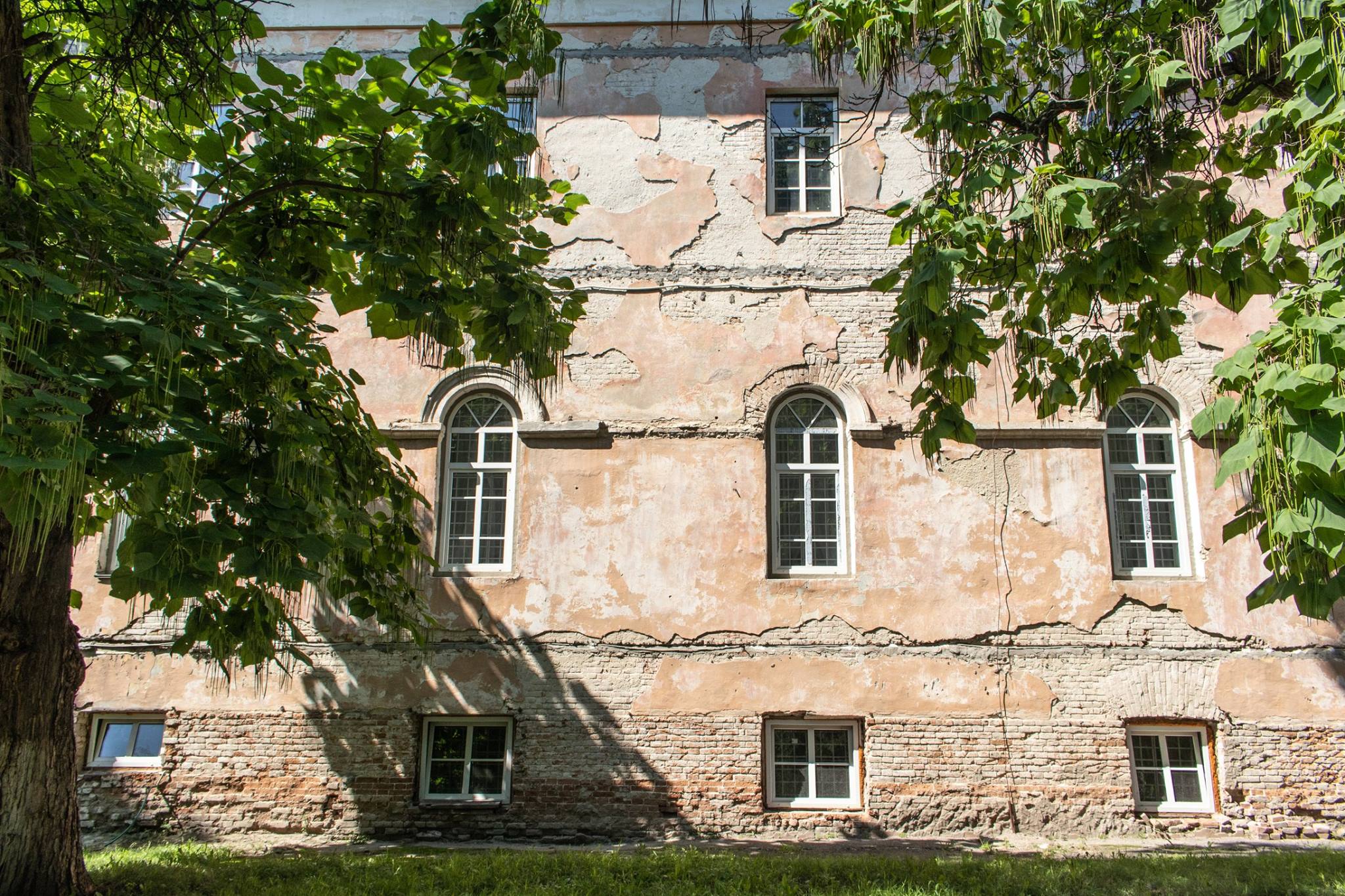
We must also mention the Travelers’ Palace at Soborna Street, 2.
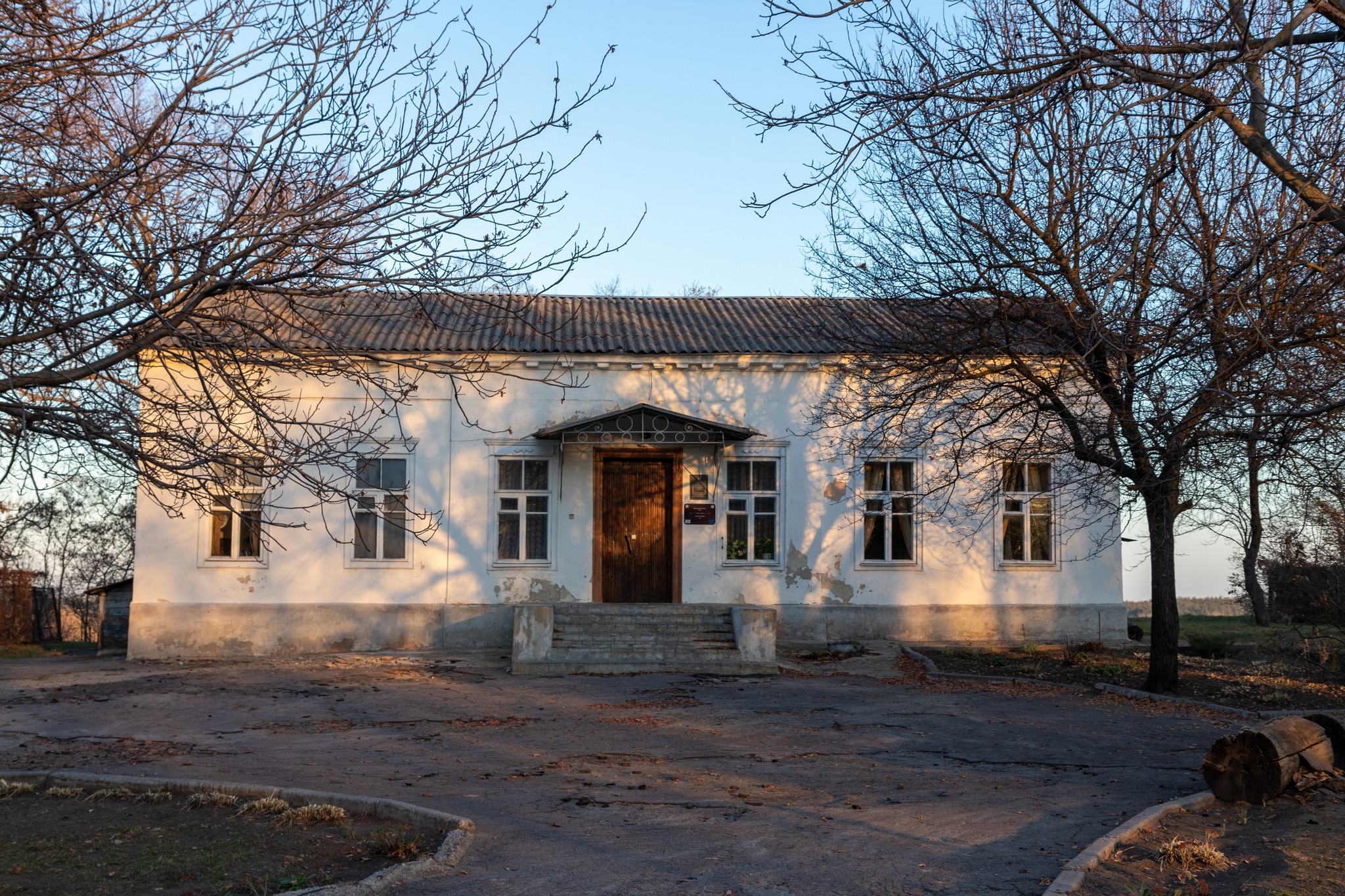
This small building, which bears no resemblance to a palace as we understand it today, was built in 1819–1820 specifically for “officials in case of their arrival.”
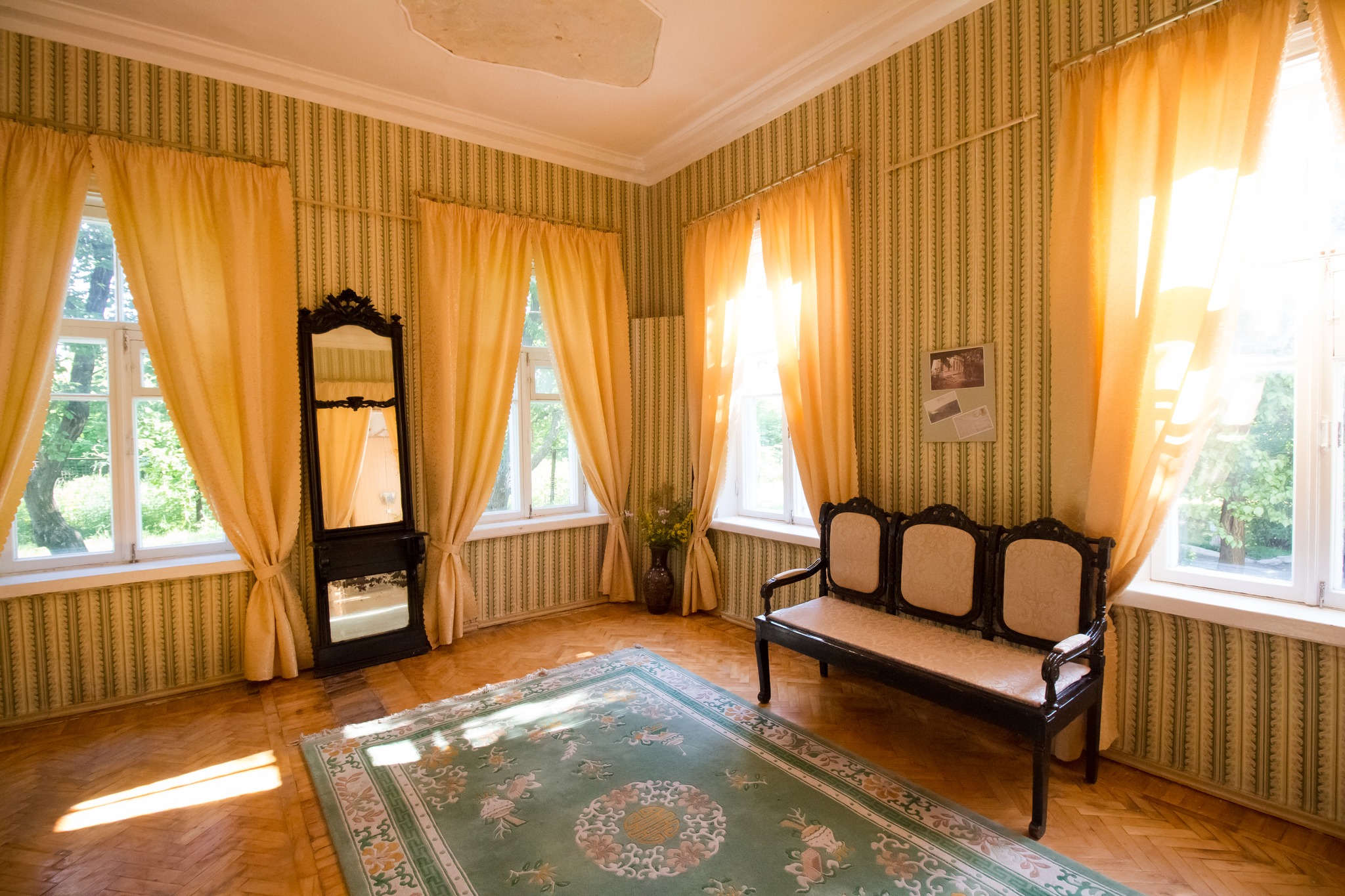
Emperors Alexander I and Nicholas I stayed at the palace; in 1859, Alexander II met with Imam Shamil there.
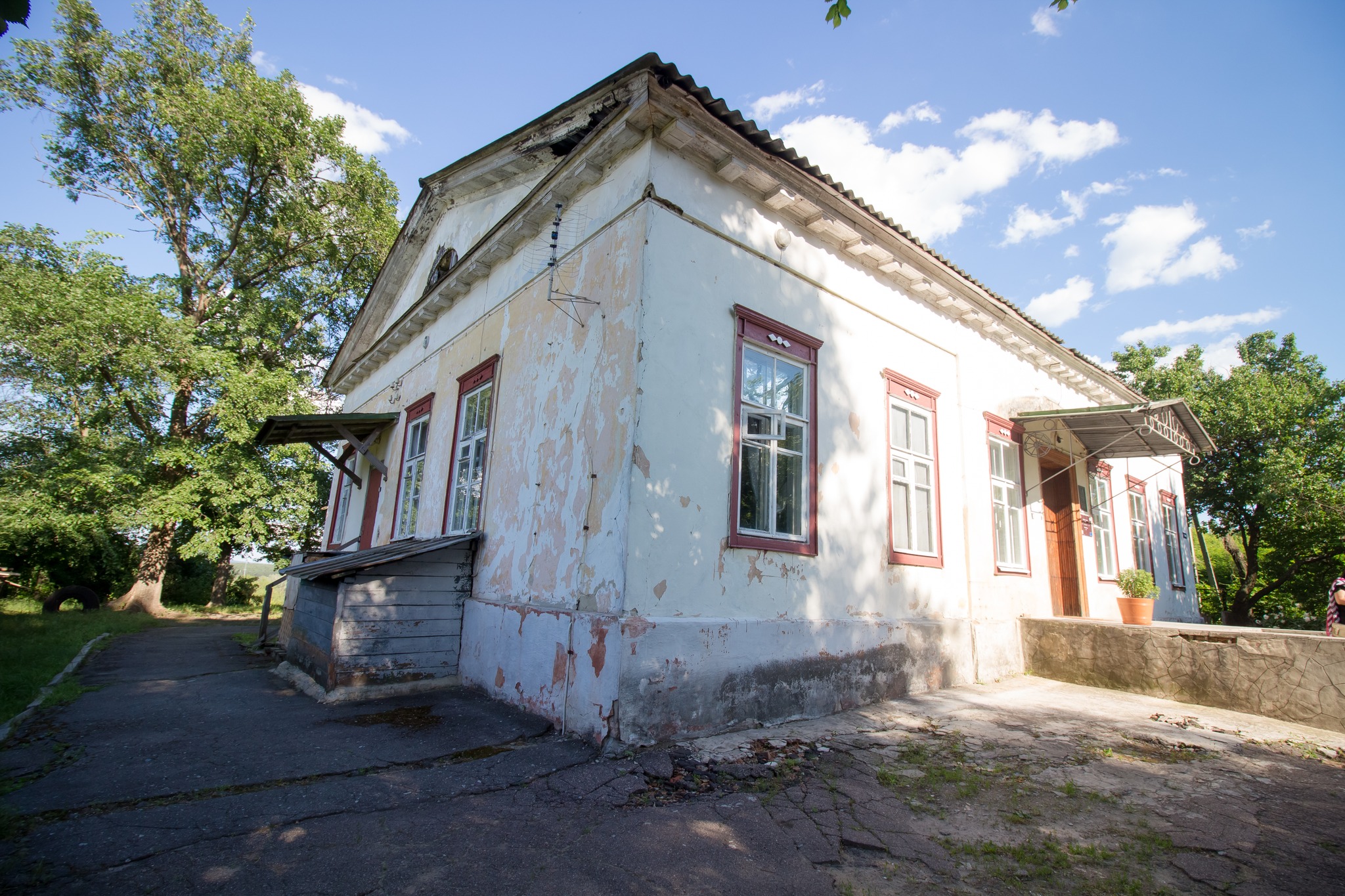
This building, however, housed the officers’ club of the 10th Ignermandland Hussar Regiment, which was stationed in Chuhuiv from 1875 to 1914.
So, come visit Chuhuiv! There’s plenty to see here.
As a result of Russian missile and drone strikes in 2022-2026, many of Chuhuiv’s historic buildings were damaged.

- Danylevs’koho Street, 19 - 13.10.2026
- Debunking the myth about one of the most famous Kharkiv photos - 12.10.2026
- The Architectural Evolution of the Kharkiv Theater - 26.09.2026