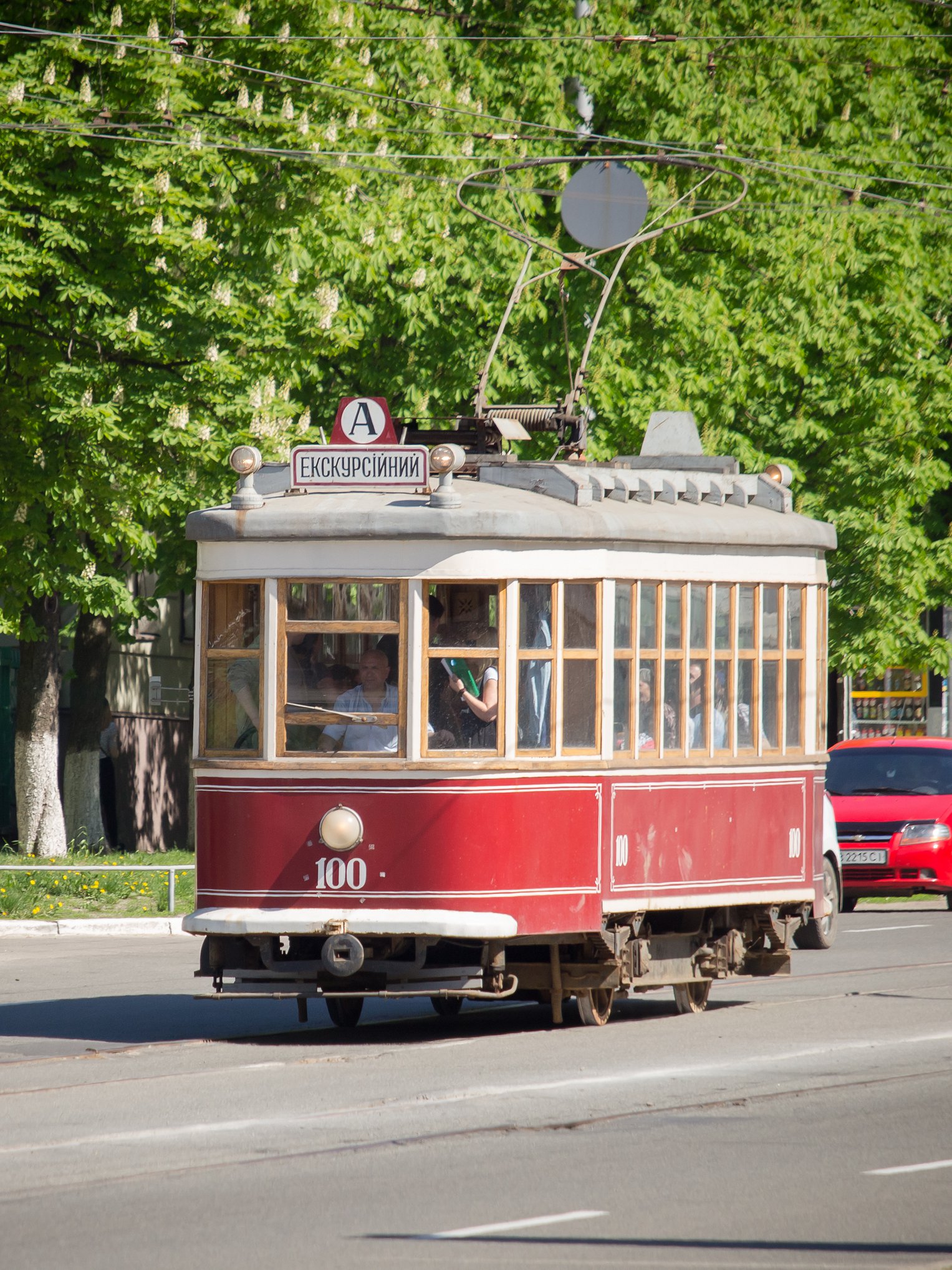
In 2022, the “Kh” series tram celebrated its 95th anniversary. This is an exceptional tram for Kharkiv, as the “Kh” series was named in honor of our city, the capital of the Ukrainian SSR in the 1920s—a rapidly growing city—for which the first large batch of these new trams was intended.
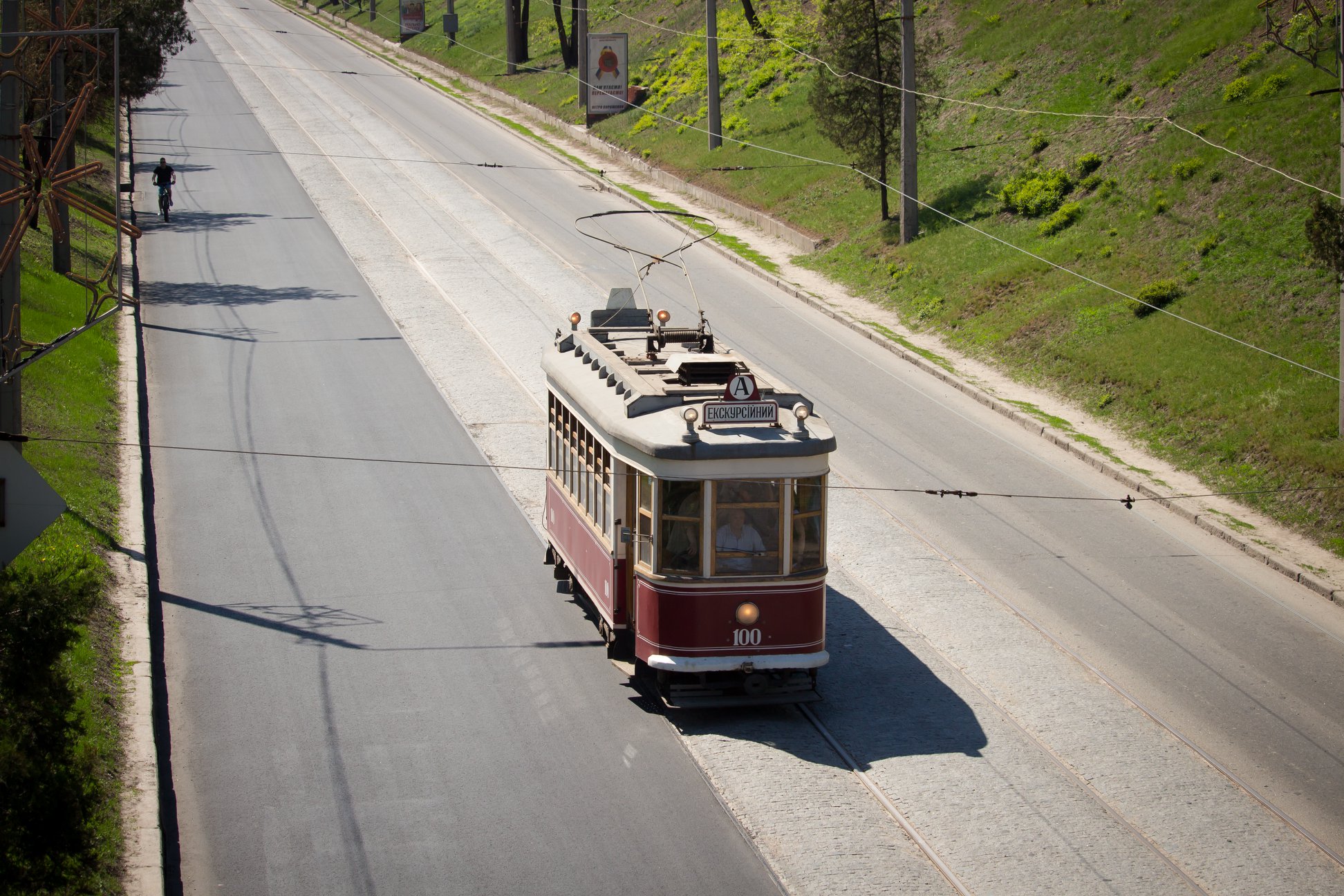
A layperson would not notice any significant differences between the “Kh” series trams and the pre-revolutionary “F” series produced by the same Mytishchi plant, which were modeled after German MAN trams from the early 20th century. But in reality, they differ significantly. The main difference is their size. Due to population growth and increased demands for standardization, many major cities in the USSR decided in the 1920s to convert their tram tracks from 1,000 mm to the standard “railway” gauge of 1,524 mm.
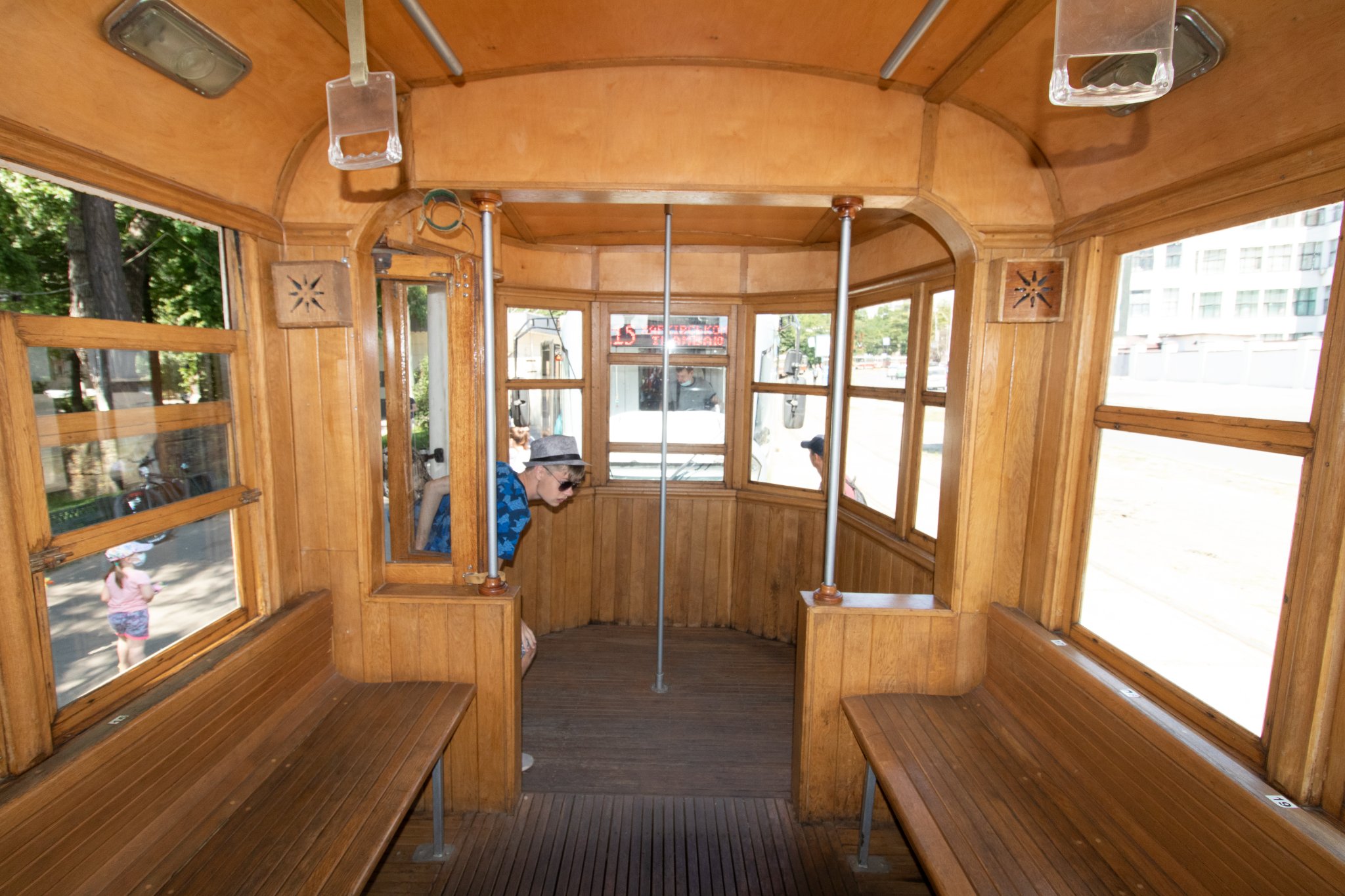
Consequently, trams could now be built wider and more spacious.
The “Kh” series cars could carry twice as many passengers as the “F” series—up to a hundred people. Unlike the “F” trams, the body frame was now made of metal, while the roof, window frames, and interior were made of wood.
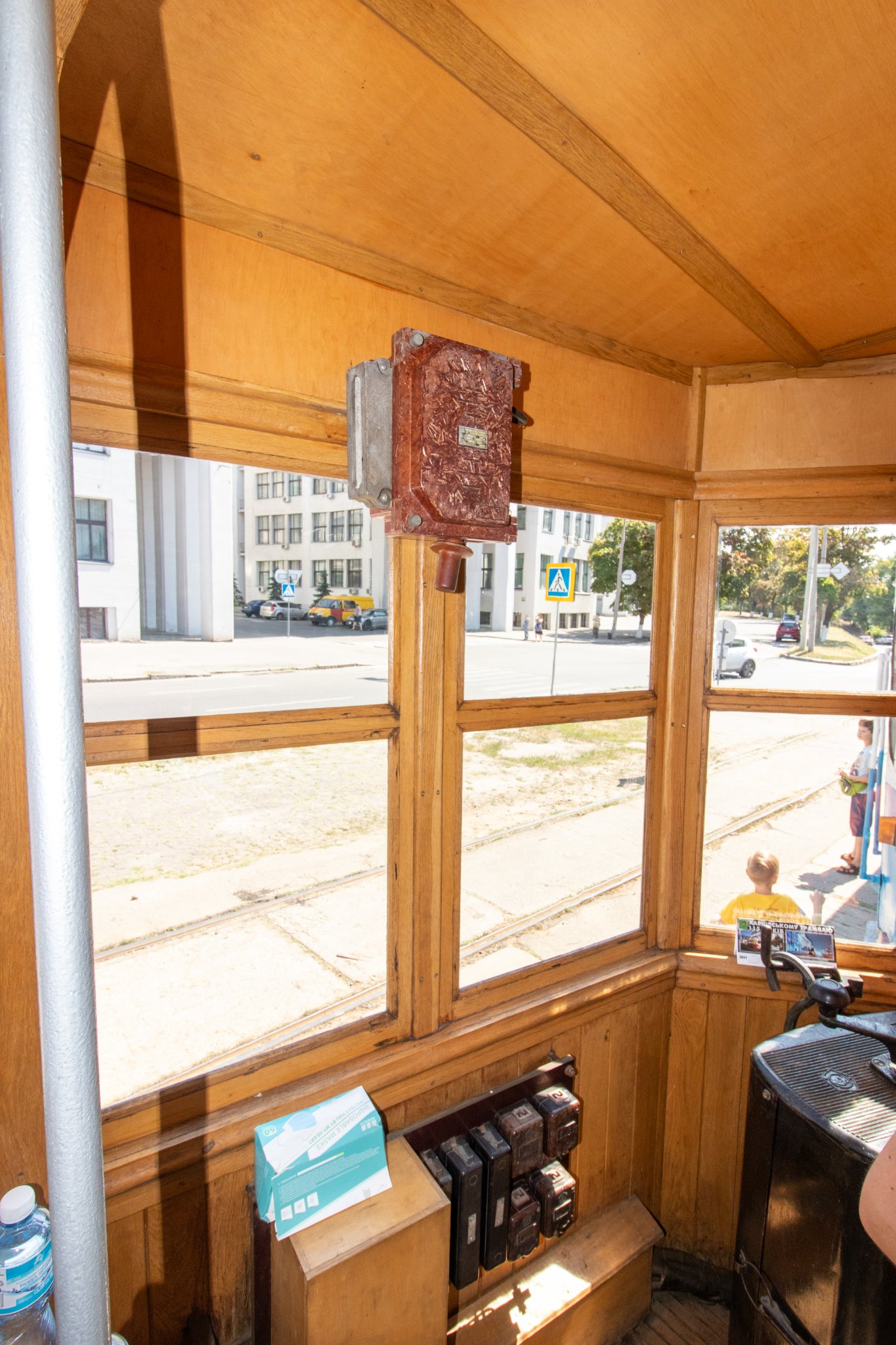
Engine power increased to 140–150 hp, making it possible to operate three-car trains.
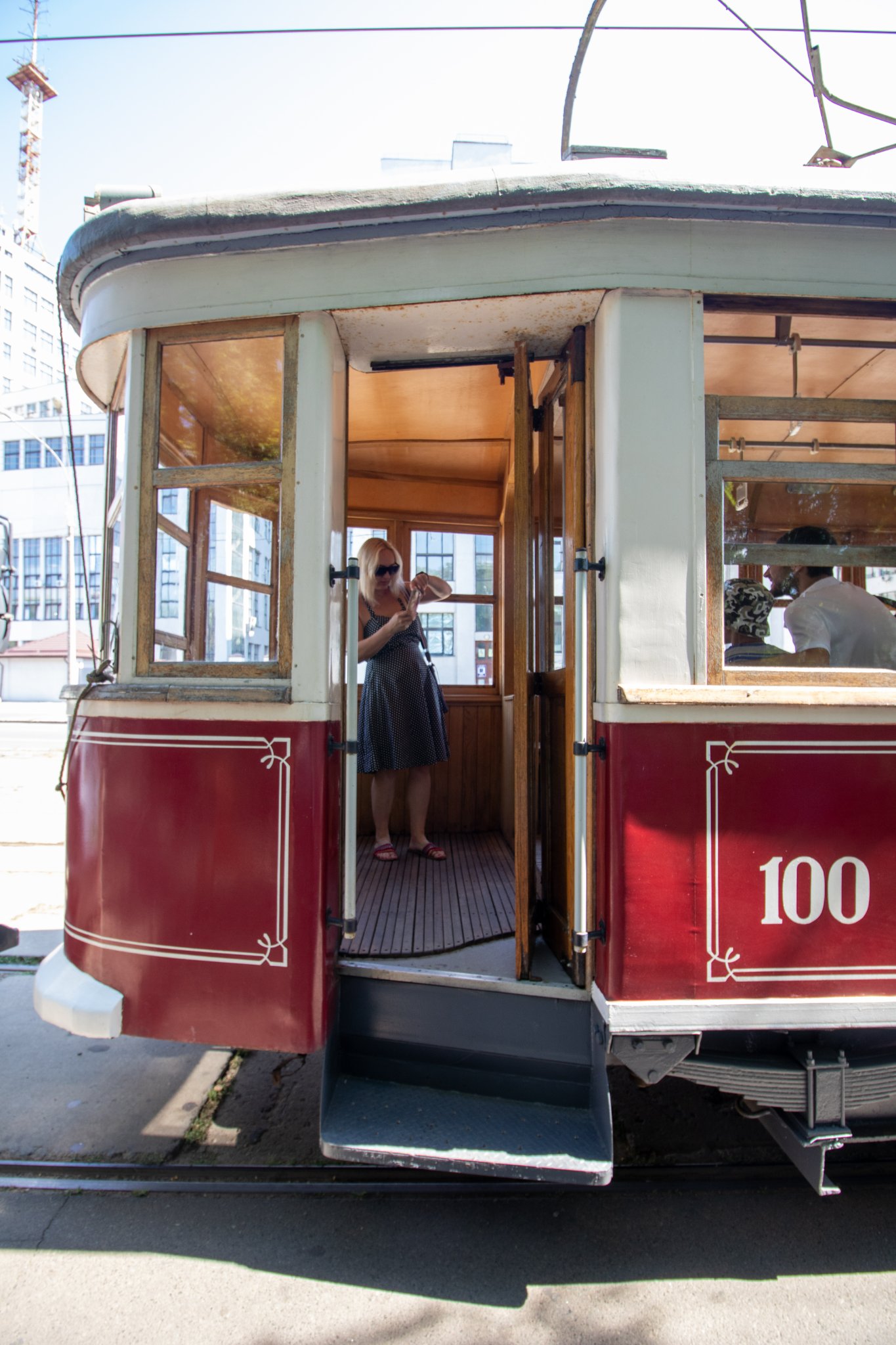
The first trams of the “Kh” series began arriving in 1928, and by 1933 there were already 226 motor cars in service in the city. These were simple and unpretentious trams.
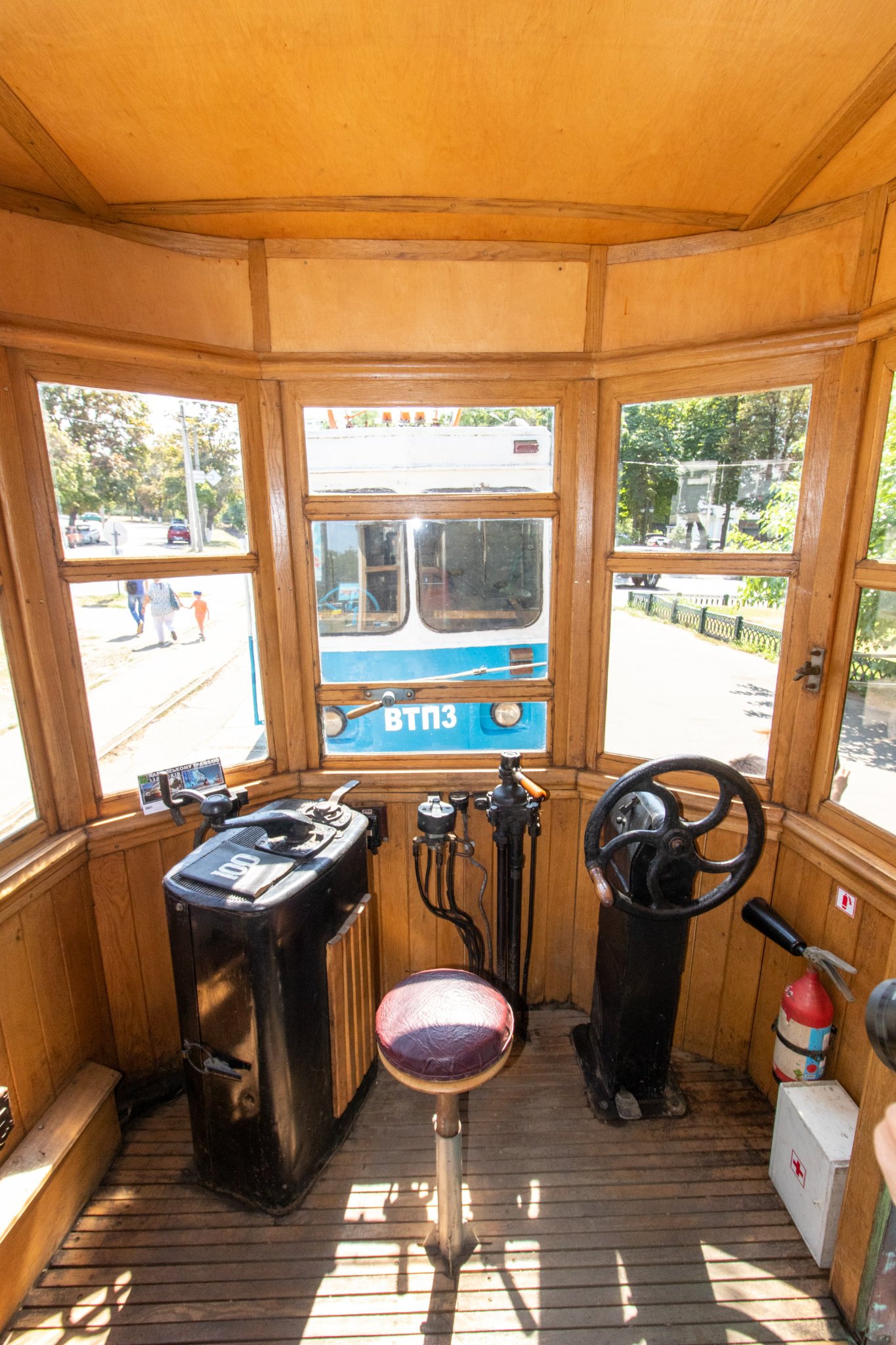
Nevertheless, the doors were opened manually, the driver stood while driving, and passengers were crammed in during rush hour.
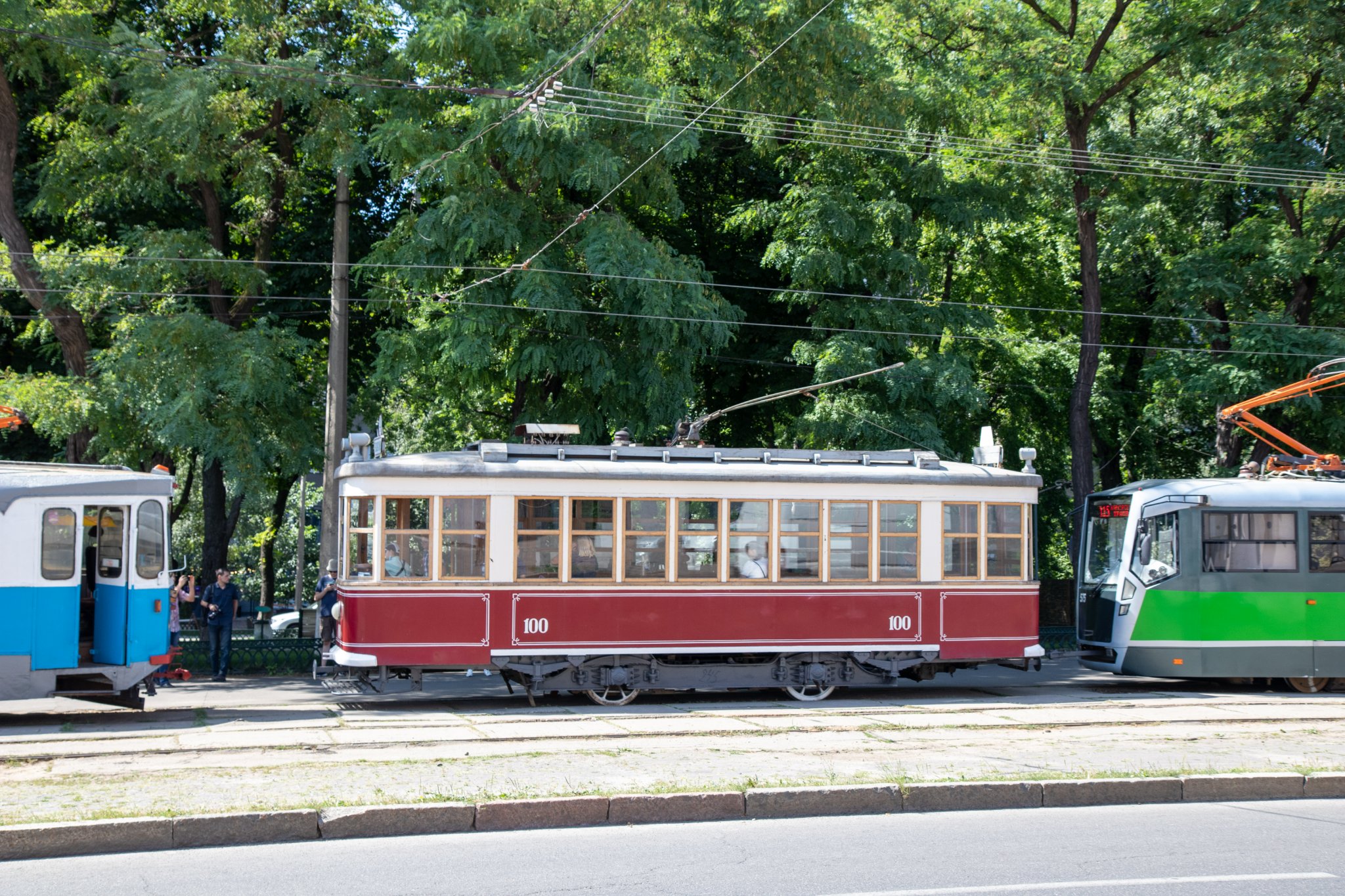
There was no heating, so in winter the temperature inside the car was not much different from the temperature outside.
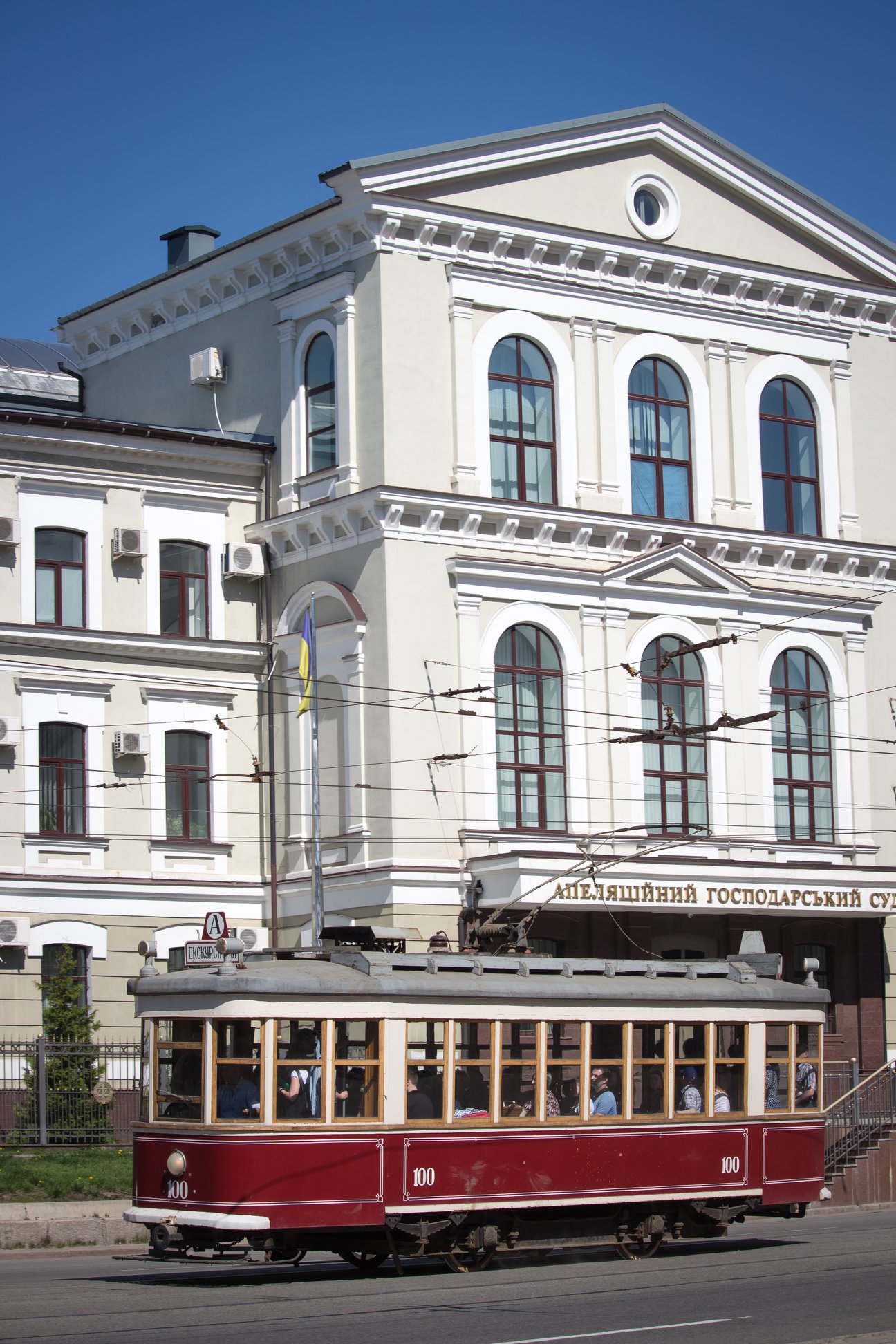

After WWII, many of the shortcomings were addressed through upgrades; the body was insulated, and pneumatic door-opening mechanisms were installed.
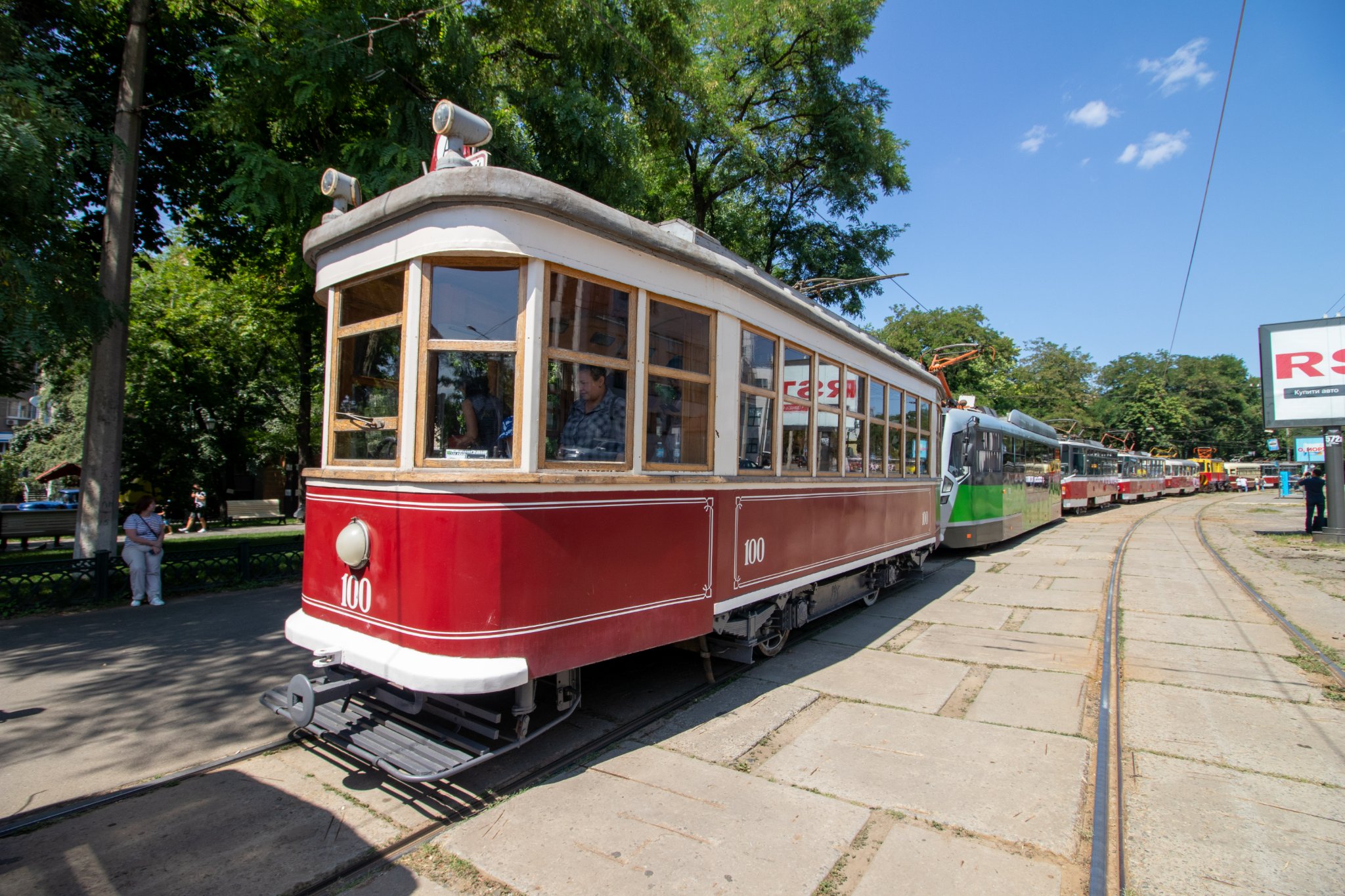
The rear driver’s cabin and the doors on the left side were removed as they were no longer needed, and the front cabin was separated from the passenger compartment by a partition.
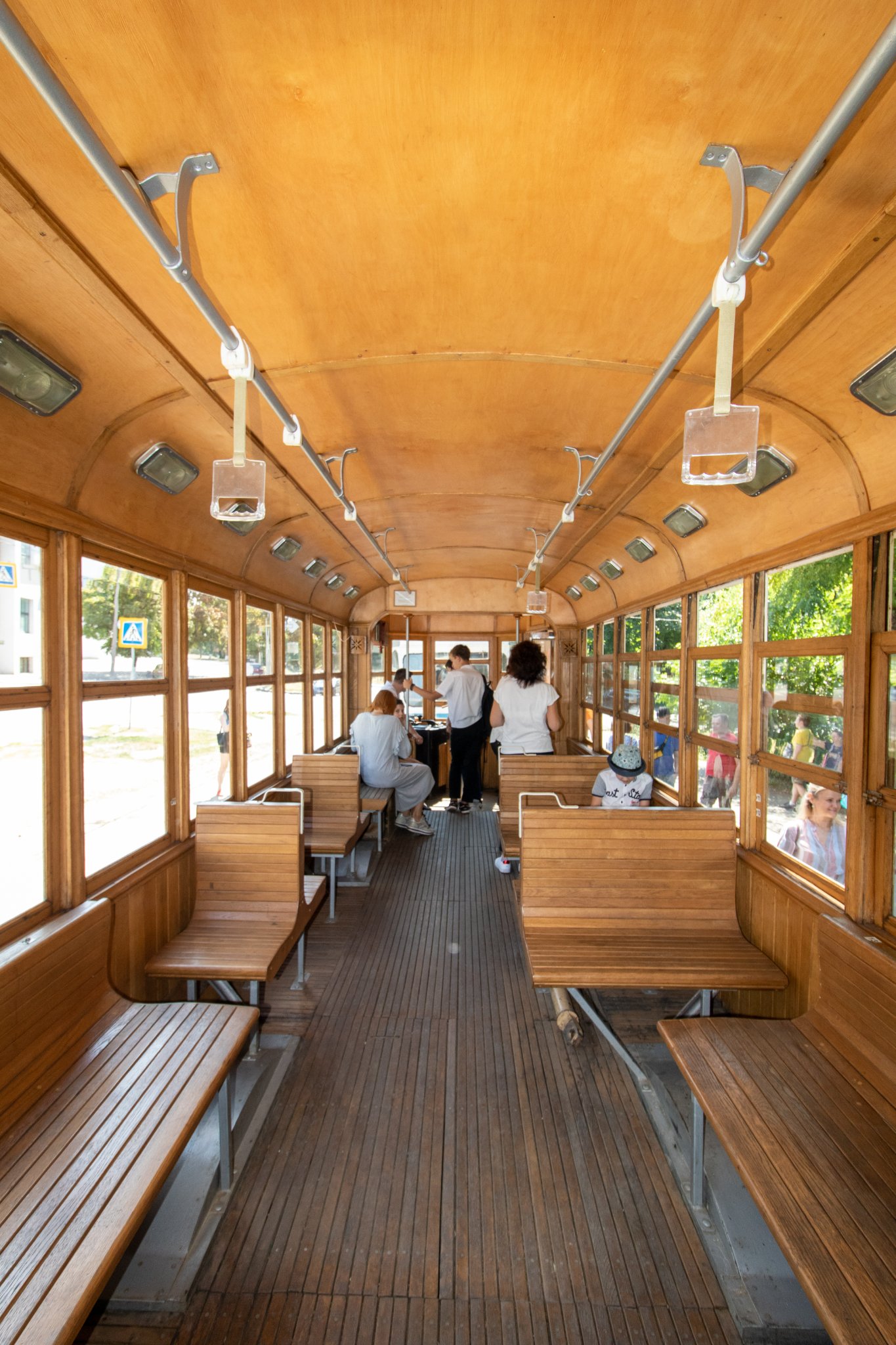
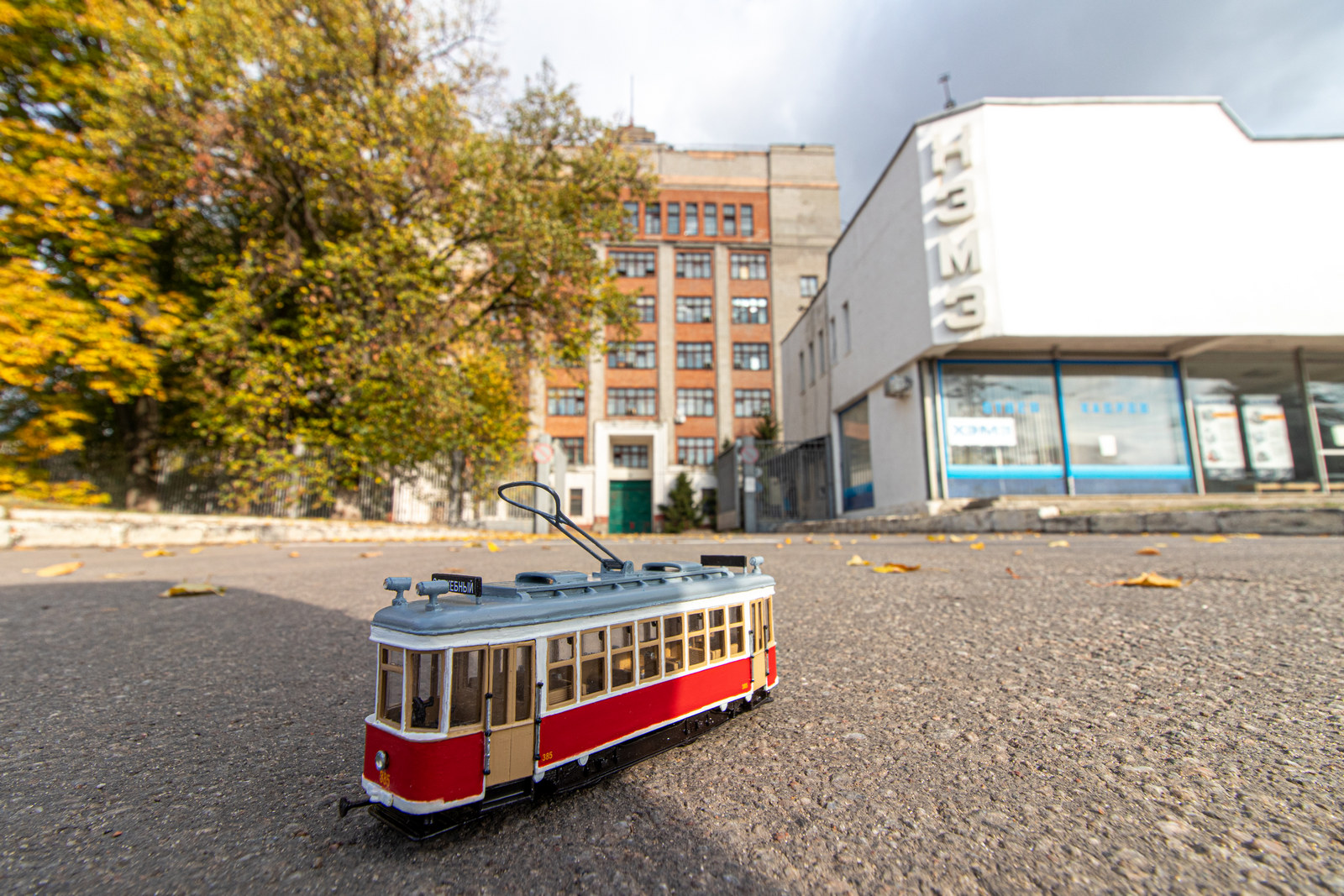
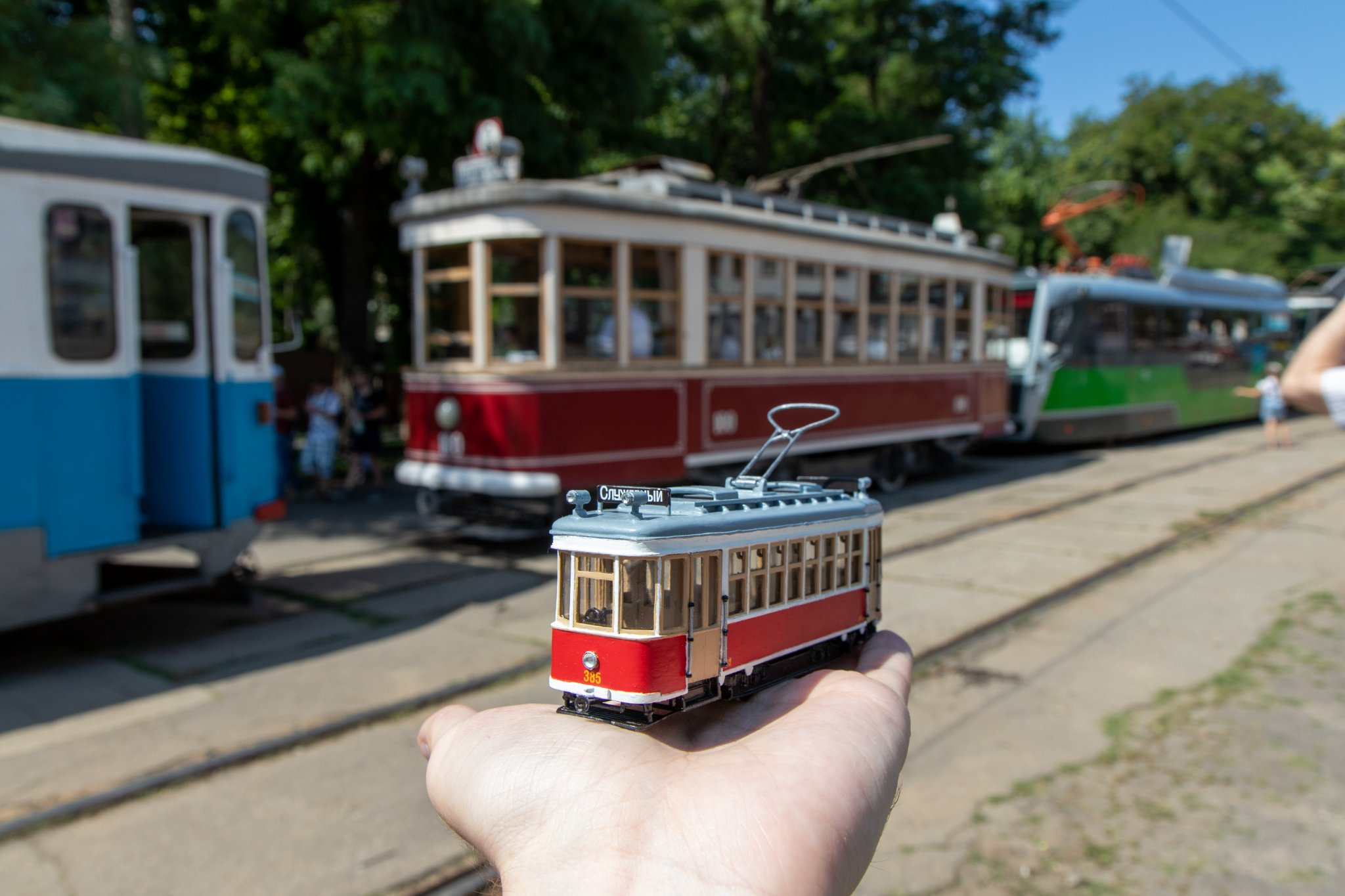
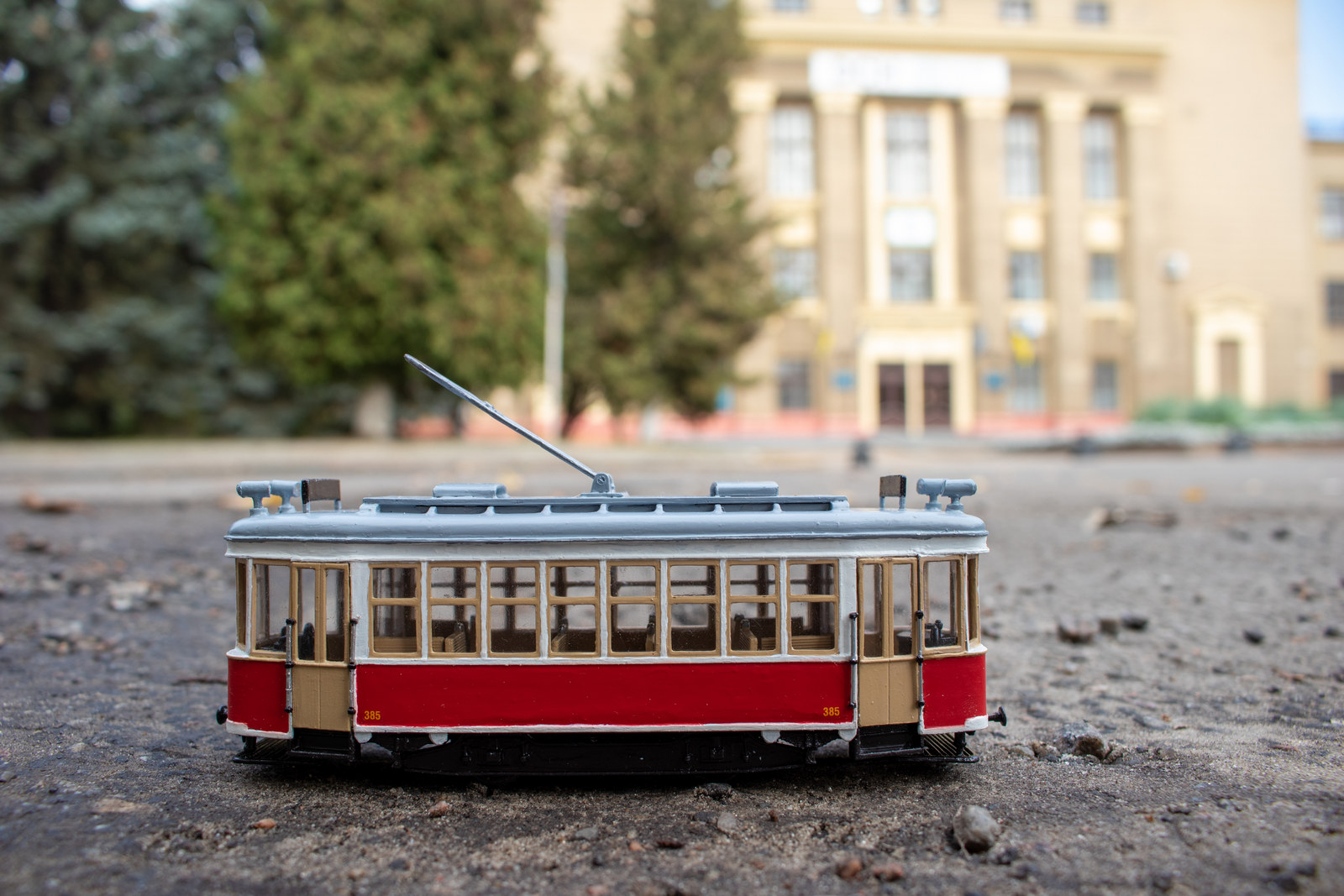
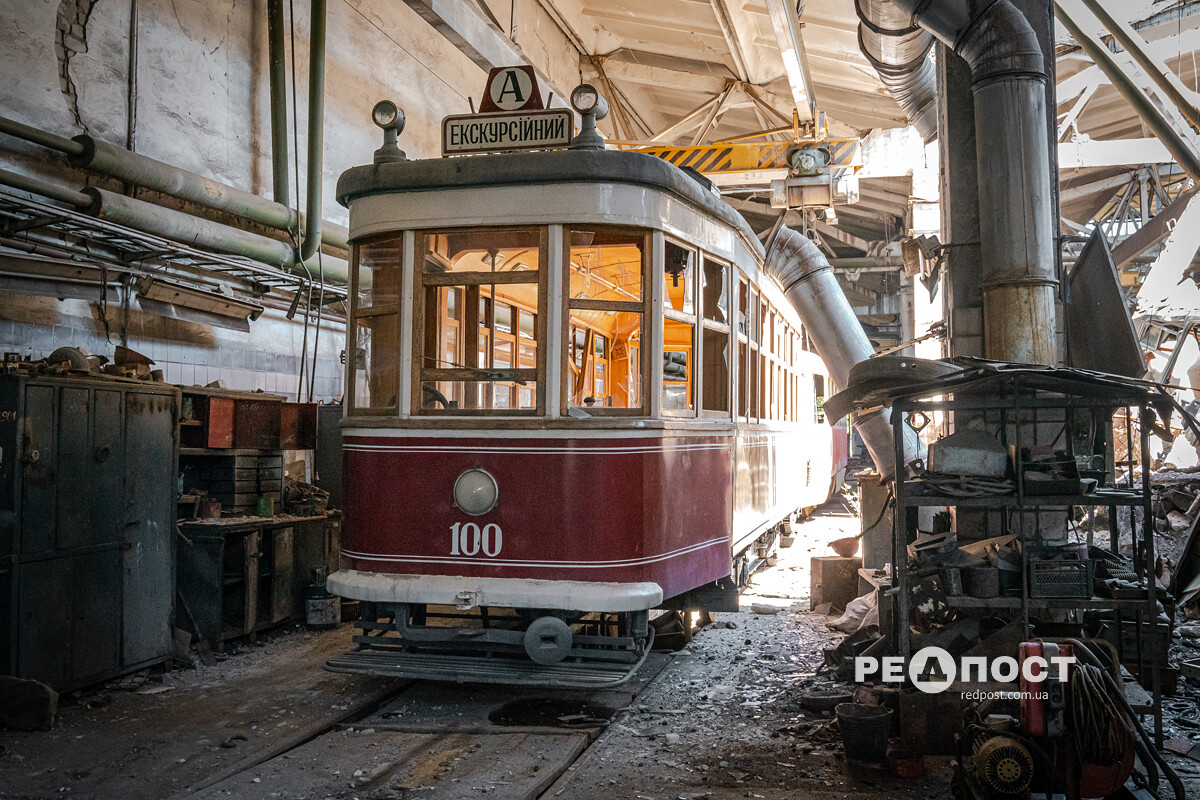
These trams remained in service in Kharkiv until the 1960s; the last “Kh” passenger tram entered service in 1969. However, some cars continued to be used for service purposes well into the 1980s. The tram in the photo was restored by the Kharkiv Municipal Enterprise “Gorelektrotrans” in 2005–2006 to mark the centennial of the Kharkiv tram system. It had to be literally reconstructed from the poorly preserved remains of the old tram; the body was built from scratch.

By the way, in the past, loop routes in some Soviet cities were designated simply as “A” (without a number). A tram in Kharkiv also operated on such a route, which is why it was nicknamed “Annushka.”
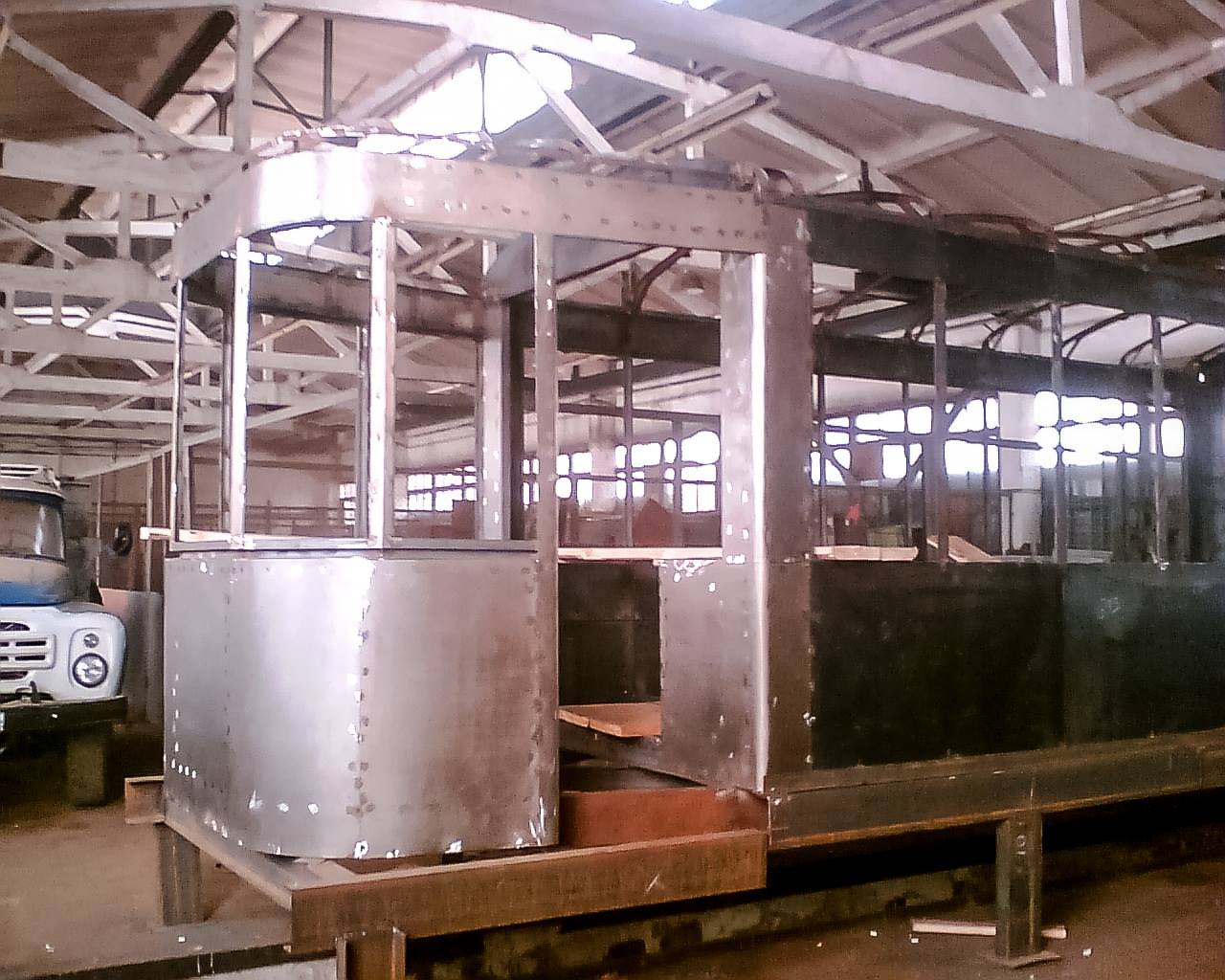
The restoration in 2005 cost about $25,000. It’s a shame we only have one tram like this.
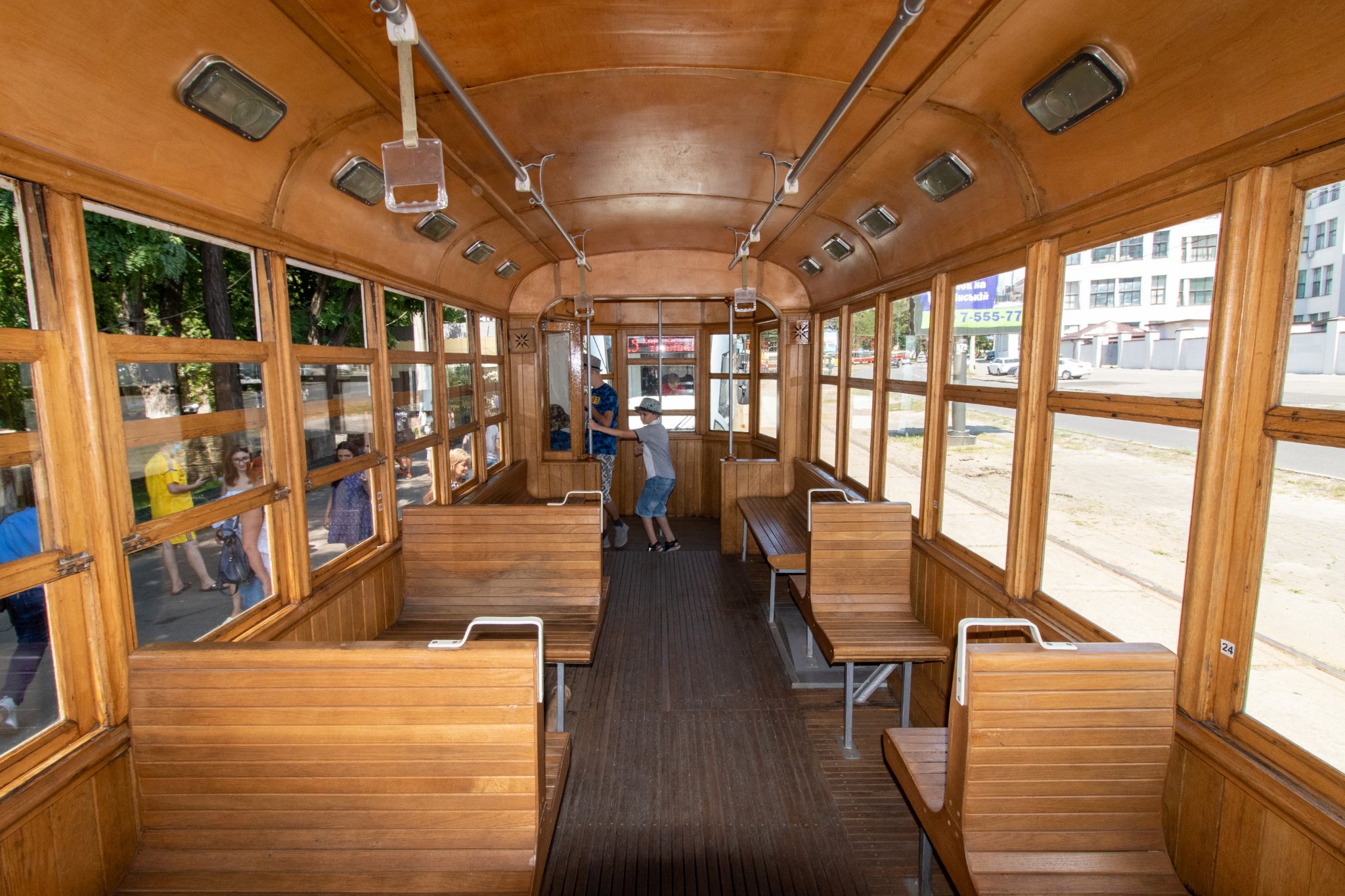
If there were 5 or 10 of them, and they were regularly deployed on tourist routes—as they do in San Francisco, Istanbul, or Lisbon—it would significantly boost the city’s image as a tourist destination.
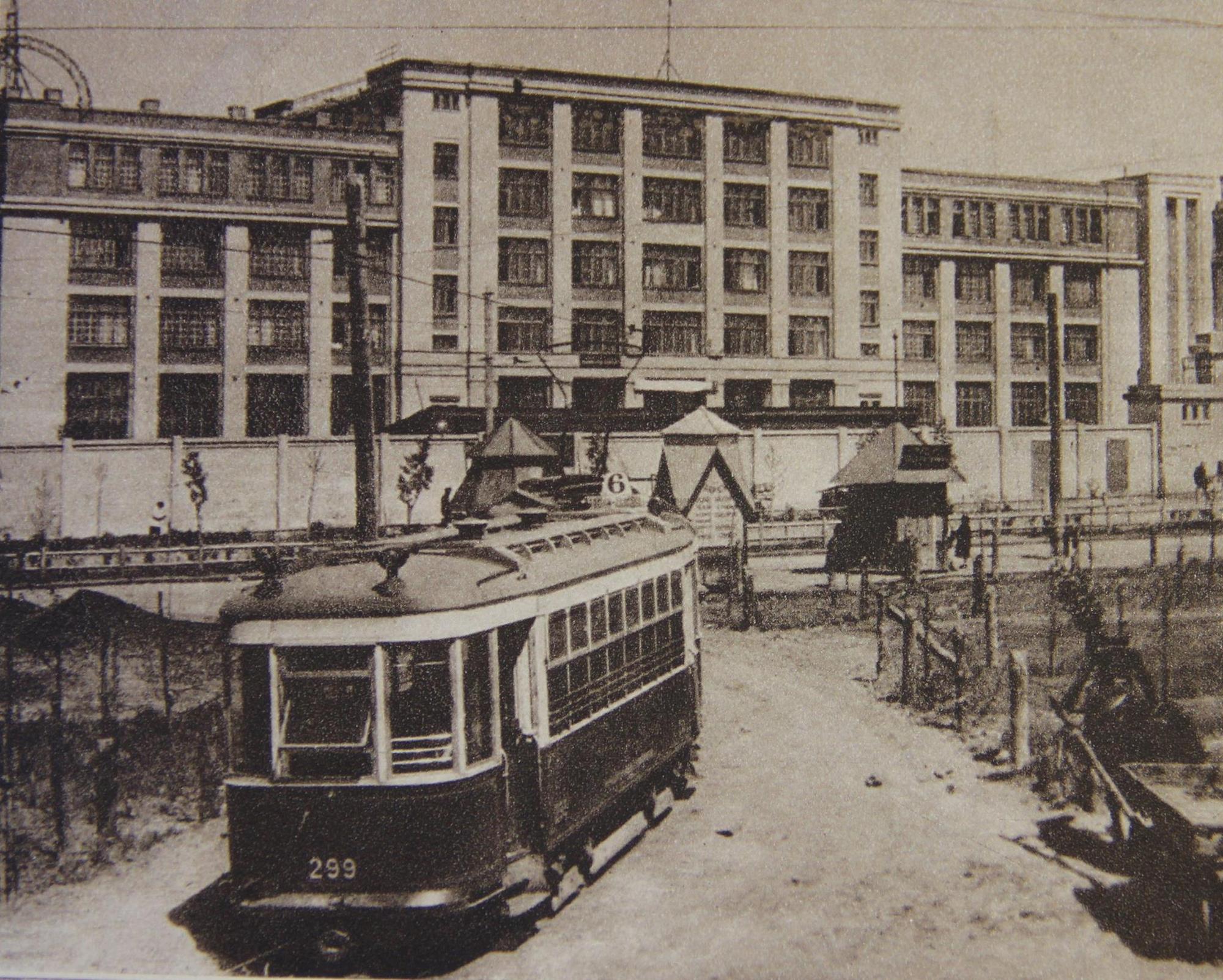
Reconstruction of an old photo taken near the HEMZ plant, using a 1:72 scale model:
That said, even a typical Kharkiv Tatra T3 is essentially a vintage vehicle by now, since the first ones appeared in 1960, and deliveries to Kharkiv began in 1967. Recently, an even older model, a 1963 T3 in superb condition, appeared in the city; it is the oldest T3 tram in regular service in the world. The design of the T3 traces its roots back to the American PCC tram of the 1930s.
The “Annushka” tram in Kharkiv was damaged during a bombing of the tram depot by Russian forces on March 3, 2022.

- "Noah's Ark" - 21.10.2026
- Blackie’s House on Maksymilianivska St - 19.10.2026
- Danylevs’koho Street, 19 - 13.10.2026