In the first part, we discussed the first large steamship, the *Kharkov*, which was built in the United States, changed its name five times, and, after serving in both military and commercial roles, became a home for the writer Sergei Dovlatov.
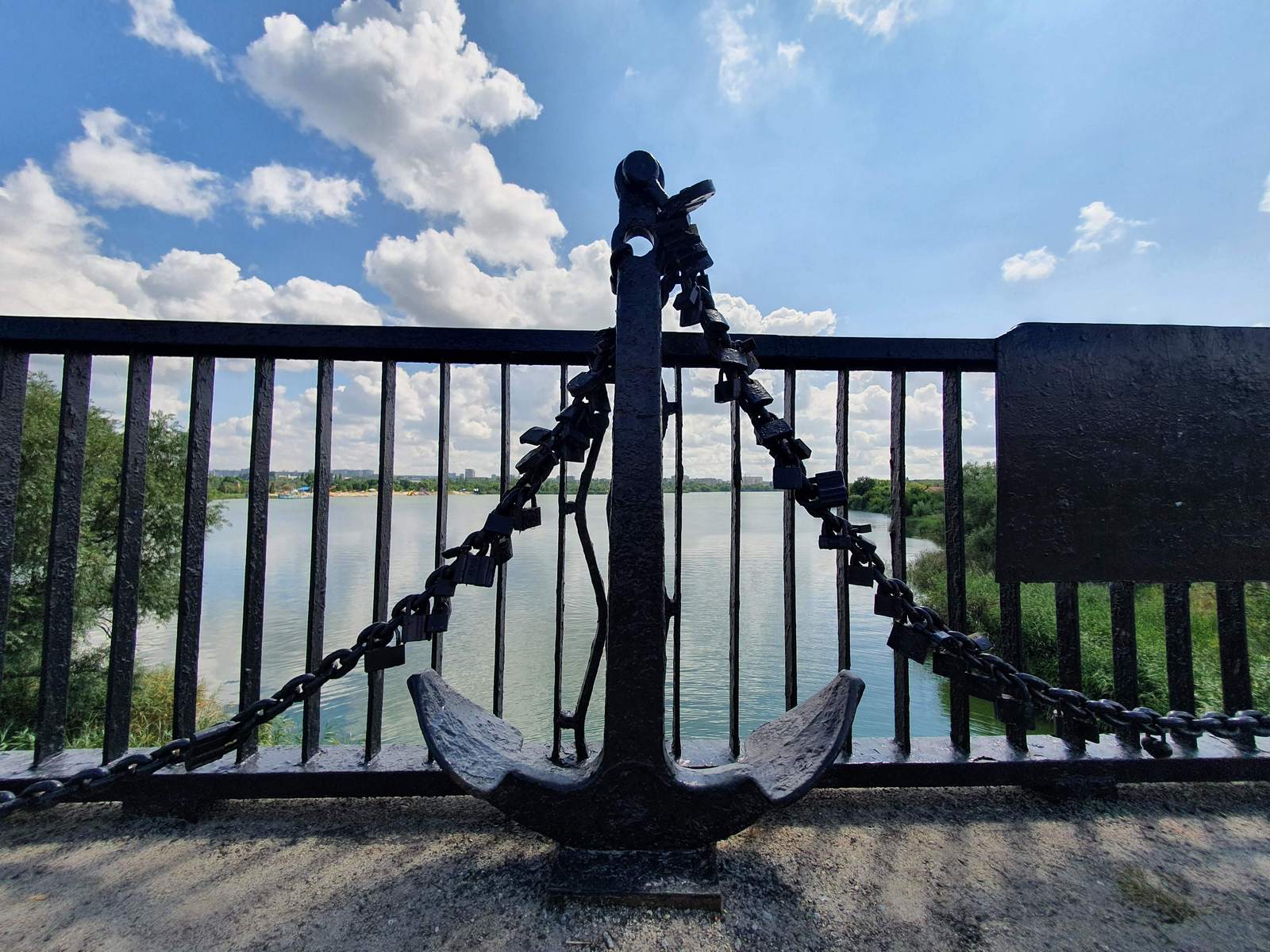
Sometimes the stories behind ships are so fascinating that they deserve their own book. Another ship named after our city became famous for a curious incident that went down in the history of the merchant fleet.
The ship was launched before World War I, in May 1914, at the Bremer Vulkan shipyards in Weserhaven, now a district of Bremen, Germany. The steamship was named Anhalt and was comparable in size to the aforementioned “American Kharkov” (displacement 6,557 GRT, length 150 m). It was a standard ship of the Rheinland class; between 1912 and 1915, 12 such ships were built on order from the Norddeutscher Lloyd shipping company for trade routes to Australia.
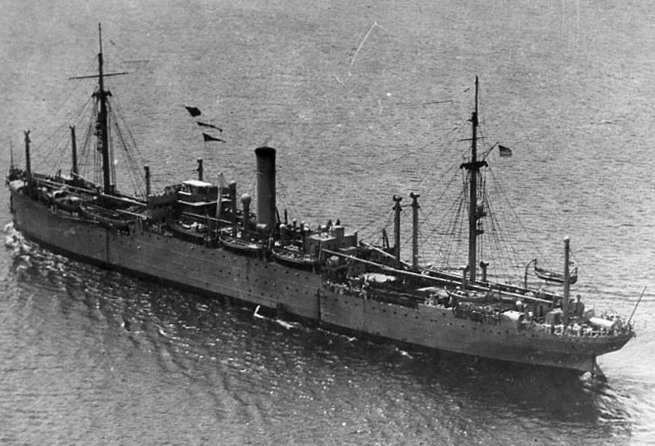
With the outbreak of World War I, many ships of this class were captured by various Entente powers and were subsequently used against Germany and the Ottoman Empire, for example, in the Battle of the Dardanelles.
The Anhalt was interned by the Allies in Indonesia, where it remained until 1919, when it was handed over to the UK. Three years later, the British sold it to the Spanish, who renamed the ship the Aya Mendi.
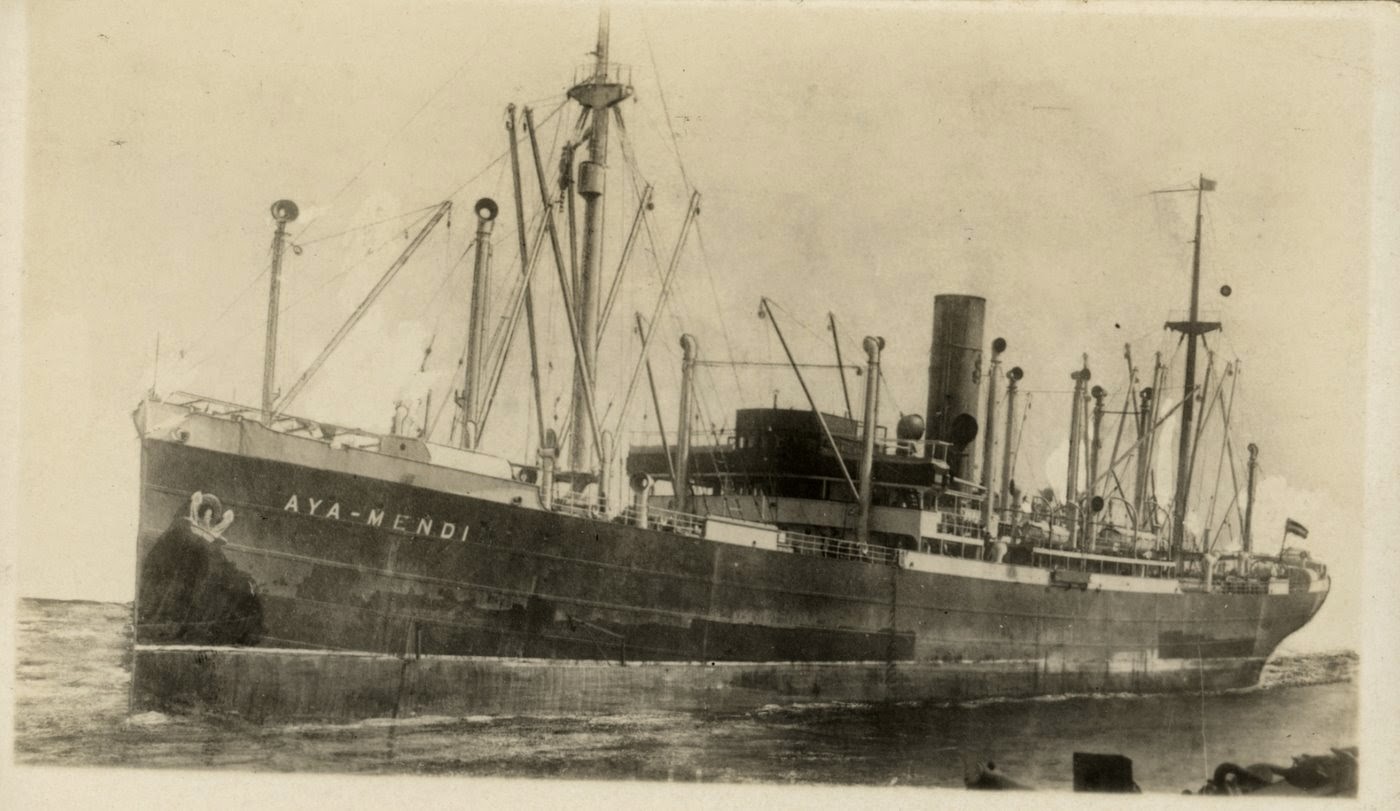
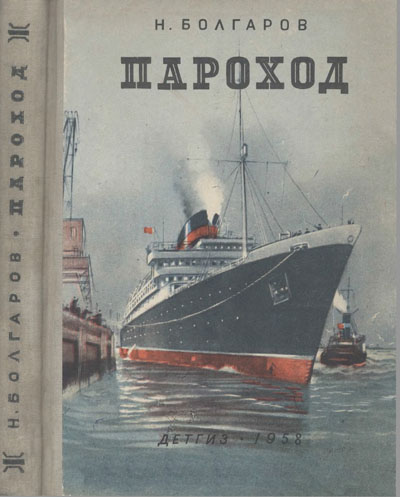
In 1925, the German shipping company Norddeutscher Lloyd (NDL) bought the steamship back. But technological progress did not stand still, and the slow-moving pre-war ship quickly became obsolete. As a result, the Germans got rid of it and sold it in November 1932 to the USSR. The steamship was renamed Kharkov and made voyages from Odesa to European countries and Southeast Asia. In 1933, a most amusing incident occurred involving it. You can learn about it from numerous documentary and fictional sources, such as N. Bolgarov’s book *The Steamship* and Paustovsky’s novella *The Black Sea* (*Peas in the Hold*)…
The ship was carrying a cargo of beans but ran aground near Istanbul at Cape Kara-Burun and sustained a breach. The beans began to swell and eventually split the ship’s hull in two, such was the force of their pressure. Due to the shallow waters, the two halves of the ship did not sink. Divers from the Special Purpose Underwater Operations Expedition, who arrived at the crash site, sealed off the two halves. Tugboats transported the bow section to Sevastopol, leaving the stern in Istanbul, where it was further reinforced, and then retrieved it as well.
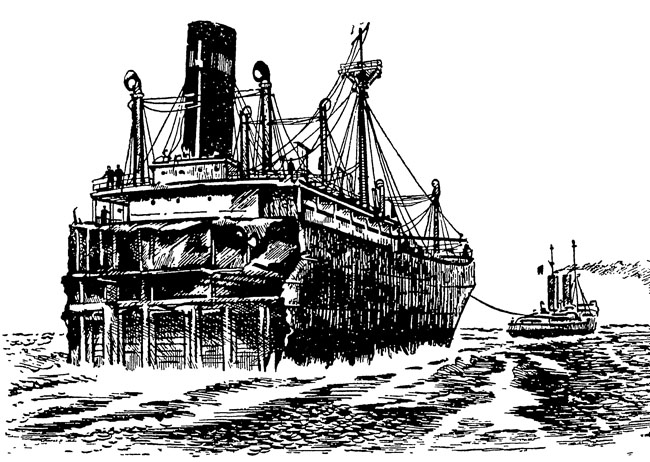
For a long time afterward, sailors joked, “The steamship ‘Kharkov’ is the longest ship in the world: its bow is in Sevastopol, and its stern is in Constantinople.” Soon, the two halves were joined by electric welding, and the ship resumed service.
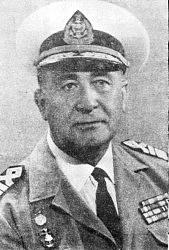
During the Spanish Civil War, the steamship transported supplies to the Republicans. In 1938, the “Kharkov” participated in an operation at the mouth of the Tumannaya River during the Red Army’s battles with Japan near Lake Khasan. Many crew members were awarded medals, including Captain Vitaly Tsilke. Later, Tsilke became captain of the tanker “Donbass,” which was sunk by the German destroyer Z27 off Spitsbergen in November 1942. Tsilke was taken prisoner, escaped, and after interrogations by SMERSH, saw the end of the war with the rank of private…
And what about the *Kharkov*? In July 1941, while loading grain in Mykolaiv, it was hit by several aerial bombs and sank. After capturing the city, the Germans salvaged the ship and managed to repair it. The ship once again became German (for the third time!), and was renamed the “Boy Federsen.”
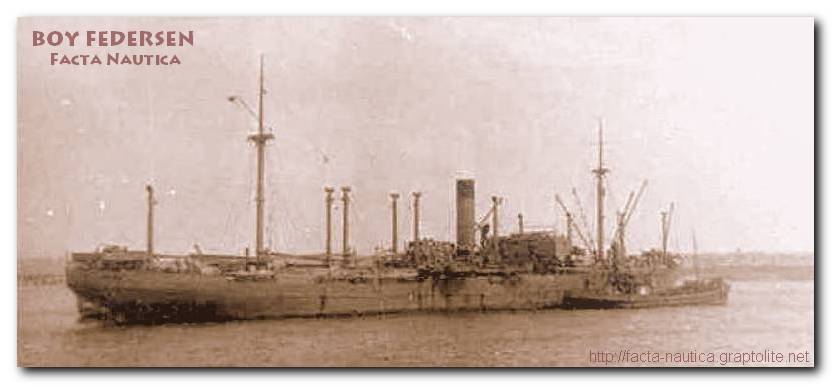
On August 10, 1943, the former “Kharkov” was met with torpedoes by Soviet aircraft. The damaged ship remained afloat for about a day; during that time, the Germans transferred most of its cargo to other vessels, and the next day the ship sank—for the second and final time. In April 2017, divers discovered the ship at a depth of 90 meters near Yevpatoria, Crimea.
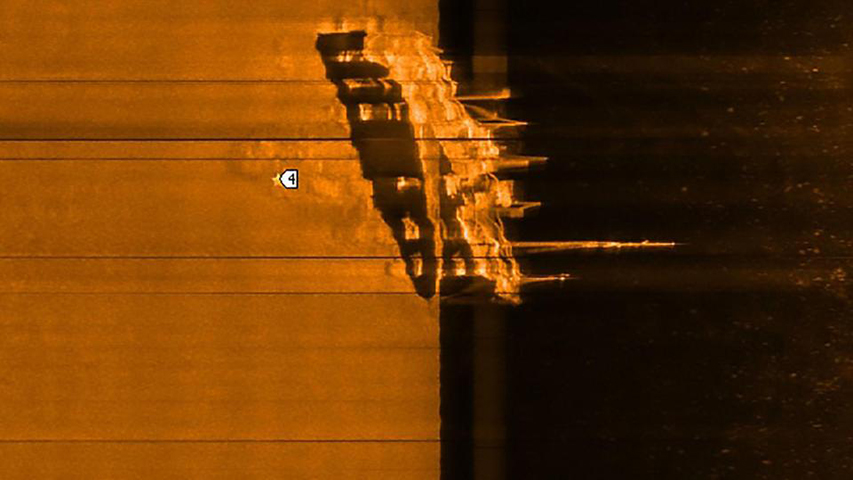
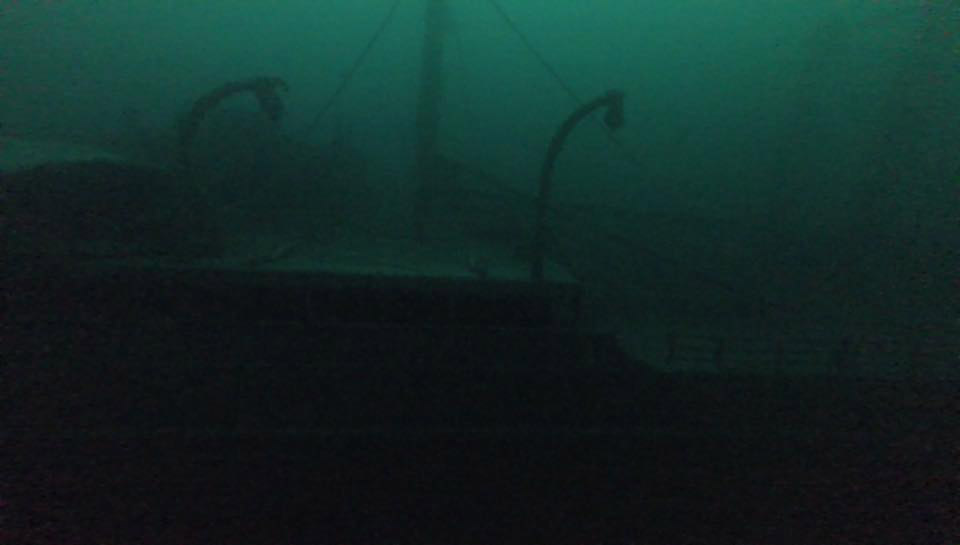
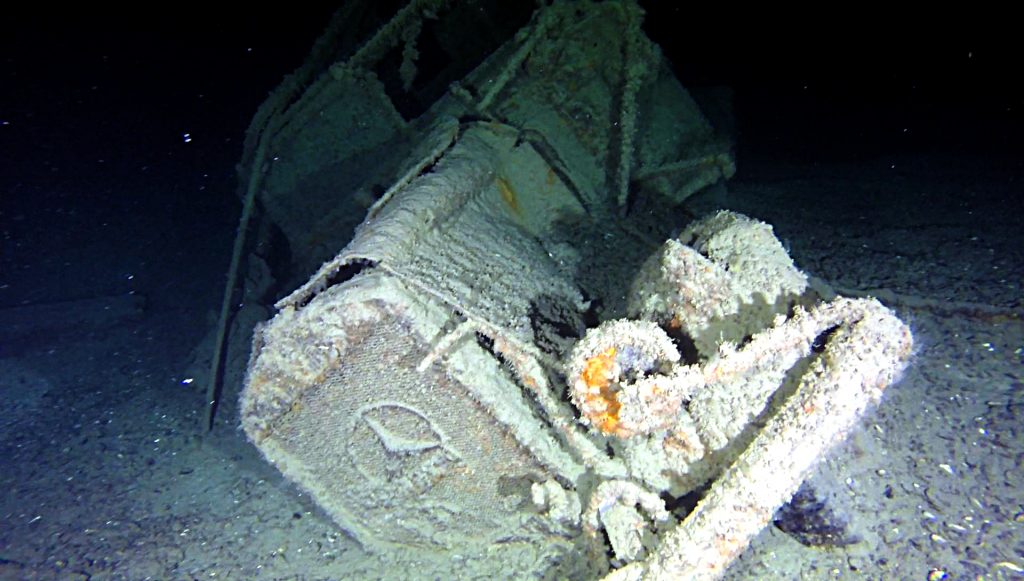
It is well-preserved, and one of the photos taken from the seabed shows a German Mercedes truck that had rolled off the deck. Initially, the expedition had hoped to find gold on the ship—gold that the Germans had evacuated from Crimea and which had apparently been transferred to other vessels while the ship was still afloat. However, it is possible that other secrets are still hidden somewhere deep within the ship…
===
Sources:
- K.G. Paustovsky, “The Black Sea,” 1936
- Bolgarov, N., “The Steamship,” 1958
- DICTIONARY OF DISASTERS AT SEA DURING THE AGE OF STEAM. Including Sailing Ships and Warships Lost in Action, by Charles Hocking, FLA. 1824–1962 (1969)
- https://wrecksite.eu/wreck.aspx?152115
- https://www.thesun.co.uk/news/3430894/nazi-ship-discovered-could-contain-art/

- Danylevs’koho Street, 19 - 13.10.2026
- Debunking the myth about one of the most famous Kharkiv photos - 12.10.2026
- The Architectural Evolution of the Kharkiv Theater - 26.09.2026