Kharkiv is landlocked, yet it has a maritime museum, a youth sailing club, and a veterans’ organization for submariners…
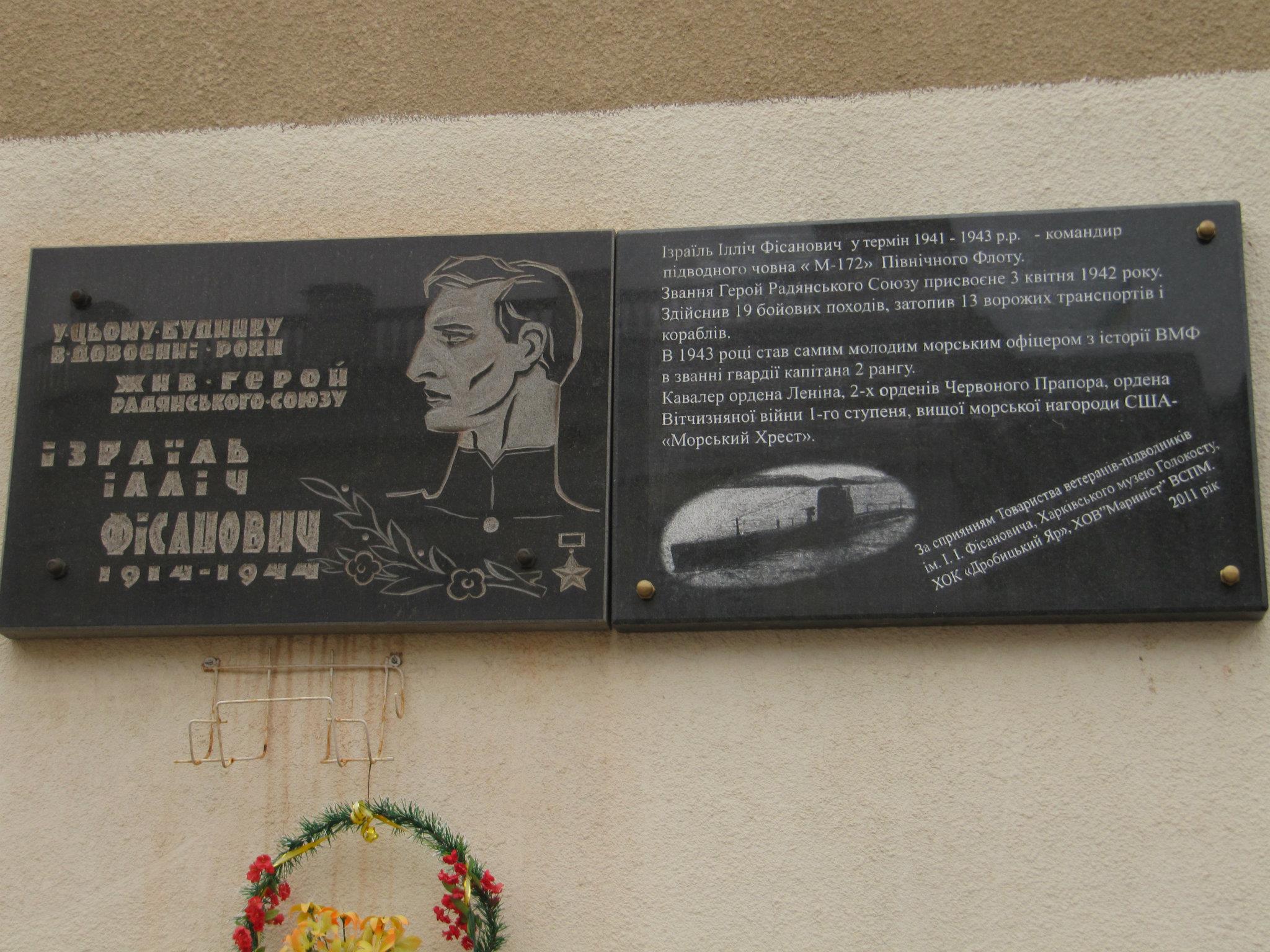
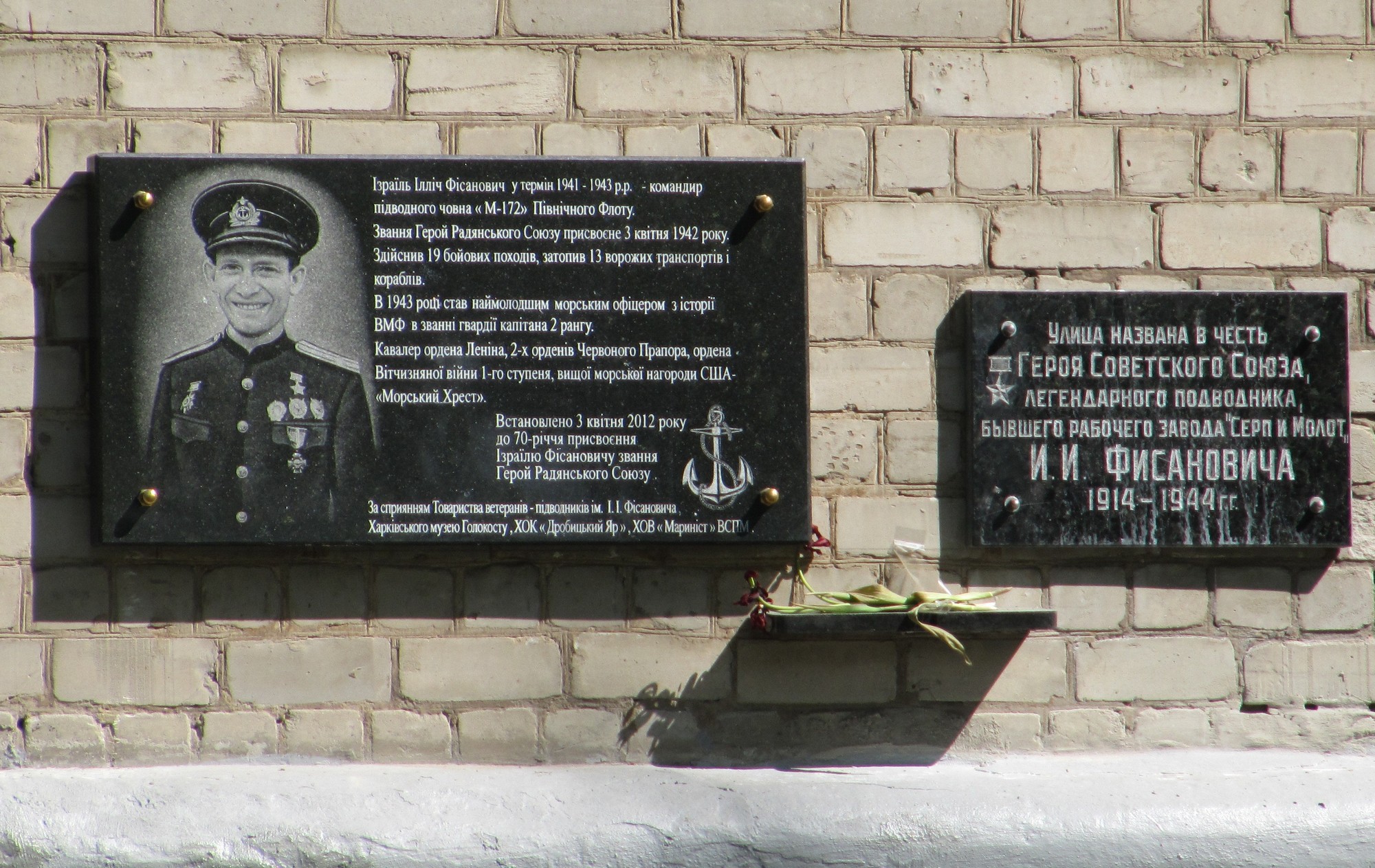
We cannot fail to mention Israel Fisanovich, a heroic submariner KIA in 1944; a memorial plaque in his honor is located at Rymarska Street, 23A (and one more street in Kharkiv is also named after him).
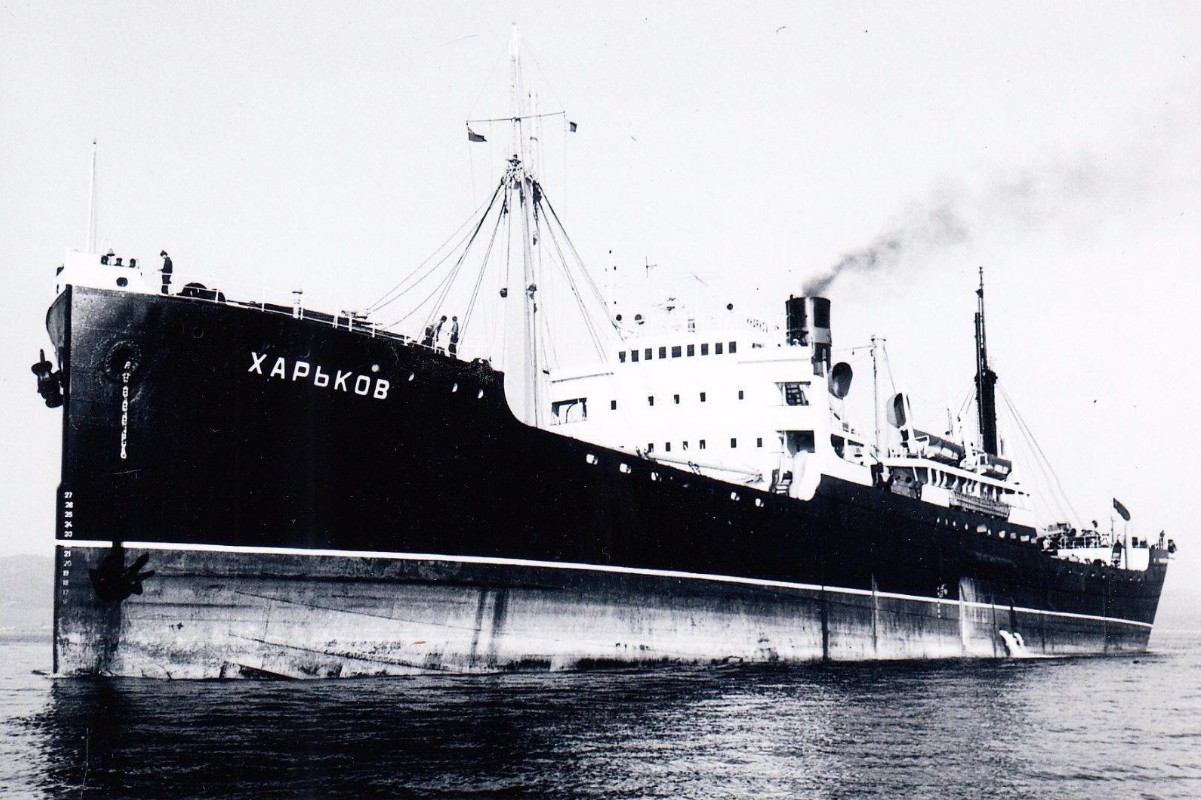
But the history of the first half of the 20th century also includes three large ships named “Kharkiv.” Their stories are surprising, amusing, or dramatic. Each deserves its own article. Two of the steamships were built during World War I, belonged to the merchant fleet, and carried our city’s name to the ports of world powers on different continents. The third was a more modern military vessel, launched in 1934. And while the tragic fate of the latter has been covered in considerable detail in various studies, the history of the civilian ships Kharkov is not as well known. The origins of one of them were shrouded in mystery. Let’s start with that one.
The least well-known ship to bear the name Kharkov has a long and convoluted history. It was originally launched at the end of World War I, in 1918, in Seattle, USA. It was a general-purpose cargo ship with a gross tonnage of 5,747. The ship was built by the J. F. Duthie & Co. shipyard on behalf of the British government and was to be named War Moon.
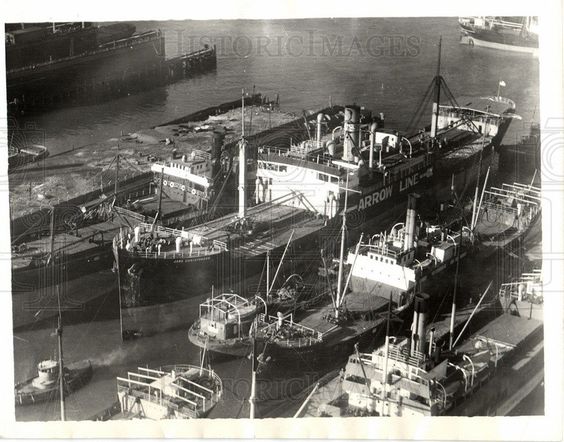
But World War I ended, and Great Britain relinquished the ship. The U.S. government purchased the vessel and renamed it the Westboro. In 1926, it was sold to the Christenson SS Co. in San Francisco and renamed the Jane Christenson.
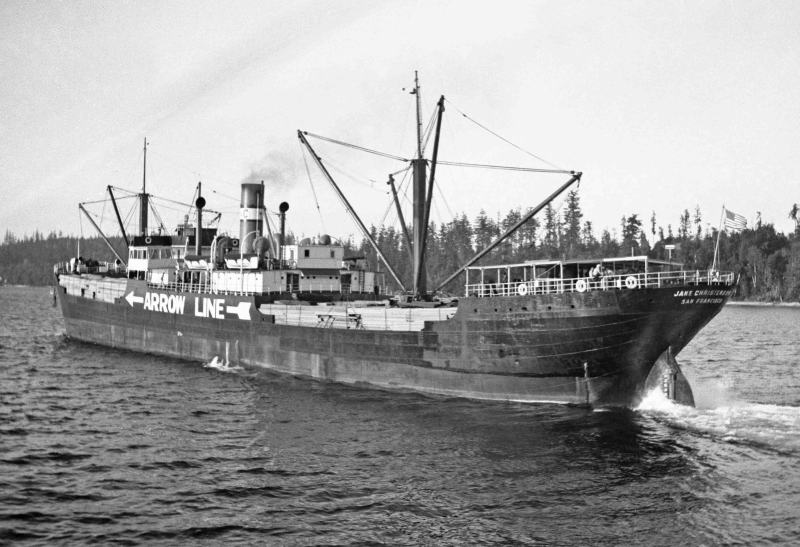
On January 2, 1935, the ship was involved in a shipwreck (6 fatalities).
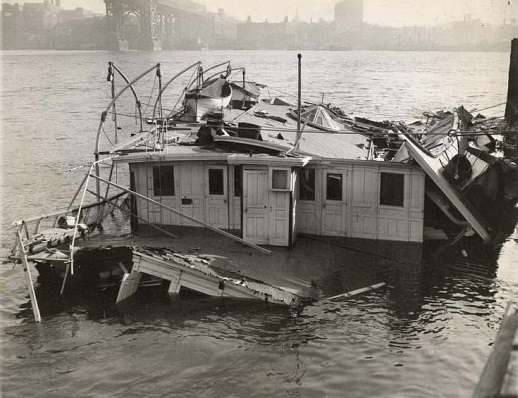
In the East River (New York), which separates Manhattan from Brooklyn, the Jane Christenson rammed the passenger ship Lexington, which broke in two and sank, while the Jane Christenson remained afloat.
In November 1942, the ship was accepted by a Soviet procurement commission and renamed the Stalingrad; it was operated by the Far Eastern Shipping Company. However, a year and a half later, the ship was returned to the United States because its condition was already poor at the time of transfer and had since become completely unsatisfactory. The Americans addressed the issues, overhauled, and modernized the ship. In December 1944, it was renamed for the fifth time, this time to Kharkov, and resumed voyages between the United States and the USSR across the Pacific Ocean.
In August 1945, the Kharkov took part in an amphibious landing during one of the final stages of World War II—the Soviet-Japanese War. Beginning in May 1948, the ship was operating in Europe as part of the Baltic Shipping Company.
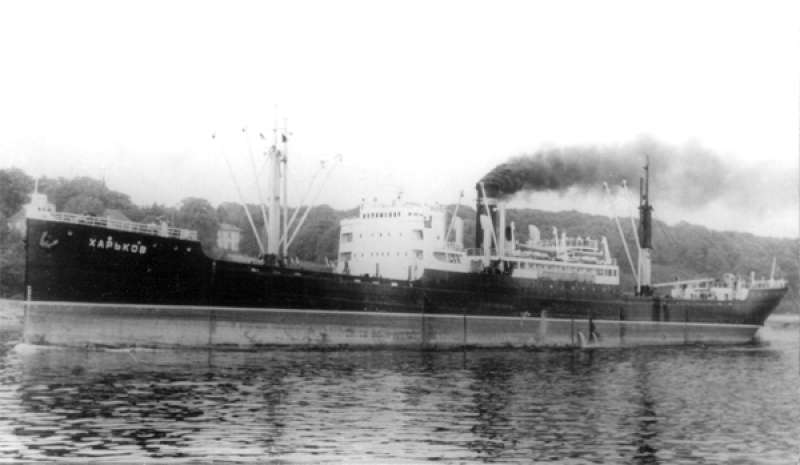
The steamship was taken out of service in 1968. However, it was not scrapped; instead, it remained moored at Lieutenant Schmidt Embankment in the center of Leningrad for another ten years.
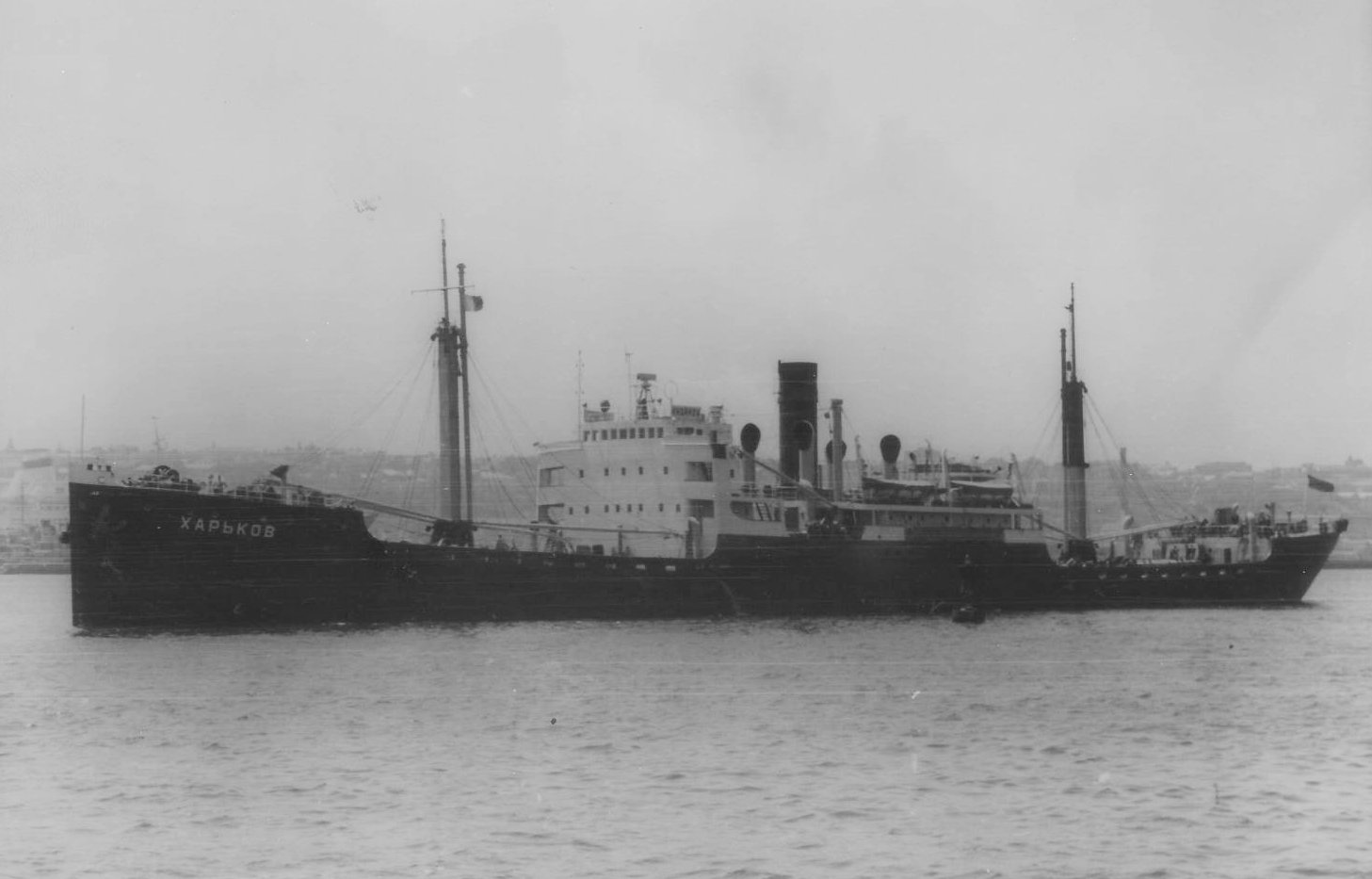
It served as a floating warehouse and also supplied steam to the shipyard. In this way, the Kharkov continued to “promote” Kharkov city’s name in the heart of Leningrad for many years to come. In 1977, the renowned writer Sergei Dovlatov lived and worked aboard the Kharkov ship.

Here is a quote from the book *Dovlatov’s Leningrad: A Historical Guide* by Lev and Sofya Lurie:
Sergei Dovlatov rang in the New Year of 1977 aboard the steamship Kharkiv, where he had taken a job as a sailor after being laid off from Kostyor and failing to find a decent position at any of the city’s newspapers. The steamship Kharkov, moored at the northern pier of the ship repair yard, served as a floating warehouse and repair base.
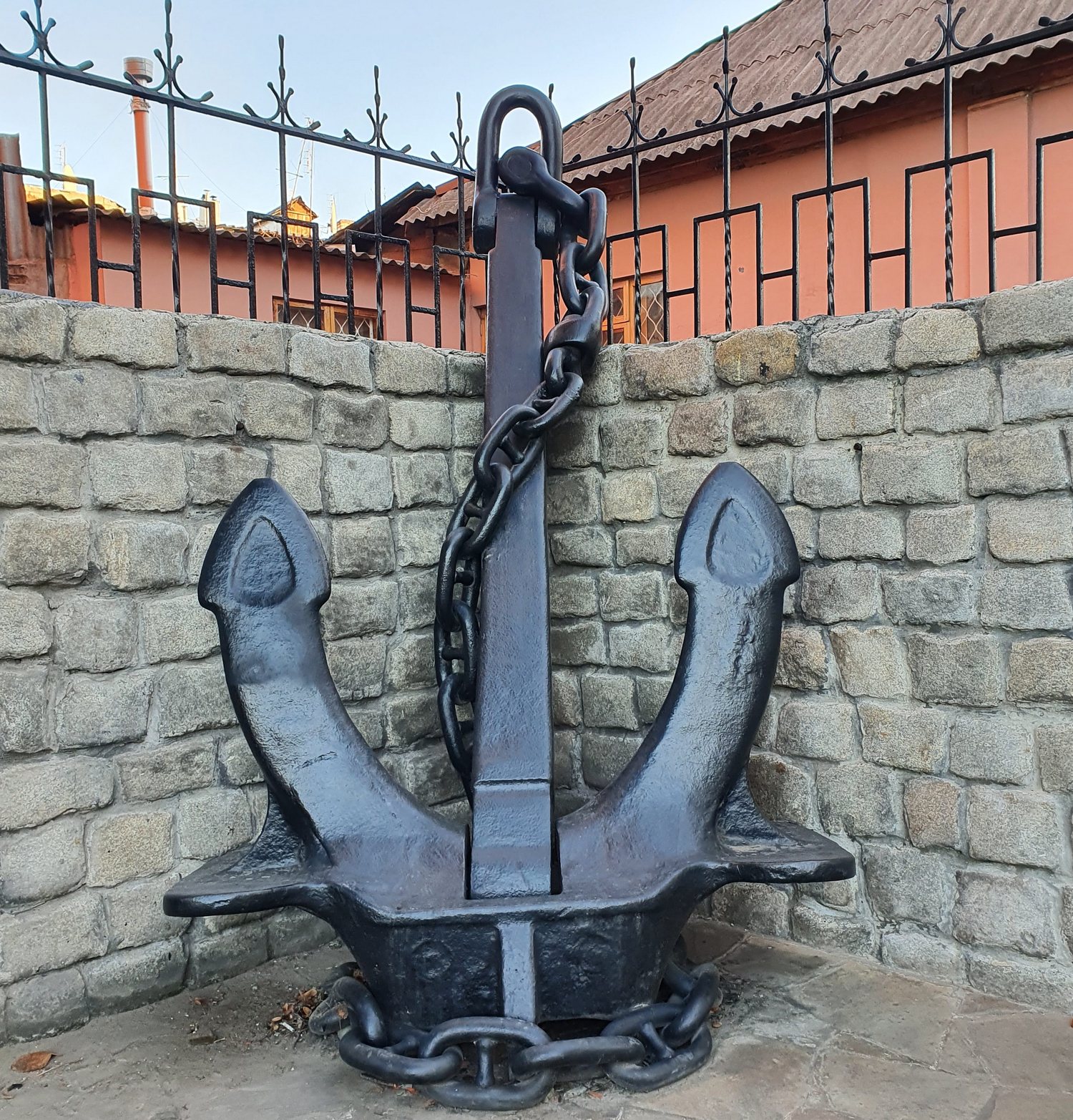
You can read about how another steamship named Kharkov became “the longest ship in the world” in the second part.
===
Sources:
- http://shipbuildinghistory.com/shipyards/emergencylarge/duthie.htm
- https://www.nytimes.com/1935/01/04/archives/ship-crash-is-laid-to-signal-mixup-freighters-pilot-says-whistle-to.html
- http://www.shipspotting.com/gallery/photo.php?lid=1858883
- Lev Lurie, “Dovlatov’s Leningrad,” 2018

- Danylevs’koho Street, 19 - 13.10.2026
- Debunking the myth about one of the most famous Kharkiv photos - 12.10.2026
- The Architectural Evolution of the Kharkiv Theater - 26.09.2026