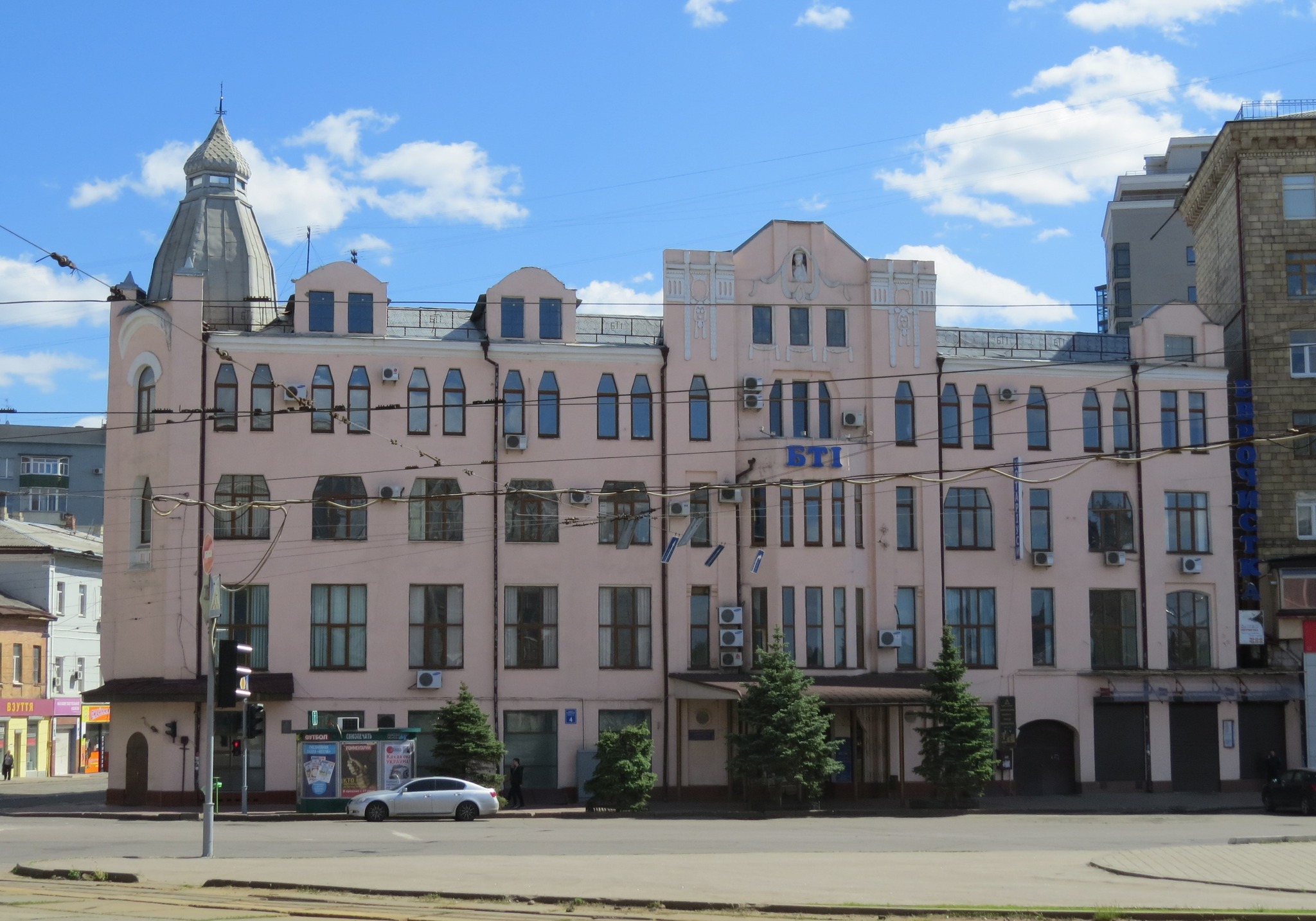
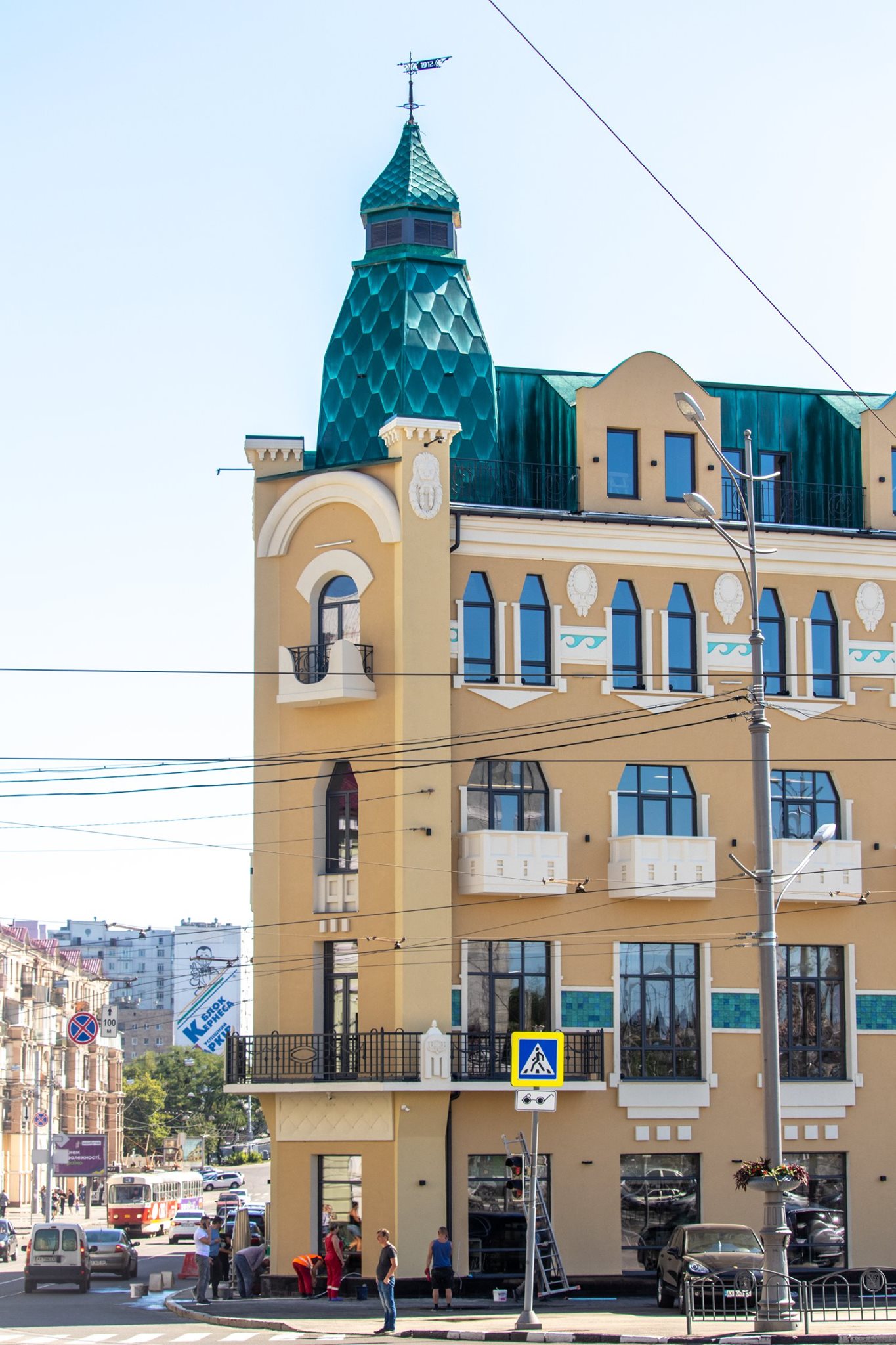
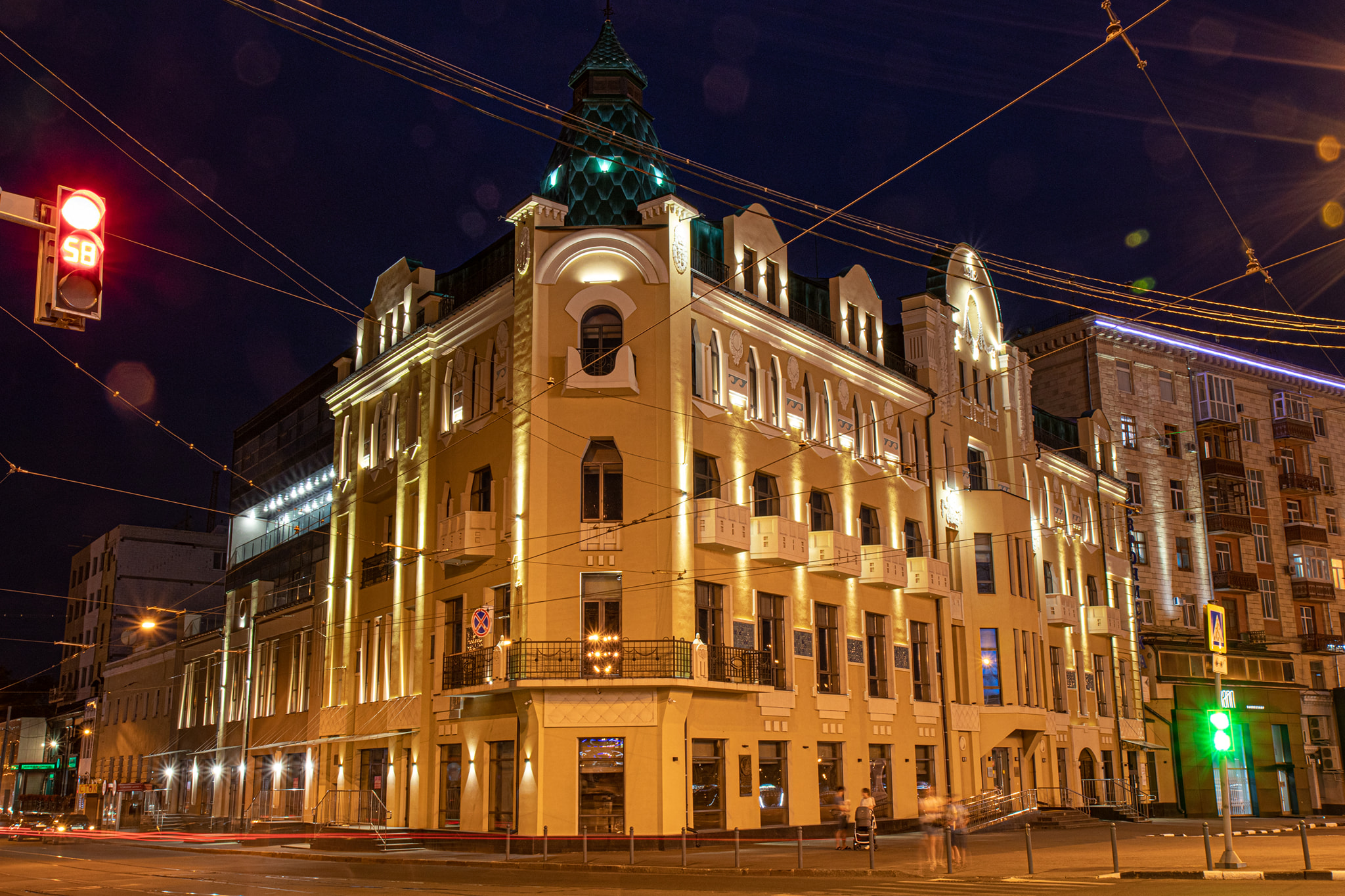
The BTI Building, formerly known as the “Peasant House” or “Selyansky House,” was designed by architect Boris Kornienko in 1912 in the Ukrainian Art Nouveau style as an apartment building for Adam Piotrovsky. It is located on Pavlivskyi Square, 4.
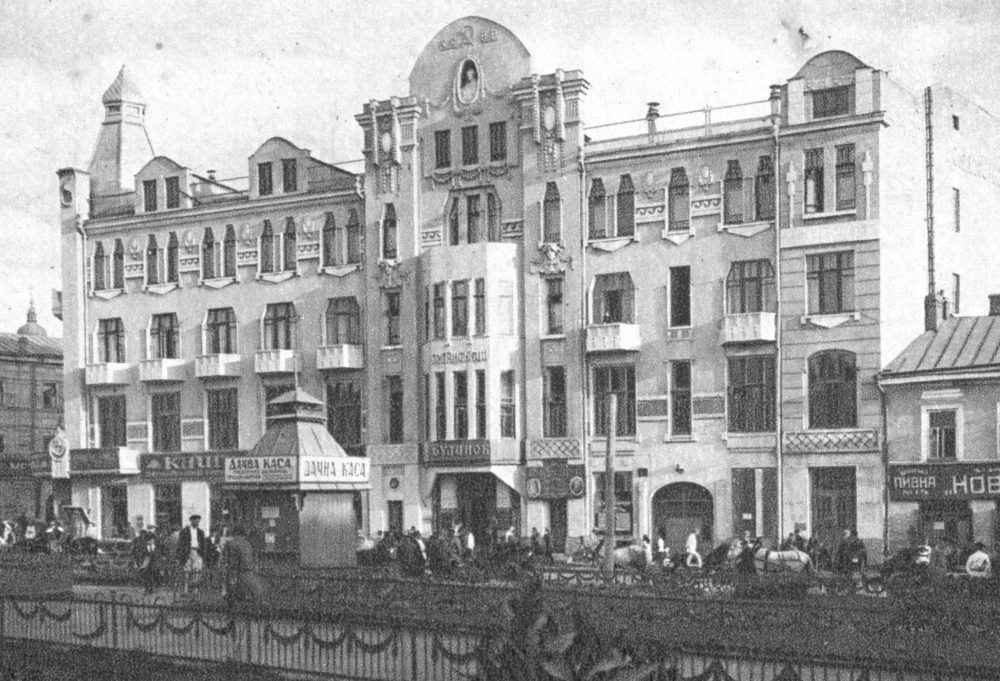
According to research by V. Prilutsky, the building was in fact a reconstruction—an extension built atop two two-story houses from the mid-19th century.
The ground floor housed a restaurant, and the second floor housed the Imperial Hotel.
In the early 1920s, the building became the “Central Peasants’ House” (Selbud), where NEP peasants from all over Ukraine could stay during their trips to Kharkiv, which was then the capital.
This was also the location of the newspaper *Selyanskaya Pravda*, which became the hub of the city’s literary life in the early 1920s.
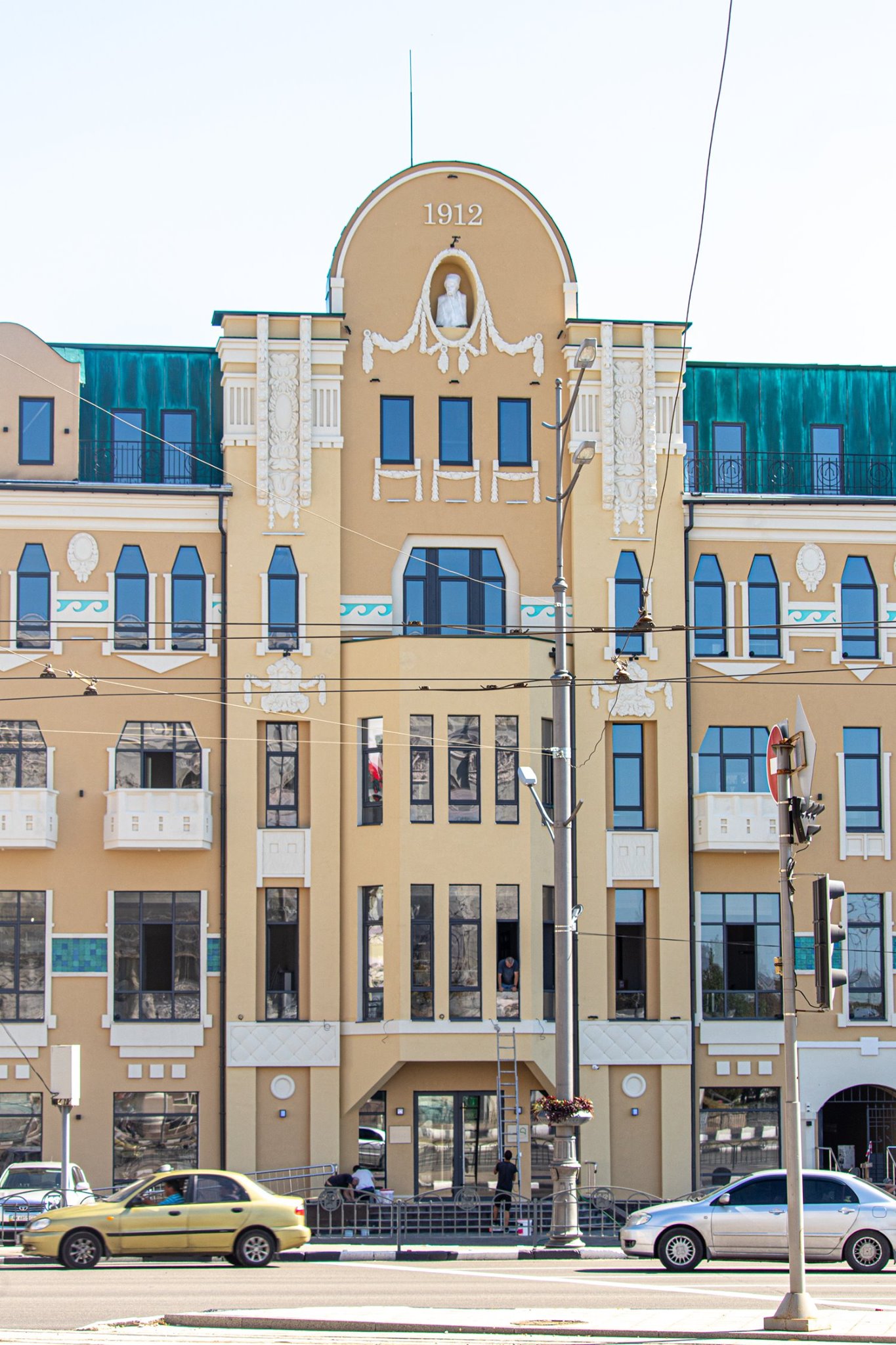
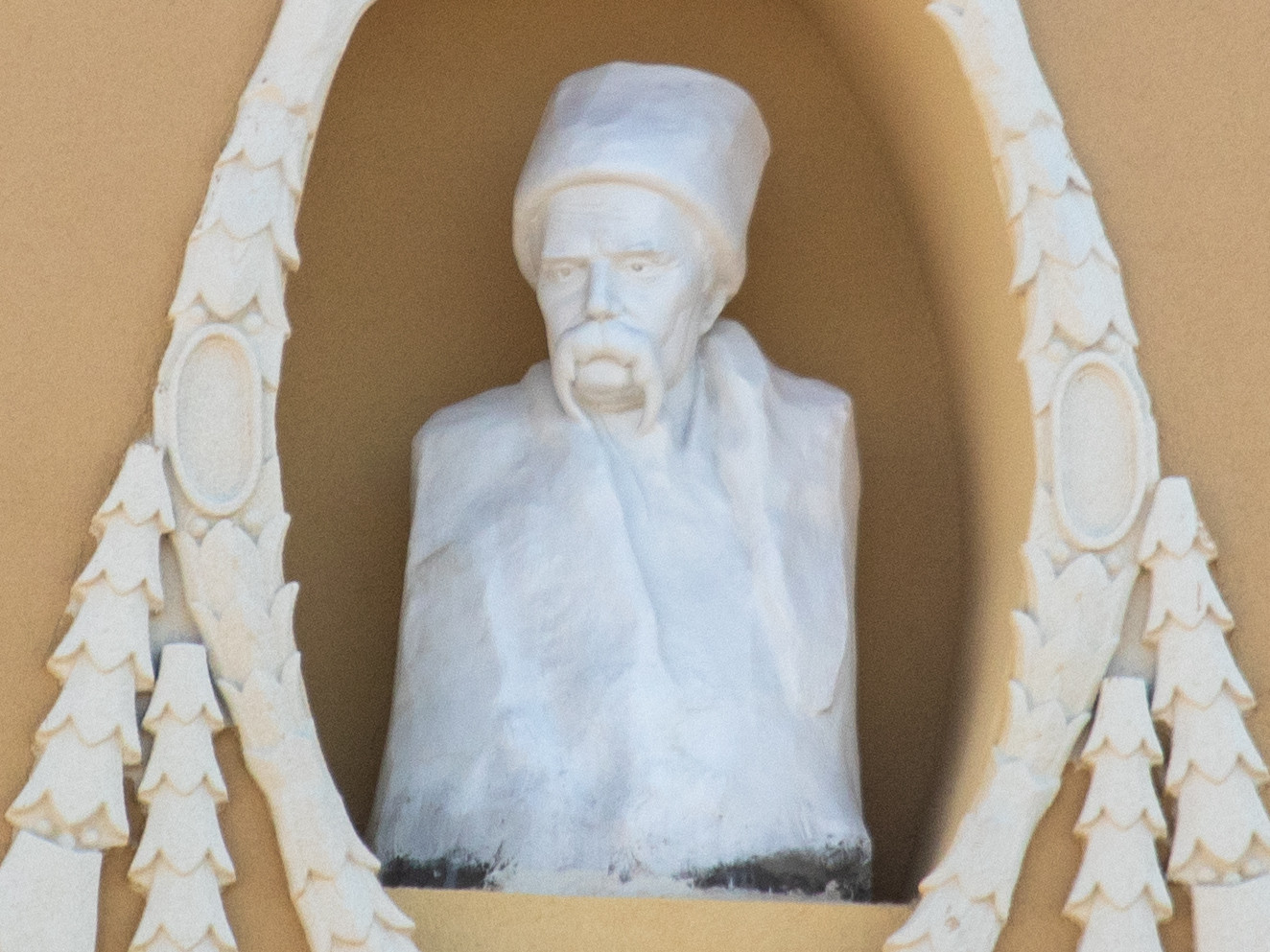
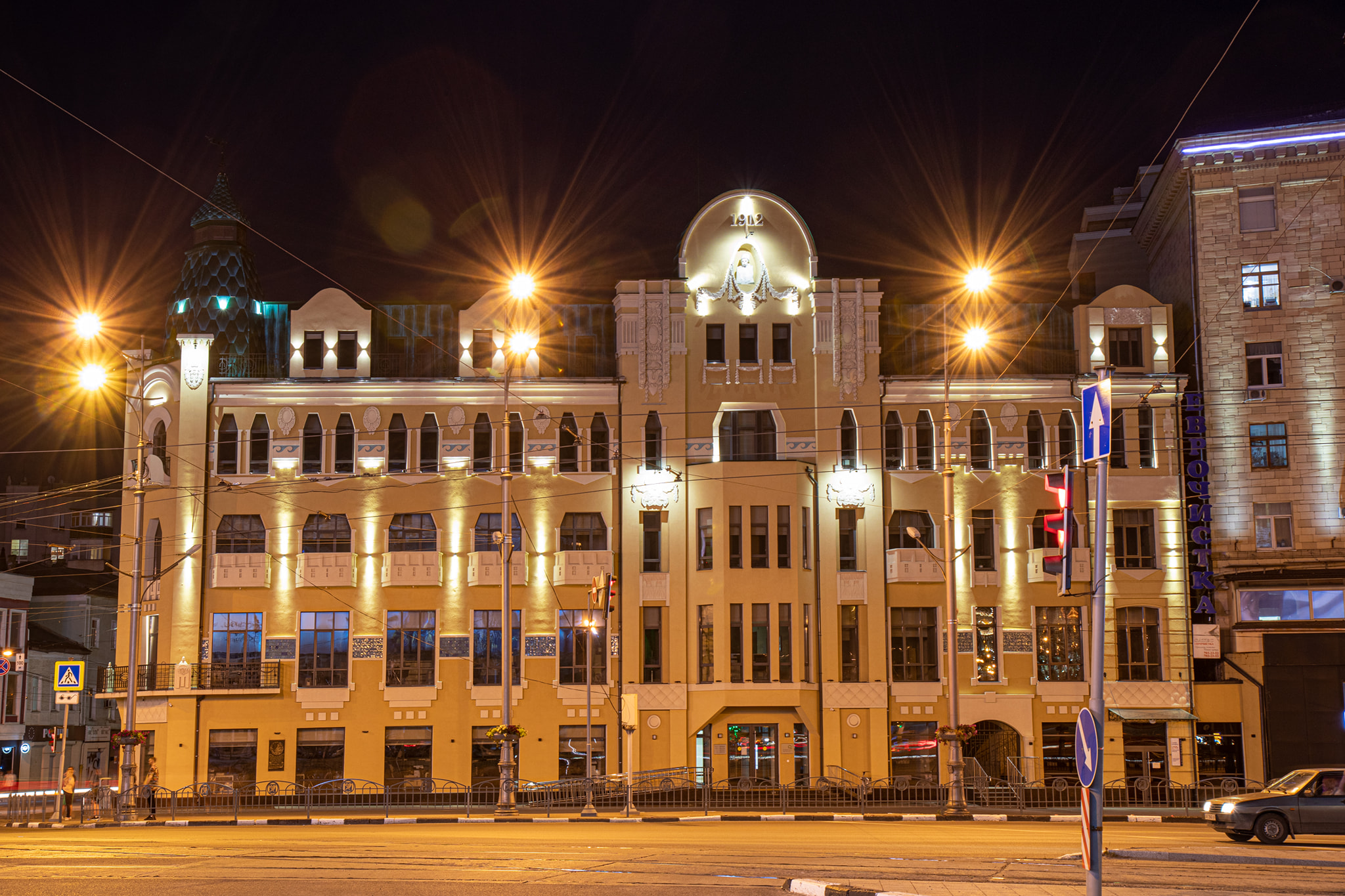
At the same time, a bust of Taras Shevchenko was installed in a niche on the pediment.
In 1922, Sergei Pilipenko, the newspaper’s editor, founded the Union of Revolutionary Peasant Writers “Plough” (in 1998, a memorial plaque honoring Pilipenko was installed on the building).
In the early 1930s, the facade was simplified and lost many details – at that time it corresponded to the constructivist spirit and the building of the “Khatorg” department store on the opposite side of the square. In the post-WWII years, the building housed the central (and then the regular) post office. In 1992, it was reconstructed to house the Central Bureau of Technical Inventory (BTI).
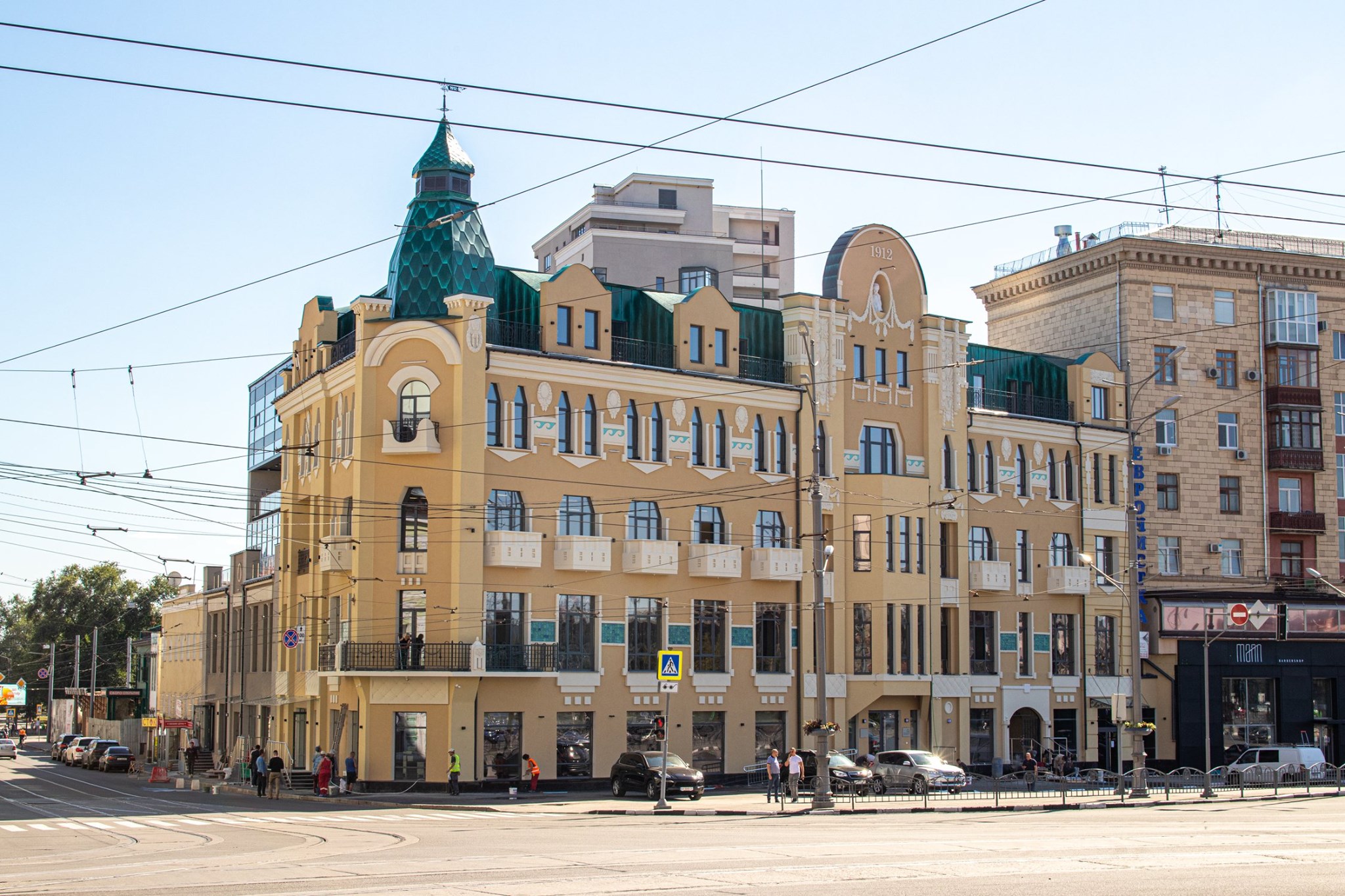
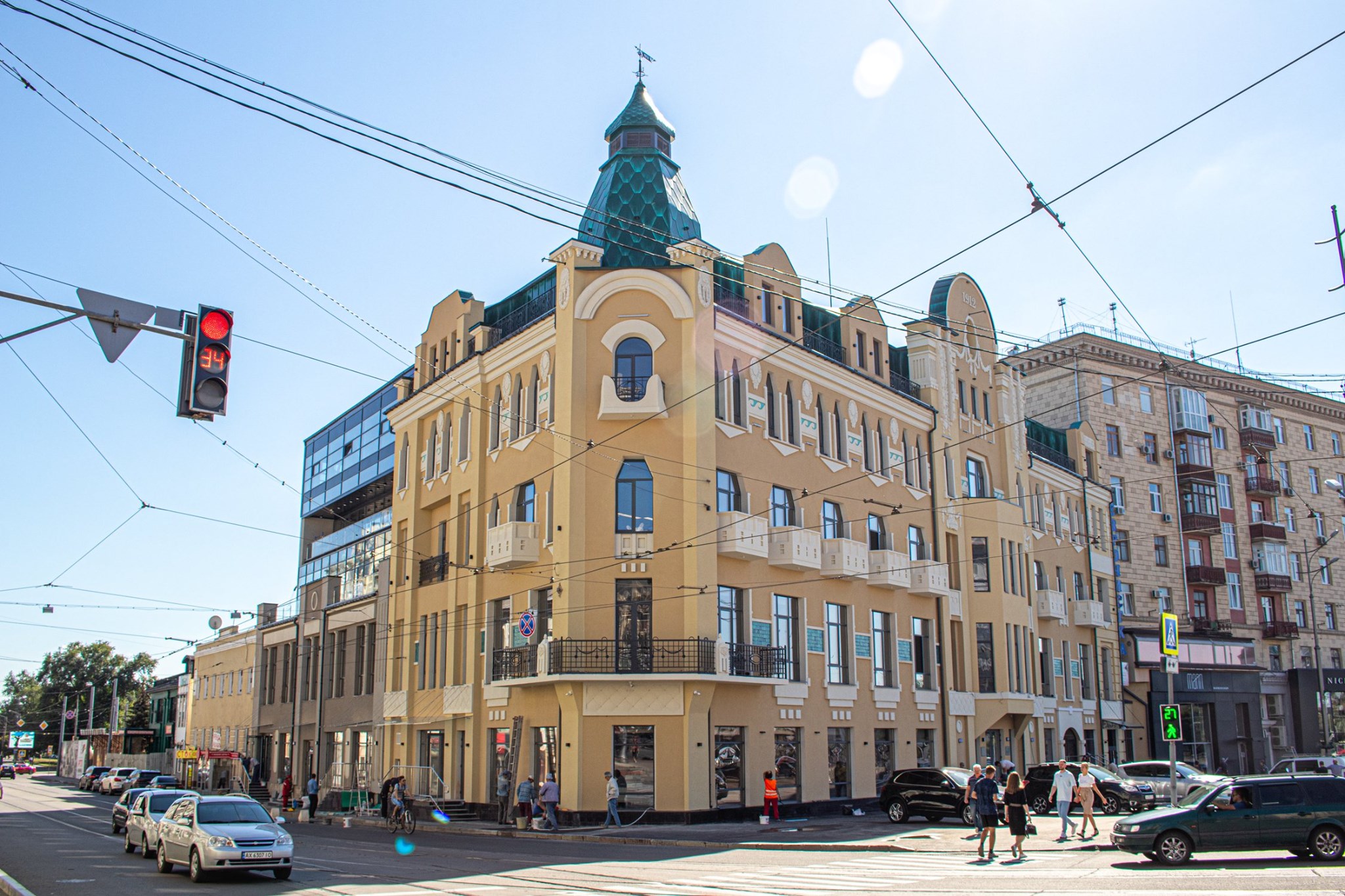
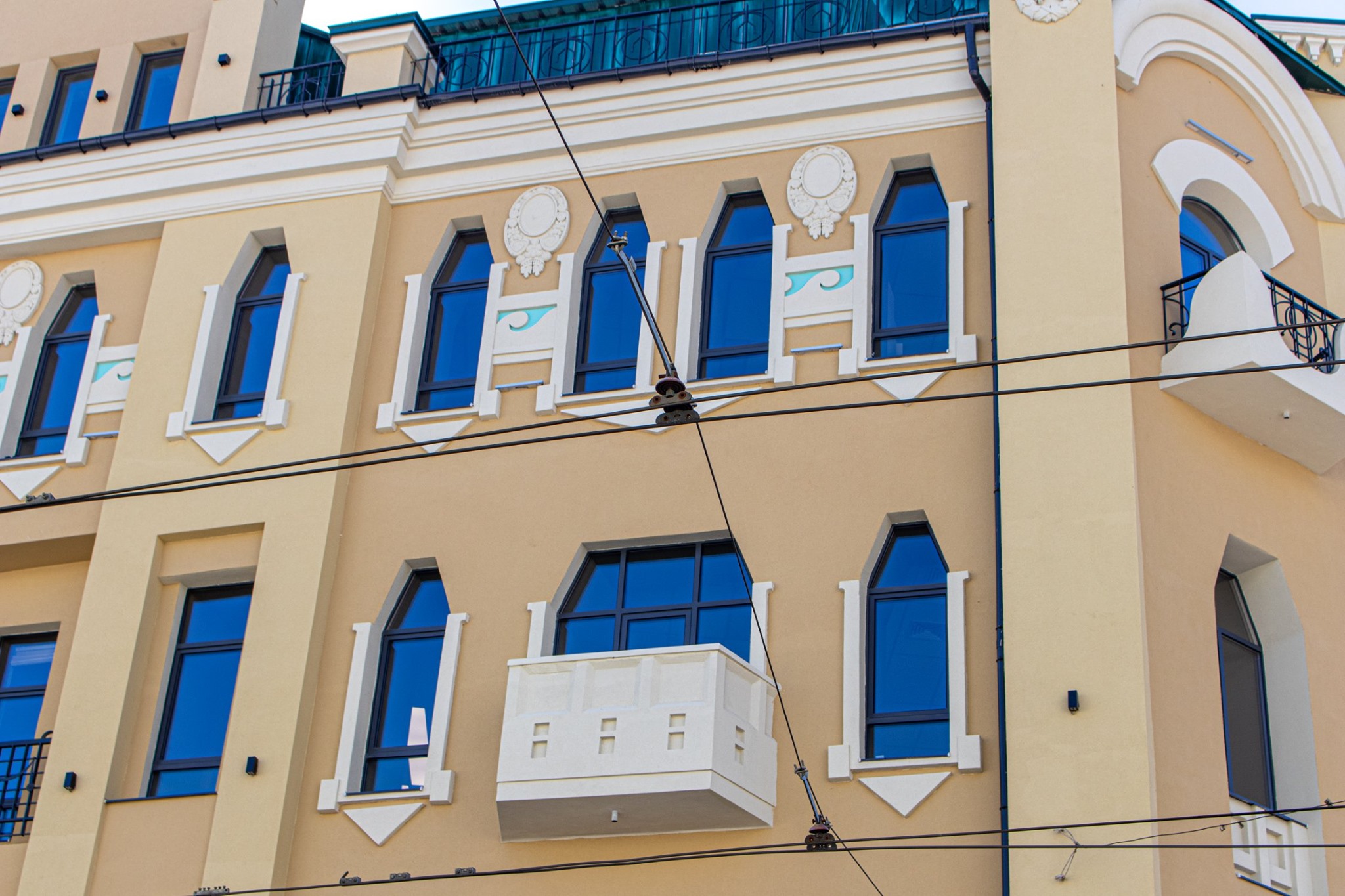
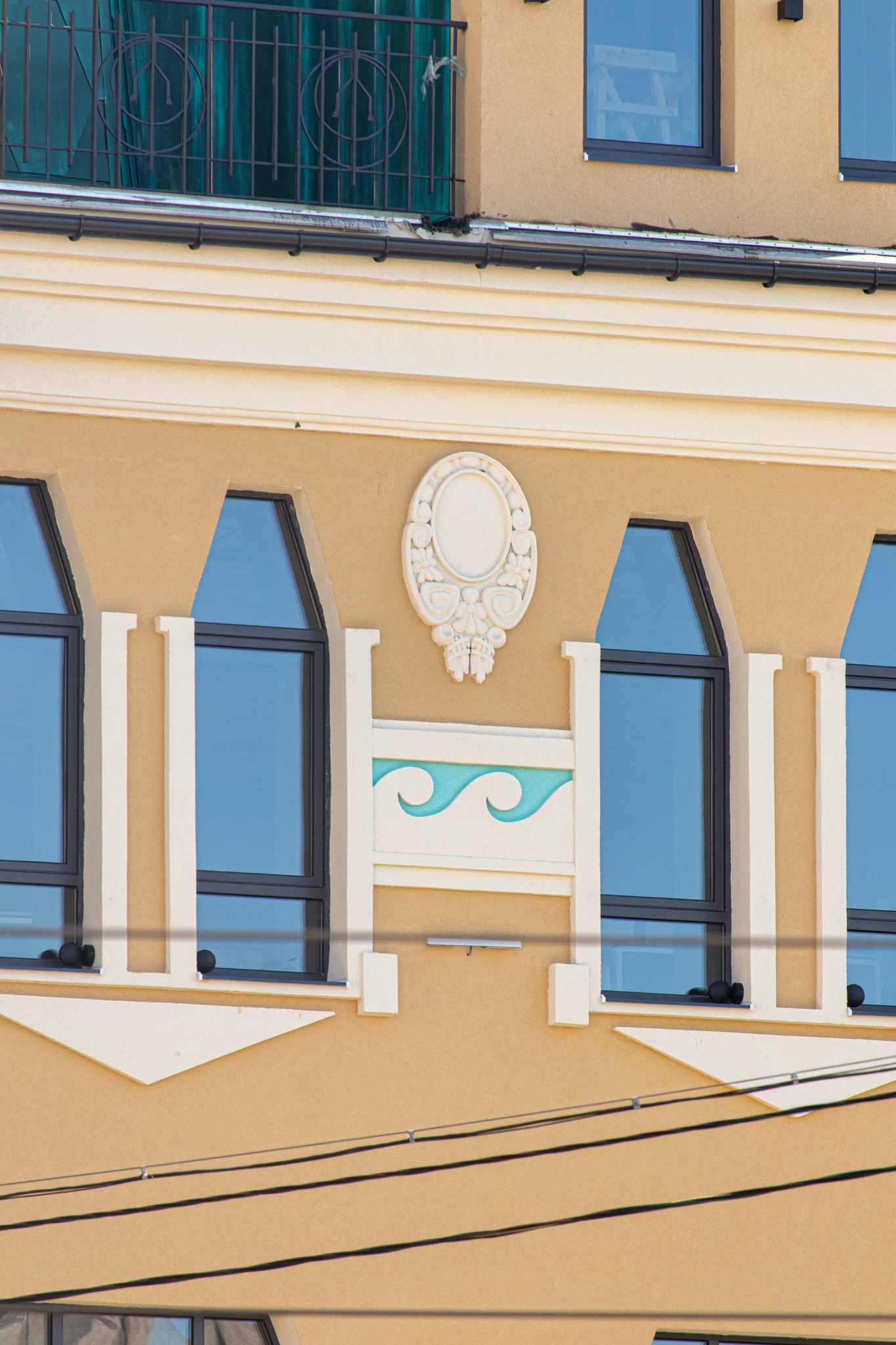
During the last renovation, which took place from 2016 to 2020, previously lost elements of the facade were restored, including the balconies and decorative majolica tiles.
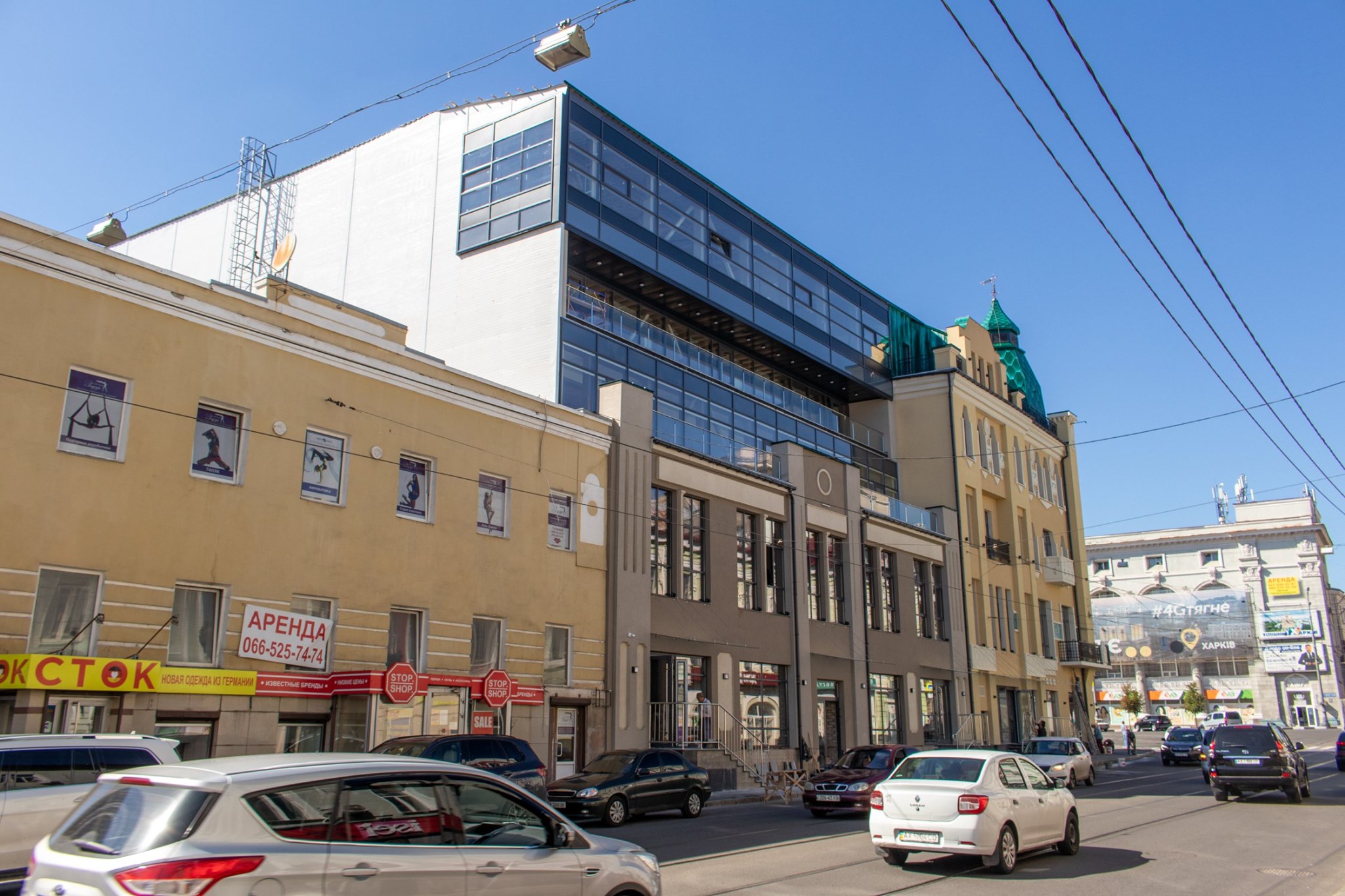
The interior of the building was redesigned and significantly expanded, and an attic floor was added. In fact, only elements of the facade remained from the old building.
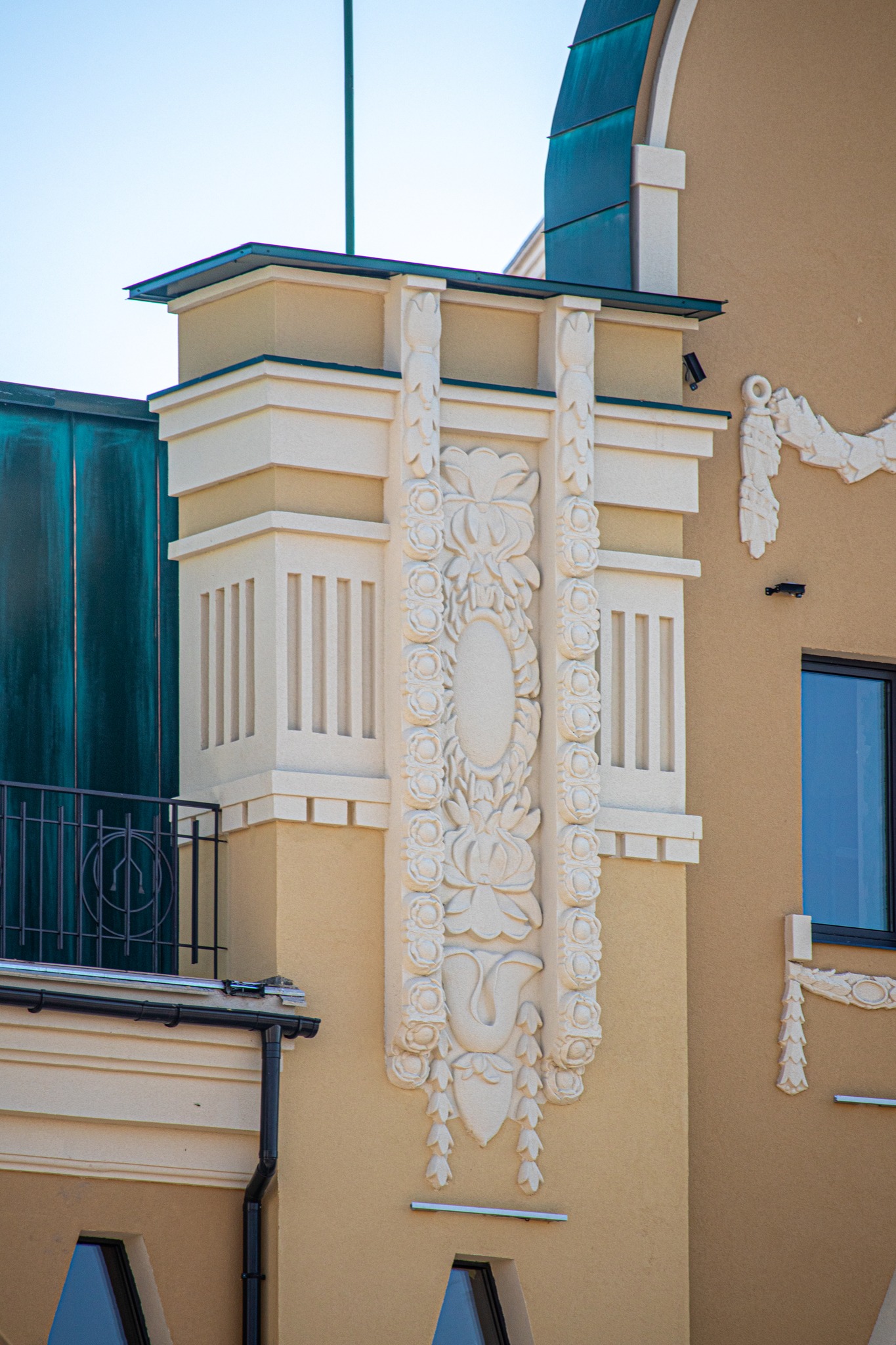
The architect behind the facade restoration project is Vladimir Novgorodov.
Monument to Taras Shevchenko:
The building is a striking example of the Ukrainian Art Nouveau style.
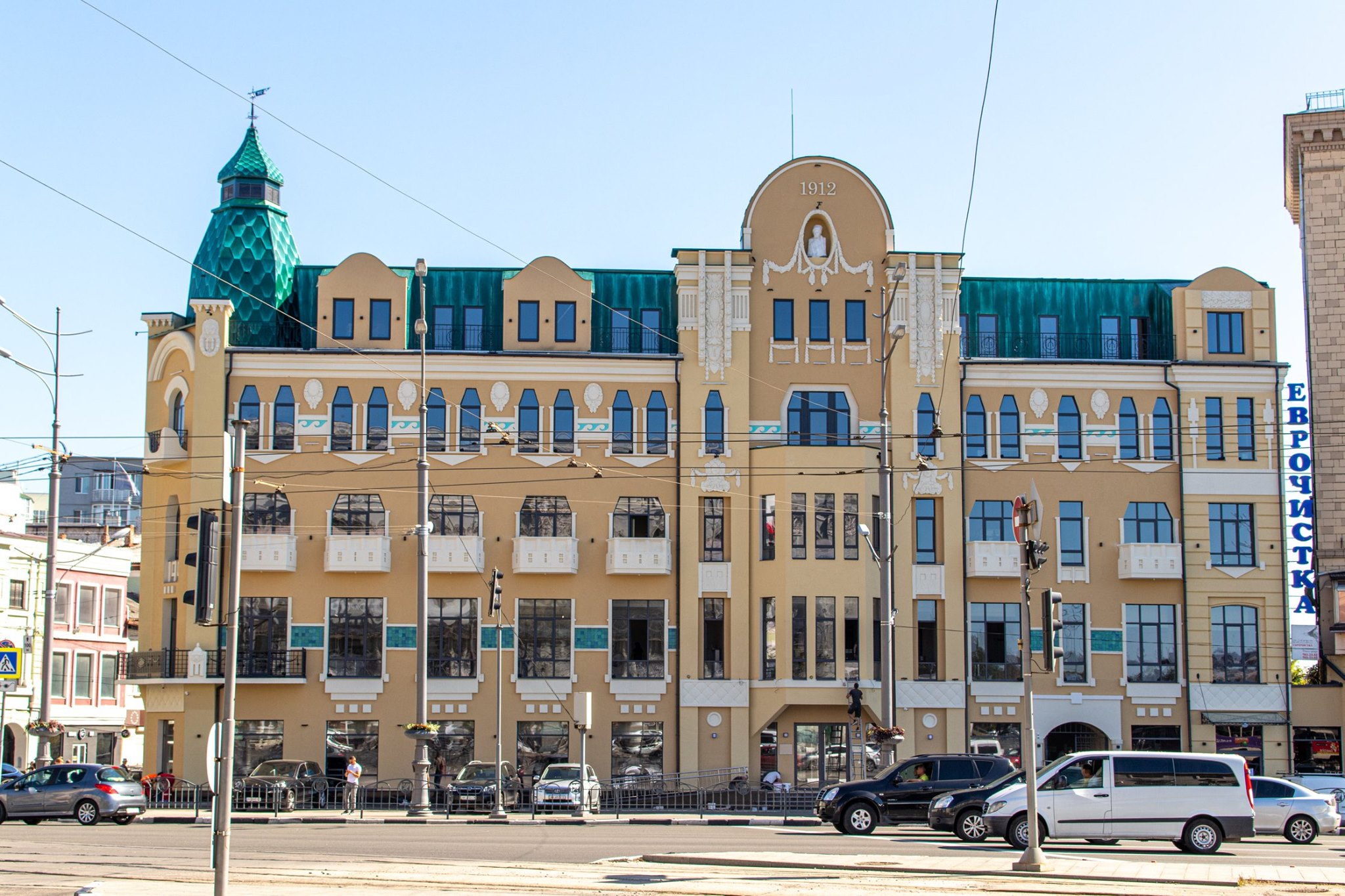
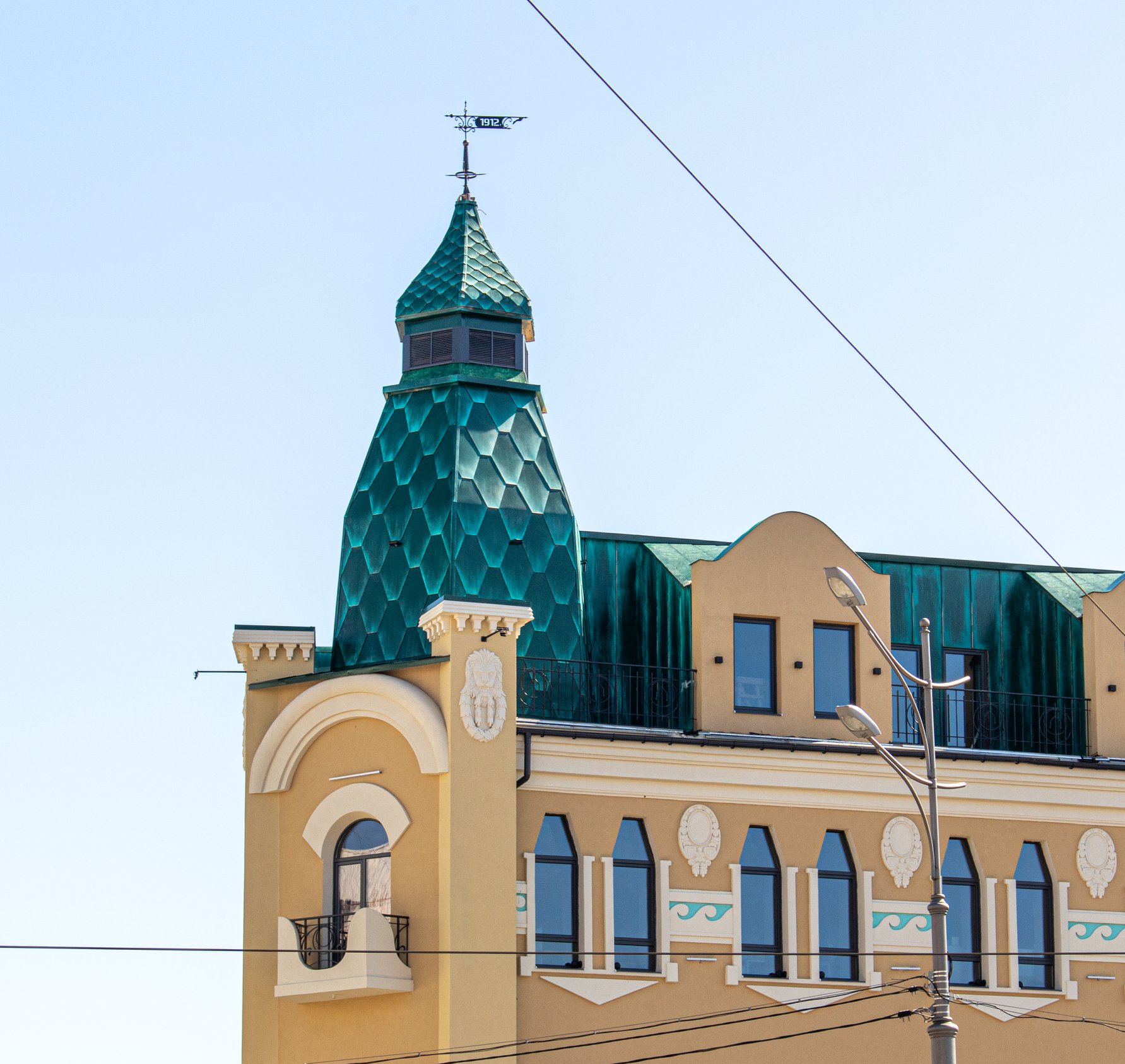
Almost all the characteristic features of this style can be found here: trapezoidal windows, decorative majolica ornaments, a tower with canted dome, and canted bay window.
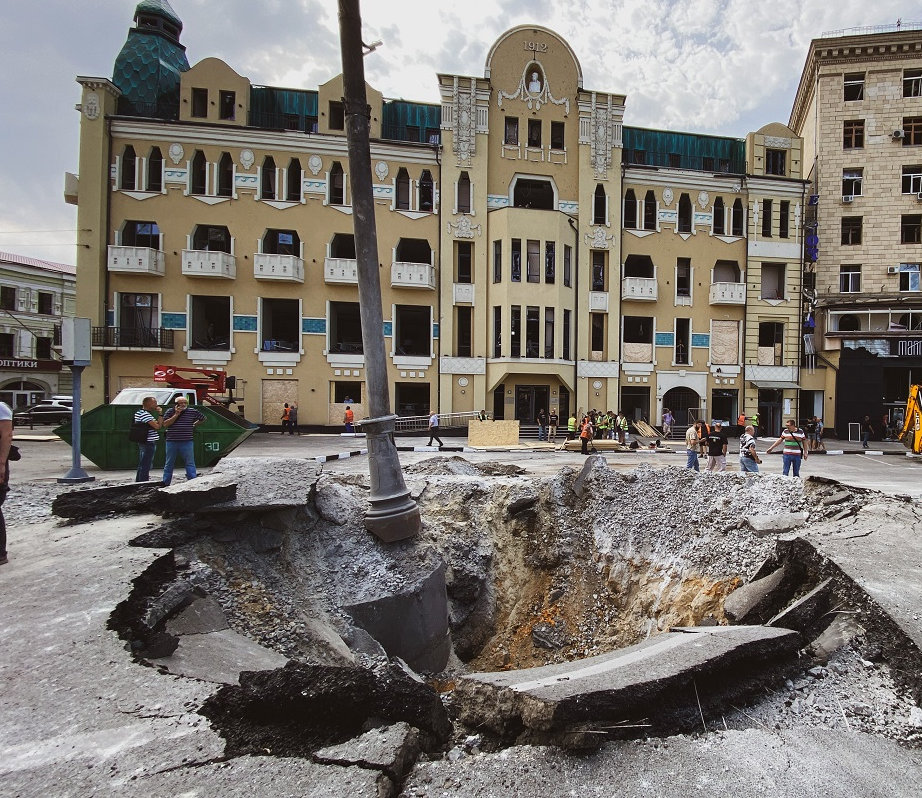
The building was damaged by a Russian missile strike on August 27, 2022; its windows were shattered, and shrapnel damaged parts of the facade and monument to Taras Shevchenko.

- Danylevs’koho Street, 19 - 13.10.2026
- Debunking the myth about one of the most famous Kharkiv photos - 12.10.2026
- The Architectural Evolution of the Kharkiv Theater - 26.09.2026