From Yunakivka our route lies in Kyyanytsya. In a document from 1767 we find: “Second Ensign Anton Antonov; in the Kyyanytsya farmstead – 21st p.d.” In 1794, the farmstead was his.
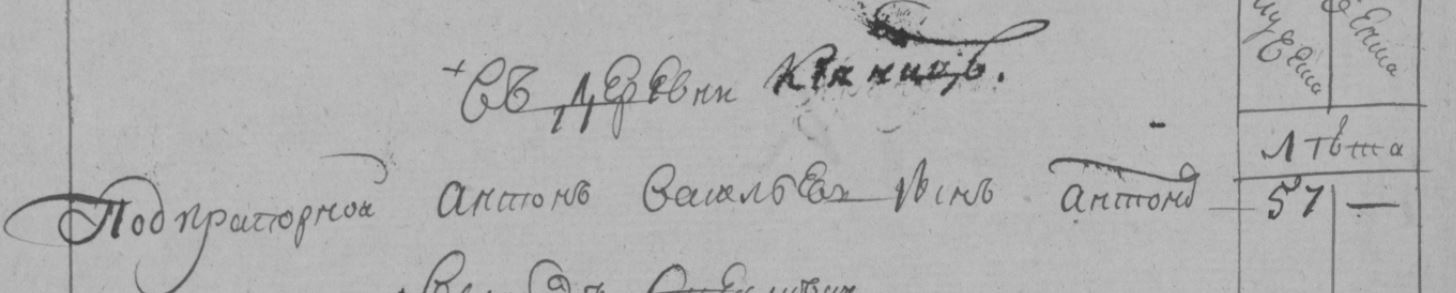
His grandsons Ivan and Fyodor were ennobled in 1804. The memory of the Antonov family in Sloboda Ukraine never faded. In Ugroedy, where they had an estate, a beautiful stone Church of the Prophet Elijah was built with funds from Collegiate Assessor Nikolai Fyodorovich Antonov.
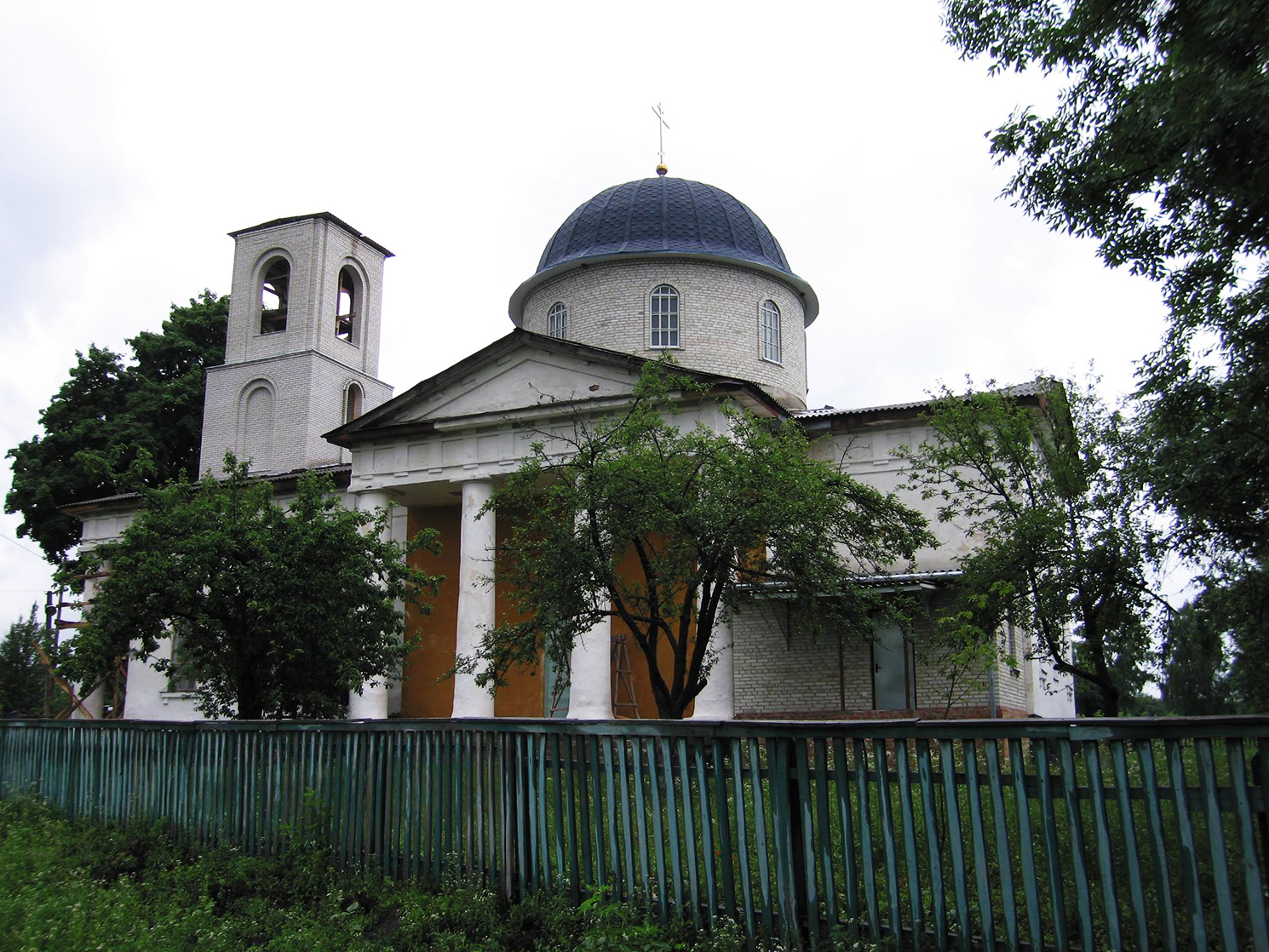
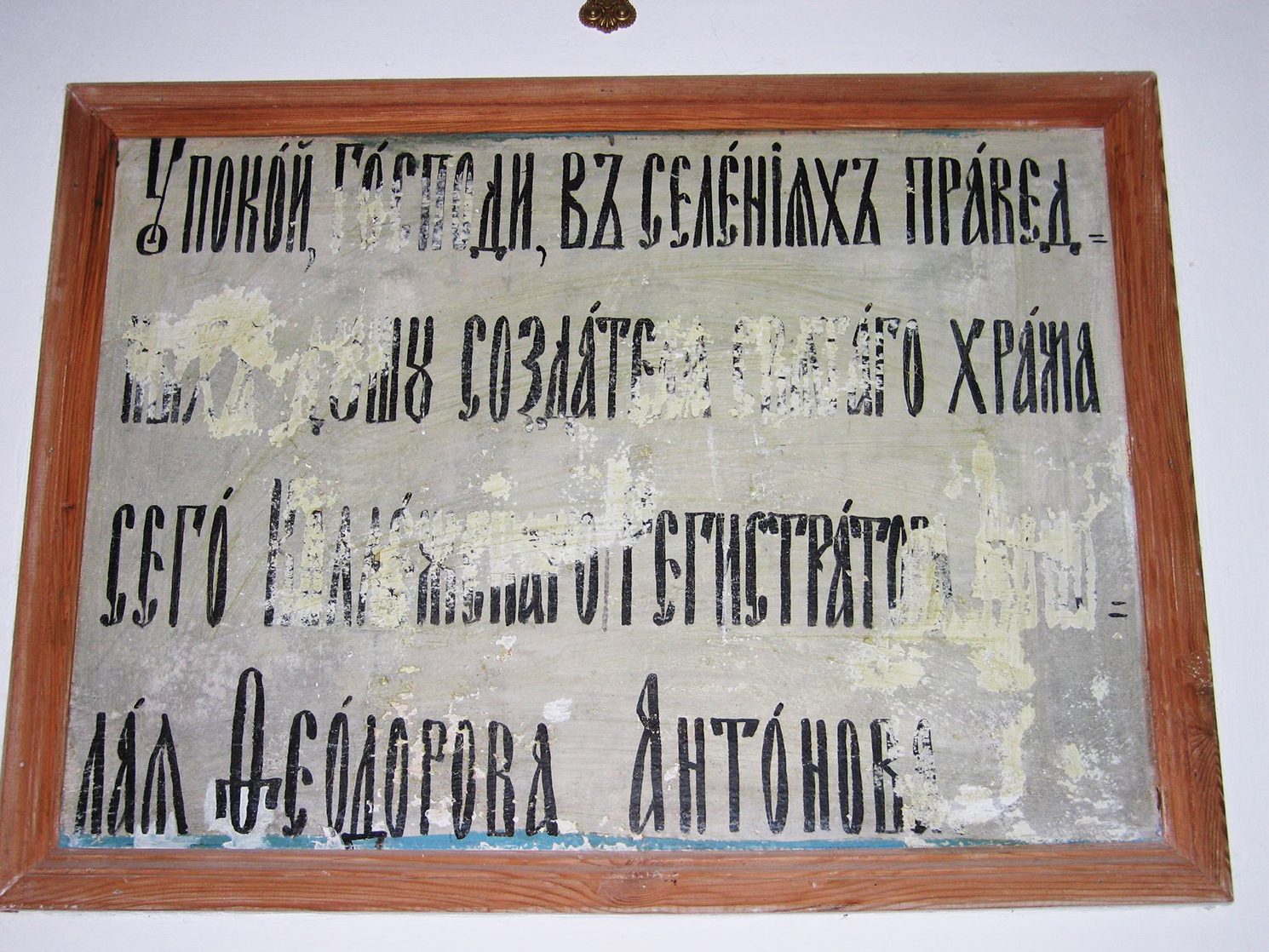

Photo: Andrey Paramonov
In the first half of the 19th century, Kyyanytsya was already owned by the brilliant Sloboda Ukraine Savich family.
Their ancestors served in Little Russian ranks in 1690 and 1718 and were granted charters for estates by the Sovereign Tsars and Grand Dukes Ivan Alekseevich and Peter Alekseevich.
By a decree of the Kharkiv Noble Deputy Assembly, the Savich family was included in the noble genealogical register. Members of this family, along with the Kondratyev family, held leadership positions in the Sumy Sloboda Cossack Regiment.
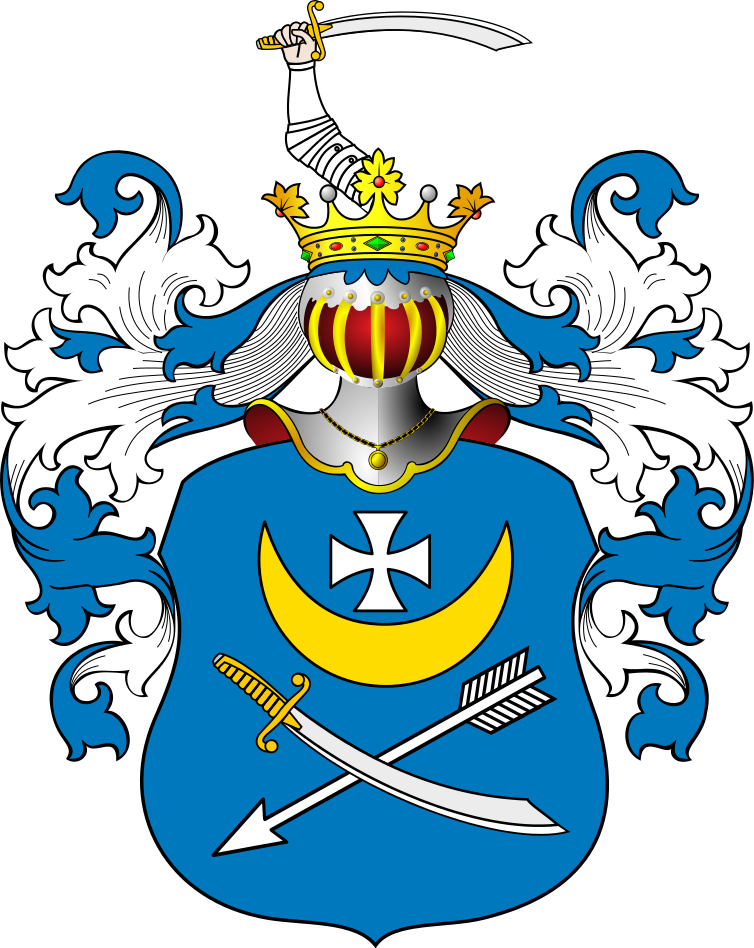
By 1860, the Savichs had become one of the most numerous landowning families in the Kharkiv province. At that time, there were 63 estates in the Sumy district, each with 100 or more inhabitants, of which the Savichs owned thirteen (and another in the Lebedinsky district).
This fine Sloboda Ukraine family had many outstanding figures—both in the Kharkiv province and in the Russian Empire. Renowned military men, economists, astronomers, sea wolves… All of these are our native Sloboda Ukraine Savichs, whose name is now shamefully forgotten by their fellow countrymen, who proclaim their patriotism at every turn.
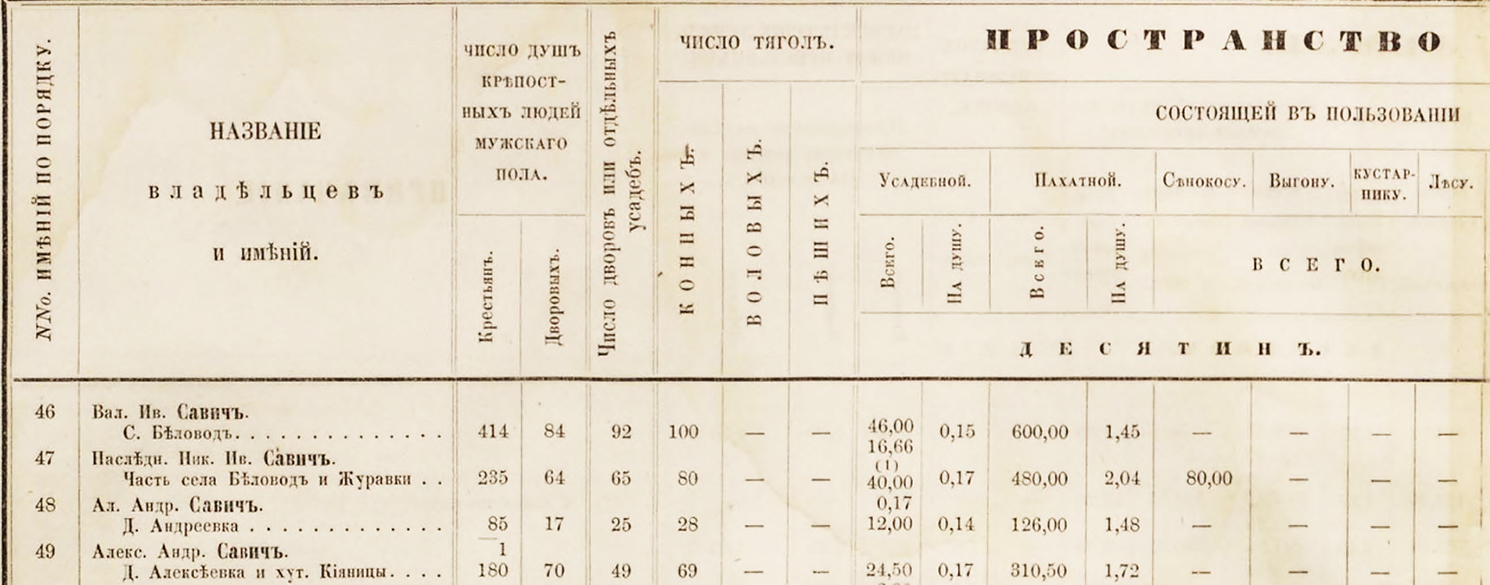
Anyway, in mid-1865, the Savichs sold Kyyanytsya to Ivan Gerasimovich Kharitonenko. In 1866, Kharitonenko built his first sugar mill on these lands, the ruins of which can still be seen today.
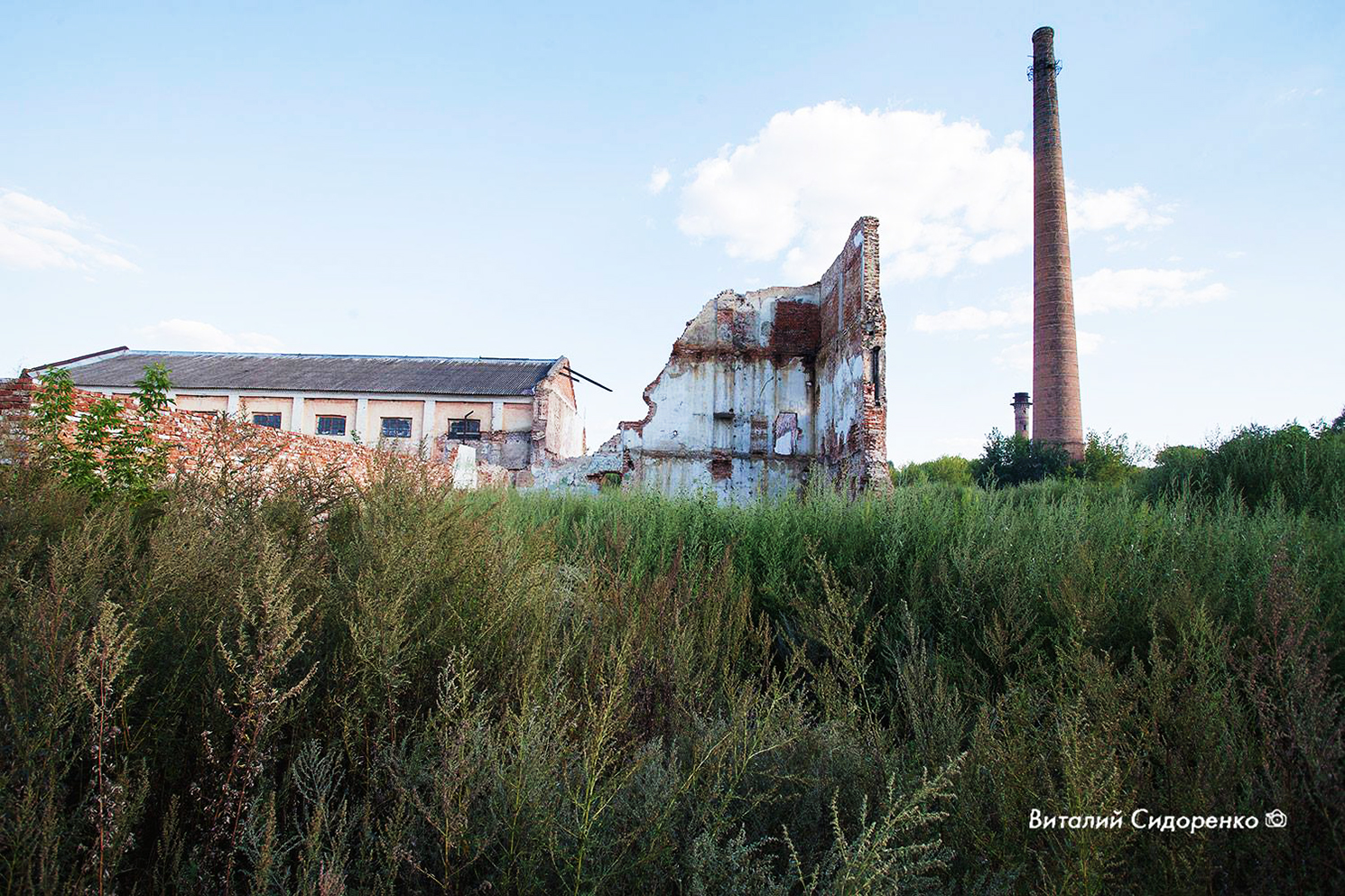
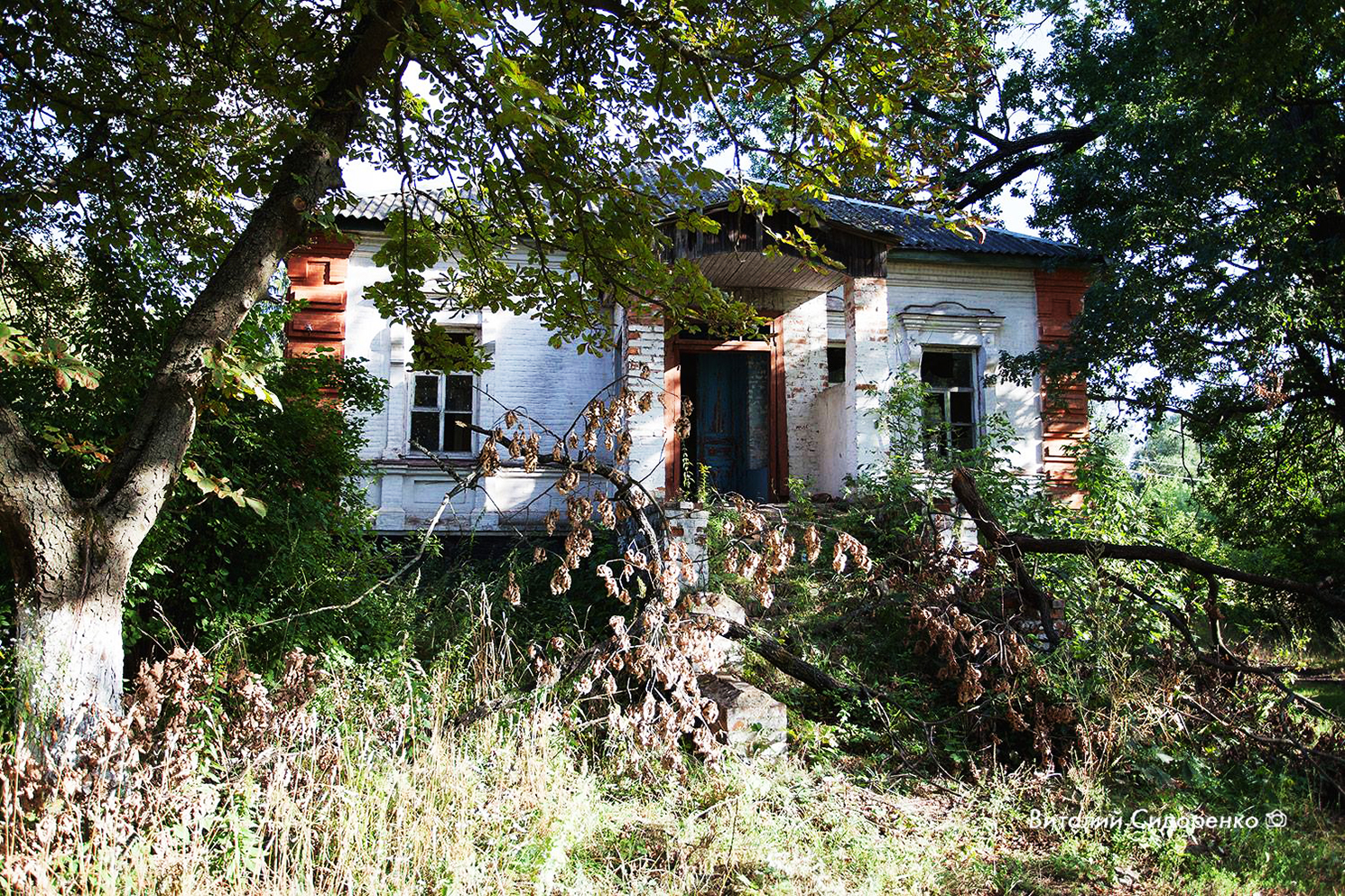
The factory is thriving, equipped with the latest technology. Kharitonenko’s profits are growing. A large, one-story manor house is being built nearby.
Shortly before his death, Ivan Gerasimovich applied to the Moscow City Council for permission to build a new stone house and two outbuildings on Sofiyskaya Embankment. Permission was granted, and the distinguished architect Vasily Gerasimovich Zalessky prepared the design.
Thanks to the color photographs of American photographer Harrison Forman, who traveled extensively throughout the Soviet Union, we can see what Kharitonenko’s Moscow palace looked like in 1939.
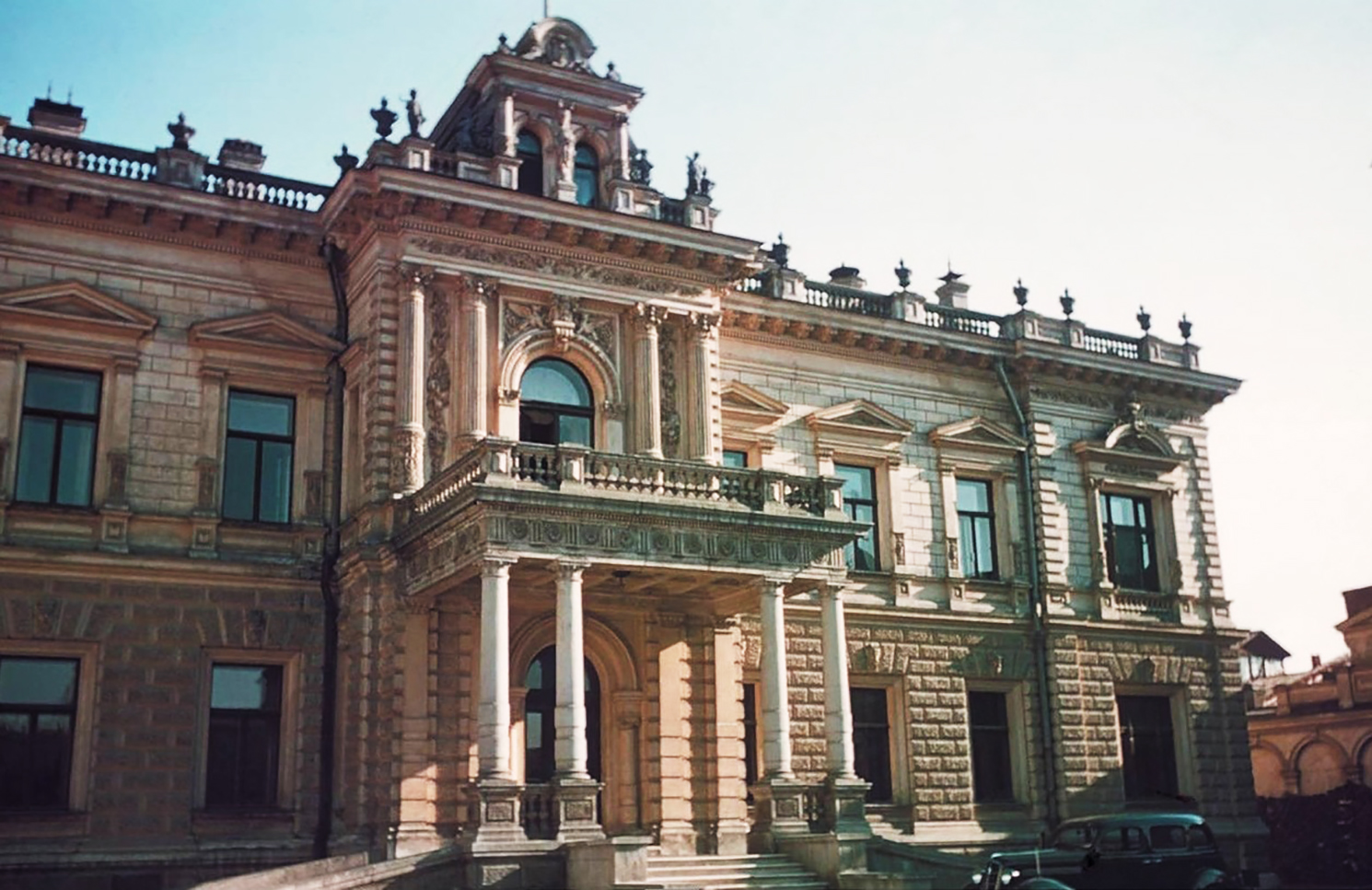
Alongside his mansion in Moscow, Kharitonenko began construction on a large estate in Kyyanytsya, and also laid out a vast park adjacent to it, covering over 55 hectares. Today, the estate looks like this:
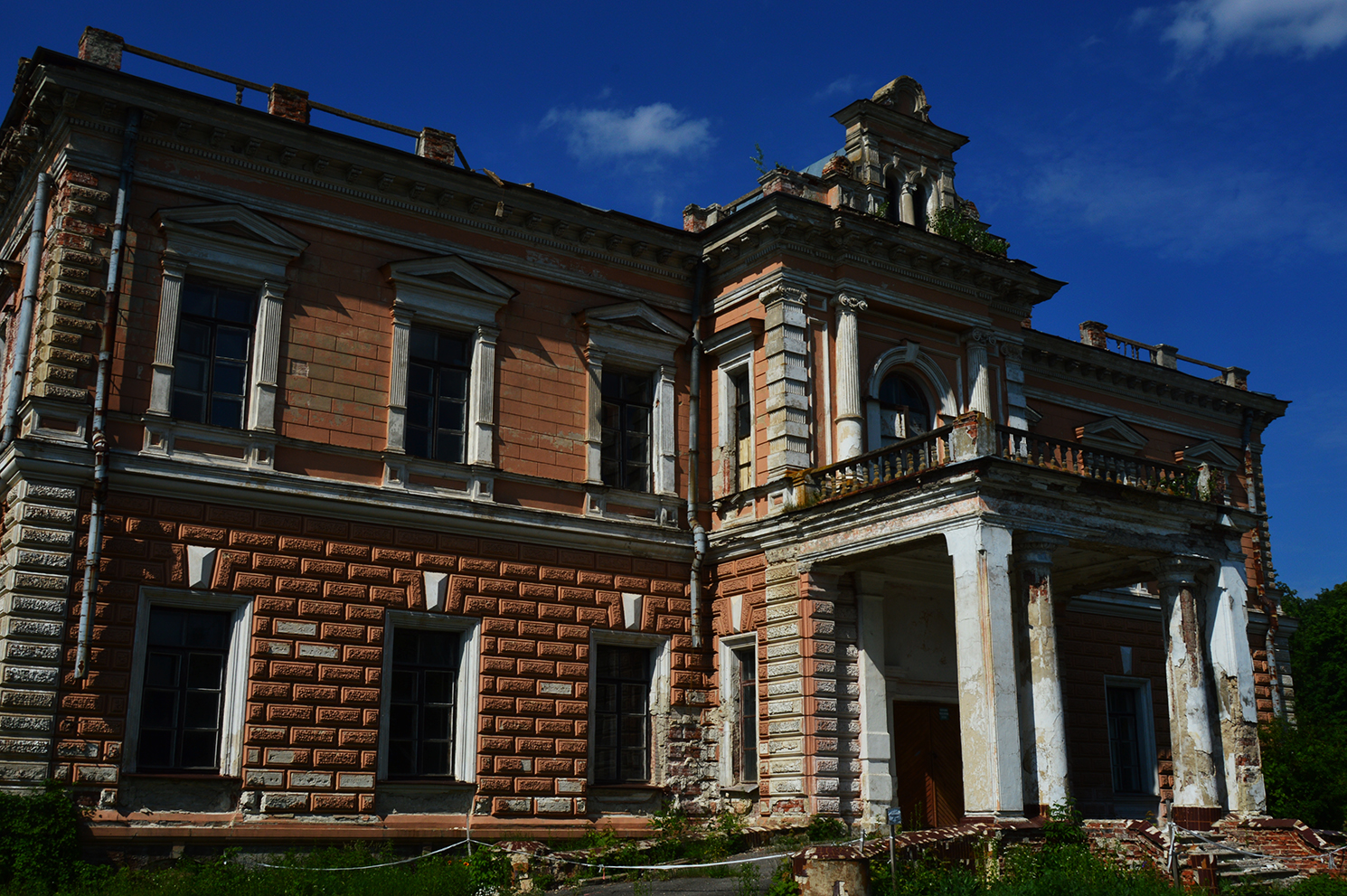
You must admit, the similarities are quite obvious.
Twenty days before his death, on November 10, 1891, Ivan Gerasimovich Kharitonenko wrote a will in which, in particular, we read:
My acquired estate, consisting of Kyyanytsya, Kharkiv province, Sumy district, which I received from various persons under 8 deeds of sale executed in the Poltava Chamber of the Civil Court in 1865 under No. 361, in the Kharkiv Chamber of the Criminal and Civil Court in 1868 under No. 220 and approved by the Senior Notary of the Sumy District Court in 1873 under No. 25, 1880 under No. 30, 1882 under No. 9 and 1883 under No. 16 with all arable and hayfield lands, with a sugar beet factory, with all establishments, movable property that will be listed in that estate until the date of completion of annual reports, I bequeath in full ownership To my niece, the wife of Sumsky, a second-guild merchant, Maria Matveyevna Leshchinskaya, with the exception of the forests, which will become Leshchinskaya’s property only after an agreement, of which I am quite certain, is reached with my son, Pavel Ivanovich, with Leshchinskaya paying him an appraised amount for the forests and land, based on their measurement and value. If no agreement is reached between them, then the forests and land, as part of the general estate, will become the property of my dear son, Pavel Ivanovich Kharitonenko, since I have not cut down, sold, or given away any of my forests.
Thus, the estate in Kyyanytsya passed into the ownership of the Leshchinsky family, thanks to whom it received its current name. The Sloboda Ukraine millionaire had many ties to this family—Ivan Kharitonenko himself had married Natalia Maksimovna Leshchinskaya back in 1852.
The origins of this family remain murky to this day. Maxim Semenovich Leshchinsky, considered the founder, arrived in Sumy in the 19th century. The Leshchinsky merchants’ fortunes varied, but by the time of the marriage of the little-known Sumy merchant Ivan Gerasimovich, they were in excellent shape. So it was not a marriage of convenience.
In 1871, Nikolai Iosifovich, the son of Natalia Maksimovna’s older brother, married Maria Matveyevna, the daughter of Ivan Kharitonenko’s older brother. Thus, the two merchant families further cemented their alliance and, as was common practice at the time, their capital. As a wedding gift, Ivan Kharitonenko appointed Nikolai Iosifovich Leshchinsky as manager of his sugar factory in Kyyanytsya.
The Leshchinsky family used their inheritance wisely. Under their rule, the factory flourished even further. Here are the figures from the All-Russian Industrial and Art Exhibition of 1896 in Nizhny Novgorod:
Leshchinskaya, M. M., Kharkiv, Sumy, Kyyanytsya.
Granulated sugar, white and yellow.
Year of foundation: 1866.
Number of workers ~480.
The plant has a hospital, a doctor and a school

The book “Factory and Plant Enterprises of the Russian Empire” from 1909 provides the following information about the Kyyanytsya plant:
Number of workers: 819.
Annual production is 1,440,100.
During the late 19th and early 20th centuries, the Leshchinsky magnates, fueled by growing profits, also acquired dilapidated noble estates near Kyyanytsya. For example, as we recall, in 1893, Yunakivka, and in 1916, an abandoned estate in Khotin.
In 1911-1912, the Sumy District Zemstvo Assembly actively discussed the construction of a new railway line. The Leshchinsky family lobbied hard for the Sudzha-Yunakivka-Kyyanytsya-Sumy line. Recognizing the benefits it would bring, Nikolai Iosifovich Leshchinsky even agreed to cede land on the Kyyanytsya estate, needed for the railway, free of charge. In response, in a 1912 report, “On the Status of the Sumy-Kyyanytsya-Sudzha Access Road Project,” officials noted rather sarcastically: “This notification, which undoubtedly represents a significant contribution to the construction of the access road, mentions only the Kyyanytsya estate. However, the railway will also pass through other estates of N. I. Leshchinsky. It would therefore be advisable to request N. I. Leshchinsky to allocate land free of charge along the entire length of its route through his holdings.” Perhaps for this reason, perhaps for another, but the railway was never built.
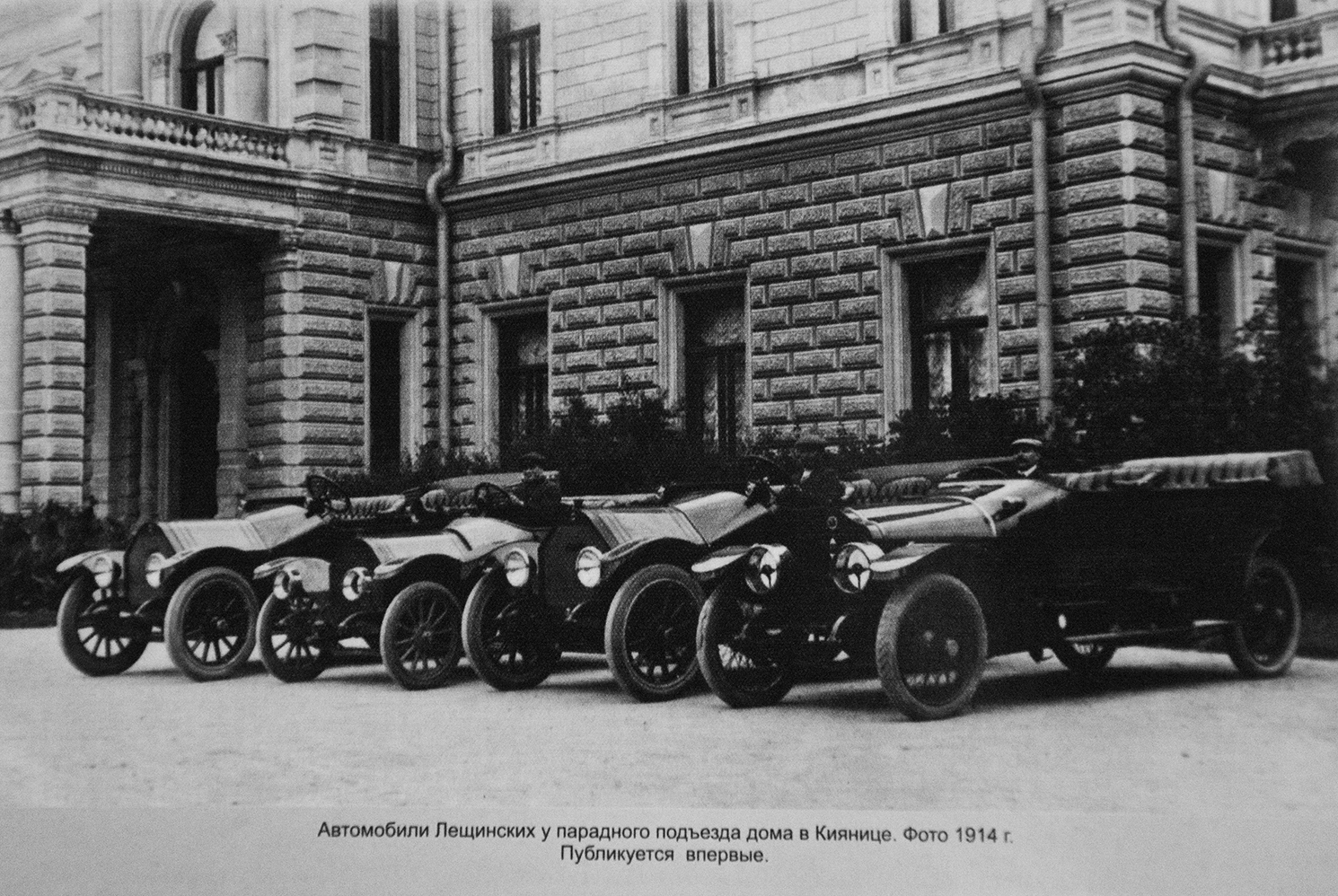
In the early 20th century, cars were expensive, and very few could afford one. Although there is no documentary evidence to support this claim, some researchers believe that the Leshchinsky family became the first car owners in the Kharkiv province in 1900. I sincerely hope that the true truth will, eventually, be revealed to those who work with archival documents. However, it is certain that the Leshchinsky family were avid motorists. Members of the Leshchinsky family owned more than one car, participated in motor rallies across the Russian Empire and Europe, and were members of automobile clubs.
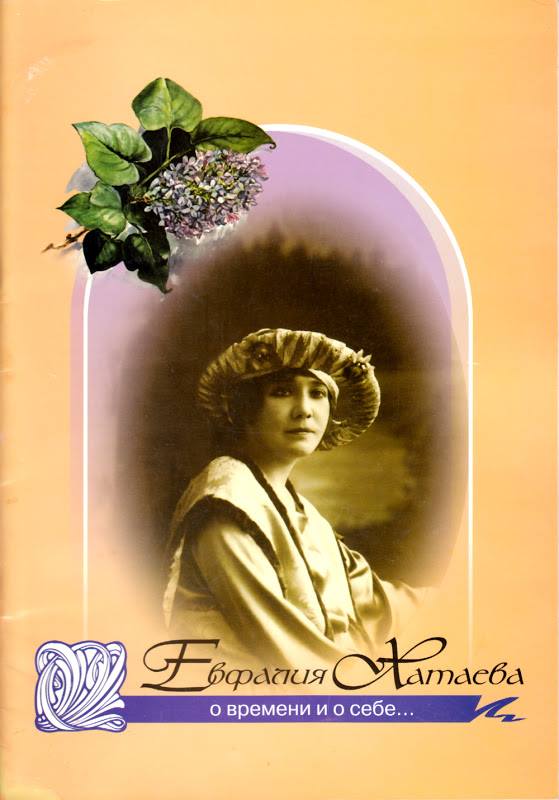
On March 3, 1891, Evfalia Ivanovna Vanina was born in Kursk. She graduated from high school in Kharkiv and in 1908 married Ivan Danilovich Khatayev. It is by this surname that the woman destined to become a famous singer is known. In 1917, Evfalia graduated from the Kharkiv Conservatory. During the Civil War, she toured Kharkiv, Sumy, Akhtyrka, Rostov-on-Don, and Moscow. In 1922, with her second husband, V.M. Levin, a friend of Sergei Yesenin, she immigrated to the United States via Manchuria. Many of Evfalia Ivanovna’s descendants remained in the Sloboda Ukraine region. In her collection (P-6727), carefully preserved in the State Archives of Sumy Oblast, one can find concert programs, booklets, various portraits and photographs, records with recordings of romances, and also personal diaries.
These were published in 2002 by the Sumy Archives under the title “Khataeva E. About Time and About Myself.” There we find her memoirs of the Leshchinsky Palace in Kyyanytsya. They are written so vividly that they teleport us back in time. And now we see before us not the majestic decline of the magnate Leshchinsky’s estate, but a palace full of splendor and life…
Every year, my younger sister and I visit the millionaire Leshchinskys, old friends of our grandfather. We live in a luxurious 40-room palace-like home, complete with a white ballroom that seats 200, a marvelous library room, a billiard room paneled in crocodile skin, and a magnificent winter garden. When we dine, the doors from the dining room open onto the winter garden, and we admire the rarest plants, beautiful flowers, a fountain, a grotto, and the colored lights of the burning electric bulbs. During our meals, we are served by two footmen in white gloves and two maids in lace aprons. After breakfast, we are driven in a black patent leather carriage drawn by white or black trotters. We sit on a bench opposite Mrs. and Mrs. Leshchinsky, too embarrassed to speak: our throats are dry and our stomachs ache. Before evening, the Leshchinskys’ young son takes us into his car and speeds us through the fields on a bumpy road at 80 kilometers per hour. We hold on tightly to each other’s hands to keep from jumping out, and we press our lips together tightly, afraid that our mouths will open and we’ll bite out our tongues.
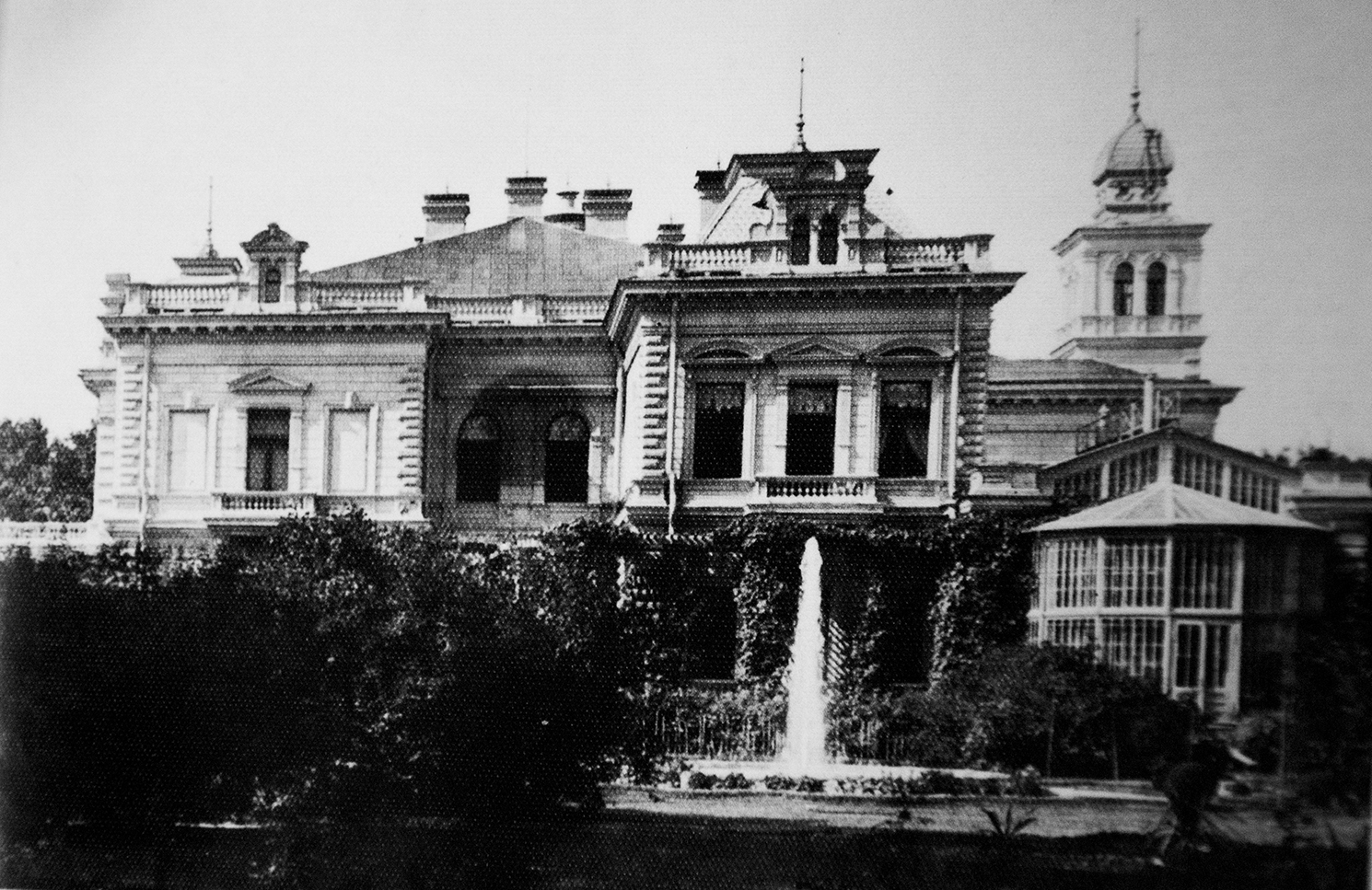
…No, we’re not having fun with all this… Oh, no! We’re so bored. It’s always so quiet in the huge house that we tiptoe and speak in whispers.
Sometimes we go to the library, and there are so many beautiful books in locked cabinets. And we just look at them through the glass and count them from top to bottom and from bottom to top. I would like to play the piano (I have already started taking music lessons), but it is also locked.
– Zina! I’ll call the footman now, tell him to come.
– Well! And what will you tell him?
― I will say that I am bored.
Zina, although younger than me, is always more reasonable.
– What are you saying? Who calls a footman to tell him we’re bored? No, let’s go for a walk in the park and see the swans.
I’m tired of swans, too. Why are they black with red noses? Zina explains again:
Everyone has white swans, but rich people should have black ones. After all, for them, it’s the other way around, that’s why they’re rich…
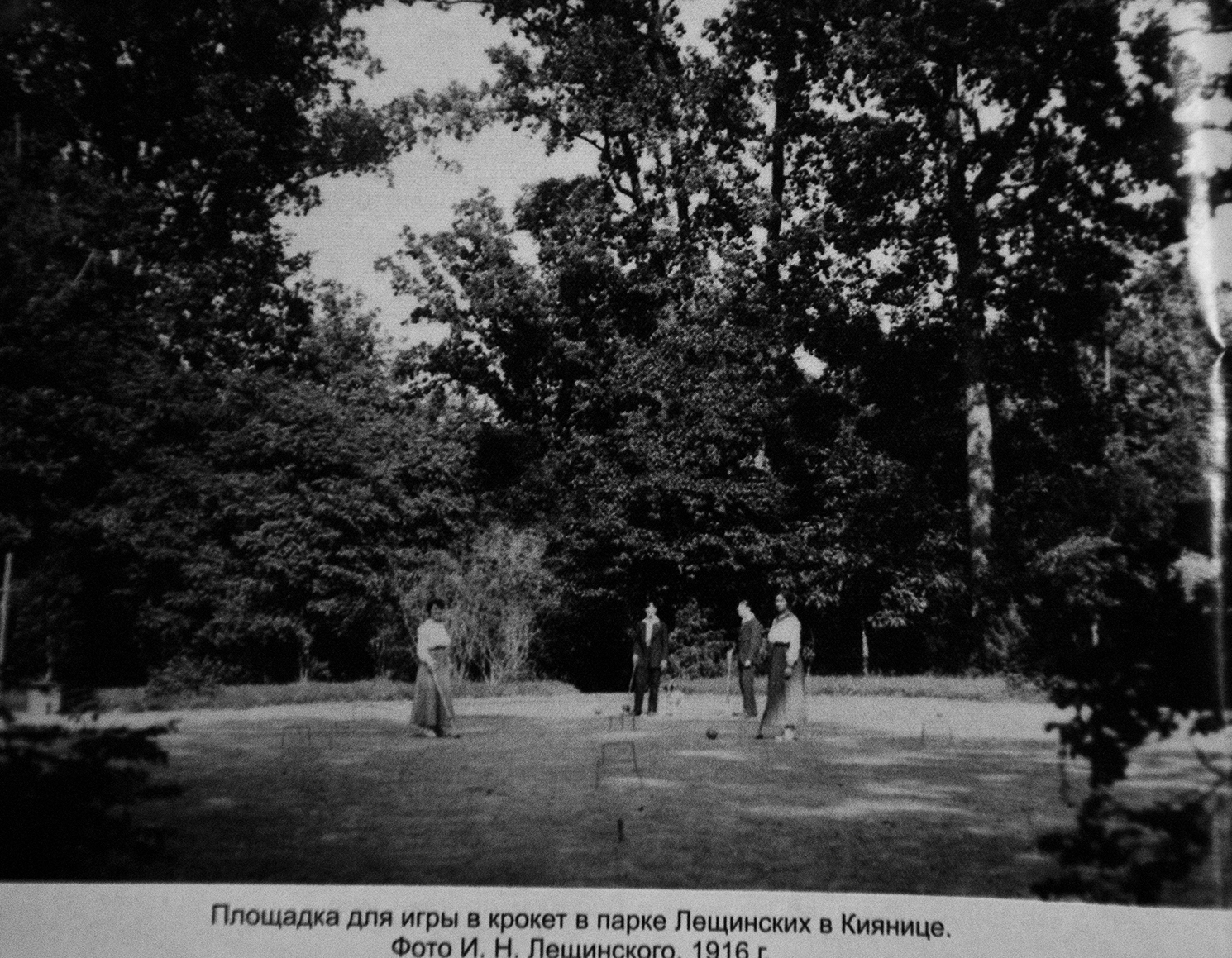
Nikolai Iosifovich Leshchinsky, having lived a comfortable life, died peacefully at the age of 69 in July 1914. His son, Ivan Nikolaevich, died of the Spanish flu in 1919. The estate survived both of them and two wars.
During Soviet times, the Leshchinsky Palace housed a music school, and later the Kyyanytsya tourist center of all-Union significance, and in general, all sorts of other things.
Currently, the estate belongs to the Sumy National Agrarian University. Since 1979, the manor and park complex in Kyyanytsya has been recognized as an national architectural landmark.
Back in 2015, you could still find this stand at the estate:
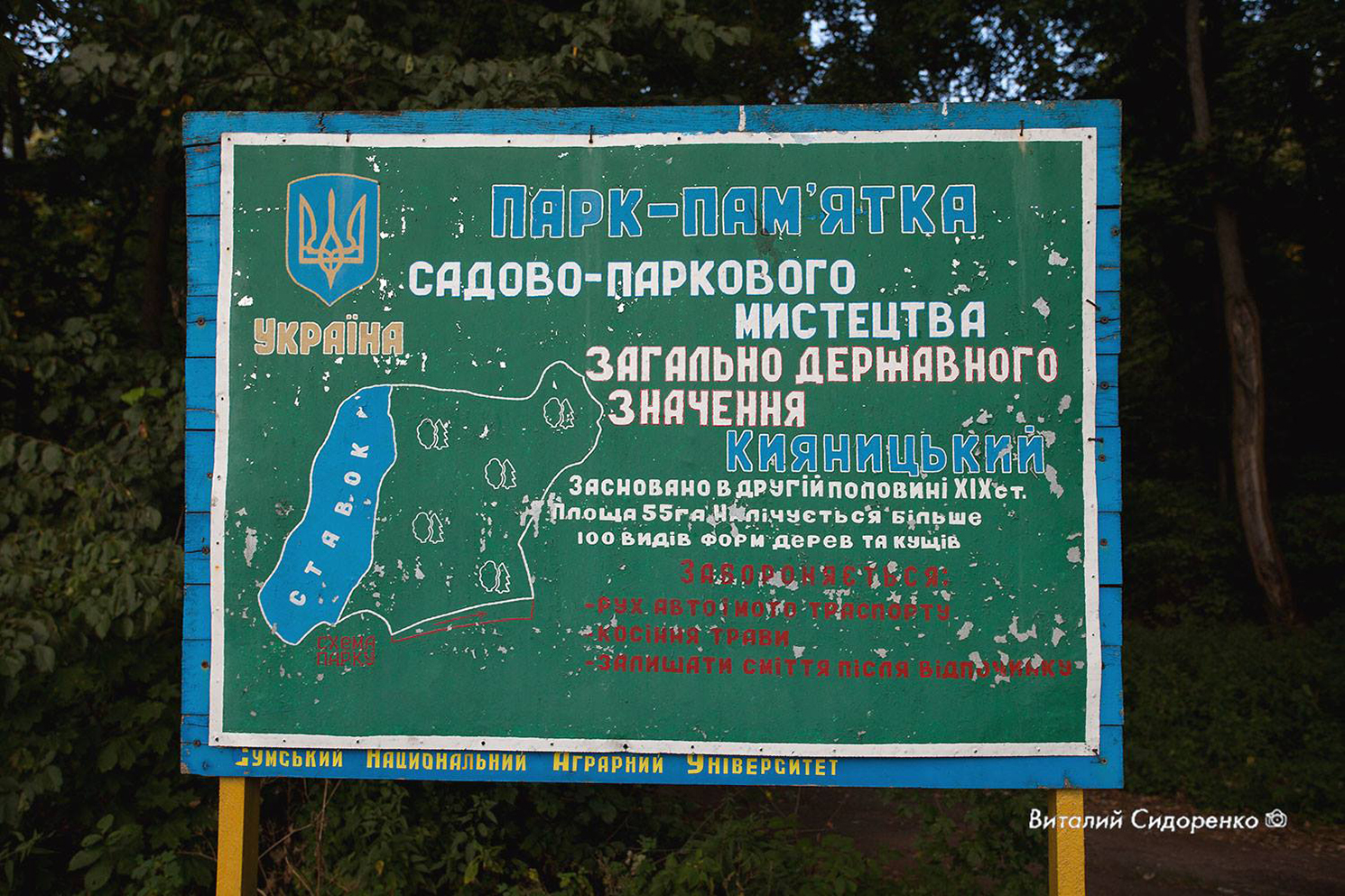
It’s gone now. Indeed, why would anyone need to know that a unique park of national significance contains over 100 species of trees and shrubs?
The outbuilding looked like this 2 years ago:

Now, not a trace remains of the beautiful porch. Signs are everywhere, screaming that everything around is in disrepair.
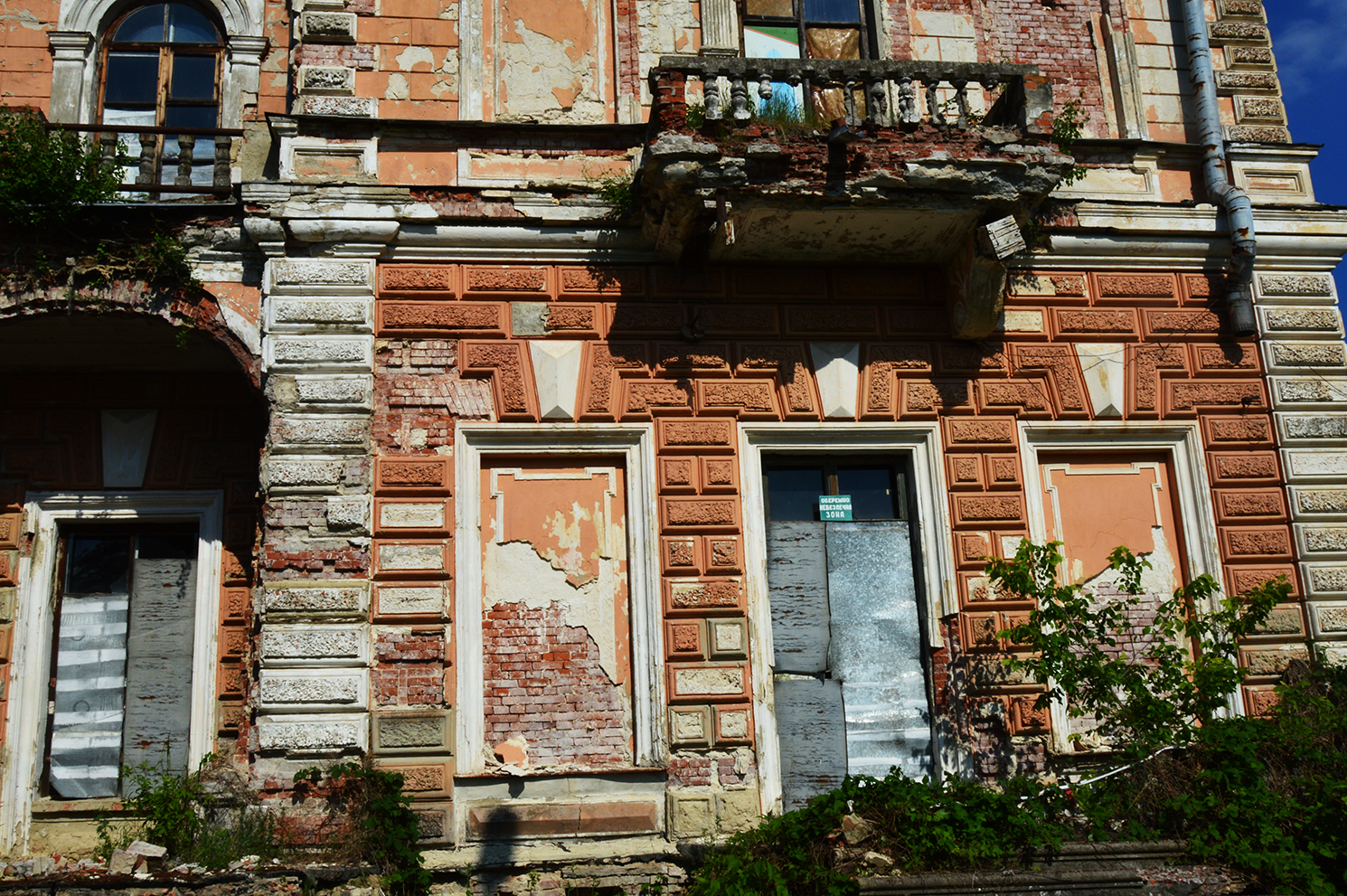
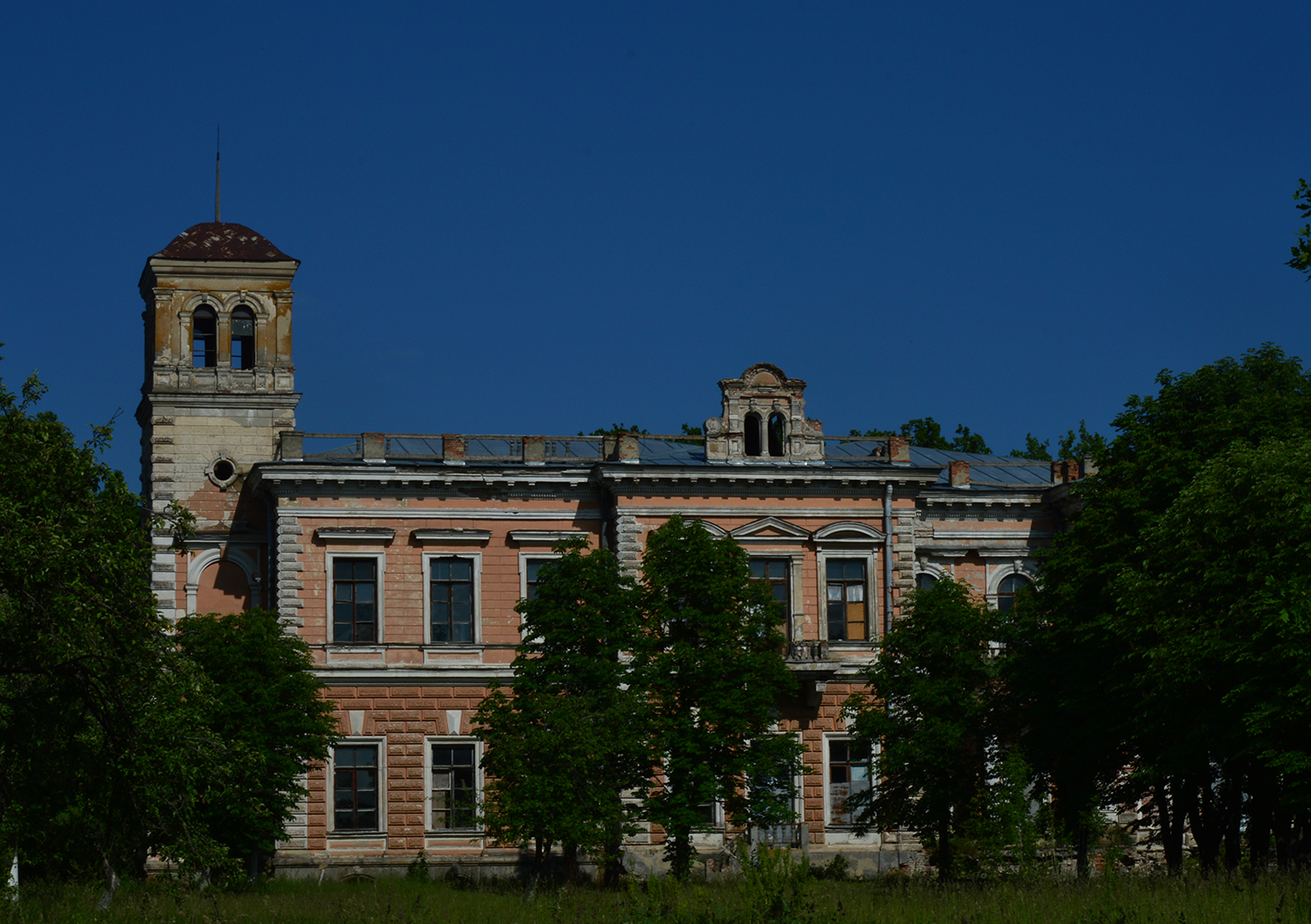
The remarkable stone bridge in the park, built by the Leshchinskys, Kharitonenko’s first factory, and his house are slowly falling into the same state. They aren’t architectural monuments, so why preserve them? It’s much easier to erect monuments, name streets after famous citizens, and shout everywhere about how important it is to remember how much the Kharitonenko family contributed to the city of Sumy and what is now the Sumy region. But perhaps that’s none of my business—after all, I’m from Kharkiv, where the preservation of historical monuments isn’t much better (for example, So or So).
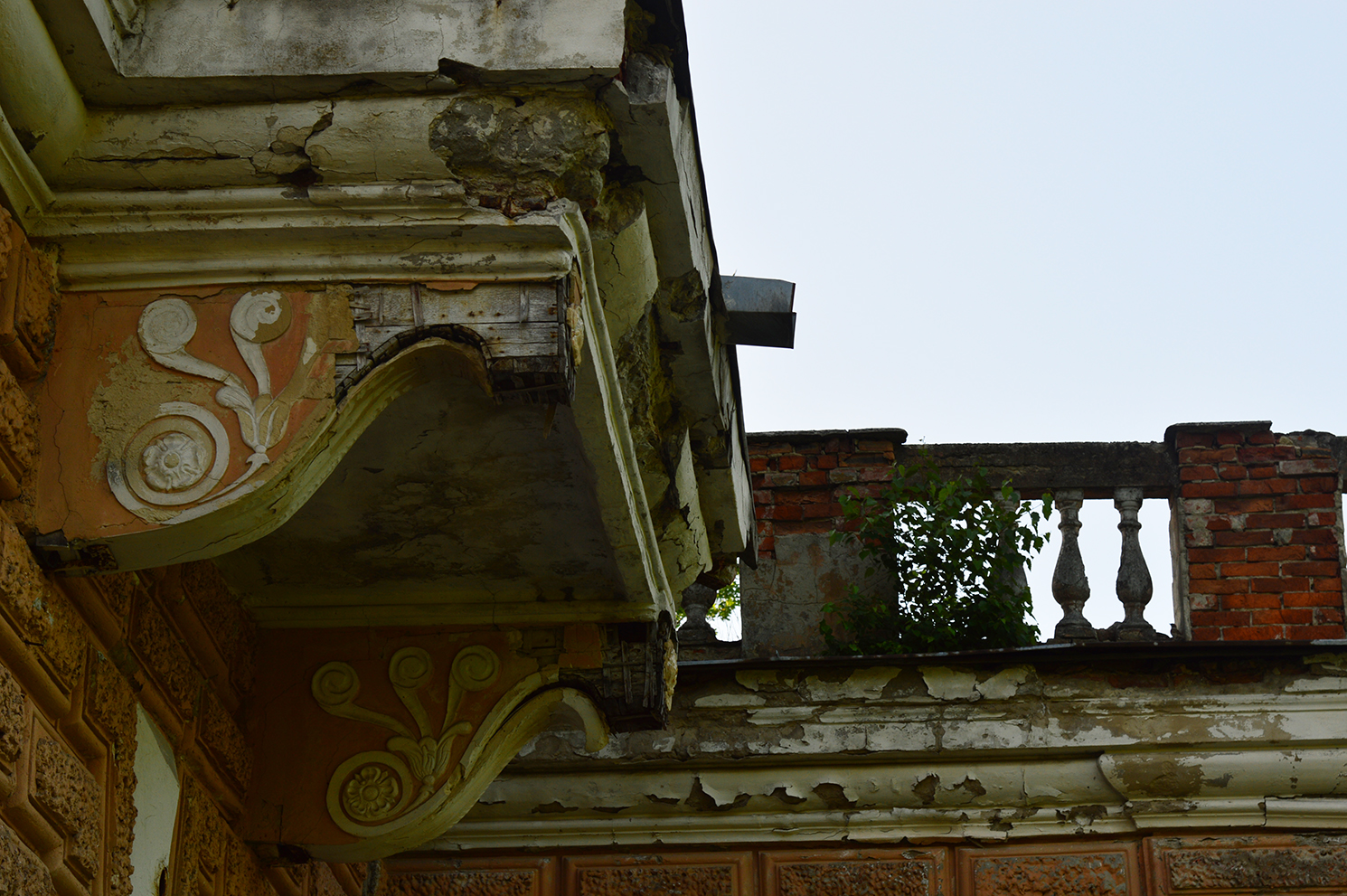
We left Kiyanitsa at 7 pm. There was still more to come, estate in Khotyn. However, as we left, we tried to preserve every last detail of this beautiful abandoned palace in our memories. After all, none of us had any confidence that even in such a deplorable state the estate could survive for a few more years…
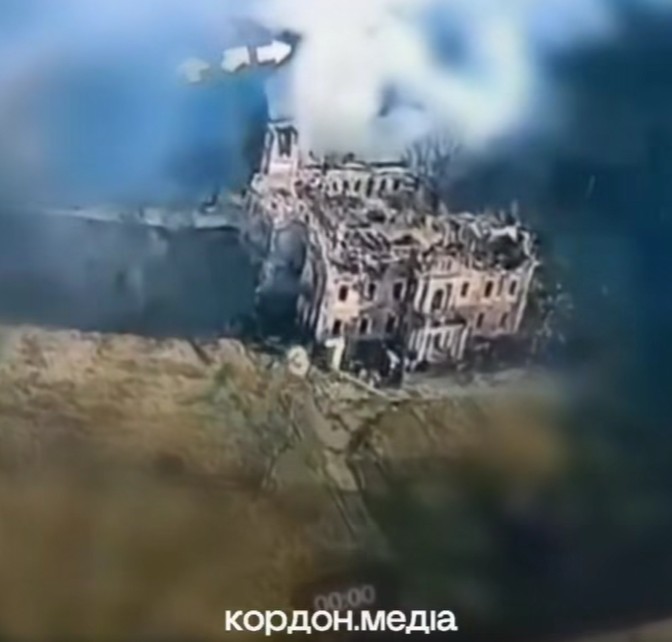
Update: The Leshchinsky estate was destroyed on April 9, 2026 by Russian Armed Forces.

- Blackie’s House on Maksymilianivska St - 19.10.2026
- Danylevs’koho Street, 19 - 13.10.2026
- Debunking the myth about one of the most famous Kharkiv photos - 12.10.2026