Recently, we heard the story of how the Palace of Medical Excellence was built directly from the creator himself.
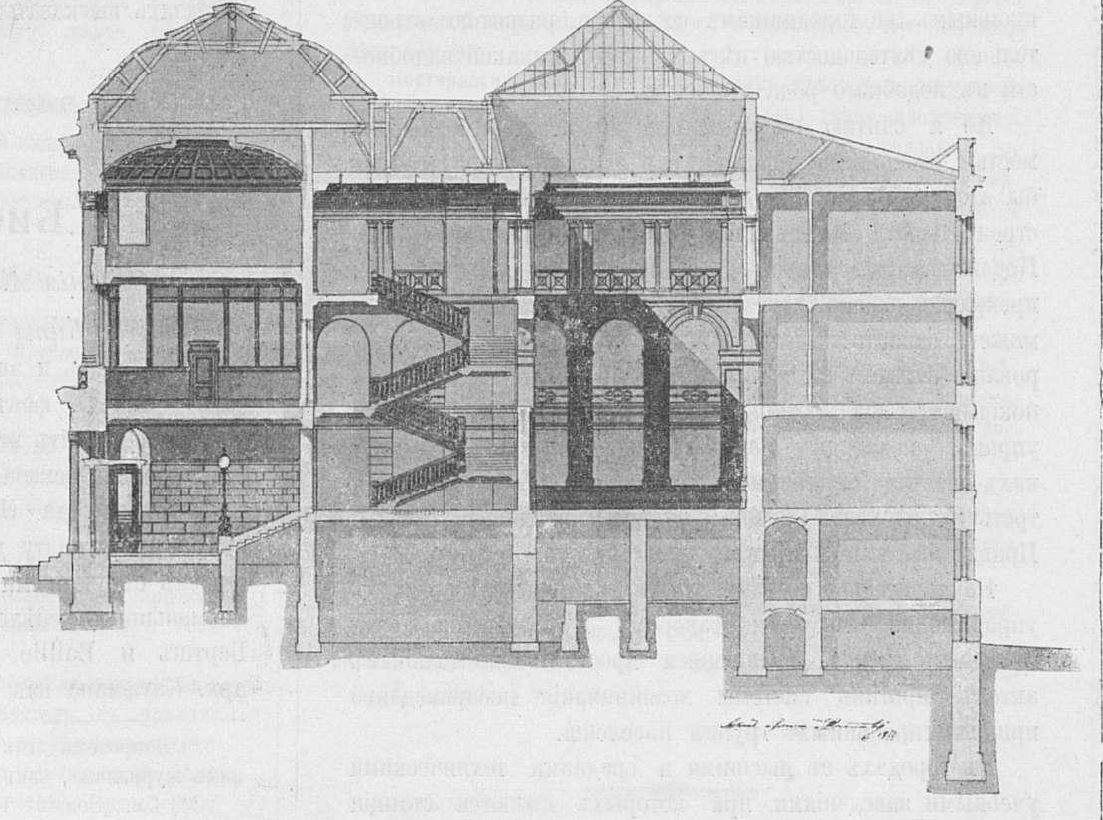
Today, we invite you to travel back to 1913 to explore the newly opened Palace of Medicine.
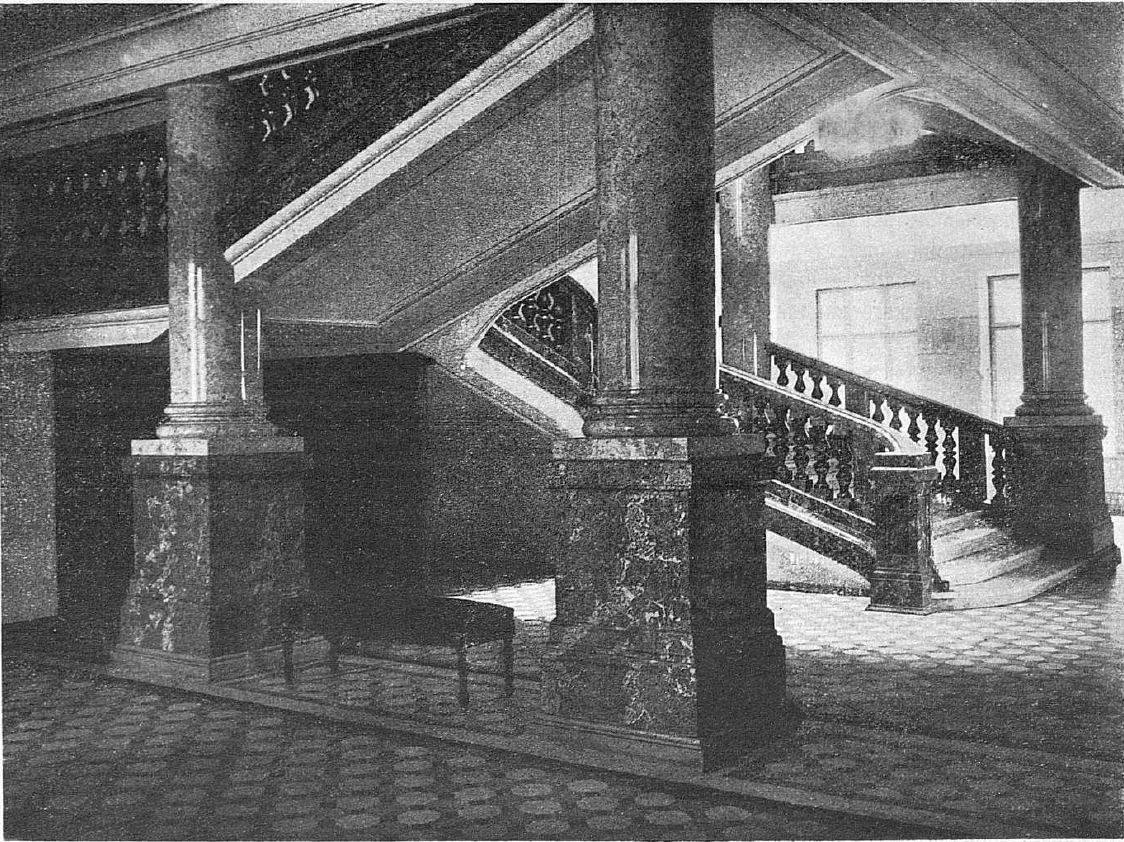
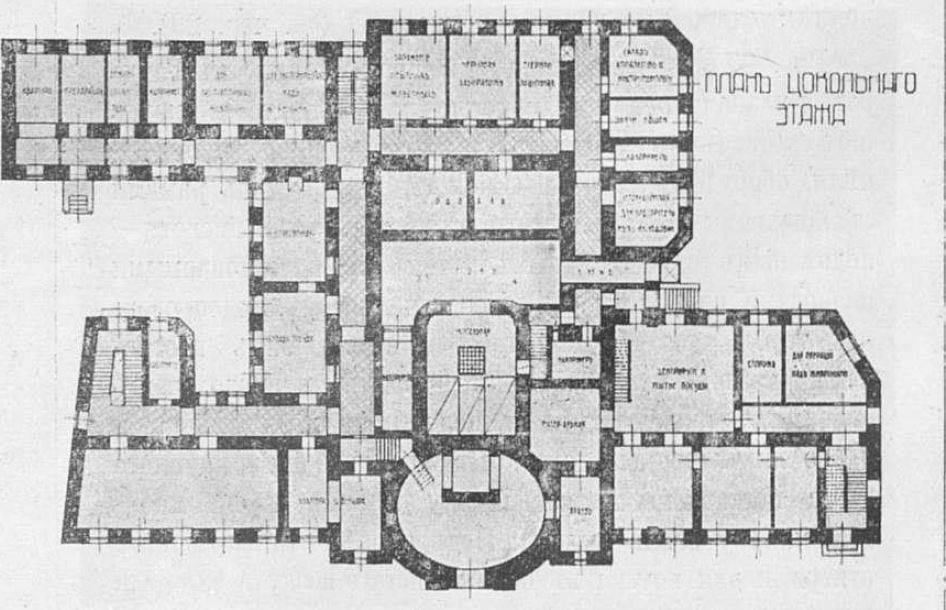
We will do this using an article and drawings by Oleksiy Beketov himself, published in the journal *Zodchiy* No. 26 from 1911.
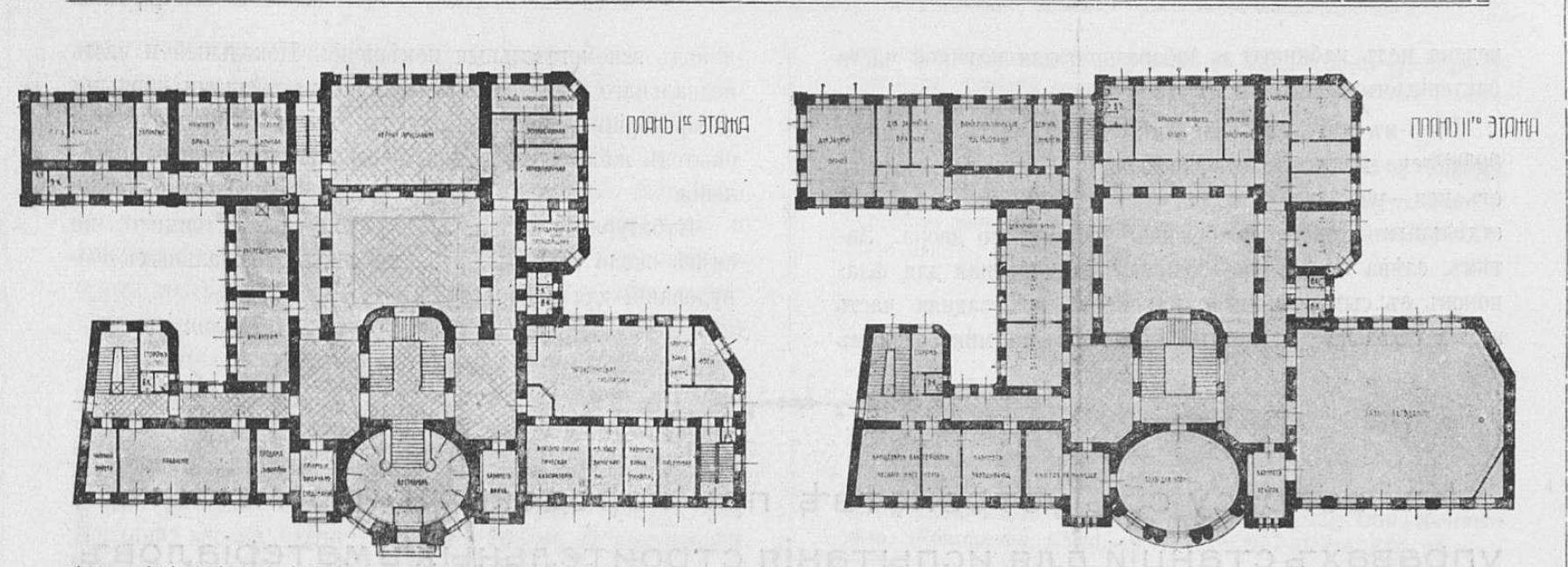
The project consists of a three-story building with a ground floor and a partial basement beneath the rear section of the building. In the center of the building, on the first floor, there is an elliptical-shaped lobby; to the right of it are the chemical-microscopic and diagnostic rooms, which have a separate entrance (in addition to the main entrance) from the street for patients. To the left of the lobby are: a room for receiving and issuing test results, followed by the boardroom and the accounting office. Behind the central light well is the so-called “black waiting room” for the Pasteur Station for rabies vaccinations, with the necessary auxiliary rooms. The left rear wing of the building is reserved for the editorial office of the “Journal of the Kharkiv Medical Society.”
On the second floor, above the lobby, is a reading room with a book storage area; to the right of it is a large, double-height auditorium seating 450 people for young doctors (this same room also serves as the society’s general meeting hall). To the left of the book depository is the director’s office and the administrative office of the Bacteriological Institute; further on, to the left of the central courtyard, are three rooms for Wassermann tests (for syphilis); and finally, the entire rear section of the building on the second floor is reserved for offices and laboratories for the research division of the bacteriological institute.
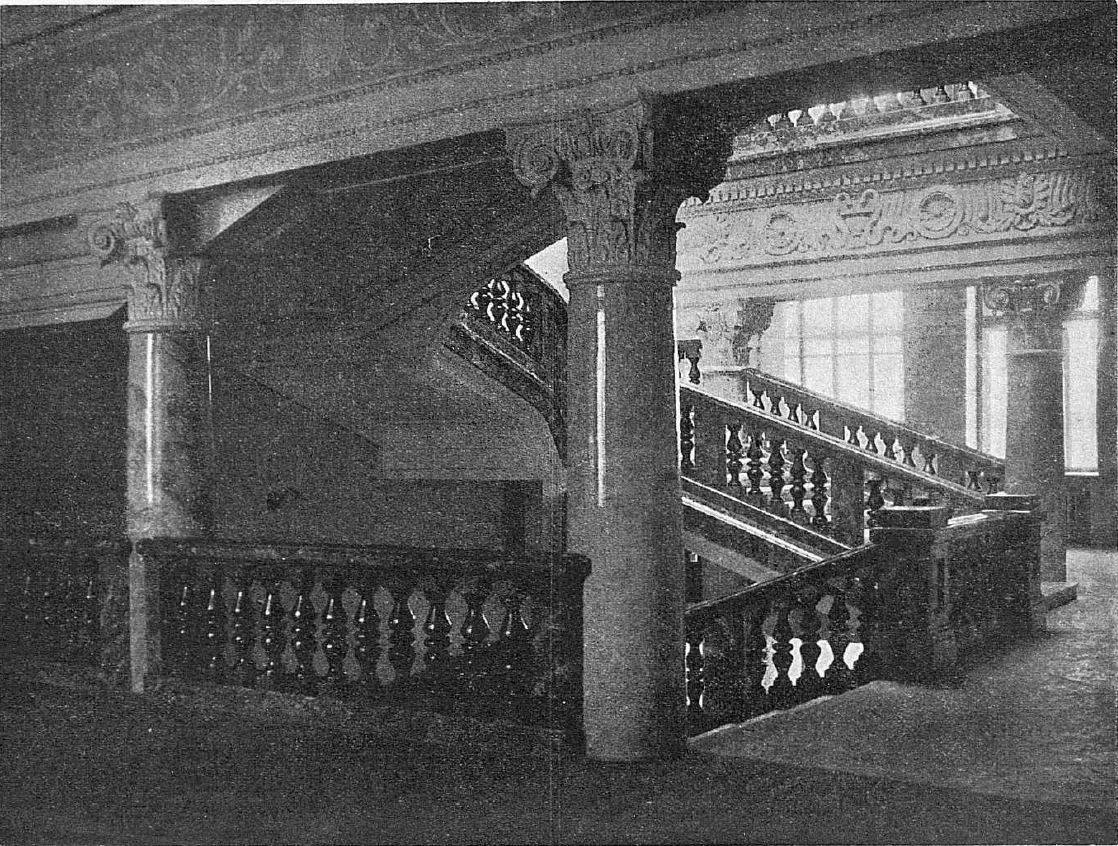
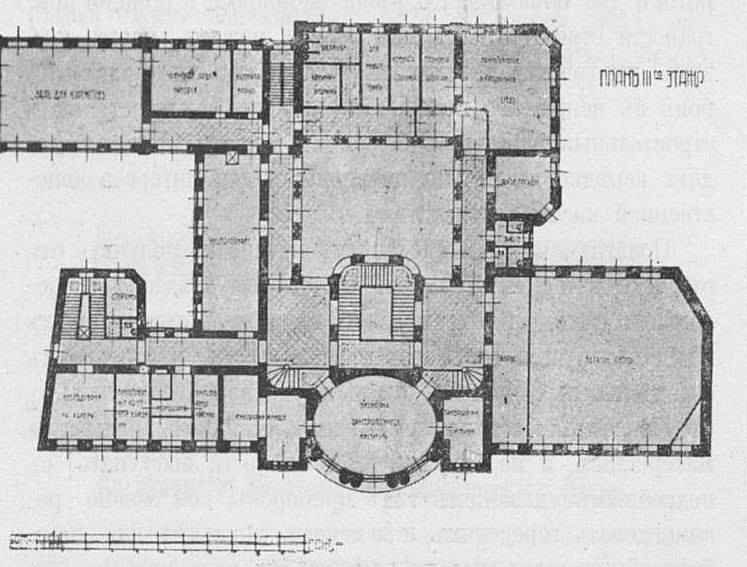
The institute’s library, which includes a small museum, is located on the third floor in its elliptical section; to the left of it are a series of rooms for cholera research, accessible via a separate side staircase from the courtyard. Then, to the left of the courtyard, there is a large capping room for vials containing serums, and finally, the entire rear section of the floor is reserved for student microscope classes and auxiliary rooms.

The ground floor and part of the basement are occupied by various storage rooms, darkrooms, animal testing facilities, and the central water heating system.




- About the military pilot school and the airfield in Kharkiv… - 04.11.2020
- Nikanor Savich—A Political Career by Mistake - 13.07.2020
- And once again, about the Cavalry Guards… - 21.01.2020