Right in the heart of our beloved city, at Hryhoriia Skovorody Street, 14 stands a building that, to this day, can only be described as the Palace of Medicine.
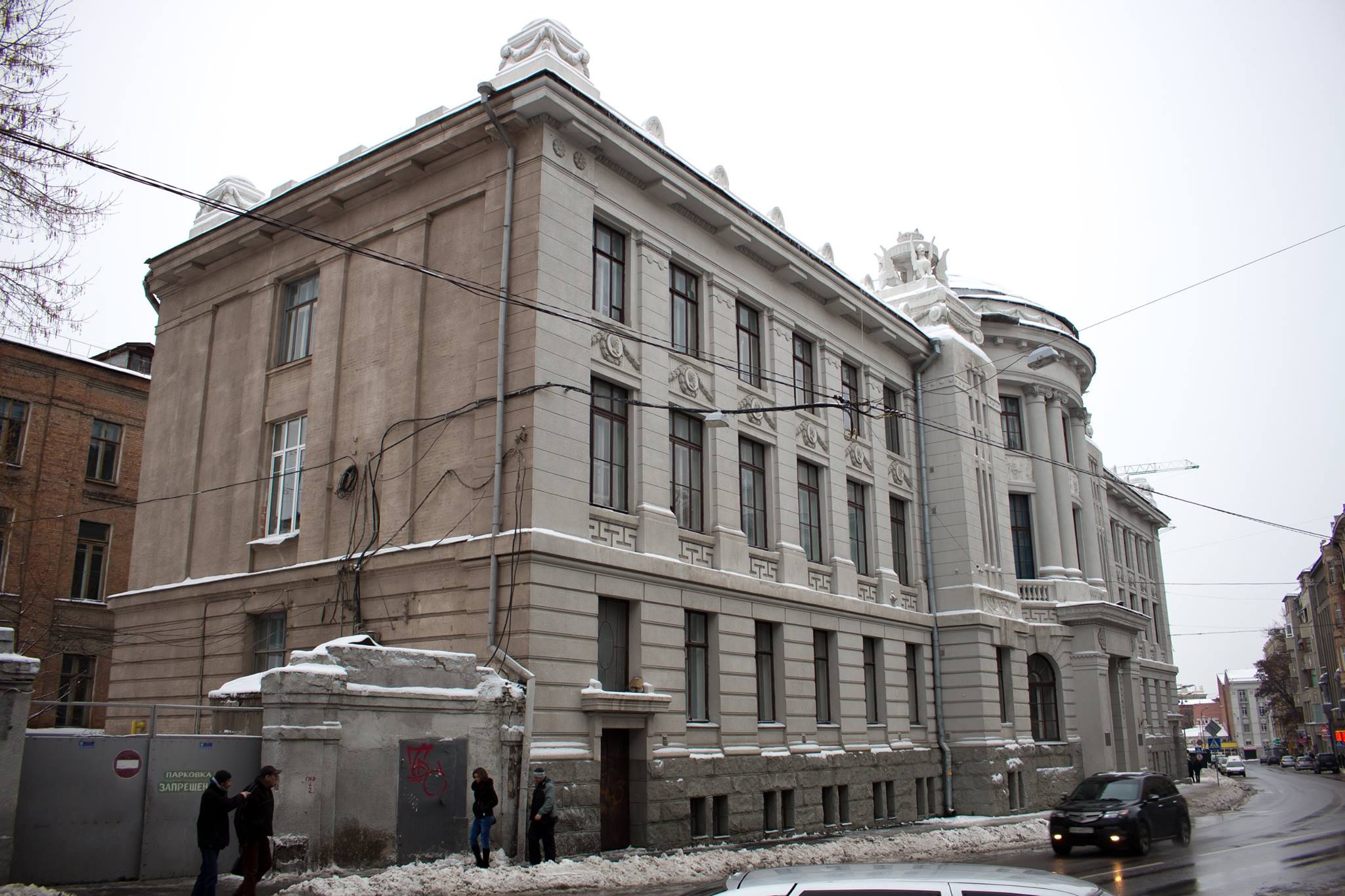
The I. I. Mechnikov Institute of Microbiology and Immunology is currently located there.
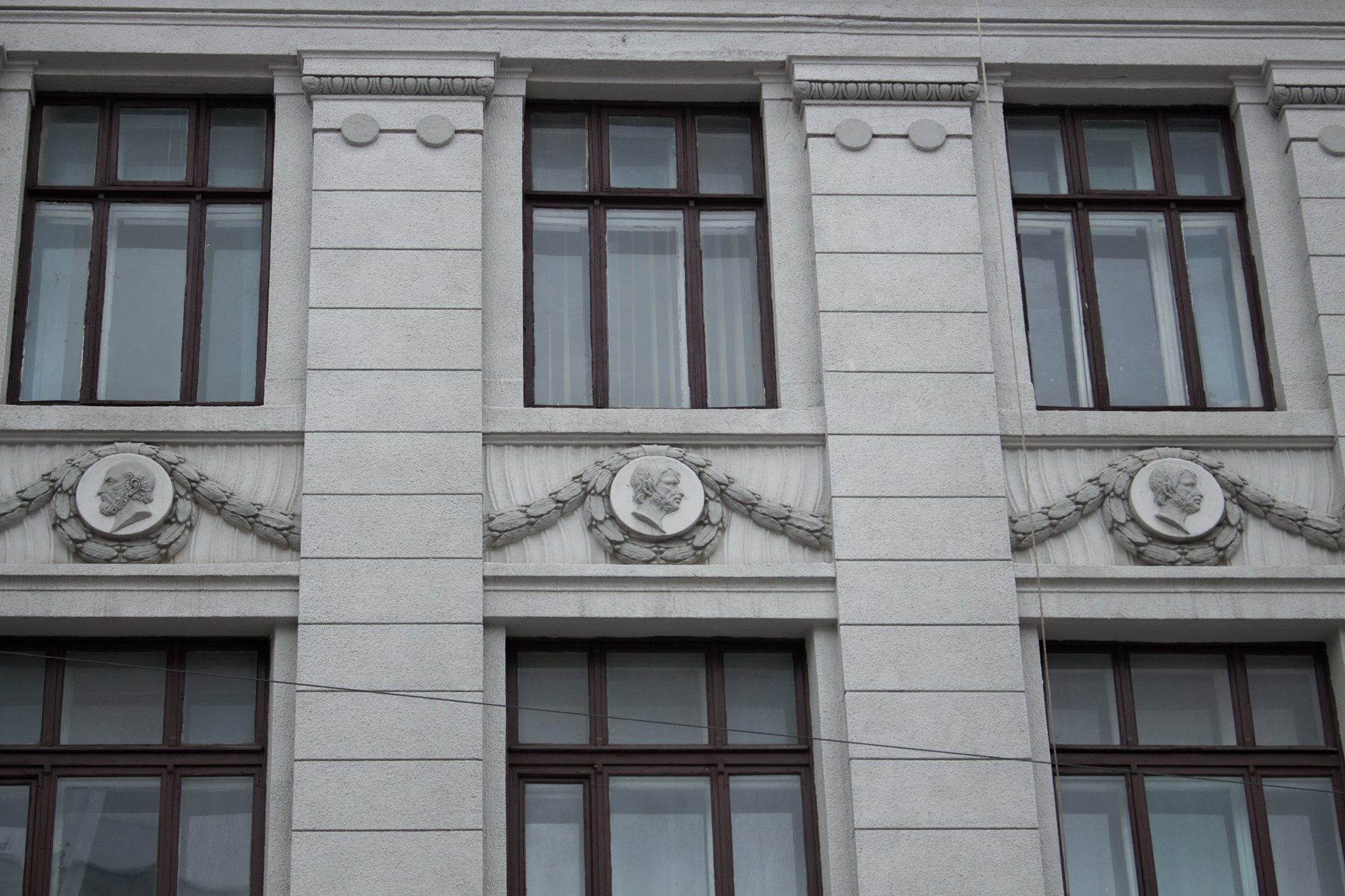
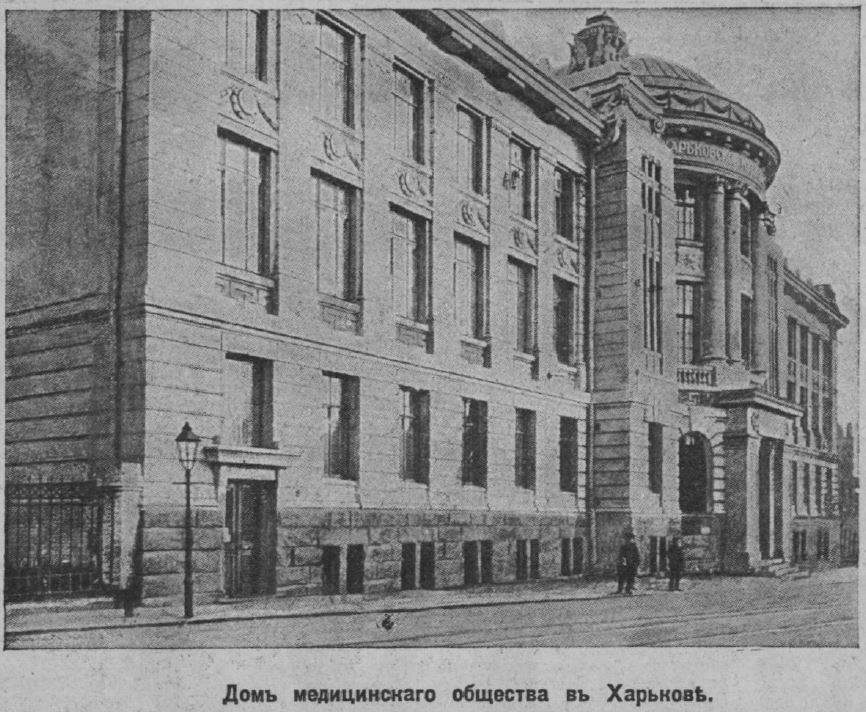
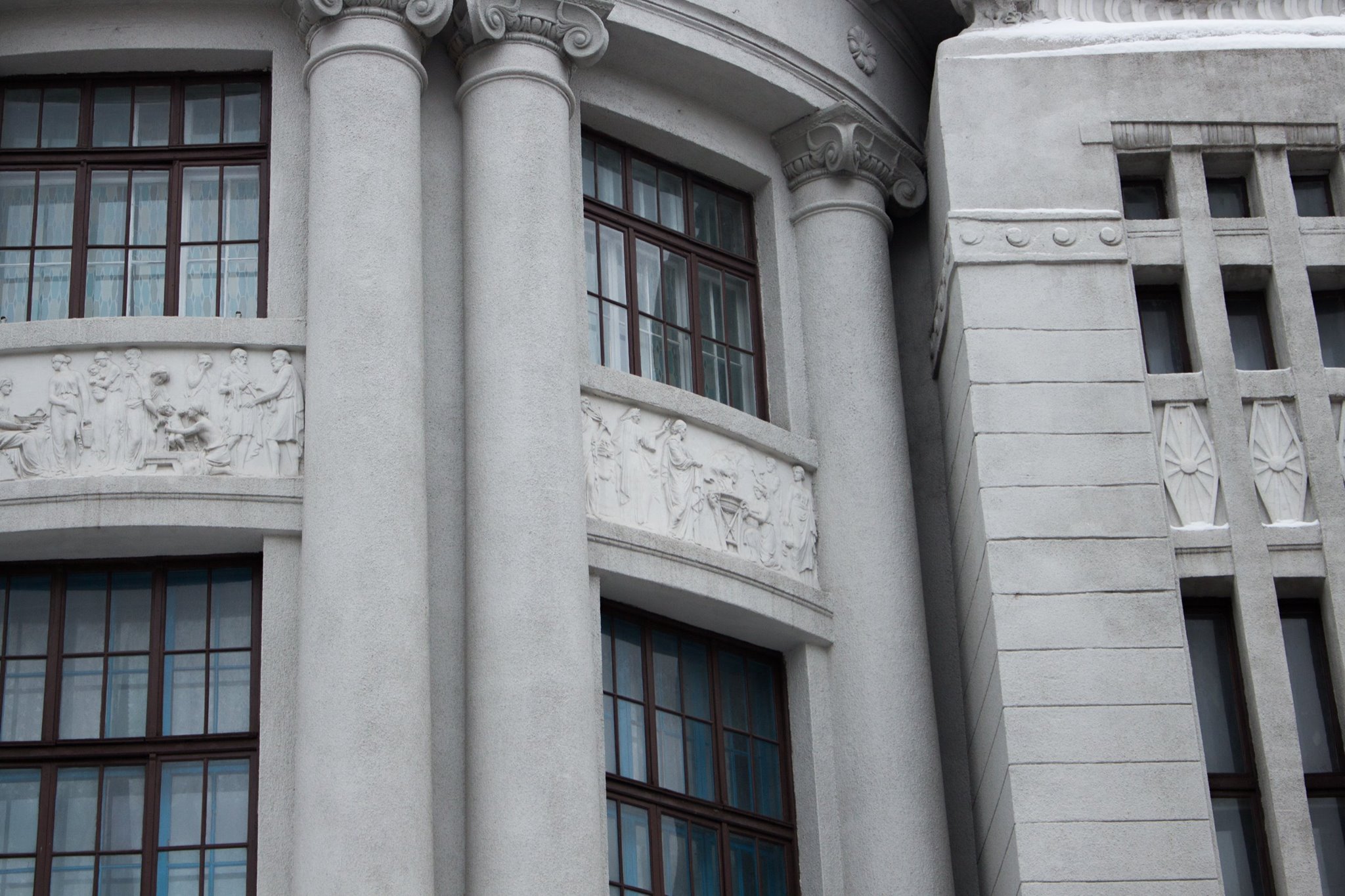
However, it was previously the building of the Kharkiv Medical Society, constructed between 1911 and 1913 according to a design by Academician O. Beketov. The origins and history of this palace are inextricably linked to the Kharkiv Medical Society.

That is why we find the story of how this magnificent building came to be—as recounted in 1911 by its creator, architect Oleksiy Beketov, in the pages of one of the finest architectural magazines, *Zodchiy*—particularly fascinating.

Right at the beginning of the article, the author emphasizes just how significant the Medical Society’s activities were for the state and our city.

The Kharkiv Medical Society, which has been in existence for nearly fifty years, initiated and oversaw the construction of this building. Over this long period, the society has used its own funds and donations to establish the following useful institutions:
1) a Pasteur Institute serving all of southern Russia and the Caucasus, providing rabies vaccinations for bite victims;
2) a bacteriological institute with lecture halls and laboratories for young doctors specializing in this field.
The third point deserves our special attention. After all, it states that the Kharkiv Bacteriological Station was THE BEST IN THE WORLD.
3) The bacteriological station located five versts from Kharkiv, which ranks first in the world in serum production: whereas the largest stations produce serum—in Germany from 80 horses and in France from 65 horses—the Kharkiv station maintains over 100 horses for the production of antitoxin serum; in addition, it features a vast park for rabbits, guinea pigs, and other animals, on which experimental vaccinations and serum tests are conducted: for diphtheria, plague, and anthrax;
4) a chemical-microscopic laboratory for testing blood, urine, and other samples;
5) a scientific library with a collection of 50,000 volumes;
6) an on-site hospital with separate wards for male and female inpatients, as well as outpatient clinics;
7) a free pharmacy for the poor;
8) the editorial office of the “Journal of the Kharkiv Medical Society.”
O. Beketov goes on to explain what motivated the construction of the building itself.
With the exception of the bacteriological station, all of the society’s listed facilities had until then been housed on a spacious, approximately two-hectare courtyard in the city center, in old one- and two-story outbuildings acquired by chance many years ago, which were supplemented, as the society’s activities expanded, by absurd additions and superstructures.
Finally, the cramped conditions, lack of comfort, and insufficient light and ventilation compelled the Kharkiv Medical Society to consider constructing a single, solid building where all of the society’s facilities could be housed with adequate comfort.
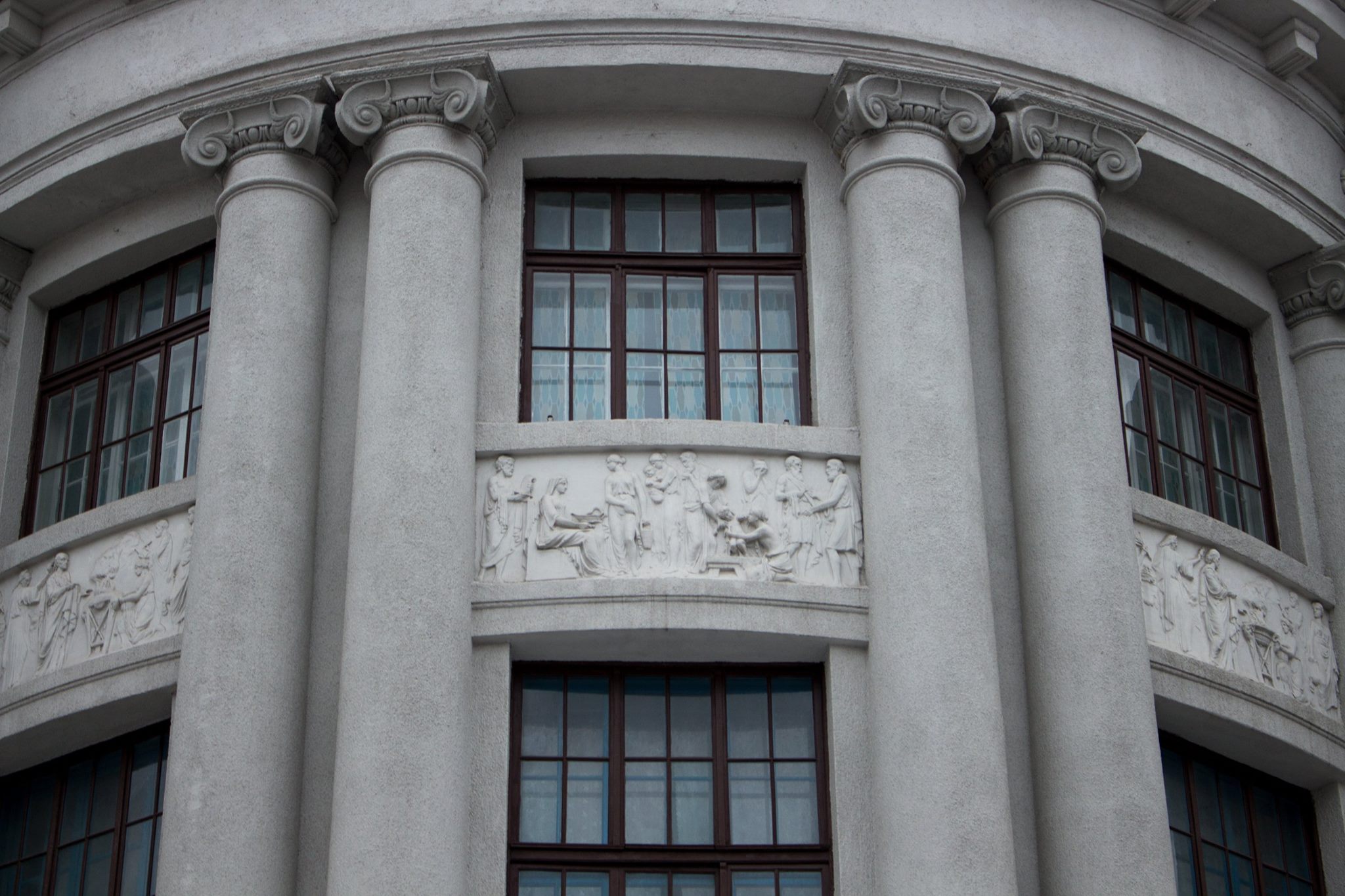
We are also interested in the challenges we faced during the initial design phase of the building.
A special committee composed of members of the society was tasked with drafting the competition guidelines for the architectural design; however, from the very outset of the commission’s work, it became clear that no competition could yield the desired results, as the requirements of medical specialists in each field were too contradictory and diverse. At a general meeting, it was decided to address this issue not through a competition, but by having a single architect draft a series of preliminary plans in collaboration with representatives from each individual specialty, in order to gradually arrive at the most rational solution to the problem. With this proposal, the society approached Academician of Architecture O. Beketov. Over the course of a year, up to eight different sketches were developed in collaboration with the commission; of these, the final one—approved by the general meeting and accepted for implementation—is presented here for the readers’ consideration… Building volume = 3,000 cubic sazhens. Estimated cost approximately 300,000 rubles, excluding special equipment for the laboratory
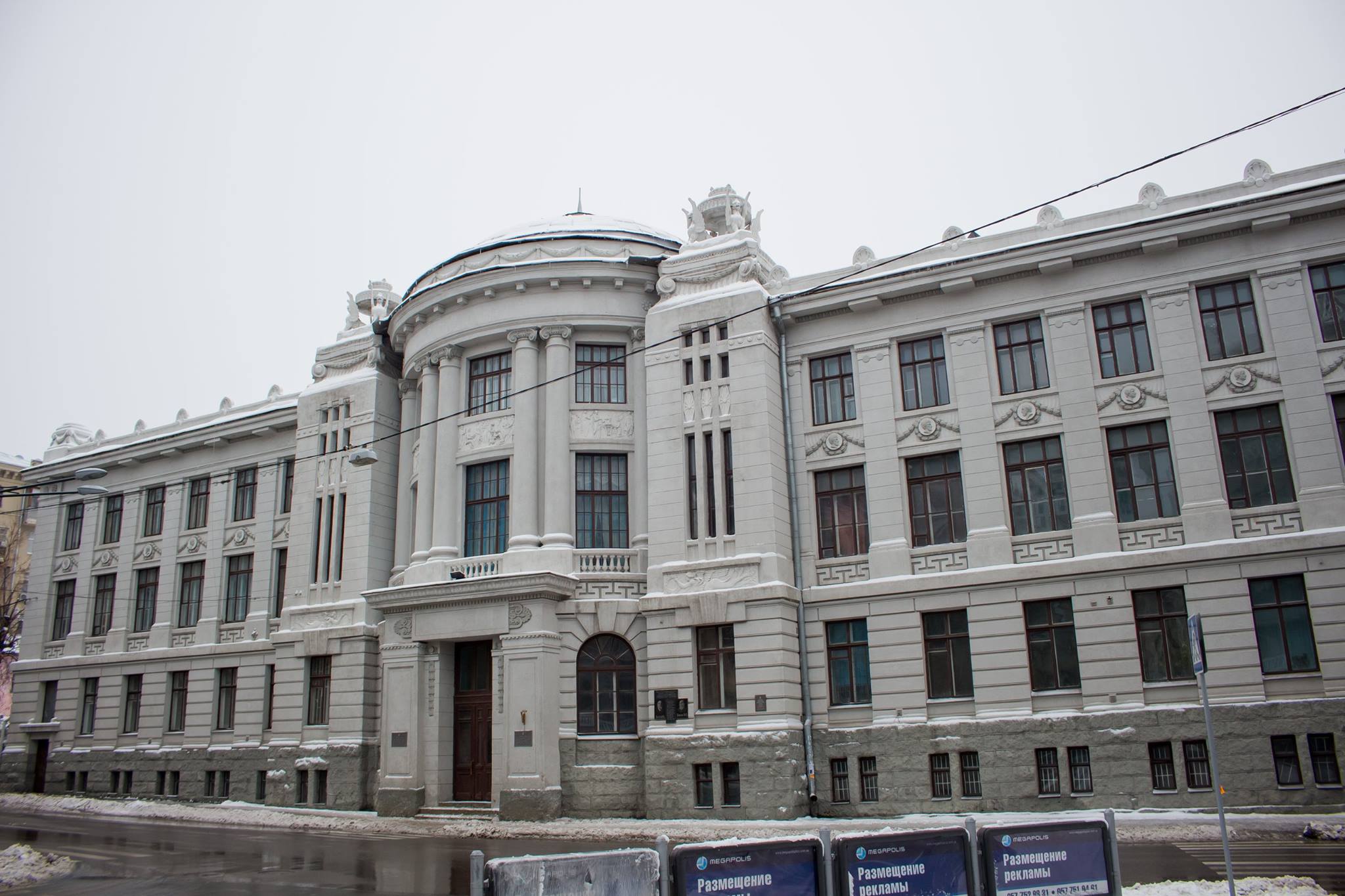
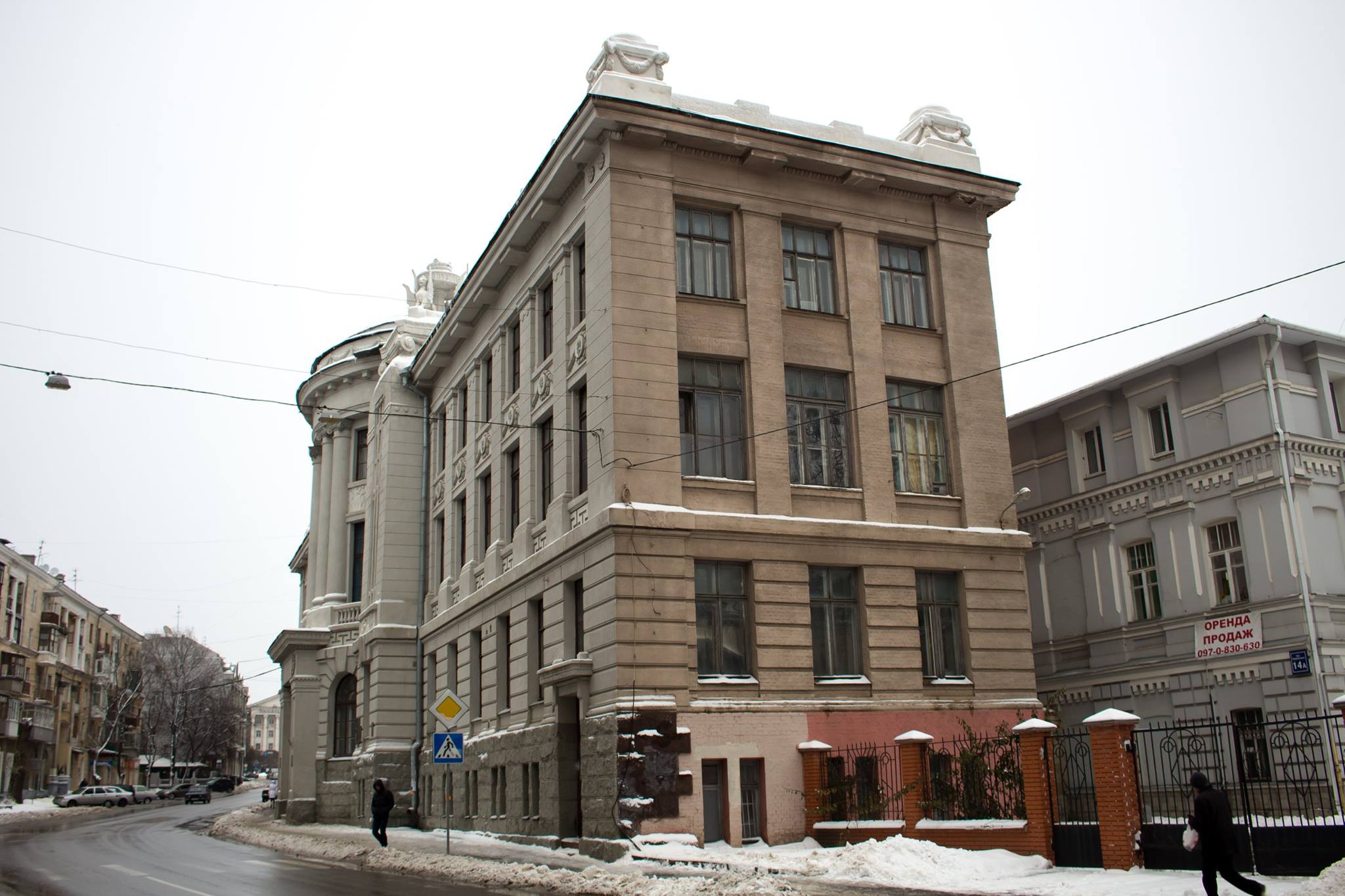
In his article, Oleksiy Beketov also provides a very detailed description of the building itself, the layout, and the original purpose of each room. Thanks to this, we can, as it were, travel back to 1913 to wander through the newly opened Palace of Medicine. More on the interiors in the next part of the article.

- About the military pilot school and the airfield in Kharkiv… - 04.11.2020
- Nikanor Savich—A Political Career by Mistake - 13.07.2020
- And once again, about the Cavalry Guards… - 21.01.2020