Every landscape painter undoubtedly has a favorite season.
It is a time when breathing comes easily and picturesque images, like poetry, come together quickly, harmoniously, and in rhyme.
And then it begins to seem as though the brush is guided not by the hand of a genius, but by something otherworldly—a kind of magical power that brings images of nature to life, making them real and vivid.

Which of the painters of the past can we call an artist of winter or fall?
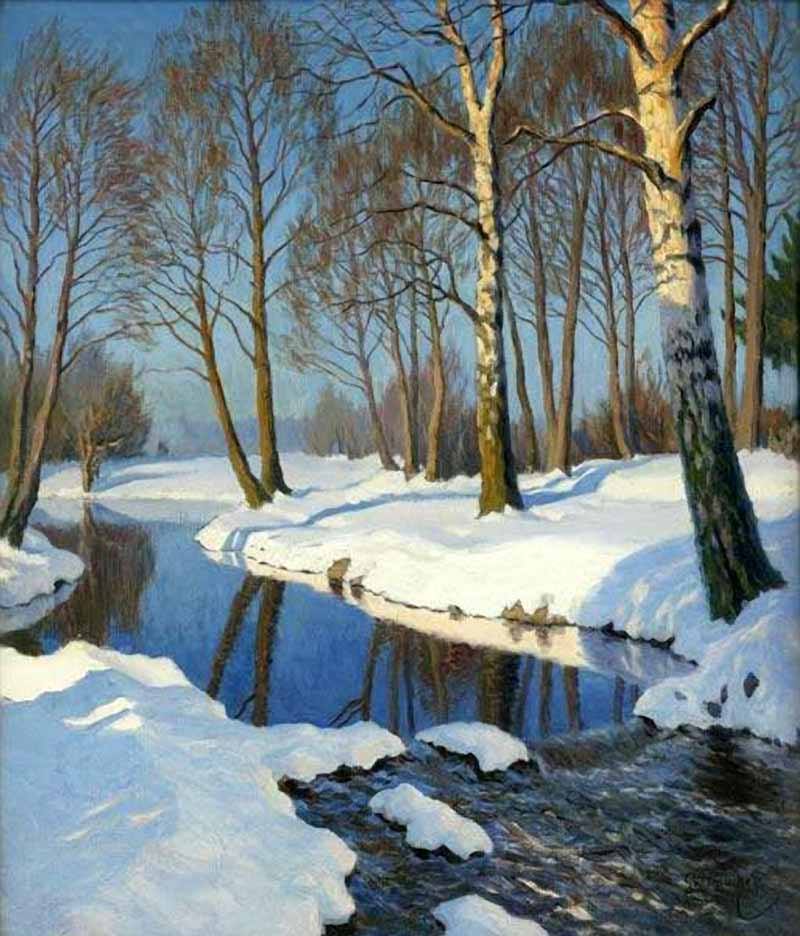
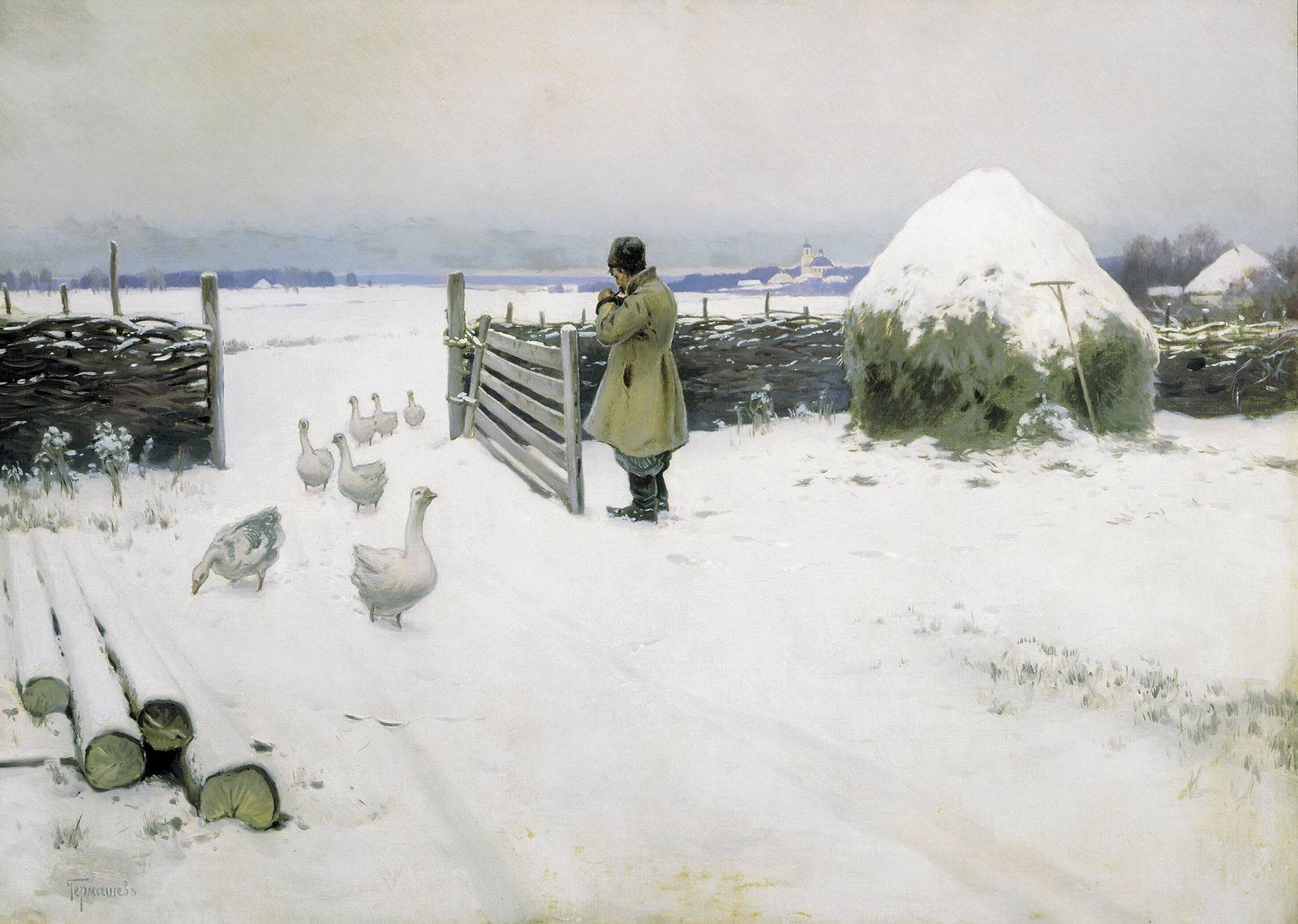
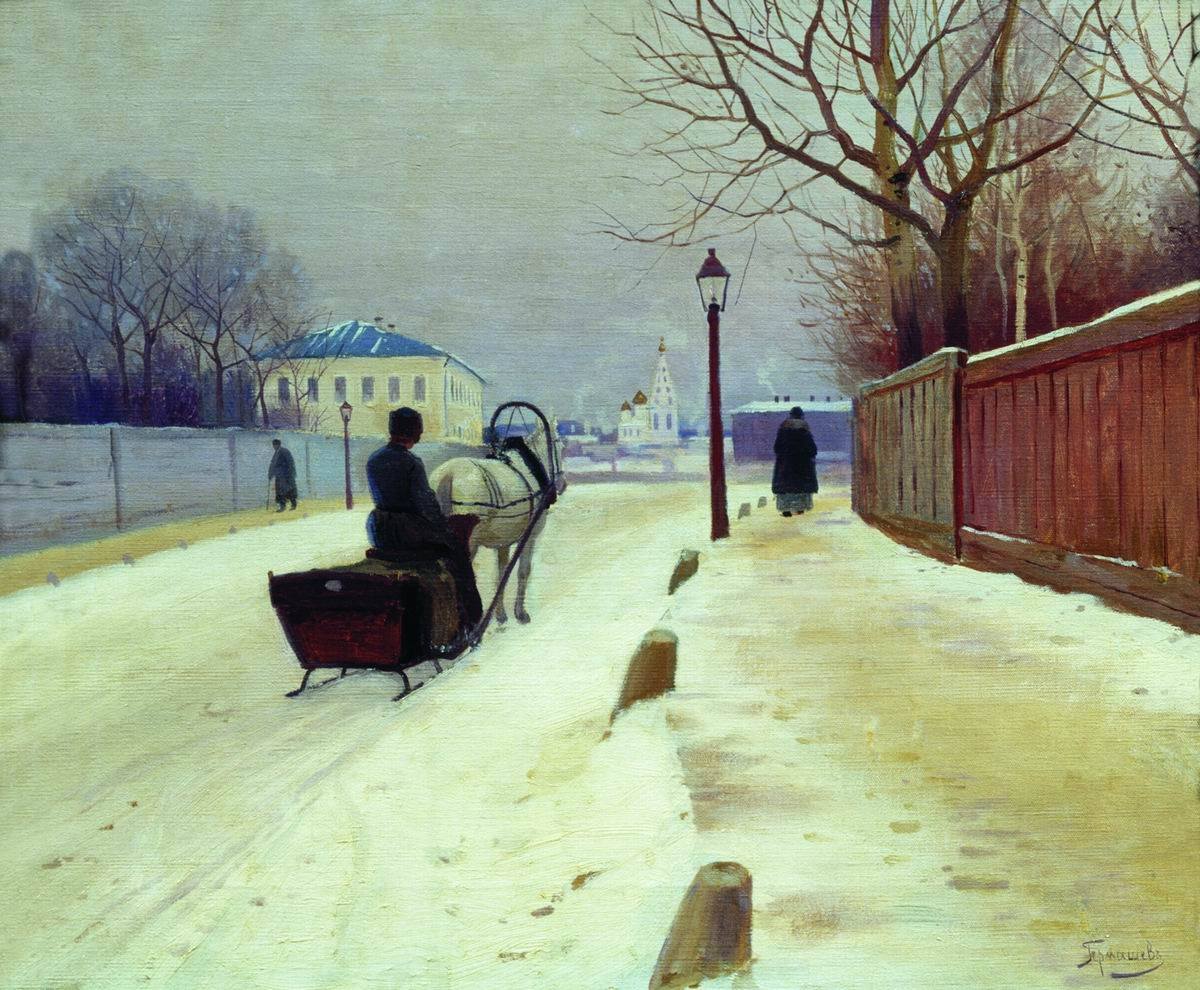
Today’s featured artist has achieved such remarkable results in his painting technique that his landscapes are so lifelike they’re almost deceptive.
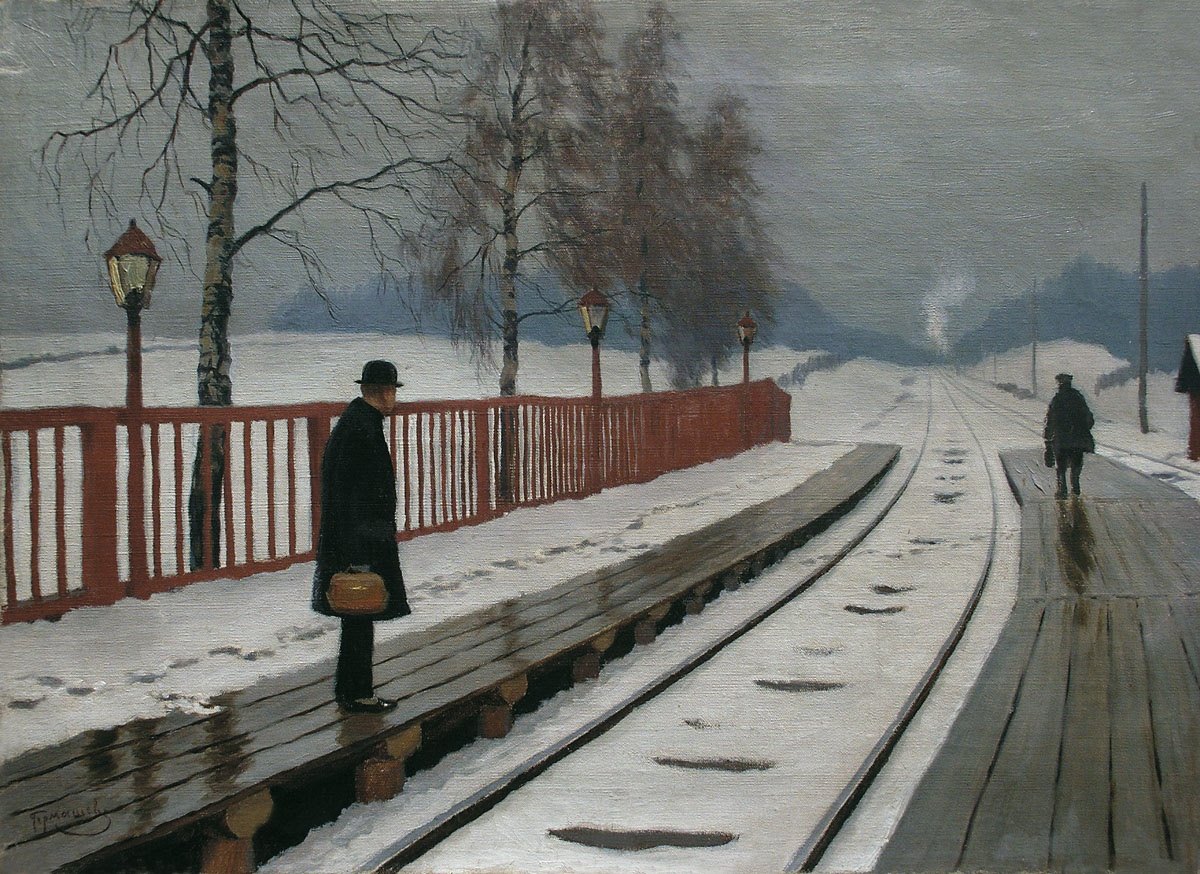
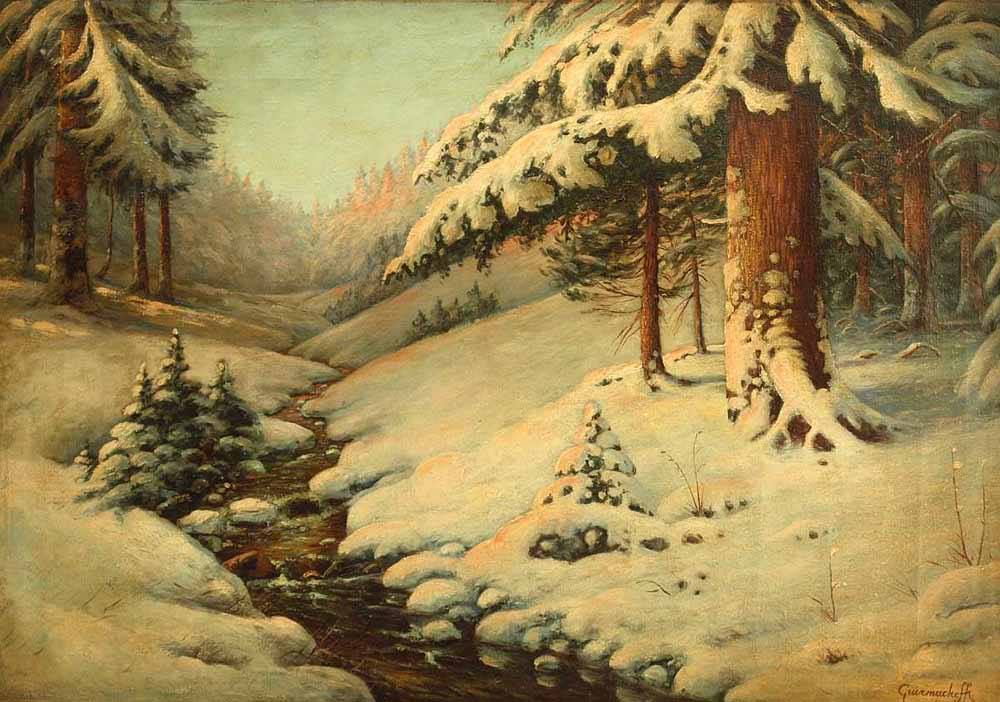
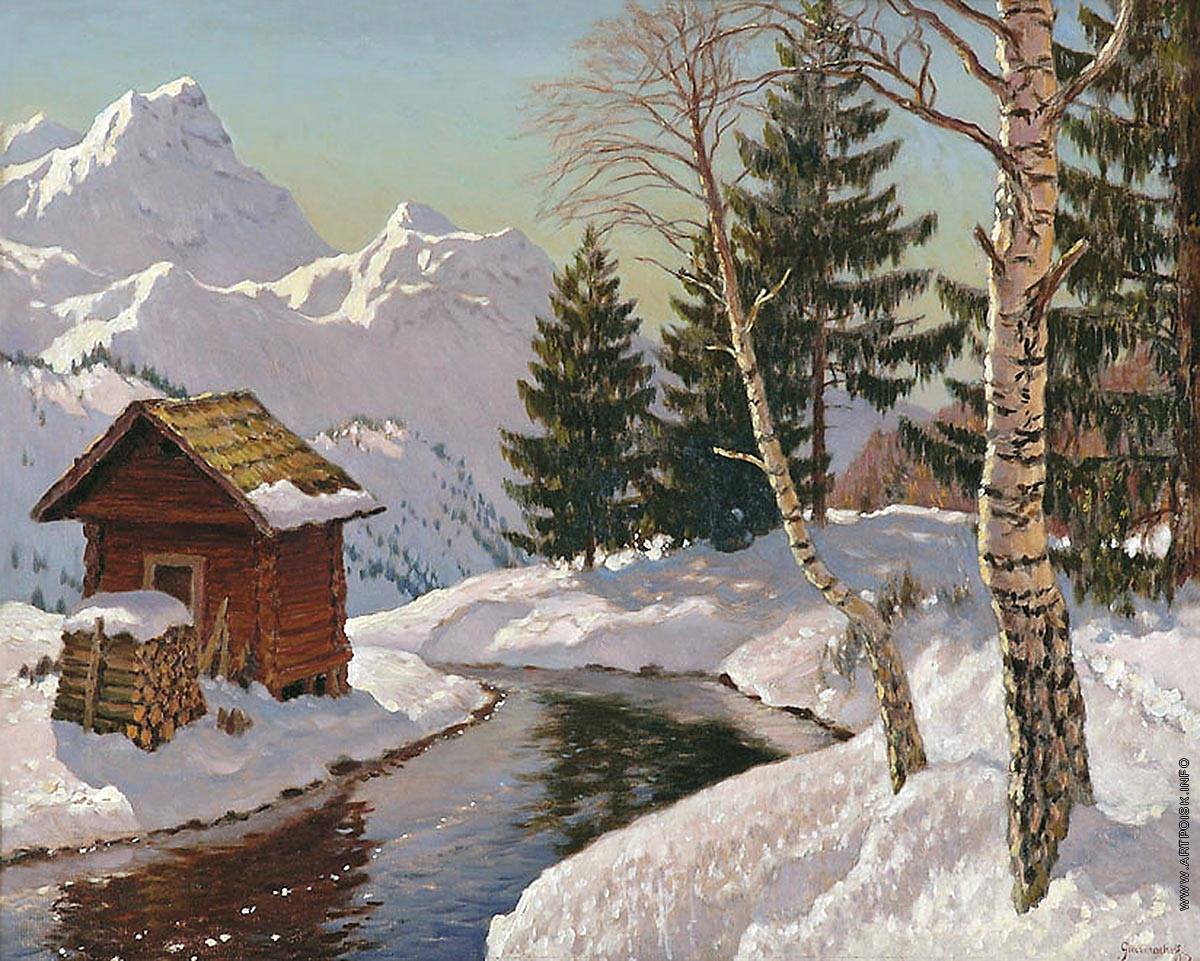
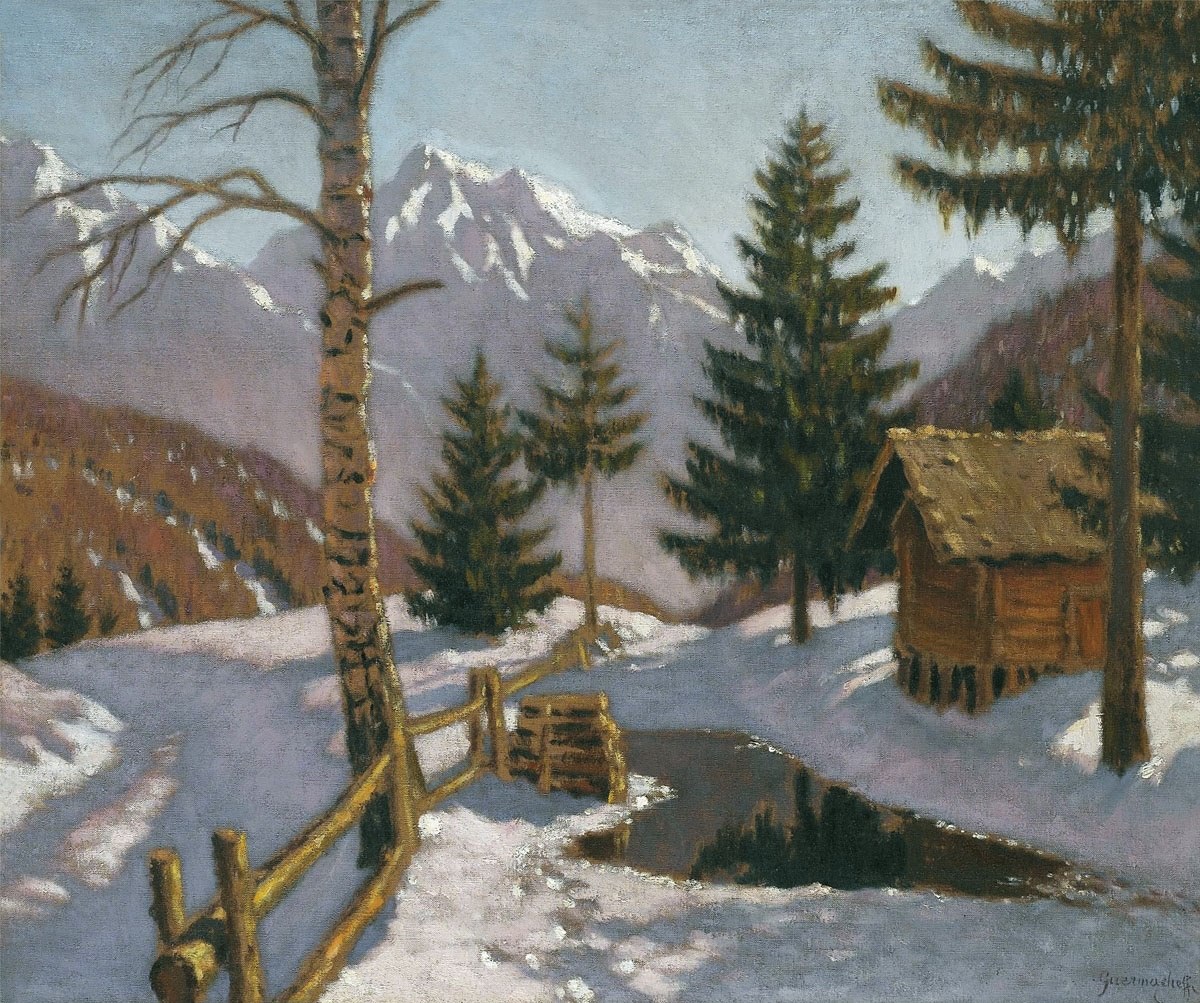
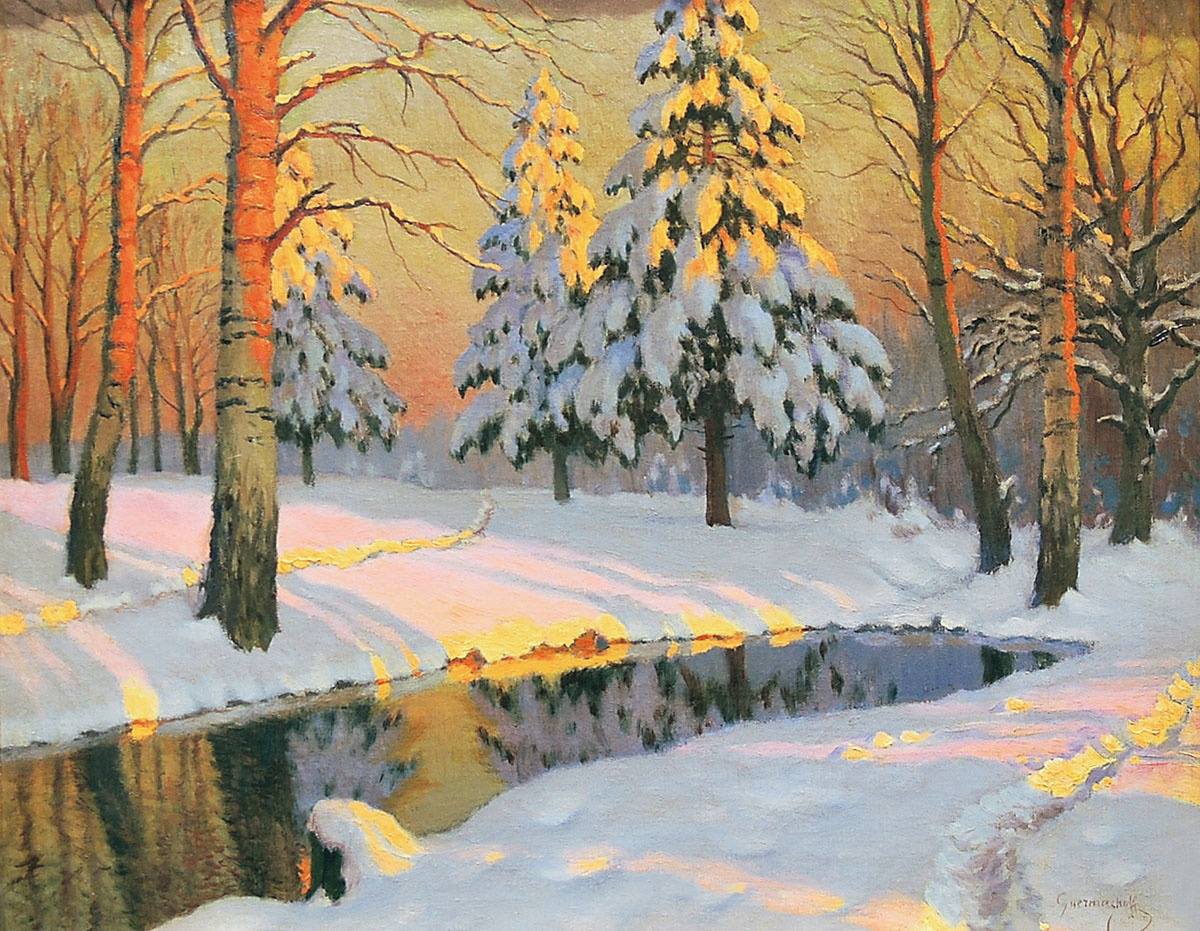
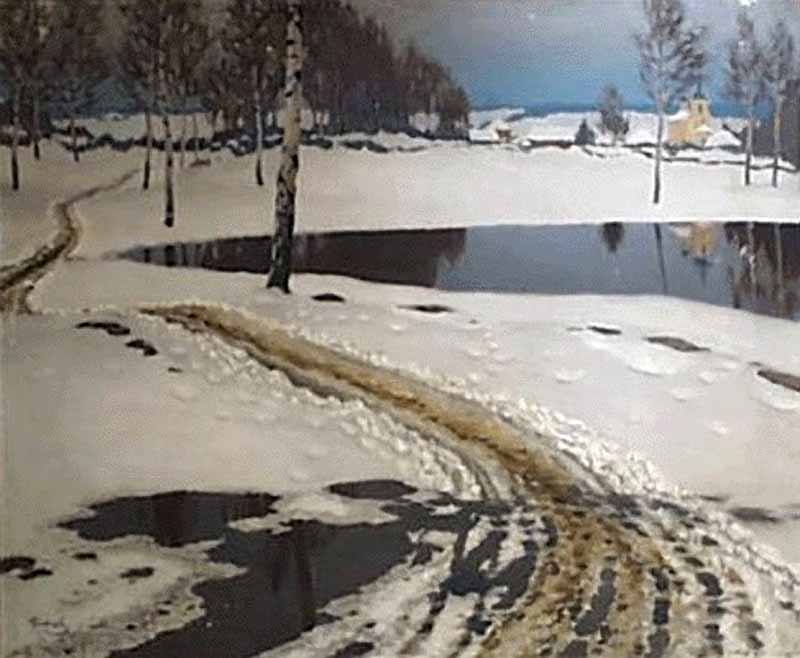
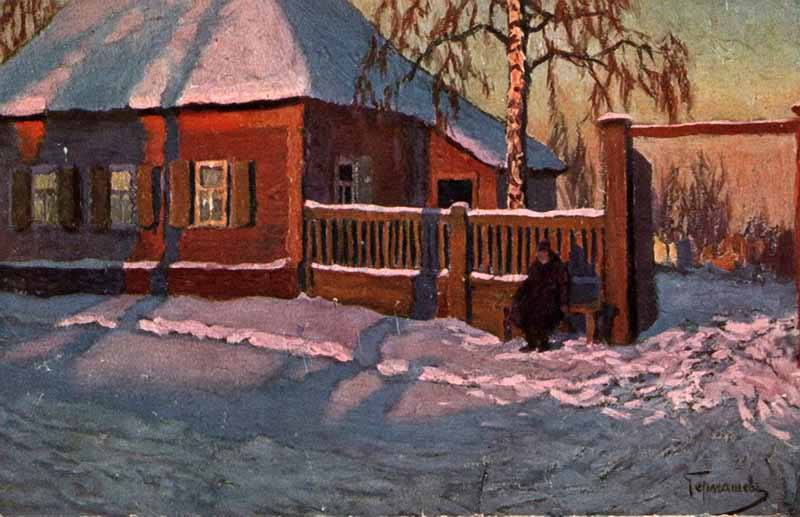
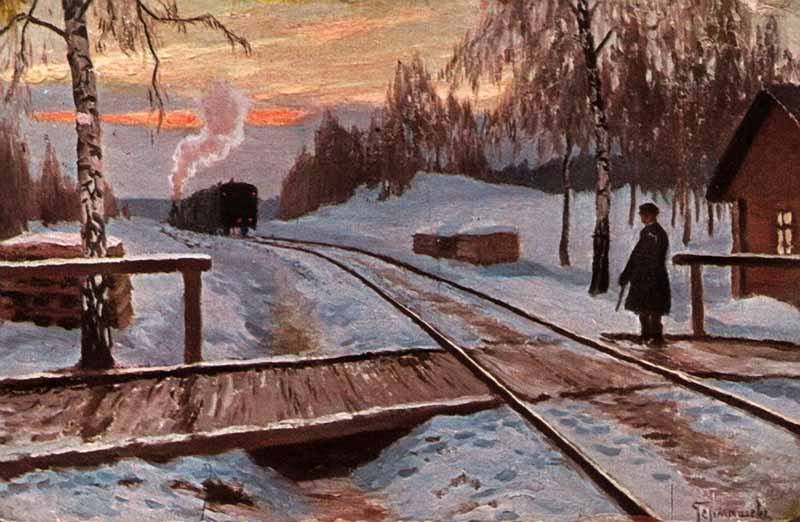
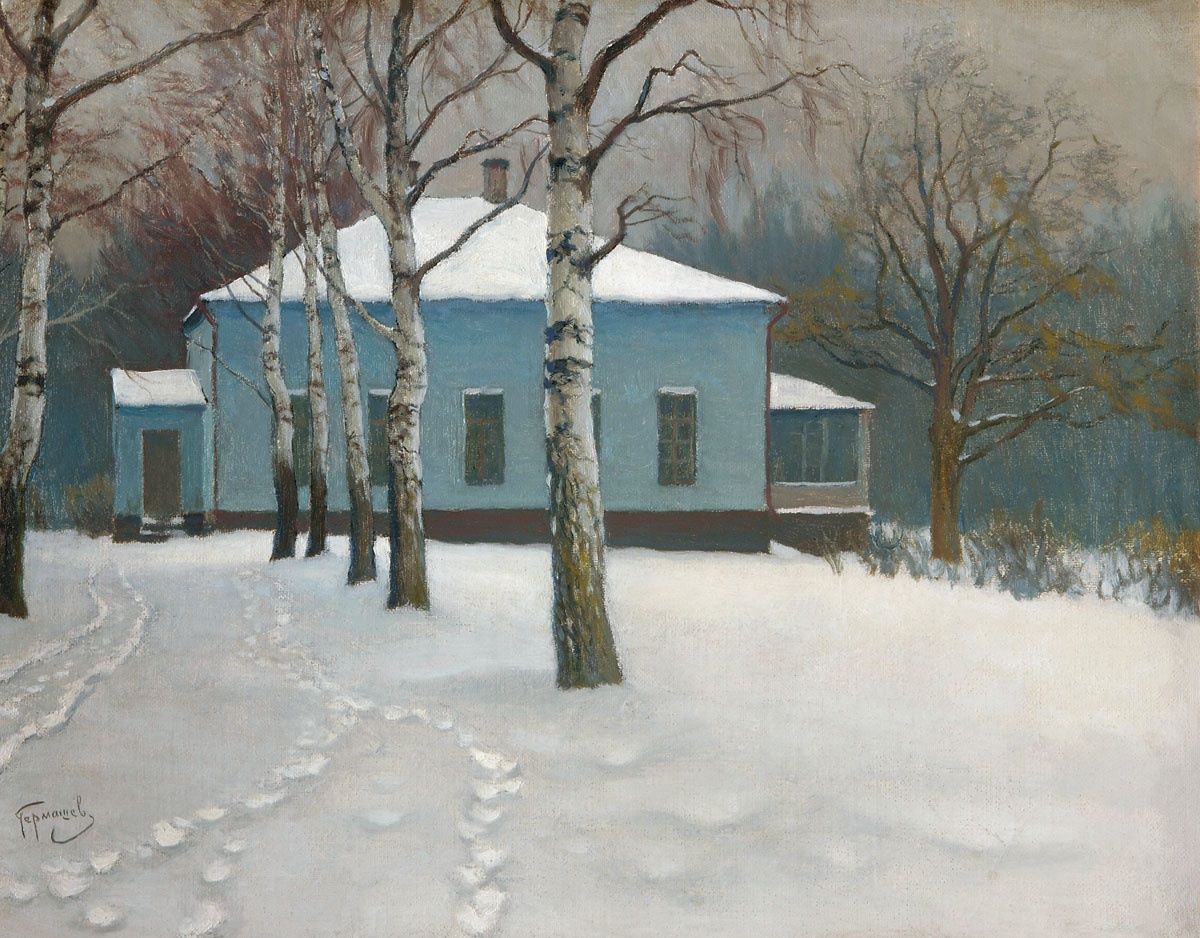
They said that only he was able to create “the most authentic and remarkably lifelike snow.”

After all, is it really possible to use the tools of painting to depict the crust of hardened, still-unmelted snow—its slightly thawing, layered texture—in such a way that the illusion of a painted landscape becomes reality?

It turns out it is possible, and in this regard, our fellow countryman was second to none.
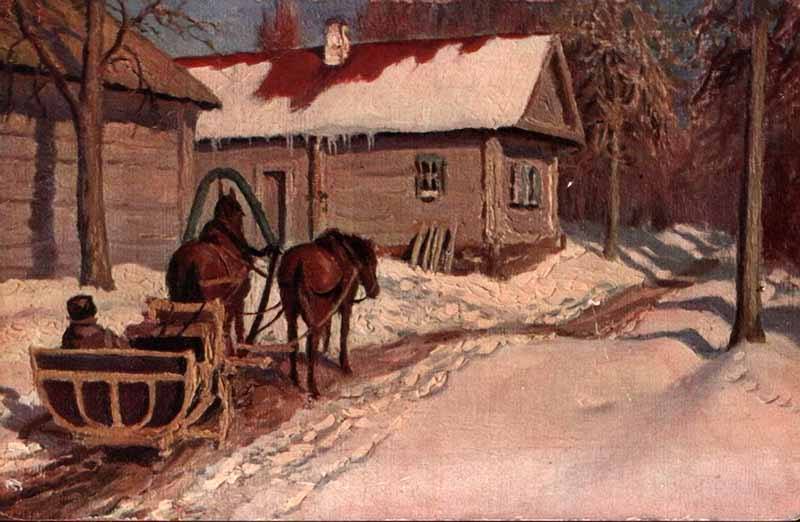
After all, on that distant day of August 13, 1867, Mikhail Markianovich Germashev (Bubello) was born in the town of Vovchans’k, in the Kharkiv Governorate.

From 1892 to 1899, he studied at the Moscow School of Painting, Sculpture, and Architecture, where he was a student of I. I. Levitan himself.
His teachers also included Alexei Savrasov, Illarion Pryanishnikov, Vladimir Makovsky, and Vasily Polenov.
The young artist gained fame for his landscapes as early as the late 19th century.
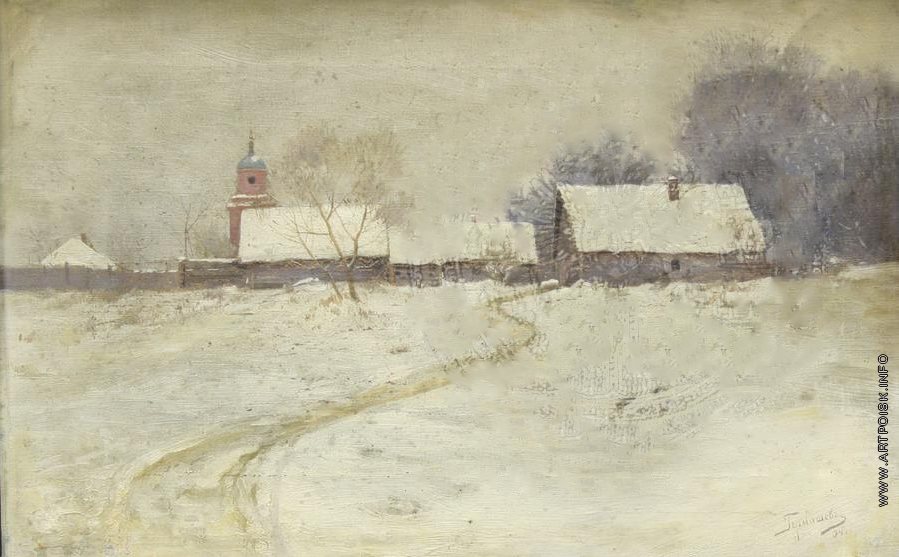
A painting by Germashev from 1897 (“It Snowed”) caught the attention of connoisseurs of Russian landscape art at an exhibition in Moscow.
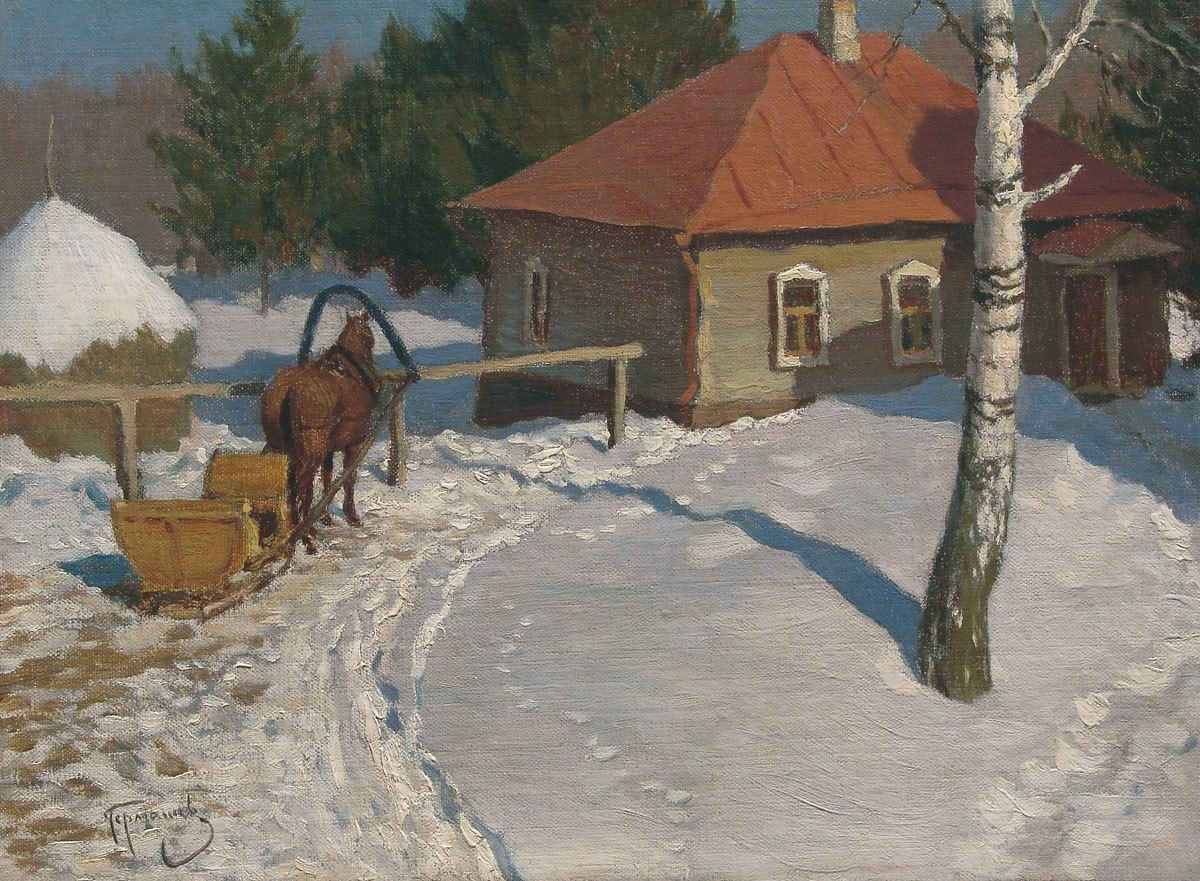
Not only did she win first prize from the Moscow Society of Art Lovers, but she also caught the attention of the great art collector Pavel Mikhailovich Tretyakov himself.
He asked the painter to sell him the painting, and after purchasing it, he displayed it in his gallery.
This success inspired the painter to create other remarkable works. One after another, the following appeared: “The Unfrozen River” (1898), “Evening” (1901), “In March” (1905), “A Warm Day” (1908), “In the Wilderness” (1911), and “Toward Spring” (1912)—this is just a brief list of them.
Mikhail Germashev was a regular participant in exhibitions organized by the Moscow Artists’ Association; he moved in the most exclusive artistic circles of Moscow and St. Petersburg.
In 1902, the prestigious St. Petersburg magazine *Art and the Arts and Crafts Industry* published a favorable review of Germashev’s works, which were exhibited in Moscow at the Seventh Exhibition of Watercolors, Pastels, and Drawings (November 1901).

In that response, we read:
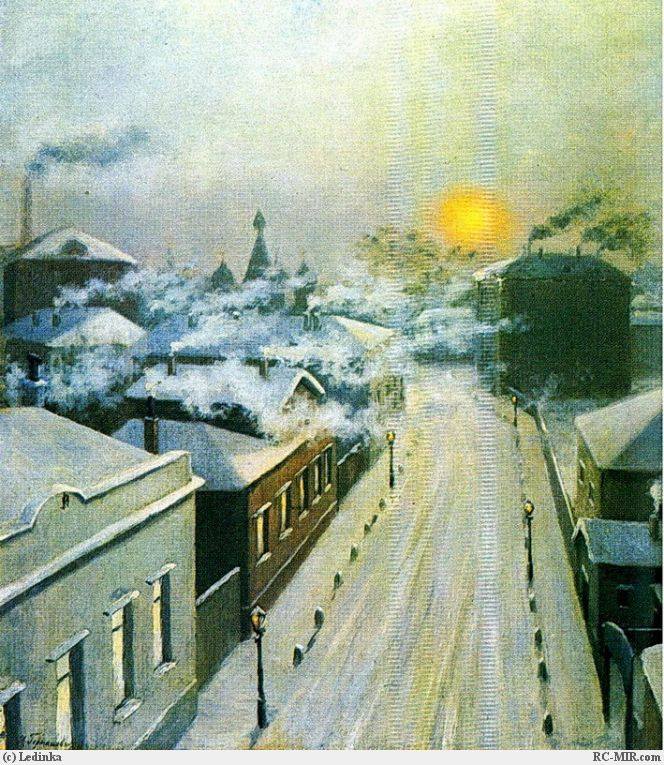
Germashov’s “Rainy Day” is perfect.
The painting depicts a corner of the city; the rain has stopped, but the air still feels damp, with ominous clouds drifting across the sky, suggesting that it will rain again and again.
The landscape stands out for its elegant, refined technique—a characteristic typical of Mr. Germashev, an artist with a distinct, well-established style.

In the 1920s, Mikhail Markianovich left Russia for good and settled in Paris.
But Germashev’s success in Paris was more myth than reality. Under a contract with the French merchant Léon Gérard, the artist was required to deliver two paintings each month to his art shop, both on a specified theme.
His client grew rich by selling the paintings for three or four times their price, while the artist increasingly became a mere craftsman, working not for the love of art but for the sake of a living.
Mikhail Markianovich’s meager salary was barely enough to buy the canvas and paints he so desperately needed.
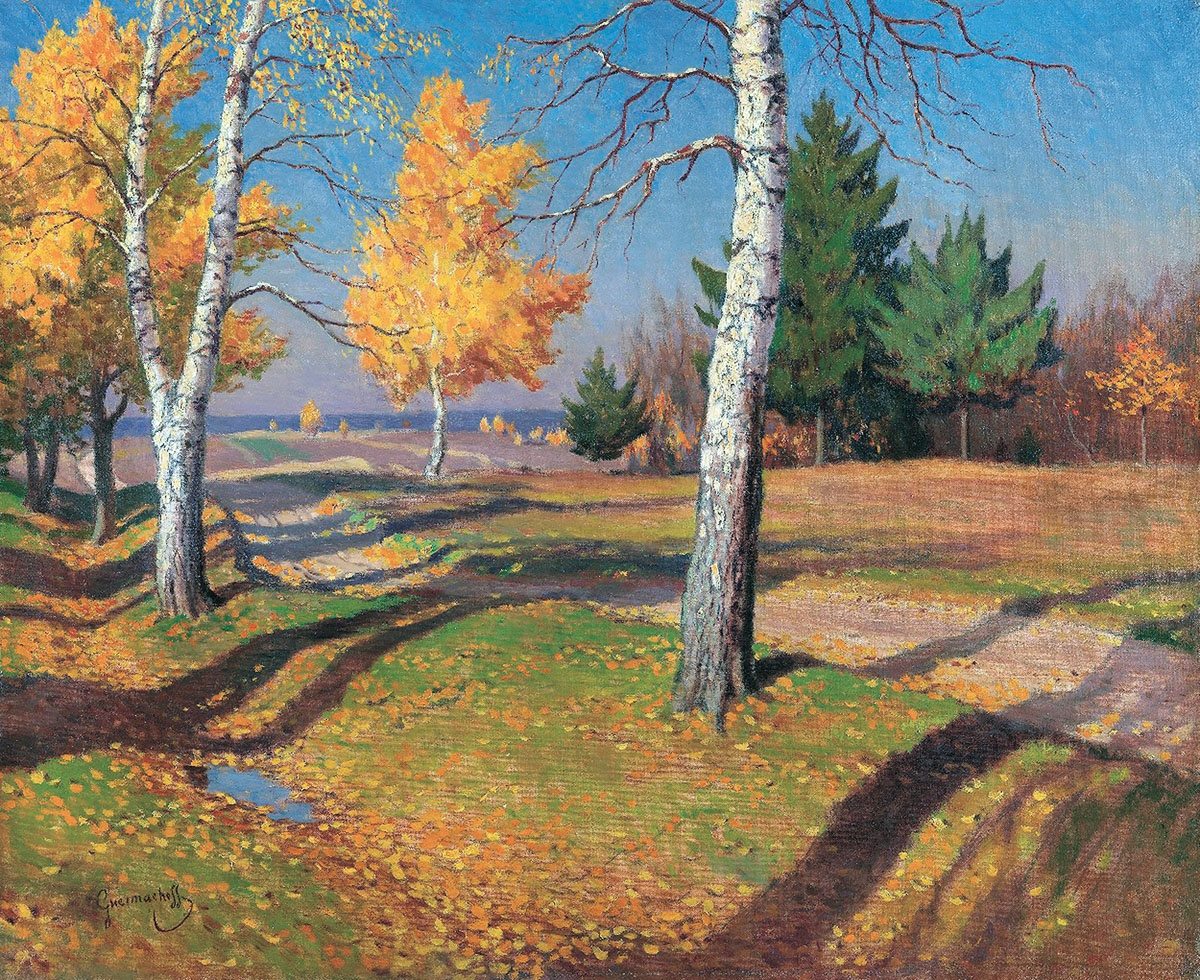
Instead, his paintings were shipped off to England, Argentina, and Australia. “Serfdom” continued.
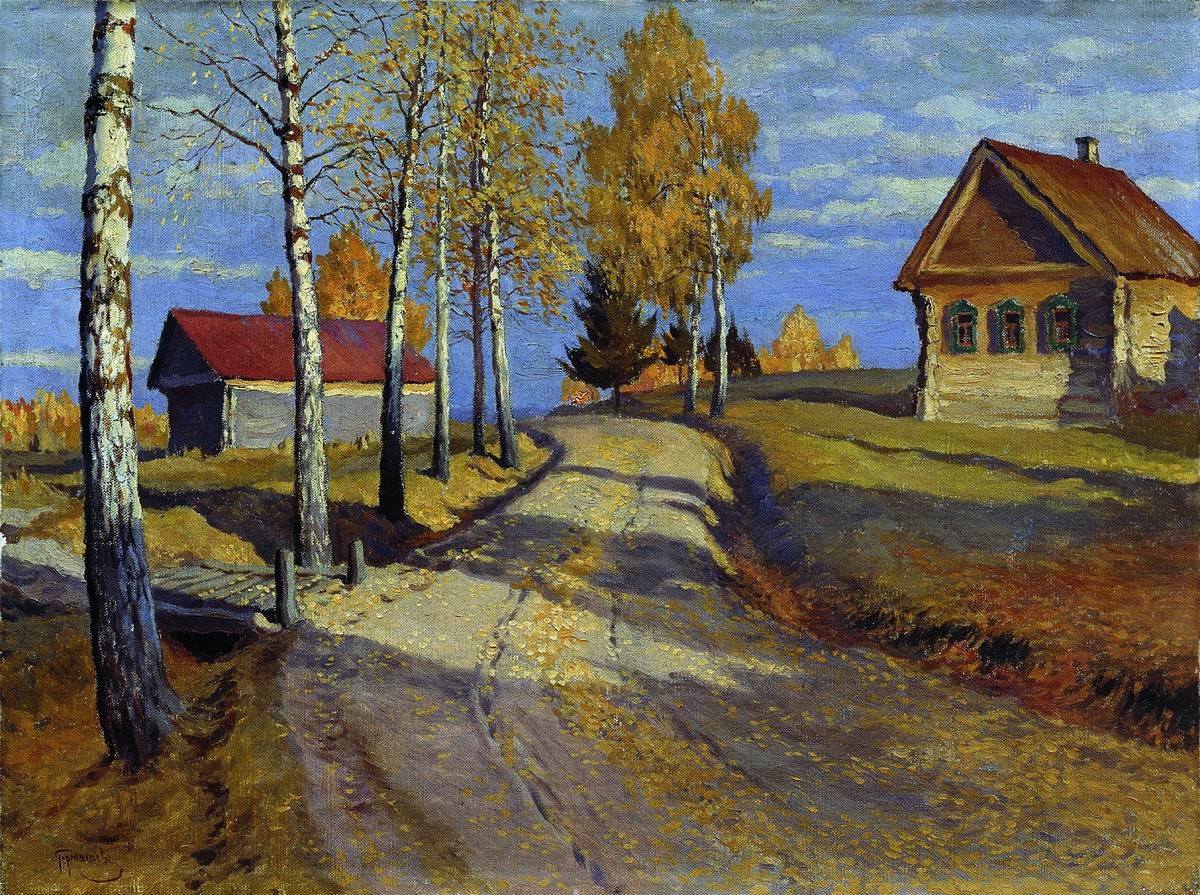
Only once, in 1927, did Germashev exhibit his best paintings at the National Society of Fine Arts.
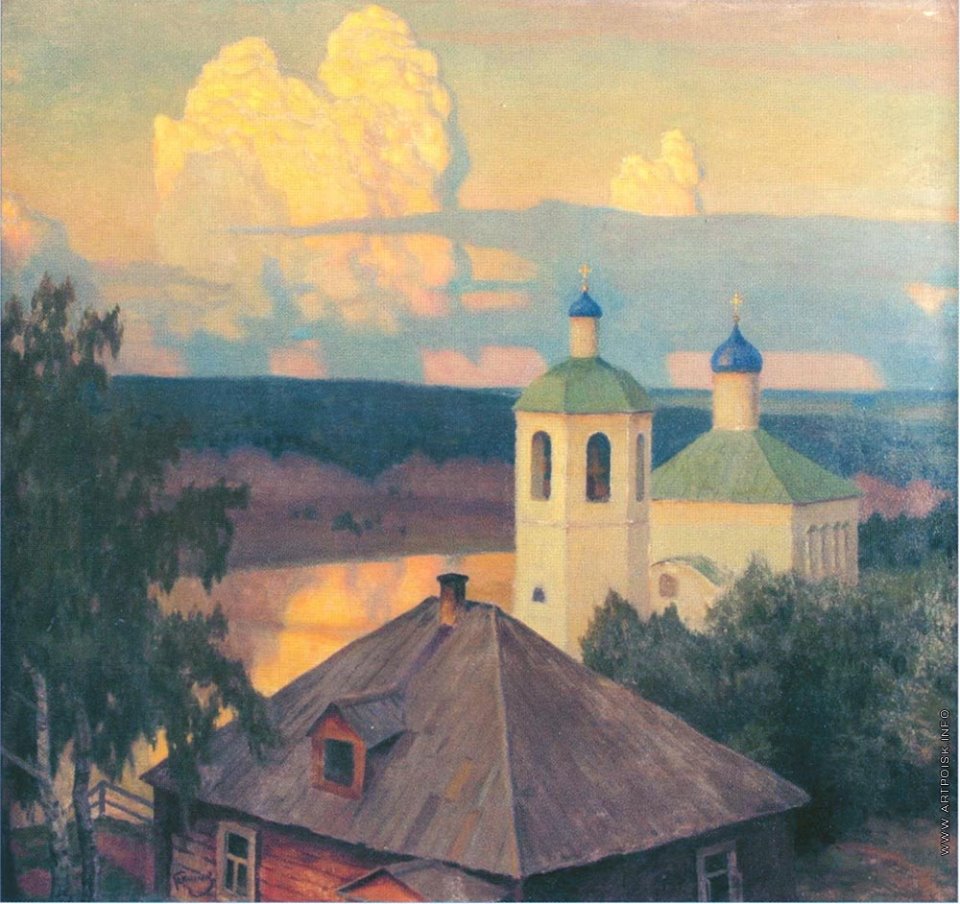
Old age, poverty, and obscurity in a foreign land accompanied the talented Kharkiv painter until the end of his life.
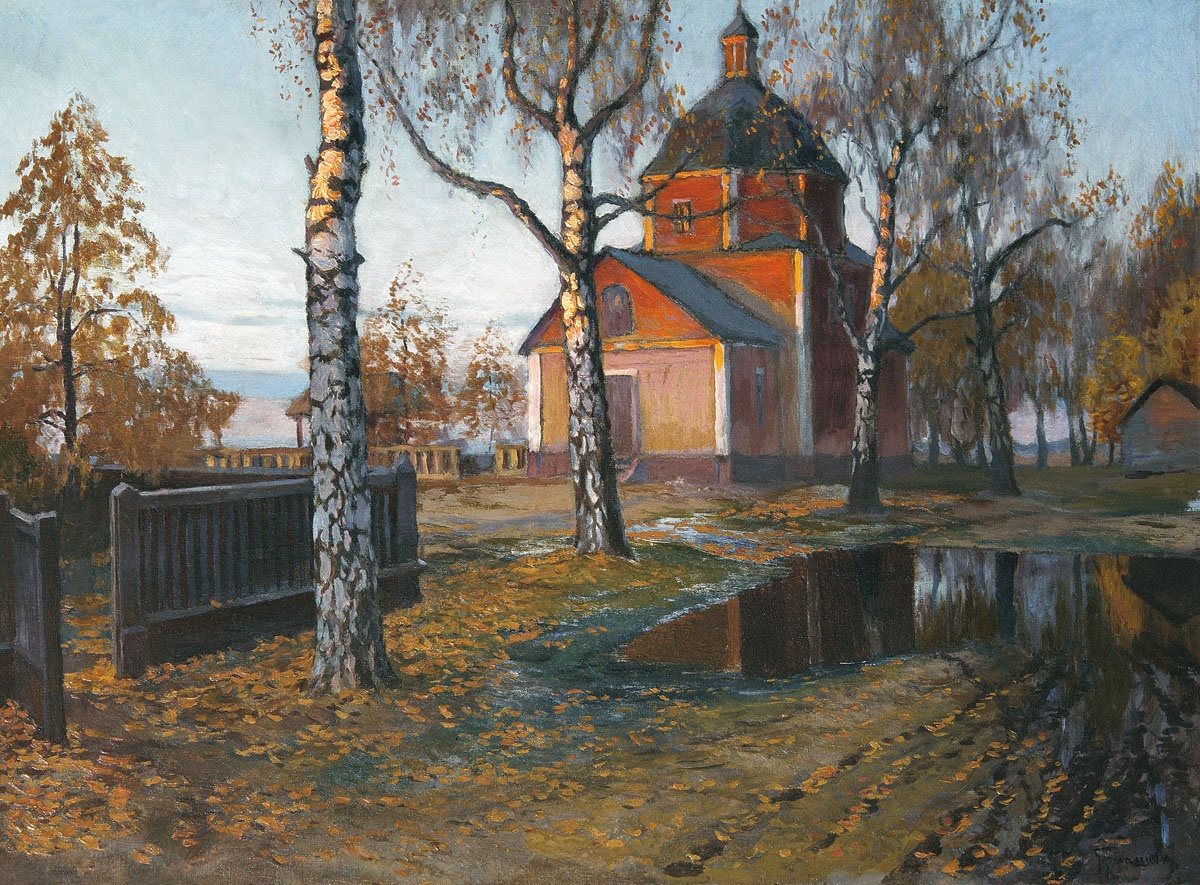
Mikhail Markianovich Germashev died in France in 1930.
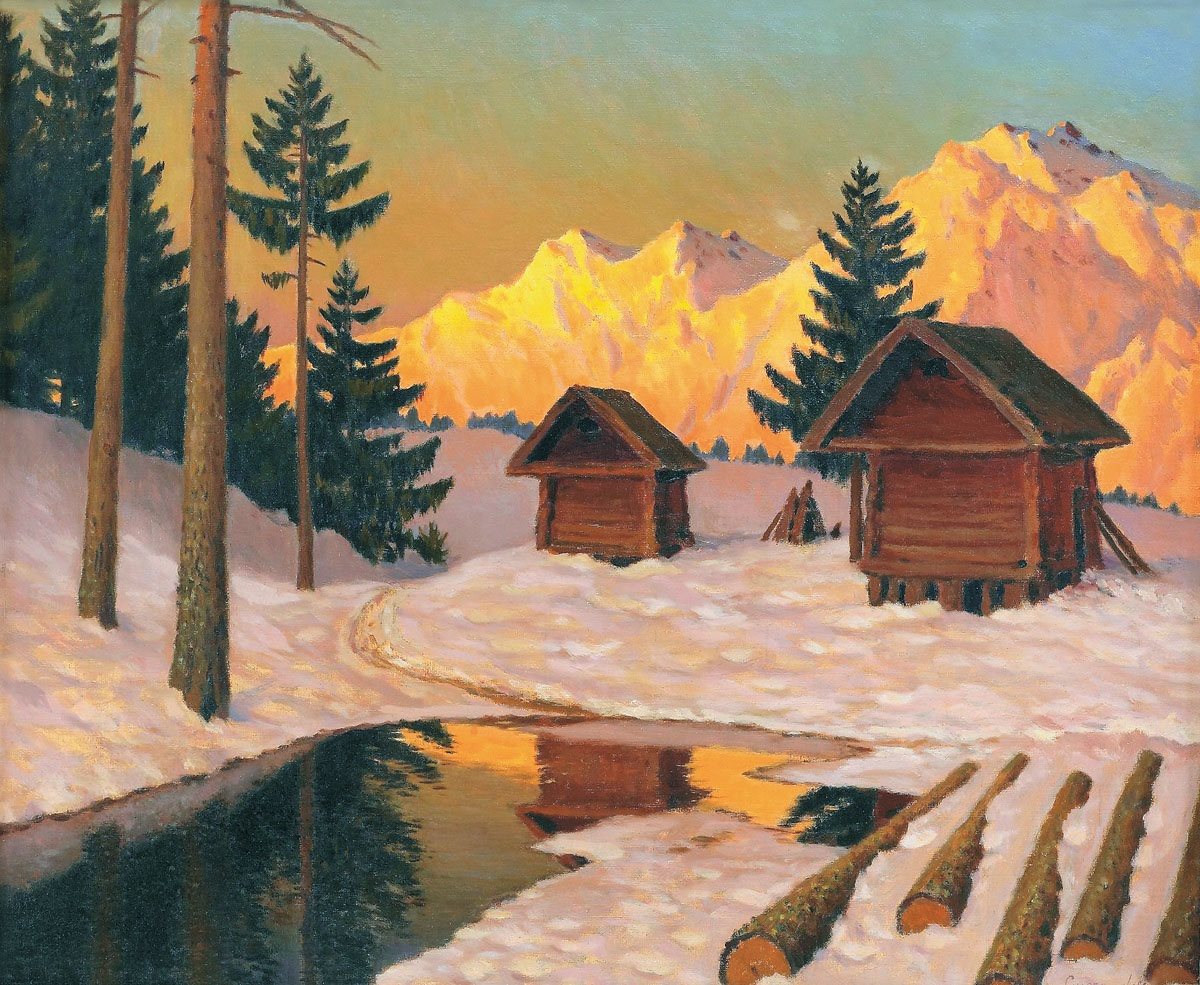
His simple and unpretentious paintings, filled with hints of gentle sadness and poignant longing, seem to have been created for the soul, for solitary enjoyment, but not for a noisy and uncomprehending crowd.
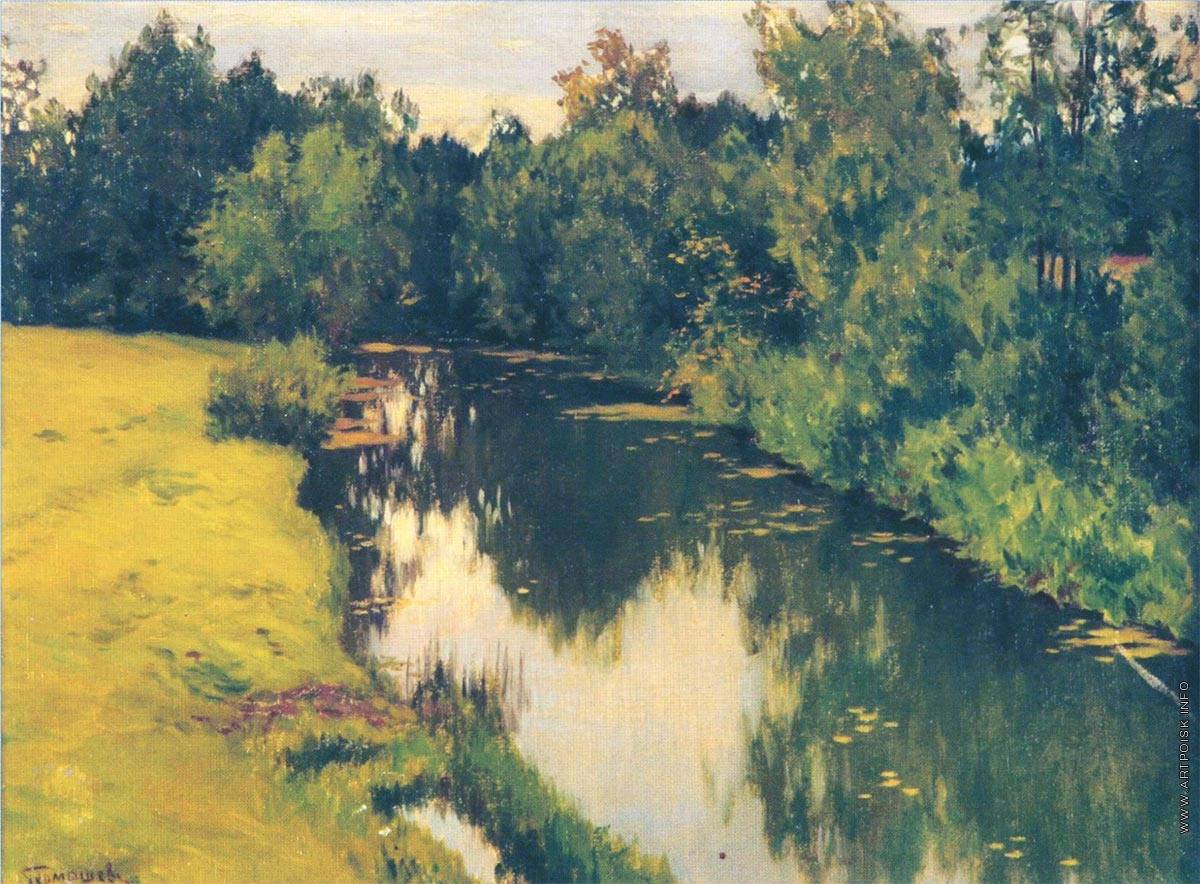
P.S. In addition to his enchanting autumn and winter landscapes, Mikhail Markianovich is also the creator of a series of magnificent art postcards. And if our long-held dream of establishing a postcard museum in Kharkiv is destined to come true, we hope that these postcards will take their rightful place among the exhibits there.

- About the military pilot school and the airfield in Kharkiv… - 04.11.2020
- Nikanor Savich—A Political Career by Mistake - 13.07.2020
- And once again, about the Cavalry Guards… - 21.01.2020