Many people know that what is probably the first monument to great Ukrainian poet Taras Shevchenko in Ukraine was erected in Kharkiv, on the grounds of the Alchevsky estate, in 1900.
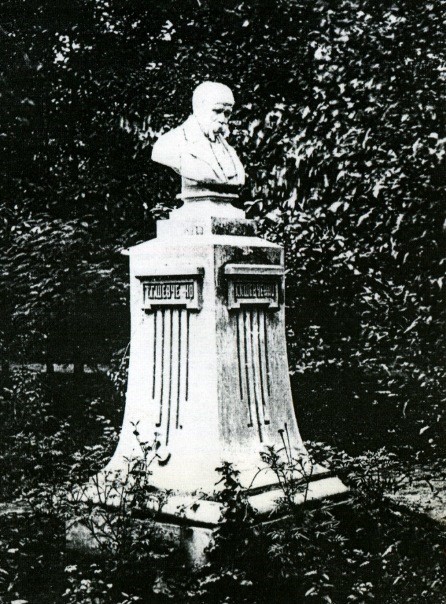
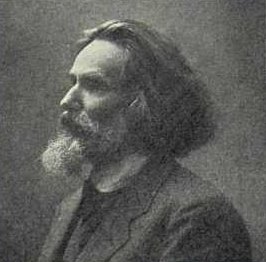
The bust of the poet was created by the eminent sculptor Vladimir Beklemishev (1861–1919). Beklemishev was originally from the Katerynoslav region (now Dnipropetrovsk Oblast), but it is known that from 1875 to 1878 he studied at the Kharkiv School of Artists and Architects – Maria Raevskaya’s school – so it can be said with certainty that his time studying in Kharkiv, especially under the guidance of such a renowned teacher, influenced his future work.
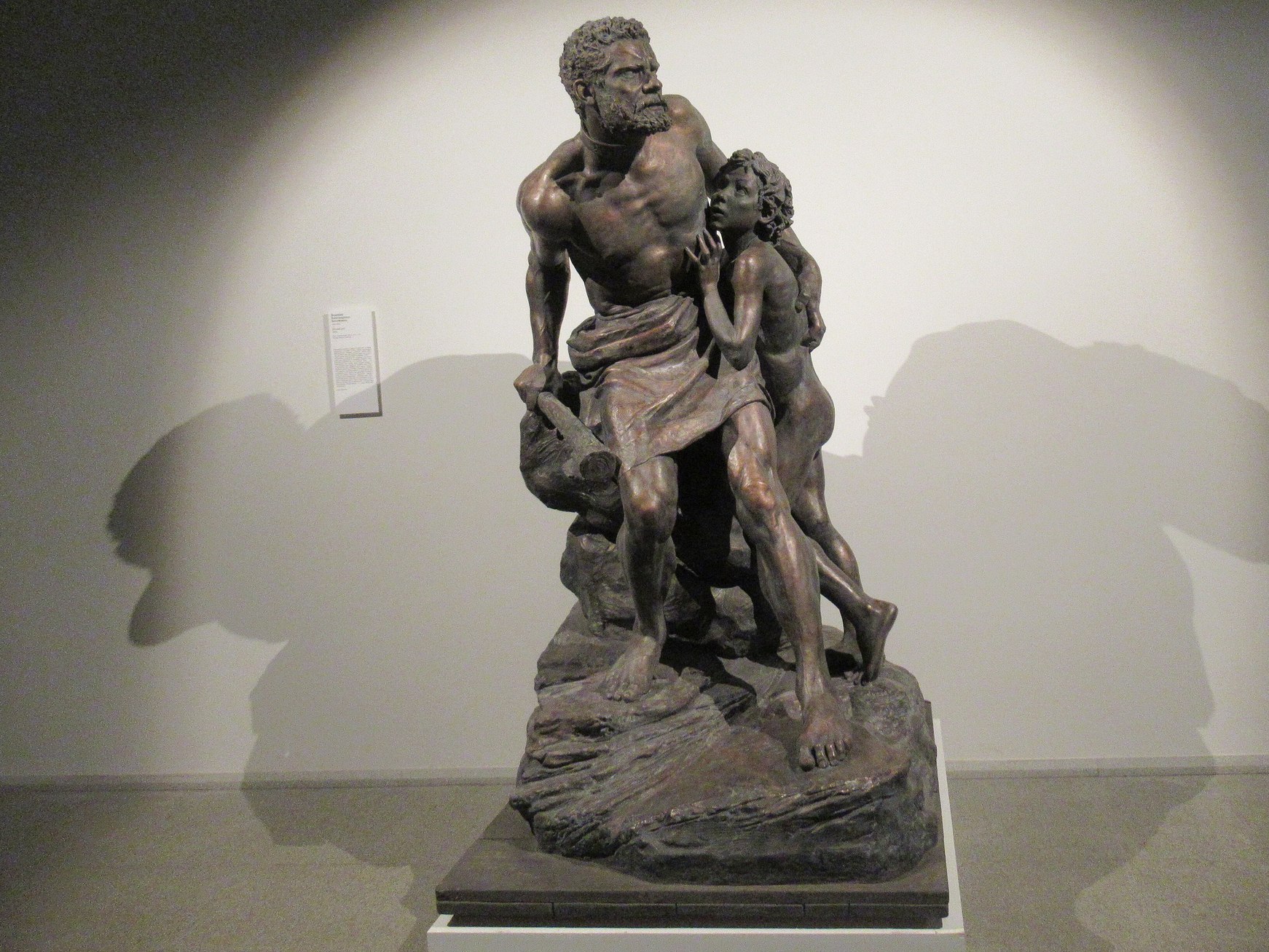
From 1878 to 1887, Vladimir Beklemishev continued his studies at the Academy of Arts in St Petersburg. In 1893, his sculpture ‘The Runaway Slave’, inspired by the novel ‘Uncle Tom’s Cabin’, was exhibited at the World’s Fair in Chicago as an example of Russian art.
_02_by_shakko.jpg)
This was a true recognition of his talent. The sculpture has an interesting history – for a long time it was considered lost, but in 2010 it was found during the installation of an electrical switchboard at the Hermitage – it had been walled up inside the museum. In the late 1890s, Beklemishev became an academician and professor at the Imperial Academy of Arts, and from 1906, its rector. Undoubtedly, Beklemishev was an outstanding sculptor; among his pupils was, in particular, Matvey Manizer, the creator of the masterpiece sculptural composition of Shevchenko, unveiled in Kharkiv in 1935.
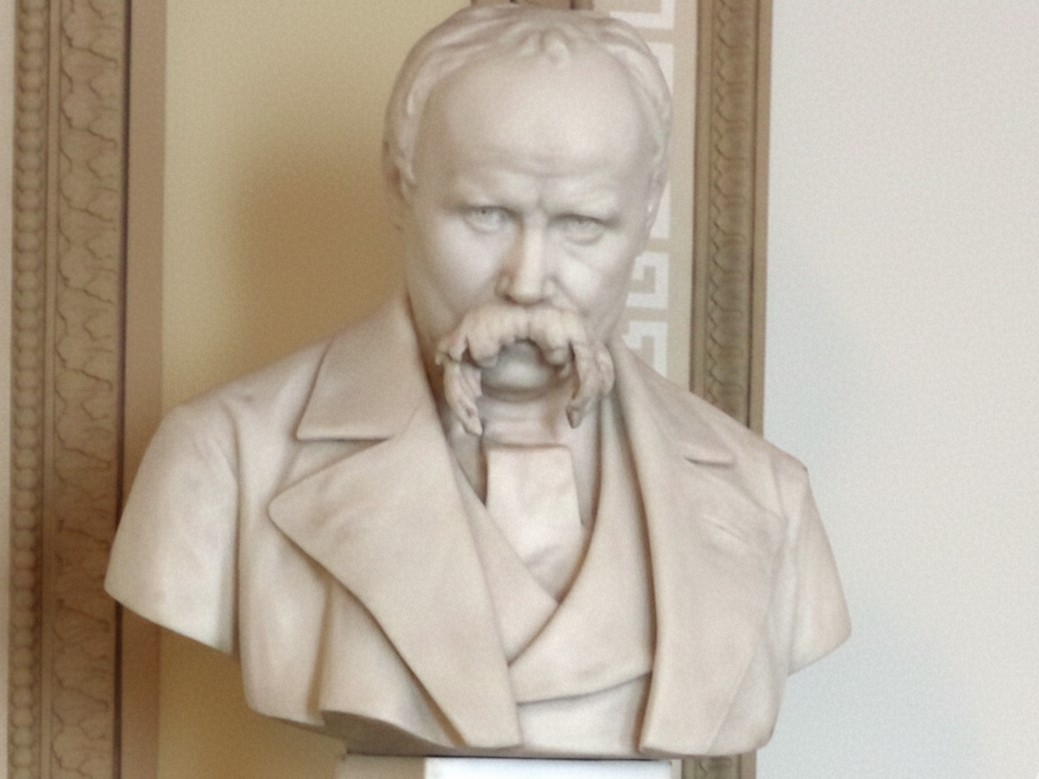
But let us return to the Kharkiv sculpture of Shevchenko. In 1897, the Alchevsky family of magnates, who were admirers of Shevchenko’s work, commissioned a bust from Beklemishev himself (he was a true luminary at the time). The sculptor executed the work in white marble for 1,000 roubles. Like many of the artist’s other works, the bust was distinguished by its high degree of realism and detail.
The monument was erected in November 1900 in the courtyard of the Alchevsky estate on Myronosytsky Lane (now Zhon Myronosyts Street, 13). At that time, monuments could only be erected with the authorities’ permission, and priority was given solely to sculptures of nobles (there is a legend that the famous sugar manufacturer Kharitonenko was posthumously elevated to the nobility primarily so that a monument could be erected in Sumy).
The Kharkiv monument to Shevchenko was, in essence, erected ‘semi-legally’ – although it stood on the grounds of a private estate, it was clearly visible from the street beyond the fence. It is no surprise that poets, students and active young people gathered near the estate, for whom the poet was a symbol of the struggle for national liberation. Following the death of Oleksii Alchevskyi in 1901, his family transferred the estate to the trusteeship of State Councillor Mykola Shabelskyi to settle debts, and the bust of Shevchenko was dismantled. However, it was preserved by the Alchevsky family and transferred to the Kharkiv Art Gallery in the 1930s; since 1948, it has been housed in the Taras Shevchenko National Museum in Kyiv.

In March 2014, the bust of Shevchenko temporally returned to its ‘historic homeland’ as part of the exhibition at the “Gostinna on Dvoryanska”.
There is another very old monument to Shevchenko in Kharkiv, which few people know about. More on this in the next part.

- "Noah's Ark" - 21.10.2026
- Blackie’s House on Maksymilianivska St - 19.10.2026
- Danylevs’koho Street, 19 - 13.10.2026