Exactly 20 days after our trip through the Sumy region, Inna Romenskaya, Dmitry Krivulei, Anton Bizhko, and I set out once again. New Sloboda Ukraine destinations were calling and beckoning us. We were spoiled for choice with so many places we wanted to visit. This time, we chose the route from Slavgorod to Mezenovka to Ryasne, all located within the territory of the former Akhtyrsky Uyezd. As usual, we had a huge problem with the roads. However, luck was on our side: we were joined by part of the organizing team from the “1st Auto Grad Rallye” of the UAR (Ukrainian Automobile Movement), represented by Bogdan Bondarenko, Alexei Sorokin, and Olga Dzyuba. It was thanks to their Nissan Patrol and Jeep Wrangler—which could handle any off-road terrain—that we were able to reach all of our planned destinations.
So, the first stop on our trip is Slavgorod.
Originally, it was a fortified settlement inhabited by the children of boyars, artillerymen, and musketeers. In 1686, Ivan Perekrestov, a colonel from Okhtyrka, bought Slavgorod from the boyars’ sons of the Volnovskaya Service and settled it with “Cherkasy.”
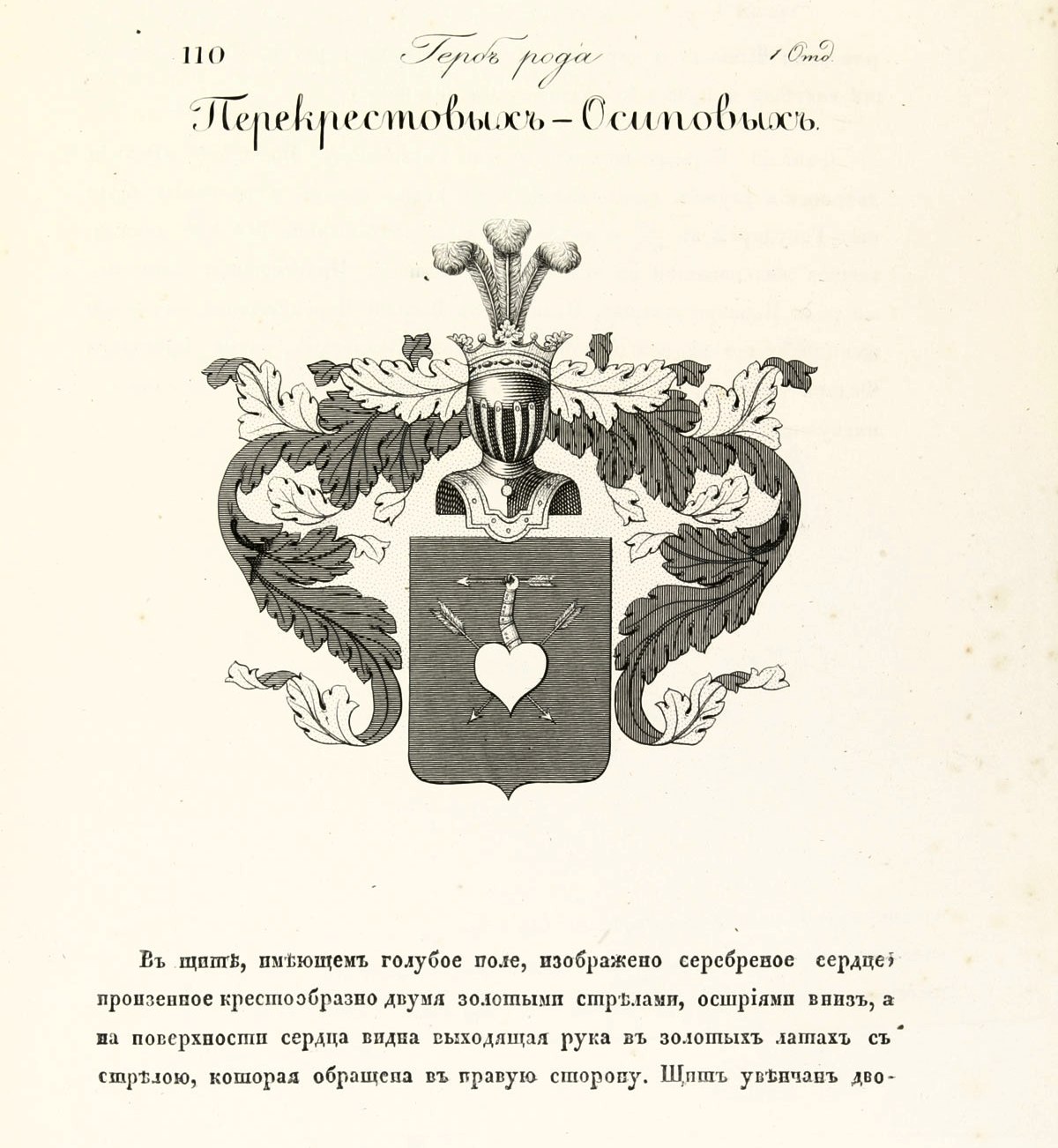
However, in 1704, due to his greed and his oppression of the Cossacks, he fell from grace.
By the highest decree of Peter I, he was removed from his post as colonel, and Perekrestov’s vast and wealthy estates were confiscated and transferred to the state treasury.
It should be noted that the colonels and centurions of the Sloboda regiments at that time were certainly not known for their exemplary conduct. Their power struggles, mutual denunciations, corruption schemes, and so on are described in great detail in Vladimir Masliychuk’s book *The Cossack Officers of the Sloboda Regiments in the Second Half of the 17th Century—First Third of the 18th Century*.
In 1720, Slavhorod, along with other former estates of Perekrestov, was granted by Peter I to his spiritual advisor, Timofey Vasilyevich Nadarzhinsky.
By the end of the 18th century, there were four churches in Slavhorod:
1) St. Nicholas;
2) Trinity;
3) Archangel;
4) Vvedensky.
However, over time, they were either destroyed by fire or dismantled. In 1807, with funds provided by landowner Varvara Nadarzhinskaya, a single-altar stone church in the classical style was erected in the name of the Holy Trinity, adorned with columns and a bell tower.
The estate then passed to the Korsakovs and later to the Golitsyn princes.
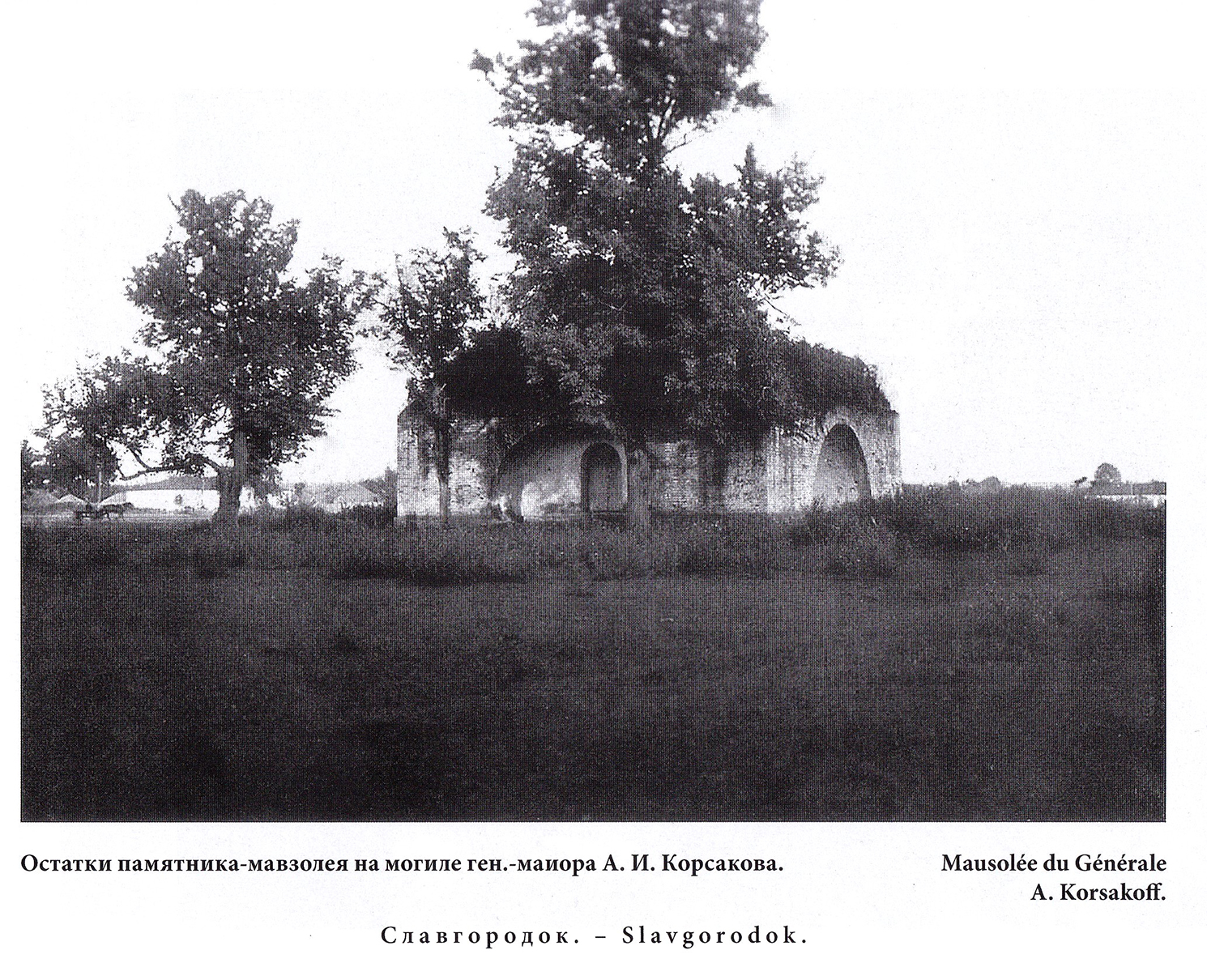
In 1818, on April 18, a beautiful red-brick mausoleum was erected on the grave of Major General A. I. Korsakov, right in front of the church on April 18 Square. When Grigory Lukomsky visited the estate in 1914, the mausoleum looked quite dilapidated. Today, however, not a trace of it remains.
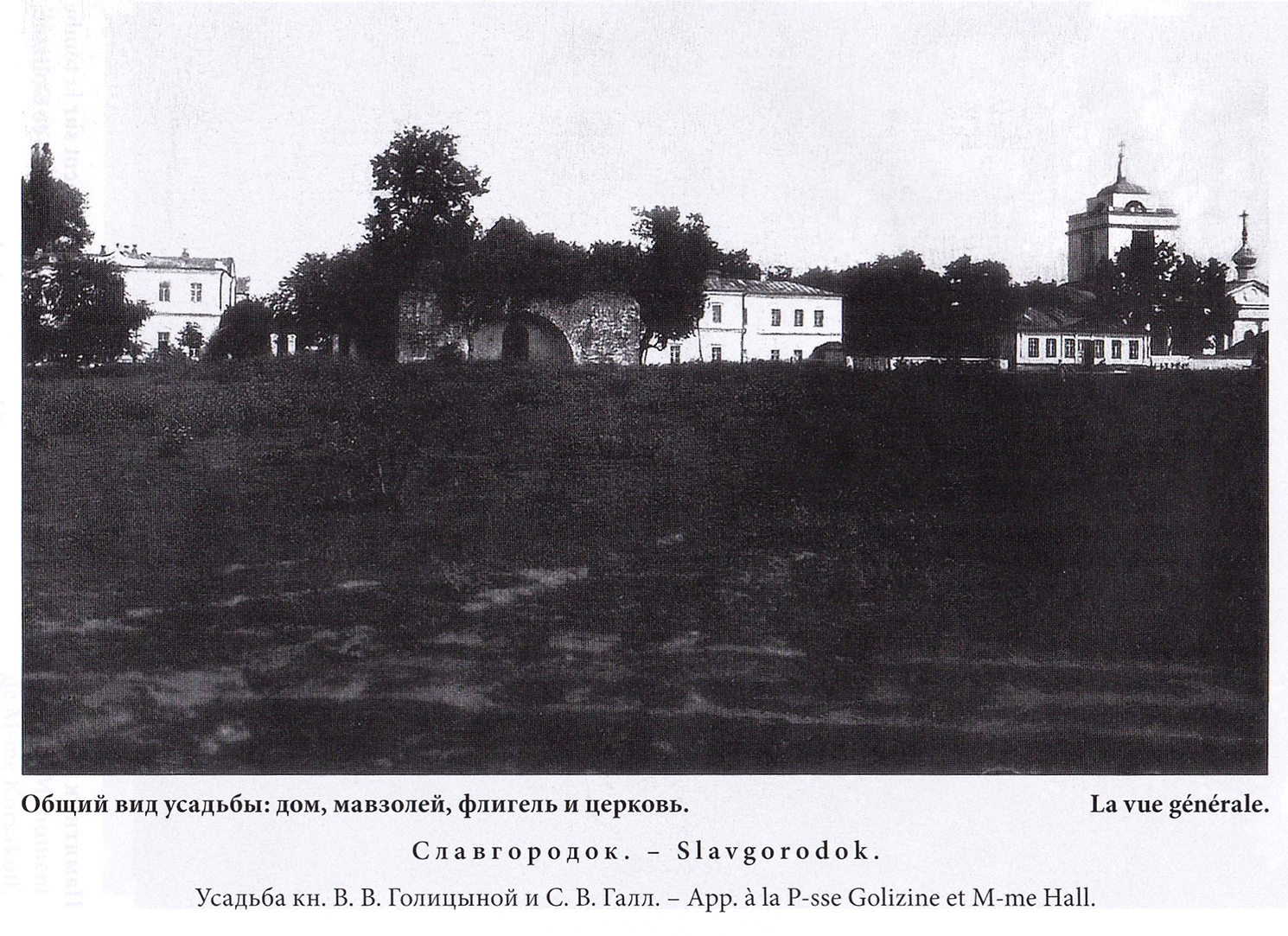
In 1843, Princess Sofya Alekseyevna Golitsyna, née Korsakova, had this church restored. A new iconostasis was installed, along with two shrines in the narthex and a parquet floor in the sanctuary. In the niches of the church’s outer wall—which now stand forlornly empty—there once stood remarkably beautiful alabaster depictions of the archangels Gabriel and Michael, St. Alexius, the martyrs Sophia and Alexandra, the Great Martyrs Barbara and Catherine, the Apostle Peter, St. Basil, and the martyr Victor.
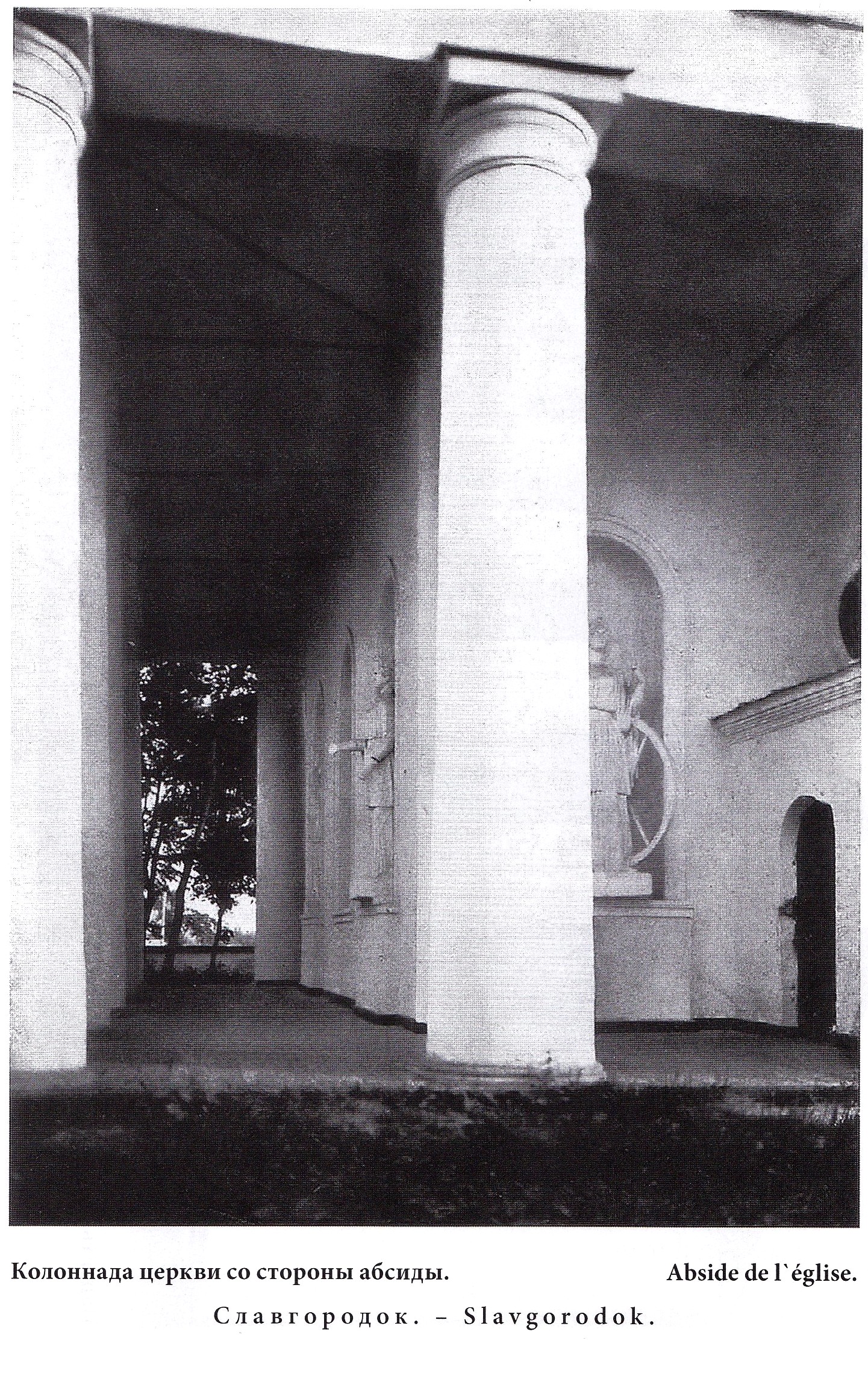
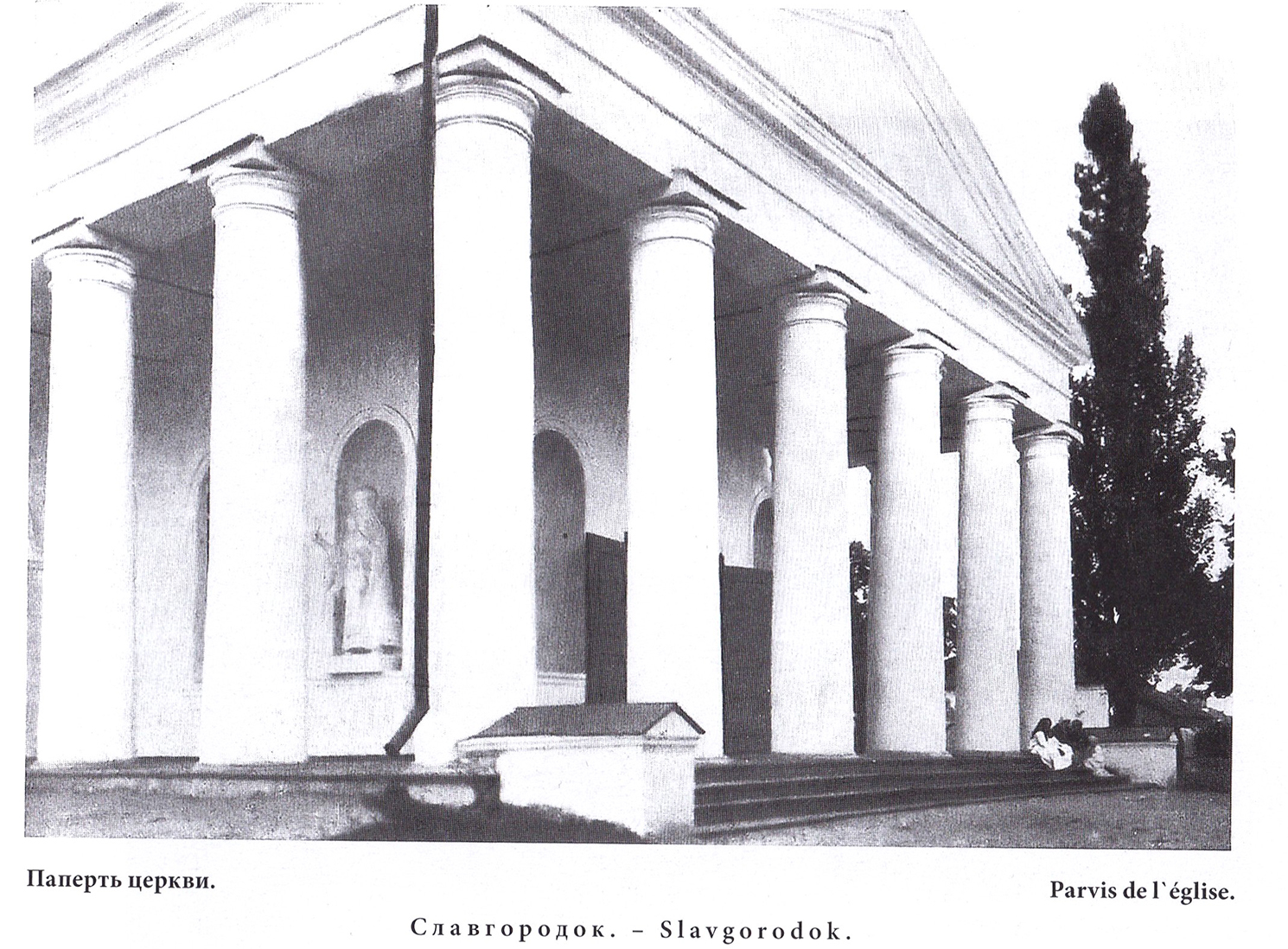
The bell tower, however, was built in a rather unusual way: in the shape of a massive, square cube with a rectangular opening.
During the tenure of Ambrose (born Alexei Iosifovich Klyucharev) as Bishop and Archbishop of Kharkiv and Okhtyrka, namely from 1882 to 1901, these statues were removed, and in their place, frescoes were painted in the niches or new statues of bishops wearing miters were installed. At the same time, the miraculous iconostasis was also removed “due to dilapidation.”
The reason for all this was extremely simple: the vigilant eye of the Bishop of Kharkiv had detected signs of Catholicism in the church’s sculptures.
There was, incidentally, nothing extraordinary about this. In Sloboda Ulraine, one could indeed find statues and icons characteristic of Catholicism in churches. In V. F. Davydenko’s 1901 book, *The Current State of Schism and Sectarianism in the Kharkiv Diocese*, we read:
In addition, among the icons that adorn the churches and chapels of our Orthodox peasants, it is quite common to find icons and images of saints and sacred historical events of a Catholic nature, or else entirely fictitious images that are the product of the imagination of local painters. And such images, found in great numbers in villages during fairs, are the subject of blasphemous trade…
The following measures were approved by the Missionary Congress of the Clergy as additional steps to raise the religious and moral standards of the Orthodox parishioners and to combat the Shundist-Tolstoyan movement:
…10) To request that the diocesan authorities pay due attention to the icons of the so-called Suzdal and Catholic styles being distributed among the people, and to the careless manner in which they are sold in open squares, on mats, or under carts…
However, those who sought to preserve the purity of the faith forgot that in Ukraine, just as in the North, sculptural depictions of saints were quite common. Yet, even despite the new reforms, Lukomsky wrote at the beginning of the 20th century that “the church may well be counted among the finest buildings in the province.”
In the garden next to the church was a cemetery where monuments of remarkable beauty stood over the graves of the former owners.
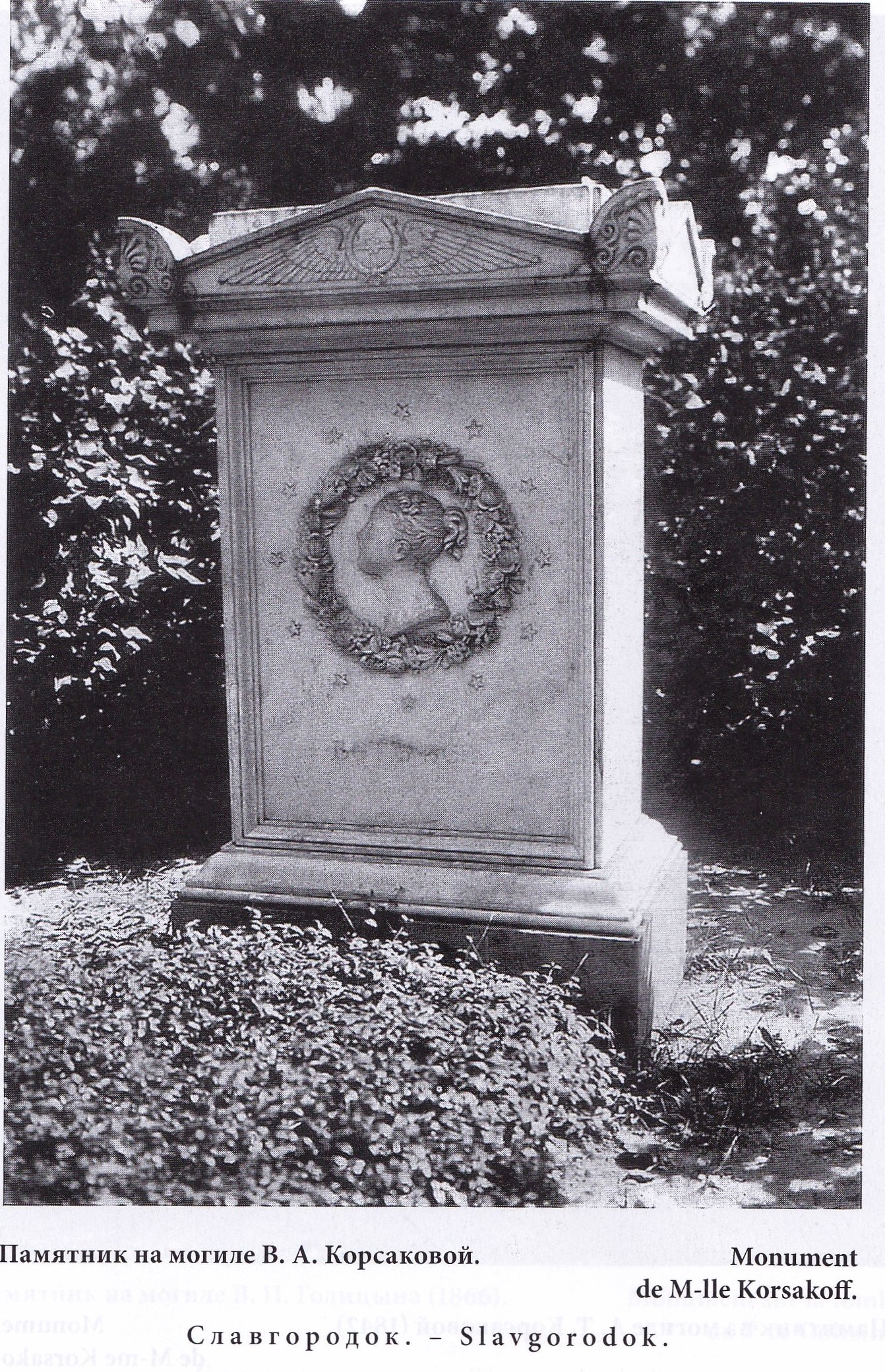
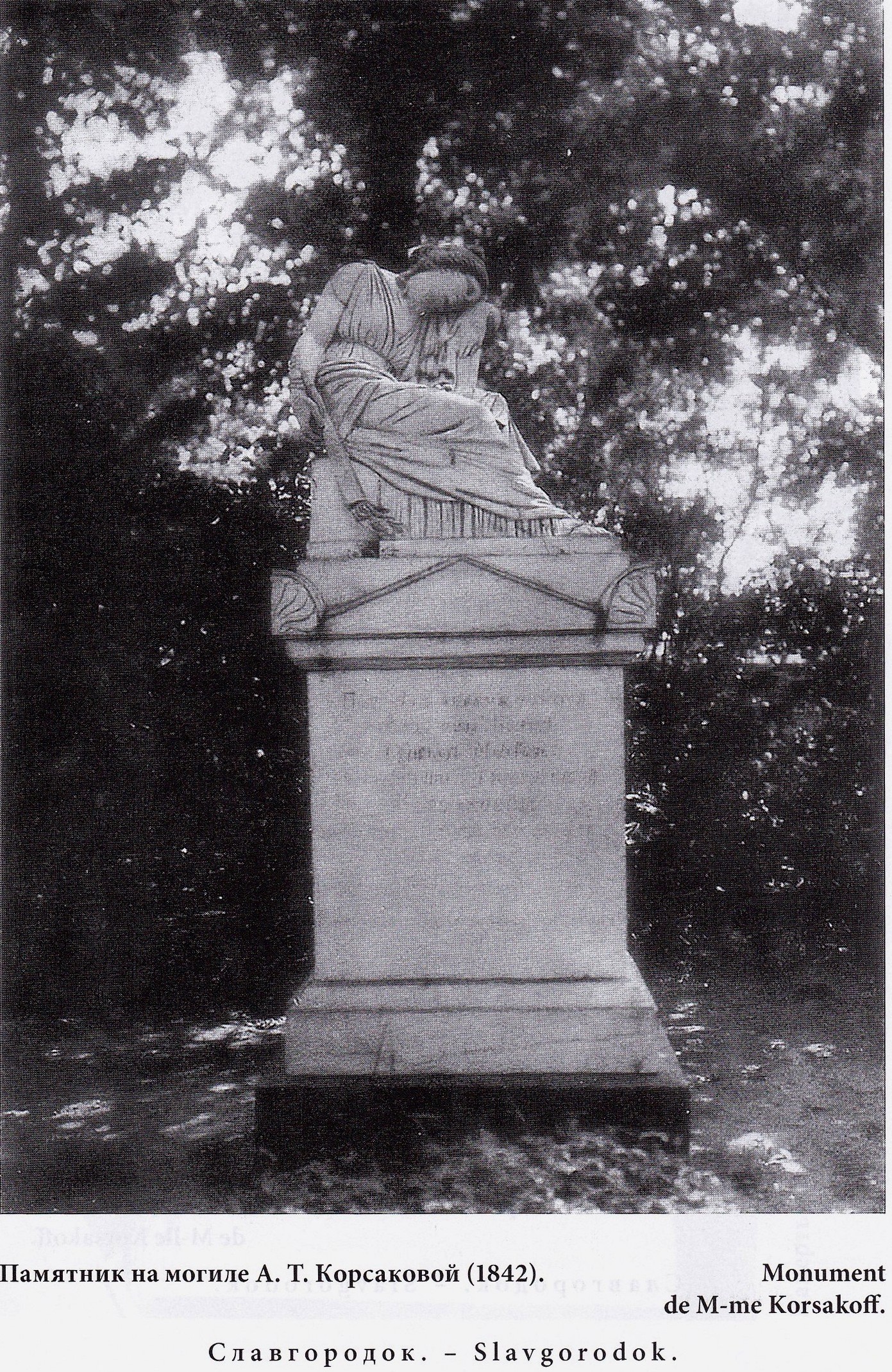
The following members of the Golitsyn family were buried there:
- Prince Vasily Petrovich Golitsyn (nicknamed “Ryabchik”), 1800–1863, who served as the head of the nobility in the Kharkiv Governorate from 1841 to 1852.
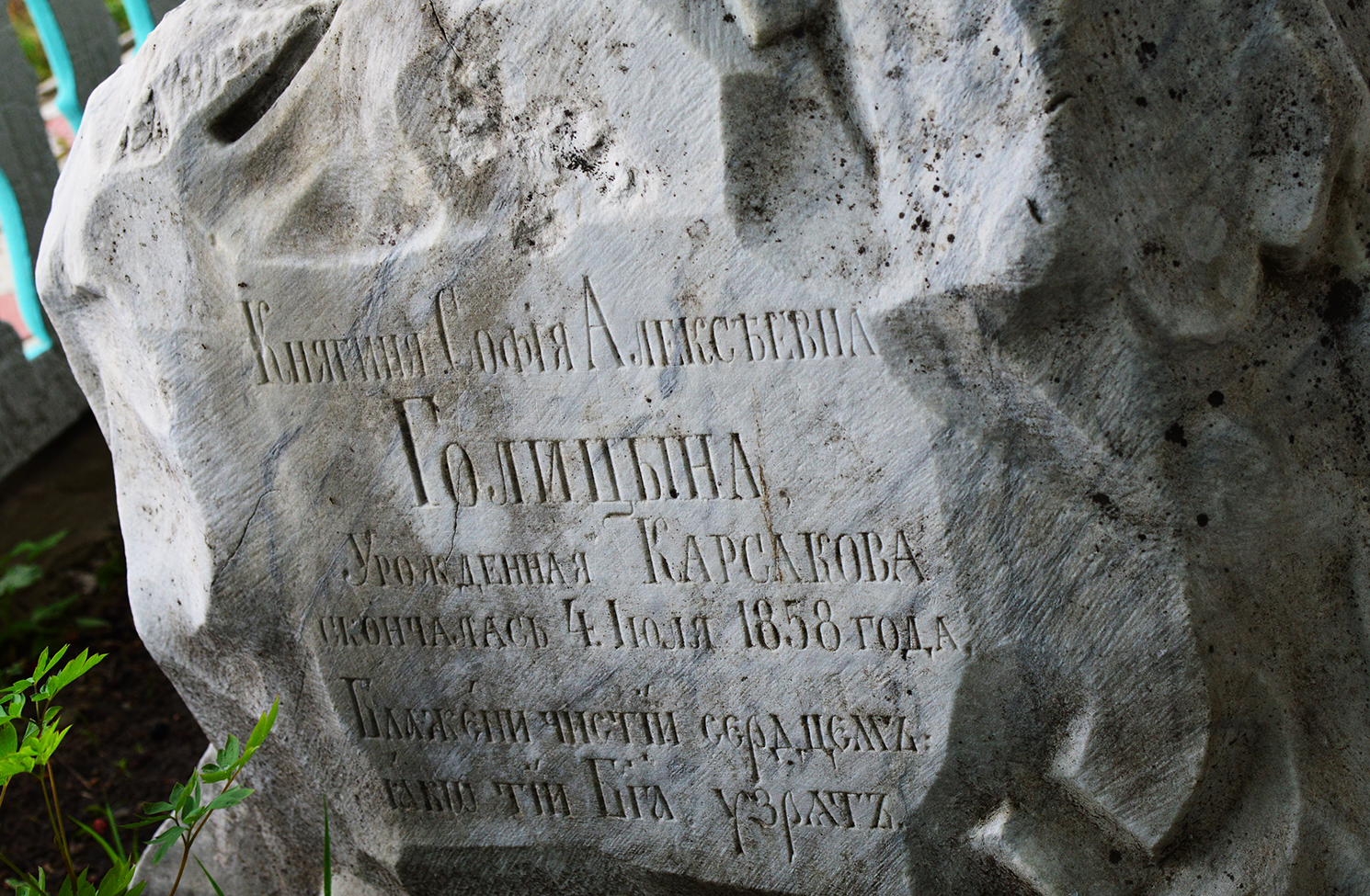
- His wife, Sofya Alekseyevna (née Korsakova), 1808–1858.
Prince Viktor Vasilyevich Golitsyn (1835–1885), head of the nobility in Akhtyr County. - His wife, Elizaveta Nikolaevna (née Annenkova), 1840–1886.
- Prince Viktor Viktorovich Golitsyn, 1860–1877
- Princess Alexandra Viktorovna Golitsyna, 1864–1866
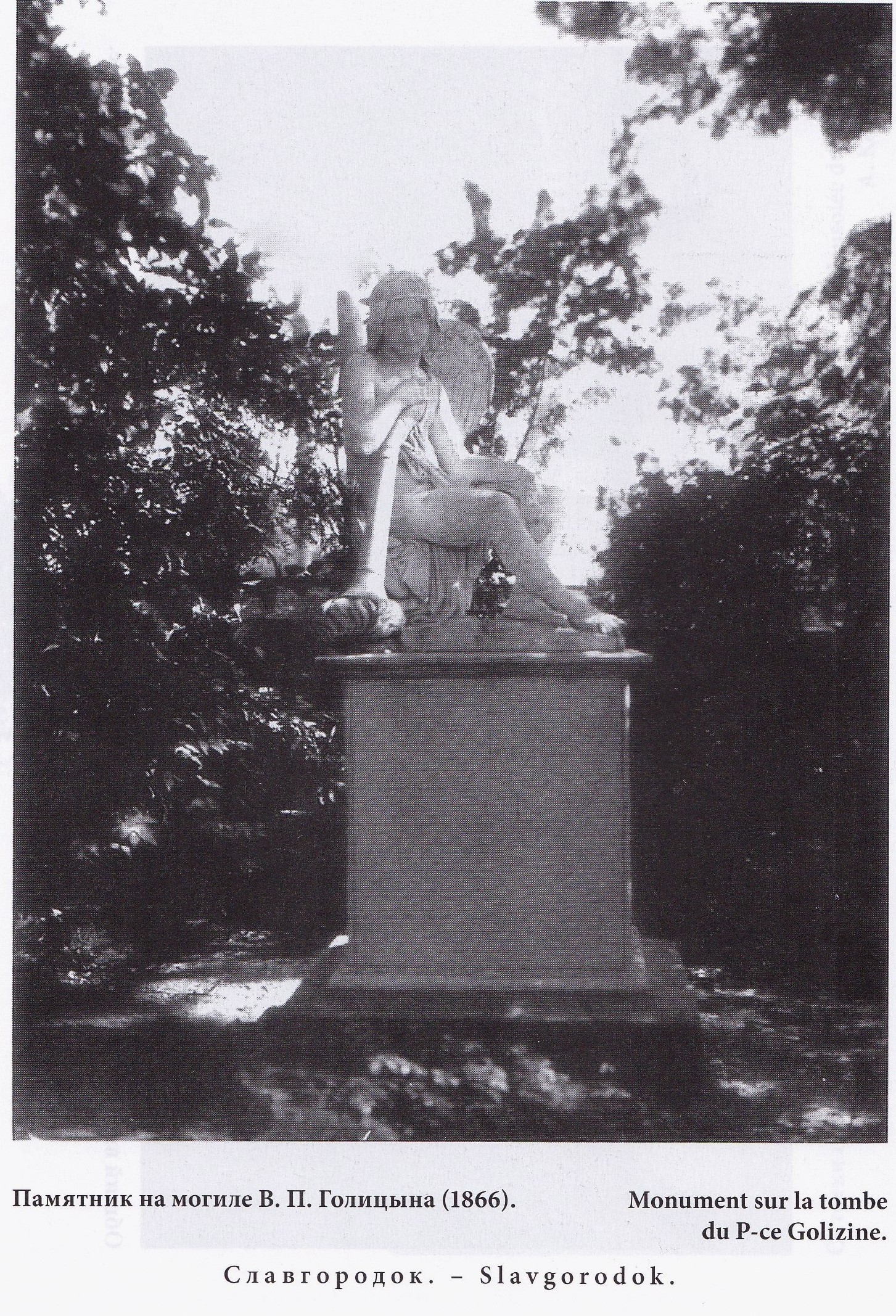
The graves remained undisturbed until the 1930s. Then they were barbarically dug up, on the assumption that the “exploiters” might have been wearing jewelry…
And only the grave that remains today, without a monument, serves as a modest reminder of Slavhorod’s former inhabitants.
Across from the church, on the other side of the vast square, stood a manor house; despite its considerable size, not a trace of it remains today.
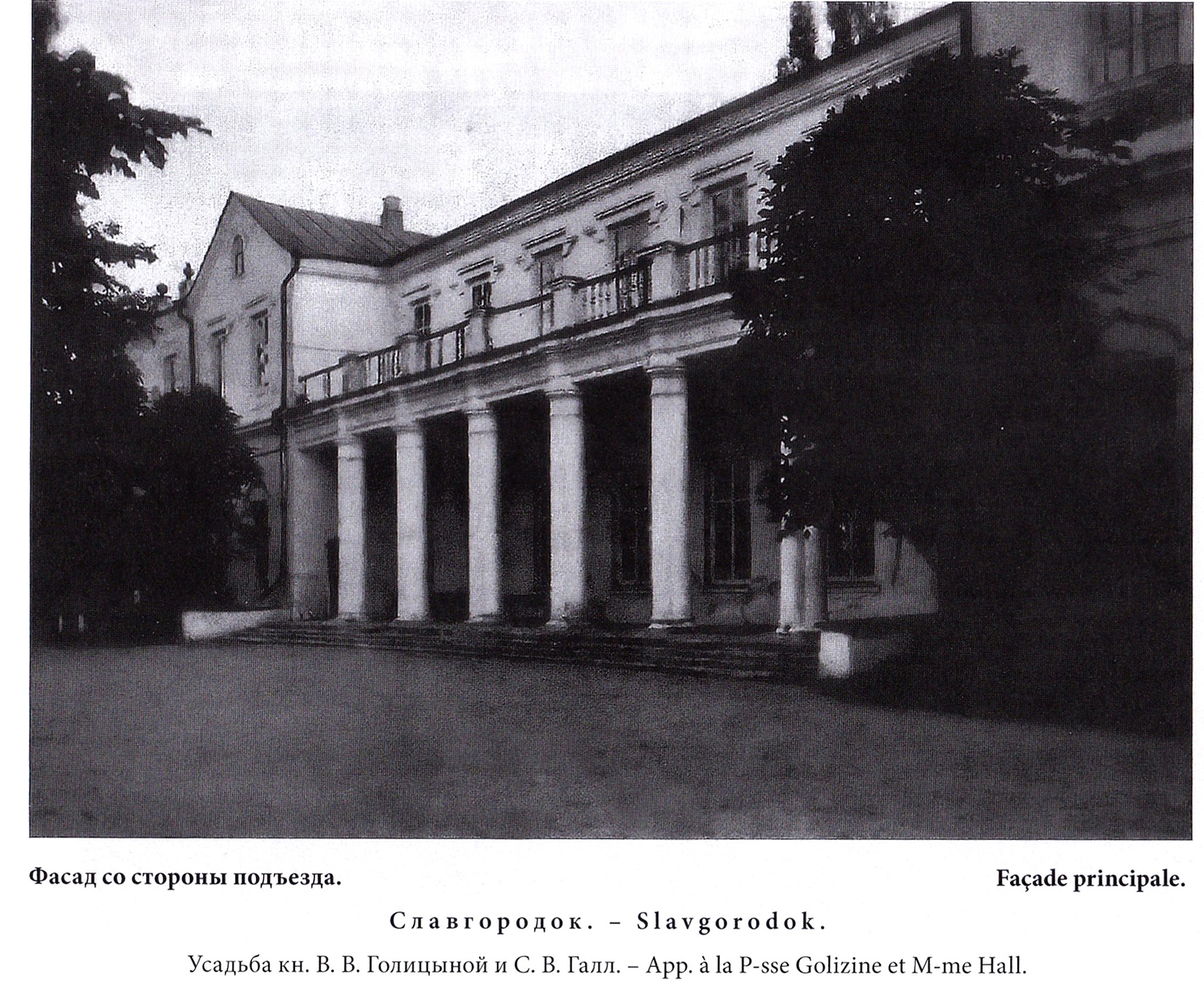
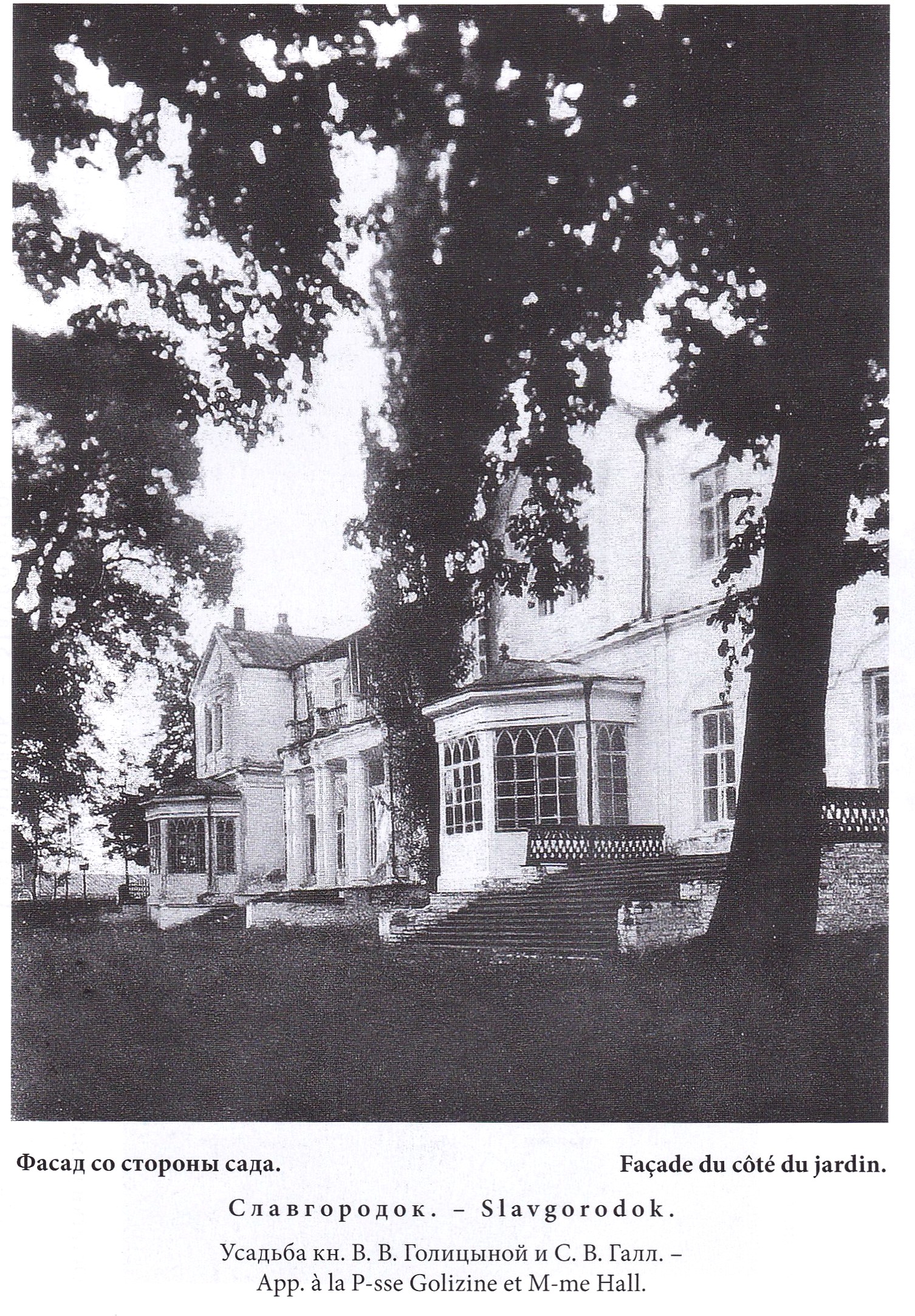
However, the historic two-story outbuildings scattered around the square can still be seen today. The locals told us that just a few years ago, you could reach the man-made island in the middle of the pond in the estate park via the “Golitsyn Bridge,” and that somewhere there (according to them) the ruins of the greenhouses still stand. But, alas, the bridge is gone now, and what we had expected to be a pleasant stroll through the manor park turned out to be more like a trek through an impenetrable jungle.
And Grigory Lukomsky was absolutely right when he wrote in his book:
Overall, a visit to Slavgorodok leaves a somber impression. A wonderful aristocratic estate with a fine house, a “contemplative” garden, and a church of great artistic merit—how much money and effort were spent on creating all this, only to now be subjected to gradual decay!
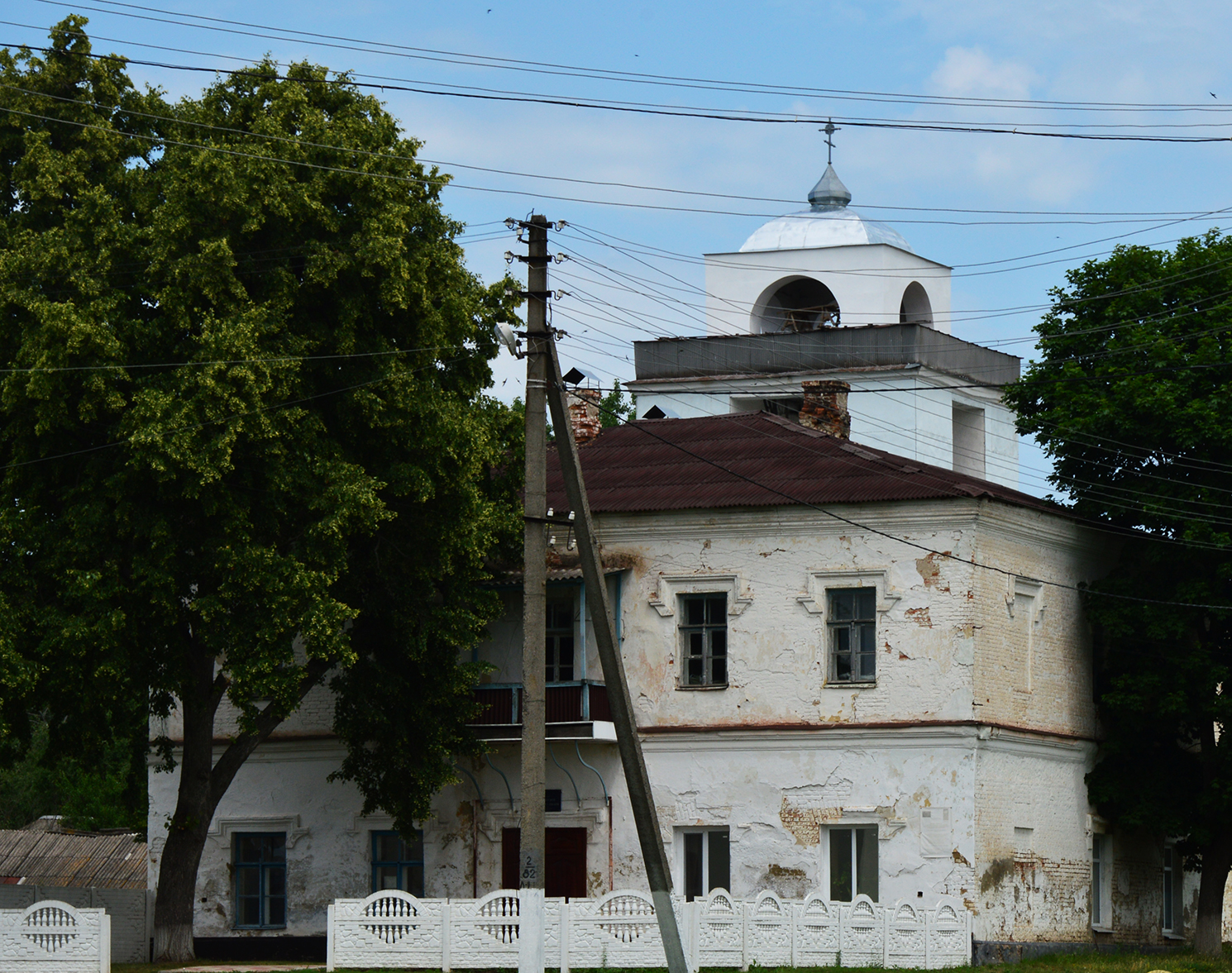
It’s truly a sad sight in Slavhorod right now. What the Bolsheviks and the Germans failed to destroy is now gradually falling into even greater ruin. With these thoughts in mind, we left this once-glorious place and set off on our journey. After all, the magnificent ruins of Mezenivka awaited us ahead…

- About the military pilot school and the airfield in Kharkiv… - 04.11.2020
- Nikanor Savich—A Political Career by Mistake - 13.07.2020
- And once again, about the Cavalry Guards… - 21.01.2020