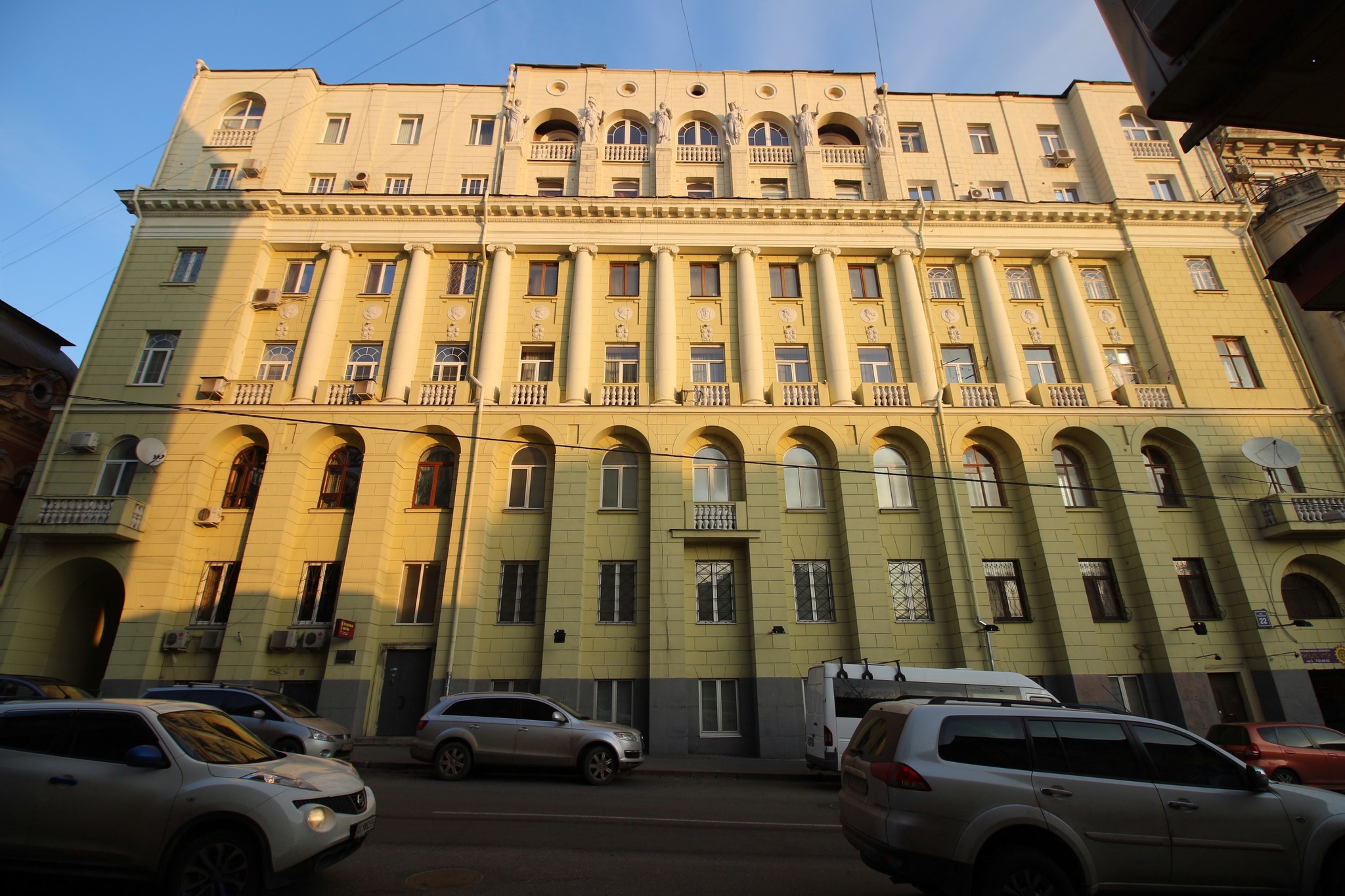
Much has been written about this house, one of the main landmarks on both Sumska Street, 17 and Rymars’ka Street, 22, but let’s review the main points.
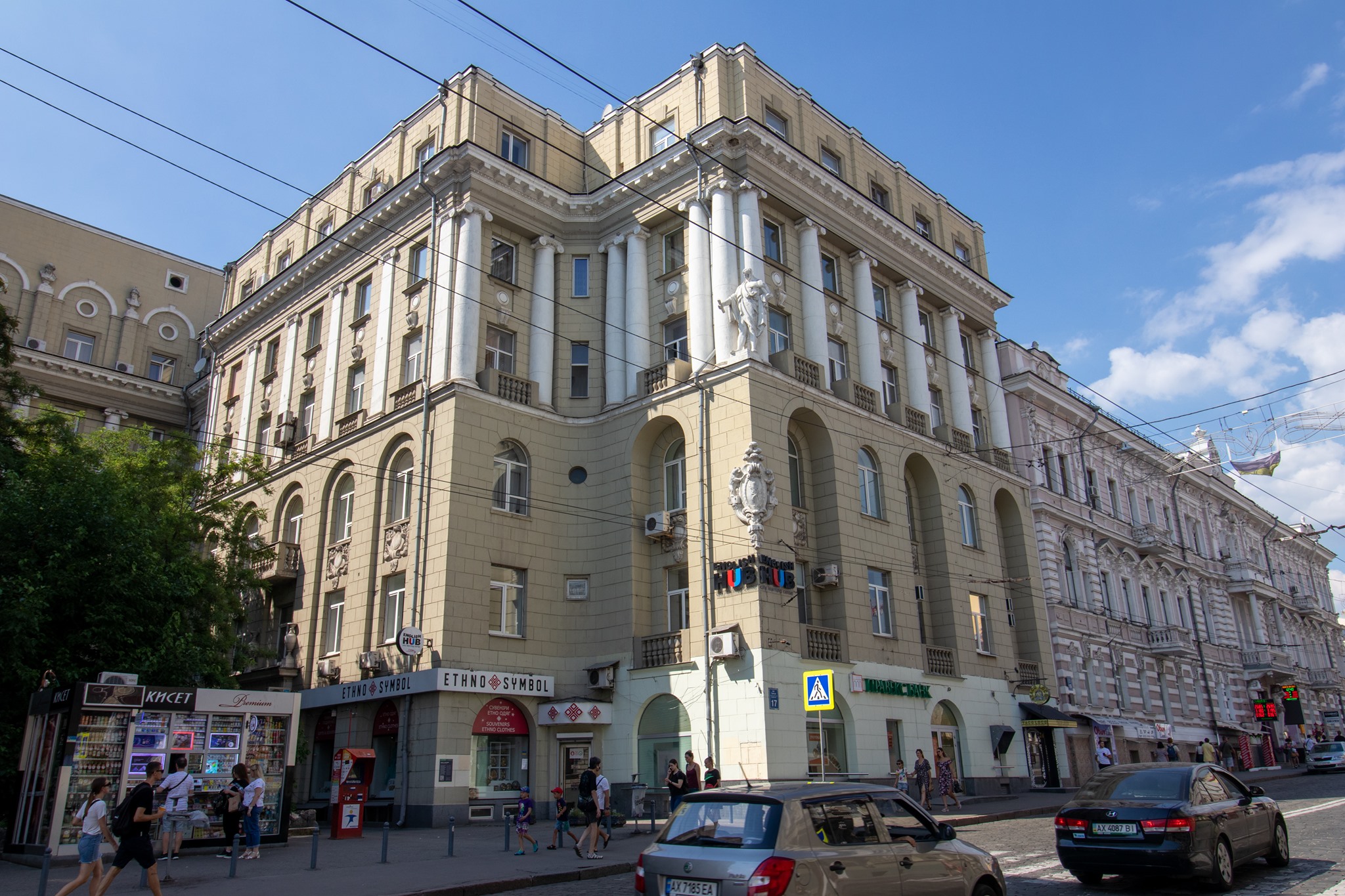
The huge 6-story apartment building consists of 5 sections that run through the block.
It was built from 1914 to 1915.
Architect: N.N. Veryovkin. Style: Neoclassical.
The house features impressively high ceilings (over 3.7 meters).
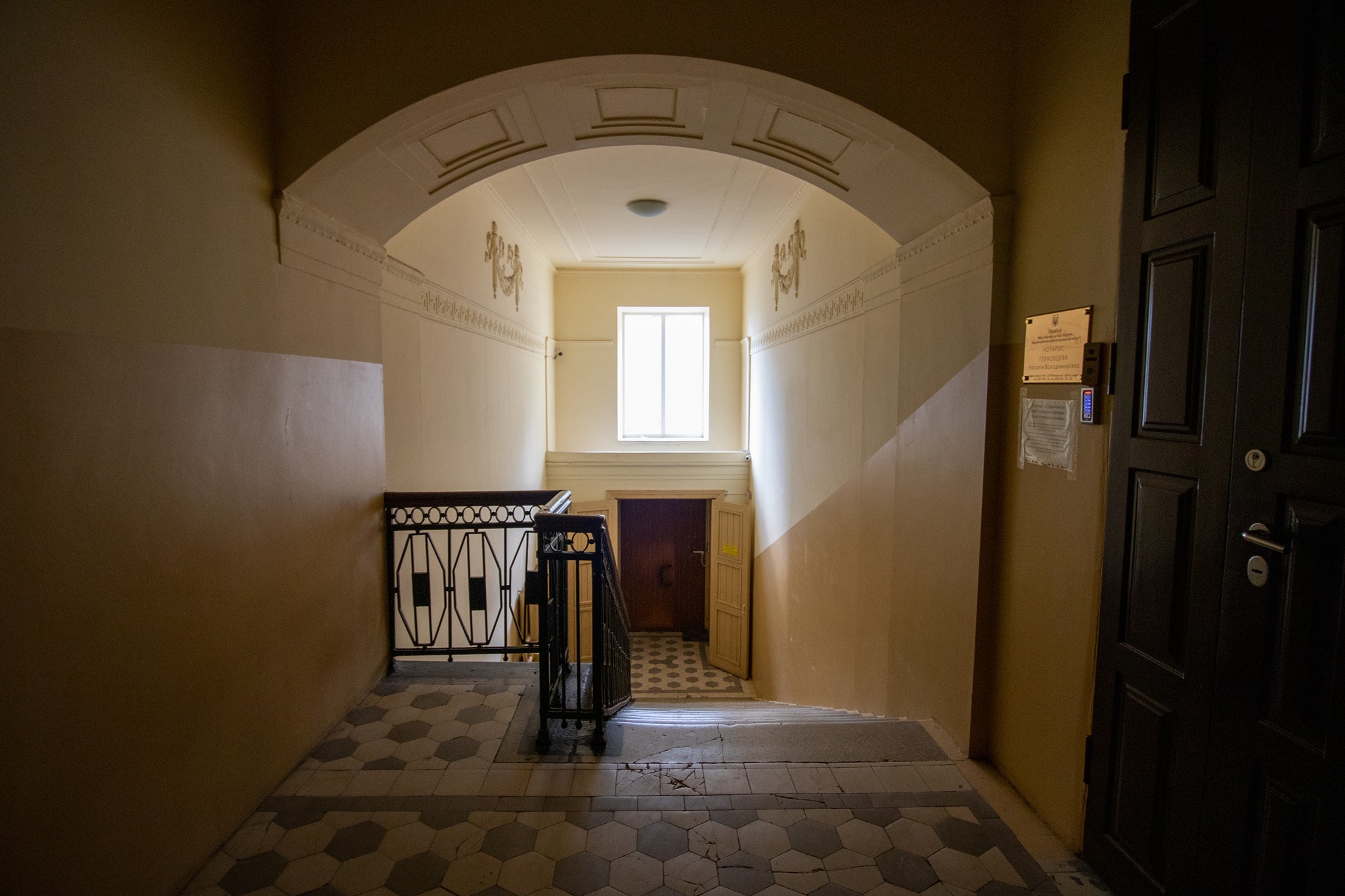
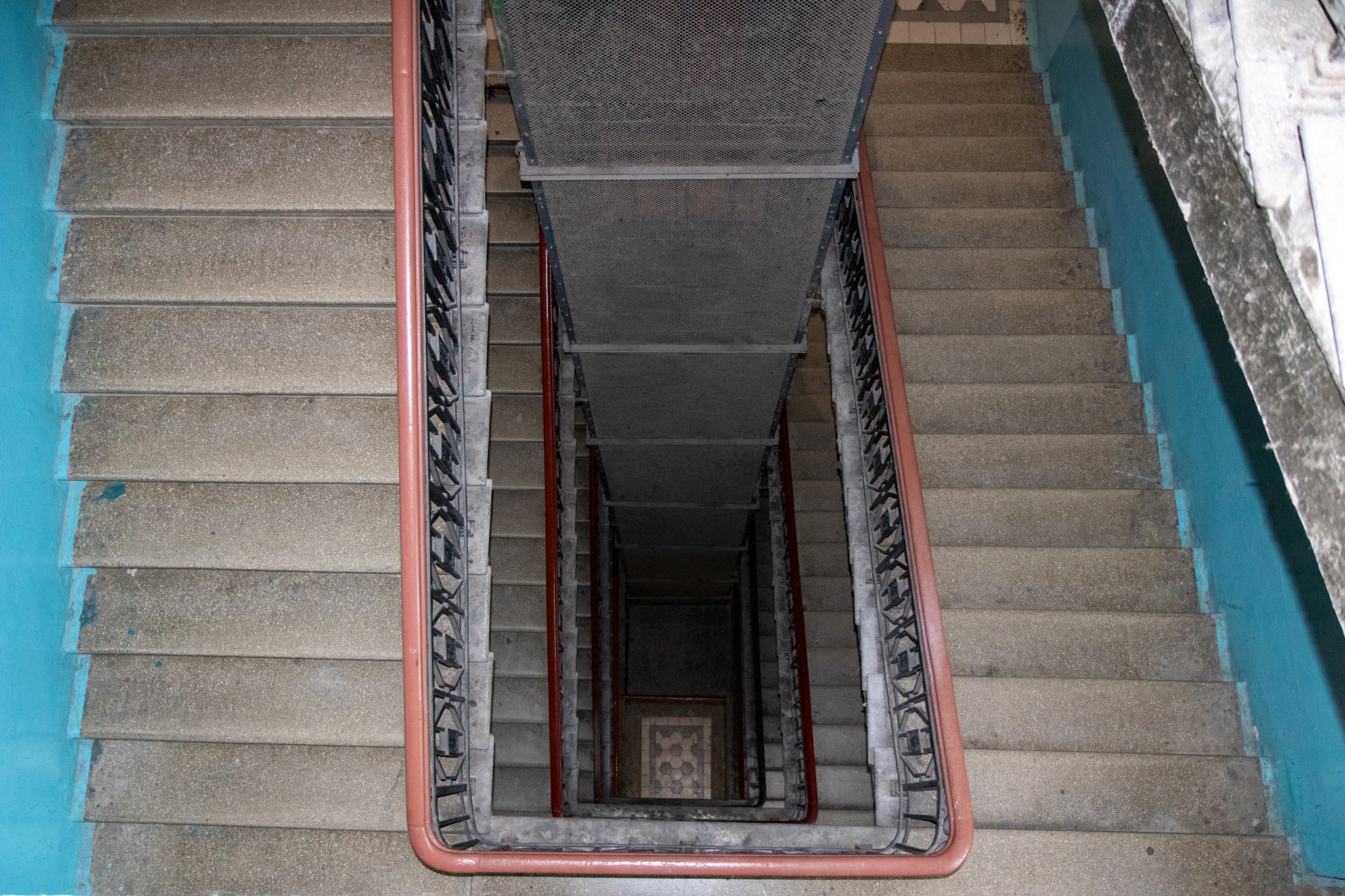
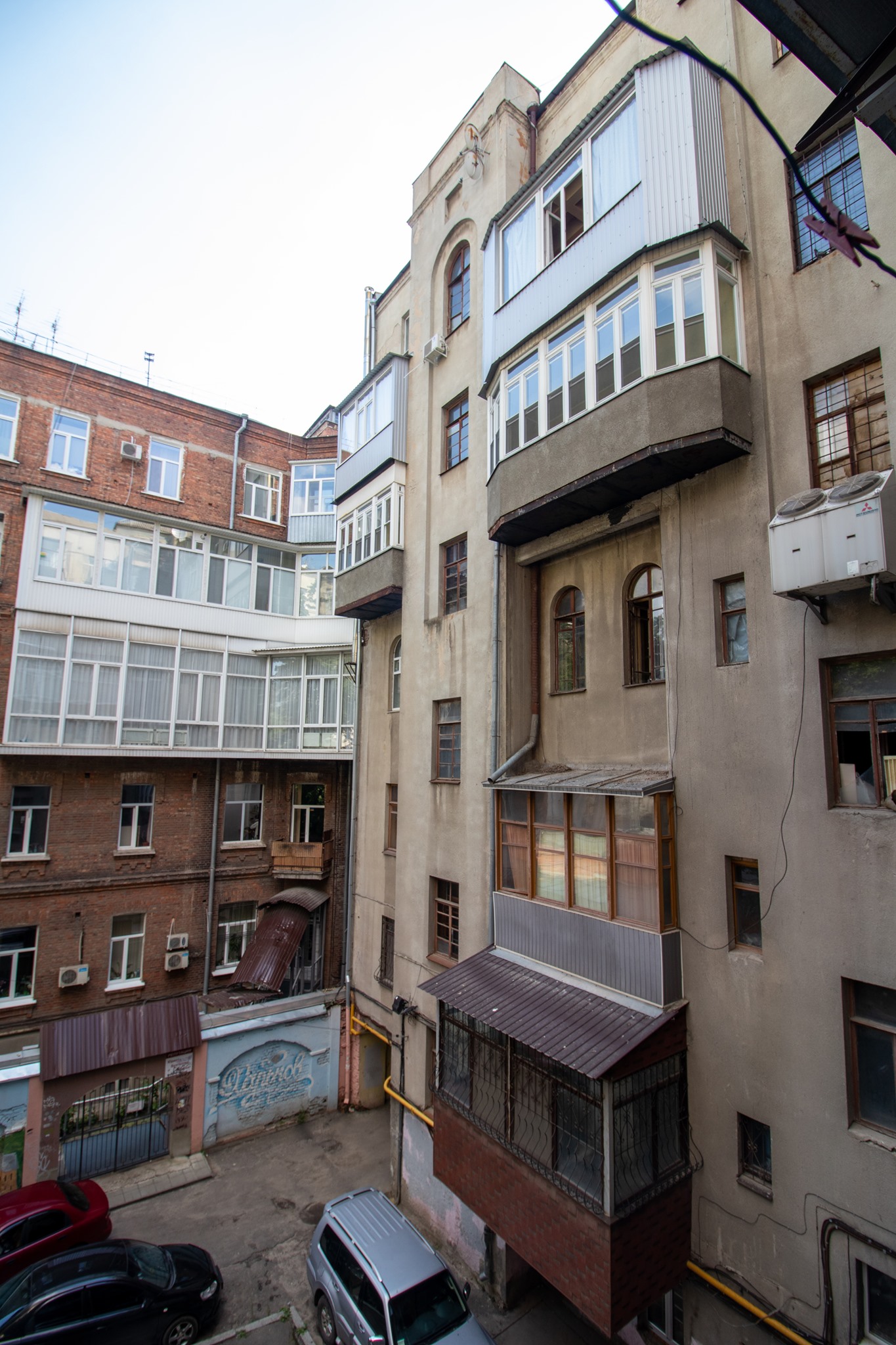
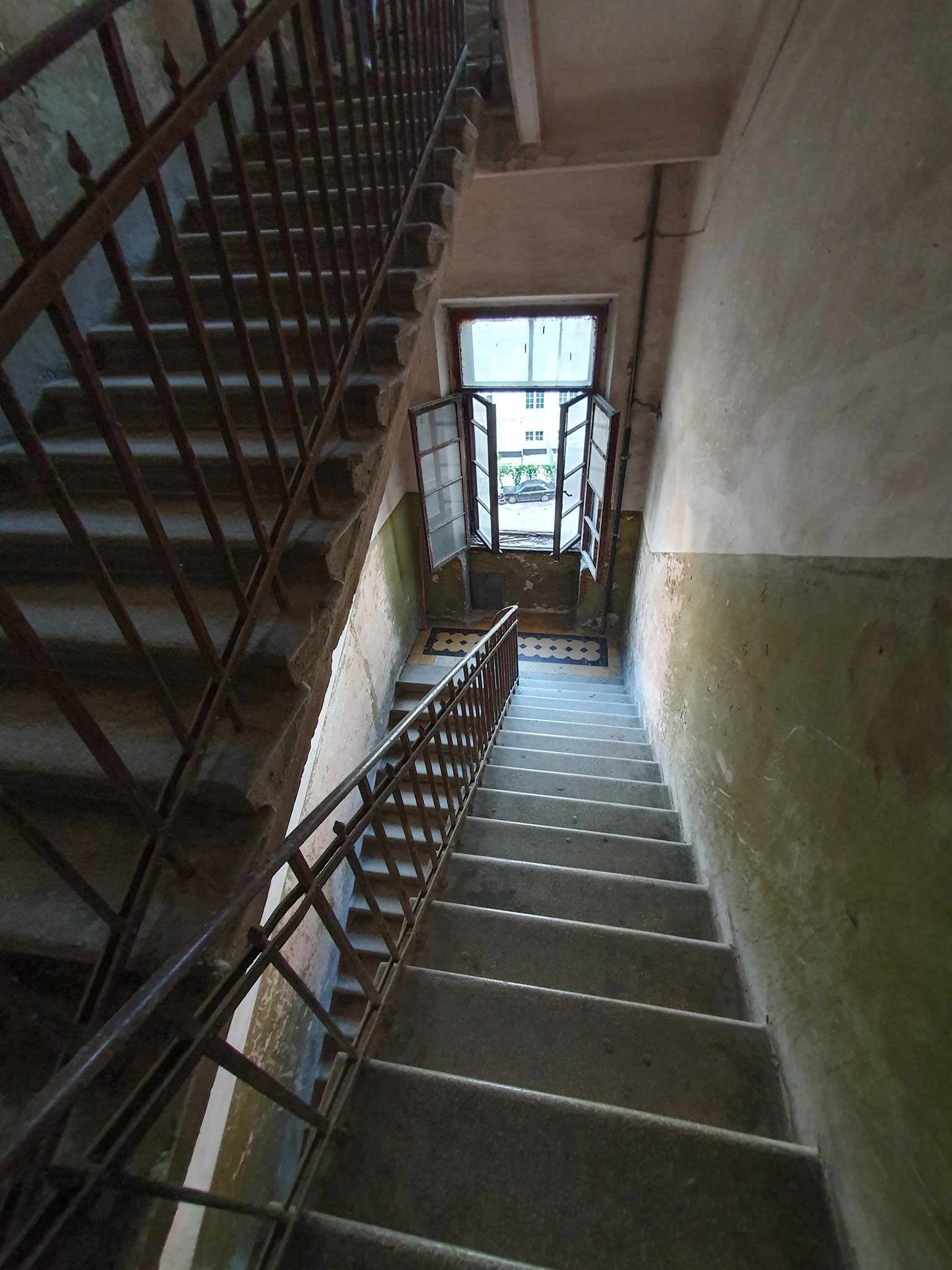
An exit to the back staircase from the kitchen is a common feature in many pre-revolutionary buildings.
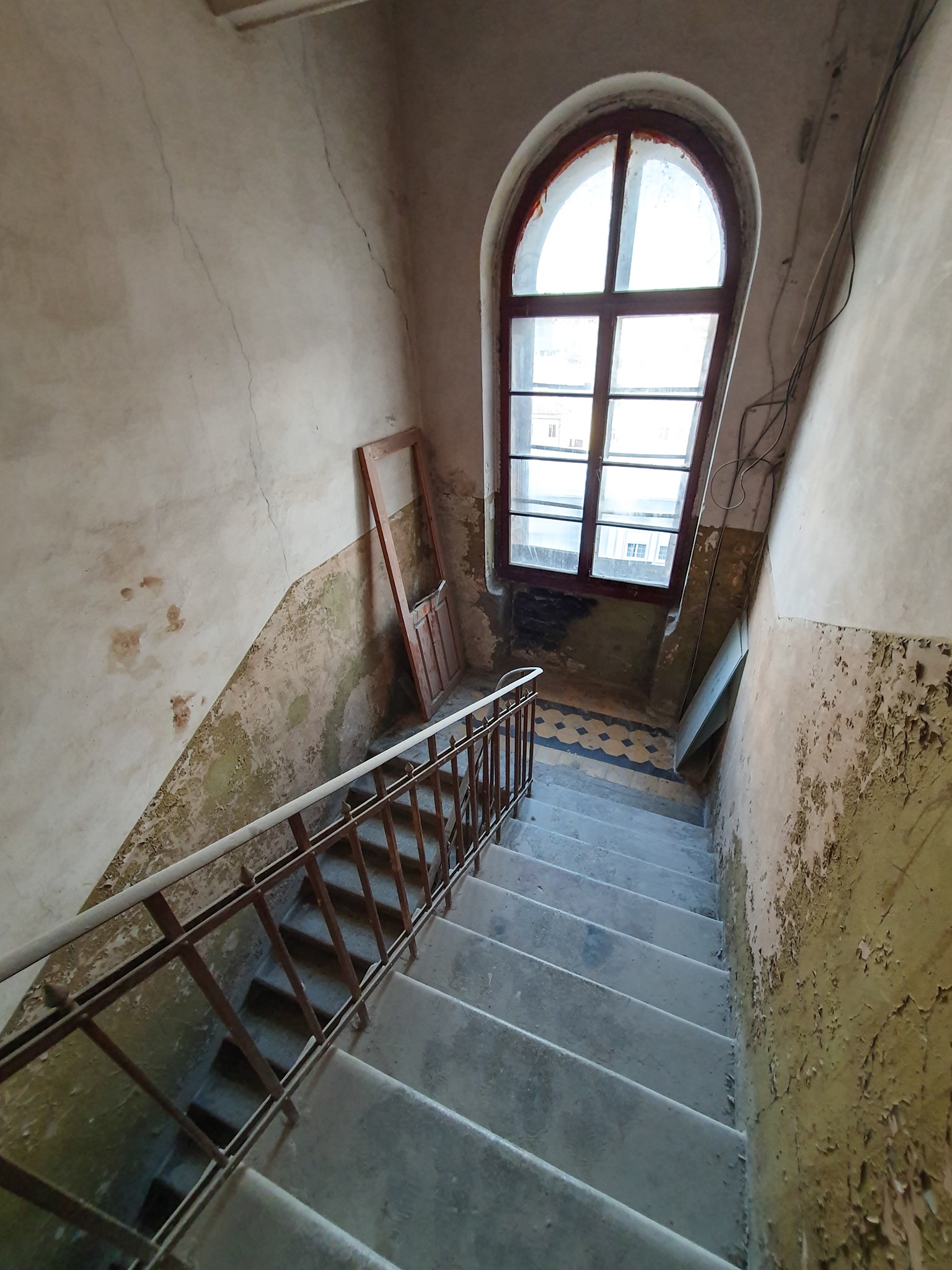
But she is very beautiful, too.
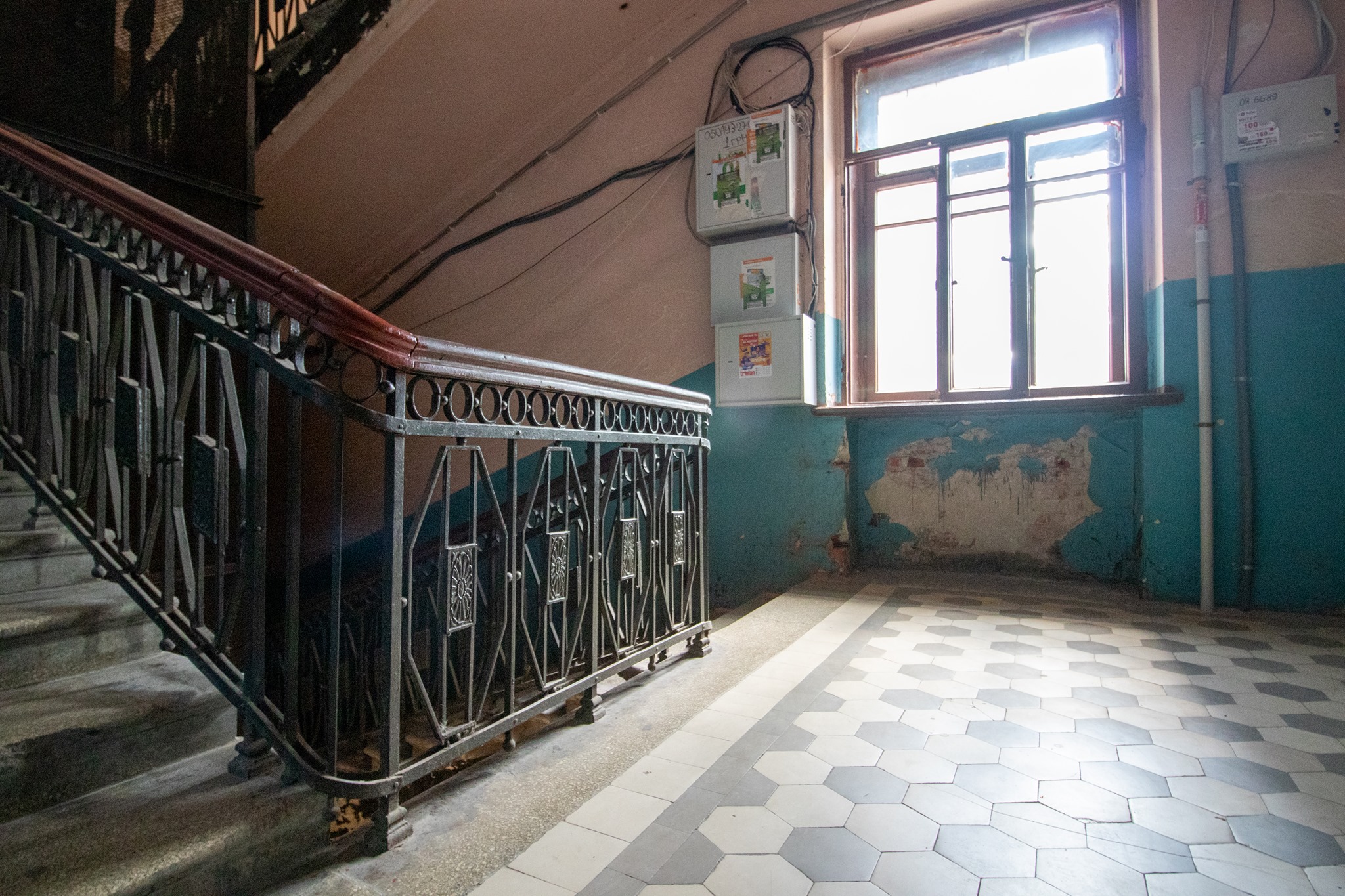
The building was originally equipped with elevators, a garbage chute, and internal roof drainage. Bergenheim tiles were installed in both the kitchen and the bathroom. Its 64 apartments were truly elite, which, however, its first residents almost did not have time to use due to the 1917 revolution. The apartments were converted into communal apartments.
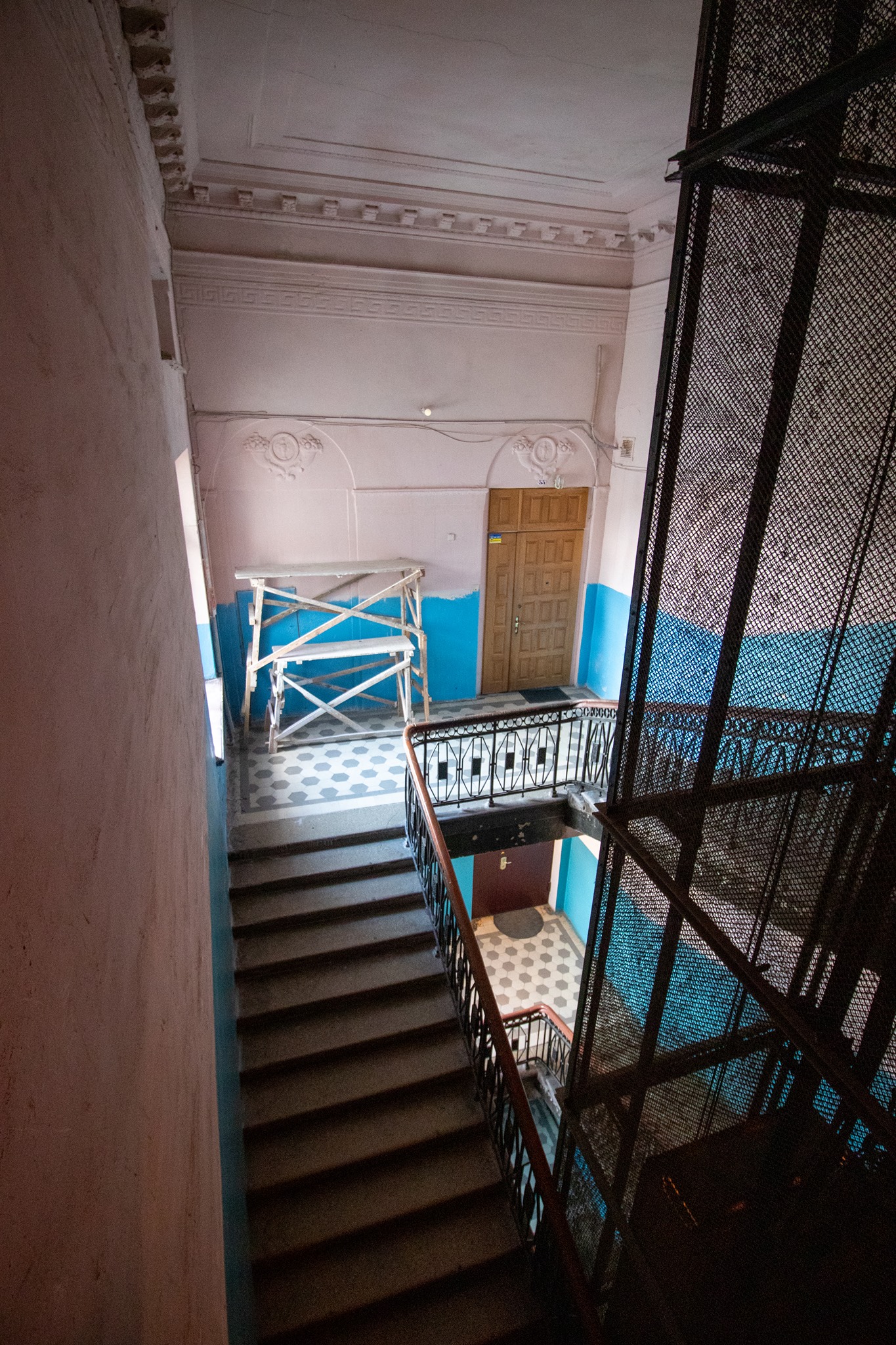
After the 1917 revolution, the building housed various trusts and People’s Commissariat offices (which moved to Gosprom in the late 1920s).
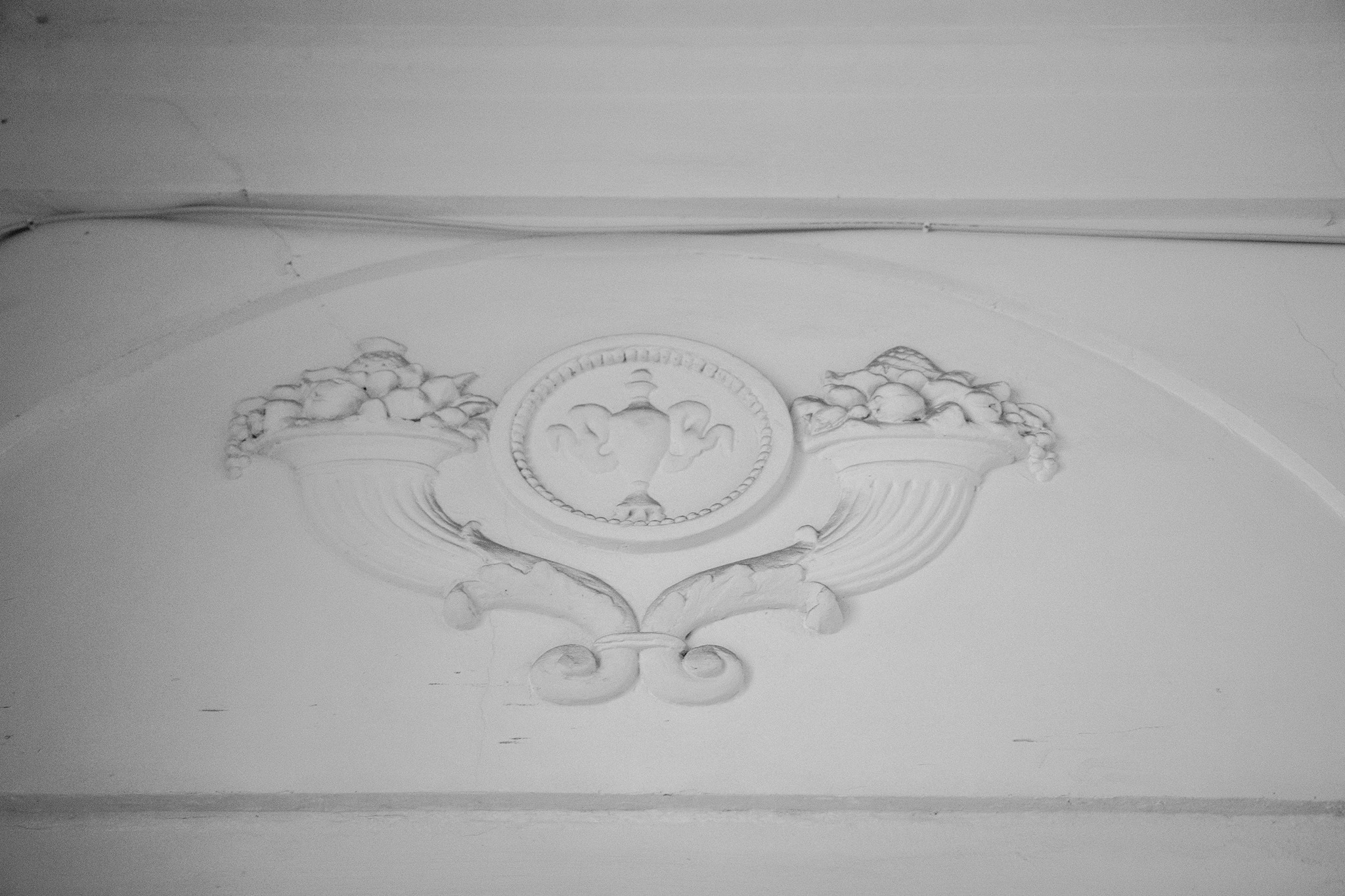
In some places, the windows still feature their original hardware, including locking rods.
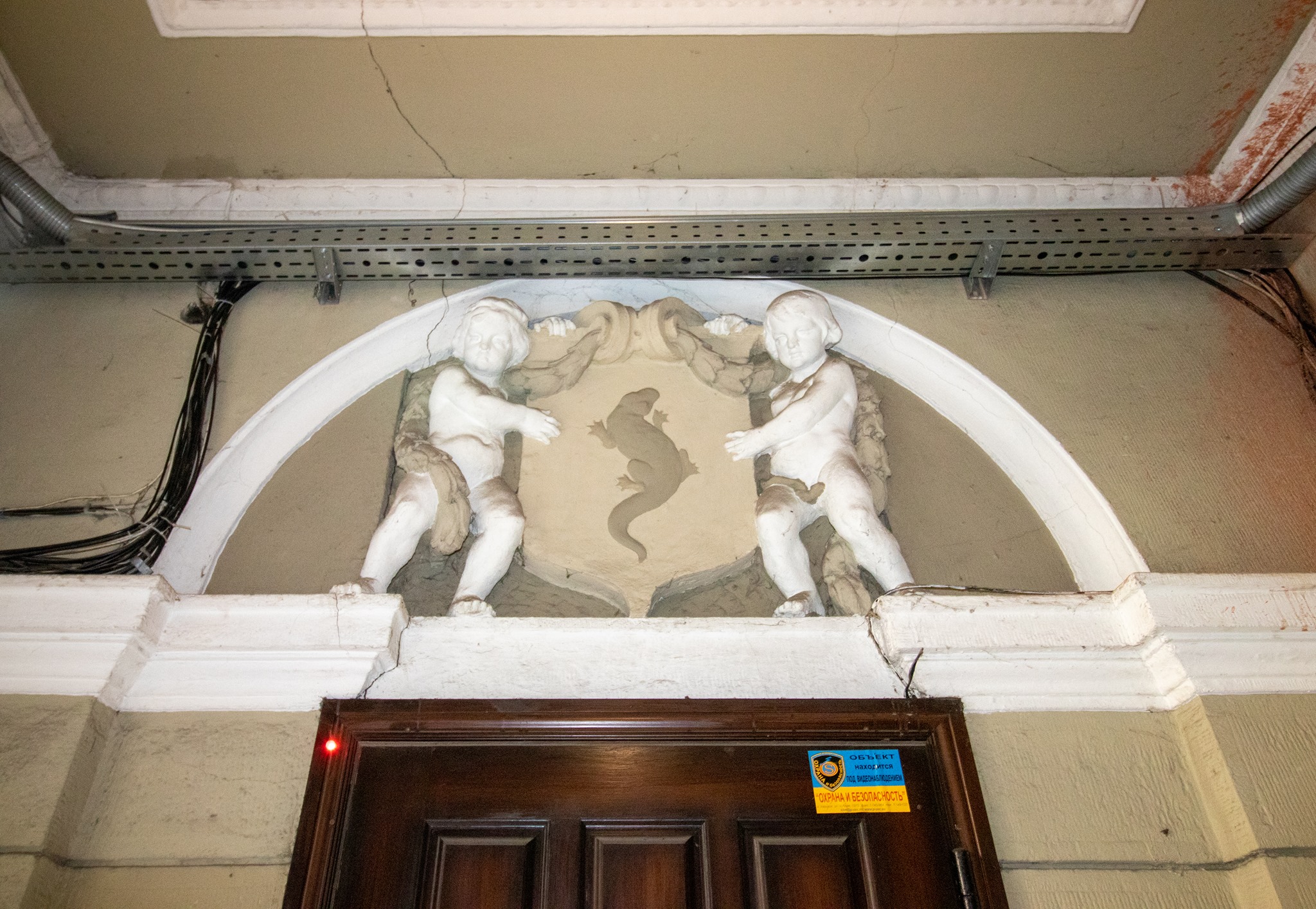
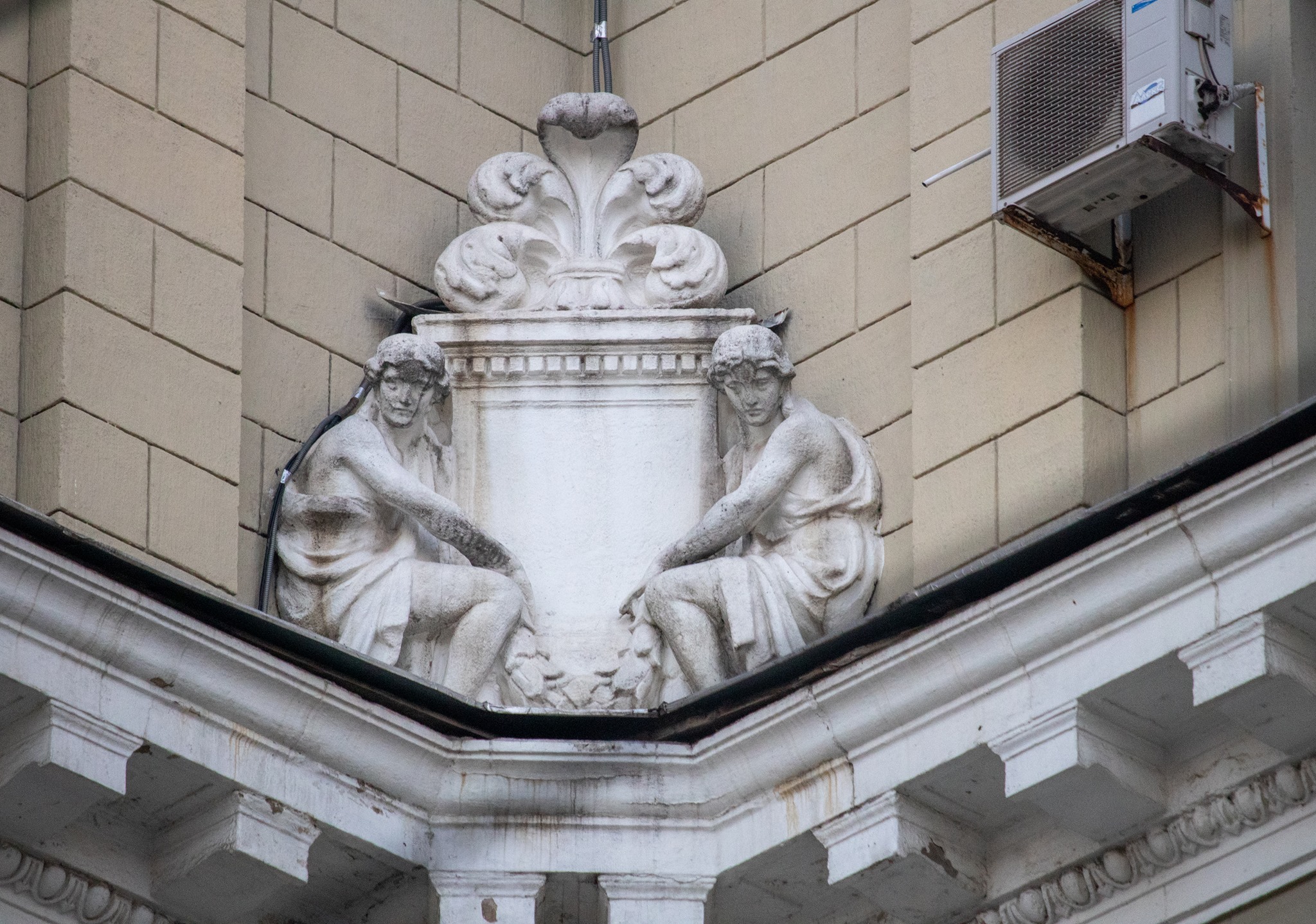
The building’s sculptures are beautiful and interesting, but many of them are in need of repair and cleaning.
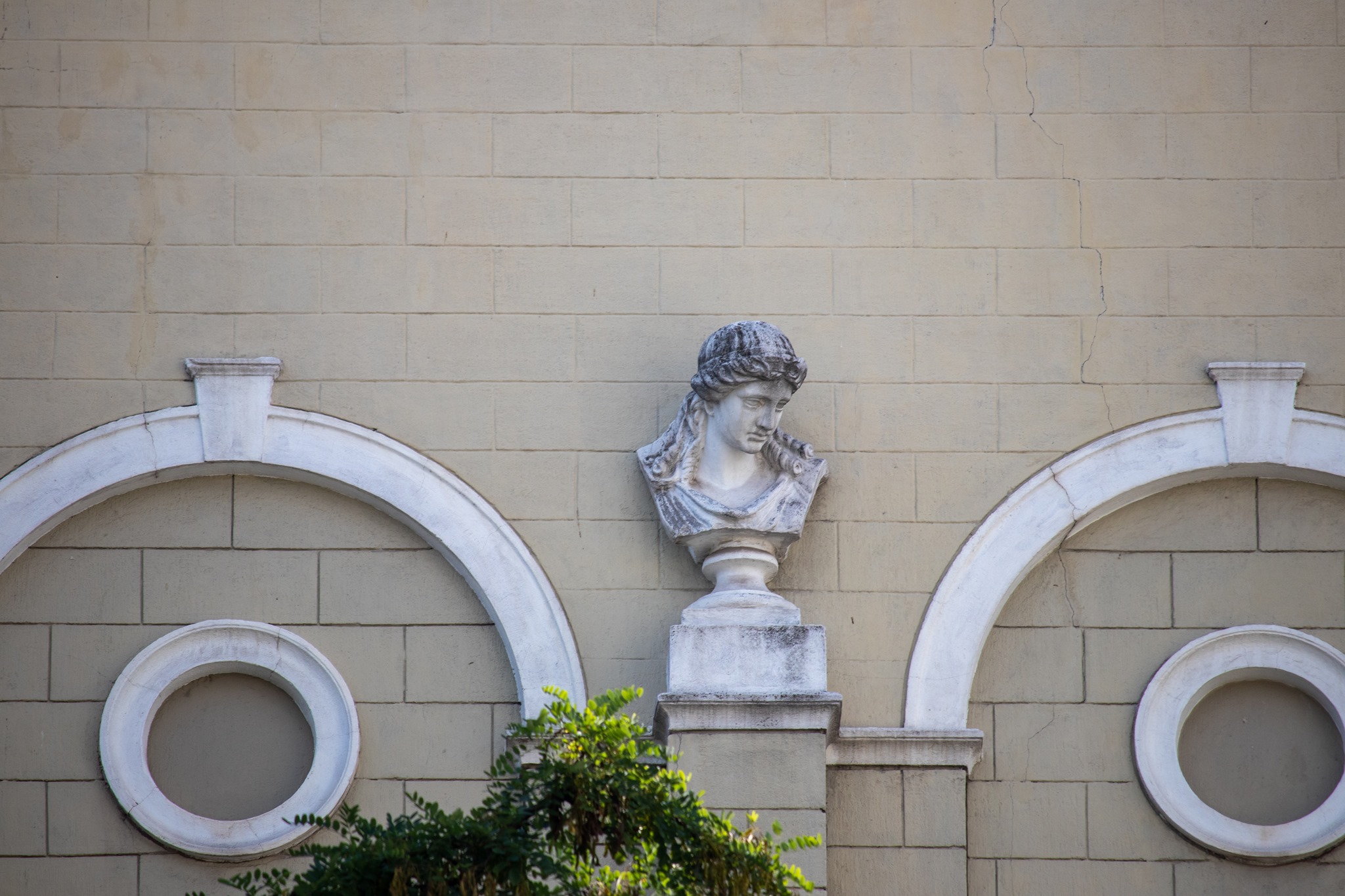
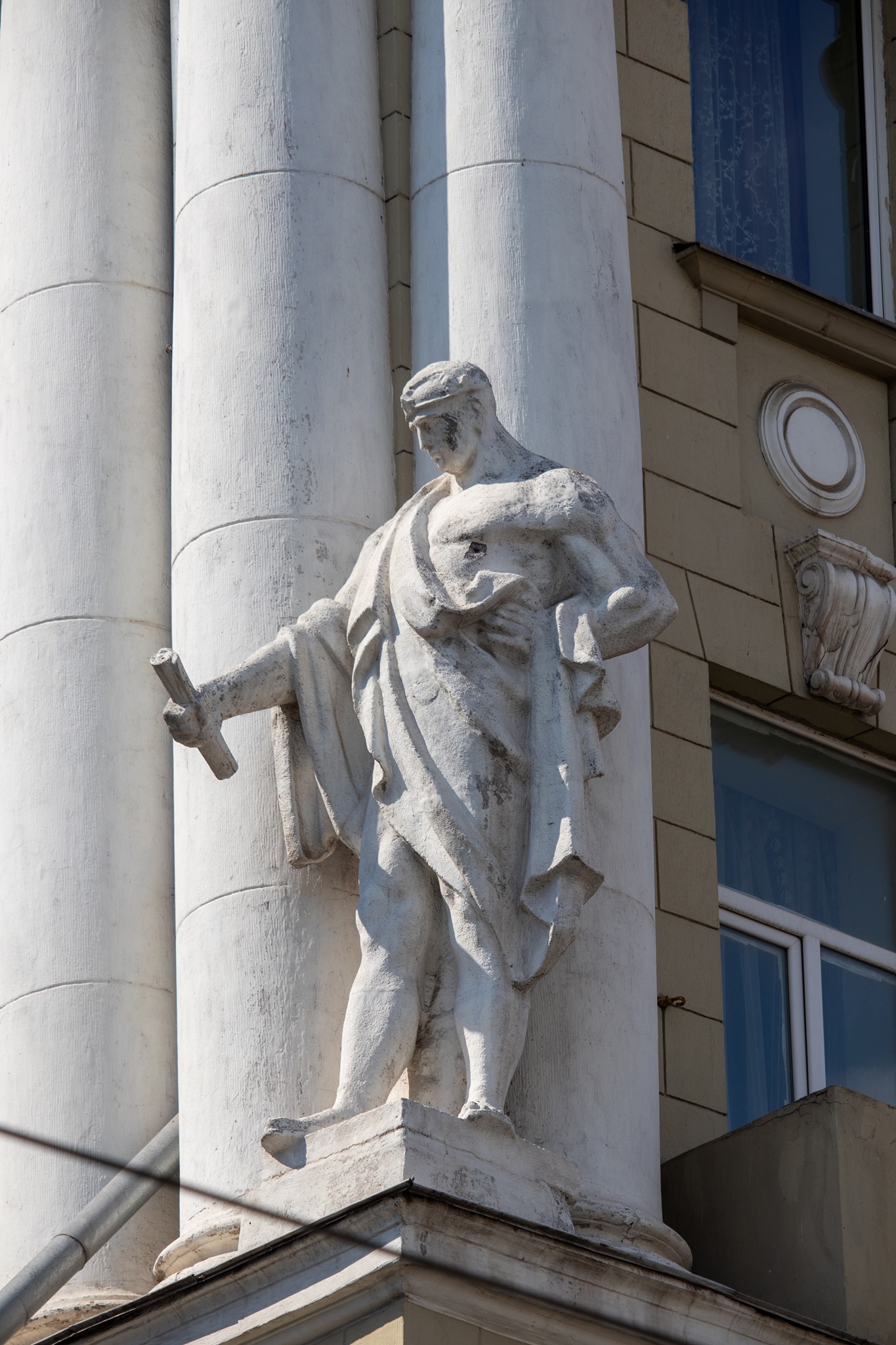
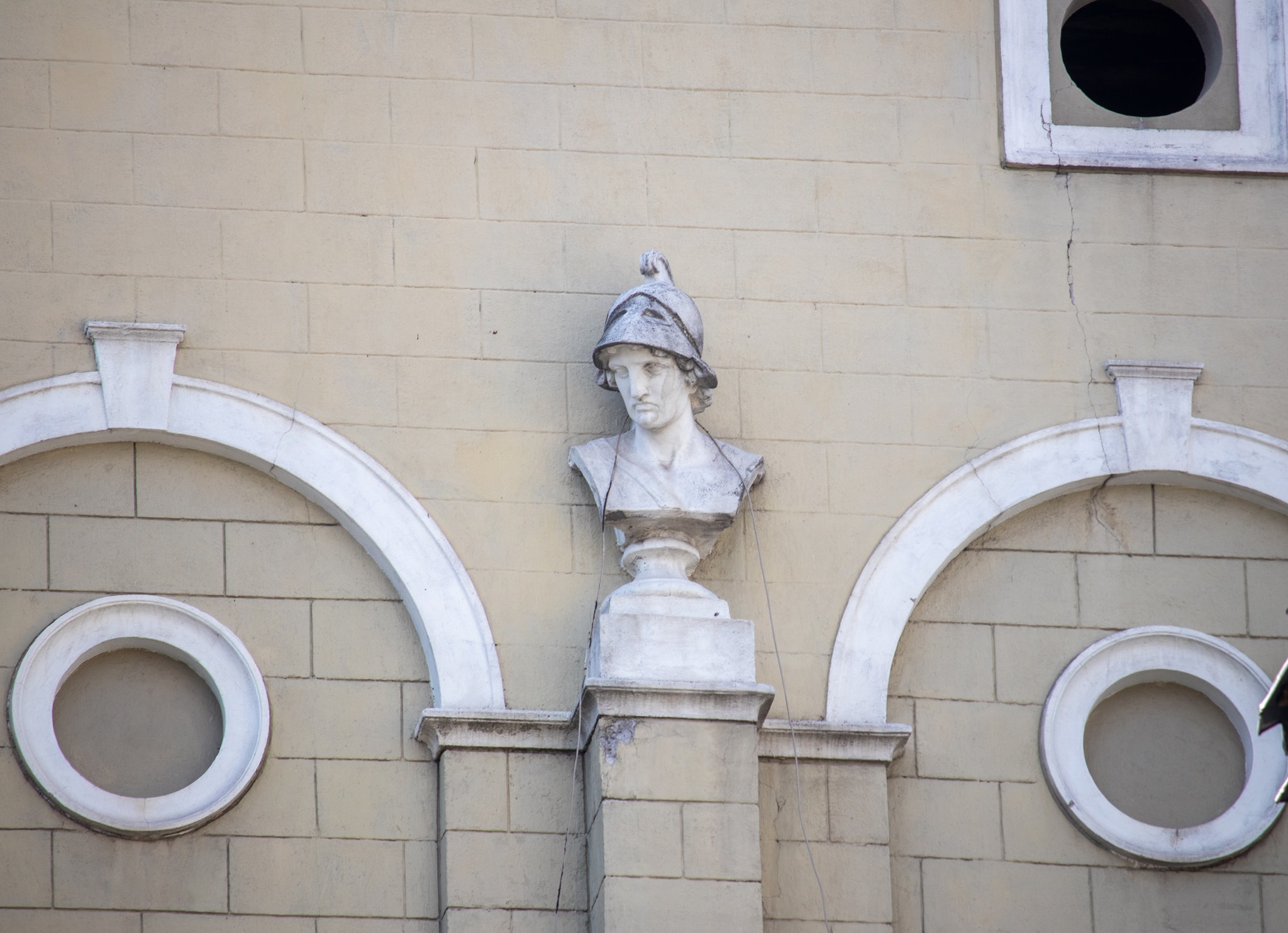
The logo of the “Salamandra” insurance company which ordered construction and rented out apartments can be seen here and there on the facade.
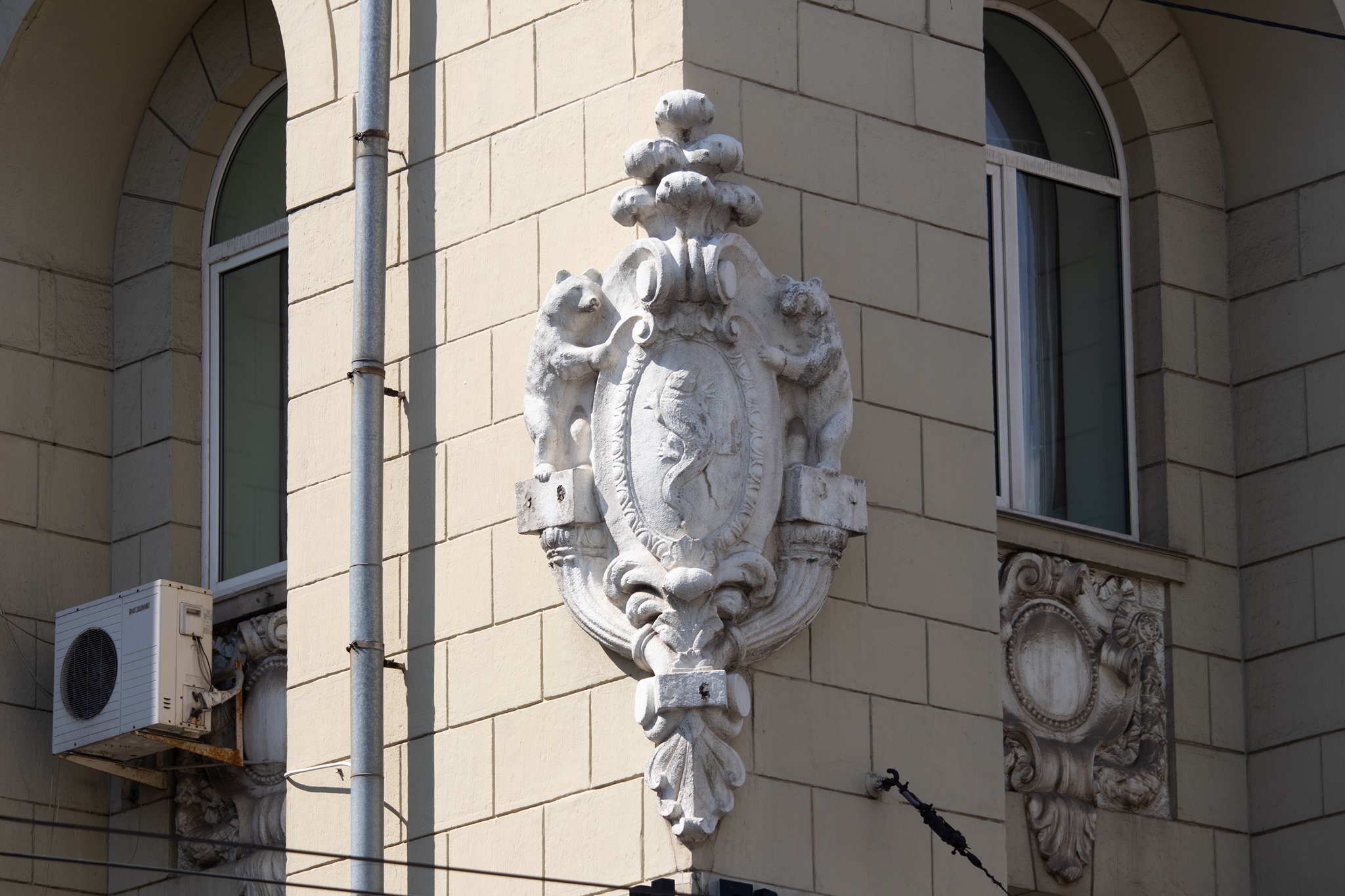
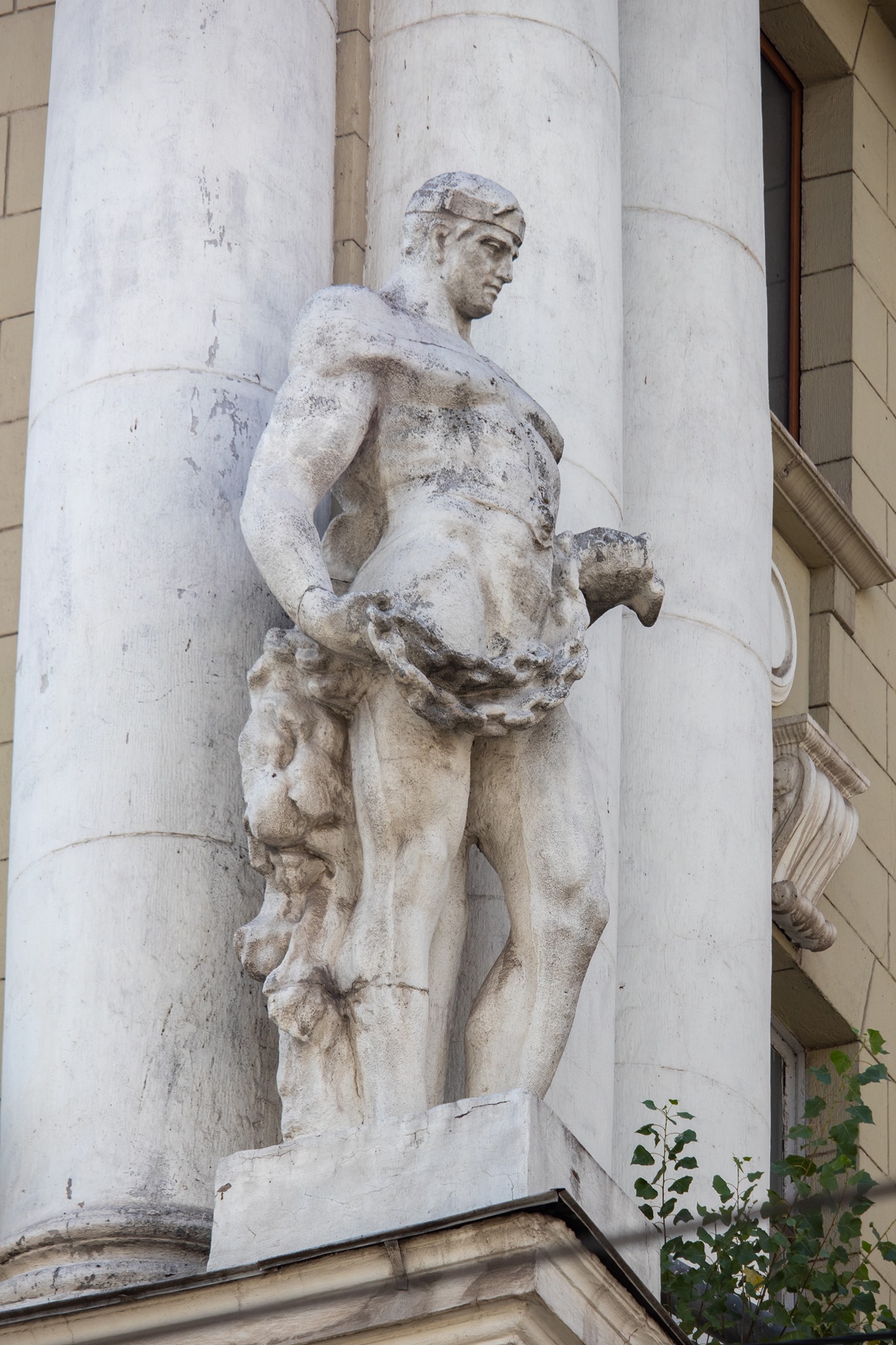
In the courtyard of “Salamandra” on the side facing Rymarska Street stands a truly fascinating mansion. In the courtyard on the side facing Sumskaya Street is a small, cozy park where there used to be a fountain featuring a sculpture of a salamander.
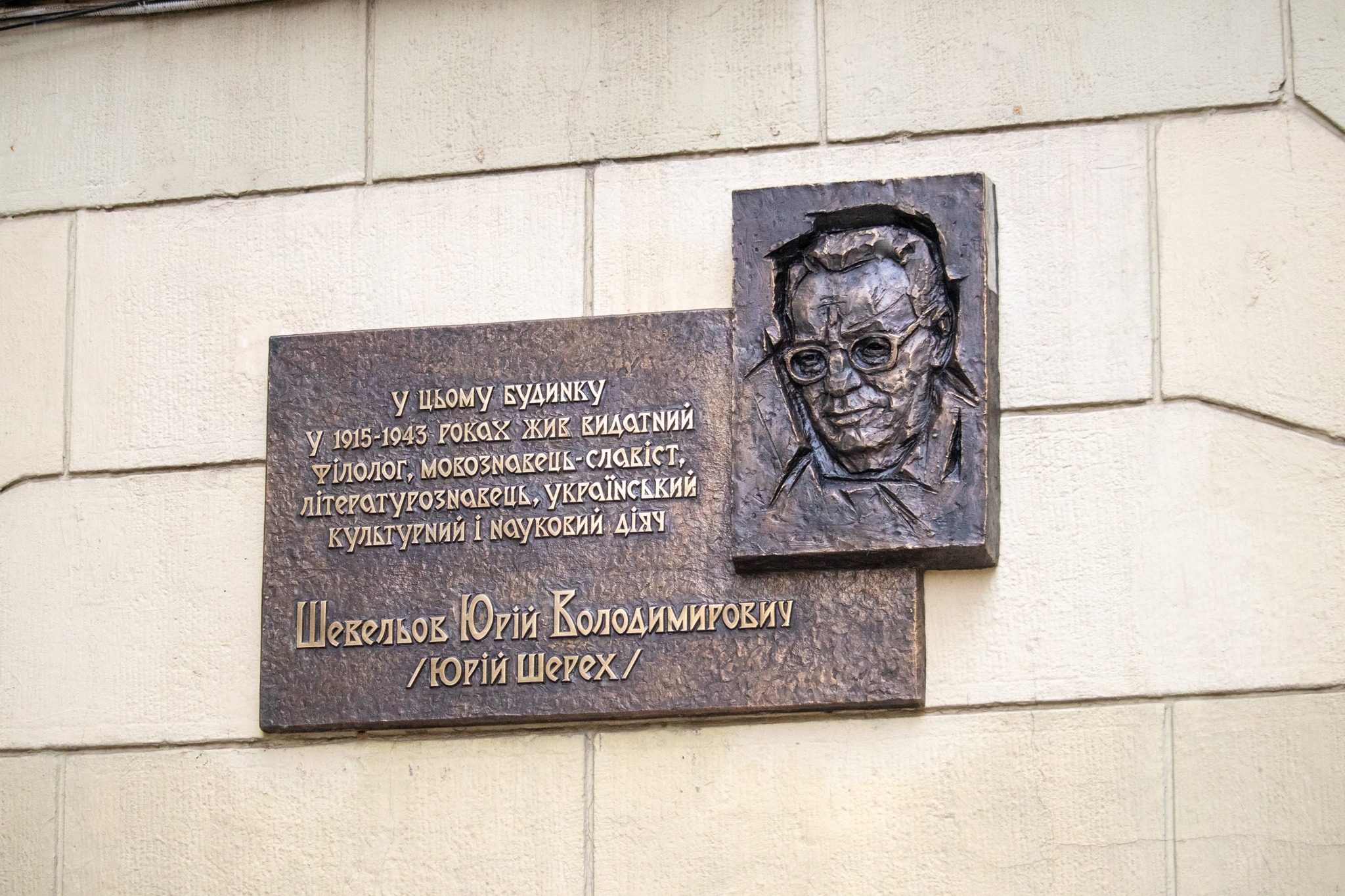
The Ukrainian philologist George Shevelov lived in one of the apartments from 1915 to 1943. On January 22, 2022, a commemorative plaque was installed on the side facing Sumska Street.

- Danylevs’koho Street, 19 - 13.10.2026
- Debunking the myth about one of the most famous Kharkiv photos - 12.10.2026
- The Architectural Evolution of the Kharkiv Theater - 26.09.2026