Today I’d like to tell you about an authentic part of our beloved city—manhole covers.
If you look closely, you’ll see real historical landmarks right beneath your feet—ones that have witnessed so much, endured the passage of time, and survived to this day.
Cast iron is an amazing material—it has managed to preserve its beauty and most of the information inscribed on it.
This collection features manhole covers from different years. They’re quite interesting—they make you think and daydream a little: What was this street like back when this manhole cover was installed here? What was being built on it, and what kind of people walked along it? There’s plenty of room for your imagination here.
So, let’s begin our tour! You’ll discover many interesting things if you take the time to read the photo captions.
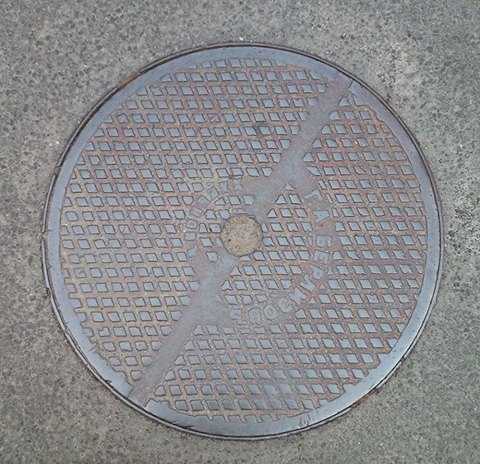
1. The manhole cover from the Berlizov Foundry. Found in a quiet part of downtown Kharkiv, near Bahaliia Street. There are similar ones near the Palace of Labor and on Rymars’ka Street, but they’re all pretty worn down. This one has survived because the street is quiet. The manhole dates back to before 1917. In 1922, Georgy Berlizov’s cast-iron foundry (which, by the way, was located on Osnova Street) was renamed the Shevchenko Plant.
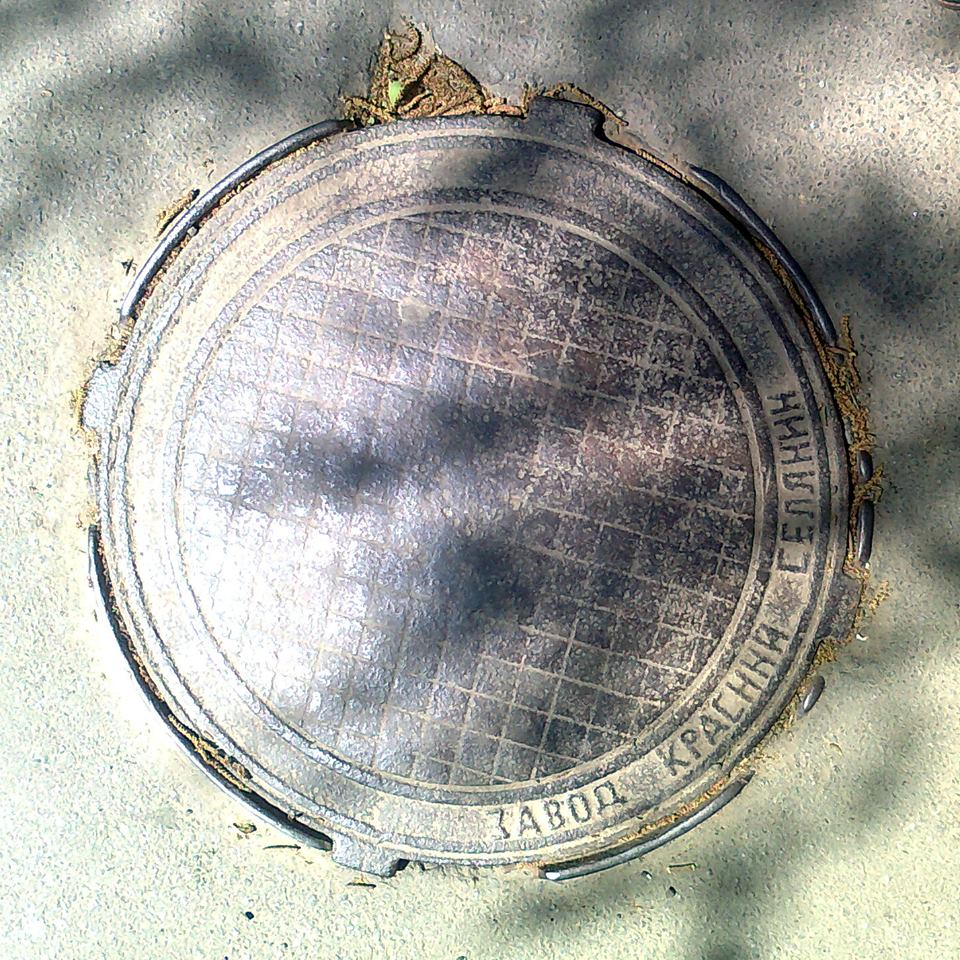
2. A manhole cover from Kharkiv, found at the end of the Glisada Jusa Ln. The “Krasny Selyanin” factory. There are many such manhole covers in the Donetsk region, so it’s possible that the factory was located there. It’s hard to pinpoint the exact date, but it’s probably from the 1930s or 1940s. Also, the letter “I” here is facing the other way.
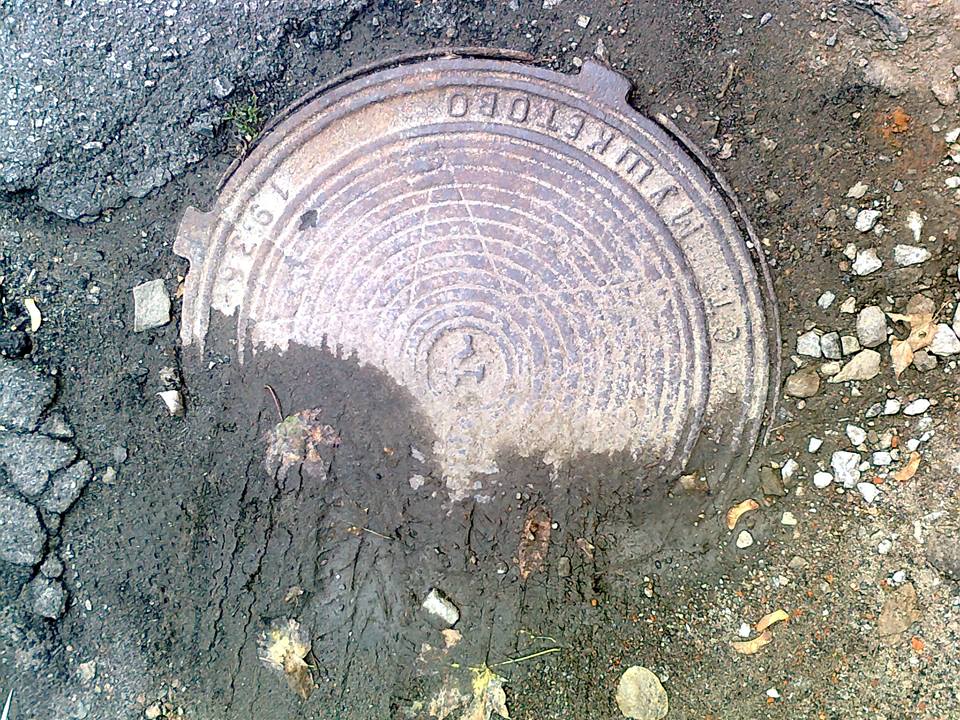
3. A manhole cover at the intersection of Manizera Street and Kaplunovsky Lane. It’s half-buried in mud; the only legible information is “1936” and “St. Mushketovo.” After doing a little Googling, I was impressed by the research conducted by Alexey Fedko, a journalist for a website about Donetsk. This manhole cover was brought to Kharkiv from the Donetsk Oblast. The author also writes that such manhole covers can be found in Khimki (Moscow Oblast), Donetsk, Luhansk, and Mariupol. The information obscured by the layer of mud is the abbreviation D.O.M.P.S. (Donetsk Oblast, Mushketovo Settlement Council) and the manufacturer—Artel KIM.
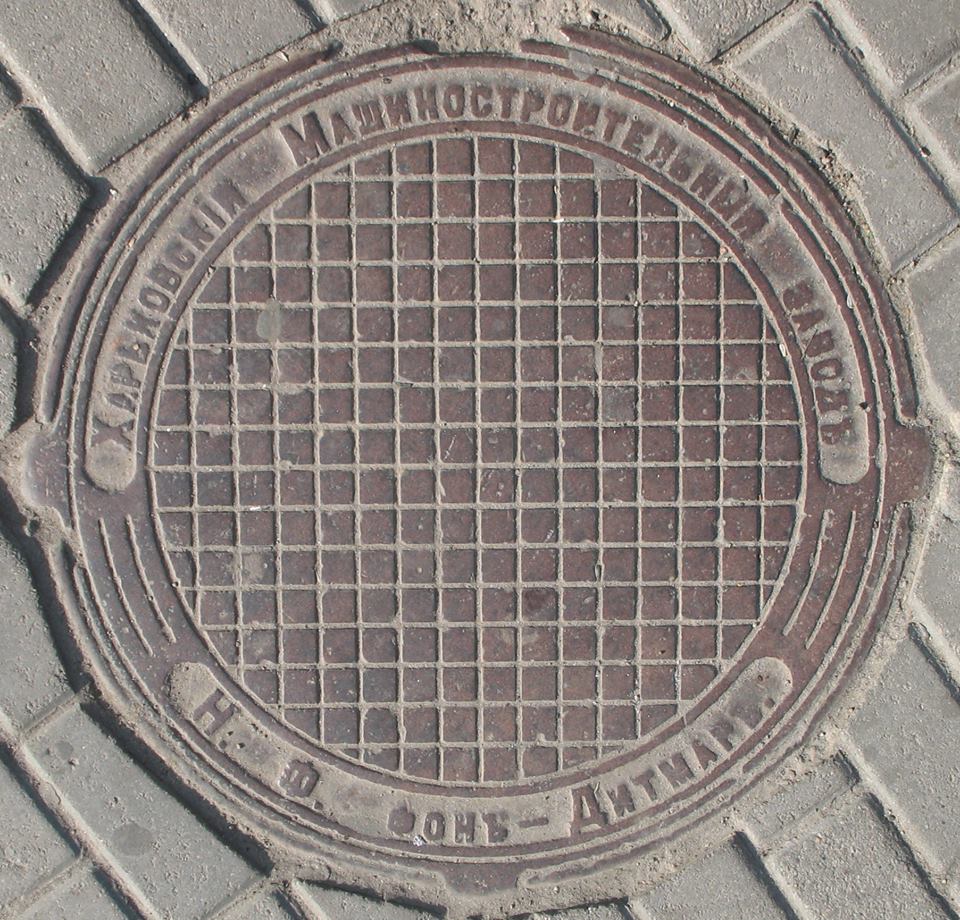
4. Kharkiv, Sumska, Hryhoriia Skovorody Street, near the Architect Beketov metro station. Kharkiv Machine-Building Plant. N.F. von Ditmar—a Kharkiv patron of the arts and a well-known figure in the city. After the revolution, he handed the plant over to the Soviet authorities, and we can see completely different inscriptions on those same manhole covers.
5. The manhole cover in the gateway of the “Donvugillya” building. This is a design from the Von-Ditmar factory. Only now it’s called “Svet Shakhtera.” And here’s another detail: this manhole cover dates from after the reform, after 1918. The letter Ъ (yer) is no longer present, but for some reason, the decimal “і” is still there.
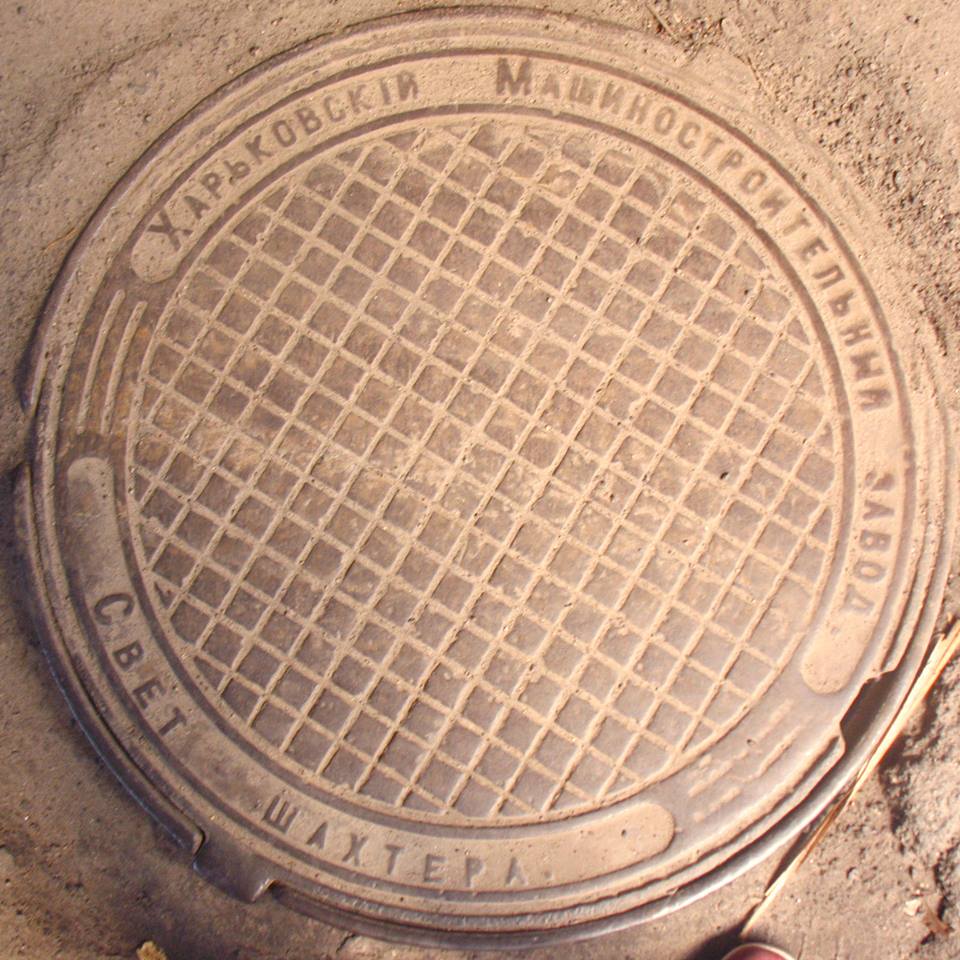
6. This manhole is located in Kharkiv, on Donets’-Zakharzhevs’koho Street. The manhole belongs to the Blachownia factory near Częstochowa, Poland. Unfortunately, it has not been possible to find detailed information about the factory.
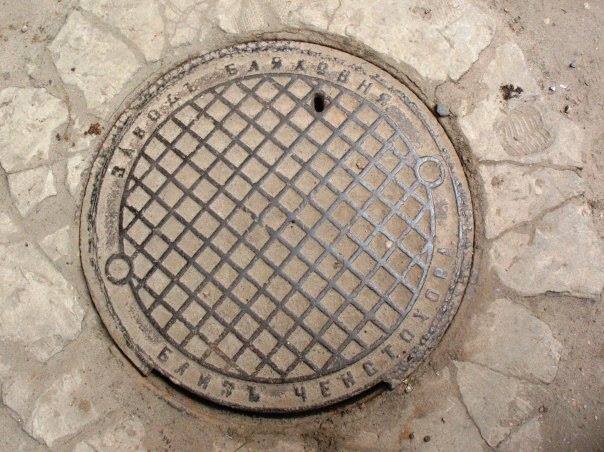
7. A series of hatchbacks from Verkhnedneprovsk, manufactured in various years, is quite common in Kharkiv.
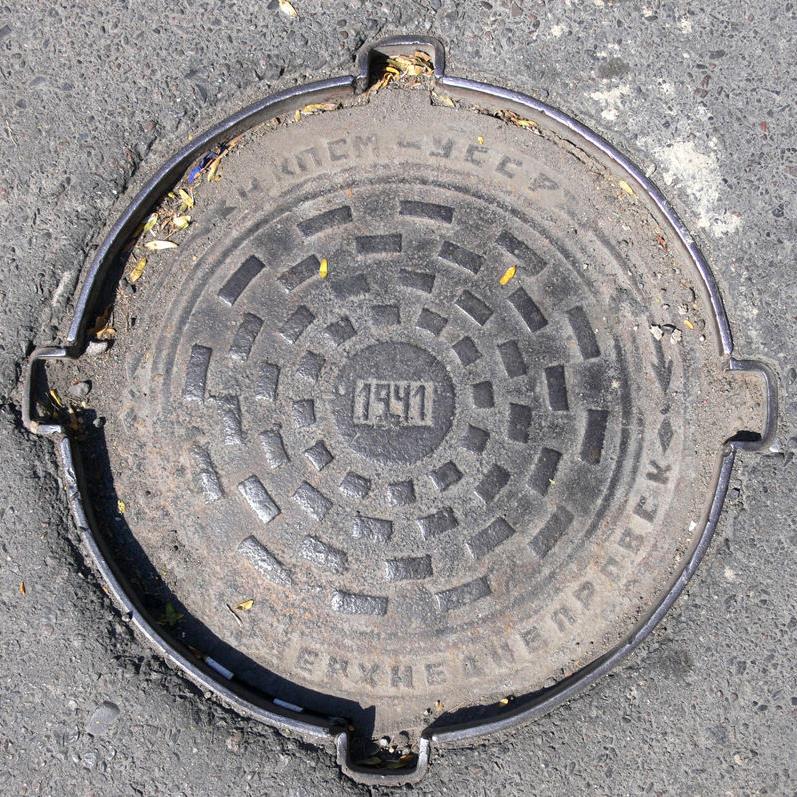
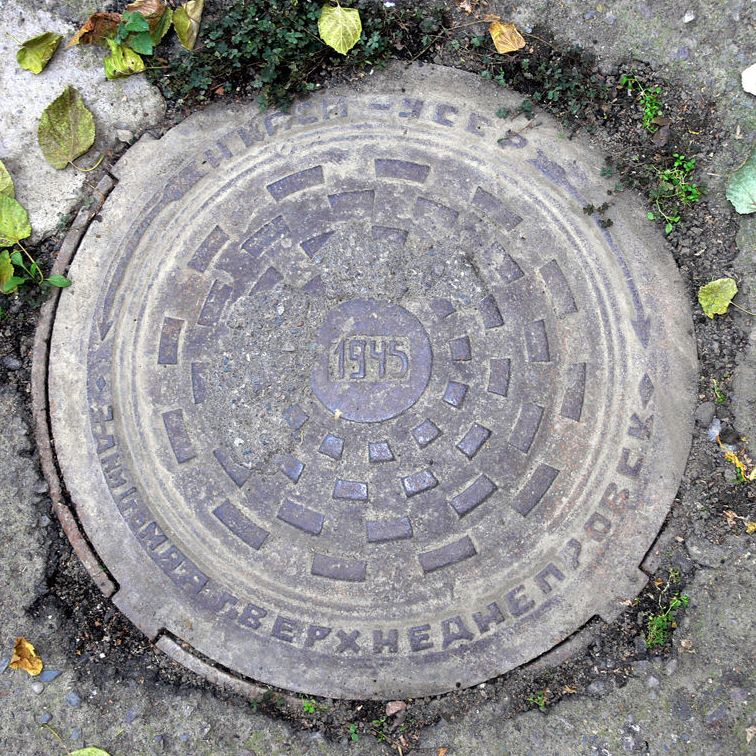
8. The manhole covers from Verkhnedneprovsk differ slightly in design and year of manufacture. They can be found on Sumska Street, in Pokrovsky Park, and in many other places around the city.
9. Poltavskyi Shliakh is a treasure trove of unique and diverse manhole covers. This street is one of the city’s main thoroughfares; consequently, it was a bustling hub of activity, and competition among the factories was fierce—hence such diversity. On the right side, in the courtyard, you can find the manhole cover from the Kharkiv Vocational School (the area around it, by the way, is littered with broken Bergenheim tiles).
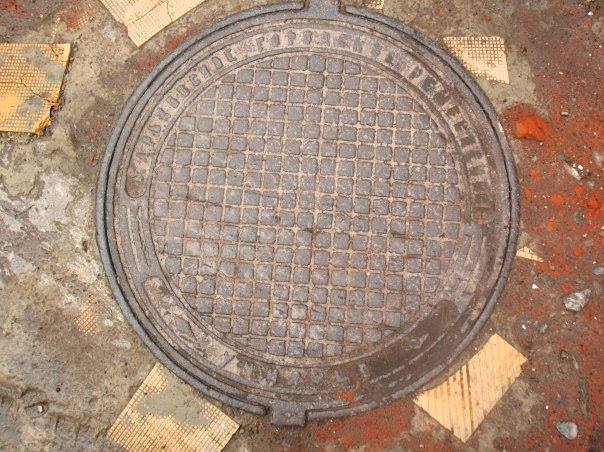
There’s another one in the courtyard of the Hirschman Eye Clinic.
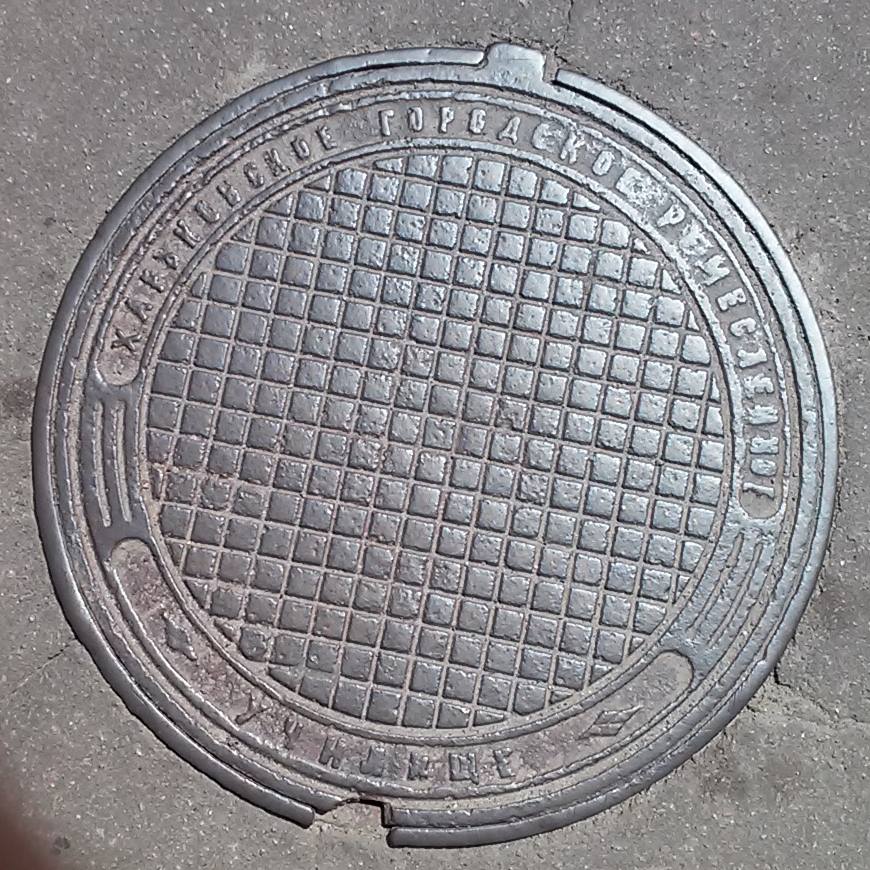
10. A pre-1917 manhole cover on Alchevskyh Street in excellent condition: Kharkiv, Iron Foundry. It even bears the engineer’s last name—Dudavsky.
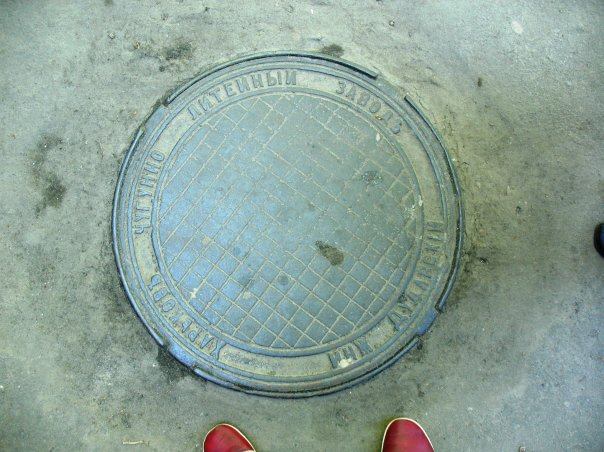
11. Located near the “23 Serpnia” metro station on Nauky Avenue. The manhole cover clearly dates back to the early days of Pavlove Pole. Manufactured by the Alapaevsk Machine-Building Plant.
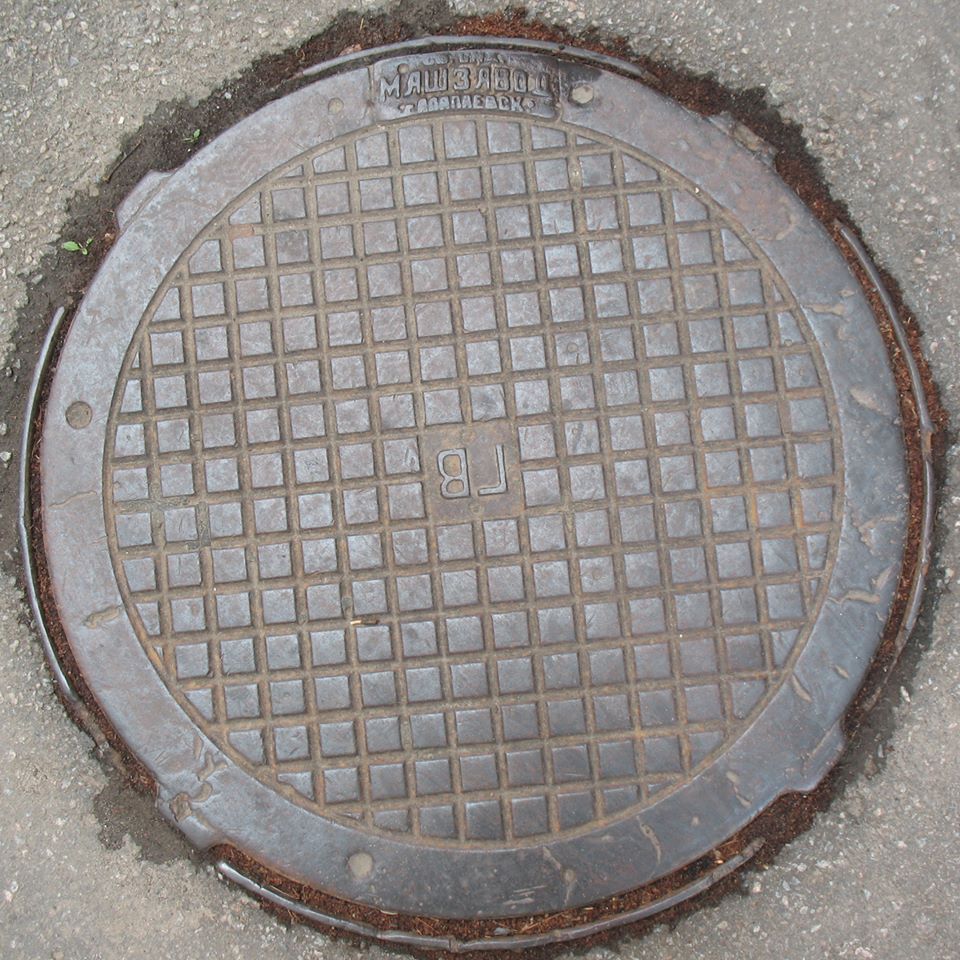
12. This is a mysterious manhole cover that can be found everywhere, from Kharkiv’s Podil neighborhood all the way to Derevianka Street. Very few of them have survived in good condition. This is the first one that’s more or less intact—Lozova, 1958.

13. One of the rarest; found only in the courtyard of an old house near Poltavskyi Shliakh Street. Manufacturers or engineers: S. Valbe and I. Stukas. Unfortunately, there is absolutely no information about them online.
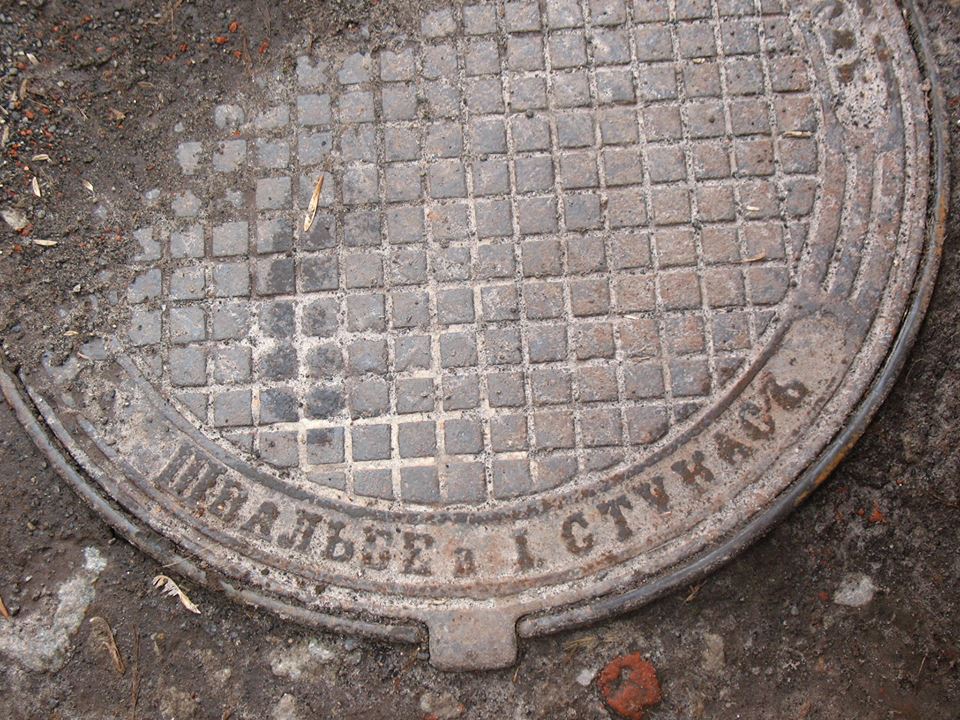
14. The manhole cover from the Ivanovskiy Cast Iron Foundry. It is located in one of the courtyards on Rymars’ka Street.
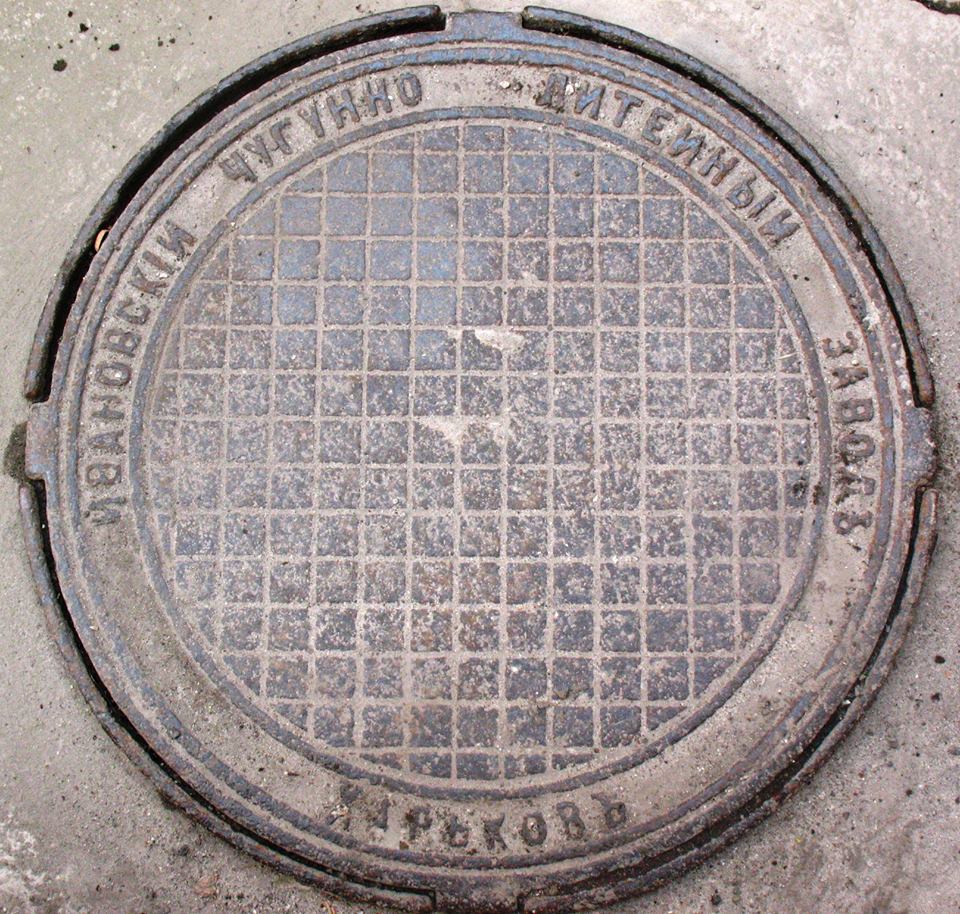
15. This manhole cover can also be found in several locations—at the beginning of Heroes of Kharkiv Avenue, on Mykoly Khvylovoho Street, and on Zagospom’ye neighborhood. It is notable for its date—1929—a time that was exciting, interesting, and dynamic for Kharkiv.
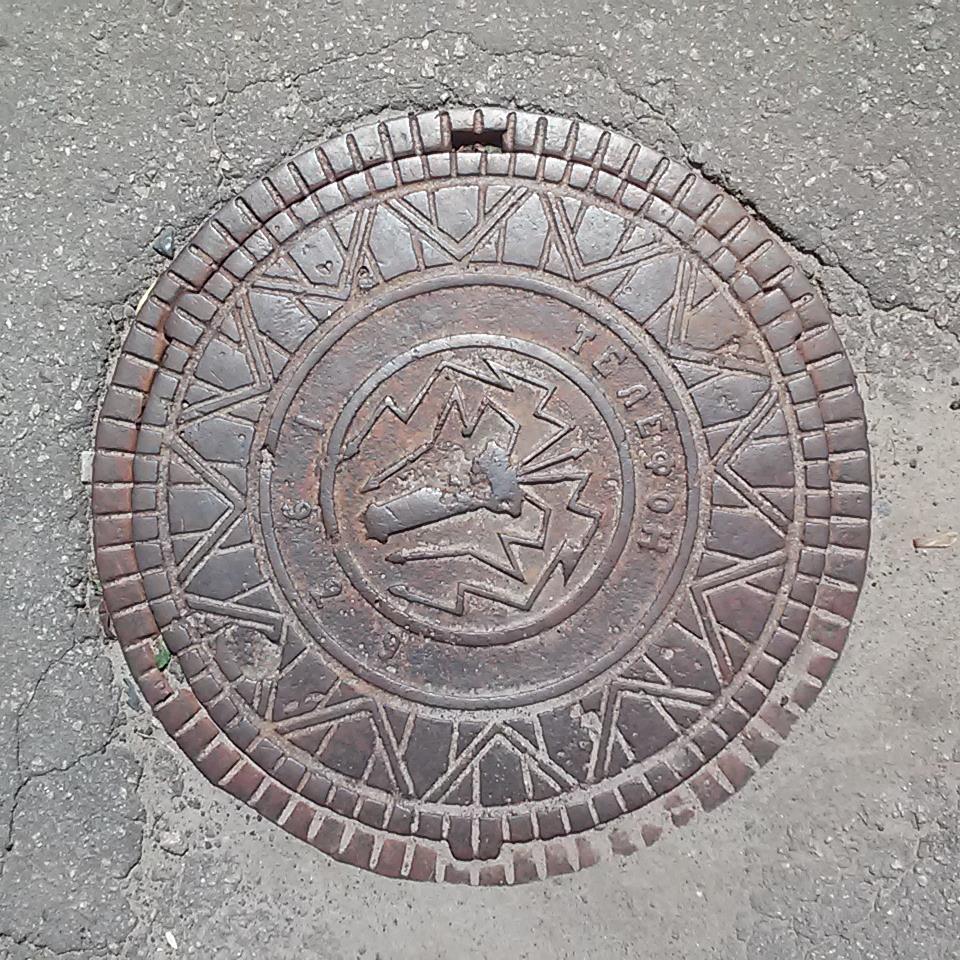
16. A pre-1917 manhole belonging to the “Metallist” cooperative in Kharkiv was found on one of the side streets near the Elevator. Little is known about the Kharkiv cooperative of that name, but the name was quite common among metallurgical enterprises of that time.

That’s the story of our city. Watch your step when you’re out walking—and Kharkiv will reveal a whole new side of itself to you.

- Oh, those amazing manhole covers in Kharkiv! - 17.02.2016