Off into the distance, clutching their meager belongings, the people of Kharkiv set sail into a terrifying unknown. They are leaving their hometown—the streets so dear to their hearts, where they took their first steps, marveled at the beauty of the mansions, and met their loved ones—forever.
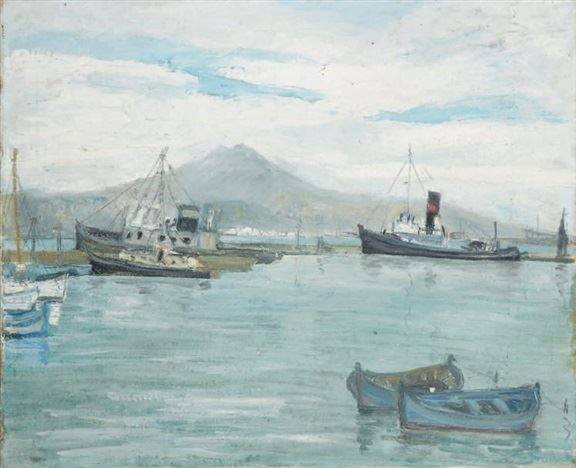
Some of them will be lucky enough to escape in March 1920 on ships departing from Novorossiysk.
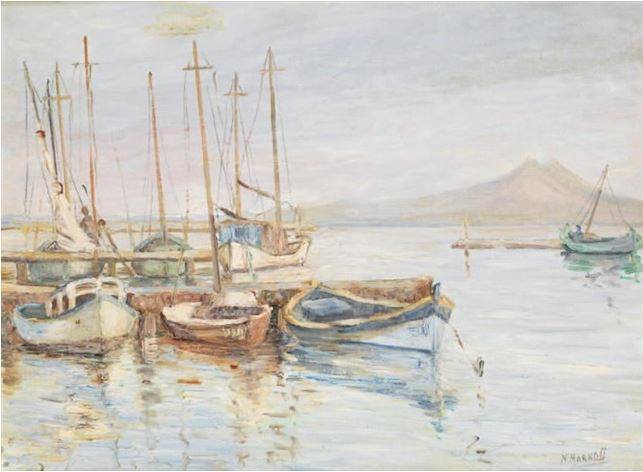
Others would leave Crimea by ship in November 1920 along with Baron Wrangel.
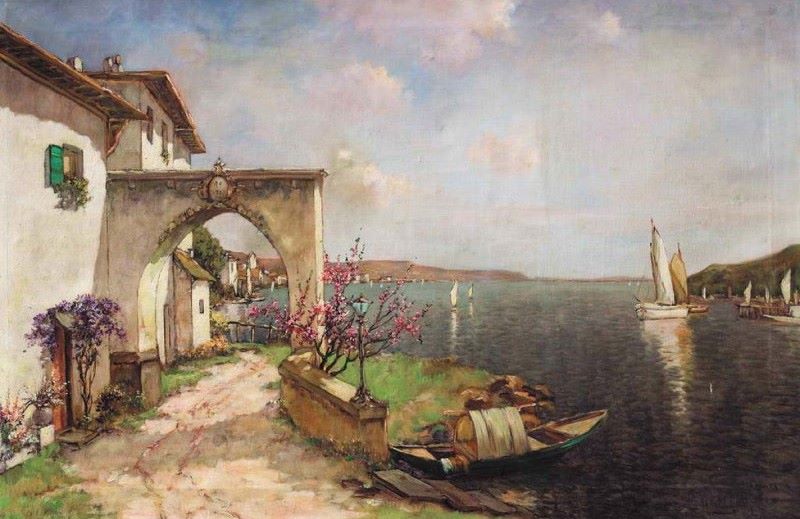
The people of Kharkiv sail off to distant lands, taking Kharkiv with them, taking with them forever a part of Kharkiv and a part of our history.
Their fates in a foreign land will unfold in different ways.
Some will be broken and will end their own lives. Others will find the strength to go on living. They will become famous, and their glorious names will resound in foreign lands.
Do we have the moral right to forget them all, as if they had never been there at all, as if they had never existed?
Personally, I don’t want to and I have no desire to. I hope that people will remember them and know about them…
So, Istanbul, November of that distant year, 1920.
Nikolai Petrovich Markov, once a wealthy landowner in the Kharkiv Governorate who had left Sloboda Ukraine, is finally reunited with his wife, son, and daughter.
While in Turkey, Nikolai Petrovich tries—albeit rather unsuccessfully—to make a living through farming… He then starts his own vodka business.
But 1926 proved to be the most difficult year for the family. At that time, alcoholic beverages were banned in Turkey, and the White émigrés found themselves facing an extremely difficult choice: accept Turkish citizenship or, if they refused, return to the USSR. Thanks to an invitation from a relative serving in the Foreign Legion, the Markov family left Istanbul and traveled to Tunisia. Once there, Nikolai Petrovich took French citizenship and continued to provide for his family. However, they still did not have enough money. As a result, his wife, Evgenia Platonovna (née Pryadkina), began preparing meals for migrant workers in Tunisia.
At first glance, it seems like a perfectly ordinary and typical story of an immigrant family. But the fate of Nikolai Petrovich’s daughter is far more interesting to us.
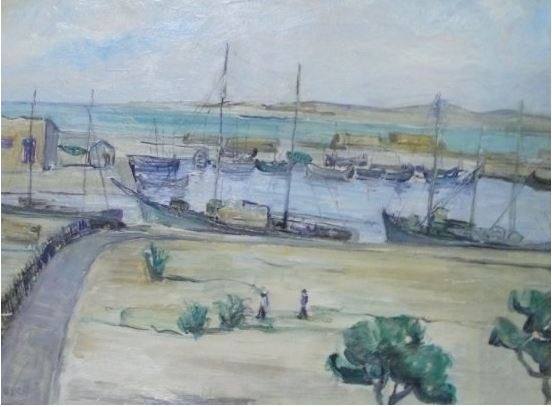
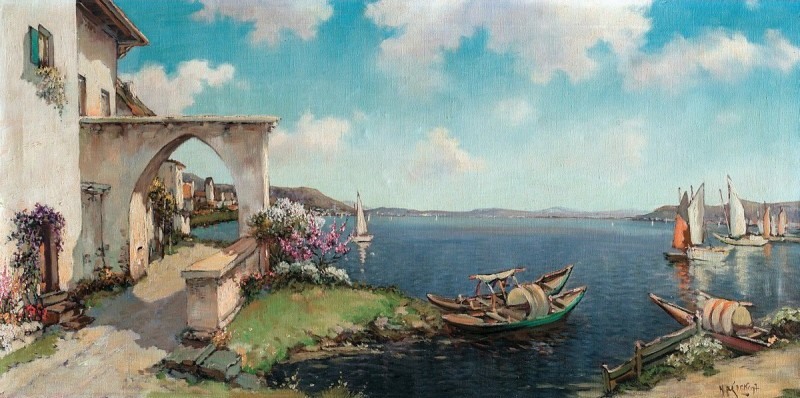
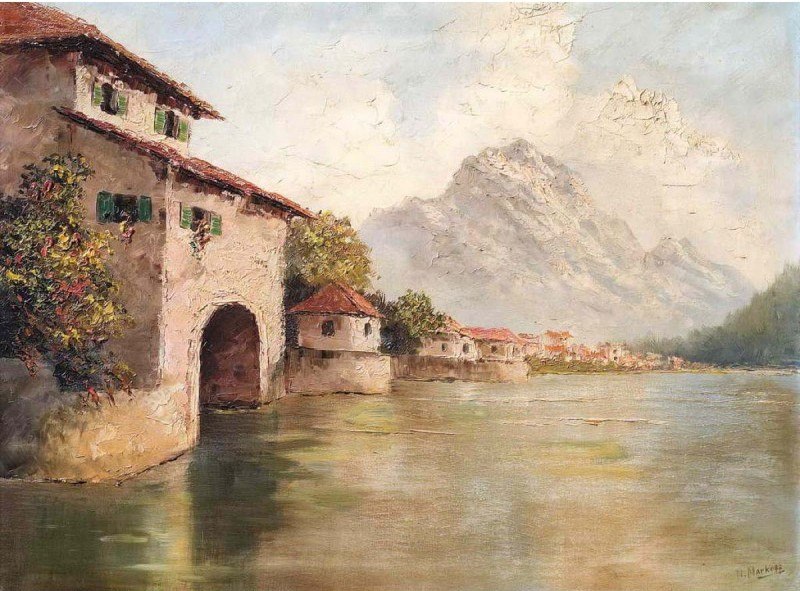
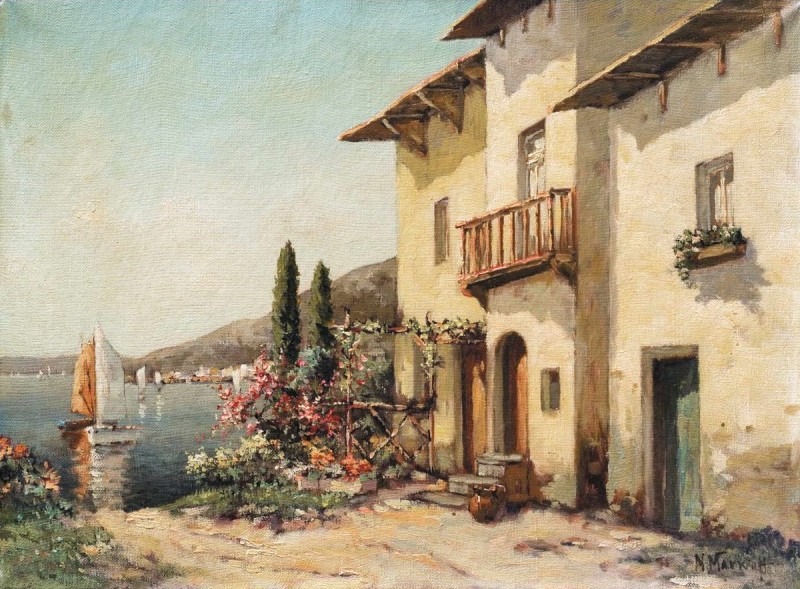
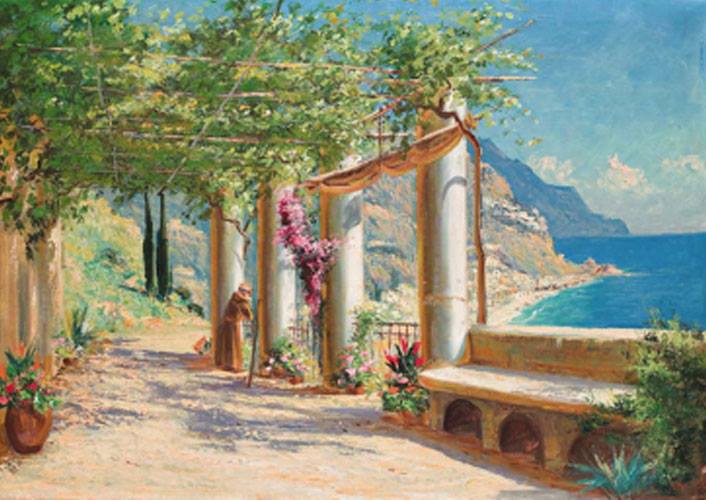
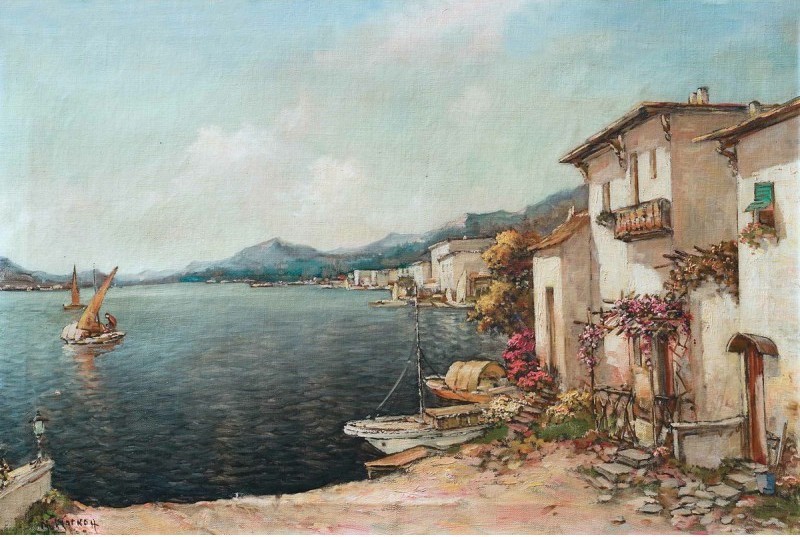
Natalya Nikolaevna Markova was born in our beloved city on May 3, 1911. From 1928 to 1932, she studied at the Tunis Center for the Teaching of the Arts (later the School of Fine Arts). She painted landscapes and genre scenes of Tunisia. In 1931, she married engineer V. E. Lagodovsky, the architect of the Russian Church of the Resurrection of Christ in Tunis. However, despite being married, the artist continued to sign her works with her maiden name. From 1932 onward, she regularly participated in the Tunis Salon (becoming a member in 1937; a jury member in 1958; and secretary of the Salon in 1976).
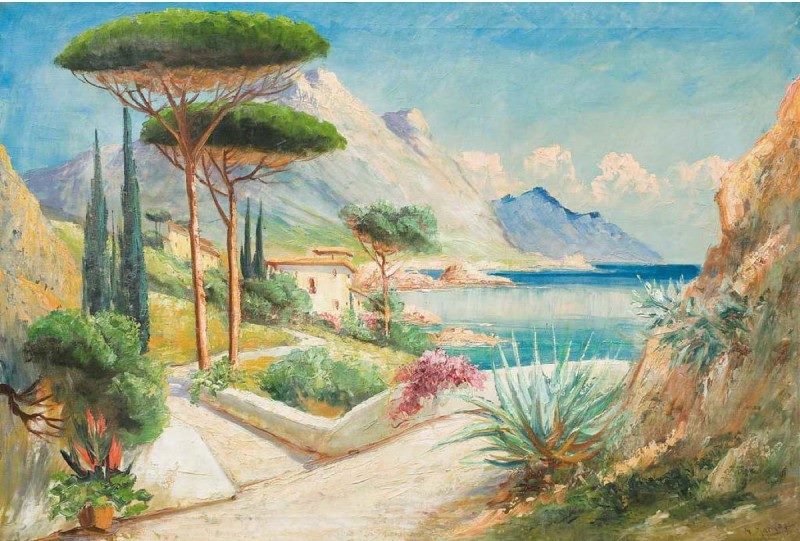
Her work was exhibited at the Center for Artists and Art Lovers in Tunis in 1954, as well as at local galleries in La Goulette, La Marsa, and Radès. In 1957, it was Natalya Nikolaevna who represented the Tunisian school at exhibitions of French Africa in the Maghreb (Tunis) as well as in Paris and at the Biennale in Menton (Alpes-Maritimes department; 1957).
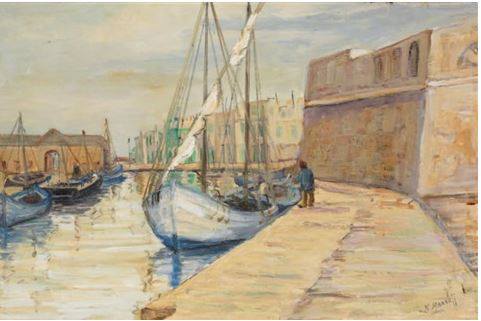
She also actively participated in the Paris Women’s Salon (1958, 1960) and the Salon des Indépendants (1961). In 1973, she held a solo exhibition at the Tunis Salon. That same year, she received the Pavone d’Oro prize in Rome. She taught painting in her studio. She was friends with the artists Alexander Fische and the Tunisian painter Ali Belaga. She traveled extensively throughout Italy, Switzerland, and France. In 1982, Natalya Nikolaevna moved with her husband to France and settled in Saint-Germain-en-Laye near Paris. There she continued to paint and participate in exhibitions (Vanves, Vichy, Saint-Germain-en-Laye). Natalia Markovna, who was well-known in France and throughout Europe, died in 2006 (according to other sources, in 2007) in Paris.
May she rest in peace; may the earth rest lightly upon her.
Sources:
- Makhriv, K.V. — The Russian Colony in Tunisia, 1920–2000. A Collection. — 2008
- Online auction websites.
.

- About the military pilot school and the airfield in Kharkiv… - 04.11.2020
- Nikanor Savich—A Political Career by Mistake - 13.07.2020
- And once again, about the Cavalry Guards… - 21.01.2020