The postal code—the globally recognized system for identifying postal districts and offices in various localities—first appeared in some European cities as early as the mid-19th century. But not in the form we know today. For example, in London and Liverpool in the century before last, there were postal zones that sped up the delivery of mail. But most cities had no codes at all, and where they did exist, the codes were not standardized—each city devised its own set of symbols and designations.

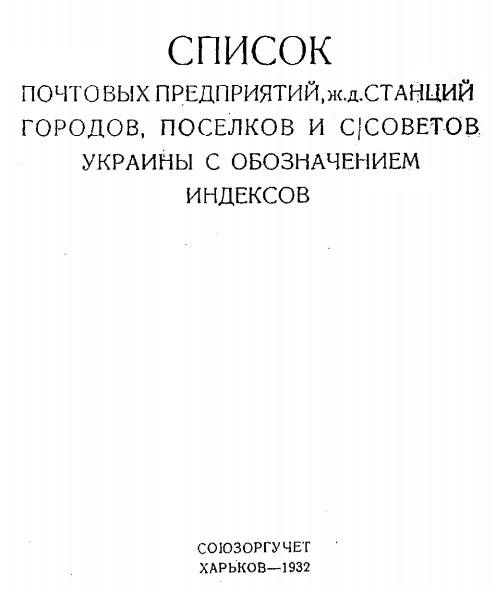
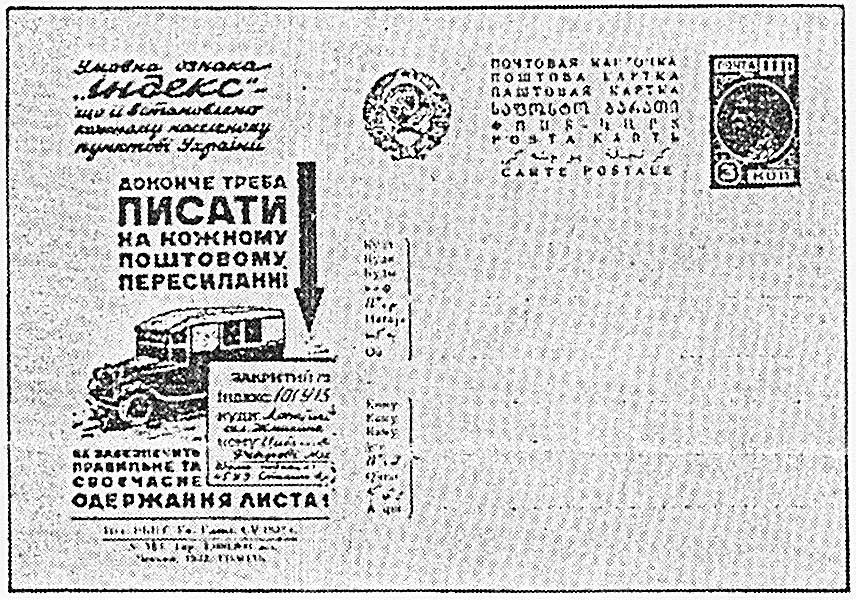
In 1932, it was in Kharkiv that the world’s first mass-scale, standardized postal code system was introduced, which was extended to all of Soviet Ukraine. Kharkiv, as the capital of the Ukrainian SSR, was assigned the number 1 as the first digit in the code (and a range from 1 to 10), while Ukraine itself was designated by the letter “U” in the middle of the code (e.g., 267U19), although the other republics never received their own codes.
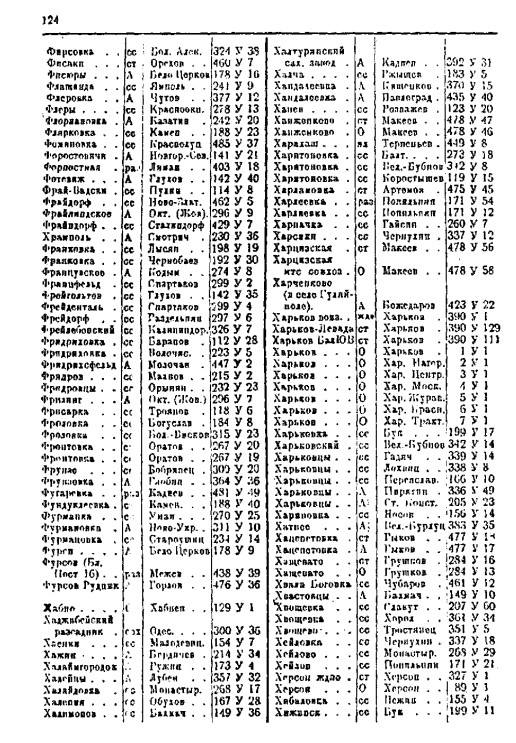
That same year, a reference guide titled “List of Postal Enterprises, Railroad Stations, Cities, Towns, and Village Councils of Ukraine with Postal Codes” was published, in which approximately 25,000 areas were coded.
The postal code system in the Ukrainian SSR was abolished in 1939, before the start of World War II. The western regions of Ukraine did not receive new codes following the occupation of Poland, and the codes were also abolished in the rest of Ukraine. The reasons for this remain unclear. In the West, a standardized postal code system began to emerge only in the first half of the 1960s (1962 in West Germany, 1963 in the United States); in the USSR, postal codes were not reinstated until 1971.
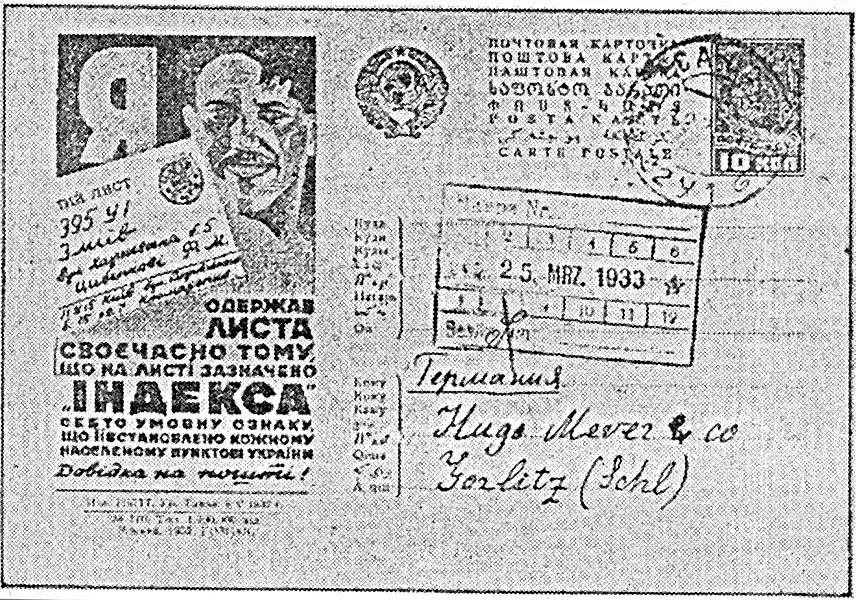
Nevertheless, it’s worth remembering that Kharkiv will remain the first city to have a modern Postcode. And it received a well-deserved “1” on the index.

- Danylevs’koho Street, 19 - 13.10.2026
- Debunking the myth about one of the most famous Kharkiv photos - 12.10.2026
- The Architectural Evolution of the Kharkiv Theater - 26.09.2026