I think many people remember “The Cavalry Guard’s Song” from the movie *The Star of Enchanting Happiness*, which was popular in its day:
A cavalryman’s life is short,
and that is why it is so sweet.
The bugle sounds, the curtain is drawn back,
and somewhere the clang of sabers can be heard.
The strings still resonate,
but the commander is already in the saddle…
Don’t promise a young
maiden eternal love on earth!
In his novel *War and Peace*, Count Lev Nikolaevich Tolstoy vividly and vividly described the attack by the Cavalry Guards at the Battle of Austerlitz in 1805:
…As they approached Rostov, the sound of their hoofbeats and the clanging of their weapons grew louder and louder, and their horses, figures, and even faces became more clearly visible. It was our cavalry guard, charging toward the French cavalry advancing toward them. The cavalry guards were riding, but still holding their horses back. Rostov could already see their faces and heard the command, “Forward, forward!” shouted by an officer who had let his prized horse run at full speed. Fearing he might be crushed or drawn into the attack on the French, Rostov rode along the front line as fast as his horse could go, yet he still did not manage to pass them by
……It was that brilliant charge by the Cavalry Guards that even the French themselves marveled at. It was terrifying for Rostov to hear later that, out of that entire mass of huge, handsome men—out of all those resplendent, thousand-strong cavalry—the wealthy, the young men, the officers, and the cadets—who had galloped past him, only eighteen men remained after the attack…
Famous battle painters, including Nikolai Semenovich Samokish, also depicted this military unit in their works.
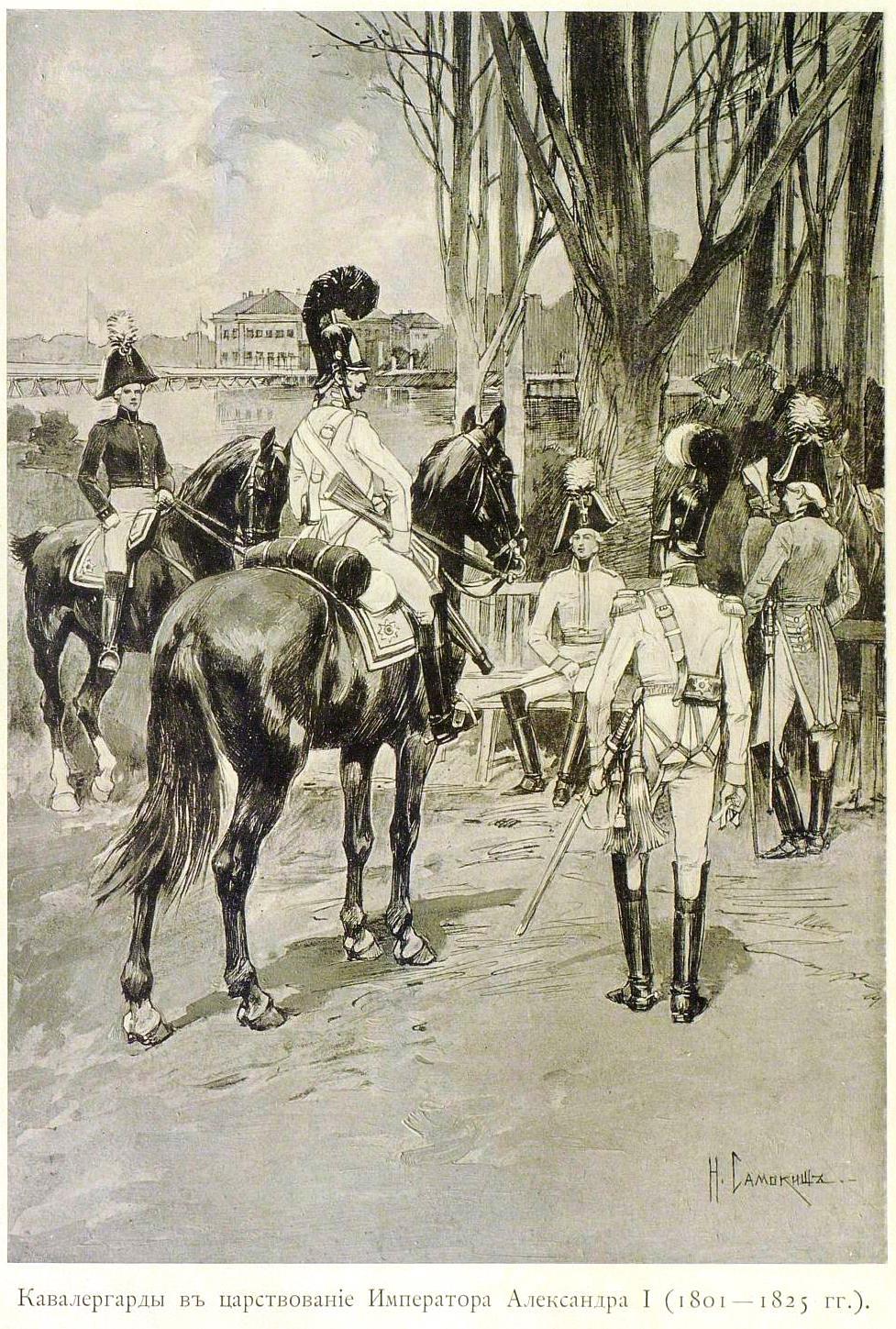
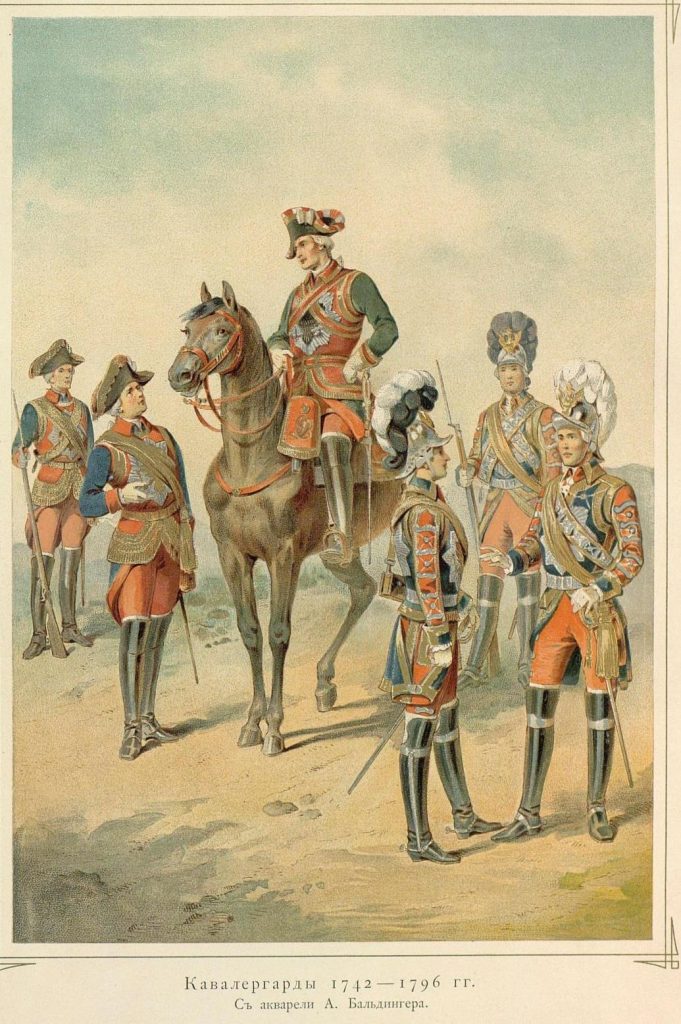
This is not surprising, since the Cavalry Guards—which were formed in 1724 as an honor guard for Empress Catherine I—eventually became one of the privileged guard units of the imperial court. However, prior to 1917, this military unit was disbanded and reorganized several times. For example, until 1800, the reigning monarch served as captain of the Cavalry Guard Regiment; there was no rank higher than that of captain. The Cavalry Guards also maintained internal guards within the imperial palace grounds, serving as one of the army’s elite regiments, recruited primarily from the highest ranks of the aristocracy. Of course, such proximity to the court allowed many of the Cavalry Guards to pursue successful careers. There are also quite a few stories about the Cavalry Guards connected to our beloved city and region, and quite a few of our fellow townspeople served in the Cavalry Guard regiment.
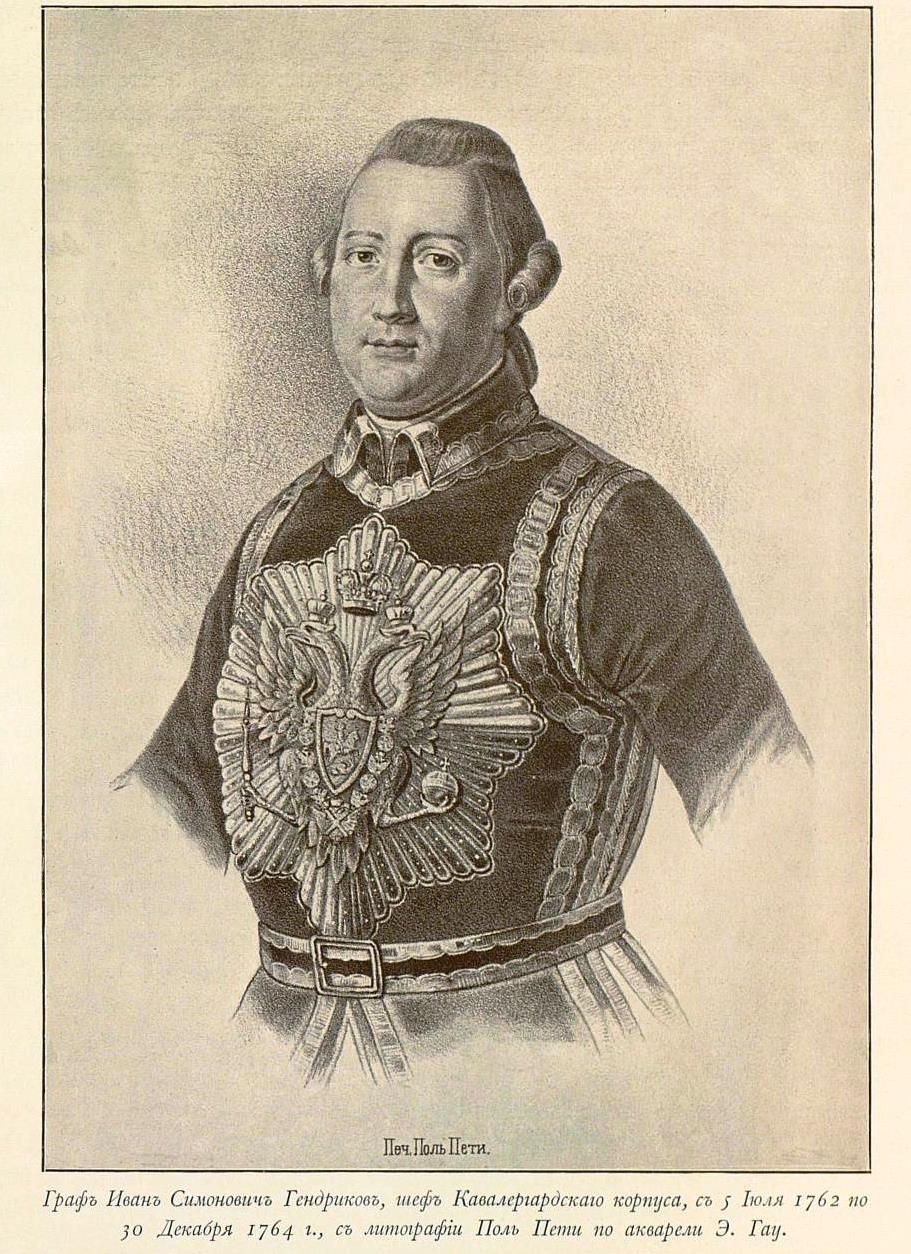
Let’s start with the fact that its first commander, from July 5, 1762, to December 30, 1764, was Empress Catherine I’s cousin, Count Ivan Simonovich Hendrikov. He ended up in this position because another empress (Catherine II), upon ascending the throne, elevated the Leib-Kampanets to the rank of Cavalry Guards, and appointed her loyal relative as commander of the Cavalry Guard Corps. According to contemporaries, Ivan Simonovich was not distinguished by his intellect or education, but he did possess a straightforward and noble character. Two years later, on December 30, 1764, the Empress signed a decree to the Senate ordering Count Hendrikov’s dismissal from service, which read as follows:
General-in-Chief Count Ivan Hendrikov, stating in a petition submitted to us that, due to the great debt that has accumulated upon him, he is unable to support himself here without utter ruin, has asked us to grant him discharge from service in order to restore his household’s financial situation. We, having considered his circumstances and those of his large family, and especially honoring his constant, zealous devotion and faithful service to us, graciously grant his request, releasing him from all duties and granting him 30,000 rubles to pay off his debts.
After his retirement, Count Ivan Simonovich lived on his vast estates in Sloboda Ukraine. The first commander of the Cavalry Guard Regiment died on May 5, 1778, and was buried in the Church of the Dormition in the settlement of Rubizhne, which he himself had built.
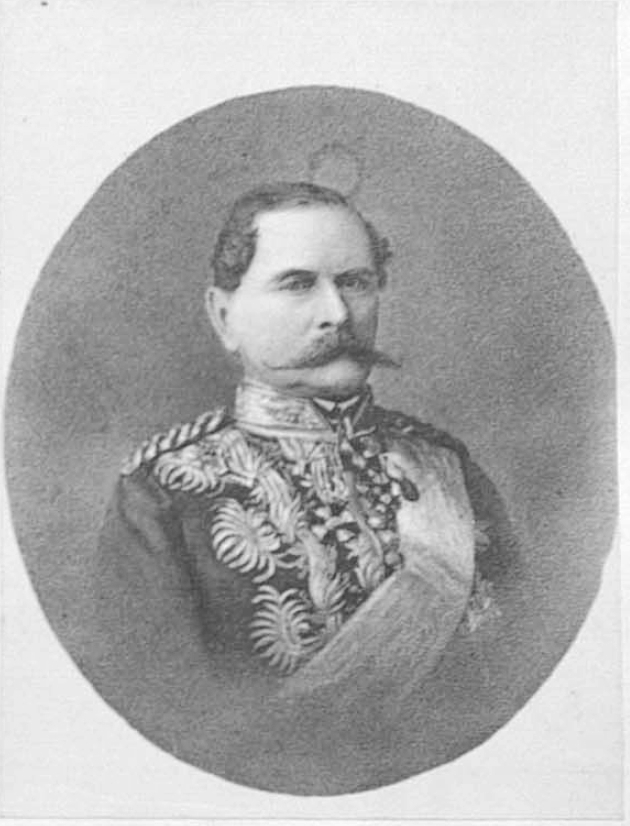
Other members of the Hendrikov family—a lineage that had firmly taken root in our lands—also served in this military unit. For example, from 1826 to 1832, Ivan Simonovich’s great-grandson, Count Alexander Ivanovich Hendrikov, served in the Cavalry Guard Regiment. After retiring, the count devoted himself to serving our region and city. For several years, he served as an honorary trustee of the Kharkiv Gymnasium, a member of the committee on the development of the city of Kharkiv, a trustee of the central stables (1837–1841), a member of the Kharkiv Statistical Committee, and a member of the administrative council of the Kharkiv Institute for Young Ladies.
In 1849, his 24-year-old eldest son, Count Alexander Alexandrovich Gendrikov, then a lieutenant in the Cavalry Guard Regiment, was mortally wounded in a duel and, some time later, was buried in the family crypt at the Grafskoye estate.
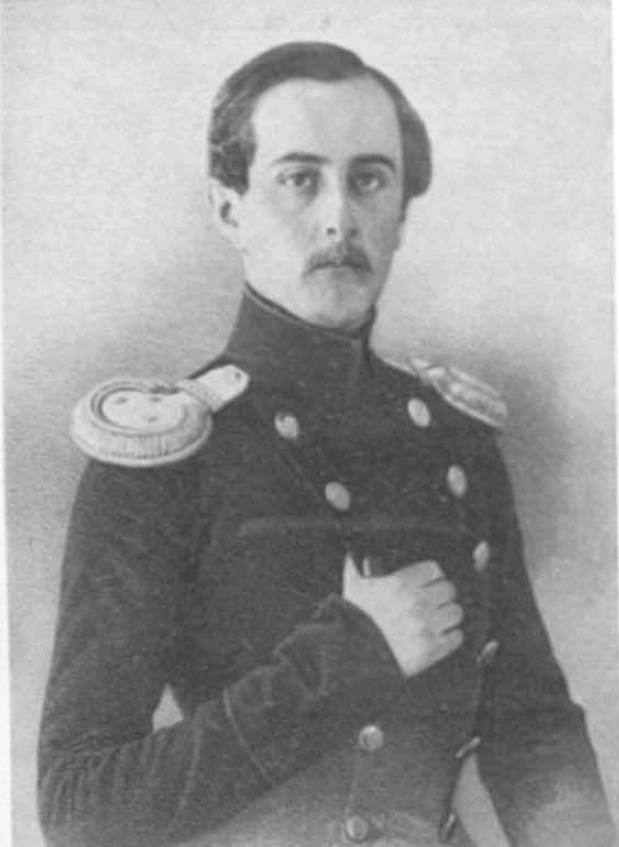
The fate of the count’s second son, Dmitry Alexandrovich, turned out far more favorably. After just one year of service in the Cavalry Guards, he was appointed in 1851 as an aide-de-camp to Prince Orlov, the commander of the General Headquarters. He then became a lieutenant, took part in the Caucasian War and the suppression of the Polish uprising. Finally, on November 4, 1896, he was promoted to lieutenant general and retired from service with his uniform and a pension. His son, Vasily Alexandrovich, also served in the Cavalry Guard Regiment and did a great deal for the Vovchans’k District.
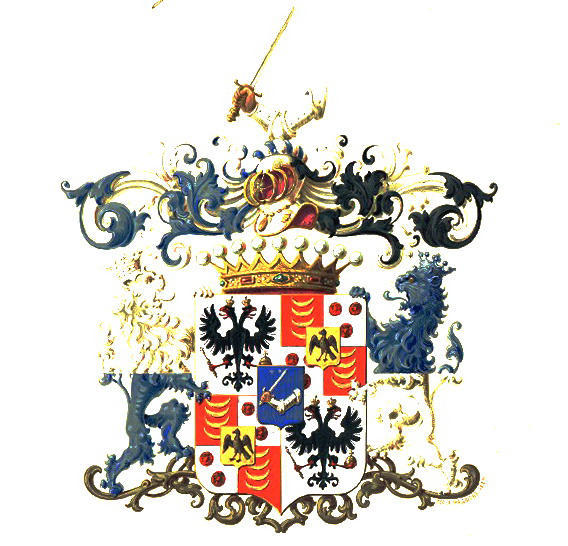
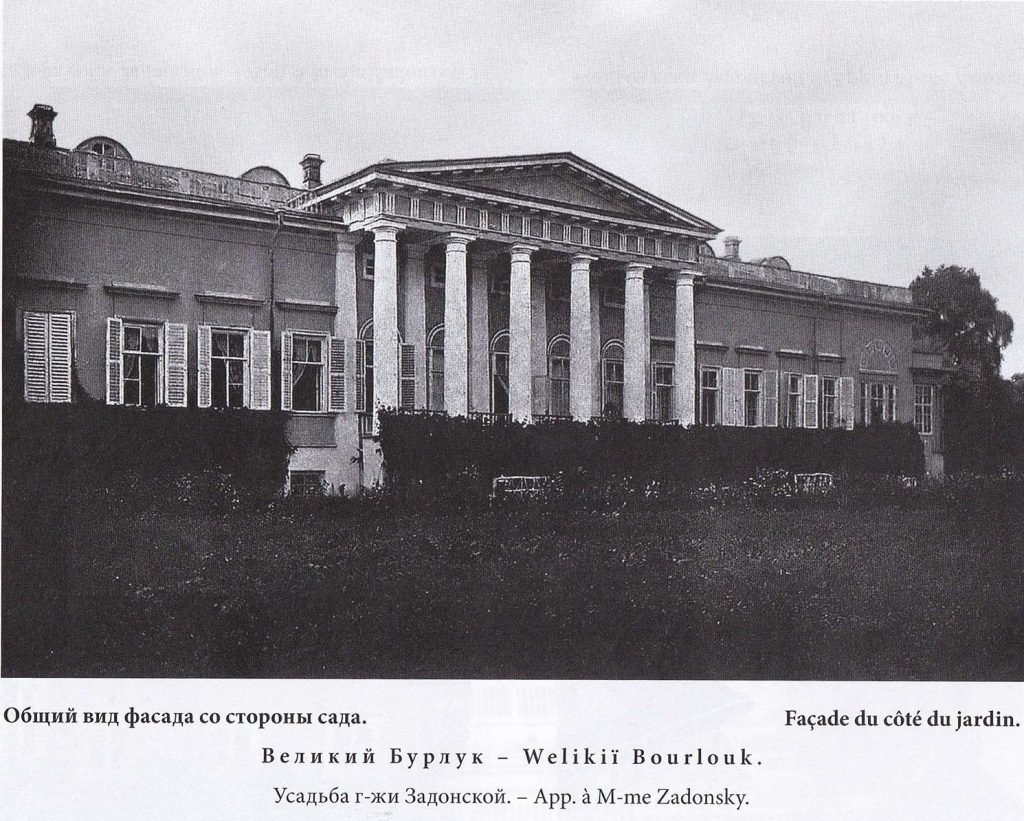
I think that few people who love our region’s history have not heard of Voin Dmitrievich Zadonsky, who, after the death of Andrei Donets-Zakharzhevsky, became the owner of a beautiful estate in Veliky Burluk. All five of his sons, after graduating from the Pages’ Corps, served and held various positions in the Cavalry Guard Regiment.
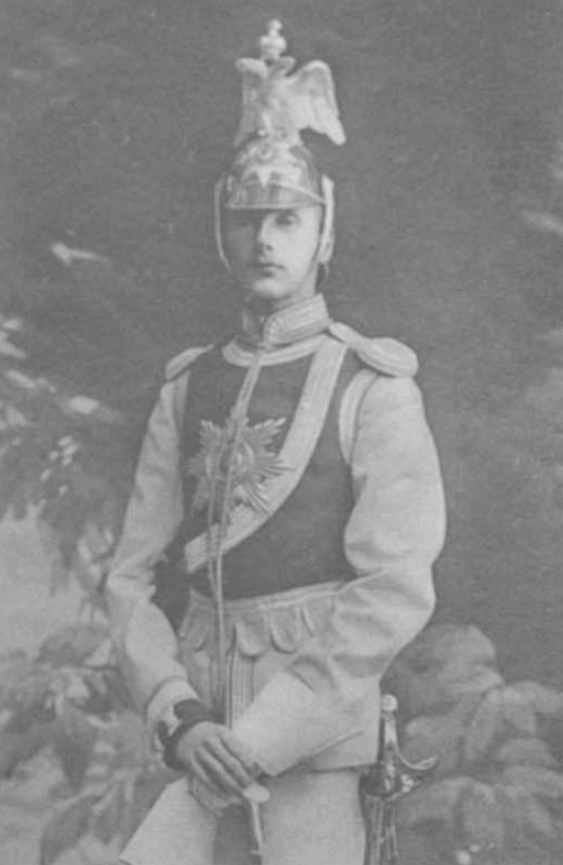
Although to this day, another former cavalry guard is the one best known and most beloved in Kharkiv. This is hardly surprising, since it was thanks to the support and efforts of Count Nikolai Vladimirovich Kleinmichel that the wonderful book *Ancient Estates of the Kharkiv Governorate* was published. Incidentally, the count’s most famous photograph is the one in which he is depicted in his Cavalry Guard dress uniform.
Former members of the Cavalry Guard were also involved in various “shady” affairs. For example, in 1807, Yakov Nikolaevich Bulgari, the son of a native of the island of Corfu, served as a cornet in a Cavalry Guard regiment. After retiring in 1817, Count Bulgari settled on his extensive estates located in Odesa and the Sloboda-Ukrainian Governorate. He began actively allocating large sums of money to purchase military equipment for those fighting to liberate Greece from the Ottoman Empire. He channeled the funds to the rebels through the Greek communities in Kharkiv and Odesa. The count was also a member of the secret society “Filiki Eteria,” whose goal was to establish an independent Greek state.
In 1821, under the leadership of Alexander Konstantinovich Ypsilanti, an ethnic Greek and general in the Russian Empire, a national uprising began in what is now Romania and Moldova; it ended in failure.
Some time later, in April 1825, General Shenxin and Actual State Councilor Dashkov were dispatched to Kharkiv by the highest order of the Emperor himself to seize Count Bulgari’s documents, as well as to investigate his role in the Ipsilanti uprising. Based on the results of their investigation, as well as on suspicions of involvement in the Decembrist revolt, on December 24 of that same year, former Cavalry Guard Count Yakov Nikolaevich Bulgari was arrested in Kharkiv and taken to St. Petersburg, and shortly thereafter transferred to a cell in the Peter and Paul Fortress. In the summer of 1826, Emperor Nicholas I pardoned Bulgari, and a year later, the count died at his estate in Romny.
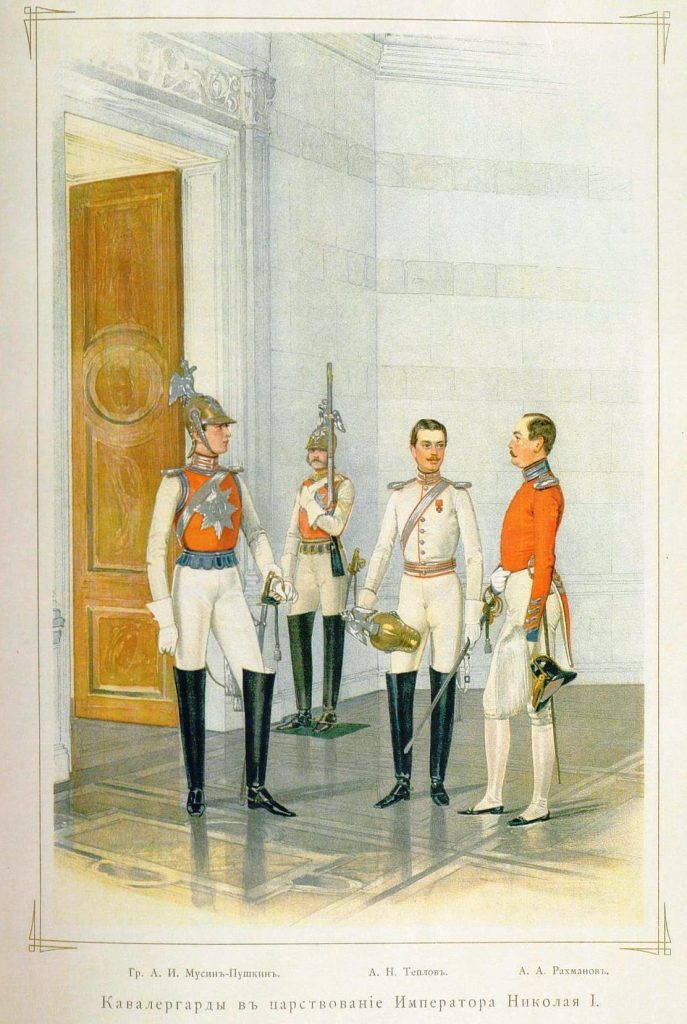
Of course, these are by no means all the stories of the Slobozhans who served in the Cavalry Guard Regiment. So, for those of you who enjoyed this piece, I have some good news—there will definitely be a sequel.

- About the military pilot school and the airfield in Kharkiv… - 04.11.2020
- Nikanor Savich—A Political Career by Mistake - 13.07.2020
- And once again, about the Cavalry Guards… - 21.01.2020