The Kharkiv Art Museum is located in two neighboring buildings on Zhon Myronosyts Street.
The street was one of the record holders for the number of renamings back in tsarist times: Kladbishenskyi Lane, Sadovo-Kulykivska Street, Starokladbyschenskyi Lane, Sadova Street, Kasperivskyi Lane, Serdyukivska Street, Mironosytskyi Lane.
It was also called Svidomosti Lane, Equality and Brotherhood, Radnarkomovskaya Street (from 1930s to 2015).
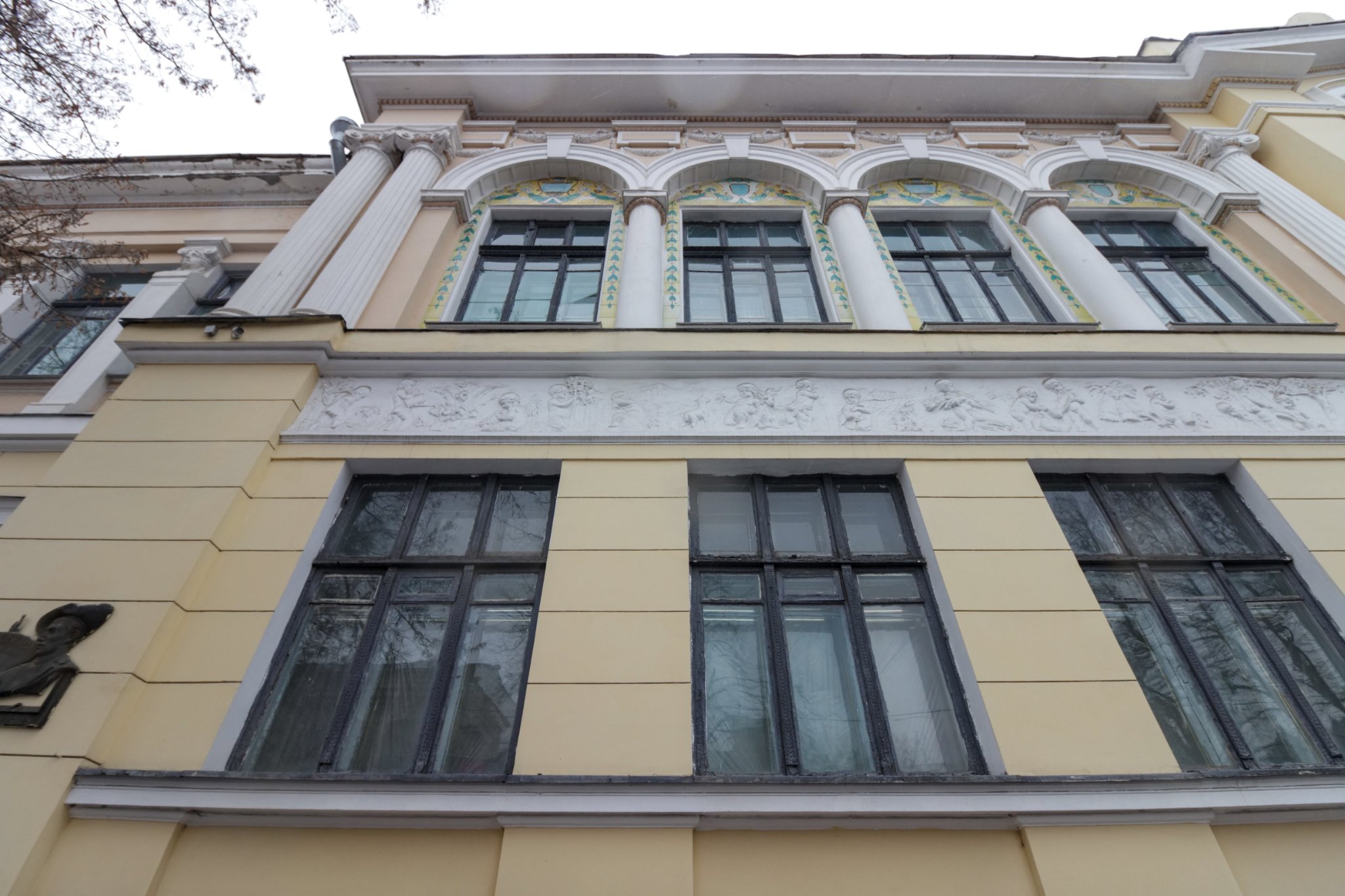
The main building of the museum at Zhon Myronosyts Street, 11 was built in 1912-1914 according to the design of the architect Oleksiy Beketov for the beer magnate Ivan Ignatishchev, who owned the Rossiya brewery at Velyka Panasivska Street, 76.
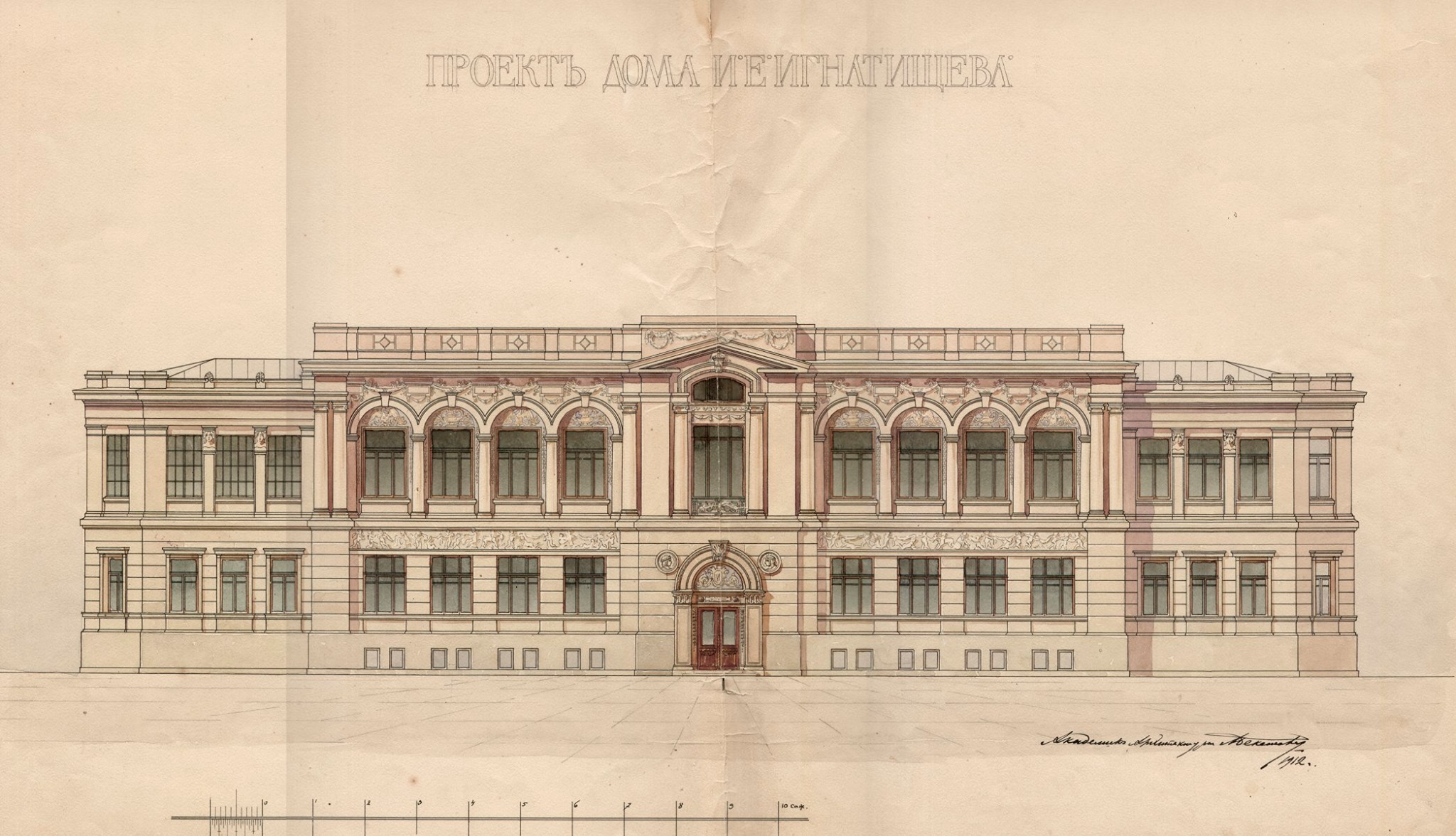
The building’s decor has preserved bas-reliefs with infant putti growing hops and harvesting.
During the struggles of 1917-1919, the building housed various government bodies, and for some time, the Central Council.

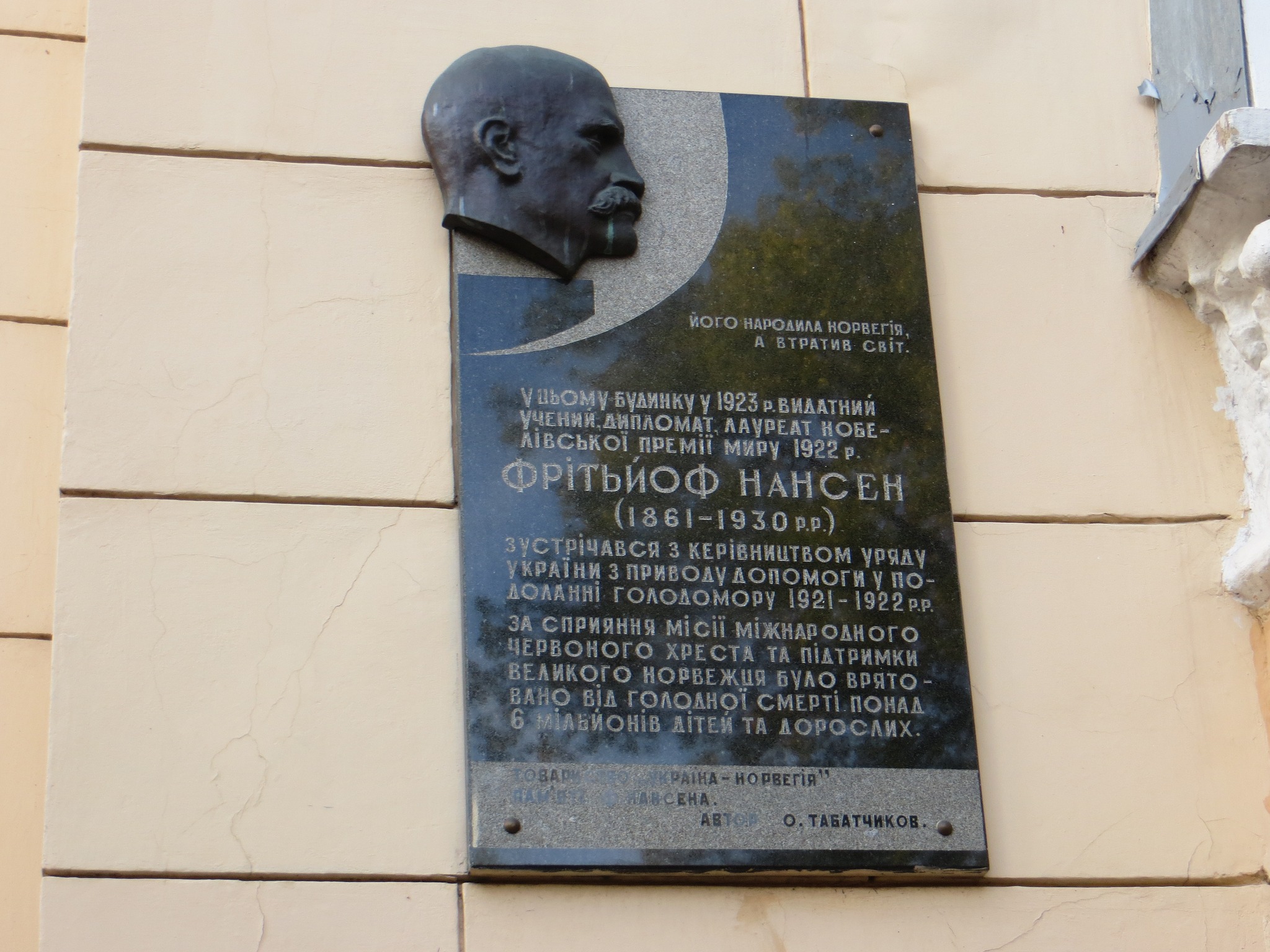
In 1922-1928, the building housed the Council of People’s Commissars (government) of the Ukrainian SSR. In 1923, it was visited by Fritdjof Nansen, who collected Western humanitarian aid during the post-war famine.
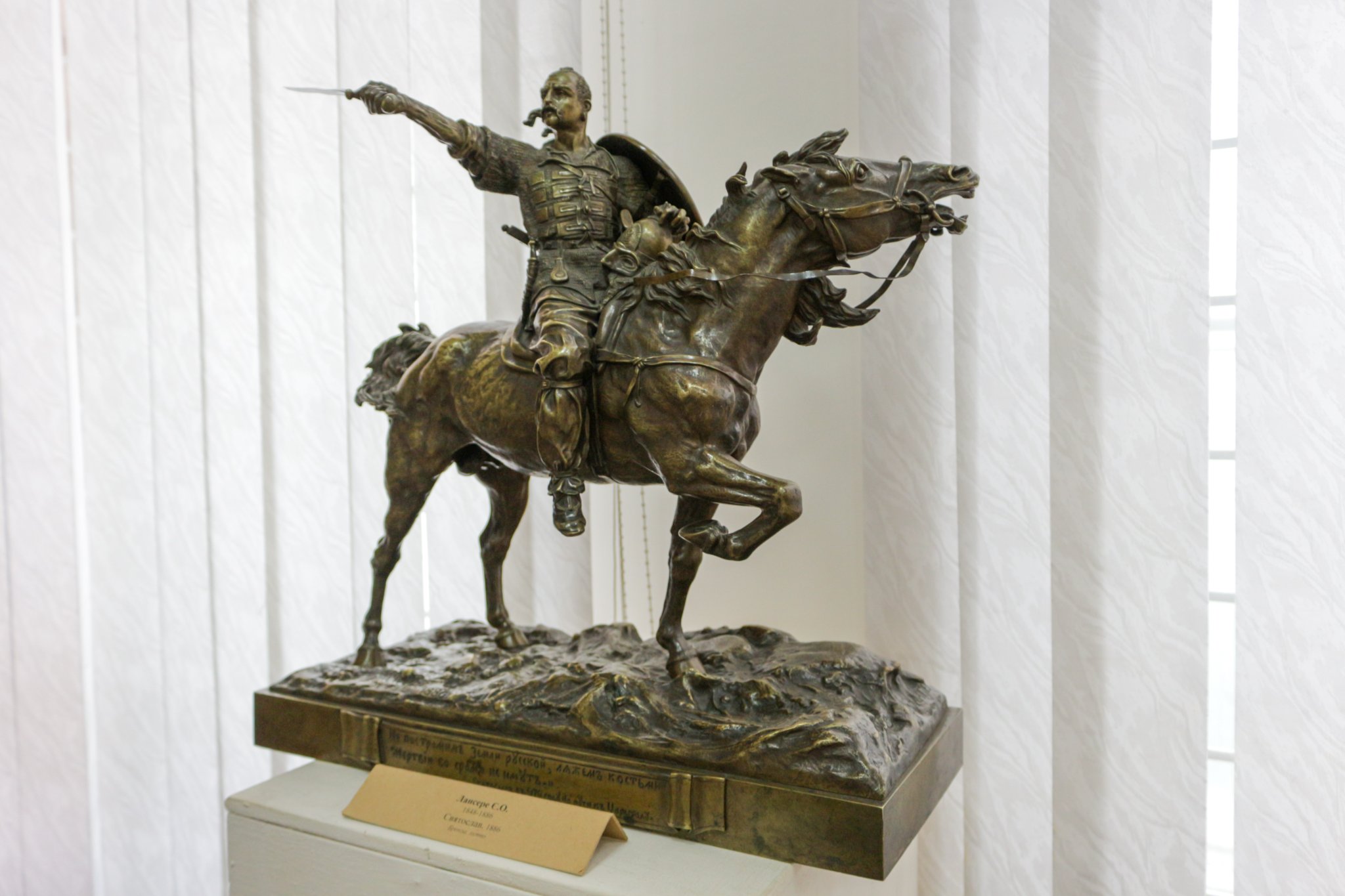
After the Council of People’s Commissars moved in at the end of the 1920s, this building was transferred to the Ukr-Dipromez design institute. Some rooms were occupied by the Kharkiv Conservatory, where gifted children were taught.
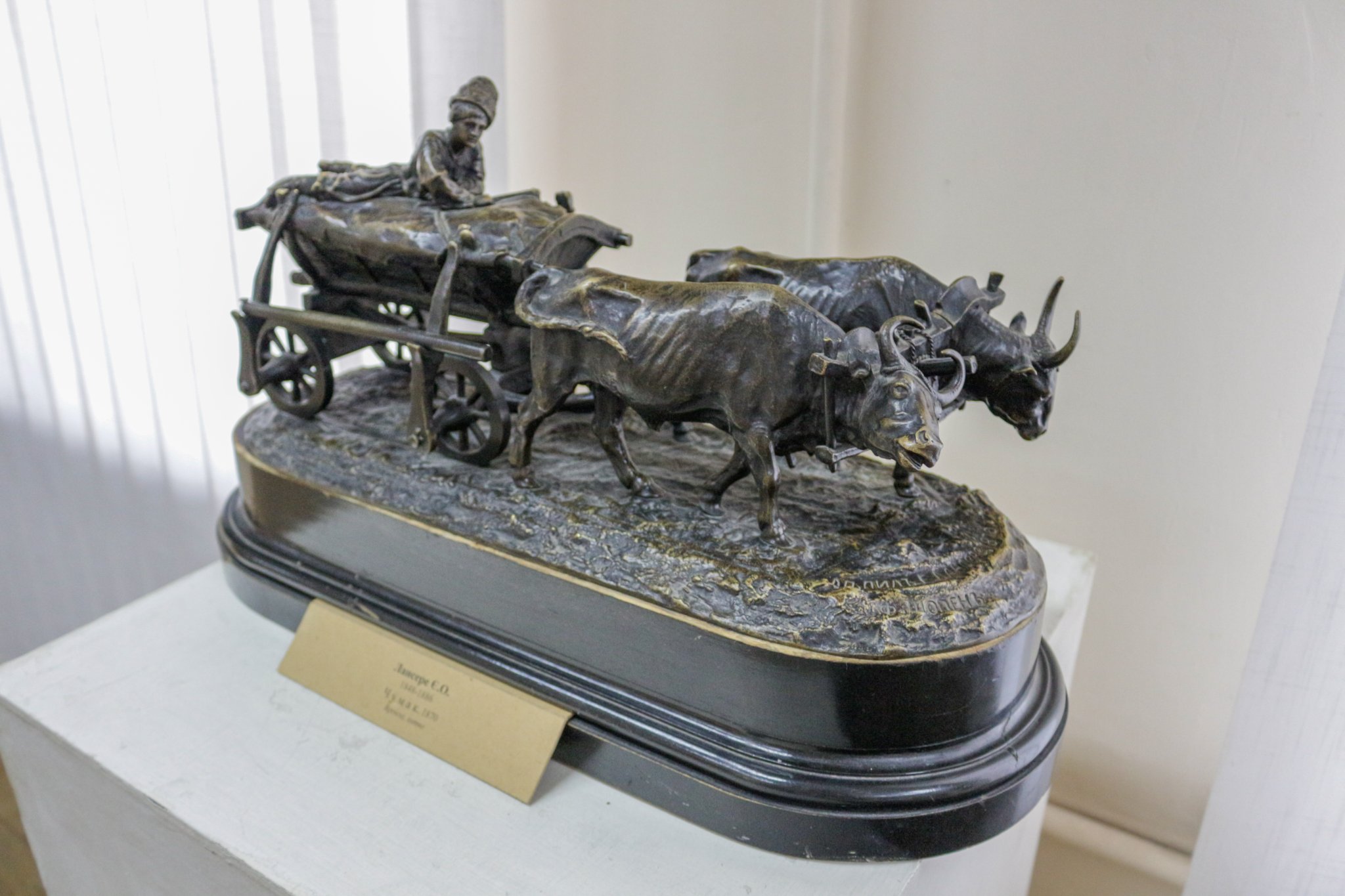
Since 1932, the building has housed the T. Shevchenko Art Gallery.
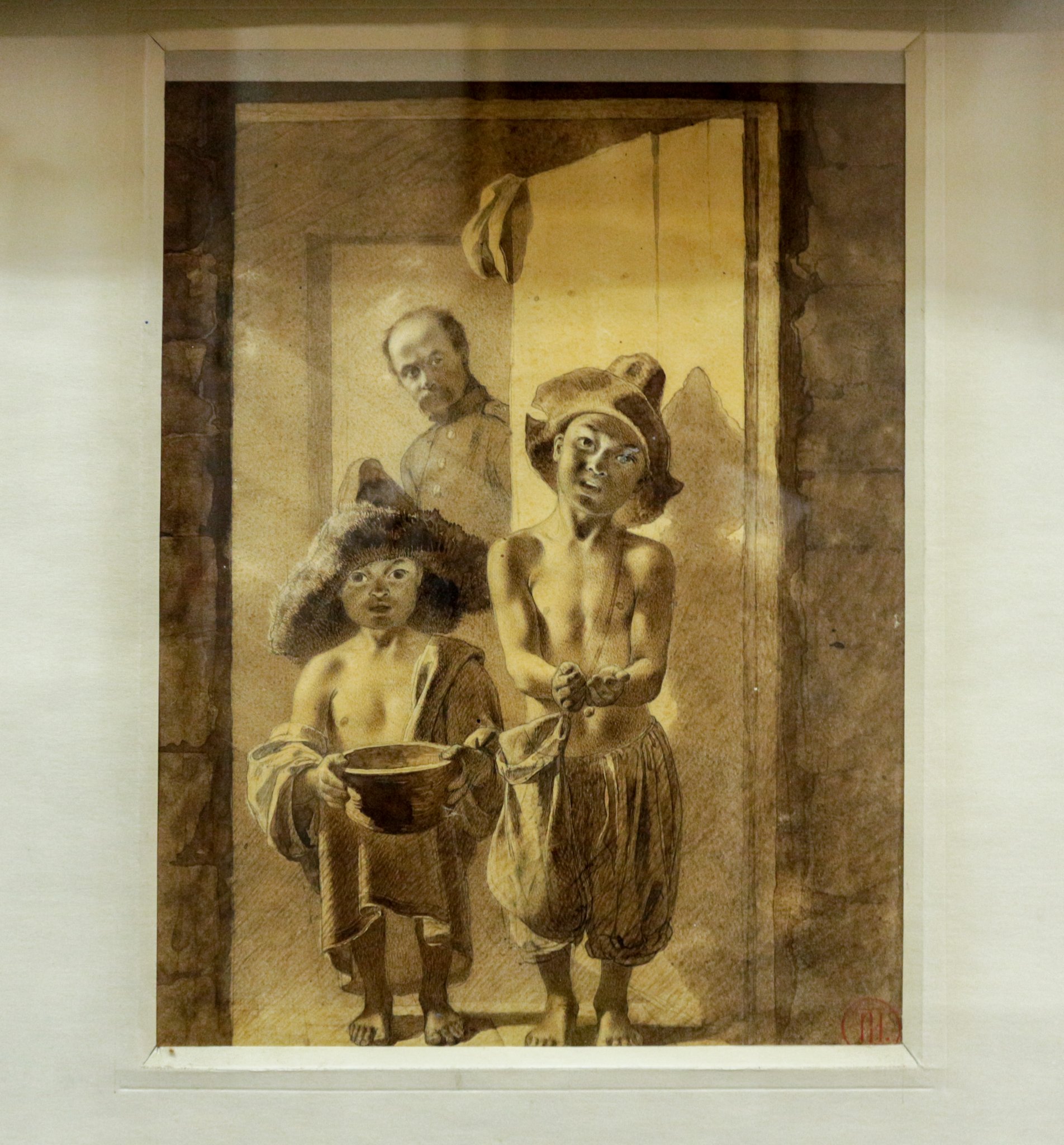
During the German occupation, the gallery was renamed the T. Shevchenko House, and it was under the management of the Art Institute. On September 6, 1942, an exhibition of 220 reproductions of Shevchenko’s paintings was held here.
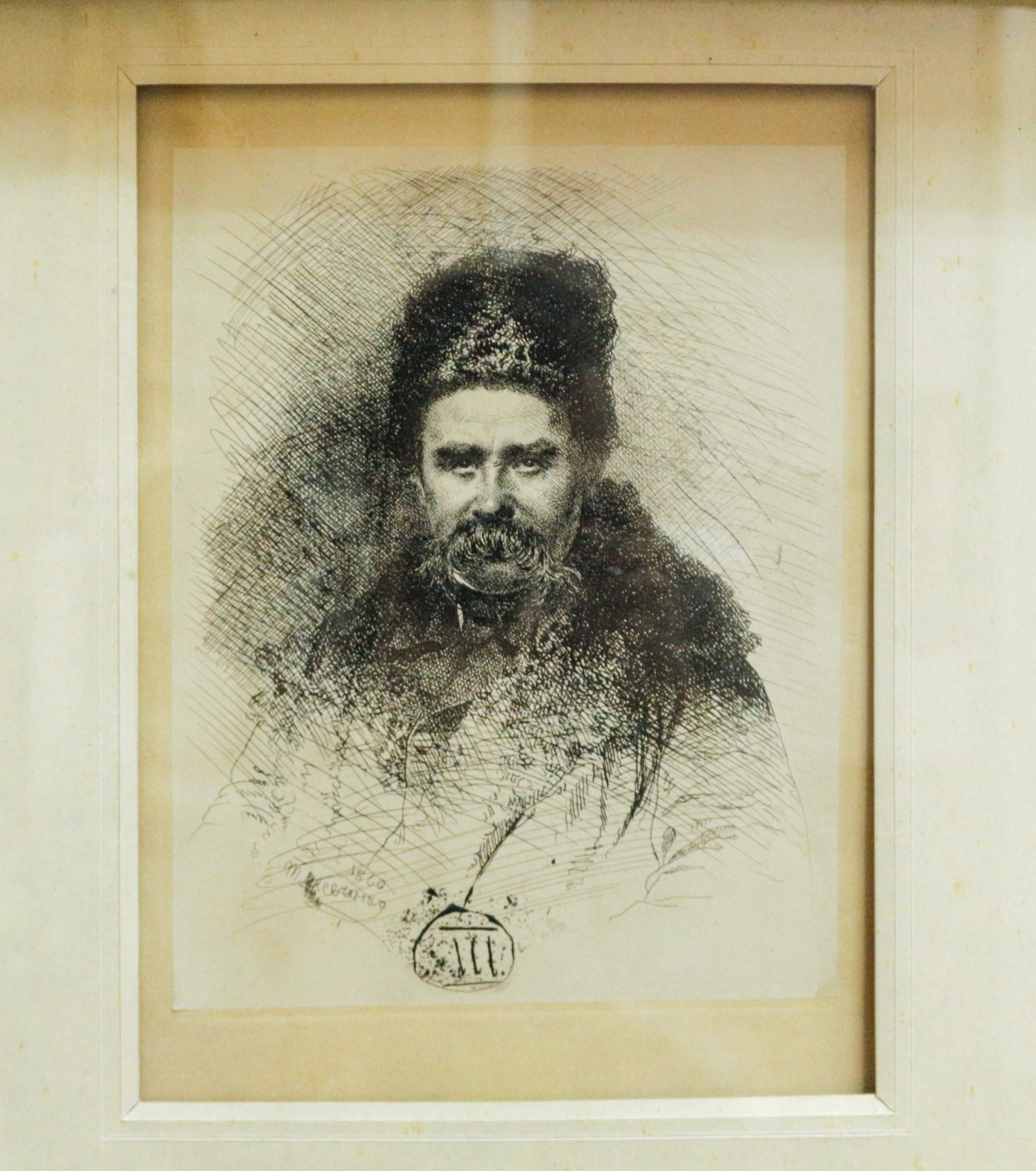
On March 25, 1944, the State Museum of Ukrainian Art was established based on the collection of the Ukrainian State Art Gallery, which returned from evacuation.
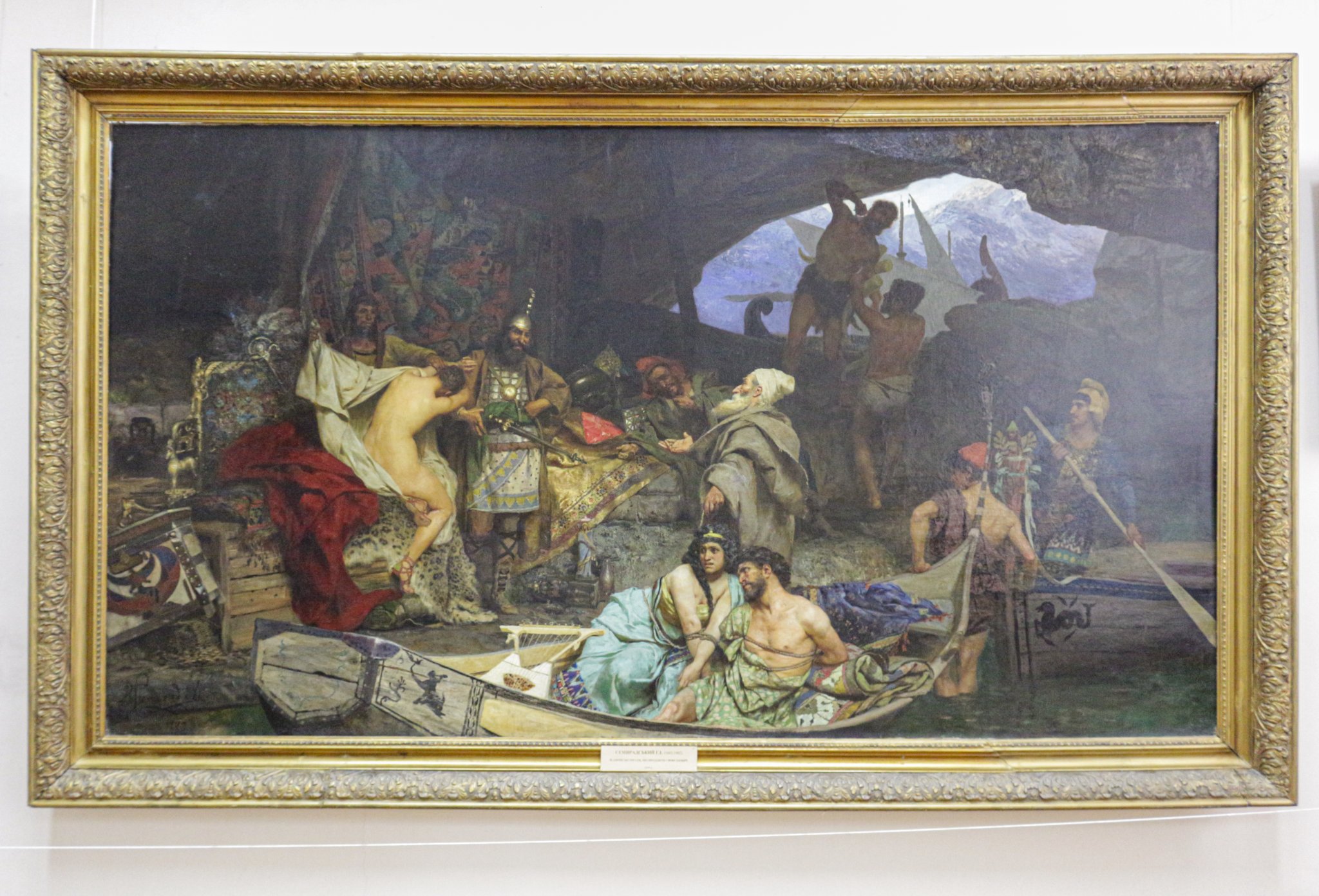
The Ukrainian State Art Gallery was previously located at Yaroslava Mudrogo Street, 18. Its building, constructed in 1935, was burned by the Germans on August 16, 1943. This was done deliberately to conceal the scale of the theft of paintings before their retreat; most of the exhibits were looted by them during 1943.

The Shevchenko Art Gallery Building was also damaged – its roof was destroyed, windows were broken, and walls were pierced, but it was restored in a short time.
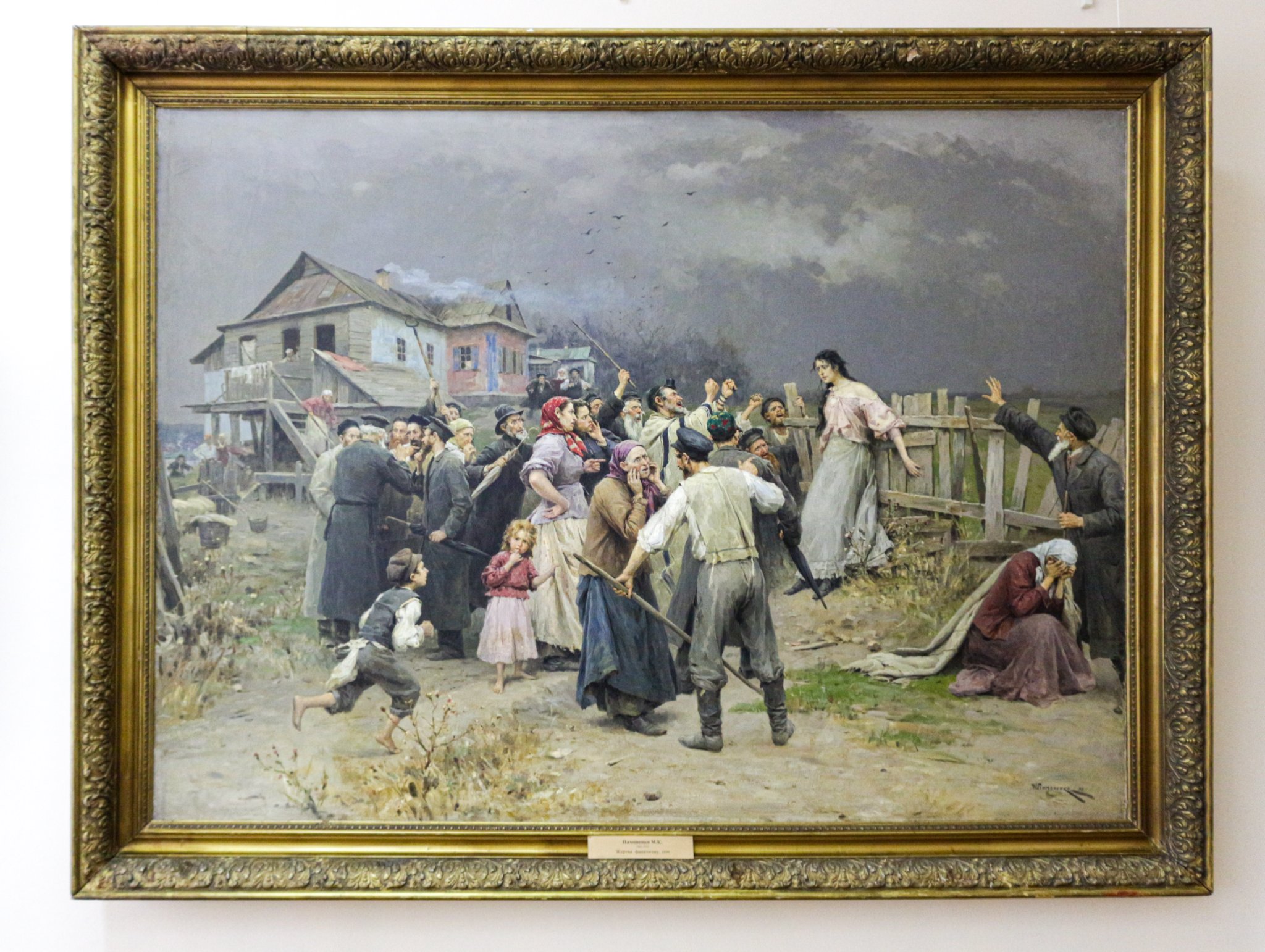
The Art Museum was opened on June 23, 1946 on the second floor of the building. The first floor until the early 1950s was occupied by the Art Institute and School, the art fund workshop, the regional board of the Union of Artists, etc.
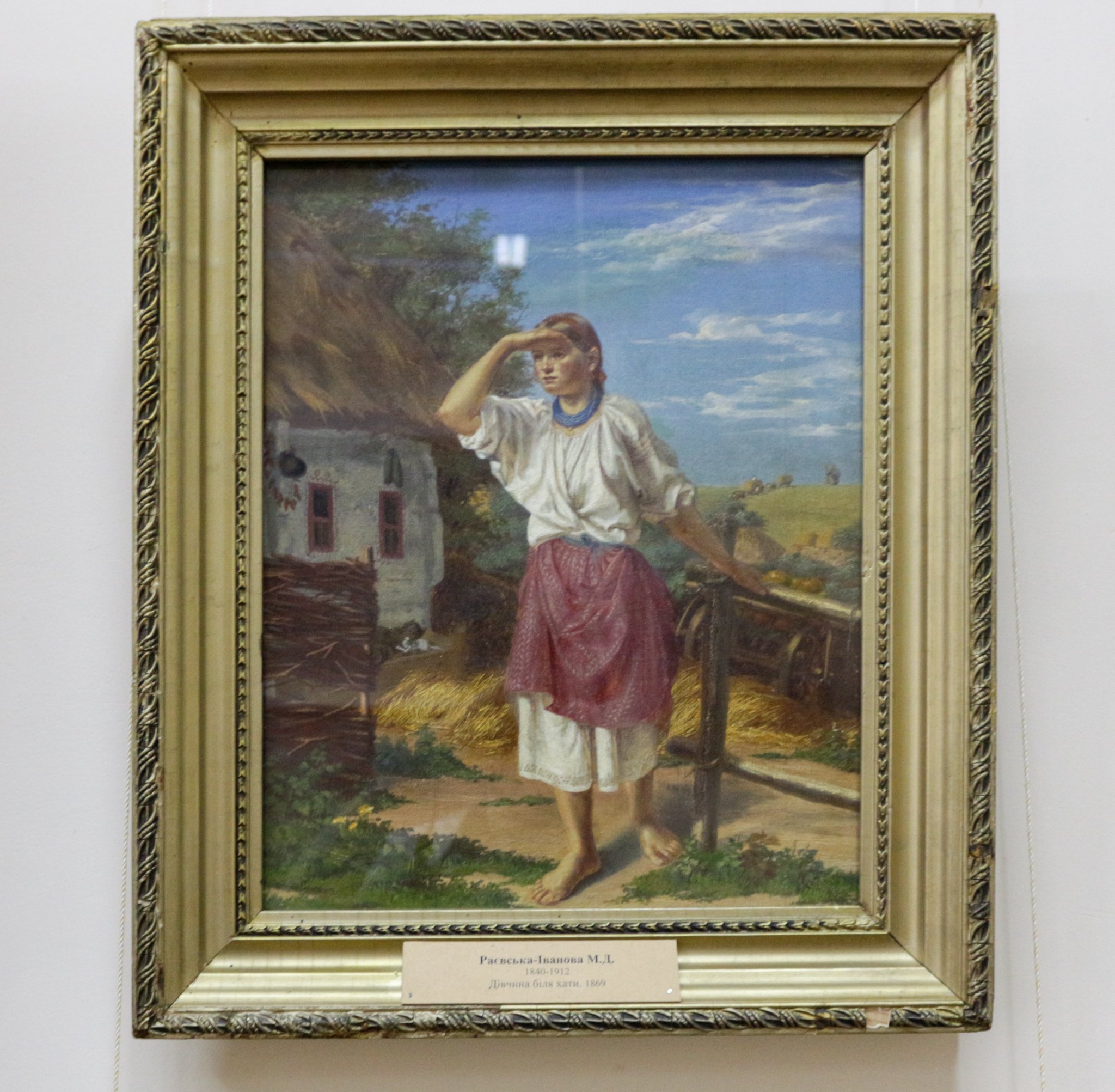
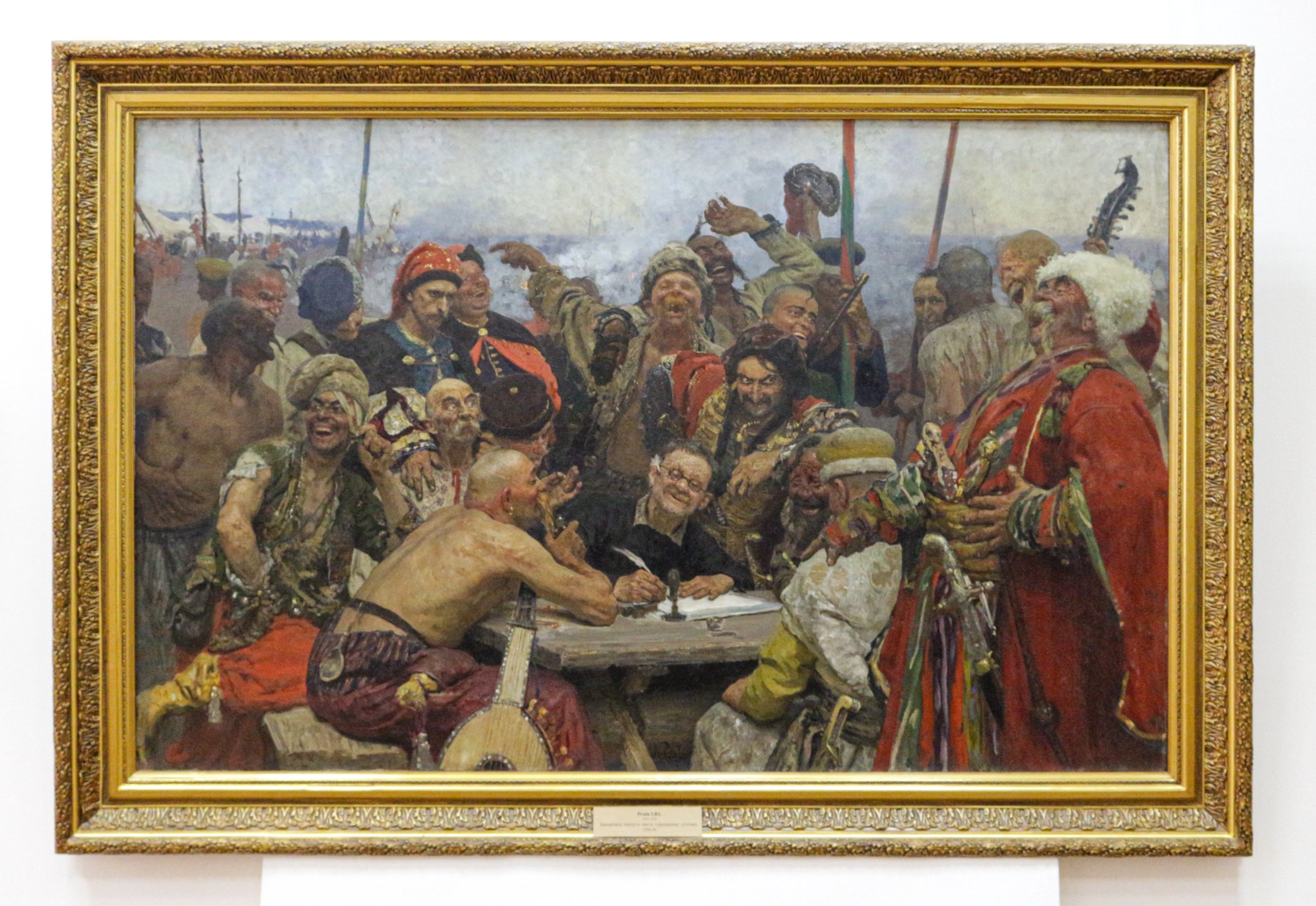
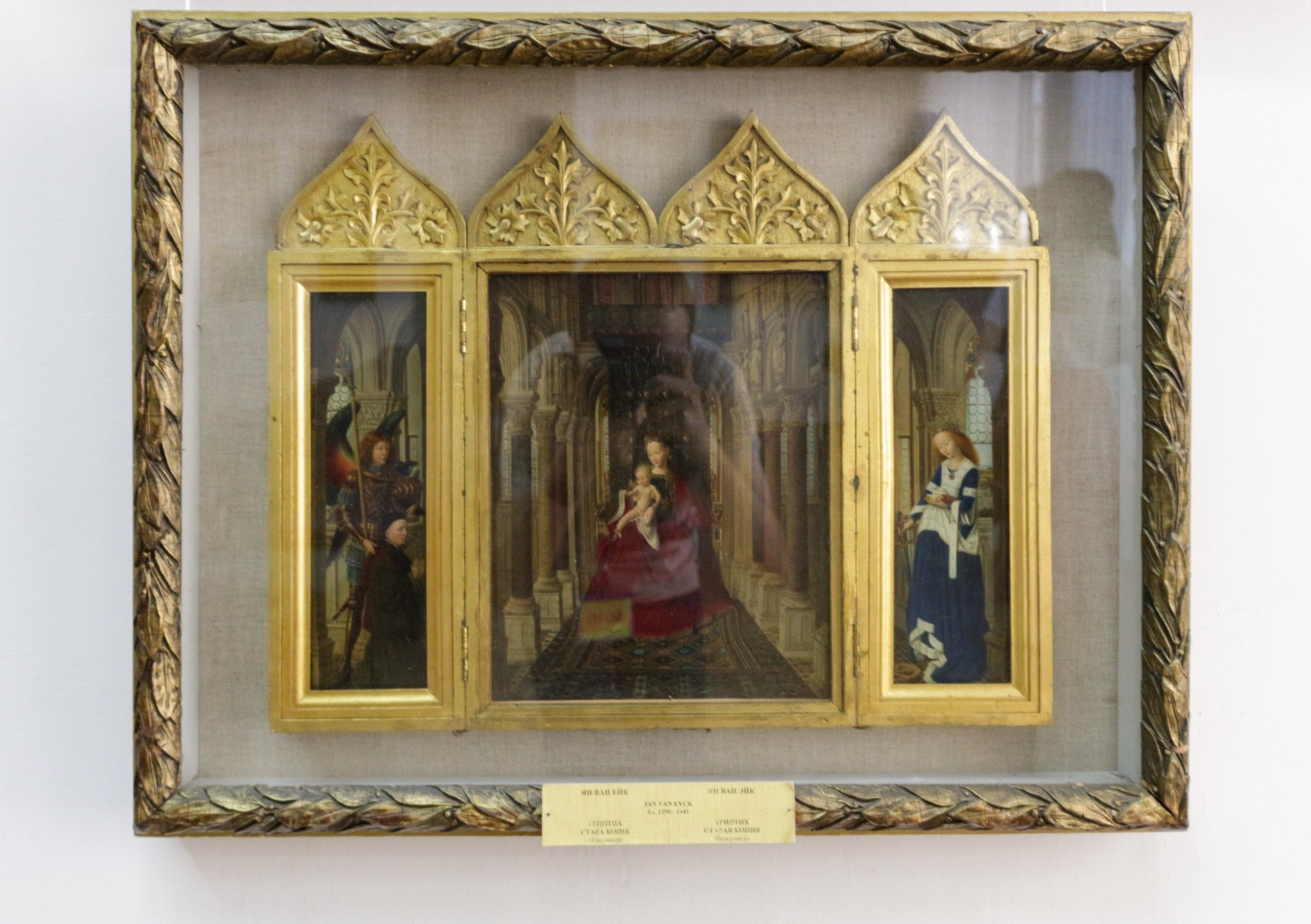
The basis of the museum’s collection was a small part of the funds that managed to be evacuated in 1941. Most of the collection was lost – it was looted by the Germans in 1943, the rest were burned in the building on Yaroslava Mudrogo Street, 18. 4,700 exhibits out of 75,000 from the pre-WWII collection have been preserved.
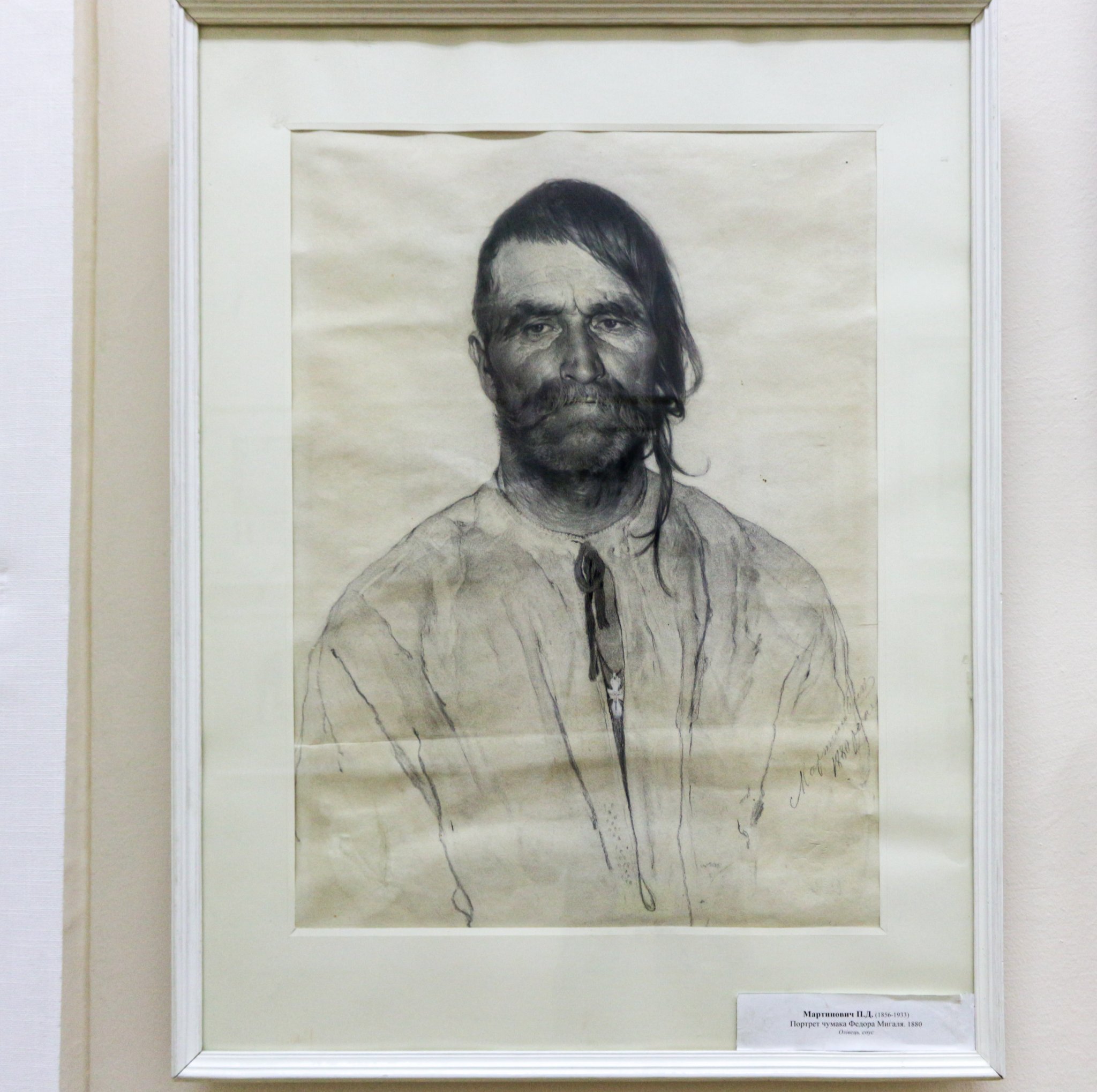
However, the collection continued to grow after WWII. The museum faced a shortage of exhibition space, so from time to time, it held thematic exhibitions based on the collections of its funds, for example, exhibitions of Dürer’s engravings or Picasso’s work.
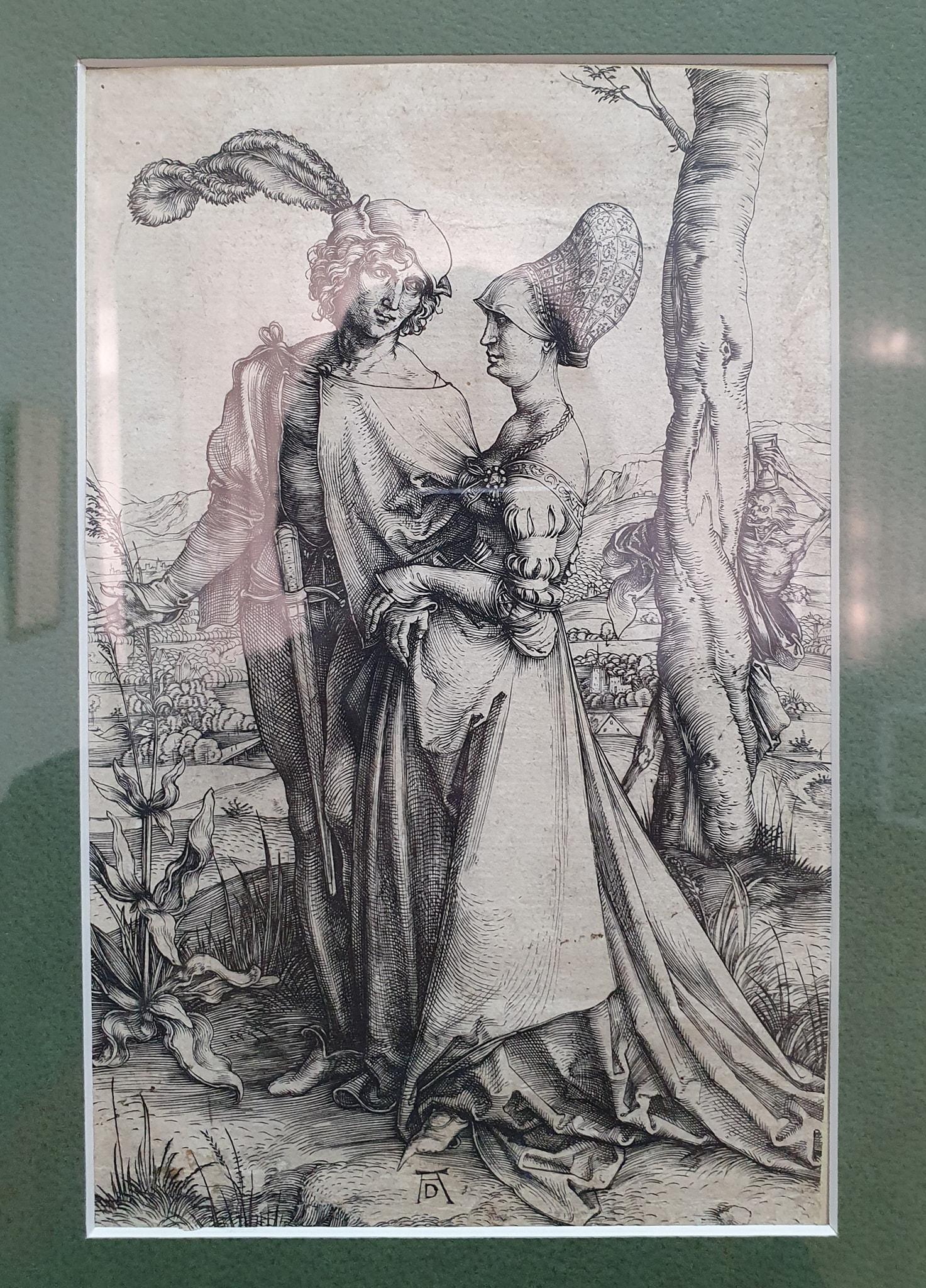
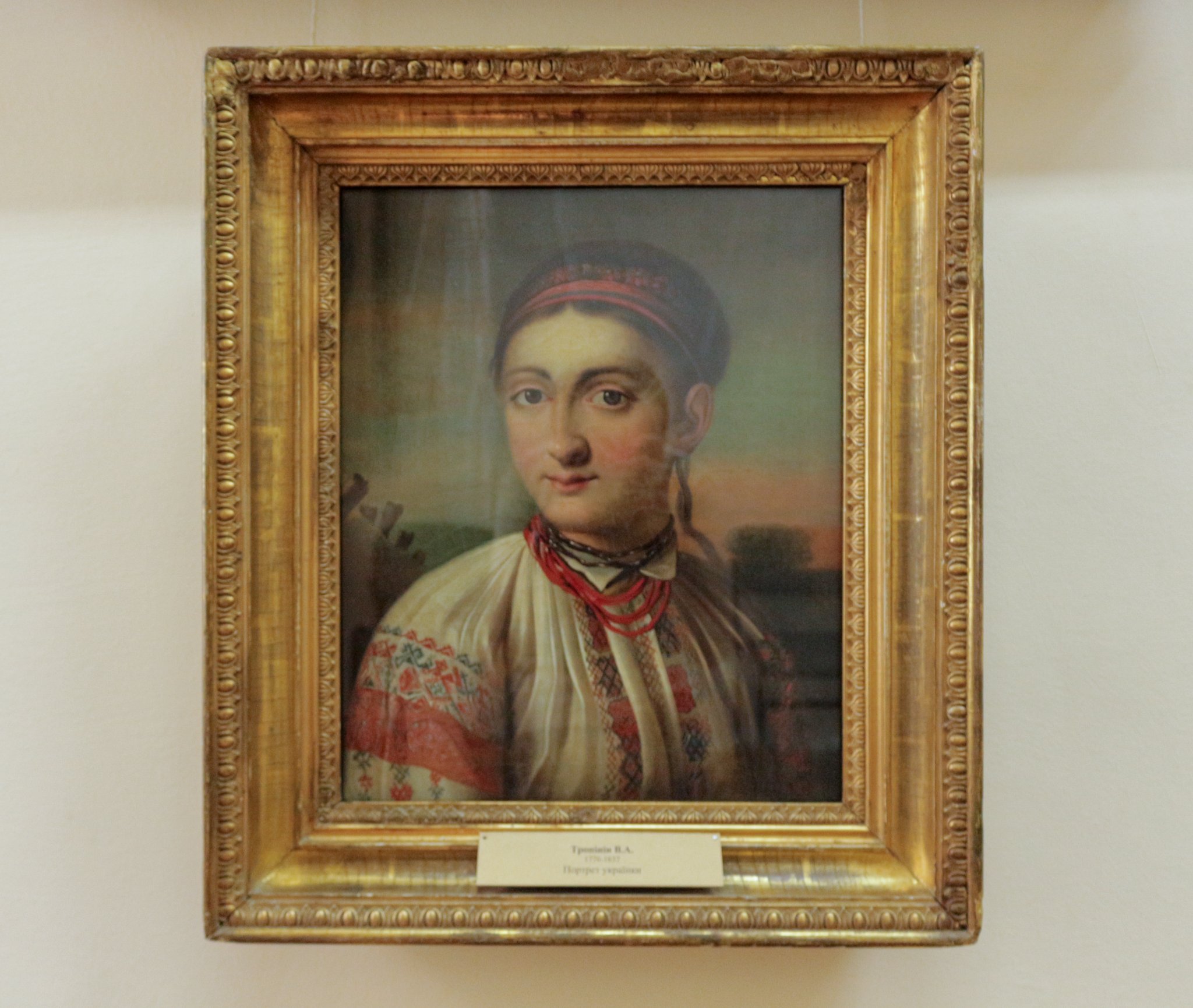
The museum’s collection roots dates back to 1805, from the collection of Kharkiv University and gifts from its graduates, which were replenished in the 19th century (the University had a Museum of Fine Arts and Antiquities).
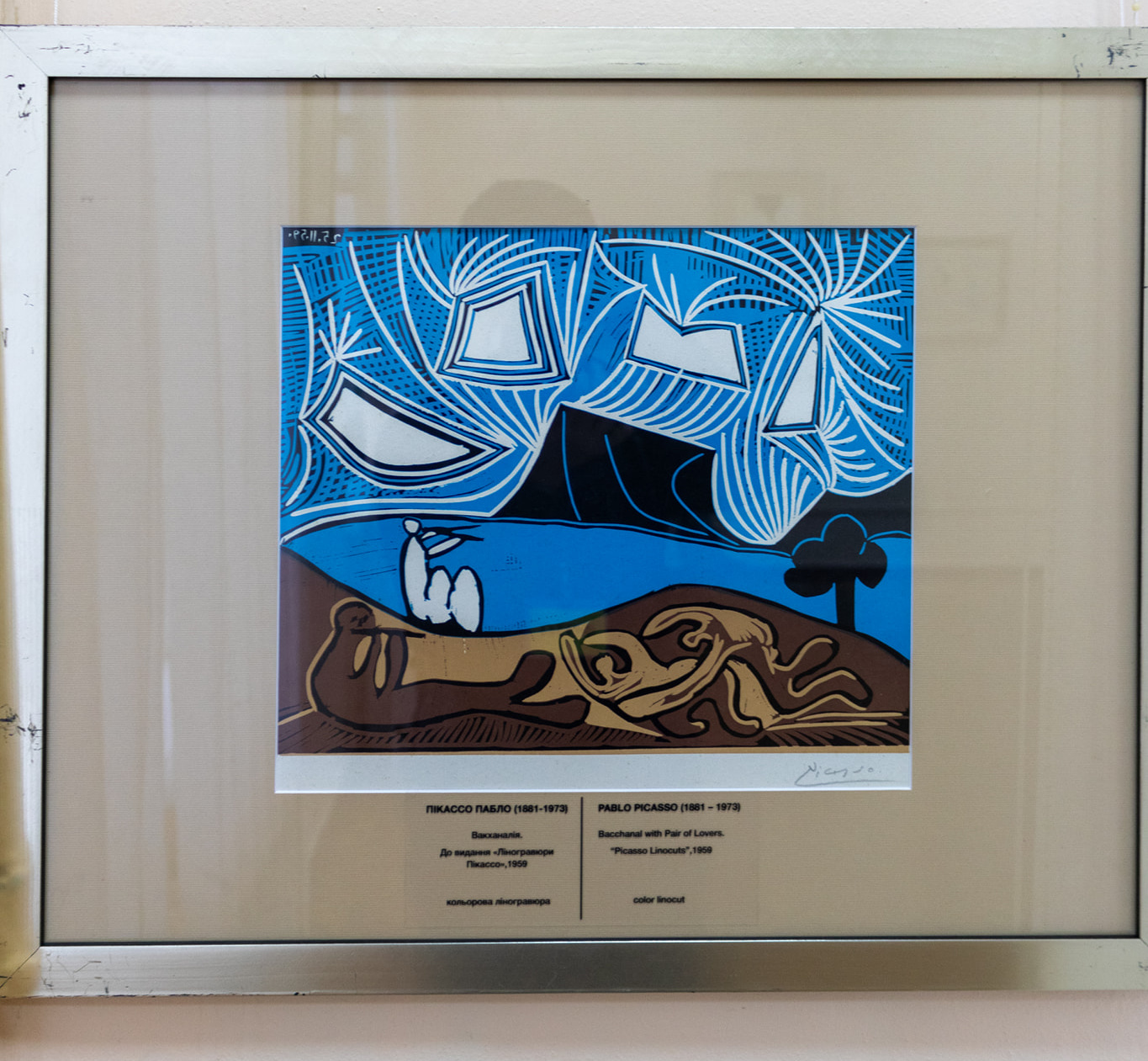
In 1886, the City Museum of Art and Industry was organized in Kharkiv. As a result of their unification in 1920, the Central Art and History Museum of State Importance was established. In the 1930s, the museum’s funds were replenished with part of the collection of P. Kharitonenko from the estate “Natalivka”.
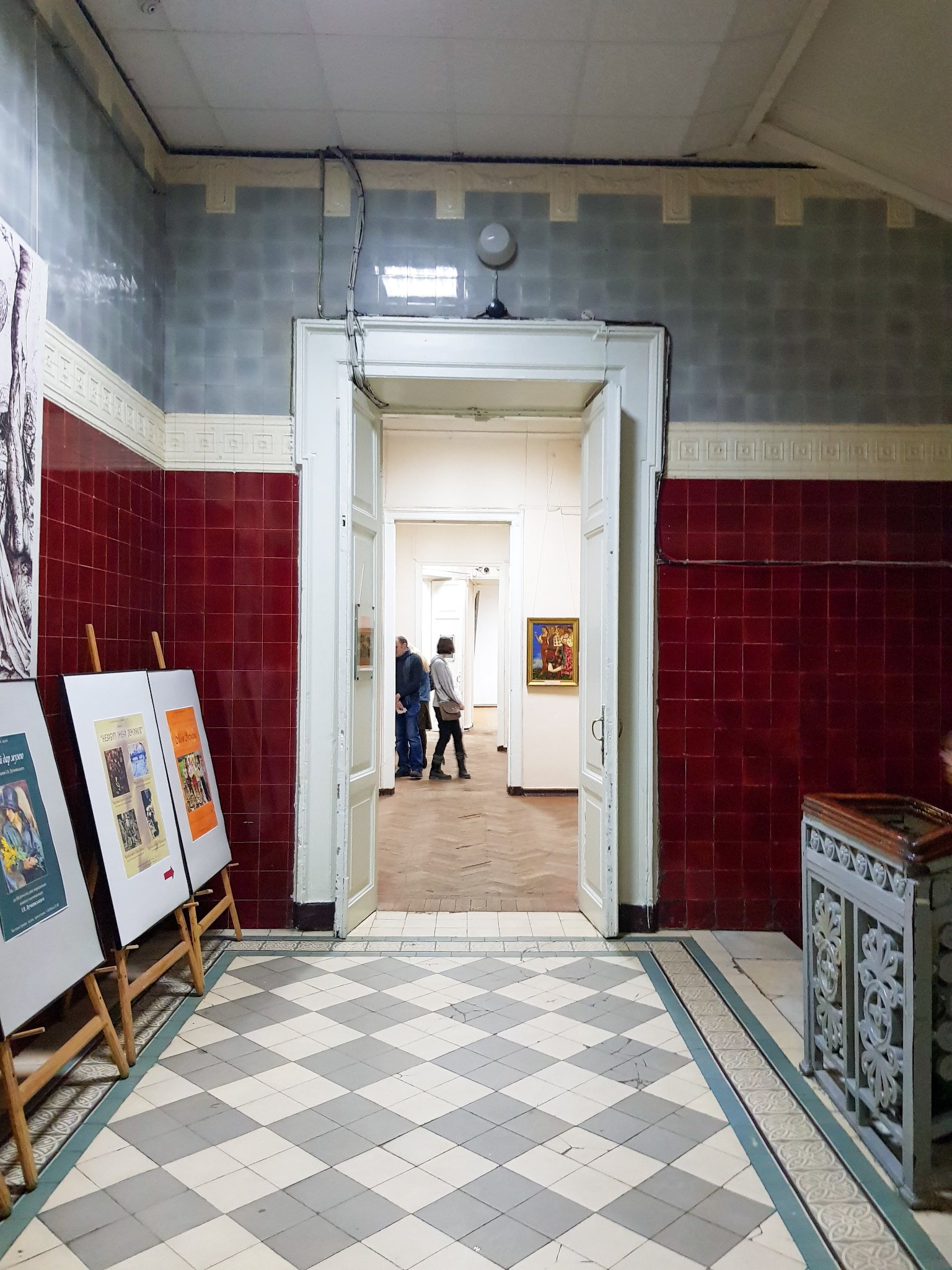
Initially, the Ignatyshchev estate had a plan in the form of the letter “П”, but after being transferred to the museum, it was “ringed” with an additional gallery for the convenience of visiting the exposition. Unfortunately, the interiors were mostly lost, in particular, the paintings by the artist Serhii Vasylkivsky, who made reduced copies of his paintings from the Poltava Zemstvo House in the interiors.
The second building of the museum is located next to the main building and is used as an exhibition hall for temporary exhibitions.
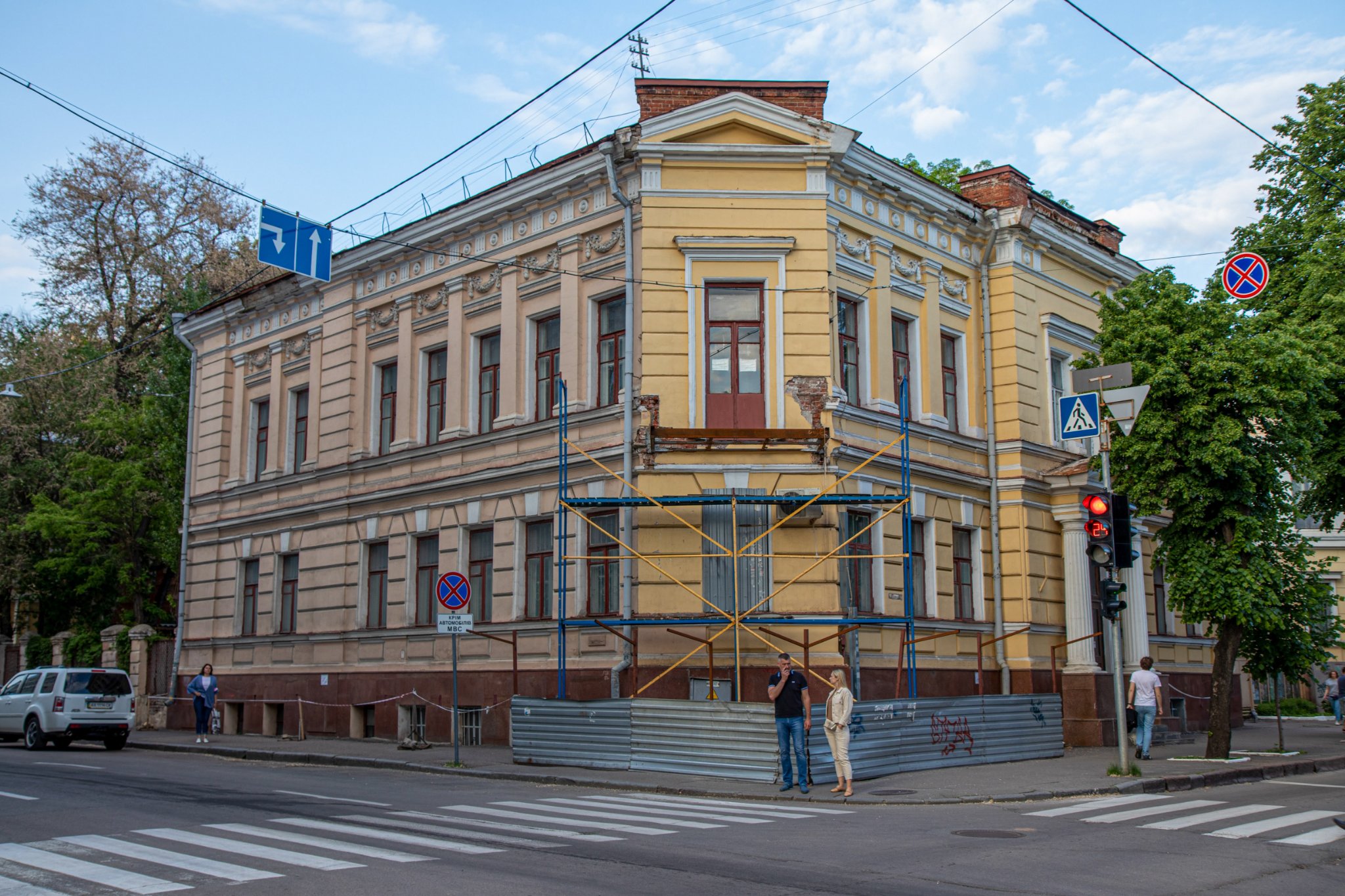
This building at Chernyshevska Street, 18/9 was also built according to the design of architect Oleksiy Beketov in 1896 for the Sunday school for women, organized by Khrystyna and Oleksiy Alchevsky, which operated until 1919.
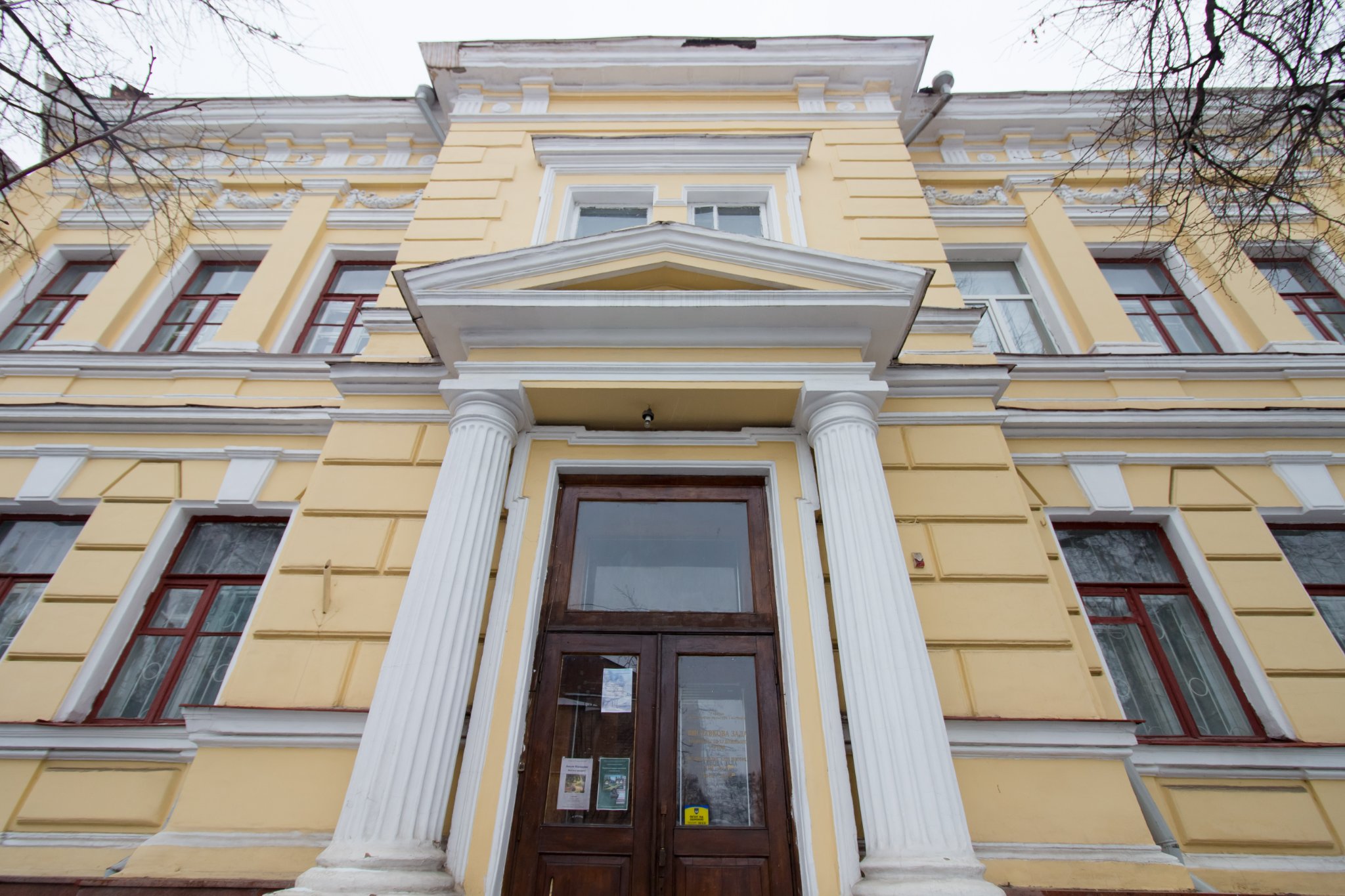
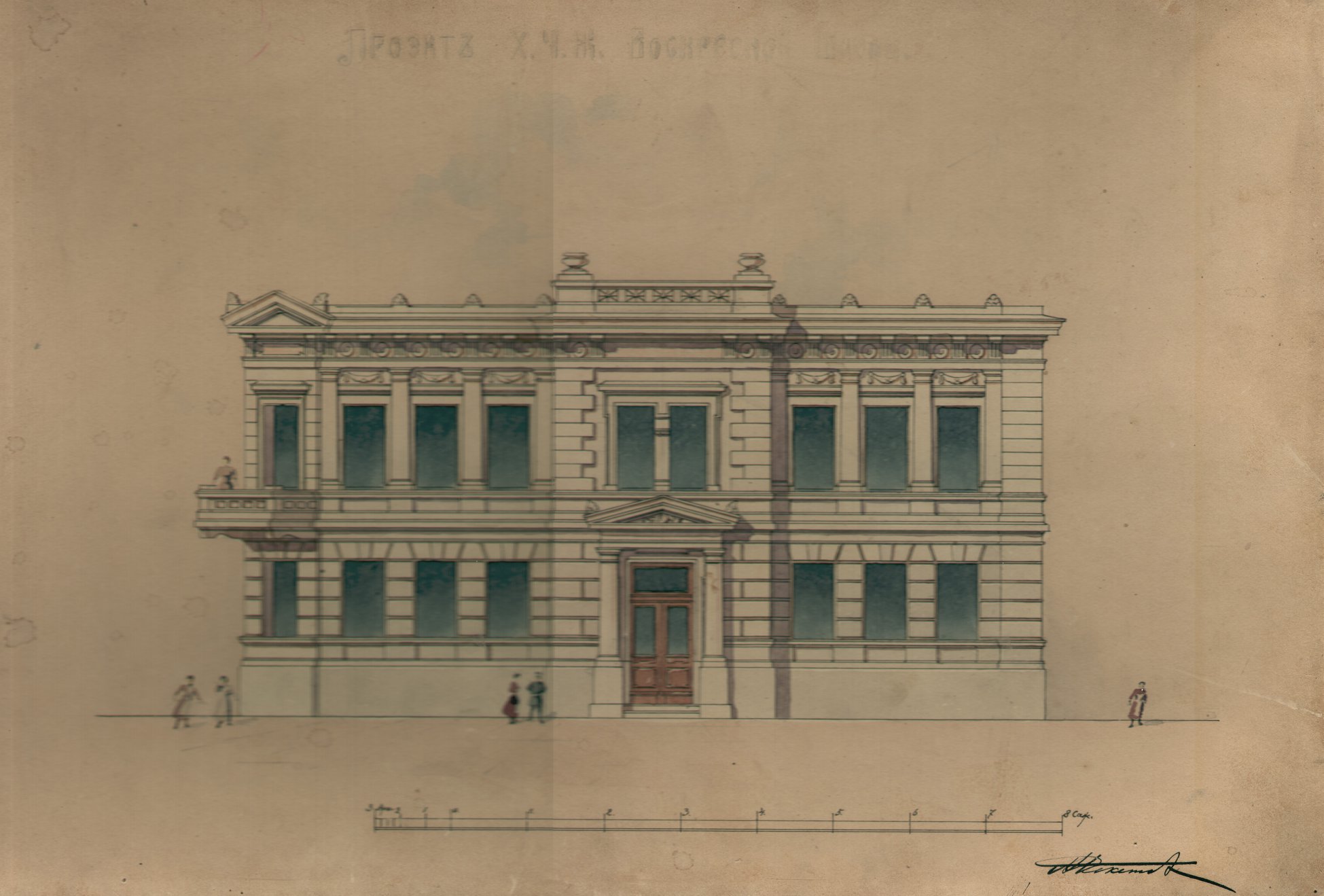
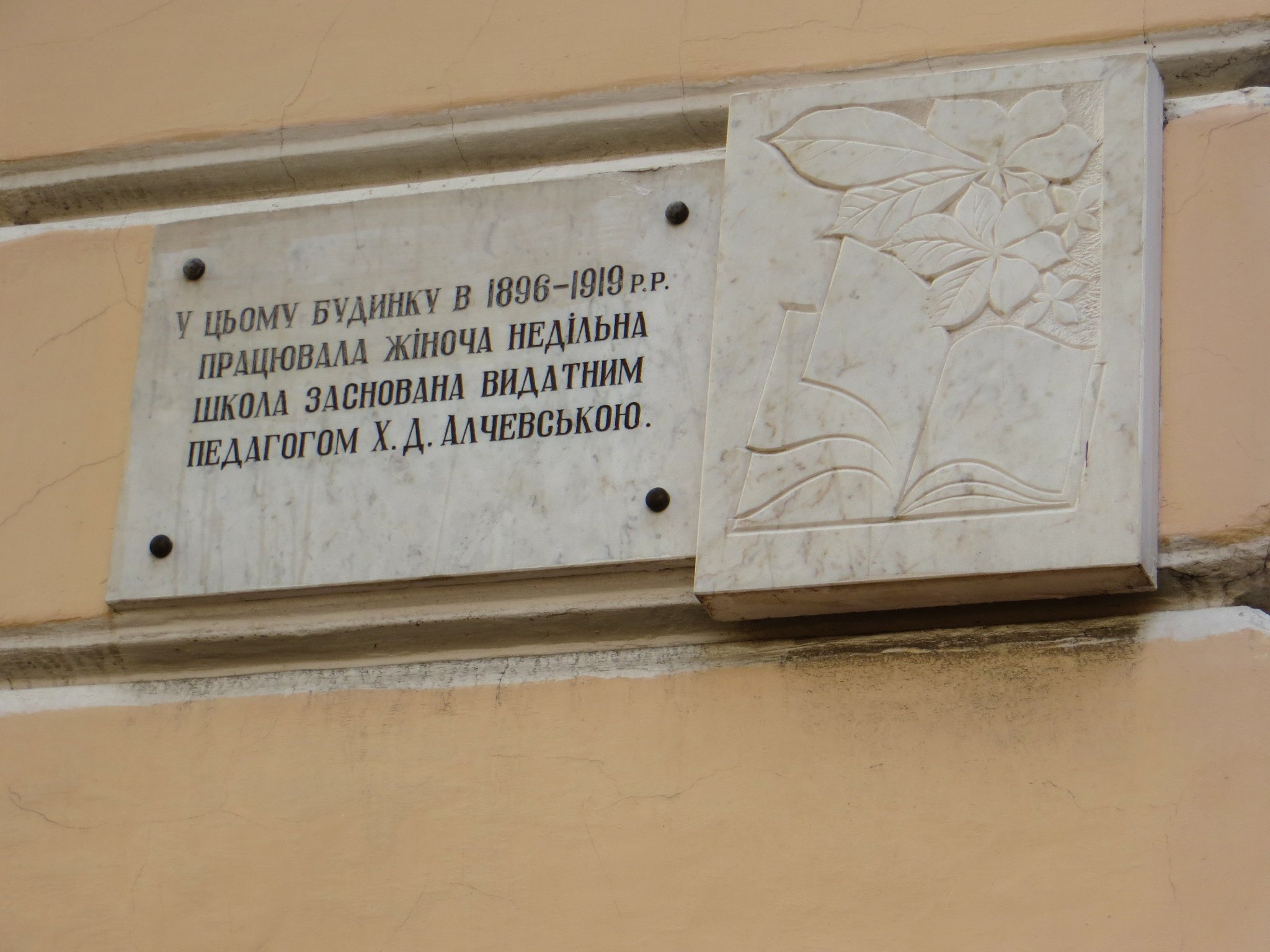
A feature of the women’s school was the teaching of Ukrainian literature and folk song.
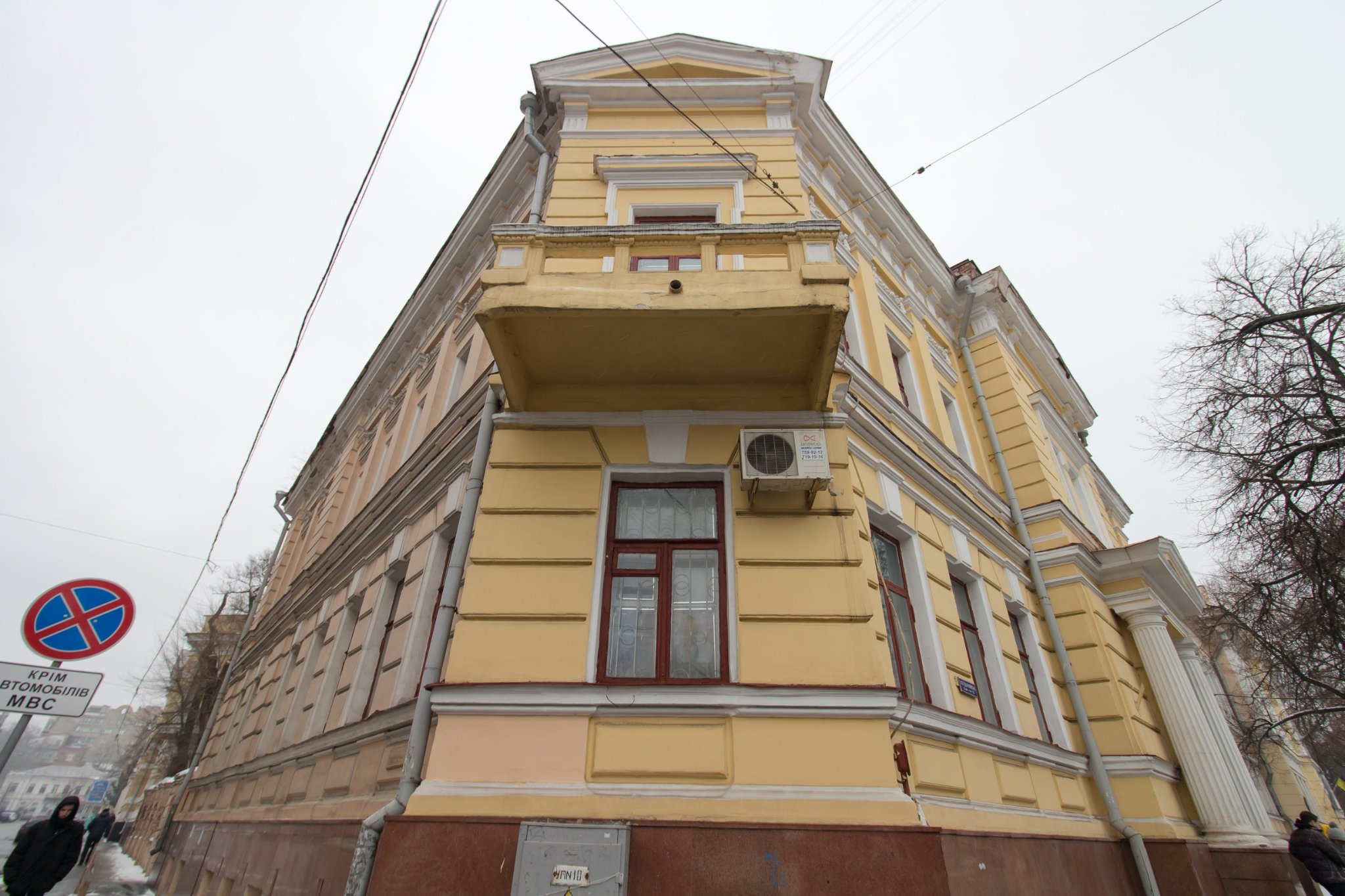
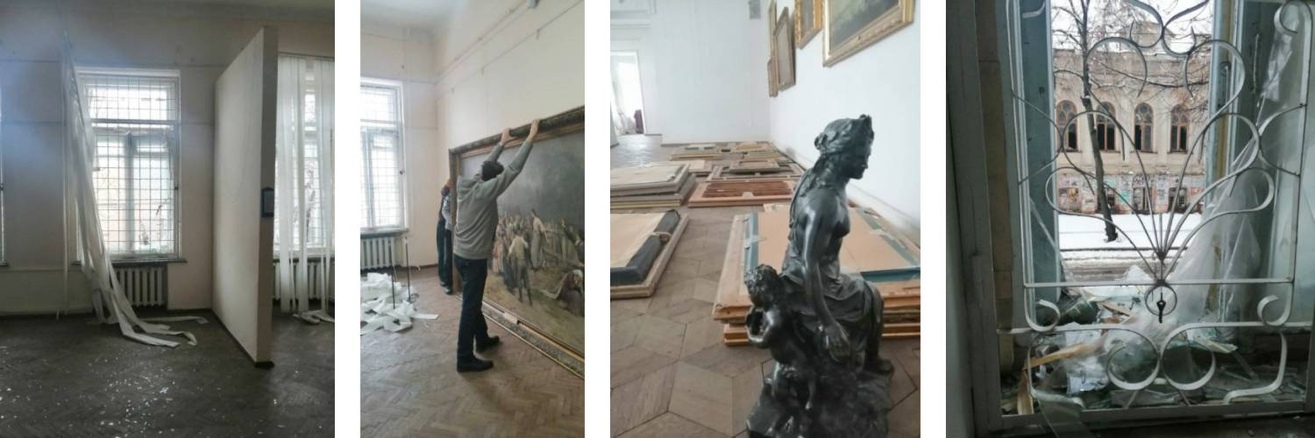
As a result of Russian missile strikes on March 7, 2022, both buildings were damaged.
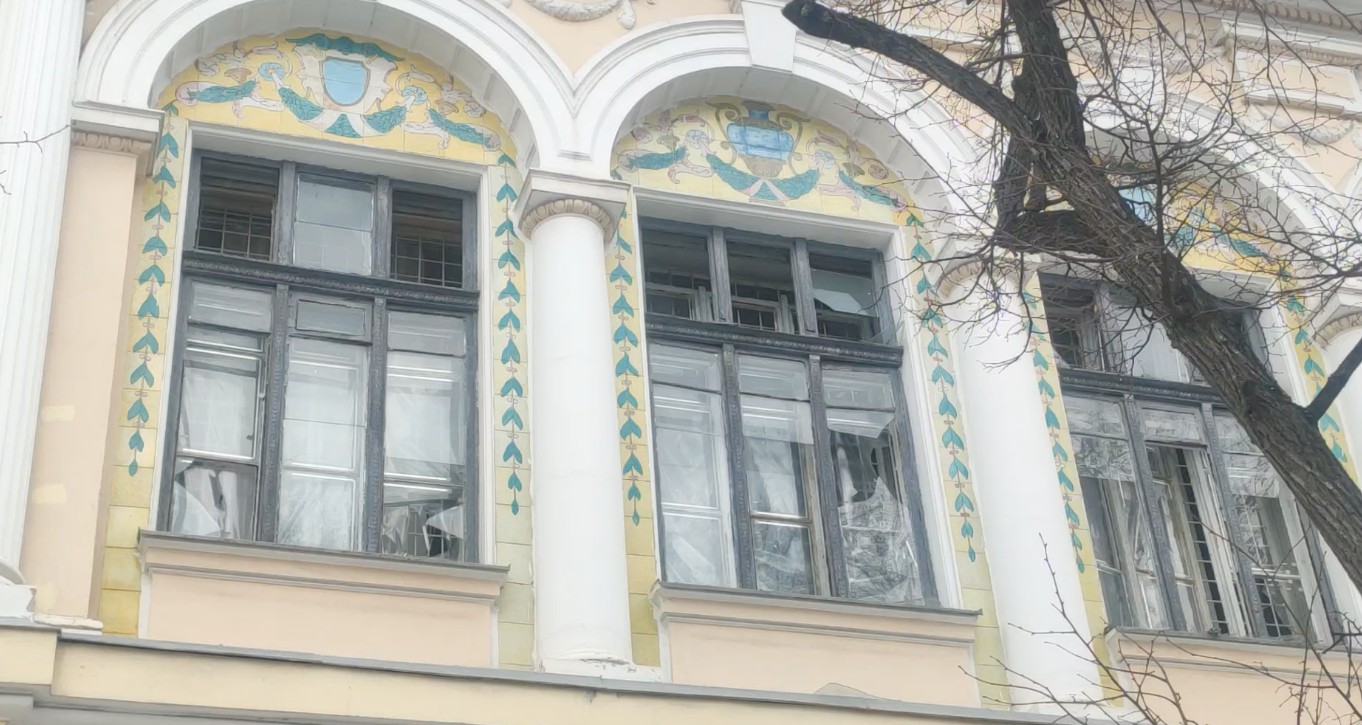
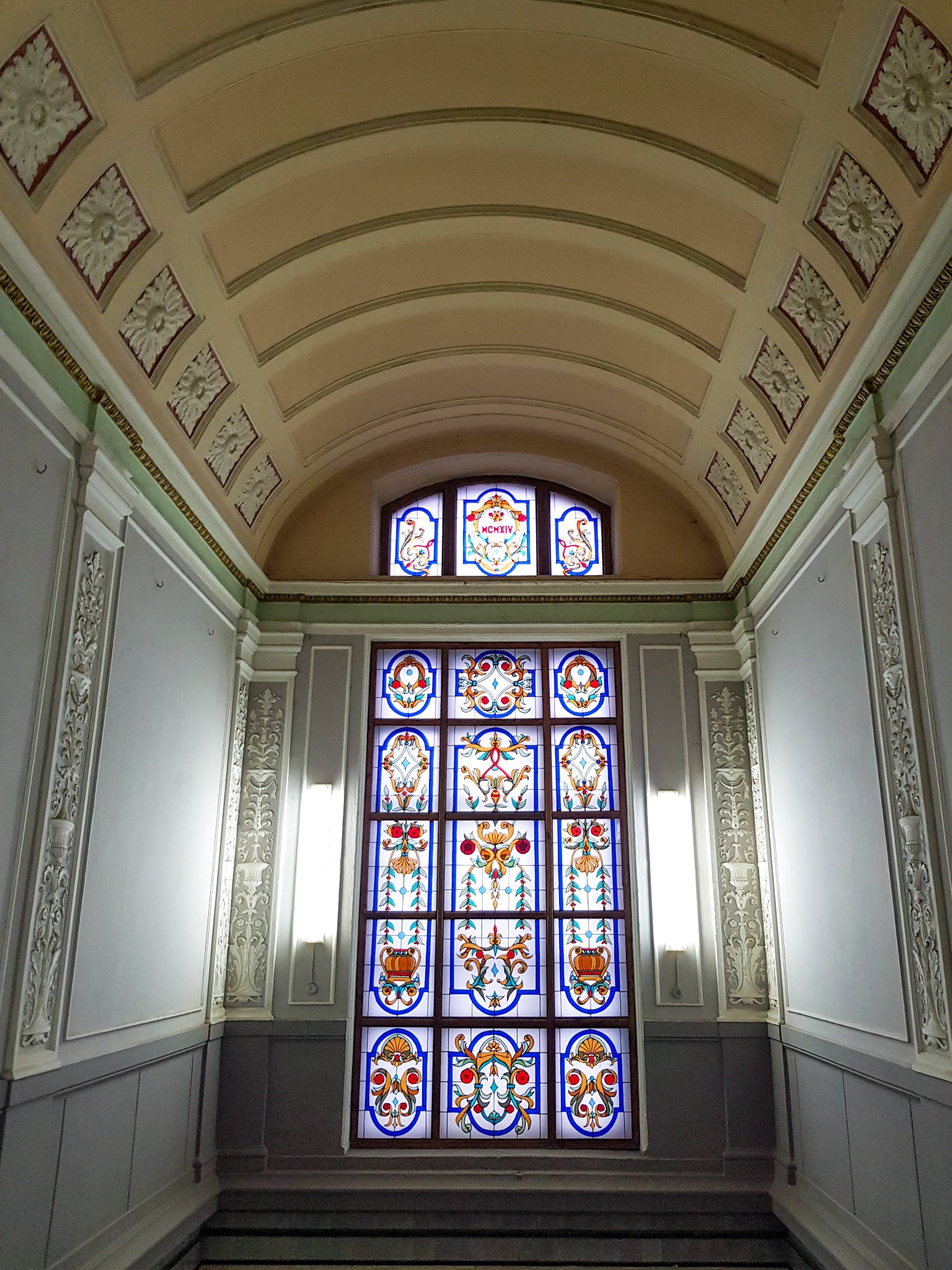
The facade was damaged, windows and stained glass were broken.
On June 14, 2026, the building was hit by another Russian drone.
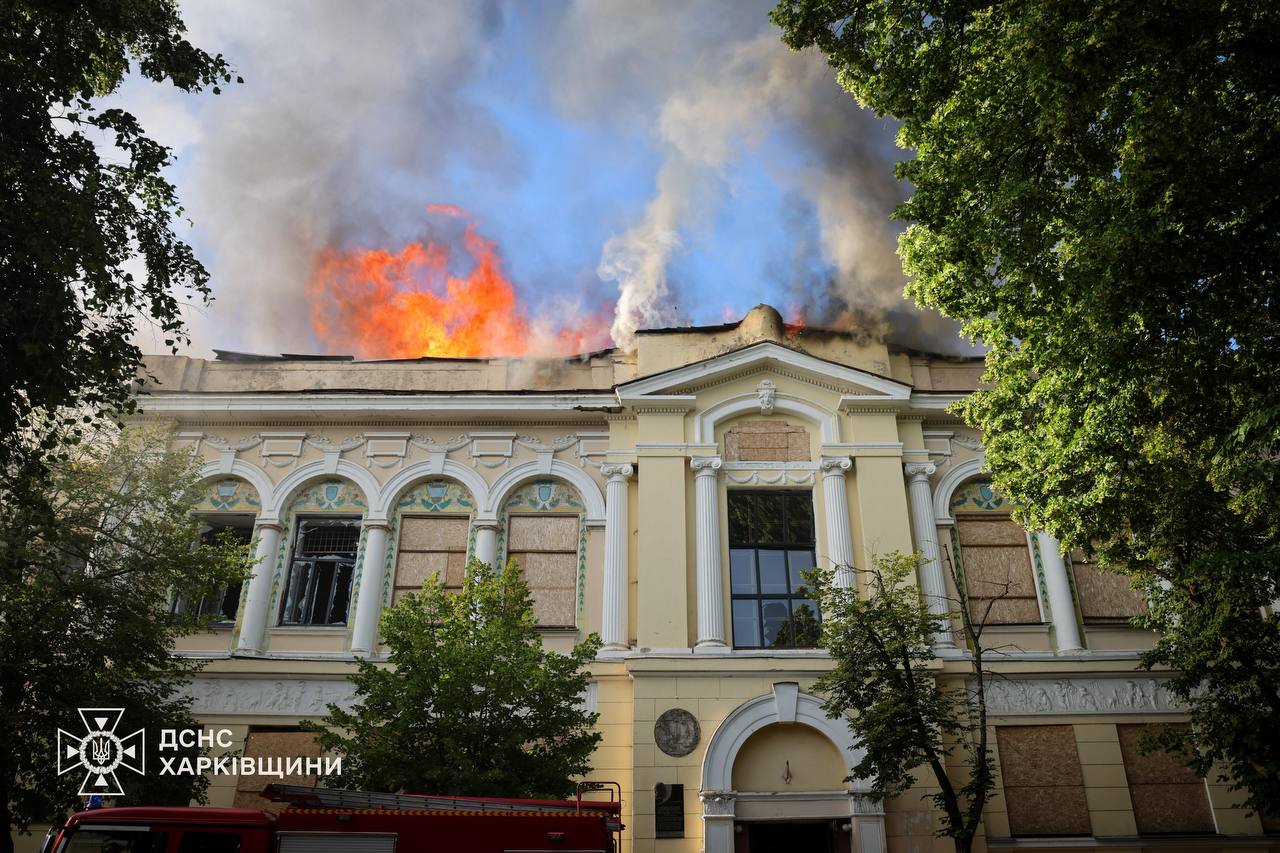
The roof and ceilings were destroyed, and the second floor was damaged.
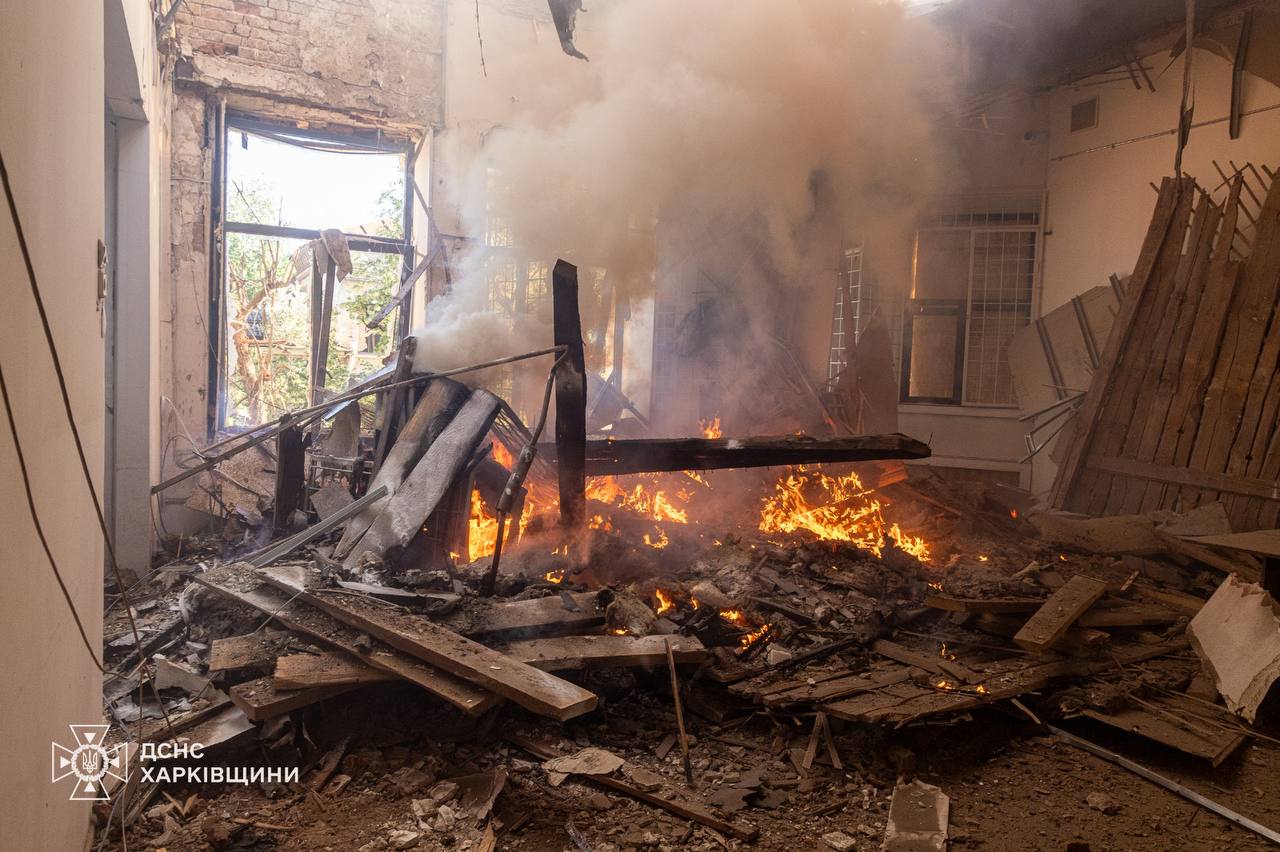
A fire broke out and could not be extinguished due to the threat of a second Russian strike on the State Emergency Service rescuers. Some of the collections, which had not been evacuated in 2022 and were stored in the building, were damaged. Rescuers, volunteers, and passersby saved the rest of the paintings from the museum just during the fire.

- The Architectural Evolution of the Kharkiv Theater - 26.09.2026
- 1st Kharkiv Gymnasium - 17.09.2026
- The Oldest Movie Theater in Ukraine - 24.08.2026