The legendary oceanographer and Arctic explorer Fridtjof Nansen was awarded the Nobel Prize in 1922.
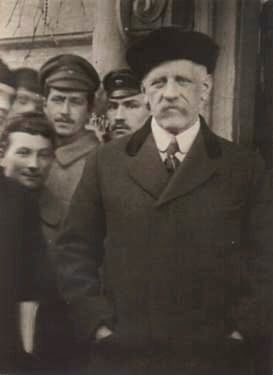
But not for his scientific work—it was the Peace Prize awarded for his titanic efforts to aid refugees affected by World War I and to resolve conflicts. In 1921–1923, a terrible famine struck Ukraine and the Volga region. Nansen headed the International Committee for Relief of the Famine and did a great deal to organize, raise funds, and distribute aid to people suffering and dying of starvation.
The mission faced numerous difficulties—ranging from the Soviet authorities’ reluctance to seek assistance or recognize the League of Nations to the outright hostility of European states toward the Bolsheviks. Nevertheless, thanks to Nansen’s efforts, the mission managed to overcome these obstacles and enlist the support of a vast number of organizations—from various churches and communities to student unions.
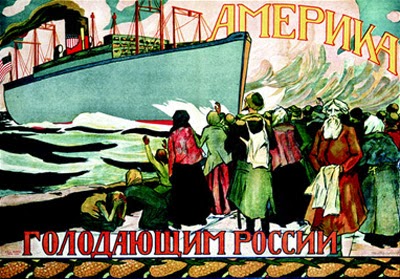
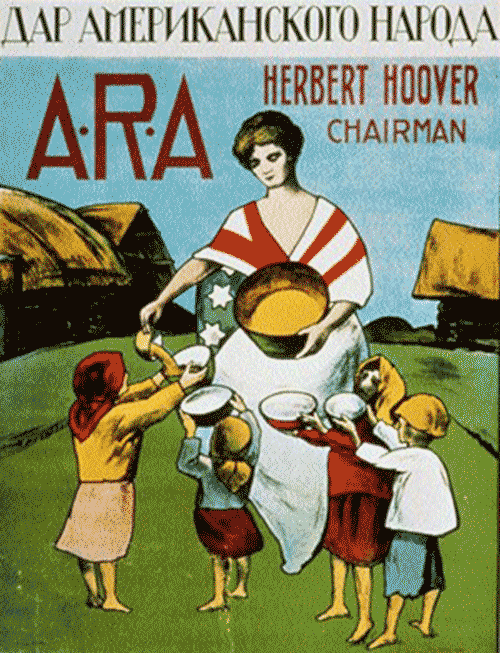
The lion’s share of the aid came from the American Relief Administration, which was headed by the Secretary of Commerce and future U.S. President Herbert Hoover.
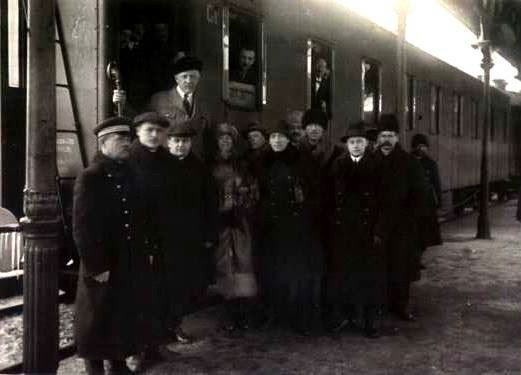
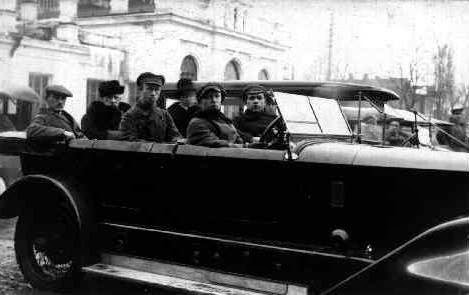
On December 21, 1923, Fridtjof Nansen arrived in Kharkiv, where a branch of the humanitarian organization he headed was located.
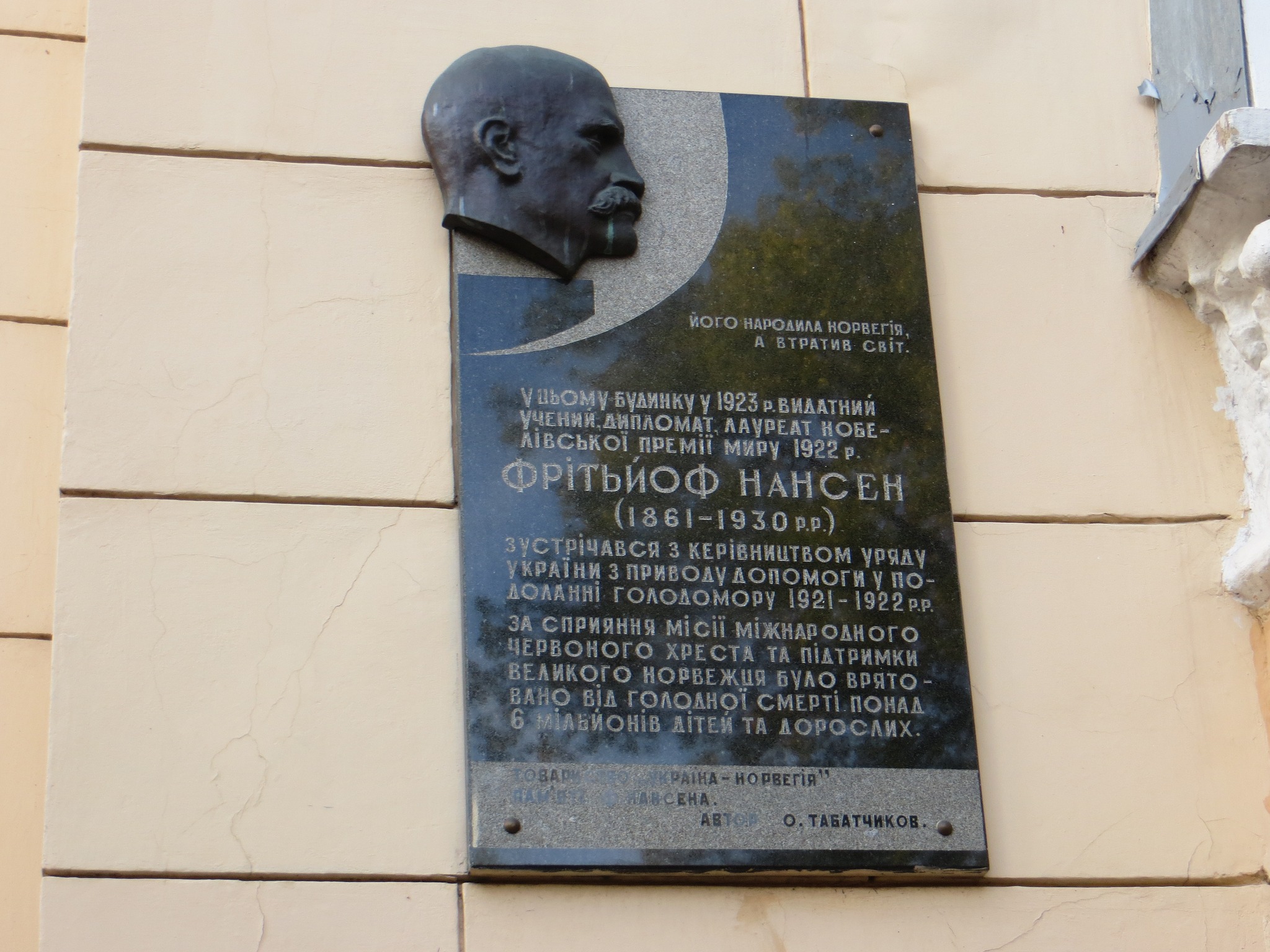
The meeting with the government of Soviet Ukraine took place in the building that is now the Art Museum at Zhon Mironosits Street, 11.

In 2003, a memorial plaque dedicated to Nansen was installed on the building.
He also visited the orphanage named after him, where 85 orphans aged 4 to 15 were being cared for thanks to foreign aid.
The children had been picked up off the streets and country roads, but thanks to good care, they all looked healthy and happy.

They sang, performed traditional dances, and staged living pictures. One girl wrote a poem for Nansen and read it aloud; it ended like this:
Hello, great Nansen,
From your little friends!
Don’t forget, great Nansen, These
happy, joyful children.
In his Nobel Prize acceptance speech, Nansen said:
It is precisely the blind fanaticism on both sides that escalates conflicts into strife and destruction, whereas discussion, mutual understanding, and tolerance can lead to far greater success
He also used the money from the Nobel Prize to help refugees and the starving.

Sources:
Liv Nansen-Heier, “The Book About My Father,” 1972.
Photo from the archives of the National Library of Norway.

- Danylevs’koho Street, 19 - 13.10.2026
- Debunking the myth about one of the most famous Kharkiv photos - 12.10.2026
- The Architectural Evolution of the Kharkiv Theater - 26.09.2026