Many of us have seen the photo “arrival of the first train in Kharkiv in 1869.”
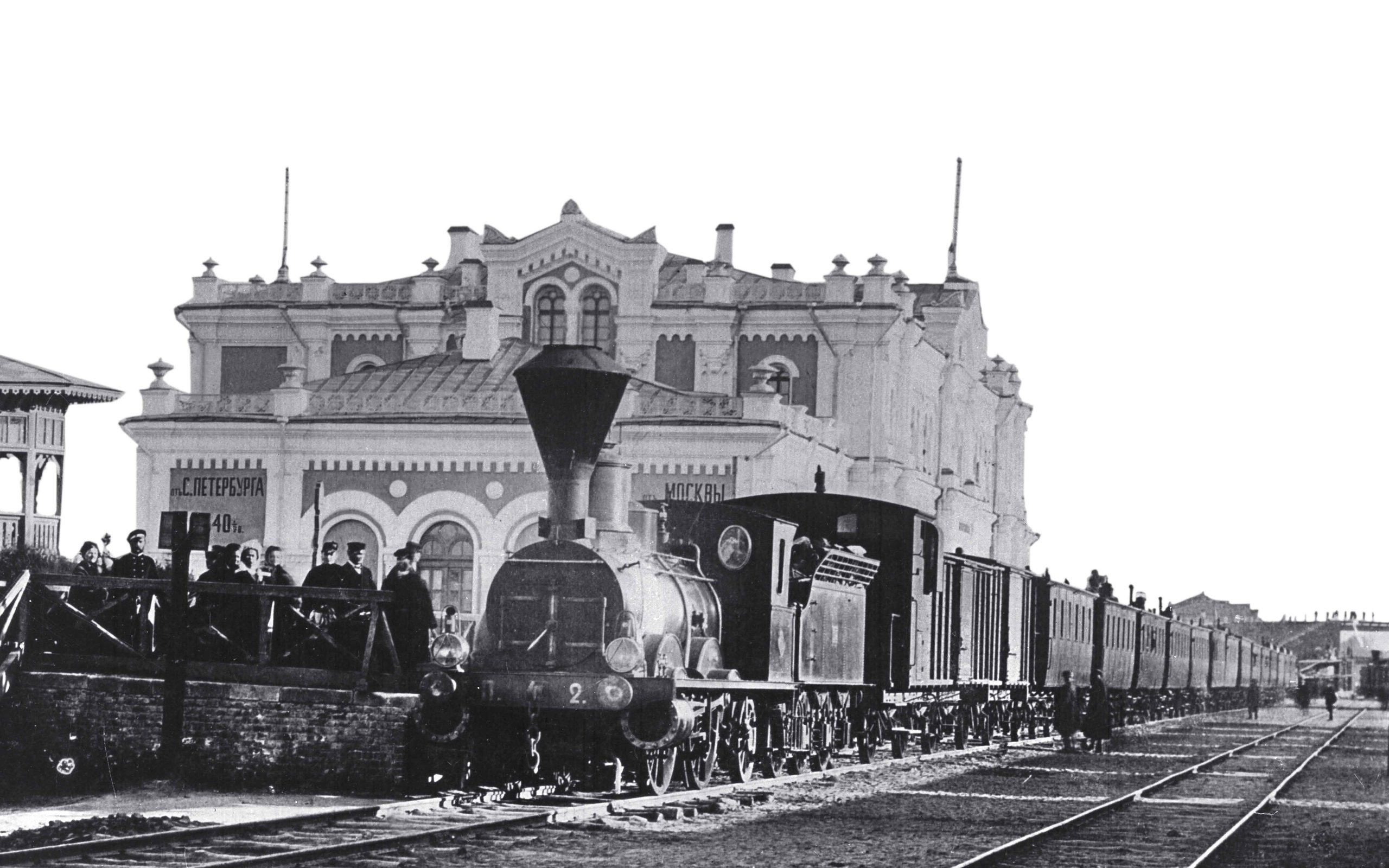
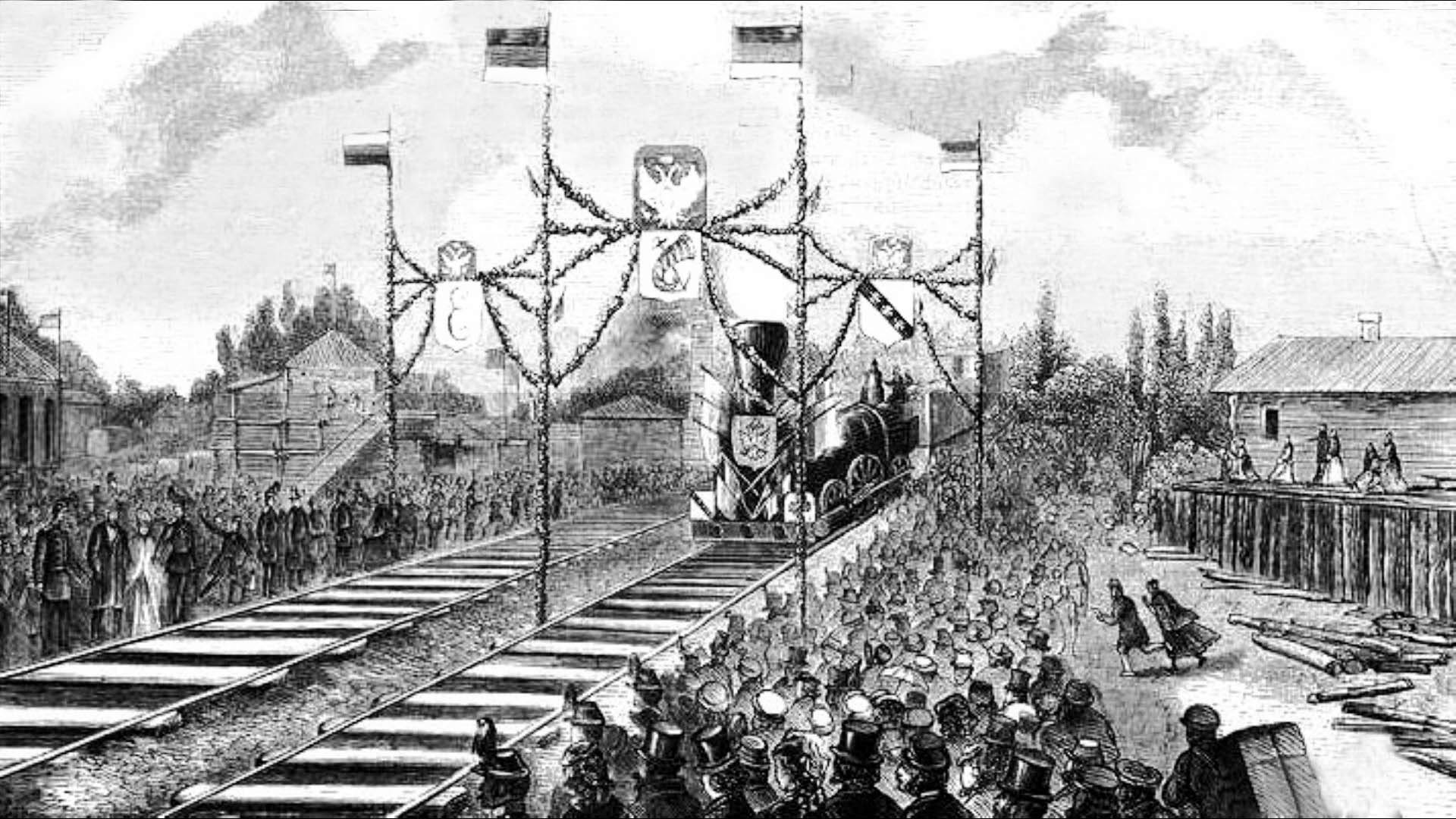
But the dating of this photo is one of the most widespread Kharkiv myths, because the photo itself was taken much later. On May 22, 1869, when the first train arrived in Kharkiv, the functions of the station were performed by a temporary structure. A journalist of “Vsemirnaya Ilustratsiya” (World Illustration) magazine who was present at this event writes about this in direct text.
The stone building of the station was completed only in 1870, how it looked can be seen in the illustration from the 1872 “Album of Drawings of Russian Railways”.
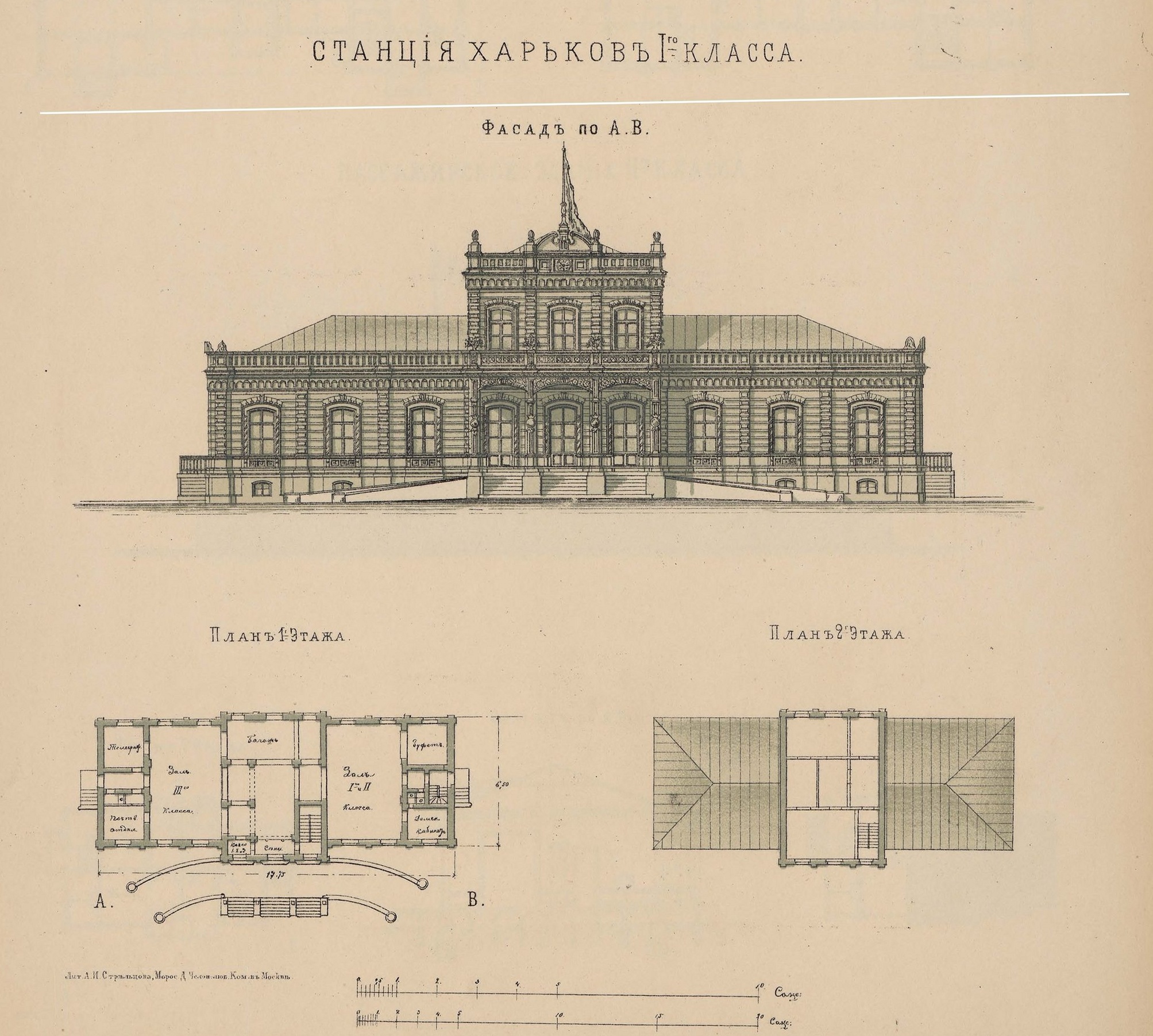
It was rebuilt in 1874 so much that the original building from the album is almost unrecognizable. It is this station after the first reconstruction that appears in the photo.
Also, on the engraving of 1869 from the “World Illustration”, depicting the arrival of the first train in Kharkiv, you can see an entirely different type of steam locomotive than the one in the photo – without a cabin, most likely an Austrian Sigl.
Our well-known photo shows the locomotive “Type 2” (P.2) of the Kolomna Locomotive Works (17 units were produced in 1870-1871). It underwent serious modernization in Kharkov in 1873-1874 – that’s when they added a cabin to it. Therefore, the earliest dating of this photo is 1874.
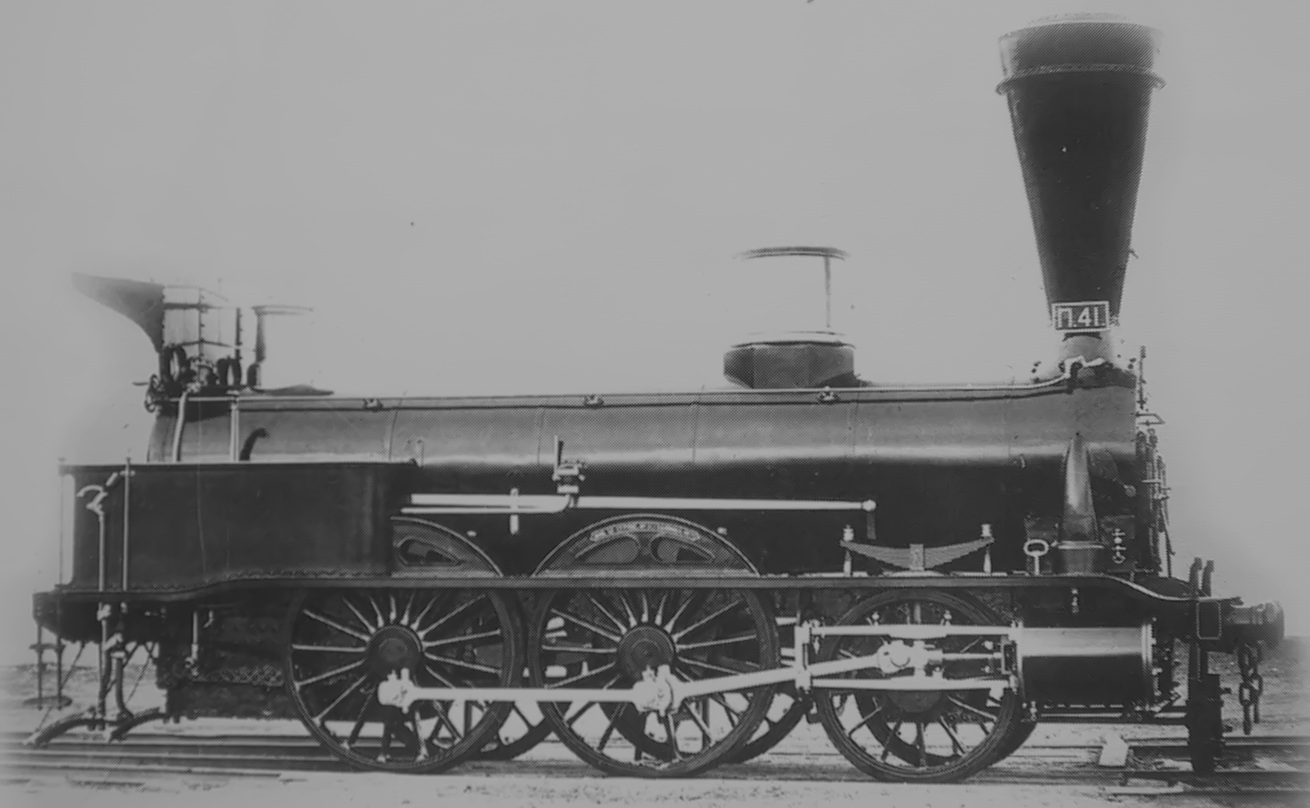
An interesting point is this locomotive on wood fuel, which can be seen in the tender. But the main feature of a locomotive on wood fuel is a huge, funnel-shaped pipe. It was essentially a “flame extinguisher” that extinguished sparks and splinters that flew out of the chimney and led to fires along the tracks. This serious problem was first encountered in the USA, on the vast expanses of American railways there was much more firewood than coal, in contrast to the family of steam locomotives, Britain. Coal “sparked” much less, so it was possible to do without a flame that limited the draft.
The development of mines in the neighboring Donbas contributed to the accelerated conversion of rolling stock of the Kursk-Kharkiv-Azov railway to coal. But wood was used for a long time on shunting and lightly loaded routes – in the photo from the album of this railway in 1885, you can see a real “mix” of steam locomotives powered by coal and wood fuel.
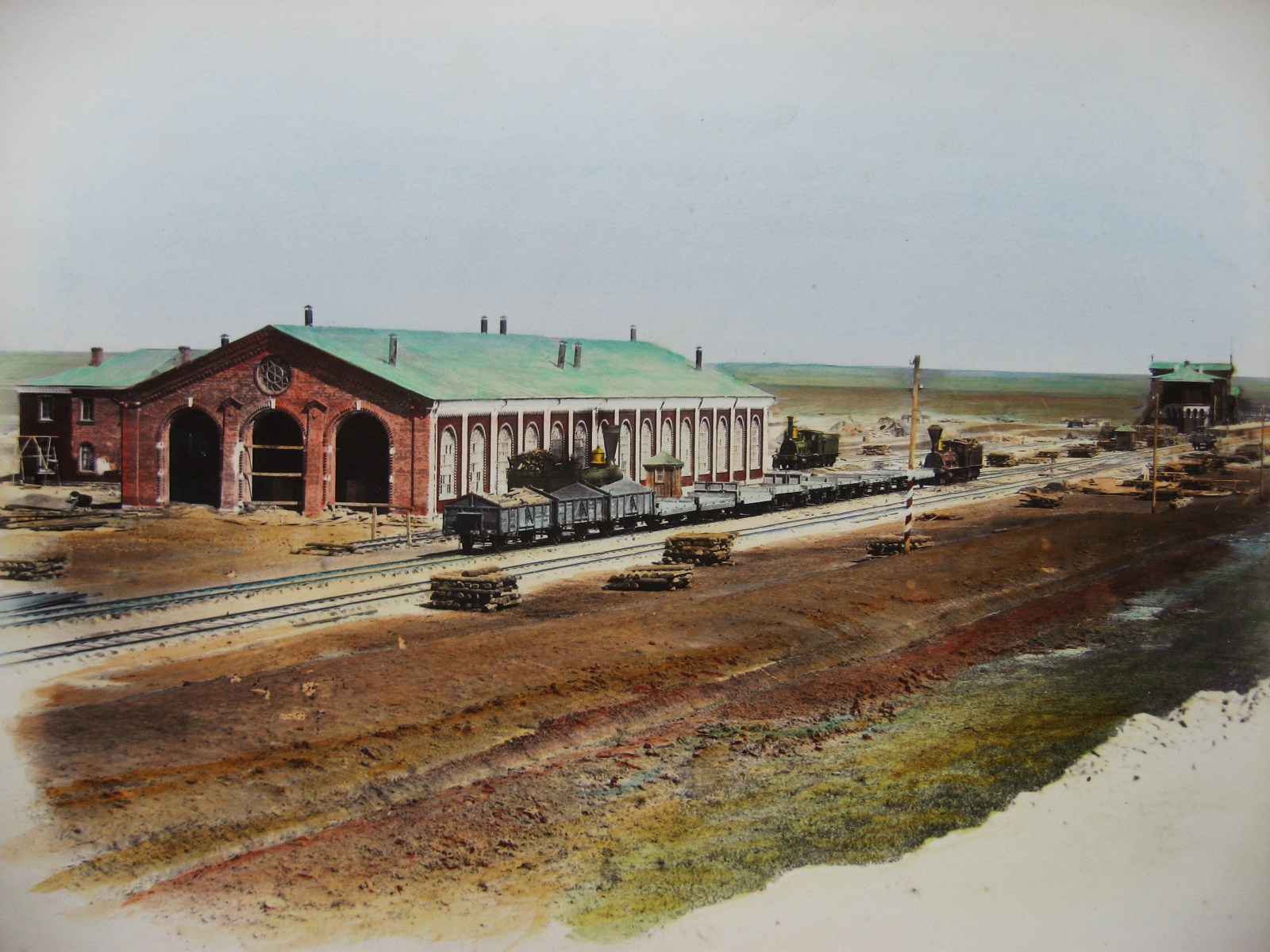
But let’s return to Kharkiv station. It is depicted in the same album of 1885, where you can see that it has grown a single-story wing with 3 windows on the south side, which is still missing in our mysterious photo.
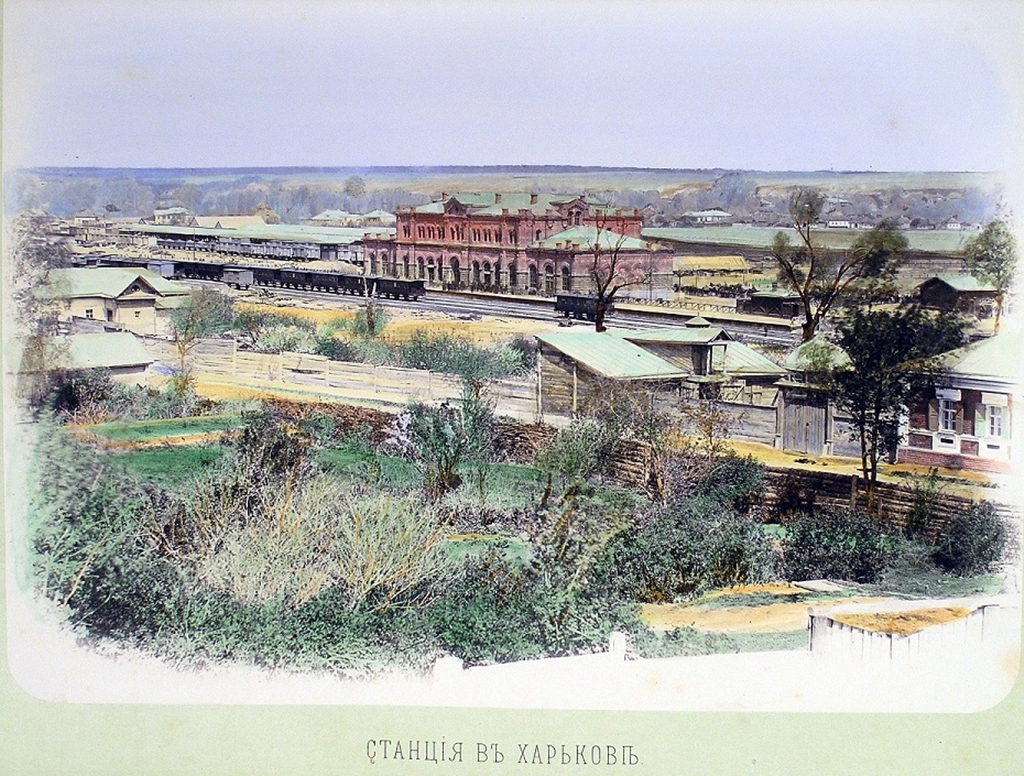
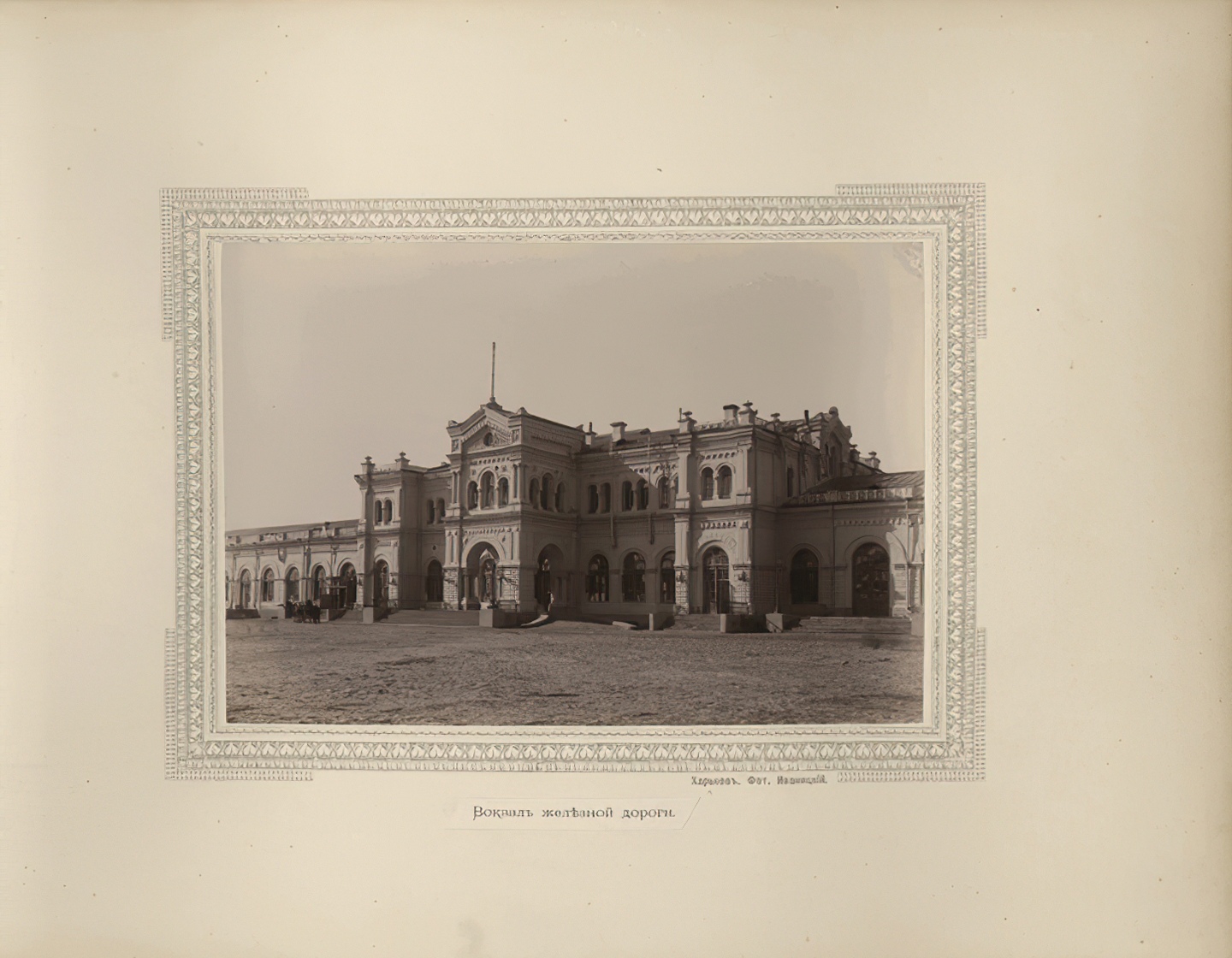
This gives us the upper dating of the photo – before 1885. By the way, in the photo of Alexei Ivanitsky in 1887, you can see that this wing has already increased to at least six windows in a row (the photo is cropped).
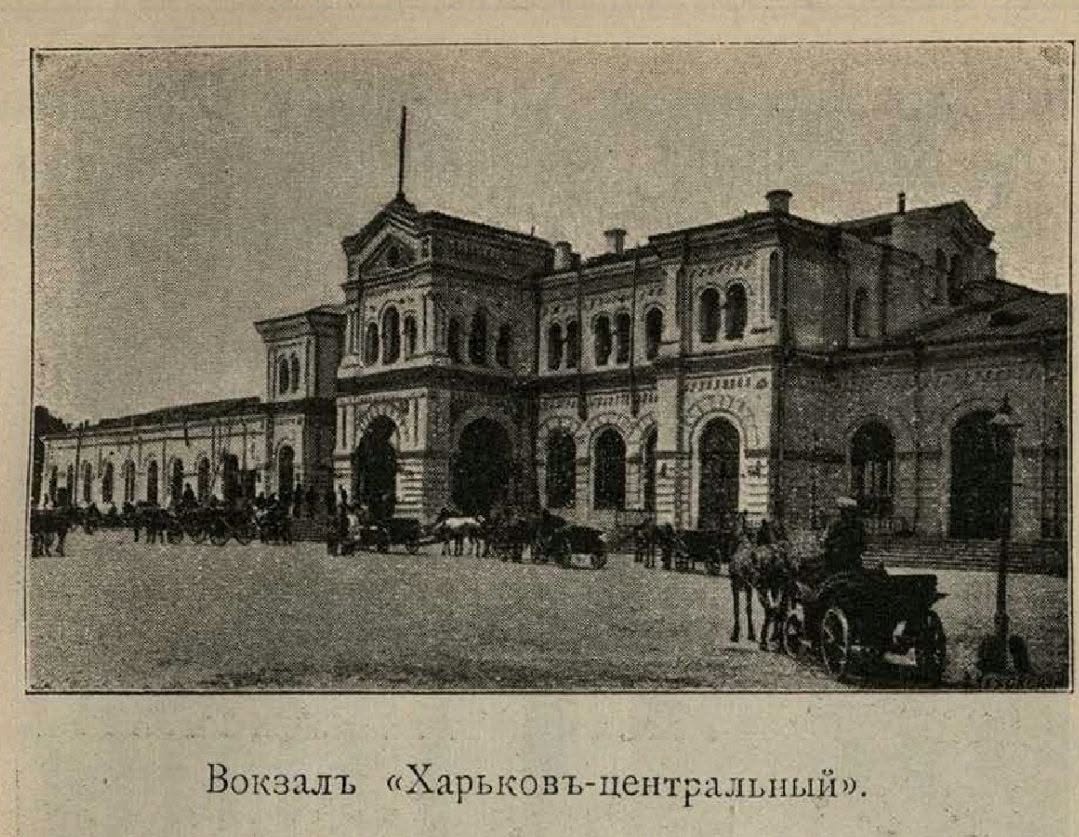
In the full photo of the second half of the 1890s, there are already 9 windows – most likely, the extension of 1886 was just like that.
So, most likely, the legendary photo of the “arrival of the first train in Kharkiv” was taken in the mid-1870s – this is hinted at by the authorship of the photo, according to A. Paramonov’s research, it was Vasyl Dosekin, most of whose photos of Kharkiv streets date from the 1860s, not the 1890s. And yes, the train in this photo is going north, not south.

- Debunking the myth about one of the most famous Kharkiv photos - 12.10.2026
- The Architectural Evolution of the Kharkiv Theater - 26.09.2026
- 1st Kharkiv Gymnasium - 17.09.2026