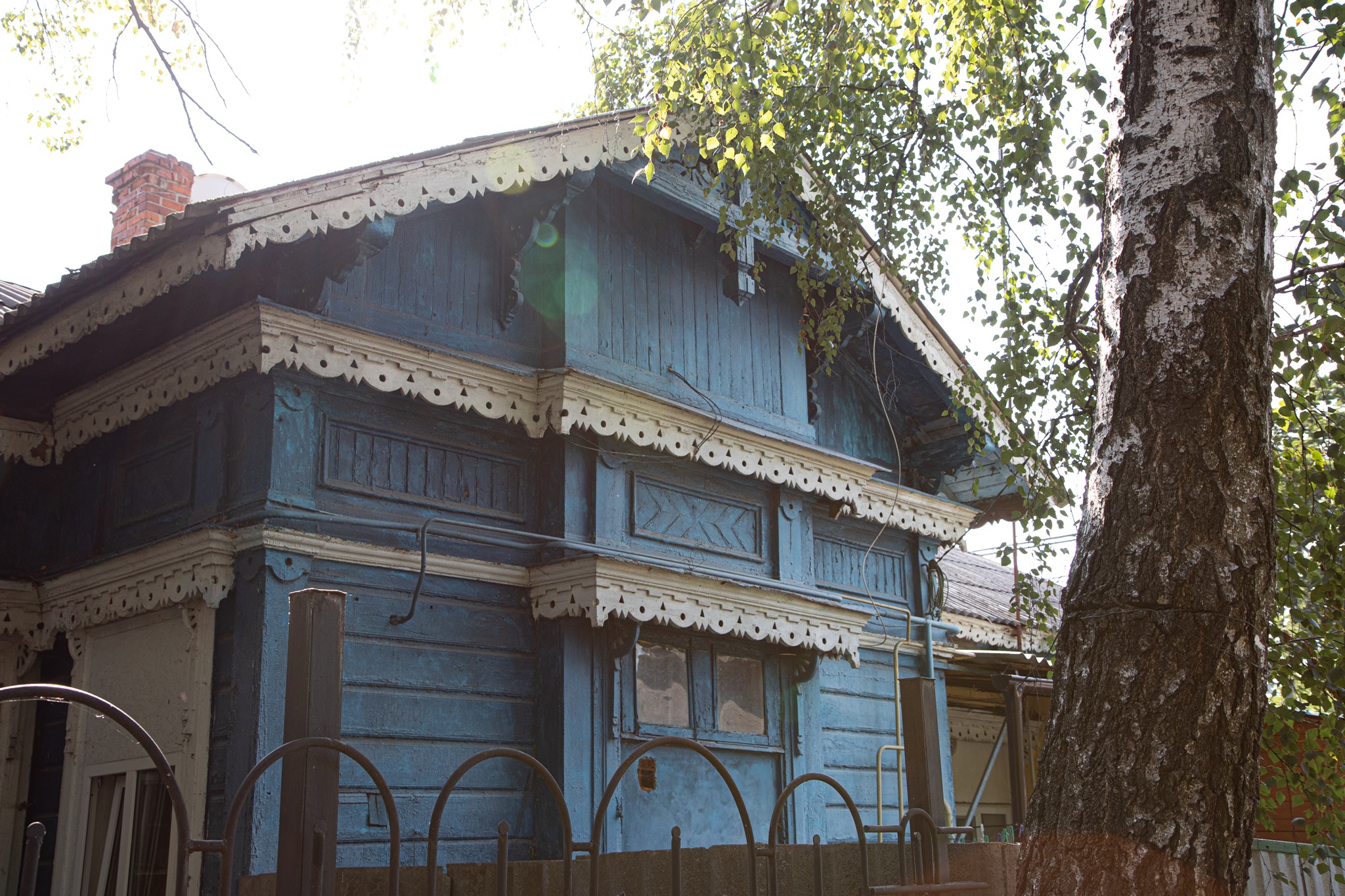
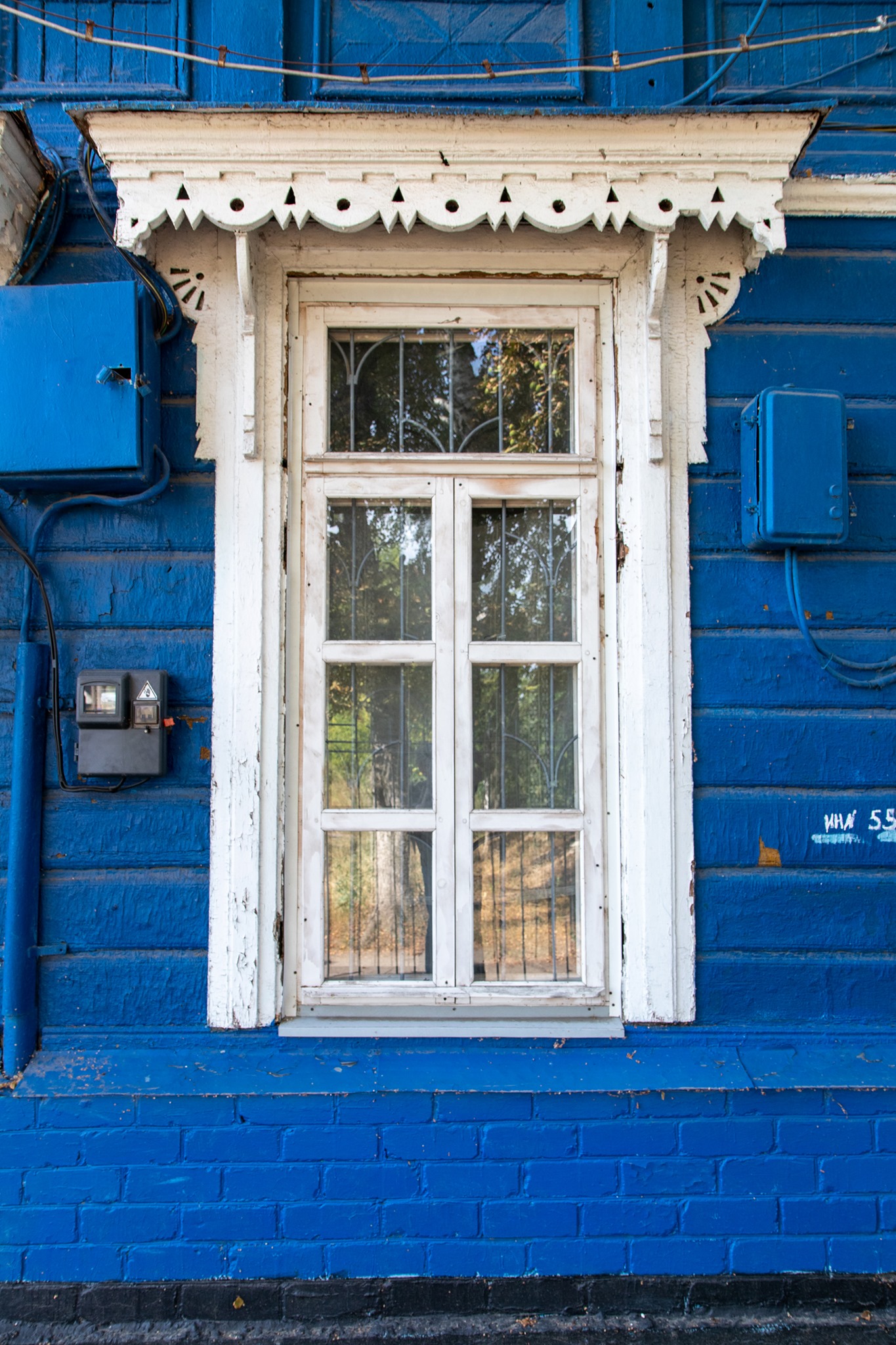
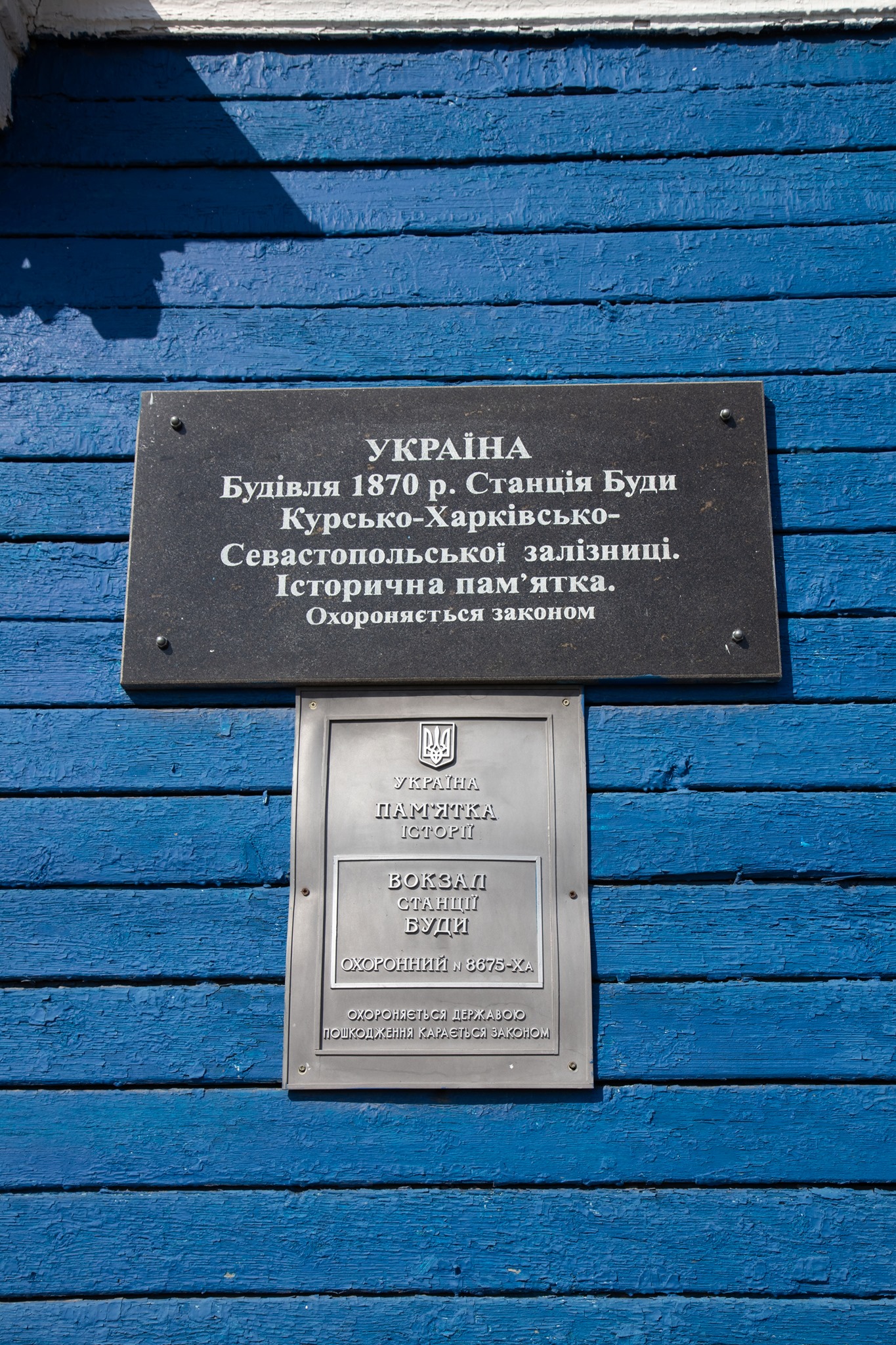
The wooden train station building in this village near Kharkiv was built in 1870 and is one of the oldest stations on the Southern Railway.
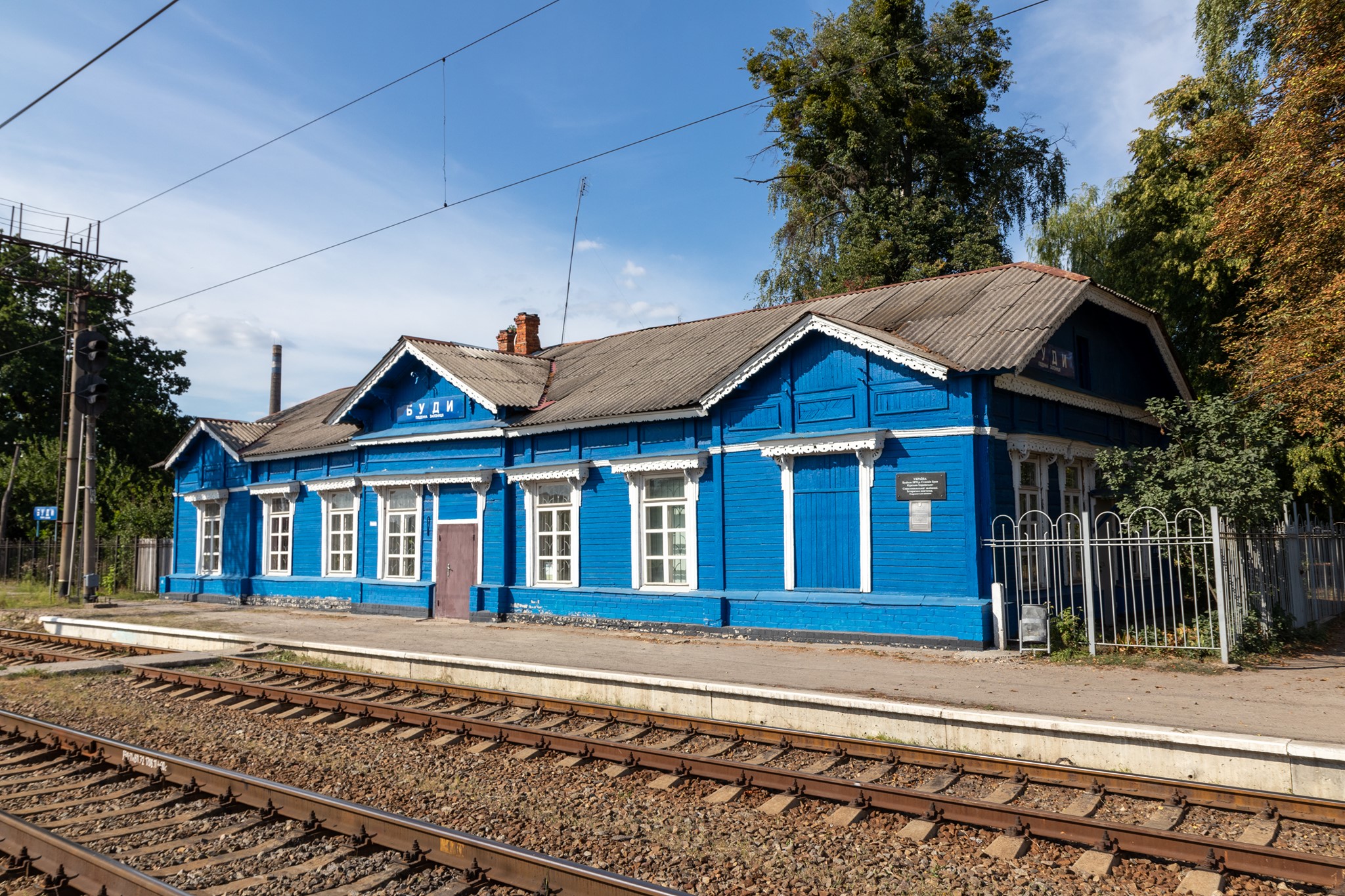
However, it is one of the oldest railway station buildings in all of Ukraine that has survived largely unchanged.
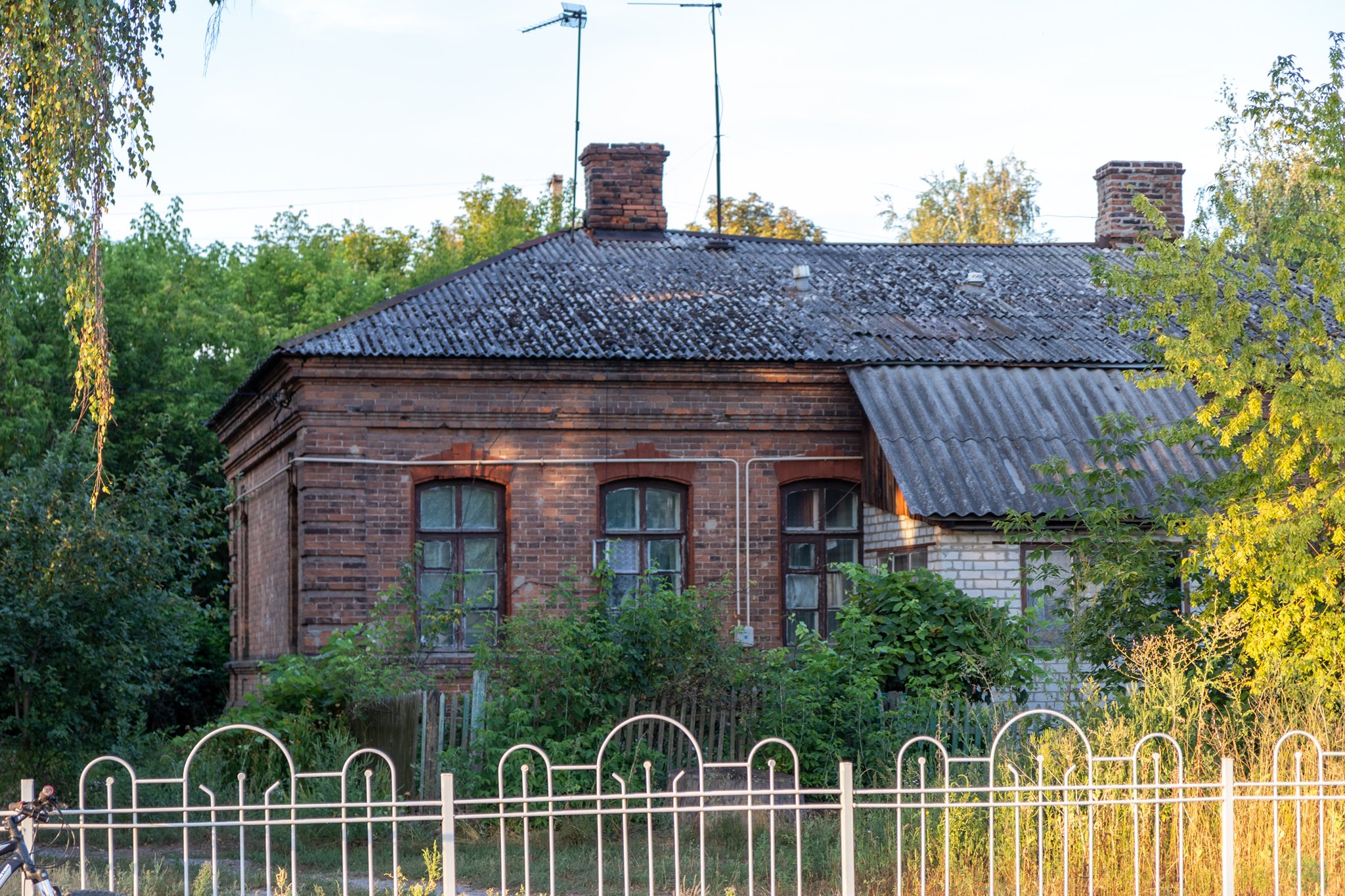
In general, pre-WWI buildings are not uncommon in Budy.
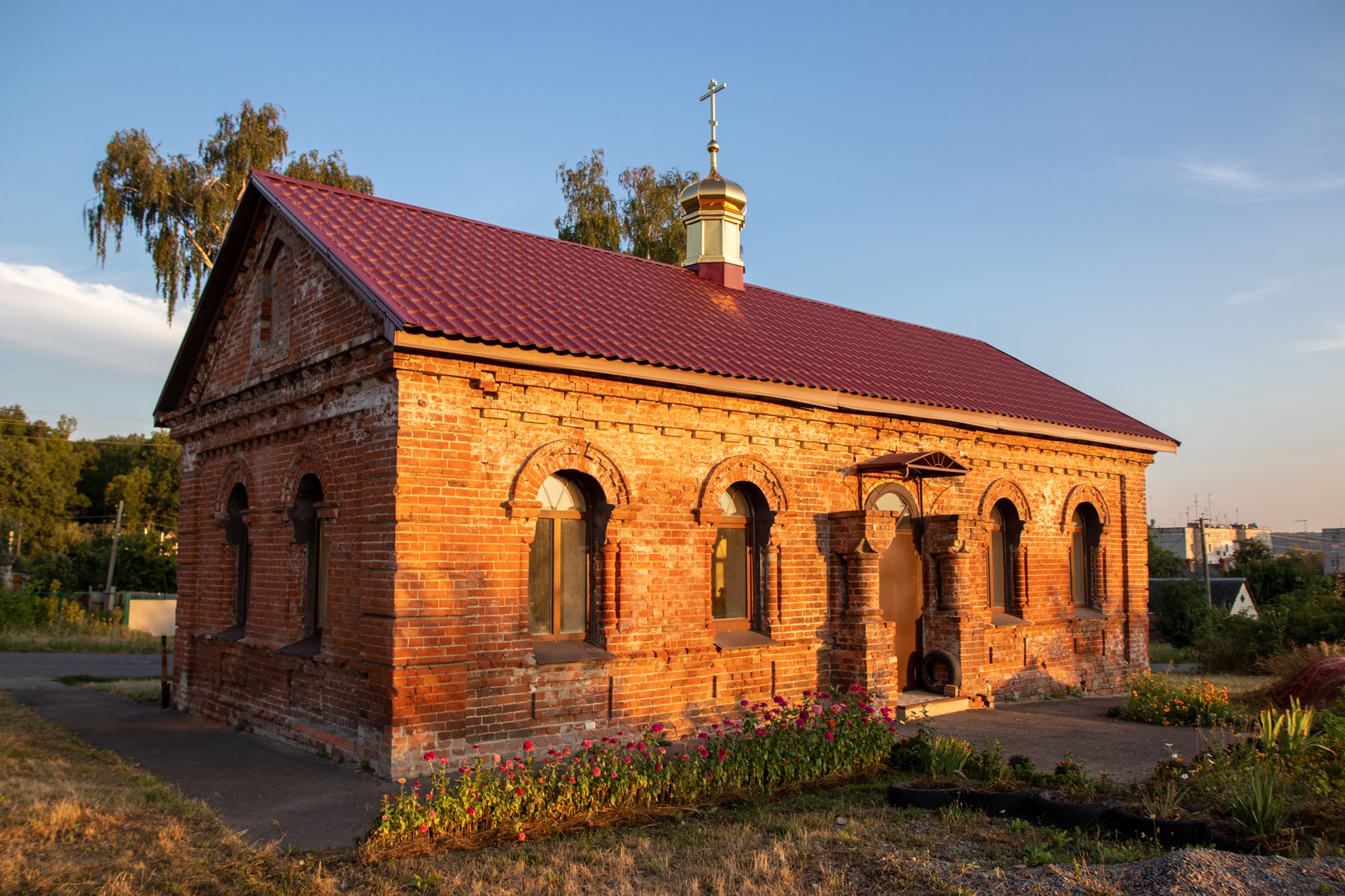
For example, the St. Nicholas Chapel. It was once the church’s guardhouse at the Kuznetsov Factory (1902, architect V. Nemkin).
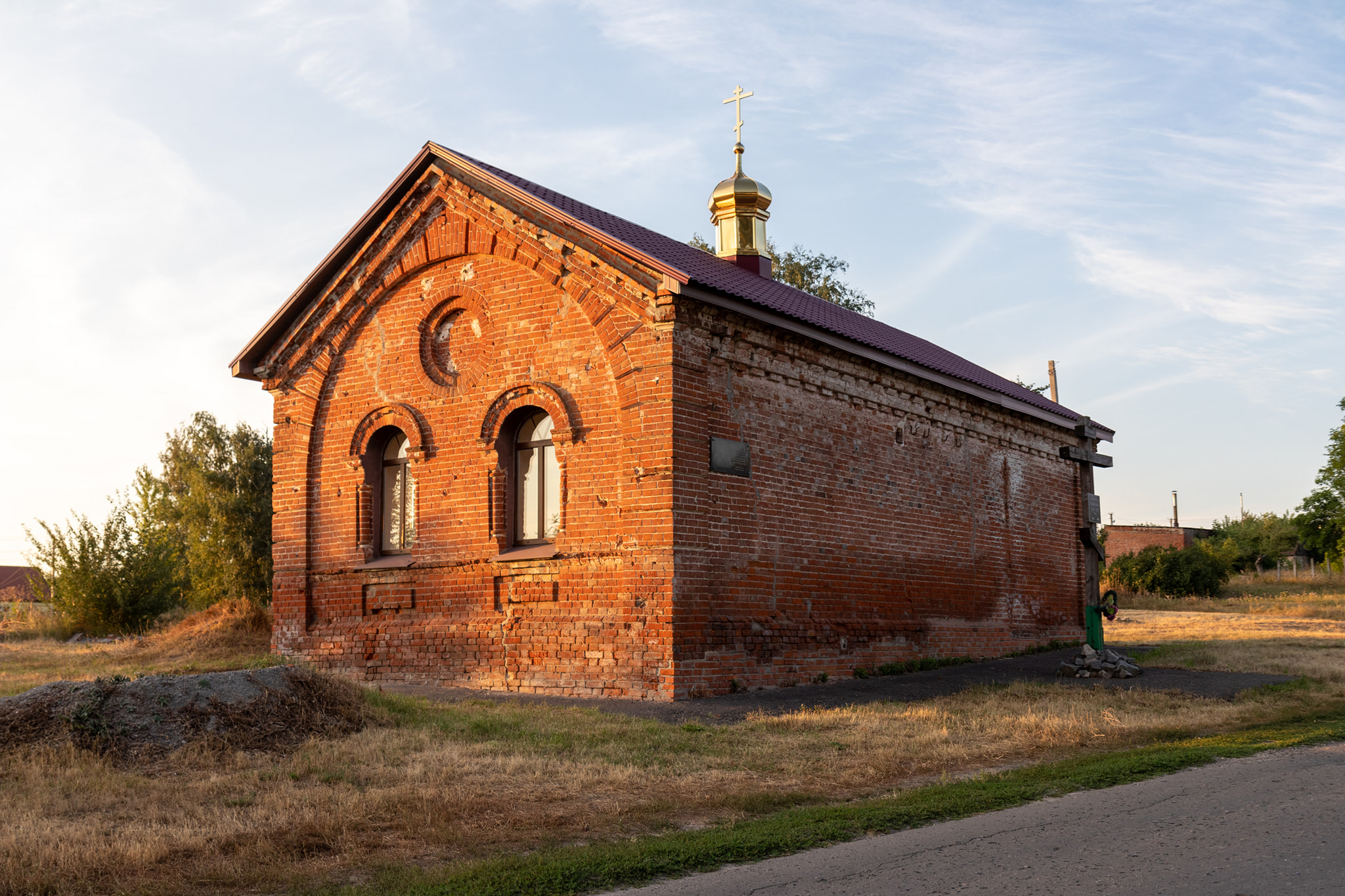
The church had a faience iconostasis. The church was destroyed in the 1930s (according to other sources, it was completely destroyed in 1943). The guardhouse was restored in 2017–2018 and converted into a chapel.
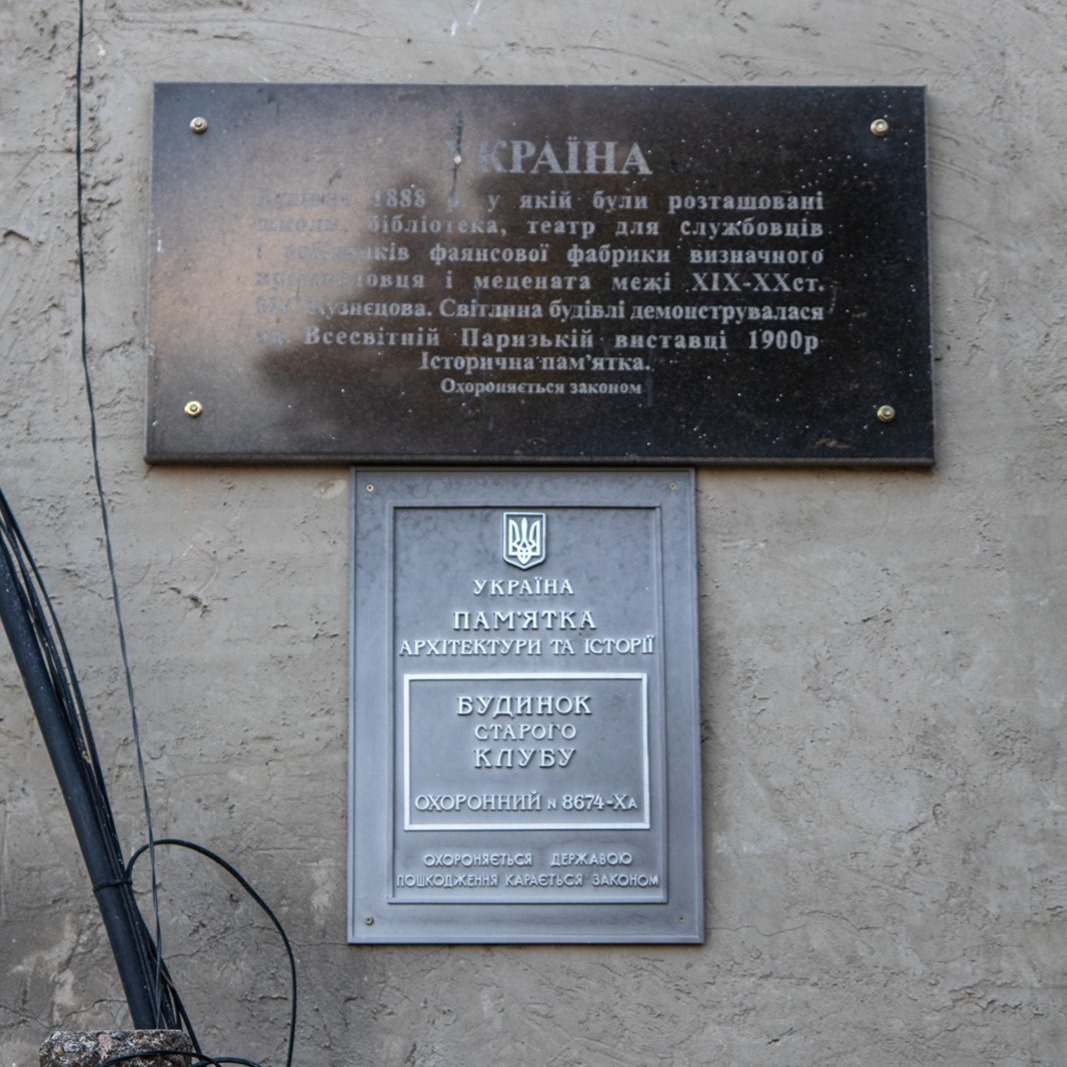
According to the commemorative plaque, the old club was built in 1888; it housed schools, a theater, and a library for the employees and workers of the Kuznetsov earthenware factory.
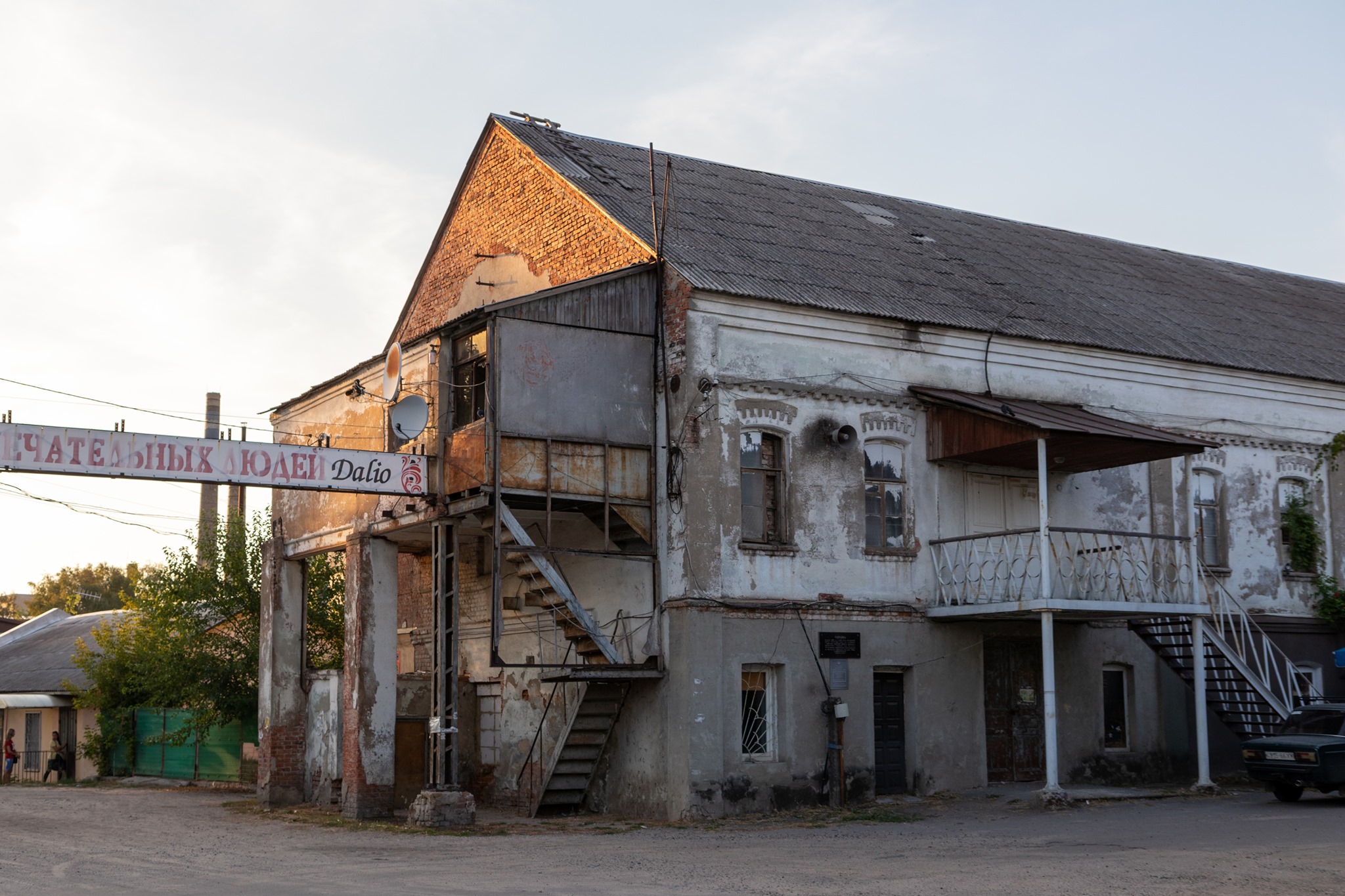
A photograph of the building was displayed at the World’s Fair in Paris in 1900.
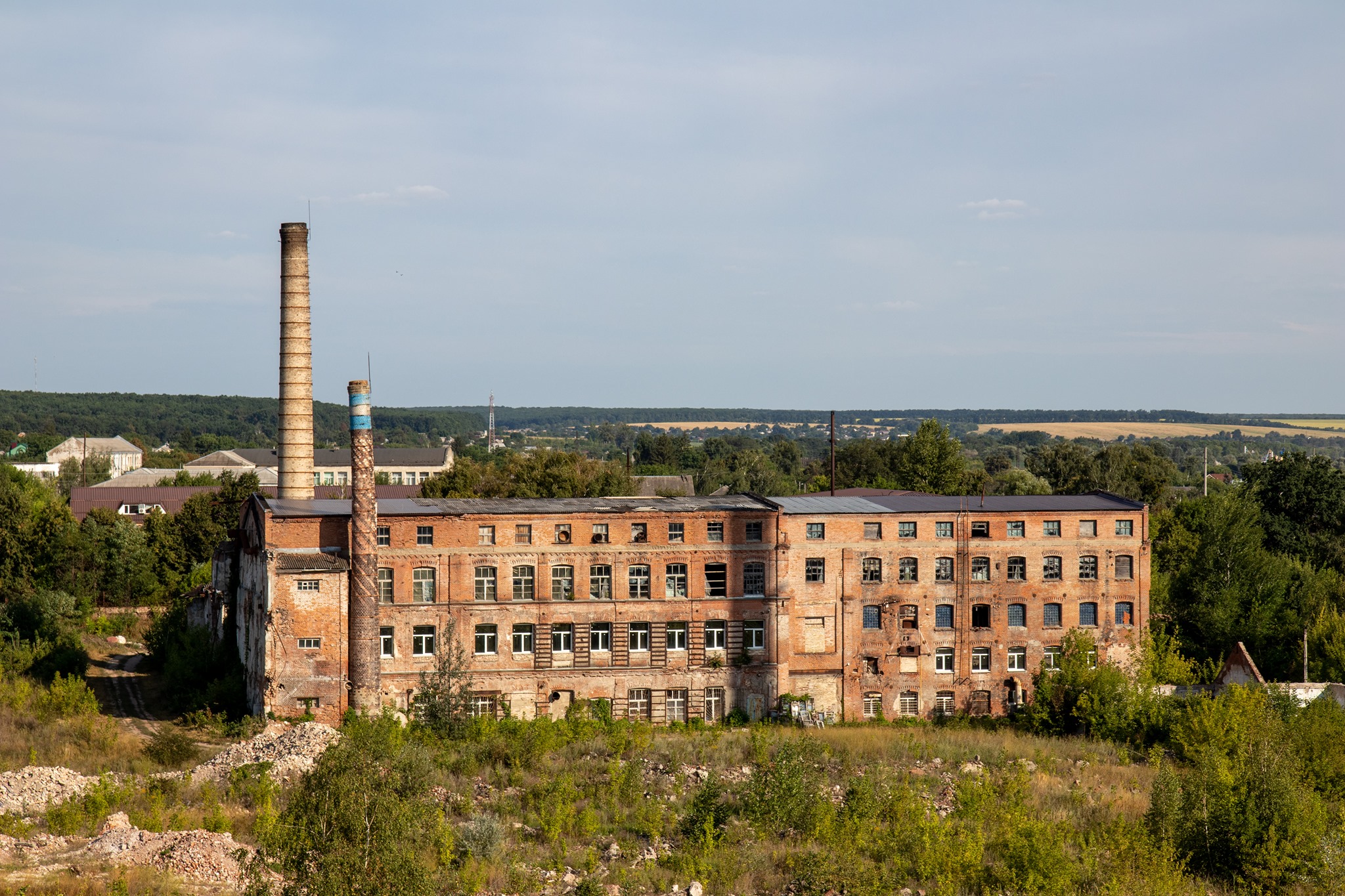
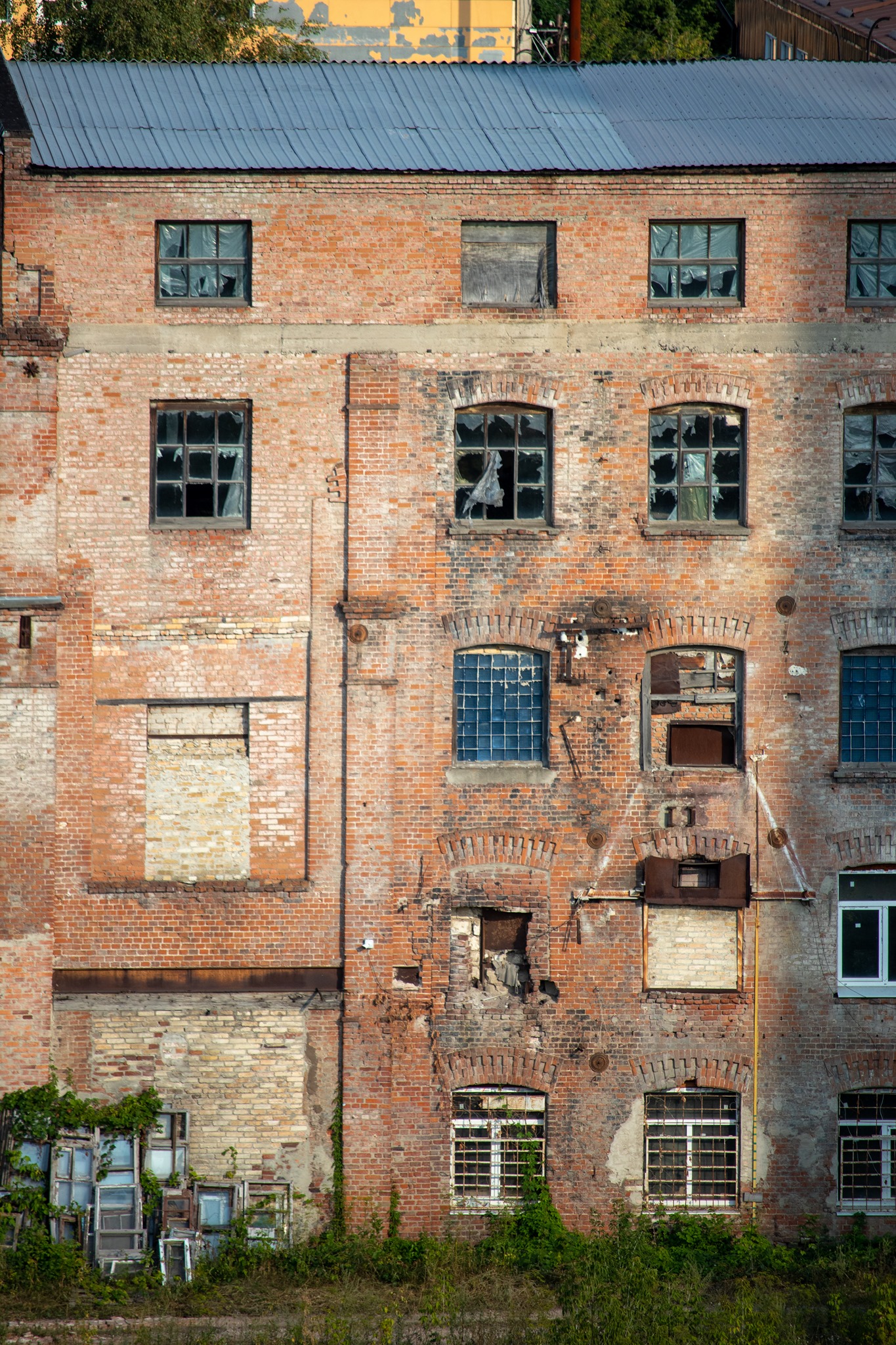
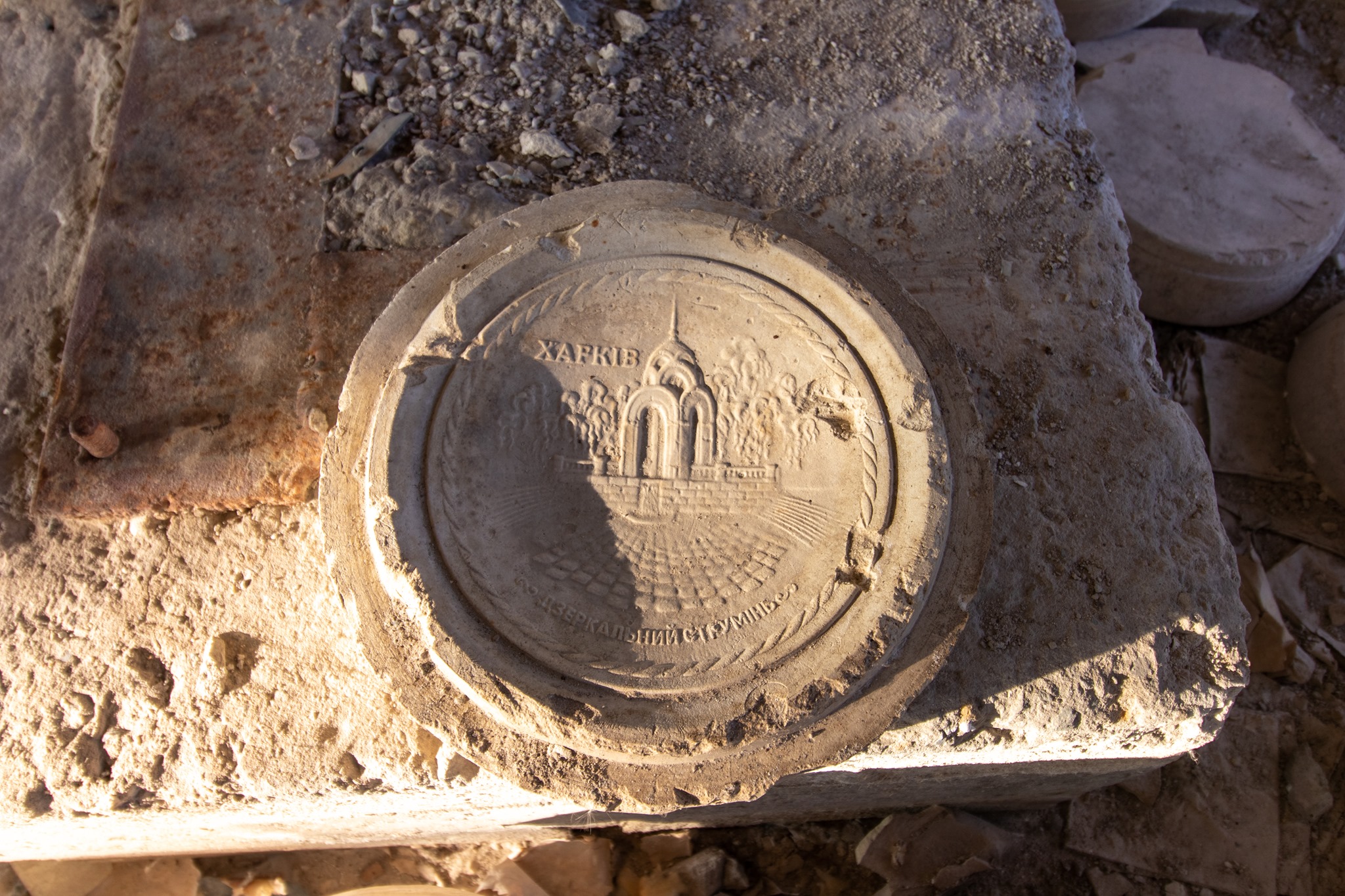
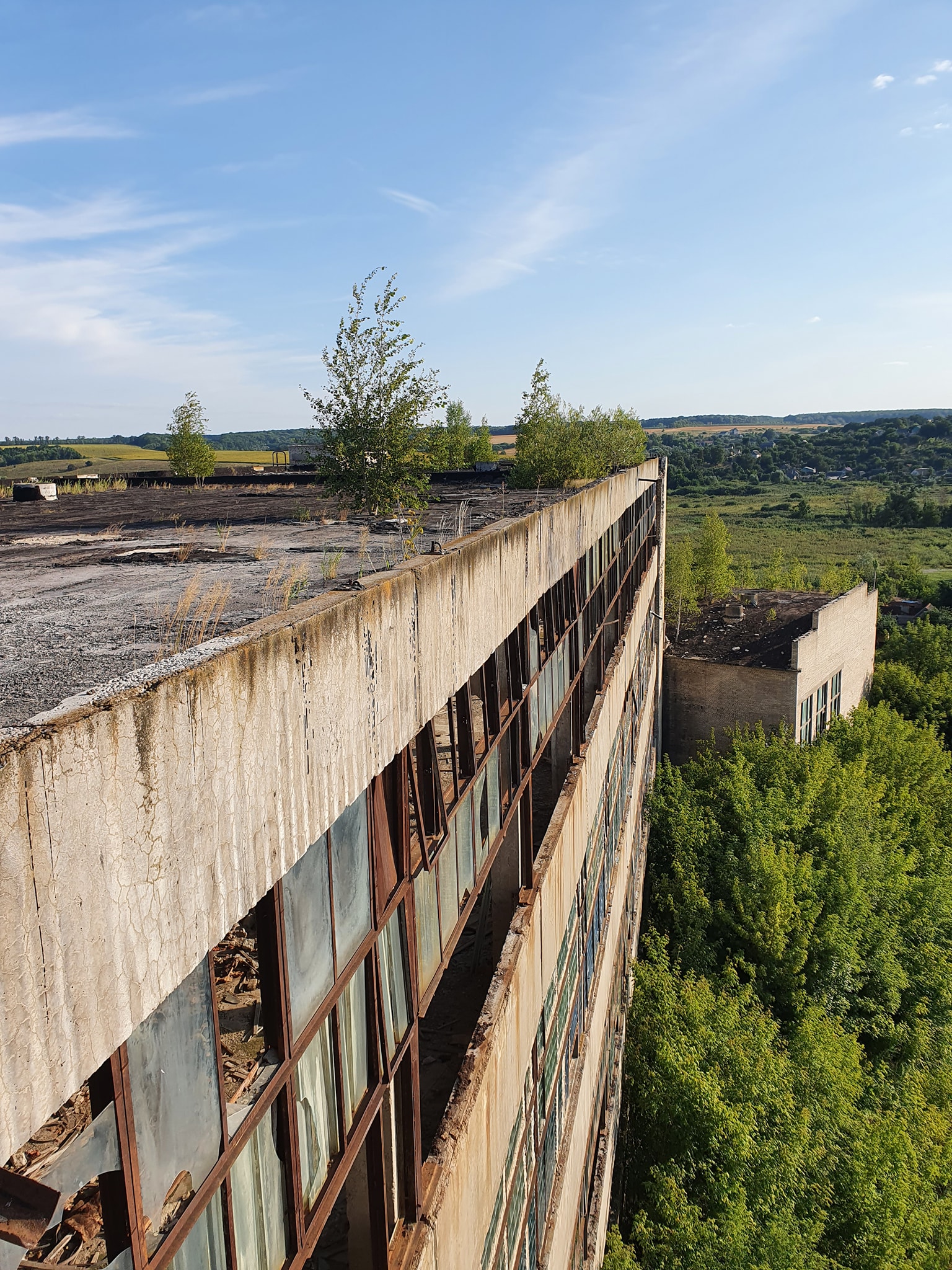
The Budyansky earthenware factory itself, which was established in the late 1880s, went bankrupt in 2006 and was largely dismantled for scrap metal, although the building of the old workshop is still standing
The Kuznetsov dynasty was originally from Gzhel, and it owned many such factories (from Riga to Slovyansk). Among them were factories that produced very expensive tableware, including the Gardner factory (Vrubel drew the sketches for the designs on the dishes).
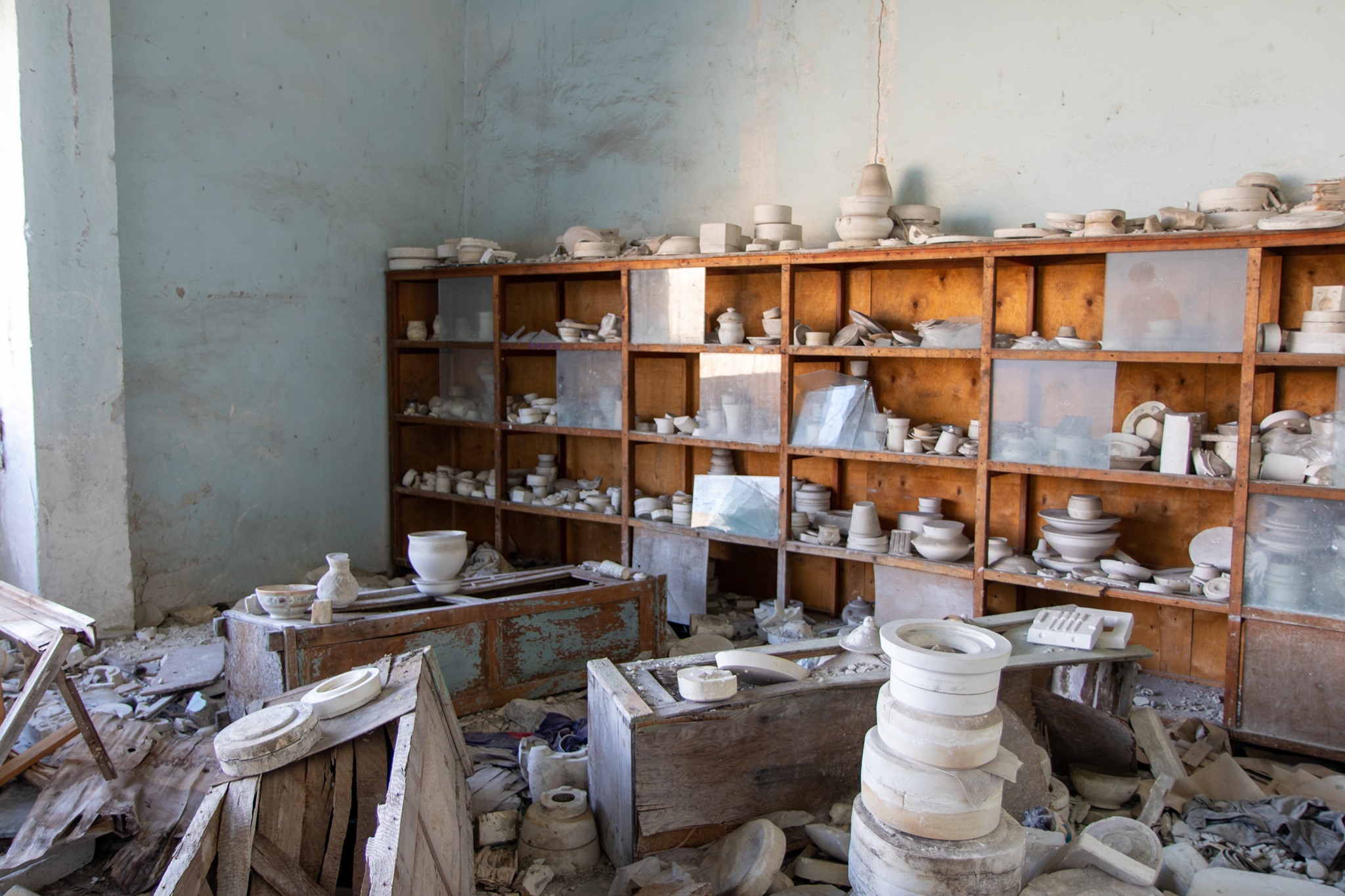
There were also factories that specialized in simpler, mass-produced goods, such as the one in Budy. The factory was relocated here from the Poltava region to be closer to the railroad. It produced earthenware, semi-earthenware, and porcelain; by 1913, more than 2,000 workers were employed there, and 11 million pieces were produced.
After the 1917 Revolution, the Kuznetsovs were able to re-register their partnership in the Republic of Latvia and retain ownership of their factory in Riga, but after 1940, many of them were either exiled or executed by Soviets.
One of the heirs tried unsuccessfully to reclaim her rights to the Budyansky plant, which had already been shut down by 2011.
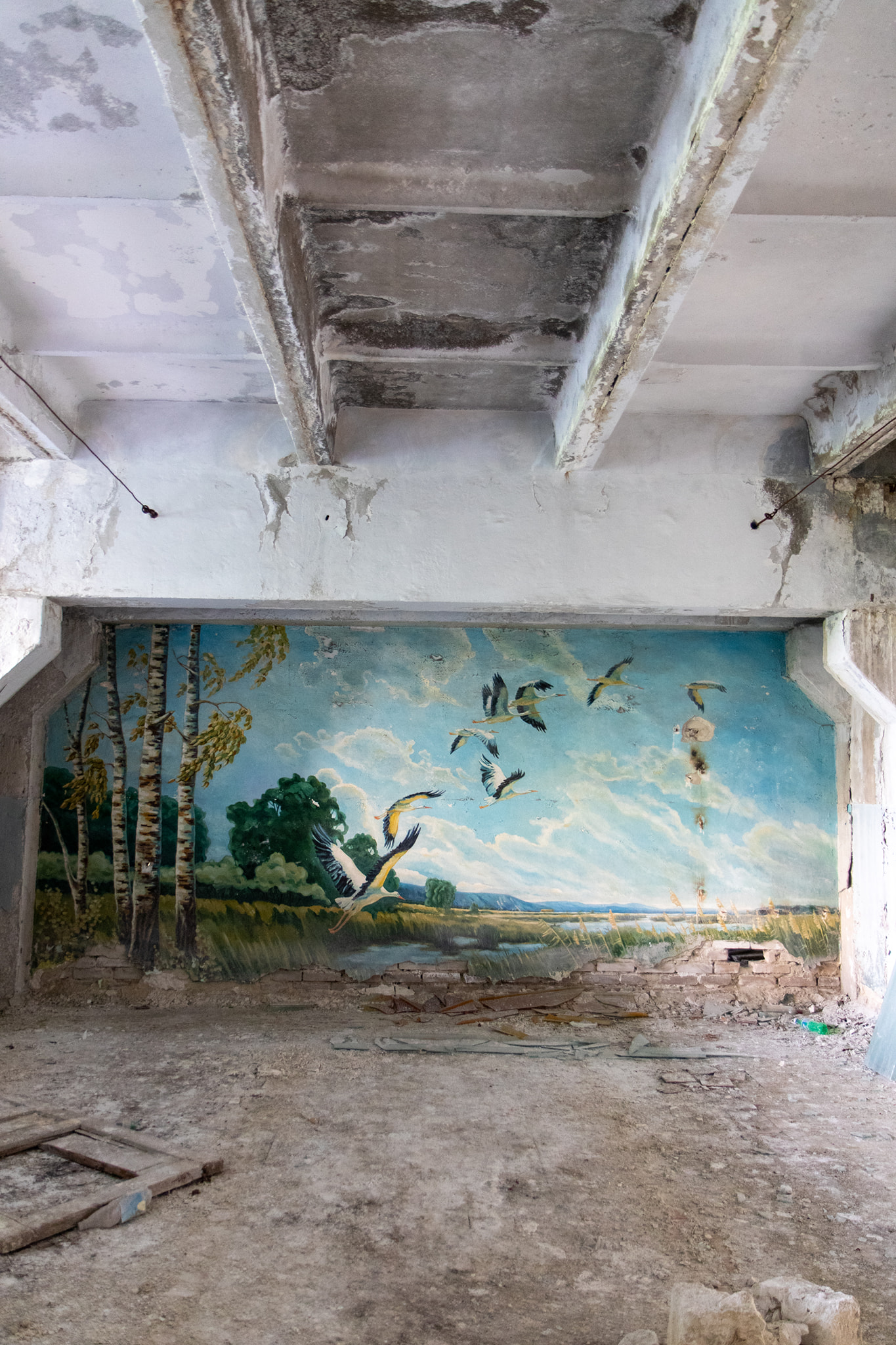
Production in Budy grew during the Soviet era, reaching 80 million units per year by the 1980s.
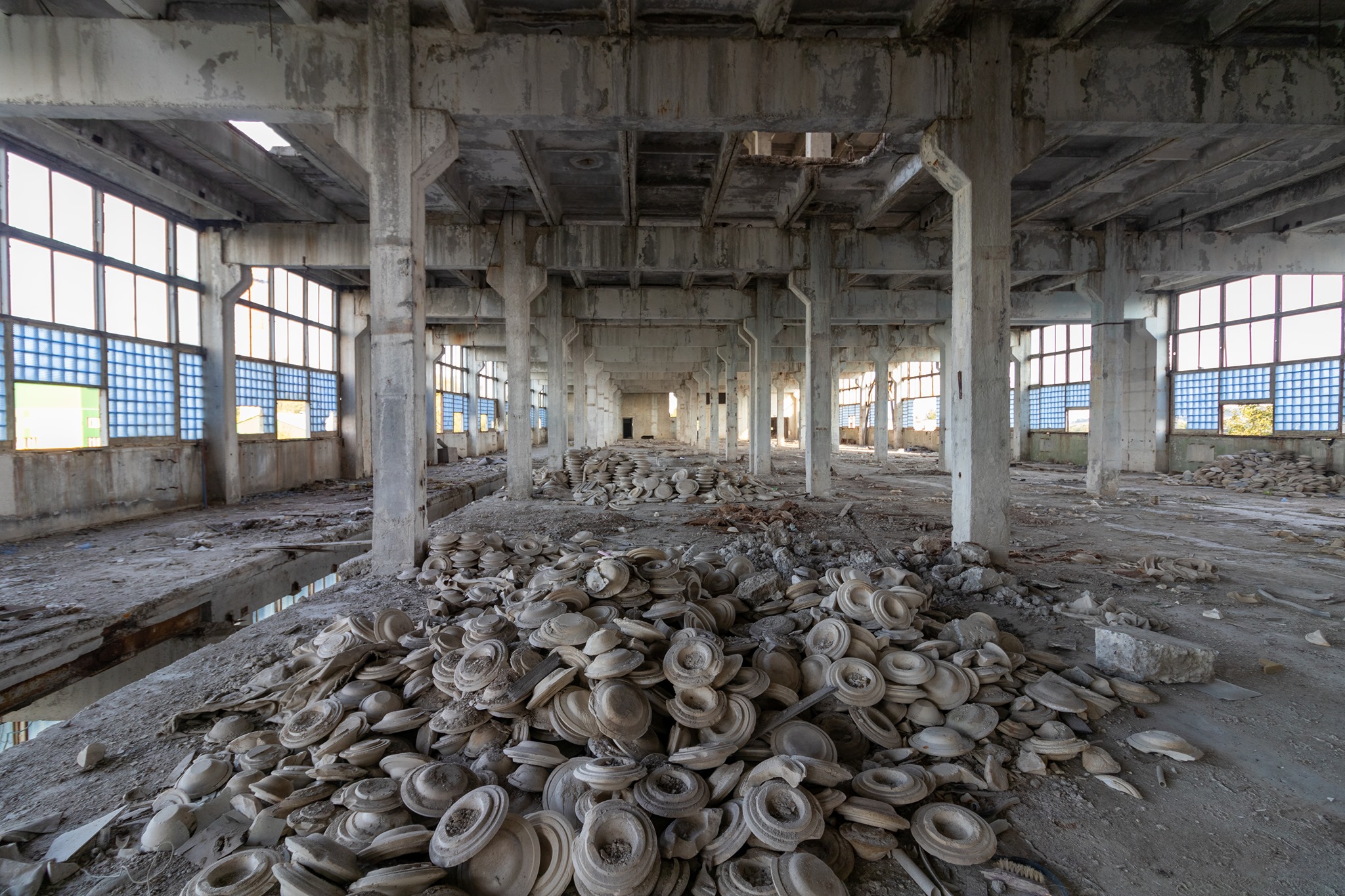
Unfortunately, rising gas prices, a flood of cheap Chinese imports, and the policies of the plant’s new owners left it with no chance of survival. The new
The plant also had a museum; its exhibits are now housed in the Budy Local History Museum and the Kharkiv Historical Museum.

- "Noah's Ark" - 21.10.2026
- Blackie’s House on Maksymilianivska St - 19.10.2026
- Danylevs’koho Street, 19 - 13.10.2026