If you look closely at the design of the building located at Universytets’ka Street, 9, you can see many Squares and Compasses.
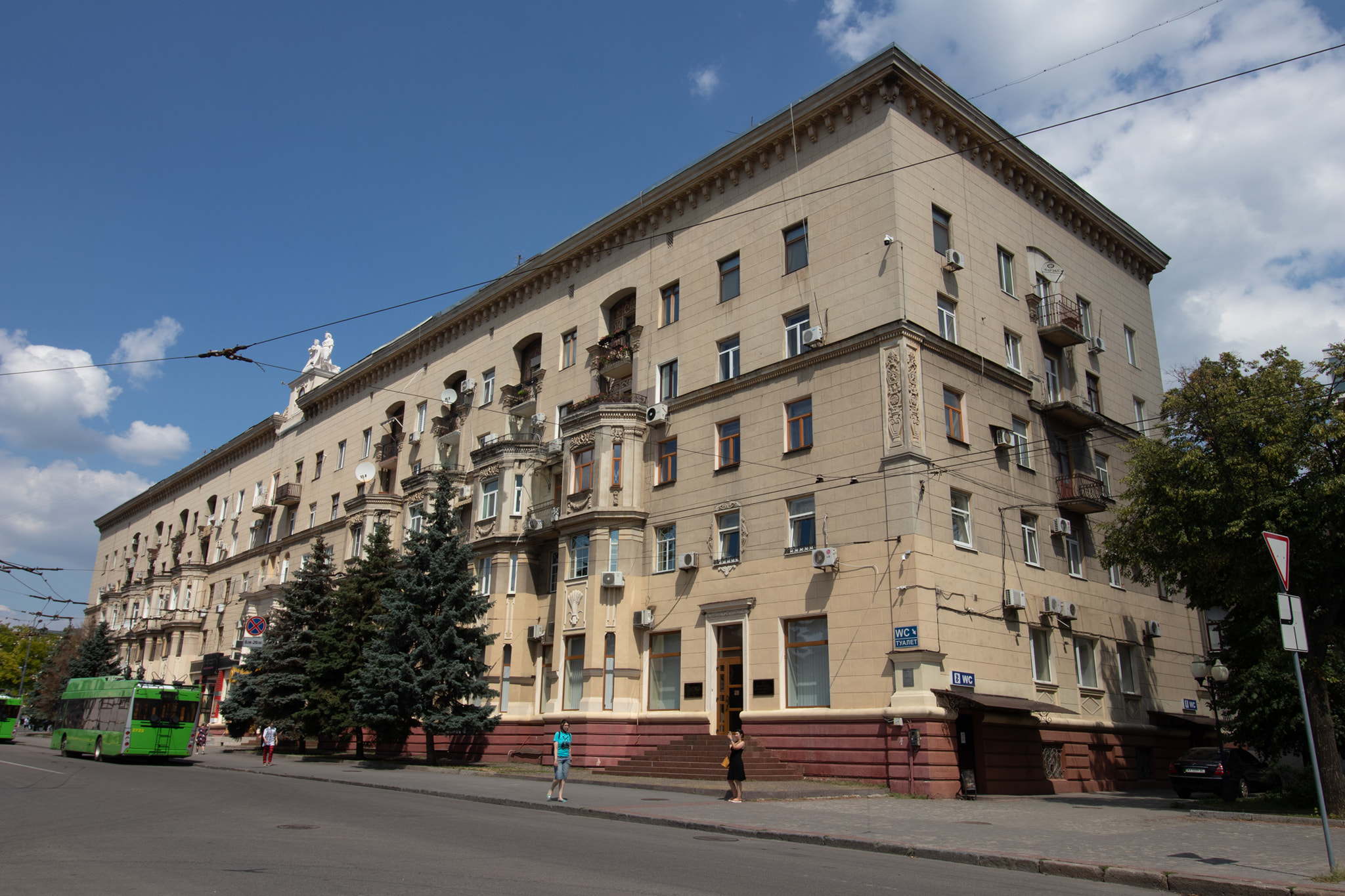
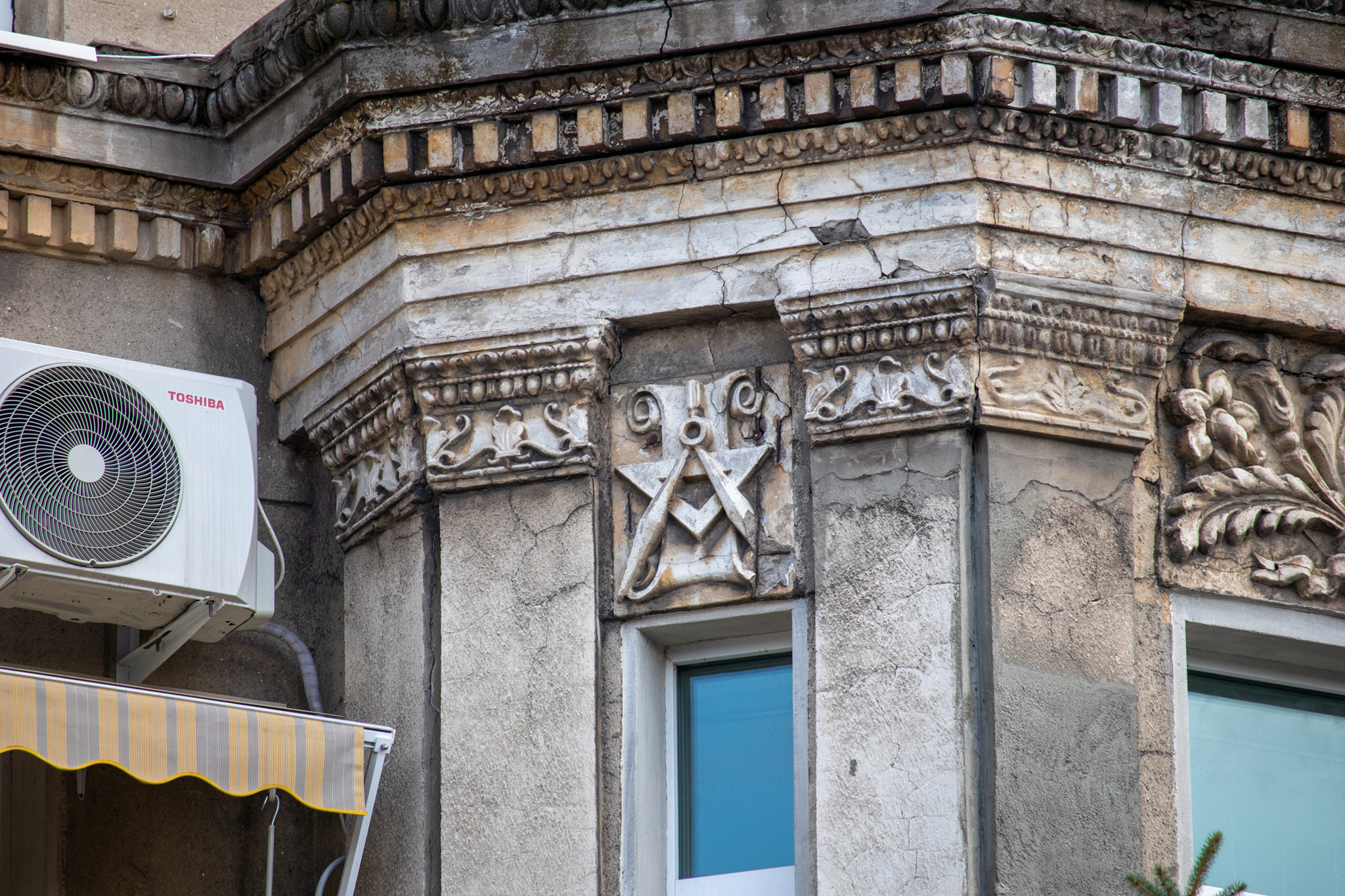
But in this case, they have nothing to do with Freemasons—it is a symbol of architects that was popular among socialist classicism buildings. Another example: Sumska Street, 7.
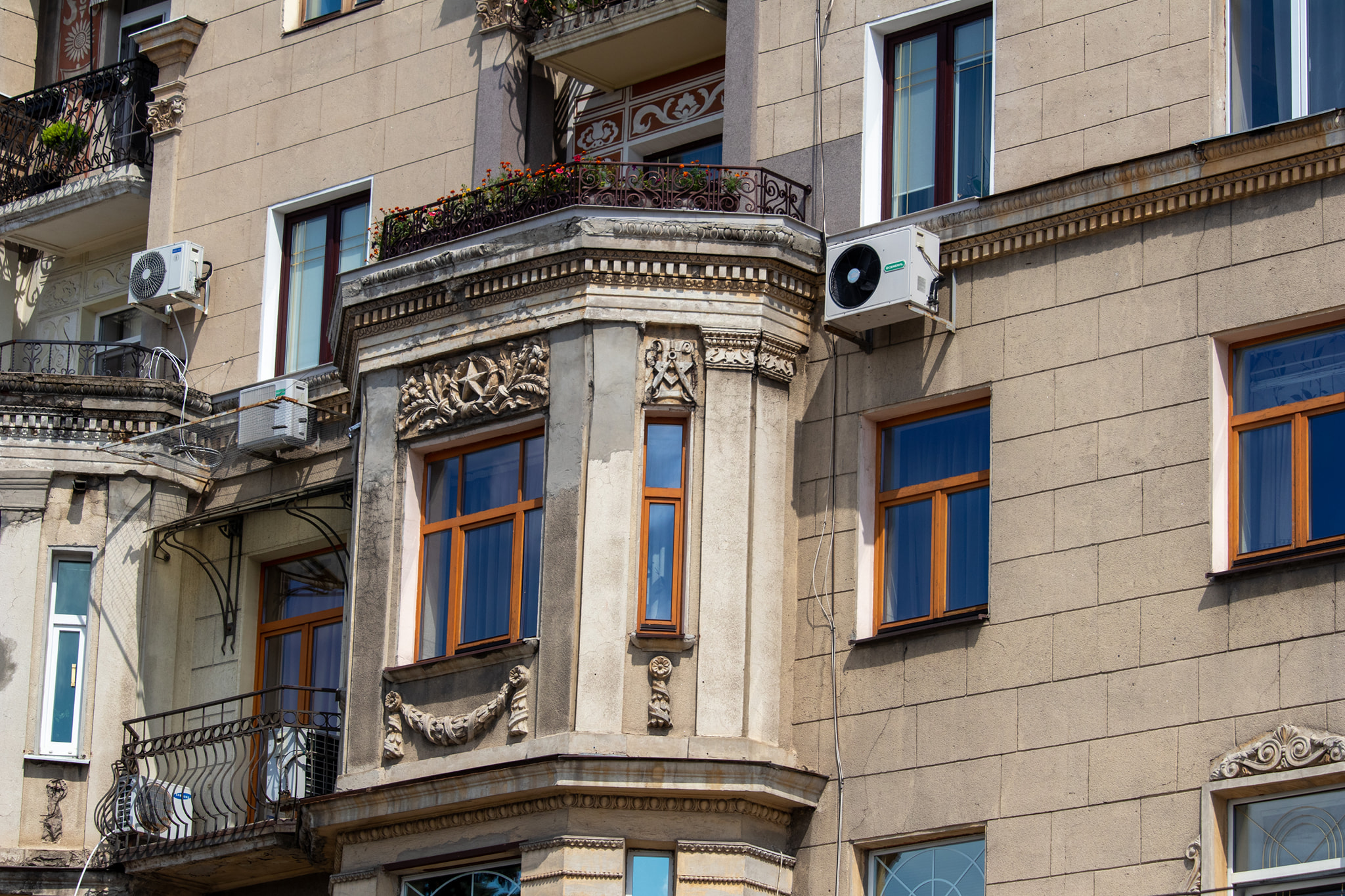
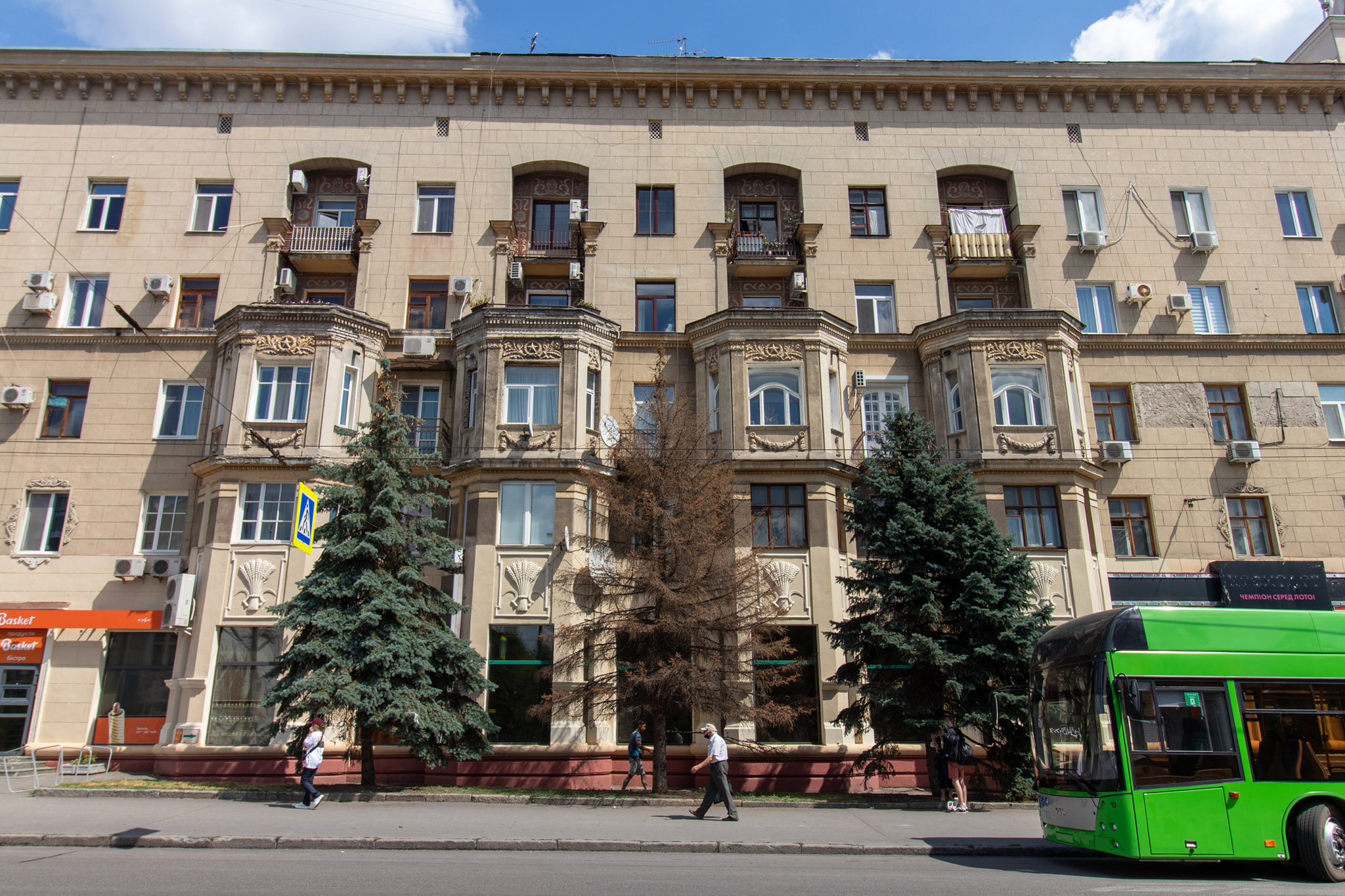
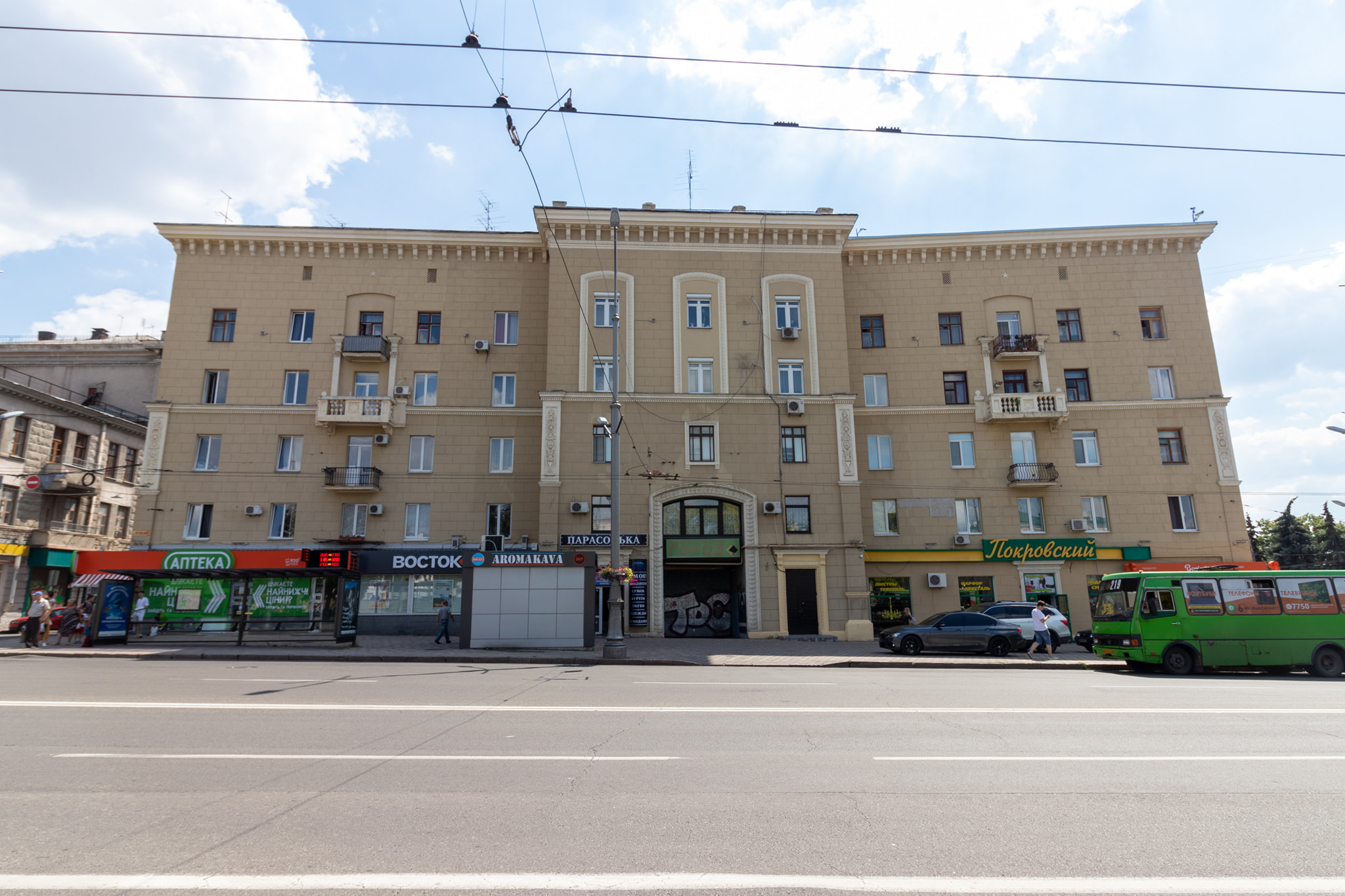
The building was completed in 1953.
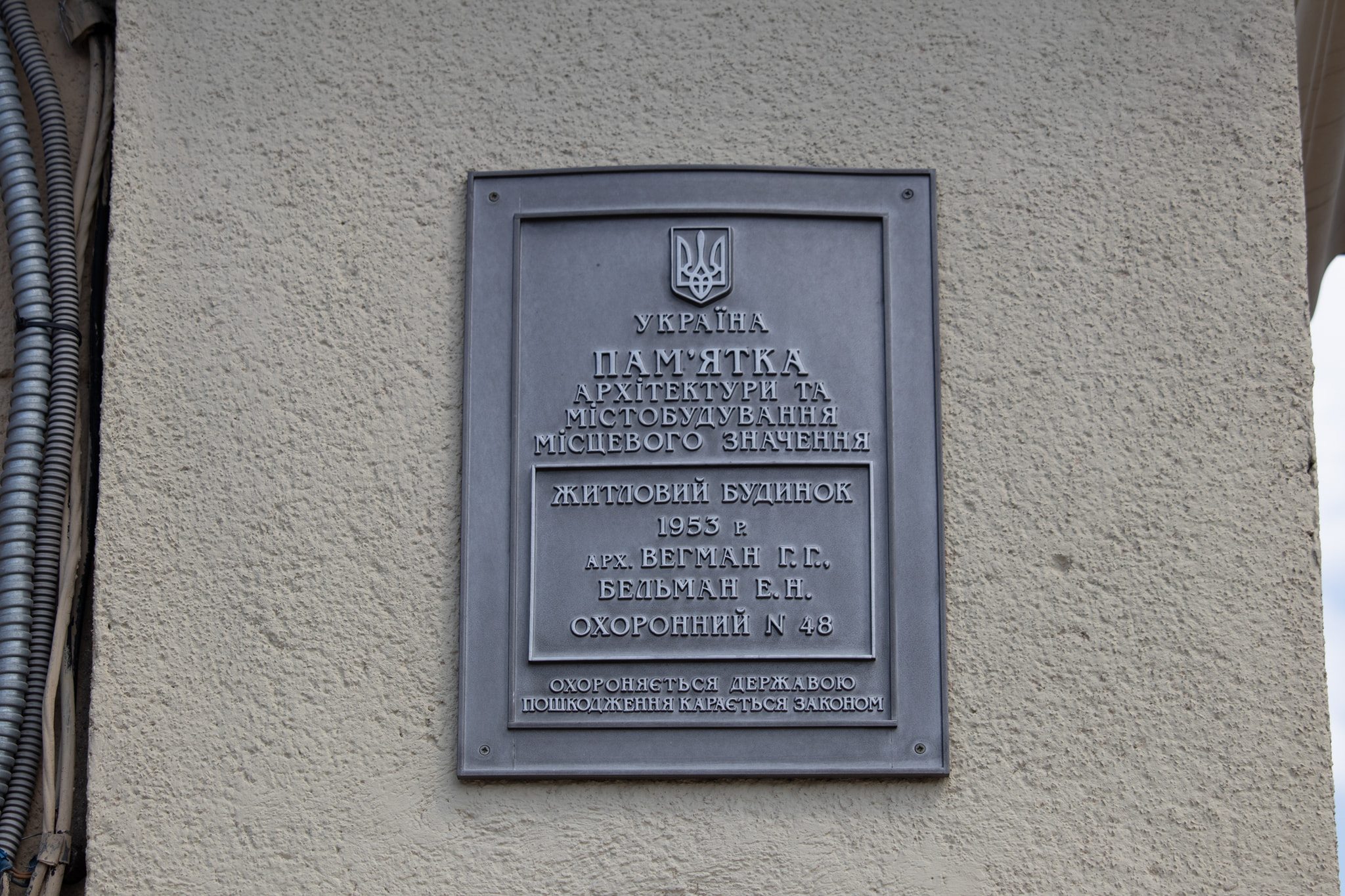
The project in socialist classicism style was designed by G. Vegman and E. Belman.
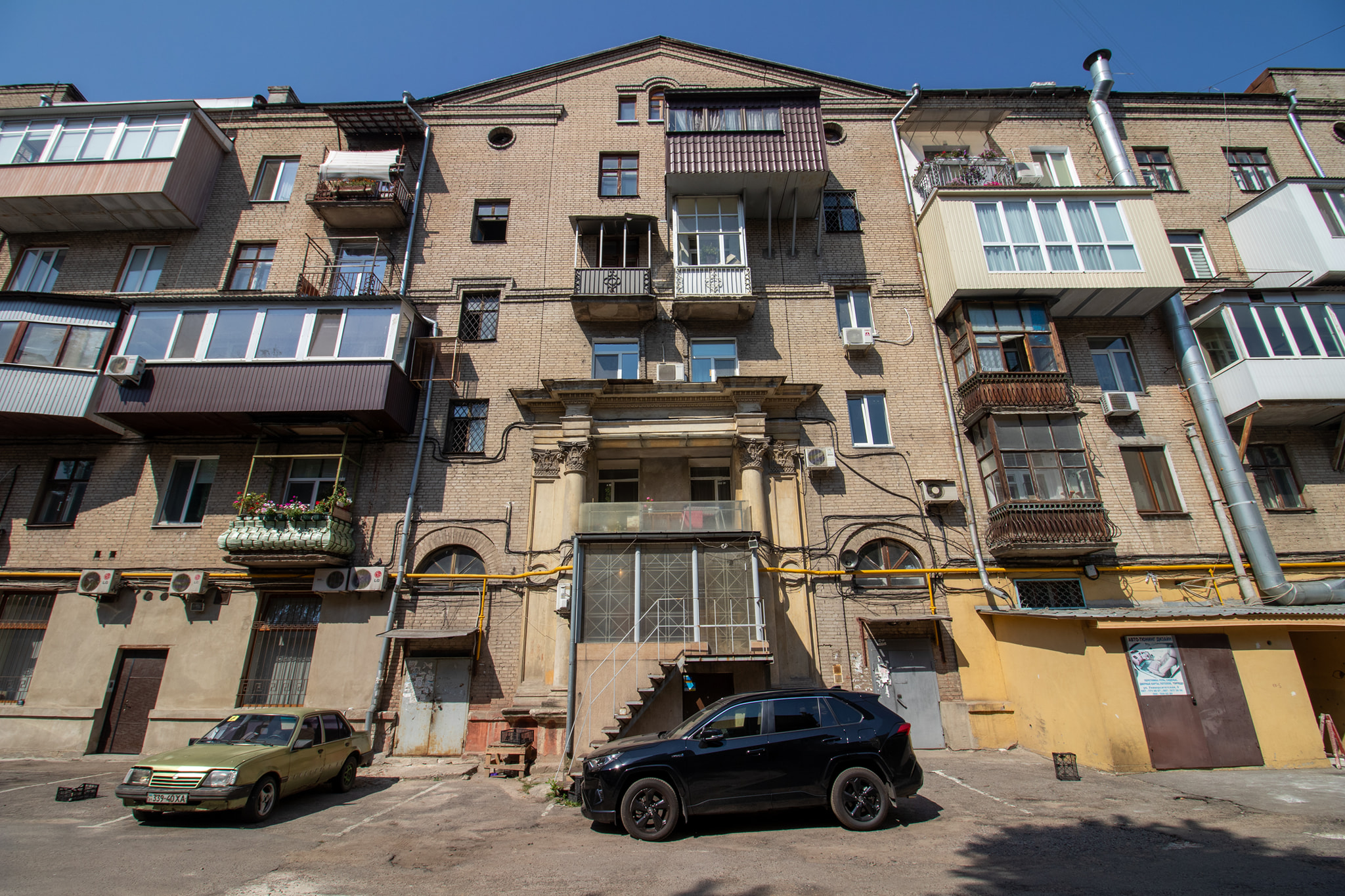
According to residents, people began moving into the building as early as 1952, when the main wing was completed.
The building was constructed on the site of the Gostiny Dvor buildings, which were destroyed during World War II.
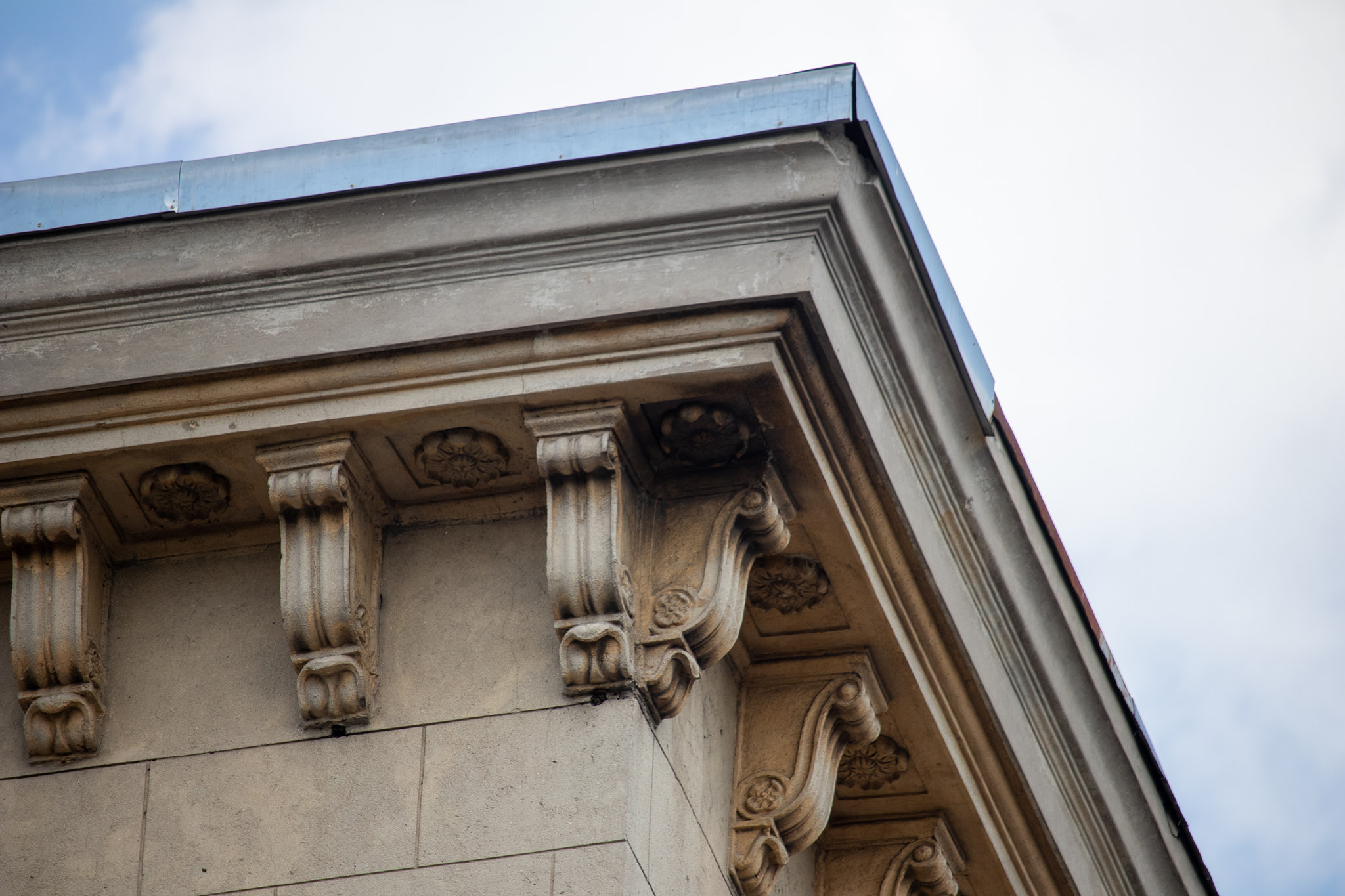
The building is adorned with sculptures of a worker and a collective farm woman holding a plaque bearing the year the building was constructed (1952).
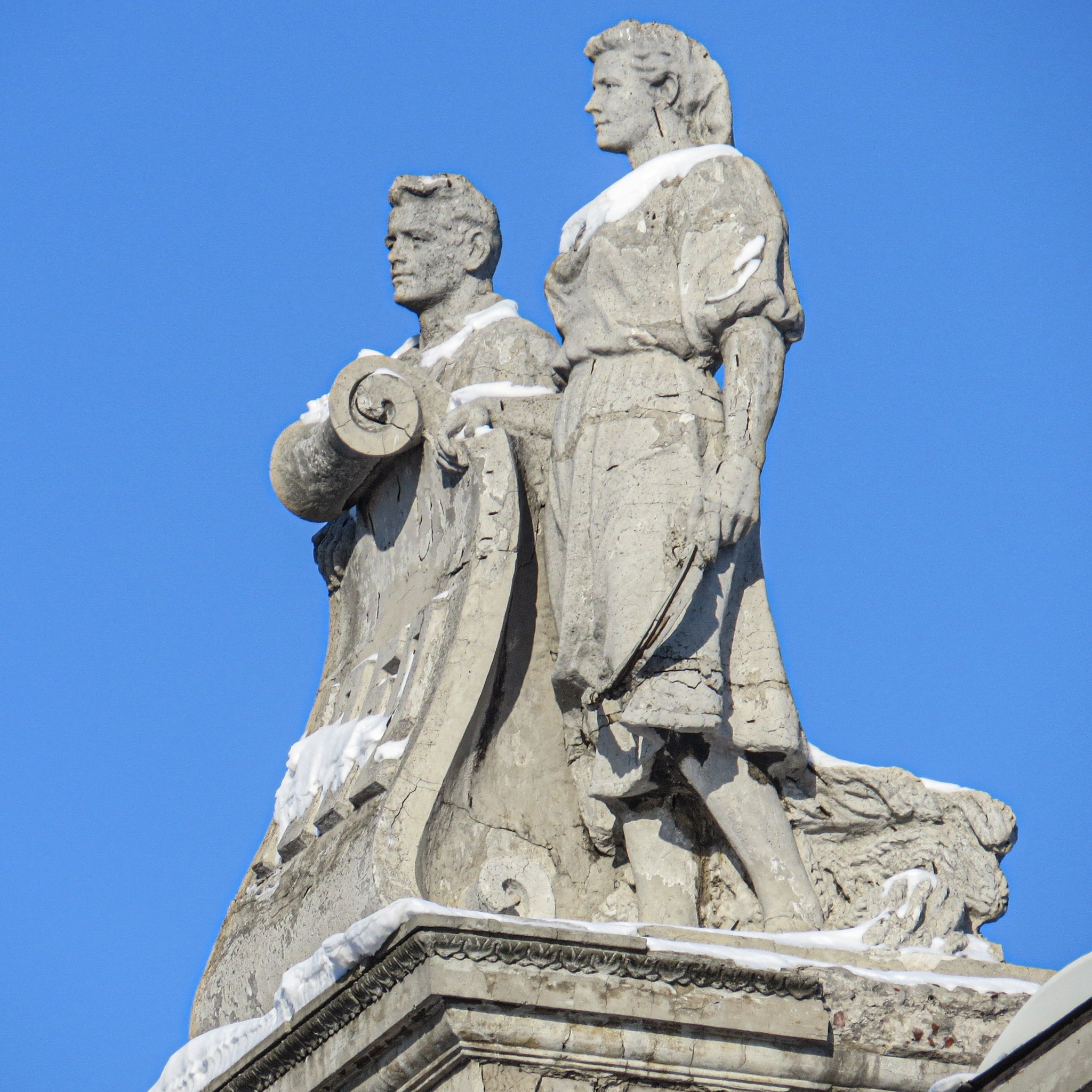
The sculptures of a worker and a collective farm woman are the typical symbols of a Soviet era, when the Atlanteans and caryatids in building designs were replaced by more realistic figures.
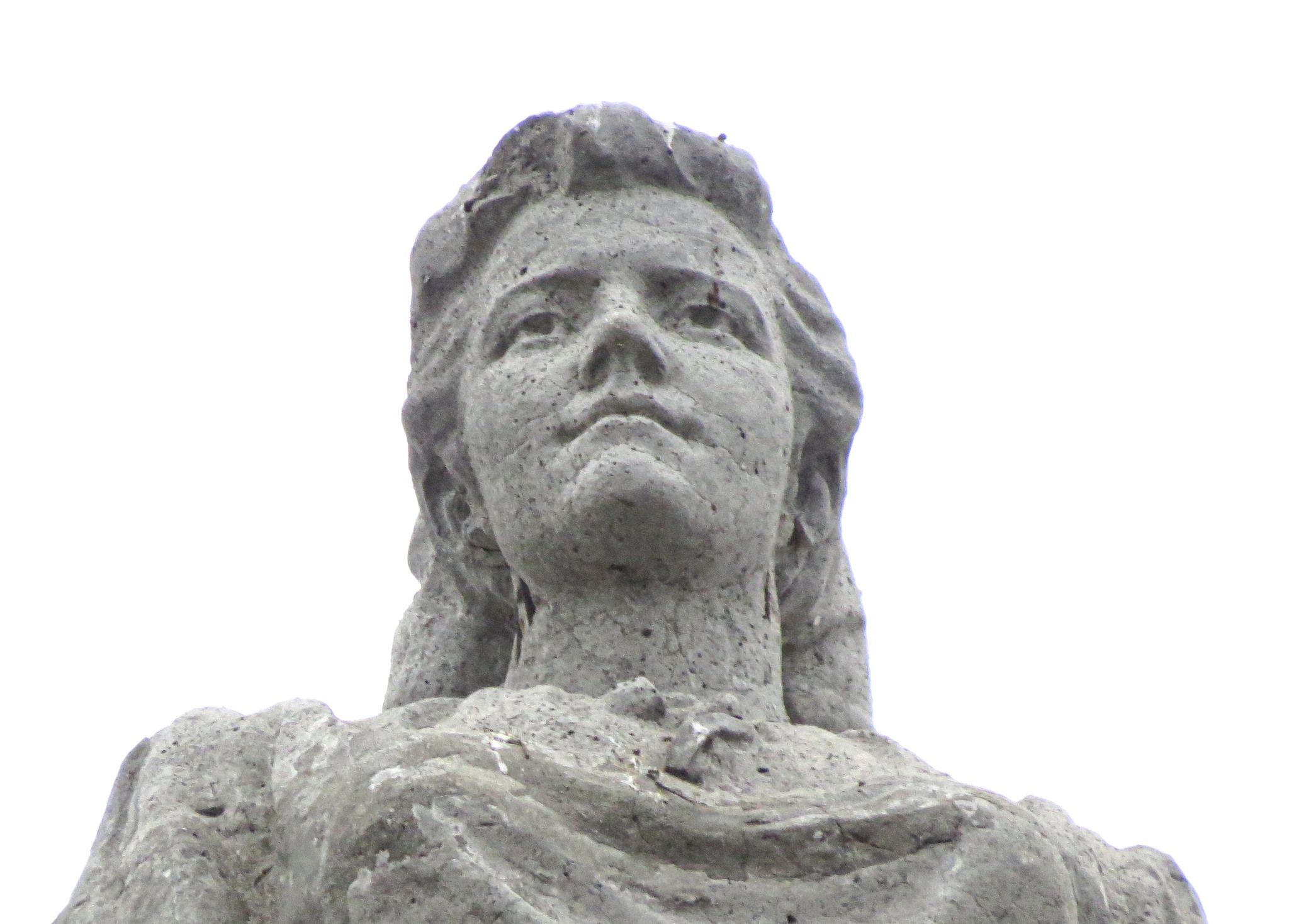
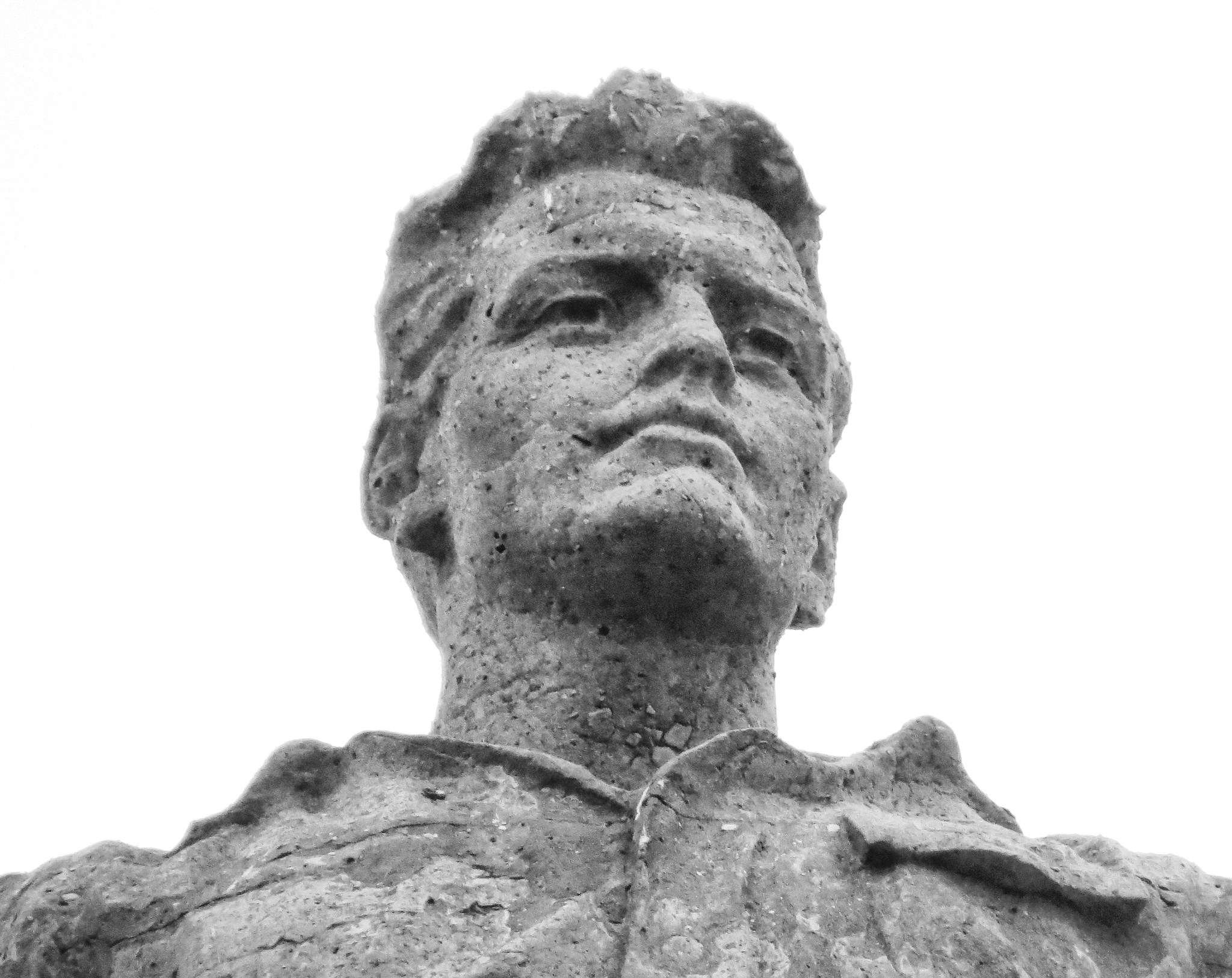
According to unconfirmed information, the sculptures were created by Mykhail Khudas.
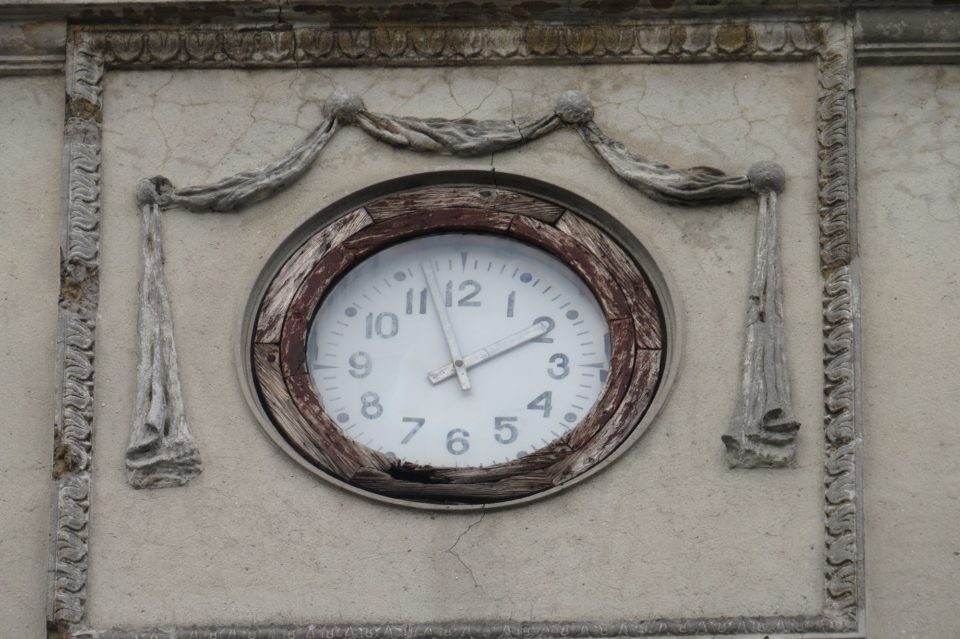
There is also a clock on the house, but unfortunately, it doesn’t work.
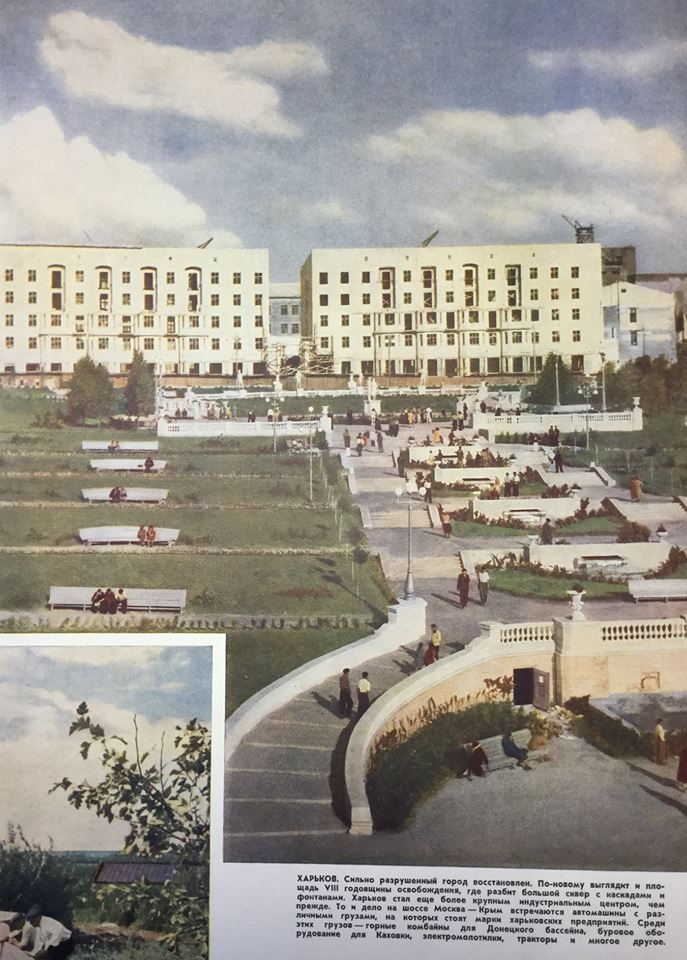
The building is a partially revised version of a design previously implemented in Zaporizhzhia. The building there is located at Sobornyi Avenue, 232; it was built in 1949 and features the same roof sculptures, though its decorative elements are less elaborate.
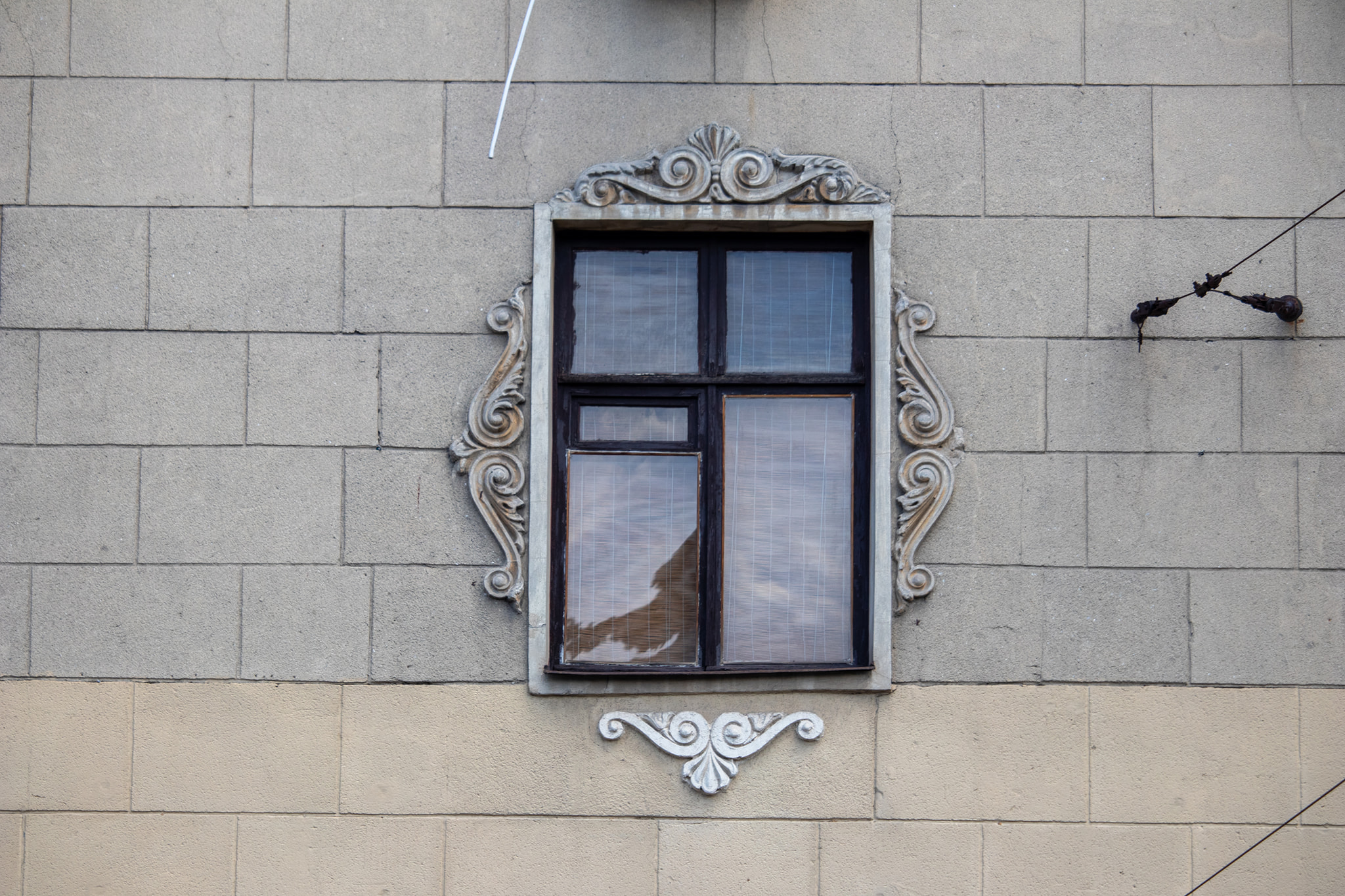
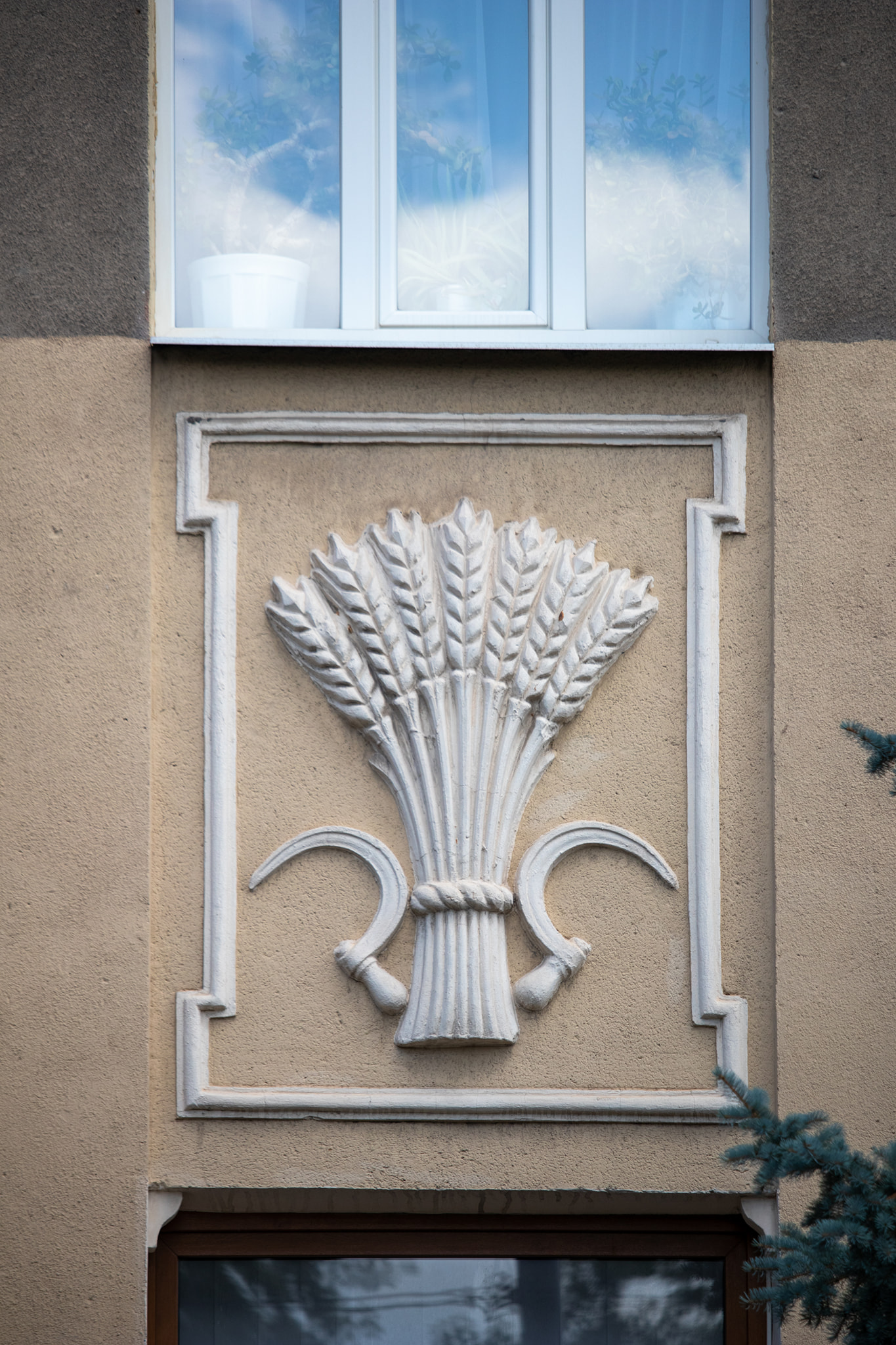
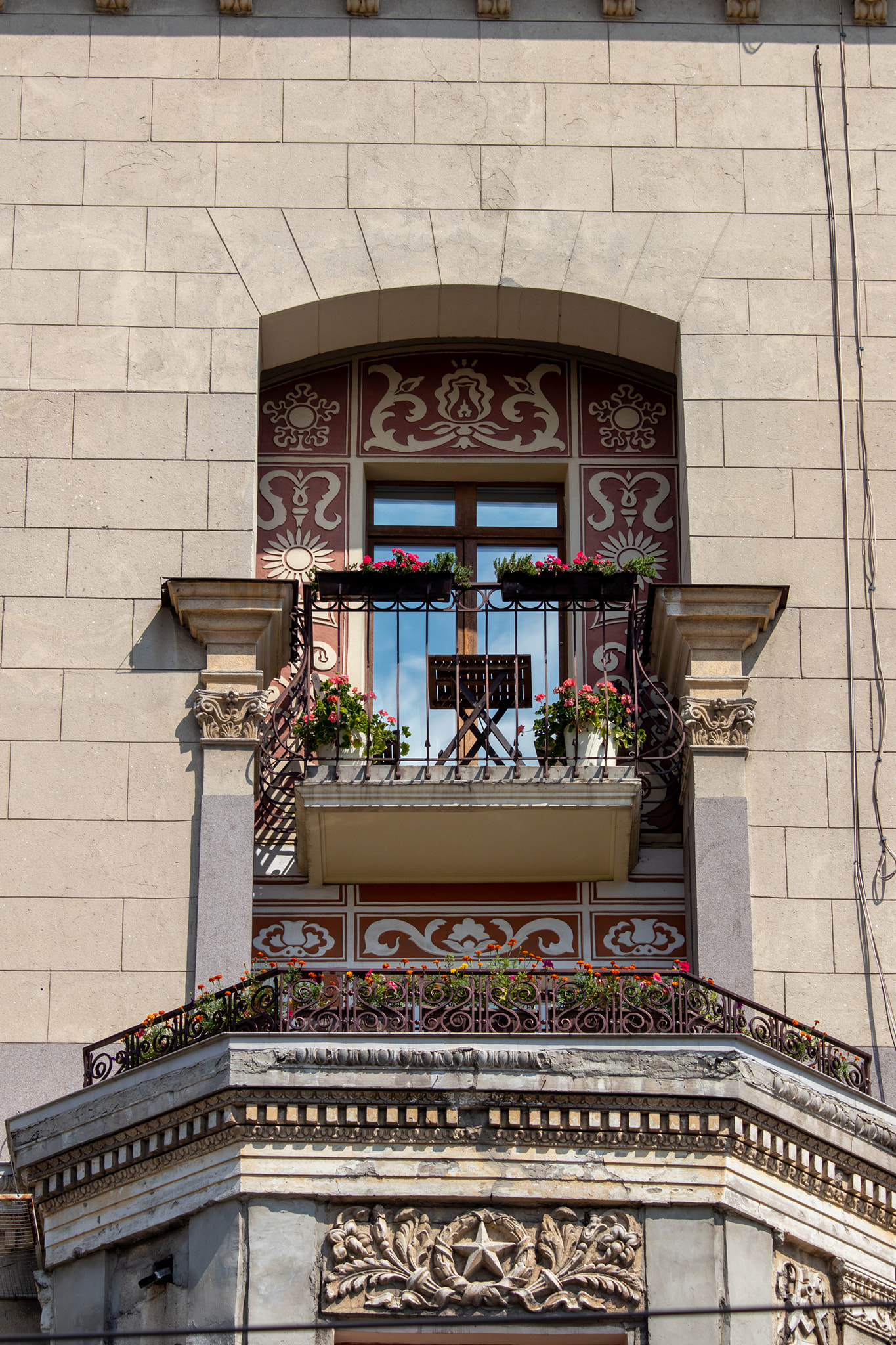
In the decor of the building in Khakriv, you can find stylization of Ukrainian folk ornaments, as in this sgraffito in the loggia.
Here’s an interesting fact: from the courtyard of this Kharkiv building, you can clearly see the wall built above the top floor (note the spot in the photo where the bell tower is visible).
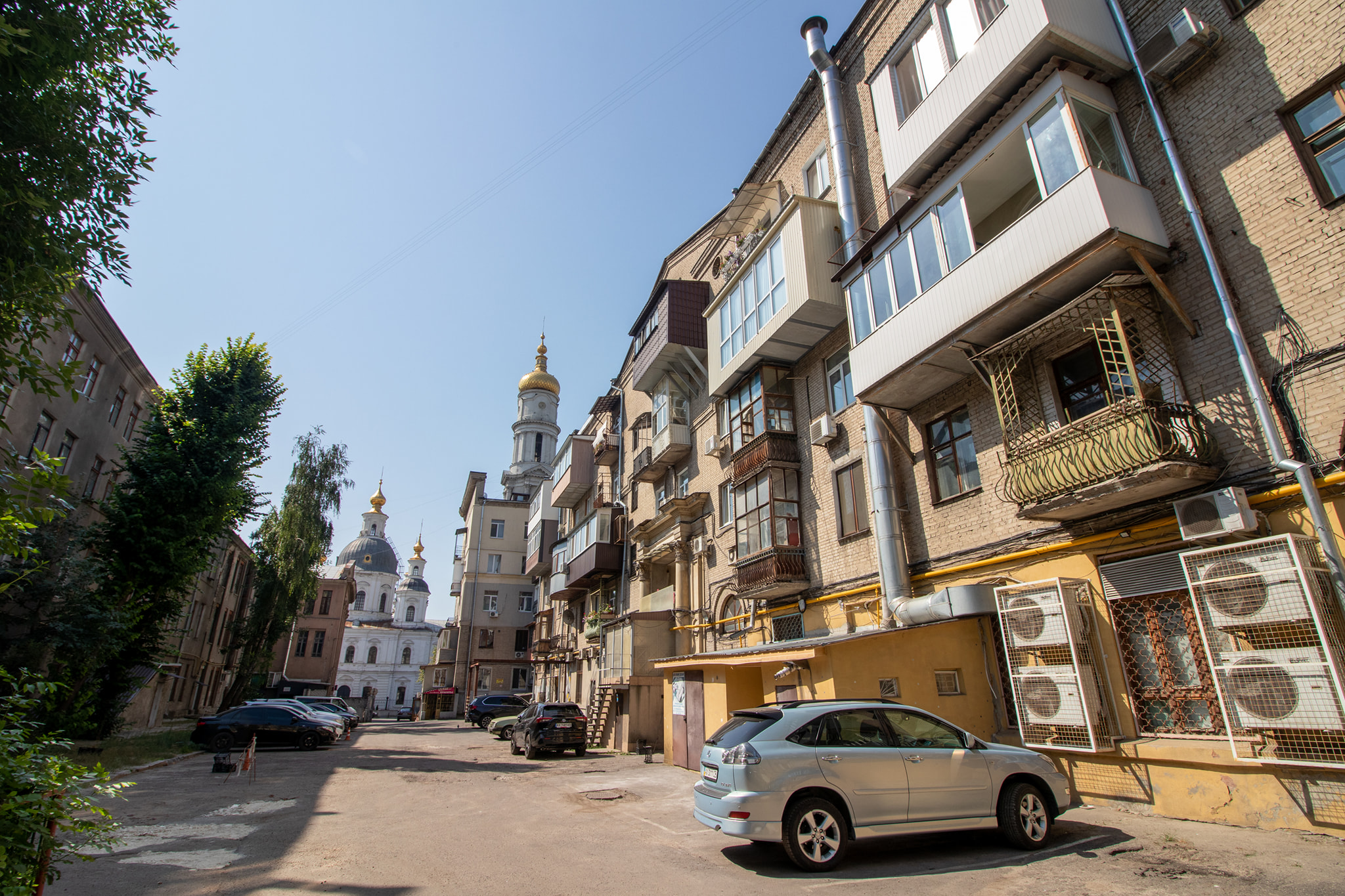
The fact is that the level of the flat roof is lower than the height of the facade, which the architect raised for aesthetic and symmetrical reasons.
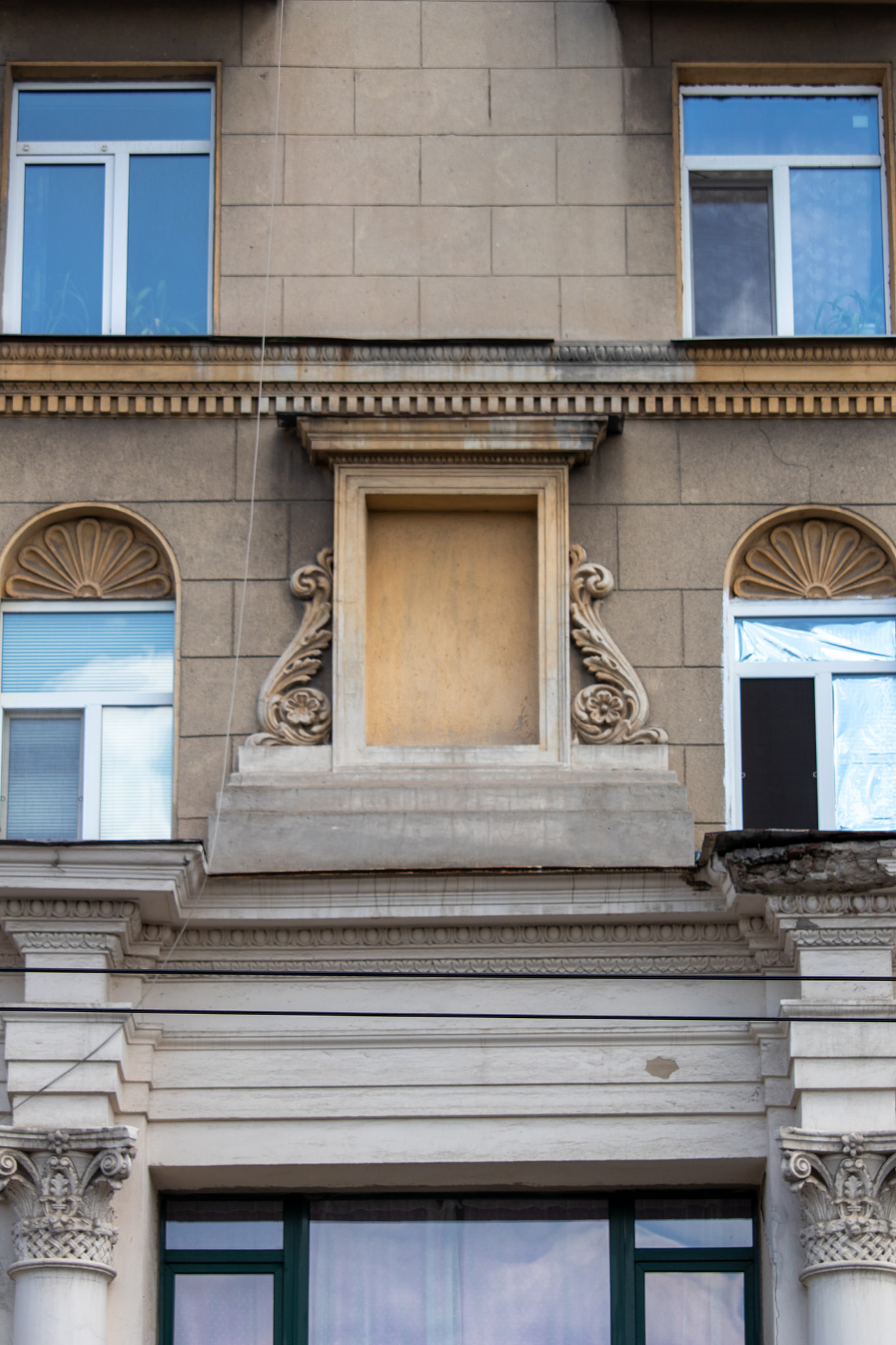
This niche most likely originally held a portrait of one of the Soviet leaders.
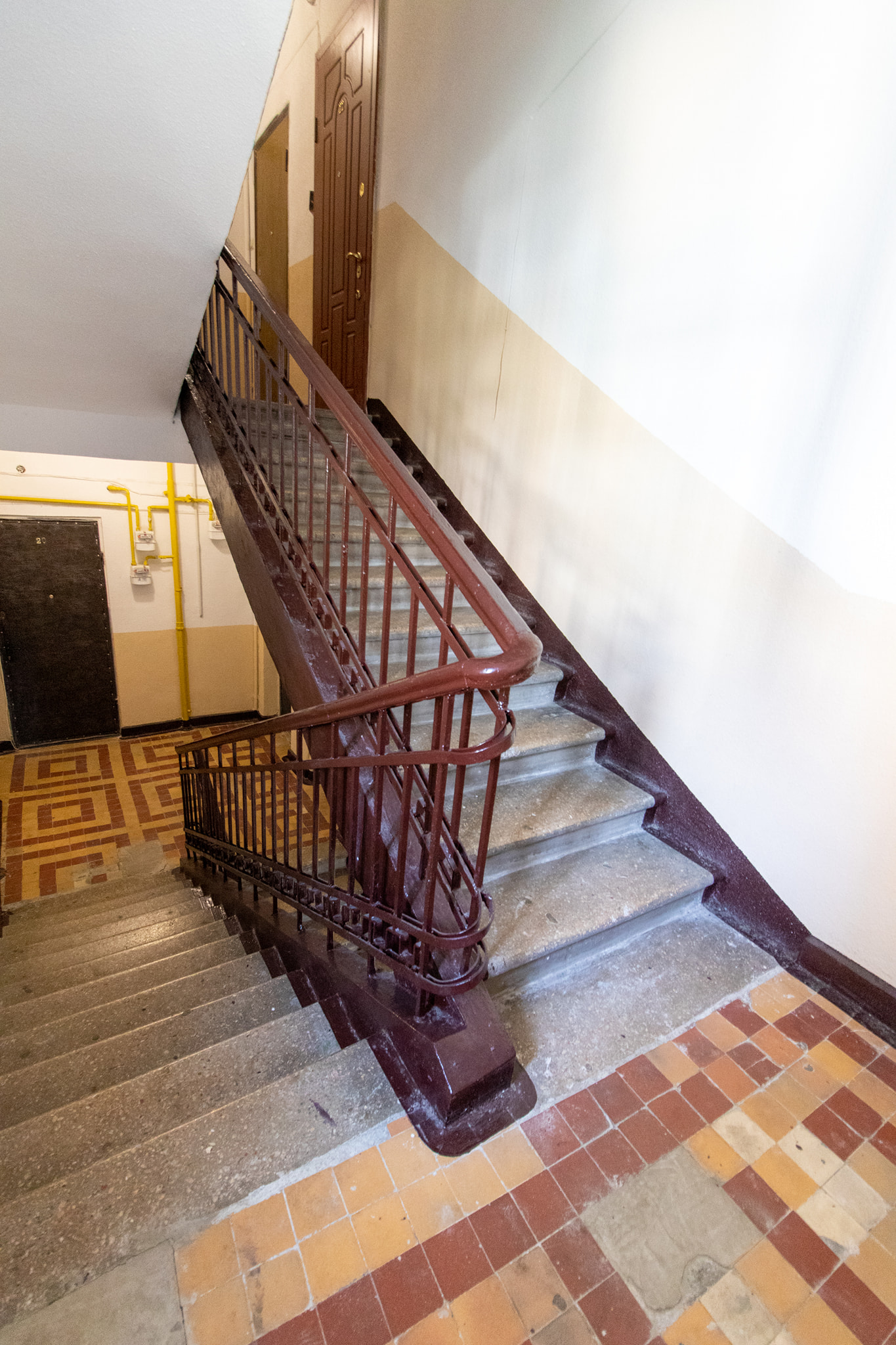
The building staircase isn’t particularly grand or imposing, though it does look nice.
You can see remnants of tiles on the balconies.
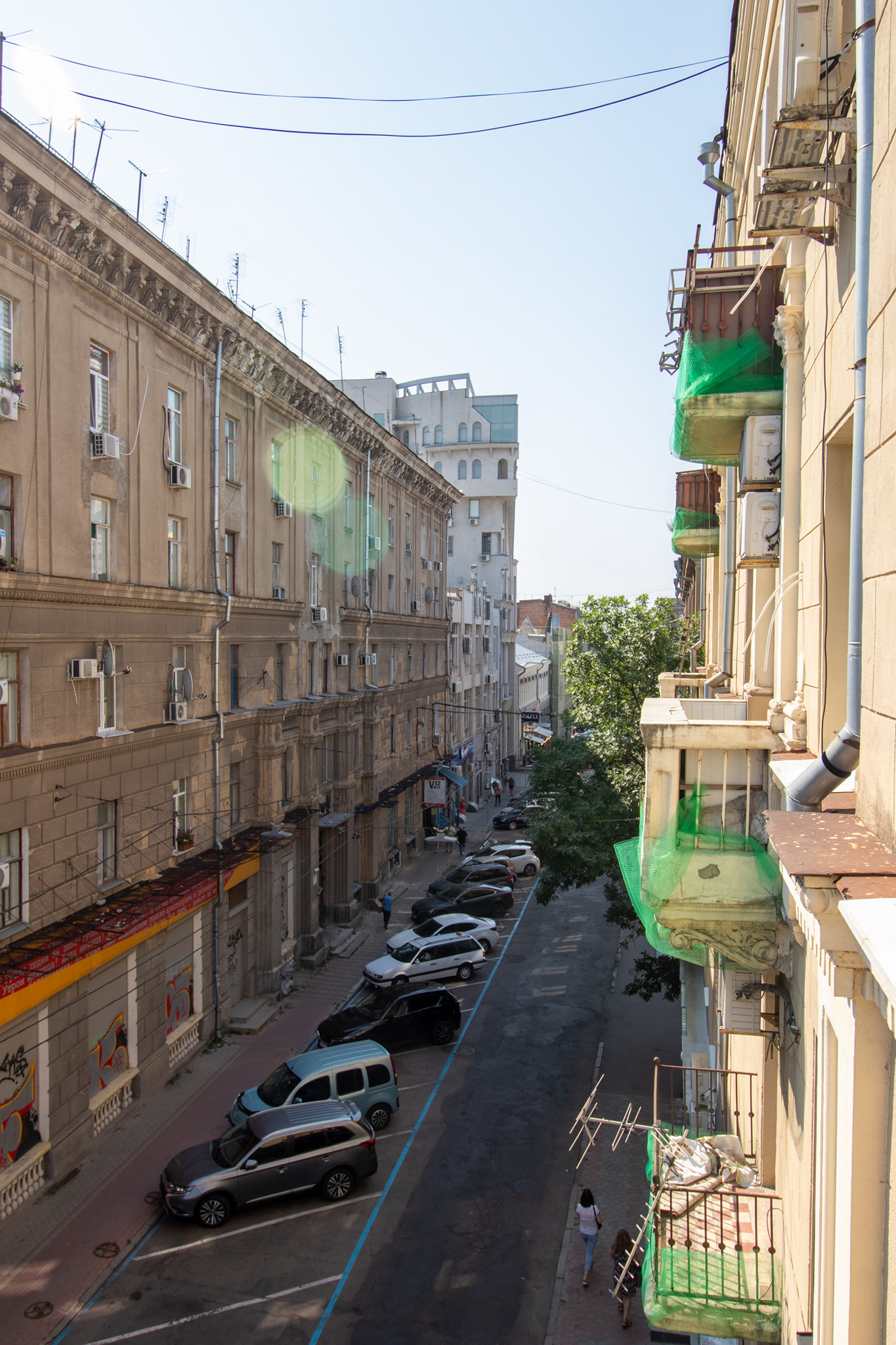
The wing of the house on Kvitky-Osnov’yanenka Street was most likely the last part to be completed.
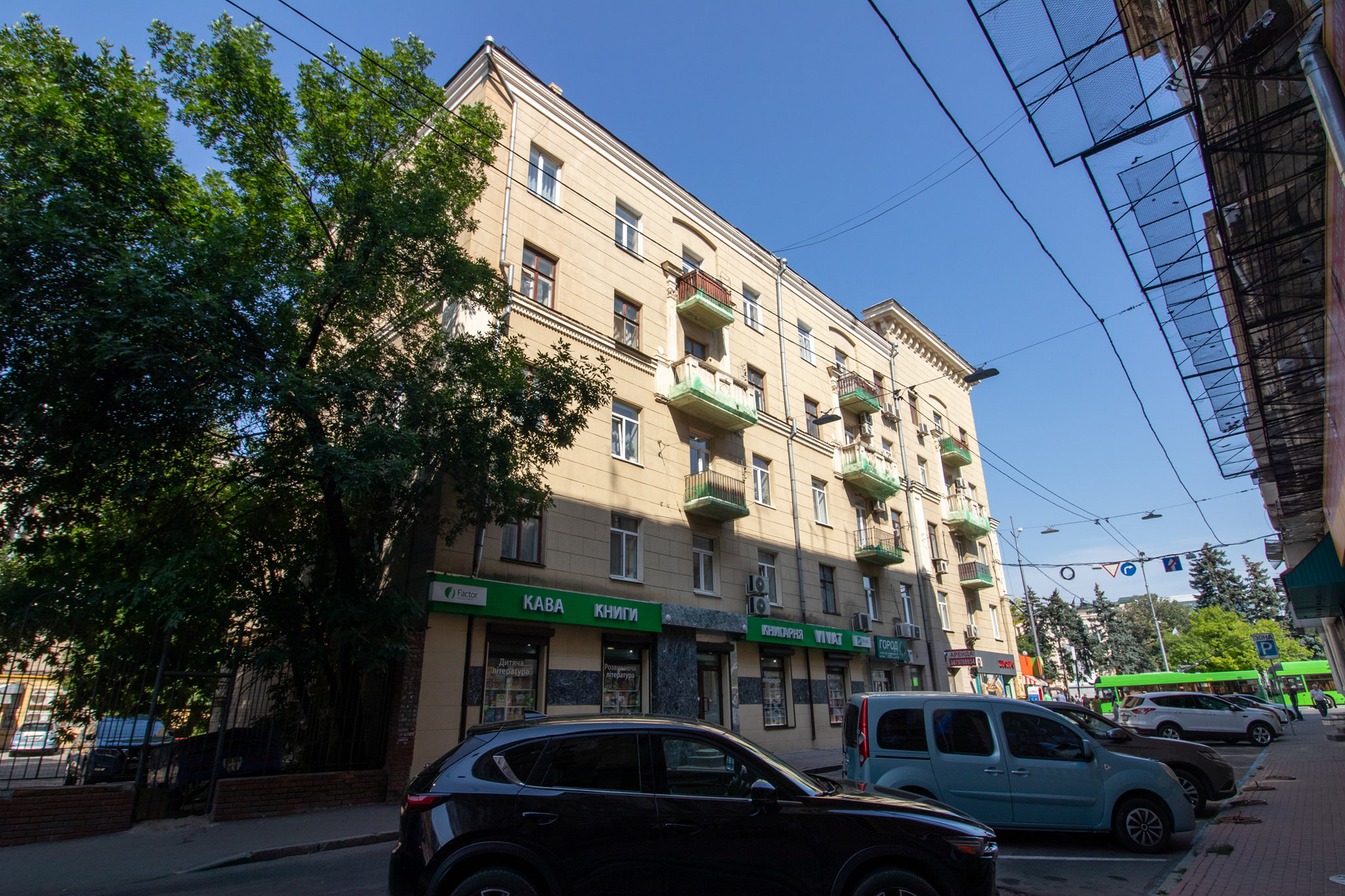
The building was damaged by a Russian missile strike on the Palace of Labor in March 2022.

- The Architectural Evolution of the Kharkiv Theater - 26.09.2026
- 1st Kharkiv Gymnasium - 17.09.2026
- The Oldest Movie Theater in Ukraine - 24.08.2026