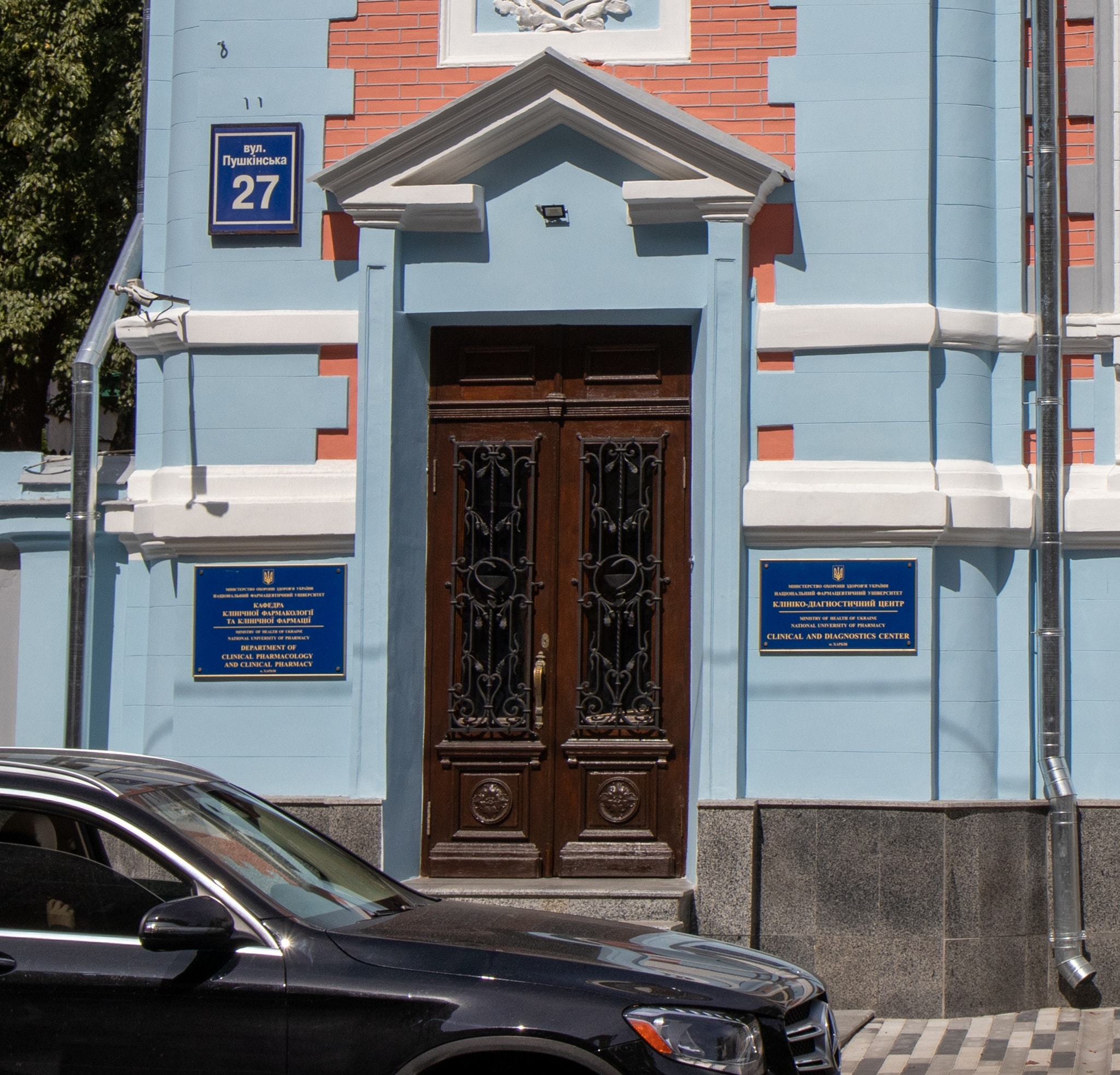
I think there are very few people who, while strolling through the old streets of our city, haven’t passed by the historic mansion at Hryhoriia Skovorody Street, 27.
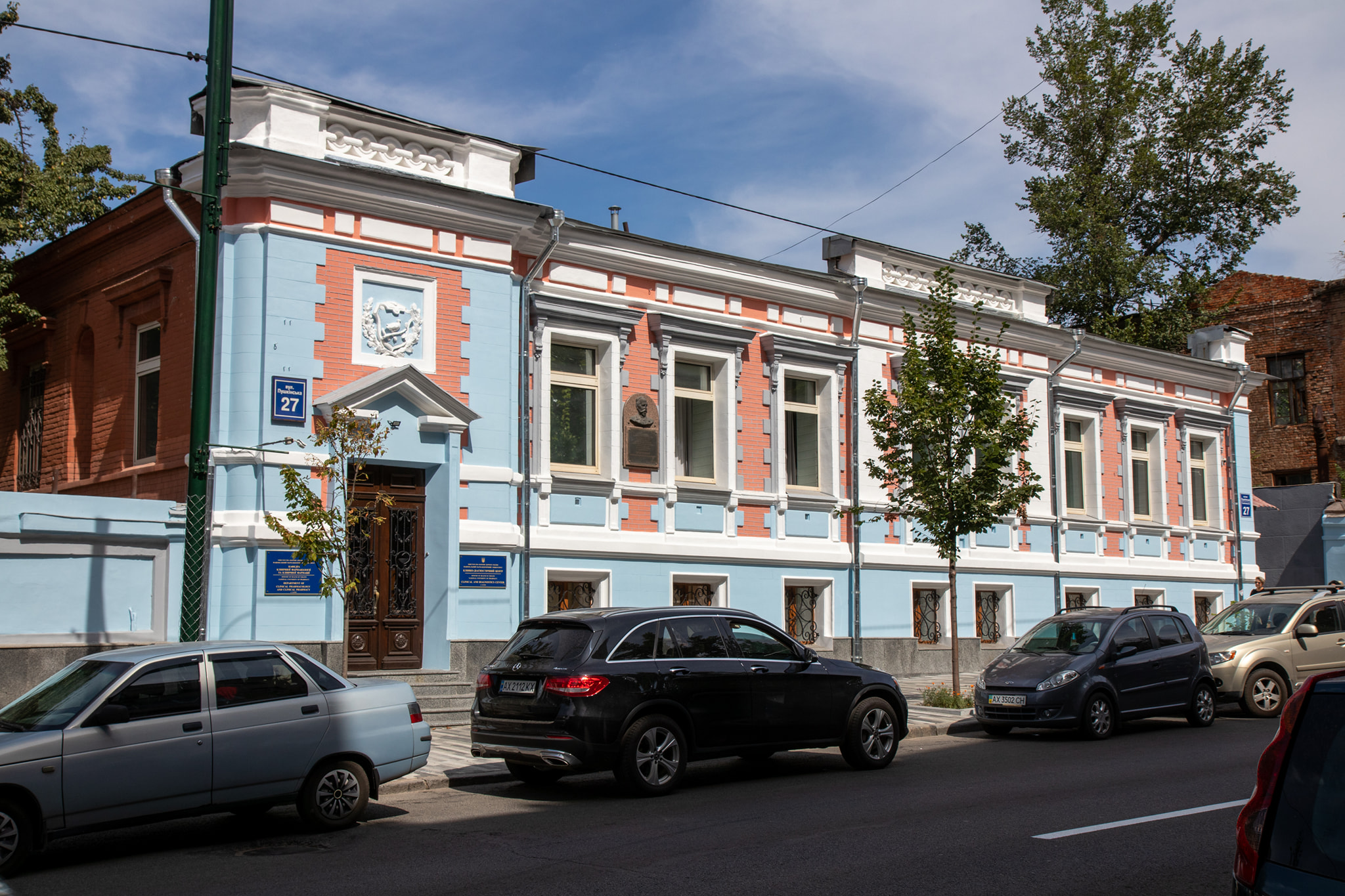
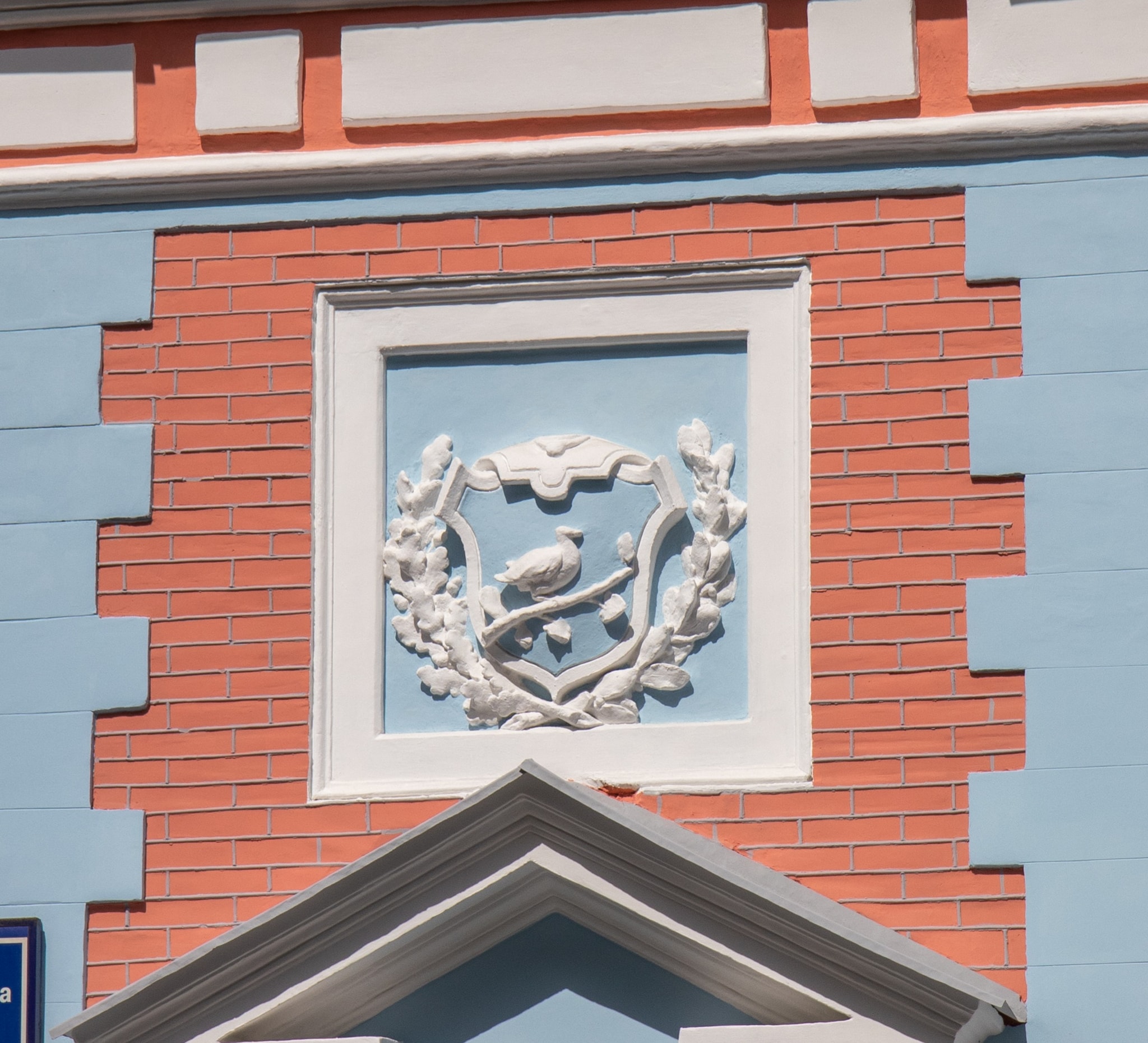
This small building still stands out against the backdrop of the large structures thanks to the coat of arms and memorial plaque displayed on it.
The latter is located quite high up, so not many people will be able to read the text explaining that this building housed the first university urology clinic in Ukraine and the Russian Empire at the end of the 19th century, founded in 1887 by Professor Apollinary Grigoryevich Podrez. That’s why some people simply call this building “the little house with the coat of arms.” To be honest, I, too, used to refer to it that way for quite a while.
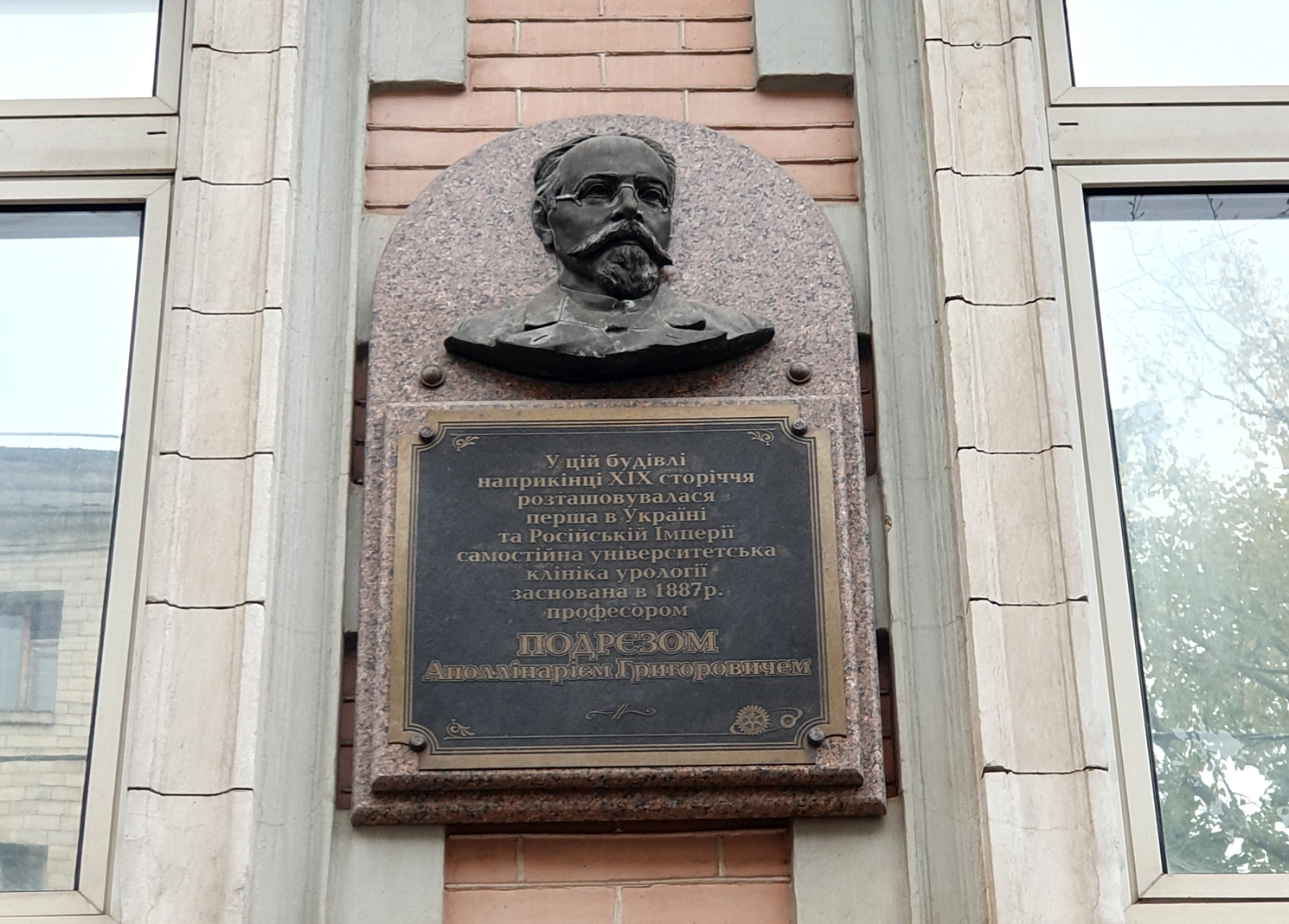
But lately, I haven’t called this house anything other than “Podrez’s Mansion.” The aforementioned commemorative plaque was unveiled there on November 1, 2012, at the initiative of Kharkiv National Medical University in honor of the 160th anniversary of the physician’s birth. This is not surprising, as the scientist’s name is well known among medical professionals both in Ukraine and abroad. In fact, he is so well known that even the Department of Urology and Andrology at Kharkiv National Medical University bears his name. But it is not only the doctors of our city who can be proud of Apollinariy Grigoryevich Podrez. The very fact that this brilliant man was born on November 18, 1852, in the Kupyansk District, and later lived and worked in Kharkiv, brings honor to our city and region. Don’t believe it? Here is a brief list of what he accomplished during his short but extremely productive life:
— He authored the first surgical manual in the Russian Empire on diseases of the urinary and reproductive organs, which went through two editions and remained the sole urology textbook for students and physicians for 20 years.
— In 1887, he was the first to begin teaching urology at the clinic he had founded.
— He became the first surgeon in the country to remove a pathologically altered spleen.
— He was the first to propose the use of a rubber catheter during surgery.
— He was the first in the world to perform heart surgery following a gunshot wound from a revolver bullet.
— He authored about 50 scientific papers on topics such as military field surgery, cardiac surgery, urology, bone and joint tuberculosis, and others.
To this day, many doctors continue to use the technologies and methods developed by Apollinaris Podrez, a Kharkiv physician who lived at Hryhoriia Skovorody Street, 27.
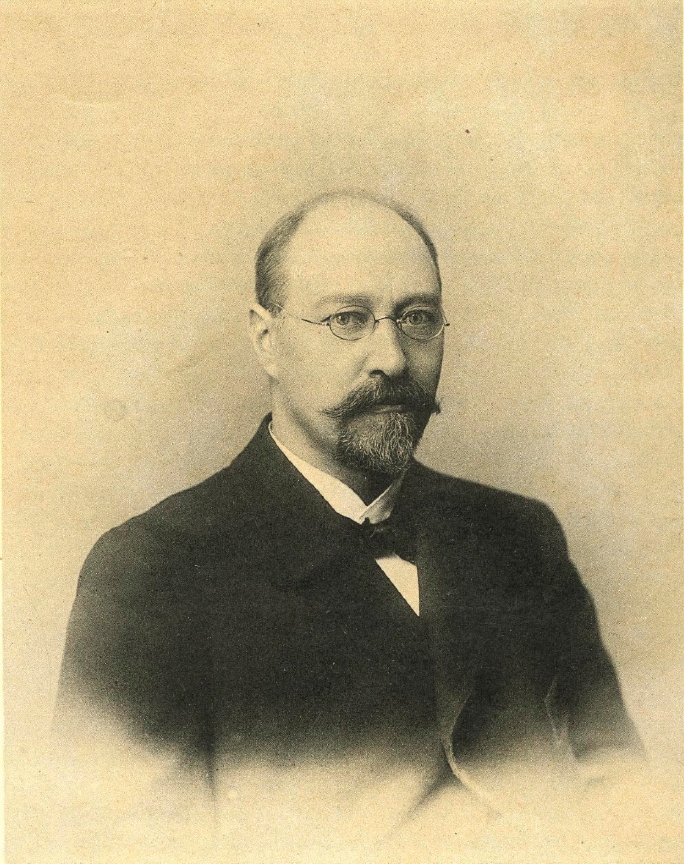
As a student in the medical school at Kharkiv Imperial University, he was awarded a gold medal in 1873 for a research paper on a topic assigned by the medical school: “On the Regeneration of Epithelial Tissue.” To Kharkiv’s credit, quite a few works have been written about our hero’s life. However, these works tend to focus on his scientific achievements and medical work. I, however, would like Apollinaris Podrez to become more familiar and understandable to ordinary city residents, so I will focus on some facts from his biography.
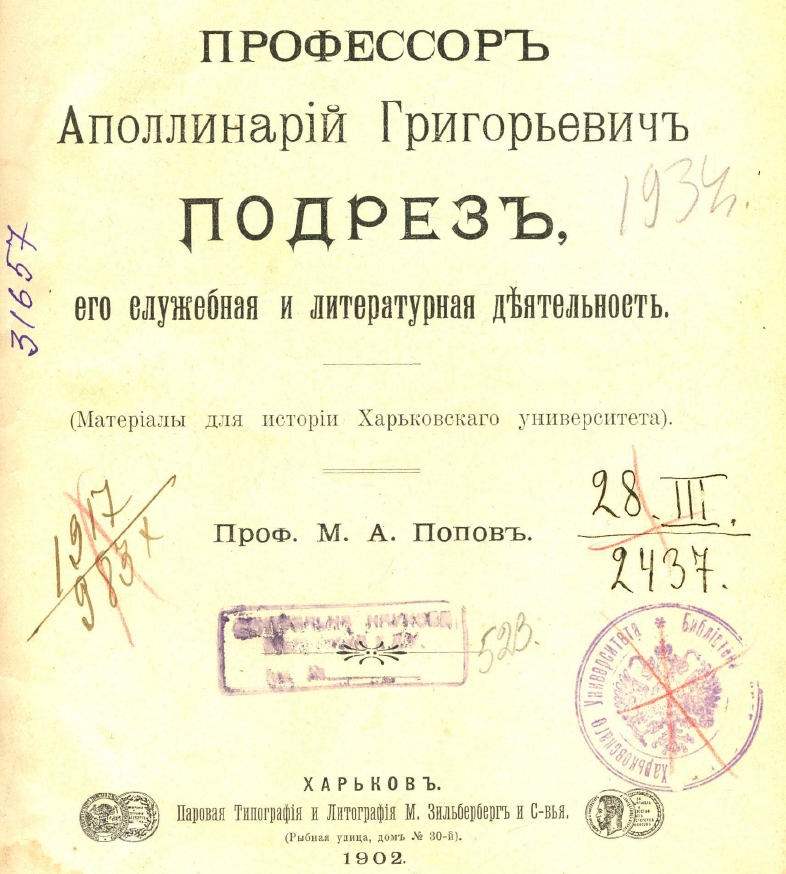
After graduating, Apollinaris Podrez remained at the medical school. In 1876, he served as a doctor in Serbia as part of a medical detachment, and from 1877 to 1878, he participated in the Russo-Turkish War. A year later, he earned his medical degree. From 1879 to 1883, our fellow townsman honed his skills, gained experience, and studied under the most renowned surgeons of his time at clinics in Vienna and Paris. Upon his return to our city, Apollinaris Podrez earned another academic degree, opened his own private clinic, and, of course, lectured to students.
A few years after Apollinariy Grigoryevich was appointed associate professor in the Department of Surgical Pathology in 1889, his contemporaries would write about this period of his life:
A true clinician at heart, he managed to organize the Department of Surgical Pathology in such an engaging way that third-year students did not notice the abrupt transition from the military hospital to the university surgical clinic. He spared no expense from his own pocket to improve both the operating room and other facilities in the military hospital’s surgical department, as well as the laboratory, where, under his leadership, several new valuable pieces of equipment were acquired, numerous books were purchased, and so on.
For five years, Podrez held the chair of surgical pathology and left the fondest memories among his colleagues, both at the faculty and at the military hospital. With a particular interest in diseases of the genitourinary system, Podrez very carefully organized this department within the hospital’s clinical division, so that the surgeons who succeeded him found the clinic already well-prepared in this regard…
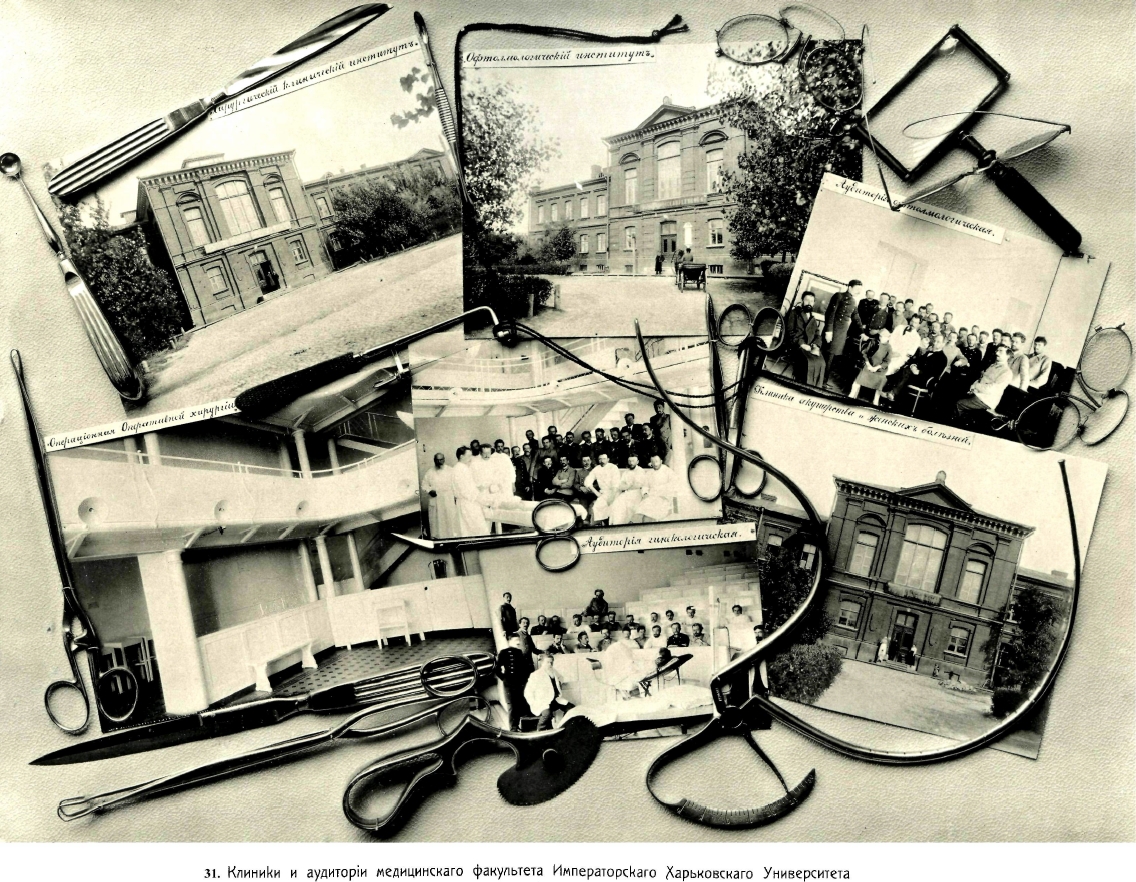
From 1897, Podrez served as a full professor in the Department of Surgical Hospital Clinic at Kharkiv University. Who knows what discoveries and awards this renowned Kharkiv surgeon might have achieved in the future had he not left this world at the age of 48. By 1900, Apollinaris Podrez’s health had been severely undermined by the intense workload at the clinic and the medical school, as well as by the stress caused by his enemies—of whom the scientist had more than his fair share. He began to lose his appetite and suffered from insomnia; in other words, to use modern terminology, he was suffering from depression. We can learn the details of the tragedy that occurred on November 9 thanks to the newspaper *Kharkiv Provincial Gazette*, which wrote:
…At 4 o’clock in the afternoon, the distinguished professor set out for a horseback ride; his assistant, Dr. Noskov, accompanied him on a bicycle, and two acquaintances rode along in a carriage. Upon reaching the Sumy Highway, the professor rode at a full gallop at first, then slowed to a trot. At that moment, he likely suffered a dizzy spell, a condition to which the deceased was prone. For this or some other reason, he fell from his horse behind the racetrack and struck his head on a rock. When people reached him, blood was gushing from his ears and mouth. Apollinaris Grigoryevich was taken home while unconscious, and doctors were summoned immediately to treat him. However, treatment proved impossible due to severe cerebral hemorrhage…
That same day, at around 8:00 p.m., Appolinariy Podrez passed away at his home without regaining consciousness.
At his funeral, medical students led the funeral procession, carrying the medals of their beloved former teacher, as well as 20 wreaths; the coffin containing his ashes was carried by the professor’s former colleagues. Along the route, the procession—composed of scholars, prominent citizens, and ordinary people—stopped at the children’s orphanage of the Nikolaevskaya Church, the Pokrovsky Monastery, and the cathedral, and was met everywhere by large crowds of people. After the funeral service in the university chapel the following day, Apollinaris Grigoryevich was buried in the city cemetery. Many beautiful and heartfelt speeches, full of pain and sorrow, were delivered that day at his grave by university professors and his students. For example, fifth-year student I. S. Cherkunov said:
…Dear, unforgettable teacher! All of us, your students, were deeply shocked by the news of your untimely and sudden passing. If the death of a great person—even after a long illness—is distressing to us, then this death, which so suddenly and unexpectedly took you away from us, was all the more distressing and shocking…
Some time after Apollinaris Podrez’s death, a testamentary will dated as far back as 1898 was discovered among his papers. The deceased bequeathed his house and yard on Hryhorii Skovoroda Street to Kharkiv University with the intention that a specialized clinic for the treatment of genitourinary diseases be established there in the future. If, for any reason, such a clinic were not established, all proceeds from the sale of his property were to go to the hospital’s surgical clinic, which he had headed for the past six years. The professor bequeathed his dacha in Lyubotin to the medical assistant with whom he had worked for about 20 years.
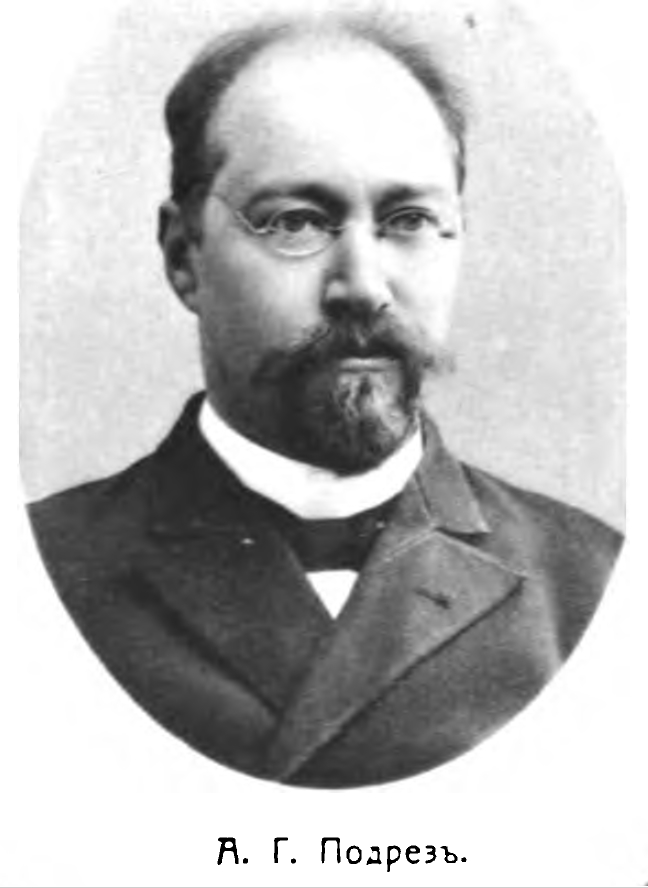
It’s a shame that not all of our city’s residents know that such a great story is hidden in a small, unassuming mansion at Hryhoriia Skovorody Street, 27!

- About the military pilot school and the airfield in Kharkiv… - 04.11.2020
- Nikanor Savich—A Political Career by Mistake - 13.07.2020
- And once again, about the Cavalry Guards… - 21.01.2020