Not all Kharkiv residents know that a 1957 TE3 diesel locomotive is tucked away in the historic city center, inside the building of the Ukrainian State University of Railway Transport, As part of the “Night of Science in Kharkiv” event, visitors were shown a section of this locomotive for the first time and told how it ended up in one of the university’s facilities as a teaching aid.
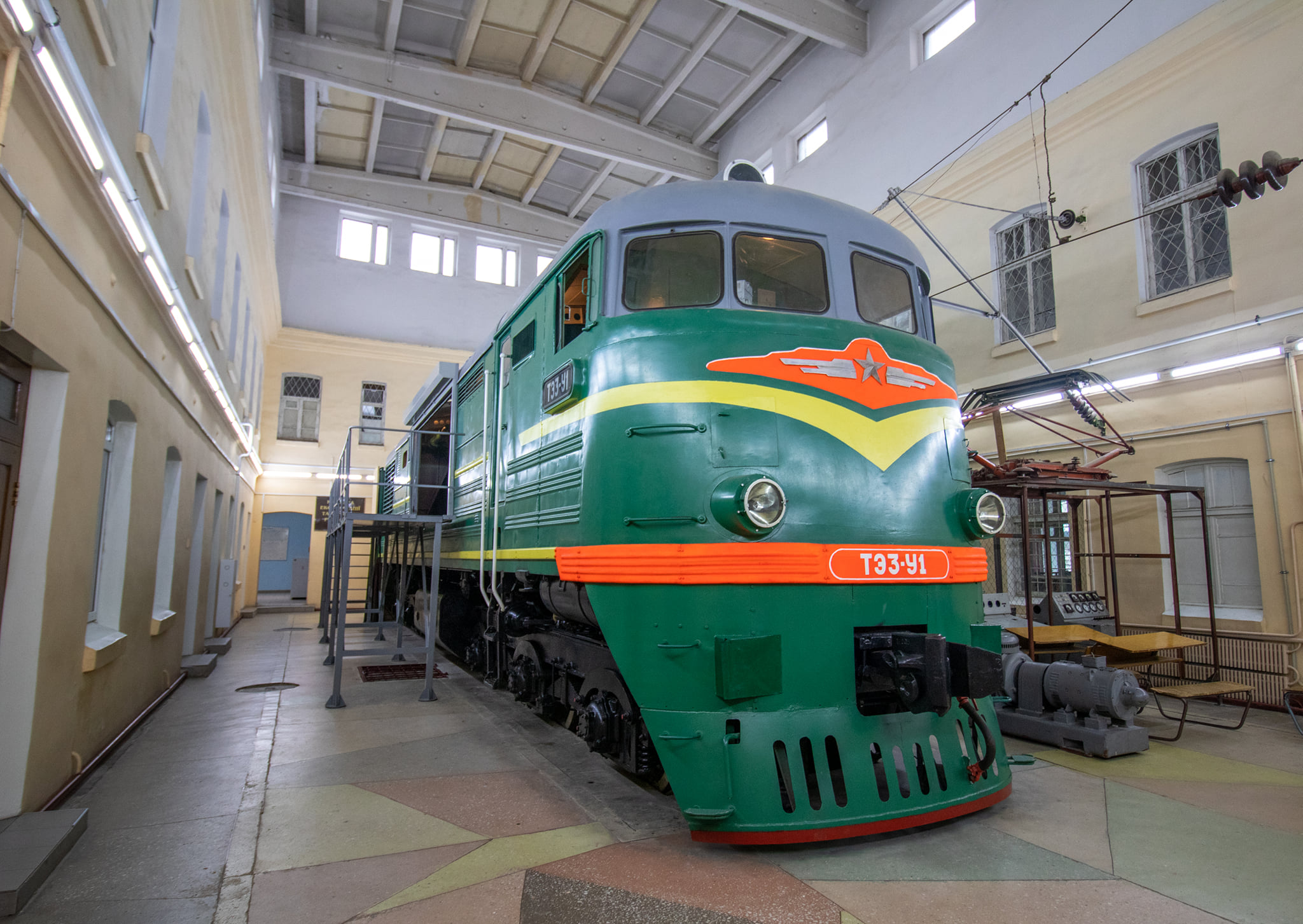
It was transported along the tram tracks, and temporary rails were also laid. The heavy engine was transported separately. At first, the TE3 stood in the open air, and the building was constructed around it.
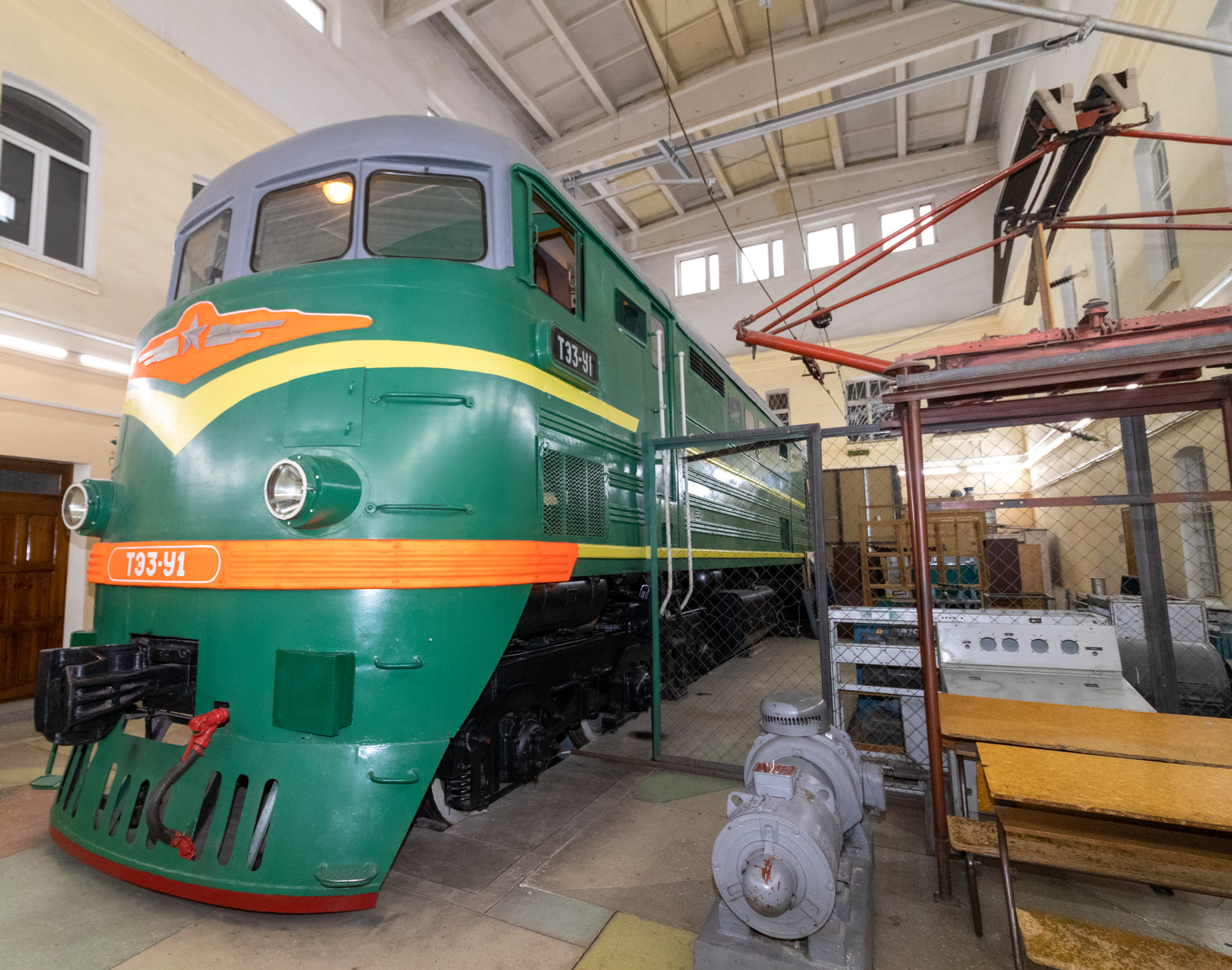
This diesel locomotive was built in Kharkiv in 1957. Unlike the TE3 on display at the historic railway exhibit at Kyiv Railway Station, this is an early version with small windows.
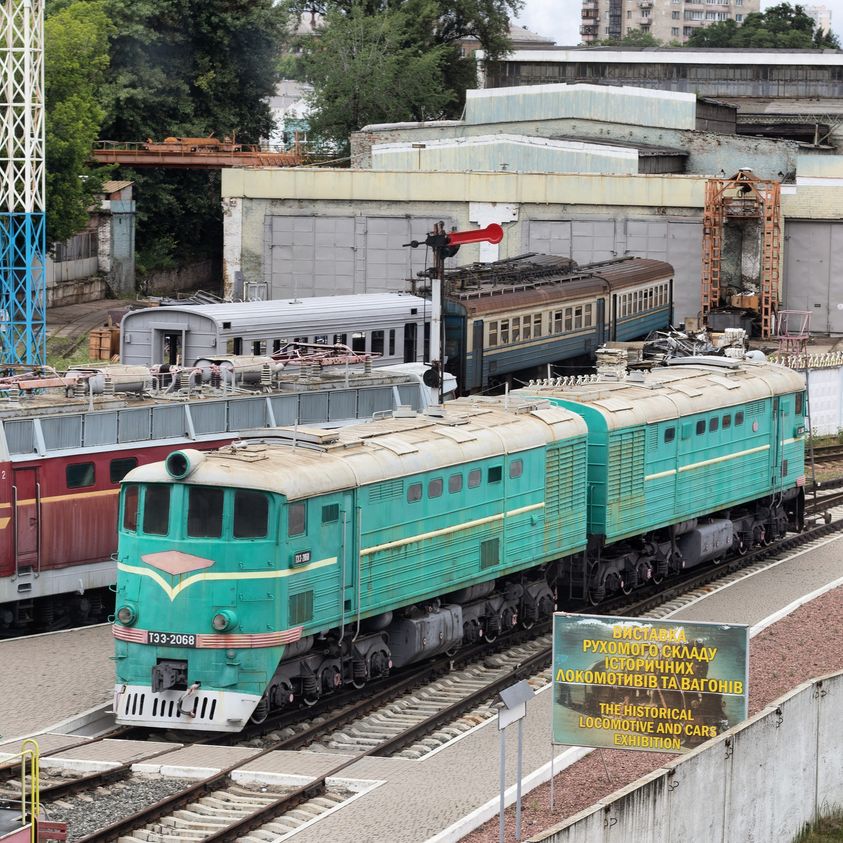
Photo: Ivan Ponomarenko, 2018
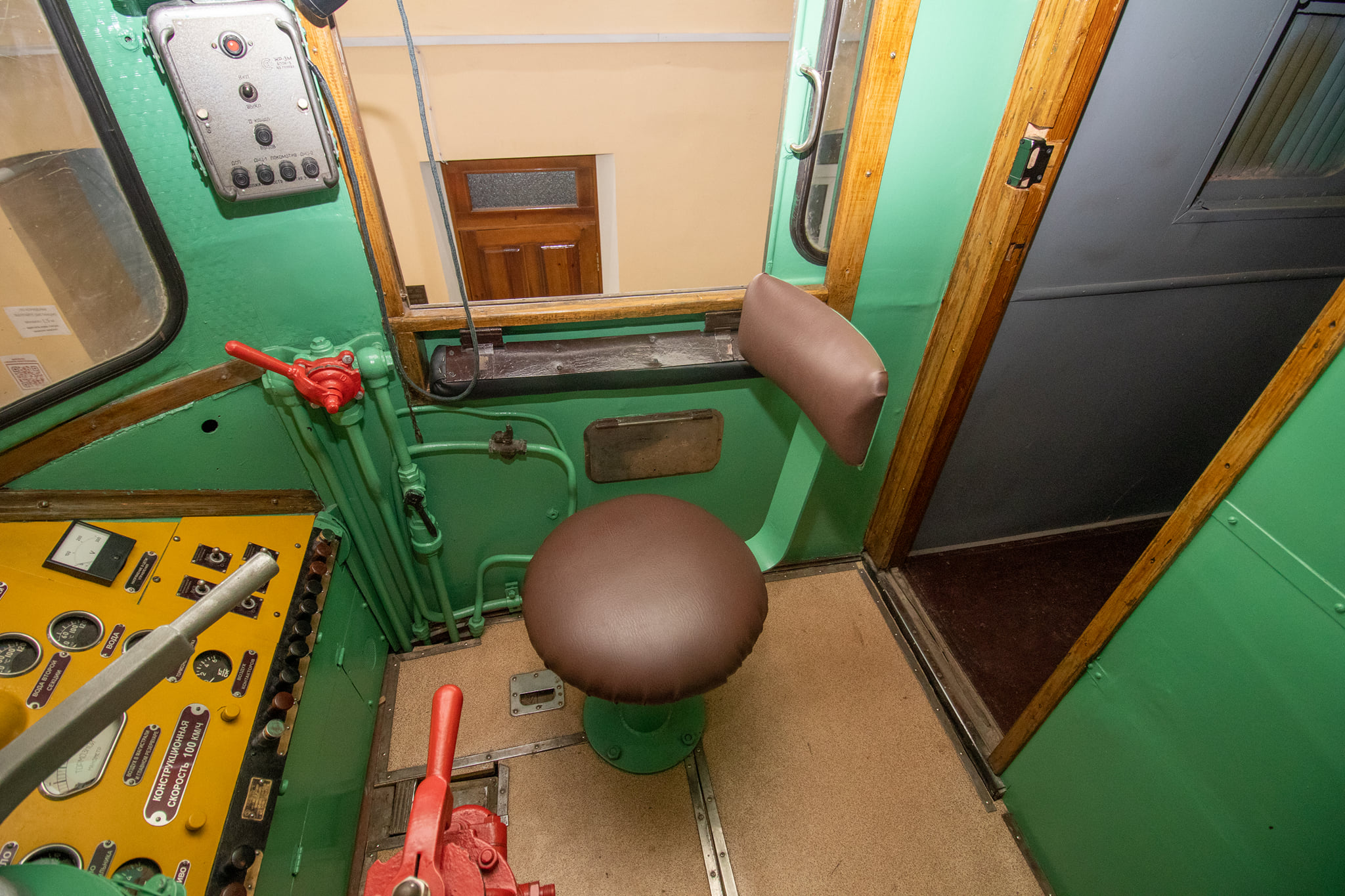
Inside the cockpit, you can’t shake the feeling that you’ve stepped onto a ship or into a submarine.
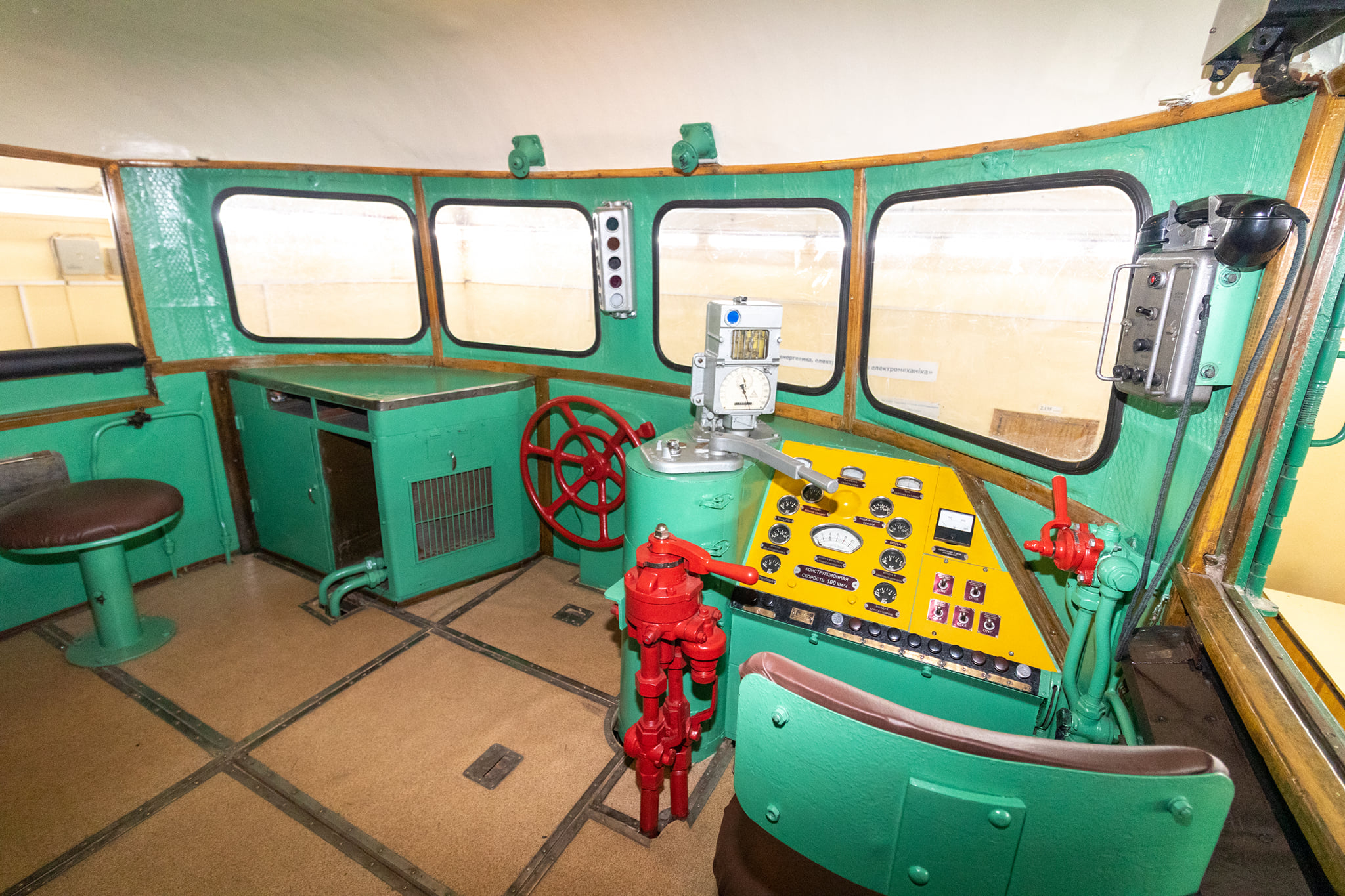
The interior was recently renovated.
Overall, this diesel locomotive has an interesting development history. The design of the locomotive pictured traces its roots back to the Lend-Lease ALCO RSD-1 diesel locomotives, which were designated “D(a)” in the Soviet Union. These were shunting locomotives not intended for mainline service, but lacking a better option, they were used for purposes other than their intended ones; the RSD-1 transported Stalin to the Potsdam Conference. Soviet officials were impressed by the American diesel locomotive, especially by the unusual cleanliness of the cab—uncommon for steam locomotives—as well as its smooth start and reserve of power. Following this, an order was issued to copy the RSD-1. In general, the USSR had been attempting to produce small batches of domestically designed diesel locomotives since the mid-1920s, but their reliability and power left much to be desired, so development was abandoned with the outbreak of World War II. However, in the United States, too, it was not until the second half of the 1930s that successful designs for powerful diesel locomotives were achieved; before that, American engineers had struggled with the same problems.
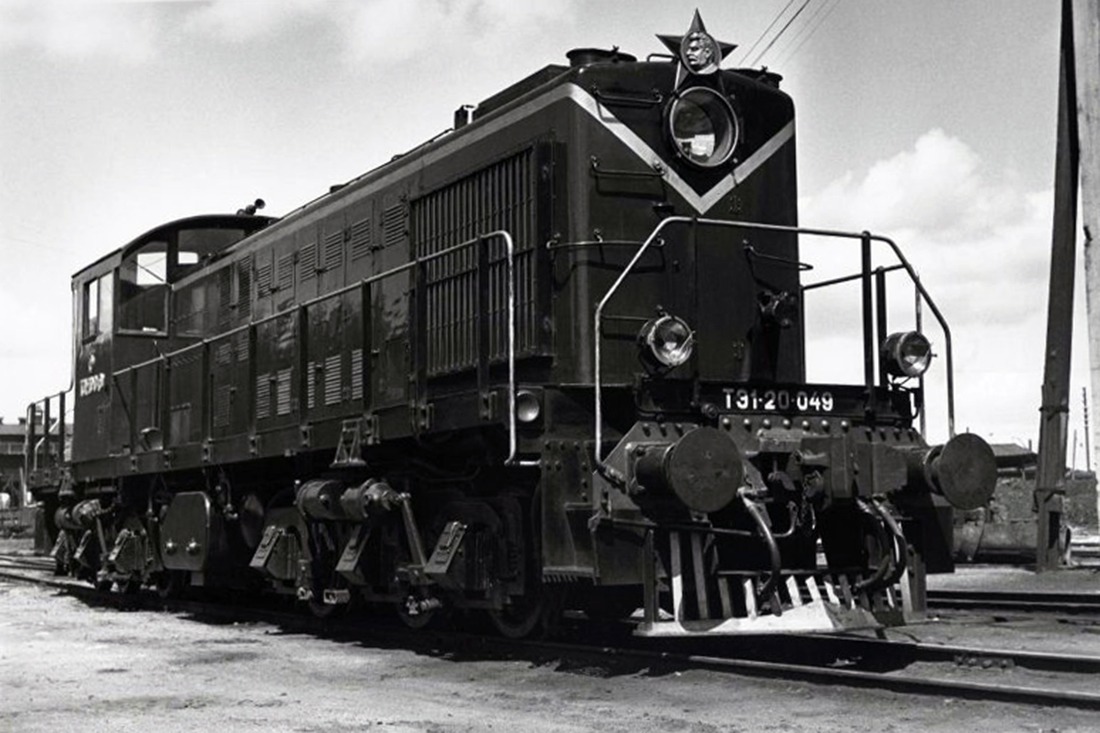
The modified version of the American design was named TE1; however, according to researchers, even the temporary fastenings used to secure the locomotive in ship holds—which were completely unnecessary for actual operation—were copied. From 1947 to 1950, about 300 TE1s were produced in Kharkiv—it became the first Soviet mass-produced diesel locomotive. TE1 was used as a mainline locomotive and was very slow and underpowered for that purpose.
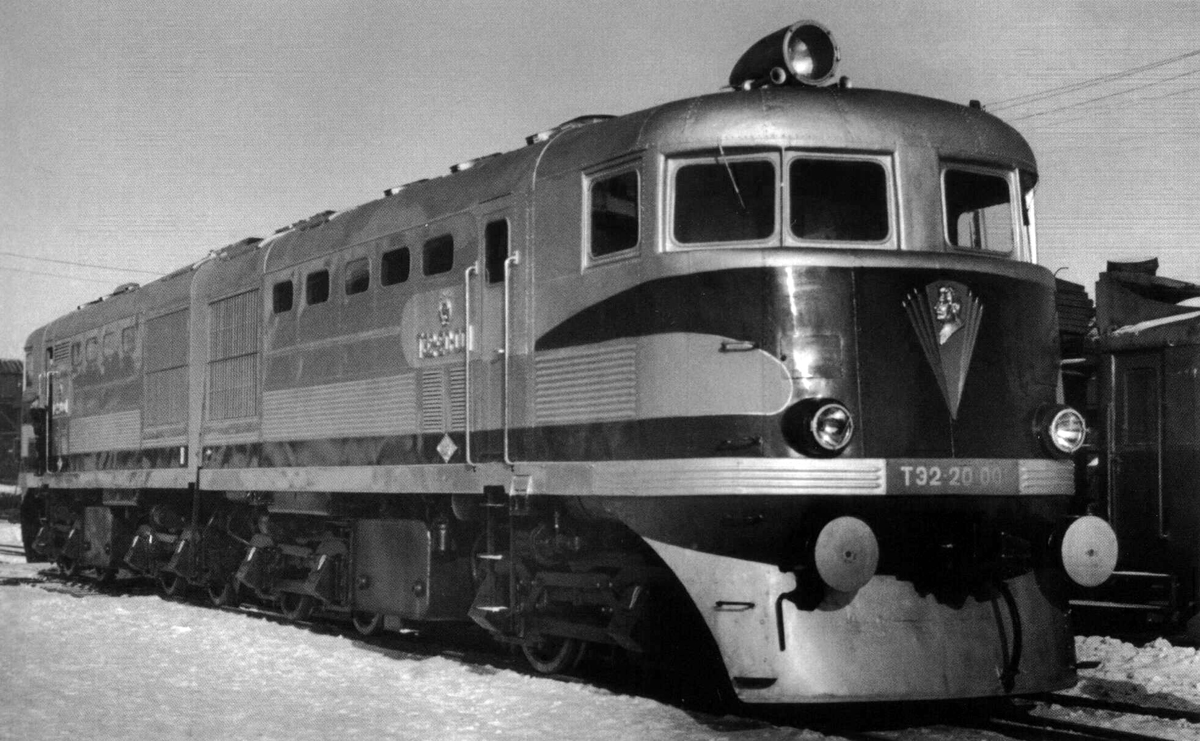
It was decided to increase the power by “doubling” the TE1, that is, by creating two paired sections and moving their cabins forward. In 1948, a year after production of the TE-1 began, the TE-2 prototype appeared, which was based on the same components as the TE-1 but featured a new aerodynamic body. By 1955, 528 TE-2 “twins” had been produced.
Nevertheless, the power output (2 × 1,000 hp) still proved insufficient. Unfortunately, even by the mid-1950s, Soviet industry had not yet mastered the production of its own high-powered diesel locomotive engine. Therefore, they once again copied an American design, the Fairbanks-Morse 38D8⅛ marine engine (designed in 1934, used on American submarines as well as on boats supplied under Lend-Lease).
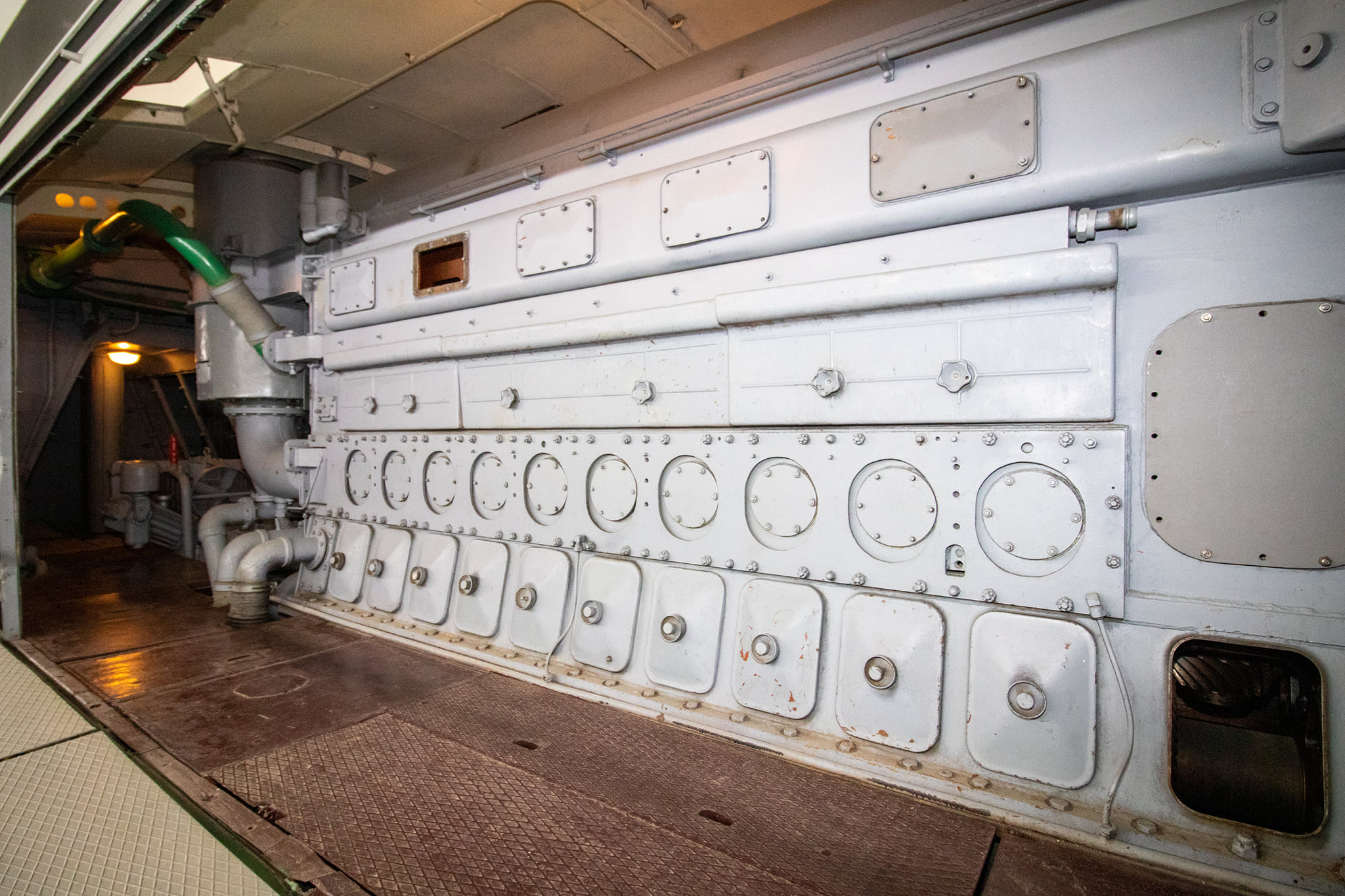
The engine produced 2,000 horsepower, and its pistons in the 10 cylinders moved toward each other.
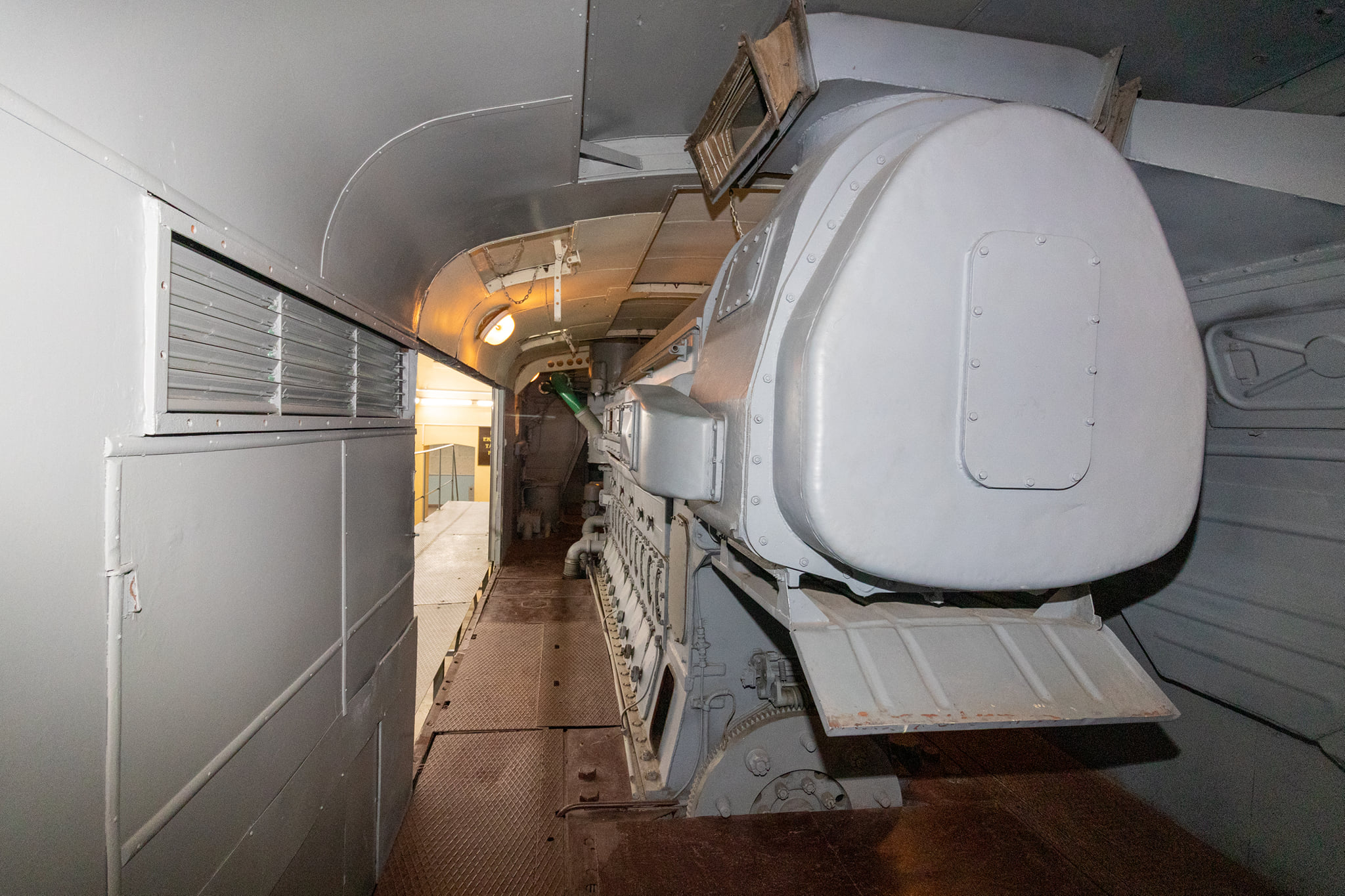
The first section of the TE3 was built in late 1953. At first, the production of the “American-style” locomotive, designated 2D100, was plagued by problems; the TE3 diesel locomotive was temperamental, but it was soon brought up to standard.
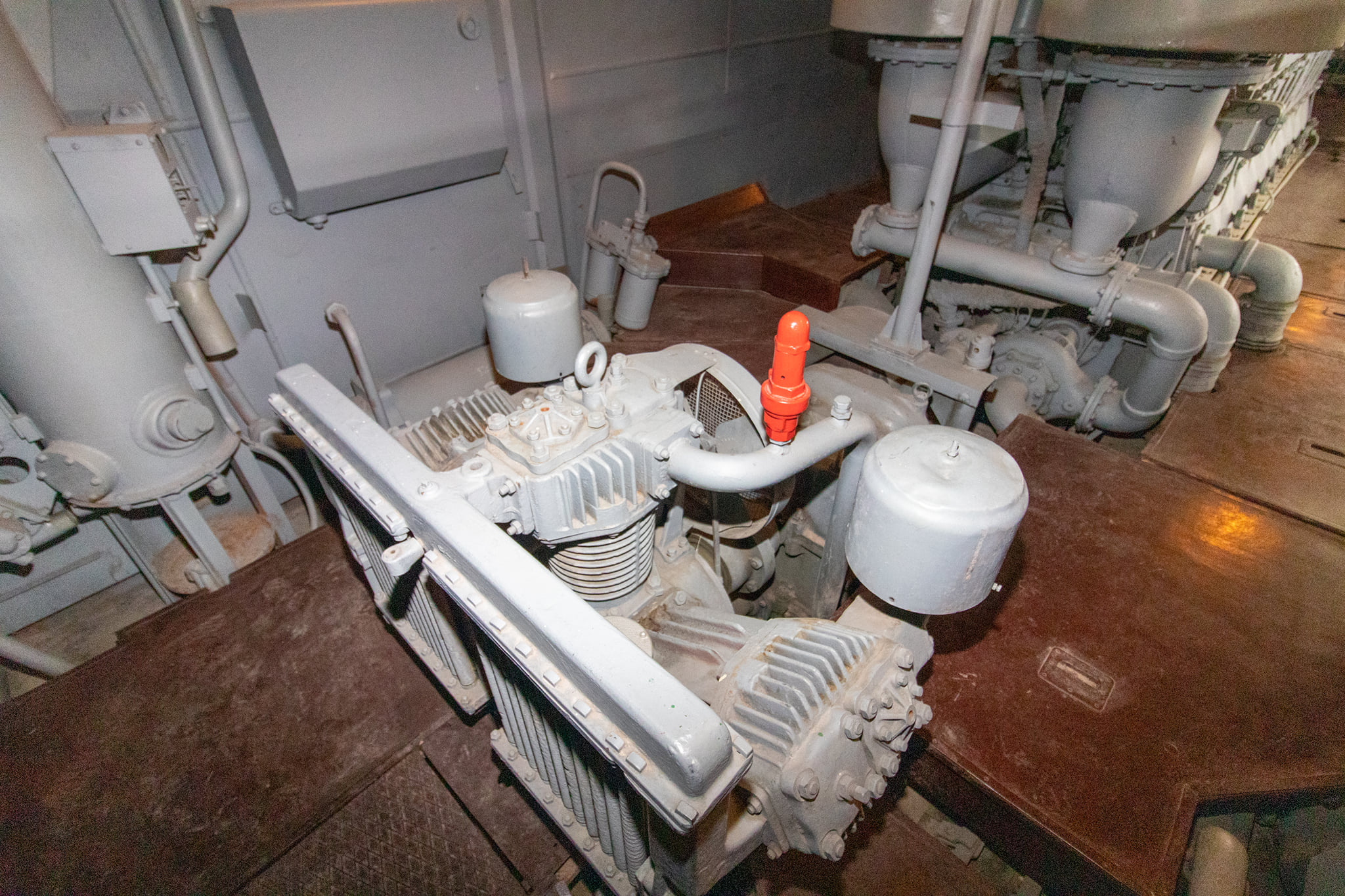
A total of 6,808 units (13,617 sections) were produced by 1973 in Kharkiv, Luhansk, and Kolomna. Subsequent derivatives of this engine (such as the 10D100, which shared 80% of its parts with the 2D100) became the most widely used diesel locomotive engines in the Soviet and post-Soviet regions. So engines with “American roots” still power many of Ukrainian trains to this day.

- Danylevs’koho Street, 19 - 13.10.2026
- Debunking the myth about one of the most famous Kharkiv photos - 12.10.2026
- The Architectural Evolution of the Kharkiv Theater - 26.09.2026