Today we’ll talk about national symbols and destiny. Let’s start with… Scotland.
Every nation, country, and region has its own sacred sites and relics.
In Scotland, one such sacred relic is the Stone of Scone (also known as the Stone of Destiny). A large block of sandstone weighing 152 kg, the “Stone of Destiny” occupies a central place in the country’s history. Its past is shrouded in a multitude of fascinating legends and traditions. However, for the Scots’ national identity, the most important fact is that for many centuries, it was on this very stone that the rulers of Dal Riada (an early medieval Gaelic kingdom on the west coast of Scotland) were crowned, and later, the Scottish monarchs as well.
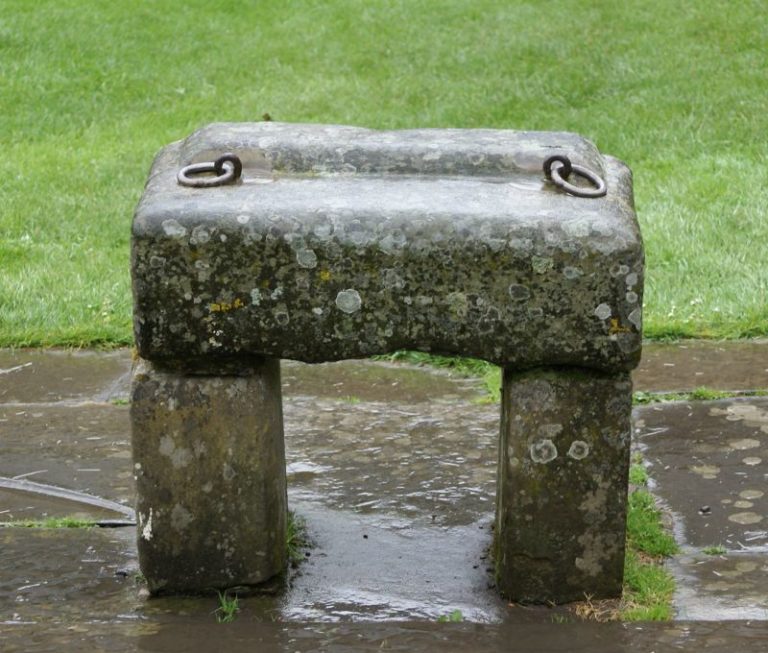
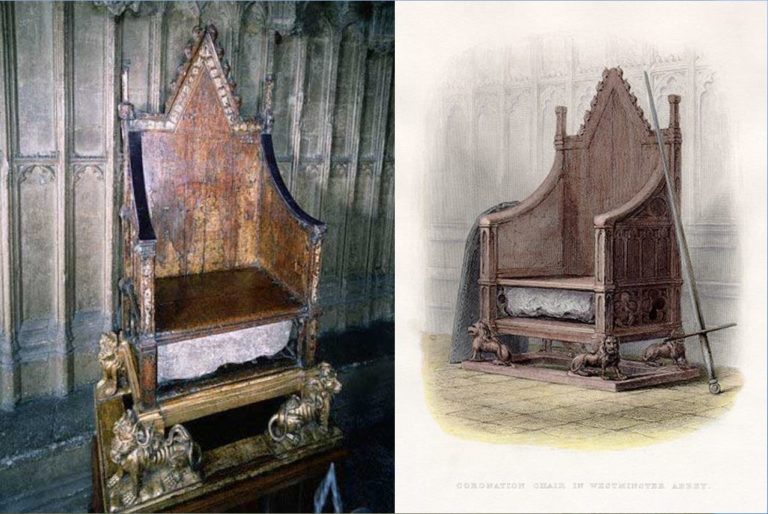
In 1296, King Edward Longshanks of England captured the Skun Stone along with other war trophies and transported it to Westminster Abbey. The relic was placed under the seat of the wooden throne on which English monarchs would later be crowned.
However, the idea of returning one of their people’s relics to its homeland never left the Scots’ minds. Scottish nationalists made several attempts to steal the stone, but all of them were unsuccessful.
It wasn’t until 1950 that four Scottish students from the University of Glasgow (Ian Hamilton, Gavin Vernon, Kay Mathison, and Alan Stewart) quietly sneaked into Westminster Abbey and stole the Skun Stone.
With their incredible and daring raid into the very heart of England, Scottish patriots revived their country’s pride—after all, the theft of the stone caused a huge public outcry in Scotland.
However, the students had no intention of turning their actions into a simple act of theft. On April 11, 1951, they brought the stone to the ruins of Arbroth Abbey and anonymously informed the police of its location.
The stone was returned to Westminster Abbey, where it once again took its place in the base of the Coronation Throne. In 1953, Queen Elizabeth II was crowned on it, in accordance with tradition.
However, for Scotland, the story did end well after all. In 1996, the British government finally decided to return the “Stone of Destiny”—albeit with one small caveat. The English wished to borrow the stone temporarily for the coronations of their monarchs. On November 30, 1996, St. Andrew’s Day—the feast day of Scotland’s patron saint—the Stone of Scone returned to its homeland and was placed alongside the Scottish royal regalia at Edinburgh Castle.
In 2008, to commemorate the events of 1950, American director Charles Martin Smith made the film *Stone of Destiny*, which brought the story of the theft of this national symbol to widespread attention.

In our Sloboda Ukraine region, events unfolded differently. In 1897, the well-known Kharkiv entrepreneur, industrialist, and patron of the arts Alexei Kirillovich Alchevsky, using his own funds, (1,000 rubles) to commission a white marble bust of Taras Shevchenko from the famous St. Petersburg sculptor Vladimir Alexandrovich Beklemishev. In 1898, the sculpture was installed in the courtyard of the Alchevsky estate on Mironositsky Lane (now 13 Zhen-Mironosits Street, the Cultural Center of the Main Directorate of the National Police).
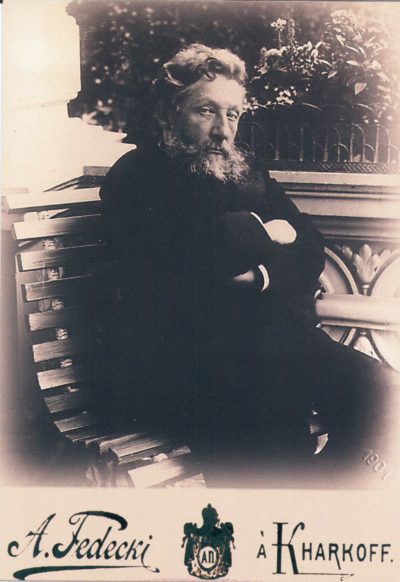
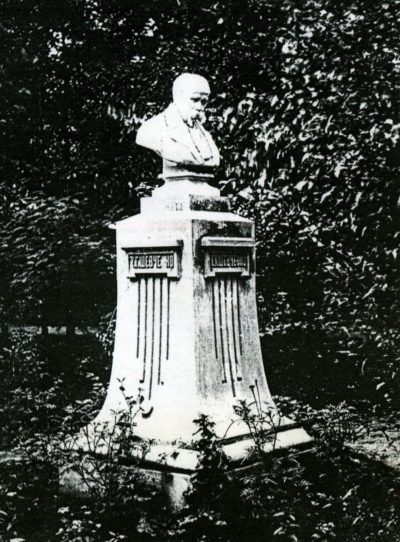
However, the tsarist authorities did not grant official permission for this. For this reason, it is believed that the bust was erected “semi-legally.” As early as 1901, on the eve of the fortieth anniversary of T. G. Shevchenko’s death, the monument was removed. There are several theories as to why the monument was removed, but what matters to us is something else. Later, the Alchevskys took the sculpture and kept it in their family for another twenty years. It was not until 1932 that Mykola Oleksiyovych Alchevsky, a professor at the Law Institute, donated the bust to the T. H. Shevchenko Art Gallery. Since 1948 and to this day, the Kharkiv sculpture has been housed in Kyiv at the poet’s state museum.
In March 2014, Vladimir Alexandrovich Beklemishev’s creation returned to its “historical homeland” as part of the exhibition “Visiting the Homeland.”
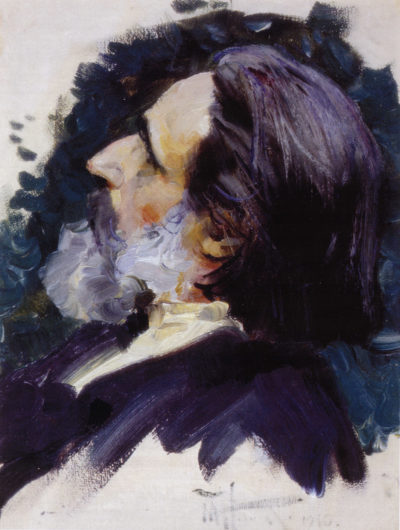
It is believed that this bust, created at the initiative and expense of our city’s patrons, is the first monument to Shevchenko in Ukraine. Just think about it—not in Kyiv, not in Lviv, but right here in the city we all love, the first monument to the great Kobzar was erected! For me, this marble sculpture is not just the pride of Kharkiv—it is one of the sacred relics and symbols of our beloved city.
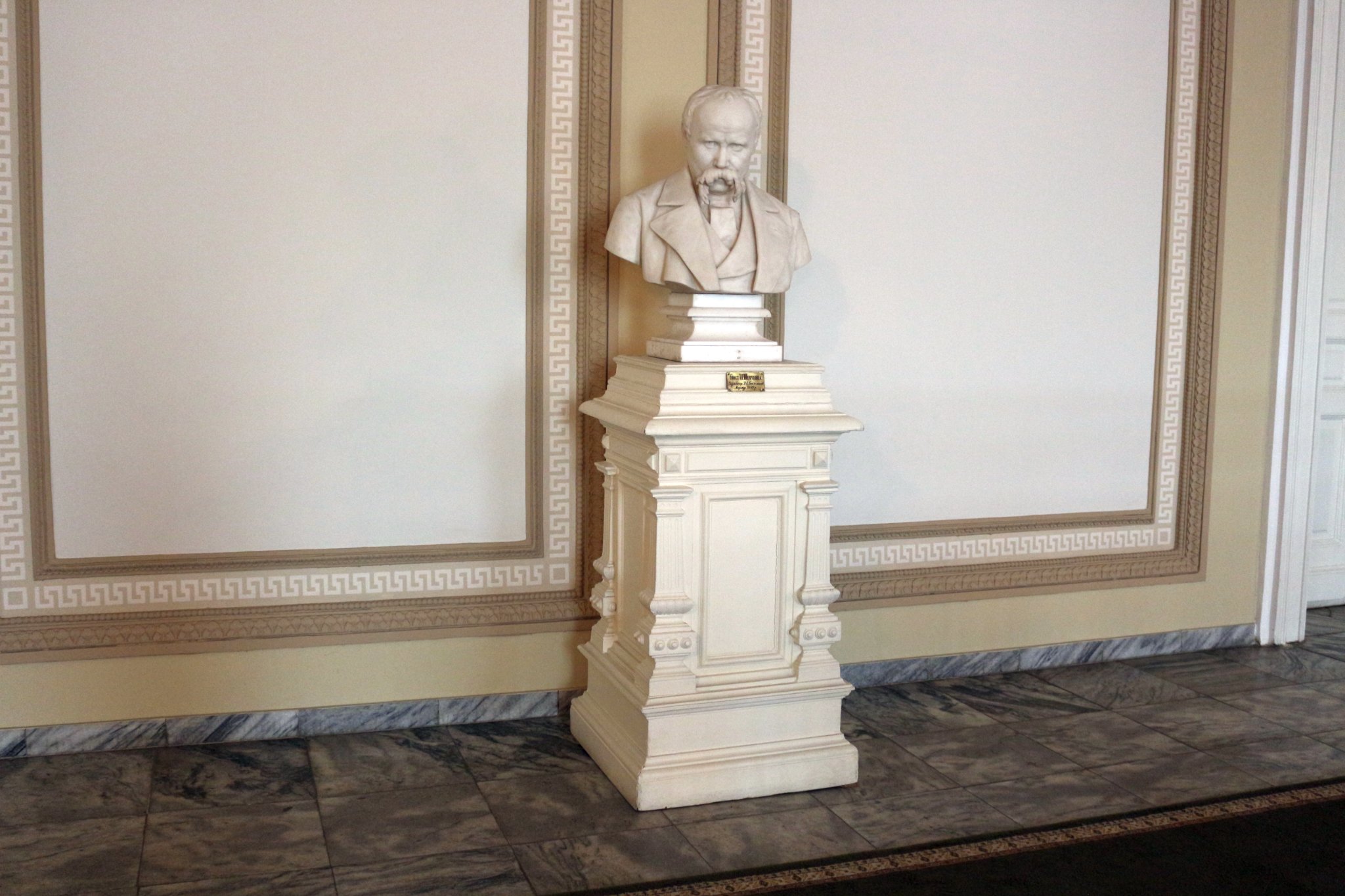
And Kharkiv is the only place where the Sloboda Ukraine “Stone of Destiny” should be located. To our great regret, the question of returning it to its homeland—or at least creating a replica in Kharkiv—has still not been raised. Nor are there any souvenirs in our city featuring an image of the first monument to T. G. Shevchenko.
That’s a shame. After all, a facility like this could attract new tourists to our city and boost the morale of its residents. For now, I sincerely hope that our city will never have to experience a repeat of the events that took place in Scotland in 1950…

- About the military pilot school and the airfield in Kharkiv… - 04.11.2020
- Nikanor Savich—A Political Career by Mistake - 13.07.2020
- And once again, about the Cavalry Guards… - 21.01.2020