In recent years, the topic of the title “Honorary Citizen of Kharkiv” has been a hot topic. Who has been awarded it, for what reasons, and whether it should even be awarded at all—these questions have sparked more than one heated debate.
I also recall a recent phone call from a good friend of mine who, at a flea market, happened to pick up—for very little money—a document from Kharkiv dating from the early 20th century, written by an honorary citizen.
This guy was overjoyed with his purchase, believing he had become the owner of something important to Kharkiv. Alas, I had to disappoint him.
After all, people here still confuse the two and fail to see any difference between honorary citizenship—which was essentially a social class—and honorary citizenship of cities.
Even the Ukrainian version of Wikipedia—a source of Kharkiv’s history so dearly cherished by many experts—is guilty of this, as it conflates social class and awards.

So what was the difference, and who were they—the honorary citizens of Kharkiv more than 100 years ago?
Honorary citizenship as a social class
The emergence of the class of “honorary citizens” can be traced back historically to the reign of Empress Catherine II. During her reign, in April 1785, a legislative act no less important than the “Charter Granted to the Nobility” was published: the “Charter on the Rights and Privileges of the Cities of the Russian Empire” (“Charter Granted to the Cities”). In the section titled “On City Residents,” townspeople were divided into six categories based on property and social status:
1. Landowners from the nobility, civil servants, and the clergy
2. Merchants of the three guilds
3. Artisans registered with the guilds
4. Foreigners and non-residents
5. Distinguished citizens
6. Townspeople (that is, all other citizens who earned their living in the city through trade or handicrafts)
It is precisely the fifth category—distinguished citizens—that is of greatest interest to us. This term referred to individuals who had distinguished themselves in some field of public service.
It comprised as many as 7 population groups:
1) Those who had served without reproach in elected municipal offices
2) Scholars with academic or university diplomas
3) Architects, painters, sculptors, and composers who held academic certificates
4) Capitalists of any rank or station who have declared capital of 50,000 rubles
or more 5) Bankers who have declared capital ranging from 100,000 to 200,000 rubles
6) Wholesale merchants who do not own retail stores.
7) Owners of ships sailing abroad.
Distinguished citizens were permitted to:
— to ride around town in a two- or
four-horse carriage— to own country estates and gardens
— to establish and operate factories, plants, and sea and river vessels.
In addition, distinguished citizens were not subject to:
— conscription
— per capita tax
— corporal punishment.
A distinguished citizen—who was the eldest son and grandson of distinguished citizens—could apply for a title of nobility upon reaching the age of 30.
However, on January 1, 1807, by a Imperial Manifesto of Emperor Alexander I, the title of “distinguished citizen” was abolished for the merchant class.
It is believed that this was due to the nobility’s desire to protect their privileges from encroachment by other social classes.
Merchants, who were required to declare their capital annually to confirm their guild membership and status as members of the distinguished class, found themselves entirely at the mercy of the vagaries of trade. As a result, a merchant who, for whatever reason, was once unable to declare his capital would once again be subject to conscription, corporal punishment, and the poll tax, falling far down the social ladder.
In 1827, Finance Minister E. F. Kankrin submitted proposals to Emperor Nicholas I for reforming the institution of honorary citizenship.
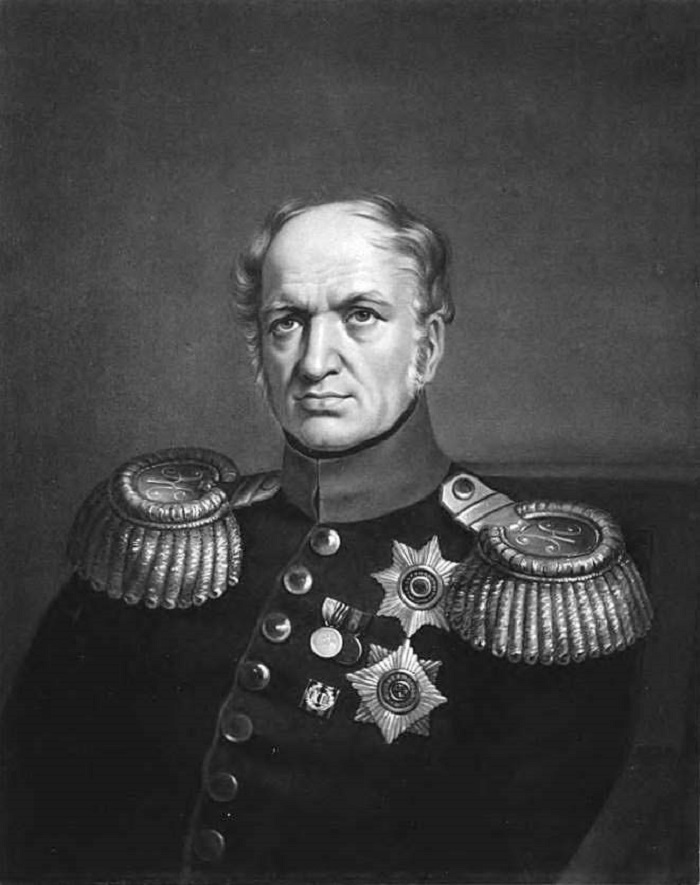
Following five years of debate, on April 10, 1832, a manifesto titled “On the Establishment of a New Social Class Known as Honorary Citizens” was adopted. Thanks to this document, a special, privileged segment of the urban class in the Russian Empire—the “Honorary Citizens”—emerged from the class of distinguished citizens.
Honorary citizenship was divided into:
1) personal—for life, ending upon death;
2) hereditary—passed down through inheritance.
The following was purchased:
— upon birth or adoption;
— by applying for honorary citizenship;
— by special recommendation from the relevant ministers.
For example, the title of “Personal Honorary Citizen” could be sought by individuals from all walks of life for their beneficial work in public service, which had continued for at least 10 years. The title of hereditary honorary citizen, on the other hand, could be sought by individuals who had held the title of personal honorary citizen for at least 10 years in the same fields of public service.
Honorary citizenship was conferred by a decision of the Governing Senate or—in specifically stipulated cases—by imperial decree.
The group of individuals eligible to apply for honorary citizenship has been continuously adjusted and expanded as a result of legislative reforms.
Thus, according to the 1832 regulation, legitimate children of private nobles who were of free status became hereditary honorary citizens by birth.
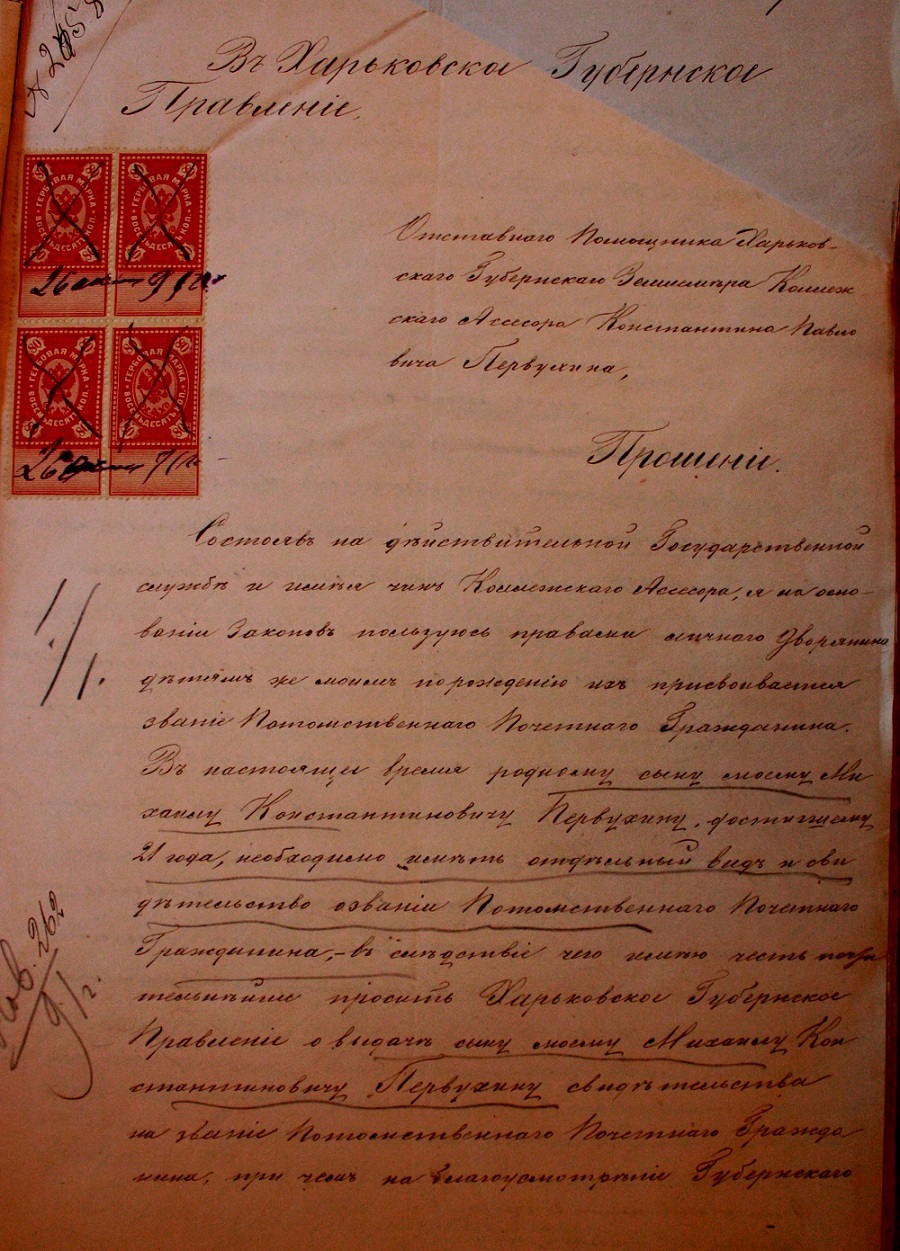
For example, Konstantin Pavlovich Pervukhin, the father of the famous brothers Mikhail and Konstantin, submitted the following petition to the Kharkiv Provincial Government on October 26, 1891.
“October 26, 1891
. Petition from Konstantin Pavlovich Pervukhin, retired assistant to the Kharkiv Provincial Surveyor and Collegiate Assessor.”“As an active civil servant holding the rank of Collegiate Assessor, I enjoy the rights of a personal nobleman in accordance with the law, while my children are granted the title of Hereditary Honorary Citizen by birth. At present, however, my son, Mikhail Konstantinovich Pervukhin, who has reached the age of 21, needs a separate certificate confirming his title of Hereditary Honorary Citizen; therefore, I have the honor to respectfully request that the Kharkiv Provincial Administration issue to my son, Mikhail Konstantinovich Pervukhin, a certificate for the title of Hereditary Honorary Citizen; for the Provincial Government’s consideration, I have the honor of submitting the following documents:
1) The original certificate of service issued to me by the Kharkiv Provincial Administration on June 24, 1872, and a copy thereof, notarized on July …, 1879, No. …
2) The original birth and baptismal certificate for my son Mikhail, dated December 19… No… and a copy thereof.
3) The original certificate issued by the Kharkiv Police Chief’s Office on the 21st of the current month of October, No. …, regarding the conduct of my son Mikhail.
I hereby have the honor to inform the Kharkiv Provincial Administration that I am not currently in the service of the Crown…”
At various times, the list of honorary citizens included performers from the imperial theaters (after a certain period of service on stage), employees of the Russian-American Company, doctors, pharmacists, veterinarians, members of the clergy, and many other groups within the Empire—a list that would take up considerable space in this article.
However, the basic principle governing the granting of honorary citizenship remained unchanged: the primary criterion was not one’s financial status, but rather one’s service to the state in the civil service, the religious sphere, the sciences, or the fine arts.
Honorary citizenship conferred the following privileges:
— exemption from the poll tax
— exemption from conscription
— exemption from corporal punishment
— the right to vote (provided they owned real estate in the city) and to be elected to municipal public offices no lower than those held by merchants of the first two guilds
— the right to be referred to as honorary citizens in all official documents.
In the social hierarchy of that time, the class of honorary citizens constituted a sort of intermediate stratum between the lower, underprivileged classes and the nobility.
It is extremely important to note that this particular social stratum was the most egalitarian of all the country’s privileged classes, as it brought together groups of people who differed significantly in terms of social status.
Honorary citizens did not have their own corporate organization, such as, for example, assemblies of the nobility or merchant guilds. At the same time, various categories of honorary citizens retained their class-based rights: merchants retained their merchant status and the corresponding privileges; the sons of personal nobles retained the right to enter the civil service on an equal footing with nobles; and so on.
The proportion of the class of honorary citizens in the Empire was never particularly large, accounting for approximately 0.1% to 0.5% of the country’s urban population.
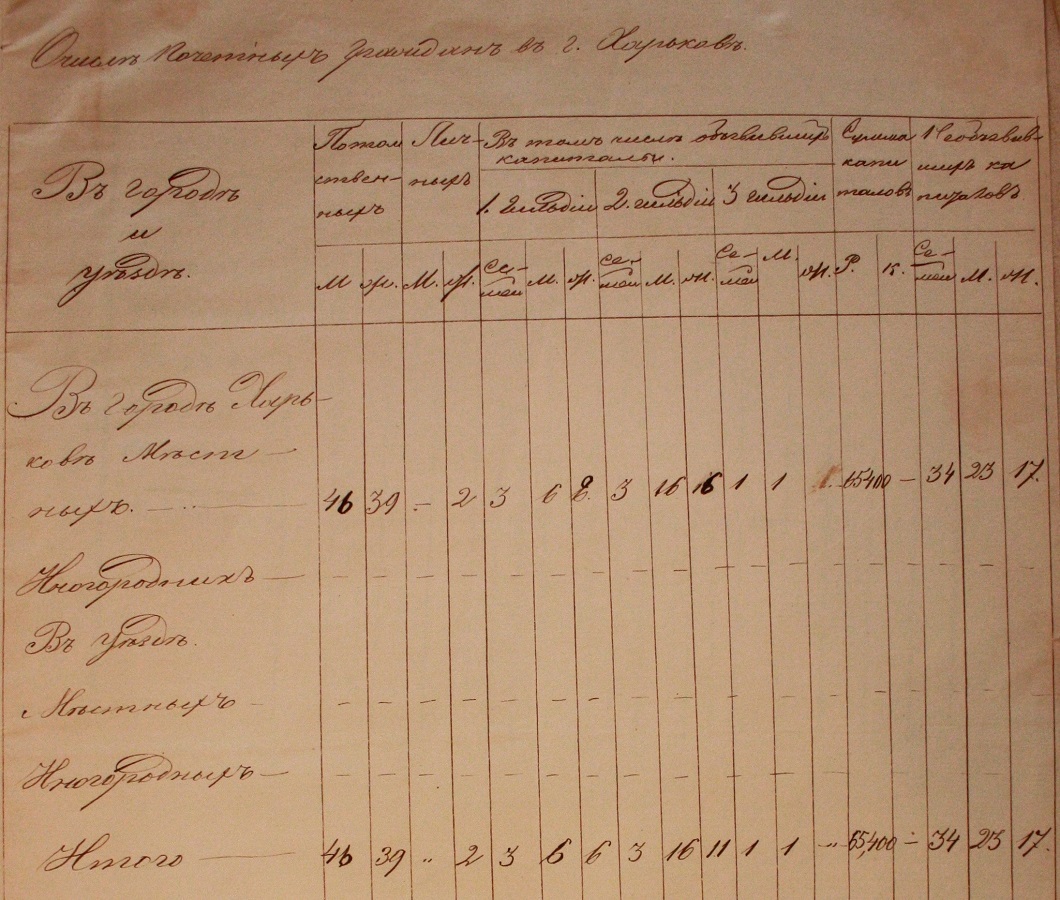
In 1840, there were only 4,800 such individuals. According to statistics for 1910–1912, the number of honorary citizens and their family members totaled 372,400 (0.5% of the population), of whom 197,300 were hereditary honorary citizens.
As for our beloved city, the situation in 1854 was as follows.
The title of “Honorary Citizen” was abolished by a decree of the All-Russian Central Executive Committee and the Council of People’s Commissars “On the Abolition of Social Classes and Civil Ranks” in November 1917.
Honorary Citizens of the City
In 1863, the first such honor was bestowed—landowner Y. Samarin became an honorary citizen of the city of Samara. The characteristics of the title “honorary citizen of the city” were as follows:
1) It could be awarded to people from various social classes without conferring any additional rights or privileges.
2) It was highly prestigious because it was the only award that came not from government agencies but from local civic organizations. It became a unique expression of the city’s appreciation and gratitude for actions taken for the benefit of the city, as well as a tribute to individuals with exceptional achievements.
The procedure for conferring the title was as follows. The City Duma adopted a resolution to petition for the conferral of a specific honorary title upon a particular individual, along with a justification for the petition. The Duma’s resolution and the nomination form were sent to the governor, who expressed his opinion on the submitted request and then forwarded it to the Minister of the Interior. If the minister deemed it appropriate to support the petition, he would submit a most humble report to the Tsar. Imperial approval in each specific case was a mandatory requirement of the procedure.
It is worth noting that city councils submitted petitions to confer honorary titles not only on city residents but also on people born in the city or region.
Representatives of the commercial and industrial classes occupied a significant place among the cities’ honorary citizens. In the vast majority of cases, merchants received this honorary title for their charitable contributions, and, as a rule, this was always supported by the city administration, regardless of the amount donated. The number of professionals—lawyers, engineers, and doctors—among the cities’ honorary citizens was small.
But as it happens, they are the most distinguished among Kharkiv’s honorary citizens. Throughout the city’s history prior to October, only two medical professionals were bestowed with this honor.
At a meeting of the Kharkiv City Duma on March 11, 1914, Professor Leonard Leopoldovich Girshman was elected an honorary citizen of Kharkiv for his exceptional contributions. Few people are unfamiliar with this name.
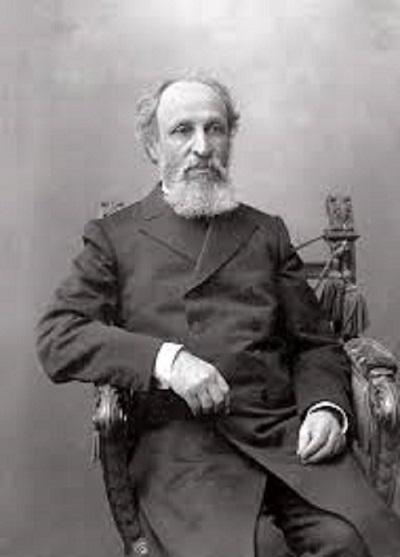
And in 1892, the Kharkiv City Duma, in recognition of Dr. V. A. Frankovsky’s outstanding contributions to the people of Kharkiv, also named him an honorary citizen of the city. In his honor, in 1894, Bakhmetievsky Lane and a section of Ryzhovskaya Embankment were combined to form Frankivska Street, which still exists today.
For what achievements did Vladislav Andreevich Frankovsky—who is now unjustly forgotten—earn such honors?
The fact is that this great man had a reputation as an outstanding diagnostician; he kept only his salary for himself and spent the rest of his income on the needs of impoverished patients. This doctor was one of the founders of the Kharkiv Medical Society (KMS) and the author of its charter.
In 1872, he proposed to the Duma the establishment of the city’s first children’s hospital. It was the first provincial children’s infectious diseases hospital in the Russian Empire.
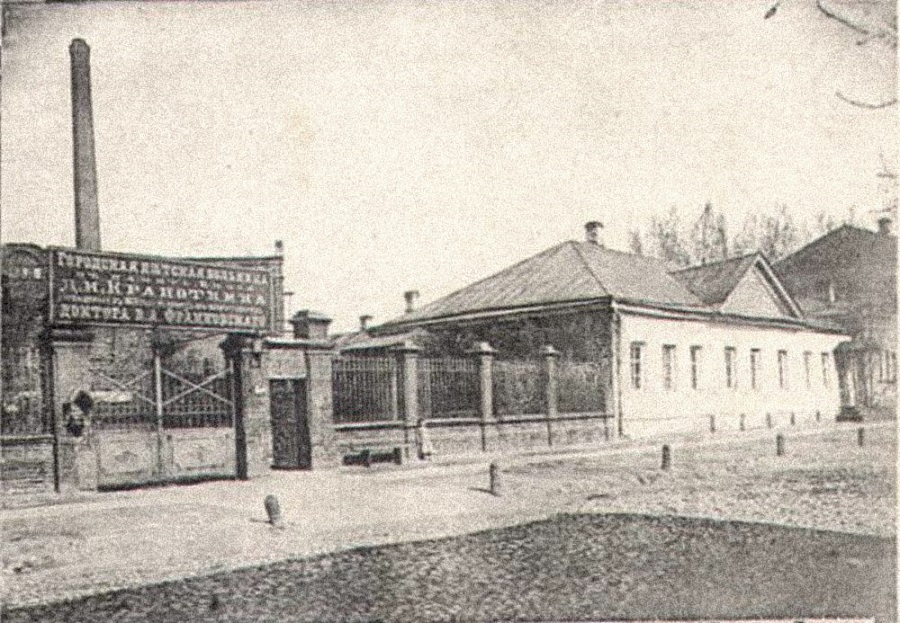
Despite the bad weather, Vladislav Andreevich would travel to the outskirts of Kharkiv to treat the poor, who had been denied medical care. Frankovsky’s clinic was the only place that willingly accepted patients without means. Contemporaries said that during his half-century of service in Kharkiv, there was not a single home that Frankovsky had not visited as a doctor.
When this outstanding man passed away on April 12, 1895, it turned out that he had absolutely no savings. Consequently, the city council held an emergency meeting, at which it resolved—in recognition of the deceased’s service to Kharkiv—to cover the costs of his burial at the city’s expense and to erect a monument at his grave using city funds.
The entire city of Kharkiv paid its respects to the “friend of the poor and the downtrodden.” Rarely have funeral ceremonies for any prominent figures from Kharkiv drawn such a large crowd in our city
.
That’s what they were like—honorary citizens: hereditary, individual, and municipal.
If only we had more people like Vladislav Frankovsky, whose heroic deeds and memory we, to our shame, fail to honor…

- About the military pilot school and the airfield in Kharkiv… - 04.11.2020
- Nikanor Savich—A Political Career by Mistake - 13.07.2020
- And once again, about the Cavalry Guards… - 21.01.2020