These days, no one is surprised by the charity events, public lectures, and concerts that take place periodically in Kharkiv. While their topics and formats vary, the purpose remains the same—to raise funds for good causes. In the early 20th century, there were also quite a few such events in our beloved city. And their history is an integral part of who we are.
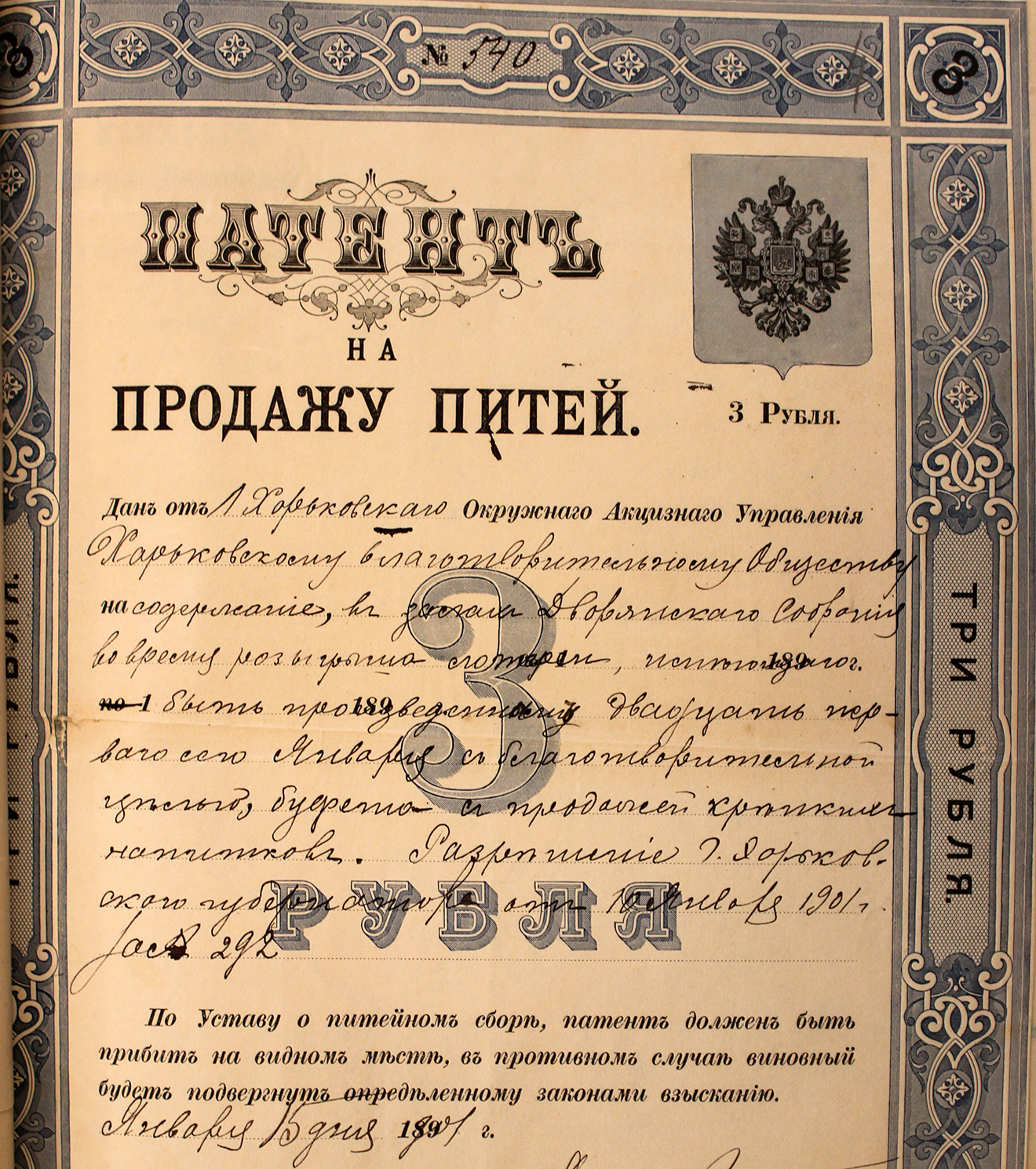
For example, on January 21, the Kharkiv Charitable Society held a charity lottery in the halls of the Nobility Assembly. However, to increase the amount of money raised, the organizers also decided to sell alcoholic beverages in the buffet. A special permit was obtained from the authorities, and the charity lottery was a resounding success.
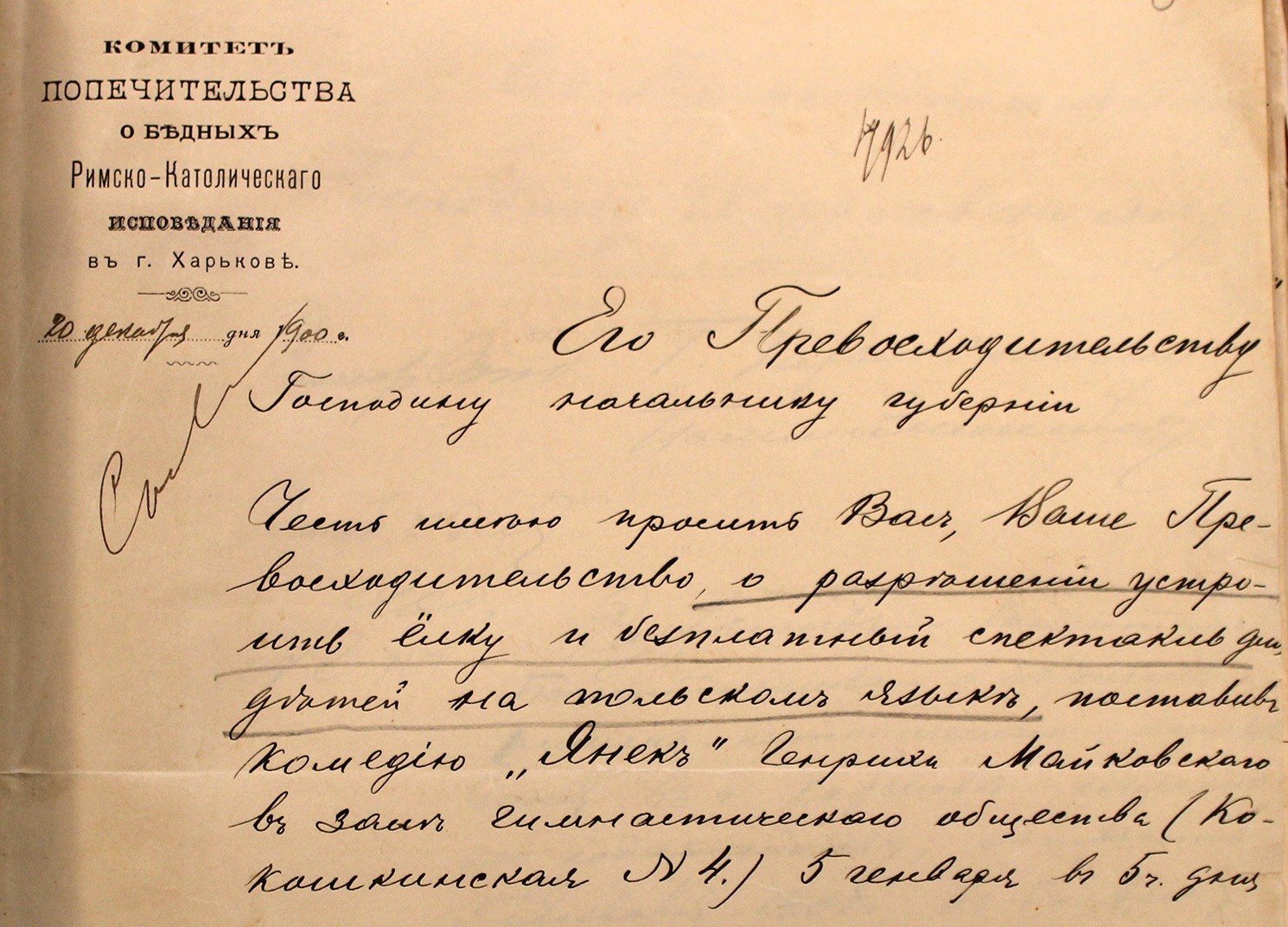
Children’s “Christmas tree” celebrations featuring free performances were not limited to the Soviet era. As early as the beginning of 1901, the Roman Catholic Committee for the Care of the Poor held a similar event in the halls of the gymnastics society. Heinrich Majkowski’s comedy “Janek” was staged in Polish.
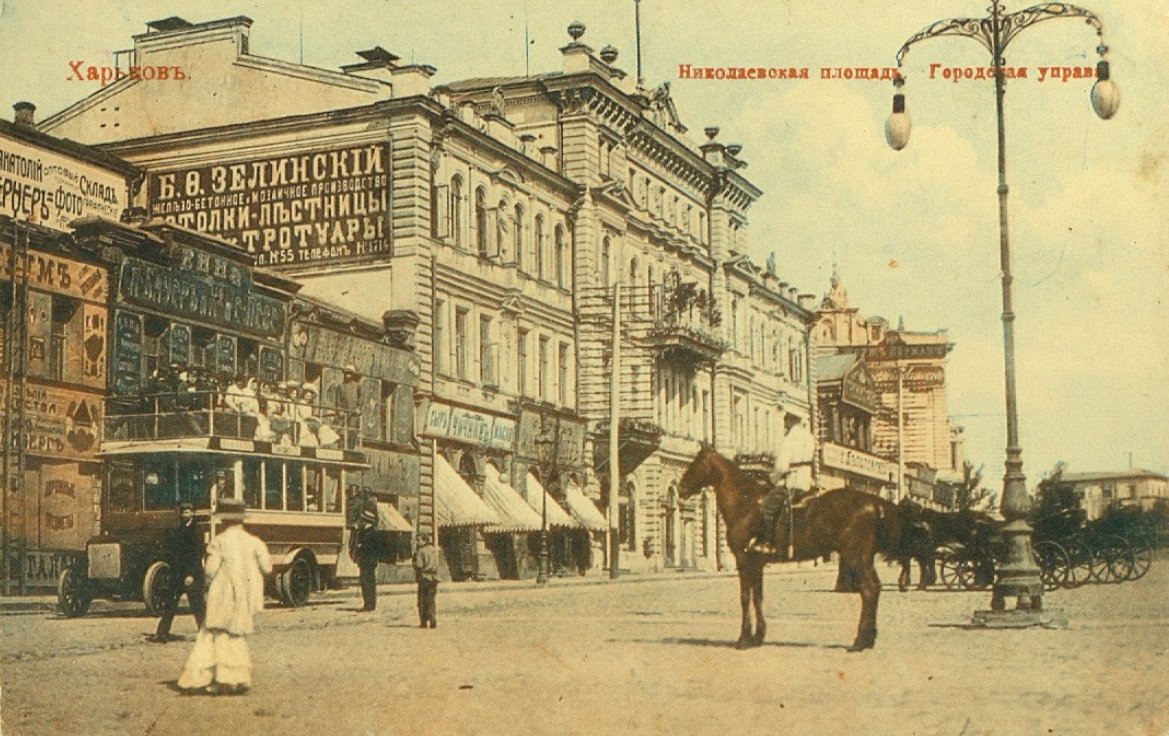
It’s hard to believe now, but charity lectures were also held in the city council halls. In early 20th-century, during January and February, dentist Moisey Abramovich Palem gave lectures there open to the public on the topic “Dental Decay and Hygiene.” All proceeds from these lectures went to benefit the Kharkiv House of Industry and the Olgino Orphanage.
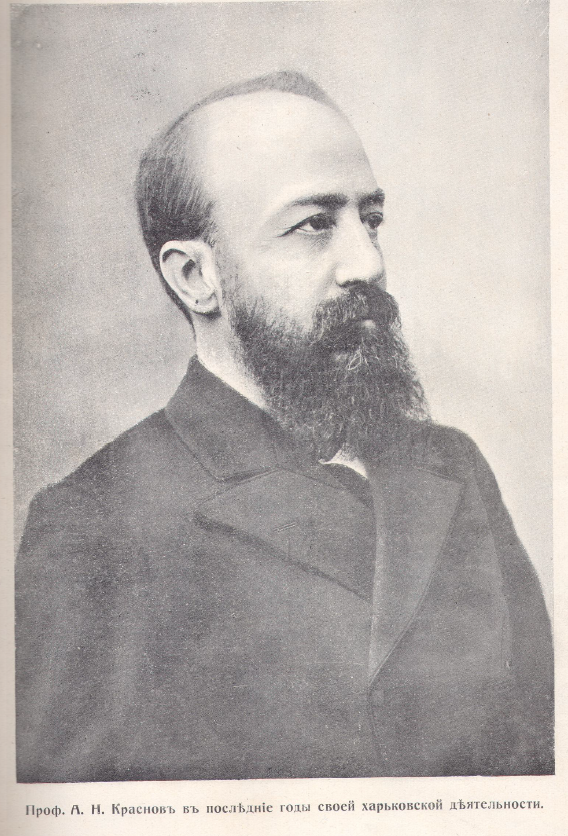
Andrei Nikolaevich Krasnov, a renowned botanist, soil scientist, geographer, traveler, and professor at Kharkiv University, also gave public lectures—and not only in Kharkiv. In early May 1901, quite a few residents of the town of Zmiiv came to hear his lecture, “Nature and Rural Life in Southern Japan.” All the funds raised there went to support the local public library. Andrei Nikolaevich was an exceptionally remarkable man—the older brother of the legendary Ataman Pyotr Nikolaevich Krasnov, who had many ties to our city. So, I think I’ll have to write a separate article about him.
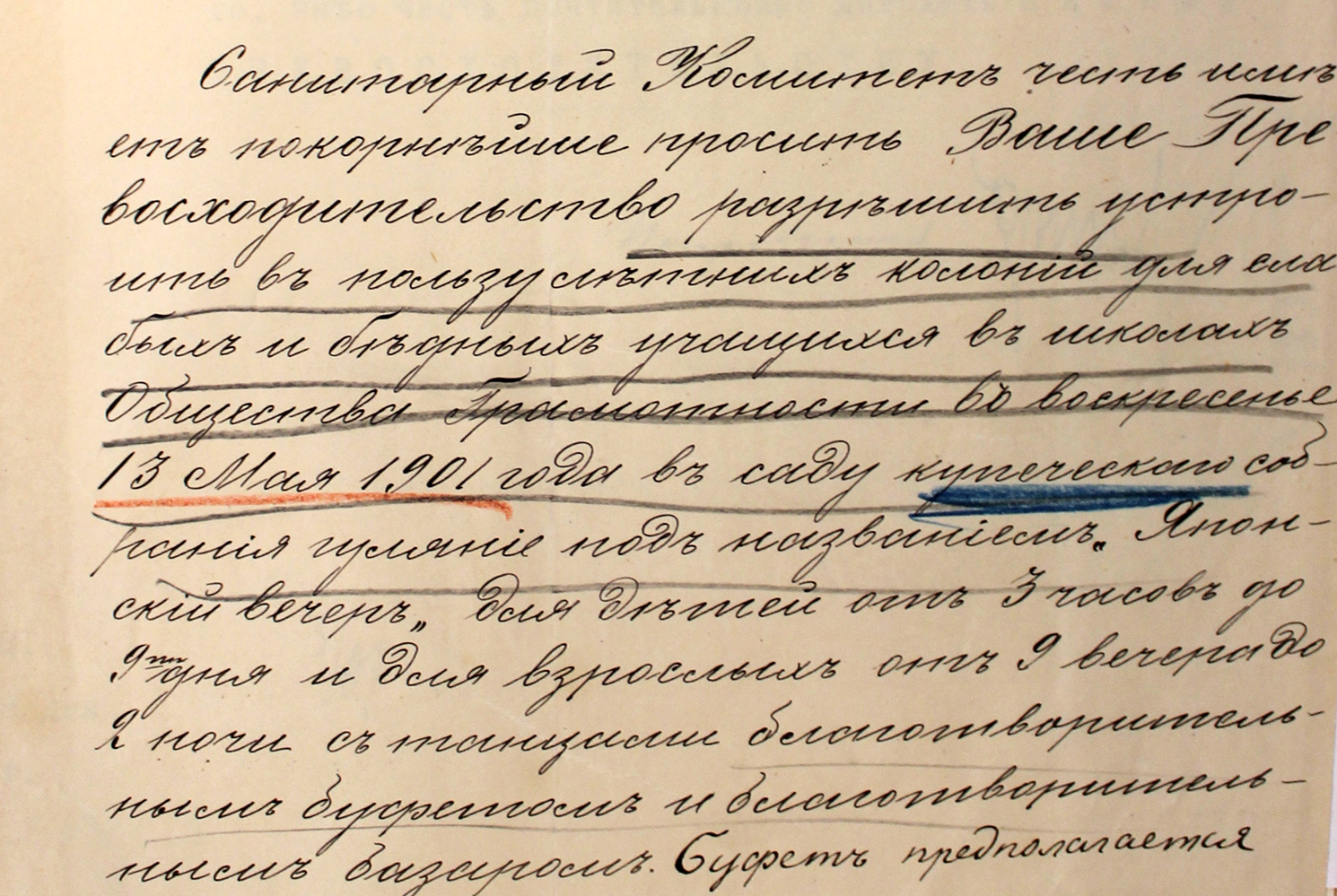
However, he was not the only one to bring the culture of the Land of the Rising Sun to the masses. Pyotr Ivanovich Kravtsov, chairman of the Sanitary Committee of the Kharkiv Society for the Promotion of Literacy Among the People, initiated the “Japanese Evenings” in mid-May. This public celebration, featuring dancing, a charity buffet, and a bazaar, took place in the garden of the Merchants’ Assembly from 3:00 p.m. to 9:00 p.m. for children and from 9:00 p.m. to 2:00 a.m. for adults. All proceeds (including those from the sale of alcoholic beverages) went to support underprivileged and poor students at the schools run by the aforementioned society.
It wasn’t just distant lands that sparked keen interest among our ancestors at that time. In a university auditorium, Professor Dmitry Nikolaevich Ovsyanko-Kulikovsky delivered a charity lecture with the philosophical title “The Idea of the Infinite in Real Art.” Meanwhile, Bronislav Andreevich Kraevsky, a teacher at the 2nd Kharkiv Gymnasium, addressed issues of great relevance to the time in his public lectures titled “Children’s Games, Their Psychology, and Organization”:
— Can children’s games be the subject of serious study?
— The physiological theory of play and its significance
— Play and recreation
— Toys and their characteristics
— Harmful toys and undesirable games
— Play as a tool in the fight against common shortcomings.
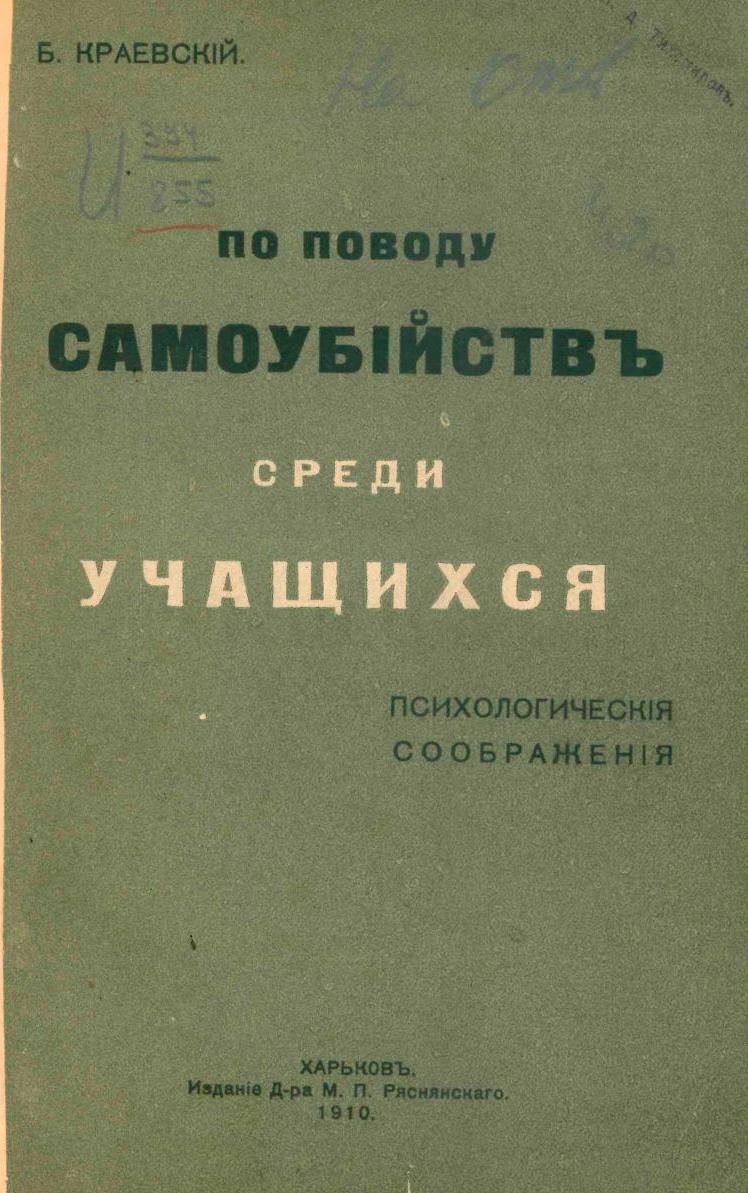
All funds raised from these lectures went to support summer camps for poor children and the women’s craft school of the Kharkiv Literacy Society. Nine years later, a book titled “On Suicides Among Students: Psychological Considerations” was published in our city—written by the same tireless Bronislaw Kraevsky.
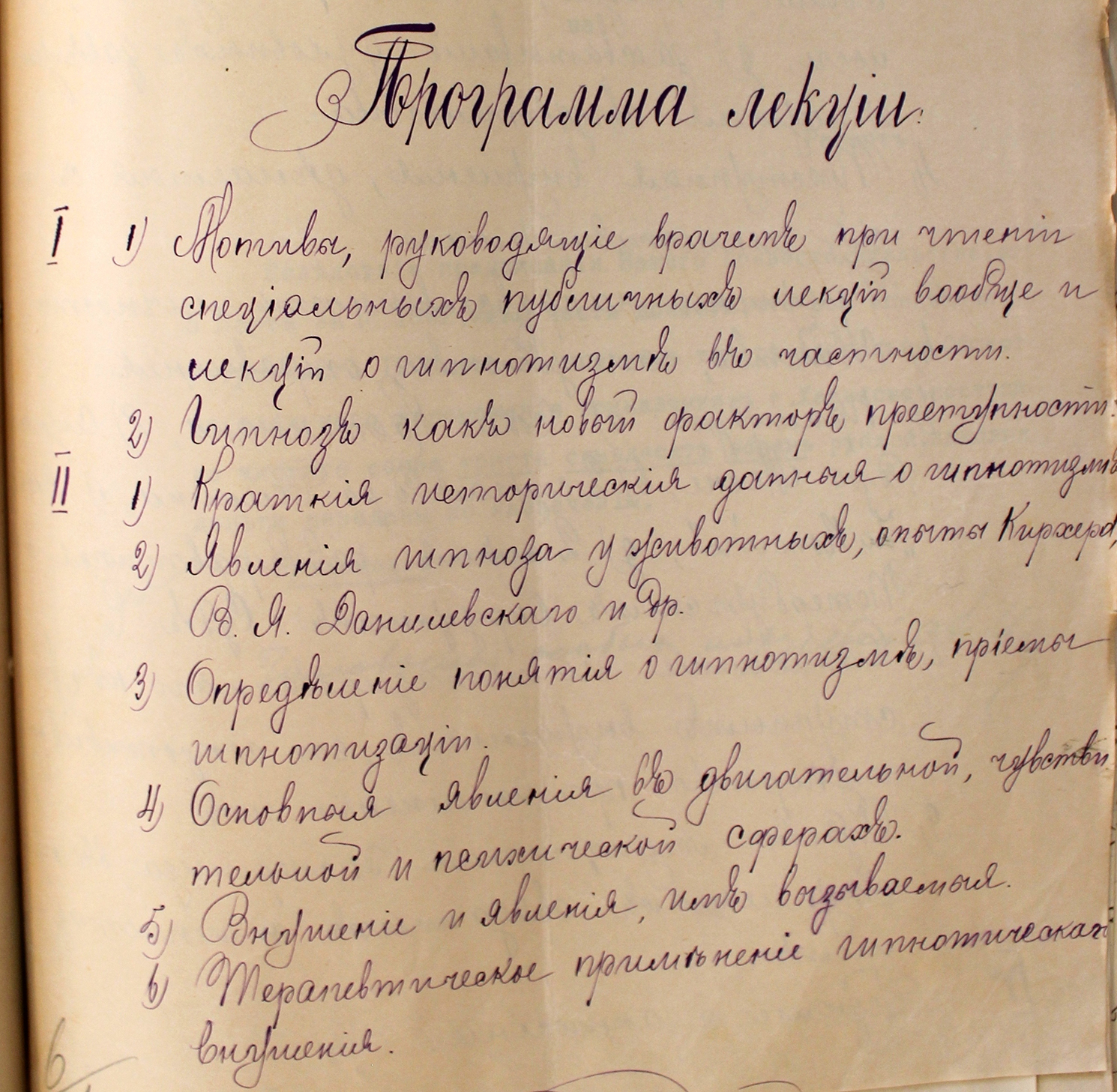
And of course, no event would be complete without lectures on the “obvious yet unbelievable”! However, for some reason, it was customary to hold Dr. A. A. Nikolaev’s public April lecture—with the sensational title “Hypnotism and Crime”—in the City Duma hall. It consisted of four parts, and as many as nine sections were devoted to topics such as:
— Hypnotism and the
law—an attack on personal morality.
All in all, the hall was packed, and the City Duma deputies didn’t have far to go. All the money raised went toward strengthening the Kharkiv branch of the St. Petersburg Medical Society for Mutual Aid.
But not all lectures are created equal, even if they are for charity. For example, after Amfian Stepanovich Lebedev’s lecture, “Christian Charity in Ancient Times,” 120 rubles were collected. But after deducting expenses, only 98 rubles went toward charitable causes.
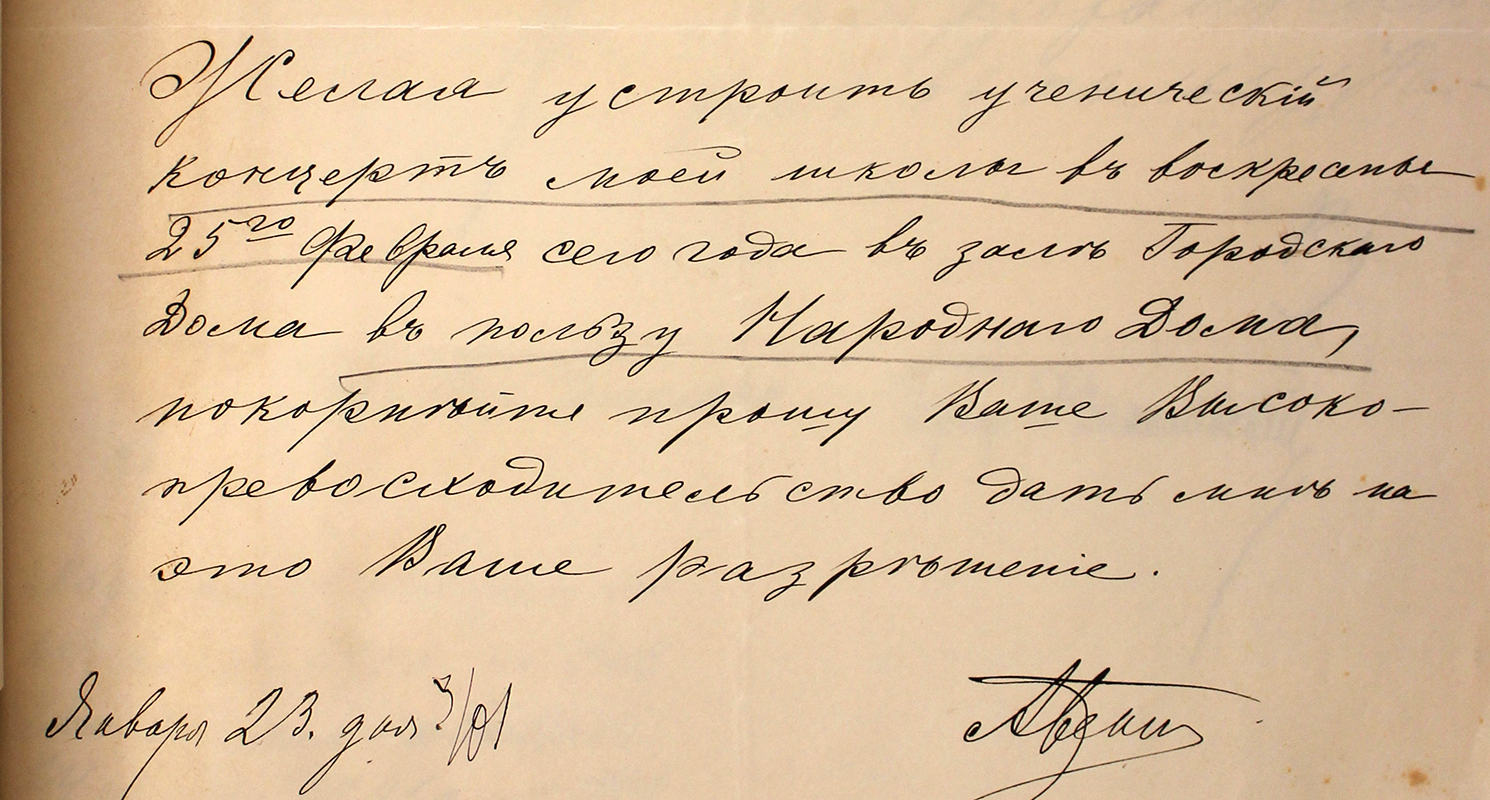
Even famous musicians were not averse to doing charity work in our city. These days, the name Albert Fedorovich Bensh means little to most people. However, this talented student of Vojtech Ivanovich Glavach, Louis Brassens (who was known at the time as nothing less than “the best Belgian pianist of his era”), and Franz Liszt lived in our beloved city in the late 19th and early 20th centuries. At first, Bensch taught piano at the Kharkiv Music School. He then opened his own music school in our city, which was quite successful and popular. Through this school, he gave charity concerts—for example, to benefit the People’s House.
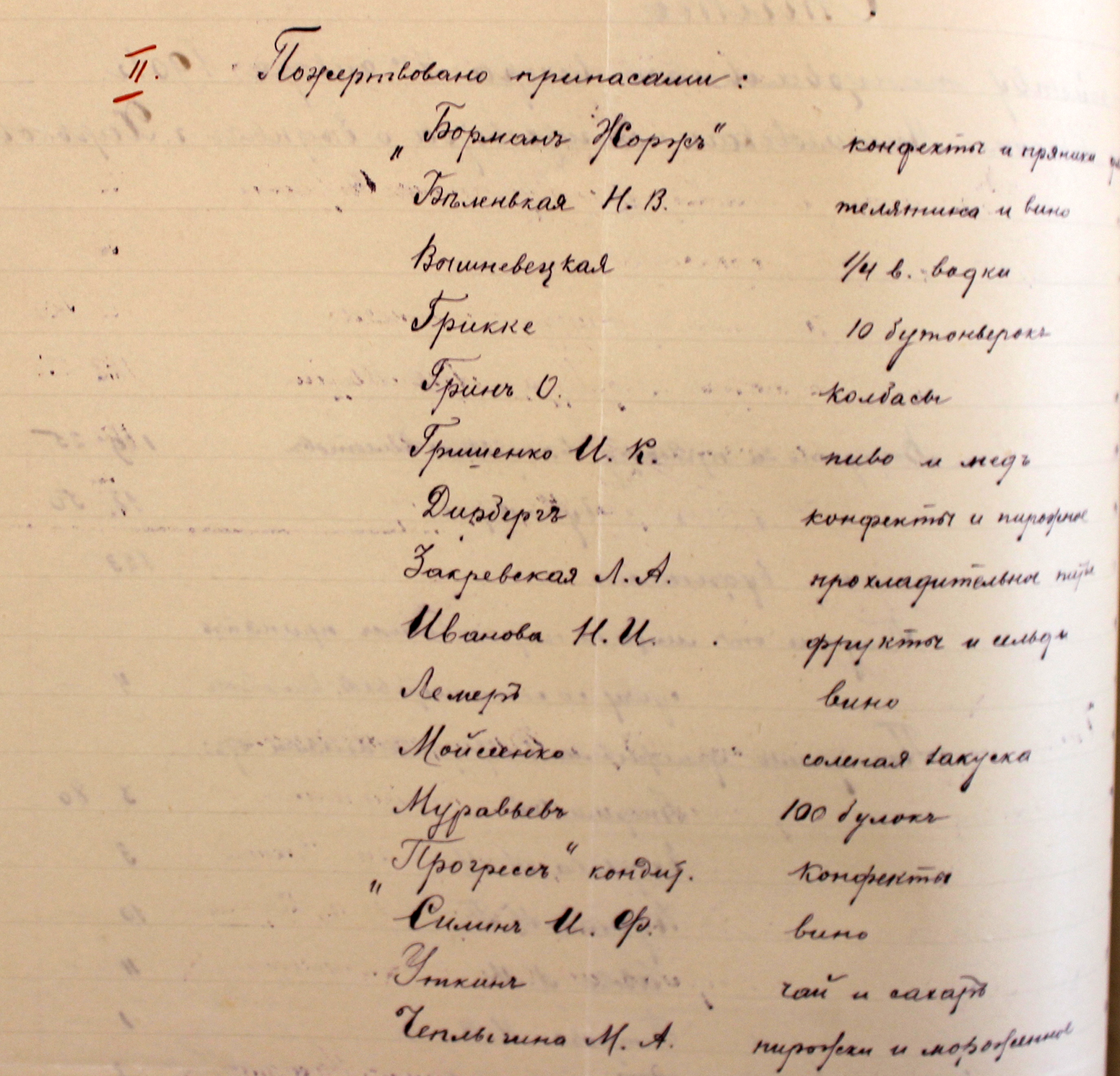
A dance evening at the Merchants’ Association building, organized by the Archangel-Mikhailovsky Charitable Committee to benefit the children’s orphanage, may not have been the most grand or interesting event in our beloved city in the early 20th century. However, just think of all the fascinating details we can learn about Kharkiv’s patrons thanks to this preserved archival file! Donations consisted mainly of food supplies:
— Georges Bormann — candies and gingerbread
— Vishnevetskaya — ¼ bucket of vodka
— Grikke — 10 boutonnieres
— Grishchenko — beer and honey
— Moiseenko — a savory snack
— Muravyov — 100 rolls
— Utkin — tea and sugar
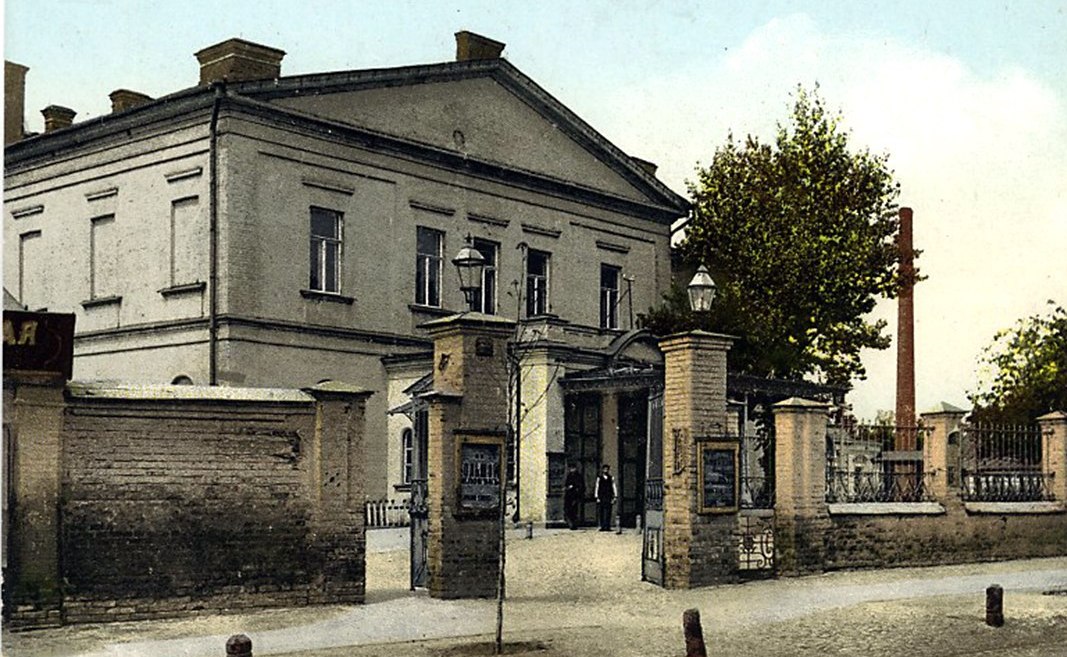
Back then, just as now, one of the most popular venues for all kinds of charitable events was the Kharkiv Commercial Club building and its garden. What didn’t happen there every year! Evenings, performances, lectures—for example, to benefit poor students at Kharkiv University, poor Roman Catholics, literacy society reading rooms, and so on. Moreover, the event organizers sometimes displayed great originality. For example, in mid-May 1901, an event called “The Grand Festival and Monster Concert” was held in the Commercial Club’s garden to benefit the House of Industry, with the participation of the Choral Singing Society. There was just about everything there!
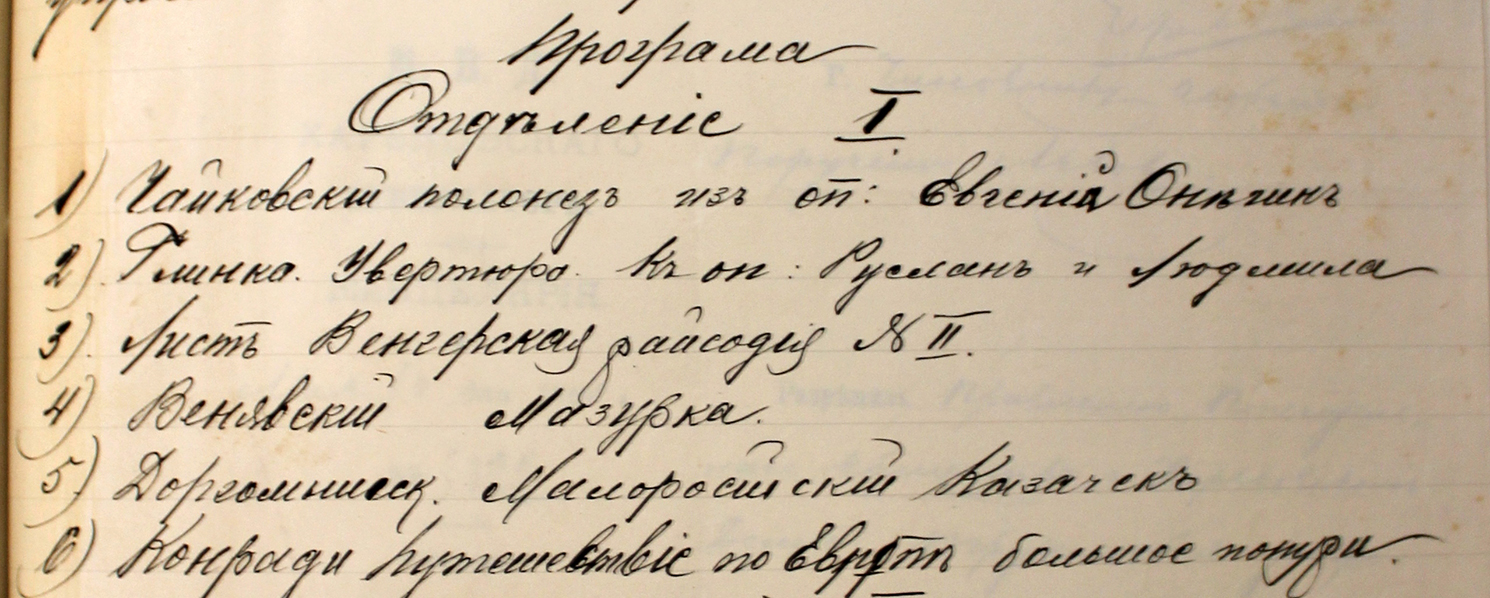
In the first section:
— Polonaise from Pyotr Tchaikovsky’s *Eugene Onegin*
— Overture to Glinka’s *Ruslan and Lyudmila*
— Liszt’s *Hungarian Rhapsody*
— Heinrich Wieniawski’s *Mazurka*
— “Journey Through Europe” (grand potpourri) by August Konrad.
The second part of the program featured not only works by Tchaikovsky, but also “Scenes from Little Russian Life” and Nikolai Lysenko’s “The Blacksmith’s Sweetheart,” performed by an amateur choir from Kharkiv. The third part delighted everyone in attendance with a display of the “Grand Diamond Fireworks,” created by pyrotechnician Dobrovolsky.
All in all, there was just about everything in the public life of our beloved city. And all of this is an integral and extremely interesting part of our shared history.

- About the military pilot school and the airfield in Kharkiv… - 04.11.2020
- Nikanor Savich—A Political Career by Mistake - 13.07.2020
- And once again, about the Cavalry Guards… - 21.01.2020