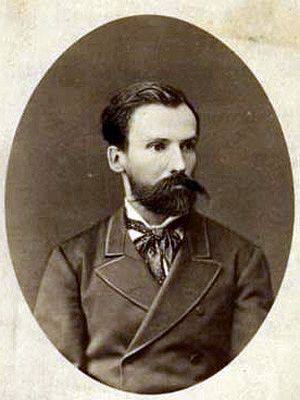
On March 23 (April 4), 1886, at the age of thirty-eight, the Genius died at his estate, “Neskuchne” (near Kharkiv)…
At that time, B.C. Rossolovsky, editor of the newspaper *Novoye Vremya*, wrote
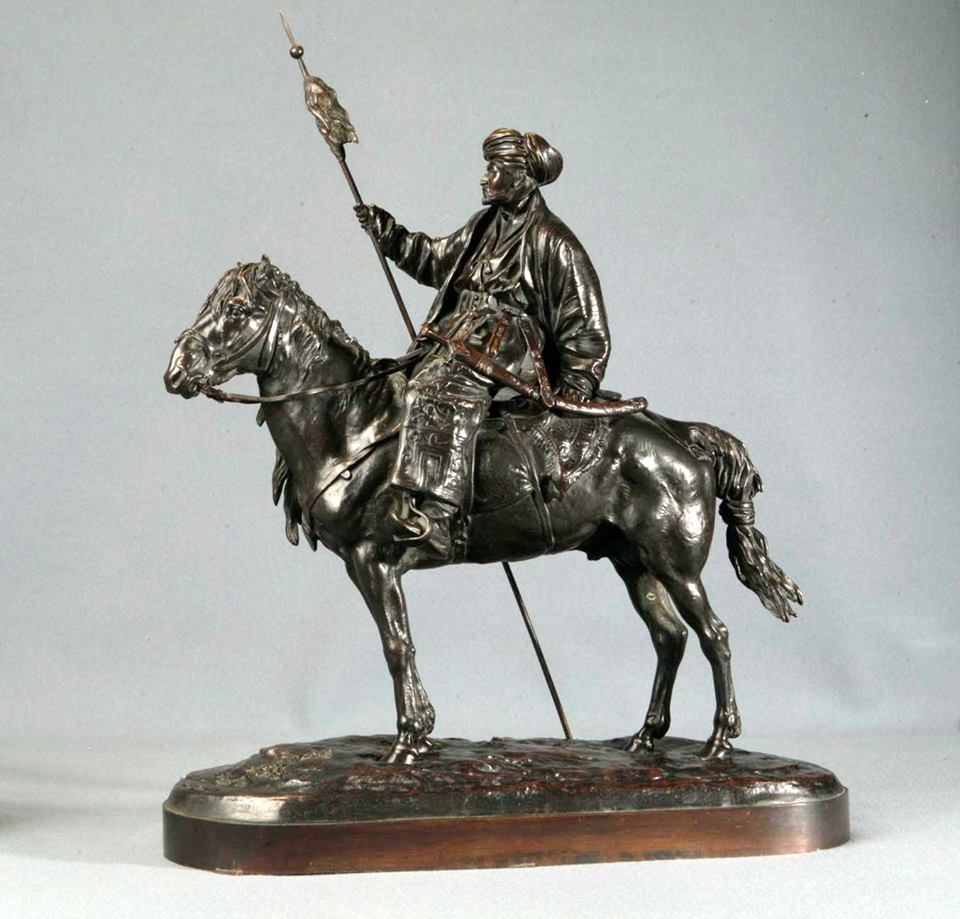
“There is no doubt that not only in Russia but also in Europe, few can compare to Lanceray in sculpting horses; few can capture this noble animal with such vitality, such fidelity to its type, and such an understanding of its nature and habits”…
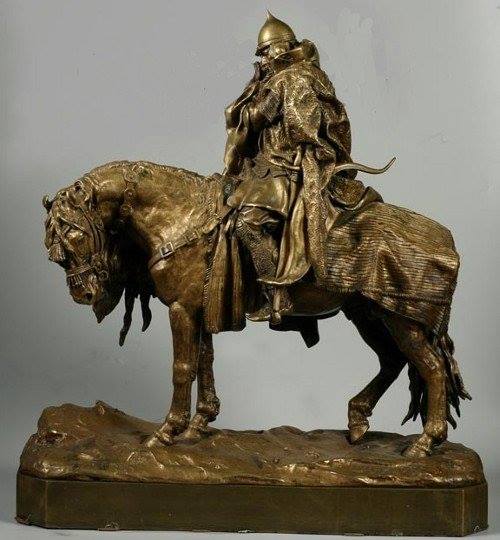
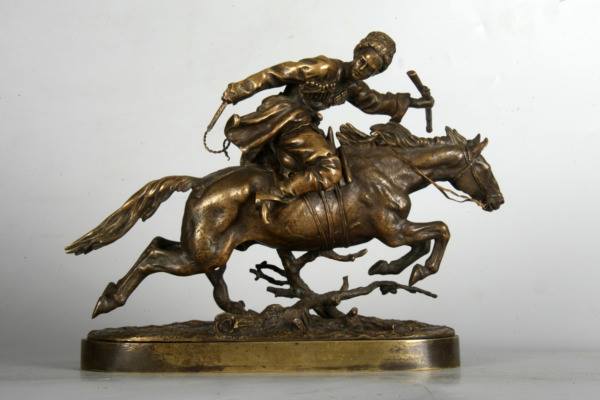
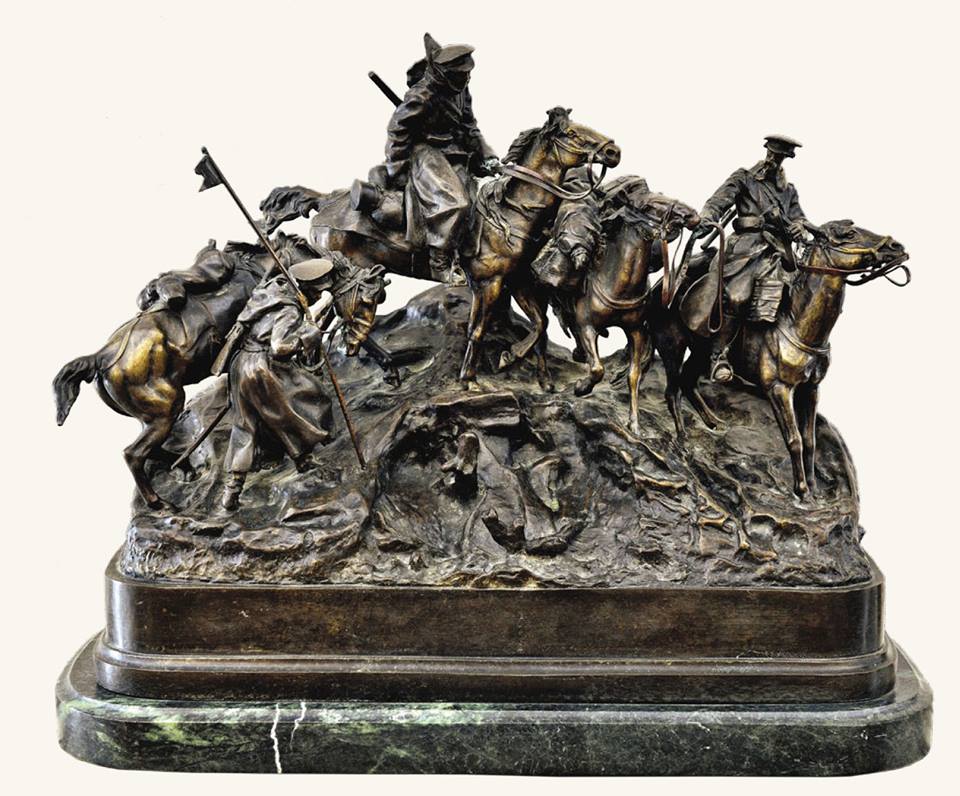
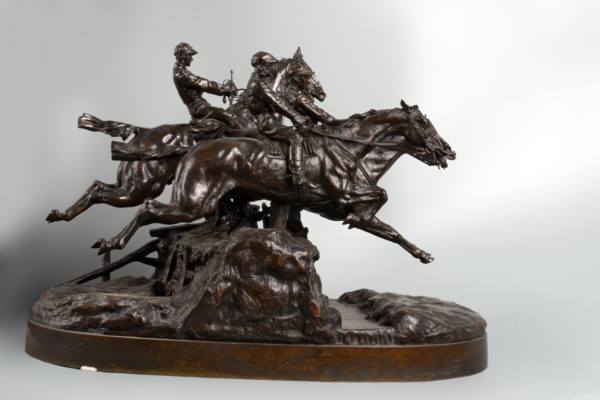
During his short life, Eugene Alexandrovich Lanceray, the son of a French officer, accomplished what would have taken others several lifetimes.
He demonstrated his talent as early as childhood.
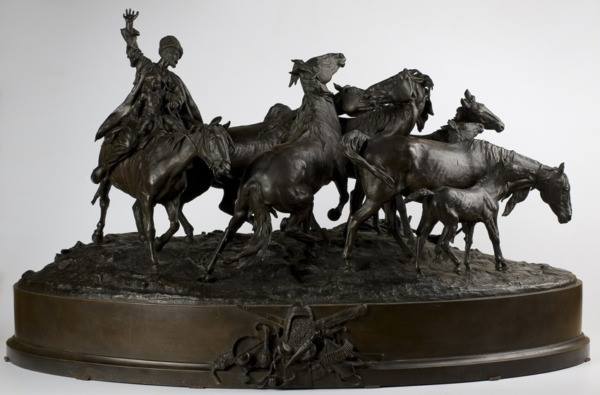
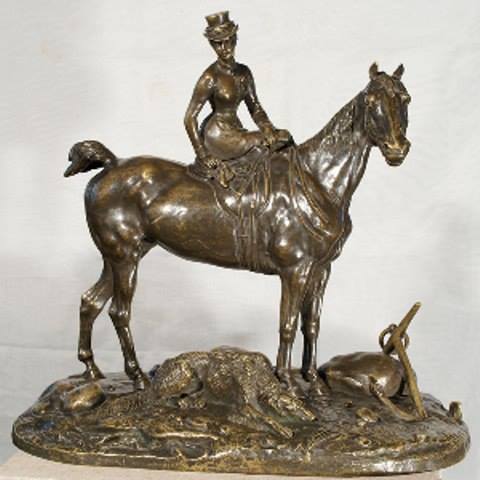
“He would spend hours in the stable, sketching from life, then run off to the blacksmith’s shop, from which he’d return with his eyes completely bloodshot. How could it be otherwise: ‘Stepan the blacksmith refused to forge horses out of metal!’ His father tried to reason with his beloved son: “First, draw what you want, sculpt a model out of wax, and only then ask for a casting.” Yevgeny immediately snapped back: “Where’s the wax? I’ll make some right now…”
The boy’s father showed his 13-year-old son’s works to professional artists—Aivazovsky and Klodt. They spoke highly of his creative abilities.
As a student, he excelled at sculpture and frequently visited sculptors’ studios, particularly that of the animal painter Liberich, whom he considered his teacher. Lanceray participated in the annual exhibitions of the Academy of Arts and, in 1866, received the title of Class Artist, Second Class; in 1869, he was awarded the title of Class Artist, First Class.
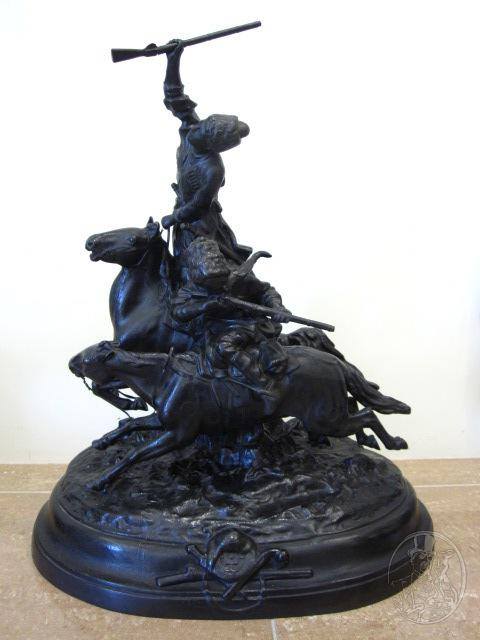

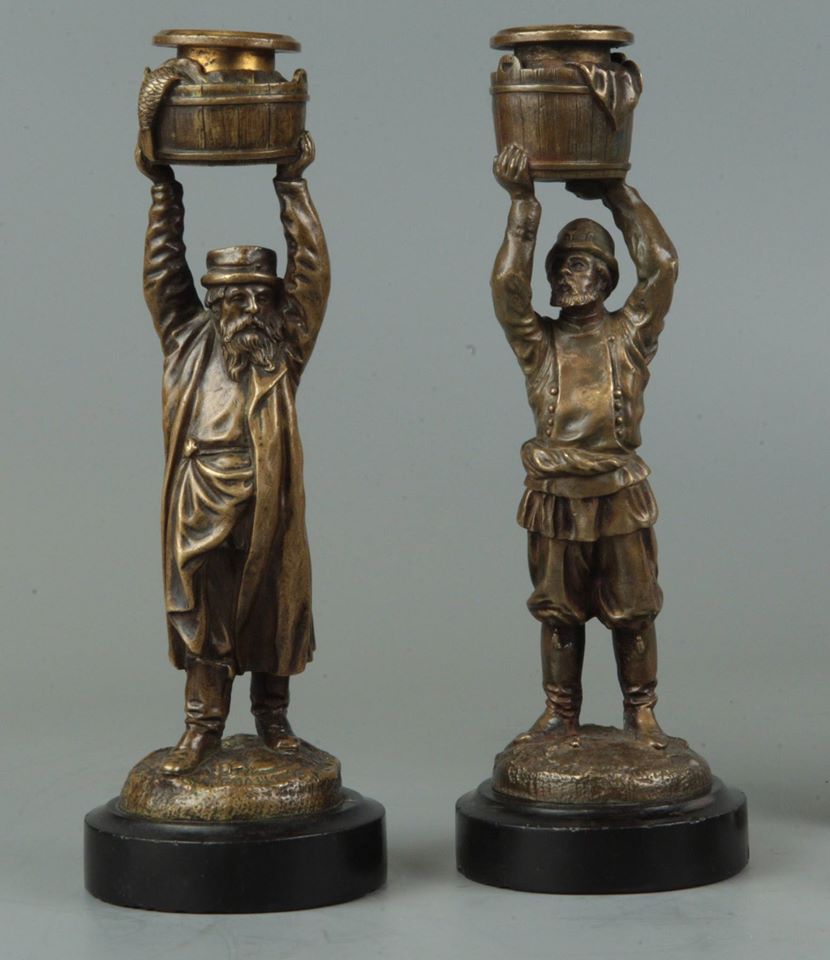
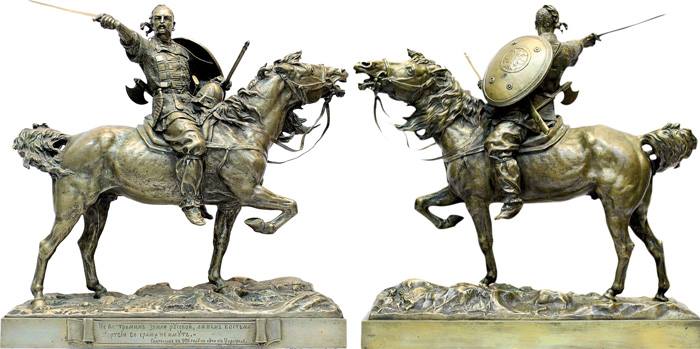
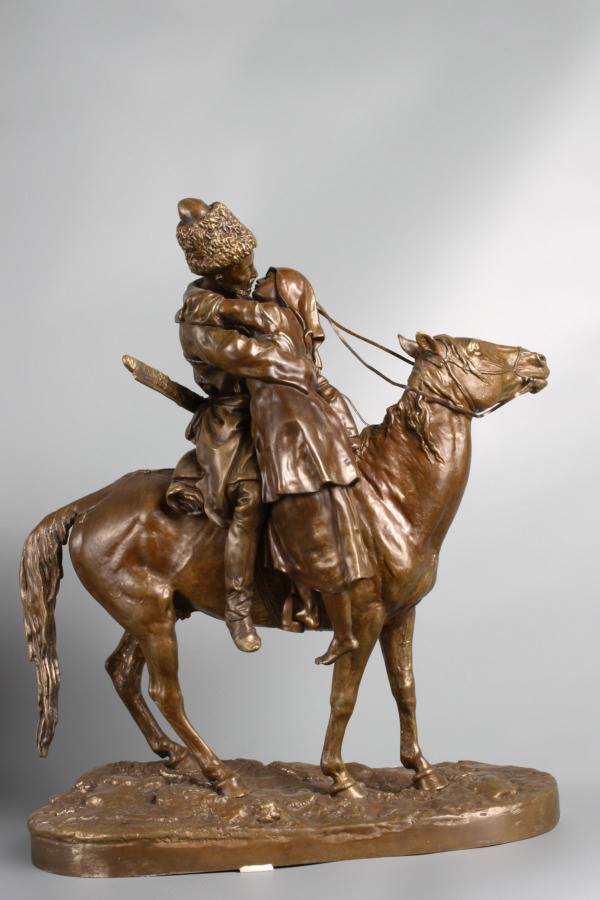
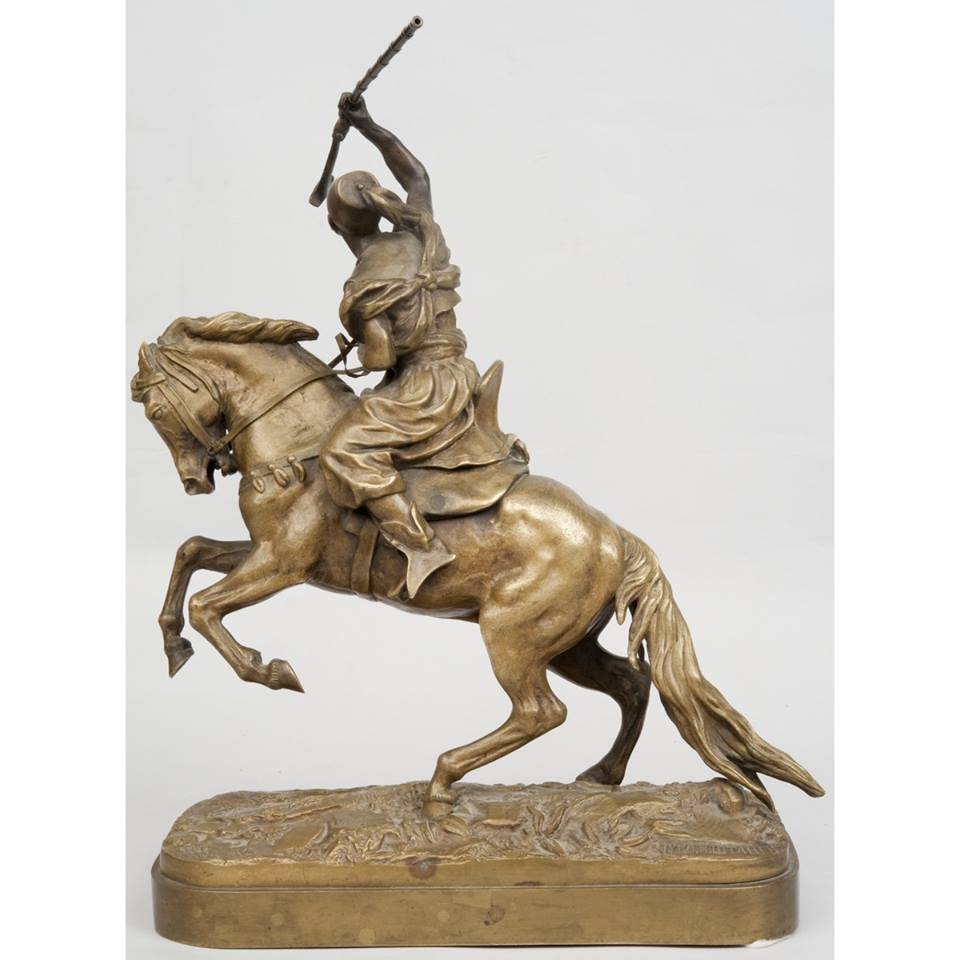
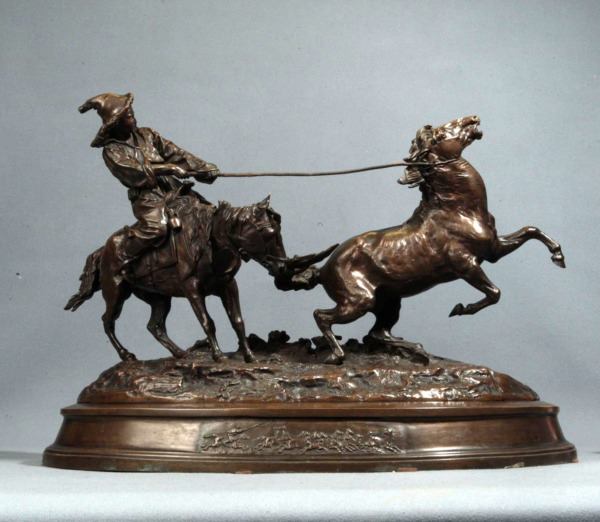

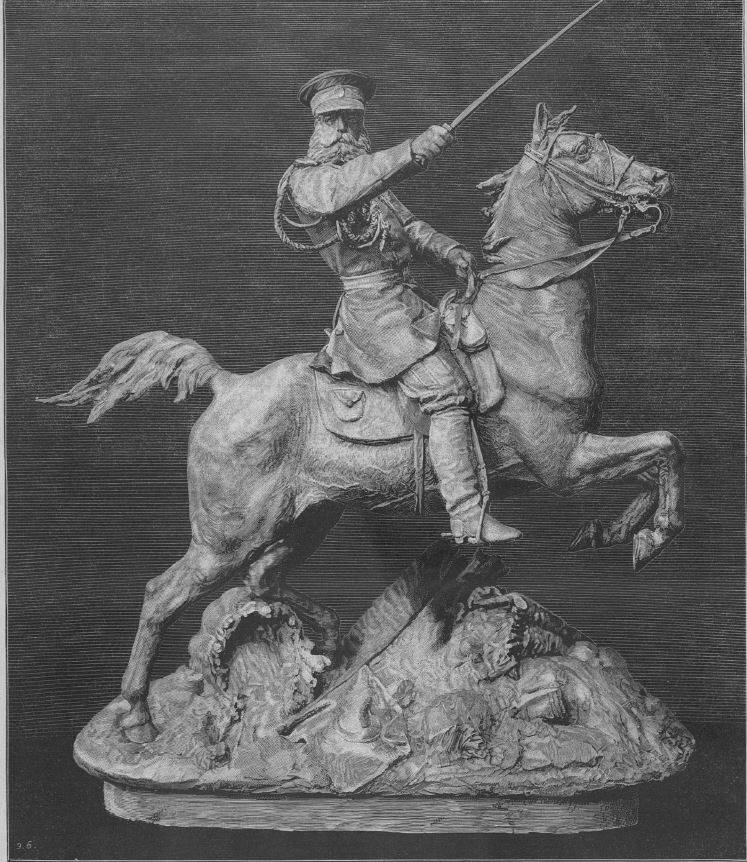
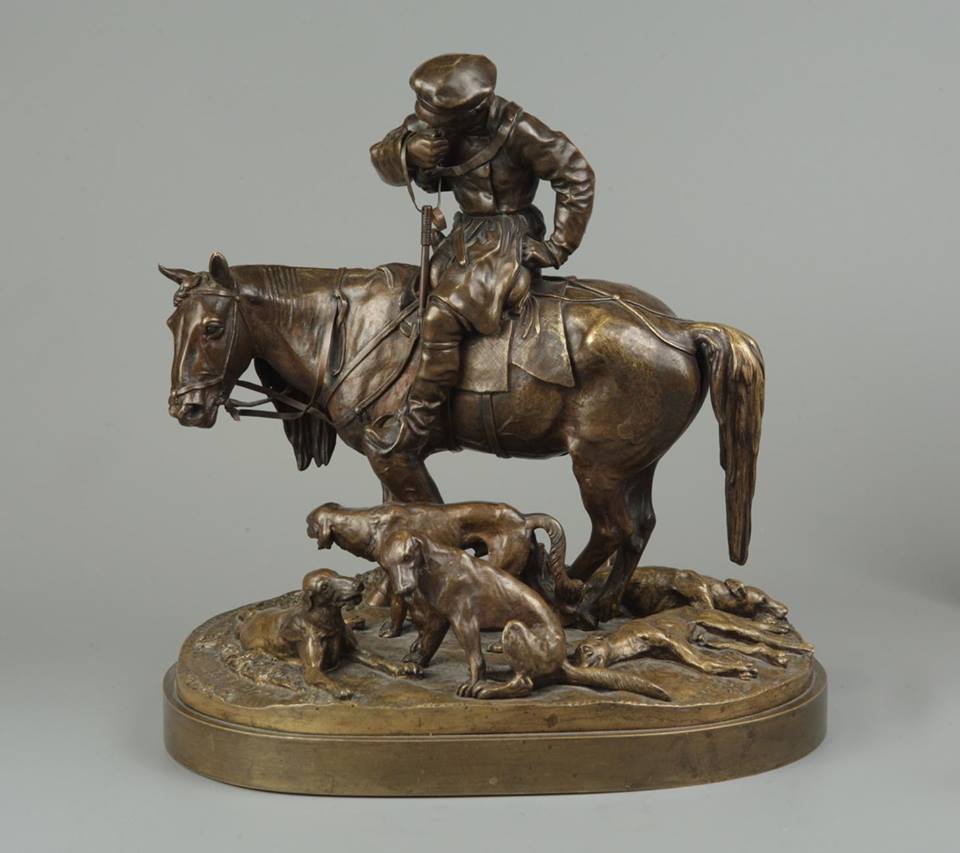

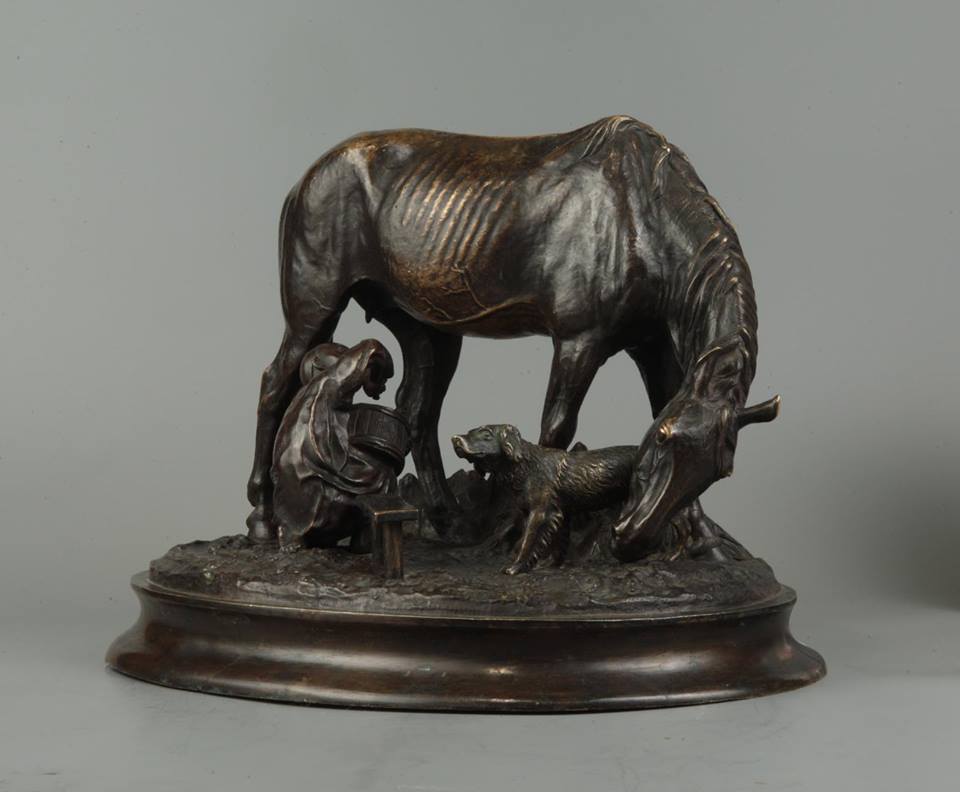
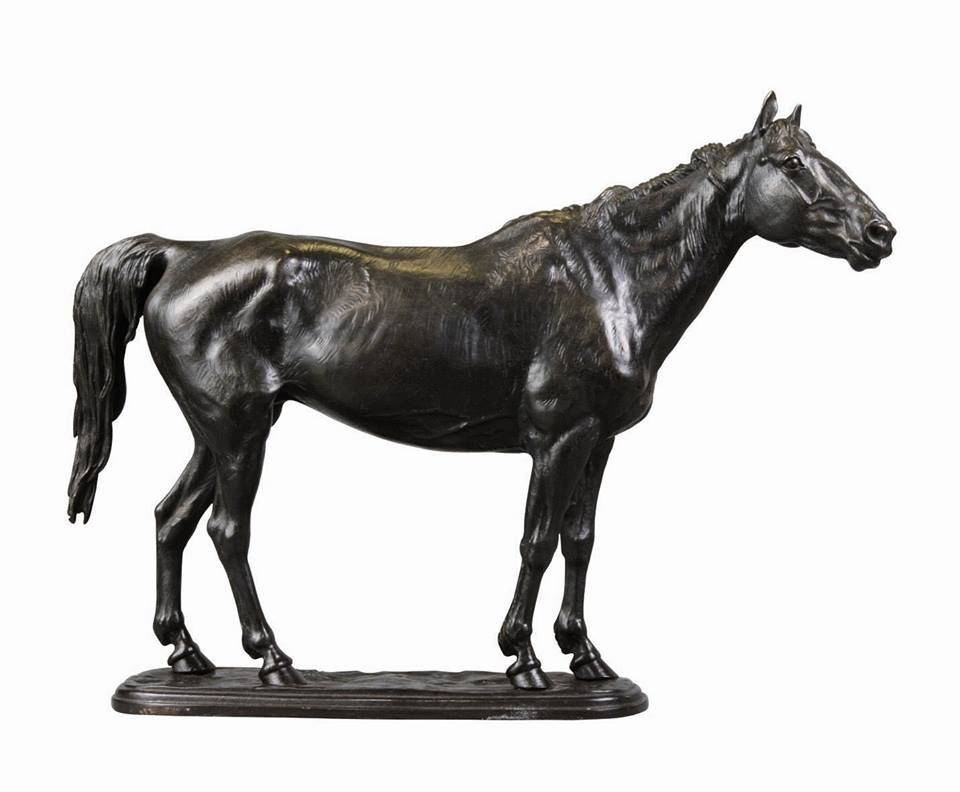

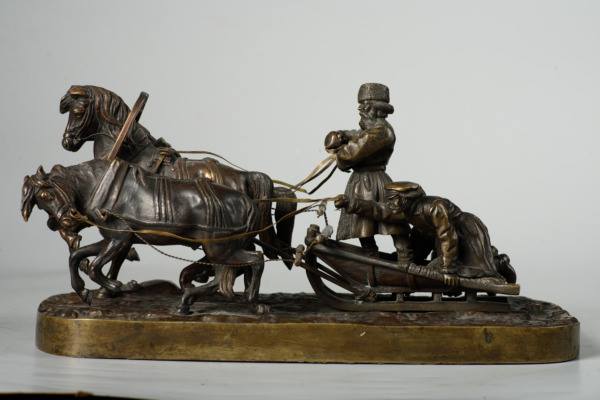
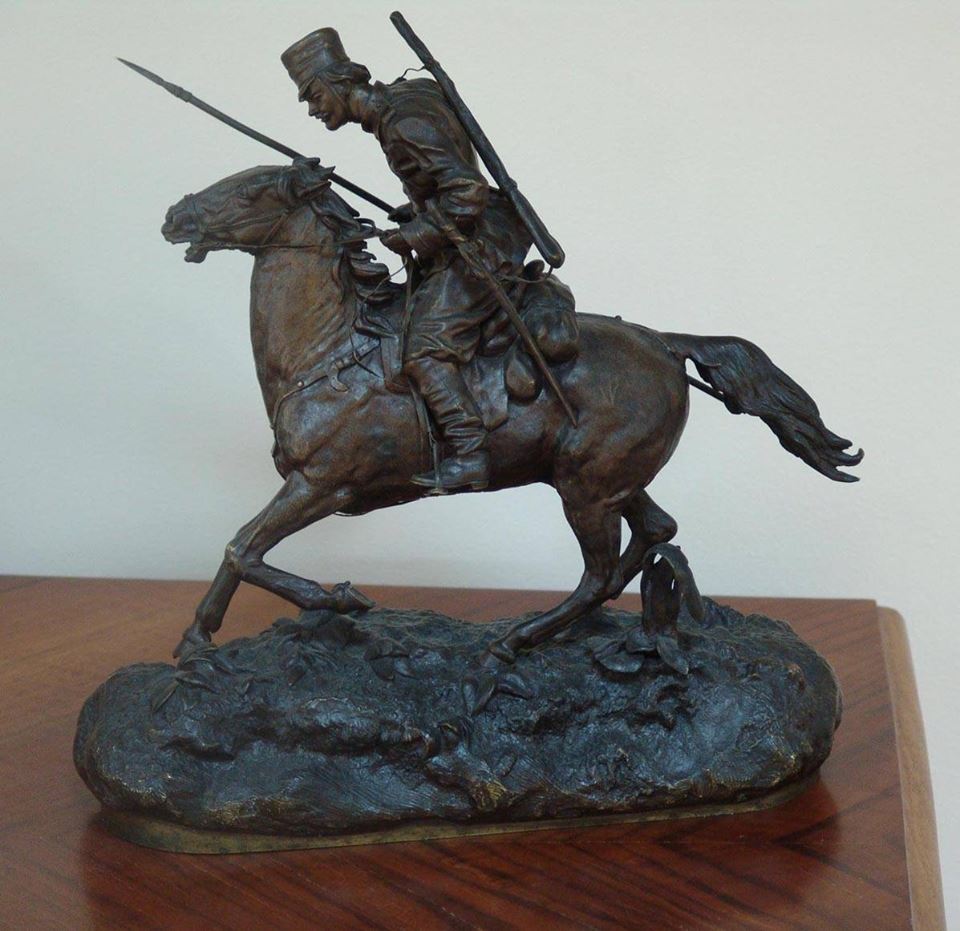
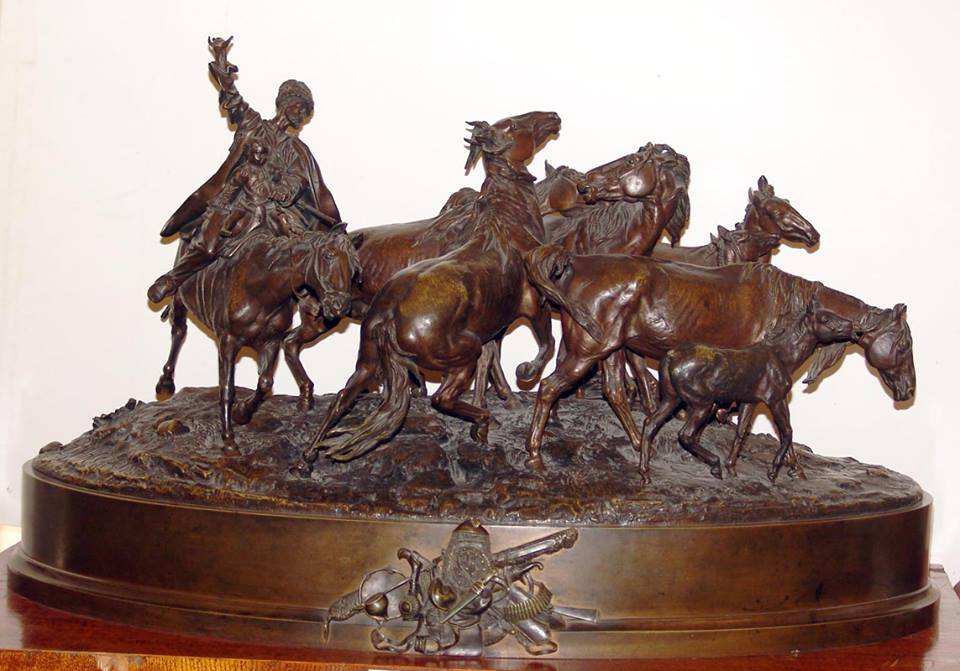
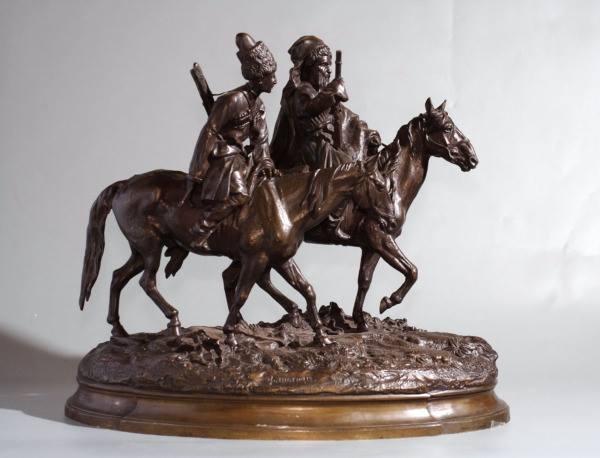
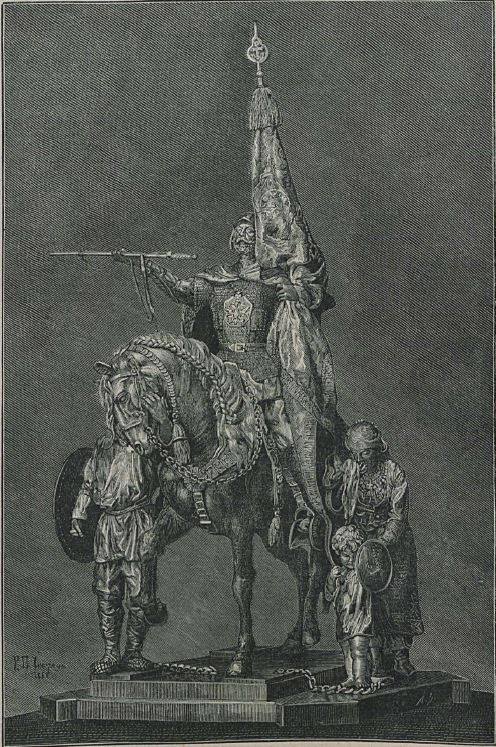
In 1876, Evgeny Alexandrovich was awarded the title of honorary member. Two trips to Paris gave Lanceray the opportunity to see exemplary works of small-scale sculpture. Lanceray’s works are characterized by highly complex compositions with a great deal of movement. His works were also exhibited at the World’s Fairs in Paris, London, Vienna, and Philadelphia, as well as at the All-Russian Exhibition in 1882.
In 1886, his first solo exhibition took place, featuring about one hundred of his works. Receiving no support from the Academy of Arts, the sculptor was forced to work primarily on commissions from private individuals. As a rule, all of these were made as one-of-a-kind pieces. Later, the industrialists Chopin, Sazikov, and Grachev purchased the rights to cast Lansère’s sculptures and began mass-producing his works. In total, during his short life, he created more than 400 works cast in bronze, cast iron, and silver…
Art critic and art historian V.V. Stasov:
He belongs… to a single category, to the very same group of artists—the pioneers of true art, that art whose reign is gradually taking shape everywhere and which, as I believe and profess, will one day prevail everywhere, bringing with it victory and triumph over the enemy… a love for the true, genuine, simple, unvarnished truth and a devotion solely to those subjects that actually exist… a love for depicting peoples living far from cities, amid steppes, fields, mountains, and rivers, in wagons, yurts, log cabins, and dugouts. In his paintings and sculptural groups, in his drawings and sketches, everything is deeply folk-inspired and truthful.
It seemed as though the best was yet to come, and many more triumphs and moments of glory lay ahead for Lanceray.
But the doctors’ terrible diagnosis—consumption—was tantamount to a death sentence. His days were numbered. Knowing how little time he had left, Yevgeny Alexandrovich worked day and night during his final months at his estate near Kharkiv.
After all, it doesn’t matter how long you live—what matters is HOW…
Alexander Benois (an outstanding Russian painter, art critic, and founder and ideological leader of “The World of Art”) wrote the following about Lansère’s final days in Neskuchne:
…when I recall the image of Zhenya Lanceray, I invariably see him in the living room of his house in Neskuchne, sitting in a deep armchair right by the window and busy finishing yet another figurine, which he turns over in his hand, every now and then holding out a metal spatula—with bits of wax on it—toward a small, burning glass alcohol burner. Though still a very young man, with glasses perched on his nose, he—gaunt and stooped, with fingers that seemed almost transparent—looked like a very old man. He worked for hours on end without a break, never letting go of the next figurine of a horse or a person.
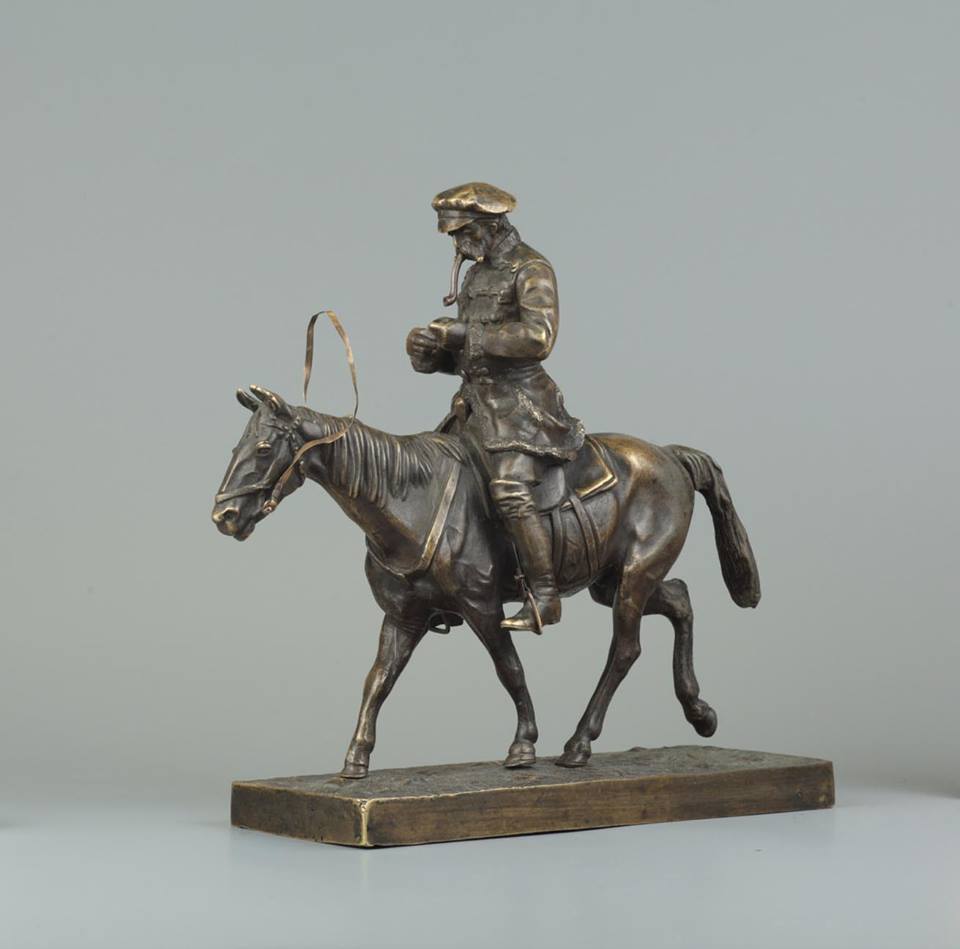
Occasionally his cough would become agonizing, and then Zhenya would stop working and pace around the room for a few minutes, fighting with all his might against new bouts. Bouts… And isn’t it strange that this same man, even in the final year of his life, felt so well on some days that he would go for a swim in the icy river that flowed not far from their estate, and was able to make long rides on horseback around his estates. Having ordered his favorite mare, Kabarda, to be led up to the porch, he nimbly mounted her as always and rode out through the gate with the air of a dashing Circassian.
Eugene Lanceray is considered the founder of Russian cabinet sculpture and is credited with bringing international acclaim to the Russian school of sculpture.
Eugene Alexandrovich’s works are on display in many museums around the world. Among collectors and antique dealers, their value is estimated at hundreds of thousands of dollars.
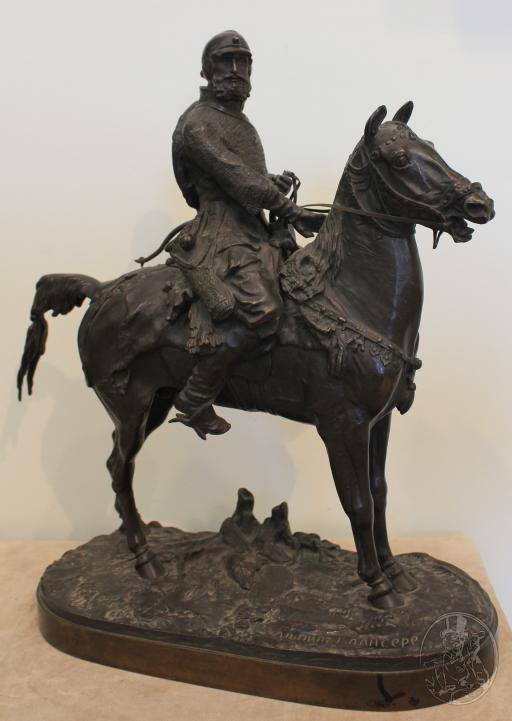
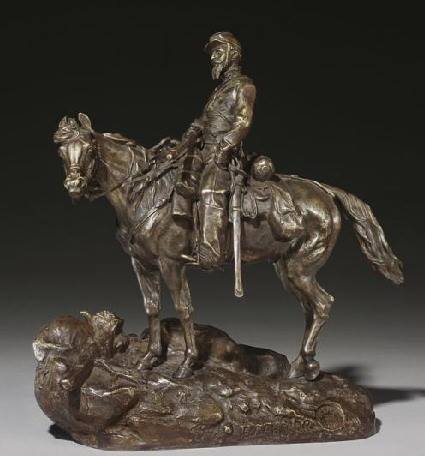
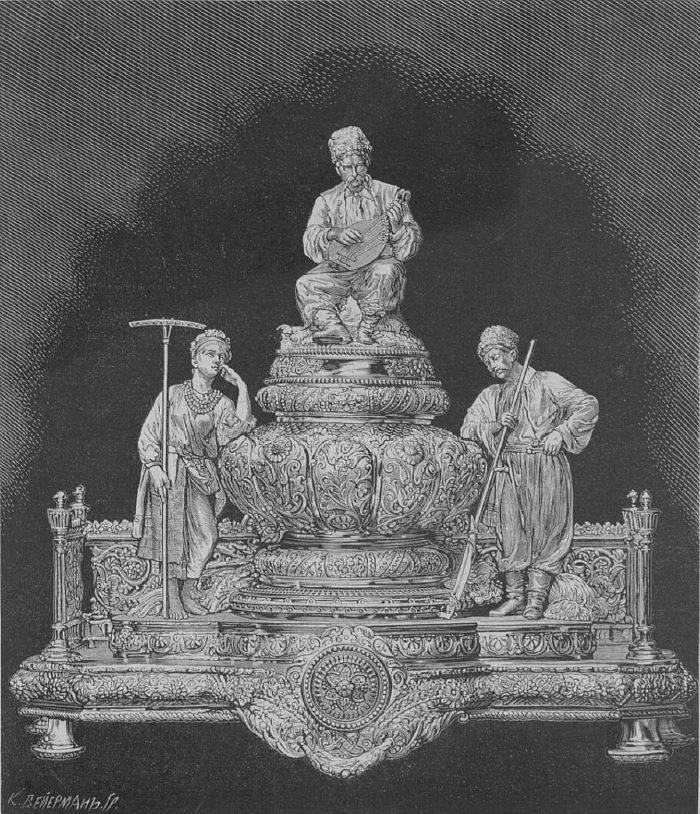

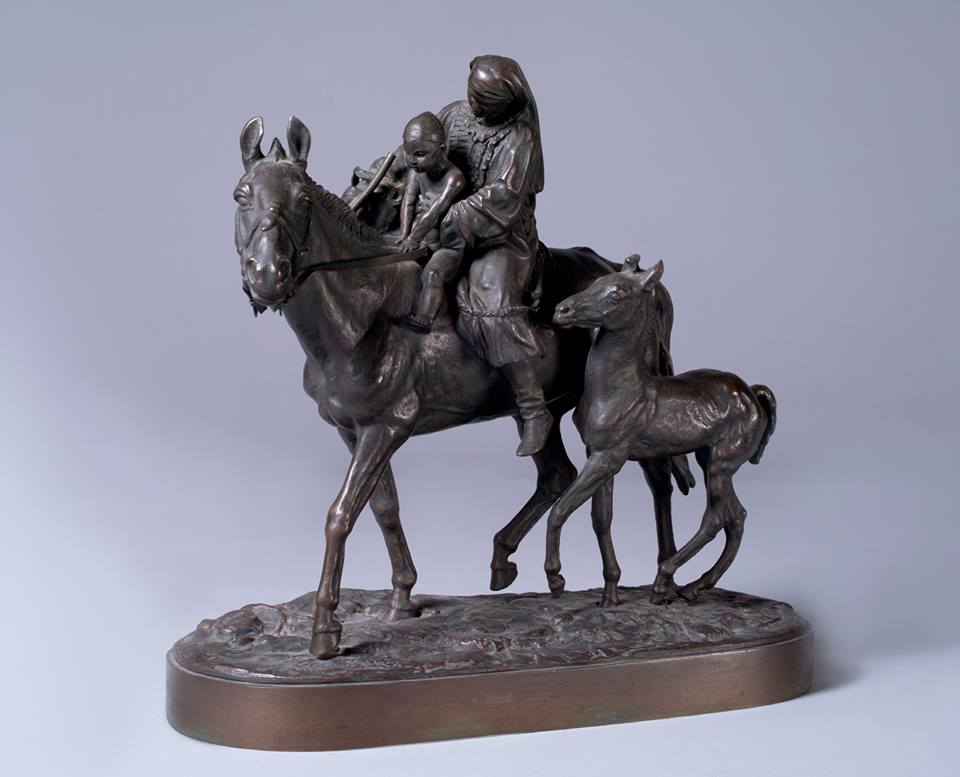



The village of Neskuchne, the final resting place of the great genius, is known to most Kharkiv residents thanks to Eugene Alexandrovich’s daughter, the artist Zinaida Serebriakova.
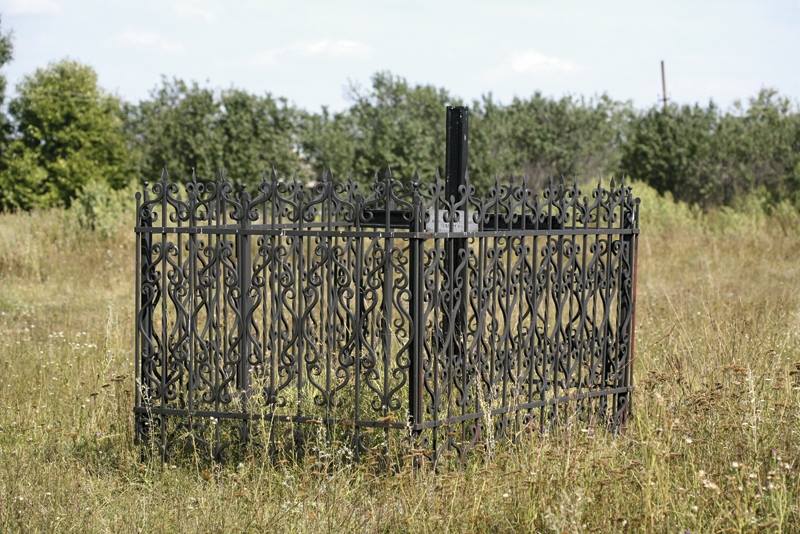
And the only markers of the place where the remains of the greatest sculptor rest are a modest fence and a simple cross…

- About the military pilot school and the airfield in Kharkiv… - 04.11.2020
- Nikanor Savich—A Political Career by Mistake - 13.07.2020
- And once again, about the Cavalry Guards… - 21.01.2020